 Login

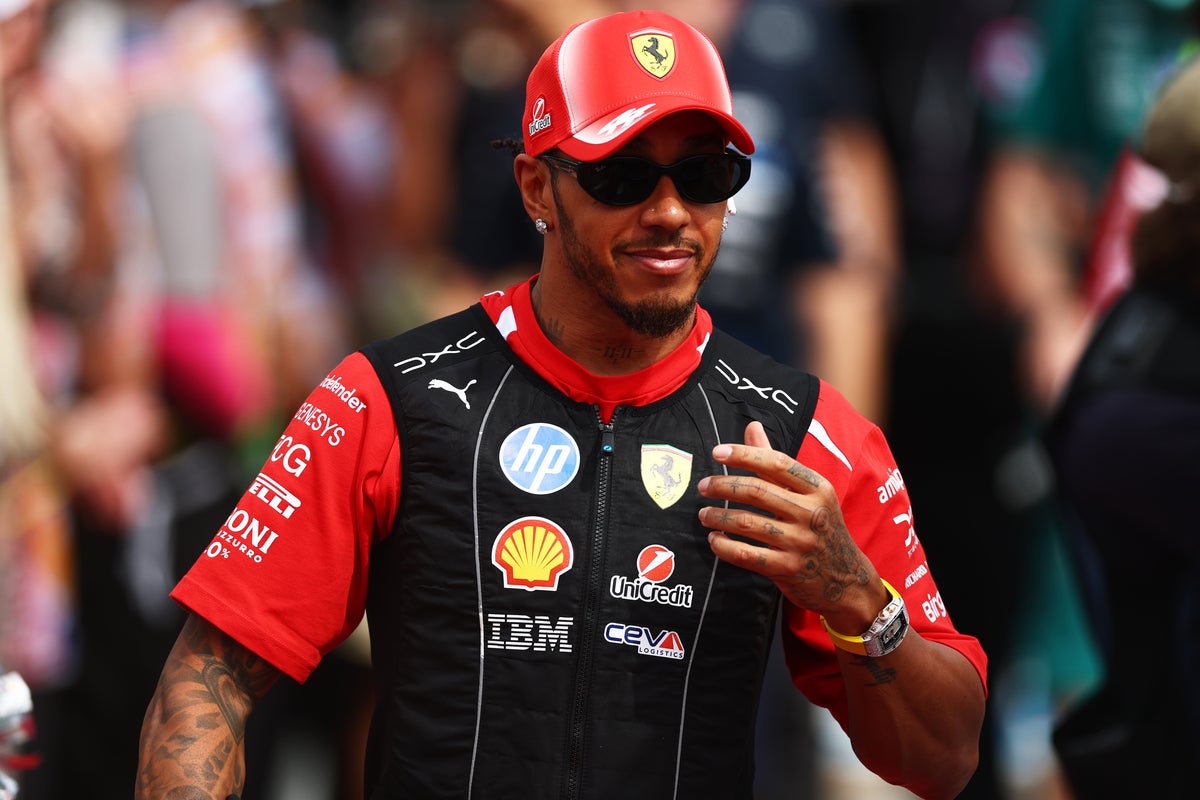
Lewis Hamilton reveals why he’s fallen behind Charles Leclerc in recent races
Hamilton has started to be outperformed by his Ferrari teammate Leclerc but believes he has pinpointed why
© Getty

Hamilton has started to be outperformed by his Ferrari teammate Leclerc but believes he has pinpointed why
© Getty
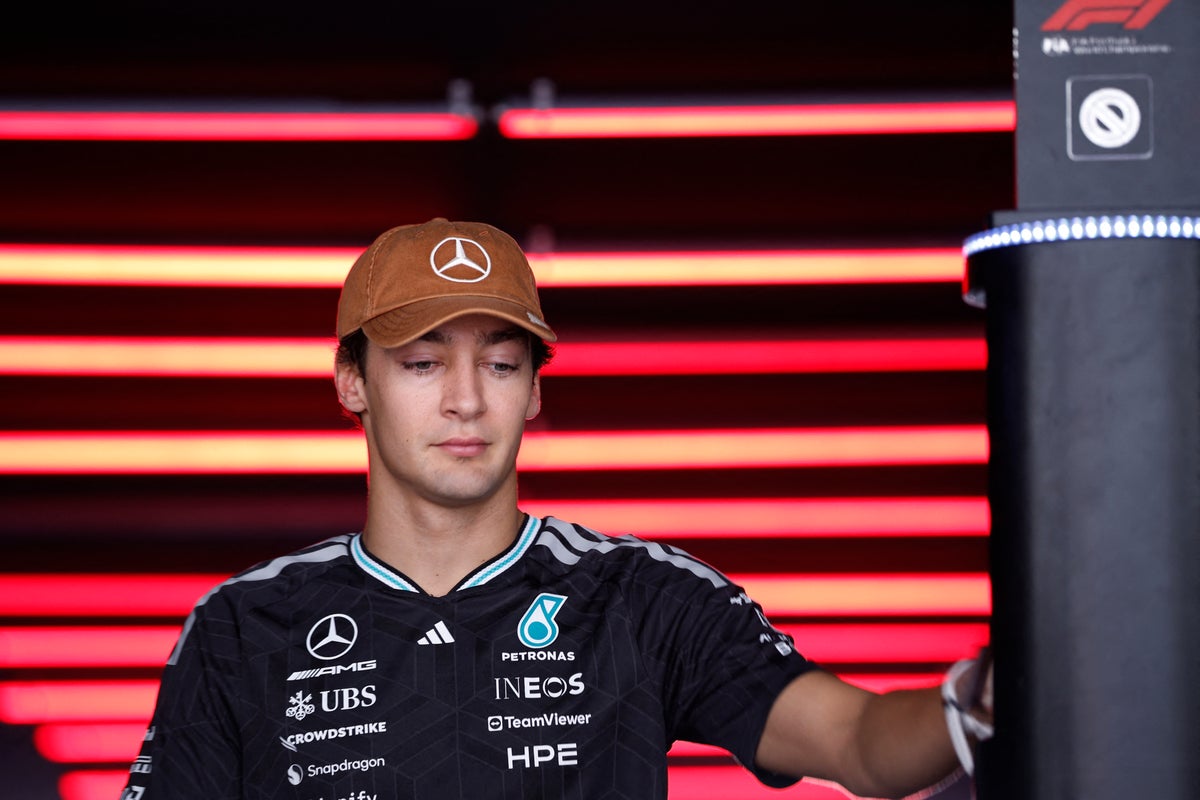
George Russell could only finish eighth at Sunday’s US Grand Prix
© Reuters
F1
Athletes don’t have the luxury of waiting for an annual review to hear how they performed — and that may be a good thing.
The suspense that comes with anticipating a laundry list of critiques can sometimes be worse than the feedback itself. Plus, the older the feedback, the less relevant it may be.
Peter Kenyon, the former CEO of Manchester United and Chelsea, told Business Insider that given the nature of sports schedules, when something goes wrong, it has to be fixed before the next event, which is often just days away.
"It's not 'let's work for three months to solve the problem,'" Kenyon said. "No, let's solve the problem now because we go again tomorrow."
Kenyon, who now serves as a board advisor for Atlassian Williams F1 team, has worked in the sports industry for nearly 30 years, leading major restructurings during that time. He said the industry has taught him the importance of maintaining a continuous and instantaneous feedback loop.
He said that as soon as drivers finish a session on track, they sit down with engineers to get feedback so they can better their chances of qualifying for a race later that day or the next day.
Kenyon, who oversees the Atlassian Williams F1 team’s commercial and marketing functions, said feedback in high-performing sports environments doesn’t only flow from the top down. Employees are also expected to tell one another when something isn’t working.
That expectation shapes the culture across the industry, he said. It also shows up in the way athletes expect new teammates to meet the same high bar they set themselves.
It's an industry standard off the field too, though. At Manchester United, Kenyon said the receptionist would call out players who failed to greet her when they walked in — a directness that made her valuable.
"The power of that is incredible," Kenyon said about the former employee.
Frequent and candid feedback doesn’t equate to a bullying culture, though, the sports executive said. Kenyon said managing people and delivering performance reviews is difficult, but the best coaches know when to push athletes — and when to build them up.
"It's continual change," Kenyon said. "It's continual strive-for-performance gains."
Corporate workers may not compete in live-streamed competitions, but they face their own high-pressure sprints in a rapidly changing workplace. Some employers are even adapting traditional performance review processes to prioritize continuous feedback and reward top performers.
O brasileiro Rafael Câmara foi anunciado nesta quinta-feira (15) como piloto titular da Haas para a temporada 2027 da Fórmula 1. O pernambucano de 21 anos ocupará a vaga do francês Esteban Ocon e dividirá a equipe com o britânico Oliver Bearman.

Natural do Recife, Câmara será o primeiro piloto nascido no Nordeste a disputar a principal categoria do automobilismo mundial. A contratação coroa uma trajetória de destaque nas categorias de formação, com títulos na Fórmula Regional Europeia, em 2024, e na Fórmula 3, em 2025.
O brasileiro também faz parte da Academia de Pilotos da Ferrari desde 2021. Nesta temporada, ele disputa a Fórmula 2 pela Invicta Racing e lidera o campeonato.
Após o anúncio, Câmara afirmou que pretende manter o ritmo de trabalho e se preparar para o desafio na categoria. O piloto também destacou o desejo de representar o país e conquistar bons resultados em sua estreia.
“Vou continuar trabalhando, como sempre vim trabalhando, evoluindo. Se Deus quiser, vou fazer um bom ano no ano que vem e trazer bastante orgulho para o Brasil e todo mundo que estiver acompanhando”, declarou.
Sobre a adaptação à nova equipe, o brasileiro disse que pretende se preparar da melhor maneira possível, aprender sobre o carro e trabalhar em conjunto com os integrantes da Haas.
A chegada de Câmara fará com que o Brasil volte a ter dois pilotos titulares na Fórmula 1. Ele se juntará a Gabriel Bortoleto, da Audi, e encerrará um intervalo de 11 anos desde a última temporada em que o país contou com dois representantes na categoria.
Em 2016, Felipe Massa corria pela Williams, enquanto Felipe Nasr defendia a Sauber. Desde então, o Brasil passou por períodos sem pilotos titulares, embora Pietro Fittipaldi tenha disputado duas provas pela Haas em 2020.
Câmara será o 34º brasileiro a competir na Fórmula 1. O pioneiro foi Chico Landi, que estreou em 1951.
O país não conquista o título mundial de pilotos desde 1991, quando Ayrton Senna venceu pela terceira vez, pela McLaren. A nova geração brasileira busca recolocar o país entre os protagonistas da categoria.
The post Rafael Câmara é anunciado pela Haas e Brasil terá dois pilotos na F1 em 2027 appeared first on Diário da Manhã - O Jornal do leitor Inteligente.
In the new print issue of Esses, a quarterly print magazine covering motorsports and the culture around it, Duncan Fyfe writes about the most bizarre Formula One video game ever made. Centered around Gerhard Berger, a former racing driver from Austria who competed in F1 from 1984 to 1997, Gerhard Berger’s Formula 1 Quiz is a quirky video game from 1993 that raises more questions than it asks. Fyfe digs into the mystery, investigating the quiz’s grammatically awkward questions and the game’s developer, Austria Soft, whose existence is questionable. (Esses subscription may be required—consider becoming a member.)
THE REAL QUIZ, it soon becomes clear, is not a test of one’s F1 knowledge, but figuring out what the game expects to hear. This only becomes more difficult, and even sinister. Question nine: FROM WHAT COUNTRY IS JEAN ALESI REALLY? The answer is not France, where Alesi was born and grew up, and under whose flag Alesi competed for over a decade. To progress in the quiz, the game forces one to submit that Alesi was born to Italian parents, and thus is “really” from Italy.
The game’s questions all have correct answers that cannot be submitted, and yet they are less difficult to answer than these ones: Who made this game? Why? And what was Gerhard Berger thinking?
