❌

Reading view

French Student Groups Ratify Continued Protests, November 5 Demonstration

(FILE) Photo: EFE.

France’s main student organizations have ratified their decision to continue protests and take part in the demonstration called for November 5, as the Government’s responses remain insufficient in the face of the demands raised by the sector.


The statement was backed by groups such as Fage, Union étudiante, l’Unef, Union syndicale lycéenne, Les Lycéens! and Renouveau lycéen, organizations that have played a central role in recent student protests in the country. Several measures aimed at responding to student demands were presented at the meeting.

RELATED: Police Violence Escalates During Mass Protests in France

During a public appearance, union spokesperson Sabrine Karbach valued some of the advances obtained through mobilization but said they remain limited. “We are achieving some advances through mobilization, but they are still crumbs,” she said.

🇫🇷 French Prime Minister Sebastian #Lecornu will meet with high school students Monday afternoon in a bid to ease tensions after nearly a month of protests across #France.

This follows another meeting with President Emmanuel #Macron, where he promised a concrete response to… pic.twitter.com/8SiLu3aMJN

— FRANCE 24 English (@France24_en) October 26, 2026

Among the measures announced by the Government is a partial reform of the university access system, which various student groups consider insufficient.

Disagreements also extend to educational infrastructure. The unions maintain that resources allocated to renovating teaching centers are far from covering existing needs and recall that numerous secondary schools have inadequate conditions amid high temperatures associated with climate change.

The Executive also reported reducing the maximum number of students per class to 28, creating 500 new teaching positions, eliminating 836 teacher posts and increasing scholarships annually in line with inflation. It also announced a multi-year program to modernize educational buildings and new financing lines for schools and secondary schools.

Despite these announcements, student organizations insist that mobilizations will continue until broader results are obtained.
  •  

Cuba Joins BRICS Parliamentary Forum in New Delhi as Partner Country

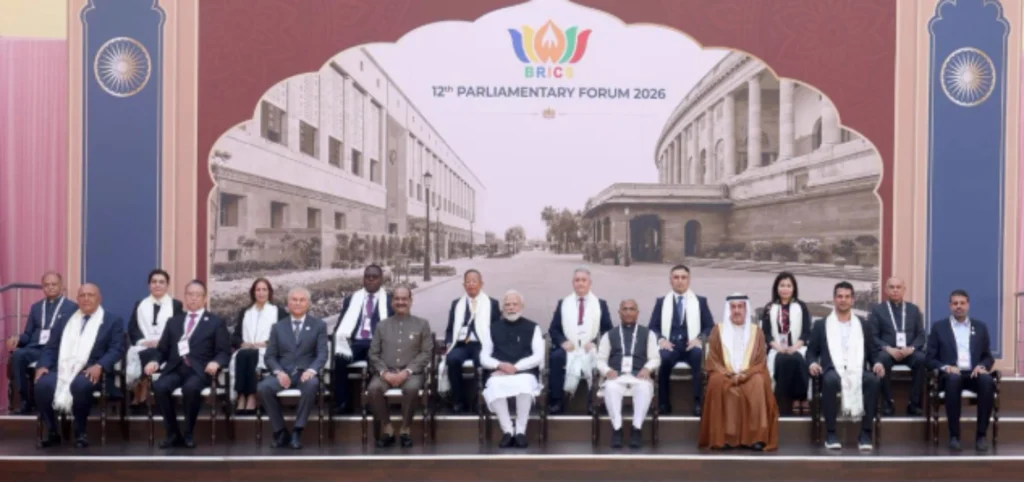
Cuba is participating as a partner country in the 12th BRICS Parliamentary Forum in New Delhi, focused on strengthening parliaments for people-centered development.


Ana María Mari Machado, vice president of the National Assembly of People’s Power, held bilateral meetings prior to the start of the general sessions, representing the Caribbean island.

In dialogue with Om Birla, speaker of India’s Lok Sabha (lower house), both parties assessed the deepening of legislative exchange, capacity building and cooperation in sectors such as healthcare and the pharmaceutical industry.

RELATED: Cuba’s Pediatric Leukemia Survival Rate Falls Below 50% Due to U.S. Blockade

The leader of the Indian legislature highlighted the relevance of parliamentary dialogue for strengthening ties of friendship between both nations.

On 26–27 October 2026, New Delhi will host the 12th BRICS Parliamentary Forum, bringing together parliamentary delegations for meaningful deliberations on democratic governance, institutional innovation and development that places people at its centre.#BRICS2026… pic.twitter.com/3cRn08jdPR

— Ministry of Information and Broadcasting (@MIB_India) October 26, 2026

During the meetings, the Cuban delegation set out the impact of the economic, commercial and financial blockade imposed by the United States, with special emphasis on the energy siege that directly affects the well-being of the population and the national economy.

The delegation also reiterated its interest in moving from partner country status to full member state of BRICS, reaffirming its commitment to work closely with the group for the benefit of the peoples of the Global South.

  •  

Israel Opens Polls for First General Election Since the Gaza Genocide

Photo: EFE.

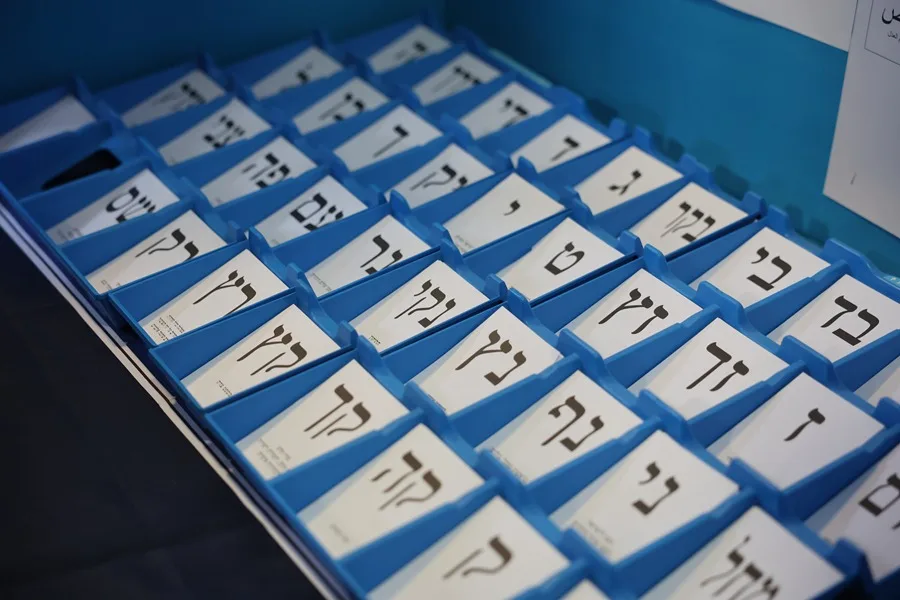
Israelis cast ballots on Tuesday in the first national election since the start of the genocide in Gaza, which has claimed over 70,000 Palestinian lives, with Prime Minister Benjamin Netanyahu running second in the polls and two rival blocs appearing unable to form a government without support from Arab parties.


Of 38 competing parties, only 11 were expected to clear the 3.25% threshold for parliamentary representation, according to the report.

RELATED: UN Commission Accuses Israel of War Crimes and Genocide in West Bank and Gaza

The latest surveys from the three main television channels, published three days before the election, gave the coalition led by former army chief Gadi Eisenkot 52 to 56 seats and Netanyahu’s bloc 50, both short of the 61 needed for a majority, according to those polls. Arab parties were projected to win 14 to 16 seats, and only one poll gave 4 seats to the new pro-opposition Reservists-Economic Bloc.

Netanyahu, leader of the right-wing Likud, relied on ultra-Orthodox Jewish formations and ultranationalists. Meanwhile Eisenkot’s bloc, led by the right-wing Yashar! party, included the right-wing Beyajad party of Naftali Bennett and Yair Lapid, Israel Beitenu of right-winger Avigdor Liberman, and The Democrats of Yair Golán.

U.S. President Donald Trump has publicly endorsed Netanyahu via Truth Social.

הנשיא טראמפ קורא לכם להצביע מחל. אל תישארו בבית, הצביעו מחל ויחד נשלים את המשימה ונשמיד את האיום האיראני. 🇮🇱 pic.twitter.com/6jQRjz8UVr

— Benjamin Netanyahu – בנימין נתניהו (@netanyahu) October 26, 2026

The arab vote in Israel

About 20% of Israel’s 10.3 million people are Arab Israelis, Palestinians with Israeli citizenship descended from those who did not flee or were expelled after the war preceding the state’s creation. Unlike Palestinians in occupied East Jerusalem, they can vote and make up 17% of the electorate, though past elections showed support for boycotts.

Researcher Marzouq Halabi told The New Arab that “people instinctively recognise that these elections serve as a cover for an absolute war, which Israel has framed as a religious one aimed at deciding the Question of Palestine through violence and subjugation, with all that this implies. As such, people will turn out collectively to the ballot boxes. They are not asking about party platforms; rather, they are asking how the fascist right can be repelled and its agendas obstructed.”

Reports from the Israeli media outlet Haaretz point out that Netanyahu’s Likud party has spent millions of shekels recruiting and paying workers to monitor polling stations in Arab communities, record voters, and report developments to party headquarters in real time.

Voting dynamics

A total of 12,018 polling stations opened across Israel and in illegal West Bank settlements for 7,332,000 eligible voters, the Israeli Central Elections Commission reported.

Because Israelis abroad cannot vote remotely, the U.S. NGO AID Coalition, which leads the Fly&Vote initiative, estimated at least 67,000 had returned to vote, mostly from Europe and the United States.

Netanyahu was set to vote at 11:00 local time in West Jerusalem’s Katamón neighborhood, while main challenger Gazi Eizenkot planned to vote about three hours later in Herzliya, their parties announced.

  •  

Over 3,000 Palestinians Displaced in Hebron as Israeli Operation Expands

Photo: EFE.

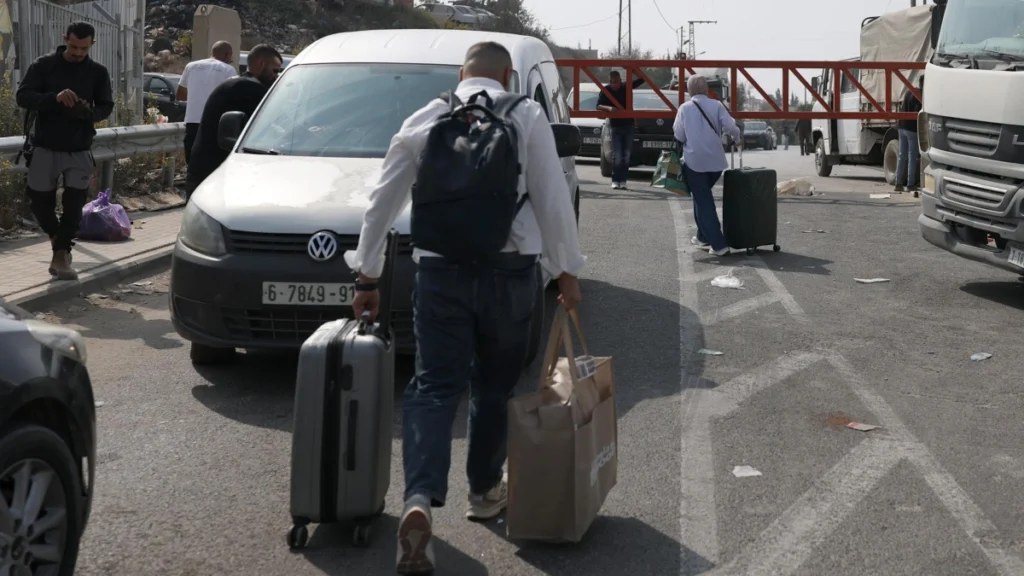
Israel’s intensified military operation in Hebron has forced more than 3,000 Palestinians from their homes three days after it began following the deaths of two Israeli soldiers, according to municipal data and NGOs that described the offensive as collective punishment.


The Hebron municipality updated the number to 3,189 displaced people from an earlier count of 3,170, affecting some 488 families mainly from the Deir Bahha and Al Jalda neighborhoods, according to municipal data. The operation was launched after the two soldiers were killed near a checkpoint last Friday and has left hundreds of residents trapped in their homes while mass arrests reached at least 70 Palestinians.

RELATED: UN Commission Accuses Israel of War Crimes and Genocide in West Bank and Gaza

More than 200 children under two and of early age and about 250 people over 60 were among those affected. With a local state of emergency declared, a crisis group of authorities and citizens set up shelters and temporary accommodation with support from local families.

The offensive included a campaign of mass destruction of homes and the demolition of entire blocks and residential buildings by the Zionist Army, which justified the actions by saying it had destroyed infrastructure built in violation of the law, according to the report. Local sources and agencies such as Wafa denounced that the offensive formed part of a strategy of indiscriminate punishment against urban residents, according to the report.

The forced displacement of Palestinians by the Israeli military in the occupied west bank city of Hebron continues, as a city-wide siege remains in place. It's also triggered a humanitarian crisis, with the municipality scrambling to provide food and shelter pic.twitter.com/Z0sunIfbFz

— TRT World (@trtworld) October 26, 2026

Israeli Prime Minister Benjamin Netanyahu defended continuing the operations and said the Army was preparing for a scale unprecedented since the 1967 Six-Day War. Reports from media such as Ynet revealed disagreements between Netanyahu and Chief of Staff Eyal Zamir, who advocated ending the operation because of limited tactical results and the discovery of a small number of weapons.

The United Nations and Palestinian factions such as Hamas strongly condemned the siege.

UN Human Rights Chief @volker_turk calls for an end to #Israel’s aggressive operation in the #WestBank city of #Hebron, which forcibly displaced nearly 2,000 Palestinians, demolished homes and commercial property, and deprived residents of the ability to move freely.

"Collective… pic.twitter.com/sfi6tJNMzy

— UN Human Rights (@UNHumanRights) October 26, 2026
  •  

Cuba’s Pediatric Leukemia Survival Rate Falls Below 50% Due to U.S. Blockade

(FILE) Photo: EFE.

Cuba’s pediatric leukemia survival rate has fallen below 50% due to the intensified U.S. economic, commercial, financial and energy blockade, the president of the Cuban Society of Hematology, Olga Agramonte, denounced.


Cuban medicine had historically guaranteed survival rates of between 89% and 90% in pediatric patients, a figure now collapsing because of the impossibility of acquiring essential oncology drugs, diagnostic means and timely treatments, according to the report.

Agramonte denounced that the policy of asphyxiation considerably reduced cure and transplant rates and said the Caribbean nation faced severe obstacles to purchasing medical supplies due to the veto of bank accounts and sanctions on financial entities.

RELATED: Strengthening Climate Resilience in Coastal Communities of Southern Cuba

The specialist further warned that the crisis also deteriorated care for benign diseases associated with pregnancy and reduced blood donation, driven by complex living conditions and power outages, and said that although Cuban doctors adapted treatments, the pathologies responded to strict protocols and therapeutic timelines.

16000 personas en #Cuba necesitan radioterapia y 12000 quimioterapia.Lo han reconocido ONU y OMS.Dichos tratamientos requieren electricidad estable y Cuba, por el cerco energético,sufre prolongados apagones. El bloqueo no causa cáncer,pero obstaculiza tratamiento d la enfermedad pic.twitter.com/KSRKyZ3S1d

— Anayansi Rodríguez Camejo (@AnayansiRCamejo) October 26, 2026

During the twenty-second Civil Society Forum against the blockade, organized by the Cuban United Nations Agency, civil society representatives exposed the widespread impact of these coercive measures on the National Healthcare System.

The head of the Department of International Organizations of the Ministry of Public Healthcare, José Armando Arronte, detailed that the surgical waiting list exceeded 100,000 patients, of whom 12,000 were minors.

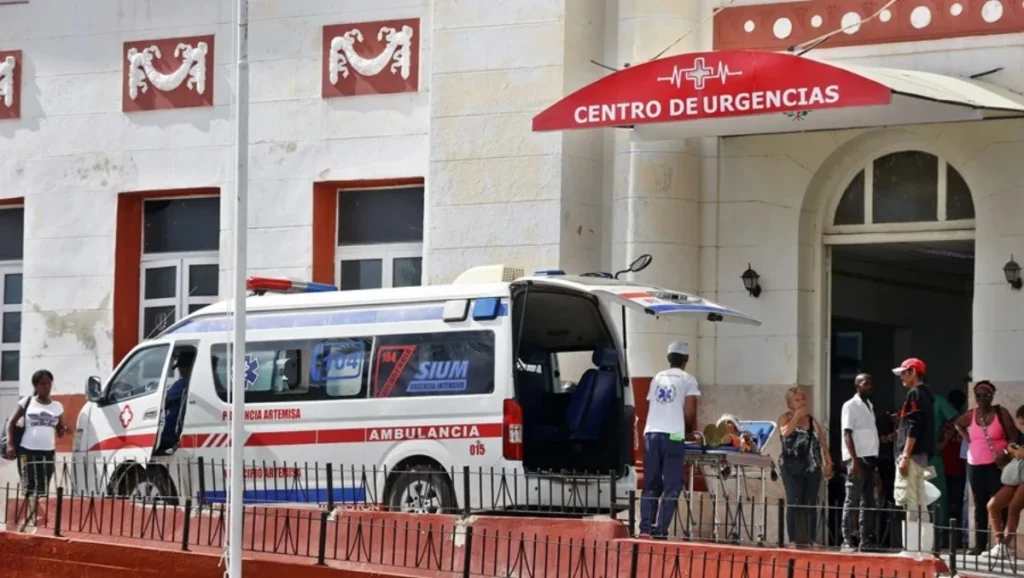
The U.S. siege also affects ambulance transport and the wear and tear on health personnel in the face of blackouts and resource scarcity, allowing the country to guarantee only 30% of the medicines on its basic list, according to the report.

  •  

Energy Specialists Dismiss Market Stabilization or Recovery by 2027

The International Energy Agency’s executive director, Fatih Birol, on Monday dismissed the prospect that markets will stabilize or recover by 2027, speaking during International Energy Week in Singapore.


Markets will take time to return to conditions prior to the outbreak of the U.S.-Isareli war against Iran, Birol considered.

“We must all prepare and make energy security the highest priority in our Governments and in the business world,” he said in a direct call to state administrations and the global corporate sector.

RELATED: Venezuela Oil Production Hits 1.25 Million Barrels Daily in Major Recovery

He assured that there is no viable path for markets to return in the short term to the operating conditions prior to the crisis, and urged governments and the business sector to prioritize global energy security for the coming years.

Oil prices currently stand near $120 per barrel, while the cost of derivative products is at considerably higher levels. Although the IEA leadership did not issue firm forecasts, it expressed concern about fuel demand ahead of the next winter period.

Bessent on Iran:

Iran, for the first time, probably since oil was discovered, has no oil on the water.

The Iranian people should go and buy their heating oil now. They should hoard gasoline. pic.twitter.com/nXt6Cs7IMq

— Clash Report (@clashreport) October 26, 2026

As a direct response to the current energy crisis, the agency anticipates a significant rebound in the nuclear sector. Its latest study indicates that nuclear power plants with a combined capacity of 90 gigawatts are currently under construction—the highest figure recorded in the last 40 years.

  •  

Egypt Backs ‘Defensive’ Support for Saudi-led Yemen War

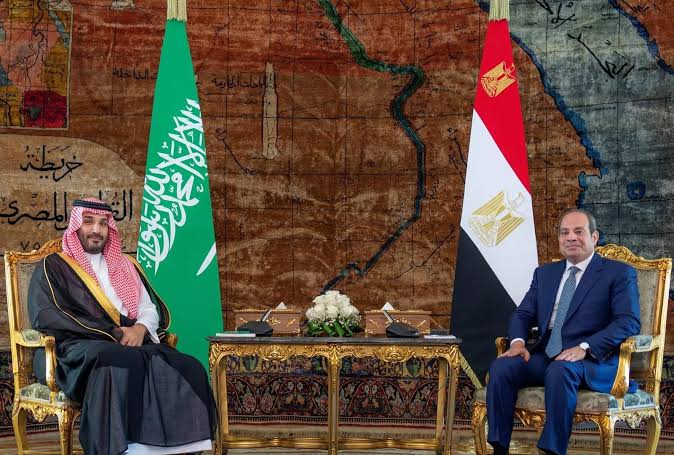
Egypt’s Parliament on Monday authorized Cairo’s forces to provide “defensive” support to the Saudi-led war against Yemen, lawmakers and local media reported.


The authorization followed an extraordinary closed-door session convened under Article 152 of the Egyptian Constitution, allowing President Abdel Fattah el-Sisi to adopt the measures needed to militarily back Riyadh in its aggression and economic blockade against Yemen.

RELATED: Yemeni Houthis Leader Accuses Saudi Of Killing More Than 562 Civilians

Lawmakers approved the measure with two-thirds backing in the lower house after a prior recommendation from Egypt’s National Defense Council. Although the exact text was not made public, independent MP Mustafa Bakry said on X that it includes the possibility of sending troops to Saudi Arabia if necessary, following coordination between both countries, as well as reinforcing air defense systems and guaranteeing the security of critical infrastructure.

Yemeni Armed Forces announce multiple missile and drone operations against Saudi targets on 25 and 26 October
——
The Yemeni Armed Forces announced a series of military operations targeting Saudi airports, military bases, oil infrastructure, and Saudi-backed forces in Yemen, as… pic.twitter.com/ul7sV9Ebsj

— The Cradle (@TheCradleMedia) October 26, 2026

The parliamentary vote was delayed several days to achieve consensus around the proposal submitted by the president on Oct. 17, and it grants the formal legal framework to execute joint measures requested by Riyadh. Previously, on Oct. 21, Egyptian Foreign Minister Badr Abdelatty and intelligence chief Hassan Rashad traveled to the kingdom to deliver a letter from el-Sisi to Crown Prince Mohammed bin Salman stipulating that the support would be strictly defensive.

Türkiye and Pakistan already support the kingdom through the deployment of thousands of Pakistani soldiers and Turkish military resources such as drones, although Islamabad has denied carrying out direct airstrikes.

Egypt’s move comes amid growing escalation marked by intense Saudi airstrikes on the Yemeni capital, Sanaa, and the port of Mokha. Saudi airports, bases and energy centers have been under constant fire from the Yemeni Air Force since the kingdom intensified its military campaign in July, a war that has lasted a decade and caused dozens of casualties and the temporary closure of critical facilities of OPEC’s main oil producer.

  •  

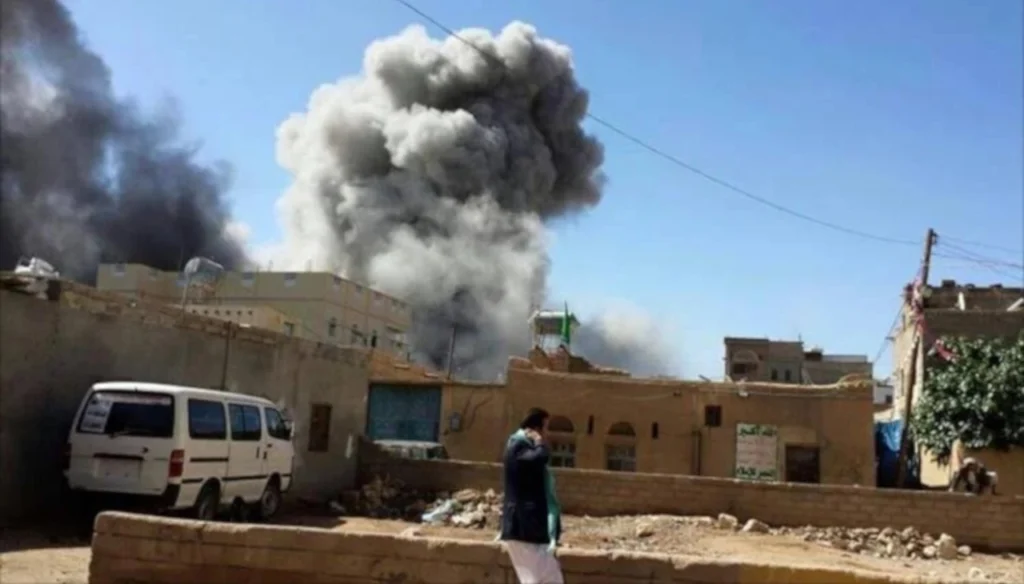
Saudi-led Coalition Strikes Yemen, Killing a Civilian

Photo: Al-Mayadeen.

A Saudi-led military airstrike on a house in the town of Al-Za’azi’, in Yemen’s southwestern Taiz governorate, killed at least one person and wounded four on Thursday, including two minors, according to Yemeni health authorities.


The Saudi coalition also bombed Bajil in Al-Hudaydah, carried out four attacks in Harf Sufyan and two in Bani Suraym in Amran, and hit the Water Corporation building in Al-Hazm, Al-Jawf with two airstrikes, the same Yemeni health authorities reported. Saudi gunfire wounded two citizens and an African migrant in the border districts of Baqim and Munabbih in Sa’dah.

RELATED: At Least 12 Dead, More Than 300 Injured After Houthi Attack on Saudi Airports

Yemeni Armed Forces spokesman Brigadier General Yahya Saree reported more than 2,900 Saudi airstrikes and missile attacks in the last 100 days, an escalation that left more than 562 victims, most of them women and children.

Saudi Arabia collaborating with Israeli intelligence in joint campaign against Yemen's Armed Forces
——
According to a report published by The Jerusalem Post, Israeli military intelligence is actively sharing strategic target data with Saudi Arabia to assist its campaign against… pic.twitter.com/3PUhxcu46w

— The Cradle (@TheCradleMedia) October 23, 2026

According to a report published by The Jerusalem Post, Israeli military intelligence is actively sharing strategic data with Saudi Arabia to assist its campaign against Yemen’s Armed Forces, also known as Ansarallah. The report said a Zionist military official confirmed the intelligence-sharing mechanism and emphasized that degrading Yemeni military capabilities serves Tel Aviv’s strategic regional interests while allowing the IDF to monitor and study tactical operations on the ground.

  •  

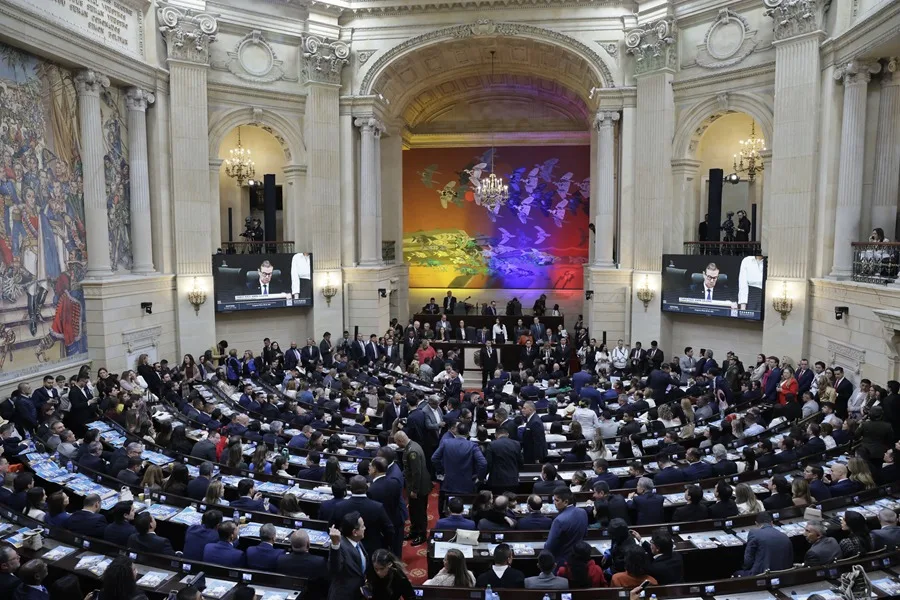
Colombia Issues 2027 Budget by Decree

(FILE) Colombian Congress. Photo: EFE.

Colombia’s Government issued the 2027 General National Budget by decree on Thursday, after the bill’s approval in Congress fell through because of a procedural error.


The total amount is 634.9 trillion pesos, or 200 billion dollars at the current exchange rate, of which 391.38 trillion pesos, or 122 billion dollars, are for operating expenses, 155.43 trillion pesos, or 48.7 billion dollars, for debt service and 88.14 trillion pesos, or 27.6 billion dollars, for investment.

RELATED: Colombian President Dismisses Interior Minister Over Budget Failure

Opposition sectors described the Government’s handling of the budget as improvised.

The Senate and the Chamber approved different texts in one of the bill’s articles, and conciliation was not achieved before the October 20 deadline set by law for concluding that process, the last of the congressional debates, namely the plenary sessions.

The Government therefore had to issue the Budget by decree in the form in which it emerged from the joint economic commissions.

¡Se le cayó el presupuesto chimbo a @ABDELAESPRIELLA! Por hacer las cosas a las patadas, terminaron enredados entre dos versiones distintas y ahora el Gobierno pretende expedirlo por decreto.

Tanta improvisación con más de $634 billones de los colombianos exige responsables. ¡La… pic.twitter.com/Uivsc6N4kf

— Oscar Benavides (@ODBenavidesA) October 22, 2026

Resources for earthquake victims, health and energy subsidies added during the plenary sessions will be reduced because of the situation, Senator Alejandro Ocampo affirmed.

Representative María Fernanda Carrascal considered that Congress’s servility to the Executive vitiated the legislative process and denounced that the approved budget showed the Government’s true priority as more debt and less social investment, with debt service growing 46 percent while cuts hit the most vulnerable.

After the events, President Abelardo de la Espriella dismissed Interior Minister Rodrigo Lara.

  •  

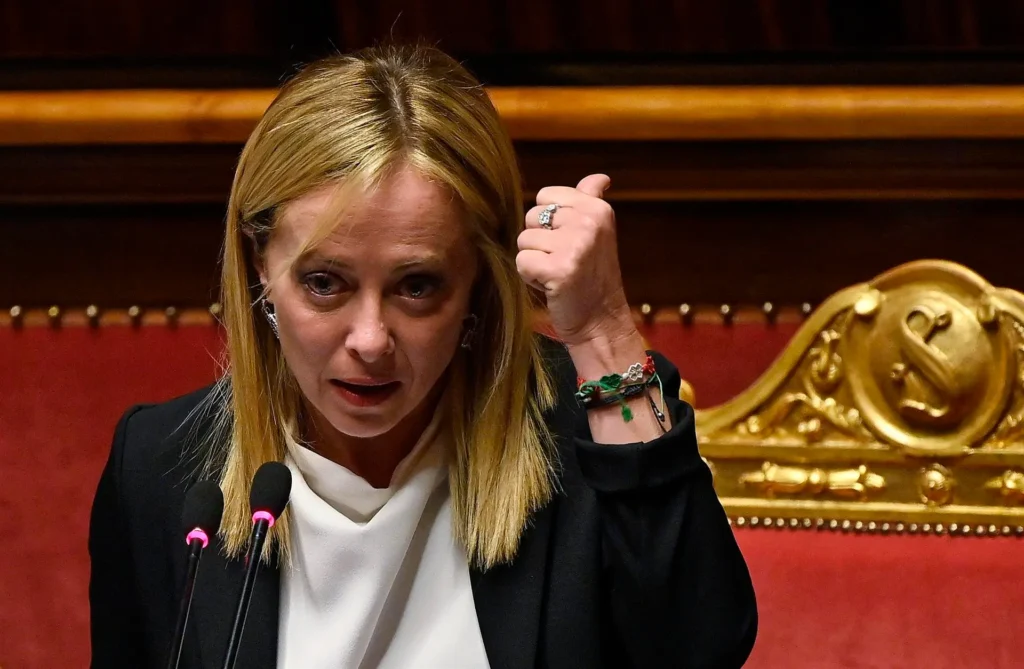
Southern Italy Faces Food Shortages as Drivers’ Strikes Continue

(FILE) Italian PM Georgia Meloni. Photo: EFE.

A truckers’ strike against high fuel prices paralyzed southern Italy on its sixth day, leaving supermarkets with empty shelves, airports without fuel and postal services suspended.


Hundreds of tons of agricultural production remained stranded in trucks or piled up in cold storage rooms, and many business owners decided to suspend harvests and halt production of emblematic products such as buffalo mozzarella.

Poste Italiane was forced to completely interrupt the sending and delivery of mail and packages to and from Calabria, Sicily, Campania and Apulia, the company was reported to have said.

RELATED: Italy’s Giorgia Meloni Trademarks Her Voice Against AI Deepfakes

The mayors of Naples and Bari warned in a joint statement that the paralysis not only threatened food supplies but also jeopardized urban waste management, and they warned of an emergency that could plunge entire communities into a health collapse.

Tension on the roads intensified because of picket activity, and local press reported acts of sabotage in areas such as Caserta, including placing truck tires on highways to force heavy transport to brake.

In response, Italian police escorted convoys of commercial vehicles and deployed operations that resulted in 71 people reported and 242 sanctioned.

Minister of Enterprise Adolfo Urso recalled in the Chamber of Deputies that blocking the passage of trucks was a crime punishable by prison sentences.

In the north, Milan prepared special security measures ahead of new and massive student and youth demonstrations scheduled for Saturday, framed by discontent over the cost of living and the deterioration of public services.

Italy’s Council of Ministers approved on October 20 a new youth security decree that extended preventive detention to minors, until then reserved for adults, and created the crime of violent participation in demonstrations, punishable by up to five years in prison and fines of up to 20,000 euros for anyone who, within a group of five or more people, throws stones, sticks or objects that endanger third parties.

Manifestare è un diritto, devastare le nostre città no. Ecco le misure che abbiamo approvato per contrastare la violenza e tutelare la sicurezza dei cittadini. pic.twitter.com/kqk51X8YZa

— Giorgia Meloni (@GiorgiaMeloni) October 20, 2026
  •  

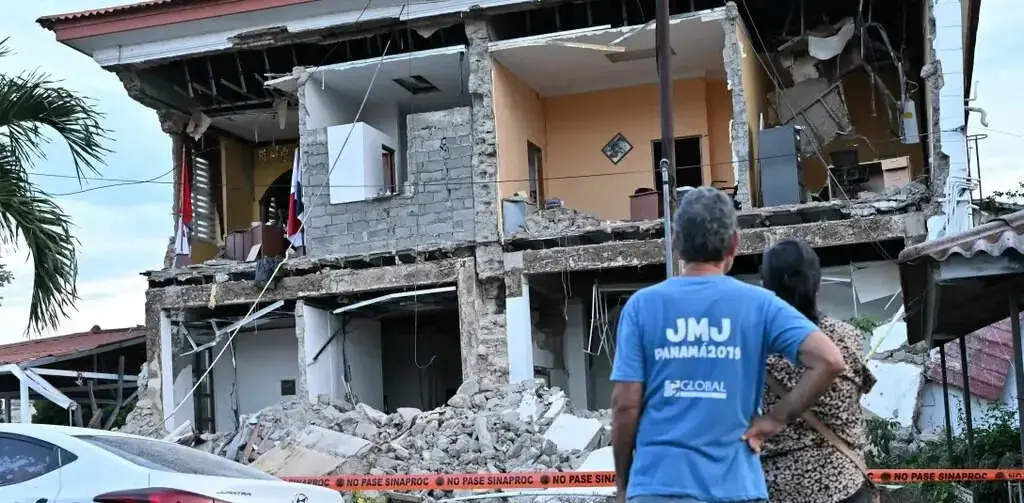
Damage Assessments Continue After Oct. 9 Panama Quake

More than 37,000 people have been affected by the magnitude 7.5 earthquake that struck Panama on October 9, the National Civil Protection System (Sinaproc) reported.


Housing assessments carried out by emergency teams covered 37,210 people, according to the preliminary report from the National Emergency Operations Center. The epicenter was 39 kilometers northwest of Tonosí, in Los Santos province, at a depth of four kilometers.

RELATED: Venezuela Sends 40 Tons of Humanitarian Aid to Panama After Earthquake

The assessment identified impacts in 10 provinces — especially Coclé, Herrera, Veraguas and Los Santos — and the Ngäbe Buglé comarca, the report said.

Local authorities continued damage assessments and assistance to affected families amid recovery efforts after one of the strongest seismic events recorded in the country in decades. Humanitarian aid has also been received from other nations, mainly Venezuela, Costa Rica and the United States, the report said.

Venezuela extiende su solidaridad

Desde el Aeropuerto Internacional Simón Bolívar de Maiquetía, el Gobierno Bolivariano envió un cargamento de ayuda humanitaria hasta el Aeropuerto Internacional de Tocumen.

Estos insumos están destinados a brindar apoyo oportuno al pueblo… pic.twitter.com/SbscKqU958

— Ministerio de Comunicación e Información (@mippci_ven) October 22, 2026

Panama has opened 126 active shelters housing 5,628 people as part of the humanitarian response. Logistically, 171,190 pounds of cargo were moved by air and 365 tons were dispatched by land transport to support assistance operations.

Most of the country’s water treatment plants have restored operations, while security and emergency agencies maintain monitoring in affected areas, Sinaproc reported.

The earthquake occurred at 12:56 local time on October 9, according to the report. The United States Geological Survey raised the magnitude from 7.6 to 7.7, while the Institute of Geosciences of the University of Panama put it at 7.5.

  •  

Haiti Mobilizes Resources to Free Four Salvadoran Soldiers Kidnapped by Gangs

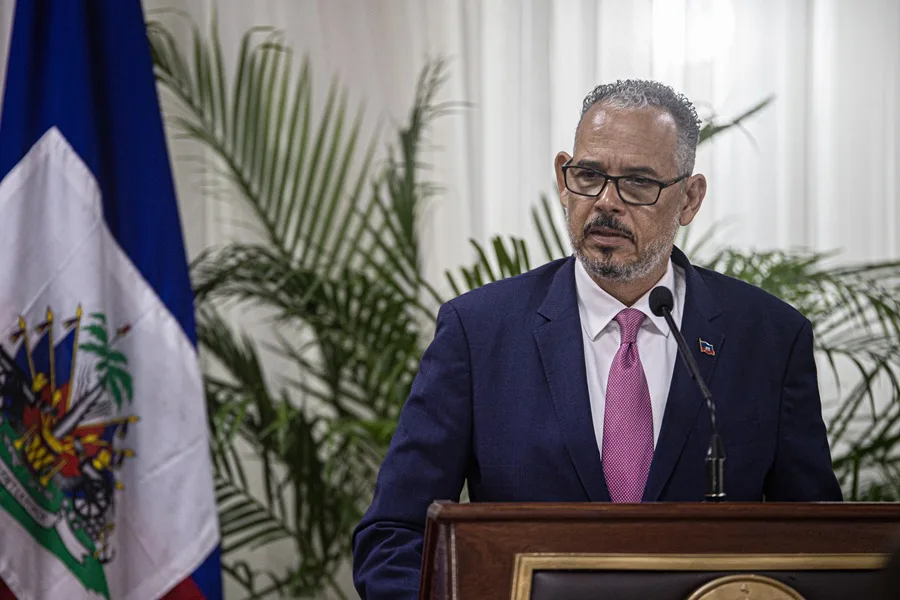
(FILE) Prime Minister Alix Didier Fils-Aimé. Photo: EFE.

Haiti’s government said Thursday that rescuing four Salvadoran soldiers kidnapped by armed gangs last Sunday on the outskirts of Port-au-Prince is its absolute priority.


The office of Prime Minister Alix Didier Fils-Aimé said in a statement that the government is fully mobilized and intends to assert state authority with the greatest firmness against armed groups. It called the soldiers’ release an absolute priority and said all necessary resources are being mobilized to achieve that goal.

RELATED: Salvadoran President Bukele Issues Stern Warning to Haitian Gangs

The prime minister met with competent authorities to assess the situation comprehensively and to determine, in close collaboration with the Salvadoran Gang Suppression Force (GSF), measures to reinforce ongoing operations against the armed gangs that attacked the vehicle carrying the Salvadorans.

Haitian security forces and the GSF have conducted an intense search since Sunday for the four Salvadoran aviation technicians, with whom contact was lost after the ambush in the Santo area of the Croix-des-Bouquets commune, within the Port-au-Prince metropolitan area.

#Haiti | The UN Security Council reaffirms its commitment to the Gang Suppression Force despite armed attacks and the kidnapping of four Salvadoran personnel. Rescue efforts continue as international forces maintain their security mission.#UnitedNations #teleSUREnglish pic.twitter.com/kKX5oDtQ0i

— teleSUR English (@telesurenglish) October 23, 2026

In its first official statement on the attack, the Prime Minister’s Office said that given the seriousness of the act, the State reaffirms its authority and determination, and that security forces are continuing operations firmly to secure the soldiers’ release and protect human life.

The GSF reported Tuesday that several members of the gangs controlling most of Port-au-Prince were killed and others wounded in clashes with forces searching for the Salvadoran military personnel. The GSF also reported that four of its own personnel were wounded during the operation and received medical care.

  •  

Argentina Congress Approves Disability Emergency Law

Photo: Pagina 12.

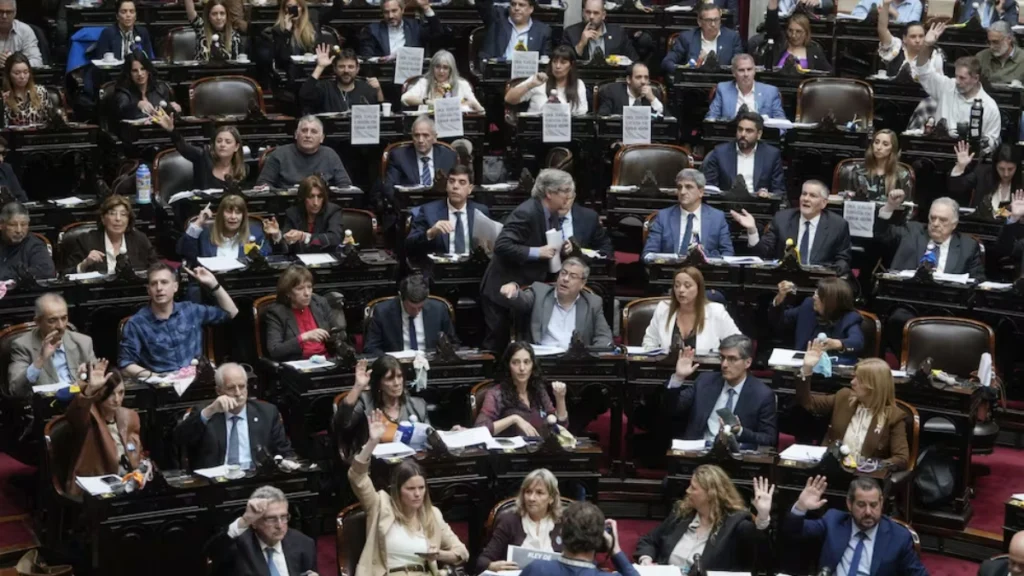
Argentina’s Chambern of Deputies approved the Disability Emergency Law in the early hours of Thursday, after more than a year of protests against Javier Milei’s austerity policies.


The final text passed with 237 votes in favor, 9 against and 4 abstentions from left-wing sectors, in a session that began Wednesday afternoon.

RELATED: Argentina Rights Group Files Complaint Over Police Crackdown

The law maintains non-contributory pensions, compatibility with formal employment and access to health benefits. It also establishes specific budget items to finance the system and mechanisms to prevent arbitrary removal of beneficiaries.

Among its central points are new conditions for accessing non-contributory disability pensions, the possibility of keeping the benefit while working within certain income limits and a control system based on cross-referencing data between public agencies. It also sets obligations for budget transparency, training for service providers and deadlines to complete pending compensations.

#Argentina | Human rights groups filed a criminal complaint over a police crackdown on university protesters in Buenos Aires that reportedly left more than 550 people injured or affected.
The complaint seeks accountability for alleged excessive force during demonstrations… pic.twitter.com/yrEWJjPhA7

— teleSUR English (@telesurenglish) October 19, 2026

The law stipulates the return of all funds owed to providers for more than a year, settling the accumulated financial deficit, and sets strict peremptory deadlines for the Executive Branch to make these obligations effective.

The changes were incorporated after weeks of negotiations and set aside the cuts that the Executive Branch had included in the 2027 Budget for the disability area.

Hundreds of Spanish students gathered at Rey Juan Carlos University (URJC) to protest the visit of far-right Argentine President Javier Milei, who was scheduled to participate in a forum during his stay in Madrid.

Armed with pots and pans, whistles, Palestinian flags, and… pic.twitter.com/LGGFyeYpe6

— teleSUR English (@telesurenglish) October 21, 2026

Various organizations of people with disabilities in Córdoba denounced not having been convened to the legislative debate, and expressed skepticism about the Government’s real willingness to comply with what was voted.

The approval comes after more than a year of permanent protests, marches and mobilizations led by people with disabilities and their families, who expressed in the streets their rejection of Milei’s adjustment policies. During that period, the affected sectors suffered neglect, mistreatment and harsh episodes of police repression near the legislative palace, images that were widely disseminated and generated deep repudiation in society.

A key factor in unblocking the legislative scenario was intense lobbying by Pastoral Social Argentina, whose representatives went directly to Congress to dialogue deputy by deputy. Added to this was strong international pressure from Vatican diplomacy, after a monsignor gave various interviews in local media to warn about the Holy See’s deep concern for the health and quality of life of the group.

  •  

Venezuela’s Acting Pres. Delcy Rodríguez Meets 2015 Assembly Delegations

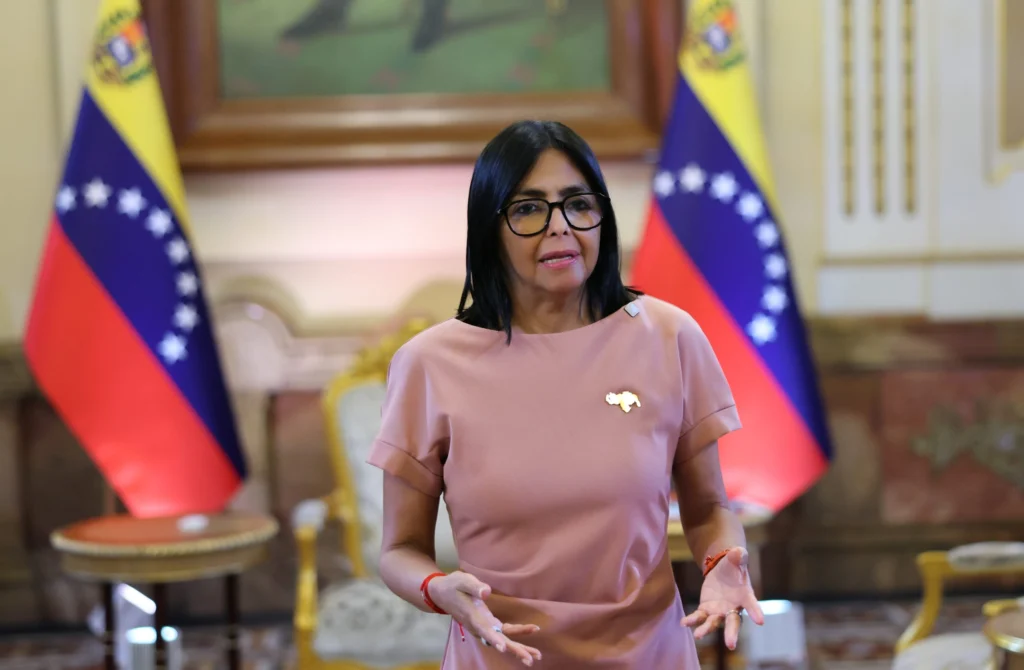
Venezuelan acting president Delcy Rodriguez. Photo: Presidential Press Office.

Venezuelan acting President Delcy Rodríguez received Thursday at the Miraflores Palace Jorge Rodríguez, head of the government delegation, and Dinorah Figuera, coordinator for the 2015 National Assembly, for the political dialogue table, seeking institutional rapprochement and consensus between the State and the sectors represented.


The meeting presented the balance and details of the third cycle of conversations held in Caracas, a process that included six working sessions structured in two plenary sessions and fifteen meetings. On Wednesday, the delegations held the final plenary of the third cycle, focused on reviewing compliance with agreements on institutional matters and renewal of the judicial system.

RELATED: Venezuela Reaffirms Sovereign Control of Oil Revenue as Deals Advance

The acting president contrasted that willingness with the actions of small groups that insist on blocking streets and violence, and said the majority of the country supports joint work, as demonstrated by mobilizations of Venezuelan women during breast cancer awareness month. She said that when common interests such as women’s health and lives unite people, that is the Venezuela she recognizes.

The formal negotiation process began on August 12, when both parties agreed on a working methodology and installed technical tables to address care for victims of the June earthquakes, democratic strengthening and judicial reforms. The third cycle was installed on Wednesday the 14th with the central goal of advancing renewal of the Supreme Court of Justice and setting participation guarantees for political organizations.

As part of the commitments, the installation of the new Table 4 on Political, Economic and Social Guarantees was formalized, highlighting mediation and conciliation mechanisms under the Program for Peace and Democratic Coexistence and the start of discussions to create an Ombudsman for Political Guarantees and Citizen Participation. A deep review was also agreed of key legal instruments, including the Law on Political Parties, Public Meetings and Demonstrations; the Liberator Simón Bolívar Organic Law; the Organic Law against Organized Crime and Financing of Terrorism; and the Organic Law of the Comptroller General and the National Fiscal Control System, to evaluate matters related to political disqualifications.

In the institutional and judicial sphere, the work of the Preliminary Commission of the Judicial Nominations Committee was recognized after it interviewed 127 candidates from different sectors. It was announced that the next National Assembly session will appoint the 12 members of the nominations committee, allowing publication of the constitutional schedule and subsequent activation of the Credentials Review Council.

On economic and patrimonial matters, the parties reaffirmed the urgency of recovering Venezuela’s international reserve assets at the Bank of England, the Venezuelan gold, to assist the population affected by the June 24 earthquakes. They agreed to form a parity delegation to manage these actions and promote economic and social prosperity in health, education, food and workers’ income.

  •  

UK Public Debt Tops £3 Trillion for First Time

UK public debt crossed the £3 trillion mark for the first time at the end of September 2026, the National Statistics Office reported on Wednesday, October 21.


The accumulated public sector liabilities stood at £3.005 trillion, equivalent to €3.57 trillion, according to the provisional estimate released by the National Statistics Office. The figure represented 94 percent of UK gross domestic product and marked a historic high, the agency reported.

The balance grew by £91.7 billion compared with the level recorded twelve months earlier, about €109.074 billion, according to the provisional estimate.

RELATED: U.K. Slashes International Aid Budget by 56% to Fund Defense

Despite the nominal record, the weight of the liabilities on the economy as a whole fell by seven tenths compared with the 2025 level, the agency reported. The agency recalled that net debt exceeded £2 trillion in June 2020, during the COVID-19 pandemic, and had surpassed £1 trillion in February 2010, following the global financial crisis.

September public borrowing amounted to £24.5 billion, or €29.142 billion, and was the second highest recorded for that month, according to the National Statistics Office. Only the September 2020 figure, unadjusted for inflation, was higher. Compared with the previous year, the imbalance increased by £1.8 billion, or 7.7 percent, because spending growth outpaced income growth, the agency reported.

Britain’s national debt has climbed above £3tn for the first time, underlining the pressure on the public finances before John Healey’s maiden Budget next week

🔗 https://t.co/xKIQKqOhib pic.twitter.com/ExKxQ7hI95

— The Telegraph (@Telegraph) October 21, 2026

Central government debt interest reached £10.9 billion in September, the highest figure recorded in the ninth month of the year since monthly records began in 1997, according to the National Statistics Office.

Annual inflation stood at 3.5 percent in September, four tenths above the August figure and the largest increase since October 2025, according to the National Statistics Office. The price of goods rose 3.2 percent year on year, compared with 2.7 percent in August, while services became 3.7 percent more expensive. Core inflation, which excludes energy, food, alcohol and tobacco, advanced to 2.8 percent, two tenths more than in August.

  •  

UN Warns Global Warming Threshold Will Be Exceeded

Humanity will exceed the Paris Agreement’s 1.5 °C global warming threshold, but the temperature peak can still be contained between 1.7 and 1.8 °C by mid-century, UNEP warned in its most recent report.


To return to 1.5 °C by the end of the century, countries must cut global emissions by 18 percent by 2030, 45 percent by 2035 and 69 percent by 2040, according to the report.

Global warming will overshoot 1.5°C in the coming years.

There’s still a chance to bring temperatures back down, but the window is closing fast.

This is the point of return. #EmissionsGap pic.twitter.com/VDXkg0JPtQ

— UN Environment Programme (@UNEP) October 21, 2026

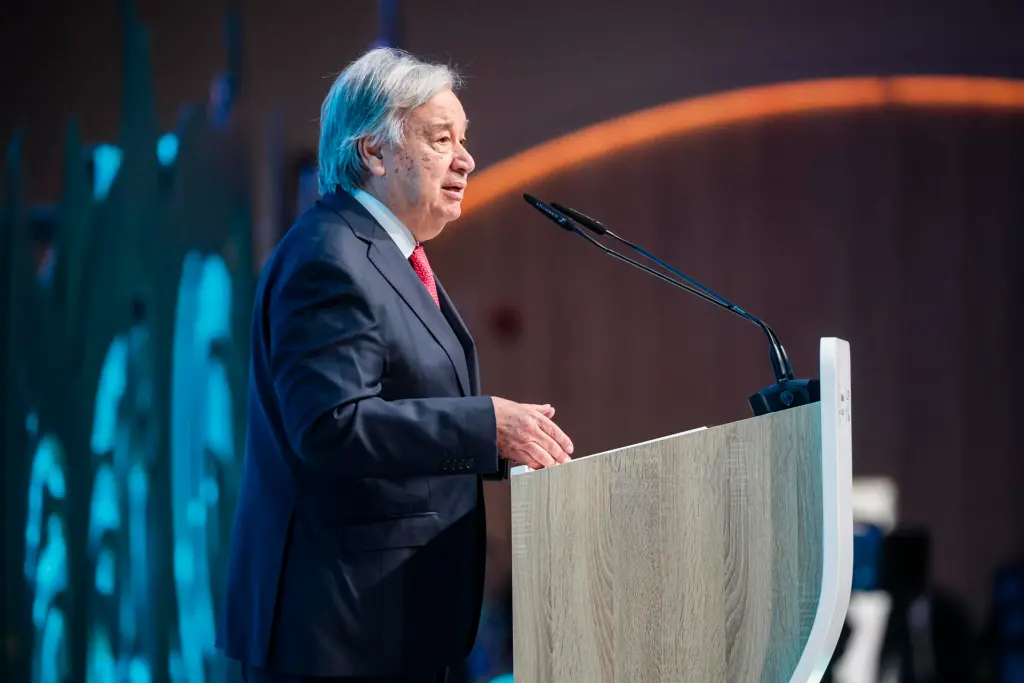
UN Secretary-General António Guterres declared that surpassing the limit did not mean giving up, referring to the need to maintain ambitious climate targets despite the overshoot.

RELATED: Venezuela and OPEC Fund Assess Partnerships to Address Climate Change

UNEP Executive Director Inger Andersen stressed that each additional fraction of a degree and each extra year of warming above 1.5 °C would worsen climate impacts and risks, including deadly floods, heat waves and wildfires that have swept numerous countries this year, and said all possible efforts were needed to limit the peak and return to 1.5 °C by the end of the century, which she said was possible.

The chance to keep global warming below 1.5°C with no overshoot is gone.

But urgent action can still limit the overshoot and bring warming back to 1.5°C by 2100.

Current policies, however, put the 🌎 on course for up to 2.8°C this century.

New #EmissionsGap Report:… pic.twitter.com/4VanweT5Hj

— UN Environment Programme (@UNEP) October 21, 2026

Continuing current policies will cause a catastrophic increase of 2.8 °C over this century, with a sustained rise in subsequent years, the document warns.

Ahead of the start of the second Global Stocktake at COP31 in Antalya, Türkiye, UNEP set concrete fossil fuel reduction targets relative to 2025 levels.

By 2035, the agency proposes reducing coal supply by 55 percent, oil by 15 percent and gas by 5 percent; by 2040, it proposes raising the cuts to 75 percent for coal, 30 percent for oil and 35 percent for gas.

  •  

Lula Accepts Bolsonaro’s Conditions for Financial Disclosure, Sets Deadline

Image from Brazil's presidential debate. Photo: EFE.

Luiz Inácio Lula da Silva’s campaign confirmed that the Brazilian president accepted lifting the bank and telephone secrecy of the candidates and their families before Sunday’s runoff election, a proposal aimed at his opponent, Flávio Bolsonaro.


At a press conference, Camilo Santana, campaign coordinator for the Workers’ Party (PT), explained that the head of state seeking reelection has no problem with the conditions imposed by the other side. Santana said that regarding all the conditions Flávio has set, the president’s response is that he does not oppose anything proposed, as long as Flávio complies with and discloses everything contained in the request filed with the Superior Electoral Court (TSE).

The PT team specified that Thursday at 11:00 a.m. local time is the deadline for the far-right Liberal Party candidate to release his financial data and that of his circle, adding that Bolsonaro cannot wait until after the elections and that the deadline expires tomorrow.

RELATED: UN Experts Raise Concerns Over Meta’s Handling of Political Expression During Brazil Elections

The topic stems from last Sunday’s televised debate, in which Lula challenged the far-right senator to disclose the bank accounts of both candidates to show “who is honest and who is a thief.”

Brazilian President Luiz Inacio Lula da Silva said he would submit authorization to the Superior Electoral Court (TSE) to lift bank secrecy protections on his accounts and those of his family members.

However, Lula said the measure depended on his presidential rival, Flavio… pic.twitter.com/c1kkaSNQuX

— teleSUR English (@telesurenglish) October 20, 2026

After the debate, the president presented a formal authorization before the electoral body on Tuesday to release his data and that of his wife and children, but Bolsonaro responded that he would only agree if the review were extended to people linked to the government’s circle.

The PT has accepted the conditions and added to the review the finances of former chief of staff Marco Aurélio Santana Ribeiro and of the president’s brother, José Ferreira da Silva, as well as the record of businesswoman Roberta Luchsinger’s access to the Presidential Palace.

After accepting the requests, the Workers’ Party team questioned the opposition’s delay in joining the initiative. Santana said that if Bolsonaro owes nothing, he should have accepted President Lula’s challenge last Sunday.

LULA CHALLENGES FLÁVIO BOLSONARO to open their BANK ACCOUNTS & PHONE RECORDS to prove who is ‘CORRUPT’ ahead of elections

‘I OPEN MINE, MY ENTIRE FAMILY’S — AND YOU OPEN YOURS’

‘BECAUSE I ASKED ABOUT THE HOUSE, AND YOU DIDN’T EXPLAIN’ https://t.co/ViNL9bR6Kh pic.twitter.com/c1OzNRWevE

— RT (@RT_com) October 19, 2026
  •  

U.S. Denies Ada Colau Entry to Puerto Rico

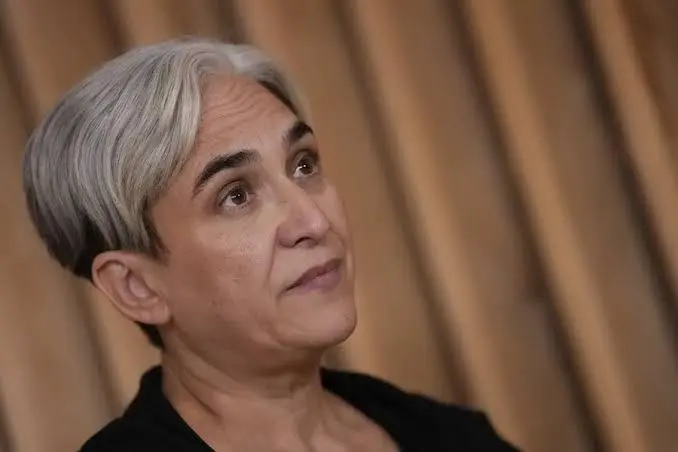
Spanish presidential candidate Ada Colau. Photo: EFE.

The U.S. denied entry to Puerto Rico to former Barcelona mayor and left-wing Frente Amplio presidential candidate Ada Colau, who had planned to attend the Ciudades Valientes municipalist gathering in Caguas on November 3 and 4, a decision sources close to her attribute to ideological reasons and her pro-Palestine activism.


Colau’s delegation was cleared through the Electronic System for Travel Authorization (ESTA) required due to the island’s colonial status, but her own application was denied. She was then advised to attend a personal interview at the embassy in Madrid. During that meeting two weeks ago, diplomatic staff focused their questions on her position on the conflict, with sources close to her saying the entire interview dealt with the Flotilla and her pro-Palestinian activism, with repeated insistence on the three days she was detained in Israel.

RELATED: Spain Suspends Voting Rights for Some Naturalized Cuban Citizens Abroad

After the interview, U.S. authorities issued a definitive denial, citing suspicion that she wants to illegally migrate to the country.

Colau rejected the measure and denounced it as evident political censorship, pointing out that while Javier Milei can travel freely to Spain to insult the press and the public, Donald Trump prohibits her from entering Puerto Rico, which she described as a colony occupied by the United States. She made the statement in response to the ban.

Es inaceptable e injustificado negarle la visa para Puerto Rico a @AdaColau por ser pacifista y defensora de derechos humanos. El @DeptEstadoPR deberia intervenir al igual que el Comisionado Residente @RepPabloJose exigir una investigación (congressional inquiry) sobre este…

— Eva Prados (@evapradospr) October 21, 2026

The former mayor, who governed Barcelona between 2015 and 2023, visited the Caribbean archipelago in April 2024 to address urban planning, access to housing, human rights and the role of women in politics.

Puerto Rico has remained under U.S. dominion since 1898 after the Treaty of Paris, and although since 1952 it has held the status of Free Associated State with its own constitution, the United States maintains exclusive control over immigration, customs, defense and currency.

  •  

U.S. Court Fines Meta $25 Billion for Deceiving Users on Data Protection

Photo: EFE.

A U.S. court ordered Meta, the owner of Facebook, Instagram and WhatsApp, to pay $25 billion for deceiving the public about how it protects personal data, in a case tied to the Cambridge Analytica scandal.


Judge Francis Mathew set the fine on Wednesday after a jury determined that Facebook made misleading promises about who could access user data and how that information was protected, according to the ruling. The jury found 26 statements by Meta made between 2010 and 2021 to be misleading, including some by CEO Mark Zuckerberg and then-chief operating officer Sheryl Sandberg.

RELATED: US Supreme Rejects Trump’s Bid to End Gender-Affirming Care for Trans Inmates

In his ruling, Mathew wrote that Facebook’s misconduct, developed over years and systematically disseminated to the public, went to the core of its business practices. According to the ruling, the company maintained those promises despite internal warnings that it could not fulfill them, and allowed certain business partners to retain access to data it had announced it would stop sharing in order to avoid losing revenue. The judge concluded that the messages sought to build trust and attract users, whose data are essential to the company’s personalized advertising business.

The case is deeply tied to Cambridge Analytica, a British consulting firm that worked for Donald Trump’s 2016 presidential campaign and obtained data from millions of Facebook users without consent to promote political advertising, according to a statement from the New Mexico Department of Justice. Revelations about the firm, made public in 2018, affected up to 87 million profiles and sparked an international scandal over the use of personal information by social networks and their role in electoral campaigns. The trial also examined what Facebook said publicly about its efforts to combat disinformation and hate speech.

#UnitedStates | Meta's global affairs chief Joel Kaplan is set to leave after more than 15 years, amid allegations of political bias on the company's platforms ahead of Brazil's presidential runoff.
Meta denies the allegations.#Meta #BrazilElections #ElectionIntegrity… pic.twitter.com/d4fnlFLEmH

— teleSUR English (@telesurenglish) October 22, 2026

Although the judge initially calculated a fine of more than $219 billion, he ultimately reduced the amount to $25 billion, which will accrue annual interest of 15% until effective payment. The money will go to New Mexico’s education system, although the attorney general warned that an appeal by Meta could delay the availability of the funds.

New Mexico Attorney General Raúl Torrez presented the decision as one of the largest financial penalties against a company in U.S. history.

  •  

Venezuelan Government and 2015 Assembly Ex-Deputies Close Third Dialogue Cycle

Photo: X/ Jorge Rodriguez

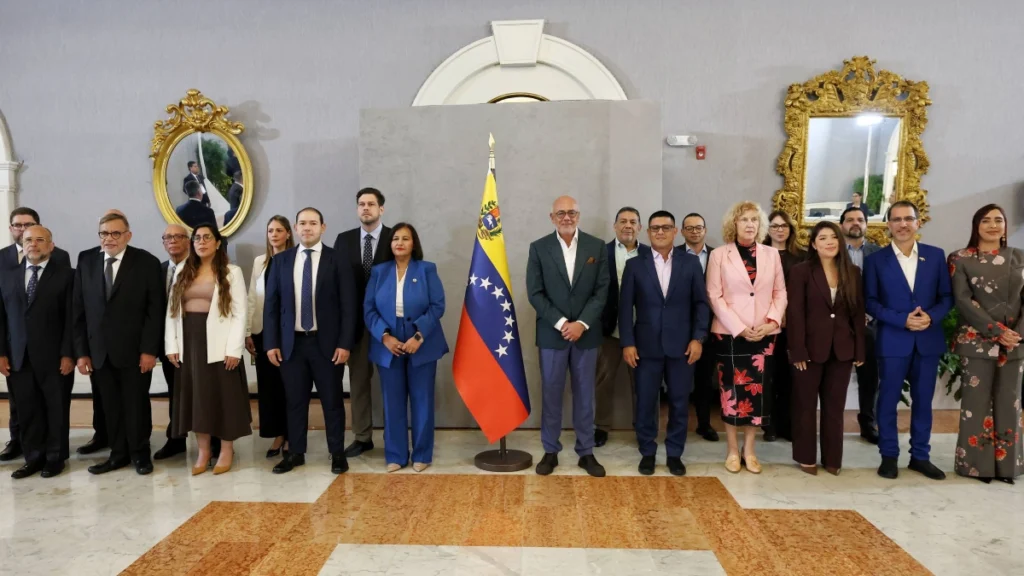
Venezuela’s national government and former deputies of the 2015 National Assembly held the final plenary of the third cycle of talks in Caracas on Wednesday, centered on reviewing compliance with agreements on institutional matters and renewal of the judicial system.


This phase covered the review of commitments from the second cycle, which concluded Sept. 25 with partial agreements on lifting restrictions on digital news portals, adding guarantees for the right to information and progress in judicial renewal.

RELATED: Venezuela Sets Youth Popular Consultation for February 2027

The agenda also included installing the Credentials Review Council for applicants to the Supreme Court of Justice as part of discussions on the judicial system.

En desarrollo la última plenaria del tercer ciclo de conversaciones. pic.twitter.com/n46lLsSMaC

— Jorge Rodríguez (@jorgerpsuv) October 21, 2026

The government delegation was headed by National Assembly President Jorge Rodríguez and included deputies Pedro Infante, Jorge Arreaza and América Pérez, Minister of University Education Ana María Sanjuan and Deputy Minister Génesis Garvett. The 2015 Assembly delegation included Dinorah Figuera, accompanied by Juan Miguel Matheus, Sergio Vergara, Marco Aurelio Quiñones and Ramón López.

The formal talks began Aug. 12, when both parties agreed on a working methodology and installed technical tables on care for earthquake victims, democratic strengthening and judicial system reforms.

  •  
❌