A capital francesa está novamente a arder. O descontentamento social é bem visível nas ruas de Paris e as manifestações e protestos levaram a organização da Art Basel Paris a encerrar a feira mais cedo, algo que nem uma pandemia conseguira fazer. Mas isso não quer dizer que galerias e museus não cumpram com a programação prevista.
Se estiver por Paris e precisar de uma margem de tempo para visitar “aquela exposição imperdível”, aqui ficam algumas sugestões dos espaços culturais que prolongam o seu horário num dia específico da semana.
O museu próximo do Jardim homólogo foi uma das primeiras instituições de arte antiga a abrir ao público na cidade das luzes. Ocupa uma parte do Palácio do Luxemburgo, onde se encontra o Senado francês, e deixou de ter uma coleção permanente. O foco passaram a ser duas exposições temporárias por ano em homenagem a grandes figuras da arte moderna e da fotografia. Neste momento, Andy Warhol é o artista em destaque.
Andy Warhol – A Linha e a Imagem | até 10 de janeiro de 2027
Em pleno coração de Paris, o Jeu de Paume é um lugar de experimentação por excelência no que à imagem diz respeito. Da fotografia histórica ao cinema experimental e criações digitais contemporâneas, todas as faces e facetas da imagem passam por aqui. Até janeiro de 2027, o canadiano Stan Douglas, questiona como nós, humanos, construímos a história, a representamos e transmitimos.
Stan Douglas – Parallax | até 10 de janeiro de 2027
É o maior e mais visitado museu do mundo! Antigo palácio real que remonta à Idade Média, o Louvre foi transformado ao longo do tempo até se tornar um museu aberto ao público em 1793. Possui um acervo de 500.000 obras, desde a Antiguidade até 1848 e da Europa Ocidental ao Irão, passando pela Grécia, Egito e Médio Oriente. O ideial é comprar bilhetes online com antecedência. Todas as quartas e sextas-feiras, dias em que o horário é alargado, são organizadas mini-visitas de 20 minutos com guias turísticos na exposição permanente e nas exposições atuais.
Situada numa mansão do século XVIII no coração do Marais, a Maison Européenne de la Photographie (MEP) tem uma coleção de mais de 12.000 obras, uma biblioteca especializada e livraria, e organiza workshops o ano todo. Este outono, a fotografia de moda pela lente do norte-americano Irving Penn, um dos nomes mais influentes da fotografia do século XX e colaborador de longa data – 60 anos! – da revista Vogue.
Em 2021, o edifício histórico da Bolsa de Paris, no bairro de Les Halles, reabriu as suas portas, transformado pelo renomado arquiteto japonês Tadao Ando para acolher parte da coleção de arte contemporânea do empresário e colecionador francês François Pinault. No bicentenário da invenção da fotografia, a efeméride é aqui assinalada através de 700 fotografias de 70 artistas. E também pela intervenção na Rotonde da artista norte-americana Barbara Kruger.
Remember Me – Obras-Primas da Fotografia da Coleção Pinault | até 18 de janeiro de 2027
O Palais de Tokyo, todos os dias abre as suas portas até às 22h00, exceto à terça-feira. A programação de outono j´´a arrancou e dissemina-se, nada mais nada menos, do que por oito exposições, centradas no trabalho de Valérie John, Ali Cherri, Lassana Sarre, Rose Lowder, Sonia Gomes, Paul Kodjo e Céleste Richard-Zimmermann.
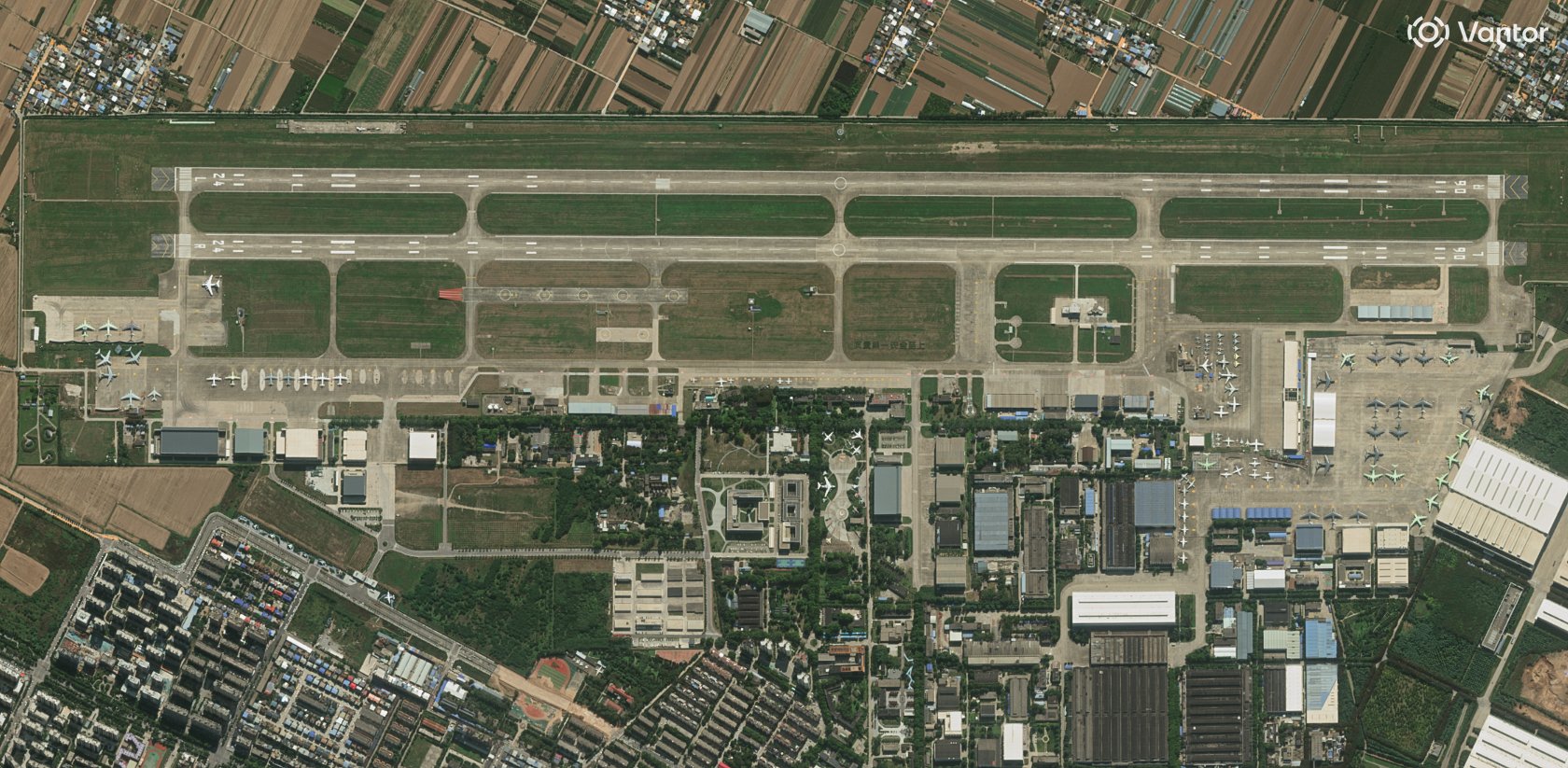
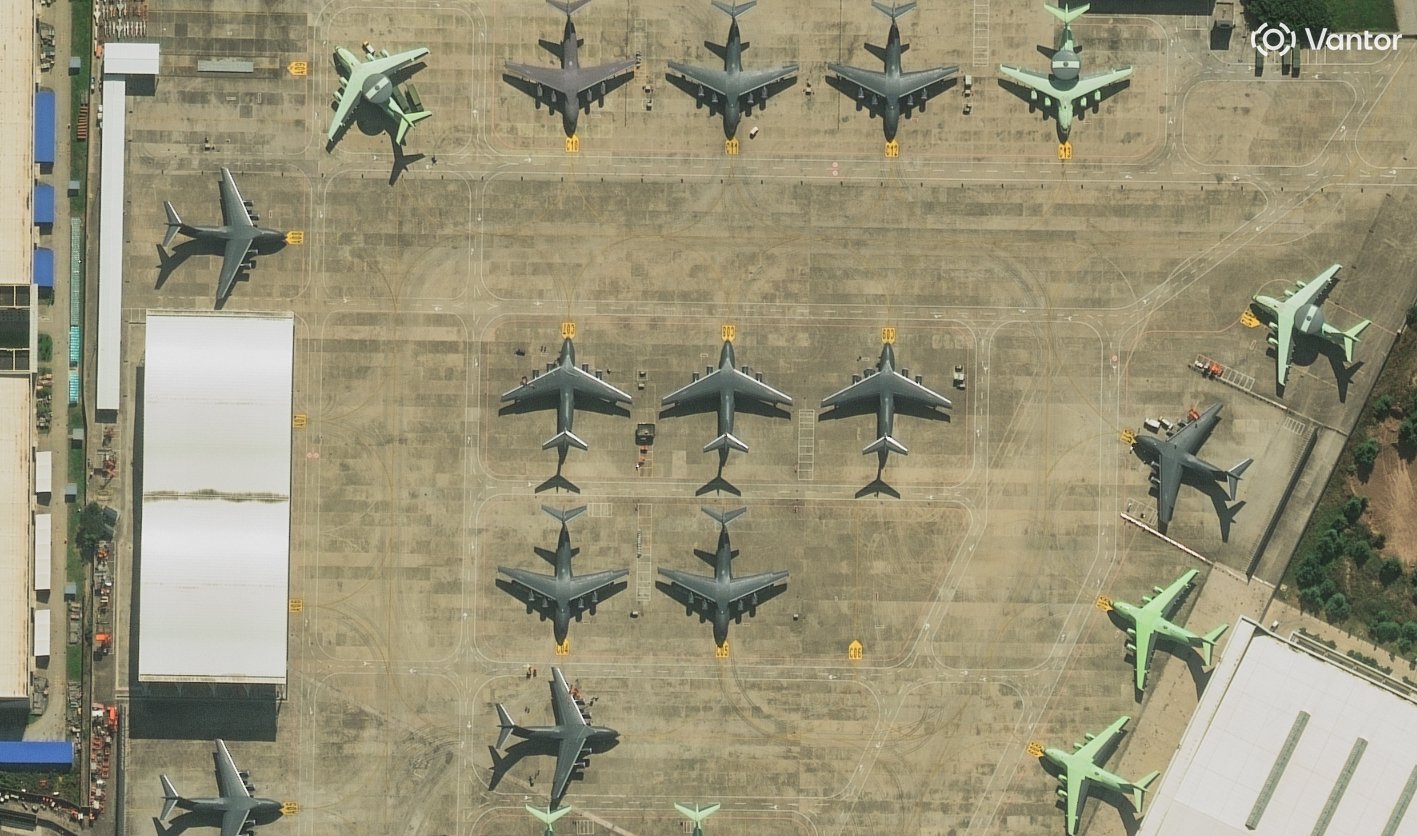
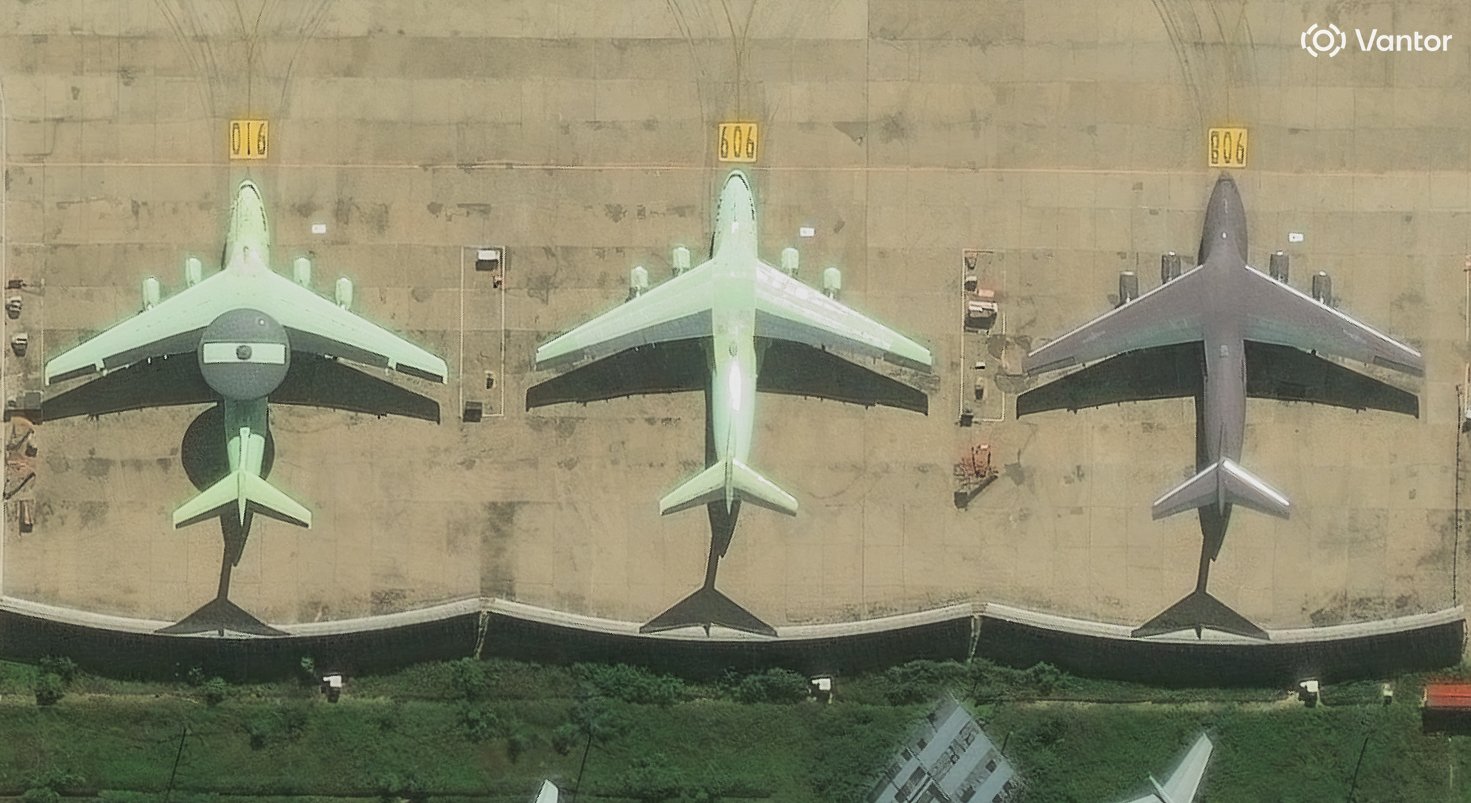
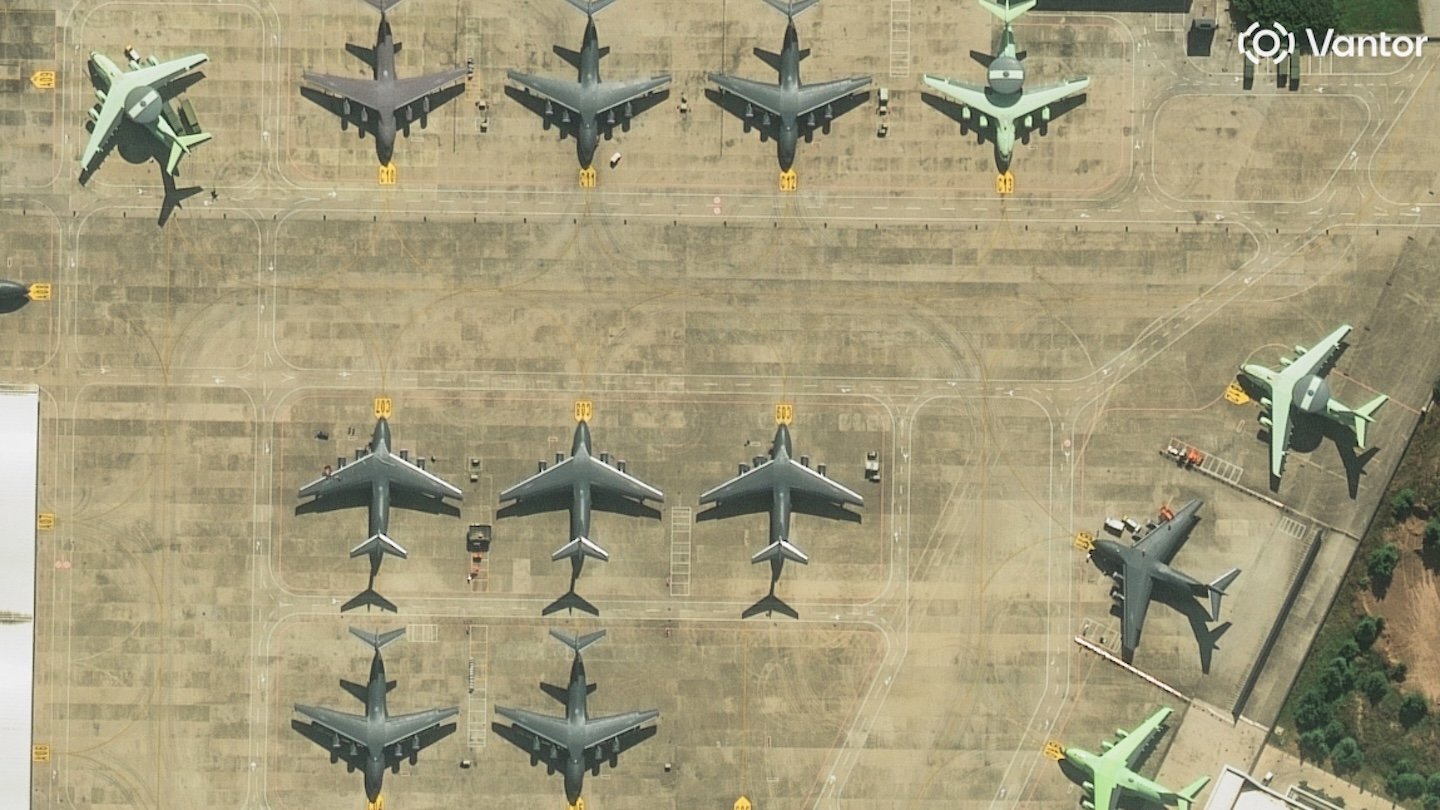
New satellite imagery shows four of China’s new KJ-3000 airborne early warning and control (AEW&C) aircraft at the Xi’an Aircraft Company (XAC) facility at Xi’an-Yanliang, raising the possibility that the large radar planes are moving toward or have entered serial production.
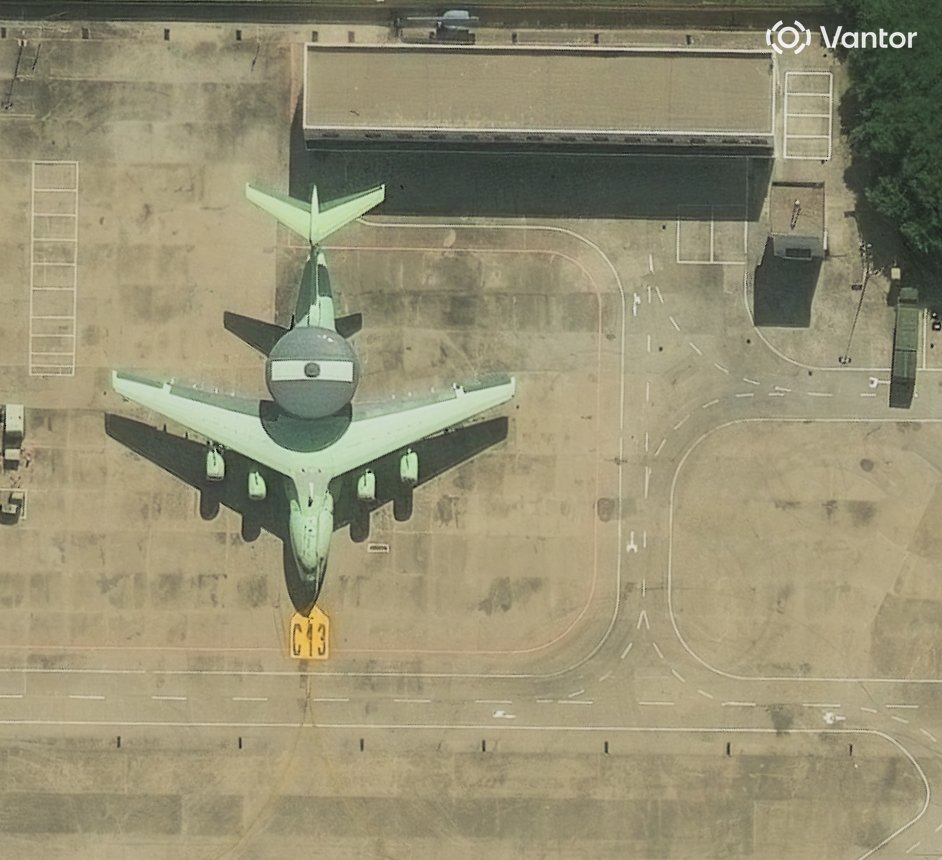
Satellite imagery captured on October 5 and provided by Vantor shows three KJ-3000s near the XAC factory in the western part of the facility, with a fourth at the nearby China Flight Test Establishment (CFTE). J. Michael Dahm, a senior fellow at the Mitchell Institute for Aerospace Studies, assesses that the presence of four aircraft points to the type having entered serial production.
Andreas Rupprecht, an analyst of Chinese military aviation and TWZ contributor, offered a more cautious assessment, noting that the imagery could indicate that series production or low-rate initial production (LRIP) has begun. However, he also pointed out that all four previously identified prototypes could simply have been at the facility at the same time. Specifically, he identified the aircraft seen at the CFTE portion of the airfield as being a prototype.
Whatever the explanation, the imagery offers a fresh look at a program set to significantly expand China’s already substantial airborne surveillance and battle-management capabilities.
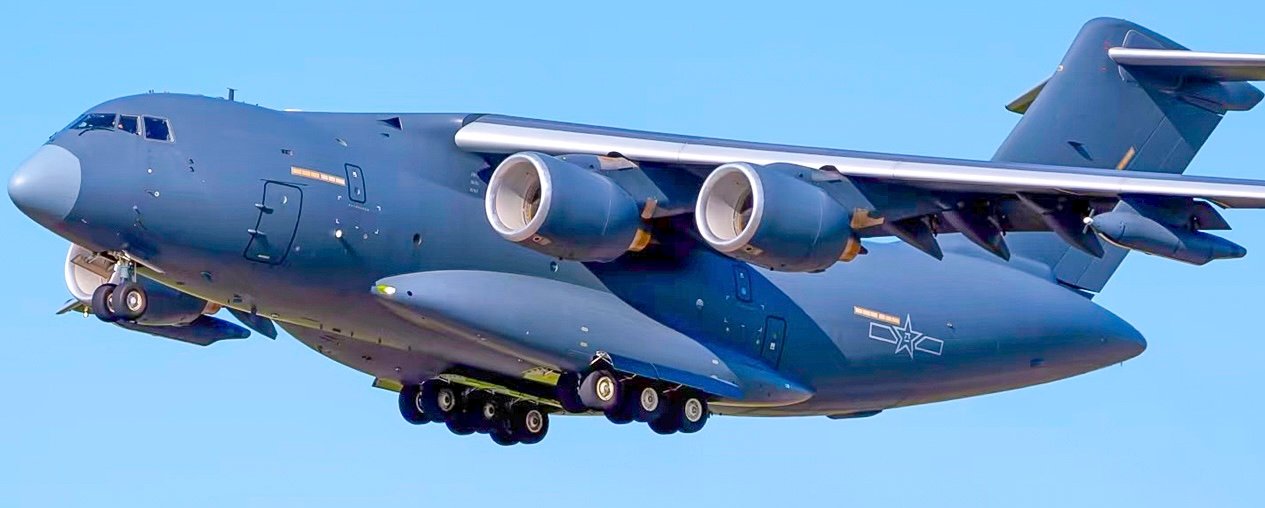
The KJ-3000, also referred to as the KJ-20, is based on the four-engine Y-20 transport aircraft, specifically the improved Y-20B variant powered by Chinese-made engines. The aircraft features a large circular radome mounted above the rear fuselage, along with a prominent series of antennas on the forward fuselage. An aerial refueling probe is mounted above the cockpit, while a conspicuous intake at the base of the tailfin is likely intended to provide cooling air for its extensive onboard electronics.
A stock Y-20B transport with its distinctive locally produced WS-20 turbofan engines. via Chinese internet
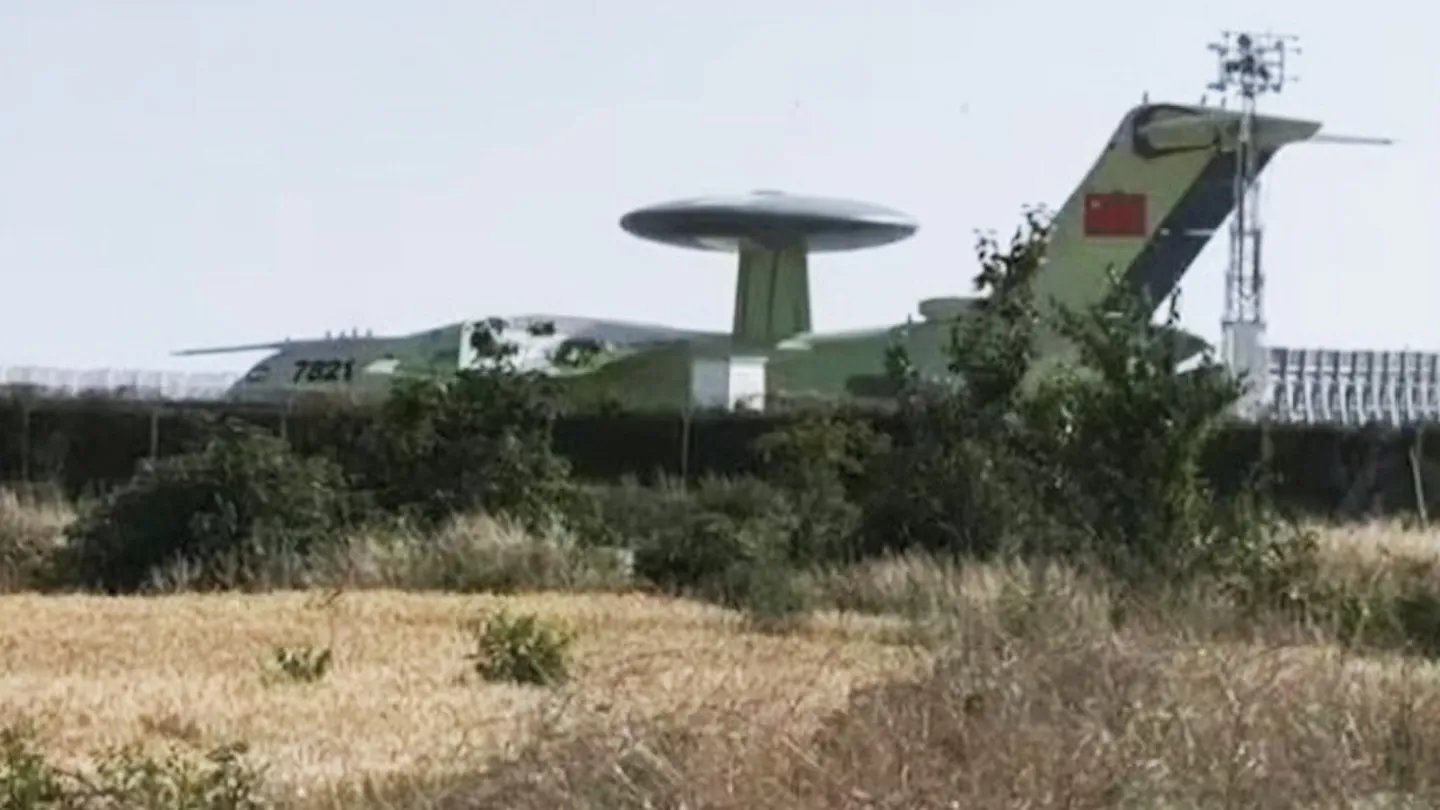
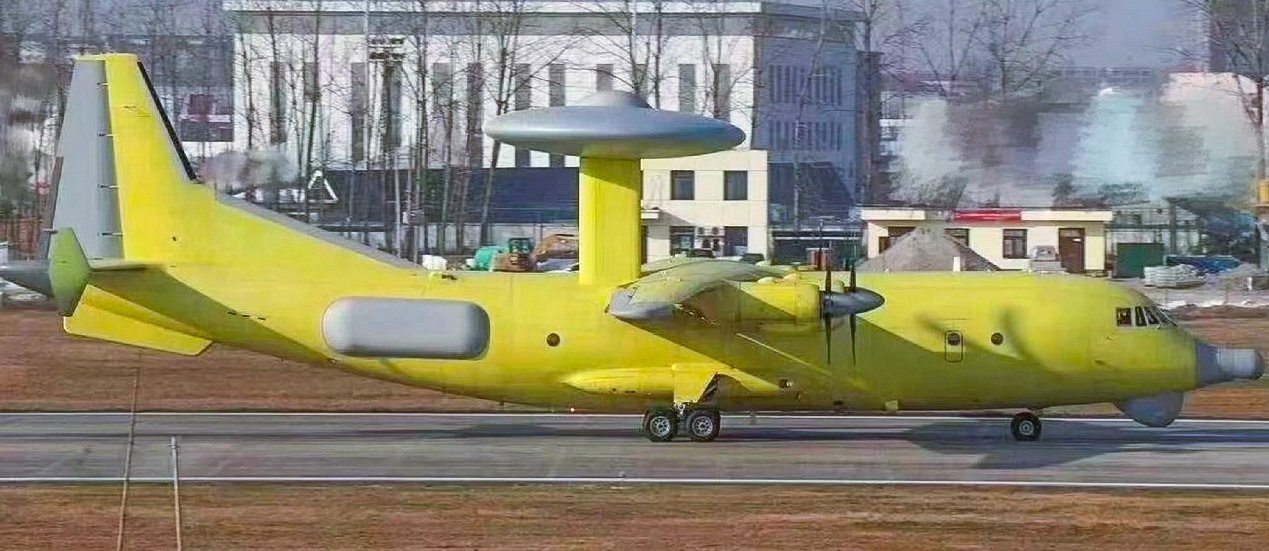
The first low-quality photographs of the aircraft began circulating in December 2024. More detailed imagery emerged in May 2025, showing an example at an undisclosed Chinese airfield. That aircraft, bearing the serial number 7821 and assessed to be the first example, was still wearing primer, in contrast to the examples now seen at the XAC factory.
This photo emerged in May 2025 and shows the presumed first KJ-3000 on the ground at an undisclosed airfield in China. The aircraft still wears a coat of primer, and the serial number 7821 is clearly visible on the forward fuselage. via Chinese internet
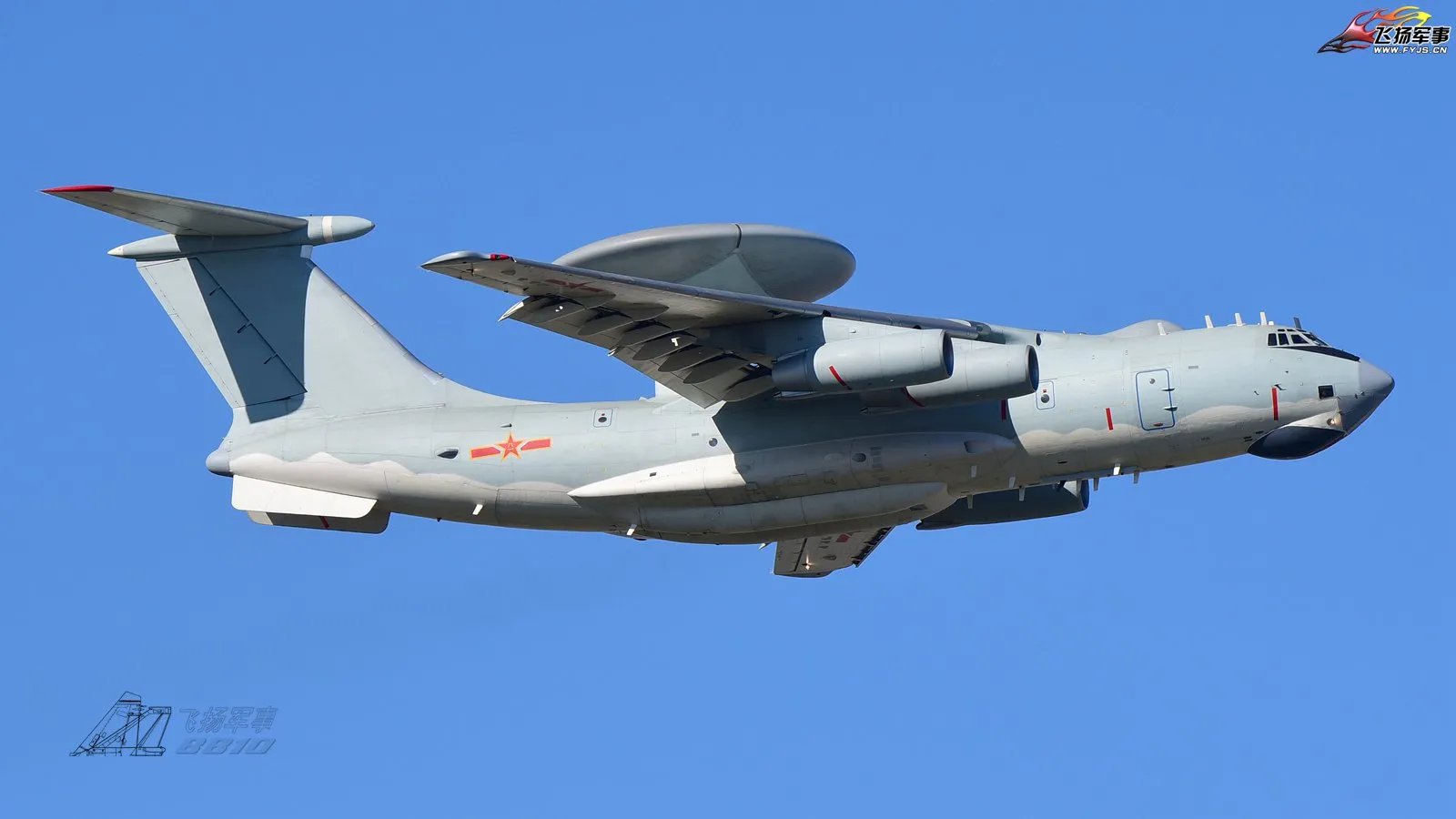
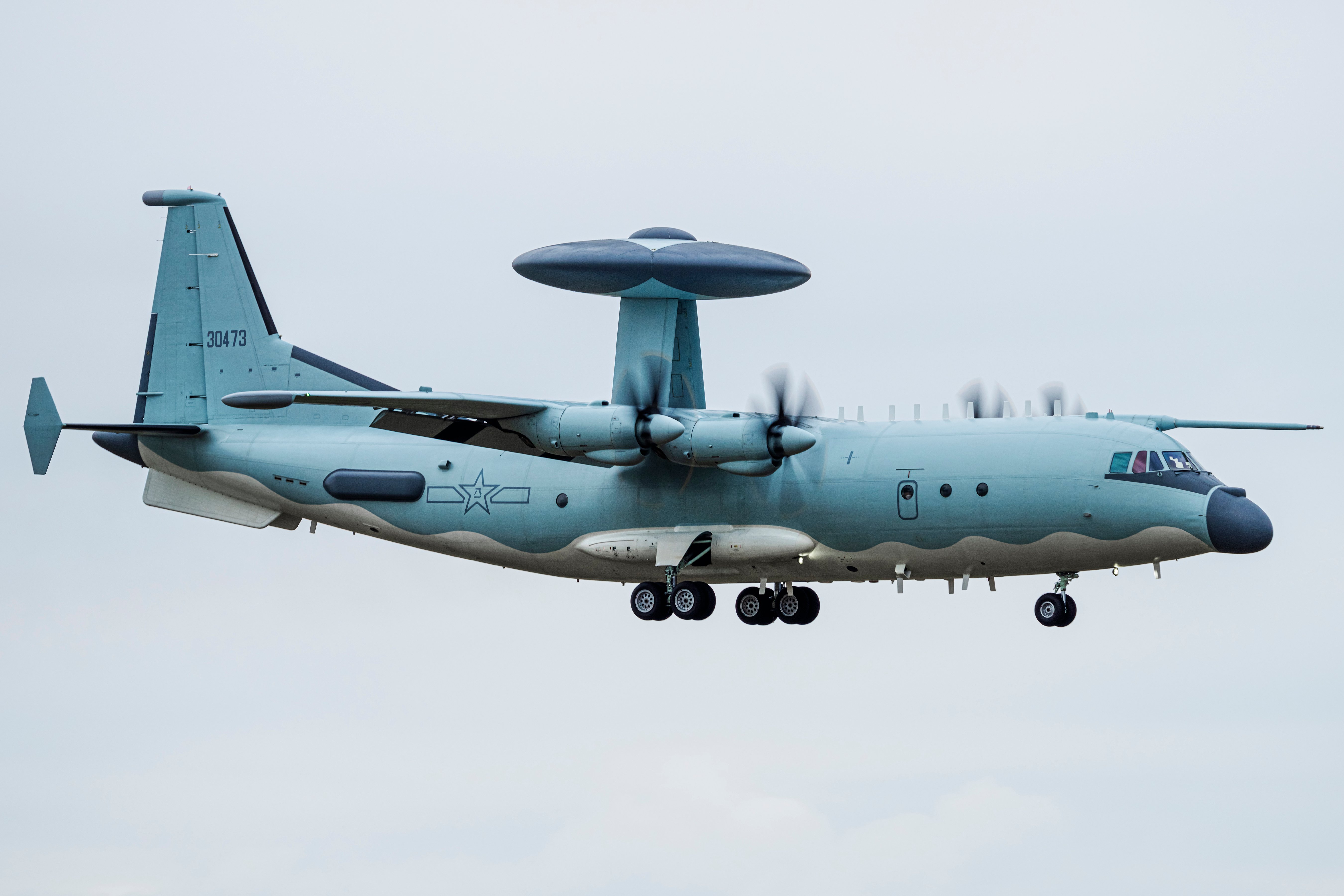
The KJ-3000 is expected to address longstanding limitations in China’s existing large jet-powered AEW&C fleet. To date, only four KJ-2000 Mainring aircraft have been completed. Based on the Russian-built Ilyushin Il-76MD transport, the KJ-2000 program was constrained by the limited availability of suitable airframes, and now faces the twin issues of reliance on Russian supply chains and aging aircraft.
A side view of a standard PLAAF KJ-2000, albeit with the serial number censored from the photo. FYJS/via Chinese internet
A domestically produced Y-20-based platform provides a more sustainable basis for a much larger AEW&C fleet, with greater scope for upgrades and potentially export opportunities.
The larger airframe should also provide advantages over China’s numerous turboprop-powered AEW&C aircraft, including greater speed, range, and endurance. Its higher operating altitude would give its radar a better vantage point for detecting and tracking targets, particularly low-flying aircraft and missiles that may be masked from ground-based sensors by terrain or the radar horizon.
The aerial refueling probe could further extend the aircraft’s range and time on station, although the precise operational capabilities of the KJ-3000 remain unclear.
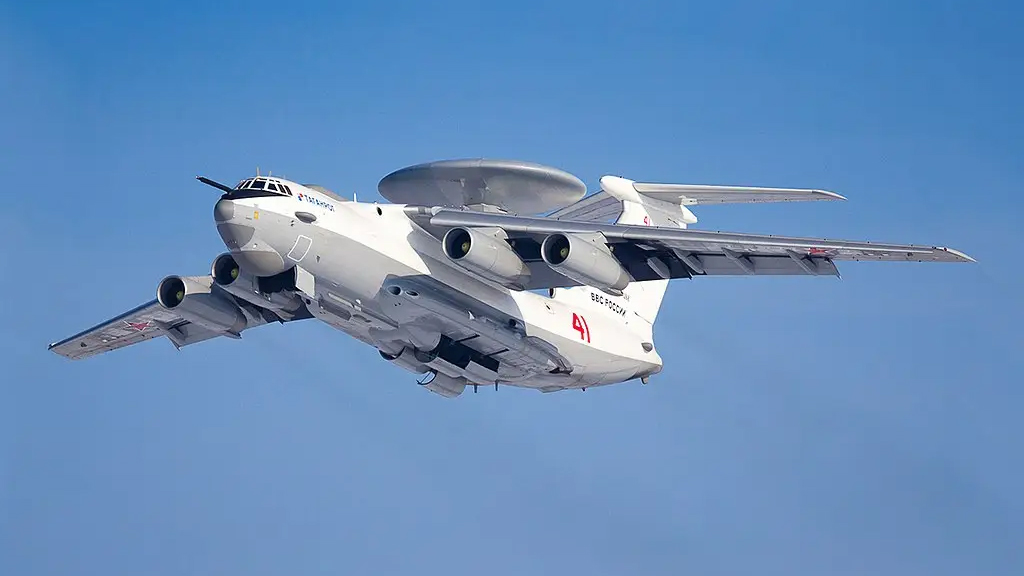
The exact configuration of the KJ-3000’s primary radar has yet to be established. China’s existing KJ-2000 and smaller KJ-500 use fixed radomes containing three active electronically scanned array (AESA) antennas to provide 360-degree coverage, rather than the rotating radomes found on aircraft such as the U.S. E-3 Sentry and Russia’s A-50 Mainstay. Whether the new aircraft follows the same approach remains to be seen.
A Russian Aerospace Forces A-50U Mainstay. Russian Ministry of Defense Russian Air Force A-50U Mainstay. (Russian MoD)
As well as its large AESA radar, the new aircraft is likely to carry additional intelligence, surveillance, and reconnaissance (ISR) systems, while its communications equipment could make it an important networking node for Chinese forces operating across the vast distances of the Indo-Pacific. Such capabilities would be particularly valuable for coordinating combat aircraft, including uncrewed ones, sharing targeting information, and extending the reach of China’s integrated air defense and broader military networks.
The KJ-3000 is also part of a broader expansion and diversification of China’s AEW&C fleet. Alongside the new jet-powered aircraft, the People’s Liberation Army continues to field and develop smaller platforms based on the four-turboprop Y-9 transport family.
These include the KJ-500, which has been produced and delivered at a rapid pace, as well as the newer KJ-700, believed to combine radar with electro-optical and infrared sensors for a broader range of surveillance missions. The precise capabilities of the KJ-700 remain uncertain, but you can read about the platform in more detail here.
A prototype KJ-700. via Chinese internet
The smaller turboprop aircraft offer advantages of their own. They are better suited to operating from dispersed and relatively austere airfields, and they regularly appear at Chinese island outposts and in the strategically important Taiwan Strait. Together, the different types give Chinese forces a range of options for surveillance and command and control, from persistent coverage close to home to operations farther afield.
The U.S. Department of Defense has repeatedly highlighted the growing importance of China’s AEW&C fleet.
In its latest annual report on Chinese military developments, the Pentagon specifically pointed to the KJ-3000:
“The PLA conducted an initial flight with the KJ-3000 Airborne Early Warning and Control (AEW&C) aircraft, which will serve as a surveillance aircraft to monitor aircraft, ships, and other vehicles. The KJ-3000 will probably be the world’s first model to use digital radar and will be capable of anti-jamming, passive detection, and target identification.”
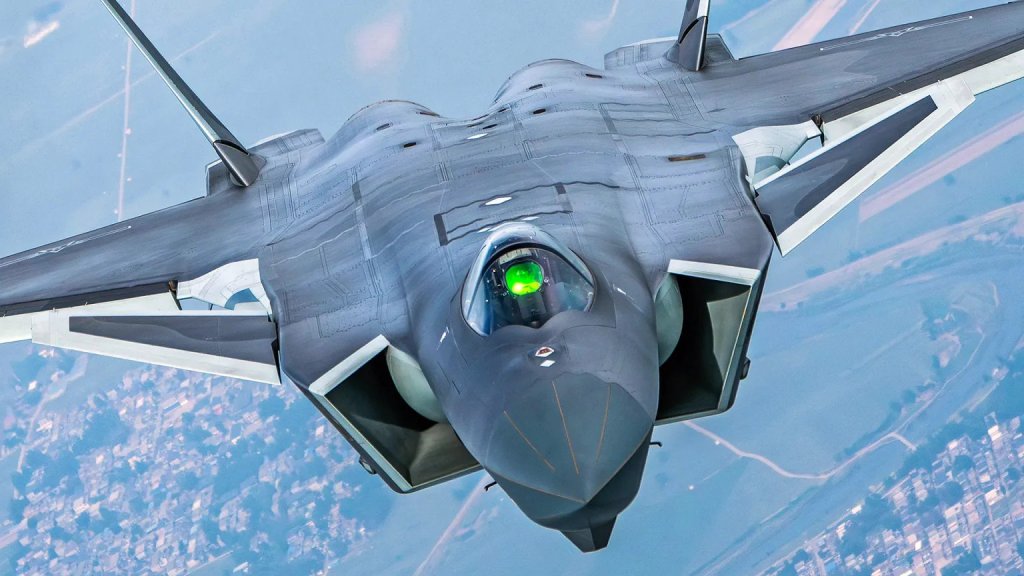
Airborne radar and command-and-control aircraft are also important force multipliers for increasingly capable Chinese combat jets, including the stealthy J-20 and aircraft armed with long-range air-to-air missiles. Radar planes like these can serve as critical networking nodes for data sharing and, in some cases, allow Chinese fighters to prosecute targets without turning on their own radar.
In 2022, then-Pacific Air Forces commander Gen. Kenneth Wilsbach praised the command and control associated with J-20 operations, noting that some of China’s long-range air-to-air missiles benefit from support provided by the KJ-500.
A stock photo of a J-20 stealth fighter. PLAAF
For China, a larger and more capable AEW&C fleet would support both the defense of its airspace and efforts to project military power across the Indo-Pacific. These aircraft could help coordinate operations around Taiwan and the South China Sea, improve situational awareness over maritime approaches, and support combat operations at greater distances from the mainland.
The same Pentagon report from 2025 further noted:
“China’s integration of support aircraft, such as the KJ-500 airborne early warning aircraft, provides the PLAAF with improved ISR capability to support PLA operations, as demonstrated during surge operations near Taiwan.”
A KJ-500 arrives at the Zhuhai Air Show Center in November 2022 in Zhuhai, Guangdong Province of China. This is specifically the probe-equipped KJ-500A version. Photo by VCG/VCG via Getty Images VCG
A domestically developed, jet-powered platform such as the KJ-3000 would be a logical centerpiece of that effort, particularly since it can be produced in substantially greater numbers than the KJ-2000.
The October 5 imagery does not confirm that serial production has begun. Further imagery showing additional airframes, activity around production facilities, or aircraft in new operational markings may provide a clearer indication of the program’s progress.
Regardless, the KJ-3000 appears poised to become an important addition to China’s expanding airborne surveillance and command-and-control architecture.
Another day, another series of warnings from Democratic and liberal media figures that they are going to try to put their political opponents in jail if they take back control of government.
 Login