❌

Reading view

Ibero-American Universities Agree on Agenda for AI and Mobility
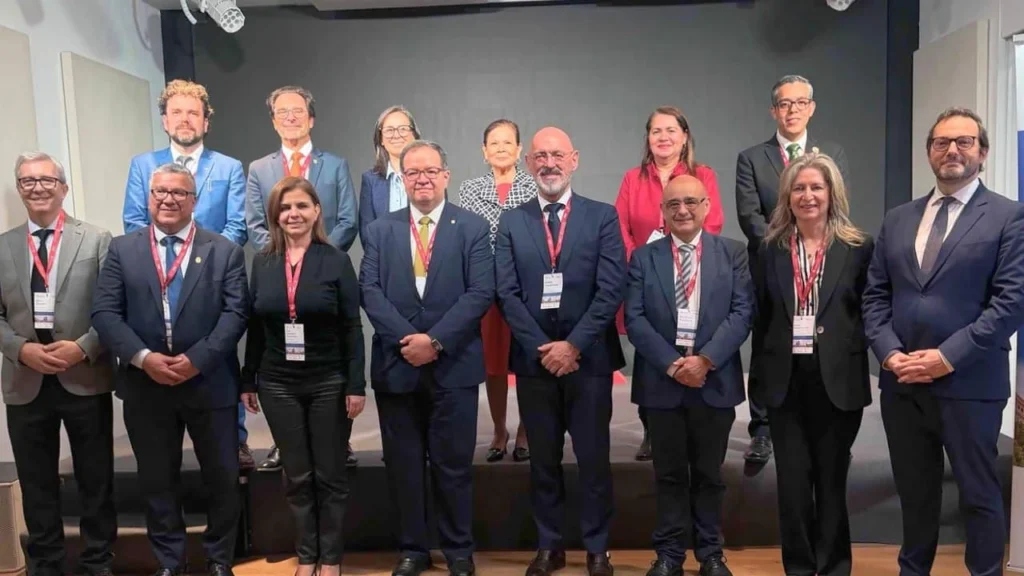
Rectors and officials from around twenty Ibero-American universities approved a 25-point agenda in Madrid this Tuesday. The agenda proposes regulating artificial intelligence (AI), defending Spanish and Portuguese as languages ​​of science, and expanding academic mobility within the region.

RELATED:

U.S.-Mexican Student Accepted to 49 Universities

The agreement was reached during the Ibero-American University Knowledge Forum, held at the headquarters of the Instituto Cervantes. It recognizes the autonomous public university as an indispensable pillar for democracy and social cohesion, and calls on governments to provide sufficient and sustainable funding.

“We face numerous challenges in each of our countries that require a collective, cross-cutting effort,” stated Susana Sumelzo, Secretary of State for Ibero-America and the Caribbean. She noted that the agenda will be presented at the XXX Ibero-American Summit of Heads of State and Government, scheduled for next Wednesday and Thursday in Madrid.

A key commitment is the promotion of Spanish and Portuguese as languages ​​for research, scientific production, and teaching. Sumelzo emphasized that both are global languages ​​shared by more than 800 million people and should also serve as languages ​​in which research can be conducted.

🎓 Iberoamérica aprueba la Carta de Movilidad Académica para facilitar el intercambio estudiantil en la región.

🌎 La Declaración de Alicante crea además grupos de trabajo sobre microcredenciales y movilidad del profesorado.https://t.co/0rG2DHeu4p

— Cumbre Iberoamericana (@CumbreIberoA) October 22, 2026

The text reads, “Ibero-America adopts the Academic Mobility Charter to facilitate student exchange within the region. The Alicante Declaration also establishes working groups on micro-credentials and faculty mobility.”

Furthermore, the institutions agreed to establish an Ibero-American University Knowledge Network—with this forum serving as its foundational event—and the proposal includes facilitating student mobility and the mutual recognition of academic degrees between countries.

Odir Fernández, Rector of the National Autonomous University of Honduras, highlighted that Spain serves as a benchmark for higher education in Latin America, a fact reflected in the migration of Latin American students to that country. Meanwhile, Jacqueline Sepúlveda, Rector of the University of Concepción in Chile, advocated for the mobility of students and faculty as a means to strengthen research and the intellectual sovereignty of our peoples.

The agenda also calls for shared regulation of AI and stipulates that technological advancement must be subordinate to human dignity, as well as to the sustainable use of water and energy in data centers.

“We need to move beyond universities that are rooted in the 19th century in terms of infrastructure, the 20th century in terms of their faculty, and the 21st century in terms of their students,” Fernández stated, referring to the digital divide.

#FromTheSouth News Bits | Belgium: Young demonstrators took to the streets of Brussels to protest education reforms that would raise university tuition and extend teaching hours without additional pay. pic.twitter.com/IBp4sxza26

— teleSUR English (@telesurenglish) October 27, 2026
  •  

Honduras Prosecutors Issue Warrants Against Ex-Congress Chief Redondo

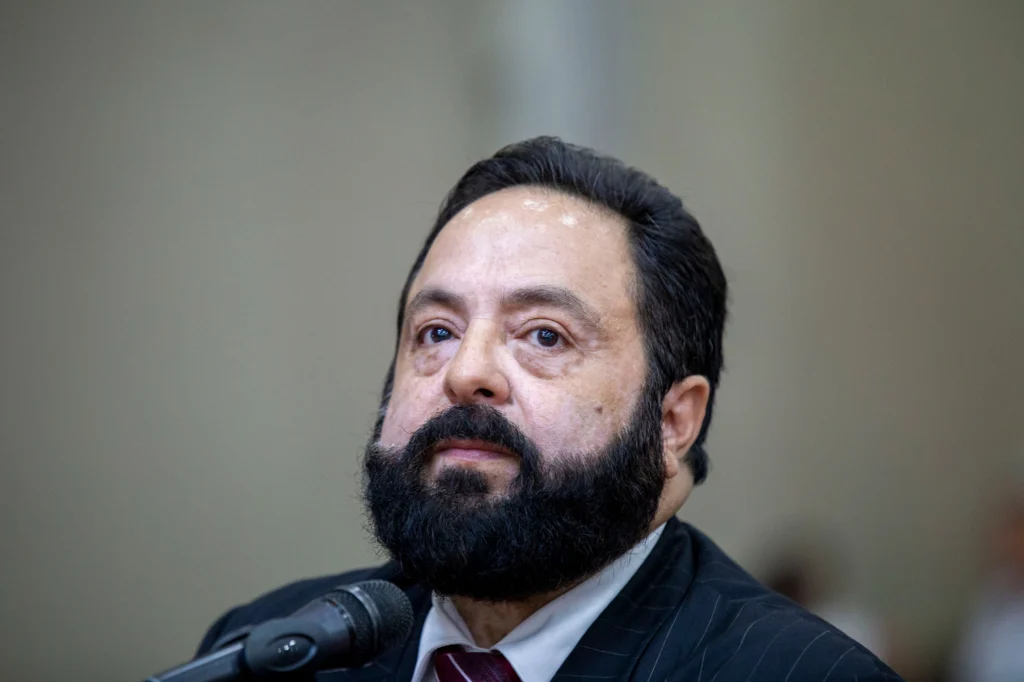
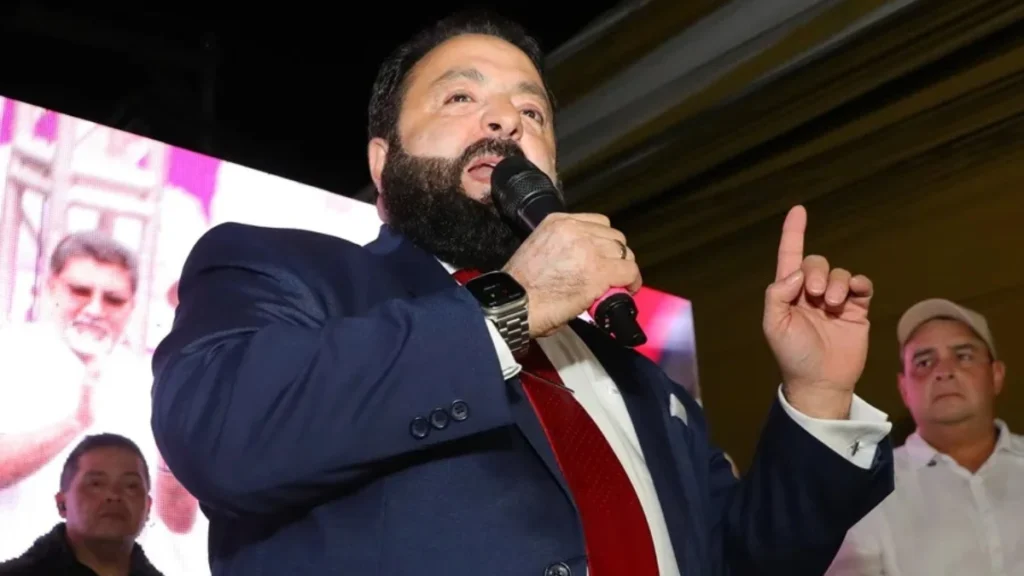
Honduras’ Public Prosecutor’s Office issued arrest warrants Tuesday against former Congress president Luis Redondo and other former legislators from the 2022–2026 term for demanding that the 2025 vote count be completed.


Former CNE member Marlon Ochoa and the left-wing Liberty and Refoundation Party (Libre) say the 2025 process was left unfinished, with 306 presidential tally sheets, 2,620 deputy tally sheets and 1,848 municipal corporation tally sheets uncounted; they denounce this as electoral fraud and a rupture of institutional order.

Their account links president Nasry Asfura’s arrival in the Executive to fraud organized by the far right and interference by the Trump administration, describing him as illegitimate.

RELATED: Honduras Congress Approves Funds for Maximum-Security Prison

Ronald Panchamé, Libre’s caucus leader, argued that demanding the vote count falls within legislators’ attributions and recalled that Article 205, numeral 7, of the Honduran Constitution empowers the National Congress to declare the election if the electoral body does not do so in a timely and proper manner, according to the defense.

pic.twitter.com/2bhhVr8yRp

— LUIS REDONDO 🇭🇳 (@Lredondo) October 23, 2026

The full bench of the Supreme Court of Justice scheduled the designation of the natural judge to take charge of the case against Redondo and other members of the extinct Permanent Commission, consolidating the criminal proceedings. Prosecutors and courts question the legality of the former legislators’ actions and impute crimes including abuse of authority and violation of the duties of officials.

The Prosecutor’s Office’s actions against those who tried to prevent what Libre and Ochoa denounce as an electoral coup and betrayal of popular will generated complaints of lawfare, political persecution and a deep crisis of judicial independence in the country, according to the denunciations.

Libre leader Wilmer Fernández stated that while legislators are prosecuted for defending democracy, freedoms are granted to those implicated in historic embezzlements such as the Social Security case or the mobile hospitals case, which he said evidences the use of criminal law by the political right as a tool of confrontation.

  •  

Honduras: ordenan captura de exlíder del Congreso que trató de impedir fraude electoral

Ministerio Público impulsa una campaña de lawfare contra Luis Redondo, expresidente del Congreso, y legisladores que protegieron la transparencia electoral, la democracia y la voluntad popular
  •  

U.S. Defends Military Campaign Against Cartels as Leaders Gather in Caribbean

A regional coalition convened as part of a U.S. military effort to disrupt and combat drug traffickers that officials have compared to the campaign against the Islamic State and Al Qaeda.

© Enea Lebrun/Reuters

A multinational military exercise near Panama City in August. Regional military leaders at a gathering on Tuesday reviewed a wide-ranging U.S. military plan to combat drug smugglers.
  •  

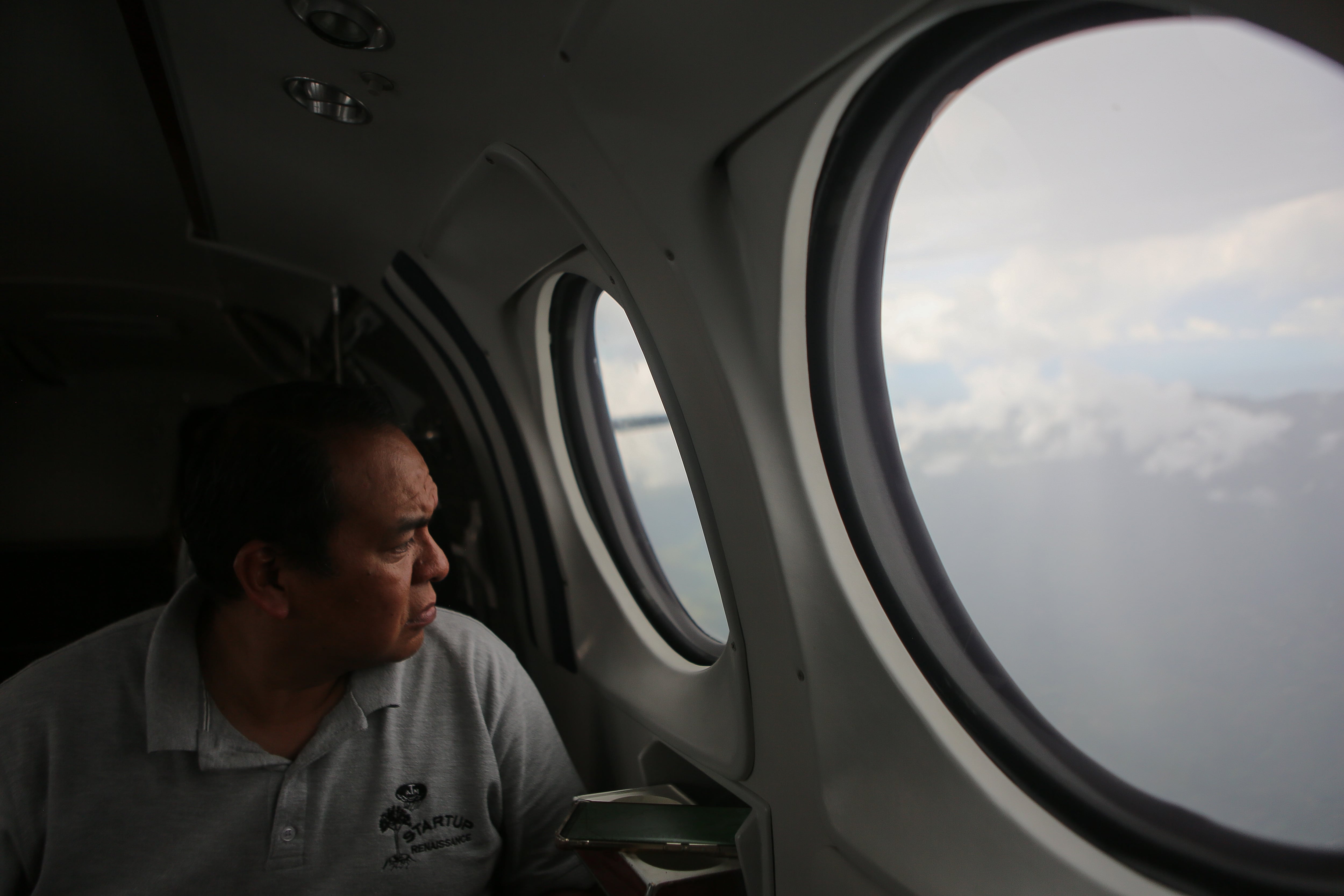
Squeezing the clouds: Aboard the small plane making it rain in drought-stricken Honduras

Juan Carlos Díaz, technical operator of the cloud stimulation program, on a flight over Honduras on October 8.

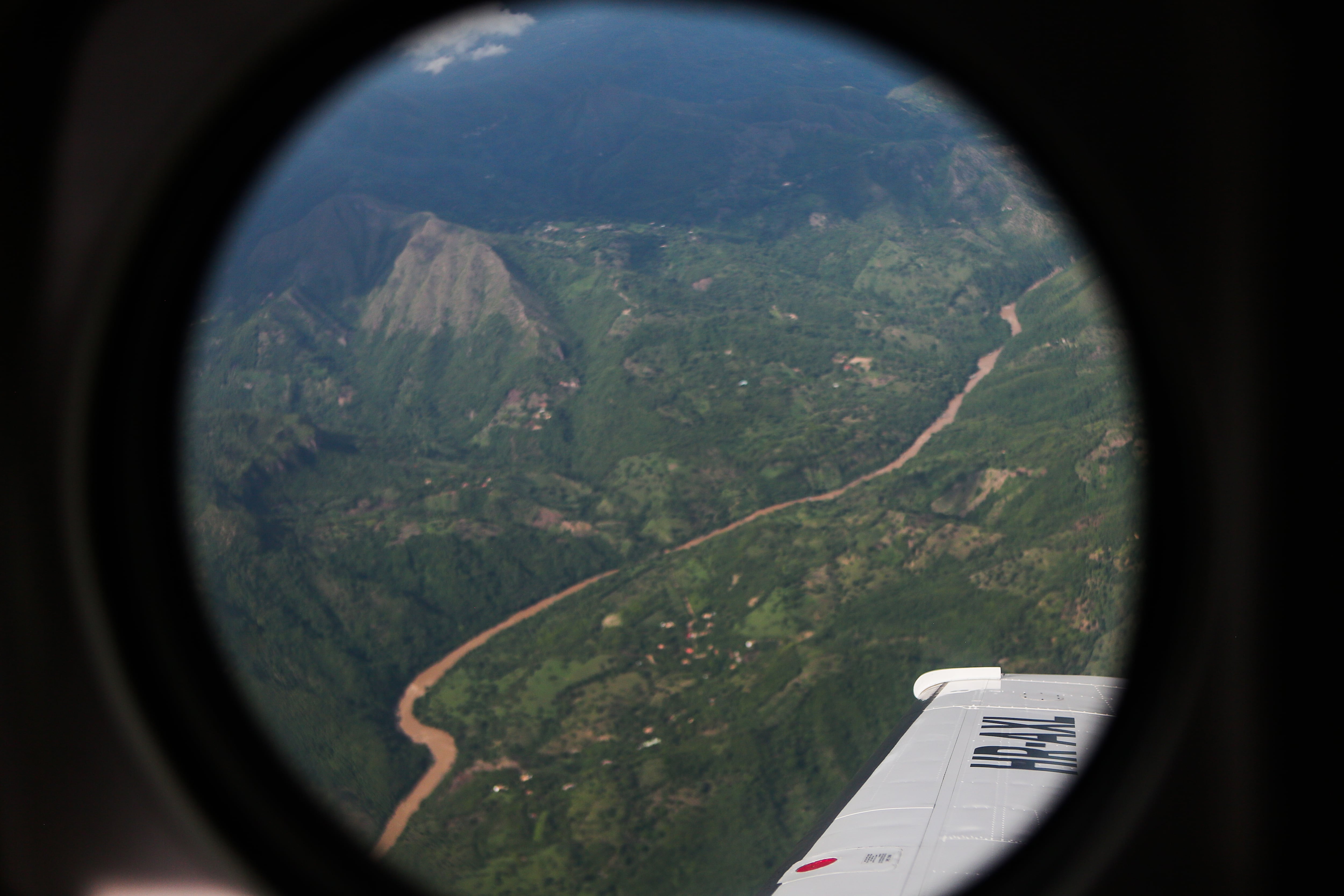
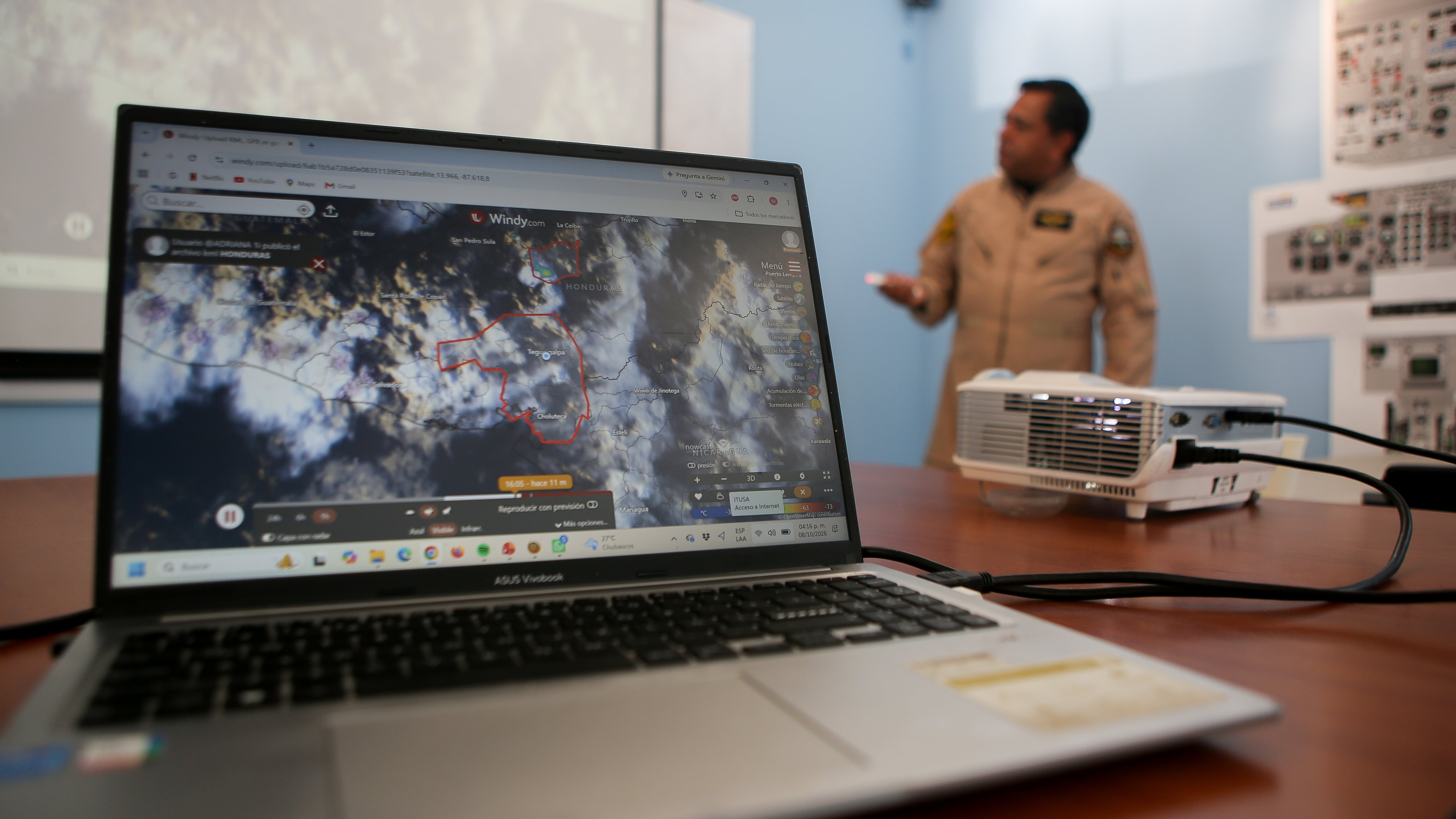
The rivers near the capital look brown from an altitude of 3,600 meters. It rained lightly in Honduras a week ago, and some of the murky water is returning to the Humaya river, one of many parched streams that 20 years ago did not show such arid scenes. Aboard the King Air C90, Víctor Torres, a Mexican pilot and member of Startup Renaissance, enlarges a patch of dark clouds near Comayagua on the screen and receives a clear instruction from the meteorologist on the ground: a dart-in-a-bullseye emoji. “Hold on,” he warns.

Seguir leyendo

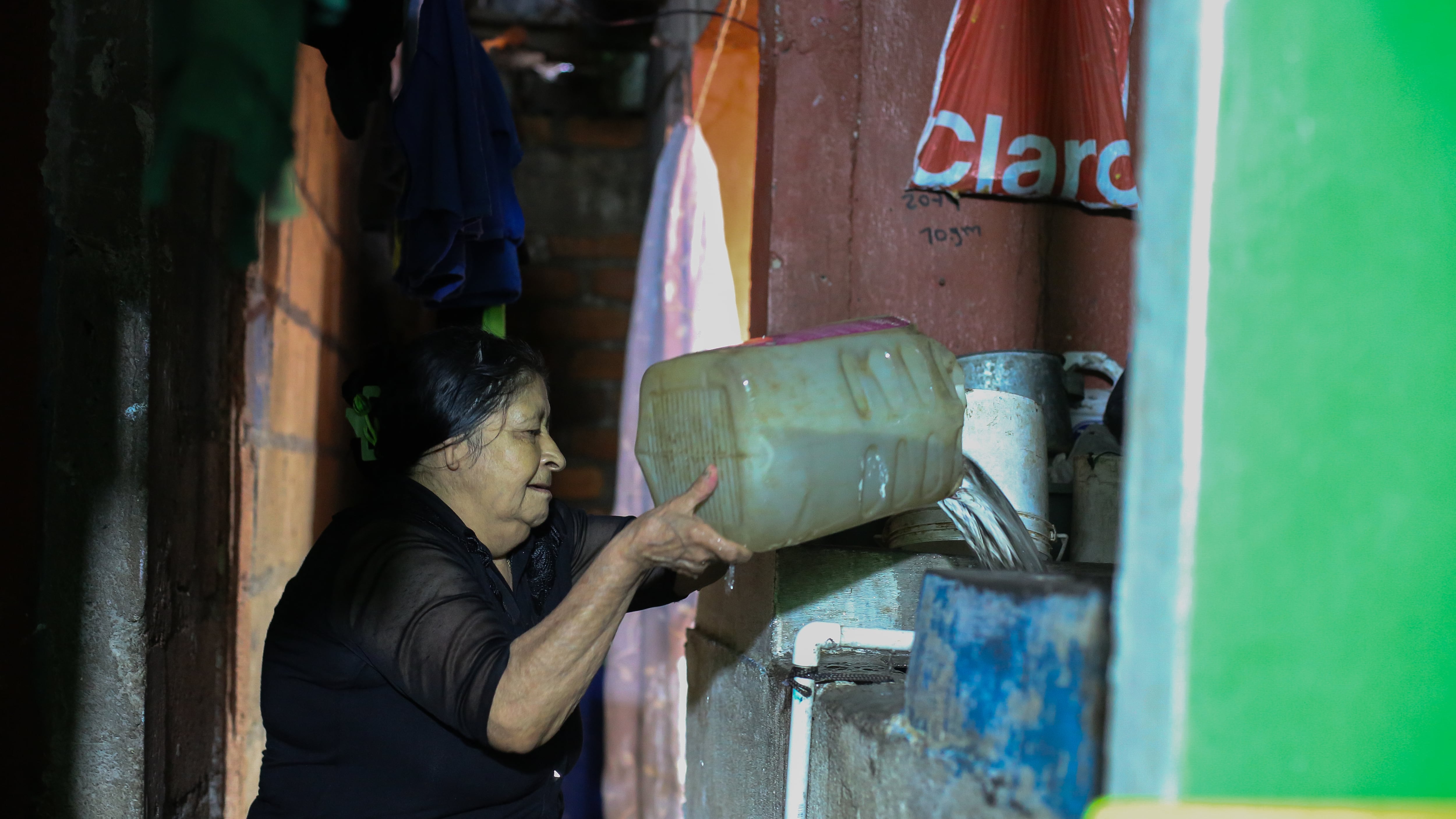
A river rising after precipitation generated by the cloud stimulation program.A satellite map of the areas of Honduran territory intervened during the flight day.The small plane used for seeding on the runway of Coronel Hernán Acosta Mejía Air Base, in Tegucigalpa.Suyapa Alvarenga pours rain-collected water from a barrel into her sink in Tegucigalpa on October 7.
  •  

Honduran Court Orders Capture of Former Congress President Redondo

(FILE) Photo: Contracorriente.

A Honduras’ court issued arrest warrants with international alerts against former Congress president Luis Redondo and former state printing manager Edis Moncada over a parliamentary order for a vote-by-vote recount of the 2025 general election.


A Honduran court ordered the international capture of former National Congress president Luis Redondo and Edis Moncada, former manager of the National Graphic Arts Company, attaching international alerts to both warrants.

The measure took effect after the deadline expired for their voluntary appearance before charges filed by the Public Ministry.

RELATED: Honduras Congress Approves Funds for Maximum-Security Prison

The prosecutorial request names 14 former members of the now-defunct Permanent Commission of the legislative power. The criminal case brought by the Prosecutor’s Office contains 21 charges against the former leadership of that parliamentary body, alleging disturbance of institutional functioning, usurpation of functions and violation of officials’ duties.

#HCHNoticias | En exclusiva HCH le muestra la orden de captura contra el expresidente del Congreso Nacional, Luis Redondo, quien está acusado de dos delitos de violación a los deberes de los funcionarios.
FP pic.twitter.com/EzLfq095Wk

— HCH Televisión Digital (@HCHTelevDigital) October 23, 2026

14 Ex-Members Face Charges

The charges target two central decisions adopted by the legislature. One was the installation and institutionalization of the commission itself. The other was the promulgation of a sovereign decree ordering a vote-by-vote recount of the 2025 general election.

Opposition sectors describe the prosecution as part of a campaign to criminalize officials and mechanisms that flagged irregularities in those elections. The parliamentary order to audit the ballot count challenged the authority of the National Electoral Council and drew the reaction of power groups opposed to democratic control of the vote.

The activation of international alerts and the prosecution of numerous former legislative officials shows, in the view of critics, the use of the punitive apparatus to intimidate state institutions. The case sets a precedent against the power of elected representatives to safeguard the legitimacy and transparency of electoral processes, they argue.

The 2025 elections remain at the center of the dispute. The legislative power had demanded verification of the tally sheets after the vote, a step that conservative sectors rejected. The recount order sought to audit what those lawmakers considered irregularities in the results.

Text reads: “Statement / LIBRE party: Requiring votes to be counted is not a crime! Defending democracy is not a crime! We denounce the political persecution against the deputies of LIBRE Party for demanding that the electoral count be completed and the popular will be respected. The defense of democracy cannot become a reason for persecution. Political persecution will not silence LIBRE or the Honduran people!”

Opposition Denounces Political Persecution

In September, former presidential candidate Rixi Moncada of the Freedom and Refoundation Party (LIBRE), publicly denounced what she called “systematic political persecution and the establishment of a judicial dictatorship” in Honduras.

Moncada questioned decisions by the National Congress and the judiciary that led to the abrupt dismissal of senior constitutional officials. Among those removed were the Attorney General, the President of the Supreme Court, a councilor of the National Electoral Council and a magistrate of the Electoral Justice Tribunal.

She also warned about regulations aimed at mass dismissals of public employees and an energy counter-reform designed to hand over the management of the National Electric Energy Company (ENEE, in Spanish), to banking corporations and private generators.

In her analysis, Moncada linked the parliamentary offensive to impunity rulings handed down by the courts. She highlighted the acquittal of former President Juan Orlando Hernández in the so-called Pandora Case, which investigated the diversion of 282 million lempiras (about 14,252,618 dollars) to parties of the traditional oligarchy of the country.

The international arrest warrants extend the reach of the judicial process beyond Honduran borders. The alerts would allow authorities in other countries to detain the former officials if they travel or are located abroad.

For now, the courts move forward with the charges while the opposition frames the case as retaliation against those who pushed to audit the 2025 vote. The next phase will determine whether the former officials appear before the court, are detained, or contest the prosecution as politically motivated.

  •  

US increases military presence in Latin America with training in Panama, Honduras and Colombia

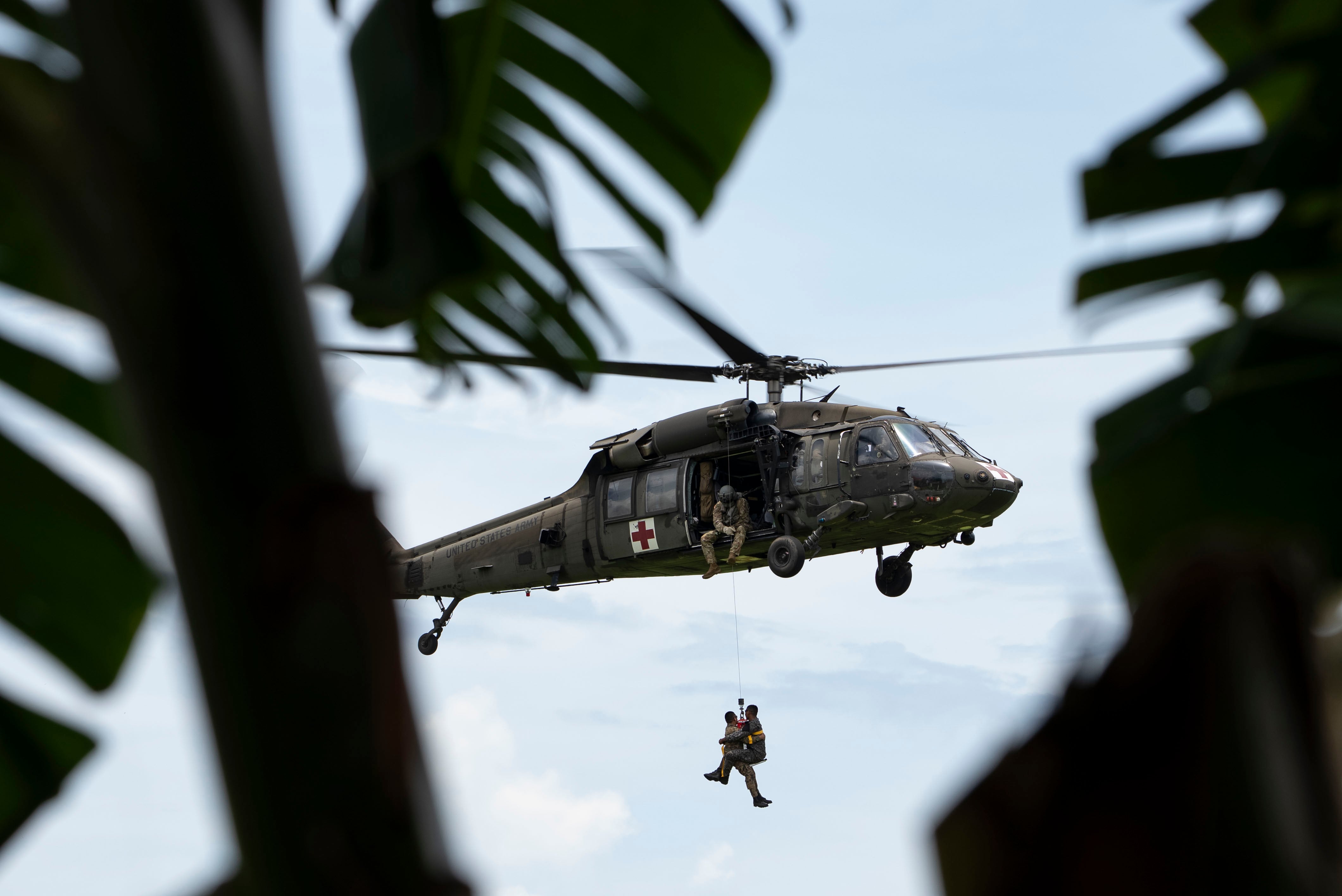
The United States is increasing its military presence in Latin American countries. The U.S. military has sent hundreds of soldiers to conduct training in Panama, an activity they will repeat later in Honduras and Colombia, The New York Times reported. The military detachment is preparing to take part in special operations against drug trafficking cartels, sources for that outlet said.

Seguir leyendo

© CONTACTO vía Europa Press (CONTACTO vía Europa Press)

Several U.S. Army soldiers conduct a training exercise at the Panama Naval Air Base.
  •  

Afro-Indigenous community in Honduras resists forced evictions

Spanish reality show “Survivor” (Supervivientes) has been filming on the land of the Afro-Indigenous Garífuna peoples in Honduras since 2006. The filming of “Supervivientes,” as well as other versions of the “Survivor” show, have sparked intense local protests over land, human rights, restrictions to fishing access, and forced evictions.

In 2025, the Inter-American Court of Human Rights (IACHR) found that the filming of the reality show violated several rights of the members of the Garífuna community. But it wasn’t the first time the Honduran government has been found in violation for its treatment of the Afro-Indigenous people of Central America. In total, the Inter-American Court has issued warnings four times regarding the mistreatment suffered by this community.

This story, though not entirely recent, has resurfaced in recent weeks when, on July 6, nearly two hundred police officers arrived in San Juan to evict several community members, claiming they were on property that did not belong to them.

However, the Garífuna assert that these lands belong to the community, and therefore an eviction order cannot be issued for communal lands that, in essence, are being targeted for privatization in favor of private interests (particularly those of the Rosenthal family, one of the wealthiest and most powerful families in Honduras). The dispute led to the arrest and prosecution of five community members by the Honduran judicial system. Those detained are Deinor Mejía, Irbin López, Carlos Fernández, Onil Hernández, and Sara Acosta.

Protests against evictions

Following this, several members of the Honduran Black Fraternal Organization (OFRANEH) arrived in the capital, Tegucigalpa, to protest in front of the Supreme Court against what they consider to be unfair treatment. They set up the “Viva Berta” Camp and plan to remain there until the proceedings against the five defendants are concluded and the court stops treating the matter as if it were a criminal case.

Furthermore, OFRANEH has rejected the intentions of Supreme Court President Wagner Vallecillo to establish dialogue forums to resolve the conflict, as the organization defending the rights of Black Hondurans asserts that this would imply recognizing that these territories do not belong to the peoples settled there – a fact already established several years ago by international courts and specifically recognized in 2023 by the Inter-American Court of Human Rights, which ruled that the territories of San Juan belonged to the communities settled there.

Thus, while the government promotes negotiations, the Garifuna people continue to resist what they see as an onslaught by private interests that are using the Honduran government to their advantage in order to strip them of something that – despite the racist rhetoric of certain media outlets – is rightfully theirs by virtue of hard-won rights.

Isolated incident or state policy?

However, in the Honduras of right-wing President Nasry Asfura, a law known as the Agroindustrial Law, the Employment and Economic Development Zones (ZEDE), was recently passed. This law authorizes law enforcement to act as they did on the day of the eviction, even though it contradicts the rulings of the IACHR, which could lead to another case against the Honduran state. 

OFRANEH asserts that this is part of a long-standing pattern of the Honduran state’s actions against Indigenous peoples. For two decades, various institutions have promoted the dispossession of lands in favor of private interests, they stated. In one such example, the National Agrarian Institute reportedly failed to recognize more than 172 hectares for the Garifuna people but did recognize them for the company Promotur, a firm linked to Jaime Rosenthal Oliva, a prominent Honduran banker and politician who died in 2019. 

This organization has also denounced the clear ties between the Rosenthals and the Supreme Court of Justice, which could jeopardize fair treatment and recognition of the territories in favor of Indigenous peoples.

For their part, several United Nations special rapporteurs have called on the Honduran government not to carry out more than 1,000 eviction orders that would affect tens of thousands of peasant, Indigenous, and Afro-descendant families. These orders would jeopardize not only territorial rights but also the food security of thousands of people, as these families rely primarily on working the land for their livelihoods.

  •  

‘Lawless killing spree at sea resumes’ as US announces fresh boat bombings

US Southern Command carries out a “lethal kinetic strike on a low-profile vessel" on August 23, 2026. Photo: screenshot/US Southern Command/X
Common Dreams Logo

This story originally appeared in Common Dreams on Aug. 24, 2026. It is shared here under a Creative Commons (CC BY-NC-ND 3.0) license.

The US military has resumed its campaign of bombing alleged drug-trafficking vessels after a two-month pause in a campaign that many legal experts and human rights groups believe constitutes a murder spree.

In a Monday social media post, US Southern Command (SOUTHCOM) said it carried out a “lethal kinetic strike on a low-profile vessel operating along established narco-trafficking routes” in the Pacific Ocean on Sunday. Two people were killed as a result of the attack, SOUTHCOM claimed.

In announcing the strike, SOUTHCOM Commander Gen. Francis Donovan said the attack was part of a campaign of “imposing total systemic friction on narco-terrorists—disrupting their operations, dismantling their leadership, and eliminating cartel terror across the region.”

Donovan’s boasts about the effectiveness of the boat strikes in combating the drug trade come less than a month after a leaked a Drug Enforcement Administration (DEA) analysis revealed that the boat-bombing campaign has not “reduced the amount of cocaine entering” the country, as drug cartels have found alternate methods for shipping their product into the US.

With the latest two casualties, the boat bombing campaign launched nearly a year ago by President Donald Trump’s administration has now claimed the lives of at least 223 people.

Adam Isaacson, director of the Defense Oversight program at the Washington Office on Latin America (WOLA), criticized the administration for resuming its boat bombings despite “overwhelming evidence that they are murder; that many, likely most, of the dead are either super-low-level or uninvolved with drugs; and that cocaine supply is unaffected.”

Brian Finucane, senior adviser to the US Program at the International Crisis Group, delivered a similarly scathing assessment, commenting that “the Trump administration’s lawless killing spree at sea resumes.”

Nicholas Grossman, professor of international relations at the University of Illinois, described the boat strike campaign as “murderous” and “illegal,” adding that its victims are “not terrorists” and “may not even be drug traffickers.”

Investigative journalist Camila Lourdes Galarza observed that “there’s still no proof any of the victims” of the boat strikes were involved in the drug trade.

Lourdes Galarza sarcastically added that if the victims had been drug traffickers, “the US would probably give them a deal” like the one given to Juan Orlando Hernández, the former president of Honduras who was pardoned by Trump last year despite being previously convicted on narcotics trafficking charges.

  •  
❌