The unclassified DIA report is based largely on open-source information, with a cutoff date of July. It was published to detail growing threats from China, Russia and emerging powers Iran and North Korea to global interests in the space domain. The report’s release also took place as the U.S. is becoming increasingly open about its own ASAT capabilities. Last month, for instance, U.S. military officials acknowledged for the first time that America has weapons in orbit.
“The PLA probably considers DEWs [directed energy weapons] ideal counterspace systems because they can cause both reversible and nonreversible effects against satellites,” the report, titled Challenges to Security in Space, explains. “By the late 2020s, China may field space-based directed energy systems and higher-powered ground-based directed energy systems capable of threatening satellites in higher orbits.”
The report did not provide specifics about whether China is developing lasers, high-powered microwaves, particle beams or a combination of these capabilities.
We have reached out to the agency for more information but did not immediately receive a response.
Reversible attacks include efforts to jam satellite signals or temporarily blind their optics. The latter can be done with devices like laser dazzlers.
DIA reported that in 2021 the People’s Liberation Army media “asserted that laser weapons were entering a golden age; they cited dazzling (i.e., temporarily blinding a sensor) as one of the many operational uses of laser weapons.”
Non-reversible attacks cause permanent damage. It could also involve a range of fully destructive options from directed energy attacks that burn a hole in a satellite using a laser or frying its delicate systems using high-power microwave emissions, to spraying its solar panels with aerosol pigment, to direct-ascent intercepts and even nuclear weapon detonations in space. Physically tampering with the satellite using another satellite is another option.
An infographic showing the various ways one satellite might attack another in orbit. (DIA)
China’s presence in orbit has been dramatically expanding in recent years. The report pointed out that as of July 2026, Beijing’s intelligence, surveillance and reconnaissance (ISR) satellite fleet “contained more than 510 systems, having more than tripled since 2018. While many of these ISR satellites are ostensibly affiliated with commercial and civil missions, the dual-use nature of their capabilities and possibly the Chinese military-civil fusion policies means the data or imagery they collect can be used by the PLA.”
China is also expanding its capabilities to new concepts like spaceplane developments, which we highlighted in a story about their capabilities yesterday based on details from the DIA report.
In addition to possibly being placed on satellites, DEWs could also potentially be added to spaceplanes, which can operate in a less predictable fashion than satellites, even if just for experimental roles or limited capability sets.
Though thin on details, the report reiterated the reality that China’s academia has been working toward space-based weapons for years.
“Since at least 2006, government-affiliated academics have investigated aerospace engineering technologies associated with space-based kinetic weapons—a class of weapon used to attack ground, sea, or air targets from orbit,” the DIA explained. “China’s space-based kinetic weapons research included methods of reentry, separation of payload, delivery vehicles, and transfer orbits for targeting purposes.”
Much of the PLA’s ASAT doctrine “characterizes the systems as useful deterrents against external involvement in a regional conflict or as a method to manage conflict escalation,” the DIA proffered. However, should China opt to strike first, one of the first and main targets would be satellites the U.S. and allies rely on for space-based sensing and communications. As we have often explained, even reversible attacks against any of this space-based infrastructure could have major impacts on the U.S. military’s ability to effectively conduct combat operations.
The DIA report noted that to date, China’s publicly known space-based ASAT capabilities center on satellites that can approach and grab others, which we have written about in the past. In one such instance, a Chinese satellite was observed in 2022 grabbing another satellite and pulling it out of its normal geosynchronous orbit and into a “super-graveyard drift orbit.” The maneuver raised questions about the potential applications of these types of satellites designed to maneuver close to other satellites for inspection or manipulation and added to growing concerns about China’s space program overall.
The threat satellites can already pose to others was highlighted earlier this month, when a Russian satellite, Kosmos 2612, may have passed within approximately 85 feet (26 meters) of ICEYE-X36. That is a U.S.-registered satellite belonging to commercial imagery provider ICEYE that was providing imagery to Ukraine. While no contact or damage was detected, the incident raised concerns that the Russian satellite could have harmed the ICEYE purposely or even inadvertently.
You can see a time-lapse video of part of that encounter below.
Short time-lapse of part of this morning’s first pass of ICEYE-X36 (59103) and COSMOS 2612 (68762) over South America under partly cloudy skies. pic.twitter.com/t8RhwmKcV4
When it comes to discussing weapons in space capable of attacking other on-orbit objects and the effects they could impose, it should be noted that this domain inherently creates complications when it comes to attributing any form of attack, should one occur. Satellites do malfunction, sometimes with catastrophic results, but it is not always possible to determine the cause. As a result, the challenge in attributing an event could delay a response, if needed, or spark one inadvertently.
Directed energy attacks, in particular, from one satellite against another, may be very hard to attribute as they can happen over longer distances in the vacuum of space. They would also presumably allow the attacking satellite to engage multiple targets, even in a relatively short period of time, making it one of the most attractive potential anti-satellite capabilities on orbit.
In addition to talking about Chinese space-based ASAT capabilities, the DIA report raised concerns about a wide array of threats from the PLA as well as Russia, North Korea and Iran.
The report did not address Russian space-based directed energy weapons plans. However, it did note that, like China, Russia does have ground-based laser systems already capable of affecting U.S. and allied satellites. The threat from these systems is not theoretical. They are part of an array of ASAT measures that China and Russia have used against the U.S. for years.
A Chinese LY-1 laser weapon system on display at the V-Day military parade at Tiananmen Square on September 3, 2025, in Beijing, China. (Photo by VCG/VCG via Getty Images) VCG
“China and Russia will continue to pursue new and improved counterspace capabilities to exploit a perceived U.S. and allied reliance on space-based assets,” DIA’s report concluded.
“China has developed and probably will continue to develop weapons for use against satellites in orbit to disrupt, damage and destroy adversary space capabilities,” the DIA suggested. “Russia is currently capable of targeting satellites in LEO with both terrestrial and orbital systems and is interested in developing systems for targeting more distant orbits.”
China and Russia aren’t the only adversaries the U.S. should be concerned about when it comes to space warfare, the DIA warned.
“In 2026, with the onset of Operation Epic Fury, the U.S. and Iran took offensive actions against each other’s space capabilities to degrade and disrupt military actions on both sides,” the agency stated. “Iran and North Korea will continue to build their civil and military and space capabilities and maintain their respective jamming capabilities.”
U.S. Space Force Guardians assigned to the 4th Electromagnetic Warfare Squadron, Mission Delta 3, conduct training and maintenance with the Counter Communications System (CCS) at Peterson Space Force Base, Colo., July 2, 2025. (U.S. Space Force photo by Amber Mullins)
Meanwhile, the extent of current U.S. plans for space-based directed energy weapons is not publicly known. However, in a story we wrote last year about President Donald Trump’s plans for the Golden Dome missile shield system, we noted the role that directed energy weapons could play in that effort.
For years, U.S. space-based weapons plans have been shrouded in secrecy, but as we mentioned earlier in this story, that changed last month.
Meink declined to offer any details about what kinds of weapons they were. However, whatever they are, these weapons support a Space Control mission set, and the U.S. Space Force shared additional details about that directly with TWZ.
“Space control encapsulates the mission areas required to contest and control the space domain – employing kinetic and non-kinetic means to affect adversary capabilities through disruption, degradation and even destruction, if necessary,” a Space Force spokesperson told us. “These capabilities can be employed for offensive and defensive purposes at the direction of combatant commands. U.S. military operations are conducted in compliance with international law, including the Outer Space Treaty and LOAC [the Law of Armed Conflict].”
While the DIA report does not make any new revelations about China’s space-based directed energy program, it serves as a stark reminder that this is a capability that could present a widening threat in the next few years.
Few humans have flown a jet as high or as fast as Adelbert “Buz” Carpenter. During his six years as an SR-71 Blackbird pilot, the now-retired Air Force colonel flew 230 missions, frequently exceeding three times the speed of sound. Over the course of nearly 800 hours flying one of the world’s most iconic aircraft, Carpenter soared over Cuba, skirted North Korea and tracked Russian nuclear submarines in the Arctic. He also had a few close calls, in one case narrowly avoiding disaster.
U.S. Air Force Col. (ret.) Buz Carpenter, former SR-71 Blackbird instructor pilot, shares some of his memories of flying the supersonic aircraft with the audience at RAF Mildenhall, England, July 27, 2026. (U.S. Air Force photo by Karen Abeyasekere) Karen Abeyasekere
Some of the questions and answers have been lightly edited for clarity.
Q: How did you become an SR-71 pilot? Walk me through your decision to join the program. What made you want to fly it? What was the qualification process like?
A: Well, it was a multi-step process… You had to fill out all this paperwork. You had to send them your flight records, all your flight checks, your physical records. What are your professional ratings in the Air Force? Do they rate you as superior?
The home base was Beale Air Force Base in California. If they liked you, you got called back for about a week. The first two days were a modified astronaut’s physical. I mean, they checked everything. You had a series of interviews. As a pilot, I had to fly with two current SR-71 pilots, not in the SR, but in the companion trainer, the T-38.
At any time, there were only 11 of us qualified to fly the SR-71. That’s how small a group it was for the whole program. Only 85 of us ever flew operational missions… So you can see it’s a pretty small group.
Lockheed Martin
Q: Did pilots have to be invited to apply for the SR-71 program?
A: Oh, you had to apply for it. When there was a pilot in the program and he knew somebody he used to fly with that was really super, the invitation would be: ‘fill out the paperwork, and once we get the paperwork and look you over, we’ll call you back’ and go through the same routine that I went through.
You’ve got to go through the physical. Sometimes it was shortened because they knew the person. A couple of them were actually T-38 instructors at Beale Air Force Base, and their invitation was a lot shorter because they had all the records there. They knew who you were, and they knew how you could fly.
About a week before Christmas, 1974, I got a telegram that says ‘you’ve been selected. You will report to Beale Air Force Base July 1975 and commence training in the SR-71.’ I couldn’t have been happier.
Q: What was the training like?
A: The first thing you’re going to do is you’re going to get checked out in the T-38, even though we had all flown it earlier. You had to become [requalified] in it, because as long as you’re in a program, you’re going to continue to fly the T-38.
Once you actually started the program, you’d be paired with your navigator, who then assumed the title Reconnaissance Systems Officer [RSO]. And in my case, it was the wonderful Capt. John Murphy. We trained and flew together for four years.
Your first month or so was mostly academics, because the airplane was so different. You had to learn the systems because the airplane operates in a very hot environment — an average temperature of almost 600 degrees [Fahrenheit]. The airplane grows three to four inches in length, an inch or two in width — it’s 93% titanium to deal with the high temperatures [associated with supersonic flight]. So during flights, you are going to have to deal with systems that are now straining or starting to fail because of the heat environment they’re operating in. So it is imperative that you understand exactly how this airplane is engineered, and what kind of options you might have if you start getting failures.
Then you start getting into the simulator, and obviously it’s a kind of crawl-walk-run type of a deal. This was the first simulator I’d ever seen that was a computer simulator. Up until that point, they called them part-task trainers. It had all the switches and everything, but it didn’t fly like the airplane. Like you’d be in the trainer and they want to simulate a fire. Somebody would bang against the side of this thing, and yell ‘fire’ and turn on the fire light, but they were just watching what you were doing. The SR simulator flew exactly like you [would fly the plane].
So even before John and I started training, we would find times when the simulator wasn’t being used at night, and we would go down there, and fly this simulator. And if you did something wrong, it reacted exactly how the airplane would react. I mean, it could crash if you did something bad enough.
An SR-71 flight simulator. (NASA Photo / Tammy Gill)
There’s no visual. The simulator could move a little bit motion-wise, not severely. It would react exactly how the airplane was going to react, but you couldn’t see anything. Your first visual of what the airplane was like was going to be on your first flight in the airplane.
That’s when you’re going to see what does a takeoff look like in 20 seconds? What does it look like to get behind a tanker and refuel? And as importantly, what does it look like to come back in at 175 indicated [airspeed] and land this airplane on a runway? It was a tremendous training aid because when you came back later on when you were doing your six weeks in Japan, maybe you took some vacation, but the first thing after that they’re going to put you in the simulator for four hours and see how you react to emergencies. It was very complex and defining. We washed people out who could not maintain the level of proficiency that we expected if you were going to fly this airplane.
Q: Could you practice refueling as well?
A: You could do takeoffs, because it was like an instrument takeoff, and you could do ‘quote’ instrument landings, but you had no visual to see how this whole thing would come together. Air refueling we didn’t mess with it because there wasn’t enough you could see. When you came to an air refueling in the simulator, they would just fill you up and say, ‘okay, you’ve been refueled.’ Because you needed the visual picture to understand what you’d be doing behind the tanker.
Q: Tell me about the first time you donned the pressure suit, which you had to wear to withstand the pressures of flying at altitudes of up to 80,000 feet or more.
A: If you were going to fly, you came in two and a half hours early. You had to pass a physical before every flight to make sure your sinuses and blood pressure and a number of other things were okay. You would then have a meal of steak and eggs, just like the astronauts, high protein, low bulk. They would brief you on the status of your airplane, and then about an hour and 15 minutes prior, you would go down where your suits were being maintained, and you’d put on cotton long johns because you’re going to perspire a little bit. Not profusely, but occasionally, if you were low on fuel. The fuel was the cooling system for the airplane, and if you’d been flying at the higher speeds, and you were low on fuel, the suit would heat up a little bit.
They’d suit you up. I’m going to stop there. The first time you ever suited up, you’re not going to the airplane. They’re just exposing you. It was a [NASA] Gemini suit that had been modified, and you put on the cotton long johns. You had two people that helped you into the suit. The suit is lying on the floor like a coverall. So you’re going to come through the back of the suit. You put your legs on like you would a coverall you’d have at home. You then put your arms through the sleeves, and at that point, the two technicians would grab that helmet ring, and they would lift it up, and then you would duck underneath and come up and stand.
Adelbert “Buz” Carpenter in his SR-71 pressure suit. (Courtesy of Adelbert “Buz” Carpenter)
So now the suit is fully on you, and the helmet ring is sitting on your shoulder. The first time you do that, it probably takes 25 minutes, because they’re explaining to you, this is the easiest way to do it. This is where you should step. This is how you get your legs in. This is how you get your arms in. And then the next thing they’re going to do, they’re going to hand you your helmet.
The suit weighs about 40 pounds. If you’re claustrophobic, this is not a program to be in. It’s not overpowering, but it’s your work suit and something to get used to. It’s not that uncomfortable in a sitting position because that’s where you’re going to use it most of the time, sitting in the cockpit.
They’re going to hand you your helmet, and in the helmet — which most people can’t see — there’s a seal that comes around your face. So once you get the helmet on, you’re going to crank down the seal so it seals tightly, because you are going to be breathing — once the visor comes down in the aircraft — you’re going to be breathing 100% oxygen until you land. The reason for that is that the cabin is pressurized to 26,000 feet to reduce the pressure on the airplane. So they want to reduce the nitrogen in your blood. You’re just like a diver when you go from sea level to 26,000 feet. It’s like a diver who’s been diving coming back up to sea level. So by breathing 100% oxygen, you get the nitrogen out of your system, and you avoid the bends.
There were very few, and possibly no episodes like that in the SR program, but in the U-2 sister program, they maintained an altitude of 28,000 feet, and they had to pre-breathe oxygen before they ever went out to the airplane. Because once they got to the airplane, start up, they go straight to altitude. When we take off, it takes us a half hour from the time our visor comes down, breathing 100% oxygen, before you can take off, and then you’re going to go to a tanker to refuel. So by time you were through at the tanker, you’ve been breathing oxygen, pure oxygen, for over an hour. And the reason for taking off light and going to a tanker: Early in the program, the test program, I think we lost two airplanes doing tests due do heavyweight takeoffs and aborts.
An SR-71 takes gas from an KC-135Q. National Archives
So to preclude that, instead of taking off with 80,000 pounds of fuel, we would take off with 40,000 pounds of fuel. It reduced the wear and tear on the tires, so we could accelerate quicker, less stress.
But there was a second piece. When the Concorde crashed in Paris in 2000, it lost two engines on one side. They could never get the airplane going fast enough. The airplane stalled. The powerful engines caused the airplane to roll over.
Flames shoot from the rear of the Air France Concorde as it takes off from Roissy on July 25, 2000, just minutes before the plane crashed in the town of Gonesse, claiming 113 lives—the 109 people on board (mostly German tourists) and four people on the ground (AFP via Getty Images) –
On the SR, it had been forecast through the simulations that if you lost one of your afterburners, lost an engine right after takeoff, there wasn’t enough airflow over your flight controls because you have to keep the other afterburner going. You were going to do the same thing. You were going to roll over and crash. So if you had a full load of fuel, it would take you about maybe 20 seconds, 30 seconds to get above 350 [knots] because at 350, you had more than enough air going across the flight controls to control an engine-out condition. By reducing the takeoff weight down to 40,000 pounds, that dead zone where you didn’t have control was probably 15 seconds. Never happened, but that was part of the theory behind why we took off with half a fuel load.
We took off with heavier fuel loads, occasionally. I think I may have taken off once or twice with a full load. It was a fairly rare exception, but we would take off with 50,000 pounds. I’ve taken off with 60,000 pounds a couple times.
Q: How was your first flight? When was it?
A: You’re not going to be impressed. My first flight, I think, was the 16th of July, 1976, and your first flight in the airplane is subsonic. You’re going to be fully suited up. You’re going to take off. It’s going to be the first time you ever see a takeoff. The takeoff is 20 seconds, and in 20 seconds, you’re going to go 4,500 feet from a dead stop. You’re going to lift off doing 230 miles an hour as you bring the nose up and accelerate to 400 knots. You’re going to pass through 20,000 feet less than two minutes from the time you start your takeoff roll, and then you’ll level off at 25,000 feet and head out to the tanker.
SR-71 taking off. (Courtesy of Adelbert “Buz” Carpenter)
On your first flight, you’re going to spend almost an hour and a half on the tanker, and that’s to teach you how you refuel this airplane behind our special tankers. Almost all the guys had prior refueling experience, so you’re helping them adjust to a new type of refueling regimen per se.
Occasionally, you’d get a guy who had no refueling experience, and that was more difficult to try to teach somebody for the first time how you do refuelings. And one of the trickier things with the tankers, you’d hook up with a tanker, and they’re doing 315 [mph] to 325 [mph] at 25,000 feet. That was where we liked to refuel. So, not every time, but it was not uncommon that by the time you were passing through, having accepted 70,000 pounds of fuel, you’re starting to get power limited, and there were two things you can do.
The preferred thing was you would light the left afterburner to the min-burner [minimum afterburner], and bring the right engine back to a point it would be your modulator. But now you’re going to put the rudder in, because you’re going to be slightly cocked, because your left engine is in min-burner, and what we want you to do is not drop off the boom.
An aerial refueling between SR-71 and KC-135Q. USAF/CMSgt Don Sutherland (left) Lockheed/Tony Landis (Right)
Strategic Air Command, our parent command in the Air Force, wanted you to drop off the tanker, stabilize, light the left burner, adjust the airplane speed, pull in and refuel. The critical thing for us in refuelings is that we wanted to have full tanks at the end of the air refueling point, and if it’s a timed mission, we would need to have that all done at a certain time because maybe there are other airplanes or satellites or that they’re going to use us as a cue.
So basically, I never dropped off, and as an instructor pilot, I taught my students to be able to light the afterburner, put the rudder in, use the right throttle as a modulation, and stay there. One of the good things in our tankers that others didn’t have, we could talk to the tanker crew through the boom, and the outside world couldn’t hear us. So, particularly on operational missions, when we’re running radio silent, we could give the tanker instructions that we wanted passed on without having to break radio silence.
Adelbert “Buz” Carpenter in the cockpit of an SR-71 Blackbird. (Adelbert “Buz” Carpenter)
Q: How did you prepare for your first flight?
I probably had a 150 hours in the simulator. I felt very comfortable. Came in like I told you for the physical, and we talked with my instructor about what we were going to do that day, and got suited up. I wouldn’t say so much nervousness, but anticipation.
You’re going to have your first flight. You go up, and when you get up in the cockpit, you sit down. You put your arms on the side rails, and those same two people, men or women, that suited you up are now going to reach in and make all the critical connections. This is the first time you’re really going to see the whole process with the dual oxygen system, your comm system, hooking up your survival pack, your parachute, everything.
You go through the same thing you’ve done in a simulator, but now you’re in the aircraft. You’re gonna, for the first time, be able to taxi it and get a feel for how sensitive are the brakes and find out what your turning radius is. Every airplane has a different radius, and how much do you anticipate when you start to make a turn as you’re heading out? You taxi on out when it’s that time. Go to the end of the runway, and they’ll do one more inspection to make sure everything looks good on the airplane, and you’ll just kind of go through, and then you’ll call the tower, and you’re cleared on the runway.
And once you’re cleared for takeoff, what you’ll do is you’ll release the brakes as you bring the power to mil [military power—full power without afterburner]. You’ll quickly check your engines. The instruments look good… You go to full afterburner, and you’re on your way. And like I said, the takeoff portion takes about 20 seconds. When you hit 180 [knots], you’re going to start bringing the nose up because you don’t have any flaps, so you’re looking for the airplane to start getting a lift because of the speed, and so you’re going to lift off with a 210 indicated, 210 translates to about 230 miles an hour, and then continue the nose up to 15 to 20 degrees because you’re going to be accelerating pretty quickly.
Like I said, you pass through 20,000 feet less than two minutes from the time you start. You just go through the routine. You’re gonna see the tanker. I’d seen many tankers before. Of course, this my first time in the SR.
One advantage to me and guys coming out of fighters is that sometimes fighters had the same behind-the-power-curve problem [when refueling], so you would end up having to light one of your afterburners and do the same process in a fighter because of the weight of the fuel. And maybe we didn’t carry bomb loads in the RF-4, but maybe I had three tanks, a center tank and two wing tanks that increased my weight up to the point that I was actually starting to slip behind the power curve.
You come back in, and the instructor is going to demonstrate the first landing, and then you’re going to go back out, and he’s going to have you do an ILS — instrument landing system — approach and touchdown, and then you go back out, and you may do a second one, or you may do a precision radar approach. And then you’re going to get into visual approaches. You’re going to come down, and into the runway, you’re going to go around with a closed pattern, so you can get more practice touch-and-goes until you get it down. If you’re in the traffic pattern, when we had about 7,000 pounds of fuel left, we would land the airplane at that point. We never wanted to get really low in case something should occur because we needed to have enough fuel to get down to McClellan or Sacramento Airport [to divert].
Q: How long did your first flight last, how fast did you go and how high?
A: That first flight was two and a half hours. I reached about 25,000 feet, and probably hit 0.9 Mach for a little while. Then you fly around. You do not go supersonic. Your first supersonic flight is going to be your second flight.
Q: Did you first fly in the two-seater (SR-71B)?
A: We all flew in the two-seater first as a pilot for our initial pilot checkout.
Q: How does the B-variant fly differently from the A?
A: The SR-71 B-model flies just like the A-model mission operational aircraft.
Q: Was there a tradition to celebrate your first flight?
A: There were some people that met you. I think my family was there, but that’s not the important flight. That’ll come two days, two flights later. You know, people, other current crew members, pilots, and RSOs and my instructor pilot will come out and say, “Hey, congratulations, Buz.” But then, the real important one: your second flight. You’re gonna take off. You’re gonna go to the tanker. You’re gonna refuel, but now you’re gonna drop off the tanker, and you’re gonna start. And you go supersonic. You would start a climb from 25,000 feet at 0.9 Mach, and you would climb up. And we typically would go up to 33,000 because they did not want you supersonic below 30,000 feet because of the shock.
So at 30,000, 33,000 feet, you push the nose over, go full afterburner, and as you’re coming down, you’re going to accelerate really fast. And this is the high drag zone of the SR-71. So as you’re coming down, you’re going to go through the speed of sound very easily. Now you’re going to see [Mach] 1.05, 1.1, and about that point, then you’re going to start bringing the nose up and pick up your climb speed and basically use that climb speed until you’re fairly high up when you’re going to pick up a Mach, and that first supersonic flight, you’re going to fly it at 2.8 Mach, and I know this may sound unique, but at 2.8 Mach, this airplane is actually quite docile.
That’s the low speed. The sensitivity of the airplane is still there, but it’s fairly low.
Your third flight is Mach 3, and you do the same practice, you do the refueling. You come back in. You shoot patterns, but when you land this time, people come out, typically the wing commander, and he’s got a Mach 3 tie tack he’s going to give you. And all kinds of people are going to be out there because this is a significant time; you’ve had your Mach 3 flight. But there’s something else significant with it. You get to buy the bar that night, and we were always glad to buy the bar because that meant we’d finally had our Mach 3 flight, and we were part of the group.
Q: What was it like when you reached Mach 3 for the first time?
A: The aircraft actually reacts quite well. The thing that surprised you, or not surprised you, but it’s the first time you get to see the curvature of the Earth, the beautiful black sky up above, and the blue below you. It’s also very quiet. You are in a spacesuit, but you’re traveling at three times the speed of sound. The sound’s behind you. You can feel vibrations in the airplane.
An Earth view from a SR-71 Blackbird at 83,000 feet. (USAF / Brian Shul)
Later on, when you’ve flown this airplane for a while, you can actually feel at certain times when boost pumps are kicking out because that particular fuel tank is going dry, and little sensitivities like that. You’re very busy monitoring the cockpit instruments to make sure the airplane is doing exactly what you want it to do, because it can deviate. And what they’re looking for is we want pilots and RSOs that are going to make sure the airplane is doing what the mission calls for and the way it’s supposed to be flown.
So there’s an adjustment as you change temperatures aloft. The airplane’s going to fly a little differently, so you’re going to make adjustments. If you’re going from warm air to colder air because of a frontal passage, as soon as the engines get that colder air, the airplane wants to accelerate because now the air is denser, and the engines are producing more thrust. It’s a dynamic environment. This is not the kind of airplane that you sit back and put the autopilot on and let it do its thing.
You have an autopilot on, but the only thing the autopilot does is keep it on that track that the mission was planned for.
We don’t put any altitude hold on, because we allow the airplane — as it burns off fuel — to continue to climb. So you’re in a constant climb as the airplane becomes lighter and lighter, and with that, your fuel flow continues to go down. The higher you go, you’re carrying less weight. The amount of fuel you’re burning per mile or per minute is dropping, because the engines are becoming more and more efficient. It’s the only airplane in the world — because the way our engine inlets and nozzles are engineered — that the faster we go, the less fuel we burn. You talk about any other airplane you can think of. If you’re going to go faster, it’s going to cost you on fuel. It’s not the case with the SR.
An SR-71 in flight. (Photo by Getty Images)
Q: What altitude did you reach on that first Mach 3 flight?
A: 81,000 — 80,000 feet, something like that.
Q: How difficult was it to get used to the SR-71’s cockpit and all its additional gauges?
A: The core part of the cockpit were the attitude indicators, and it was very much like the F-4-type airplanes, the RF-4 that I came out of. You just had a lot more round dials and gauges because of the supersonic flight that was going to be involved with this airplane. In the RF-4 during test flights, I needed to bring the airplane, I think to 2.1 Mach. And you only did it momentarily because you were burning a tremendous amount of fuel, so you didn’t have all the different things that you were monitoring.
In the SR, you developed a way to cross-check so that you were constantly making sure that the engines and everything were performing correctly. That’s part of what you’d learned already in the simulator, and now you had it in the airplane. And now, you could see how some of the conditions — like actual operating engines and changing weather environment — affected you when you’re flying the airplane.
Q: Weather and atmospheric conditions play a big role in how the SR-71 flew, right?
A: That’s correct. Early on, when they were flying — we never overflew Russia or Red China — but we’d fly right on their border, and some of the early flights off the north coast of Russia. It may sound kind of strange to you, but there was some really warm air. You study in school that at 80,000 feet, the outside air should be about minus 50 degrees, 55 degrees, somewhere in there. The pressure is about 0.4 pounds per square inch. I’ve seen air as warm as minus 40. Now you’ll say, ‘But gee, that doesn’t seem like a big deal.’ It’s a huge difference on the engine because now the air is a lot thinner. But I’ve also seen the other scale off the north coast of Russia. I’ve seen minus 90 degrees. Now, when you starting pumping minus 90 degree air into the engine, it really wants to race because now the air is that much denser, and the engines are producing more thrust.
Q: How difficult was Blackbird to fly? How did it compare to other aircraft? What was the biggest challenge to learning to fly at speed and altitude?
A: One of the biggest challenges, if you came out of a fighter airplane, is that we could pull seven Gs. That’s what they were built for. The SR-71, because it expands in flight with heating, the G limit is 1.7 Gs. You’ve had that in a sharp turn in the car, clearly on a roller coaster, and that’s why we were limited to 45 degrees of bank because that’s 1.7 Gs being pulled. Now, if the airplane is cold, has not expanded, we can pull 3 Gs, but you can see it’s a much, much more limiting. Like if you’re cruising at Mach 3 and you want to make a turn, the radius is going to be around 75 degrees, around 75 miles. So you’re looking at 150 miles from where you are until you get over to do a complete 180 degree turn heading the other direction. So there’s a lot more of a planning factor on how much because you can’t yank and bang this airplane because when it’s expanded, you could bend it and titanium is really hard to repair.
Q: Did that ever happen to you?
A: It didn’t. But at an air show in England, one of the guys pulled more Gs than he should have, and the airplane flew once or twice more. And everybody said there was something wrong with this airplane. It was grounded. I don’t know how they got it back to the States, but it never flew again.
Q: How did the chine surfaces, those sloped surfaces at the edge of the fuselage, affect flight?
A: They gave you more lift. Other than that, it obviously limited your visibility somewhat because they’re flared out.
National Archives
Q: Give me a sense of your visibility in the SR-71 cockpit. What can you see and what can’t you see?
A: Well, one thing, you’re in a spacesuit. So, think about from the middle of your body, you can’t see aft of where your arms are. That’s all by feel. So everything you do in the cockpit, your sense of feel is considerably reduced. As you look forward, the two side windows are great for looking around. Many times we have multiple tankers because of how far the tankers had to go to be in our refueling position.
For our refueling track off the north coast of Norway, those tankers had to fly five hours to get there. So we would typically have three tankers to make sure that they could give us the fuel we needed. The windows you used most were those two pie [-shaped] windows in the front, because that’s what you’re going to be looking through when you take off. That’s what you’re looking through when you’re refueling, and that’s what you’re looking through when you come in to land. Now the side window you might browse a little bit when you come in to land to see, particularly in the trainer [SR-71B], how am I aligned with things that I know are along the runway to make sure I’m in the center per se. Because once you bring that nose up in the trainer, you can’t see forward. The runway disappears.
Q: Did you have any close calls during training?
A: Not during training. Later flying operationally, I did. I took off from a runway where the wind was exceeding 50 knots, and the airfield was closed. This was in Okinawa, but Washington, D.C., wanted the flight off because it was critical that the SR show up in an area at a certain time.
I came back from another flight to Kadena where water had gotten into some of the systems. One of the afterburners didn’t light. I couldn’t get it to light, so I came back in. It’s a dual runway. The weather was about 200 feet [ceiling], half a mile visibility, and the radar controller put me on the wrong runway. And as I was breaking out [of the clouds], there was a DC-10 full of passengers, so I had to go around, and I’m starting to lose instruments. Doing a circling approach in an SR-71 is really hard, but fortunately I had been stationed there before, so I kind of knew the ground track I needed to maintain, so I could come around and successfully find the runway and put it down, which I did.
About the same time period, around 1979, 1980, coming back from a night mission to RAF Mildenhall, there had been some thunderstorms through England, and the weather in England was terrible. There was not an air base that was above minimums, so I was told that there was a tanker airborne waiting to give us fuel so we could fly to Madrid to Torrejón Air Base, the U.S. Air Force base there. But we were going to have a special mission in two days. The White House or the national security advisor had directed it, and I knew if I flew to Torrejón, by the time you got all the support equipment down there, there was no way we could make that mission.
As SR pilots, we had different rules than the rest of the pilots in the Air Force. If you’re a regular pilot in the Air Force and the airfield goes below minimums, you mandatorily have to go to the alternate location. You can’t shoot an approach. That was not the case in the SR-71. We had the option to shoot the approach to see if we could land, and if we couldn’t land, then you went to the alternate.
USAF/Brian Shul
One of the things in the back seat, the RSO had a periscope. He could look straight down, and he could also adjust the periscope so it could look, I think, 35 degrees forward. So that particular night, I mean, it is pea soup fog. I mean, it is terrible. I’m coming in. Oh, and the ILS had been hit by lightning, so there was no ILS. I’m using a British radar controller, who is good.
As we’re coming in, my back-seater John said, ‘Okay, I’m looking down, and I can see you’re on center line because I can see through the periscope the lights passing underneath the airplane.’ So we landed the airplane successfully. I brought it to a stop. The controller had forgotten to tell Mildenhall that I was coming in to land. They thought the airfield was closed, so when I called them and said, ‘Mildenhall Tower, this is so-and-so. Send out progressive [taxi instructions]. I can’t find the taxiway to be led back to the hangar where I have to put this airplane.’ And the controller came back and said, ‘You can’t be here. We’re closed.’ I said, ‘We’re here, sitting on the runway. Just get me a follow-me [truck] to get me back to where I need to park.’
Q: Tell me about the RSO relationship during flights. What was the RSO’s role and how did you communicate?
A: If you flew an operational mission, it had to be with your formed RSO. Couldn’t be with anybody else. The RSO ran the navigation system, the star tracker, did any updates required there. The RSO turned on and ran the cameras. Radar nose if it was going. The RSO ran the checklists. The defensive systems were all in the back. All the indicators about whether we were being tracked or being shot at — that was all in the back. He did the radio calls on training missions over the United States. I would do them in the traffic pattern, taking off and landing, but the rest of the radio calls were done from the back seat as we went from center to center.
He was the orchestrator back there. The pilot flew the airplane, took care of the refueling, made sure that it’s on track, and we’re doing what we’re doing. But the guy in the back is the one that’s the synthesizer.
The cockpit is really small. It would have been really tough to have carried a map and folding it and trying to move it. So the [the map was on 35 millimeter film], and it moved at your ground speed, and would show you, ‘okay, you got a turn coming up. This is the fuel you should have. RSO, you need to turn on this camera. You need to check that your defensive systems are on and working before you enter denied airspace.’ So the RSO was a very critical function. We trained and flew together for four years.
Adelbert “Buz” Carpenter (left) and John Murphy (right). (Courtesy of Adelbert “Buz” Carpenter)
Q: Walk me through your first operational mission. When was it? How was your preparation process different from others, and what did you do? What was the mission?
A: Um, I won’t say it was a vanilla mission, but it was the one where you’re going to go to Kadena because we can keep track of you the best there, and the missions are more controlled. So your first operational mission, you would have flown a local mission where you’re mostly flying around the island and doing stuff and just landing at Kadena. That would have been March of ’77, and your first mission. The thing that makes it different is you go through the same preparation, but the day before, you’re going to go in and do more of a mission planning. What does the mission look like? Where are the turns? Where are the things I need to be concerned about? And then the day of the mission, they’re going to come in and say, ‘Okay, this is what the weather is. This is what any intelligence activity you need to know of. These are special instructions from the State Department that might provide additional limiting factors on you that you have to take into consideration.’
That’s all around the time you’re having your breakfast, getting ready to go. You go down, you suit up like you normally would. There’s no difference in starting the airplane up. It’s a little more critical this time to make sure your tankers are where they’re supposed to be, and typically your first mission is probably going to be along the Korean DMZ. It’s going to be a two-and-a-half-hour sortie. You’re going to take off. You’re going to refuel at 25,000 feet. Head up the west coast of Korea. You’re going to see the Yellow Sea. Make a big sweeping right turn, and you’ll come north of Seoul. You go very close to the DMZ all the way across. Do a big turn over the Sea of Japan. Come back the same direction along the DMZ. Then turn south and come back and land, and this will probably be your first operational mission.
Q: What were you collecting? What kind of sensors did you have?
A: Oh, we would have the side cameras that could look out about 30 miles in. We might have the nose camera. The electronic sensors could pick up any radio, radar, other type of electronic signals out to about 350 miles anywhere around us. So you’d be sensing what the North Koreans have that was active at that time to better understand what their defense posture is, where missile sites were located, and things along those lines.
The side camera was a camera controlled by the computer. All you did was turn it on because of the astro tracker. We navigated directly off the stars, we didn’t navigate off the ground. We guaranteed the president 300 feet anywhere in the world traveling at 2,200 miles an hour. This is long before GPS, and so the president and the people around him had great — six presidents used us — comfort knowing that we would go where they wanted us to go, and in all likelihood we’d come back.
We weren’t going to get shot down, which never happened, so they wouldn’t have to deal with some kind of a hostage situation or some kind of a diplomatic problem. That was just part of it.
The SR-71 plethora of optional sensors. (Public Domain)
Later on, when I flew a flight for President Carter when the Saudis and the Yemenis were at war over their border, the nose camera was in there. The nose camera took a picture 72 miles wide, 36 miles either side of center, and in the center your resolution was two to four inches. You can see people, you can see tanks, cars, all kinds of things. You cannot recognize faces.
There’s another nose that came in while I was flying, probably in 1977, a ground-mapping radar, because there’s parts of the world where the sun rarely shines. So if you’re waiting for that picture, you may never get it. So you can’t see people with that. Cars are hard to identify. It’s more of an electronic blob, but a ship, an airplane, things like that, that would be on the ground or at sea, there’s enough radar return that most of the time they may not be able to give it the exact airplane or ship, but they know what kind it was, so that day or night, in any weather, when an enemy is trying to move things around that you can’t see, you could actually pick up what their activities are.
One of the SR-71’s interchangeable noses. Pacific Coast Air Museum
Q: You talked about working with other assets for collection missions and a lot of coordination. What did those include?
A: Other assets in our coordinated collection missions included other aircraft, ships at sea, land sites collecting and satellites overhead. Timing was important on these operations. I had as many as 28 sensors I was stimulating the Russians for.
Q: Give me an overall sense of your operational missions. What were the goals and what permissions did you need?
A: There’s something that’s still done today called the ‘Beige Book,’ and they go through, and it’s all the services, including submarines, and all that. Okay, what are we interested in? What are we going to plan? How important is the target? How much risk do these targets pose to the collectors, but also politically? If we do this, are there political consequences? And this goes to the whole government, including the State Department, CIA. So they publish this.
Now, when something occurs like the battle with Yemen that just pops up, then things are reprioritized.
Overflights are typically approved by the president, but sometimes by the National Security Adviser. Not below that level per se. The missions where you’re flying peripherally around Russia, around China, other places in the world, those would be approved as part of the monthly schedule. Places we overflew. I mean, we overflew Cuba every 45 days. We did work in Central America. After I left, I think there were some that went down to Colombia. I am one of the only two pilots that ever took the airplane to Diego Garcia. Originally, we were looking at that as a possible base to use to go image Iran and come from a different direction than we had in the past because they were much like today, harassing ships with their missiles and other stuff. We flew over North Korea a couple times.
Q: Did you ever fly over North Korea?
A: I didn’t, but the airplane did.
Q: How did you navigate?
A: We used the star catalog. We had 58 stars that were the northern stars that we used for tracking. To give you an idea. Took them an hour and 45 minutes to load our mission in the tracker, and we called it after the fact R2-D2 because it always knew where we were. It was told exactly where it was on the face of the earth to start. After we started the engines and we’re ready to taxi, when you came out of the hangar, if it was a clear day or clear night, within two minutes, the RSO in the back seat would get a starlight, and what that told you is we’re now automatically tracking the stars day or night, and it was a really accurate system.
SR-71 Astroinertial Navigation System (ANS). (National Air and Space Museum)
It was a wonderful system to fly with, but it also gave the planners and our leaders [the confidence] that if we can fly within 300 feet, like let’s say the north coast of Russia, well, most airplanes are going to have to put you a couple miles off just because we’re not sure exactly where you are. In our case, we could fly maybe 500 feet off their international border because we knew we would be exactly where we were supposed to be, and that was one of the great advantages.
Another great advantage was we had great range. There was a special mission that I flew. The Navy had lost track of a couple boomers [Russian nuclear ballistic missile submarines]. They’d come out of Murmansk, up there in northern Russia, and had slipped through what we call the Greenland-Iceland-U.K. gap, and so we were tasked for a quick reaction. And in this particular case, there was a a second SR that took off after me. To show you the importance of the mission, if I was not mission-capable at Goose Bay, the second SR, one hour behind me, was going to pick up the mission.
I was fully ready, so we proceeded across the Atlantic north of Norway. We refueled again. We did the double pass past Murmansk. I saw [the Russian submarines] once or twice making their way to the Arctic Ocean on the surface as the inland waters were too shallow to dive.
Russian submariners near Severmorosk. (Satellite image courtesty of the U.S. Geological Survey)
We refueled again off the north coast, crossed the Atlantic, refueled over Goose Bay, Labrador, came across Canada, and at 8:20 in the morning, Saturday morning, I landed back at Beale Air Force Base.
Q: What other countries have you flown over?
A: I’ve flown over Cuba. Obviously, flown in the Middle East, over Egypt, down to Yemen. Over West Germany. In the Pacific, we did more peripheral flights, and peripheral were sometimes actually more sensitive because they put you close to the border, and there were a lot of potential political issues.
For instance, around 1978 or 1979, I had a major emergency on the DMZ, and to follow what I needed to do to clear the problem — which had to do with the inlets — I needed to roll the airplane out, but I was already in a turn. If I’d rolled the airplane out, I would have overflown North Korea, which would have possibly been a political violation. So I had to keep the airplane in a turn. The airplane was damaged. I had to land at one of our U.S. Air Force bases in South Korea and have maintenance come up and work on the airplane, just to avoid a possible incident.
Public Domain
I’ll show you the difference between presidents. When President Ford’s term was coming to an end, he knew that President Carter felt it was immoral to overfly other countries and unethical. So we were flying over Cuba every 45 days to keep track of the Russians and the Cubans per se. So, on his last day in office, President Ford had tasked us: you were to take off, you’re to overfly Cuba, you have to land back in California. This was on the 20th of January, 1977. Not later than 10 minutes before Carter takes the oath of office, I was in the wing commander’s office when we called the White House and said, ‘Mission complete, aircraft on the ground.’
For a year, we didn’t overfly anybody because Carter thought it was immoral, and then he realized the Russians were doing stuff in Cuba we weren’t seeing. There were, you know, parts of the world that the SR had unique capabilities that he was foregoing because of his political view. So that changed.
Q: Why?
A: It changed because we were having intelligence failures, because we were being surprised with things that were taking place that our collection systems, had they been used like they were designed, would have probably picked up.
Q: Was the SR-71 used as a psychological weapon against adversaries?
A: Sort of. We sometimes flew over heads of state greeting each other and they would be covered with an excellent sonic shock wave to remind them they were doing things counter to U.S. and/or NATO policies. In the three days before Noriega decided to leave Panama, SR-71 aircraft overflew his home with the sonic boom to advise him it was time to go.
Q: Did you ever fly over China?
A: We did not overfly China. U-2s did, but the SR never overflew China. Now this will surprise you. Sometimes I’ve flown missions that the Russians knew ahead of time that I was going to be right on their border at a certain time, and the reason for that was that they really wanted to shoot down and get their hands on an SR. So when we would be into an area like other reconnaissance airplanes, they would hardly pay attention to it. We would go in the area, and a lot of their radars and other stuff would come up very closely, monitoring what we were doing.
So I landed in Okinawa, Japan, and the head of NSA for the Far East had been there and asked me, ‘Was there any unusual activity today?’ And I said, ‘No, about the same number of fighters tried to come up to intercept me, and I never had a missile fired at me.’ And he said, ‘Well, that’s unexpected. We told the Russians yesterday where you were going to be today, hoping that we’d get some greater fidelity on the collection.’ So they had great confidence we were going to come back.
Q: How close did the Russian fighters get to you?
A: Not that close. We were really a tough target. They would try to make a head-on [interception] with a conversion [turn]. Well, by the time they made a conversion, they had the same problem. They had to be above Mach 2 to come after us. By the time they made the turn, we were 100 miles down the road.
Q: The SR-71 had a reduced radar signature. Did this help in its survivability, or was it the speed and the electronic warfare capabilities that largely kept SR-71 crews safe?
A: It was a combination of capabilities that gave it such a remarkable survival capability. To start with, the stealthiness made it hard to find until it was very close to you, significantly compressing an enemy’s reaction timelines. Extremely high speed, Mach 3.2, and incredible altitude, up to 85,000 feet, put its operations in a difficult area to attack. If they did get contact and decided to engage you — all the missiles of our era had to be guided to the high-speed maneuvering target as they did not have onboard guidance capability. When the electronic jamming system became active, the adversary lost their ability to communicate with their missile, so basically it followed its last command and went stupid.
A: The number of missiles wasn’t well-tracked. I flew a mission on the Korean DMZ, and they were playing with me. When I say playing, they were using their long-range [radar]. Then the acquisition radar came up that was trying to ready for the missile, but the missile was never armed.
Six weeks later, my buddy had three missiles fired at him. So there were probably no more than 100. Part of the thing was they gave up. I mean, particularly over Vietnam, that’s where most of the missiles were fired, and they were just not working. And how many missiles do you want to fire to try to get an airplane?
Q: What were the orders if things went terribly wrong? Were there places you absolutely could not land at and had to destroy the aircraft instead of letting it fall into enemy hands? What about if the crew was captured after ejecting?
A: The aircraft was not to go into enemy hands. And in some cases not even allies’ hands. If the aircraft was impossible to control and out of control — ejection might be your only option. It was the safest USAF aircraft I ever flew. There were a total of 12 ejections in the test program and in operations. None were ever caused by enemy actions. There was never a USAF SR-71 crew member ever killed flying this aircraft — an incredible record! We all went to a special survival school to understand what we might expect if captured by an enemy which never happened or came even close to happening.
Q: What was the closest interception threat?
A: Probably the closest the Russians ever got to a successful intercept had nothing to do with their initial work. There’s a crew; they’re flying the Baltic, so they’re Mach 2.8. They head up past Lithuania, Latvia, and as they beam Estonia, the right engine explodes. The turbines come apart. So now you’re a single-engine airplane. You’re not going to be at Mach. You’re going to be probably around 12,000 feet subsonic. So the crew announces Mayday, starts a turn. They probably overflew some Soviet airspace. They start this big turn. The Swedes pick up the fact that they hear a Mayday call, and they have a pair of [Saab] Viggens that are airborne that are actually armed.
So as they make the turn, they descend. Get the airplane under control. The Russians send five flights of MiGs to come out. They’ll also send out a rescue helicopter with the idea maybe they can capture the SR crew. Some of those MiGs that were coming out we were sure were directed to shoot down the SR if it wouldn’t follow their signals.
But when they got there, all of a sudden they find there’s a Swedish Viggen on either wing. So the Russians decided this is not a good idea. Halfway down, the two Viggens were low on fuel. The Swedes sent two more Viggens up that replaced them, sat on the wings, continued their mission, and when they got to a certain point, United States Air Force F-15s came out of Germany, intercepted, joined with the SR-71, and led it to a safe landing on an air base in northern Germany.
The mission was classified for years and years. The Swedes wouldn’t even acknowledge it took place because they were a neutral country per se. One of my classmates from the academy, who was a lieutenant general, found out about it and said, ‘We’ve got to do something.’ So, in a very rare occasion, they put through the paperwork, and those four Swedish pilots at a ceremony in Stockholm were given United States Air Force Air Medals for what they did that day to save the airplane. That’s the closest that we ever came to actually losing an SR-71 that would have been related to combat. (You can read more about that award ceremony in our story about the event here.)
From left to right, Col. Lars-Erik Blad, Maj. Roger Moller, Maj. Krister Sjober, and retired U.S. Air Force Lt. Col. Tom Veltri stand beside the official photo which depicts the event that earned the Swedish pilots their U.S. Air Medals in Stockholm, Sweden, Nov. 28, 2018. The Swedish Airmen risked their lives to save an SR-71 and the aircrew, Tom Veltri and Duane Noll, on June 29, 1987. (U.S. Air Force Photo by Senior Airman Kelly O’Connor) Senior Airman Kelly OConnor
Q: What’s the highest you’ve flown? What’s the fastest?
A: My top speed is 3.35 Mach before I slowed it back down to 3.2 Mach because we got into cold air and the airplane really wanted to accelerate. My highest altitude is a little over 85,000 feet. Those were in the late ’70s, early ’80s. I don’t remember the specifics.
The high-speed one was off the north coast of Russia when I got into really cold air. You can’t just come out afterburner to try to slow the airplane down because you risk then having a compressor stall. So what you had to do was force the airplane into a climb, and as it was climbing, break its ability to maintain that speed. So once you got it back to the speed you wanted, you’d kind of lower the nose to where you wanted to cruise and go from there.
The faster you went in this airplane, the more dangerous it was, and the more sensitive it became, and that was part of the reason why 3.2 Mach — that’s where the inlets and the engines and the nozzles and everything was optimized for, because they were really afraid you had what we call an “unstart.” That’s when you lose a shock out of one of the inlets, and now the other engine is producing 100%. This engine is still running, but it’s only producing 30%. The airplane goes into a violent yaw and can pitch up on you. They were afraid there wasn’t enough flight control to be able to control the airplane.
Q: Was it harder to fly at that speed?
A: It’s just more sensitive. As you made inputs, the airplane was more reactive, and you had to be on your toes because if you had an unstart at that point, you needed to make sure that you prevented the airplane from doing a yaw slice and particularly pitching up.
One time off the coast of China around 1978 or 1979, I had an unstart and the nose started up. Of course John [the RSO] knew that we had an unstart, because you can’t miss it. You get banged up in the cockpit. I had to stick full forward, and I told John, I said, ‘we’ve got about three or four potatoes.’ That means in three or four seconds, if that nose doesn’t stop climbing, we’re going to have to leave this airplane because it’s going to disintegrate.
Q: You flew over Area 51 and later oversaw its funding when you were at the Pentagon. What is it like?
A: When I did the test flights in Area 51, I had to go through and do some briefings and sign off on stuff. I’m an Area 51 guy. I mean, I’ve been on the ground there. I was responsible for their funding for a couple years, and I used to take guests out there on certain occasions who needed to see something or understand something. It’s great. It looks like the movie The Martian. It’s God forbidden, but it’s a great place to do classified testing because it’s the only place in the country we can do that pretty much successfully.
Before I left the Pentagon, I completed the paperwork to withdraw 75,000 more acres of land that sat on a hillside. So now your closest point to have a direct view of the complexes is from 26 miles away at [Tikaboo Peak].
A satellite view of Area 51, Southern Nevada, United States. (Photo by Gallo Images/Orbital Horizon/Copernicus Sentinel Data 2024) Gallo Images
Q: Let’s talk about the present. Obviously, the Blackbirds are big news with rampant speculation about the future of Tail 844. What do you know about this, and what do you think that NASA is planning for it?
A: I think we know a number of things. The airplane’s been outside for what 30 years, so it may need some repair. NASA is trying to inspire the current and future generations about X planes.
One right now that’s got everybody’s attention is the X-59 that will start flying over the United States here pretty soon, and it’s to measure whether we have successfully come up with a shape that reduces the intensity of the Mach shock wave. Because where this will lead to is there’s a couple companies… that want to create a supersonic transport. One of the limitations on the Concorde, no European country would ever allow it to overfly. Nor did we, because that tremendous wing space created a really significant shock wave on the ground.
NASA’s X-59. Lockheed Martin
In the SR-71, we broke windows. I can remember a particular Cuban overflight. I came around, I did a descent over Mississippi. My tanker was over Mississippi. I refueled. Gave me enough fuel to get back to California. When I landed, the director of operations for the wing had left a message that when I got out of my spacesuit, give him a call. So I called him. I said, ‘Col. Lawson, what can I do?’ And he goes, ‘Oh, Buz, how’d the mission go?’ And I said, ‘You don’t ask me how the mission goes, unless there’s something you’re particularly [interested in]. What is it?’ He says, ‘Well, Hattiesburg, Mississippi. There’s 30 houses that have fewer windows, and we’re pretty sure it was you.’
We couldn’t predict where the shock would go. Now [what] we know from some of the tests is, that when you’re in a turn, a turning descent like I was, sometimes the shock wave actually concentrates and becomes more violent than it would if you’d passed over straight and level. So what the X-59 is trying to do is see if they can successfully get a shape and controls, so they can build this supersonic transport that, in fact, can fly over normal airspace.
A: It doesn’t make sense. It is high speed, but we’ve done all that. All that data is there. I mean, we’ve got hundreds of hours at Mach 3 and above that they don’t need to, and we’ve got air chambers now that can run the air at those Mach speeds to take a look at. I mean, they’re looking at the hypersonic. They’d like to have an engine like the J-58 that you could take off at a normal speed, and somewhere around Mach 3, you could open valves or do something that you could then accelerate to Mach 5 or Mach 6, and then when you were through with what you wanted to do, come back, and then go down through the Mach 3…2…1, and recover safely back at wherever you want.
Author’s note: Being able to test this exact transition area between Mach 3 and Mach 4, approaching hypersonic, potentially for a combined cycle engine like Buz describes, is what some think NASA will use the SR-71 for.
SR-71 Blackbird. (Courtesy photo via USAF)
I mean, basically that’s what the SR did. Except we went to Mach 3. The big transition in the SR-71 took place in Mach 2. Because when you hit Mach 2 or thereabouts, that’s when those bypass tubes, the six of them around the engine, started bypassing air around the engine, and the air, the engine inlet, everything became a pseudo-ramjet. Because the faster you went, the more thrust you were creating by the ram thrust, not by the thrust being created by the engine itself. The engine had to run; it was critical to the whole process, but the vast majority of the larger part of the thrust was being created by the bypass.
Q: Do you think other aircraft came after Blackbird, even experimentally, that broke its speed records? If so, why haven’t we seen them all these years later?
A: No operational jet-powered manned aircraft has come along to break the significant records we set 50 years ago.
Q: So what is NASA going to use Tail 844 for?
A: I think they’re going to try to see how useful is it. Something that’s sat outside with blowing sand and everything else — it’s really hard to know.
Q: How how difficult will it be for modern test pilots to fly Tail 844 or whatever aircraft is created from this project?
A: It would be challenging because there’s no simulator that works, and the simulator helps you go through all the things that you might face to successfully save the airplane. I mean, we consider the SR a national asset, so the last thing we were going to do was eject from the airplane. If you don’t have that simulator, it’s going to be much more difficult.
Q: And the simulators don’t exist anymore?
A: The simulator sits down in a museum in Texas. It’s not operable.
Q: Was boosting the speed of the SR-71 ever discussed during your career, and if so, what were the options considered to make that happen?
A: It was. The idea was that they were going — I can’t remember where it was a water injection or something — that they could take the SR up to 3.5 and beyond. I may have this wrong, but the SR shape and the materials that make up the body of the airplane, I think are good up to [Mach] 3.8, maybe even 4, and this was going to be a water injection that for 10 minutes you could take the airplane up to a faster speed. I think it was [Mach] 3.5, but it may have been [Mach] 3.6. But when they looked at the weight and all the different things, it was the Lockheed proposal. The decision was made. You didn’t gain that much by raising the speed because we were fully authorized to go to [Mach] 3.3.
I’ll tell you a number of my contemporaries never went there. When I was an instructor pilot, I made sure my student went there because if you needed to go there, I wanted you to feel the sensitivity of the airplane when you’re at those speeds.
Public Domain image
Q: So was the idea to flow liquid to cool the air going into the inlets?
A: I think that’s where it was. It was in that area, but it’s been so long. I don’t remember. But that never went anywhere, and it only gave you 10 minutes. Because the critical temperature on the airplane was not the airplane. In the cockpit, the CIT — compressor inlet temperature — we were not to exceed 427 centigrade, which is about 800 degrees [Fahrenheit]. Pratt & Whitney said beyond that point, our modeling says that you’re at a higher risk of the engine failing.
Q: Conners told us that during his time in the SR-71 program, he investigated whether it was possible to get the Blackbird close to Mach 4. Do you think a Blackbird could approach Mach 4 with the proper modifications?
A: The question is, what will Mach 4 give you? And I think the focus is more on unmanned vehicles that are Mach 5, Mach 6.
Q: Why?
A: You look at the weight that’s in an airplane to keep a man alive — that’s quite a penalty you’re paying. And when you get up to Mach 5 and Mach 6, the temperatures you’re dealing with are — it’s on a curve that is accelerating up, and the materials you have to use and try to put a person in there — it doesn’t make sense.
Q: How would the shock waves affect the ability to exceed Mach 3.3?
A: Obviously, they’re going to become steeper. At Mach 3.2, the shock sits just on the outer lip of the inlet. That is dealing with part of the shape of the airplane. Again, this is what was designed as your optimum speed.
Schlieren flow visualization of shock waves for started and unstarted inlet at Mach 2. NASA Glenn Research Center
Q: If you were a betting man, what would you say the odds are of the Blackbird flying again?
A: I could see it if they wanted to fly it for inspiration, particularly subsonic. The airplanes I’ve flown a couple times subsonic because we had some maintenance problems. 0.9 Mach. It’s a sweet airplane.
Q: Do you see it flying again?
A: I think part of the problem is engines that haven’t been used in those numbers of years. How difficult is it going to be for you to put them back in service? Because there’s no spare engines. When the program was taken apart finally in 2007, a number of those engines were ground up. Foolishly, they were ground up. So there’s not a lot of spares out there.
Q: So what’s NASA’s goal for Tail 844?
A: I think the goal is inspirational. I give tours regularly at the Air and Space Museum, and you’ve got multi generations that still love the SR. I just came back from organizing an SR-71 weekend down at the Museum of Aviation at Robins Air Force Base, and people come from all over to talk to us and see the airplane. When you look at it, young people can’t believe this airplane — like the one in the Smithsonian — came off the production line in 1966. It came off the production line before their parents were born. Yet you look at it, and partly because of the Star Wars influence, you think, ‘Oh, is it a space plane? Is it an airplane?’ I mean, it is something that creates visions and dreams, and I think that’s what NASA is trying to get back to: use it as a a dream generator to fly again. I don’t know. A number of people have already said that they can’t believe it’s going to fly. So it could fly, but I would say that the odds are against it.
Adelbert “Buz” Carpenter being inducted into the Virginia Aviation Hall of Fame. (Courtesy Adelbert “Buz” Carpenter)
Q: You’re at docent at the Udvar Hazy Center. What’s the scuttlebutt there about the plan for Tail 844?
“The participants agreed to continue the dialogue to strengthen cooperation amongst the four regional countries, including for peace and security in the region,” the four nations said in a joint statement after the hastily called, last-ditch meeting concluded.
The meeting was the first meeting between Iran and the other three countries since they formed a new military alliance in August called the Mecca Joint Defense Agreement. The attendance of Saudi Arabia is of particular note as Iran struck Saudi Arabia repeatedly during Operation Epic Fury and Saudi Arabia hosted U.S. forces that attacked Iran. Iran’s proxies in Yemen, the Houthis, have been pummeling the Kingdom with drones and missiles as of late, too.
Regardless, details about the conclave are sparse, with officials saying this was just the first of what is expected to be a series of such efforts.
“Very good discussions took place between us,” Mohsen Rezaei, Secretary of Iran’s Supreme National Security Council, told Iranian state television. “I feel that a new atmosphere is emerging in the region… I sensed a very positive atmosphere in the discussions among the gentlemen.”
“We have reached an understanding with Pakistan, Turkey, and Saudi Arabia that the security of the region is achieved through its countries,” Rezaei added.
#عاجل | أمين مجلس الأمن القومي الإيراني: توصلنا لتفاهم مع باكستان وتركيا والسعودية بأن أمن المنطقة يتحقق عبر دولها pic.twitter.com/ILuUTH9k2r
The Tehran visit was called “as part of the continued efforts by the Makkah Joint Defense Agreement countries for de-escalation between parties involved in the ongoing crisis, and promoting dialogue and diplomatic solutions, in support of the mediation efforts carried out by the State of Qatar and the Islamic Republic of Pakistan,” Saudi Deputy Minister for Public Diplomacy Rayed Krimly said Monday on X before the meeting began. He used an alternative English spelling of the Saudi holy city.
HRH Prince Khalid bin Salman bin Abdulaziz Al-Saud, Minister of Defense, leads the Kingdom’s delegation to the meetings that will be held today in Tehran, capital of Iran, between Makkah Joint Defense Agreement countries and officials from the Islamic Republic of Iran, with…
Both Qatar and Pakistan have been key to previous efforts to find a diplomatic solution to the U.S.-Iran conflict. The two countries helped broker a 14-point Memorandum of Understanding (MoU) signed on June 17. The MoU provided a 60-day extension of the ceasefire to iron out an agreement to end fighting throughout the region, including Lebanon, prevent Iran from seeking nuclear weapons, end U.S. sanctions, and resume the flow of traffic through the Strait of Hormuz among other points.
That effort soon fell apart as the U.S. and Iran resumed striking each other. It has been more than a month, however, since the two nations traded direct blows.
“The visit underscores the pivotal role of Makkah Joint Defense Agreement countries in reinforcing regional security and stability, and working with all countries in the region to achieve that goal,” Krimly added about today’s Tehran meeting.
The Mecca Joint Defense Agreement was created as a pact designed to assist the Kingdom in its fight against the Houthis. An attack on one is supposed to be considered an attack on all. However, the agreement has evolved to take on the larger issue of overall regional stability amid concerns about the individual members’ own national security interests.
The Tehran meeting was attended by high-level officials, Krimly noted. Saudi Prince Khalid bin Salman bin Abdulaziz Al-Saud, Minister of Defense, led the Kingdom’s delegation, he stated. In addition, Field Marshal Asim Munir, Pakistani Chief of Army Staff, and Ibrahim Kalin, Director of the Turkish National Intelligence all met with the President of the Islamic Republic of Iran Dr. Masoud Pezeshkian, and Rezaei.
Before the meeting, Iranian Foreign Ministry spokesperson Esmaeil Baghaei said the discussions on regional security would include “Israel’s expansionist policies, developments in the Palestinian territories and Lebanon, and the repercussions of U.S. and Israeli military action against Iran,” according to Reuters.
Baghaei said the meeting, proposed during a visit by Munir to Tehran last week, could be a first step towards establishing regional security mechanisms based on the interests of countries in the region.
Baghaei:
Regional security can only be ensured through trust and cooperation among the countries of the region. pic.twitter.com/6Sxi2soMXB
Iranian officials told Munir ahead of today’s meeting that there would be no talks with Washington until Tehran’s demands were met, Reuters reported, citing Iranian media.
It is unclear at this point whether any results from this round of meetings will change whatever plans U.S. President Donald Trump is drawing up for Iran. Before the meeting began, a senior U.S. official downplayed it to us when we asked about it.
“The United States is in a very strong position with control of the Strait of Hormuz and the Iranian economy collapsing,” the senior U.S. official told us in response to our question about whether the Tehran meeting will influence any decisions by Trump on his next moves toward the Islamic Republic. “Iran has been decimated, and one way or the other, the conflict in Iran will be over very soon. President Trump holds all the cards and will do whatever is best for the United States.”
The Tehran talks took place after Trump once again claimed he was at an inflection point on deciding his future approach toward Iran. On Sunday, the American leader said it’s “getting to be decision time” on whether he will make a new deal with Tehran or resume attacks as Iranian and Houthi threats against Americans in the Middle East continue to grow.
“I have a decision to make: Do I finish it off, which would be very easy to do, or do I make a deal? That’s all,” Trump said in an interview with Fox News’ Sunday Morning Futures. “We don’t play games.”
“There won’t be a strike today,” he told reporters later Sunday as he left the White House. On Friday, U.S. Ambassador to Turkey Tom Barrack suggested the U.S. could strike Iran as early as this past weekend, but that failed to materialize.
U.S. forces in the Middle East “are prepared to launch new, potentially major, military operations against Iran ‘within 96 hours of receiving’ an order from President Donald Trump,” CNN reported on Sunday, citing two U.S. officials.
“Sufficient forces are now deployed in the region to carry out the potential attacks,” the sources told the network. “The scope of new U.S. military operations would likely go beyond efforts to simply ‘mow the lawn’ or maintain the status quo by striking radars, launchers and other Iranian assets that can be quickly reconstituted — as has been the case since Trump halted full combat operations earlier this year.”
You can read more about how the U.S. is deploying additional Navy, Marine and Air Force assets to the Middle East in our report about that here.
The aircraft carrier USS Theodore Roosevelt and its carrier strike group are reportedly being deployed to the Middle East. (USN)
Adding to U.S. concerns, on Saturday, The Wall Street Journal reported that “U.S. intelligence suggests Iranian preparations to attack Americans throughout the Middle East have reached ‘advanced stages,’ prompting a sudden exodus of personnel from embassies and military bases throughout the region.”
Jay Clayton, the director of national intelligence, “summarized that finding in a brief memo Friday to Secretary of State Marco Rubio,” the newspaper added.
“Iran has substantially increased efforts to target U.S. personnel. The lethal plotting efforts by the Iranians against U.S. citizens have reached advanced stages in both the Middle East and certain other countries,” Clayton wrote.
The U.S. in recent days also “ordered the departure of diplomats and staff from the embassy in Saudi Arabia and other countries, initially citing threats from the Iran-backed Houthi militants in Yemen,” the Journal noted. “The U.S. also has evacuated personnel from military bases across the region in preparation for renewed fighting, according to U.S. officials familiar with the planning.”
Trump on Sunday told reporters that there “are two very different sets of intelligence reports on Iran. I have them both. They are very different.”
Trump on Iran:
There are two very different sets of intelligence reports on Iran. I have them both.
Israel too appears to be continuing its planning for renewed hostilities with Iran. Its previous attacks during Operation Epic Fury were carried out in close coordination with the U.S., a cooperative effort that is ongoing.
Prime Minister Benjamin Netanyahu on Sunday repeated his warning that Iran or its proxies could launch an attack before the close election to disrupt the vote, citing intelligence.
“The (military) is ready both to defend and to strike,” he said in a video statement. “You will suffer disproportionate blows far greater than you can imagine.”
Israeli Prime Minister Benjamin Netanyahu warned Sunday that Iran and its regional allies could launch attacks intended to disrupt Israel's October 27 election, declaring that the Israeli military is prepared for both defensive and offensive operations.
In addition, Netanyahu and Israeli Defense Forces (IDF) Chief of Staff Lt. Gen. Eyal Zamir “clashed over a military action that could renew the conflict with Iran days before Israel’s elections,” according to the Jerusalem Post.
“Recently, Zamir received a directive from the political echelon to carry out an action, which security officials told N12 would ‘trigger a rapid escalation into a confrontation with Iran,’” the newspaper added. “Due to the sensitive nature of the action, N12 reported that Zamir requested an in-depth discussion and formal authorization before moving forward with the action.”
Israeli Defense Minister Israel Katz disputed those reports.
“I state unequivocally that there was no intention on Israel’s part to initiate an attack on Iran before the elections in Israel—when we made clear that if Iran attacks Israel, we will respond with great force, and all reports on the matter are entirely false,” Katz stated on X. “The attempt by opposition figures to exploit these reports to attack the Prime Minister and me and to cast doubt on our judgment—at a time when we are prevented for understandable reasons from addressing the details of the Iranian issue—is shameful and irresponsible. We will overcome this too.”
הפרסומים על פערים בין הדרג המדיני לצה"ל בנושא איראן הם מופרכים ושקריים לחלוטין.
מאז כניסתי לתפקיד שר הביטחון התיאום בין רה"מ וביני לבין צה"ל בנושא איראן הוא מלא – עם הישגים היסטוריים חסרי תקדים לטובת ביטחון מדינת ישראל.
Last Monday, in a phone call with Trump recorded live on Monday and posted on his X account, Netanyahu suggested future operations against Iran.
“Donald, we have a job to finish [in Iran]…and we’ll finish it together,” the Israeli leader told Trump. “We’ll finish it, and no one else will do it.”
That post appears to have been since been deleted.
Actions by both Trump and Netanyahu are taking place against a backdrop of heated domestic politics in their respective countries.
With continued Republican control of Congress on the line, the Nov. 3 midterm elections are a huge factor in Trump’s plans. The president has previously said the war with Iran would end “immediately after the election” and has reportedly told aides he expects to resume strikes on the Islamic Republic after the midterms. Domestic U.S. polls show the ongoing conflict continues to be deeply unpopular with voters, who are also eager to see it concluded.
Meanwhile, Netanyahu faces a vote on his future tomorrow in a nationwide parliamentary election, and there are concerns, as we noted last Friday, that the Israeli leader could use a new conflict with Iran to bolster his hold on office. Given the fractious nature of Israeli politics, election results will not necessarily immediately determine who Israel’s next prime minister will be.
“Coalition negotiations can take weeks or even months as parties attempt to reach agreements on who will govern and under what terms,” The National noted. “Israel has a history of political deadlock. Between 2019 and 2022, the country held five elections as parties repeatedly struggled to form stable governments.”
Israel’s Prime Minister Benjamin Netanyahu speaks to his supporters during a Likud Party meet-and-greet held as part of the campaign ahead of Israel’s legislative election. (Photo by JACK GUEZ / AFP) JACK GUEZ
Iran isn’t just threatening the U.S. and Israel.
“Following the intensification of Berlin’s anti-Iranian stance, Tehran has warned of the consequences should Germany directly enter the military conflict, emphasizing that facilities and military installations associated with Germany in the region could become targets within the scope of Iran’s legitimate defense,” the semi-official Iranian Fars News Agency reported on Sunday.
BIG: Iran has warned Germany that all German military bases and facilities across the region will be considered legitimate targets if Berlin openly joins military action against Iran.
Source: Iran’s Fars, citing information obtained by its security and defense correspondent
As mentioned earlier in this story, officials meeting in Tehran also addressed the ongoing fighting between the Houthis and Saudi Arabia and its proxies in Yemen.
“The urgency of the initiative was underscored by fresh explosions in Riyadh overnight and warnings of a hostile aerial threat, as the Houthis claimed another attack on the Saudi capital’s international airport,” Gulf News reported. In addition, the Houthis are expanding their attacks on oil infrastructure in Saudi Arabia, including a recent strike near the Shaybah oilfield. Combined with a spike in Iranian attacks on shipping in the Strait of Hormuz, the Houthi strikes on Saudi oil interests have sent the price of Brent crude rising. However, the Tehran talks may be tempering things. According to OilPrice.com, the per-barrel price of Brent crude was over $115 as of Monday evening, a slight drop from Friday, when it was more than $117.
With the issue of oil flow in mind, Adm. Brad Cooper, the commander of U.S. Central Command (CENTCOM), visited the Strait of Hormuz on Oct. 25 as U.S. forces reached “the milestone of assisting Gulf partners in exporting more than 1.5 billion barrels of crude oil since summer,” Cooper said.
Cooper “observed the current operational environment while flying in a U.S. Army CH-47 Chinook over the international waterway,” according to a CENTCOM post on X. “More than 3,000 commercial vessels have successfully transited the Strait of Hormuz with support from CENTCOM forces over the last six months.”
U.S. Navy Adm. Brad Cooper, commander of U.S. Central Command, observes a commercial vessel transiting the Strait of Hormuz while flying in a U.S. Army CH-47 Chinook over the international waterway, Oct. 25, 2026. (U.S. Central Command photo) Senior Chief Petty Officer Amanda Dunford
“We continue to stand shoulder to shoulder with our Gulf partners and the shipping industry,” said Cooper. “This visit underscores our strong commitment to continued freedom of navigation through the Strait of Hormuz.”
CENTCOM added that “American forces successfully cleared the strait’s international shipping lanes of sea mines laid by Iran’s Islamic Revolutionary Guard Corps (IRGC).”
“Today, primary transit routes in the Strait of Hormuz remain free and clear of Iranian sea mines thanks to incredible efforts by our people,” said Cooper. “We remain intensely focused on keeping commercial traffic flowing as we work with our teammates in the U.S. interagency, Gulf Cooperation Council, and shipping industry.”
In recent months, “over 95% of ships navigating the Strait of Hormuz have sailed through safely despite the IRGC’s unwarranted aggression, clearly demonstrating that the United States and regional partners control the international waterway,” CENTCOM claimed. TWZ cannot independently verify this.
That the four-way meetings between Iran, Saudi Arabia, Pakistan and Turkey will continue to seek a peaceful way forward is a positive sign. Still, how much, if at all, this effort changes the threat picture are open questions and the answers will be provided by Washington, Jerusalem and Tehran in the coming days and weeks.
The earth is red like an apple
bobbing in a river, floating on a lake.
Twilight cannot make up its mind
if day or night is blue.
From a hilltop
the drilling and the trilling are one.
By moonlight a neighbor is on her roof
brandishing a cane.
Who shall arrange the stars
to set us straight?
Songbirds on a limb
delay their flights at dawn.
And over by the museum’s new wing
a Cézanne fruit bowl is drawing crowds.
The barren tree roots for ancient wisdoms
as the ocean knows what’s true.
The earth is red like an apple
left on the ground.
U.S. Ambassador to Turkey Tom Barrack suggested on Friday that the U.S. could strike Iran as early as this weekend. His statement caps a week of growing speculation about whether America and Israel could resume major attacks on the Islamic Republic.
“Could there be a strike this weekend? Absolutely,” Barrack told online commentator Mario Nawfal when asked to explain the end game of efforts to seek a diplomatic resolution. “The president is very clear. He’s open and available and accessible to a deal. And we’ve been at the table for months and months and months… the nuclear proliferation and where we go with the enrichment and all those things are, are details, the punctuation in the chapter that needs to be finished.”
BREAKING: AMB. TOM BARRACK WARNS U.S. STRIKE COULD HAPPEN THIS WEEKEND
I asked Trump's Special Envoy, Tom Barrack: “Could there be a strike on this this weekend?
Asked about Barrack’s comments regarding the potential timing of a strike on Iran, President Donald Trump told reporters that the ambassador “is a powerful man, I guess. If that’s the case, I don’t know anything about it.”
Q: Your ambassador to Türkiye said that "absolutely" there could be a strike on Iran this weekend.
On Wednesday, Axios reported that dozens of Israeli fighters flew through Syrian and Iraqi airspace toward the border with Iran on Monday as part of a “power projection” exercise.
The sorties, extending some 800 miles away from Israel proper, were launched after U.S. Defense Secretary Pete Hegseth made a surprise trip to Israel earlier this week to meet with that country’s Prime Minister, Benjamin Netanyahu, reportedly to discuss new plans to attack Iran.
“Israel notified the U.S. in advance and described the operation as a training exercise [on Monday] intended for ‘power projection’ and aimed at deterring Iran from launching attacks against Israel ahead of the elections [in that country],” according to Axios. “Dozens of fighter jets and refueling aircraft” were involved.
One of the IAF’s KC-707s seen refueling an F-15. (IAF)
After the Axios story came out, there were unconfirmed reports of additional major Israeli military air activity on Wednesday night.
Intense IAF fighter jet activity is now being reported over Iraq, especially on the border with Iran.
Meanwhile, continuous takeoffs are taking place from the Ramon, Nevatim, and Ovda airbases. https://t.co/c35xIbtAAu
As TWZ editor-in-chief Tyler Rogoway pointed out on X Wednesday evening, the commotion over Iraq was likely practice runs and would be part of the prelude to any major new air operation targeting Iran. Conducting sorties relatively close to the Iranian border would also offer opportunities to gain valuable intelligence about the current state and disposition of that country’s air defenses.
“Dry runs are important for such a large integrated operation,” Rogoway noted. “They can be scaled as the operation gets closer. Getting a large part of the intended force up and in position can really help with the chances of mission success if the actual order to execute is given. So many moving parts to align. Not great to find out any weak spots on night one of a new offensive.”
“Stimulating Iran’s air defenses is critical,” he added. “By Iran operating as if a full scale attack could be coming, their air defenses can be detected, categorized and geolocated. This is absolutely critical prior to a major air operation. Surveilling them during times of lower alert does not provide the same fidelity of actionable intelligence. Knowing where those threats are and how they are operating can mean the difference of life and death and/or will help standoff munitions make their way to their targets as those defenses can be suppressed, destroyed, or avoided entirely via careful mission planning.”
Couple things on the large scale tactical aircraft activity over the Middle East tonight:
I don't have any info on this operation or if it truly has gone kinetic, but here is likely what is happening if not:
1.) Dry runs are important for such a large integrated operation. They…
“U.S. officials said the Israelis knew that Iran’s air defense systems would detect the sortie[s on Monday],” Axios’ report also noted. “Some U.S. sources said they had the impression that Israel was hoping the Iranians would fire at the aircraft, providing a justification for launching strikes against Iran.”
TWZ cannot confirm this; however pushing Iran to react would not fit with the goals of a major exercise like this.
There have been other signs that a major new round of U.S. and/or Israeli strikes on Iran might be looming on the horizon. Fox News reported earlier this week that the Nimitz class aircraft carrier USS Theodore Roosevelt and the rest of its carrier strike group, as well as the Makin Island Amphibious Ready Group carrying the 13th Marine Expeditionary Unit (MEU), were heading to the Middle East, citing unnamed U.S. officials.
“The ships will arrive in the Middle East by the end of November,” the officials said, according to a post on X from Fox’s Jennifer Griffin on Tuesday. “These new deployments will add about 10,000 sailors and Marines to the Middle East.”
Per @Liz_Friden The U.S. is sending the USS Theodore Roosevelt carrier strike group and the 13th Marine Expeditionary Unit to the Middle East, two U.S. officials confirm to Fox News. The ships will arrive in the Middle East by the end of November, the officials said. These new…
There have been indications of increased U.S. military air activity in the Middle East recently, as well. Observers have called attention to the particularly significant influx of aerial refueling tankers to bases in the region, as well as in Europe, which would be critical to any new major air campaign.
Overall numbers across CENTCOM and Europe have now stabilised back to the levels they were at back at the start of September, around 190-195. There are a few tankers dotted around at other sites temporarily (Glasgow Prestwick and… pic.twitter.com/taKi8op7Tv
In addition, there are claims that Russia is evacuating its scientists from the Bushehr Nuclear Power plant and other Russians ahead of a potential new round of strikes. TWZ cannot independently verify this.
BREAKING: Russian airforce TU-134 used to evacuate high ranking personnel has just left Iran with its transponder off rumoured to be picking up Russian scientists from Bushehr Nuclear Power Plant.
The New York Times reported on Wednesday that the U.S. and Israeli militaries had “developed specific plans for renewed strikes against Iran after the American midterm elections,” citing U.S. officials and other people briefed on the deliberations.
Authorities in Washington and Jerusalem appear to be planning “a short but intensive operation” that would last between three and five days, the newspaper added. “The targets would likely include Iran’s energy infrastructure, nuclear facilities, and missile and drone arsenal. Some officials say one more big round of attacks could push Iran’s economy over the brink and force the country to make diplomatic concessions after nearly eight months of conflict.”
Separately on Wednesday, NBC News also reported that the Pentagon and U.S. State Department were relocating personnel from bases and diplomatic facilities in the Middle East, amid the possibility of new strikes on Iran, as well as broader regional security concerns. The State Department subsequently pushed back on that report, saying that non-emergency U.S. government employees and dependents had only been directed to leave Saudi Arabia in response to attacks from Iranian-backed Houthi militants in Yemen.
This is inaccurate. The U.S. Department of State issued an ordered departure for non-emergency U.S. government employees and their family members in Saudi Arabia only.
Iranian-supported Houthis have increasingly engaged in hostilities against Saudi Arabia, including attacks on… https://t.co/yNrCwDcfIg
A high-ranking Israel Defense Forces (IDF) official we spoke with said a new war with Iran is not a foregone conclusion.
“I would describe the situation as increasingly tense, with a real risk of renewed escalation,” the IDF official told us. “However, I would be cautious about concluding that another war is inevitable or that its timing can be reliably predicted.”
“The recent IAF [Israeli Air Force] activity is significant, as are the reported military preparations and the increasingly confrontational rhetoric from both Washington and Jerusalem,” he added. “But military readiness, deterrence, and operational planning do not necessarily mean that a final political decision to launch another campaign has been made.”
An Israeli Air Force (IAF) F-15I. (IAF) IAF
“We do not see any indications of a need to strike Iran before the election,” IDF Chief of Staff Lt. Gen. Eyal Zamir also said during a recent closed-door meeting, according to Israeli media reports. At the same time, “if we determine that a strike on Iran is necessary, we will carry it out.”
“Iran is once again attempting to develop a nuclear bomb,” Israeli Prime Minister Netanyahu also warned again this week, according to TheJerusalem Post. “My directive to the IDF, the Mossad, and the defense establishment… [is] to overthrow the regime in Iran.”
The IDF official also raised questions about the potential efficacy of any new major air campaign against Iran.
“Both Trump and Netanyahu have previously described the results of earlier rounds of fighting as a decisive, even total, victory, emphasizing the damage inflicted on Iran’s ballistic missile capabilities, its production and supply chains, and its nuclear infrastructure,” the official noted. “This raises an obvious question: If the results were as decisive as they claimed, what has changed to make another confrontation necessary now?”
“I believe we must recognize the limitations of trying to defeat a country like Iran through targeted killings and stand-off kinetic strikes alone,” he added. “Such operations can destroy infrastructure, eliminate key personnel, disrupt production, and delay military programs. They can impose significant costs on an adversary. But they do not necessarily eliminate the adversary’s strategic ambitions, prevent the regeneration of capabilities, or produce a durable political outcome.”
CBS News reported last week that the White House and Pentagon “have prepared plans to use a Massive Ordnance Air Blast bomb [MOAB] to hit military sites in Iran,” including Pickaxe Mountain, “if ordered by President Trump.” However, the 22,000-pound-class MOAB, also designated the GBU-43/B, is not a deep-penetrating munition, and it was not immediately clear from that story how the weapon might be employed. The bomb is also only known to be currently cleared for employment via C-130-type aircraft. It has only been used in combat once, in Afghanistan in 2017, where the skies above were entirely permissive. You can read more about the targeting challenges specific to Pickaxe Mountain, and what options the U.S. military might have for halting, or at least degrading activity there, in a previous TWZ feature here.
MOAB’s use case would be limited against sites like Pickaxe Mountain. While its unique overpressure effects could harm any personnel openly exposed inside tunnel systems, it is unlikely to destroy or even heavily damage the hardened facilities themselves. It could cause damage to external support infrastructure and act as a psychological weapon in its own right, but it is not a bunker buster in any way.
Not what this weapon is really used for. Psychological effect, maybe https://t.co/hDWSXYKexr
The puzzling leak about the MOAB may be part of the administration’s effort to use the media to try and compel Iran to negotiate. This has been a glaring pattern throughout the ebb and flow of this conflict and a common tactic used by the Trump administration.
Talking threatening plans against Iran here. They are always planning and have a slew of options.
The leaks and sources are by and large fully aware what their marching orders are. It’s coordinated. A lever this admin pulls non stop right on cue.
For its part, Iran is operating on the assumption that a U.S.-Israeli attack is a “certainty,” The Jerusalem Post reported on Wednesday, citing Iran’s Fars News Agency, a quasi-state media outlet affiliated with the Islamic Revolutionary Guard Corps (IRGC). “The report, which cited a senior Iranian security official, added that Iran will consider U.S. politicians legitimate targets if such an attack involves the assassination of Iranian officials.”
The IRGC has also threatened to launch expanded retaliatory attacks on targets across the Middle East in response to any new waves of strikes.
As we noted earlier in this story, Iran continues to actively attack commercial shipping in and around the Strait of Hormuz. The official Iranian IRNA news agency reported that the IRGC Navy claimed that it recently struck four ships transferring oil cargoes in the northern Persian Gulf, while three other vessels suffered damage after striking mines west of the Strait of Hormuz.
While TWZ cannot independently verify those claims, the Ambrey maritime security firm said that the number of vessels damaged during Strait of Hormuz transits has “increased sharply” this month.
“During the two weeks from 3 to 16 October, the number rose to 11 and 13 vessels per week, respectively, compared with an average of three to four per week in the preceding weeks,” Ambrey senior analyst Daniel Mueller noted today in the company’s latest security assessment. “This increase coincided with an expansion of Iranian operations aimed at restricting transits deemed unauthorized, while the US continued to facilitate transits along the Omani coastline.”
On Oct. 9, “the Islamic Revolutionary Guard Corps (IRGC) threatened to pursue and target vessels transiting the Strait of Hormuz without Iranian authorisation throughout the wider Gulf region,” Mueller added. “During October, incidents attributed to Iran involved merchant vessels off Qatar, the United Arab Emirates (UAE), Saudi Arabia and Sohar, Oman. Between 8 and 16 October, six merchant vessels – five tankers and one gas carrier – were damaged outside of the Strait of Hormuz. Additionally, a tanker was damaged offshore Iraq on 20 October.”
Ambrey
Reports emerging earlier this week from The Wall Street Journal and The Washington Postdo say that oil exports from the Persian Gulf have returned to prewar levels thanks to U.S. efforts to safeguard tankers out of the region.
“Middle East oil flows, including shipments through Hormuz and alternative routes across the region, averaged more than 24 million barrels a day in the week through Oct. 18, surpassing prewar levels of 23.3 million,” according to the Journal, citing ship tracker Kpler. “Preliminary figures show Hormuz oil flows, including offshore transfers in the Gulf of Oman, came to around 14 million barrels a day on average for the same period, or 82% of prewar levels.”
From the @WSJ: “Persian Gulf oil exports have surpassed prewar levels, as an improvised shipping system under U.S. protection is helping tankers move oil through one of Iran’s fiercest waves of attacks in the Strait of Hormuz.”https://t.co/SJo2jlUfew
However, global energy oil markets continue to be under immense strain as a result of the ongoing fallout from the conflict with Iran, thanks in no small part to surging insurance costs for shipping companies. This has been further exacerbated now by Yemen’s Houthis expanding their attacks on oil infrastructure in Saudi Arabia, including a recent strike near the Shaybah oilfield. The Houthis are also exerting their own pressure on shipping passing through the Bab Al Mandab Strait, a critical chokepoint that links the Red Sea and the Gulf of Aden.
A Saudi-led coalition supporting Yemen’s internationally recognized government has been embroiled in an on-again-off-again conflict with the Houthis since 2014. Fighting with the Iranian-supported Yemeni militants in and around the Red Sea was inflamed last year as a by-product of Israel’s 12 Day War with Iran. The Houthis also retaliated with missile and drone attacks in support of Iran in the wake of U.S. and Israel launching their major operations against the regime in Tehran in February.
The U.S. government and the Houthis have been observing a tenuous ceasefire since May 2025. This has continued despite the Yemeni militants now imposing a blockade on the Bab Al Mandab Strait, and a new campaign of strikes on Saudi ships in the southern part of the Red Sea, as well as targeting critical energy terminals on that body of water and Saudi refineries. Iranian proxies have also struck the vital East-West pipeline that carries oil to the Red Sea to bypass the Strait of Hormuz. That line has reportedly since reopened after being shut down following a long-range drone attack.
“On Wednesday, two people were killed and two others injured by debris from intercepted drones near a processing plant at the Shaybah field, one of the biggest oilfields in Saudi Arabia,” The National noted. “Operations at the Shaybah field and its processing facilities remain unaffected, but the attack rattled markets again amid concerns about potential disruption to Saudi supply just as the Kingdom has largely restored its exports via the Strait of Hormuz and the Red Sea.”
As a result, the per-barrel price of Brent crude has jumped to more than $114 as of Friday morning, according to OilPrice.com, the highest that it has been since May during intensified fighting between the U.S. and Iran.
In addition, Saudi Aramco has told staff to evacuate its Dhahran headquarters and work remotely, Reuters reported, citing six people with knowledge of the matter. The move came a day after two people were killed in an attack on a nearby airport. The order marked the first time Aramco had asked staff to evacuate its headquarters since the start of the Iran war, Reuters added.
The Houthis “caused extensive damage to the company’s headquarters earlier this month when they struck the building, with fire spreading across several floors,” the outlet explained.
Houthi attacks on Saudi Arabia have spurred Britain to commit to providing “defensive counter air missions to support the protection of Saudi cities and critical national infrastructure against aerial attack, using RAF Typhoon fighter jets,” Defense Secretary Wes Streeting said in a statement. “These aircraft will operate in a defensive role and will not conduct offensive strikes against the Houthis. The UK will provide an RAF A400M to support the movement of defense materiel within Saudi Arabia, alongside UK military advisers to support Saudi staff officers.”
“The continuing attacks from the Houthis on our ally Saudi Arabia are absolutely despicable,” Streeting said.
Sunset photo of Saudi Aramco’s headquarters. (Saudi Aramco) brigido alcayde
As we noted earlier in this story, the U.S. is continuing its naval blockade of Iranian ports.
U.S. Central Command said Thursday on X that its renewed naval blockade of Iranian ports, now in its 100th day, “has helped prevent Iran from exporting at least $25 billion worth of crude oil and constrained the IRGC’s ability to fund proxy militias, criminal networks, and terrorism. There have been no exports or imports to Iran by sea except for the humanitarian aid U.S. forces have allowed.”
Today marks 100 days since CENTCOM forces resumed America's steel wall naval blockade against Iran. This effort has helped prevent Iran from exporting at least $25 billion worth of crude oil and constrained the IRGC's ability to fund proxy militias, criminal networks, and… pic.twitter.com/DwiamYBdHY
“The report, which cited a senior Iranian security official, added that Iran will consider U.S. politicians legitimate targets if such an attack involves the assassination of Iranian officials,” the publication added.
The IRGC also announced that it was preparing to unveil a new weapon, which it dubbed the “Father of All Bombs,” in response to U.S. threats to use the most powerful conventional bomb in the American arsenal against Iran’s nuclear facilities, the Jerusalem Post also reported.
Officials, however, declined to offer any details about what kind of weapon it is, its power, whether it is operational or when it will be shown to the public, the Post noted.
In addition to the strategic and tactical issues in the region, the IDF official we spoke with raised concerns that “domestic political considerations may influence the rhetoric and decisions” of Prime Minister Netanyahu and U.S. President Donald Trump. Israel is holding nationwide parliamentary elections on October 27 that could have significant domestic political ramifications. The same is true of mid-term elections in the United States in November.
“I cannot know their precise calculations, but the possibility that political incentives could affect decisions with such enormous strategic consequences should not be dismissed,” the IDF official cautioned. “With Israel’s elections approaching, I sincerely hope that Netanyahu will not make a decision with far-reaching consequences for the country’s security based, even partly, on immediate political considerations. The stakes are simply too high for military action to become a means of reshaping a domestic political narrative.”
Israeli Prime Minister and Likud Party leader Benjamin Netanyahu speaks to supporters during an election campaign event in a restaurant in Hatikva Market ahead of Israel’s general elections on October 27, 2026. (Photo by Amir Levy/Getty Images) Amir Levy
In a phone call with Trump recorded live on Monday and posted on his X account, Netanyahu thanked the American leader for his election endorsement and suggested future operations against Iran.
“Donald, we have a job to finish [in Iran]…and we’ll finish it together,” the Israeli leader told Trump. “We’ll finish it, and no one else will do it.”
בשיחה עם ידידי הנשיא טראמפ לאחר שהודיע על תמיכתו בי בבחירות. יחד אנחנו הולכים להסיר את האיום האיראני לתמיד! צאו להצביע מחל! pic.twitter.com/GuPEAPn0Tc
— Benjamin Netanyahu – בנימין נתניהו (@netanyahu) October 19, 2026
Speaking to reporters Thursday afternoon, Trump acknowledged that the Iran war could have a negative impact on Republican hopes for the midterms.
“Well in one way, they love it because I’m doing what should have been done by other presidents, and another way maybe they don’t,” Trump said. “It’s — there’s a price to pay, which I knew immediately when I did it, but we can’t let Iran have a nuclear weapon. I mean, in one way, people probably don’t love it, but many people, many great patriots, really love it. This should have been done a long time ago by other presidents. The Iran War, and we’ve knocked the hell out of them, and we may do it a little bit further.“
Q: How do you feel the Iran war impacted the midterm races?
Trump: In one way, they love it. In another way, maybe they don't. There's a price to pay. pic.twitter.com/qtkE9M2vSQ
Later on Thursday, the American president said that: “We’re gonna have Iran finished very soon, one way or the other. It’s almost insignificant to me which way.”
U.S. President Donald Trump on Iran:
"We're gonna have Iran finished very soon. one way or the other. It's almost insignificant to me which way.
It's going to be done very soon, and your gasoline prices and your oil is going to come tumbling down." pic.twitter.com/vIGviqe8gi
While indicators are pointing to the U.S. and Israel at the very least in the very late stages of planning for new strikes against Iran, even if that doesn’t happen, the Middle East will remain a top concern. The ongoing threats to shipping and the escalating fighting between the Houthis and Saudi Arabia are having increasingly dire impacts on gas prices, which is spiking inflation, and causing heavy pressure on the global economy.
Ukraine continues to struggle with throttling of the speeds at which weapons using the vital satellite communications services provided by the SpaceX Starlink system can operate, and one weapons manufacturer tells us it is rethinking whether to rely on it in the future. As we have previously reported, heavy use of Starlink on both sides of the conflict in Ukraine, including as a means of guiding one-way attackers in the air and at sea, has underscored potential risks of exclusive reliance on Elon Musk’s orbital communications networks in critical tactical tasks.
At issue are complaints by Ukrainian officials that “in various sectors of the front, the equipment ceases to function at speeds of 130–161 kilometers per hour.”
A limit on how fast Starlink terminals on vehicles can travel before the feed is cut off in certain areas impacts a slew of weapons and campaigns, especially strikes on Russian logistics behind enemy lines and in the sea of Asov, as well as the control of defensive interceptor drones critical for taking down Russian long-range one-way attack drones, like the notorious Shahed-136.
The following video shows one such Shahed interception.
Spectacular footage of a Ukrainian interceptor striking a Russian Shahed kamikaze drone, followed by its fall to the ground. pic.twitter.com/8DrJyS22Fn
The limiting of Starlink/Starshield occurred amid deteriorating relations between the Trump administration and Ukrainian President Volodymyr Zelensky. The latest chill between Washington and Kyiv was sparked by the American leader’s claims that Ukraine’s attacks on Russia’s energy infrastructure have reduced the supply of diesel fuel to the U.S. and other nations more than the conflict in the Middle East. Trump was upset Ukraine kept hitting these targets despite his demanding they stop.
Q: Do you think Ukraine should stop attacks on Russian oil refineries? Have you told Zelenskyy that? TRUMP: We've talked about it, we have, and I think they're slowing it down, but they are causing a lot of problems. The lack of refineries is the problem. pic.twitter.com/ffpFnRqFlk
Exacerbating this issue, Trump on Oct. 9 announced via his Truth Social platform that he had made a deal to purchase diesel from Russia, pivoting away from a years-old Western policy that placed massive economic pressure on Moscow.
Trump: "I have just concluded a highly successful discussion with President Vladimir Putin, of Russia, wherein it was agreed that Russia will immediately supply over 300,000 Tons of Diesel Fuel to the American and Global Marketplace, another 500,000 Tons during the month of… pic.twitter.com/zH0I6HA941
Who gave the order to limit the speeds at which Ukrainian weapons using the Starlink/Starshield system operate is unclear.
“The order to limit a satellite system used by Ukraine for battlefield communications and drone operations came from inside the White House,” Reuters reported last week, citing two U.S. officials and a Western official briefed on the matter. “The officials said leaders at the Defense Department received a message that the SpaceX Starshield service for the Ukrainian military needed to be slowed.”
“No such request was ever made by the president,” a U.S. official told us on Monday.
“There has been no change to Department of War policy regarding intelligence sharing or any capabilities we are enabling Europeans to provide to Ukraine,” a senior Pentagon official responded to our questions about whether the Pentagon imposed the limits and, if so, why.
When we pushed for a more specific response to the Starlink/Starshield concerns, the Pentagon declined comment. However, Tuesday afternoon, Defense Secretary Pete Hegseth said the Pentagon did not order any changes and that Ukraine violated Starlink’s terms of services.
We reached out to SpaceX as well, but the company did not immediately respond. Last week, SpaceX’s founder and CEO, Elon Musk, said that “any limits on speed or usage are decided by the US military and ultimately” Trump. Musk had previously refused Ukrainian requests to use Starlink against targets inside Russia.
The prohibition against using Starlink inside Russia has drastically limited Ukraine’s ability to strike dynamic targets like mobile ballistic missile launchers and hunt for drone launch sites. However, Ukraine has not had to rely on Starlink in its campaign against oil infrastructure or other fixed targets deep inside Russia which upset Trump in the first place.
Tuesday morning, Zelensky spoke with U.S. Secretary of State Marco Rubio and again brought up Starlink/Starshield in addition to other major concerns.
“…the situation with Starlink/Starshield… needs to be restored,” Zelensky urged.
I spoke with Marco Rubio @SecRubio, and it was a substantive conversation – focused on the issues that matter. I am grateful for his readiness to help and his clear position. First, ballistic missile interceptors, which are needed to protect lives. Second, early warning of…
— Volodymyr Zelenskyy / Володимир Зеленський (@ZelenskyyUa) October 20, 2026
Rubio denied that any assistance was being withheld from Ukraine. Noting that Starlink “is a private company,” the secretary told reporters that Trump is “frustrated…because he doesn’t like to be blamed for things that aren’t true, including accusations that somehow he had ordered intelligence sharing to be cut off. And that’s not true; he’s said that repeatedly.”
SECRETARY RUBIO: There's nothing being deliberately denied to Ukraine. It's simply a balance between our obligations to other partners, and frankly, our own standards and requirements for our own facilities as well. pic.twitter.com/x9NWbIufBa
This most recent flap isn’t the first time SpaceX and Musk have faced particularly significant criticism over limiting some Ukrainian use of the network. Actions SpaceX took earlier this year to block unregistered Starlink terminals also had major consequences for Russian forces, which were sent scrambling to find alternatives to fill the massive resulting communications gap.
Given the tenuous nature of Ukraine’s ability to use Starlink/Starshield, the Wild Hornets company is reevaluating whether to use the SpaceX system in future endeavors even though, so far, it has experienced few problems with it. Wild Hornets is a major Ukrainian combat drone maker. Among other weapons, it makes the Sting interceptors, designed to defend against Russian Shahed kamikaze drones.
The Starlink/Starshield issue isn’t affecting current operations, a Wild Hornets spokesman told us Tuesday morning. “Our own communications system provides the basic connection to our interceptors,” he said. “Plus, our technology for remote control of the interceptors can use various sources of internet connectivity. True, the military often uses Starlink for this, but in our case, the terminal doesn’t need to be moved at high speeds (it simply provides a connection between the command center and the ground station to which the interceptor is connected—it’s somewhat similar to cell towers).”
Concerns about the reduction in speeds at which Starlink terminals can operate has Wild Hornets thinking about ditching a future project, the spokesman told us.
“But we understand that there are other types of interceptors,” added the spokesman. “For example, some drones carry a terminal on board and need to fly at high speed with it. In such cases, Starlink’s limitations make their operation impossible. From this point of view, it also makes us rethink some of the projects we’re currently working on. For example, launching interceptors from aerial platforms.”
“We’re keeping an eye on the situation,” the spokesman continued. “For our current operations (connections with ground stations), we can use any source of stable internet connectivity. Therefore, various solutions are possible in different locations. However, for these needs, everything is operating normally with Starlink at the moment. As for our plans with new projects, we don’t have a clear decision yet, but we will be testing alternatives.”
The spokesman declined to provide further details about what “alternatives” could look like.
There are a number of ways the lack of Starlink for extended-range drone operations could be mitigated to a degree, but the persistent, reliable, high-bandwidth and compact capability SpaceX provides has no direct alternative at this time. The use of drones that work as line-of-sight relays, which can be daisy chained together electronically with other airborne relays, with a connection spanning dozens or even hundreds of miles to a ground entry point is possible. You can read about this concept here. The use of swarms of balloons to create an active network over a battlespace and using Starlink on those slower moving platforms to relay line-of-sight connections to multiple drones below is another possibility. You can read more about this concept here. But we must stress again, nothing can fully replace Starlink/Starshield and its seamless beyond line-of-sight communications architecture at this time.
“I believe, in any case, depending on a single solution is very risky,” the Wild Hornets spokesman proffered. “Especially if you don’t have full control over it. Especially when it comes to something as critical on the battlefield as communications. That’s exactly why our ecosystem is built around our own communications technology and basically is open to various solutions when it comes to internet connectivity.”
The No. 1 interceptor: STING by Wild Hornets has destroyed over 15,000 Shaheds and Gerberas in one year
Confirmed data shows that STING has topped the interceptor rankings for 12 consecutive months. In September this year, Ukraine’s Defense Forces downed around 1,600 Shaheds,… pic.twitter.com/4v1aeOxPiy
As far as military units are concerned, the commander of the Georgian Legion told us that his forces have been affected by issues with Starlink/Starshield even though the main concerns have been about the speeds at which weapons can travel and still have connectivity. The Georgian Legion is fighting in the heavily contested Kramatorsk region of eastern Ukraine.
“We use Starlink a lot because, in this war, reliable communication is essential,” Mamuka Mamulashvili told us. “It helps us stay connected when everything around us is changing. Of course, we’ve learned not to rely on just one system. There are alternatives, like mobile internet, fiber-optic connections, radio and other satellite systems such as OneWeb. But honestly, none of them can fully replace Starlink in Ukraine right now.”
“The problems were not limited to the speed restriction of approximately 160 km/h,” the Georgian Legion commander pointed out. “Starlink connectivity itself was also intermittent, repeatedly switching on and off. This caused communication disruptions across various drone systems, not just those operating at speeds exceeding 160 km/h. As a result, the impact was broader than the restriction on high-speed interceptor drones. Intermittent connectivity created problems for drone control and communications across multiple systems, affecting their reliability and the ability to carry out missions as intended.”
Drones operated by the Georgian Legion. (Georgian Legion Telegram screencap)
“We had serious communication problems,” Mamulashvili explained. “At one point, our drone operators were struggling to maintain a reliable connection with the drone systems, which disrupted coordination and made it difficult to carry out missions as planned. When you lose the connection between the operator and the drone, you can lose control of the situation in seconds. We managed to adapt, but it definitely affected our work.”
“We have to adapt and find solutions, as we always do,” the commander said. “This war teaches you one thing every day. You can’t depend on a single technology or expect someone else to solve all your problems. You have to be ready for anything and keep moving forward.”
Russian sources, meanwhile, are gloating over the speed limits placed on weapons using Starlink/Starshield, particularly how it is affecting Ukraine’s mid-range drone attacks that have crippled Russian logistics. As we explained in a previous report, Ukrainian units have relied on the SpaceX system to help extend the range of their drones to reach as far as 150 miles into Russian-occupied territory. The SpaceX system is not used to hit targets inside Russia proper.
The following video shows some of these mid-range attacks.
Russian rail logistics are now also the target of Midstrike drones, with lines to Crimea being particularly affected. pic.twitter.com/K1BFd0QVov
“Disabling or slowing down Starlink has significantly reduced the enemy’s ability to launch medium-range drone strikes along the ‘Novorossiya’ highway,” influential Russian milblogger Vladimir Romanov reported. The highway, also known as the R-280, is a key link between cities in occupied southern Ukraine and the occupied Crimean peninsula. The road has been a frequent target of Ukraine’s mid-range strike campaign.
“The success of these strikes depends on the Ukrainian Armed Forces’ access to American satellite communication,” Romanov noted. “For the past six months, the Ukrainian Armed Forces have been attacking civilian transport – trucks, cars, and buses – exclusively through the use of ‘Starshield.’ This means that, for the past six months, American military satellite infrastructure has been used to carry out terrorist acts against Russian civilians, and so on. In other words, the United States is still directly involved in the war with Russia!”
America's gifts to Russia never end, with Russian military bloggers now confirming that Washington's operation to cut Ukraine's Starlink has halted Ukraine's ability to strike Russian logistics routes in Ukraine.
As for how widespread worries among Ukrainian weapons manufacturers are, the Wild Hornets spokesman suggested that his company is not alone. He said he has spoken with other companies relying much more heavily on Starlink/Starshield who have expressed concerns. He pointed to growing interest in the European Eutelsat satellite constellation as an example of companies seeking options, but noted that “of course, creating something like Starlink won’t be easy.”
It will be interesting to see if other Ukrainian weapons companies also consider scrapping plans to rely on Starlink in the future and what architectures will emerge at least as a backstop to it.
Basically, in the European scenario, hundreds or possibly thousands of balloons would be sent east. They would provide attritable real-time reconnaissance, strike, and decoy capabilities, while also acting as a force multiplier for other assets by providing a resilient active network over the battlefield — one that could help fill in the gaps if the space-based layer gets degraded.
“We would like to proliferate the stratosphere with high-altitude balloons, but I mean 200, 300 at a time,” Carpenter told us during last week’s Association of the U.S. Army (AUSA) conference in Washington, D.C., which TWZ attended. The Army would utilize high-altitude balloons “not only as decoys, a lot of decoys, but also communications retrans[mission platforms], electronic sensing, as well as electronic attack, and then obviously air-launched effects to be able to drop them down and use kinetic means as well.”
A sensor-laden high-altitude balloon from Aerostar seen lifting off from Won Pat International Airport on Guam during an exercise in 2024. US Army
Air-launched effects (ALEs) is a collective term the U.S. military now commonly uses to discuss air-launched drones configured for a wide array of missions. The ALE umbrella encompasses designs that can be used for surveillance and reconnaissance, electronic warfare tasks, or signal relay, and can act as decoys. It also includes loitering munitions often referred to as kamikaze drones, capable of carrying kinetic attacks.
U.S. Army soldiers assigned to the Extended Range Sensing and Effects Company, 3d Multi-Domain Effects Battalion, 3d Multi-Domain Task Force, and industry partners attach an Icarus Apollo R stratospheric fixed wing aircraft to an Urban Sky high-altitude balloon during a multi-day Special User Demonstration at Orote Airfield on Naval Station Guam, June 24, 2026, for Valiant Shield 26. (U.S. Army photo by Sgt. 1st Class Ondirae Hamil Abdullah-Robinson) Sgt. 1st Class Ondirae Abdullah-Robinson
In general, modern high-altitude balloons offer persistent deployment that can last for days, weeks or even months at a time. After navigating to an assigned operating area, some modern balloon systems can hold their position, in spite of prevailing winds, by modulating their altitudes to keep on station.
In addition, high-altitude balloons operate at heights providing excellent fields of view for radars, cameras, and other sensors in all directions and across very broad areas. From a perch of 60,000 feet or more, they also offer a way to peer into certain denied areas while still soaring in international airspace and keeping farther away from potential threats. During a conflict, the balloons could be deployed deep into enemy airspace as they are attritable.
Though some balloon systems can hold their general positions in many circumstances, Carpenter told us that seasonal weather changes will still play a role in deployment.
“The flight paths are different. We study that,” he noted. “We understand during what seasons where the best places are to launch those high-altitude systems, and then again to hold enemy cities and capabilities at risk at any time, so that we can defeat them at the time and place of our choosing.”
We asked Carpenter for more details about how he sees balloons being used by troops in Europe.
“I think everybody knows there’ll be a point where satellite communications are going to be degraded, if not eliminated,” he stated. “One of the things that we’re focusing on is in the stratosphere, so above 60,000 feet up to 80,000 feet, which is next to impossible to target unless you’re using one of your exquisite systems, fifth-gen fighters, SA-21 Bravo [S-400 Triumf surface-to-air missile system], etc. to shoot that stuff down.”
Many of the balloons would be equipped with Link 16, a NATO-standard tactical datalink communication system central to U.S. and allied military operations, the general said. Link 16 allows coalition forces to seamlessly transmit and exchange real-time situational awareness data. You can read more about how Link 16 works, and its increasing dependence of space, in our story here.
A graphic the Army previously released showing a notional “operational view” for how its planned the Multi-Domain Sensing System (MDSS) system of systems, including crewed ISR aircraft, might be employed in conjunction with other assets. (U.S. Army)
As for using balloons as ALE delivery platforms, Carpenter told us there are “different technologies, different altitudes that we’d have to deliver those from” at “different ranges, different levels of yield or lethality. But for us, it’s really just a single arrow in a quiver full of arrows, utilizing space capabilities, cyber capabilities, or surface-to-surface capabilities. In this case, you’re talking just another air-to-surface capability with your air-launched effects off balloons.”
Carpenter said that when it comes to balloon-launched ALEs, he is looking at “everything from shorter range, lower yield, maybe targeting an adversary ballistic missile radar, to longer range, higher yield capabilities that you might use to maybe take out a ballistic missile system.”
In such cases, the balloons would carry drones deep into enemy territory, where they would be launched opportunistically to strike the targets Carpenter suggested. The size of the target, and how well it is protected, would determine what kinds of drones the balloons would launch, as well as their proximity to the target.
Russian air defense systems like these S-400 launchers could be targeted by balloon-launched weapons, an Army general told us. (Sergei Malgavko / TASS)
Should a fight break out in Europe tonight, Carpenter said he is confident he can rely on the technology.
“Our operating concept is proven,” he stated, noting that “we’ve already tested those capabilities against most modern adversary systems that exist. We’ve already validated our operating concept in terms of getting to mass and scale that we would need in large-scale conflict.”
As we have previously reported, while high-altitude balloons have been used for decades, the modern concept of these systems was recently employed operationally by the U.S. in a combat theater.
The Army had planned to demonstrate the ability of balloons to operate in swarms with a high degree of autonomy in the Pacific region last year before those assets were redirected to the Middle East. When exactly that deployment occurred and how long it lasted are unclear.
“We were asked to pivot and do some experimentation in combination with operations, and we pivoted and supported operations in CENTCOM [U.S. Central Command],” Andrew Evans, Director of Strategy and Transformation with the Office of the Deputy Chief of Staff of the Army, or G-2, told Breaking Defense, according to a story the outlet published last week. “They were effective for the mission that they were assigned,” he added. However, Evans was not able to disclose the exact location and operational scenarios in which they were used.
To achieve the effects he laid out, Carpenter told us that he will still need to surge capacity to Europe.
“The Army will make decisions on which vendors they’re going to go with,” he pointed out. “But the ability to field that at scale is just simply based on the resources provided. I’m talking about money to go ahead and bring them into theater.”
Pushed to provide details of how quickly he could have the desired number of balloons, Carpenter told us that “if the United States or NATO and its allies were on a wartime footing, it would be extremely rapid, but we would need to get them into theater before crisis turned to conflict. So we’d have to keep a close eye from an IC [intelligence community] perspective on indicators and warnings to make sure we have the right systems on the ground at point of need.”
U.S. Army soldiers from Multi-Domain Command–Europe deploy high-altitude balloons at Tehachapi Airfield, April 22, 2026. (U.S. Army photo by Staff Sgt. Rajheem Dixon, Multi-Domain Command–Europe) Staff Sgt. Rajheem Dixon
The concept Carpenter laid out for how balloons will be used in a future European conflict is another example of the renaissance in lighter-than-air military technology and how the Pentagon is increasingly seeking to weaponize it on a grand scale.
These conversations took place during the recently wrapped Association of the U.S. Army (AUSA) annual convention in Washington, D.C., which TWZ attended.
“A lot of the things that are happening right now in terms of long-range fires, integrated air and missile defense, and the lessons that we’re learning from them, we’re able to bring a lot of that to our potential challenges in the Pacific,” Gen. Ron Clark, commander of U.S. Army Pacific (USARPAC), told us at a media roundtable. “Specifically, I am thinking through mobility and camouflage. So it’s one of those age-old Army forgotten sciences of how to hide in plain sight and how to camouflage ourselves from observation, because the ability to be able to see surface entities is almost ubiquitous.”
“Our ability to be able to use electronic warfare, to be able to use just good old-fashioned camouflage, and the ability to deceive our adversary is a must,” Clark added. You can read more about the U.S. military’s camouflage and deception efforts in our story here.
U.S. Army soldiers of Brigade Engineer Battalion camouflages a Humvee while conducting preparations during exercise Combined Resolve VII at the U.S. Army’s Joint Multinational Readiness Center in Hohenfels Germany. (U.S. Army photo by Pfc. Randy Wren) Spc. Randy Wren
A Russian heavy-duty truck painted with zebra-style stripes to confuse AI-assisted target seeking equipment. via X
As tough as things have been for Ukraine and for U.S. forces in the Middle East, the challenges will be even greater in the Pacific, Clark warned.
In Europe and the Middle East, “it’s not a near-peer adversary that we will be working against,” said Clark, referring respectively to Russia and Iran.
“Whereas in our theater, it absolutely is,” the USARPAC commander noted in a reference to China without naming the country. “So our ability to scale that and to think through the problem sets of how do we fight Type One, Type Two UAS? How do we think through ballistic missile defense holistically in the region? We spend a lot of time working with the joint force for solutions associated with that. How do we maneuver inside an archipelagic environment?”
DF-17 medium-range hypersonic ballistic missiles on display during the V-Day military parade in Beijing. (Photo by Sheng Jiapeng/China News Service/VCG via Getty Images) China News Service
For the Army, any fight in the Pacific will require soldiers to be able to hop islands and move through vast swaths of ocean, constantly hunted and frequently inside the Chinese weapons engagement zone. Clark said that the Army’s organic fleet of ships like landing craft, small tugs, and modular causeway systems operated by the service’s 8th Theater Sustainment Command will be vital for maneuver.
Two U.S. Army Landing Craft Utility (LCU) vessels. (U.S. Army) www.twz.com
“But we also have to be able to conduct tactical maneuver with forces on the ground that can provide long-range precision fires, as an example, and then move so that fires, radars, sensors are not easily targeted,” Clark added. “Because if they can see you, they can hit you. And if you know they have an opportunity to return fire, they will. So our lessons that we’re learning are, in some cases, are very, very relevant. In some cases, we can learn from some of the changing characteristics of war.”
Still, the wide-open plains and dense cities of Ukraine are quite different from the beaches and jungles of the Pacific, Clark reminded us.
A U.S. Army soldier assigned to the 1st Battalion, 27th Infantry Regiment, 2nd Mobile Brigade, 25th Infantry Division, observes a linear danger area during the Joint Pacific Multinational Readiness Center Rotation (JPMRC) 26-01 at Schofield Barracks, Hawaii, Nov. 6, 2025. (U.S. Army photo by Sgt. Duke Edwards) Sgt. Duke Edwards
“The way we generally fight does not equate specifically in the Ukraine piece to the maneuver that you would see out of U.S. forces if deployed in a conflict like that,” the USARPAC commander explained. “To be able to use operational maneuver and tactical maneuver in a way that it’s not just simply drone on drone or firing long range fires at one another at scale for an extended period of time. We find our way to work through that problem set and maneuver to positions of advantage and to prevail.”
Ukraine’s 115th Mechanized Brigade has released new footage showing a VB-140 Flamingo interceptor drone attacking a Russian Mi-28 attack helicopter in flight.
The drone approaches from above and flies directly into the helicopter’s spinning main rotor. It’s unclear whether… pic.twitter.com/GCb9FodXG3
When we pushed further on that point, Gen. Xavier T. Brunson, commander of United Nations Command, Combined Forces Command and United States Forces Korea, weighed in.
“To be able to move with sensors everywhere at all times causes us to achieve positions of advantage from distributed locations,” Brunson pointed out. “So the fight is: you look at maneuver. You might maneuver to a position of advantage, knowing that you’re going to change that again. The ability to utilize not only joint sensors but joint effectors, if you will, joint fires, to be able to use those things from different positions changes the shape of the operating environment.”
The bottom line, he added, is that “maneuver is always going to be maneuver. You’re going from A to B, but you might go from A to A1 to A2 to A3 to get to B, and that’s what I think we realize in this distributed fight that’s going on in Ukraine, and so we continue to watch to see what lessons might be coming back into” effect.
In part reacting to lessons learned from Ukraine and the Middle East, the Army is also changing how it trains, Clark stated. In South Korea, he said the service has to get out of the habit of concentrating so heavily on just two annual major training exercises.
“We recognize… that largely the two big exercises every year in Korea focus on large command posts,” Clark proffered. “We’ve got to move away from that. So what we intend to do is take advantage of the knowledge that we have of the threats that exist or that prevail in the Ukraine fight.”
A Republic of Korea Army 5th Engineer Brigade, K1A2 tank crosses a U.S. Army Improved Ribbon Bridge (IRB) during joint wet gap training as part of Freedom Shield 25 at Yeoncheon-gun, Republic of Korea, Mar. 20, 2025. (U.S. Army photo by Sgt. Daniela Lechuga Liggio) Sgt. Daniela Lechuga
Clark said these discussions are underway with his deputy commander, Republic of Korea Army Gen. Sungmin Kim.
“We talk about how we would operate in a distributed fashion. You know as well as I do, there’s a location that we go to to train every year in Korea, and we stay in that place,” Clark said in response to a question from another reporter. “What would it look like if we train from Jeju all the way up to Gyeonggi Province in the north? What would that look like, just with our headquarters alone?”
“So just imagine,” Clark postulated, “if we train across the entirety of the peninsula, and got ourselves in the shape where we would say [to North Korea], ‘You can’t utilize the things that you’ve learned in the fight and the battlefield in Ukraine on us, because we learned the same lessons and we’ve distributed ourselves in such a way that we don’t make ourselves the target. We won’t be moored in place,’ and that’s what I’m talking about when I talk about positional advantage. It might not be the same place to the continuum. It might not be the same place when you’re in crisis or conflict or competition. We might have to change that, and that’s what we’re learning.”
South Korea. (Google Earth)
Another lesson from Ukraine that Army leaders should be paying attention to, said another panelist, is how both sides are using aerial and ground drones to supply frontline forces and evacuate the wounded because human efforts have now become too deadly, thanks to drones.
“I think you also can’t talk about Ukraine without talking about autonomy,” said Tara Murphy Dougherty, CEO of a company called Air, which provides AI-based sustainment solutions to the Army.
“One of the advantages that you get from using simulation and automation, and really using models and compute in order to create convoy plans, as opposed to humans with Excel spreadsheets, is you are able to do many fewer actual convoys because you’re using all of your capabilities so much more effectively and efficiently,” Dougherty posited. “And while it’s an indirect example, I think it does tie to soldier protection because you’re putting fewer soldiers out there in vulnerable settings. I see that not as an end-goal outcome; we need convoys.”
Ultimately, however, the Army will have to advance what Ukraine and Russia are doing with the deployment of aerial drones and uncrewed ground vehicles for logistics by creating “convoys” of autonomous vehicles.
“I see the end goal outcome as having as many autonomous convoys as possible, and we’ve heard today already at this event some of those ideas,” the CEO added. “In the interim, until we get to more autonomy in medevac and more autonomy in convoys when it’s non-soldier material that’s going out to the battlefield, let’s try and put fewer out there while actually getting more material and capability into the force where it needs to be.”
A Hunter Wolf unmanned ground vehicle assigned to Charlie Battery, 3rd Battalion, 320th Field Artillery Regiment, 3rd Mobile Brigade, 101st Airborne Division (Air Assault). (U.S. Army photo by Master Sgt. Anthony Hewitt) Master Sgt. Anthony Hewitt
The Iranian missile and drone barrages on fixed U.S. bases across the Middle East have created some very costly lessons for American forces. As we noted earlier in this story, several troops were killed and critical air defense radars, aircraft and other important equipment were destroyed or damaged. U.S. installations across the region have also suffered damage.
In another media session, we pressed Army officials operating in South Korea about what they learned from watching the destruction caused by Iran and what they are doing to address it.
You can see a satellite image of damage to a U.S. radar site in Jordan below:
NEW: The radar for a THAAD system was struck and apparently destroyed in Jordan while two other THAAD radar systems may have been hit in the UAE, satellite images show – w/ @ThomasBordeaux7https://t.co/qiuWVQgyda
— Gianluca Mezzofiore (@GianlucaMezzo) March 5, 2026
“We certainly are watching what’s happening, and we are learning from what is happening in Operation Epic Fury,” Lt. Gen. Joseph “Joe” Hilbert, commanding general of Eighth Army, stationed in South Korea, told us. “We’re learning what’s happening in Ukraine, and we are working through changes in our own tactics and techniques and procedures to be able to react to those threats and to be able to defend against them.”
For more details, he turned the microphone over to Col. Rosanna “Ro” M. Clemente, commander of the 35th Air Defense Artillery Brigade in South Korea.
“Drawing from those lessons learned, a lot of it is trying to understand how our systems are being hunted by the adversary,” she told us. “So, strictly into all of our training plans, and as we conduct our own internal exercises, all of our air defenders are practicing something as simple as mobility and survivability jumps, which is being able to reposition and displace your systems to different alternative locations based on any type of threat warnings that we receive. They’re very, very well trained. I think all of our soldiers know how to move their systems extremely, extremely well. They move them quickly, and they are able to move them and reposition them into different locations across the peninsula that still maintains that ballistic missile defense coverage.”
U.S. Army Pvt. Nathaniel Mullins, assigned to the 35th Air Defense Artillery Brigade, analyzes a Sentinel A4 air and missile defense radar during a training exercise at Camp Humphreys, South Korea, April 22, 2026. The training highlighted Eighth Army’s continued modernization efforts by preparing soldiers to operate the new radar system. (U.S. Army photo by Cpl. Luciano Alcala) Sgt. Luciano Alcala
In addition, “we also have to rely on the other pillars of integrated air and missile defense, most specifically the passive defensive measures that we also have in place,” she added.
Those measures involve “a little bit more than just hardening – but a couple of other techniques that we’ve learned from the Russia-Ukraine war in terms of deception, how to move things around, create distractions, and make sure that we create different types of dilemmas for the adversary in terms of where our capabilities are and where are they positioned to protect its defended assets.”
While the U.S. military has a wide array of installations where it can test these systems, it’s still not enough. In addition to the massive increase in weapons development and the need for more realistic training, the changing nature of war is outstripping the capacity of existing facilities as future kill webs will extend thousands of miles, not hundreds. There are only so many places with enough space to try out these systems even to a limited degree without butting up against statutes and regulations while also avoiding interference with civilian air traffic and communications, all in an environment remote enough to avoid prying eyes. The need for more and bigger testing grounds is an issue TWZ has long raised.
In addition to the backdrop of the increase in a wide range of weapons testing, much of it aimed at China, Trump’s super range announcement was delivered as the Pentagon and services are specifically creating commands dedicated to autonomous weapons. On Tuesday, during the annual Association of the U.S. Army (AUSA) conference in Washington, D.C., attended by TWZ, the acting Army Secretary unveiled one such new command, which we will discuss in greater detail later in this story.
“I’m pleased to inform you and announce that right here in Montana, the Department of War is going to establish a new ”super range” for testing advanced weapons and technologies, technologies including potential autonomous weapons, space, and electronic warfare technology, supersonics and hypersonics,” Trump said during a campaign rally in Kalispell. “Montana will help ensure the American military always reigns supreme.”
.@POTUS: "I'm pleased to inform you and announce that right here in Montana, the @DeptofWar is going to establish a new Super Range for testing advanced weapons and technologies, including potential autonomous weapons, space and electronic warfare technology, supersonics, and… pic.twitter.com/W4YqKfq8X4
Trump provided no additional details about where this new “super range” will be located, when it will come online, exactly which systems will be tested or how much it will cost.
Thursday morning, the office of U.S. Sen. Tim Sheehy noted that he has been “a strong advocate for building an advanced training range in Montana, securing $10 million for a feasibility study in the FY27 National Defense Authorization Act that passed the Senate Armed Services Committee earlier this year.”
“The 21st-century battlefield is being redefined by new weapons and evolving technical frontiers that require a novel approach to how America will resource its warfighting capabilities,” the senator said in a statement. “Contested spectrum, electronic warfare, hypersonics, space capabilities and enhanced targeting require a new class of testing and evaluation facilities for our military. The U.S. faces a clear choice: adapt and expand our development infrastructure to the realities of modern warfare, or risk falling behind adversaries who iterate faster.”
The Montana Republican highlighted the value of his state’s huge swaths of undeveloped land for this effort.
“By combining our state’s vast landscapes, innovative spirit, and proud tradition of military service, we are the Last Best Place to ensure America’s fighting men and women have the technological edge they need to dominate the battlefield and win the wars of tomorrow,” he explained.
Montana (Google Earth)
Like Trump, Sheehy offered no specifics about exactly where in Montana the “super range” will be located, when it will come online or how much it will cost. We have reached out to the White House, Sheehy and the Pentagon for more details. The Pentagon deferred us to the White House, which referred us back to the Pentagon. We also contacted the office of U.S. Sen. Steve Daines and Gov. Greg Gianforte.
There are already a number of facilities in Montana conducting the kind of military weapons testing described by Trump. One that closely matches what would be needed from such a location is the Montana Spaceport & Test Range and the affiliated Limestone Hills Innovation & Test Campus. A public-private aerospace and defense initiative, it already conducts testing for next-generation space vehicles, hypersonic, supersonic and ballistic weapons, drones and counter-drone systems and electronic warfare equipment.
Another potential site could be an expansion of the Big Sky Autonomous Systems Range (BSASR). Located near Bozeman, it is “the Lobo Institute’s primary training and testing facility for U.S. and allied military, federal, and partner organizations.” Operated under the Lobo Tactical division, BSASR is “a 6,000-acre, fully fenced complex purpose-built for advanced unmanned aerial systems operations, full-spectrum live fire, mounted and dismounted mobility, and full mission profile exercises grounded in the latest tactics, techniques, and procedures from active conflict zones,” according to the Lobo Institute. “The range pairs realistic terrain with the regulatory, infrastructure, and instructor depth required to train against the operational realities of today’s and tomorrow’s battlefields — and it does so in a remote, controlled environment where units can push hard while keeping risk to acceptable levels.”
Training at the Big Sky Autonomous Systems Range in Montana. (BSASR)
We have reached out to both facilities for more details.
The new super range could also leverage existing range space on the ground and in the air. There is also the large Hays Military Operations Area (MOA) which could be expanded for this new test range effort. MOAs are blocks of airspace designated for military training. Malmstrom Air Force Base and its ICBM fields could also potentially be utilized. Overall, it’s possible a number of existing range areas could be interconnected, both digitally and via airspace corridors, to create a larger complex, as well.
The Pentagon has long realized the need to increase the areas where it can test out these systems, especially to evaluate them under combat-like conditions.
“The current open-air range space should be increased and better integrated to support system-of-systems assessments of air, land, and sea combat systems with capability for emerging long-range fires, hypersonic missiles, EMS warfare, unmanned systems, nuclear effects, and directed energy (DE) weapons,” the Pentagon’s Director of Operational Test & Evaluation (DOT&E) stated in a report last year. “The DoW needs to invest in and coordinate expanding and connecting the airspace available to the open-air ranges enabling testing and training of advanced capabilities.”
DOT&E
The current facilities are inadequate, DOT&E further explained.
“Threat systems and our own capabilities far exceed the current available air space on the open-air ranges,” according to the report. “The ranges need support and assistance to coordinate additional airspace and corridors with the FAA and industry. Expanding and connecting range air space is necessary to facilitate testing and training critical long-range capabilities that our warfighters need and to replicate the threats they will face.”
In addition, the report states that “to test missiles with longer ranges and gather data to support simulation validation, including for hypersonic missiles, the DoW should invest in long-range, overland missile flight test corridors with land-based impact areas and mobile hypersonic-specific range instrumentation to produce the required lethality data against threat-representative targets for terminal area assessments.”
Rendering of an X-51A Waverider hypersonic weapon. Powered by a Pratt & Whitney Rocketdyne SJY61 scramjet engine, it is designed to ride on its own shockwaves and accelerate to about Mach 6. (U.S. Air Force)
The Defense Department had largely been conducting the testing of hypersonic weapons — those that can reach speeds of Mach 5 and above — at sea given the need for the long ranges for evaluation. Still, even that was limited. The Pentagon restricted the number and location of hypersonic tests it carried out each year because of the aging fleet of ships it used as its primary data collection assets to track the capabilities while in flight.
Retired Block 20 and Block 30 RQ-4 Global Hawks belonging to the U.S. Air Force, reconfigured as RangeHawks under the SkyRange hypersonic weapon testing infrastructure program, would help address some of those restrictions. You can read more about that in our story here.
However, if testing moves to an overland phase, the need for expanded air corridors could grow increasingly critical. Last year, the Pentagon’s Test Resource Management Center (TRMC) identified three candidate locations to perform those tests, one over Alaska, another at White Sands Missile Range in New Mexico and a third in Australia, Defense News reported at the time.
An interceptor launches from an Indirect Fire Protection Capability (IFPC) system operated by soldiers assigned to the 1st Battalion, 51st Air Defense Artillery Regiment, 7th Infantry Division (Multi-Domain Command Pacific), during a test at White Sands Missile Range, New Mexico, on July 28, 2026. (U.S. Army photo by Sgt. Michael Majors and White Sands Missile Range Public Affairs) Sgt. Michael Majors
The U.S. Air Force’s scramjet-powered Hypersonic Attack Cruise Missile (HACM) has finally reached the flight test phase, with at least one “release” having been carried out so far over a range in Australia. (Raytheon) Raytheon
The military is also looking to expand where it can test electronic warfare systems to help ease the bottleneck at White Sands and a few other locations. Such testing is limited due to U.S. restrictions on jamming, which can interfere with civilian systems.
Before he resigned after tensions with Defense Secretary Pete Hegseth, former Army Secretary Dan Driscoll in June said the service had plans to set up at least two domestic ranges that mimic realistic conditions on Ukraine’s battlefields, where the electromagnetic spectrum is a highly contested domain. This spectrum would be even more heavily disputed in a fight with China.
“You can have a kind of electronic warfare and all of the contested environment created, and you can have drone manufacturers and counter-drone tool-builders engaging together,” Driscoll told reporters. “Then, we also want soldiers to be able to go there, so that they can strengthen their skills and work hand-in-hand with developers.”
A drone swarm returns from a mission during the XVIII Airborne Corps’ Scarlet Dragon 26-3 at Fort Bragg, N.C., Sept. 15, 2026. (U.S. Army photo by Pfc. Iliana Lopez) Pfc. Iliana Lopez
Driscoll said there are already places in the U.S. where the Army can test safely, and separately, the service is looking at a global range outside the U.S. to do “much more aggressive testing,” including with hypersonics. When asked, Driscoll declined to say where these ranges would be until planning is farther along.
“At least some of the current counter-drone training for soldiers, like one CBS News saw in April, does not include electronic jamming — in part because the U.S. restricts jamming domestically,” CBS reported.
In August, the Army opened premier test ranges for the use of private industry to conduct internal research and development. Additionally, the service co-hosted a Denied, Disrupted, Intermittent and Limited testing environment, at Camp Grayling in September, and there are three more scheduled for Fiscal Year 2027, an Army spokesperson told us.
(U.S. Army)
Trump’s news about the “super range” was delivered as the Pentagon and the services are working to ramp up the development and production of a range of autonomous systems.
Last month, as we noted earlier in this story, the Pentagon announced plans for a new functional combatant command, very broadly akin to U.S. Special Operations Command (SOCOM) or U.S. Space Command (SPACECOM), but for operational activities involving autonomous and robotic capabilities. In addition, Hegseth also announced new initiatives to help further accelerate the fielding of uncrewed systems in the air, at sea, and on land, as well as to explore future warfighting challenges. All of this builds on previous and long-overdue efforts to prioritize the fielding of various tiers of drones, as well as artificial intelligence (AI) and other emerging technologies, across domains, but there are questions about how these new efforts will translate into tangible developments.
.@SECWAR “Today, at my direction—we are announcing the creation of Autonomous Warfare Command, or AutoWarCom:
A new 4-star combatant command—with service-like authorities—built to scale autonomous and robotic capabilities across the Joint Force in the fastest peacetime shift in… pic.twitter.com/kYWBxy6Dij
On Tuesday, acting Army Secretary Adam Telle announced the creation of the service’s Futures and Autonomous Systems Command (FASCOM).
“This is our way to make sure that we take all of the great work that’s been happening with the resources that we have today, and we centralize it,” Telle said. “We’re pushing autonomy down into our units, but when it comes to having and making sure that the left hand in the Army knows what the right hand of the Army is doing, this happens at FASCOM; then FASCOM feeds up into AutoWarCom.”
Telle added that FASCOM “will work with the other services to create scale for purchasing power and share best practices on autonomy.”
“It is too soon to speculate about anything related to FASCOM,” the Army told us. “Specifics on structure, command, mission, etc. will be announced at a future dates [and] will require the kind of additional testing facilities that a new Montana super range could provide.”
The use of highly cooperative autonomous weapons platforms that can swarm and operate collectively over large areas will also tax existing ranges beyond their capacity.
Details about the new range proposed by Trump are scant, and it remains to be seen whether it will live up to the hype or even be built. As we noted earlier in this piece, a feasibility study, which hasn’t even been funded yet, is still needed before major work can begin. However, if and when it does come online, a new Montana test range will be welcomed by a military in need of additional places to test out its latest capabilities.
Sikorsky has unveiled a concept for a containerized deployment package for its Nomad 100 vertical takeoff and landing uncrewed aircraft system (VTOL UAS), combining four aircraft and their support equipment inside a single 20-foot shipping container. The company is pitching the Nomad 100 Fast Pack as a way to rapidly establish autonomous air capabilities at locations without runways or other conventional support infrastructure.
The concept was unveiled on October 12 at the Association of the U.S. Army’s (AUSA) main annual convention in Washington, D.C., where TWZ is in attendance. It comes as the U.S. military seeks to expand its inventory of uncrewed systems and distribute capabilities across more dispersed operating locations, particularly in preparation for a potential large-scale conflict with China in the Indo-Pacific.
Rendering of the Nomad 100 Fast Pack in action. Courtesy of Sikorsky, a Lockheed Martin company Rendering courtesy of Sikorsky, a Lockheed Martin company
“Military commanders are asking for capability that enables them to deploy worldwide into austere environments,” said Ramsey Bentley, director of Sikorsky Advanced Concepts, speaking at AUSA. They want greater situational awareness, the ability to conduct targeting and deliver effects at range, and the capacity to control multiple assets simultaneously, he added.
A rendering of soldiers preparing Nomads for launch in a typical Indo-Pacific operating environment. Sikorsky screencap
The Nomad 100 Fast Pack is built around a standard 20-foot ISO container housing four aircraft, mission-command equipment, communications, power systems, and sustainment supplies. The aim is to deliver a self-contained package that can be transported to a forward location, brought into operation, and moved again quickly. A promotional video shows the Fast Pack being transported into a combat theater by one of the company’s Black Hawk helicopters as a slung load.
Sikorsky says two Nomad 100s can be prepared for flight “out of the box” in less than 15 minutes and that the other two aircraft — stored on the upper shelf of the container — can be made available within four to six hours.
The package is designed to support runway-independent operations from locations including naval vessels, tactical vehicle staging areas, and improvised landing zones.
“We no longer require a ground control station,” explained Sikorsky Vice President and General Manager Rich Benton. “We no longer require a large group of soldiers or operators.”
Beyond the containerized package, Bentley said Nomad can be transported by truck or trailer, or potentially self-deploy in a smaller package. Sikorsky is also developing containerized deployment concepts for larger members of the Nomad family.
As we have discussed in the past, the Nomad 100 combines vertical takeoff and landing with the ability to transition to fixed-wing flight, bringing airplane-like range and endurance to a compact, runway-independent package that can operate from confined locations.
“What is very unique about this aircraft is it’s able to roll over on its wing and also fly like an airplane,” Bentley said. “So you’re getting the vertical takeoff and landing capability, along with the endurance, range, and speed of a fixed-wing aircraft.”
Sikorsky cites an endurance of 10 to 14 hours, depending on payload, a range exceeding 800 nautical miles, and a cruising speed of 70 miles per hour, with a dash speed of 90 miles per hour.
Its hybrid-electric drivetrain uses combustion engines to drive a generator that supplies power to the aircraft’s rotors and mission systems. Nomad is designed to operate on multiple fuels, including JP-8, JP-4, and Jet A.
“Ten gallons of fuel provides over 10 plus hours of operation, so it’s a very efficient system,” Bentley said. He added that the hybrid-electric design reduces maintenance requirements, emphasizing line-replaceable units over more extensive traditional aviation maintenance.
The aircraft can carry a 60-pound mission payload, including supplies such as medical equipment. Bentley said its modular center fuselage can be configured as a cargo bay or adapted for other mission equipment.
Sikorsky says the Fast Pack can support intelligence, surveillance, reconnaissance and targeting (ISR-T), light attack, and contested logistics missions, depending on customer configuration.
On display at AUSA is a Nomad configured with a forward-looking infrared (FLIR) sensor turret with laser designation capability and four small Northrop Grumman Hatchet glide munitions.
Other potential payloads include electro-optical and infrared sensors, synthetic aperture radar, launched effects, and electronic warfare systems for jamming.
A launched effect is released from a Nomad drone in an earlier Sikorsky rendering. Sikorsky screencap
The combination of a small logistical footprint and long-range flight could be particularly useful for supporting expeditionary forces. The aircraft could deliver supplies without relying on a runway or crewed helicopter, while sensor-equipped variants could provide reconnaissance and target designation. Other configurations could carry weapons or deploy additional uncrewed systems.
The Fast Pack also relies on Sikorsky’s MATRIX autonomy technology to reduce operator workload. Rather than continuously piloting each aircraft, an operator can assign a mission through a tablet-based interface and let the aircraft execute it autonomously.
A drone operator uses a tablet to control a Nomad. Sikorsky screencap
“Now, Matrix autonomy is a very mature autonomy capability. We’ve had over 1,000 flight hours on Matrix,” Bentley said.
An operator selects a mission, designates a location on a map, and initiates the flight. MATRIX then manages engine start, preflight checks, launch, navigation, and mission execution.
“For the operator, very simply, he pulls up the display. He selects a mission, say reconnaissance, and then the operator would select a point on the map where he wants that reconnaissance to occur, and then he hits start,” Bentley explained. “The aircraft Matrix autonomy takes care of everything else along the flight.”
Bentley said the system can adapt to changing environmental and tactical conditions, using onboard sensors to navigate and avoid obstacles, including hazards around landing areas.
“Our whole approach here with the advanced Matrix autonomy is: How do we take the workload off the operator?” he said. “This is not remotely piloted, although you could do that. Our approach here is that this is fully autonomous.”
Communications are designed to be network-agnostic. Bentley identified Starlink or Starshield for beyond-line-of-sight connectivity in the current configuration, alongside tactical mobile ad-hoc networking (MANET) equipment for line-of-sight communications.
MATRIX is also used in other Sikorsky autonomy efforts, including the fully uncrewed U-Hawk drone, seen in the video below, and the company’s optionally piloted Black Hawk concept. A common tablet interface could help operators manage different autonomous aircraft without needing a separate control system for each.
Nomad 100 originated under DARPA’s EVADE program, which sought to develop a vertical-lift uncrewed aircraft capability. Bentley said two customers associated with the program had placed initial orders, with additional interest from domestic and international customers.
Sikorsky has a contract for three Nomad 100s under EVADE. The company announced in July that the first had been delivered to the customer, while a second was entering flight testing at the time of the interview. The U.S. Marine Corps is also buying two Nomad 100s, Bentley toldArmy Times.
Sikorsky is developing the larger Nomad 500, which will offer greater payload capacity, longer range, and increased power output. One Nomad 500 can fit in a 20-foot container, while three can be transported in a 40-foot container, according to Bentley. The largest member of the family, the Nomad 1000, requires a 40-foot container for a single aircraft.
A rendering shows how the Nomad family of VTOL drones can be scaled for a variety of sea- and land-based missions. Sikorsky
The Fast Pack concept reflects a broader effort to make autonomous aircraft easier to deploy and sustain as military forces disperse across larger operating areas. Its appeal lies not just in the Nomad 100’s combination of vertical takeoff and long-range flight, but in packaging multiple aircraft and their supporting equipment into a single, relocatable system. That could be especially valuable in the Indo-Pacific, where long distances, limited infrastructure, and the vulnerability of fixed operating bases pose major challenges.
Standing on the deck of the aircraft carrier USS Abraham Lincoln, Secretary Pete Hegseth looked up at the flattop’s superstructure and got a good indication of many of the targets the Lincoln Carrier Strike Group (CSG) destroyed during its six-month fight with Iran. In a photograph shared by the Pentagon’s image distribution site, Hegseth is seen examining a wall of so-called kill marks stenciled onto the superstructure.
By our count from the image and a video taken during Hegseth’s visit, both of which you can see below, there are 103 one-way attack (OWA) drone kill marks and 34 ship kill marks. These represent the number of each the CSG took out. It is unclear whether there are other kill marks we can’t see.
Though they resemble Shahed-136s, which are the most notorious of Iranian OWA drones, these silhouettes would represent all types shot down, and Iran has many. The same holds true for the ships. The photograph shows stencils of frigates or corvettes but these would be a generic symbol for surface craft kills.
Secretary of War Pete Hegseth visits U.S. Navy Sailors aboard the USS Abraham Lincoln (CVN-72) near San Diego, Calif., Oct. 7, 2026. (DoW photo by U.S. Air Force Staff Sgt. Madelyn Keech) Staff Sgt. Madelyn Keech
On board to welcome the ship and its crew as it headed back to its home port of San Diego after a tumultuous and historic deployment, Hegseth extolled the strike group’s accomplishments. Reading from the Presidential Unit Citation awarded to the strike group for its work during Epic Fury, Hegseth noted that it shot down 77 one-way unmanned attack drones and sank 64 Iranian vessels between the start of Epic Fury on Feb. 28 until it departed the region on Aug. 22.
The Lincoln CSG also conducted 3,693 combat sorties, delivered 1.37 million pounds of ordnance, launched 450 Tomahawk Land Attack Cruise Missiles (TLAMs), destroyed 21 anti-ship cruise missiles and defended against four fast-attack craft and explosive-carrying wooden sailing vessels.
It is unclear at the moment why there are at least 26 more drone kill marks stenciled onto the Lincoln than the number of drones shot down listed in the unit citation and why there are 30 fewer ship kill marks than the tally noted in the citation. The Pentagon referred us to the Navy, and we are waiting for a response from the service.
Kill marks on aircraft embarked aboard Lincoln indicate that the carrier strike group also destroyed several Iranian submarines and other weapons. These were not listed in the unit citation or in any kill marks stenciled onto the Lincoln that we could see.
An image provided to TWZ by aviation photographer Jeff Rojas, who goes by the handle @jro_photography on Instagram, shows a submarine kill mark on one of the F/A-18F Super Hornets of the U.S. Navy’s Strike Fighter Squadron 41 (VFA-41), the “Black Aces.” That is one of the aviation squadrons embarked on the Lincoln during Epic Fury.
A close-up look at the broken submarine and other kill marks on one of VFA-41’s Super Hornets. (Jeff Rojas) Jeffrey Rojas
In total, VFA-41 alone launched 421 missiles and bombs during its time supporting Operation Epic Fury. You can find the details in our story about the squadron here.
In addition, an image published by The Aviationist showed “an extraordinary array of target markings on a VMFA-314 F-35C, apparently representing an oil tanker, three submarines, a surface combatant, a Shahed-type drone, an artillery piece, and several ground-based launchers.”
Marine F-35C Also Sports Three Submarine Kill Markings After Operation Epic Fury
An exclusive image obtained by The Aviationist reveals an extraordinary array of target markings on a VMFA-314 F-35C, apparently representing an oil tanker, three submarines, a surface combatant, a…
It should also be noted that some of the drone kill marks seen on the Lincoln could have been the result of shootdowns by the carrier’s escorts. The Arleigh Burke class guided missile destroyers USS Frank E. Petersen Jr, USS Spruance andUSS Michael Murphy all serve as critical air defense platforms for the carrier strike group. Those vessels were also the ones launching the TLAMs, as well as potential submarine involvement.
Arleigh Burke class guided-missile destroyer USS Frank E. Petersen, Jr. (DDG 121) transits the Arabian Sea, June 27, 2026. (U.S. Navy photo) U.S. Central Command Public Affa
Late Thursday morning local time, Lincoln finally returned home. The carrier departed San Diego on Nov. 21, 2025, and an arrival closed out a total deployment of 321 days, by our count. That’s just shy of the 326-day record USS Gerald R. Ford set in May, representing the second-longest deployment in the modern carrier era.
In addition to racking up successes against Iran, the marathon deployment drew scrutiny over the grueling conditions sailors and Marines experienced aboard. In August, crew families described supply shortages and difficult living arrangements, as TWZreported at the time. The accounts led to widespread media coverage, which Acting Secretary of the Navy Hung Cao called dishonest while also acknowledging that “a small number of mental health cases were treated with no loss of life, meal plans were adjusted when fresh resupply was unavailable, without a single meal being missed, calls home were limited when the operational threat was too high.” At least eight personnel across the strike group attempted suicide during the cruise, Cao wrote in a letter sent to Sen. Kirsten Gillibrand that was obtained by CNN.
The kill mark stencils weren’t the only symbols of Lincoln’s deployment. On Wednesday, Hegseth used symbology to push back against concerns raised about the long journey.
“There were a few folks in the media who tried to turn the USS Abraham Lincoln into some sort of a symbol,” Hegseth said. “A symbol of dysfunction, or a symbol of low morale, or a symbol of a failed mission. And what I look out right here or when I talk to your leadership, and I haven’t had a chance to talk to a number of you, I know it’s the exact opposite.”
UPDATE: 5:59 PM Eastern –
After the Lincoln pulled into its home port, new images emerged. The following picture shows additional kill marks, including 10 of submarines.
Sailors aboard the USS Abraham Lincoln look on as the ship docks at its homeport at Naval Air Station North Island on return from a historic 10-month deployment on Oct. 8, 2026 in Coronado, California. (Photo by Mario Tama/Getty Images) Mario Tama
During his time as the lead propulsion engineer for SR-71 Blackbirds at NASA’s Dryden Flight Research Center, Tim Conners looked into how to push the iconic recon plane to fly faster than it had ever flown before. The world record for any crewed jet-powered aircraft is officially Mach 3.3, or 2,193 mph. It was set by a Blackbird in 1976 “on a straight-line course over Edwards Air Force Base in California.” In a recent interview with TWZ, Conners said he investigated whether there were ways to get Blackbird to approach Mach 4, equivalent to roughly a whopping 2,660 mph at altitude. Fast forward to today, with the possibility that NASA could be returning the SR-71 in some configuration to its test fleet, as well as its potential missions, the question of just how fast could the airframe go has become far more relevant than just a hypothetical exercise.
Conners spoke to us about his knowledge of plans to restore SR-71 #844, which had mysteriously disappeared from NASA’s Armstrong Flight Research Center, as well as its potential uses, in a deep-dive interview here. Prior to the revelations about the missing Blackbird, speculation about NASA’s renewed interest in the type was sparked last month, when NASA Administrator Jared Isaacman showed the silhouette of an aircraft that immediately drew comparisons to SR-71 during a speech at the annual All-In Summit in Los Angeles, California. Isaacman pushed back on a direct link to the SR-71 but said his agency is working hard to get “back in the business of flying high and fast again.”
NASA Administrator Jared Isaacman talks at the All-In Summit about new high- and fast-flying X-planes with the eye-catching aircraft silhouette in the background. All-In Summit/YouTube screencap
Given that, we wanted to know what limited the SR-71’s speed in its original configuration and how fast Conners thought it could go with modifications.
“The study that I did at Dryden was purely conceptual,” Conners explained of his work on the topic there in the early 1990s. “I asked questions of the Lockheed folks and the Pratt folks regarding limitations on speed. So stagnation temperature. What can we get to at altitude?”
The Blackbird, he said, “flew a trajectory that was usually operationally limited to 450 knots equivalent airspeed. If you look at the flight envelope, that defines the right edge of the envelope.”
SR-71 Blackbird. (Courtesy photo via USAF)
“The engines, however, were optimized to fly at about 500 knots equivalent airspeed, 475 to 500, and for whatever reason, there was a mismatch between what the engines were designed to do and what the airframe was ultimately optimized for, which was flight at around 450 knots,” the engineer added. “And you end up with that limitation now, the equivalent airspeed curve hooks up and to the right as you go up in altitude, so it sweeps out Mach number, and as you sweep out Mach number, the stagnation temperature is going up on you.”
“So you do reach a point, even at 500 KEAS [knots equivalent airspeed], where you end up with a constant value up at altitude once you’re in the stratosphere,” Conners said. “The Blackbird was trimmed or limited at that speed on the right side of the envelope, and that equated to a certain stagnation temperature. That limitation was driven primarily by the material strength of the engine front frame, from what it was described to me, and that’s what drove the analysis we did at NASA.”
SR-71 tail number 844 during its service with NASA. (NASA)
To even consider pushing the aircraft past the world record speed, Conners said something had to be done to mitigate the tremendous effects of the extreme heat on the air entering the engines.
“We weren’t looking at active cooling of the frame by pumping coolant through it,” Conners recalled. “What we looked at was spray cooling of the incoming airflow to lower the bulk temperature, so it would only be used when you were accelerating beyond about Mach 3.4. You would only very briefly do Mach excursions to a higher Mach number, and then come back. That was the conops for that system.”
“This is a way to [get to a higher Mach range] briefly,” the engineer postulated. “You could probably get to a higher Mach number. The problem is that if you clog or freeze the system, if it fails while you’re at higher speed, you have to decelerate in a hurry to protect the assets.”
Among other impediments to breaking the speed record, the Blackbird’s existing power plant was not up to the job, according to Conners.
“So that weak link was the J58,” he explained. “It had the performance, but not the material strength. If we’re looking at alternate engines designed to handle the higher Mach capability, then that could put the limiter on the airframe at that point, which we were told at NASA was somewhere like up near Mach 4 for brief excursions.”
Aviation expert Paul F. Crickmore, who’s written several books about the Blackbird, told us that the aircraft was designed around a sustained cruise speed of Mach 3.2, with the primary critical limitation being aforementioned compressor inlet temperature (CIT).
Above 427 degrees Celsius (about 800 degrees Fahrenheit), the engines would be damaged, Crickmore noted. But if outside air temperature was colder, the aircraft could go faster before hitting that limit (in practice, Mach 3.3).
Temperature was just one factor in limiting how fast the SR-71 could travel, Crickmore explained. The shock waves from traveling so fast would also tamp down the Blackbird’s ultimate speed potential.
Paul Crickmore’s latest book on the SR-71, Lockheed Blackbird: Beyond the Secret Missions. The Missing Chapters. (Osprey Publishing)
“On the SR, you have to think three-dimensionally,” Crickmore explained. “But looking in just two dimensions, you would have an oblique shock wave on the nose, the first shock wave, and it would be at 90 degrees on either side. As the airplane got faster, that cone became more sharp until you got down to about 32 degrees. Now, at that speed, you’re at [Mach] 3.2. That oblique shock wave was still outside the envelope of the airplane – you don’t want to get that shockwave going anywhere near the flight controls. The faster you go, the narrower that cone, and the closer it gets to the wingtips, which is not good. This is the thing: People say, ‘Oh yeah, we can go maybe Mach 6.’ Well, right. But it’s not just about that. It’s about a lot of other things.”
The limiting factors imposed by the CIT value and the shockwave effect are also recalled by the late SR-71 pilot David Peters, recounted on the Habubrats SR-71 account on X.
“A little clarification on the speed. The issue is that I have been limited to less than Mach 3 on a few occasions because the outside air temperature was entirely above standard, and 427C came up at about [Mach] 2.95. On other occasions, like the Murmansk deal I got above 3.4 (3.49 on one occasion) and wasn’t close to 427C. The actual limiting airspeed is around 3.55; that is where the spike, being at full retraction loses the intercept on the shock wave and can no longer position it correctly in the inlet. Also, the overflow of the shock starts to go over the wing and interfere with the flight controls. So the limiting speed as configured would be about 3.55 so long as you don’t exceed 427C.”
For his part, Conners said that “shock effects at the inlet can be accommodated through rescheduling the inlet spike movement and perhaps making changes to the bypass schedules. None of that would necessarily be simple, and any changes would require careful envelope expansion. But it would not be impossible.”
Regardless of any other factors, Conners, the Blackbird engineer, remembered that his effort in boosting the jet’s speed never took off.
“It never got beyond me just sizing tank volume, considering different fluids that might work as a coolant, and then just gauging the relative appetite of NASA hierarchy for something like that,” Conners stated. “They weren’t interested in the risk. Nobody was asking for that Mach range.”
But that may be changing. It seems clear that one of the biggest challenges of getting the Blackbird back in the air will be its engines. They have sat for a long time, and getting them into a flyable condition could be the limiting issue. Beyond that, equipping the SR-71 with new engines also may represent the biggest opportunity for NASA getting a return on investment from its revived Blackbird.
(NASA)
In our interview, Conners told us that the feedback he heard about the remaining Blackbird J58 engines was “discouraging” because “the engines are indeed unserviceable.”
“I don’t believe that is based on an actual attempt to run them,” he explained. “It is based on inspection. Probably no surprise. They’ve sat idle, you know, for 27 years. That is what led to questions going back and forth regarding how the airframe would be powered. And that’s what led into, if you connect the dots, that’s where the airframe would be used as an engine test bed.”
Different engines “would have to be high-Mach bypass systems,” he noted. “We can speculate on which engine company might be developing those systems, but yeah, I don’t want to give it too much away because I don’t want us to lose the inside information that we got.”
Pratt & Whitney J58 engine. (National Air and Space Museum)
Also, the flight regime approaching Mach 4 would likely be one of the areas NASA is most interested in. It’s here where a combined cycle engine capable of hypersonic flight, one that contains both turbojet and ramjet or scramjet functions, would ‘hand-off’ propulsion from the turbojet to the other that is optimized for extreme speed. This is the same concept behind Lockheed’s SR-72 concept. Having an aircraft, and especially one that is not mired in deep classification and hidden from view, that can actually test this transitional flight regime could be of extreme value in unlocking a future where hypersonic flight is more accessible.
“Yeah, that could very well be what we’re looking at here,” Conners told us when we asked whether Blackbird’s open classification level is a driving factor in using it as a test bed for this research. “I’ve had friends ask that question this week. We were talking about the SR-72. Where is that at? I don’t know. I know people who went to work on it years ago. I’ve never heard anything since. So it could be that that’s so deep black that there’s no way that platform could be used as a test asset. So I think it’s precisely what you said. The Blackbird’s no longer classified, and that it’s possible that the engines that might be used in Blackbird wouldn’t be classified either.”
Lockheed’s ‘SR-72’ hypersonic plane concept. (Lockheed Martin Skunk Works)
So, reengining the SR-71 may solve two birds with one stone — providing a modern powerplant that won’t require the J58s to be revived and taking care of the inlet temperature issues discussed above that would allow the SR-71 airframe’s full potential to be exploited in testing. The fact that the jet can carry a massive payload on its back could allow it to provide critical testing of the handoff for dual cycle engine concepts.
This is just one use, of course. With the explosion in high-speed flight for defense purposes over the last decade, there are many other reasons to push a Blackbird to higher Mach numbers.
So with all this in mind, if we get the Blackbird back at all, maybe it will roll out with some major modifications that could indeed push it to new velocities.
As part of its overall effort to boost America’s flagging shipbuilding capacity, the Trump administration on Tuesday announced that Anduril is building a new two-million-square-foot facility in Baltimore designed to help speed up the production of Virginia class nuclear-powered attack submarines. The plant, dubbed Arsenal-2, will eventually produce components like torpedo tubes and spherical air flasks, which will then be sent to the two shipyards that build nuclear submarines, General Dynamics Electric Boat and Huntington Ingalls Industries’ Newport News Shipbuilding. Anduril’s plan to build complex submarine components is a huge leap for a company with a shipbuilding portfolio consisting of a limited number of smaller craft.
The submarine component plant announcement was made as the Navy is struggling to keep up with its goal of producing two of these boats per year amid a wider issue of construction and delivery delays across the service. However, it will be years before the first Anduril-produced components are placed on a submarine, with no specific timelines for that effort yet established, an industry official told us. We will discuss that in greater detail later in this story.
A Virginia class submarine under construction. (HII) HII
“Today’s $6.6 billion investment represents the president’s commitment to restoring American maritime dominance by constructing new vessels in communities like Baltimore and across the country,” White House spokesperson Anna Kelly told a group of reporters, including from TWZ, at a Tuesday morning press conference.
Those funds include a $3.7 billion investment from Anduril to build and staff the new facility, and a contract worth up to $2.9 billion awarded to Anduril by the Navy to produce the components.
“The Virginia class submarine program is one of the most critical warfighting capabilities that our nation has that guarantees deterrence every single day,” Anduril President and Chief Strategy Officer Chris Brose stated. “It is also a program that has been challenged in terms of the ability to meet the Navy’s requirements. So we’re, as a nation, not necessarily where we need to be, and that’s not because of our shipyard workers.”
The Navy currently has 26 Virginia class boats, with two more expected to be commissioned next spring, a senior administration official told reporters on Tuesday. Another 31 vessels are still needed to meet the Navy’s overall plan to have 59 Virginia class boats.
The USS Idaho (SSN 799) pulls into Submarine Base New London in Groton, Connecticut, for the first time on Monday, Dec. 15, 2025. When commissioned, it became the 26th Virginia class attack submarine and fifth U.S. Navy ship to be named for the Gem State. (U.S. Navy Photo by John Narewski) John Narewski
However, while the Navy has been buying them at a rate of two per year from Fiscal Year 2011 through Fiscal Year 2024, “the actual Virginia class production rate has never reached 2.0 boats per year, and since 2022 has been limited by shipyard and supplier firm workforce and supply chain challenges to about 1.1 to 1.2 boats per year, resulting in a growing backlog of boats procured but not yet built,” according to a Congressional Research Service (CRS) report published in January. “Key drivers of the drop in production include workforce challenges, first-time quality, material and supplier delays, and lead ship issues associated with the Virginia Payload Module [VPM] variant. The Navy is working closely with the shipbuilders to drive improvement throughout the Virginia enterprise.”
A briefing slide with details about the Virginia Payload Module (VPM) that will be added to the Block V Virginia class submarines. USN
Adding to the strain on production and delivery, Australia is set to get one new-build Virginia class boat and two from the U.S. Navy’s fleet under the 2021 trilateral AUKUS nuclear submarine acquisition deal with the United States and the United Kingdom.
In May, Chief of Naval Operations Adm. Daryl Caudle told Congress that the service would meet its two-boat-a-year delivery rate by 2032.
During Tuesday’s press conference, officials laid out claims that the new Anduril plant will address several of the issues that have slowed down the construction and delivery of these submarines.
“If you look at this in terms of capacity, the potential based on the area and what Anduril plans to do is to add about 9 million hours of labor a year at this facility,” stated a senior administration official, who, like others on Tuesday spoke on condition of anonymity. “That would be the equivalent of about a 15% increase, and so that would be directly translatable to Virginia class submarine production. So having those torpedo tubes earlier would let us move production of current Virginia submarines under construction faster.”
Adm. Frank Caldwell, Jr., director of the Naval Nuclear Propulsion Program, examines a torpedo tube aboard the Virginia class fast attack submarine USS Illinois (SSN 786) during Ice Exercise (ICEX) 2022. (U.S. Navy photo by Mass Communication Specialist 1st Class Alfred Coffield/Released) Petty Officer 1st Class Alfred Coffield
In addition, Anduril plans to draw on a huge potential workforce to staff the plant.
“If you basically draw like a one-hour radius around the Baltimore County area, there are millions and millions of people who could potentially contribute and work at this shipyard, and that is a huge selling point for us,” an industry official suggested.
The greater Baltimore area. (Google Earth)
Beyond producing components like torpedo tubes, Anduril aspires to eventually build “full ship sections, bows, sterns, etc.” at Arsenal-2, the industry official added.
Anduril said Arsenal-2 will be “purpose-built” for the “high-volume, high-precision production of undersea naval capabilities.”
“The shipyard’s layout is optimized for production,” the company stated in a media release. “Reduced distances between fabrication, assembly, testing, and integration areas eliminate the staging bottlenecks that slow conventional yards.”
“A functional 1,200-foot graving dock and multimodal road and rail access support large-scale component movement,” Anduril added. “High-bay assembly halls, adjacent fabrication areas, and reconfigurable production lines allow the yard to shift rapidly as Navy requirements evolve.”
ArsenalOS, Anduril’s industrial software platform, “will provide the digital backbone for the yard and its production systems,” the company further pointed out. “It will connect fabrication workflows, outfitting sequences, material movement, inspection protocols, and documentation requirements in a single system, giving workers and managers real-time visibility into the state of production. Digital work instructions, embedded quality controls, modern sensing, and automation will support the expertise of welders, pipefitters, electricians, shipfitters, inspectors, and other skilled trades.”
Anduril claims the project “will create 3,100 direct jobs and support more than 11,000 indirect jobs. The site will drive $2 billion in annual economic output, including an estimated $312 million in wages each year.”
Before Arsenal-2 is up and running, Anduril said it plans to “manufacture critical Virginia class submarine components at a new 160,000-square-foot facility in Orange County, California, purpose-built to support key submarine construction processes and SUBSAFE-qualified production qualification [efforts].”
The Orange County facility will give Anduril “a two-year operational head start to develop and validate manufacturing methods, production workflows, and quality systems before Arsenal-2 comes online,” the company noted. “It will support prototyping and production of Virginia-class test assets and critical maritime components, including torpedo tubes, while allowing Anduril to recruit and train the early workforce on the systems and standards that will ultimately scale at Arsenal-2. Once Arsenal-2 comes online, the Orange County facility will continue supporting broader maritime manufacturing efforts across Anduril’s industrial network.”
As we noted earlier in this piece, it will be years before anything produced by Anduril winds up on a sub. In addition to recruiting and training a workforce to build the components and ensuring the production system can meet goals, the parts then have to be tested to ensure they are safe enough to place on boats.
The industry official told TWZ that there is no schedule yet for when that will happen.
“We are starting this work now,” the industry official said. “We’re going to be working quickly. There’s a lot we’re going to have to do to prove the ability to produce the initial components – the torpedo tubes. We’re going to have to work with our partners in industry and partners in government on the certification. So it’s really not possible to put a time stamp on it as much as I’d like to.”
“I think our goal, and I know this is shared by the administration, is to go as fast as possible while keeping the bar of safety as high as it needs to be, and try to get these systems certified so that they go into the production of boats… and solve the critical limiting factor currently in our supply chain, and help our industry partners produce more submarines.”
Arsenal-2 follows the development of Anduril’s Arsenal-1 plant in Ohio, first announced two years ago. That five-million-square-foot facility, once fully up and running, will be able to “produce tens of thousands of autonomous weapons systems addressing the urgent needs of the United States and our allies,” the company said at the time.
Anduril’s Arsenal-1 plant in Ohio. (Anduril)
Arsenal-1, however, remains a work in progress, with more construction work yet to be done. Still, Anduril’s first product from that plant, the U.S. Air Force’s Collaborative Combat Aircraft (CCA) known as the YFQ-44A Fury, rolled off the assembly line there in July. That milestone met the company’s initial production schedule announced in January 2025, according to JobsOhio, the state’s business development arm.
A U.S. Air Force YFQ-44A Fury aircraft, assigned to the Collaborative Combat Aircraft Experimental Operation Unit, takes off for a mission flight during an Agile Combat Employment exercise at Creech Air Force Base, Nevada, July 21, 2026. (U.S. Air Force photo by Staff Sgt. Kristal Munguia) Staff Sgt. Kristal Munguia
Anduril, which also produces systems like the Ghost Shark extra-large autonomous undersea vehicle (in partnership with Australia), the Roadrunner reusable missile-like air vehicle, the Iris family of passive infrared sensors, and a wide range of other items, is playing a growing role in the Trump administration’s weapons development efforts.
Last month, Defense Secretary Pete Hegseth announced that Anduril co-founder Palmer Luckey, who made a name for himself and his fortune in the virtual reality space with Meta, will help lead a new program dubbed Project Meridian. The goal, according to a Pentagon memo, is to “map the trajectory of future warfare, identify critical capability gaps, and propose actionable solutions in furtherance of the identified goals in the 2026 National Security Science and Technology Strategy.”
The Pentagon’s Chief Technology Officer, Emil Michael, has been directed to set up this project. SpaceX founder Elon Musk and Newt Gingrich are other key members.
A screen capture from last month’s livestream of Secretary Hegseth’s speech announcing new plans for autonomous warfare capabilities. From left to right, Palmer Luckey, Newt Gingrich, and Elon Musk. U.S. Military capture
“The inclusion of Musk and Luckey does raise ethical questions, as they both lead companies with major U.S. government contracts already, and which could be in line to see more opportunities based on Project Meridian’s findings. What guardrails might be put in place to prevent conflicts of interest is unclear.”
Regardless of any such concerns, today’s shipyard announcement is a clear indication that the Trump administration and the Pentagon see Anduril as a major player across its weapons manufacturing industrial base. It’s also a reminder of just how challenging it is to actually expand America’s ability to build fighting vessels.
The Saudi-backed Yemeni forces battling the Iranian-backed Houthi rebels claim they have regained a large swath of territory in a new counteroffensive launched on Monday. This includes the recapture of the Red Sea port city of Mokha and other key positions near the highly-strategic Bab al-Mandeb Strait (BAM). As we reported last month, the Houthis had taken these areas during an offensive of their own.
“On Monday, the Nation Shield Forces, the Giants Brigades, and the Tihama Resistance—supported by the Popular Resistance—seized control of the city of Al-Mokha in western Taiz Governorate following fierce battles against the terrorist Houthi militias backed by the Iranian regime,” the official Yemeni Saba news outlet reported. “The forces, aided by air support, succeeded in capturing Al-Mokha after clashes with the terrorist Houthi militias, which had controlled the city since early last September. The battles, which took place at various locations surrounding Al-Mokha, involved the use of diverse weaponry and resulted in casualties among the terrorist Houthi militias, the capture of several of their members, and the flight of others.”
Dubbed Operation Yemen Dawn, the counteroffensive aims to “restore state institutions, liberate the capital Sana’a, and end the Houthi terrorist militia coup,” Rashad al-Alimi, president of the internationally recognized government of Yemen, stated Monday on X.
“With God’s aid, the will of our people, the valor of our armed forces and all military formations, and the support of our brothers and friends, Yemen will march toward a new dawn of freedom, peace, and stability,” al-Alimi added.
على بركة الله، انطلقت عملية "فجر اليمن" لاستعادة مؤسسات الدولة، وتحرير العاصمة صنعاء، وإنهاء انقلاب الميليشيات الحوثية الإرهابية. بعون الله، وإرادة شعبنا وبسالة قواتنا المسلحة وكافة التشكيلات العسكرية، ودعم أشقائنا وأصدقائنا، سيمضي اليمن نحو فجر جديد من الحرية والسلام والاستقرار. pic.twitter.com/bP1h9EVdu2
The claims about the recapture of Mokha follow statements made earlier on Monday that the National Shield Forces and Giants Brigades, “liberated Dhubab [also spelled Dhobab] District and strategic positions around the Bab al-Mandab Strait in western Taiz Governorate on Monday following clashes with Iran-backed Houthi militias,” Saba claimed. “The clashes left a number of Houthi fighters dead or wounded, while others fled under pressure from the military operation. Several military vehicles and pieces of equipment were also destroyed or disabled. The forces are continuing clearance and security operations in the liberated areas and cutting Houthi supply routes.”
In addition, the Kingdom’s Maj. Gen. Turki al-Maliki, spokesman for the Saudi-led coalition, stated that “100 fighter jets were providing support to the forces of Yemen’s internationally recognized government fighting against the Houthis,” according to The Associated Press. “He said the coalition has secured ‘air protection’ of the strategic Bab el-Mandeb Strait and destroyed hundreds of Houthi targets as part of the ongoing campaign.”
After Yemeni officials announced the new counteroffensive on Sunday, al-Maliki vowed “full operational support” to the Yemeni government forces, until the Houthis are “eliminated,” the AP added.
On Monday, the Humanitarian Operations Coordination Center (HOCC), an organization closely aligned with the Houthis, confirmed increased Saudi airstrikes and threatened a response. HOCC warned “all airlines operating in Saudi airspace that it is unsafe, with the exception of the airspace over ‘Mecca and Medina,'” the official Houthi Telegram channel reported.
HOCC did not elaborate on that warning.
While TWZ cannot verify these claims, independent Yemen analyst Mohammed al-Basha said it appears that the anti-Houthi forces have gained ground on the Red Sea coast.
The founder of the widely quoted Basha Report stated on X that he had “high confidence” that Yemeni government forces recaptured Dhobab Airport, “cutting off the Houthi supply route between Mocha and Bab al-Mandab.” He added that “Southern Giants Forces are now heading towards the city of Dhobab, Al-Omari Camp, and Bab al-Mandab.”
بثقة عالية الساعة العاشرة صباح الاثنين ٥ أكتوبر استعادة مطار ذوباب وقطع طريق إمداد الحوثي بين المخا وباب المندب قوات العمالقة الجنوبية الان تتجه نحو مدينة ذوباب ومعسكر العمري وباب المندب https://t.co/6eHYJ3cnza
Videos have emerged showing what appears to be Saudi-backed forces running over Houthi fighters. The Houthis have called this a war crime.
Several videos emerging of Saudi-backed government forces driving over and shooting fleeing Houthi fighters caught off guard by their offensive in southwestern Yemen.
Amid the spike in fighting, the State Department issued a new warning to Americans in Saudi Arabia.
“Due to the ongoing security situation in Saudi Arabia and the potential for aerial drone or missile attacks on Saudi Arabia, the U.S. Mission strongly encourages all U.S. citizens to remain vigilant and follow the guidance of national alerts released by Saudi Arabia’s Civil Defense,” the department stated on X.
Saudi Arabia: Due to the ongoing security situation in Saudi Arabia and the potential for aerial drone or missile attacks on Saudi Arabia, the U.S. Mission strongly encourages all U.S. citizens to remain vigilant and follow the guidance of national alerts released by Saudi… pic.twitter.com/QzVaER1WZ8
Yemen Dawn was launched in the wake of large-scale Houthi advances. As we noted earlier in this story, the rebel group captured the port of Mokha and two key islands in the Red Sea, increasing its control over the Bab al-Mandab Strait (BAM). That moved the front lines to the key city of Taiz, which sits astride a major roadway linking it to the port city of Aden. The Houthis recently captured strategic hilltops near Taiz, advancing on the last road between the city and Aden, which serves as the interim capital of the Yemeni government.
The conflict between Saudi Arabia and the Houthis grew out of a civil war in Yemen that erupted in 2014. It expanded a year later when a Saudi-led coalition joined forces with the government ousted by the Houthis and raged on until the parties reached a tenuous ceasefire in 2022. The Saudis held off on getting involved in the recent Red Sea conflict which saw the U.S. and coalition warships duking it out with the Houthis, and eventually led to a U.S.-led air campaign over Yemen. Tensions, however, reignited after that conflict ended when the Houthis joined the U.S.-Iran conflict on the side of their major supporter.
Earlier this year, the Houthis imposed a blockade on the BAM and began striking Saudi ships in the southern part of the Red Sea as well as targeting critical energy terminals on that body of water and Saudi refineries. Iranian proxies have also struck the vital East-West pipeline that carries oil to the Red Sea to bypass the Strait of Hormuz, where Iran has vastly curtailed shipping after the launch of Operation Epic Fury. That line has reportedly since reopened after being shut down following a long-range drone attack.
Bab al-Mandab Strait. (Google Earth)
On Monday, Turkey and Pakistan said they will undertake a “rapid deployment” of troops to Saudi Arabia under the Mecca Joint Defense Agreement, a pact designed to assist the Kingdom’s fight against the Houthis, the Middle East Eye reported.
“The announcement on Monday came after representatives of the three countries held an emergency meeting in Riyadh where they condemned recent attacks on Saudi Arabia, in particular those targeting the holy cities of Mecca and Medina, without mentioning the Houthis by name,” the publication added.
Concern about maintaining the flow of energy resources from the region has spurred France and the U.K. to send additional forces to help the Saudis.
You can see Macron’s announcement in the following video.
Nous agissons pour protéger nos compatriotes des conséquences de la crise au Moyen-Orient. Objectifs : sécuriser les approvisionnements et faire baisser les prix à la pompe. pic.twitter.com/kvrgHcV4E4
The U.S. also appears to be increasing its assistance to Saudi Arabia. Though President Donald Trump turned down the Kingdom’s request to directly attack the Houthis, the U.S. is “providing aerial refueling for Saudi warplanes conducting defensive air patrols,” The New York Times reported on Sunday. That’s in addition to the previously known assistance to Riyadh provided by “more than 200 U.S. intelligence and military analysts working in Saudi command centers helping to analyze and select targets in support of its Yemeni allies,” the newspaper added.
The stark reality, especially facing European leaders like Macron, is that if Saudi oil infrastructure and transport nodes near the Red Sea are destroyed or the pipeline that feeds them is shut down for months, the last major oil lifeline from the region — and especially to Europe — will be closed off, sparking a deeper energy crisis.
Iran has already severely curtailed the flow of oil through the Strait of Hormuz since the U.S. and Israel attacked it on Feb. 28. The movement of oil has been further impeded by a U.S. blockade on Iranian ports. However, transits have been increasing as of late, thanks in large measure to U.S. military escorts that U.S. Central Command claims have allowed more than a billion barrels of crude to pass through the Strait of Hormuz.
Still, the price of Brent crude continues to hover over $100 per barrel due to a combination of factors that still make this a very dangerous region. This includes the ongoing threats from the Houthis in the BAM and the aforementioned spike in fighting between the Houthis and Saudi-backed forces. In addition, there are continuing Iranian attacks on shipping, including one today and three over the weekend, the skyrocketing cost of insuring vessels and the possibility Gulf countries may be paying Iran to allow their oil through. Such payments, essentially a toll, are “potentially handing Tehran a significant portion of the value of the cargo,” Al Jazeera noted.
Asked about the Saudi-backed counteroffensive, Trump said “It will all work out very well.”
Question: What's your view on the Saudi and Yemeni counter attack against the Houthis?
Meanwhile, talks between the U.S. and Iran to end hostilities between the countries remain at an impasse, though the two sides have not directly attacked each other in weeks. The U.S. rejected Iran’s conditions for reopening the Strait of Hormuz, and Tehran says it is preparing a reply to the U.S. counterproposal, CBS News reported Monday morning.
For his part, Trump continues to waver, suggesting the U.S. could “leave tomorrow” or resume striking Iran.
It is far too early to tell whether the new Saudi-backed counteroffensive in Yemen will have any lasting effect on the battlefield. The coalition arrayed against the Houthis isn’t known to be highly robust and the quality of its forces have been in question. Still, it has been clear that the Saudis and their allies had to act strongly, and this would be exactly that.
U.S. Air Force B-1B Lancer bombers that had been deployed to RAF Fairford in the U.K. since operation Epic Fury have returned to their home stations, a U.S. defense official confirmed to TWZ. The hasty movement was reportedly sparked by new Iranian threats against the base, although the Pentagon doesn’t confirm that assertion.
The sudden withdrawal came a week after a major incident was declared near Fairford following the arrest of five men on suspicion of driving bomb-laden vans toward it. They were later released on bail after no explosives were found. However, Counter-Terrorism police are continuing the investigation and said they were considering whether a foreign state had been involved. On Wednesday, British Prime Minister Andy Burnham said the incident might have had an Iranian link.
A U.S. Air Force B-1B Lancer heavy bomber takes off from runway 27 to depart for home at RAF Fairford on Oct. 4, 2026 in Fairford, United Kingdom. (Photo by David Bown/Getty Images) DAVIDBOWN
Bomber strikes launched from Fairford, which included ones executed by both B-1s and B-52s, were a central aspect of major U.S. combat operations against Iran earlier this year. In addition, the installation is a major hub for U.S. military aircraft in the United Kingdom. It is a regular host of strategic assets, including bombers and U-2 spy planes. It also acts as a pit stop for other aircraft, including fighters, that are being ferried to and from the United States.
The U.S. withdrew all 12 B-1s “after commanders received new threats about an Iran-backed plot against the installation,” The New York Times reported, citing two U.S. officials.
U.S. Air Force B-1 bombers depart RAF Fairford for home bases on Oct. 4, 2026. (Photo by David Bown/Getty Images) DAVIDBOWN
“The withdrawal was highly unusual: Such moves are rarely made so quickly from an allied air base in a peacetime country thousands of miles from a combat zone,” the publication added. “The need to move the bombers out of the base, R.A.F. Fairford, was deemed so urgent that some of the planes and their flight crews left while aerial refueling aircraft were still being scrambled to support their flights to the United States. At least three of the planes had landed at their home base in South Dakota by Sunday.”
U.S. officials declined to tell the Times the specific nature of the new information that prompted the Lancer withdrawal, some of which had just arrived in the past week as part of a normal rotation of forces to maintain the B-1 forward presence in Europe.
“One U.S. official said the new information was part of the same threat warnings that surfaced three weeks ago, but specific details and a sense of urgency spiked in the past 24 hours, alarming commanders,” the publication noted.
As we previously reported, Tehran directly threatened RAF Fairford in July over its use as a base to launch attacks against Iran.
“The American aggressor army, which used to launch cruise missiles from its vessels in the Indian Ocean in its aggression after the official resumption of the war, with the end of the missile reserves of the aforementioned vessels, yesterday switched to using B1 planes flying from Fairford Air Base, England,” Tasnim News Agency, a quasi-state outlet in Iran with ties to the country’s powerful Islamic Revolutionary Guard Corps (IRGC), claimed on Telegram on July 23. “As the officials of the Ministry of Foreign Affairs also stated, any base that is used to invade Iran’s territory is our legitimate goal.”
the enemy must pay the price for its breach of promises, and this time we will not allow America to use deceptive ceasefires to replenish its oil and ammunition stockpiles and then resume attacks once again.
Local aircraft spotters and aviation photographers began to notice the aircraft departing in large numbers earlier on Sunday.
The aircraft left in several waves, according to the DefenceGeek X account, run by the senior editor of the U.K. Defence Journal.
IN FULL: US Bomber Force Withdrawal from RAF Fairford #IranWar
OK so now we know the full scale of this withdrawal, here's the details – 10 of the 12 B-1B "Lancer" bombers remaining at the base (including the aircraft that only arrived 6 days ago on a rotation) are heading… pic.twitter.com/LSBHuomAcz
B-1 MAYAN42 departing for home just now it was with MAYAN41 86-0111 which only recently arrived at RAF Fairford suggesting not a rotation. That's 10 today now. pic.twitter.com/sfvDjmgdgK
The defense official who confirmed the withdrawal said the aircraft movements won’t affect overall readiness.
“The Airmen that operate America’s bomber force, including B-1s, B-2s, and B-52s, remain ready to deliver precision global strike capabilities – including through operations that launch and recover from the continental United States – anywhere, anytime,” the official added.
When we asked the Pentagon about the retrograde movement of bombers from the U.K., they did not confirm the security issue that prompted it, stating:
“U.S. Air Force bombers routinely operate around the world to support global force readiness and operational requirements. While operational security precluded us from confirming the movement of our assets and forces in real-time, we can acknowledge now that all U.S. bombers that were deployed to RAF Fairford have re-deployed to their home stations in the United States. The Airmen that operate America’s bomber force, including B-1s, B-2s, and B-52s, remain ready to deliver precision global strike capabilities – including through operations that launch and recover from the continental United States – anywhere, anytime.”
Regardless, this is the first time in months that RAF Fairford has not hosted U.S. bombers.
When it comes to the future of Tail 844, the SR-71 Blackbird that mysteriously disappeared from NASA’s Armstrong Flight Research Center, few people have more insights than Tim Conners. When he worked at NASA in the 1990s, Conners was the lead propulsion engineer for the agency’s Blackbird program. He worked extensively on 844 and has an intimate knowledge of what made the iconic aircraft tick. Now, he brings an insider perspective on NASA’s secretive work to get the Blackbird back in the air and speculates on what it would take to do so, as well as the famed jet’s possible flight test role for the agency after 27 years of dormancy.
In an exclusive interview with TWZ, Conners, now technical director for advanced weapons systems at Tiberius Aerospace, gave us his take on NASA’s Blackbird revelations and insights into what NASA is working on and how far along they are in the process.
Some of the questions and answers have been slightly edited for clarity.
Tim Conners
Q: Tell me about your background with the SR-71 program. How did it begin? How long did it last? And what did you do?
A: So that basically fell in my lap when I was an engineer at NASA’s Dryden [Flight Research Center] back in the early ’90s when NASA took delivery of three of the airframes when the Air Force was retiring the fleet. So NASA got two A models and a trainer. Obviously, tail number 844, which is NASA’s designation, is the one that’s getting all of the attention right now. But those came to Dryden in the early ’90s.
By luck of the draw, I was in the propulsion group. We were short-staffed for a number of reasons, and they needed an engineer on Blackbird. And I had been with NASA for about three or four years at that point, and I got tapped to prepare the NASA side of the mission for the upcoming research flights. So I had a few years to get familiar. That was a part-time job, by the way. I also owned the F-15 fleet at NASA as a propulsion engineer, and that was occupying a lot of my time, but it did give me an adequate amount of time to get familiar with the way that the airplane operated, at least from the propulsion standpoint. And then we began doing research missions in ’96. I left NASA in ’98, but I was able to support the program through two years of flight testing and all the years of preparation for those two years.
Q: Tell me more about your role with the Blackbirds.
A: I was lead propulsion engineer on the NASA side. So what NASA would do is they would assign disciplinary leads across from their industry and government counterparts. So Dryden’s disciplinary leads, their job was basically to make sure that any experimental packages were integrated safely with the airframe, and that we could execute the proposed test missions safely and successfully. I owned propulsion and I also owned performance. So if you recall the Lockheed Linear Aerospike rocket engine activity, that package weighed 20,000 to 25,000 pounds and was mounted externally on the back of the SR-71. That was a drag issue, obviously. So part of my role was to make sure that we could actually accelerate through the transonic drag rise with that package and get out to the target test conditions.
SR-71 tail number 844 during its service with NASA. This picture was taken on October 31, 1997, during a flight in support of the NASA/Rocketdyne/Lockheed Martin Linear Aerospike SR-71 Experiment (LASRE). NASA
Q: There is a tremendous amount of interest in seeing the Blackbird fly again. The biggest question seems to be why? What kinds of experiments or research would an SR-71 provide that couldn’t be done more effectively with a modern aircraft, rocket or unmanned vehicle? Can you walk us through some of the reasons NASA would like to see it in the skies again?
A: Yeah, that’s a question that everybody’s been asking. Why? I’m speculating, although I do have a good feel for where this is going. So bear with me.
They probably are not going to do this for — or trying to do this — for aerodynamic reasons. You can do CFD [computational fluid dynamics]-based modeling in this speed regime all day long and very accurately in this day and age. It does not take a lot of time or money to do that. What you cannot do is an accurate representation of a new type of engine integrated into a high-speed airframe. You can do the conceptual modeling of it. Of course, it’s difficult to get the final installed answer, especially if it involves an engine that operates at long duration. That is where I think they’re going with this. I believe that they’re developing basically a high-speed engine test bed. That would make the most sense to me.
Q: That’s something you couldn’t do with a more modern aircraft or rocket or unmanned vehicle?
A: That’s a good question. But you know, probably two-thirds of that battle is just developing the airframe. It does depend on the size of the engine that you’re after.
Obviously, if this were a Williams engine or that size class, you could get by with probably a bespoke drone to do your testing. That wouldn’t be that expensive. If your goal is to test something that’s man-rated or very large, like a J58-size engine, what better way to do it than use an airframe that’s already proven to fly at that speed?
SR-71 Blackbird. (Courtesy photo via USAF)
Q: Were you asked to join a team at NASA tasked with getting a jet back in the air? Who else was asked, and what kind of team were they building?
A: I did not receive an offer. There was a tongue-in-cheek text that I got earlier in the year that said, ‘Hey, Conners, how would you like to help get the Blackbirds flying again?’ And that was from somebody who was positioned with inside information. That is where I first heard of this. This was back in spring, but nobody formally reached out to me.
I believe that the only one that’s been tagged so far, as far as a retiree, was Mike Relja. Mike was a crew chief on the Blackbird, and that makes sense that they would potentially want to pull on him. But there was no formal offer, and I tell you what: If somebody approached me to work it, I don’t think I could turn them down.
Q: Do you know where the idea for this project came from and who is in charge?
A: I don’t have an answer. I’d love to know as well.
Q: What can you tell me about this effort? What are the latest developments in this project that you know of?
A: So what I’m hearing is that they’re looking at doing power-on testing fairly soon. That’s pretty big. So of course that’s not engine power on. That’s external power applied to the airframe, seeing which systems still live, which ones don’t, and then moving from there. So that would be an expected first step.
It’s an encouraging step. That means NASA would have gotten beyond cracking open all the bays, inspecting the interior, making sure that the thing at least passes visual inspection for airworthiness from that standpoint.
Q: Have they actually gotten any systems working?
A: No, they’ve done the visual inspection, actually, putting electrons on the airframe. [To get systems working] would be the next step, but it is forthcoming, from what I understand.
(NASA) Courtesy Photo
Q: What is the timeline?
A: That’s supposed to happen within the next couple weeks.
Q: Really? Where is this work taking place?
A: That I do not know for sure. Although I assume it’s happening at [NASA’s] Armstrong [Flight Research Center].
Q: So what is going to happen?
A: That’s a good question. Let me tell you about what I heard more recently, and then you can begin to connect the dots. JP-7. People ask about the fuel. I think it’s pretty well known that NASA had a huge amount of JP-7 stockpiled that they received from the Air Force back in the early ’90s. So much that it was in a dedicated tank, like one of the giant jet fuel tanks at Edwards Air Force Base. You know, the tanks up on the ridge.
From what I understand, that supply unfortunately was discarded about 20 years ago, and JP-7 is a unique fuel. Obviously, low volatility. When I poked at what might be the way forward there, it didn’t sound like that was a showstopper. I got the impression that there’s been dialogue underway with refineries for a replacement or a surrogate that would work. So I went from being deflated, hearing that the fuel was gone, to being encouraged that potentially there was a surrogate workaround.
A statically mounted Pratt & Whitney J58 engine with full afterburner on disposing the last of the SR-71 JP-7 fuel prior to the program’s termination. (NASA)
But that led to the question regarding the engines themselves, so the feedback there was more discouraging in that it looks like the engines are indeed unserviceable. I don’t believe that is based on an actual attempt to run them. It is based on inspection. Probably no surprise. They’ve sat idle, you know, for 27 years. That is what led to questions going back and forth regarding how the airframe would be powered. And that’s what led into where, if you connect the dots, that’s where the airframe would be used as an engine test bed.
So different engines, they would have to be high-Mach bypass systems. We can speculate on which engine company might be developing those systems, but yeah, I don’t want to give it too much away because I don’t want us to lose the inside information that we got.
Q: Are they working on a completely different engine to power Blackbird?
A: I don’t know that for sure. I think if the J58s are not an option for powering the Blackbird, you either button it back up and walk away from it, or you go bring in engines that are already under development that we’re not privy to at this point in time. But there’s no other option. So what are we going to use? It’s not like we can slap in F100s or F110s. They’re not going to cut it.
Q: Obviously, restoring an aircraft sitting out in the elements for years into one able to withstand the rigors of Mach 3 flight is one hell of an undertaking. In your mind, what are the biggest hurdles to this endeavor?
A: Number one would be the engines for sure. Number two would be anything that’s made of elastomerics. Plastics, wiring. Covering connectors. All that stuff degrades and oxidizes with time. You can imagine what frayed wiring and broken wiring insulation – what kind of havoc that would create. What Blackbird has going for it is that all those casings and connectors were built for the rigor of sustained Mach 3.2 flight for an hour, an hour plus, so they are not going to deteriorate quickly. The question is: Have they deteriorated in 27 years? So, if the answer is not a significant amount, then we’ve probably addressed one of the biggest questions – other than the engines – regarding reviving the airplane.
Q: Do you think NASA is going to attempt to just fly Tail 844 largely in its original configuration, or will they deeply modify it or build something new based on it?
A: Completely unknown. They definitely have the ability to modify the airframe, right? They did it before in the ’90s to carry the Linear Aerospike package. That was a huge undertaking on the airframe itself. They did it successfully. Armstrong still has a pretty deep bench in that area, so if they wanted to take on modifying the titanium structure, I think they could do it.
View of the Linear Aerospike SR Experiment (LASRE) pod on NASA SR-71, tail number 844. (Photo by Heritage Space/Heritage Images via Getty Images) NASA
But it’s a good question. Again, that would probably point to aerodynamic studies, and if it were me and my dollar as a taxpayer, I would lean on computational studies to get those answers. That’s what I tend to do in my day job is forego testing in lieu of computational when it involves external aero, but it’s when you do the integrated propulsion in this speed regime, that’s really when you need test data from the actual operating conditions.
Q: As opposed to digital modeling?
A: Yes. For instance, say the aerodynamic databases for Blackbird are gone, which they might be. I know there are simple aerodynamic models that still exist, but like a true high-fidelity model that would go into a piloted simulator, that could probably be regenerated fairly quickly. Probably on the order of months computationally in this day and age. So I think simulation capability could be stood up in fairly short order. That, of course, will be foundational for the pilot training task.
Q: We’ll talk more about pilot training later, but first I want to ask about modernization. If NASA were to inject modernized features into the SR-71, what would you like to see? And what makes the most sense in terms of material science, avionics, propulsion and so on?
A: I’m not a materials expert. I think it would be really interesting to see how the airframe could be optimized using adaptive flight control capabilities. So, if the flight control system could be digitized, I think that would lead to some very interesting in-flight experiments. I doubt that that would be. I could be wrong, but if the goal is to get the airframe back up as a propulsion test bed, you don’t need to cut out the hydromechanical flight control system and replace it with a digital one.
A left-side view of an SR-71 aircraft from the 9th Strategic Reconnaissance Wing landing. The aircraft is silhouetted against the sunset. (U.S. Air Force) U.S. AIR FORCE
That all said, what I would like to see is what we talked about a few minutes ago, and that’s basically modern high-speed engine technology. So what could be done? The J58s were low operating pressure ratio systems. What could be done with a modern, digitally controlled, multistream, high-Mach engine, I think, would be truly trailblazing.
One of the reasons why there’s interest in this speed regime, it was neglected for a number of years. The focus was on hypersonics. If you proposed anything going back, say, 15 years in the Mach 3.5 speed regime, it was ignored. The glitz and glamor was on hypersonics. Hypersonics is great tactically for certain scenarios, but the weaknesses of hypersonics are now becoming apparent.
And as far as countermeasures, hypersonics still has a place. Don’t get me wrong, but every system cannot be hypersonic from an affordability standpoint. So, now you’ve seen it over the last, say, five years. A lot of systems are coming back on the scene that operate in the Mach 2 to Mach 4 regime, and there’s a reason they’re all fitting in there, right? You stay below the speed limit that requires more exotic metallics. You stay in the titanium regime. You can fly, of course, up to [Mach] 3.5 with brief excursions up to about [Mach] 4, so that is tactically relevant against a lot of military targets and defensive systems. So here it is. You know we now have a potential flying test bed that can carry engines in the J58 size class.
Q: How much could a project like this cost, and is it really economically feasible? How long do you think it could take?
A: I’ve been thinking that over, and I think it depends on who does it. I don’t want to disparage my former government brethren. I had great respect for the folks at NASA when I worked with them, but one of the reasons why I left the agency is because it was becoming so risk-averse. That was adding bloat to everything. And what we used to do quickly, we no longer could do quickly or cheaply at what was Dryden Flight Research Center, so that is what concerns me.
If NASA could operate with the agility that it had, if Dryden/Armstrong could operate with the agility it had 30 years ago, they could do this work in probably a few years. I would say again, it would depend on what exactly they need to do to the airframe. If it’s to resurrect the airframe and bolt in new engines using existing interface hardpoints, that would go much, much more quickly than doing extensive airframe modifications.
Q: Given that 844 has been sitting idle since 1999, what would be the very first thing you would want to inspect or test before even considering putting it back in the air?
A: Exactly what I’m hearing the rumor is that they’re doing this. What is the condition of all the components in the airplane that are flowing electrons? Because if the entire airframe is shorted out, you know how it is.
If you have a car where you’ve hooked up the battery cables backwards – I had a car once where somebody jumped in and did that. It ruined the car because I was chasing shorts constantly, constantly breaking down in the months that followed because the wiring was compromised, melted, bubbled all over the vehicle. And then it would get wet. You get shorts. That, I believe, is what one of the objectives of power-on testing is. To make sure continuity still exists, reliable continuity throughout the airframe. So that’s exactly the first step.
I would say the second would be hydraulics. That vehicle is hydromechanical. So what is the state of the actuators and whatnot?
Q: And you said that work is taking place now?
A: It’s certainly being inspected. That was one of the reasons why they pulled it off of the display pad at Armstrong. But that work has been going on for a couple of months, and it certainly seems that there was at least reason to be encouraged and to go forward with this next step. Otherwise, they would have just towed it back to the parking spot.
The SR-71 Blackbird, Tail 844, when it was on display at NASA’s Armstrong Flight Research Center (Google Earth)
Q: And the next step is testing the systems?
A: That is correct.
Q: We touched on this a little before, but how realistic is it to get an SR-71’s J58 engines operational again after nearly three decades of inactivity? What would worry you most about those engines? How many are left?
A: Well, that’s a good point. As far as [engines] that are readily available, there are several that are at the [Air Force Flight Test (AFFT) Museum at Edwards AFB]. I believe they’ve been stored outside. But if you consider all the museums around the world with Blackbirds on display, almost all of them have installed J58s, and there’s usually one sitting alongside the airframe on display, so there are plenty of engines. Whether or not they’re serviceable, that of course is the question.
But probably the biggest problem with an engine – well, there are several with a gas turbine that sits unmoved for decades – it’s going to be that you’re going to flatten the bearings. Probably not visible to the eye, but rotating turbo machinery doesn’t like flats on the bearings. So for obvious vibration reasons, you got that. And you’ve got the seals. Seals are going to crack. Trapped fuel is going to turn to gunk and clog up lines. That engine was all hydromechanical, of course, or no digital controls on that because of the heat involved. So fuel hydraulics played a big role in that engine.
There is likely a lot of goo in those lines. I believe that’s why they’ve essentially been written off as unserviceable. I was discouraged because one of the questions I asked that I didn’t get an answer to was: Did anybody try to run the engines or pull them apart? But I don’t even know if the instructions exist to unstack a J58 at this point. I’m sure it could be figured out with the right people, but you know how it is. Pulling something apart is a lot easier than putting it back together.
Q: So there’s no manual for that anymore?
A: I don’t know if there’s a manual specific to that. Like I told Steve [Trimble] at Aviation Week, there certainly are operating manuals. You’ve probably seen the pilot’s manual for the SR-71A. It’s a beauty. There are a lot of copies online. You can get PDFs of those. They are very well-written, huge manuals. I know prints exist for the airplane. Those were in the keeping of the Edwards Museum. I believe those have been handed back over to NASA. So, it’s not like there’s a complete dearth of information.
SR-71 Blackbird 844 basks in the evening moonlight at Edwards Air Force Base, California. (Air Force photo by Todd Schannuth) Todd Schannuth
When I was at NASA, I was the person who received everything that Pratt & Whitney had left on the J58s when the Air Force decommissioned the program, and that information was in two or three smallish boxes and consisted of hard copy code printout or printout of numerical data, along with some magnetic reels of code. It was not much. And I was told at the time the only reason I received that information was somebody missed it when the Air Force gave the destruct notice. It was under somebody’s desk, so it was not much in the way of knowledge transfer, unfortunately.
Q: What did you do with all that?
A: I left it behind in 1998 when I left NASA.
Q: What happened to it?
A: I have no idea. Hopefully, somebody scanned it. But again, that was J58 info, right? So if they’re going with a new engine, they’ll have the full digital models for those new systems. And I do believe that recreating the aerodynamic database, including inlet performance, that kind of data can all be regenerated fairly quickly with computational tools.
Q: We touched on this a little bit before, but how difficult would it be to reproduce the JP-7 fuel that powered the Blackbird? It would need designated tankers too, correct?
A: So that was one of the questions I asked is whether or not that formulation exists still. The answer I got back was that essentially a refinery should be able to recreate a suitable surrogate. If you think about it, JP-7 was unique in that it had a very low volatility characteristic.
What I’ve learned about Jet A from some of the ramjet work that I’ve been doing is that it has a ridiculously low volatility too, of course, by design. So I don’t know that JP-7 is that far apart from the chemical characteristics of a Jet A-class fuel, JP-8-type fuel. JP-8 was a significant change from JP-4, so the Air Force was using JP-4 in their fleet, and then moved to JP-8 to be consistent in the ’90s with the Navy with their formulations. That’s a lower volatility fuel, and at NASA we had to recharacterize the flight performance of all of our jets with JP-8, but it worked fine.
We were concerned about operability – that we were going to have flameouts and engine relight and flight relay problems. Those did not materialize, so I don’t want to oversimplify it, but I am thinking that you might be able to take an existing Jet A and with the right additives knock down the volatility to a level that’s safe for flying in the Blackbird.
Airman 1st Class James Douds, a fuels specialist with the 386th Expeditionary Logistics Readiness Squadron, offloading JP-8 jet fuel. (U.S. Air Force photo by Tech. Sgt. Jonathan Hehnly) Senior Master Sgt. Jonathan Hehnly
Q: What would need to happen to have aerial refueling jets be able to handle fuel for the Blackbird?
A: There were dedicated JP-7 tankers for the Blackbird. I don’t know if they can take an existing system and flush it. It would depend on the formulation, right? JP-7 was notorious for its unseemly characteristics. It was toxic.
I had a shirt that got dripped on when I was standing under the wing of the Blackbird once, and I had to throw it out. I could not get the stink out of that shirt from the JP-7. It was a weird fuel. So if you can get one that’s more aligned with the fuels used in the service, then I don’t believe that’s going to be a showstopper as far as tanker support, but you do know tanker support is going to be required for that airplane.
Q: You said the JP-7 fuel stank. What did it smell like?
A: I just remember it turning my stomach. Like I kept smelling something as the day went on, and I reached over and saw a stain on my shoulder. I don’t recall what happened the rest of the day, but I just remember being repulsed by the odor and then not being able to get it out when I washed the shirt.
Q: Beyond the fuel, the SR-71 depended on a huge ecosystem of specialized equipment, fluids, personnel and procedures. Which parts of that infrastructure would be hardest to recreate today?
A: That was something that Mike Relja pointed out when he talked to Steve Trimble. That’s a good one. You probably heard that the J58s were started with a start cart that was basically a bank of Buick 12-cylinder engines, all next to each other. It’s a beautiful-sounding system, but very unique. But what is starting, you know, other than you’re either doing a power takeoff via shaft, or you’re using compressed air. It depends on what the engine demands. So I think the start cart development would be fairly straightforward.
But there is a lot of specialized equipment, like Mike pointed out, the wings when they’re split up, they are held in place by a specific scaffolding. The way the engines were craned out of the wing required special equipment. Pulling the inlet spike off that required a special cradle. Those are not insurmountable, but you don’t want to wait till the last minute to realize you need unique equipment. So it’s all got to be taken into consideration.
This engine starter cart was developed specifically for the SR-71 family of aircraft. It used two Buick V-8 racing car engines, linked together through a common gear box, to deliver power to the starter drive shaft of the aircraft engine. More than 600 hp from the two V-8 engines was required to “spool up” the J58 to about 3,200 rpm for starting. (U.S. Air Force photo)
Q: Could existing SR-71s in museums realistically be used as sources of spare parts for 844, or would cannibalizing those aircraft create more problems than it solves? Were those airframes left structurally intact?
A: I believe that was the agreement with the Blackbirds. If a museum were to put one on display, there was a certain expectation regarding care and maintenance. Not so much maintenance, but care and preservation. If you think about it, many of them are under [a] roof in climate-controlled facilities. I know several of them that are preserved like that, including one here in Tucson. That, of course, is the best place for preserving anything with elastomerics and plastic. So I think it’s encouraging that so many of them have been so well cared for. Again, it’s going to come down to which components, regardless of whether or not they’re indoor or outdoor, which components are going to fail first, and I believe that’s the exercise NASA is looking at.
Then you’ve got to start beating down, chasing supply chain sources for some of this, and you know the nightmare that’s out there with supply chain and aerospace. So it’s not going to be an easy task. I don’t want to act like it is. I don’t think it’s insurmountable though.
Q: So these aircraft can be used as sources of spare parts?
A: Sure, absolutely.
Q: Is anyone with a Blackbird already contributing parts?
A: I know that the Edwards Air Museum is contributing what they can as far as spares and prints. I don’t know who else, although I believe the second NASA SR-71A went to the Evergreen Aviation & Space Museum in Oregon. I would expect them to be in the loop.
(TWZ reached out to the Evergreen to find out what, if anything, it is contributing to this effort.)
An extremely well preserved Blackbird on display inside at the North American Aerospace Museum in Oregon (formally the Evergreen Airventure Museum). (NAAM) Stephanie Tassone
Q: How difficult will it be for modern test pilots to fly Tail 844, or whatever aircraft is created from this project? What would actually be the hardest part of training a pilot to fly the aircraft today? Do you think they will convert it into an unmanned configuration?
A: Well, that would be a difficult airplane to convert to unmanned, unless it went with a digital backbone, and like I said, I think that would be an enormous undertaking. It’s not unheard of. NASA, along with McDonnell Douglas, converted a couple of F-15s to all-digital backbones before the F-15E program began. It can be done. It’s just expensive. It’s not easy.
But the piloting task starts with a good simulator, right? The piloting task is absolutely a big deal. I saw it firsthand at Dryden. That said, it took a couple years, probably two. I would say that’s about right for the Dryden pilots, who are pretty good at what they do, to learn to fly the Blackbird safely, and that was with the use of the two-seat trainer, which we’re not going to have this time.
So I think the key to this happening is getting a digital sim together very quickly, and it wouldn’t surprise me if NASA has begun this process already. Getting that together, plus getting the former pilots who are still with us in the seat to make sure that it aligns with what they recall as far as the unique features of the airplane.
I have 100 hours of stick time on the Air Force Blackbird simulator. I’m not a pilot, but I used to pre-fly the maneuvers for the pilots and NASA on the high-drag missions, so I’m familiar with the way the airplane flies up and away, and it is a bear to fly. It is not easy. So training is not insurmountable. Like I said, it takes a good, high-fidelity sim. NASA is expert at building those kinds of simulators, modular simulators quickly. In this day and age, we should be able to put a high-fidelity sim together fairly quickly for training.
If you recall, the cockpit is an analog nightmare on a Blackbird. Breakers everywhere. Dials everywhere. I doubt that somebody suggested that we go with an all-digital cockpit. That would be so much work to do. But if we go for it with just a pure analog cockpit that we used previously, that’s going to require a lot of familiarity. I do believe that the training systems might still exist for that. It would just be for that airplane. It would just be getting them all cobbled back together.
Q: What made the Blackbird so difficult to fly?
A: It’s a low-G airframe, so you got to baby it. It’s easy to get an angle of attack out of range. And then with those chined surfaces, it’s easy to get a pitch-up with the airplane. That’s how I always managed to wreck it in the sim. I would let alpha get away from me.
Q: Do you know if any of the pilots have been recalled for this effort to get this thing flying again?
A: No, I don’t know.
Q: It has been close to 70 years since the A-12 Oxcart first flew. There had to have been other high-speed aircraft that at least came and went in the classified test environment. Considering all the work in hypersonics today, it isn’t hard to believe new platforms exist. Why would the SR-71 still have relevance here, and why not use one of those aircraft instead, if they exist? If they do, is it because the SR-71 is declassified?
A: Yeah, that could very well be what we’re looking at here. I’ve had friends ask that question this week. We were talking about the SR-72. Where is that at? I don’t know. I know people who went to work on it years ago. I’ve never heard anything since. So it could be that that’s so deep black that there’s no way that platform could be used as a test asset. So I think it’s precisely what you said. The Blackbird’s no longer classified, and that it’s possible that the engines that might be used in Blackbird wouldn’t be classified either.
A rendering of the proposed SR-72. Lockheed Martin
Q: Would any of those engines be applicable for this SR-71 reboot?
A: Certainly.
Q: Do you know if they exist anywhere?
A: No. But from what was leaked or hinted at regarding the size of the vehicle, it would seem that whatever was the power plant for that aircraft, it would be about the right size.
Q: What do you think generally about the renaissance of sorts in high-speed aerospace capabilities in recent years?
A: I worked on HAWC [Hypersonic Airbreathing Weapon Concept] at Raytheon, which became HACM [Hypersonic Attack Cruise Missile]. One of the systems that I helped design was the inlet isolator used on HACM, which is not operational yet, but it will be. But it’s an air breather by Raytheon. That gave me a lot of exposure to the level of exquisite technology that’s required to field a system like that.
It is expensive. It’s difficult. Supply chain is a challenge. There’s a reason why they cost what they do per unit. So you see the push to develop lower-cost hypersonic systems like Castelion’s Blackbeard [lower-cost hypersonic missile]. It’s not an air breather. So I think it’s an easier problem than what we dealt with at Raytheon with an air breather. But nevertheless, it’s impressive that they’ve gotten a price point down to what they’ve gotten, so you see that happening in hypersonics.
You’re kind of stuck in the same block of speed, but the price is dropping. And then meanwhile, you’ve got this massive group of munitions that are setting up camp in a Mach 2 to Mach 4 speed regime for reasons I mentioned. Those are running much cheaper per shot and per effect, which is why that’s happening. So that you give up something on survivability by pulling down into that speed range, but the price point allows you to volley at such a level that you overwhelm the defensive systems.
To date, this is the only picture the US Air Force has released showing an actual air-breathing hypersonic cruise missile test article related to the Hypersonic Attack Cruise Missile (HACM) program and/or the Defense Advanced Research Projects Agency’s preceding Hypersonic Airbreathing Weapon Concept (HAWC) effort. (USAF)
Q: If an SR-71 took to the skies again, would it not be one of the highest-profile aviation moments in a generation? It would certainly capture the imagination of many young and old. What do you think about the social aspect of all this?
A: I have yet to find anybody who isn’t excited by the prospect. Certainly, everybody within aviation thinks it’s cool. Some of my family who don’t know much about airplanes – they all think it’s cool. Everybody thinks it’s just super. That said, everybody also wonders why we’re doing it. But what’s funny is everybody still says, ‘Let’s do it anyway because it’s such an iconic airplane, beautiful airplane, an inspiration.’ Hopefully, there would be a good reason to spend the money. But I think even if it’s a bad reason, everybody wants it to take to the skies again.
Q: If you were a betting man, Tim, what would you say are the odds of this thing flying again?
Taking a break from fighting Russians in the Kostiantynivka sector of the eastern Donetsk region, the commander of a Ukrainian uncrewed ground vehicle (UGV) unit spoke with us about innovations in the use of these systems. One was the first deployment of a UGV specifically designed for amphibious operations to deliver supplies to frontline troops in areas impeded by water obstacles. Large areas of the front line are bisected by rivers and wetlands, and the country has many other small waterways and marsh areas. As we have frequently reported, the use of UGVs by both Ukraine and Russia has exploded as the ubiquity of aerial attack drones makes it far too dangerous for human battlefield movements.
In an exclusive interview with TWZ, the commander of the 93rd Separate Mechanized Brigade’s “Alter Ego” UGV unit, who goes by the call sign “Electric,” offered us unique insights into the challenges of developing amphibious UGVs and how they were deployed.
In the first of two parts, Electric talks about why Alter Ego developed amphibious UGVs – including modifying a Triton variant for this – and how the unit made them work. The second part features his insights into using heavy ‘bomber drones’ to drop UGVs behind enemy lines for kamikaze raids. In addition, a representative of Brave1, Ukraine’s weapons technology accelerator, spoke about developing these systems at scale.
Some of the questions and answers have been slightly edited for clarity.
Q: How did the need for amphibious UGVs for logistics operations first come up?
A: We had this idea for a long time, but recently one of the units of the Armed Forces asked for our help to solve this problem, so that the UGV could overcome water obstacles.
There was a crucial need for this kind of means at certain parts of the front, but the units that are located there didn’t have the capacity by themselves to solve this task. So our battalion was asked to solve this problem because we are one of the most experienced units in terms of UGVs.
A first-ever logistics mission on an amphibious UGV: the robot covered 40 kilometers across land and water.
Operators of the "Alter Ego" unit (93rd Brigade) deployed the robotic system across mixed terrain. Facing water obstacles, the UGV seamlessly switched to swimming mode to… pic.twitter.com/rH8waq04a4
Q: How long did it take to design and test the amphibious UGV, and what went into that process?
A: The whole process from development to battle deployment took less than three months.
Q: What did you have to do to make this work?
A: First of all, we looked at amphibious solutions that were on the market, not only in Ukraine, but in the world, and we took two separate approaches. One was taking one of the main UGVs that our unit is using on the ground, and we made it amphibious. And the other approach was that we took one of the solutions that was on the market that already had amphibious capabilities, and we solved several disadvantages that it had. And at the moment, we are using both.
Q: What did you have to do to make the UGV amphibious, and then what were some of the obstacles that had to be overcome to get this operational?
A: First of all, we have to explain that there are different solutions on the market that kind of work on the testing ground — like they can swim, they can drive on the ground, and in the vision of the manufacturer, they are working. But the fact is that these solutions are not ready for the reality on the front line, which is often very different from what is on the testing ground.
And the second point is that the unit has its own workshops where people work near the front line, and the experts, the engineers that work there, they have a very high level of competence to evaluate different solutions and select the one that has potential. And that’s what’s completely different between this unit and everyone else, like manufacturers and others who are working on these solutions, because they don’t understand what’s needed on the battlefield.
The Alter Ego unit’s uncrewed amphibious ground vehicle (UGV). (Brave1)
Q: So what did you have to change to make it work?
A: Regarding the amphibious one, basically the unit changed almost everything that that UGV had, starting from electronics, the software, the waterproofing, the communications – we basically changed everything. Regarding the one that we already used on the ground, we basically tried to retain what was allowing it to be an effective UGV on the ground, and we added waterproofing and specific mechanics, so that it can work in the water environment.
Q: You mentioned communications. What kind of communications did you add?
A: The communication means that was installed on the UGV by the manufacturer was not sufficient at all. Basically, it didn’t have enough quality for the battlefield situation. It was not working. But we already have our own communications that we were working on, and we have a lot of experience because we have been working for a long time in this UGV area. So we basically helped to install a sufficient level of communications on this UGV.
Q: So how does the amphibious UGV communicate with the controller? Does it use Starlink or some other satellite communications system for navigation?
A: This is satellite navigation, but not only. Satellite navigation is a part of this communication system.
Q: What are the other parts?
A: It’s better not to talk in detail about the other part of the communication system.
Triton amphibious UGV communications and camera systems. (Brave1)
Q: There were probably a lot of different missions that could have been used for this first amphibious UGV logistics delivery. Why was this particular mission chosen?
A: The Alter Ego unit has so much experience in terms of UGVs, and not just experience of using UGVs, but the experience of being the first in the world. We had one of the first evacuation missions, we had one of the first strike missions using UGVs, the paratrooper UGV, and now the amphibious UGV. So basically, we have the systems to make it work for the first time when nobody knows how to conduct this mission.
Q: No, I mean why did this particular mission get chosen to be the first one?
A: There are certain places on the front line where we have water obstacles that prevent logistics from being done by UGV. At the moment, UGVs are carrying hundreds of tons of logistics, probably the most compared to any other means on the front line, but before this, these water obstacles would prevent UGVs from providing logistics for those parts of the front, and that need can’t be fully satisfied by UAVs or other means. That’s why we did this mission with the amphibious UGV, and now our task here is to scale this technology and provide this logistics system for other similar parts of the front where there are water obstacles.
Kostiantynivka, Ukraine. (Google Earth)
Q: Tell me about where and when this mission took place and what it was like to watch it unfold.
A: So unfortunately, we can’t provide information about when and where this operation took place. But regarding how it went and what we felt, this was another big challenge, because this is something that wasn’t done before, and nobody thought this is real. So this was quite difficult, and to tell the truth, the mission didn’t succeed on the first try, actually, and it required a lot of effort in terms of planning, preparing, engineering, and basically it required 100% effort from everyone involved in that mission.
Q: How many times did it fail before, and what went wrong?
A: We had one failed attempt. The reason for failure was a certain technical problem. After that, we analyzed what went wrong, and we worked on solving those issues. Basically, it’s something that nobody had tried to do, it’s kind of hard to know what can go wrong before you actually try it. So the best way to find a solution like that is to try and then iterate on that attempt and make it better and better and better.
Also, I would like to add that although this was the first successful mission regarding an amphibious UGV, it’s not that there was no work on that before that. We were actively talking to and collecting the experience of everyone who was working on these kinds of missions before, and that was also a reason why this mission succeeded.
Q: How far did the amphibious UGV go for this mission?
A: So the UGV went 40 kilometers one way, and then it returned. So probably around 70 kilometers in total, and it carried food and other supplies.
Q: Did this UGV come under Russian fire on this mission?
A: Yes, and it survived.
Q: How does the UGV switch from water to land operations?
A: So the UGV has two separate control systems, one for water and one for land, and basically it switches to the one that is required at the moment. That’s how it can operate in both environments.
The Alter Ego unit’s uncrewed amphibious ground vehicle (UGV). (Brave1)
Q: Is that autonomous, or is that something that the controller at the base has to do as they watch the UGV on its mission?
A: At the moment, the operator fully controls the UGV manually. And basically, before, the operators of UGVs only knew how to move them on land, but now they also had to learn how to move them in the water. So not only was the technology itself developed, but we also had to prepare the operator and come up with tactics for this UGV.
Q: Did you use AI on this mission in any way, and if so, how?
A: We didn’t use AI.
Q: Have there been other missions using amphibious UGVs?
A: Yes.
Q: Can you say how many and what was delivered?
A: No.
Q: Is this designed only for logistics missions, or will it be used in the future for strike missions, either as a one-way attack system or as a platform for machine guns or other weapons?
A: We can use it in different ways in the future.
Q: Mud season is fast approaching, when much maneuvering becomes impossible or severely degraded because of how difficult it is to move in the thick, oozing slop. Will your amphibious UGVs work in the mud?
A: I think it can operate in the mud in the same way it operates in the water.
In the next segment of our interview, Electric talks about using bomber drones to deliver UGVs behind the lines, and a Brave1 representative talks about how the organization is working to develop these systems at scale for wider use.
The Geran-4 appeared last May, according to the Ukrainian Defense Intelligence Directorate (GUR). Unlike the Geran-3, which largely used a modified Shahed-136 airframe, the new drone has one purpose-built for higher-speed flight because “the structural strength [of the older model] was insufficient for high-speed flights, and even less so for maneuvering under high G-loads,” GUR noted.
A Geran 4 attempting to be intercepted by a Ukrainian drone. (Via X) (GUR)
The Geran-4’s new airframe features a blended air intake and overall “improved aerodynamic efficiency, a reinforced structure, and a turbojet engine with increased thrust,” GUR stated. “The wings are now permanently integrated into the center wing section. To reduce air resistance, the number of technological hatches on the fuselage has been minimized.”
In an overnight attack across Ukraine that lasted until Monday, “Russia launched 165 drones overnight, 79 of them jet-powered, the Air Force reported. Air defenses downed or suppressed 112, and hits were recorded at 14 locations.” You can see the aftermath of one of those attacks in the following video.
We’re under constant attackUnfortunately, just a few minutes ago, a jet-powered Shahed drone hit a residential building . #Odesa Burn in hell, ruzzianspic.twitter.com/EXTWM1yVIN
Recently,Radio Free Europe/Radio Liberty (RFE/RL) got its hands on one of these weapons. Its report offers the best view yet of what makes these drones so dangerous.
The Geran-4 is “a new, faster version of the attack drone that is proving harder for Ukrainian air defenses to intercept,” the report states. “We were given a rare opportunity to literally take this surviving drone apart and find out what makes it so much faster, more maneuverable, and more accurate.”
“The first part we uncover is the turbojet engine. It is one of the Geran-4’s most significant upgrades, allowing the drone to fly at altitudes of up to eight kilometers,” the report explained. “That’s twice as high as the older propeller-powered drones. According to specialists, drones equipped with this type of engine have already flown from Russia-occupied Crimea to Lutsk in northwestern Ukraine, a distance of more than 700 kilometers.”
RFE/RL takes apart a Russian Geran-4 drone to uncover what makes the jet-powered unmanned aerial vehicle (UAV) faster, harder to intercept, and capable of operating deep inside Ukraine — from its turbojet engine and advanced camera to foreign-made communications and navigation… pic.twitter.com/WGNdlpS9w1
“This engine allows it to fly at speeds of up to 450 to 500 kilometers per hour over Ukrainian territory. Sometimes even faster,” RFE/RL proffered. “It flies fast and high, which is why it is still difficult to intercept.”
As the camera pans down over the engine, the reporters noted that while it is made in China, “we have investigated cases where these engines were assembled in Russia using Chinese components.”
The next component examined was the drone’s camera.
“It has several modes: daylight, night vision, and infrared,” the report stated. “The camera offers 10-times optical zoom and up to 32-times digital zoom, allowing the drone operator to view terrain from an altitude of eight kilometers.”
“If there is a relay station and it is connected to the network, an operator sitting in an automated workstation somewhere in Bryansk, Oryol, or Crimea can control the drone and guide it to its target,” RFE/RL stated.
“Once the drone is inside Ukraine, regular cellular SIM cards can help keep it connected,” the report continued. “We also found two GSM modems inside this drone. Using SIM cards, they can transmit the Geran-4’s location over mobile networks, allowing the operator to track it in real time.”
Back in 2024, we explained how Shaheds fitted with 4G modems and SIM cards from Ukrainian telecom firms, combined with a camera installed on the drone and the ability to use wireless networks, could be one of a number of avenues that would transform the Shahed into a relatively long-range reconnaissance and strike asset capable of beyond-line-of-sight real-time operations. This could help plug what at the time was a glaring gap in the Russian arsenal, although the stability of its connectivity is still unknown and providing man-in-the-loop guidances in real-time for strikes may be beyond the capabilities of this configuration, at least consistently.
Regardless, most of these drones do not have cameras or modems, they fly to a specific set of coordinates and dive on a target before detonating.
The following images offered a glimpse into that system.
Drone specialists who have investigated the remains of these weapons told the outlet that they had found SIM cards “from Ukraine, Russia, Belarus, and even some European Union countries. And the deeper we go inside the drone, the more foreign-made components we find.”
The RFE/RL team also found a Chinese mesh modem the Russians use to help guide the drone.
“It’s responsible, among other things, for radio and video communications. Essentially, this device allows the drone operator to see the video feed from the Geran-4 almost in real time,” RFE/RL stated. “The modem has a range of up to 300 kilometers and can also act as a signal relay. That means several drones flying near each other can relay and strengthen the signal, making it possible to control them over much greater distances.”
The discovery of the Chinese mesh modem illustrates something we reported earlier this year: “For some time now, Russia has been working on a man-in-the-loop (MITL) control capability for the Shahed/Geran, a feature that was confirmed when they started to appear with cameras and cellular modems, something TWZ explored in detail at the time. These developments allow the drone to be connected to an operator. Standard Shaheds fly autonomous routes to pre-planned targets on autopilot with no man-in-the-loop control. They are ‘fire and forget’ weapons.“
“Meanwhile, the range at which MITL can be achieved has been steadily increased. At first, the drones were adapted to exploit patchy cellular networks to provide additional connectivity when available. More recently, Shaheds have been flying with antennas allowing for direct line-of-sight control close to the front lines. This allows them to hit targets dynamically like an FPV drone, while packing a much heavier punch and being able to loiter for long periods of time. You can read all about this development here. Now, the datalink range is being extended using airborne signal relays, possibly creating a mesh network with multiple line-of-sight links.”
درون”Geran-4“ توقف محرك الـMicro-turbojet قبل الانقضاض على الهدف، وتتَّخذ وضعية الانزلاق البطيء، ربّما لتوفير الوقود او لدقة افضل اثناء البحث بالعدسة البصرية. ايضاً يظهر بوضوح هوائيات الارسال Mesh Antennas اثنان مثبَّتان على الذَّيل، أحدهما موجّه الى الاعلى والاخر الى الاسفل. pic.twitter.com/cQIyHhvbmm
Finally, the Ukrainian journalists found something else we have long reported on. Like many other Russian weapons, the Geran-4 even contains components made in America.
“Despite international sanctions, a significant portion of its components are still coming from abroad, highlighting gaps in global export control enforcement,” RFE/RL showcased. “We just opened up the drone’s onboard computer, and these circuit boards contain components made by a U.S. company. The markings on this component are partly worn off, but you can still see the manufacturer, Texas Instruments.”
“According to the specialists, what is actually Russian-made here is mainly the drone’s body and its assembly. This particular drone was manufactured and assembled at Alabuga, a major Russian drone production site. According to Ukraine’s military intelligence, Russia is now producing around 3,000 Geran-4 and Geran-5 drones a month at Alabuga and other facilities across Russia.”
Satellite images of the site first emerged in 2023, which you can see below.
As if the Geran-4 drones were not challenging enough for Ukraine, Russian Geran-5 jet-powered drones are equipped with “a DSMAC (Digital Sensor Module for Autonomous Navigation) module for navigation using reference images of the Earth’s surface, similar to the X-101 missile,” the Ukrainian technology monitoring channel Polkovnyk GSh reported on Telegram. DSMAC allows for a weapon to navigate without any external help from global positioning satellites. The Tomahawk also uses this system. You can read all about it and how AI embedded in Shahed models will be the next leap in true autonomy far beyond the front lines, even for hunting and killing targets of opportunity, in our special feature linked here.
In addition, Russia has installed mesh repeaters on these weapons for radio signals so that video of the attacks can be “recorded (and immediately transmitted),” presidential adviser on defense technology Serhii Beskrestnov, known as Flash, said on Telegram.
The Russian military is now capable of acquiring real-time, high-quality BDA of its strikes with Geran-type OWA-UAVs/cruise missiles in downtown Kyiv.
In the footage below, we can see the moment of a Russian strike with Geran-5 cruise missile on the "Inkom" business center… pic.twitter.com/mPx4Kf9tmH
The Russian jet-powered drones were largely outrunning the drone interceptors Ukraine began using with great success against the piston-driven Shaheds. Those interceptors were not only saving lives, but they were also saving money because they cost a tiny fraction of far more expensive, higher-end munitions like the PAC-3 MSE fired by the Patriot system or the AIM-120 Advanced Medium-Range Air-to-Air Missile variants fired from the National Advanced Surface-to-Air Missile System (NASAMS) air defense launchers.
Seeking a more efficient and effective defense, Ukraine adapted by fielding higher-performing interceptor drones that are purpose-built to take on the jet-powered Russian munitions. Still, the engagement window for hitting the Russian drones is small, and these are more expensive to build. However, they will remain far less costly and faster to acquire than surface-to-air missiles.
In his speech earlier this week at the U.N. General Assembly, President Volodymyr Zelensky claimed that “our soldiers have already successfully tested four new jet-powered interceptor drones against Russian jet-powered Shaheds. So we are scaling up production.”
It is unclear exactly which interceptors the Ukrainian president was talking about; however, other types designed to take on Russian jet-powered Gerans have become public. One of them is the Sting S, a variant of the bullet-shaped Sting interceptor drone made by the Ukrainian Wild Hornets drone company.
On Sept. 19, the company posted a video on X claiming that “a crew from the 1020th Anti-Aircraft Missile Regiment took down a Russian Geran-5 using the new STING S. This drone is faster and carries a larger explosive payload than other Geran variants.”
TWZ cannot independently verify these claims.
STING S takes down a Geran-5 jet-powered drone-missile
The crew from the 1020th Anti-Aircraft Missile Regiment took down a Russian Geran-5 using the new STING S. This drone is faster and carries a larger explosive payload than other Geran variants.
When we asked for more details, Wild Hornets told us “that the tests are going well. About a dozen enemy ‘Geran-4′ jet-powered strike UAVs have already been shot down, as well as several ‘Geran-5’ models, just in the last few days. We should note that at this stage we are talking about only the first results of combat testing within a few select units.”
The Sting S “is a high-speed quadcopter-type interceptor,” the Wild Hornets spokesperson added. “When choosing this model, we took into account that the solution should be inexpensive, easy to use, and quickly scalable.”
“Furthermore, most of the targets during combat testing have been destroyed using ‘Hornet Vision Ctrl’ remote control technology,” the spokesman stated. Wild Hornets claims the system provides low-latency image transmission, long-range communication, and resistance to electronic warfare.
100 remote interceptions in 100 seconds: Hornet Vision CTRL in action
Since deployment, Ukraine’s Defense Forces have remotely destroyed 1,000+ enemy targets using the system.
All thanks to the skill of crews taking down enemy drones with STING interceptors every day pic.twitter.com/9sUthdjsvF
“We expect this will allow us to rapidly scale up the deployment of the new interceptor once mass production begins,” the spokesperson noted.
As we have frequently noted, Russia and Ukraine continuously create new weapons and ways to defeat them. The jet-powered Russian drones, and Ukraine’s newest interceptors designed to destroy them, are the latest examples of a seemingly endless weapons evolution cycle in this war.
The Navy has identified the aircraft type at the center of last night’s mishap aboard the aircraft carrier USS Dwight D. Eisenhower. The service said the incident involved the crew of an EA-18G Growler electronic warfare jet who were forced to eject after the aircraft experienced an arresting gear failure while trying to land. This took place about 6:18 p.m. Eastern Daylight Time Monday as the vessel was off the coast of Virginia.
The Growler crew, attached to the “Zappers” of Electronic Attack Squadron (VAQ) 130, was “promptly recovered by search-and-rescue personnel assigned to Helicopter Sea Combat Squadron (HSC) 7. Both aviators were safely returned to the ship,” the Navy added. The cause of the mishap is still being investigated.
A U.S. Navy F/A-18F Super Hornet approaches the flight deck of Nimitz class aircraft carrier USS Dwight D. Eisenhower (CVN 69), June 20, 2026. Eisenhower is underway in the Atlantic Ocean conducting carrier qualifications, supporting East Coast fleet replacement squadrons. (U.S. Navy photo by Mass Communication Specialist 2nd Class Miguel Santiago) Petty Officer 2nd Class Miguel Santiago
The two aviators and two additional sailors injured on the flight deck were flown to Naval Medical Center Portsmouth for follow-on evaluation, the Navy explained. Another sailor was flown to a Norfolk-area hospital for treatment of non-life-threatening injuries. All told, eight sailors had to be evaluated by the ship’s medical personnel following the incident.
Air traffic control audio has emerged indicating that the injured sailor flown to the area hospital was transported to Sentara Norfolk General Hospital.
DSTY613 (MH-60S) brought the injured into Sentara Norfolk General Hospital last night.
It is unclear at the moment whether the aircraft was lost or if there was any damage to the carrier itself. We have reached out to the Navy to find out more details.
The failure of an arresting wire is one of the worst nightmares carrier-based fixed-wing naval aircrews and sailors on deck can face. The wire turns into a falling steel whip that can cut a person in half as it slices through the air across the flight deck, and usually, the aircraft it broke away from, ends up in the sea as it doesn’t have enough airspeed or time to get airborne again. You can read more about this type of mishap in our past reporting here.
The mishap took place as Eisenhower was working up in preparation for a future deployment scheduled for 2027, which TWZpreviously reported. This followed an extended 16-month Planned Incremental Availability (PIA) that wrapped in April. The carrier had been pierside at Naval Station Norfolk since Sept. 2 after completing a 12-day underway for Fleet Replenishment Squadron and Training Command Carrier Qualifications in the Virginia Capes and Jacksonville Operating Areas.
U.S. Navy Nimitz class aircraft carrier USS Dwight D. Eisenhower (CVN 69) conducts a full power demonstration during Sea Trial in the Virginia Capes, Apr. 22, 2026. Eisenhower returned to sea and is now in the Basic Phase in the Optimized Fleet Response Plan. (U.S. Navy photo by Mass Communication Specialist Seaman Nicole Schweigert) Seaman Apprentice Nicole Schweigert
Eisenhower got underway again on the afternoon of Sept. 28, according to ship spotters, for a Tailored Ship’s Training Availability and Final Evaluation Problem. That’s one of the final steps before onloading ammunition for the Composite Unit Training Exercise, when the full strike group gathers to complete pre-deployment training.
On Sunday, NBC News reported that Marines were injured during an Iranian cruise missile attack while transiting the Strait of Hormuz on Sept. 14. The network’s sources said the Marines were not on a U.S. Navy ship, but they did not identify which vessel they were on. However, a former Royal Mail vessel that at one point was being converted into a floating armory stands out as a strong possibility.
While much remains unclear about the Sept. 14 incident, there was only one vessel known to have been struck that day, according to the United Kingdom Maritime Trade Operations (UKMTO) and a maritime security official we spoke with. The ship was eventually identified by several maritime media outlets as the M/V St. Helena. Again, the St. Helena’s involvement remains unconfirmed, but the ship’s interesting background is of particular note.
The St Helena logistics ship during the Saudi Arabia on March 30, 2021. Photo by Colin McMaster
“Eight U.S. Marines were injured two weeks ago when an Iranian cruise missile attacked the ship they were operating on in the Strait of Hormuz,” NBC reported, citing three U.S. officials. “The Marines were not seriously injured, but they sustained smoke inhalation and possibly traumatic brain injuries, as they had symptoms of concussions, such as headaches, the officials said.”
“The Marines, seven of them enlisted and one officer, all returned to duty soon after the Sept. 14 attack, the U.S. officials said,” according to the network. “The officials said the Marines were operating as part of a battalion landing team during the Iranian anti-ship cruise missile attack.”
TWZ cannot independently confirm that Marines were on board the St. Helena or that they were injured. We reached out to the Pentagon and U.S. Central Command (CENTCOM) for more information. The Pentagon referred us to CENTCOM, and CENTCOM declined comment.
The incident took place amid an uneasy truce between Iran and the U.S. broken up by sporadic Iranian attacks on ships transiting the Strait of Hormuz. At the same time, the U.S. military is enforcing a blockade on Iranian ships, during which it has struck several for trying to bypass that effort as well as in retaliation for Iranian attacks on shipping. Negotiations between Washington and Iran have ebbed and flowed, and U.S. President Donald Trump is once again mulling a choice between continuing talks or renewing large-scale attacks.
As we noted earlier in this piece, after the vessel was struck, several maritime industry trade publications identified it as the St. Helena.
“Iran has attacked a historic former British Royal Mail passenger ship in the Strait of Hormuz,” TradeWinds News reported on Sept. 15, a day after the incident. “Maritime security sources identify the 6,800-gt St Helena (built 1989) as the latest vessel to be hit by an ‘unknown projectile’ in the war-torn waterway. The attack was reported late on Monday, according to UK Maritime Trade Operations, which cited a ‘verified source’ for the incident without identifying the vessel.”
Aerial view of the St Helena transport ship in the sea off Porto Pino during the Sardinia on July 4, 2022. Photo by Sam Bagnall
“UKMTO has received a time late report of an incident within the Strait of Hormuz,” the organization reported on Sept. 15, citing an incident that took place a day earlier. “A verified source has reported that a vessel has been struck by an unknown projectile.”
“There is no reported damage or environmental impact,” UKMTO added. “Authorities are investigating.”
According to Lloyd’s List, the ship was being operated by the Ambrey maritime security firm at the time it was struck. Ambrey declined to comment.
Shipping expert Sal Mercogliano and open-source investigator Tom Bike were among those suggesting the St. Helena could have been the vessel at the heart of the NBC report.
So piecing together the evidence it appears that the US may have converted St Helena into a armed merchant cruiser.
The Marines looked at putting Armed Guards on board commercial ships three years ago as reported by @USNINews.
Exactly what the St. Helena was doing at the time it was struck is unclear; however, the ship has had a very unusual past.
The vessel entered into service in 1990 and “sailed between Cape Town, South Africa and Saint Helena and Ascension Islands, carrying both passengers and cargo, some of which was Royal Mail, earning her the rare RMS designation,” according to Cruise Arabia and Africa.
The St. Helena was Britain’s last working postal ship, according to Maritime Executive. After it was retired in 2018 because it was no longer needed for that function, things got really interesting.
Two different organizations took over the vessel, including, as we noted earlier in this story, a company that was planning to use it as a floating armory in the Middle East.
“Renamed MNG Tahiti, the 103-meter (340-foot) ship is being readied by her new owner MNG Maritime to become a floating armory working in the Gulf of Oman,” Maritime Executive wrote on April 22, 2018. “She will deliver security guards and weapons to vessels sailing through the region and is expected to be operational in her new role in the next few months.”
It is unclear what happened to that plan. However, two years later, an off-road racing series called Extreme E said that it “secured exclusive use of the former Royal Mail ship in 2018.” After that, the ship underwent “an extensive refurbishment process, which has included total overhaul of steelwork, engines, generators, propellers, interior and cabin space, and more, making it not only fit for purpose, but also as efficient as possible ahead of its new mission.”
Aerial view of the St Helena transport ship in the sea off Porto Pino during the Sardinia on July 4, 2022. Photo by Sam Bagnall
The ship was “specifically designed to transport all the infrastructure and equipment the Extreme E needs for their race weekends,” the organization stated. The plan was to have the ship serve “as its freight and logistics hub due to her versatility and ability to carry and unload a mixture of cargo, like all 10 of the championship’s ODYSSEY 21’s [electric off-road racecar], as well as team members and guests. This was also fit with a Science Laboratory so research can be conducted enroute to the race locations.”
On Sept. 17, 2024, the St. Helena was put up for sale, according to Horizon Ship Brokers. The current ownership is unclear. We reached out to Horizon Ship Brokers for more details.
Horizon Ship Brokers
Last year, the saga of the St. Helena took a new turn. A company called Terra Nova Expeditions chartered the vessel for Antarctic cruises, but those plans were scrubbed last month because the vessel was stuck in the Persian Gulf and was no longer available for the Antarctic sailing season.
While we can’t confirm that Marines were onboard when St. Helena was hit, Marines have been training for this exact mission set. USNI News reported in 2023 that a “force of 100 Marines, newly trained by Navy personnel,” stood ready “to respond, if ordered, to provide armed security aboard foreign commercial ships transiting the Strait of Hormuz.”
Those Marines were members of the 26th Marine Expeditionary Unit (MEU) embarked on the three-ship Bataan Amphibious Ready Group (ARG), USNI added at the time.
It is unclear if those plans are still in place and if Marines in the region have actually been ordered to provide armed security for foreign vessels sailing through or near the strait. Regardless, Marines could be quickly trained to take on this mission set and have drilled for ship boarding and searches for years, especially special operations and specially-tasked units. CENTCOM declined to comment when we asked if there are U.S. personnel embarking on commercial ships transiting the Strait of Hormuz.
At the same time, it is possible that the unique attributes of St. Helena made it a convenient host ship for sea base operations for U.S. forces in the region specifically for this crisis. Adapting commercial vessels for exactly this purpose has a long history around the Strait of Hormuz, as it was a central facet of the Tanker Wars during the 1980s, that saw U.S. forces operate from barges in the region. Today, commercial vessels remarkably similar to St. Helena operate in similar roles, especially in support of special operations and interdiction operations.
The special mission ship U.S. Motor Vessel Kellie Chouest steams in the Caribbean Sea while participating in a passing exercise (PASSEX), with the Dominican Republic Navy and USS Billings (LCS 15) Oct. 24, 2021. Kellie Chouest is deployed to the U.S. 4th Fleet area of operations to support Joint Interagency Task Force South’s mission, which includes counter-illicit drug trafficking missions in the Caribbean and Eastern Pacific. Photo by Petty Officer 2nd Class Austin C
Once again, we have no idea what the ship’s mission was at the time of the incident and if Marines were simply helping it transit safely out of the Persian Gulf or something more, but the attack did expose the fact that individual Marines are more involved with activities in this tumultuous body of water than it may seem.

 Login


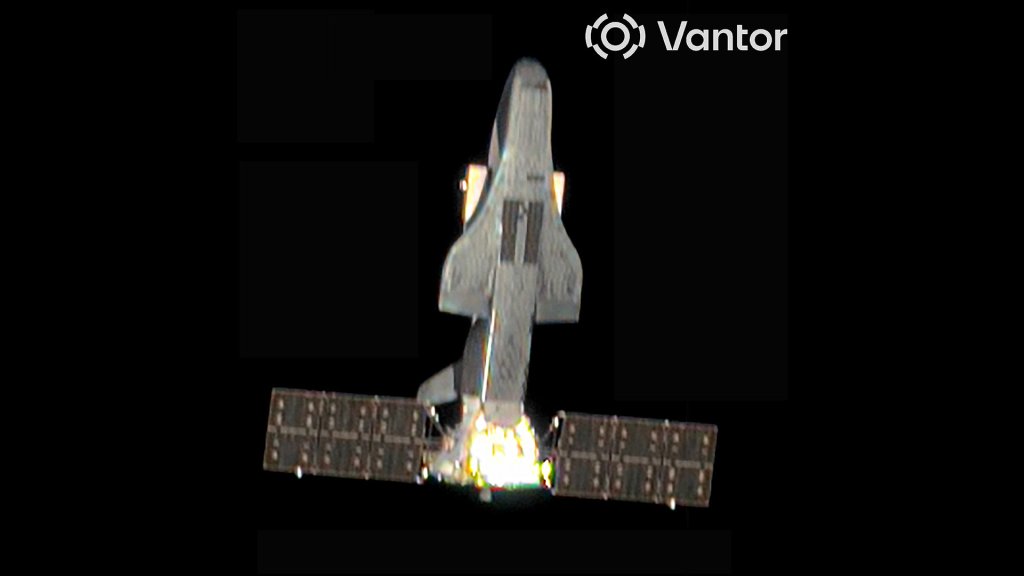
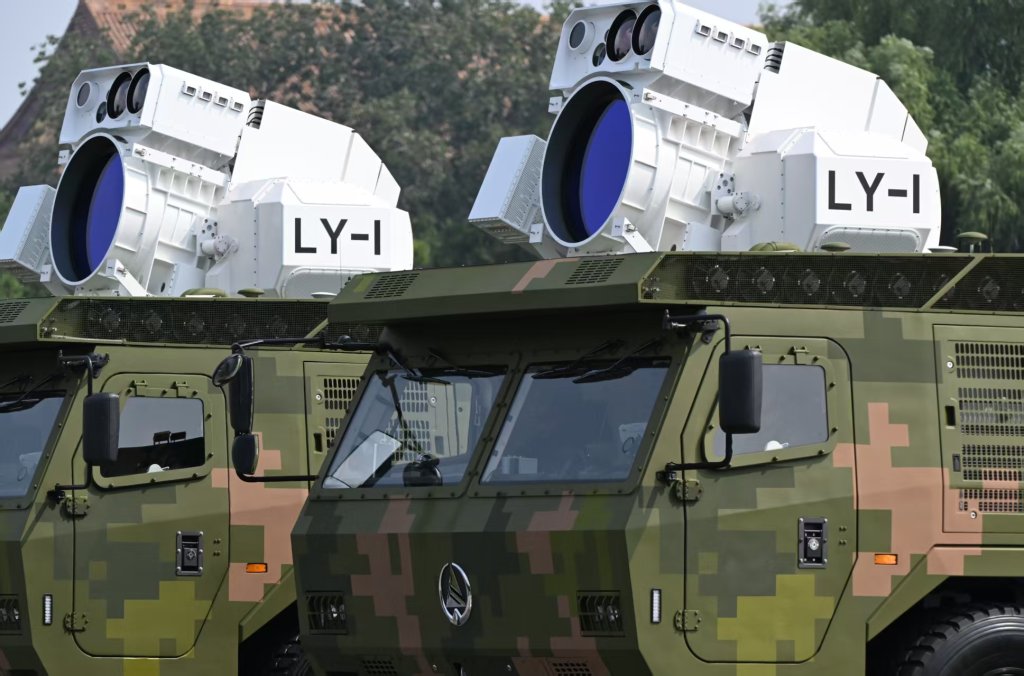
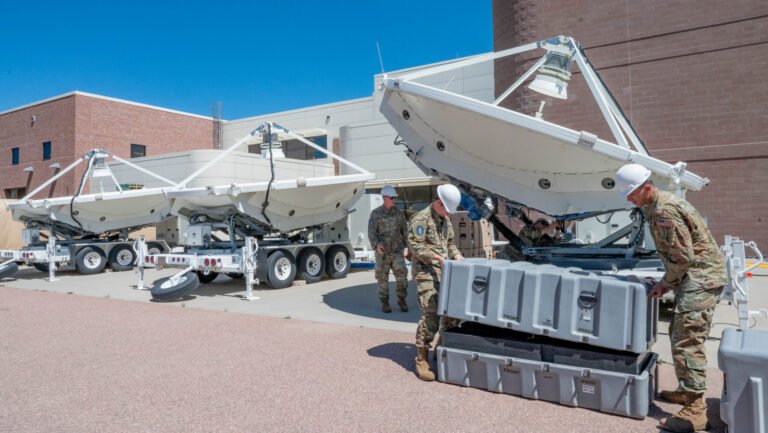

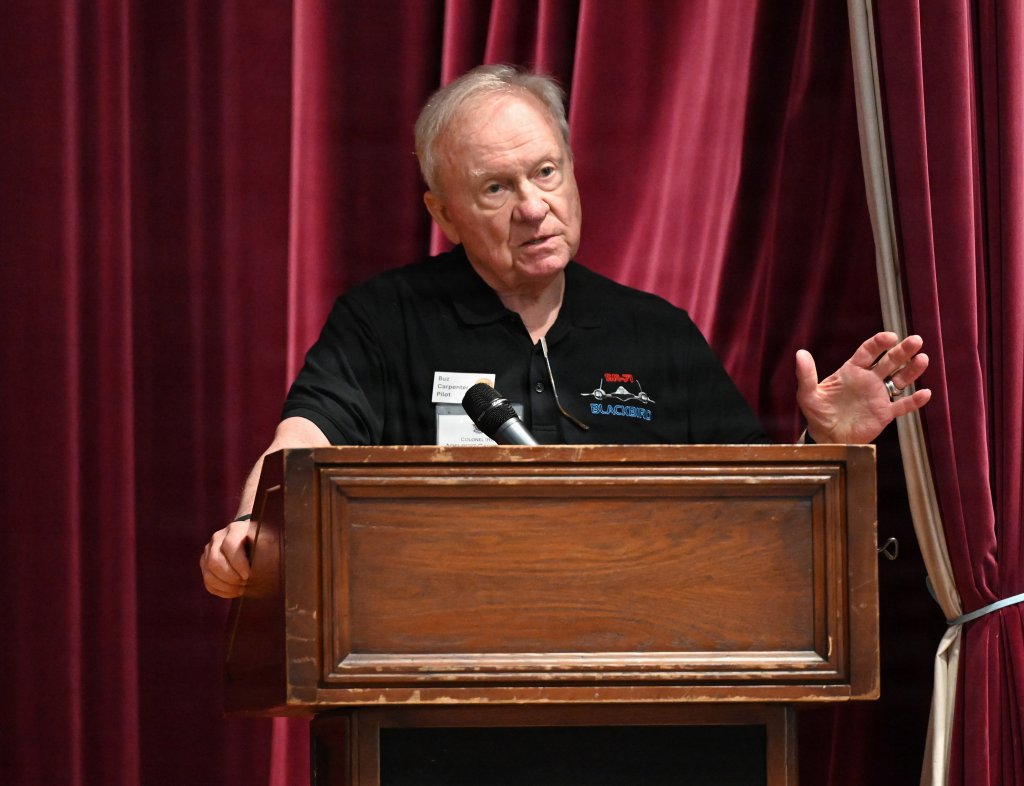
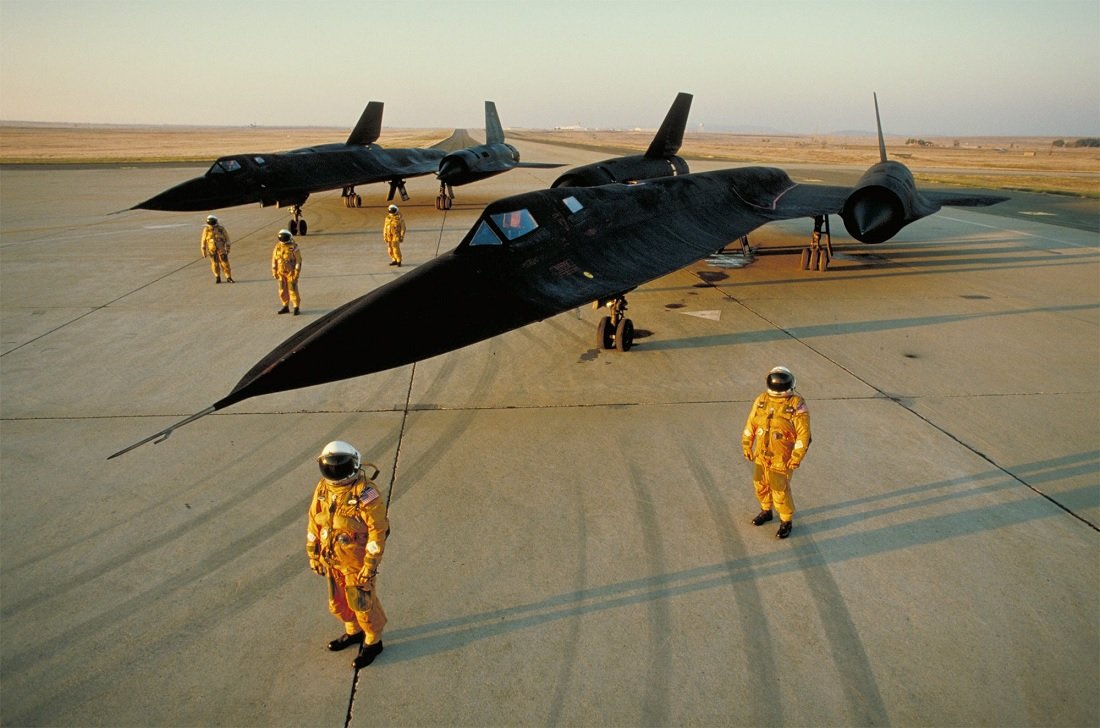
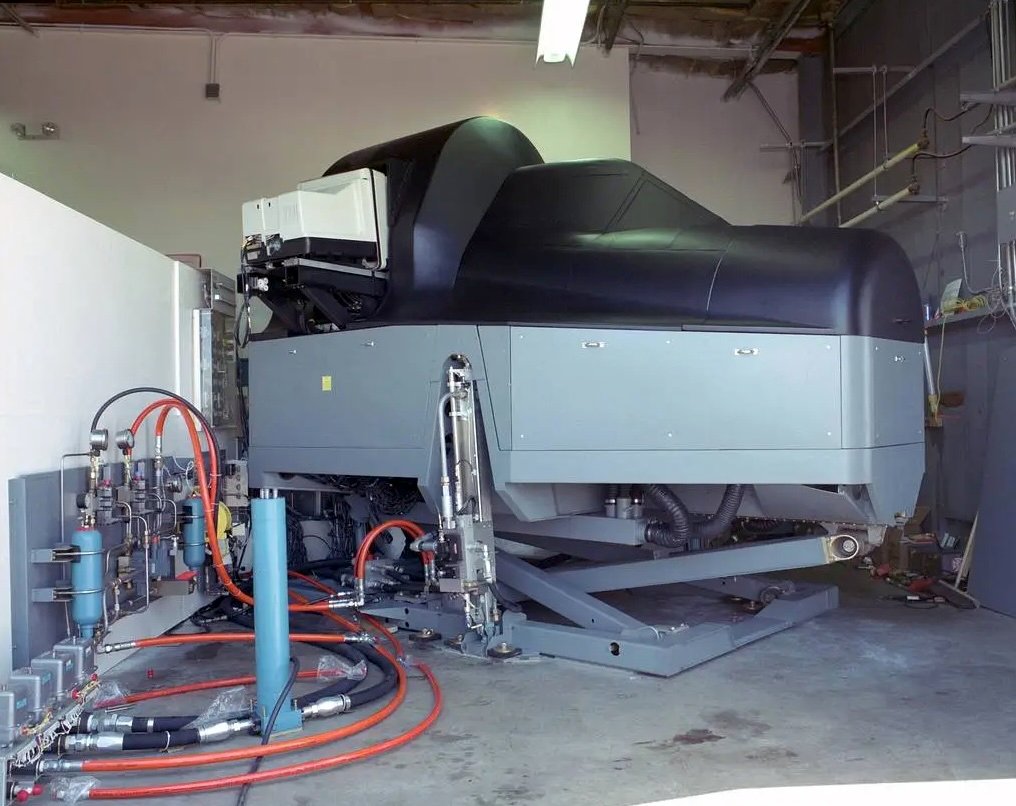

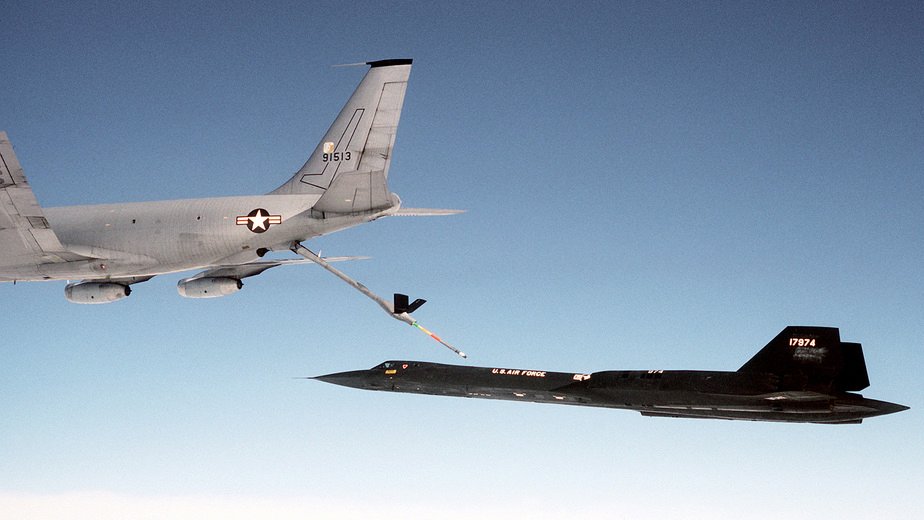

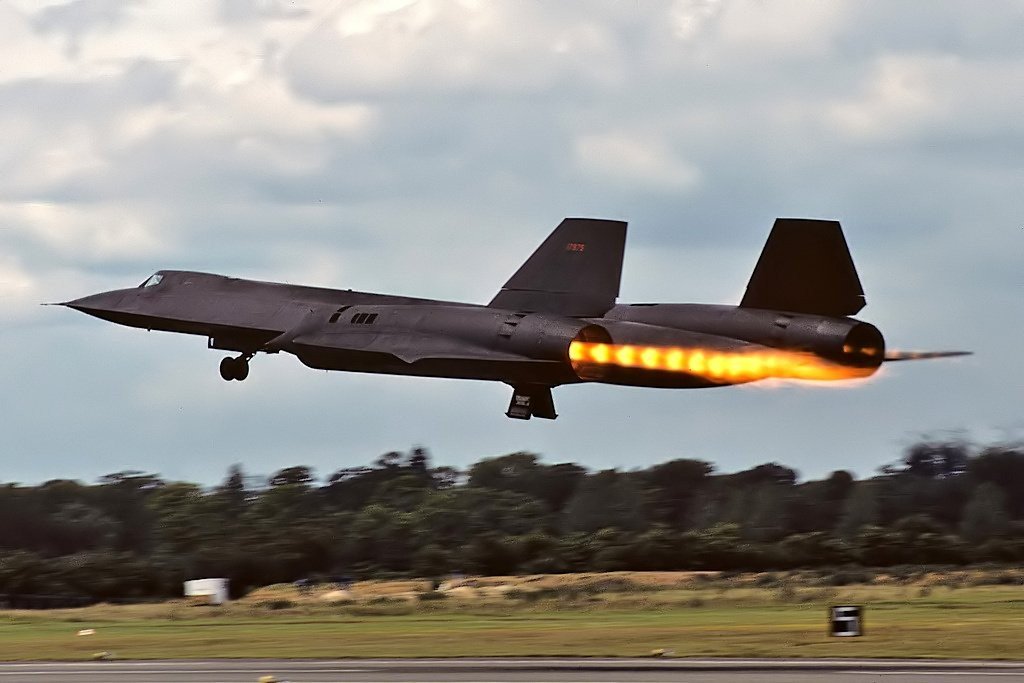
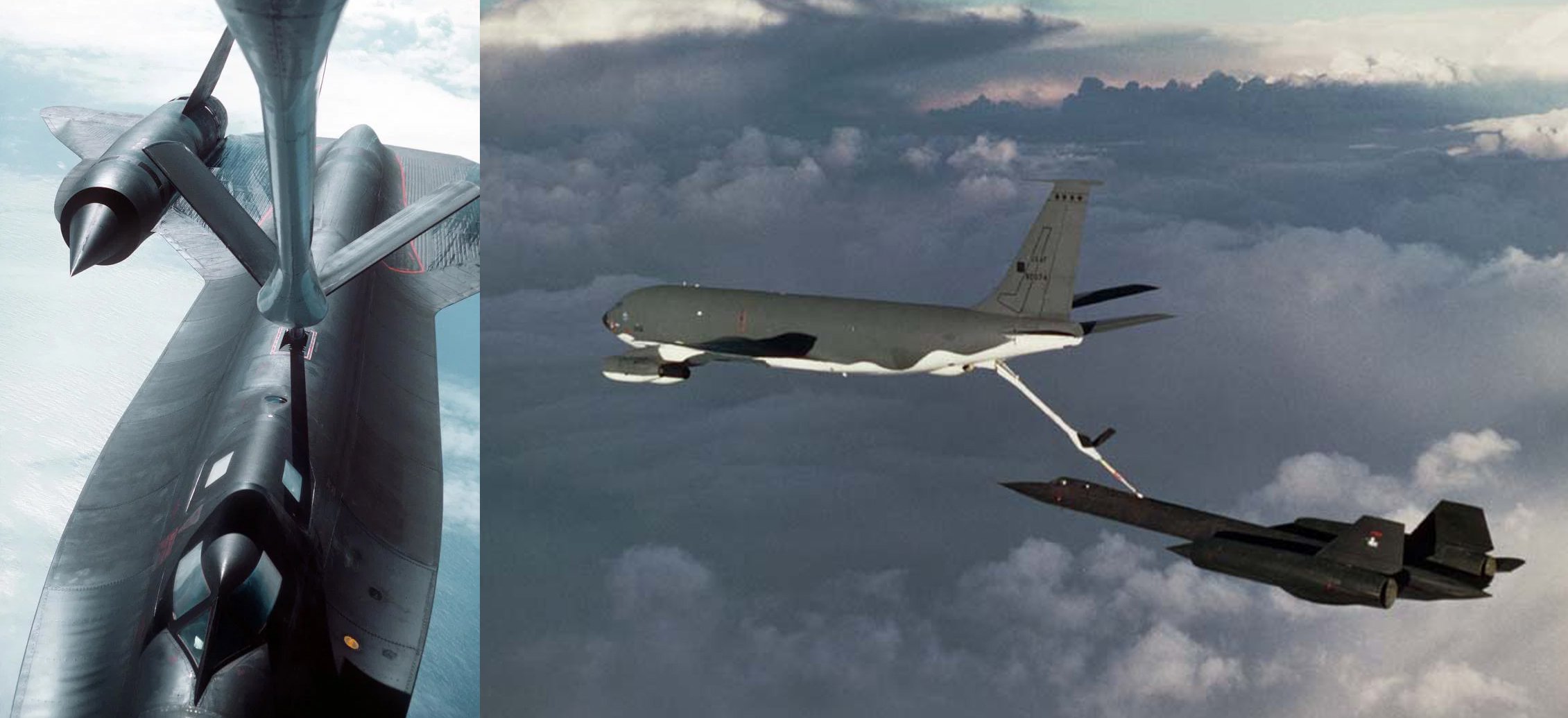


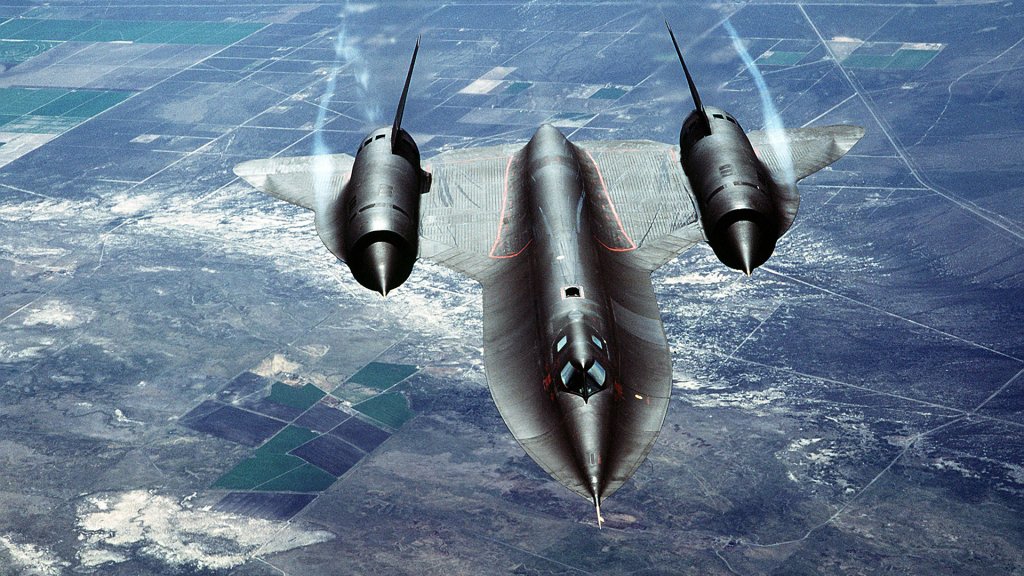
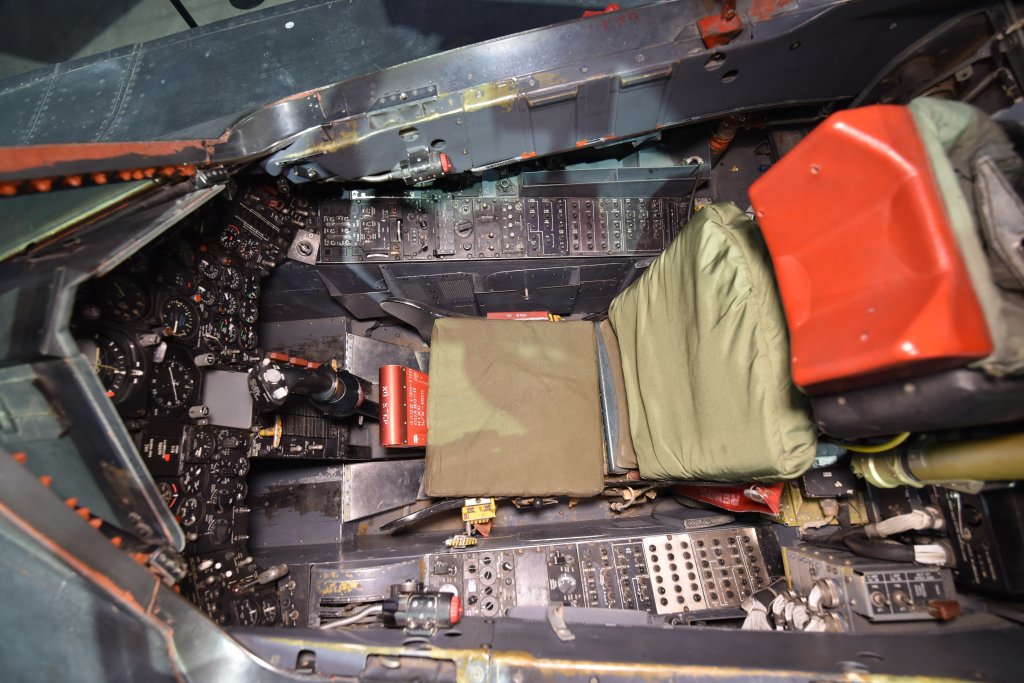
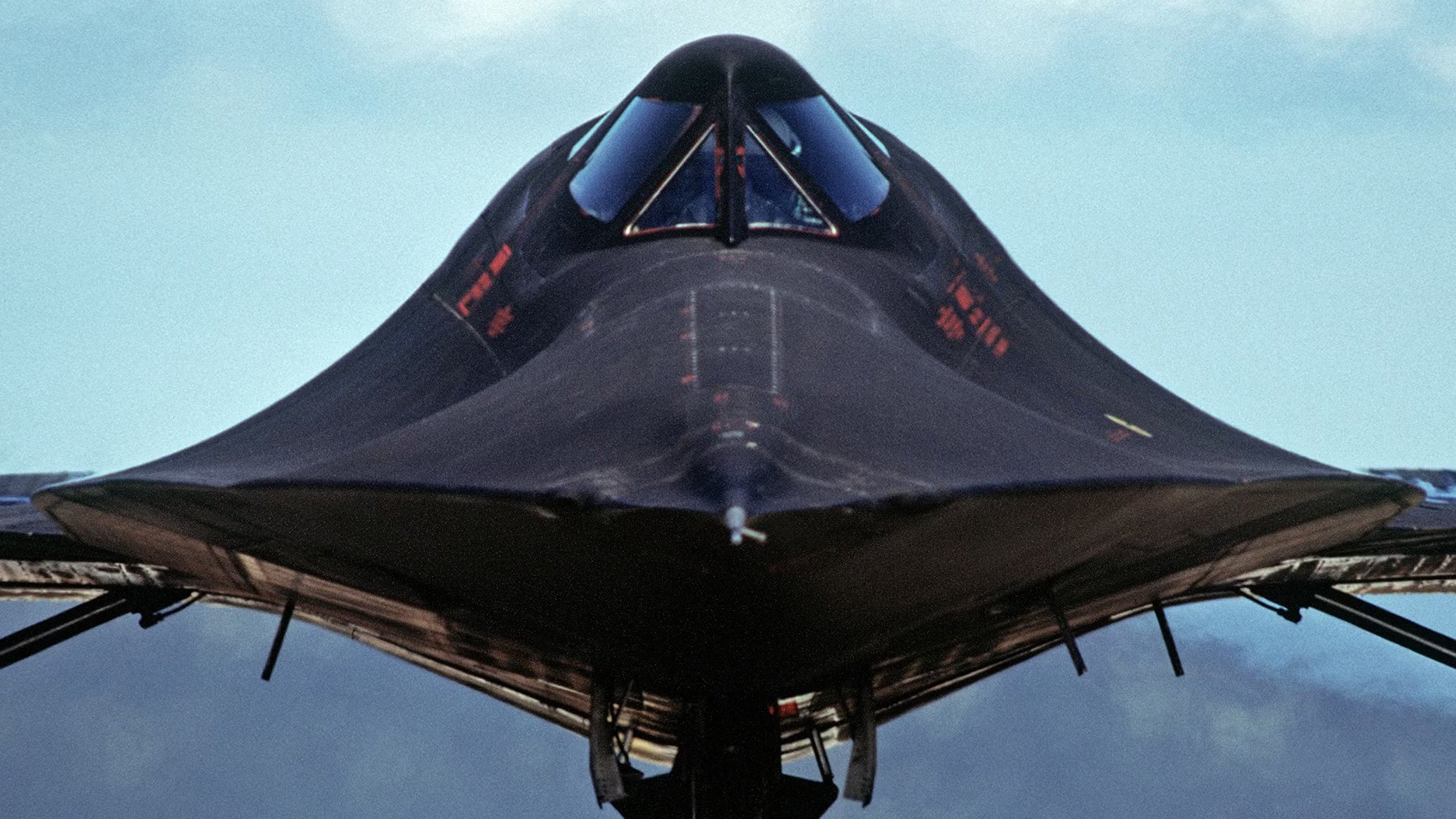

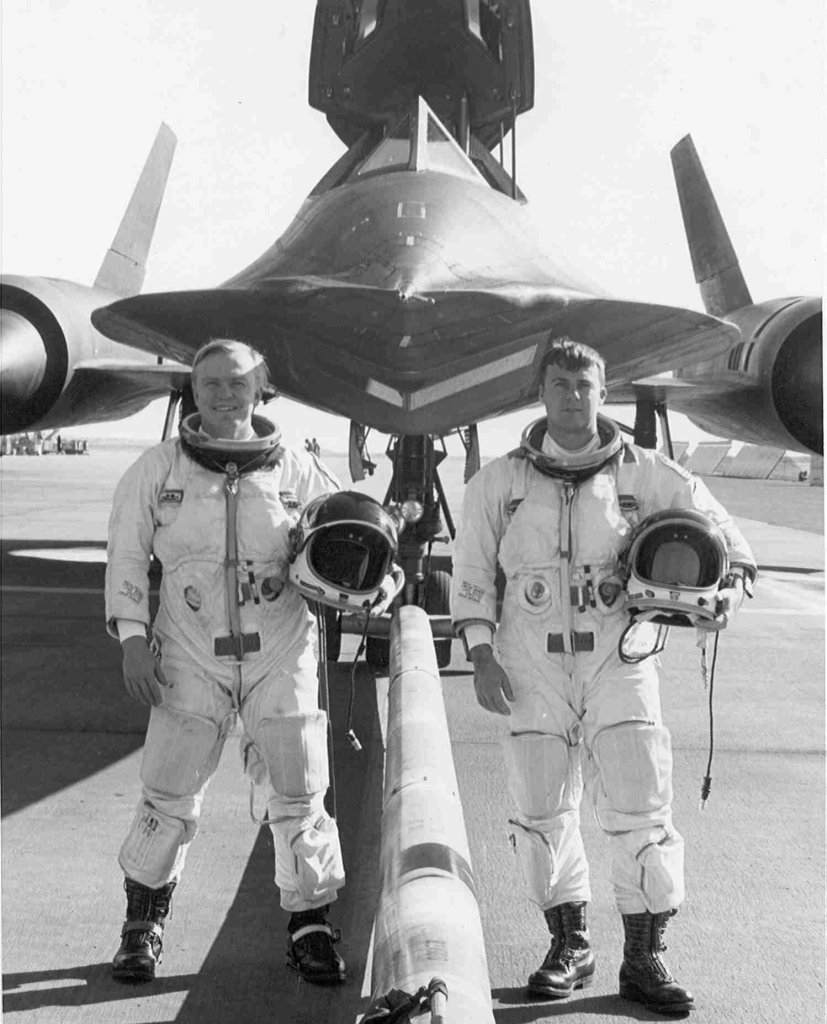
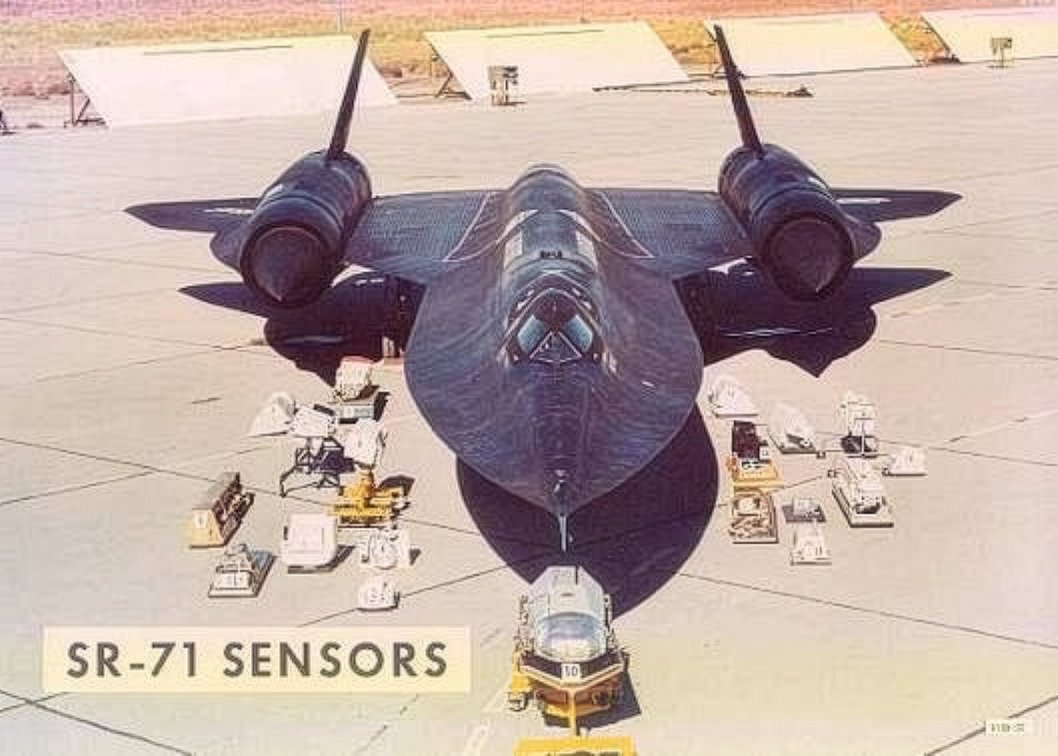
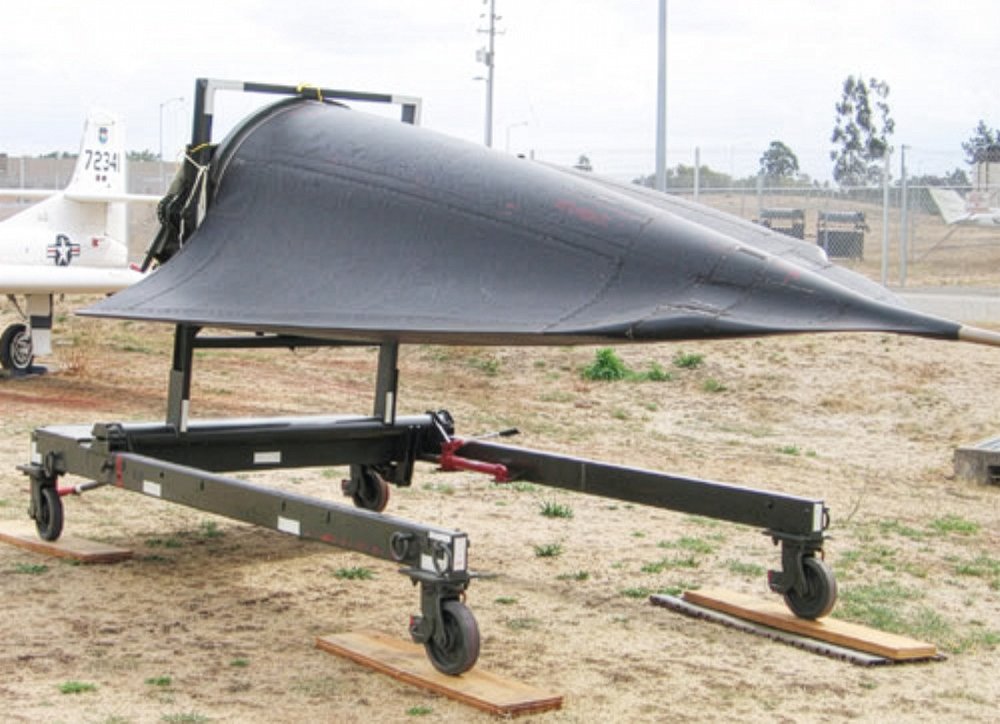
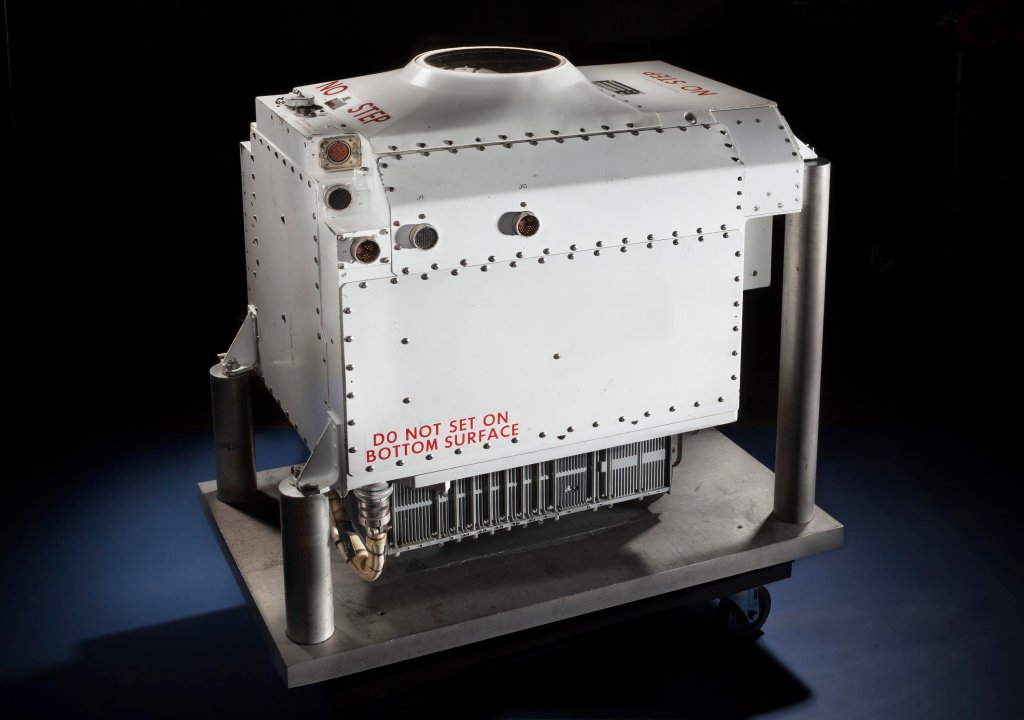

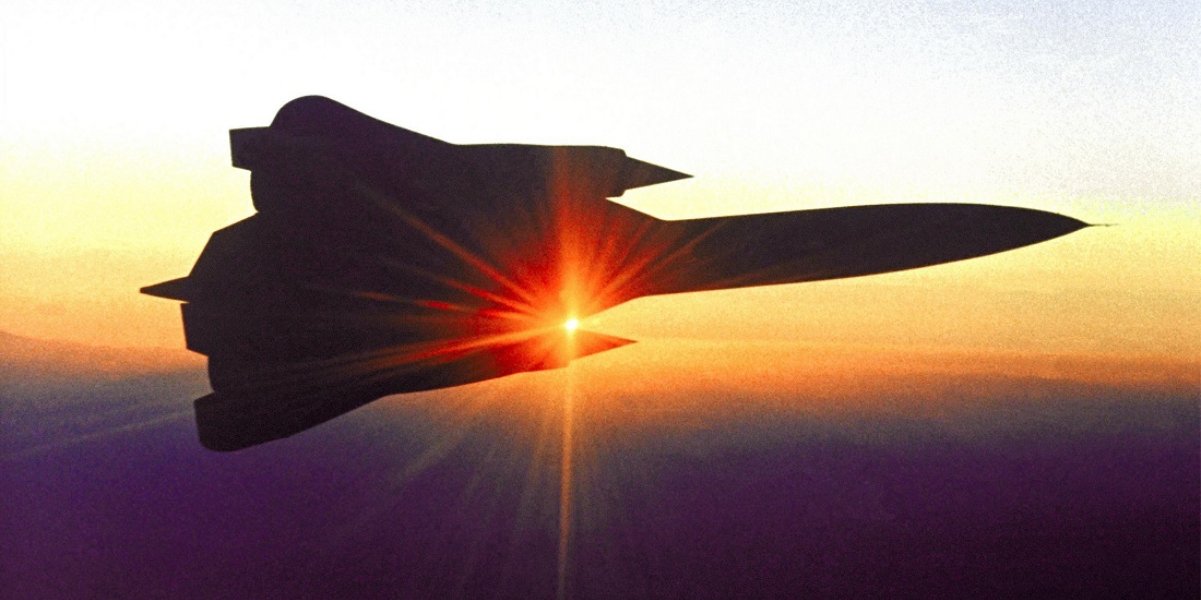
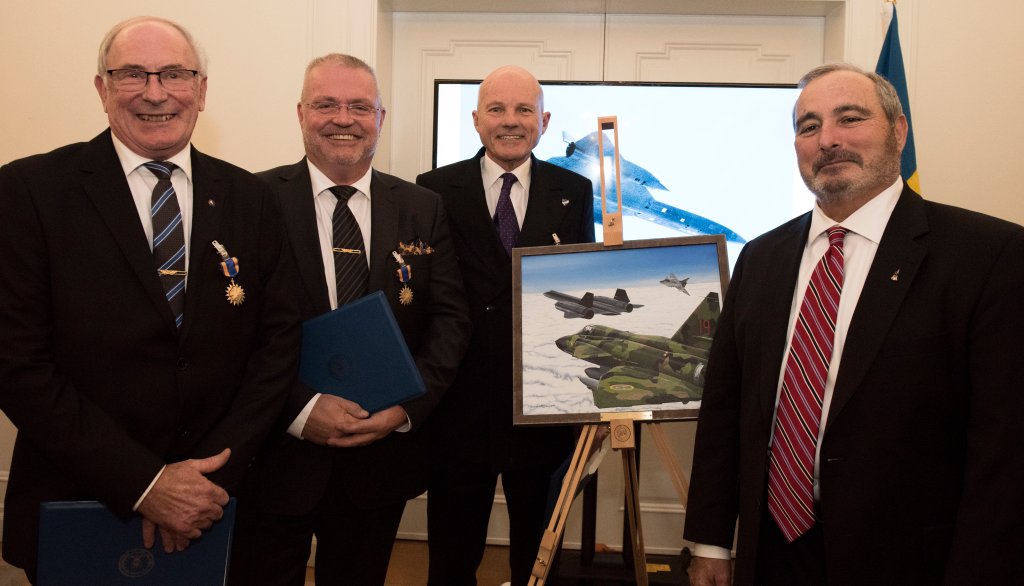
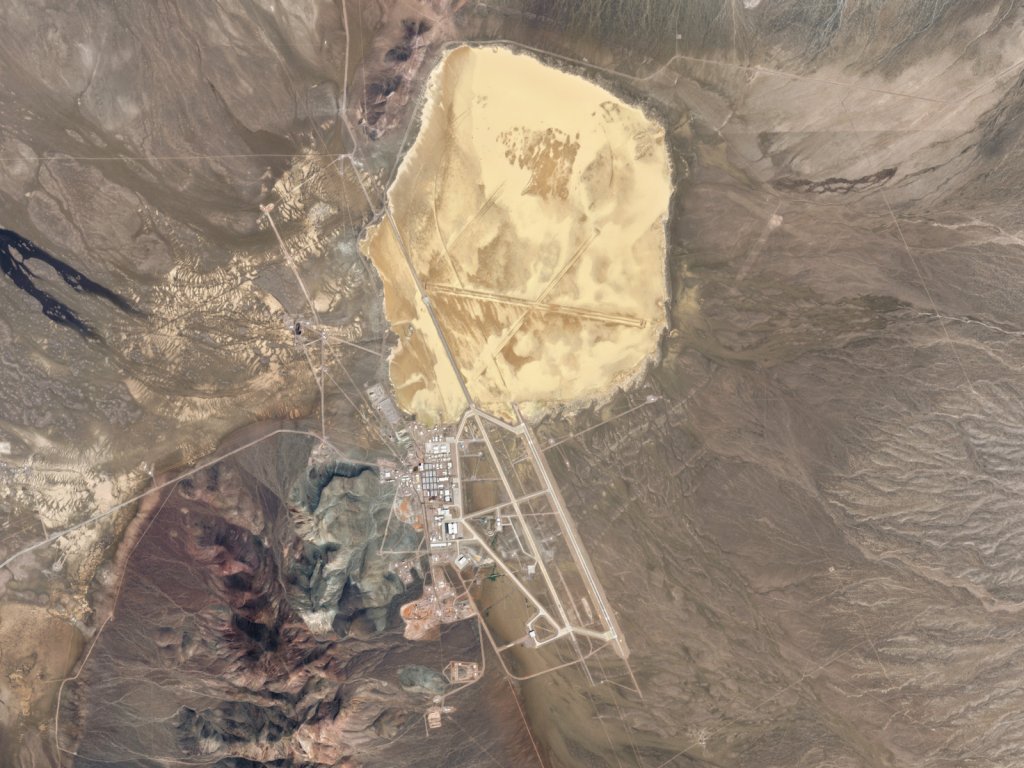
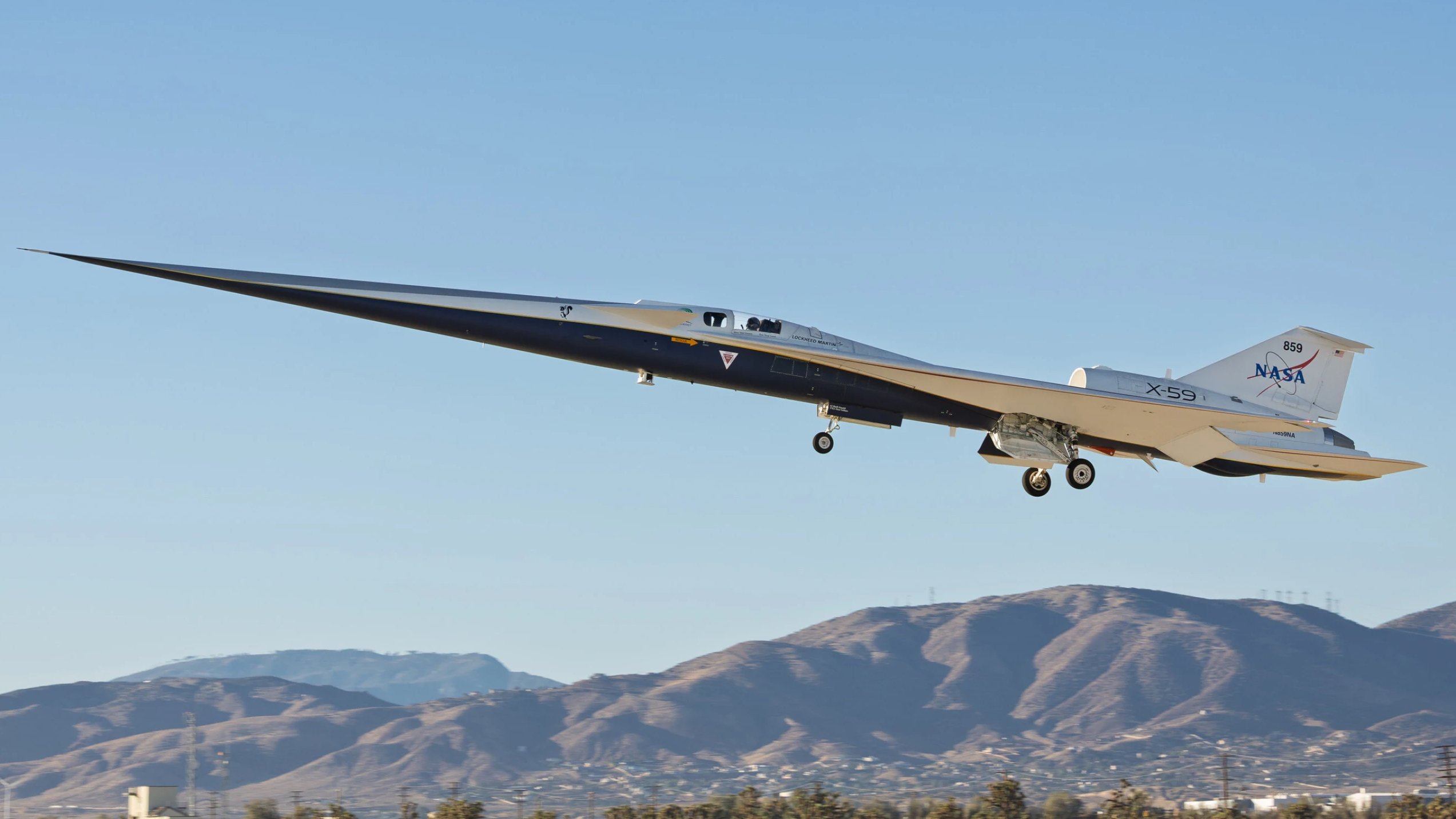
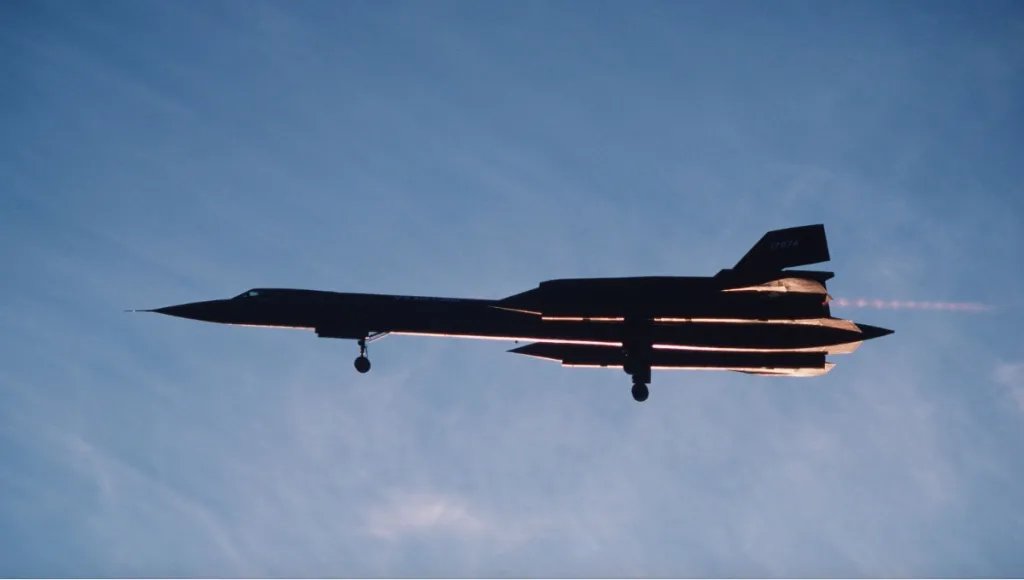
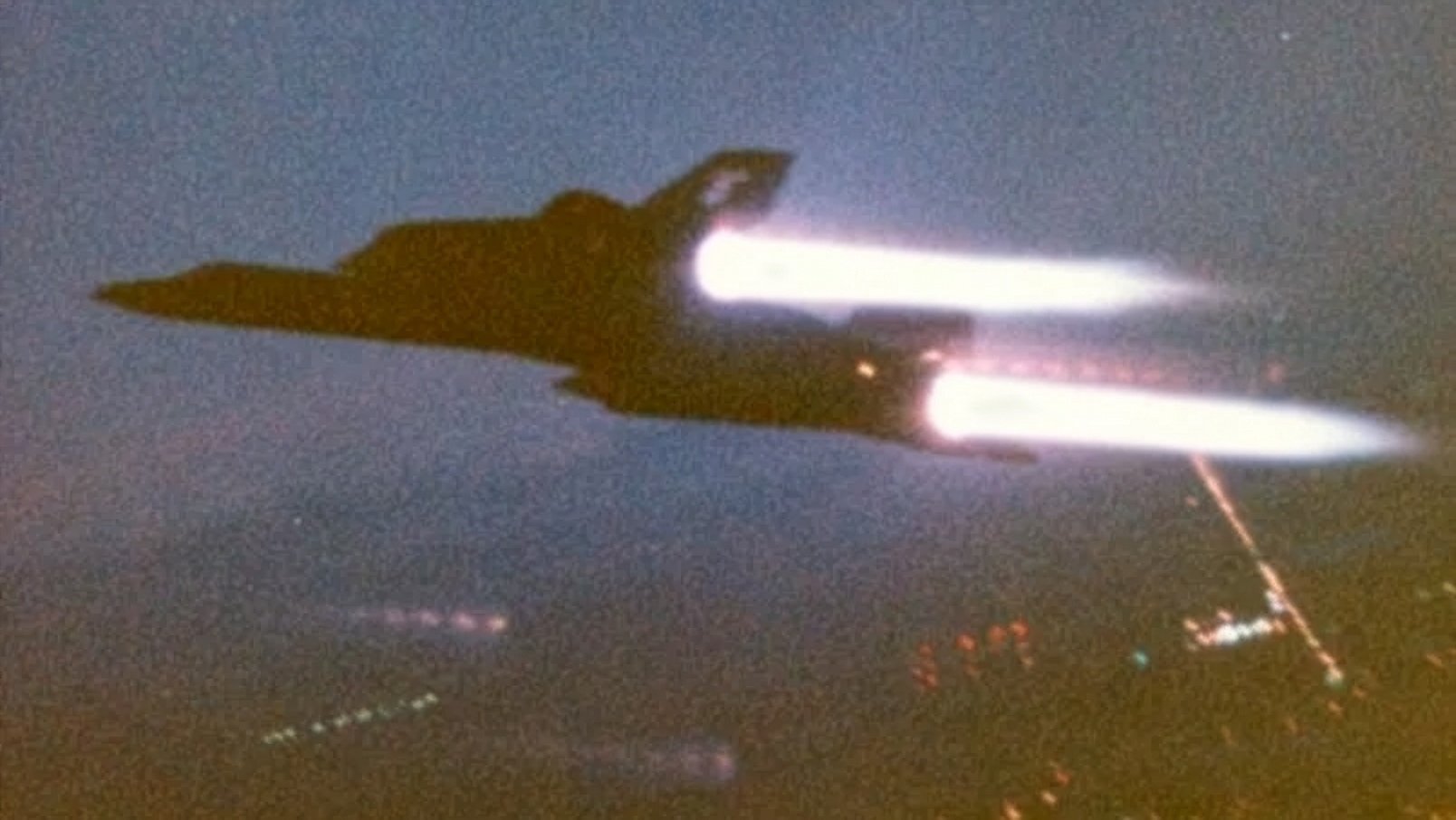
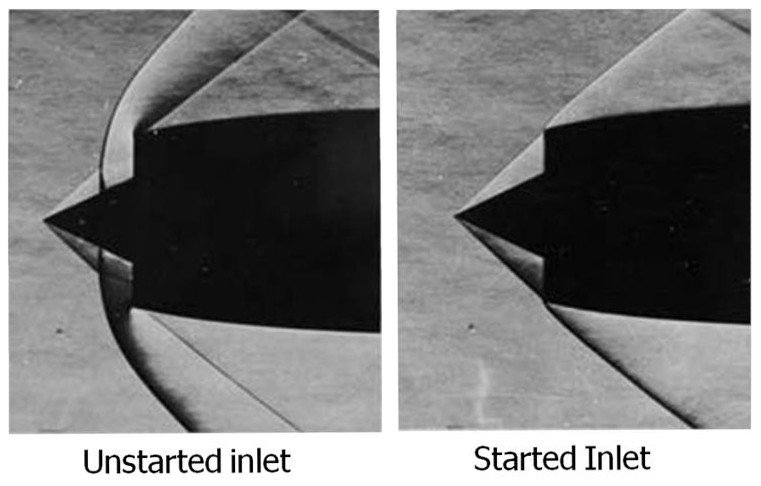



 Israeli Prime Minister Benjamin Netanyahu warned Sunday that Iran and its regional allies could launch attacks intended to disrupt Israel's October 27 election, declaring that the Israeli military is prepared for both defensive and offensive operations.




 BREAKING: AMB. TOM BARRACK WARNS U.S. STRIKE COULD HAPPEN THIS WEEKEND

 (@MoloWarMonitor)
 (@DefenceGeek)


 (@WarMonitor3)
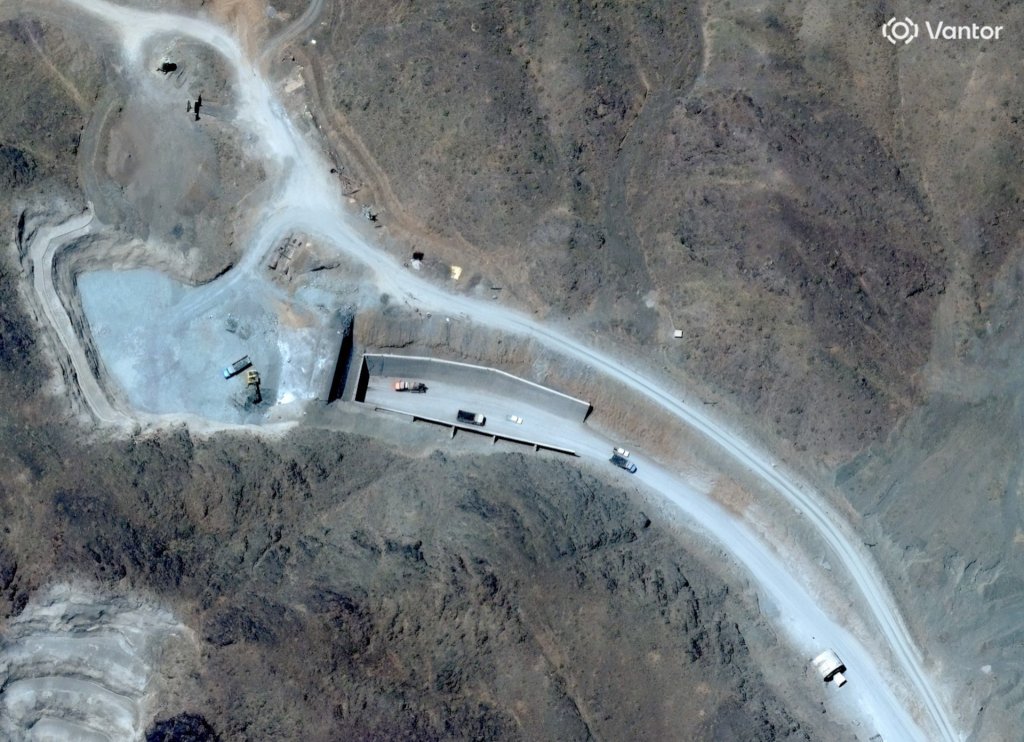
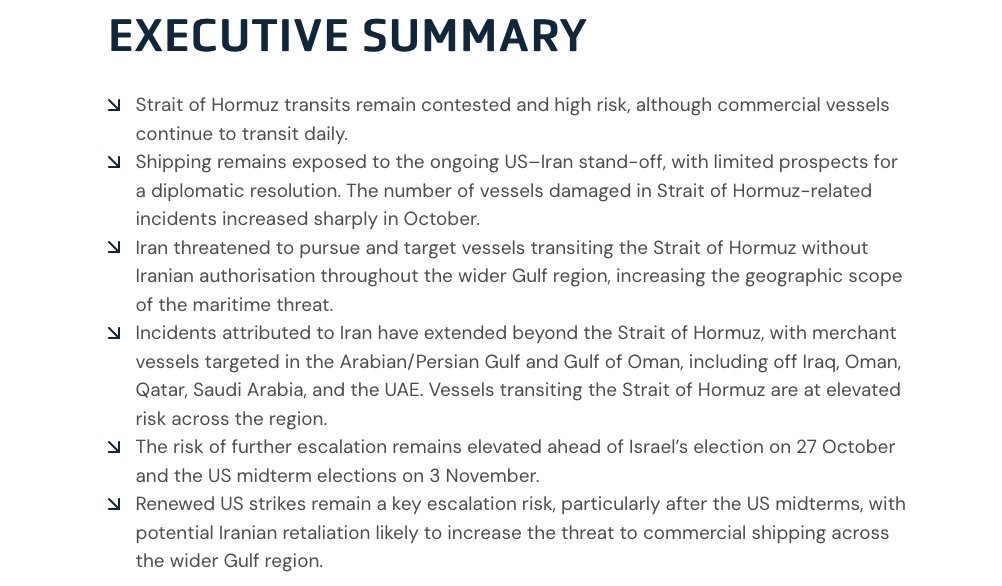


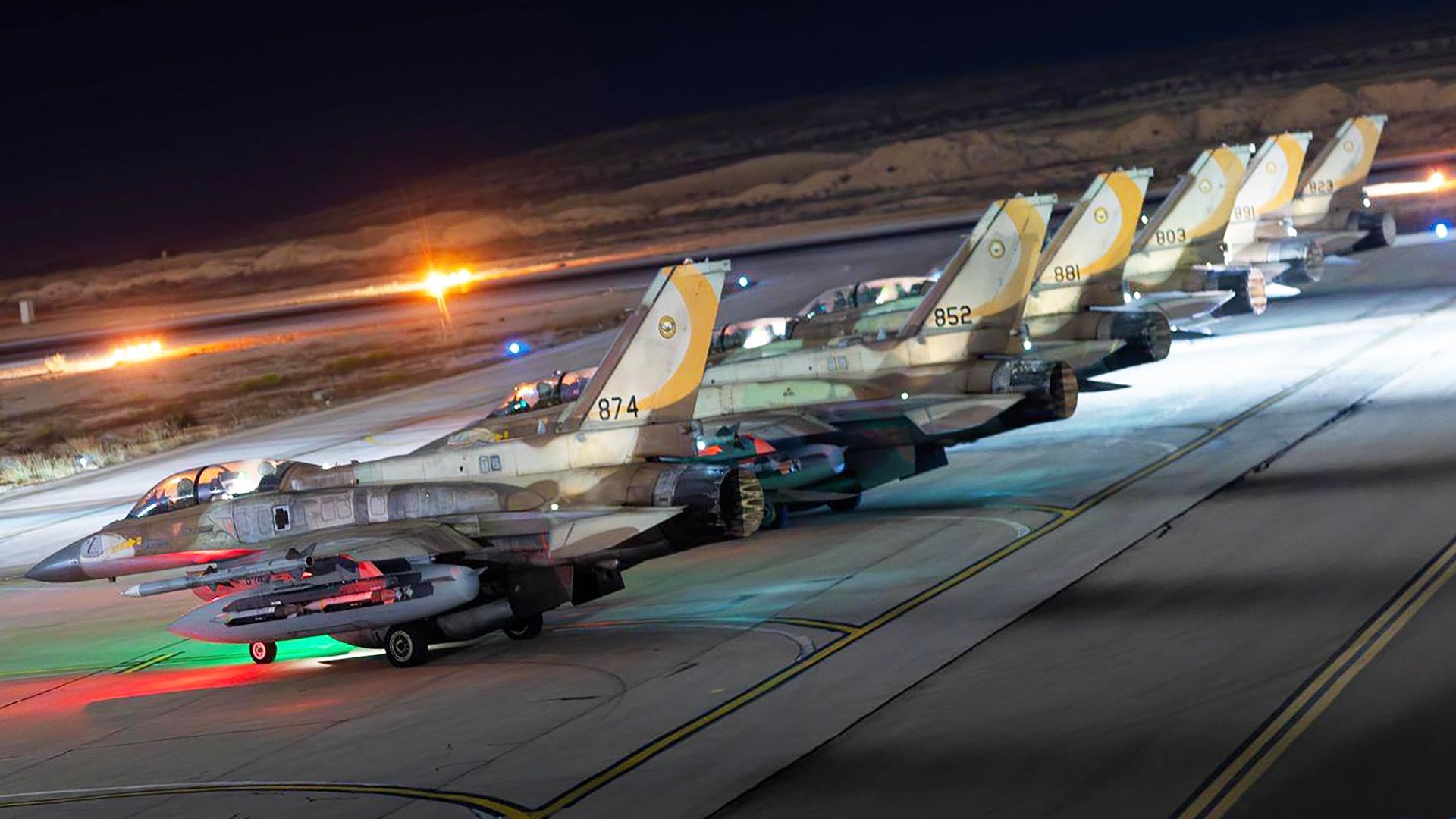

 (@bayraktar_1love)

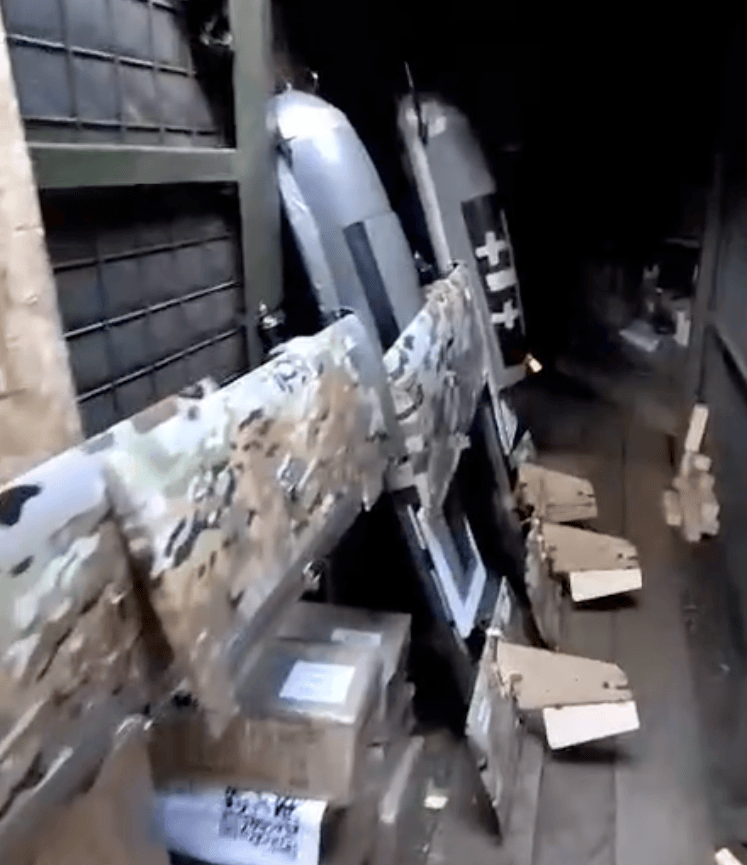
 (@SergioCentaurus)
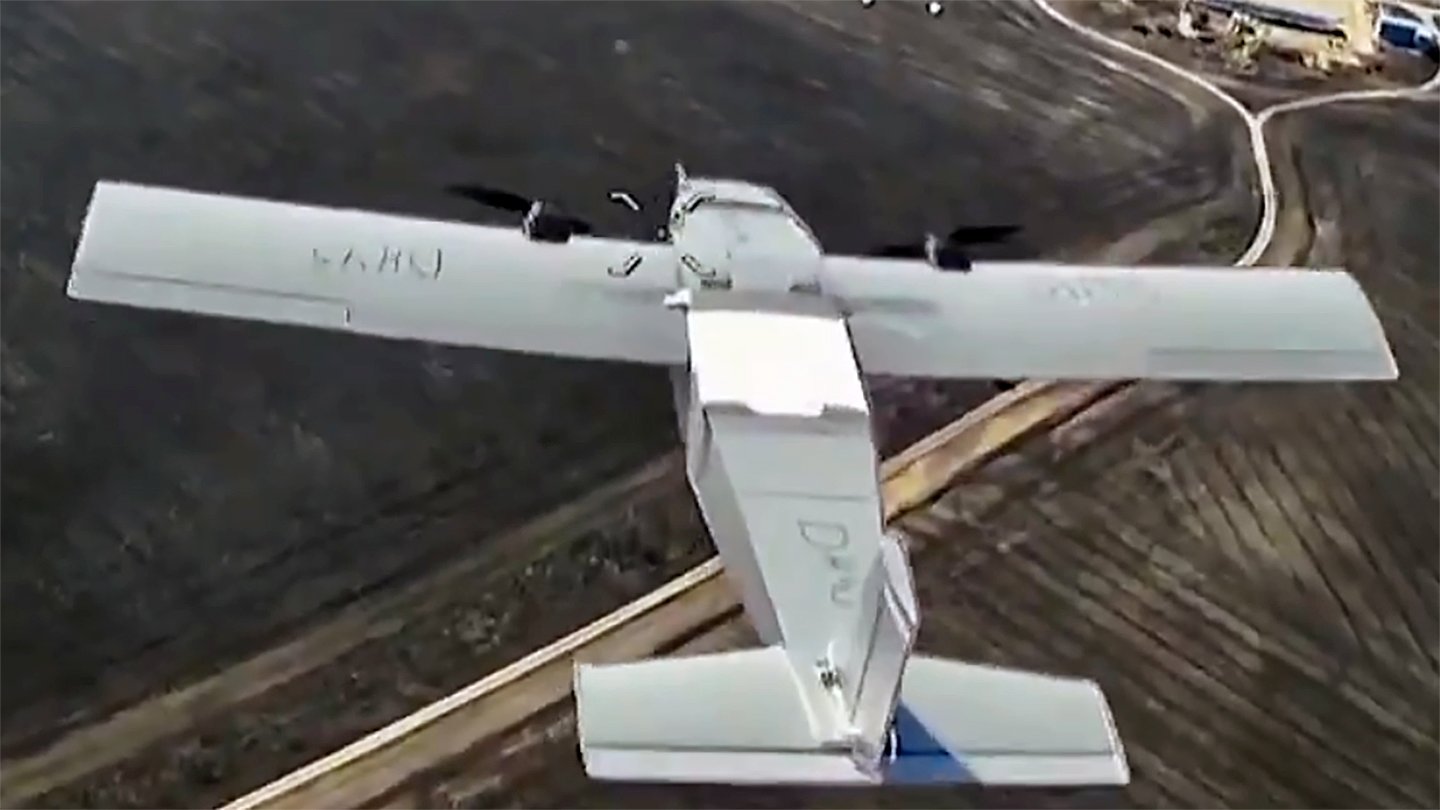
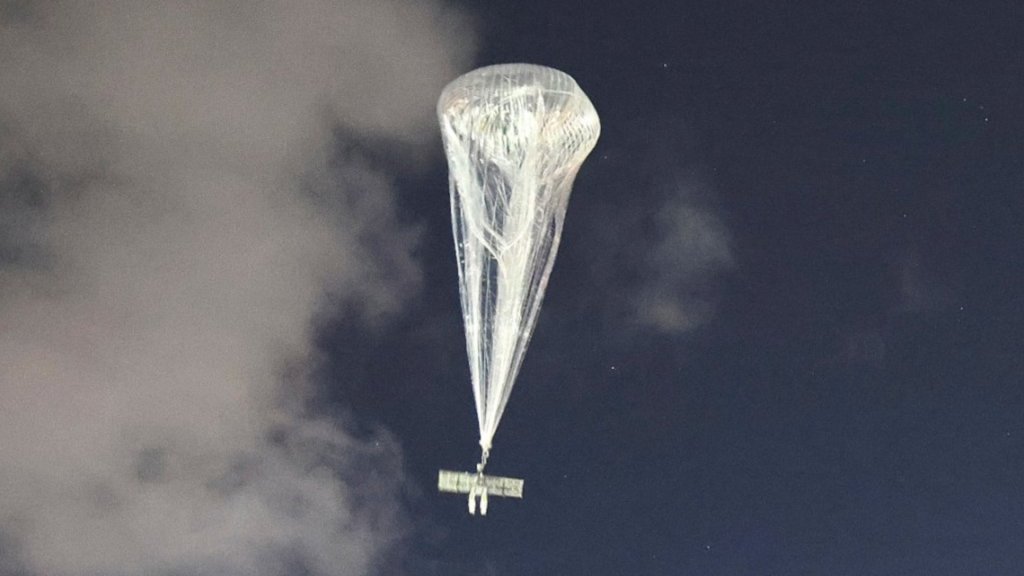
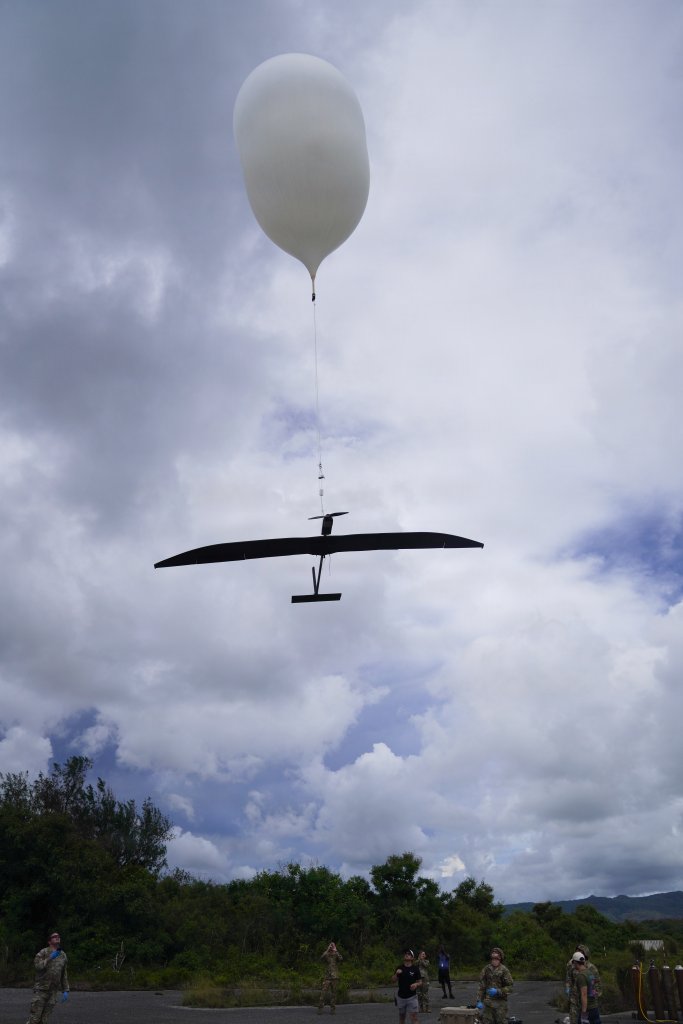


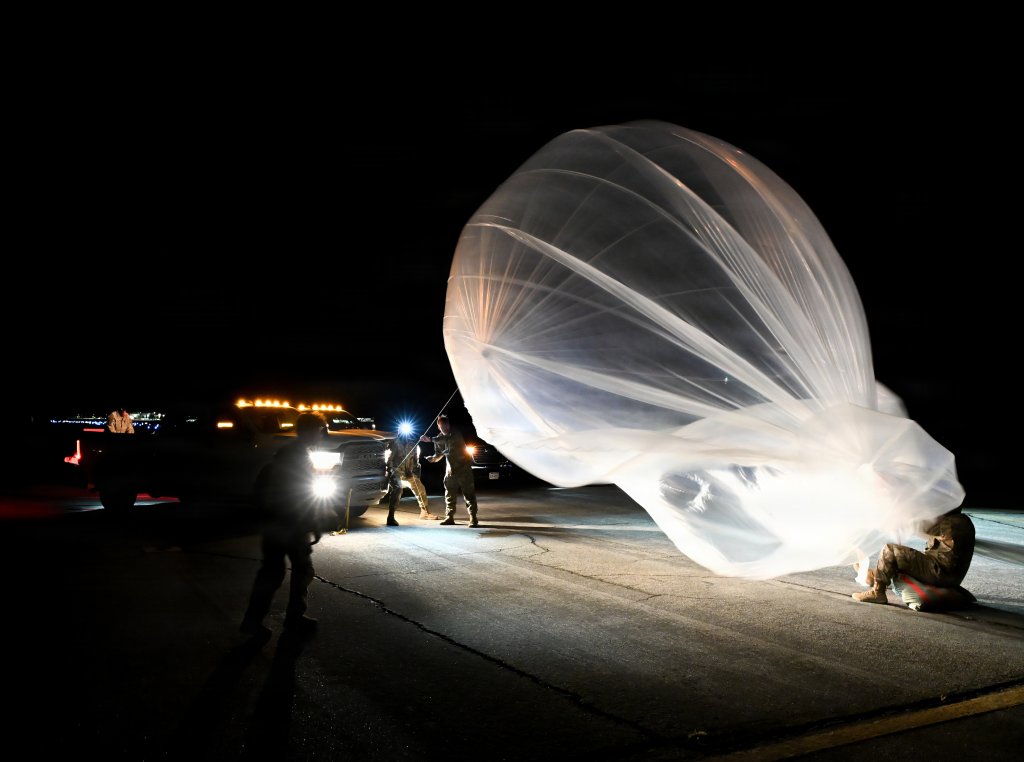
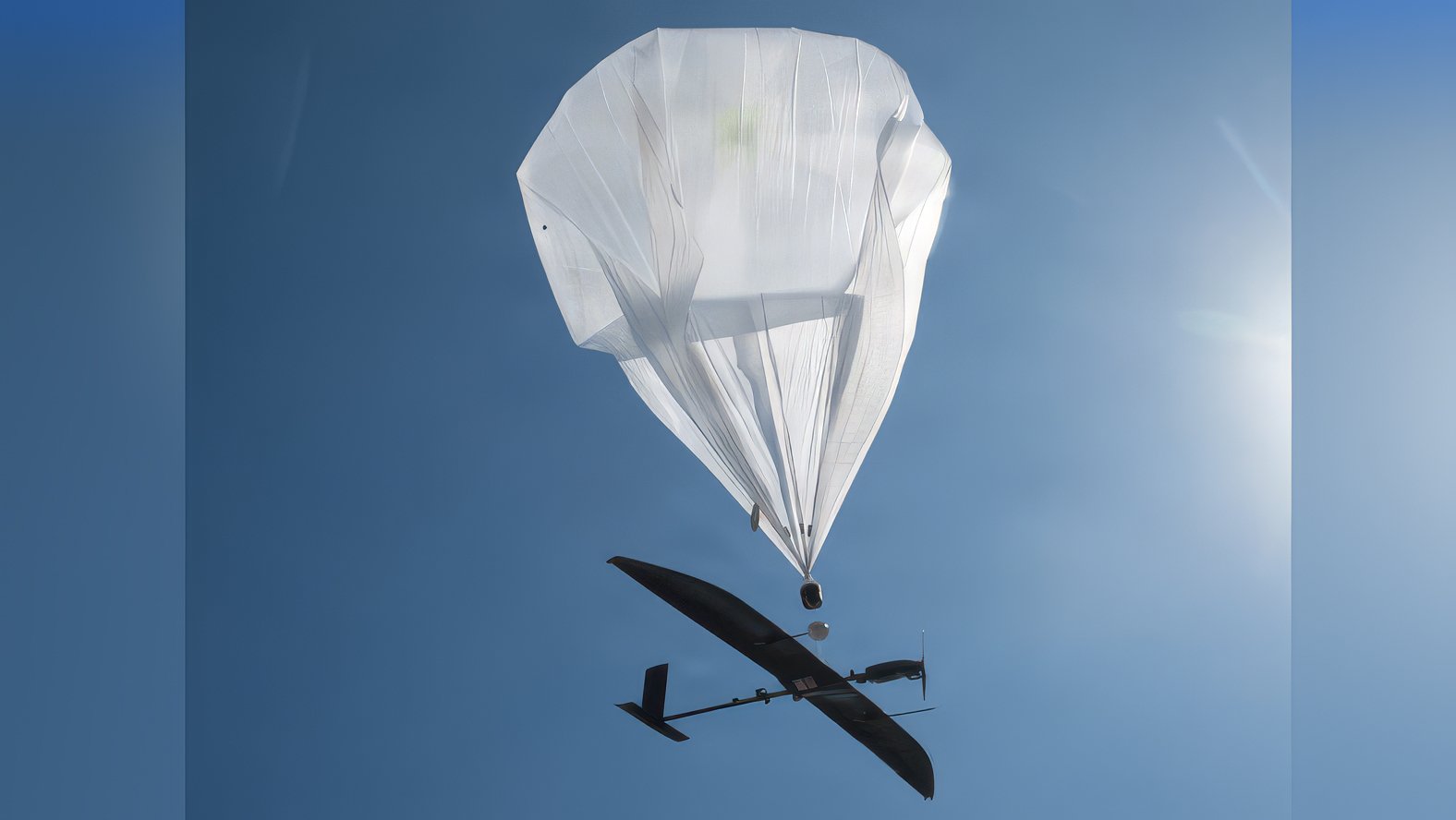

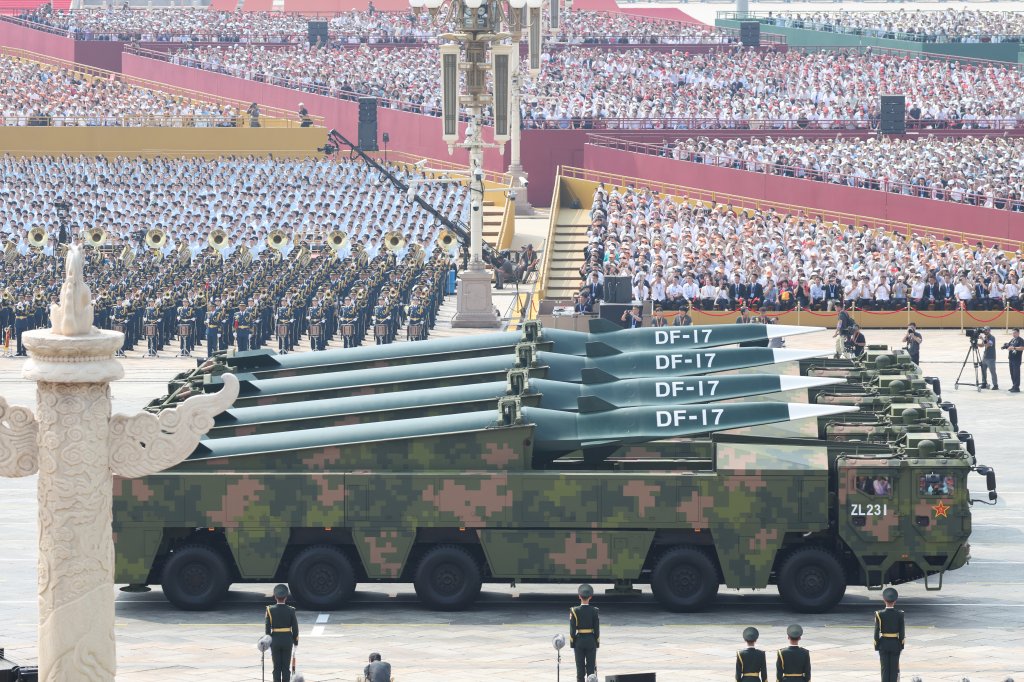
 Ukraine’s 115th Mechanized Brigade has released new footage showing a VB-140 Flamingo interceptor drone attacking a Russian Mi-28 attack helicopter in flight.

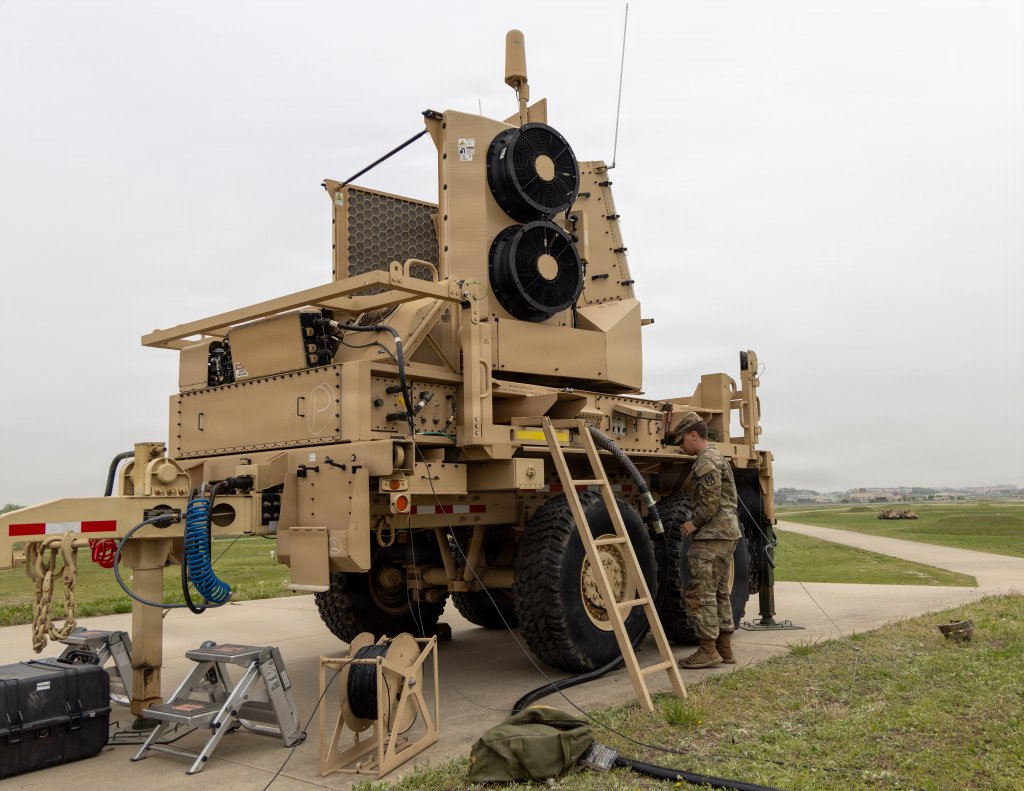
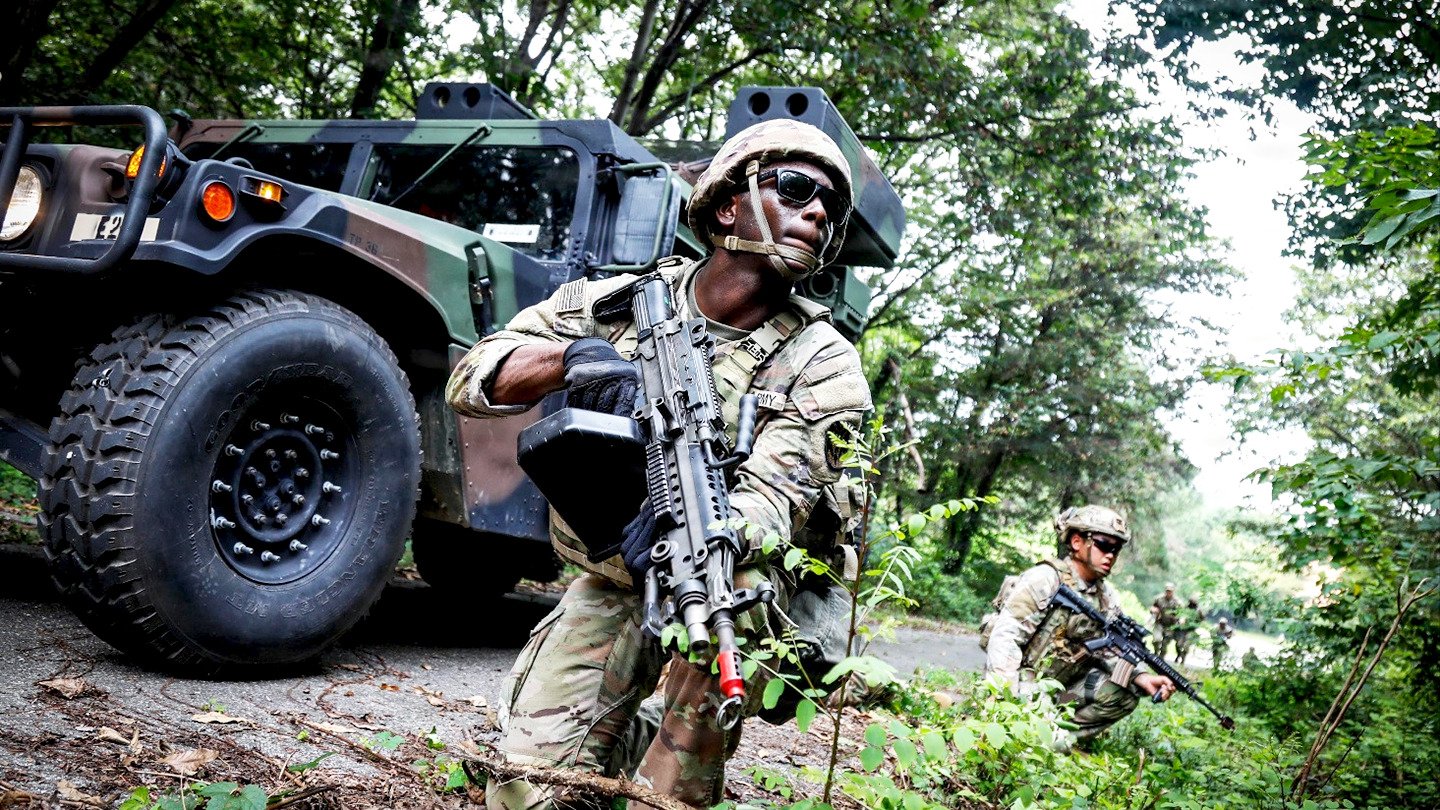
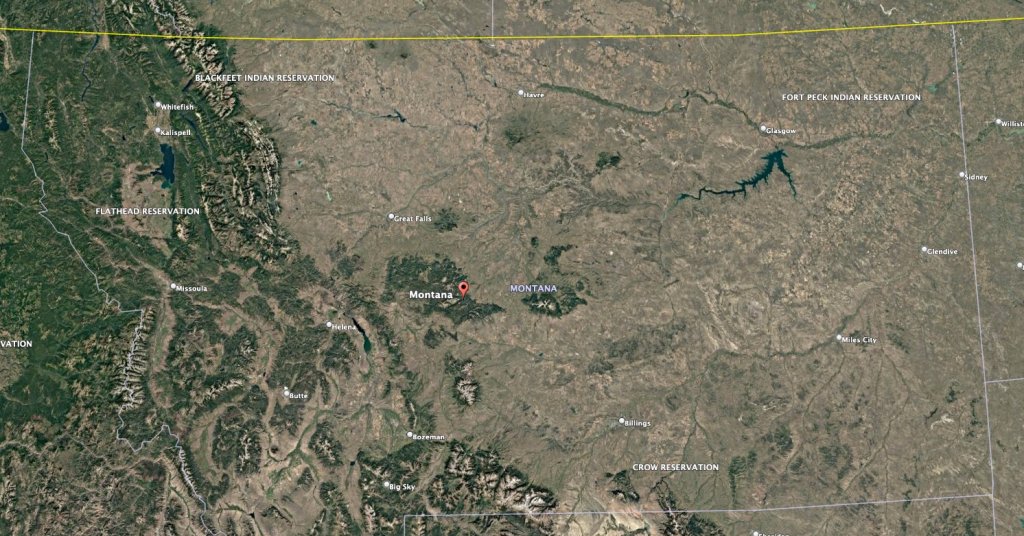

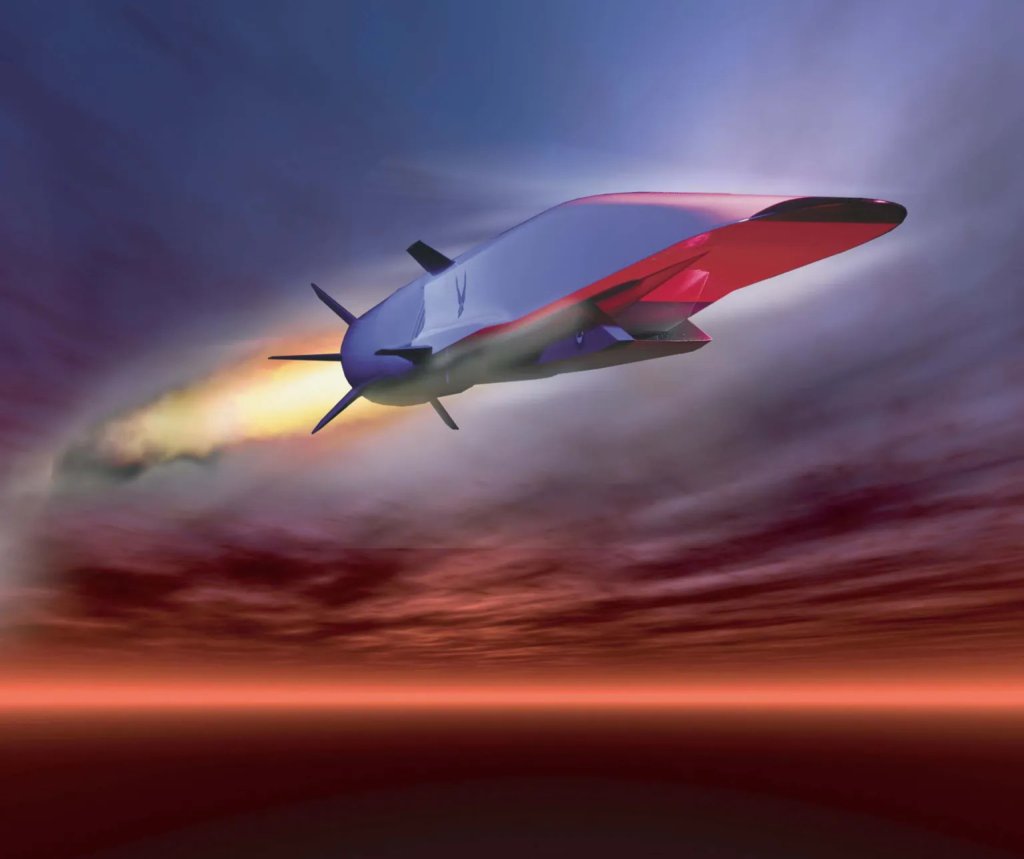
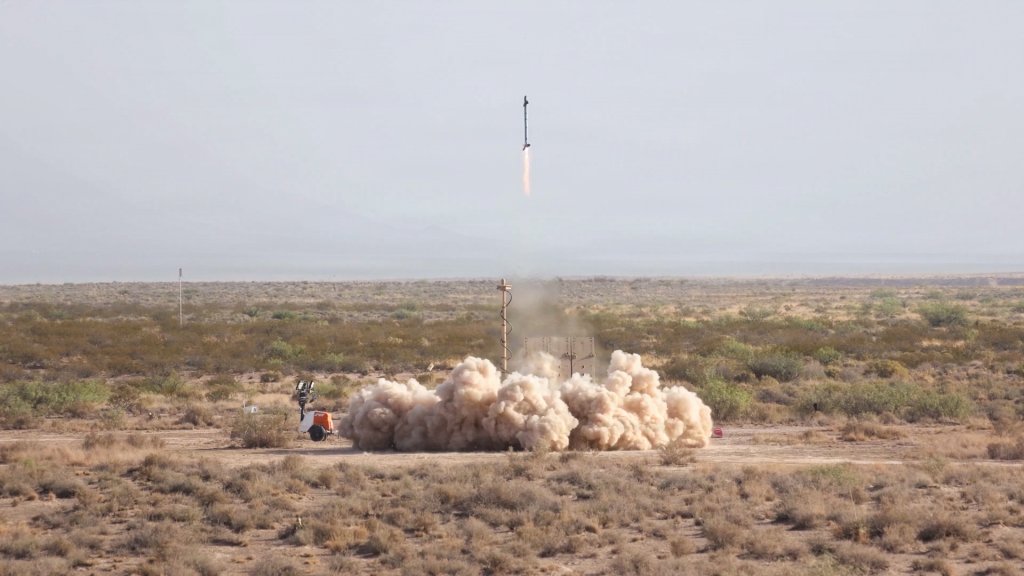
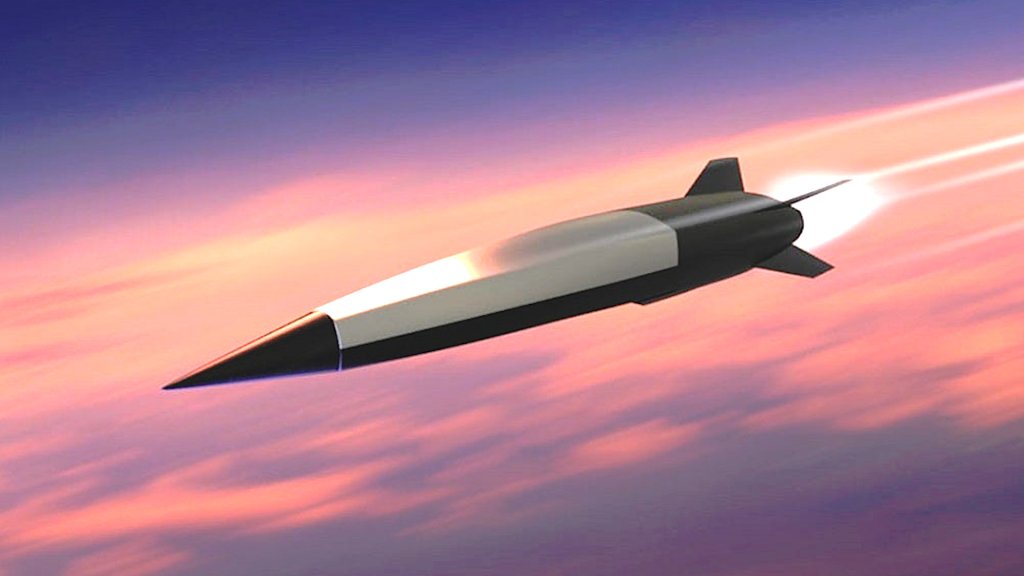
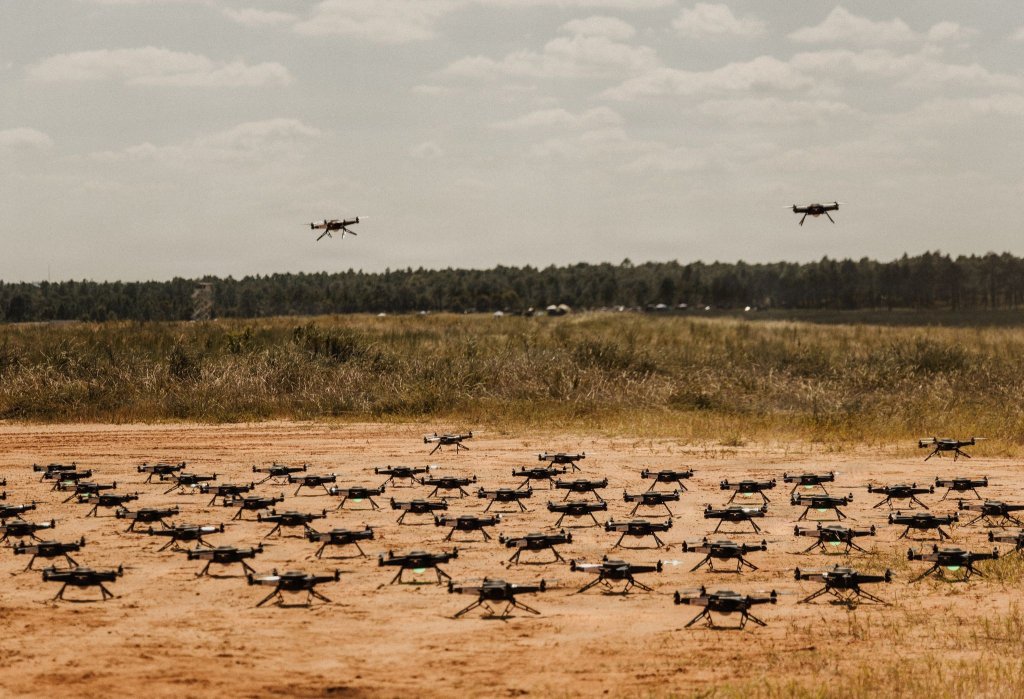

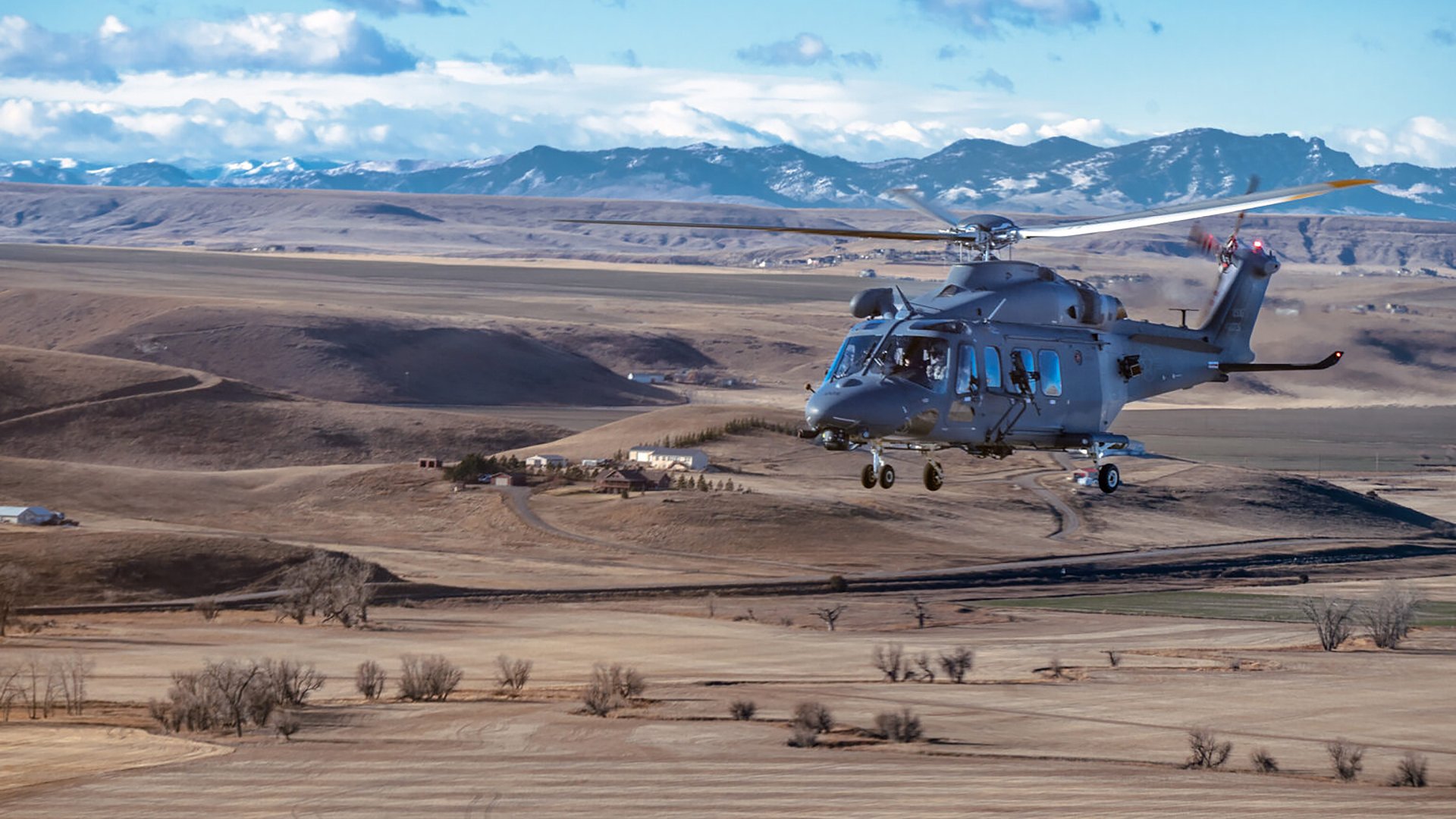

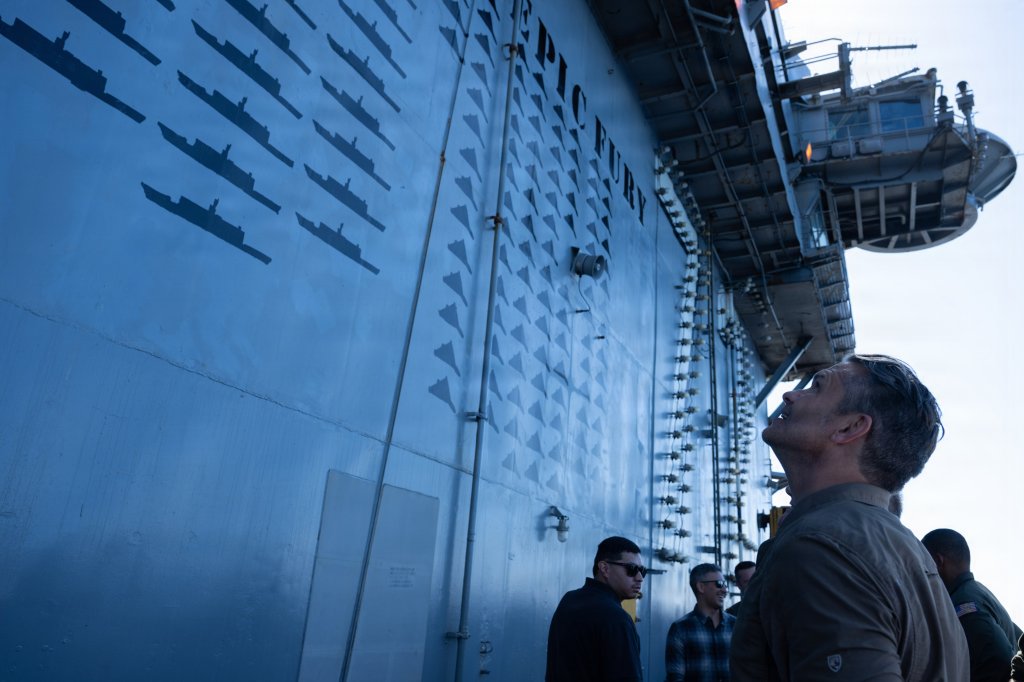
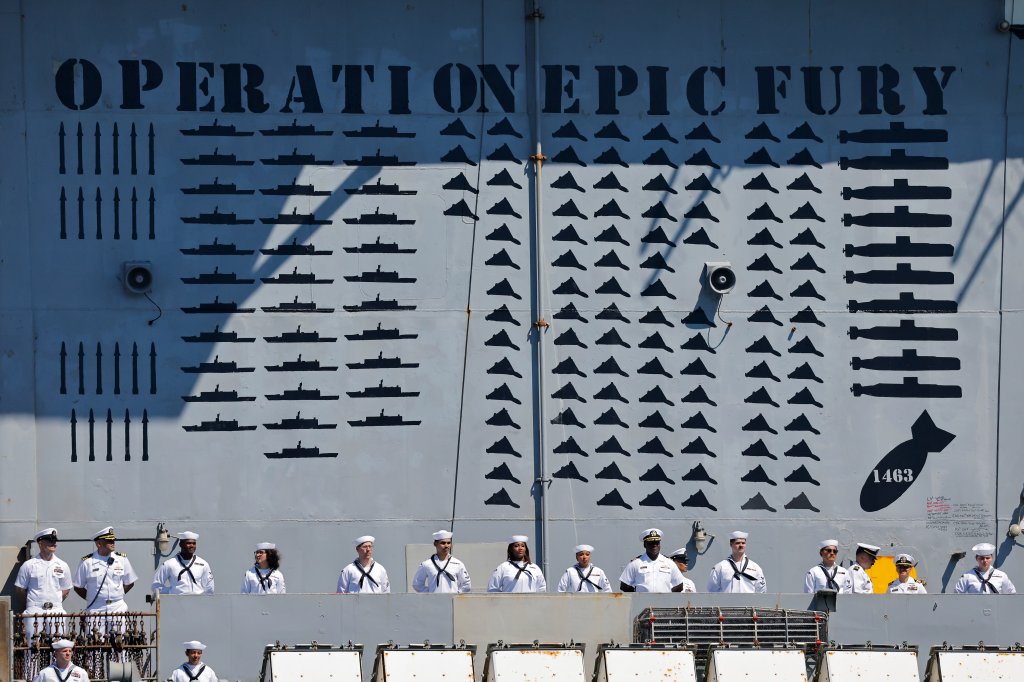
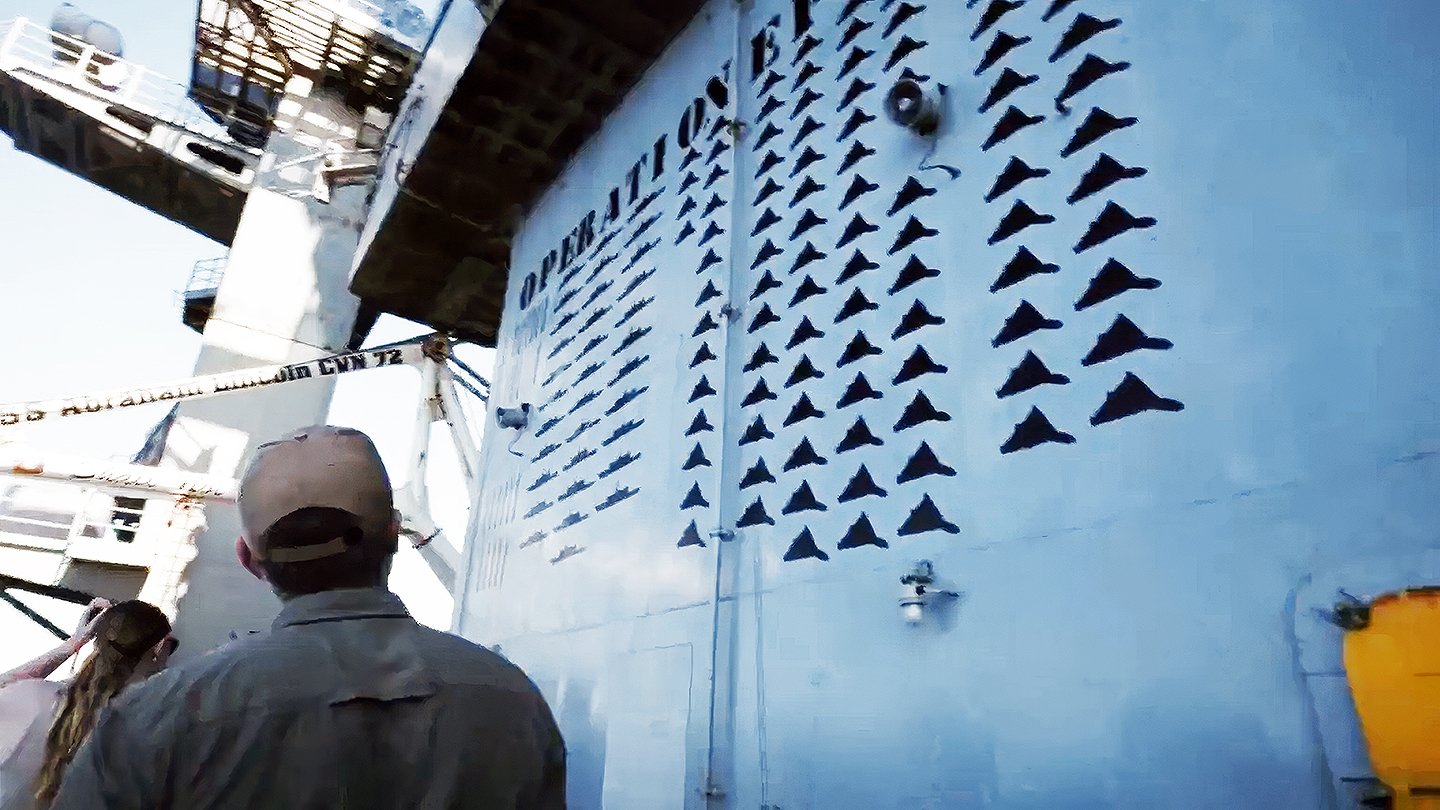

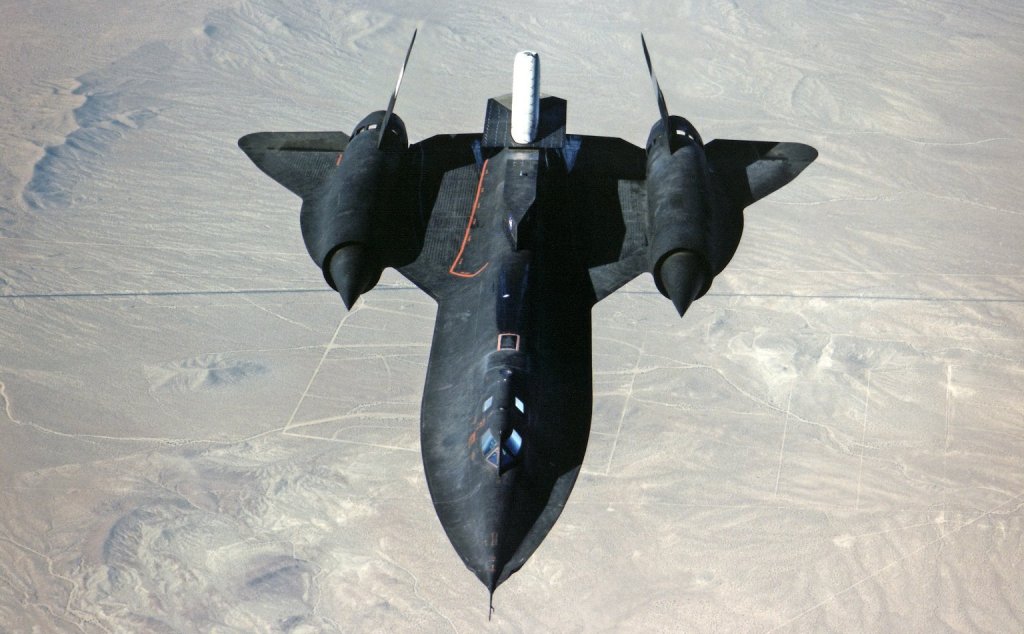

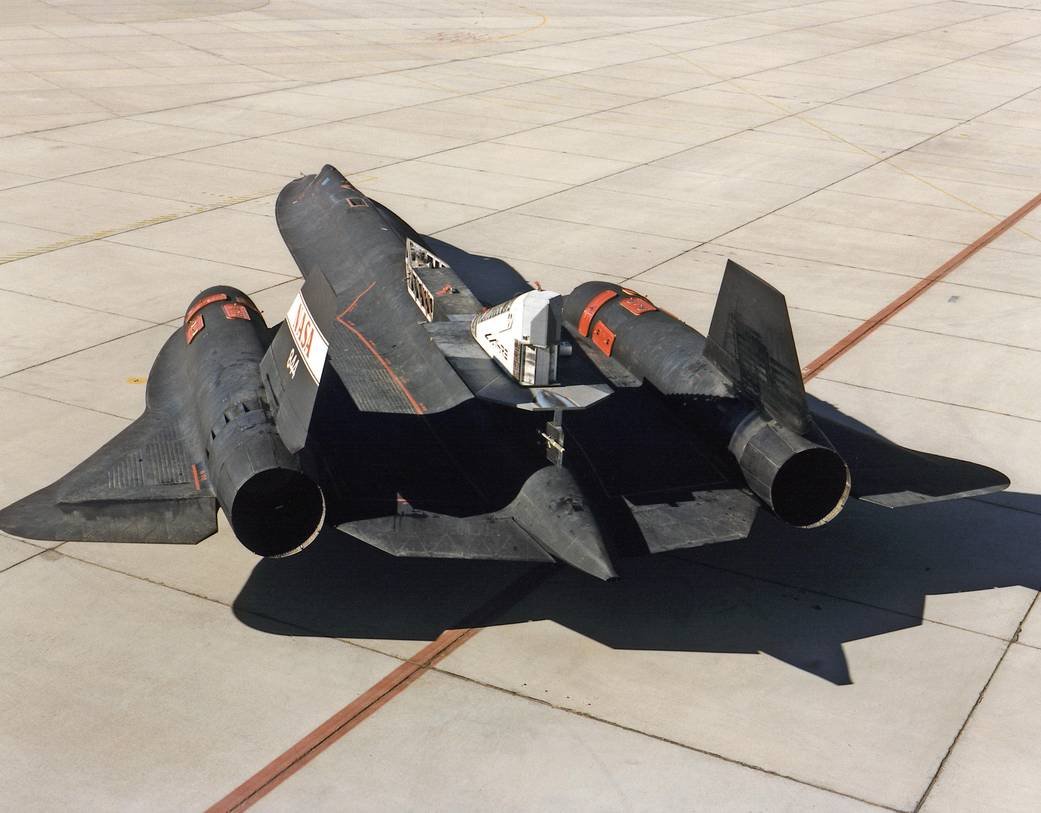
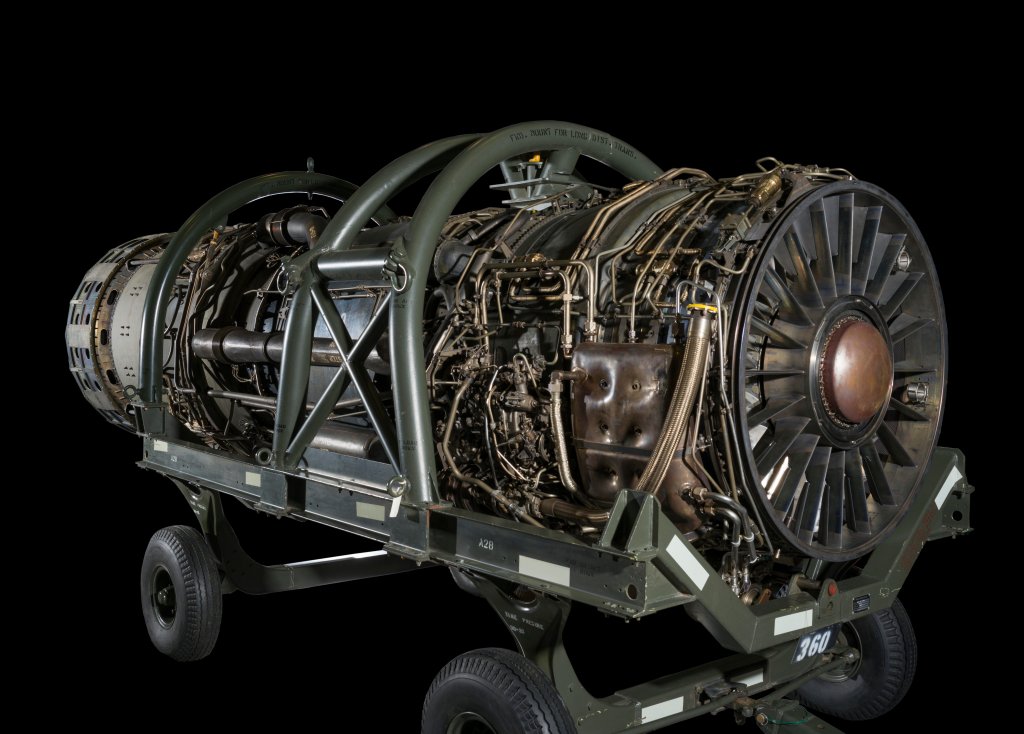
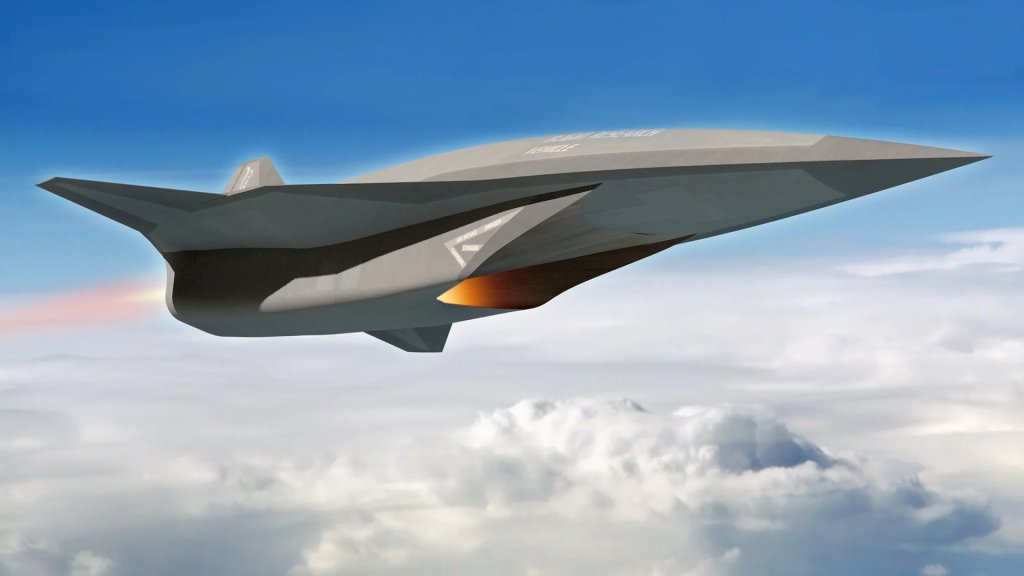
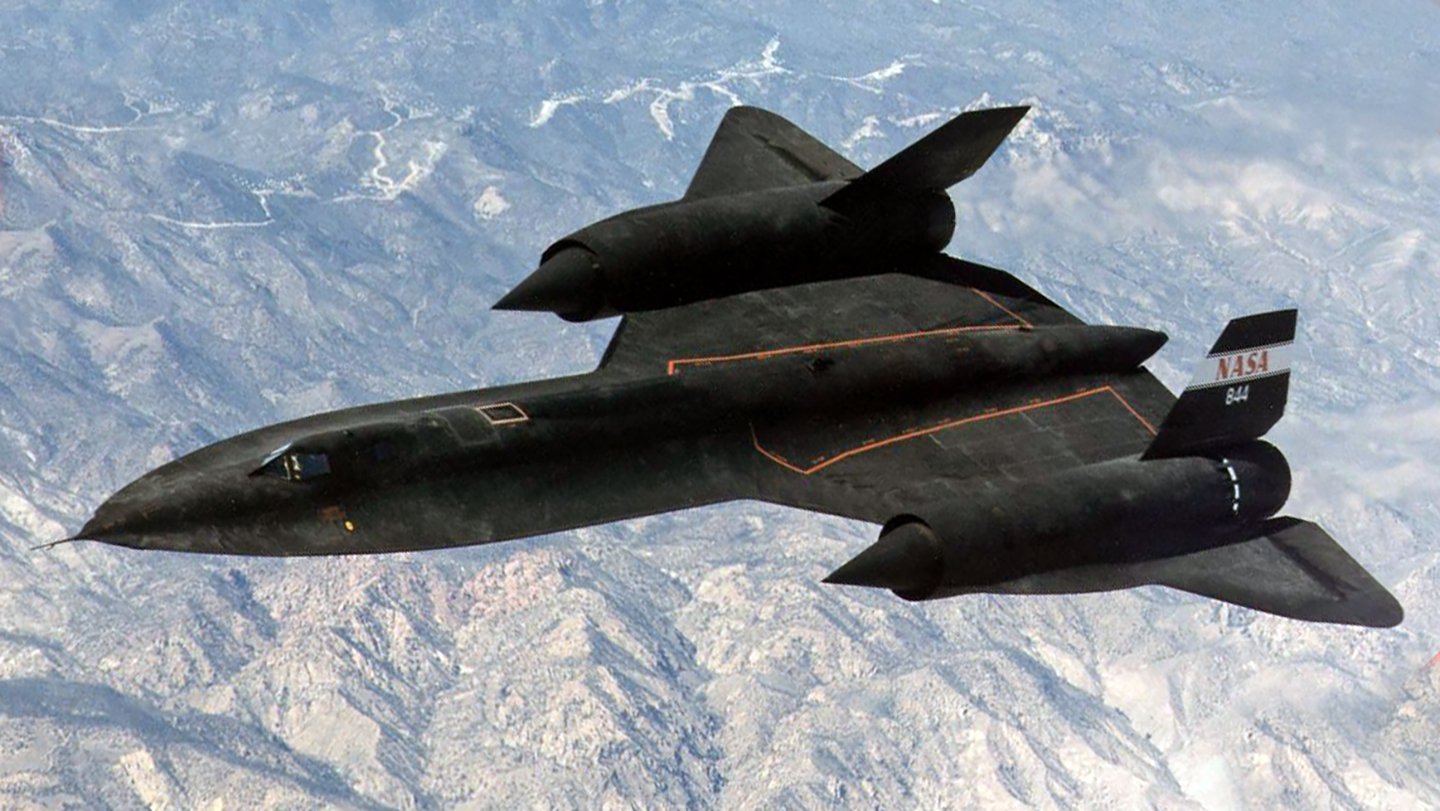
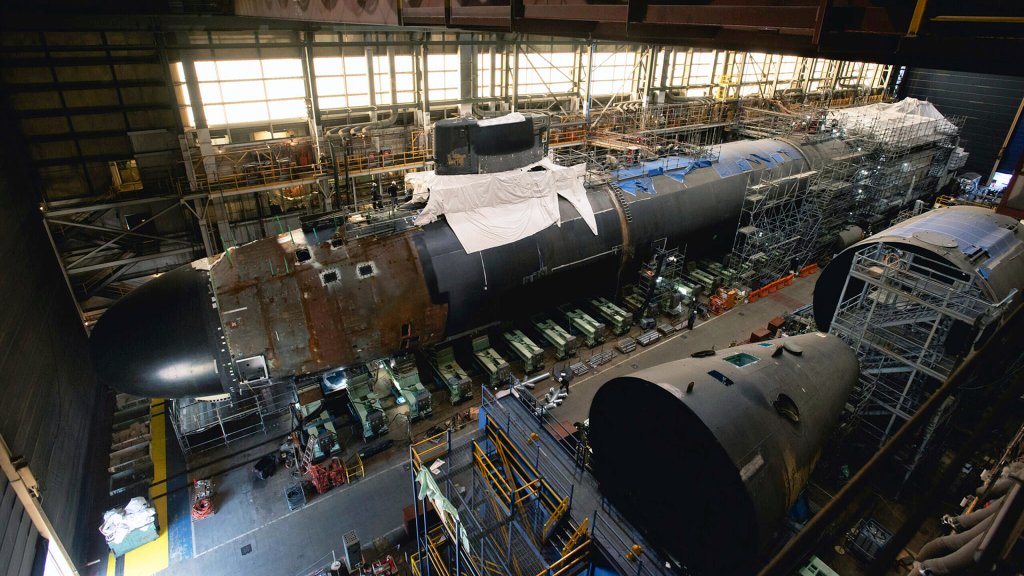
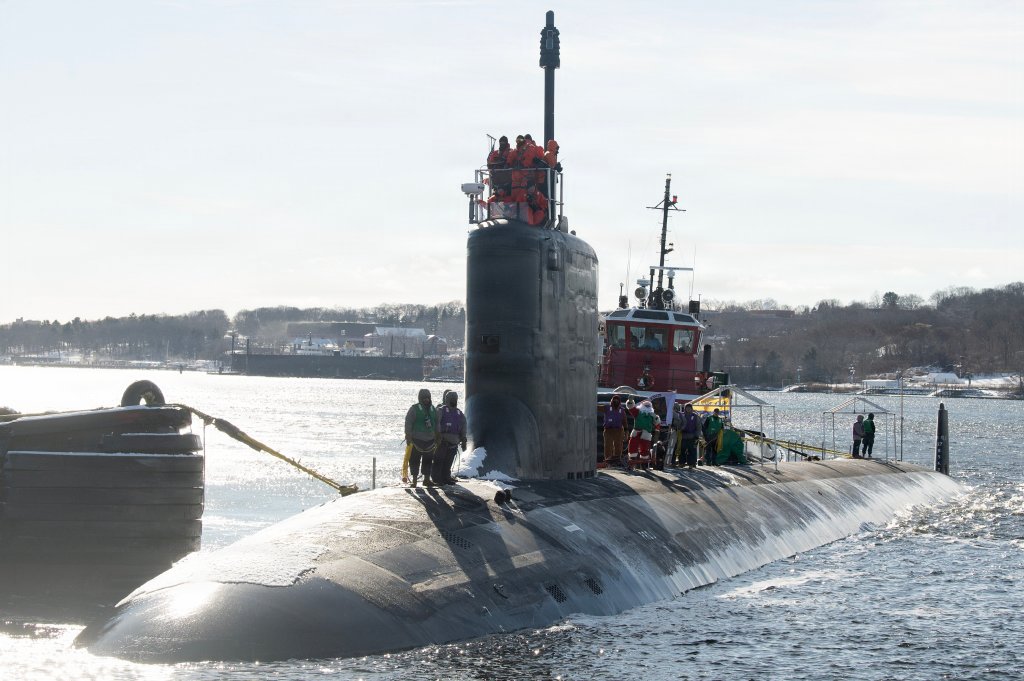
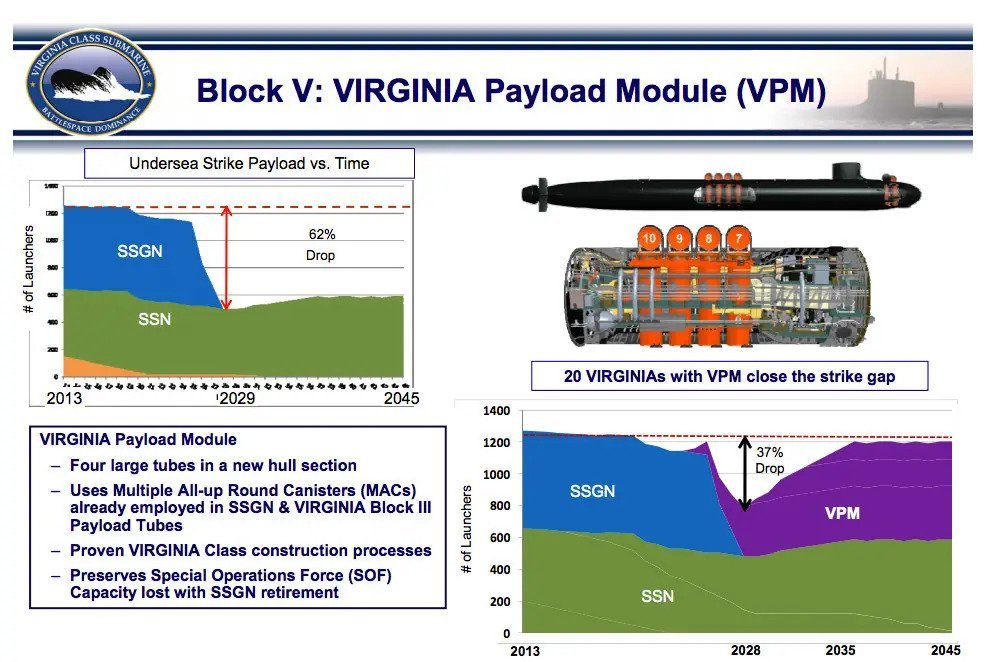
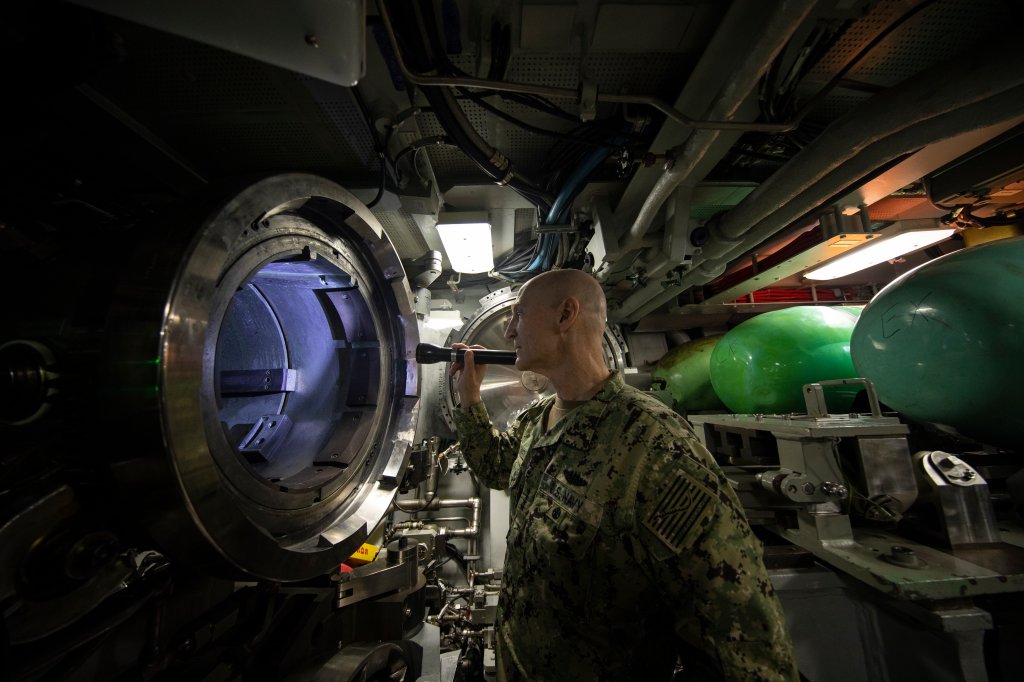


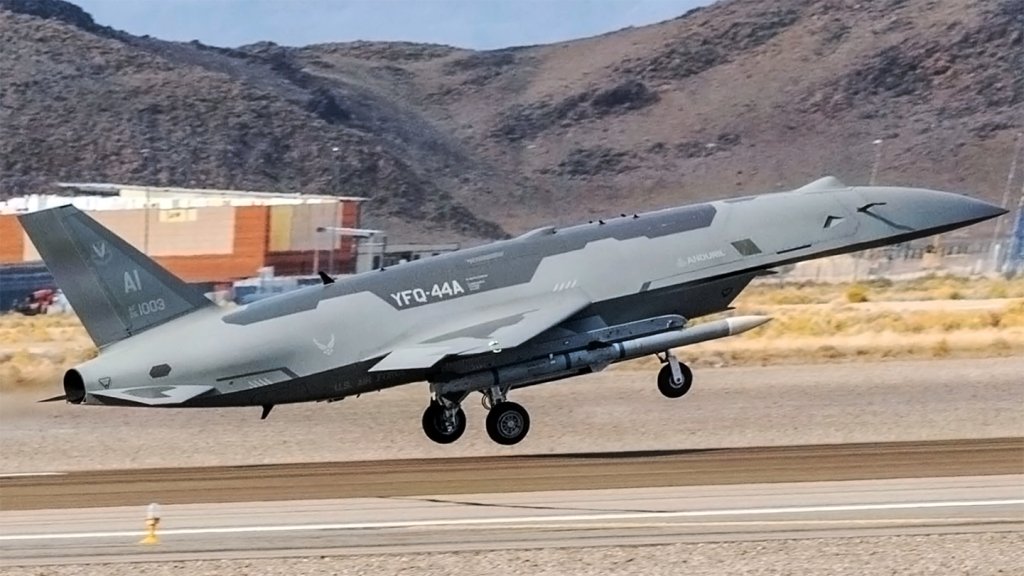



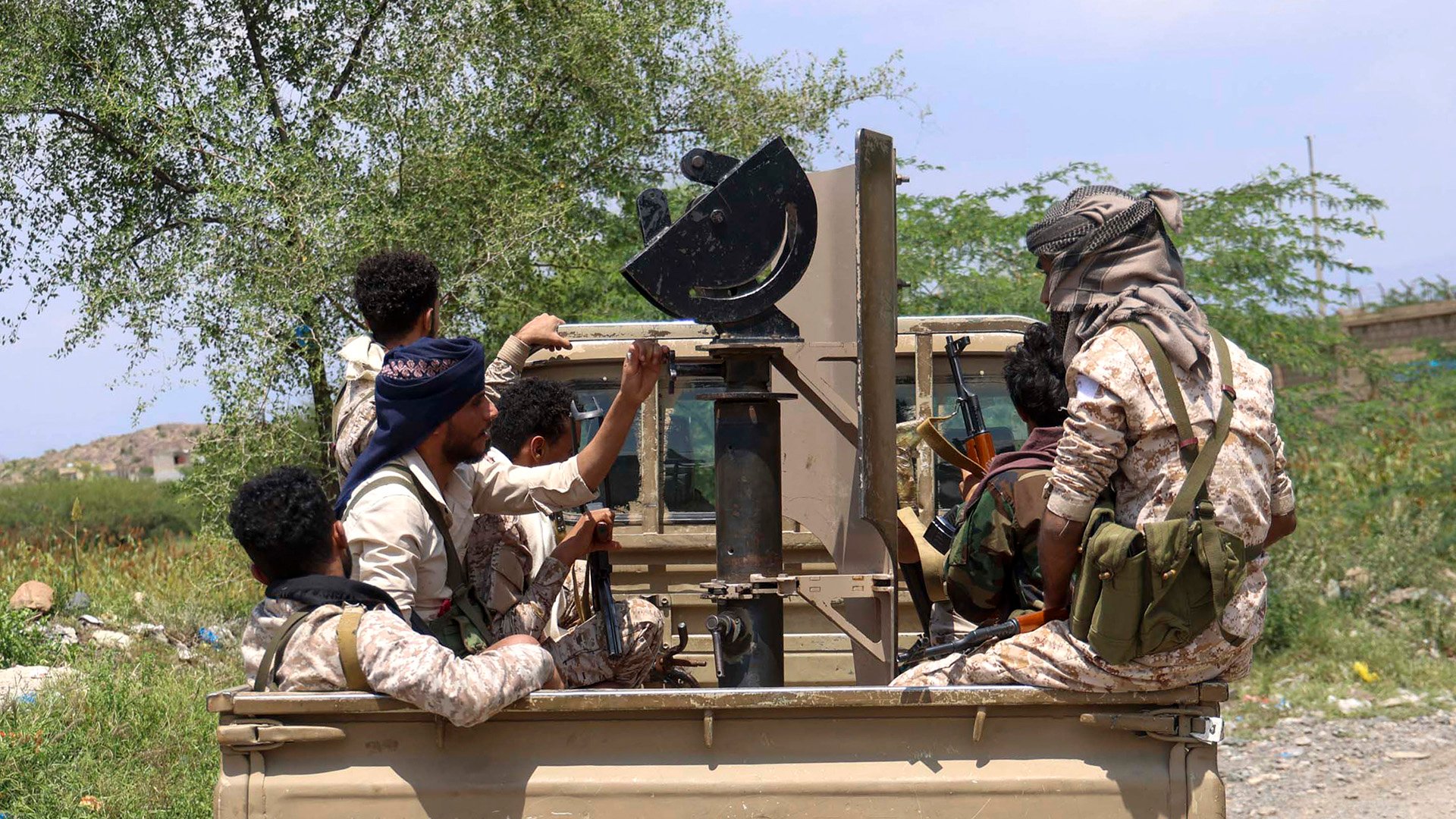
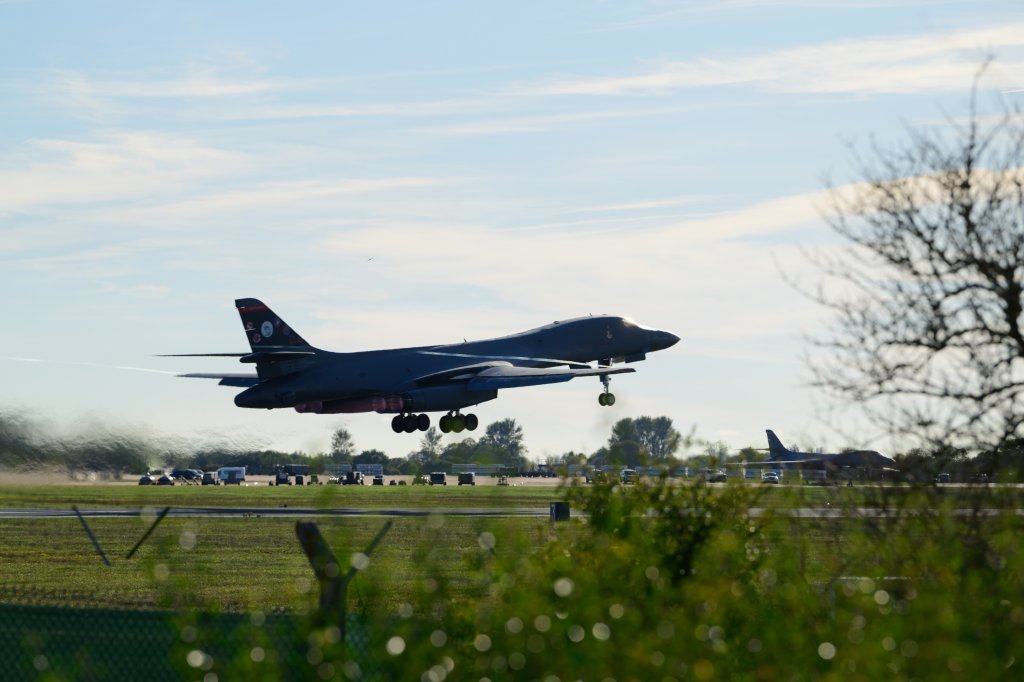
 (@PressTV)
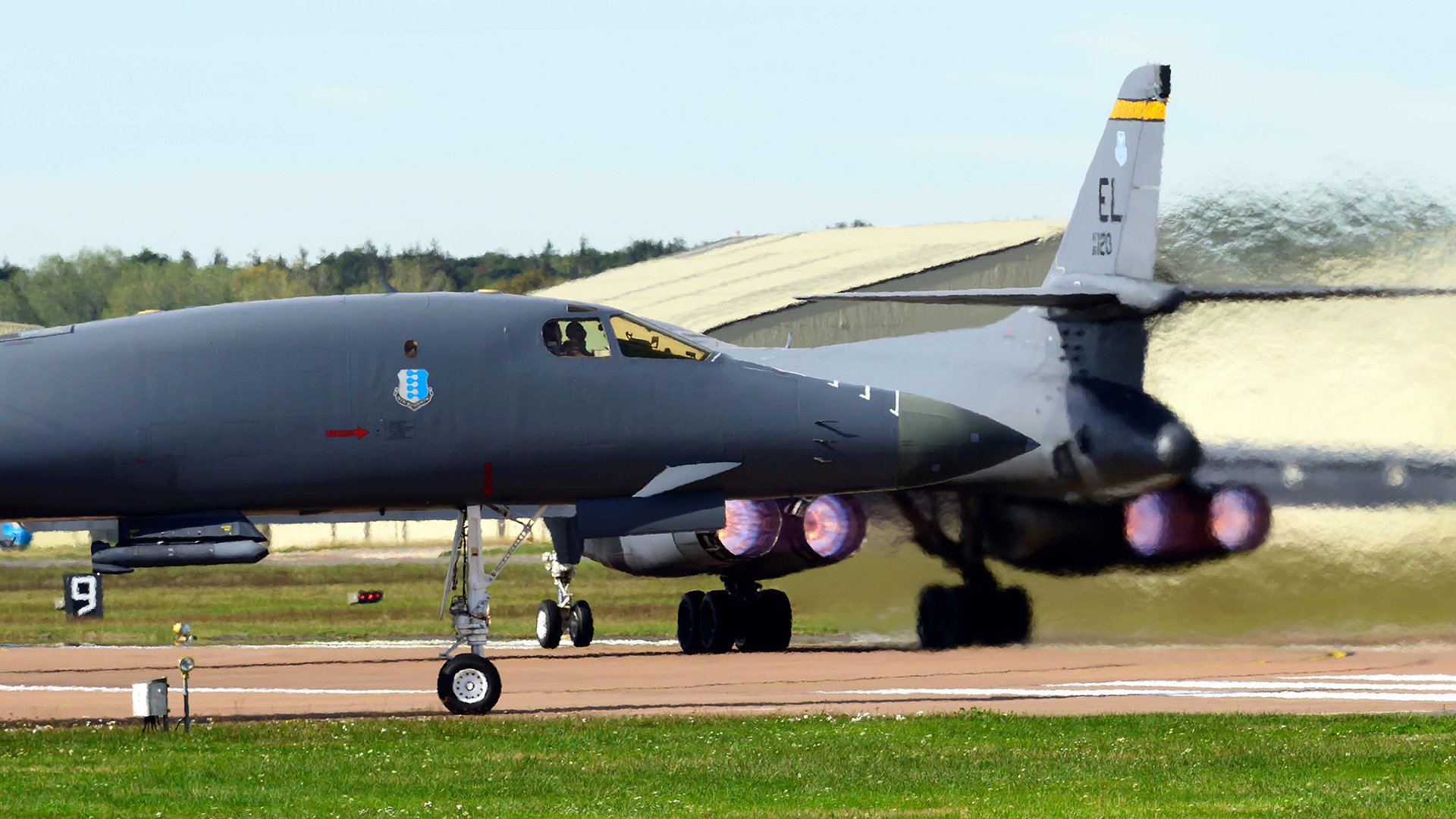
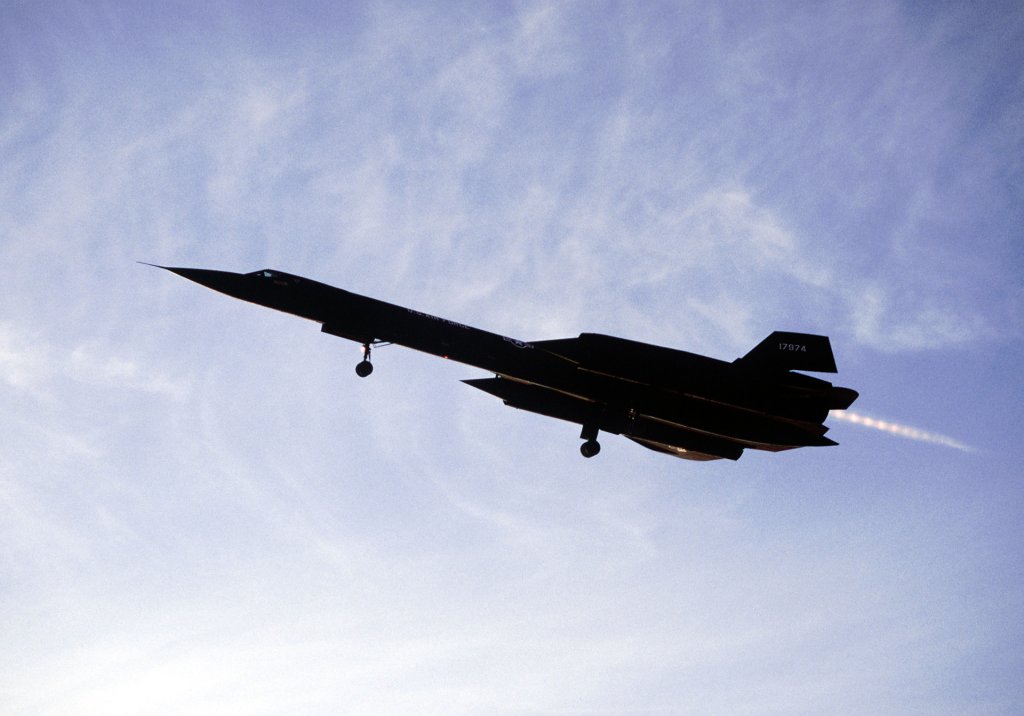
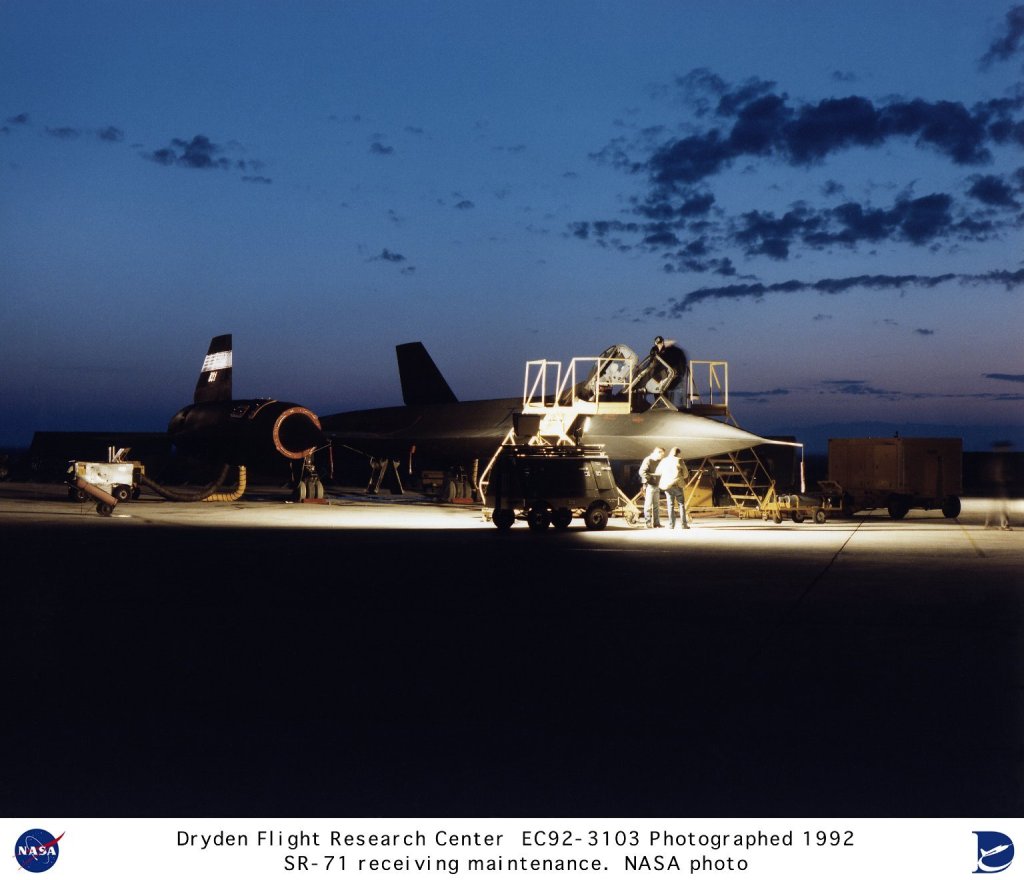
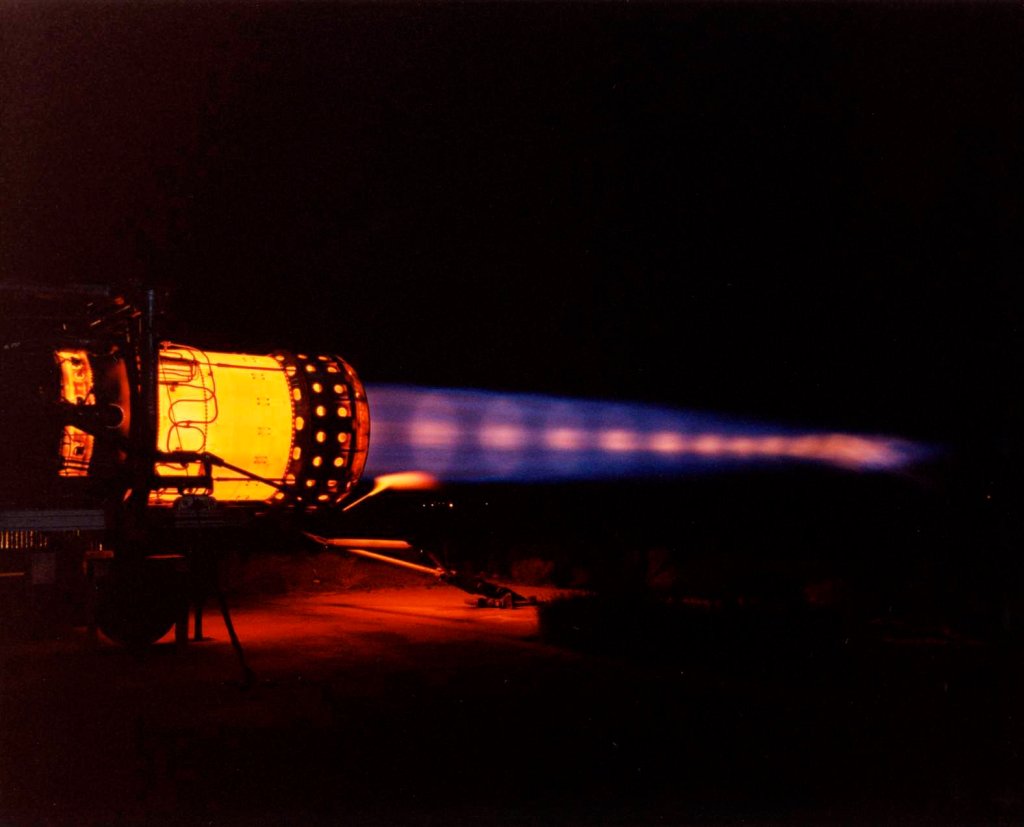
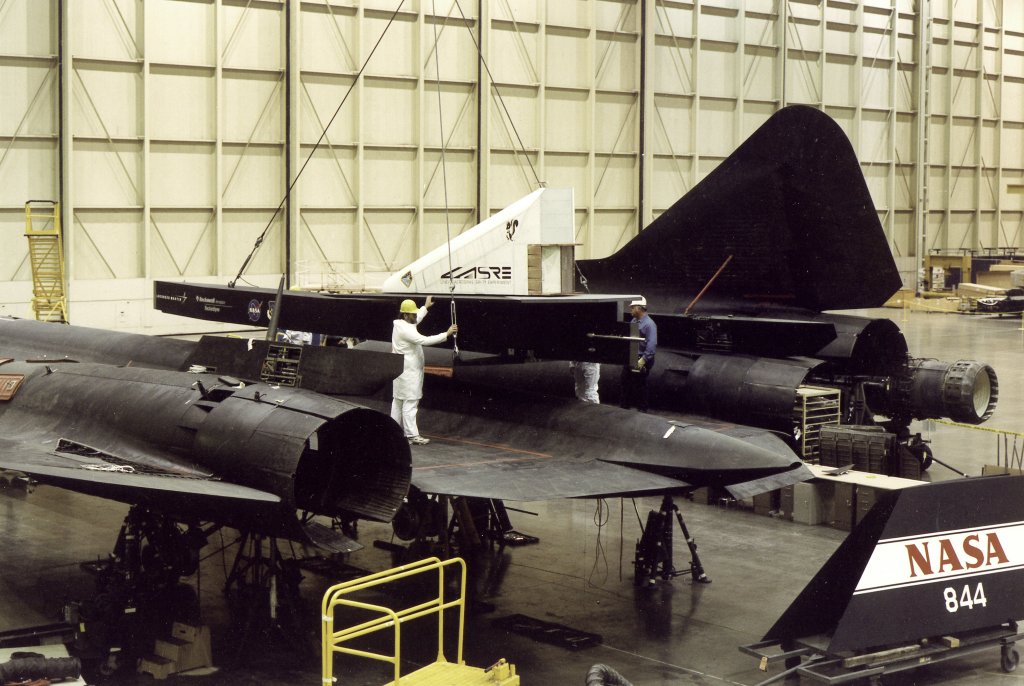
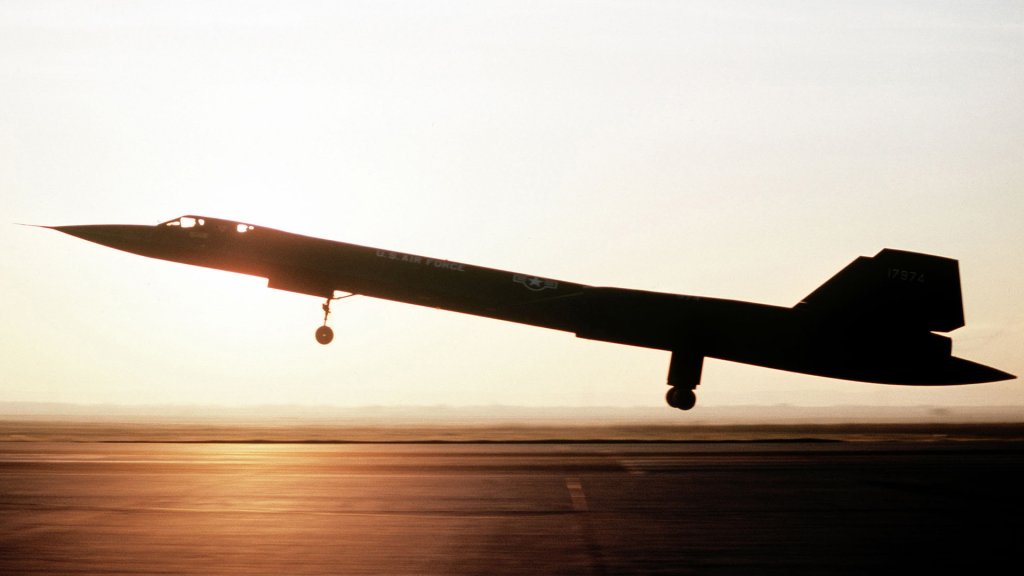
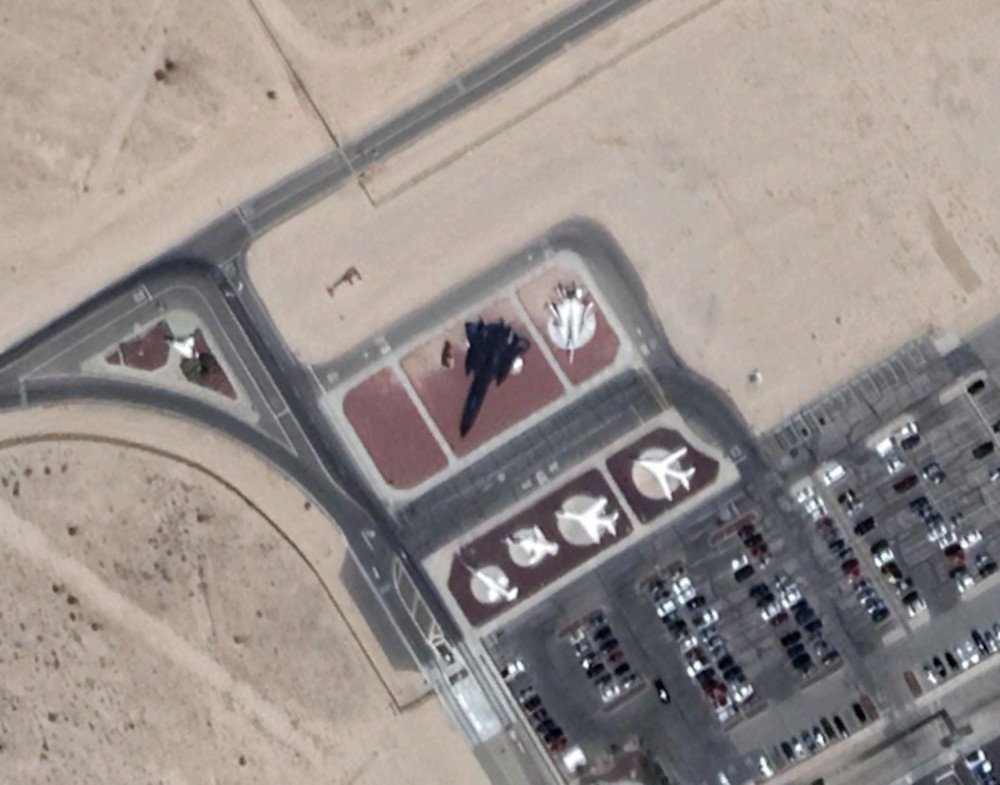
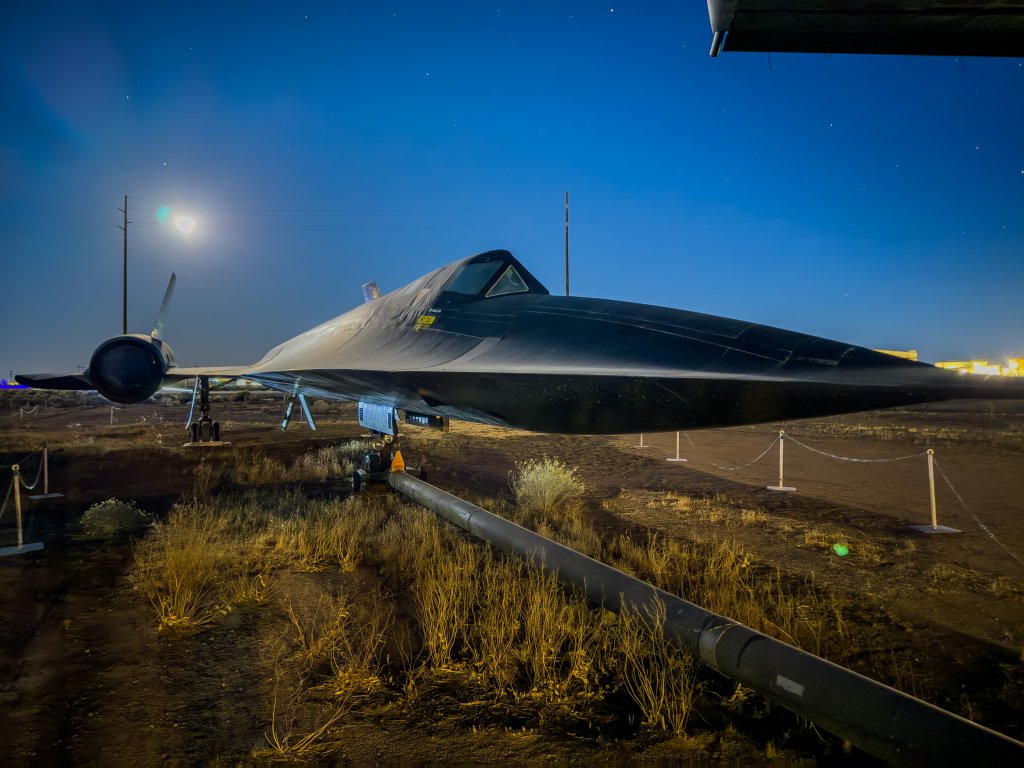
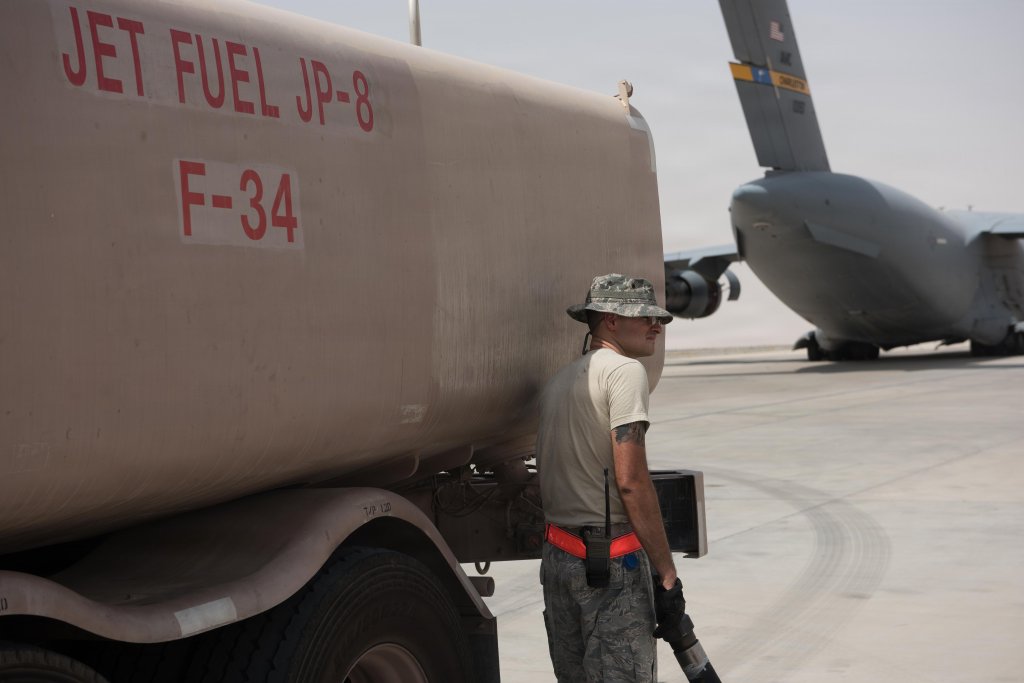
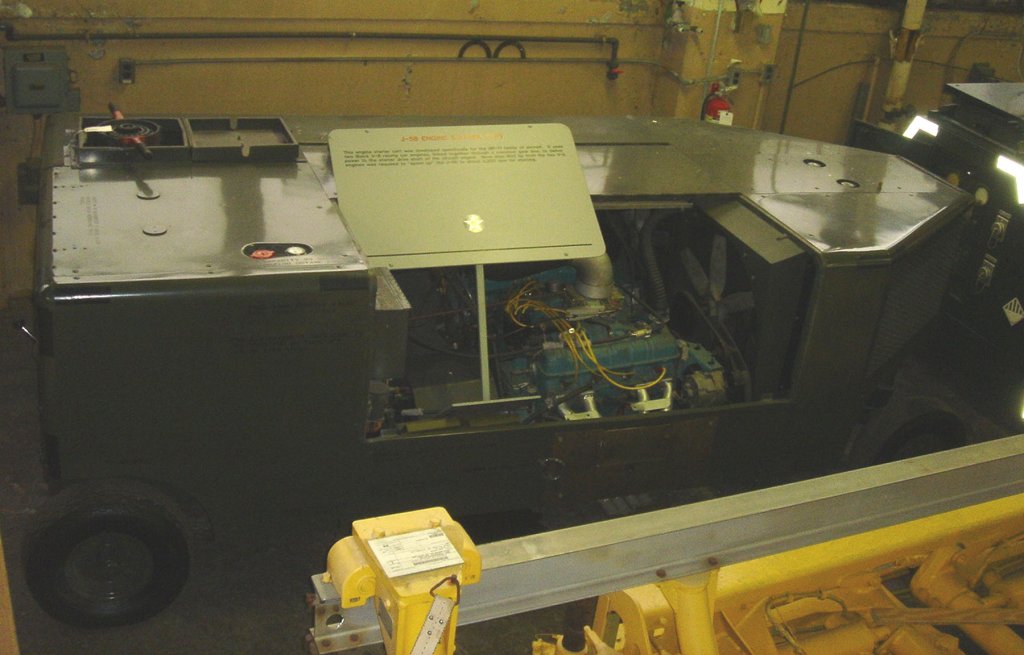
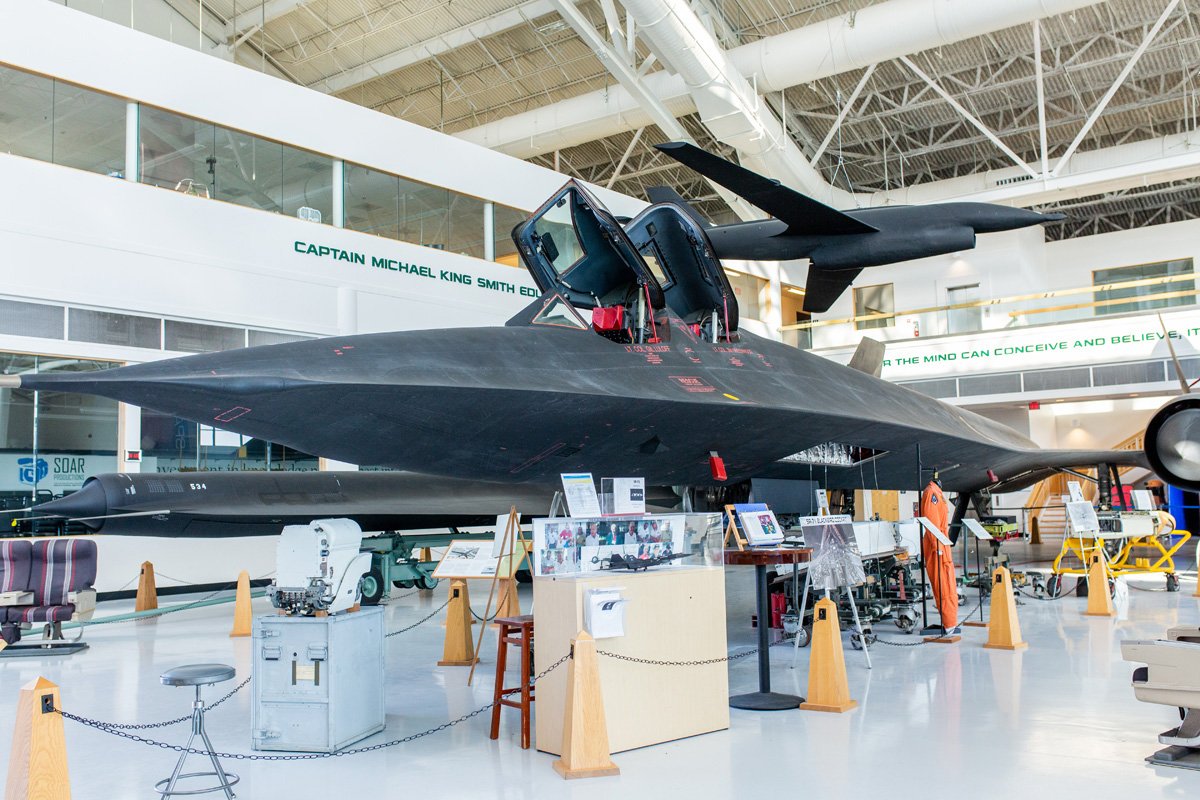
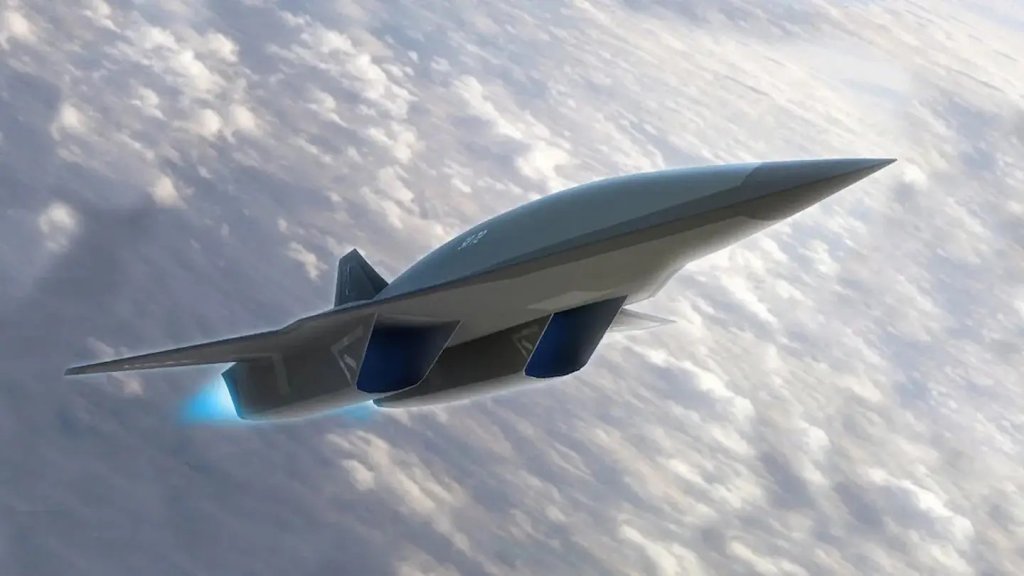
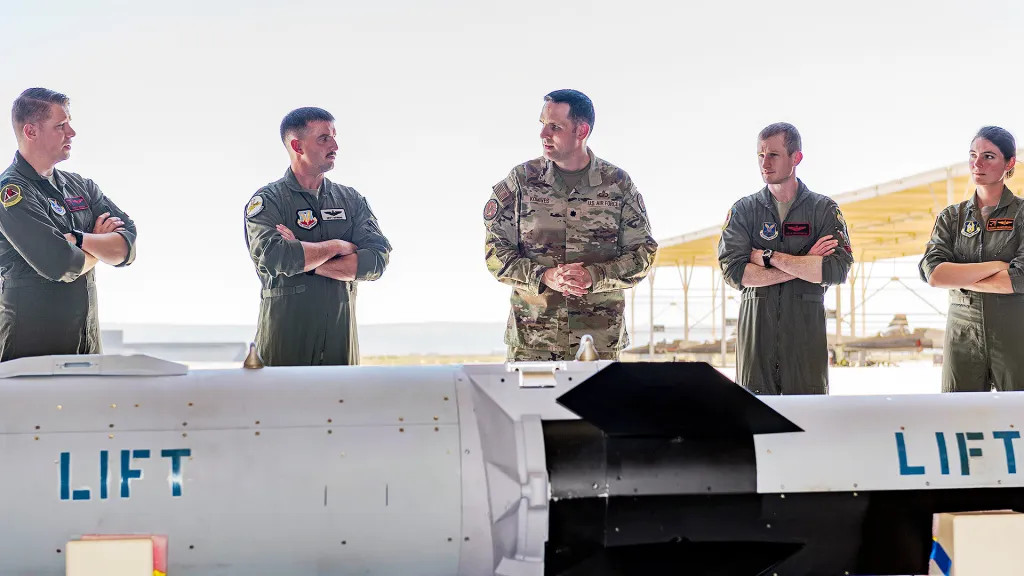
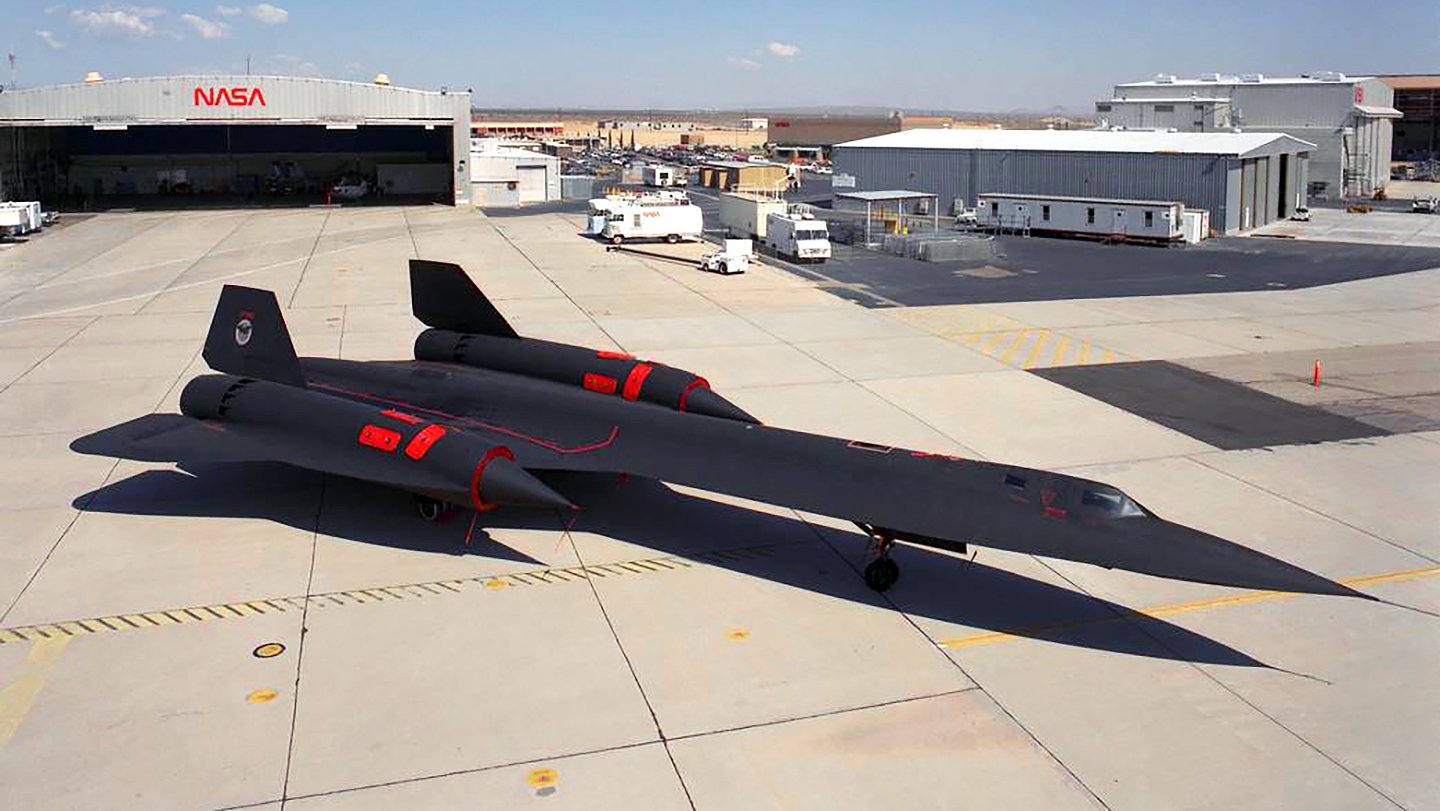
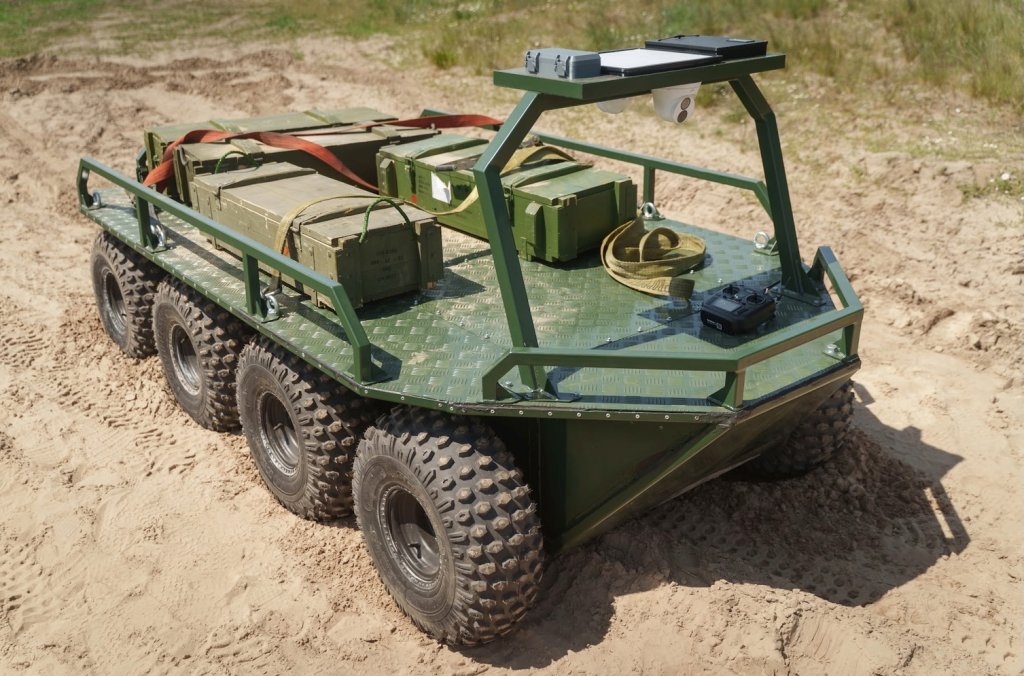


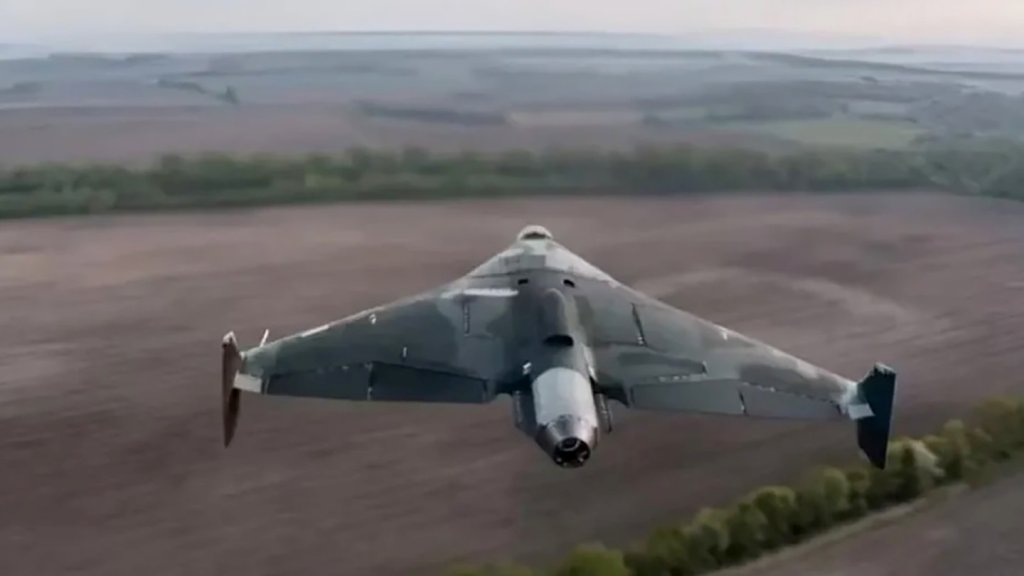

 .

 Inside Russian Shahed: power bank and a SIM card of a Ukrainian operator
 (@Tactixtm)


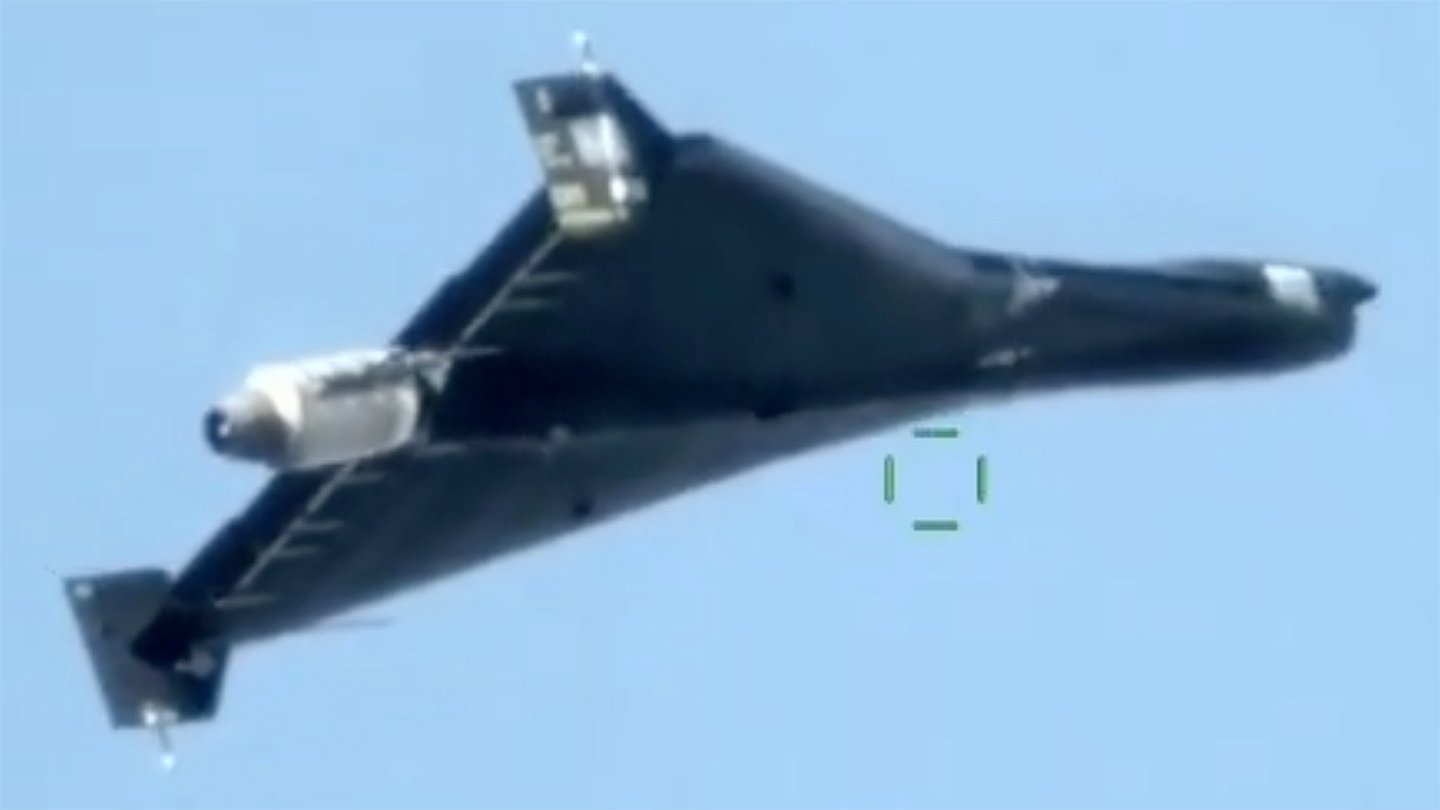




 (@mercoglianos)