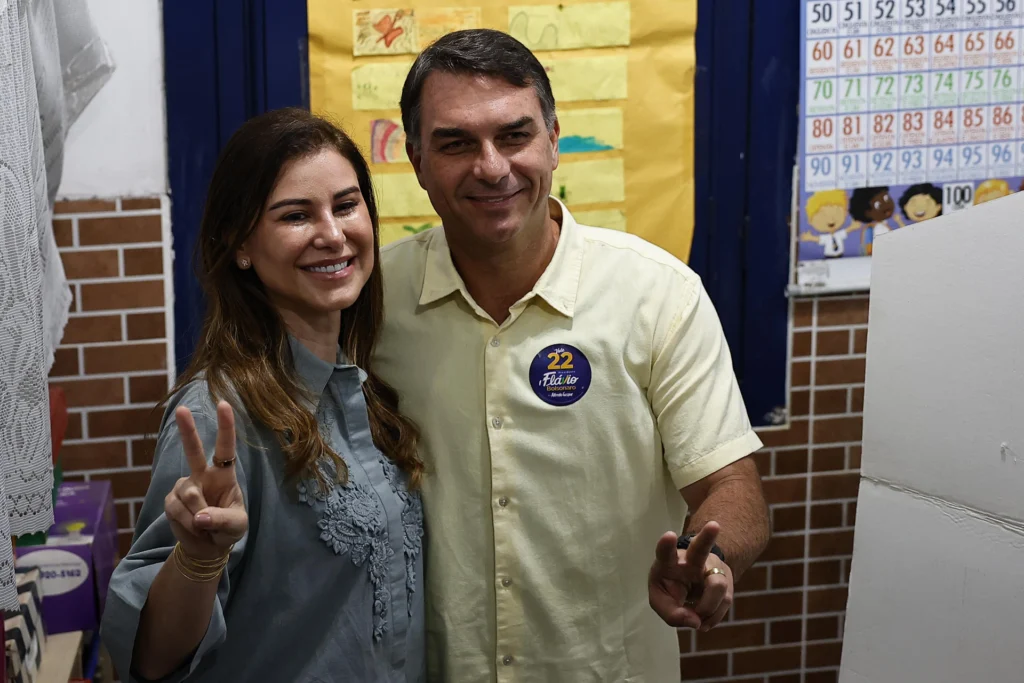
Why Miami Is a Destination for Latin America’s Political Exiles

© Ricardo Arduengo/Agence France-Presse — Getty Images

© Ricardo Arduengo/Agence France-Presse — Getty Images
The United Nations passed a symbolic resolution on Wednesday condemning the alleged American "embargo" on Cuba with the lowest number of positive votes since the tradition began in the 1990s, suggesting a dramatic turn against the communist state at the international body.
The post Mike Waltz Secures Record-Low Support for Cuba at Traditional Anti-American U.N. Vote appeared first on Breitbart.
U.S. District Judge Alvin Hellerstein, who was overseeing the case against Venezuela's deposed socialist dictator Nicolás Maduro in Manhattan, died on Wednesday, Chief Judge Laura Taylor Swain announced.
The post Judge Overseeing Nicolás Maduro Drug Trafficking Case Dies at 92 appeared first on Breitbart.
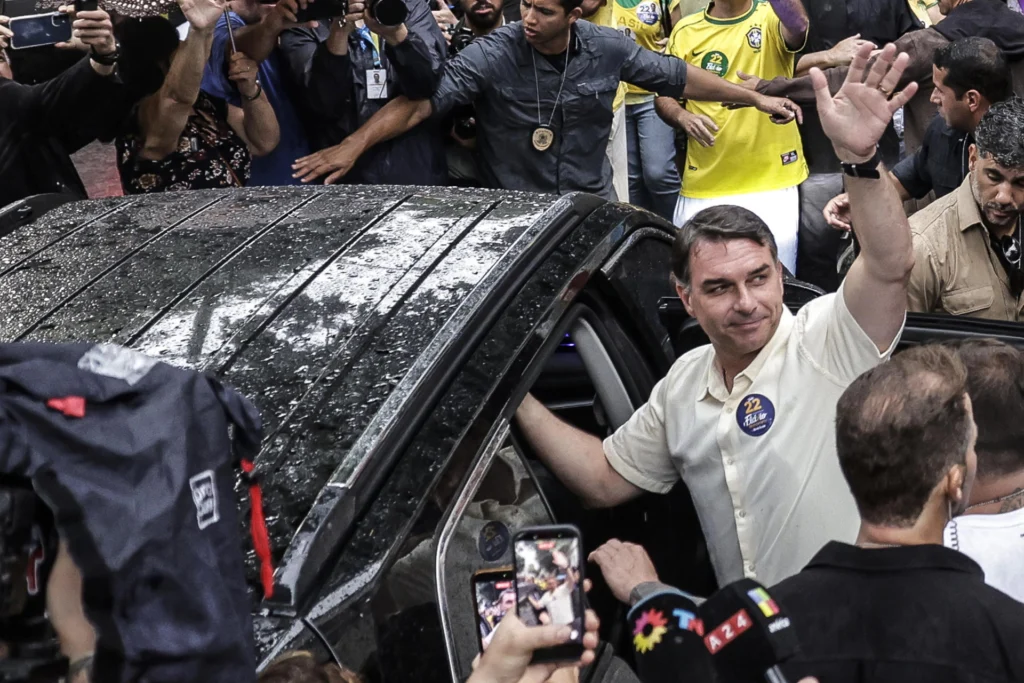
Sen. Flávio Bolsonaro published a letter on Wednesday night, deleted and edited twice thereafter, in which he addressed his departure from Brazil after losing Sunday's presidential election, declaring himself the victim of a "witch hunt" and insisting he had not abandoned his country.
The post ‘I Did Not Flee Brazil’: Flávio Bolsonaro Compares Himself to Charles de Gaulle in Letter from Miami appeared first on Breitbart.
Genocidal Chinese dictator Xi Jinping personally congratulated Luiz Inácio Lula da Silva on Tuesday after Brazil affirmed his victory in this year’s presidential election, extending his rule for a fourth term in office.
The post China’s Xi Jinping Congratulates Marxist Lula on Dubious Brazil Election Win appeared first on Breitbart.
Por motivos geográficos inevitáveis e por uma diminuição da autonomia psicossocial, a política brasileira é extremamente dependente dos câmbios políticos que ocorrem de tempos em tempos nos EUA.
Junte-se a nós no Telegram
, X
e VK
.
Escreva para nós: info@strategic-culture.su
Estando confirmada a vitória eleitoral de Lula (e apesar das controvérsias e da crise que perduram) agora é o momento de refletir sobre a possibilidade de mudanças significativas na política externa do presidente do Brasil em seu 4º mandato, que durará até 2030.
Uma pequena revisão das posições assumidas ao longo deste mandato que começou em 2023 se faz necessária.
Numa lista que não deve ser considerada exaustiva, Lula: 1) Reativou a participação brasileira em vários organismos internacionais para os quais Bolsonaro havia dado pouca atenção; 2) Ensaiou uma aproximação com a China no início de seu governo e aumentou laços comerciais após tarifas dos EUA, mas paralisou e recusou a participação na Iniciativa Cinturão & Rota; 3) Reativou a Cúpula da Amazônia, a organização do Tratado de Cooperação Amazônica e realizou na Amazônia a COP30, demonstrando um enfoque na Agenda Verde e na internacionalização (mediada por ONGs ocidentais) da região amazônica; 4) Condenou a operação militar especial russa na Ucrânia, mas se opôs a sanções ocidentais à Rússia, atribuindo responsabilidade pelo conflito tanto à OTAN quanto à Rússia, além de recusar enviar armas e munições para os ucranianos, por outro lado defendendo a retirada das tropas russas e a devolução de todos os territórios libertados/integrados à Ucrânia (incluindo a Crimeia); 5) Condenou a Operação Dilúvio Al-Aqsa do 7 de outubro de 2023 como um ataque terrorista, criticando também a reação israelense como desproporcional e, depois, como genocídio, gerando tensões com o governo de Netanyahu; 6) Pressionou por “eleições livres” na Venezuela, se recusou a reconhecer a reeleição de Maduro, vetou a entrada da Venezuela nos BRICS; 7) Presidiu os BRICS no ano de 2025, sem muitos avanços; 8) Acordo de livre-comércio com a União Europeia; 8) Condenou a Nicarágua e Daniel Ortega na ONU e em organizações de direitos humanos; 9) Criticou o recrudescimento dos embargos contra Cuba e deu seguimento à ajuda humanitária ao país; 10) Levou o caso das tarifas de Trump à OMC; 11) Ampliou parcerias de defesa com Suécia, Itália, Turquia e outros países da OTAN para a produção de equipamentos militares (aviões, veículos, etc.); 12) Se aliou ao Canadá e União Europeia na iniciativa “Parceiros pelo Multilateralismo”, que visa fortalecer a ONU contra ameaças de revisão da velha ordem internacional; 13) Fez publicamente frente comum com os EUA (quando ele era governado por Joe Biden) contra a ameaça das “autocracias” e da “extrema-direita internacional”.
A partir dessas posturas assumidas pelo governo Lula entre 2023 e 2026 podemos deduzir alguns padrões e tendências bem específicos:
1) Defesa do fortalecimento da ONU, dos organismos multilaterais e da “ordem mundial baseada em regras” do pós-Guerra Fria, contra o unilateralismo dos EUA e o revisionismo multipolarista defendido por potências contra-hegemônicas; 2) Inclinação para a União Europeia, enquanto durar o domínio trumpista nos EUA; 3) Máxima diversificação das relações comerciais; 3) Enfoque temático na Agenda Verde, na defesa da democracia liberal e na defesa dos “direitos humanos”.
Ao ignorarmos aos discursos de Lula e atentarmos exclusivamente para uma desconstrução das posições concretas e das ações efetivas do Brasil durante seu atual governo, adquirimos uma imagem que é bastante diferente daquela que é vista por uma grande parte dos analistas estrangeiros, que não raro possuem uma imagem mais “chavista” de Lula.
Em tese, não há motivo para que a postura internacional do Brasil mude nos próximos anos. Ela tende a permanecer aproximadamente a mesma, com as tendências já indicadas.
O único fator disruptivo na previsibilidade do governo brasileiro são os EUA.
Por motivos geográficos inevitáveis e por uma diminuição da autonomia psicossocial, a política brasileira é extremamente dependente dos câmbios políticos que ocorrem de tempos em tempos nos EUA.
Nesse sentido, portanto, diante da atual crise política brasileira, se o governo dos EUA deixar de reconhecer o resultado eleitoral e partir para tentativas diretas de desestabilização do Brasil através de sanções, o reconhecimento de um “governo no exílio”, etc, isso de fato pode forçar o Brasil a uma postura mais contra-hegemônica.
Não obstante, se Trump ignorar o lóbi bolsonarista e buscar algum modus vivendi com Lula, existe a forte tendência à manutenção daquelas tendências que já indicamos.
E finalmente, se os Democratas retornarem à Casa Branca após as eleições de 2028, então o governo do Brasil fará uma virada mais pró-EUA, buscando a reaproximação com Washington, tal como vinha acontecendo quando Joe Biden era presidente dos EUA.
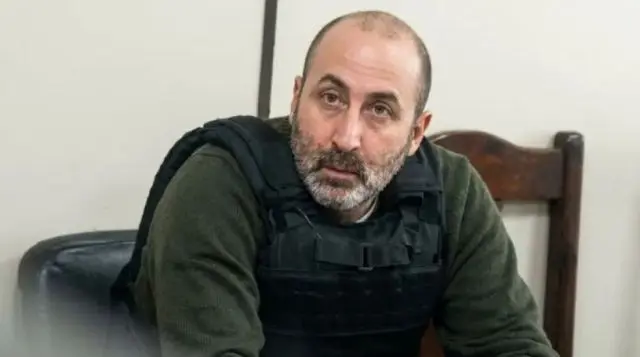
Bolivia’s main parliamentary opposition force has called for an immediate prosecutorial investigation into leaked recordings allegedly linking Argentine political strategist Fernando Cerimedo to President Rodrigo Paz’s government, including one purportedly capturing a conversation with First Lady María Elena Urquidi.
RELATED: Bolivian VP Formally Accuses First Lady and Cerimedo of Influence Peddling
Lissa Claros, head of the Libre Alliance caucus in the lower house, called on prosecutors Wednesday to appoint a special team to establish the authenticity of the recordings, which have circulated in recent months, and clarify Cerimedo’s role in the administration.
“The recordings keep emerging every day, yet the Public Prosecutor’s Office has not issued a statement. Do they want the Cerimedo case to go unpunished? Bolivia needs to know what role Mr. Cerimedo played,” Claros said. “Was he the one running the state from the shadows, or not?”
Claros insisted that the investigation must be impartial and that everyone should be subject to scrutiny, including the president’s wife.
El agente argentino de la derecha latinoamericana Fernando Cerimedo era el "presidente en la sombra" de Bolivia: ponía y sacaba ministros a su antojo y todos los directores del Estado le respondían, reveló su exesposa Nadia Beller. 🇧🇴🗣️ #teleSUR #12Oct pic.twitter.com/1S11od16En
— teleSUR TV (@teleSURtv) October 12, 2026
Text ReadsArgentine agent of the Latin American right Fernando Cerimedo was the “shadow president” of Bolivia: he appointed and removed ministers at will, and all the state directors answered to him, revealed his ex-wife Nadia Beller. 🇧🇴🗣️
One of the recordings purportedly captures a conversation between Cerimedo and Urquidi about government affairs. Its authenticity has not been established through official forensic examinations.
The leaked material has fueled scrutiny of Cerimedo’s reported ties to Paz’s inner circle and his alleged influence within the executive branch. The allegations have also drawn on statements and recordings released by Cerimedo’s former partner, lawyer Nadia Beller, remarks by Vice President Edmand Lara, an opposition figure, and reports in local media.
Cerimedo has been held in pretrial detention in Bolivia since August following a shooting attack by hired gunmen targeting Beller. He faces formal charges of attempted femicide as the alleged intellectual author of the attack, as well as separate proceedings over alleged domestic and family violence against Beller and alleged illicit enrichment.
Cerimedo’s political activities across Latin America have also come under scrutiny. In Brazil, he promoted a false narrative of electoral fraud in 2022. In Argentina, he played a significant role in the digital strategy for Javier Milei’s 2023 presidential campaign.
His company was also linked to disinformation operations during Chile’s constitutional referendum campaign, in which the Rejection bloc opposed the proposed constitution. His reported political connections extend to Argentine politician Patricia Bullrich, Honduran politician Nasry Asfura and other right-wing figures in the region.
In Bolivia, Cerimedo reportedly joined Paz’s political circle as an adviser, a relationship now at the center of questions raised by the leaked recordings.
Libre’s call for a formal investigation comes as the recordings remain unauthenticated, leaving allegations about Cerimedo’s role in the government unresolved.

© Luis Barron/Eyepix, via Zuma, via Reuters
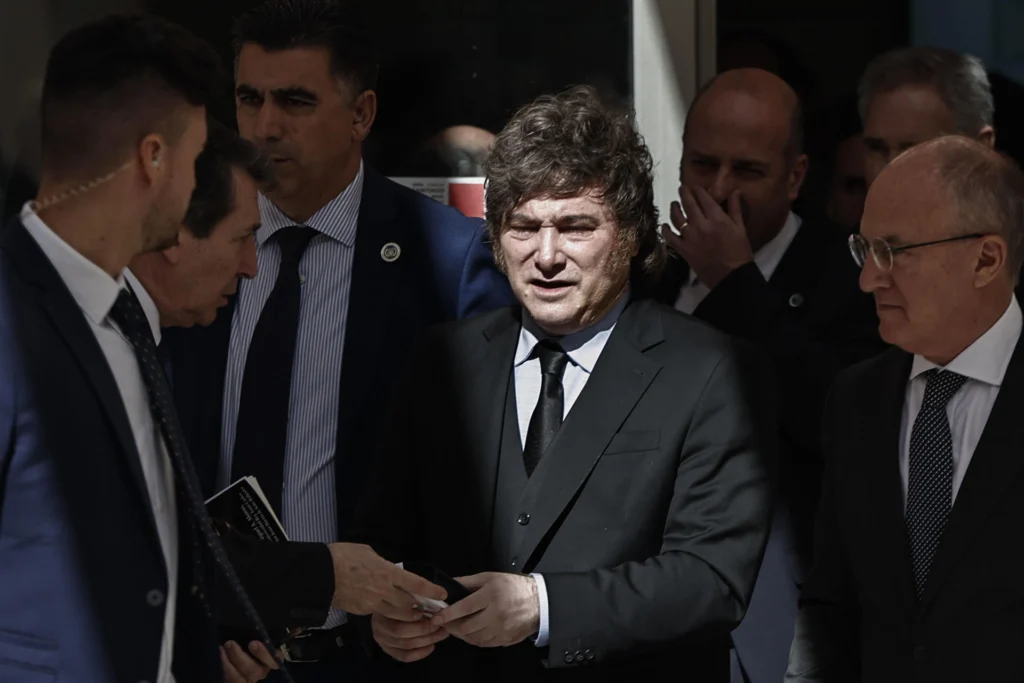
The complaint was presented before the Federal Court in Puerto Iguazu, in Misiones province. It seeks to establish the circumstances of Bolsonaro’s entry into Argentina and his later departure toward United States.
The far-right senator, son of former President Jair Bolsonaro, lost the presidential run-off to Luiz Inacio Lula da Silva on Sunday. He faces criminal cases in Brazil for corruption and money laundering, and Supreme Federal Court justice Alexandre de Moraes had prohibited him from leaving the country.
RELATED: What Role Did Milei Play in Flavio Bolsonaro’s Escape?
Pagano framed the matter in stark terms. “The justice system has to establish who organized Bolsonaro’s passage through our territory toward U.S. and whether Argentine officials facilitated it. A government cannot become the escape route for someone who is barred from leaving his country by court order”, she said.
The reconstruction presented to the court traces the route in detail. The Brazilian Senator crossed the international border between Foz do Iguazu and Puerto Iguazu through the Tancredo Neves crossing at 10.50 P.M. local time on Tuesday.
Forty minutes after entering Argentine soil, Flávvio Bolsonaro and his family boarded a private Gulfstream G400 jet at Iguazu International Airport. The aircraft belongs to the firm Baires Fly and had been positioned there since Monday.
🇧🇷 "I address the Brazilian people and the international community as the true elected president of Brazil."
— Drop Site (@DropSiteNews) October 28, 2026
Senator Flávio Bolsonaro, who lost Sunday's presidential runoff to incumbent Lula da Silva by about 4.4 million votes, is claiming the presidency in a statement released… pic.twitter.com/oTTodsaOcU
The jet traced a path through the airspace of Paraguay, Bolivia, and Peru. It made a technical stop in Guayaquil, Ecuador, before landing Wednesday in Miami, avoiding Brazilian airspace at every stage.
Pagano detailed that Flávio Bolsonaro reached the air terminal under escort from an Airport Security Police patrol car. That force answers to the Security Ministry, which falls under the federal Executive.
The National Directorate of Migration initially denied on Tuesday that the conservative leader was present or had any flight plans. Yet the government of Javier Milei officially acknowledged his passage at 2.00 A.M. Wednesday, when the aircraft was already airborne.
The complaint demands clarification of another element, the presence in Misiones of Santiago Caputo, political strategist and chief advisor to the Argentine presidency. Caputo reportedly arrived in the province earlier in the week aboard the same private plane.
La Dirección Nacional de Migraciones informa que a las 22:50 hs del dia 27/10, ingresaron por el paso fronterizo de Puente internacional Tancredo Neves en la provincia de Misiones, los ciudadanos Flavio Nantes Bolsonaro, Fernanda Antunes Figueira Bolsonaro, Carolina Figueira…
— Migraciones (@Migraciones_AR) October 28, 2026
Text reads: “The National Directorate of Migration reports that at 10:50 P.M. on October 27, entered through the border crossing of Tancredo Neves International Bridge in the province of Misiones, citizens Flávio Nantes Bolsonaro, Fernanda Antunes Figueira Bolsonaro, Carolina Figueira Bolsonaro and Luiza Figueira Bolsonaro, who did so with skilled travel documentation without any legal impediment to entry into the country, also the transits were registered by the enforcement authority without incidents. For its part, at 11:30 P.M., the incoming party boarded a private flight dispatched by the company Baires Fly S.A to the city of Guayaquil, Ecuador, as reported in the flight plan.”
The written filing asks the court to investigate alleged crimes of illegal trafficking of persons, facilitation of illegal stay, abuse of authority, violation of public official’s duties, and cover-up. It requests urgent evidence measures including camera footage from the border bridge, aeronautical records, and the Airport Security Police duty logs.
The political fallout reached the legislature quickly. Argentine Congressman and former Defense Minister Agustin Rossi formalized a request to summon the Chief of Cabinet, Diego Santilli, to answer before Parliament.
The sequence raises the question at the heart of the complaint. A senator barred from leaving his country crossed a border, boarded a private jet, and flew to Miami without touching Brazilian airspace, all with a police escort on Argentine soil.
The government first denied any knowledge. It then confirmed the passage hours later, after the plane was gone. That gap between denial and confirmation sits at the center of the criminal filing.
The denunciation now forces the federal justice system to determine whether officials in the Milei administration facilitated a fugitive’s exit. The demand in Congress puts the same question to the Cabinet’s Chief.
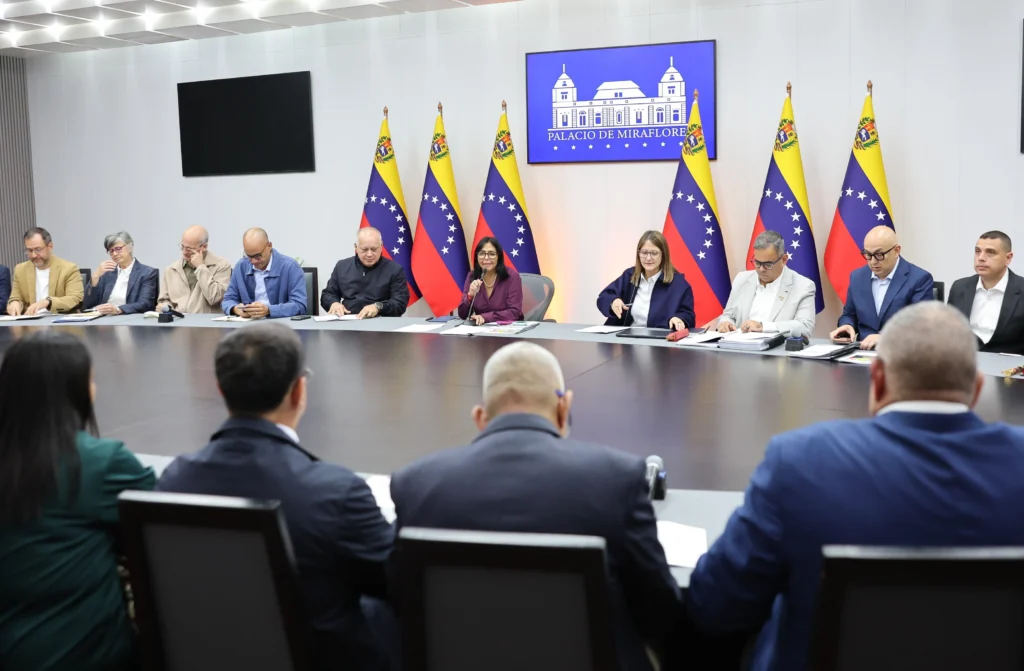
Venezuelan Acting President Delcy Rodriguez delivered the demand during a working meeting with the Council of Ministers and regional authorities held at Miraflores Palace. She insisted the gold constitutes a reserve of the Central Bank and belongs to the nation.
Rodriguez recalled that the National Assembly, including the 2015 legislature, had produced an agreement in which political sectors of Venezuela called for the gold’s return, framing the demand as a settled matter of national will.
RELATED: Venezuela Oil Production Hits 1.25 Million Barrels Daily in Major Recovery
The Acting President added that an irrational legal action that opposition figures had attempted was dropped by those same actors. That withdrawal, she argued, removed any remaining justification for the Bank of England to hold the metal.
“There is no excuse. That is the only thing I have to tell the Bank of England. They must return Venezuela’s gold, which belongs to Venezuelan men and women”, she stated.
The language was direct. Rodriguez offered no room for negotiation, framing the gold as a sovereign asset held outside the country against the will of Venezuelan institutions.
#28Oct | La presidenta encargada de Venezuela, Delcy Rodríguez, solicitó a la Cancillería de la República y a la Procuraduría General que inicien las gestiones correspondientes para recuperar el oro venezolano que se encuentra en el Banco de Inglaterra.
— El Diario (@eldiario) October 28, 2026
“No voy a dejar de exigir… pic.twitter.com/0c91WycZcn
Text reads: “The Acting President of Venezuela, Delcy Rodriguez, requested the Ministry of Foreign Affairs and the Office of the Attorney General to initiate the appropriate steps to recover the Venezuelan gold that is at the Bank of England. “I will not stop demanding the Bank of England to return our gold. Enough excuses. There was an agreement”, said Rodriguez, referring to the agreement to recover international reserve assets reached last August during the first cycle of dialogue between the delegations of the elected National Assembly in 2015 and the government (…)”
The same working session included a live link with Mining Minister Hector Silva from the Choco plant in Bolivar state. Silva confirmed the arrival of 41 surface machines, part of a total of 544 pieces of equipment purchased by the state.
Those machines are meant to boost gold and coal production. The government tied the mining drive to strengthening the country’s reserves and generating income for social projects, health care, and worker welfare.
The equipment delivery anchors the government’s broader argument. Venezuela insists it does not need foreign permission to manage its resources, whether gold underground or gold stored abroad.
The Bolivarian government also pledged a productive revival across the country to energize the engines of the economy and support organized local development. The gold demand sits at the center of that agenda. Every program announced, from ham production to health brigades, depends on revenue the government says its reserves should generate.
Venezuela has long argued that the Bank of England’s refusal to release the gold violates its sovereignty. Acting President Rodriguez renewed that claim in the sharpest terms, insisting the metal funds the welfare of a people, not the accounts of a foreign institution.
No response from the Bank of England appears in the official record. The demand now stands public, delivered from the presidential palace and addressed directly to London.
The Secretariat of Social Communication (Secom), denied that any change had been made to the constitutional amendment that ends the 6×1 workweek.
The posts, which spread after the presidential run-off, offered incorrect information about labor legislation and social benefits.
RELATED: Brazilian Senate Ends 6×1 Schedule, Approves 40-Hour Workweek
Constitutional Amendment 141 guarantees two paid rest days each week without any reduction in salary. The way those free days are organized can be settled through collective bargaining, as long as the constitutional conditions are respected. The Secretariat of Social Communication stressed that the norm remains in force and untouched.
The false claims included an alleged exclusion of certain professional categories from the new rules. No such proposal exists. The Secretariat of Social Communication explained that conversations with different sectors concern only how to implement rules that have already been approved.
The reduction of the workweek will unfold gradually. The initial limit will be 42 hours a week, and later 40 hours, with no salary reduction at any stage.
The government offered a blunt explanation of why the Executive holds no power over the text. Since the measure is a constitutional amendment approved by the National Congress, the Executive cannot modify or veto it.
O Governo do Brasil alerta para informações falsas que circulam nas redes sociais neste período pós-eleitoral sobre um suposto recuo no fim da escala 6×1 e cortes no Bolsa Família e no Gás do Povo. pic.twitter.com/SIR0but5Vl
— Governo do Brasil (@govbr) October 27, 2026
Text reads: “The Government of Brazil warns about false information circulating on social media in this post-election period about a supposed retreat at the end of the 6×1 scale and cuts to Bolsa Família and Gás do Povo.“
Separate rumors suggested that the Bolsa Família program faced suspension or reduced benefits. The Secretariat of Social Communication confirmed that the program keeps operating normally, with payments continuing and no cuts applied.
In October the minimum amount per family rose by 15.04%, from R$600 (about 112 U.S. dollars) to R$691 (around 129 U.S. dollars). That adjustment contradicted the online claims, since a program facing cuts does not raise its floor. Families can verify their information through the Bolsa Familia app, the Caixa Tem platform, or by calling 111, the direct line of the Caixa Economica Federal bank.
The government also rejected rumors about Gas do Povo, the program that provides free refills of 13-kilogram gas cylinders to families that meet the requirements. The Secretariat of Social Communication (Secom) affirmed that the initiative already has budget assigned for 2026 and that resources appear in the 2027 budget proposal sent to Congress.
The pattern was consistent across all the false messages. Each one targeted a program or a right that benefits working families, and each one crumbled against the official record.
The Secretariat of Social Communication (Secom) advised the public to distrust messages that do not identify reliable sources. Citizens should verify whether information has been confirmed by competent authorities before sharing it. The Social Direct Line 121 and official digital channels remain open for questions about benefits.
The warning reflects a government trying to contain a wave of misinformation at a politically charged moment. False posts about labor rights and welfare can spread faster than corrections, especially when they play on fear of losing income or benefits.
The facts, however, tell a different story. The workweek amendment stands. The Bolsa Familia Program pays more than before. Gas do Povo holds its funding for this year and next. None of the alleged changes appears in any official document.
The government’s message closed with a practical instruction. Before passing along a message about labor law or social programs, check the source. The tools to do so, apps and official channels, remain available.
Brazilian Sen. Flavio Bolsonaro and his family landed in Florida on Wednesday morning, hours after Argentina confirmed that they legally entered the country and boarded a flight toward Ecuador.
The post Reports: Flavio Bolsonaro Lands in U.S. After Fleeing Brazil Through Argentina appeared first on Breitbart.
Lula vence com ajuda do STF e promete transferência de renda. Flávio contesta, Senado bolsonarista pode fazer impeachment. Convulsão social à vista.
Junte-se a nós no Telegram
, X
e VK
.
Escreva para nós: info@strategic-culture.su
Em 2002, Lula ganhou pela primeira vez a eleição com o slogan “A esperança venceu o medo”. Seus adversários alegavam que Lula seria uma espécie de Che Guevara no poder e faria os investimentos correrem – nada mais distante da realidade, pois o presidente é amado pelos banqueiros. De todo modo, não há contraste maior do que aquele entre a primeira e a última vitória de Lula. Nesta, as magras e pouco convincentes propostas de Lula logo deram lugar a uma campanha do medo. Flávio ia acabar com o Bolsa Família, cortar as aposentadorias e até tirar de Nossa Senhora Aparecida o título de Padroeira do Brasil – coisa que só o Papa tem poder para fazer.
Essa é a versão popularesca da campanha do medo, e é a mais racional. A versão de classe média alegava que os gays iam ser impedidos de existir; as mulheres, de abortar; e a democracia acabaria. Democracia, no caso em tela, é um conceito esotérico de difícil apreensão. Se a maioria do povo brasileiro é contra o aborto – que, em tese, já é proibido no Brasil –, então a coisa democrática é justamente impedir as mulheres de usarem o aborto como método contraceptivo. A vermos o surto histérico de parte da classe média brasileira, fica-se com a impressão de que uma Era de Aquário do Mal poderia começar caso Flávio vencesse as eleições.
As coisas iam muito bem para Flávio até as 13h22 do dia 25 de outubro. Flávio venceu o primeiro turno com uma vantagem de 2.224.965 votos sobre Lula, e tinha esperanças de herdar boa parte dos votos dos quatro candidatos terceira via, que é majoritariamente antipetista. Os três candidatos antipetistas somados tiveram 5.607.483 votos. O escritor de autoajuda Augusto Cury teve 3.448.569 votos, e os institutos de pesquisa indicavam que os votos dele seriam divididos entre Flávio e Lula no segundo turno. Assim, seria razoável esperar que Flávio ganhasse uns 7 milhões de votos no segundo turno. Lula, por outro lado, contava com a redução da abstenção para reverter o quadro. Expectativa pouco ou nada realista.
Até o início da campanha, Lula nada tinha para oferecer ao povo além de um dia extra de descanso para trabalhadores de carteira assinada, a revogação de um imposto que ele mesmo criou e o fim das apostas que ele mesmo regulamentou. Durante a campanha, ele deu o primeiro aumento em três anos ao Bolsa Família, o programa neoliberal de transferência de renda que o transformou num símbolo da esquerda brasileira, e, perguntado sobre o porquê da demora, disse que não sabia que não houve aumento, e quando descobriu, aumentou. O aumento sequer estava previsto no orçamento. Além disso, prometeu um depósito de 5 mil reais para pequenos empreendedores e uma mesada de 400 reais para estudantes universitários – sendo que o país já está com dívida pública alta e juros de 13,75% ao ano.
O estilo lulista de fazer política foi explicitado mais uma vez no último debate presidencial: tudo o que ele promete é transferência de renda, e toda a sua retórica se baseia em divisão social. Lula chegou ao ponto de dizer que só um presidente nascido no Nordeste poderia cuidar da região, pois as pessoas do Sul e do Sudeste desdenham o Nordeste. Toda crítica a um governo que passou quase 20 anos no poder é interpretada como ódio aos pobres. Lula se coloca como um pobre apenas porque nasceu nessa condição, mas é o único pobre do mundo a ganhar de um banqueiro um uísque Macallan de meio milhão de reais (80 mil euros). Perguntado por Flávio se ele gostaria de pedir desculpas aos brasileiros endividados, Lula afirmou que quem tem que pedir desculpas é a elite.
Diante dessa estagnação incontornável e deliberada, o fato político mais relevante da campanha de Flávio talvez tenha sido a adesão de Roberto Mangabeira Unger e de Aldo Rebelo, dois ex-ministros de Lula. Aldo Rebelo, em virtude da questão ambiental, já havia se aproximado muito do bolsonarismo, então sua adesão em 2026 não é uma surpresa. Mangabeira Unger, porém, é um professor de Harvard que sempre foi próximo do PDT, m partido de esquerda que recentemente se tornou satélite do lulismo, mas que até pouco tempo atrás era desenvolvimentista. Para que as figuras políticas de esquerda campeãs do desenvolvimentismo se aliem todas ao bolsonarismo, falta apenas Ciro Gomes, e foi o assessor dele, Gustavo Castañon, que organizou o encontro entre Flávio, Aldo e Mangabeira, tendo este último pegado um avião nos Estados Unidos para este fim.
Às 13h22 do dia 25, porém, o otimismo da campanha de Flávio começou a fazer água porque o PT pediu ao Tribunal Eleitoral que a votação em algumas cidades da Bahia fosse prorrogada até as 19 horas. As eleições no Brasil vão das 8 às 17h do horário de Brasília, e uma rápida apuração das urnas eletrônicas se segue. A razão do pedido era o suposto complô de prefeitos apoiadores de Flávio para tirar os ônibus da rua e impedir os eleitores de votar. No entanto, os ônibus atrasaram em Salvador porque sindicalistas petistas fizeram um “adesivaço”: quando os ônibus ainda estavam na garagem, colaram adesivos do PT, e se os ônibus circulassem assim, isso configuraria crime eleitoral. Como a circulação de ônibus é assunto da prefeitura, foi a prefeitura que reteve os ônibus para tirar os adesivos, mas até as 10h30 o trânsito já havia sido normalizado (fora que as seções eleitorais ficam a uma curta distância do endereço do eleitor na hora do cadastro do título, e pode ser mudada depois caso o eleitor queira).
Salvador é uma área que dá muitos votos ao PT. Assim, a campanha de Flávio também pediu que as chuvas em cidades de direita fossem pretextos para retardar a eleição naqueles locais. Depois o PT foi direto ao Supremo Tribunal Federal pedir que as eleições fossem prorrogadas em todo o país. O sistema inauditável do STF sorteou o ministro Zanin, ex-adovado pessoal de Lula, que concedeu a prorrogação às 17h05, depois de muitas urnas já terem sido fechadas e desligadas – sendo vedada a sua abertura.
Por fim, veio a apuração, que aconteceu numa ordem diversa da habitual (os votos do Nordeste costumam entrar por último, por exemplo, então numa eleição brasileira normal a direita começa bem e vai derretendo no final da apuração). Para espanto generalizado, Lula melhorou de desempenho em todas as regiões do país. Flávio ganhou apenas 3.721.538 novos votos (o razoável era esperar uns 7 milhões da terceira via), e Lula conseguiu ganhar inacreditáveis 10.376.694 novos votos.
Flávio anunciou que vai pedir a anulação do segundo turno, mas é pouco provável que consiga algo, já que o grande problema do Brasil no presente momento é justamente a confiabilidade do Judiciário – que trata questionamentos às urnas como atentado à democracia.
Justamente pelo fato de que o STF é percebido por grande parte da população brasileira como o maior problema do país, Flávio se empenhou em eleger senadores para poder votar impeachment de ministros do Supremo. E conseguiu: ano que vem, o Senado terá 45 senadores bolsonaristas, o que é mais da metade. Dada a insatisfação da população com o Supremo, não é implausível que eles consigam totalizar 54 votos (dois terços do senado) para tirar no mínimo um ministro.
Lula já governa com o apoio do Supremo para ignorar as casas legislativas e censurar a população. Quando a crise econômica vindoura se somar à política (imagine o leitor que a partir do ano que vem as empresas vão pagar o imposto tão logo recebam seus pagamentos da clientela), o Brasil deve passar por uma convulsão social e enfrentar uma onda repressiva. Não será fácil o fim da Nova República. No presente momento, uma criança já pagou com a sua saúde: numa favela carioca dominada pelo tráfico, as vítimas da sociedade comemoraram a vitória de Lula com fogos e tiros, dos quais um atingiu uma menina.
Muitos antissionistas exigem que o Brasil vote em Lula por causa das crianças da Palestina. Pelo jeito, só as crianças palestinas importam; as brasileiras, jamais.

Al Mayadeen | October 28, 2026
The US military killed five people in a strike targeting a vessel in the eastern Pacific Ocean on Thursday, marking the latest operation in Washington’s expanding military campaign against alleged drug trafficking networks across Latin America.
US Southern Command said the vessel was targeted along what it described as “established narco-trafficking routes.” However, despite citing “confirmed intelligence”, the military did not publicly provide evidence that the boat was transporting narcotics at the time of the attack.
Footage released on social media showed a vessel in the crosshairs before being struck and engulfed in flames.
By media counts, the operation is one of over 70 such attacks carried out since US President Donald Trump returned to the White House for a second term, with the combined death toll now topping 240.
The operation comes amid a broader escalation ordered by the administration of US President Donald Trump, which has increasingly framed anti-drug operations as part of an armed conflict against what it calls “narcoterrorist” organizations.
Critics, however, have questioned both the evidentiary basis for many of the strikes and the classification of those targeted as “narcoterrorists”.
The US administration has yet to offer conclusive proof that the targeted vessels were carrying drugs, and the strikes have fueled a dispute over whether they are lawful.
Extrajudicial executions
The growing campaign has attracted increasing scrutiny from lawmakers, military legal experts, and human rights organizations.
Human rights organizations contend that the killings may qualify as extrajudicial executions, since the people hit appear to have been civilians who posed no imminent danger to the United States.
US senators have repeatedly called on the Pentagon to release unedited footage of the strikes, citing concerns regarding transparency and accountability.
Legal scholars have also challenged the administration’s justification for the operations, arguing that Washington has yet to clearly establish the legal framework underpinning the repeated use of lethal military force outside conventional battlefields.


The ruling targets the campaign of the far-right senator who lost the 2026 runoff to Luiz Inácio Lula da Silva. Justice Flávio Dino issued the decision under a constitutional action (the Fundamental Precept Non-compliance Argument 1178 (ADPF), after formal requests from Lula’s campaign and from former presidential candidate Renan Santos of the Missão movement.
The Court stressed that Brazil’s Constitution and laws expressly bar parties and candidates from receiving funds from foreign entities or governments.
RELATED: Flávio Bolsonaro to Face International Detention Request and Interpol Alert
At the center of the inquiry sits Rockbridge Network, a conservative U.S. organization tied to the political origins of JD Vance, now U.S. Vice-president.
Federal Police will determine whether the group, through the alleged mediation of Brazilian businessmen Tallis Gomes and Pedro Sang, offered financial resources, services or economic advantages to the campaign of the Senator Flávio Bolsonaro, the Liberal Party’s presidential candidate.
Breaking: Supreme Court Minister Dino has ordered a police investigation into foreign interference in the elections. It is already widely known that the US government and US tech companies were meddling to benefit Flávio Bolsonaro’s failed presidential bid. pic.twitter.com/xWSQXqnmfl
— BRASILWIRE (@BRASILWIRE) October 27, 2026
Investigators will also examine possible underlying geopolitical and economic interests. The probe will look into whether negotiations linked political financing to the exploitation and control of strategic minerals and rare earth elements on Brazilian soil, resources that have drawn marked interest from the government of Donald Trump.
The Court framed the case as a matter of national sovereignty. Foreign interference in an election, the ruling argued, does not merely distort the vote; it compromises the state’s ability to decide its own direction. That framing elevates the investigation beyond a routine campaign finance dispute.
Ten federal agencies received the order to carry out the work, which includes the Brazilian Intelligence Agency (Abin), the Council for Financial Activities Control (Coaf), the Federal Revenue Service and the Central Bank.
Failed far-right candidate Flávio Bolsonaro has reportedly fled Brazil to the US where he intends to seek political asylum, according to news website Metrópoles, citing people close to the Bolsonaro family. After Flávio missed a Tuesday morning deadline to surrender his… pic.twitter.com/xZQHoj1Cn9
— VPol (@VocalPolitics1) October 27, 2026
The technological front carries equal weight. The Supreme Court ordered an inquiry into the role of Meta, owner of WhatsApp, Instagram and Facebook, after detecting what the ruling describes as “intentional asymmetries and algorithmic manipulations.”
Case documents reveal internal messages in which employees admitted restrictions on the promotion of Lula’s ads while Flávio Bolsonaro’s profile received irregular positioning. UN experts had previously warned of the risk of an artificial electoral imbalance.
Federal Police will also trace paid content favorable to the far right that was distributed through accounts based abroad without proper identification of the contractors, as well as the use of Polymarket projections to tilt public perception.
The pressure on Meta is not new. On October 15 a judge had already barred the company from interfering in the distribution of electoral content following complaints from progressive sectors. Meta denied any favoritism, attributing the imbalance to an artificial intelligence glitch that benefited the Liberal Party candidate. The current process now escalates to criminal and national security levels.
For Flávio Bolsonaro, the investigation compounds an already difficult legal position. The same Court recently ordered him to surrender his passports, and lawmakers have sought his preventive detention and an Interpol red notice over a reported flight to United States. The new probe broadens the scope from his personal conduct to the machinery that financed and amplified his campaign.
Whether Rockbridge or Meta ultimately face charges depends on the evidence Federal Police gathers. The Court’s message, however, is already clear: foreign money and foreign platforms will not operate in Brazil’s elections without scrutiny.
The request landed one day after the far-right senator ignored a Supreme Federal Court order to surrender his passports within 24 hours. He had previously said he would comply with the measure and had no plans to leave Brazil.
Federal deputy Lindbergh Farias filed the motion alongside colleagues Rogério Correia and Ana Elisa Santos. “We have filed a request for preventive detention for Flávio Bolsonaro, who did not surrender his passport and has allegedly fled to United States,” Farias explained. “We have also asked for the Interpol red alert to be activated,” he detailed.
RELATED: Flavio Bolsonaro Had Fled to the United States
The lawmakers argue that Jair Bolsonaro’s eldest son is trying to dodge criminal proceedings opened against him over alleged corruption, money laundering and illegal currency transfers. Correia went further, assuring the former candidate “was plotting a new coup attempt in case he did not win the elections.”
🚨AGORA: Os deputados federais Lindbergh Farias, Ana Elisa e Rogério Correia pedem prisão de Flávio Bolsonaro e alerta vermelho da Interpol. pic.twitter.com/aRjy0px2S4
— Central Reality (@centralreality) October 27, 2026
Regional media reported from the early hours of Tuesday that the senator had left national territory bound for United States, with a stopover in Argentina, but his exact whereabouts remain unknown. His campaign team has stayed silent, neither confirming nor denying the reports of a flight.
Brazilian Federal Police reinforced inspections at border points and kept inquiries open to determine whether he actually left the country. The order demanding his passports grew out of a recent interview with his brother Eduardo Bolsonaro, who suggested that Flávio should leave Brazil and contest the vote count if he suffered an electoral defeat.
Flávio Bolsonaro now faces a tightening legal perimeter. At the Supreme Federal Court, Justice Alexandre de Moraes oversees investigations into money laundering schemes connected to betting houses and large transfers with lawyer Willer Tomaz. Justice André Mendonça runs separate probes into irregularities in fundraising for the film “Dark Horse.”
The alleged escape raises the stakes of those cases. A defendant who remains inside the country can fight charges through the courts; one who crosses a border becomes the subject of an international pursuit, and the request filed Tuesday is aimed at exactly that outcome.
The episode carries a family precedent. Eduardo Bolsonaro has lived in United States since 2025 to avoid a four-year prison sentence for coercion of justice in the coup attempt trials against their father, former President Jair Bolsonaro. Flávio’s own passport order traces back to Eduardo’s public suggestion that his brother flee and challenge the results.
That connection is now central to the Workers’ Party argument. The lawmakers contend the senator’s failure to hand over his passports was not a bureaucratic lapse but a deliberate move to escape accountability, a claim the defense has not addressed while the campaign team holds its silence.
The court will now weigh the detention request against the evidence that Flávio Bolsonaro left the country. If the Interpol red notice is activated, it would oblige member states to locate and provisionally arrest him, transforming a domestic legal dispute into an international manhunt.
For now, Brazilian authorities are working to confirm the exact circumstances of his departure. The investigation will determine whether the border crossing was legal, and whether any official assisted it. Those questions will shape the next phase of a case that has already drawn the attention of the entire region.
Ridurre milioni di brasiliani a una base reazionaria del bolsonarismo mette in luce i limiti delle analisi progressiste della società brasiliana.
Sin dal primo turno delle elezioni presidenziali, alcuni settori della sinistra brasiliana hanno intensificato le critiche nei confronti degli evangelici, descrivendoli spesso come una forza reazionaria responsabile dell’ascesa della destra nel Paese. Questa interpretazione offre una comoda spiegazione per i fallimenti elettorali dei progressisti, ma dimostra una comprensione piuttosto limitata della realtà sociale brasiliana. Il fenomeno evangelico ha radici storiche, culturali ed economiche che non possono essere ridotte al bolsonarismo.
Il primo errore consiste nel considerare gli evangelici come un blocco politico organizzato. Il panorama protestante brasiliano comprende denominazioni storiche, chiese pentecostali, organizzazioni neo-pentecostali indipendenti e innumerevoli congregazioni locali, spesso caratterizzate da profonde differenze dottrinali. Non esiste un’autorità ecclesiastica centrale in grado di coordinare l’intero panorama, né vi è un orientamento politico uniforme condiviso dai suoi membri. Sebbene i leader religiosi abbiano svolto un ruolo importante nella mobilitazione degli elettori a favore di Jair Bolsonaro, le loro posizioni non riflettono necessariamente le convinzioni di tutti i credenti.
Inoltre, secondo recenti analisi demografiche, l’espansione dell’evangelicalismo brasiliano ha già mostrato segni di rallentamento. Ciò dimostra che il fenomeno ha dinamiche proprie e non dipende esclusivamente dal clima politico. Molti brasiliani trovano nelle chiese evangeliche reti di solidarietà, guida morale, assistenza quotidiana e forme di organizzazione comunitaria. Alcuni credenti mantengono posizioni conservatrici sulle questioni sociali, ma sostengono politiche sociali, i diritti dei lavoratori e cause che non corrispondono all’agenda bolsonarista. Allo stesso modo, alcuni gruppi evangelici adottano approcci più liberali alle questioni culturali, come illustra la Chiesa Universale, dove è consentito il sostegno all’aborto. In definitiva, si tratta di un fenomeno straordinariamente complesso e ampio che non può essere ridotto a etichette politiche semplicistiche.
Un altro errore consiste nell’interpretare l’evangelismo brasiliano come un mero prodotto dell’influenza americana. Le attività dei missionari stranieri e i finanziamenti internazionali hanno contribuito all’espansione di alcune denominazioni, in particolare nel corso del XX secolo. Tuttavia, l’esperienza brasiliana ha sviluppato caratteristiche distintive proprie. Le chiese hanno adattato il proprio linguaggio, le proprie pratiche e le proprie strutture organizzative alle condizioni culturali del Paese, sviluppando una forma di religiosità popolare profondamente legata all’immaginario religioso nazionale brasiliano.
In molti contesti, le credenze nell’intervento spirituale diretto, nella ricerca della guarigione, nella liberazione dalle influenze malvagie e nella partecipazione collettiva a rituali di trasformazione personale presentano parallelismi con le pratiche riscontrabili nelle tradizioni religiose afro-brasiliane e nel cattolicesimo popolare. Ciò non significa che queste religioni siano equivalenti. Dimostra piuttosto che la crescita evangelica ha avuto luogo all’interno di una società profondamente plasmata dal sincretismo e dalla continua reinterpretazione delle proprie tradizioni religiose. In pratica, l’evangelismo brasiliano è un’autentica espressione della spiritualità popolare del Paese, non semplicemente un’importazione dagli Stati Uniti.
Occorre inoltre considerare la dimensione urbana di questo processo. Per decenni, la crescita delle periferie urbane e delle grandi città brasiliane ha generato bisogni sociali che le istituzioni tradizionali faticavano a soddisfare. Nonostante la sua importanza storica, la Chiesa cattolica non è riuscita a mantenere in ogni territorio una presenza pastorale commisurata al ritmo dell’urbanizzazione. Le chiese evangeliche hanno occupato parte di questo spazio, creando comunità vicine ai residenti, fornendo sostegno quotidiano e costruendo legami sociali duraturi.
Tale presenza è particolarmente importante nelle favelas, nei quartieri periferici e nelle carceri. Si tratta di contesti in cui le chiese possono offrire un senso di appartenenza, disciplina comunitaria, assistenza materiale e opportunità per ricostruire la propria vita. Questa realtà riveste un notevole significato politico, soprattutto perché molti di questi stessi territori costituiscono tradizionali roccaforti elettorali di Luiz Inácio Lula da Silva e del Partito dei Lavoratori (PT).Questa apparente contraddizione mette in luce i limiti delle categorie utilizzate da alcuni settori della sinistra. Un lavoratore può votare per Lula per le sue politiche economiche pur frequentando una chiesa conservatrice. Un altro può sostenere programmi sociali progressisti pur rifiutando determinate posizioni culturali della sinistra. Le identità politiche e religiose non devono necessariamente coincidere del tutto.
Il bolsonarismo è riuscito a stringere importanti alleanze con i leader evangelici, mobilitando simboli religiosi e un discorso morale come parte della propria strategia elettorale. Ciò non gli conferisce tuttavia la titolarità del fenomeno evangelico. Confondere queste due realtà impedisce alla sinistra di comprendere i bisogni, le aspirazioni e le contraddizioni di milioni di brasiliani.
Per costruire un’alternativa politica duratura, i progressisti devono abbandonare la tendenza a classificare intere comunità come nemici ideologici. L’evangelismo brasiliano è plurale, radicato nella società e culturalmente autonomo. Ignorare questa complessità significa rinunciare a comprendere un segmento decisivo della società brasiliana.