❌

Reading view

Dr. Oz’s new Medicare proposal would be bad news for rural seniors

Under the leadership of Mehmet Oz, the Centers for Medicare & Medicaid Services, or CMS, is seeking to heavily restrict traditional Medicare enrollees’ use of remote monitoring devices for their health conditions. A proposed rule would eliminate coverage for these services unless the service is provided at a physician’s office. This rule would particularly hurt enrollees who have difficulty traveling to in-person appointments, such as rural seniors. And it would undercut a key Republican effort to alleviate the harms of last year’s “big, beautiful bill.”

Remote monitoring programs allow patients to collect their health data themselves (such as taking their own blood pressure, oxygen levels or blood sugar) and transmit the data to healthcare providers, who can use the information to help manage the patient’s health. These programs aren’t just convenient; they make it easier to proactively manage chronic diseases before there is an emergency. Patients and providers don’t have to rely on a single data point at a scheduled appointment or waiting until the condition worsens.

Where the HHS inspector general suggested a scalpel, CMS would use a hammer.

Consequently, reliance on remote monitoring has expanded in recent years. Almost 1 million Medicare enrollees received it in 2024 alone. Remote monitoring has proved particularly valuable to those who have chronic medical conditions but face obstacles to in-person appointments. For instance, residents in rural communities and areas with shortages of health professionals don’t need to travel long distances for appointments as frequently. Transportation is a critical social determinant of health, and if one has poor vision or limited mobility, in-person appointments are especially challenging.

To justify the new restrictions, the CMS cites a 2025 report by the Department of Health and Human Services’ inspector general. Those findings raised concerns about suspicious billing practices and patients not receiving treatment. But the report called for a measured approach: closer monitoring of billing while preserving Medicare enrollees’ ability to benefit from this program. CMS would go much further: Because most medical practices lack the bandwidth to launch and oversee their own remote monitoring programs, requiring the service to be provided by someone at a physician’s office practically eliminates the benefit. In short, where the HHS inspector general suggested a scalpel, CMS would use a hammer.

Already, a bipartisan group of House members is calling on Oz to reconsider the rule, but it fits within a broader context of the Trump administration’s quiet campaign to curtail Medicare’s effectiveness.

Much of the attention on H.R. 1 — what Trump called the “big, beautiful bill” — focused on its draconian cuts to Medicaid, but the law also triggered an automatic $500 billion cut from Medicare between 2026 and 2034. The law also delayed until late 2034 the implementation of finalized rules that would help very low-income Medicare enrollees access programs to help cover premiums and cost-sharing of benefits.

The new CMS proposal, however, is particularly curious in light of how the “big, beautiful bill” came to be.

Since then, CMS has allowed a subsidy program for Medicare Part D prescription-drug costs to expire. And it introduced a pilot program in six states that uses artificial intelligence to review the medical necessity of prescribed care. The practice, also known as prior authorization, previously was rarely used in traditional Medicare. The pilot program has already resulted in significant delays in care.

The new CMS proposal, however, is particularly curious in light of how the “big, beautiful bill” came to be. To stanch the proverbial bleeding that rural communities are projected to face from the bill’s cuts, Republicans created a $50 billion fund for rural healthcare. Technological innovation was a central pillar of this effort, known as the Rural Health Transformation Program.

Restricting remote monitoring does anything but foster innovative technologies. And the effects will be felt increasingly in the years to come. The RHTP is a relative pittance compared to H.R. 1’s Medicaid cuts and will do little to prevent closures of rural hospitals or key hospital services. And when a rural hospital closes, the driving time to the next hospital increases by 20 to 40 miles on average, regardless of whether one is on Medicaid or Medicare — which makes the ability to monitor one’s health at home all the more important.

While remote monitoring programs are imperfect and deserve oversight, they help provide healthcare in typically underserved areas. What’s more, by facilitating earlier detection, these programs can result in better patient outcomes, which are less costly to treat. In other words, remote monitoring is good for patients and for the healthcare system itself.

Along with Social Security, Medicare is considered the “third rail” of American politics. Not only is the program popular, but seniors (roughly 90% of its enrollees) vote at high rates, and younger voters prefer to protect the program for when they age into it. The politics of Medicare retrenchment may ultimately prove to be less visible than the consequences of slashing health programs. Elected officials understand the political costs of reducing Medicare spending. Yet under Oz’s leadership, CMS is demonstrating how to weaken Medicare through a series of administrative decisions that preserve the appearance of coverage while weakening access to care. Medicare’s greatest vulnerability may not be outright cuts, but rather the quiet erosion of the benefits on which seniors have been counting.

The post Dr. Oz’s new Medicare proposal would be bad news for rural seniors appeared first on MS NOW.

  •  

Alaska Senate race shenanigans still don’t justify the DOJ’s lawsuit

Alaska’s Republican governor ordered an investigation into Democrat Mary Peltola’s Senate campaign Wednesday after The New York Times reported her campaign was involved with another person named Dan Sullivan ending up on the ballot alongside Sen. Dan S. Sullivan, the Republican incumbent. That report that Peltola’s campaign attempted to put a finger on the scale provoked a fresh round of outrage from President Donald Trump, and, at first glance, it may have seemed to support an unprecedented lawsuit by the Department of Justice lawsuit to pre-emptively discredit a Peltola victory. But not even Wednesday’s political bombshell justifies the DOJ’s involvement.

There’s a lot to find concerning about the Peltola campaign’s shenanigans, but the federal government has no power to force Alaska to alter its election procedures.

The Peltola campaign denies it did anything untoward, but there’s plenty to be concerned about in the Times’ reporting. According to Peltola’s former campaign manager, who spoke extensively with the Times but retracted her comments before publication, the campaign worked with Senate Democrats’ campaign arm to recruit the second Dan Sullivan to run. The DOJ’s lawsuit to intervene in Alaska’s election in case the incumbent Republican senator loses also leans heavily on the Peltola campaign’s supposedly nefarious moves to confound voters.

But even if there were attempts to confound voters, that doesn’t mean voters will be confounded. The ballot makes exceedingly clear which Dan Sullivan is which. The incumbent Dan S. Sullivan has the word “Incumbent” next to his name and the label “Registered Republican,” and Daniel J. Sullivan Jr.’s name is left unadorned.

And Edward Foley, a law professor and former Ohio solicitor general, explained in an MS NOW essay why concerns of voters accidentally denying the incumbent senator re-election are “significantly mitigated” by the state’s ranked choice voting system.

That doesn’t mean we should entirely disregard the reported shady tactics and condescension from people working to get Peltola elected. At one point, some Democratic strategists seemed to delight in the idea of confusing the public:

In one exchange of text messages obtained by The Times, Peltola advisers seemed to make fun of voters while watching a focus group, surmising the participants would be susceptible to being tricked into voting for a ballot spoiler.

“Do we have a scheme for you,” wrote a consultant for the Peltola campaign. A pollster on the chat wrote that one voter seemed like the perfect audience “for our ballot strategy plan :)”

Despite Gov. Mike Dunleavy’s call for an investigation, and the DOJ’s lawsuit, the Times report makes clear that “ballot-stacking tactics are common in politics and generally considered legal — and have been employed by both parties in Alaska.” But the department’s lawsuit says it has an “obligation to protect the integrity of its election” and, if Peltola wins, wants to block certification “pending an investigation to determine whether votes cast for Daniel J. Sullivan were meant to be cast for Senator Sullivan,” according to their lawsuit.

The DOJ’s suit quotes an initial claim from Carol Beecher, Alaska’s director of the division of elections, that Daniel J. Sullivan wanted to be on the ballot “for the purpose of confusing or misleading voters and compromising the fairness of the ballot.” But now Beecher is firmly against the DOJ’s suit. State lawyers in a motion to dismiss filed Monday argued that the federal government “lacks authority to intervene in state elections at all, much less in support of a favored candidate.”

If anything, in its own efforts to affect the race’s outcome, the DOJ may have jumped the gun.

Nothing in the Times’ report changes that. There may be consequences for Peltola and her campaign staff at the state level. As election law expert Rick Hasen noted, if anyone lied under oath about cooperation between Democrats and Dan J. Sullivan, then there could be cause for a perjury prosecution, but no allegations on that front had arisen as of Thursday afternoon.

Any such testimony would have come from Dan J. Sullivan’s lawsuit to remain on the ballot earlier this year. The Alaska Supreme Court ruled in his favor, allowing him to remain an option for voters. Again, there’s a lot to find concerning about the Peltola campaign’s shenanigans, but the federal government has no power to force Alaska to alter its election procedures.

If anything, in its own efforts to affect the race’s outcome, the DOJ may have jumped the gun. I imagine there would be a lot more willingness to criticize Peltola outright, and a potentially less mixed bag reaction from Alaskans, without the federal intervention. As it stands, the case will still fall flat, and Alaska’s voters will still have their say in who represents them in the U.S. Senate — even if they have to take a few seconds longer to read their ballot.

The post Alaska Senate race shenanigans still don’t justify the DOJ’s lawsuit appeared first on MS NOW.

  •  

Pentagon IG Refuses to Investigate Starshield Restrictions That Enabled Russian Attacks on Ukraine (Andrew C. McCarthy/National Review)

Andrew C. McCarthy / National Review:
Pentagon IG Refuses to Investigate Starshield Restrictions That Enabled Russian Attacks on Ukraine  —  It was less likely that the sun would rise this morning than that the Trump-installed inspector general (IG) of the Defense Department would rebuff a bipartisan Senate request for an investigation …

  •  

Democrats have big healthcare plans. The industry is preparing for a fight. (Dylan Scott/Vox)

Dylan Scott / Vox:
Democrats have big healthcare plans.  The industry is preparing for a fight.  —  Americans want changes to their healthcare, and the candidates in this year's midterms are making bold promises about how they are going to improve it: Medicare-for-all, or a public health insurance option, or free primary care for everyone.

  •  

Arizona ACLU says Maricopa County election workers unlawfully demanded ID for ballot drop-off (Democracy Docket)

Democracy Docket:
Arizona ACLU says Maricopa County election workers unlawfully demanded ID for ballot drop-off  —  Poll workers in Arizona's most populous county have been unlawfully demanding voters present identification to drop off mail ballots in person, the American Civil Liberties Union (ACLU) said Tuesday in a letter to county leaders.

  •  

‘My Arms Are Longer Now’ llegará en 2027 con sigilo, puzles y robos absurdos

Toot Games y Jackbox Games anunciaron que My Arms Are Longer Now se estrenará el 11 de marzo de 2027 para PC, PlayStation 5, Xbox Series, Nintendo Switch y Nintendo Switch 2. La fecha fue presentada durante el más reciente Nintendo Indie World Showcase, junto con un nuevo tráiler que mostró los robos, puzles ambientales y situaciones de sigilo de esta comedia en 2D.

Un brazo extensible como herramienta criminal

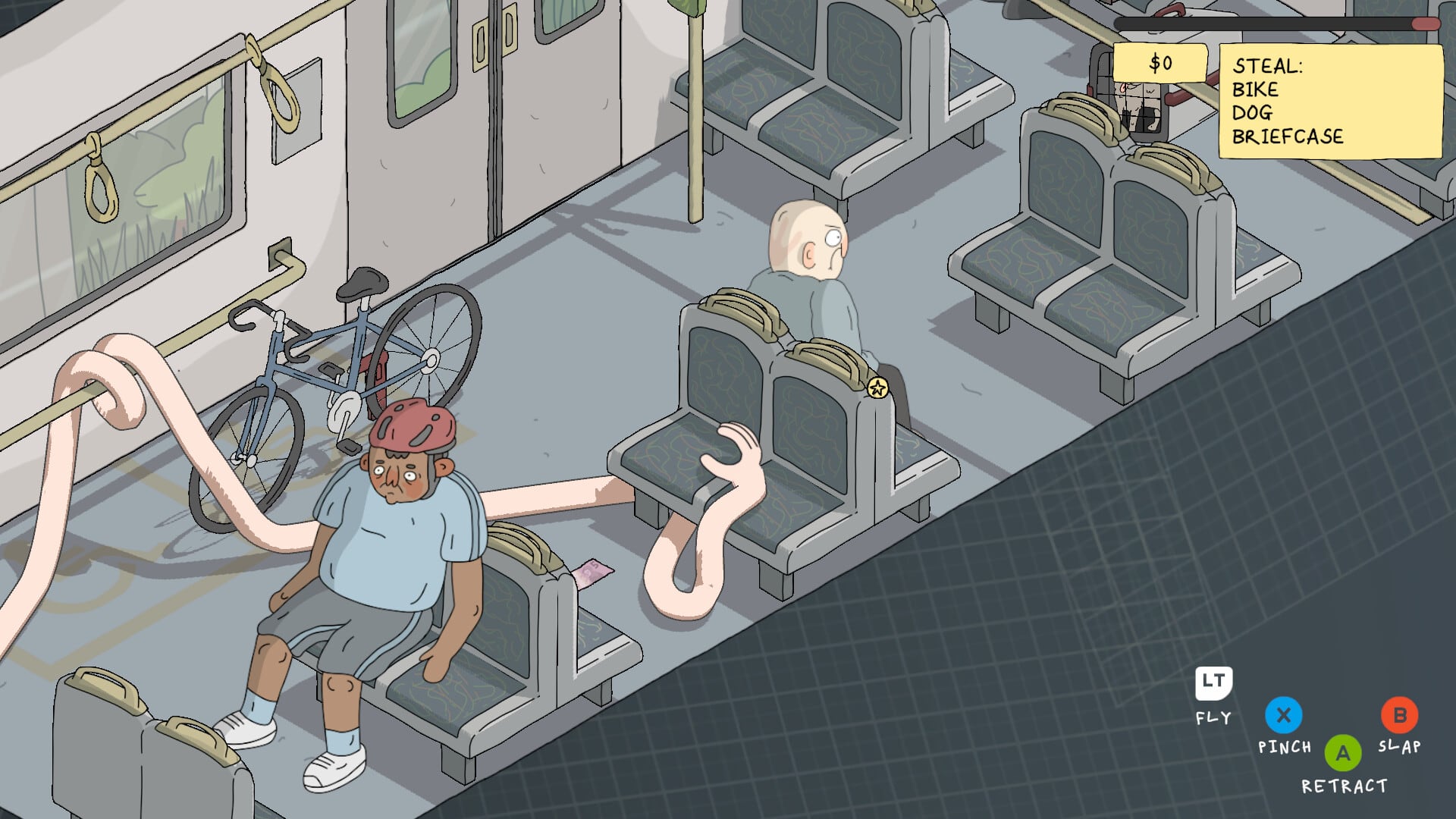
My Arms Are Longer Now pone al jugador en el papel de un ladrón cuya principal ventaja es un brazo desagradable, flexible y extremadamente largo. La extremidad puede extenderse por los escenarios, rodear obstáculos y regresar hasta su dueño con cualquier objeto que encuentre en el camino.

El objetivo consiste en robar todo lo que esté al alcance sin permitir que los guardias descubran dónde comienza el brazo. El dinero y los objetos de valor son los blancos más previsibles, pero la lista también incluye bicicletas, artículos domésticos, dulces y mascotas familiares. Cada nivel presenta diferentes oportunidades para conseguir botín y escapar sin ser identificado.

El sigilo se combina con puzles ambientales, es decir, problemas que deben resolverse usando los elementos y la disposición de cada escenario. El jugador puede deslizar el brazo por conductos de ventilación, hacerlo pasar debajo de los asientos, mover objetos y buscar rutas alternativas cuando una persona o una barrera bloquean el acceso.

Las soluciones mantienen el tono cómico del proyecto. Una de las secuencias mostradas permite cubrir la mano con un calcetín para engañar o desarmar a un guardia. El tráiler también presenta interacciones deliberadamente absurdas, como robarle un dulce a un bebé y golpearlo con la mano extensible.

Aunque el título utiliza la palabra brazos en plural, la mecánica presentada se concentra en una sola extremidad. Su movimiento similar al de una serpiente funciona como herramienta para alcanzar el botín, pero también crea un riesgo: cuanto más se extiende por el escenario, más oportunidades tienen los personajes de seguir su recorrido hasta el ladrón.

Un detective sigue el rastro de los objetos robados

La sucesión de robos está conectada por una historia centrada en un detective que intenta descubrir al responsable. Según la descripción difundida por Jackbox Games, el investigador atraviesa un deterioro progresivo mientras sigue el rastro de las desapariciones.

Esa persecución sirve como hilo narrativo entre los niveles. El jugador debe encontrar nuevas maneras de evitar la vigilancia y continuar acumulando objetos, incluso cuando aumenta la atención sobre sus acciones. La creatividad resulta necesaria para superar a los guardias y mantener oculto el origen del brazo.

Toot Games define el proyecto como una mezcla para un jugador de comedia, sigilo y resolución de problemas ambientales. El apartado visual usa un estilo intencionalmente rudimentario que acompaña la comedia física: el brazo puede ser preciso para tomar un objeto pequeño, pero su extensión exagerada también lo convierte en una presencia difícil de ocultar.

El diseño permite abordar las oportunidades de robo de distintas maneras. En lugar de depender de ganzúas, armas o dispositivos tecnológicos, todas las acciones giran alrededor de cómo desplazar la extremidad por el nivel y manipular aquello que se encuentra dentro de su alcance.

My Arms Are Longer Now, de Toot Games

El primer lanzamiento externo de Jackbox Games

El estreno tendrá importancia para los dos estudios involucrados. My Arms Are Longer Now será el primer videojuego de Toot Games, un desarrollador con sede en Melbourne, y el primer título externo editado por Jackbox Games mediante su nueva actividad como socio de publicación.

Jackbox Games es conocida principalmente por desarrollar y publicar internamente sus colecciones de juegos sociales, entre ellas The Jackbox Party Pack 12. El acuerdo con Toot Games traslada su enfoque de comedia accesible a una producción independiente para un solo jugador, alejada de la estructura multijugador habitual de sus paquetes.

La edición de PC estará disponible mediante Steam. Las versiones para consolas abarcarán las dos generaciones actuales de Nintendo, además de los sistemas de Sony y Microsoft: PlayStation 5, Xbox Series, Nintendo Switch y Nintendo Switch 2.

My Arms Are Longer Now llegará simultáneamente a todas esas plataformas el 11 de marzo de 2027.

My Arms Are Longer Now, de Toot Games
  •  

Head of Vietnam veterans group says he was misled before it endorsed Trump's arch (Dan Diamond/Washington Post)

Dan Diamond / Washington Post:
Head of Vietnam veterans group says he was misled before it endorsed Trump's arch  —  The White House has sought to rally support from veterans before a court showdown on Friday.  —  SummaryLoading...  The head of the Vietnam Veterans of America says he was misled before the group endorsed …

  •  

"Futuro? Eu gosto de abraçar um projeto para ganhar..."

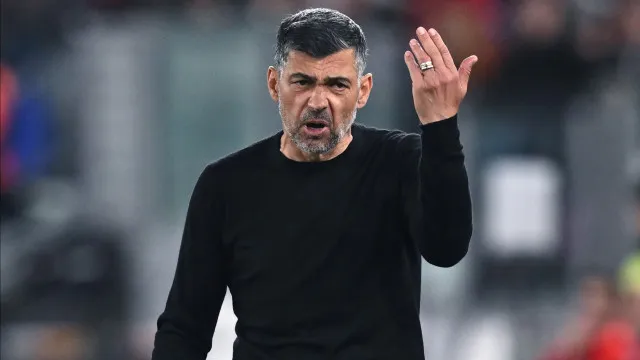
Sérgio Conceição concedeu uma extensa entrevista esta quarta-feira, onde falou sobre o futuro enquanto treinador, abordando ainda outros temas da vida pessoal e até da seleção nacional portuguesa.


"Procuro um projeto onde eu tenha a possibilidade de transmitir a minha paixão, determinação e forma de ver uma equipa. Não falo apenas dos jogadores, mas também da estrutura, o presidente, a ambição do clube com a ambição da região, da cidade, dos sócios, dos simpatizantes, dos adeptos", começou por dizer Sérgio Conceição em declarações ao podcast Extra Time, do canal árabe Koora Break.

"Tem de haver um conjunto de situações que para mim façam sentido, porque senão fica difícil, e eu gosto de abraçar um projeto para ganhar, não para ser mais um. Nos últimos oito anos, ganhei sempre títulos, com exceção destes meses no Ittihad, e é assim que eu quero continuar", continuou, antes de justificar o facto de estar a viver na Arábia Saudita até hoje.

"Se ainda estou a viver na Arábia Saudita é porque fui extremamente bem acolhido aqui. É um povo que vive muito o futebol e há poucos dias tive a oportunidade de vibrar com a seleção do país e com a conquista da Taça do Golfo. Vivo o futebol da mesma forma que eles, com a mesma paixão", rematou.

Seleção nacional e as 'gerações de ouro'

Quando o tópico mudou para a seleção nacional de Portugal, a análise das diferentes gerações foi um dos tópicos que acabou por ser abordado, dado que é comum dizer que Sérgio Conceição esteve numa das gerações de ouro da equipa das quinas, algo que o próprio não concorda.

"A mim dizem-me que eu fiz parte da geração de ouro mas eu acho que a geração de ouro é aquela que ganha. Estão alguns jogadores ainda no ativo que foram campeões da Europa e ganharam duas Ligas das Nações, e essa é que é a verdadeira geração de ouro, na minha opinião", introduziu.

"Eu acho que esta é uma geração de jogadores de altíssimo nível, jogam nos melhores clubes do mundo, mas nós não vamos ser lembrados certamente porque a Espanha sentiu dificuldades no jogo contra Portugal. Mas a Espanha vai ser lembrada porque ganhou o campeonato do mundo. Se queremos crescer e competir com os melhores, e se queremos assumir essa responsabilidade, não podemos dizer sempre que somos candidatos", atirou.

Sérgio Conceição não desmentiu que esta nova geração tem tudo para ser considerada uma favorita em qualquer competição.

"Com esta geração, somos favoritos. Os nossos jogadores são de elevado nível e não é só a qualidade técnica, também têm inteligência de jogo e atributos físicos muito interessantes. Acho que não temos de ter desculpas, temos de entrar nos quartos de final da Liga das Nações para ganhar, e depois no Europeu para ganhar também, e deixar de baixar expetativas onde não temos de o fazer. Temos de ter ambição e acompanhá-la no campo com trabalho e dedicação, mas não podemos dizer que falta qualidade", confessou.

"Até porque olhamos para as gerações mais jovens, como os sub-21, e vemos o trabalho fantástico que eles fazem. Estão em finais de campeonatos da Europa ou estão numa fase final de um campeonato do Mundo, e eu vejo com bastante otimismo todos esses jovens que estão a aparecer nos diferentes escalões de formação, e que na minha opinião vão dar continuidade a estes últimos êxitos. Isto sim é Portugal, não o Portugal que tinha dificuldade em qualificar-se para uma fase final de um mundial ou de um europeu, mas um Portugal que tem de se assumir como favorito a ganhar", indicou.

"Foi um momento extremamente difícil para mim..."

Noutra secção do podcast, houve tempo para que Sérgio Conceição abrisse o coração sobre alguns momentos mais marcantes, pela negativa, da sua carreira enquanto jogador e treinador, não esquecendo um fator quando treinou um dos seus filhos no FC Porto.

"Quando treinei o Rodrigo tive uma vez um episódio em que tive que lhe dizer, no dia anterior, que ele não seria convocado para estágio. Foi, se calhar, o pior momento da minha vida profissional, nesta gestão pai/treinador", apontou.

"Levei um bocadinho daquilo que era esse meu dia-a-dia no futebol para dentro de casa. Lembro-me perfeitamente que ele estava a arranjar a mala, pensando que ia seguir para estágio, e eu não o levei e comuniquei-lhe. Foi um momento marcante para mim, porque era meu filho, porque tenho um amor absolutamente incondicional por ele, e depois tive de deixar o treinador falar mais alto. Foi um momento extremamente difícil, marcante para mim", admitiu Sérgio Conceição.

No entanto, o momento mais emocionante acabou por ser quando foi recordada a morte do pai, quando tinha apenas 16 anos de idade e tinha acabado de assinar pelo FC Porto.

"O meu pai faleceu um dia depois de eu assinar contrato com o FC Porto. Foi um momento forte, muito difícil na minha vida, tinha na altura 16 anos. Lembro-me que dessa situação começou a nascer um miúdo um bocadinho diferente, na forma como via os obstáculos, a dificuldade, da forma como olhava para os desafios que iam surgindo ao longo da vida. E agudizou-se, sem dúvida nenhuma, dois anos depois, com o falecimento da minha mãe, aos meus 18 anos, no meu primeiro ano de sénior, estava eu no Penafiel", revelou o técnico português.

"Nesse período houve momentos muito difíceis de ultrapassar, mas foi também com a ajuda do futebol e das pessoas que fui encontrando no futebol que consegui sair desses momentos mais escuros, olhar para aquilo que eu achava que era absolutamente essencial, que era estar focado a 1000% naquilo que eu queria e sonhava enquanto jogador, e foi assim que fui construindo uma carapaça, que para alguns transmite, se calhar, uma pessoa muito efusiva, algo arrogante, difícil de lidar, exatamente porque se calhar a vida proporcionou-me algumas situações em que, numa guerra, entre aspas, temos de ser determinados, ambiciosos, trabalhadores e ultrapassar essas dificuldades", completou.

De Abel a Vítor Pereira. Corrida à sucessão de Rui Borges no Sporting

De Abel a Vítor Pereira. Corrida à sucessão de Rui Borges no Sporting

Rui Borges sabe que tem vida (muito) complicada no comando técnico do Sporting, e Abel Ferreira, Leonardo Jardim, Vítor Pereira e Sérgio Conceição são alguns dos nomes associados ao interesse de Frederico Varandas.

Carlos Pereira Fernandes | 06:39 - 29/10/2026

  •  

Cuauhtemoc Cardenas, Historic Figure of Mexican Progressivism, Passed Away at 92

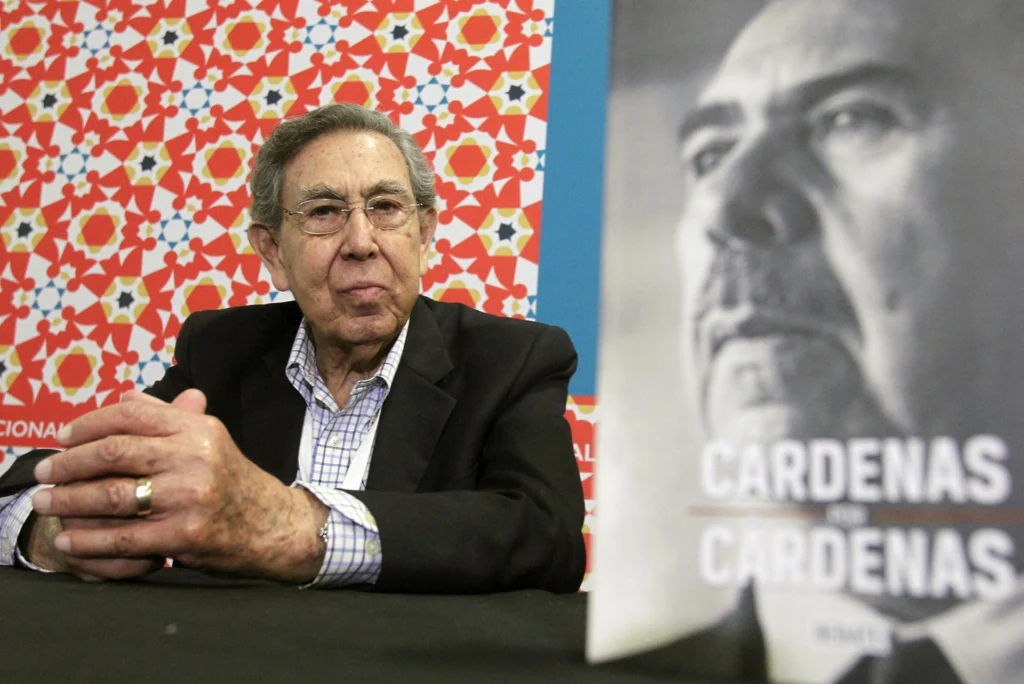
Cuauhtémoc Cárdenas Solórzano dedicated more than six decades to the defense of energy sovereignty, the rights of the popular classes and the structural transformation of the Mexican political system. Photo: EFE.

Engineer Cuauhtemoc Cardenas Solorzano died on October 28 in Mexico City at the age of 92. A victim of an oncological illness, he was the first elected head of government of the capital.


Cuauhtemoc Cárdenas inherited that cause and devoted more than six decades to it, along with the defense of the rights of the working classes and the structural transformation of Mexico’s political system.

He became established as a reference point for the country’s progressive, patriotic and transformative struggles.

RELATED: Long Live Independent, Free, Sovereign Mexico!: President Sheinbaum

The engineer was the son of General Lazaro Cardenas del Río, who carried out the 1938 nationalization of Mexico’s oil industry, a decision that placed crude oil under state control and became a milestone of national sovereignty.

His remains are being mourned on October 29 at the French Pantheon in the capital, the mausoleum where his life partner, Celeste Batel, also rests. He is survived by three children: Lázaro, Cuauhtémoc and Camila Cárdenas Batel.

🇬🇧 The Socialist International mourns the passing of Cuauhtémoc Cárdenas, our Honorary President, a tireless champion of democracy and social justice in Mexico and Latin America. Our heartfelt condolences to his family, his comrades and the people of Mexico.

📷 “Cuauhtémoc… pic.twitter.com/JEsGQyNnKf

— Socialist International (@Soc_Intl) October 29, 2026

From PRI to PRD

Cardenas began his political activity in 1954 through the National Liberation Movement (MLN, in Spanish) and served as governor of Michoacán from 1980 to 1986. In 1987 he led the deepest break in contemporary Mexican politics. Together with Ifigenia Martínez, Porfirio Muñoz Ledo and César Buenrostro, he founded the Democratic Current within the Institutional Revolutionary Party (PRI, in Spanish) to fight the imposition of the presidential candidate and the shift toward the neoliberal model.

He left the PRI that year and was nominated by the Authentic Party of the Mexican Revolution, later building the National Democratic Front with a range of social forces. The July 6, 1988 presidential election was marked by the scandalous fraud of the so-called “system crash,” which imposed Carlos Salinas de Gortari. That day marked a turning point in the struggle for clean elections. Cardenas led the peaceful protest, together with other candidates, to avoid violence and bloodshed in the country.

After the fraud was carried out, Cuauhtemoc Cardenas drove the founding in 1989 of the Party of the Democratic Revolution (PRD), a platform oriented toward rejecting privatizations and budget austerity, and defending secularism and state control of strategic industries.

After his presidential bids in 1988 and 1994, on July 6, 1997 he became the first elected head of government of what was then the Federal District. His victory dismantled the direct control of the executive branch over the capital and established an administration with a social emphasis, transparency and priority attention to vulnerable sectors.

At 90, at the tribute paid to him by National Autonomous University of Mexico (UNAM), he firmly recalled that winning democracy in Mexico cost the lives of between 600 and 800 activists who fell in various days of struggle. Their killings remained unpunished under the governments of the regime.

🕊️ Un encuentro que quedó para la historia. El 3 de julio de 2018, dos días después de su triunfo electoral, @lopezobrador_ se reunió con Cuauhtémoc Cárdenas, a quien reconoció como precursor del movimiento democrático que daría paso a la 4T.

Así el momento. 👇#OnceNoticias 🔻 pic.twitter.com/ZkUXFx1lpP

— Once Noticias (@OnceNoticiasTV) October 29, 2026

Text reads: “A meeting that has gone down in history. On July 3, 2018, two days after his electoral victory,
@lopezobrador met with Cuauhtemoc Cardenas, whom he recognized as the precursor of the democratic movement that would lead to the 4T (4th transformation).”

Final Years and Honors

In his last years, Cardenas defended strategic resources against transnational capital. On March 18, 2026, at the ceremony for the 88th anniversary of the oil expropriation in Pueblo Viejo, Veracruz, President Claudia Sheinbaum named him head of the Advisory Commission of the state oil company Pemex.

He received an honorary doctorate from the National Polytechnic Institute in January 2026, and in September 2026 the National Autonomous University of Mexico (UNAM) created the Cuauhtémoc Cárdenas Chair in recognition of his contribution to sovereignty and self-determination.

He ran for president a third time in 2000. The defense of strategic resources was his last great cause, which he upheld uncompromisingly in his final years against the appetites of transnational capital.

Mexican President Claudia Sheinbaum opened her morning press conference in the Treasury Hall of the National Palace with the homage, describing the former governor and presidential candidate as one of the central figures of contemporary Mexican politics. She presented his political life not as a single campaign, but as the foundation of a broader national transformation.

“His legacy is of honesty and democracy, but democracy that comes from below, not the democracy of the elites. Democracy as the people in power,” she asserted.

Members of her cabinet joined the tribute, underscoring the peaceful and sovereign character of Cárdenas’s historic campaign.

Interior Secretary Rosa Icela Rodríguez highlighted the leader’s composure in channeling popular outrage through democratic means after the electoral manipulation of 1988. “Leading a popular mobilization requires responding to people’s expectations, but also protecting their lives and preserving the possibilities of continuing the struggle,” she said, honoring militants persecuted by the regime of that era.

For his part, Pablo Gómez, head of the Presidential Commission for Electoral Reform, defined Cárdenas as “the leader of the political rupture with national surrenderism, anti-democracy and corruption.” He called him an indispensable precedent for the electoral gains of the present day.

  •  
❌