The polished leather of Francisco “Torrinho” Torres’ shoes gleamed as he walked toward the lectern in the plenary chamber of the Pará state legislature in the Brazilian Amazon. The 57-year-old rancher-turned-politician moved unhurriedly as he prepared to deliver a speech that would set in motion a series of events leading to new invasions of the Ituna/Itatá Indigenous Territory. It was June 30, 2026, in what seemed to be a routine session for the state representative from one of Brazil’s largest Amazonian states. Behind his sharp suit and the supportive nods of his agribusiness allies was a track record of environmental fines, a corruption investigation, and land disputes. In a brief speech, Torres defended a bill he’d authored to create a new state-run environmental protection area, APA Bacajaí. He presented the measure as a solution for families struggling to farm and rural families in need of land regulation. Three other state representatives took the stand to support the proposal. They spoke of farmers who had waited decades for land titles, of families unable to access credit without them, and of the uncertainty created by the possibility of an Indigenous land claim. It only took 24 minutes for the chamber to pass the bill into law unanimously. There were no objections and no requests for technical notes — even though it was known that the new 142,400-hectare (about 351,900-acre) reserve would overlap entirely with the Ituna/Itatá Indigenous Territory. The area has been under a land-use protection order since 2011 to safeguard the…This article was originally published on Mongabay
Matt Gaetz resigned from the U.S. House of Representatives in November 2024, shortly before the House Ethics Committee released a report accusing him of having sex with a 17-year-old girl in 2017, when he was 35, and "regularly pa[ying] women for engaging in sexual activity with him." The probe was widely discussed as a sex trafficking probe, but the ethics committee "did not find sufficient evidence to conclude that Representative Gaetz violated the federal sex trafficking statute," per its report.
Now two women have filed a civil lawsuit accusing Gaetz of sex trafficking.
The suit, filed in the U.S. District Court for the Middle District of Florida, says that Gaetz and two other men (Joel Micah Greenberg and Christopher Dorworth) broke federal anti-trafficking laws by using "their public office, power, and wealth to prey on the economic vulnerability" of Jane Doe 1 and Jane Doe 2.
Gaetz, who now hosts The Matt Gaetz Show on One America News Network, said many of the suit's allegations against him are false. "The lawsuit relies almost exclusively on a Congressional Committee report that didn't allow me to confront my accusers," he said. "Now I will finally have that chance."
On X, Gaetz posted an image of three women in bikinis seated next to bottles of beer and looking at the ocean and wrote "Jane Doe Strikes Again! Two adult women sued me today alleging they were sex trafficked to the Bahamas. I'm shocked nobody responded to their repeated cries for help, posted to instagram."
Jane Doe Strikes Again! Two adult women sued me today alleging they were sex trafficked to the Bahamas. I'm shocked nobody responded to their repeated cries for help, posted to instagram. https://t.co/HPvX2xypzs
This does not seem like especially helpful behavior from a public relations perspective, to say nothing of whether it's legally wise to for Gaetz to be posting to social media about the suit against him.
But Gaetz's point isn't entirely off base. The actions described in the suit against him are hardly what most people would consider sex trafficking.
Jane Doe 1 and Jane Doe 2 were adult women willingly advertising on Seeking Arrangement, a site aimed at connecting young women with rich men for mutually beneficial relationships. And by their own account, that is what went down. They were taken on trips and paid thousands of dollars while hanging out, partying, and having sex with Gaetz and his friends.
Needless to say, advertising on a sugar baby website does not make you fair game for forced prostitution or sexual assault. But nowhere in the lawsuit are forced prostitution or sexual assault alleged.
Instead, we get sentences like this: Gaetz and the other defendents "led [Jane Doe 1] to believe they could solve her financial problems as long as she kept performing sexual acts for them and their associates," states the suit. But "the money never came as a single payment that would have solved Jane Doe 1's financial issues."
So…it's sex trafficking because he didn't pay her enough at one time? I don't think that's how the law works.
Overall, it's a stretch to say that Gaetz's actions as described in this suit fall under the scope of the federal Trafficking Victims Protection Reauthorization Act. Under federal law, sex trafficking must involve an element of force, fraud, or coercion, and/or must involve commercial sex involving someone who is under age 18.
In this case, both alleged victims were in their 20s at the time of the alleged trafficking. No element of force or fraud is claimed. And the type of "coercion" alleged seems more appropriate for a college debate than a courtroom.
There was no suggestion that harm would come to the women or their families, that a job or housing would be lost, or that failure to engage in sexual activity with Gaetz and his friends would result in some sort of other (physical, reputational, legal, etc.) harm befalling them. There was nothing on Gaetz's end that would seem to arise to "coercion" under federal trafficking statute, which defines it as involving "threats of serious harm to or physical restraint against any person," a scheme to make someone believe that serious harm will befall them if they don't comply, or abuse or threatened abuse of the legal process.
The suit contains a lot about Greenberg—a former tax collector who is in prison after pleading guilty to charges that include sex trafficking—and comparatively little about Gaetz. It seemingly attempts to make up for the lack of direct allegations against him by noting findings from the Ethics Committee, even though that committee specifically said it could not find evidence of sex trafficking.
Gaetz is accused of having sex with Jane Doe 1 at a party while Jane Done 1 was on MDMA. But the suit does not accuse Gaetz of foisting drugs on her, simply saying "controlled substances circulated at the party, and Jane Doe 1 took MDMA during the evening." Nor does it say that anyone forced Jane Doe 1 to be at the party or to have sex with Gaetz.
Gaetz is also accused of paying Jane Doe thousands of dollars—never directly after sex or as a direct quid pro quo, but during the same time period during which he was having sex with her. The payments were labeled things like "Being my friend," "Being awesome," "Here," and "Just because," the suit says.
And Gaetz is accused, along with the other defendants, of paying to fly Jane Doe 1 and Jane Doe 2—whom Greenberg met through the sugar baby website and introduced to Gaetz—"to Venice Beach, Miami, Las Vegas, the Florida Keys, the Bahamas, and New York City" and paying for their hotel rooms. The suit does not say that they were forced or coerced on these trips, merely that the trips exposed them to "men they would never otherwise have met, and every part of that access, from the flights to the hotel rooms, was paid for by men, including the Defendants, who expected sex in return."
The women's lawyer told the Associated Press that there was "an exploitative power imbalance," because on one side you had a congressman and some other powerful men and on the other "young financially vulnerable women in their early twenties."
Morally speaking, that might be relevant. And for a congressman, it may have been grounds for sanction. But the fact that these women were younger and less financially successful does not make a relationship between them and Gaetz de facto "coercive" or illegal.
Age gaps in relationships—even substantial ones—are not outlawed. And relationships in which an older man is attractive precisely because he has more money and power than the younger female involved, and offers to spend it lavishly, are not uncommon. The idea that this violates federal criminal law simply showcases how distorted our ideas of sex trafficking have become.
In the News
Children have a fundamental right to access the internet, says India's Supreme Court. The Free PressJournalreports:
"The safety of our children and their freedom are not at odds with each other. Our children are entitled to both," the court observed.
The bench explicitly recognised the right to access and use the internet as a fundamental right under Article 21, which protects life and personal liberty, read with Article 19(1)(a), which guarantees freedom of speech and expression.
Meanwhile, in the U.S.: "A federal appeals court panel has ruled that Florida's 2024 law restricting access to social media for teens is likely constitutional and can continued to be enforced while the legal challenge continues," notes the Florida Phoenix.
We were promised REPEATEDLY that age-verification law was narrow, and would ONLY apply to porn. But— as we warned —it was always a ruse.Since conservatives got their ruling in FSC v Paxton, they've pushed to age-gate anything and everything. It's not going to stop with social media or chatbots.
'Appropriate safeguards.' A small change in the language of the Apple App Store's app review guidelines could portend big changes. Via9to5Mac:
Under Section 1.2, which covers user-generated content, the guidelines now read (changes in bold):
Apps that enable users to create, generate, upload, share, or otherwise contribute content present particular challenges, including intellectual property infringement, nonconsensual intimate imagery, and anonymous bullying.
Apple's new terms add that "Developers who fail to implement appropriate safeguards or fail to remediate identified violations after notice may be considered in violation of the Developer Code of Conduct."
The change is being reported as a crackdown on "nudification" apps, and that certainly seems to be part of it. But the language about going after "developers who fail to implement appropriate safeguards"—combined with the broad warning about user-generated content—could signal a broader intent to crack down on social media platforms and other types of apps that don't implement ID verification or engage in more intense content moderation.
On Substack
Don't sacrifice due process to outrage. We can't let anger over allegations of gang rape at Cornell convince us to re-implement old Title IV policies that disregard due process, writes Robert Shipley of the Foundation for Individual Rights and Expression:
There's a groundswell of demand to "do something" in the wake of the sexual assault claims at Cornell. But amid the outrage and concern over the incident, it's critical to remember that one attempted remedy we actually know will not work is to return to a campus justice system in which the burden of proof is on the accused and basic civil liberties are cast aside. That social experiment has already been run. It failed.
Title IX, the law against sex discrimination in federally funded education programs, was passed in 1972. Debates at the time focused on how it would affect single-sex colleges and college athletics. Explicitly aimed at sex discrimination, the text of the law itself mentions neither sexual assault nor sexual harassment. Those became matters for Title IX gradually over the next couple of decades, as courts determined that sexual assault and sexual harassment were both forms of sex discrimination, and therefore covered under Title IX.
The Jane Doe lawsuit against Cornell and the accused students (as well as a fraternity, a sorority, and a local bar) hit national news at nearly the same time that the Trump administration officially removed the Biden-era regulations from the Federal Register. While almost certainly not related, some have connected the two, citing the Cornell incident to argue that regulations surrounding Title IX need to be changed again to reduce due process protections for the accused.
Not to pick on Sam here, but this is a useful point to highlight some of the impossibility of trust & safety work. Meta actually used to have a program *exactly* like this, BUT it became a central feature of Frances Haugen's Facebook Files as an example of Meta being evil.I'll explain…
• A new pair of high-tech sunglasses from Meta "can read your mail, describe the person in front of you, tell you what is on a restaurant menu, and help you find your way home," writesReason's Reem Ibrahim. "For the approximately 700,000 Americans who are blind, it is potentially life-changing."
• "The Supreme Court of Canada has upheld a decision ordering new trials for two people facing human trafficking and sexual services offences, after concluding they should have been able to cross-examine a complainant about the commercial aspect of her prior sex work," reportsThe Canadian Press. "The case looked at the application of section 276 of the Criminal Code, known as the rape shield law, which limits use of evidence about a complainant's sexual history in court proceedings."
• Markets in everything:
This website lets you attend the wedding of complete strangers
Couples list their weddings and users can buy a ticket to attend https://t.co/8b7EawyFod
• The People First Transportation Alliance has been campaigning against robot taxis in D.C. "But just who is behind the group remains unclear, even as it has sought to sway the outcome of a contentious issue with vast sums of money and thousands of jobs at stake across the country," reportsThe Washington Post.
Il gala per il 51° anniversario della National Italian American Foundation (Niaf), svoltosi sabato al Washington Hilton, ha riunito alcuni dei principali protagonisti del mondo imprenditoriale italiano, rappresentanti politici e personalità di spicco della comunità italoamericana, mettendo in evidenza i due pilastri su cui poggiano le relazioni tra Italia e Stati Uniti: cooperazione politica e partnership economica.
L’evento ha offerto una rappresentazione concreta del ruolo della Niaf come ponte transatlantico, capace di collegare istituzioni, industria e una comunità la cui influenza va ben oltre la dimensione culturale. In una fase segnata da incertezze geopolitiche e trasformazioni industriali, la diplomazia economica assume un’importanza sempre più paragonabile a quella del dialogo politico nel sostenere il rapporto bilaterale. La serata di Washington ha mostrato come queste due dimensioni si rafforzino reciprocamente.
La presenza delle imprese ha rispecchiato l’ampiezza degli interessi economici italiani sulle due sponde dell’Atlantico. Tra i principali protagonisti figuravano Fincantieri, Leonardo, Intesa Sanpaolo, Ferrovie dello Stato, Almaviva, Terna, Italgas, GE Healthcare, SHRO, Colavita, Ferrero e Campari Group, espressione di settori che spaziano dalla difesa alla cantieristica navale, dall’energia alle infrastrutture, dalla finanza alla tecnologia, fino alla sanità e ai beni di consumo. Il gala ha ricevuto inoltre il sostegno di HHH – Hospital Healthcare Holdings, parte di GKSD Investment Holding, a ulteriore conferma del coinvolgimento del settore privato.
Questa dimensione economica si inserisce in un contesto più ampio di dialogo transatlantico, al quale contribuisce anche l’American Chamber of Commerce in Italy (AmCham), impegnata a favorire i collegamenti tra imprese, investitori e istituzioni dei due Paesi. Le partnership industriali assumono infatti un peso crescente per la sicurezza nazionale, la competitività tecnologica e la resilienza economica. Per Italia e Stati Uniti, il coinvolgimento delle aziende garantisce continuità e sostanza operativa a una relazione tradizionalmente costruita sulla diplomazia e sulla condivisione di priorità politiche.
Altrettanto significativa è stata la partecipazione politica e istituzionale, rafforzata dal videomessaggio della presidente del Consiglio Giorgia Meloni, che ha inquadrato l’anniversario nel contesto dei 250 anni dell’indipendenza americana e del contributo storico della comunità italiana alla costruzione degli Stati Uniti.
“La storia degli italoamericani è la storia stessa dell’America”, ha affermato Meloni, ricordando una nazione costruita attraverso il coraggio, il sacrificio e la ricerca di un futuro migliore. La premier ha richiamato anche la figura di Filippo Mazzei e la sua influenza su Thomas Jefferson come esempio del contributo italiano alla nascita degli Stati Uniti.
“Da oltre cinquant’anni, la Niaf rappresenta un ponte essenziale tra Italia e Stati Uniti”, ha aggiunto, descrivendo un legame fondato sulla storia condivisa, sui rapporti familiari, sulla cultura e sui valori comuni.
Il suo intervento ha assunto anche una dimensione geopolitica più ampia. “In questi tempi di crisi, il legame tra Italia e Stati Uniti rimane cruciale”, ha sottolineato Meloni, richiamando la necessità per i due Paesi di continuare a difendere la libertà e la democrazia.
La rappresentanza politica comprendeva l’ex segretario di Stato americano Mike Pompeo, l’ex ministro degli Esteri Angelino Alfano, il vicepresidente della Camera Giorgio Mulè e i parlamentari Carlo Fidanza, Alessandro Cattaneo, Christian Di Sanzo ed Elena Murelli. Tra le personalità diplomatiche e istituzionali erano presenti l’ambasciatore italiano a Washington Marco Peronaci, Damiano Beleffi, Raffaele Cattaneo, Giampiero Zinzi e Antonio Giordano.
Significativa anche la partecipazione delle Regioni, con i presidenti del Lazio Francesco Rocca, della Lombardia Attilio Fontana e del Friuli Venezia Giulia Massimiliano Fedriga. Il programma della Niaf ha inoltre ospitato un confronto sulle relazioni tra Italia e Stati Uniti tra Pompeo e Alfano, moderato dalla giornalista economico-finanziaria Maria Bartiromo.
L’ampiezza della partecipazione politica ha evidenziato i diversi livelli attraverso cui si sviluppa il rapporto bilaterale: dalla diplomazia nazionale agli scambi parlamentari, dalla cooperazione regionale alle partnership industriali. Le parole di Meloni hanno richiamato le fondamenta storiche e politiche di questa relazione, mentre la presenza di rappresentanti istituzionali e imprenditoriali ne ha mostrato la dimensione operativa.
Un’attenzione particolare è stata riservata alla Lombardia, scelta dalla Niaf come Regione d’Onore 2026 per il suo contributo all’industria, al design, alla moda e all’innovazione, oltre che per i consolidati rapporti economici e istituzionali con gli Stati Uniti. Fontana ha ribadito l’impegno della Regione nel rafforzamento delle relazioni transatlantiche, mentre la celebrazione ha offerto l’occasione per valorizzare uno dei principali poli manifatturieri e dell’innovazione europei. Il riconoscimento ha sottolineato come la relazione economica tra Italia e Stati Uniti sia alimentata non soltanto dalle politiche nazionali e dai grandi gruppi industriali, ma anche dagli ecosistemi produttivi territoriali.
Tra i protagonisti della serata figurava Pierroberto Folgiero, amministratore delegato di Fincantieri, insignito del Niaf Dea Roma Special Achievement Award for Outstanding Leadership in the Maritime Industry. Il riconoscimento ha valorizzato il posizionamento internazionale del gruppo e la sua crescente rilevanza strategica, in particolare nella cantieristica avanzata, nelle tecnologie digitali e nelle capacità subacquee.
“Sono orgoglioso di guidare una squadra concentrata sulle navi digitali del futuro e sul dominio subacqueo, facendo leva sull’affidabilità tecnica italiana”, ha dichiarato Folgiero, descrivendo il premio come un ponte tra «Italia e Stati Uniti, tradizione e futuro, ambizione individuale e orgoglio collettivo».
La presenza industriale di Fincantieri negli Stati Uniti conferisce al riconoscimento una dimensione concreta. Attraverso Fincantieri Marine Group, l’azienda opera in quattro cantieri americani, impiega circa 3.000 persone e ha investito oltre 800 milioni di dollari nelle proprie attività statunitensi, anche nell’ambito della collaborazione con la Marina americana.
Il tema della leadership imprenditoriale si è esteso oltre la cantieristica. Anche Anthony Capuano, presidente e amministratore delegato di Marriott International, è stato premiato per la sua leadership nel settore dell’ospitalità, a testimonianza dell’influenza della comunità italoamericana in alcuni dei principali comparti dell’economia statunitense.
Per il presidente e amministratore delegato della Niaf Robert Allegrini, l’anniversario ha rappresentato un’occasione per riaffermare la missione della Fondazione nel collegare generazioni diverse e rafforzare i rapporti tra Italia e Stati Uniti. “Da 51 anni, la Niaf funge da ponte tra l’Italia e gli Stati Uniti”, ha dichiarato, sottolineando come la serata rappresentasse un’espressione concreta della missione dell’organizzazione.
Anche il presidente del consiglio di amministrazione della Niaf John Calvelli ha evidenziato l’importanza di investire nelle nuove generazioni e di preservare i legami che hanno contribuito a plasmare la comunità italoamericana.
Il gala ha così mostrato come un’istituzione nata per valorizzare un patrimonio culturale condiviso possa svolgere anche una funzione di piattaforma per il dialogo politico, le relazioni imprenditoriali e la cooperazione transatlantica.
Il fine settimana di Washington ha ospitato inoltre la quarta edizione degli Italpress Awards, organizzati dall’agenzia di stampa fondata e diretta da Gaspare Borsellino, in collaborazione con la Niaf. La cerimonia ha premiato personalità italiane e italoamericane che contribuiscono alla valorizzazione internazionale delle eccellenze italiane.
Tra i riconoscimenti figuravano quelli assegnati al presidente lombardo Fontana, all’ambasciatore Peronaci, al rappresentante permanente italiano presso le Nazioni Unite Giorgio Marrapodi, al giornalista Gianni Riotta e al presidente di Ferrovie dello Stato Tommaso Tanzilli. L’evento ha riunito rappresentanti della diplomazia, delle imprese, delle istituzioni e dei media. La galleria fotografica pubblicata offre una panoramica degli ospiti e delle personalità presenti alla manifestazione.
Nel complesso, il 51° anniversario della Niaf ha restituito l’immagine di una relazione bilaterale sempre più sostenuta dalla convergenza tra diplomazia politica, cooperazione industriale e legami culturali. I governi continuano a fornire il quadro istituzionale, mentre imprese, economie regionali e reti transatlantiche contribuiscono a tradurre questa partnership in rapporti economici e strategici duraturi.
Just before 1am on Monday morning, two motorbikes carrying one passenger each stopped at a traffic light on a backstreet near rue de Rivoli, one of central Paris’s busiest shopping streets.
“You’ve got to go where there are a lot of people, where they’ve done the shop windows,” said one motorbike rider to another. Minutes later 10 other men, their faces covered with ski balaclavas, came down the street on foot pursued by a police van.
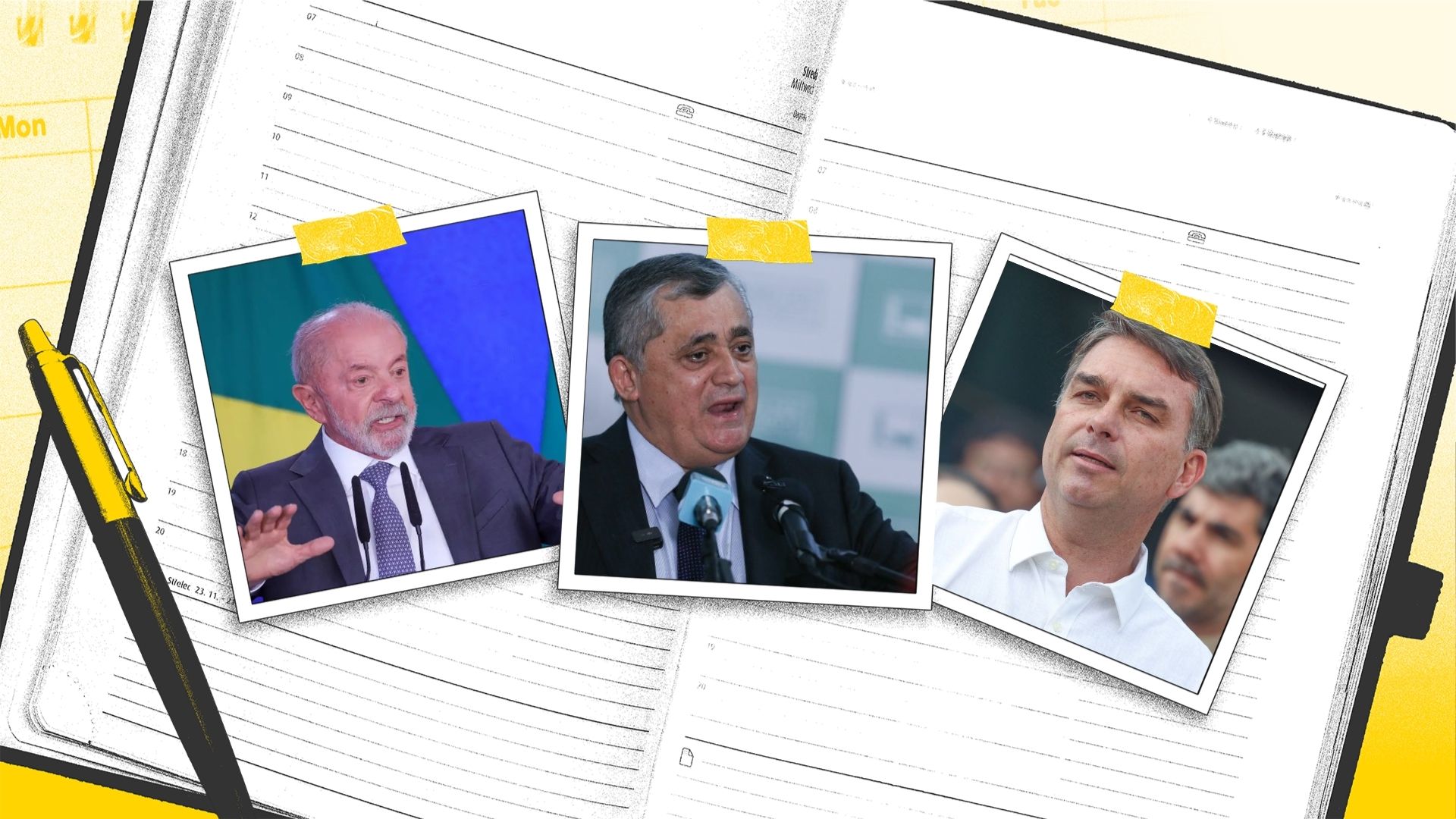
Às vésperas do segundo turno, o ministro da Secretaria de Relações Institucionais do governo Lula, José Guimarães (PT-CE), tem a tarefa de articular essa semana a votação da PEC da Segurança Pública no Senado Federal. A pauta foi retirada de votação pelo presidente do Senado, Davi Alcolumbre (União Brasil-AP), na última quinta-feira, 15 de outubro, sob a justificativa de ter recebido críticas ao calendário especial e para prevenir um pedido de verificação. A proposta segue como uma das prioridades do governo e da oposição.
A votação da PEC da Segurança Pública foi atrapalhada pelo interesse da oposição de incluir a análise da redução da maioridade penal pela Casa Legislativa. O senador Rogério Marinho (PL-RN), coordenador da campanha presidencial de Flávio Bolsonaro (PL-RJ), apresentou uma proposta de emenda que reduz a maioridade penal de 18 anos para 16 anos de forma geral, e em casos de crimes graves, passaria para 14 anos.
Na sequência, o líder do Partido dos Trabalhadores, Camilo Santana (PT-CE), apresentou outra proposta mantendo a imputabilidade penal até os 18 anos, mas com penalização para adolescentes a partir de 16 anos que cometerem crimes hediondos.
O objetivo dos líderes governistas é levar a PEC ao Plenário sem a inclusão da emenda sobre a maioridade penal. Na última tentativa de votar a mudança constitucional, o próprio Alcolumbre relembrou que, caso haja alteração no texto, o texto retornaria para a Câmara dos Deputados.
Debate na Globo fecha encontros entre presidenciáveis
A Rede Globo ficou com a responsabilidade de transmitir o último debate entre os dois principais candidatos da corrida eleitoral de 2026. Tanto o presidente Lula como o senador Flávio Bolsonaro foram convidados pela emissora para apresentarem suas propostas na próxima sexta-feira, 23 de outubro. O encontro será no Rio de Janeiro, com a mediação do jornalista César Tralli e exibido após o Jornal Nacional, a partir das 21h20.
Na próxima quarta-feira, 21 de outubro, o Supremo Tribunal Federal (STF) julgará a Ação Direta de Inconstitucionalidade (ADI) 5059 que questiona o poder do delegado da polícia de requisitar informações e registros de conversas telefônicas sem autorização judicial. A ADI foi proposta pela Associação Nacional das Operadoras Celulares (Acel). A entidade alega que o art. 2º, §2º, da Lei n. 12.830/2013, que “dispõe sobre a investigação criminal conduzida pelo delegado de polícia”, afronta os direitos fundamentais à privacidade e à intimidade, o sigilo das comunicações e a separação de poderes.
Estão na agenda da semana de 19 a 25 de outubro:
TSE:
Pesquisa de Opinião (19/10): Último dia para a realização das pesquisas de opinião pública realizadas em data anterior ao dia do segundo turno, para conhecimento público.
Preso ou delito (20/10): data que inicia procedimento em que nenhuma eleitora ou eleitor poderá ser preso ou detido, salvo em flagrante delito.
IA e impulsionamento pago (22/10): Data na qual fica vedada a publicação e a republicação, ainda que gratuitas, bem como o impulsionamento pago de novos conteúdos sintéticos produzidos ou alterados por inteligência artificial ou por tecnologias equivalentes que utilizem imagem, voz ou manifestação de candidata ou candidato ou de pessoa pública.
Propaganda Eleitoral (22/10): último dia de propaganda eleitoral.
Segundo turno (25/10): Segundo turno das eleições.
STF:
Exclusão do ISS (RE 592616, 21/10, 14h): Ministros avaliam recurso extraordinário que trata da exclusão do ISS da base de cálculo do PIS e da COFINS.
Repasses integrais dos tributos (ADI 7324, 21/10, 14h): Ministros avaliam se as distribuidoras de energia elétrica devem repassar integralmente aos consumidores os valores tributários pagos.
Fundo de Combate e Erradicação da Pobreza (ARE 1493655, 21/10, 14h): Recurso extraordinário sobre o adicional de 2% da alíquota do ICMS destinado ao Fundo de Combate e Erradicação da Pobreza (FECOMP).
Gratificação para policiais penais (ADI 7469, 21/10, 14h): Ministros discutem se há incompatibilidade que veda a gratificação por horas extraordinárias dos policiais penais.
Atribuição do delegado da polícia (ADI 5059, 21/10, 14h): Ministros avaliam a atribuição de poder ao delegado de polícia para ter informações e dados para apurar os fatos durante uma investigação criminal.
Exigência de Ordem Judicial (ADC 91, 21/10, 14h): Ministros julgam a constitucionalidade da exigência de ordem judicial para a disponibilização de registros de conexão e de acesso a aplicações de internet e de dados pessoais e do conteúdo de comunicações privadas.
Agenda da semana daPúblicaé um serviço apresentado aos leitores, concebido com base nas informações dos portais da Câmara, Senado e STF.
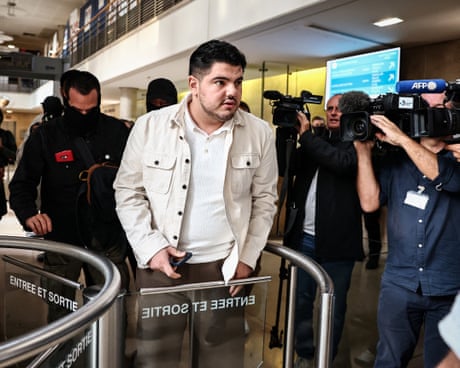
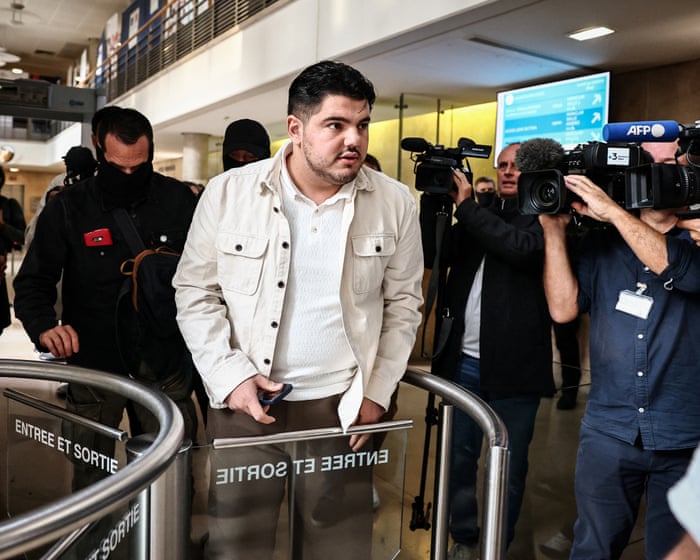
Amine Kessaci, 23, lives under constant threat as trial of five men becomes focus of nation’s battle with mafia-style crime
At 23, he is one of the most heavily protected people in France, constantly sleeping in different locations to escape the threat of contract killers from the country’s biggest drug cartel.
“Narcos and drug traffickers only have one language, one method: violence,” said Amine Kessaci, a young law student from a Marseille housing estate, who, after the murders of his two brothers, has become the most outspoken voice against the Latin American-style narco gangs expanding their reach across France.
American journalist Evan Gershkovich talks about his arrest by the Russian intelligence services in 2023, his 16-month detention, and the swap deal that eventually took him home. Get in touch at tif.questions@theguardian.com
Evan Gershkovich was in an American-style steakhouse – with fake deer heads on the walls – talking to a contact in an eastern Russian city when masked agents of the Russian intelligence service burst in. ‘It was a trap from the start,’ he says. The American journalist who was working for the Wall Street Journal was detained, beaten and charged with espionage.
Evan talks to Annie Kelly about his arrest, what happened during his detention in a high-security jail, and the swap deal that finally took him home.

 Login