❌

Reading view

Honda NSX usado por Ayrton Senna vai a leilão por até R$ 5,6 milhões

Um Honda NSX vermelho que fez parte da vida de Ayrton Senna fora das pistas será leiloado em Londres, na Inglaterra, em 31 de outubro. O esportivo de 1991, associado ao tricampeão mundial de Fórmula 1, tem valor estimado entre 500 mil e 800 mil libras, faixa equivalente a aproximadamente R$ 3,5 milhões a R$ 5,6 milhões. O leilão será realizado pela RM Sotheby’s.

A história do veículo ganhou notoriedade com fotografias de Senna lavando a carroceria com uma mangueira de jardim, vestido de jeans e camisa. A cena se tornou uma das imagens mais lembradas do piloto em momentos longe das competições.

O NSX também aparece no documentário Ayrton Senna: Racing Is in My Blood, de 1992. Nas imagens, o brasileiro dirige o modelo e faz manobras ao volante do esportivo japonês.

Carro acompanhava Senna na Europa

A Honda disponibilizou o veículo para uso pessoal do piloto na Europa durante o período em que fornecia motores à McLaren. Foi pela equipe britânica que Senna conquistou os três campeonatos mundiais de Fórmula 1, em 1988, 1990 e 1991.

O carro tem carroceria vermelha, teto preto e bancos revestidos de couro escuro. Registrado em Portugal em 22 de março de 1991, com a placa SX-25-59, ficava guardado em Lisboa e era colocado à disposição do piloto durante suas passagens pelo país.

A ligação de Senna com o modelo não se limitava ao uso pessoal. Segundo o repórter especial da Folha de S.Paulo Eduardo Sodré, o brasileiro também contribuiu para o desenvolvimento do NSX, com observações sobre a rigidez da carroceria e o comportamento dinâmico do veículo.

Outro NSX de Senna está no Brasil

O exemplar que irá a leilão na Inglaterra não é o único Honda NSX que pertenceu ao piloto. Uma segunda unidade, também de 1991, está no Brasil. O carro é preto e tem placa iniciada pelas letras BSS, referência a Beco Senna da Silva, apelido de Ayrton Senna.

O modelo japonês leiloado tem motor V6 de 3 litros, cerca de 270 cavalos de potência, câmbio manual e tração traseira.

Depois da morte do piloto, em 1994, o esportivo permaneceu em Portugal e passou pelas mãos de diferentes proprietários. O britânico Robert McFagan o comprou em 2013. Três anos depois, o veículo recebeu registro para circular no Reino Unido.

Em 2019, o NSX voltou ao circuito de Ímola, na Itália, durante as homenagens pelos 25 anos da morte de Senna. Na ocasião, Giancarlo Minardi, fundador da equipe Minardi, dirigiu o carro. Em 2024, o esportivo foi adquirido pelo atual proprietário, um colecionador de Nagoya, no Japão.

The post Honda NSX usado por Ayrton Senna vai a leilão por até R$ 5,6 milhões appeared first on Diário da Manhã - O Jornal do leitor Inteligente.


  •  

California's 'Wealth Tax' Could Cost the State $39 Billion

a bear vomits out U.S. dollars against the background of the California state flag | Helistockter/Dreamstime/Midjourney/Fatima Ruiz

A proposed "wealth tax" on California's billionaires could backfire and cost the state tens of billions of dollars in the long run.

If the proposed tax drives wealthier residents out of the state, California could end up losing between $1 billion and $3.5 billion annually in income taxes, according to a working paper published this week. A pair of researchers at Stanford University warn that the state could end up losing an estimated $39 billion because of the consequences of the wealth tax.

"These findings suggest that the Billionaire Tax Act will not fulfill the primary functions for which it was designed," write researchers Benjamin Jaros and Joshua Rauh.

Voters in California will decide next month whether to impose the one-time, 5 percent tax when they vote on Proposition 40. The ballot measure is dividing Democrats—Gov. Gavin Newsom opposes it, while progressive Rep. Ro Khanna (D–Calif.) claims it is the "most important ballot initiative in America and a fight for the soul of our party."

And it's already spurring some billionaires to flee the state—including venture capitalist Peter Thiel and Google co-founder Larry Page. Including those two, the seven billionaires who have publicly said they are leaving the state represent more than $539 billion of the nearly $1.9 trillion aggregate net worth of California's billionaires, the researchers note.

With other departures likely happening more quietly, the new study estimates that the tax will generate about $30 billion, a far cry from the $100 billion that the tax's supporters expect. The "behavioral response" from billionaires in California "has eroded most of the projected tax base," write Jaros and Rauh.

That's still a pretty big pot of revenue. In the long run, however, the state is likely to lose out.

After running 100,000 simulations using different assumptions, the two researchers report that "85 percent of plausible outcomes produce a negative" result in state revenue.

Other recent experiments with special taxes on wealth have backfired in similar ways. In response to a new wealth tax in Washington State, Jeff Bezos relocated to Florida, and iconic Seattle brand Starbucks shifted more of its corporate headquarters to Tennessee. Studies have shown that a "millionaires tax" in Massachusetts contributed to wealth moving out of that state.

Capital is always mobile, despite the best efforts of politicians. And if you were a billionaire living in California, why would you stick around?

Polls show voters are narrowly divided over Proposition 40. A Politico poll published earlier this month showed 46 percent of voters plan to vote for the measure, while 43 percent oppose it. Voters were similarly divided when asked if they expected it to pass or not.

The post California's 'Wealth Tax' Could Cost the State $39 Billion appeared first on Reason Magazine.

  •  

The dangers of letting tech billionaires shape our world

As SpaceX impacts Ukraine and AI-generated music divides artists and fans, critics are asking what happens when technology has too much control over our lives

Hello, and welcome to TechScape. I’m Blake Montgomery, US tech editor at the Guardian, writing to you while sitting in front of Roy Lichtenstein’s monumental Drowning Girl, on view in New York City. Today in tech, we’re discussing the perils of Elon Musk’s one-man global infrastructure, AI-generated music and a Guardian AI conference in Paris.

Continue reading...

© Photograph: Gonzalo Fuentes/Reuters

© Photograph: Gonzalo Fuentes/Reuters

© Photograph: Gonzalo Fuentes/Reuters

  •  

Rubio thinks Starlink is fixed. Kyiv says it still cuts out above 161 km/h

rubio

Ukrainian President Volodymyr Zelenskyy said on 20 October that he had spoken with US Secretary of State Marco Rubio about ballistic missile interceptors, early warning of Russian launches, and “the situation with Starlink/Starshield, which needs to be restored,” he wrote on X. He thanked Rubio for “his readiness to help and his clear position” and said they would speak again soon. A day earlier, he had told US senators how each of those supplies had stalled.

This comes as the US presses Kyiv to stop its strikes on Russian oil refineries, which Trump has blamed for high fuel prices at home, and Zelenskyy counts the Starlink slowdown among the steps he says look like an effort to push Ukraine to capitulate. Ukraine’s interceptor drones depend on the service to hunt Russia’s jet-powered Shaheds, and Kyiv says they now lose the link at speeds too low to catch them. The call appears not to have settled whether that cap is gone. If it stays, Ukrainian cities could face Russia’s drone waves this winter with one fewer means to stop them, as Russia keeps striking the grid.

On 17 October, Rubio told reporters that nobody in the US ordered Starlink slowed, that the slowdown “wasn’t deliberate,” and that “my understanding is it’s been restored.” He drew a line between the two services. Ukraine’s drones, he said, ran on commercial Starlink, while Starshield, the military version, is not available to Ukraine. Kyiv has asked for it to carry out strikes deep inside Russia, and that request is under discussion, he said.

The next day, Zelenskyy told Bloomberg that Starlink in Ukraine cuts out above 161 km/h, and Kyiv says its Starshield terminals are capped as well. His post after the call still says the service needs to be restored.

Reuters’ sources point to the White House. Washington denies it

The order to slow Starshield came from inside the White House, Reuters reported, citing two US officials and a Western official. They described it as the Starshield service for the Ukrainian military, the version Rubio says Ukraine does not have. A senior Ukrainian official told Reuters that Kyiv had been told it was a White House decision. A senior US official told the agency the president never made such a request, and the White House did not answer whether other officials had. Rubio called a report that the White House ordered Starlink slowed “categorically false.”

Missile warnings and Patriots are also in dispute

Overnight on 18–19 October, Ukraine got no partner warning before the first of two Russian ballistic waves, Air Force spokesman Yurii Ihnat said on the national telethon. That came hours after Zelenskyy said US warnings had resumed. On 19 October, Rubio pushed back against suggestions of a pause in US intelligence sharing, AFP reported.

Zelenskyy also told Bloomberg the US sends only 12 Patriot interceptors a month and has authorized only part of those “we have paid for” under PURL. Ukrainian officials told the Kyiv Independent that Defense Secretary Pete Hegseth has not signed the contracts. A US government official called those claims “not true.”

  •  

No warning, capped Starlink, unsigned Patriots: Zelenskyy lists US holds to senators as Kyiv reads them as pressure

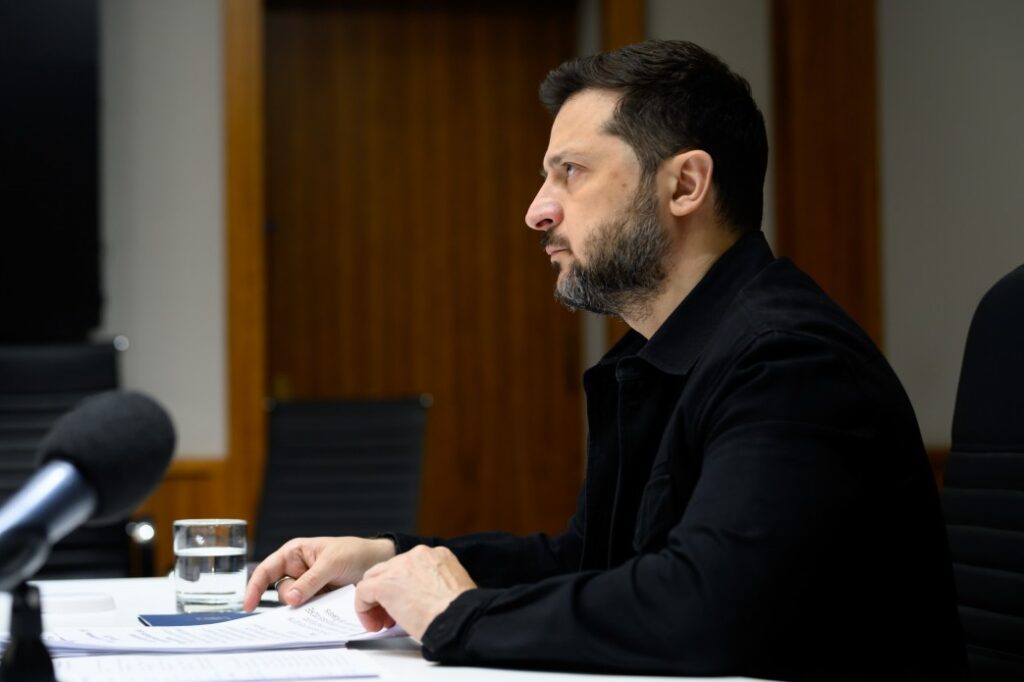
Ukrainian President Volodymyr Zelenskyy during a video call with US senators on 19 October 2026.

Ukraine got no early warning from its partners of the first wave of Russian ballistic missiles on the night of 18–19 October, President Volodymyr Zelenskyy told US senators on 19 October. He also said Starlink and Starshield terminals still stop working above certain speeds on parts of the front, and that Washington has explained neither problem. In the same video call, according to a transcript obtained by Axios, he said US Defense Secretary Pete Hegseth is not signing off on deliveries of Patriot interceptors and AIM-9X missiles for NASAMS that NATO countries have already paid for.

This comes as the US presses Kyiv to stop its strikes on Russian oil refineries, which Trump has blamed for high fuel prices at home. Washington supplies both the early launch warnings and the Patriot interceptors Ukraine needs against Russian ballistic missiles, and Zelenskyy says both are now failing at once, as Russia keeps firing ballistic missiles at Ukraine’s grid ahead of winter. If neither the warnings nor the interceptors come through, Ukrainian cities would face winter strikes with less notice and fewer means to stop them.

On the morning of 20 October, Zelenskyy wrote that he had spoken with US Secretary of State Marco Rubio about interceptors against ballistic missiles, early warning of Russian ballistic attacks, and restoring Starlink and Starshield. He thanked Rubio for his readiness to help and his clear position, and said they had agreed to speak again soon. He did not say whether anything had been resolved.

Patriots paid for, not signed

“We have almost no Patriot interceptors left from the US partners,” Zelenskyy told the senators.

Hegseth “has the contracts for Patriot missiles on his desk,” a Ukrainian official told the Kyiv Independent, adding that allies had already paid for them. Another senior official called the batch “significant.” One of the main channels for Ukraine’s Patriot supply is NATO’s PURL mechanism, under which allies fund purchases of US weapons for Ukraine, a senior Ukrainian military official told the outlet.

On 19 October, Zelenskyy wrote that some types of vital supplies were being delayed at the US Department of War, as the Trump administration also calls the Pentagon. He added that some political agreements had not been carried out at the working level.

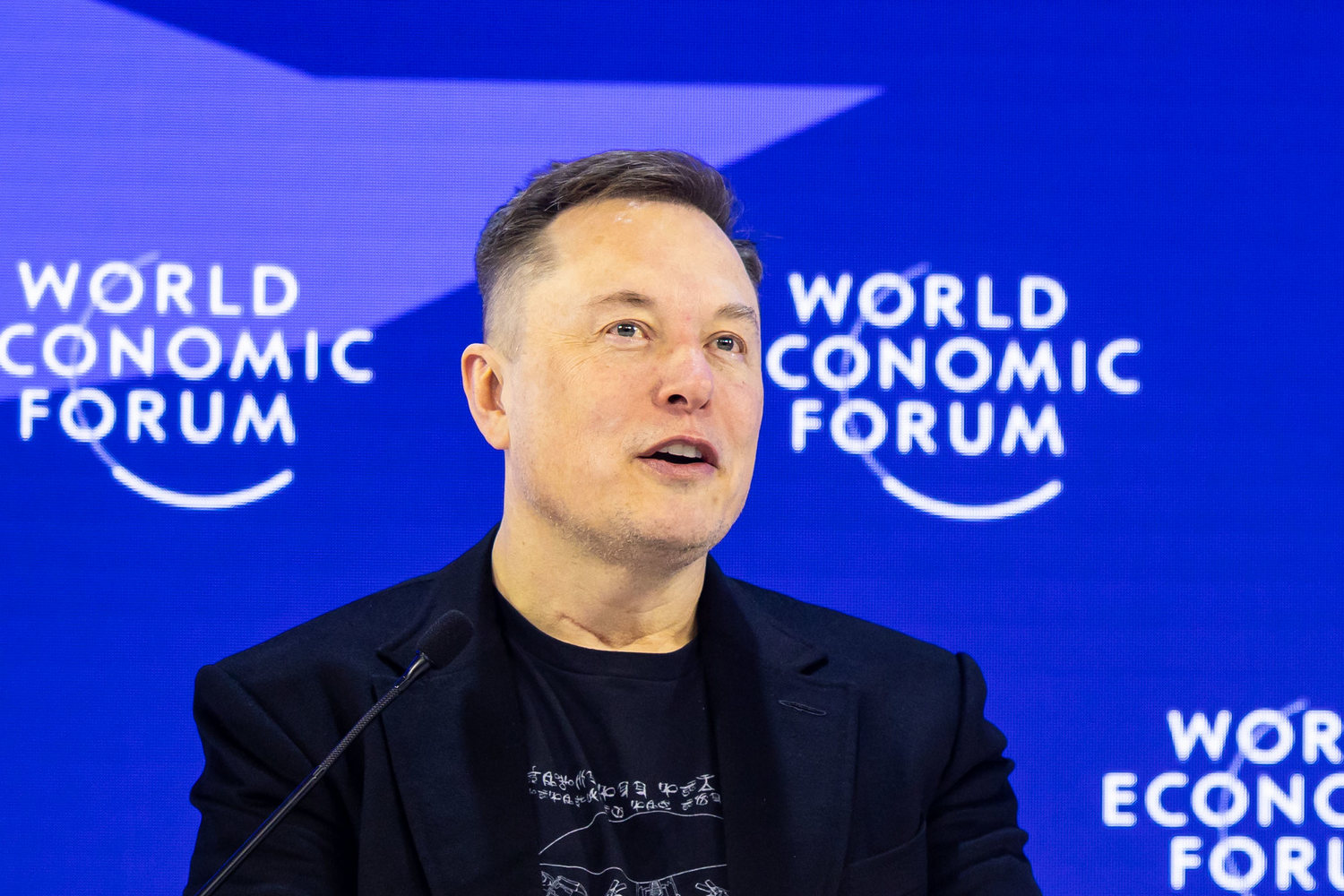
kyiv asking musk let strike inside russia its best line gone · post elon 2026 world economic forum / ciaran mccrickard wef ukraine news ukrainian reports
Explore further

Musk pushed Trump to slow Starlink in Ukraine, weakening air defenses as Russian drones attacked cities – The Telegraph

A NATO official told the Kyiv Independent that PURL deliveries, including air defense, were continuing. Another said some shipments could face delays, but that political reasons were unlikely to explain them. A US government official called Ukraine’s claims “not true.” The Pentagon did not respond to the outlet.

No warning for Kyiv hours after Zelenskyy said US alerts were back

On 18 October, Zelenskyy said on NBC that US warnings of ballistic launches had resumed after three days without them. That night, Russia launched two ballistic waves at Ukraine, and information from partners did not arrive before the first, Air Force spokesperson Yurii Ihnat said. Zelenskyy told the senators Ukraine had not received US warnings on three occasions in the past week. “We have received no clear explanation from Washington,” he said.

“All of this suggests that some political decision has been made to slow down support for us,” Zelenskyy said.

Zelenskyy offered a 30-day pause on refinery strikes for Patriots

Zelenskyy told the senators he had offered US envoys Steve Witkoff and Jared Kushner a 30-day halt on strikes against Russian refineries. In return, the US would supply Patriot interceptors to cover that period. He said the envoys had shown no openness to the idea.

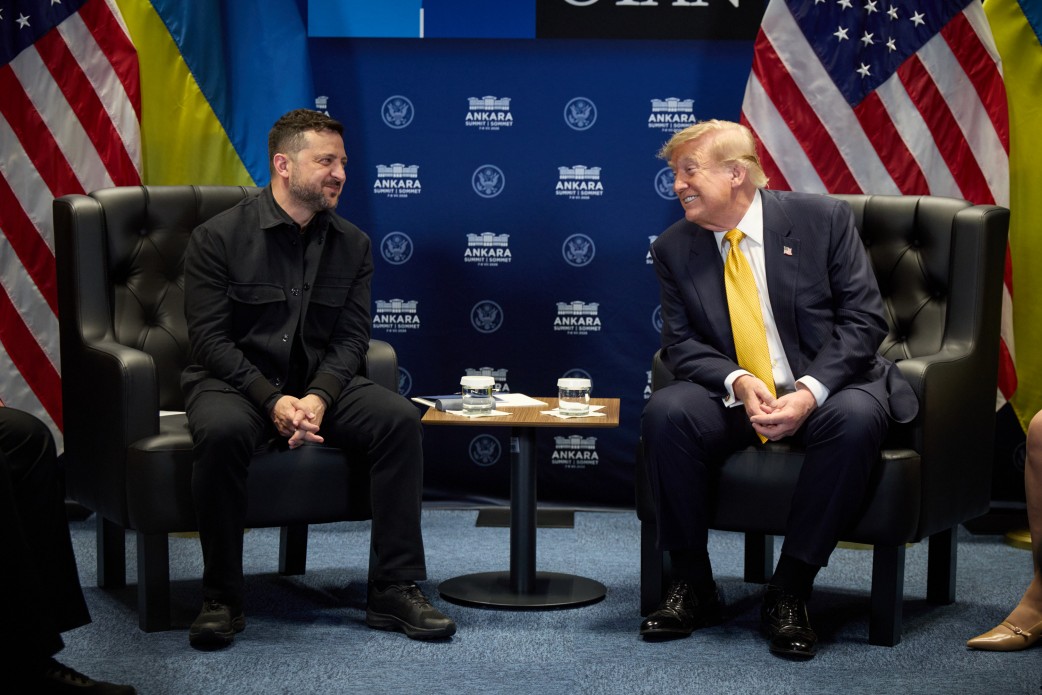
again trump presses zelenskyy stop russian refinery strikes · post ukrainian president volodymyr meets donald ankara türkiye 8 2026 presidentgovua ukraine news reports
Explore further

Trump calls Ukraine’s renewed refinery strikes “a disgrace” after Russia’s 39-missile strike on its energy sites

On 20 October, Norway announced talks in Oslo that day between Zelenskyy, Norwegian Prime Minister Jonas Gahr Støre, and Finnish President Alexander Stubb, with Witkoff attending in person and Kushner by video.

Senators back Kyiv. Trump says intelligence still flows

Senator Thom Tillis said he and his colleagues remain committed to standing with Ukraine and its European allies, while Senator Richard Blumenthal wrote that bipartisan support was “clear and unequivocal” and would be expressed “in upcoming action.”

US President Donald Trump told reporters on 19 October that Washington is still sharing intelligence with Ukraine and that he did not know who ordered the throttling of Starlink, Axios reported.

“Zelensky doesn’t know what he is talking about,” Trump said.

  •  

Twelve Migrants Die Off Greek Islands as EU Border Crossings Fall by a Third

Twelve migrants, including an infant, have died in two separate incidents involving boats travelling from Turkey towards the Greek islands of Lesbos and Samos, prompting investigations into the circumstances of the deaths and the activities of suspected people smugglers.

The incidents occurred on Monday, 19 October, in the northeastern Aegean Sea. Six people died when a speedboat collided with a Greek coastguard vessel near Lesbos, while another six were killed after a separate boat overturned north of Samos.

The deaths coincided with the publication of new figures from the European Border and Coast Guard Agency, Frontex, showing that irregular crossings into the EU fell by almost one-third during the first nine months of 2026.

According to the latest border monitoring figures, approximately 91,000 irregular crossings were detected between January and September, although the eastern Mediterranean remained the busiest migration route into the Union.

Two incidents under investigation

According to information released by the Greek authorities, the first fatal incident occurred near Agrilia on Lesbos when a speedboat carrying migrants struck a coastguard patrol vessel before overturning.

Six people died, while eight survivors were taken to hospital. The authorities subsequently arrested a 37-year-old Turkish national, identifying him as the suspected operator of the migrant boat.

Greece’s Maritime Affairs Minister Vassilis Kikilias said the available evidence indicated that the speedboat had struck the left side of the coastguard vessel. The precise circumstances remain under investigation.

In the second incident, approximately four nautical miles north of Samos, a boat reportedly overturned after making a sudden manoeuvre while being pursued by the coastguard.

Five men and one woman died, while 14 people were rescued. An Iranian national was arrested on suspicion of involvement in migrant smuggling.

The arrests do not establish criminal responsibility, and the circumstances surrounding both incidents remain subject to investigation.

Greek authorities have attributed the dangers of the crossings to trafficking networks operating between Turkey and the Aegean islands. The government has reiterated its policy of pursuing smugglers and restricting unauthorised maritime arrivals.

Fewer crossings, continued fatalities

Frontex recorded approximately 31,800 detections along the eastern Mediterranean route during the first nine months of this year, representing a decline of around 15 per cent compared with the equivalent period in 2025.

Across the European Union’s external borders, the agency reported an even larger reduction, with overall detections down by almost one-third.

The Central Mediterranean route experienced a particularly substantial fall, while the Western Mediterranean recorded an increase, reflecting changes in departure points and migration patterns.

These figures count detected border crossings rather than individual migrants and do not necessarily capture every unauthorised arrival.

The latest data also have to be considered alongside exceptional developments elsewhere on Europe’s borders. In July, large-scale movements through Spain’s Ceuta enclave created additional pressures on Spanish authorities and raised questions about the application of the EU’s new asylum arrangements.

The eastern Mediterranean figures encompass several routes, including crossings from Libya towards Crete, movements through the Aegean islands and arrivals across the land border with Turkey.

Consequently, the total recorded for the wider region should not be interpreted solely as the number of people arriving on the Greek islands.

Greece remains central to European border policy

Greece has occupied a central position in EU migration policy since the 2015–2016 crisis, when hundreds of thousands of people arrived from Turkey, many travelling onwards through the Balkans.

The subsequent EU–Turkey migration arrangements were intended to reduce unauthorised crossings and establish procedures for returning certain migrants who did not qualify for protection.

Athens has also faced persistent criticism from human rights organisations concerning allegations of unlawful returns at sea and land borders. Greek authorities deny operating an unlawful pushback policy and maintain that their border operations respect domestic and international law.

The EU’s Pact on Migration and Asylum, which entered into application in 2026, has introduced common procedures for screening arrivals, processing asylum claims and managing people who do not have permission to remain.

Its implementation has placed greater emphasis on border identification, biometric registration and cooperation between national authorities and Frontex.

However, the two disasters demonstrate the continued risks associated with maritime crossings, even during a period of declining arrivals.

Investigators must now establish precisely how both boats overturned, whether criminal offences were committed and what occurred during the encounters with coastguard vessels.

The findings will be relevant not only to the prosecutions of those arrested, but also to continuing scrutiny of maritime enforcement along one of the European Union’s principal external borders.

  •  

Why Starshield’s slowdown really hurts Ukraine

Reports that SpaceX temporarily restricted its satellite internet service for Ukraine’s armed forces have generated serious concern in Kyiv and among the country’s allies. SpaceX operates the civilian Starlink system and its lesser-known military-grade counterpart, called Starshield. But many news stories leave an important question unanswered: what does a Starshield “slowdown” mean on the battlefield? […]

The post Why Starshield’s slowdown really hurts Ukraine appeared first on Asia Times.

  •  

Two Germans charged in absentia over Bulgaria’s Starlink fire, one of three recent attacks on satellite links Ukraine relies on against Russia

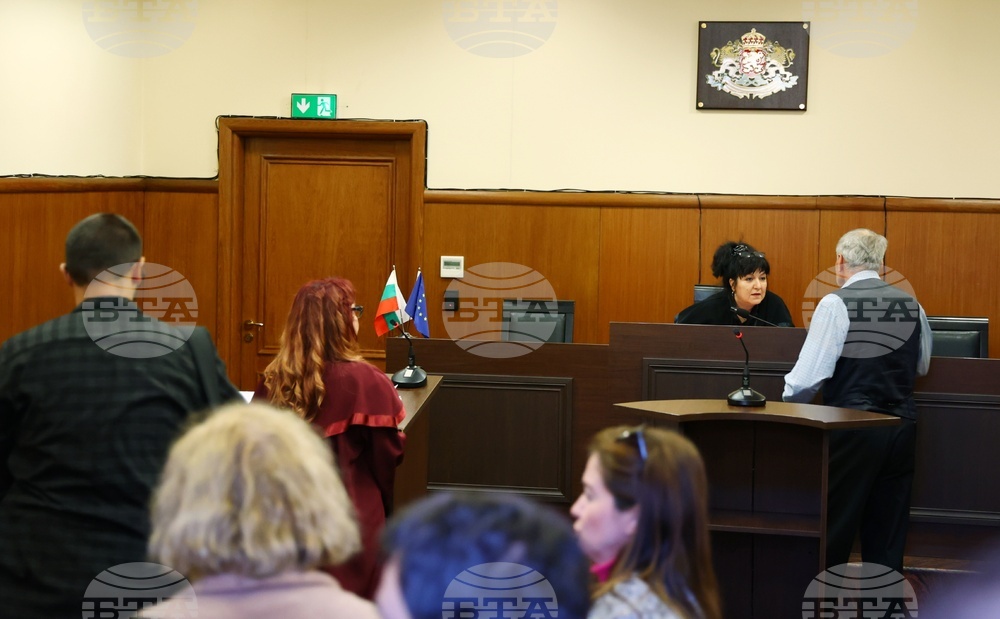
two germans charged absentia over bulgaria’s starlink fire latest attack satellite links ukraine relies against russia · post sofia city court reviews prosecution’s request european arrest warrants german nationals wanted

A Sofia court has cleared European arrest warrants for two 19-year-old Germans charged with setting fire to Starlink antennas south of the Bulgarian capital, a court spokeswoman told dpa. Prosecutors named the pair in court, but both had already left Bulgaria. The case adds Bulgaria to a run of attacks on Starlink sites in Europe, which Poland and Lithuania have linked to Russia.

While Russia presses its assault along the front and strikes Ukraine’s cities, Starlink keeps Ukraine’s drone units and front-line troops connected, and Poland pays about $50 million a year for its terminals. The network’s ground links in Europe are now a target in their own right, and ISW has linked the Polish fire to a wider Russian pattern of sabotage. Each attack on a ground station hits a network whose speed caps already disrupted Ukraine’s drone missions this month.

Two names, a few hours in Bulgaria

Prosecutors identified the suspects as Zeka Islam and Tirpan Beytullah, Bulgaria’s state news agency BTA reported, noting the names may be misspelled. Their whereabouts are unknown, according to German authorities cited by the agency. They were charged in absentia on 14 October and face three to 12 years in prison if convicted.

According to the indictment, the two crossed from Serbia at the Kalotina checkpoint at 17:37 on 9 October and told border officers they were tourists. At about 22:25, wearing gloves and masks, they allegedly set fire to antennas at the Plana teleport, a satellite ground station near the village of Plana. They drove back into Serbia through the same checkpoint at 23:55.

Three antennas burned completely, two were partly damaged, and three more were affected, prosecutors say. The pair traveled in a Volkswagen with German plates, and a national warrant followed two days after the charges, ZDF reported.

kyiv asking musk let strike inside russia its best line gone · post elon 2026 world economic forum / ciaran mccrickard wef ukraine news ukrainian reports
Explore further

Musk pushed Trump to slow Starlink in Ukraine, weakening air defenses as Russian drones attacked cities – The Telegraph

The court-appointed lawyers argued that investigators had pinned down the vehicle, not the men in it. The court rejected those objections, finding reasonable grounds to suspect the pair. The lawyers said they would appeal. The ruling can be challenged within three days.

A Starlink antenna
A Starlink antenna. Illustrative photo: Christoph Soeder/dpa

An opposition MP made the fire public three days later

The fire became public only on 12 October, when opposition MP Ivaylo Mirchev of Democratic Bulgaria posted about it on Facebook. He said 11 antennas had been set on fire, more than prosecutors later counted.

In parliament two days later, Prime Minister Rumen Radev asked the head of the State Agency for National Security (DANS) not to reveal details, saying disclosure could harm the investigation. DANS head Plamen Tonchev told lawmakers he believes the fire was sabotage and that more such attacks cannot be ruled out, dpa reported.

The White House, seen from Lafayette Square. File photo, June 2024.
Explore further

White House ordered limits on Ukraine’s military satellite service — Reuters. Who made the decision remains unclear

After the ruling, Mirchev wrote that Radev personally owes the public an explanation of what has been achieved, BTA reported.

Bulgaria’s case joins attacks Poland and Lithuania tie to Russia

Bulgaria has not said who might be behind the fire. Authorities in Poland and Lithuania have linked similar recent arsons on Starlink equipment to Russia.

In September, fire hit a Starlink ground station south of Warsaw, and Germany later detained two suspects. On 18 October, Lithuania’s prime minister said intruders had tried to burn a company’s Starlink antennas used by Ukraine, calling it part of Russia’s hybrid war. Moscow claims such accusations are baseless, Reuters reported.

  •  

Vicente Capela vence finais no Bombarral e fecha RMC no 1º lugar do pódio

Jovem piloto de Beja termina época no 3.º lugar à geral na categoria Rotax Júnior e é o melhor Rookie

Quem esteve à pista do KIRO – Kartódromo Internacional da Região Oeste –, no Bombarral, no passado fim-de-semana, assistiu a uma verdadeira exibição de campeão por parte do piloto de Beja, Vicente Capela, que na 5.ª e última ronda do RMC Portugal 2026, protagonizou uma atuação de alto nível ao conquistar a pole position, vencer as três corridas finais da categoria Rotax Júnior Max, e fazer volta mais rápida da Final 3 e somando 152 dos 154 pontos possíveis na ronda.

A chegada à Bombarral representava um desafio de grandes dimensões. Ainda com possibilidades matemáticas de conquistar o título, Vicente estava a 110 pontos da liderança e precisava de uma prestação praticamente perfeita para continuar na luta pelo tricampeonato.

Não havia margem para hesitações: cada posição, cada ultrapassagem e cada ponto podiam fazer a diferença. Longe de abrandar o ritmo perante um cenário tão exigente, o piloto alentejano entrou em pista determinado a dar o seu melhor.

Bicampeão Rotax, com títulos conquistados nas categorias Micro Max, em 2024, e Mini Max, em 2025, Vicente Capela chegou à categoria Rotax Júnior Max com a ambição de conquistar o terceiro título e repetir o pódio de 2025, no RMC Grand Finals, quando levou Portugal ao 3º. lugar no pódio do Bahrein.

Velocidade desde a sessão de qualificação

No Bombarral, a resposta traduziu-se em resultados concretos e numa das suas exibições mais impressionantes do ano. No sábado (17), Vicente deu o primeiro sinal de que estava preparado para discutir cada milésimo de segundo.

Vicente Capela

Na sessão de qualificação, garantiu a pole position, com mais de dois décimos de segundo de vantagem sobre o segundo classificado, a conquistar um ponto extra. O melhor tempo confirmou o ritmo competitivo do piloto e abriu caminho para um fim-de-semana marcado pela precisão e pela consistência em pista.

Três vitórias para confirmar o domínio

Na Final 1, o piloto de Beja assumiu desde cedo a responsabilidade de defender a liderança e manteve o controlo até à bandeira de xadrez. Na manhã deste domingo (18), a Final 2, novamente, a arrancar da linha de frente, Vicente manteve a liderança de ponta a ponta.

A Final 3 confirmou definitivamente a superioridade de Vicente Capela, que controlou a corrida do princípio ao fim e conquistou a terceira vitória do fim-de-semana. Ainda registou  a volta mais rápida, a garantir 152 pontos em 154 possíveis.

Uma ronda com sabor a superação

O tricampeonato não se concretizou desta vez, mas o desfecho da época não diminui o significado da prestação alcançada no Bombarral. Vicente demonstrou uma notável capacidade de reação e terminou o RMC Portugal 2026 no terceiro lugar da classificação geral da categoria Júnior, além de se sagrar o melhor estreante da Júnior Max. O resultado reflete um ano de aprendizagem e crescimento.

“A última ronda do campeonato, no Bombarral (KIRO), foi a demonstração da nossa velocidade na categoria Júnior. Entrámos em pista determinados a lutar até ao último milésimo e assinámos uma exibição excelente. Embora este domínio não tenha sido suficiente para anular os azares da ronda anterior, terminámos o Campeonato num orgulhoso 3.º lugar à geral. O balanço do nosso ano de estreia na categoria Júnior é muito positivo e deixa um aviso claro para o futuro”, afirmou Capela nas suas redes sociais.

A época de 2026 terminou ainda com Vicente a sagrar-se o melhor piloto na classificação Rotax Júnior Rookie, o que reforça a importância do seu desempenho no primeiro ano na categoria. Ao longo do campeonato, conquistou três pole positions e cinco vitórias em 15 corridas finais, além de um segundo e um terceiro lugares. Números que contam a história de um piloto que nunca deixou de lutar e que encontrou na reta final a oportunidade de reafirmar a sua competitividade.

De Portugal para o desafio mundial em Itália

Quase sem tempo para celebrar um fim-de-semana memorável, Vicente Capela já seguiu para Itália, onde enfrenta um novo desafio internacional. Esta semana, o piloto alentejano disputa o IWF Finals 2026 – IAME World Finals, na categoria X30 Júnior, no Leopard Circuit, em Viterbo. Será mais uma oportunidade para competir num palco internacional, frente a adversários de vários países, e levar as cores de Portugal a uma das provas de referência do calendário europeu de karting.

  •  

France Introduces New Tax on Added Sugar

A new tax on added sugar in France could lead to higher prices for sweet products. The measure was proposed by the government as part of the 2027 draft budget and has been approved by members of parliament. However, it has raised concerns among manufacturers. The new tax follows an existing levy on carbonated drinks […]

  •  
❌