❌

Reading view

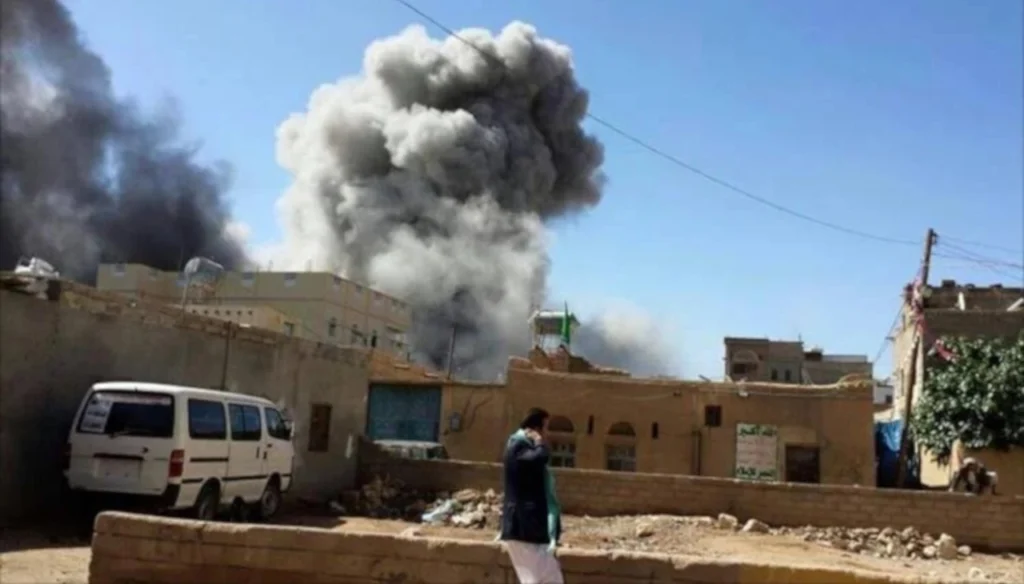
Saudi-led Coalition Strikes Yemen, Killing a Civilian

Photo: Al-Mayadeen.

A Saudi-led military airstrike on a house in the town of Al-Za’azi’, in Yemen’s southwestern Taiz governorate, killed at least one person and wounded four on Thursday, including two minors, according to Yemeni health authorities.


The Saudi coalition also bombed Bajil in Al-Hudaydah, carried out four attacks in Harf Sufyan and two in Bani Suraym in Amran, and hit the Water Corporation building in Al-Hazm, Al-Jawf with two airstrikes, the same Yemeni health authorities reported. Saudi gunfire wounded two citizens and an African migrant in the border districts of Baqim and Munabbih in Sa’dah.

RELATED: At Least 12 Dead, More Than 300 Injured After Houthi Attack on Saudi Airports

Yemeni Armed Forces spokesman Brigadier General Yahya Saree reported more than 2,900 Saudi airstrikes and missile attacks in the last 100 days, an escalation that left more than 562 victims, most of them women and children.

Saudi Arabia collaborating with Israeli intelligence in joint campaign against Yemen's Armed Forces
——
According to a report published by The Jerusalem Post, Israeli military intelligence is actively sharing strategic target data with Saudi Arabia to assist its campaign against… pic.twitter.com/3PUhxcu46w

— The Cradle (@TheCradleMedia) October 23, 2026

According to a report published by The Jerusalem Post, Israeli military intelligence is actively sharing strategic data with Saudi Arabia to assist its campaign against Yemen’s Armed Forces, also known as Ansarallah. The report said a Zionist military official confirmed the intelligence-sharing mechanism and emphasized that degrading Yemeni military capabilities serves Tel Aviv’s strategic regional interests while allowing the IDF to monitor and study tactical operations on the ground.

  •  

Colombia Issues 2027 Budget by Decree

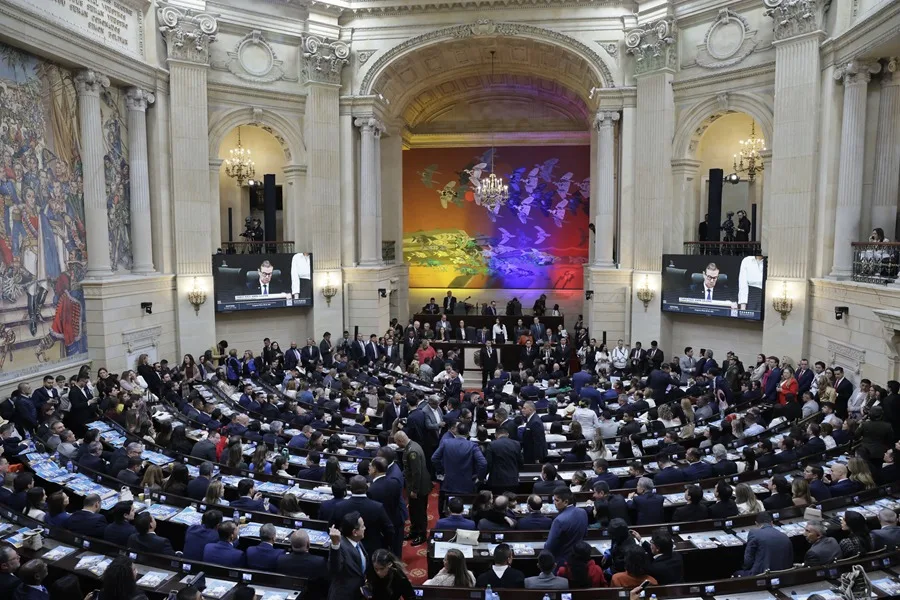
(FILE) Colombian Congress. Photo: EFE.

Colombia’s Government issued the 2027 General National Budget by decree on Thursday, after the bill’s approval in Congress fell through because of a procedural error.


The total amount is 634.9 trillion pesos, or 200 billion dollars at the current exchange rate, of which 391.38 trillion pesos, or 122 billion dollars, are for operating expenses, 155.43 trillion pesos, or 48.7 billion dollars, for debt service and 88.14 trillion pesos, or 27.6 billion dollars, for investment.

RELATED: Colombian President Dismisses Interior Minister Over Budget Failure

Opposition sectors described the Government’s handling of the budget as improvised.

The Senate and the Chamber approved different texts in one of the bill’s articles, and conciliation was not achieved before the October 20 deadline set by law for concluding that process, the last of the congressional debates, namely the plenary sessions.

The Government therefore had to issue the Budget by decree in the form in which it emerged from the joint economic commissions.

¡Se le cayó el presupuesto chimbo a @ABDELAESPRIELLA! Por hacer las cosas a las patadas, terminaron enredados entre dos versiones distintas y ahora el Gobierno pretende expedirlo por decreto.

Tanta improvisación con más de $634 billones de los colombianos exige responsables. ¡La… pic.twitter.com/Uivsc6N4kf

— Oscar Benavides (@ODBenavidesA) October 22, 2026

Resources for earthquake victims, health and energy subsidies added during the plenary sessions will be reduced because of the situation, Senator Alejandro Ocampo affirmed.

Representative María Fernanda Carrascal considered that Congress’s servility to the Executive vitiated the legislative process and denounced that the approved budget showed the Government’s true priority as more debt and less social investment, with debt service growing 46 percent while cuts hit the most vulnerable.

After the events, President Abelardo de la Espriella dismissed Interior Minister Rodrigo Lara.

  •  

Southern Italy Faces Food Shortages as Drivers’ Strikes Continue

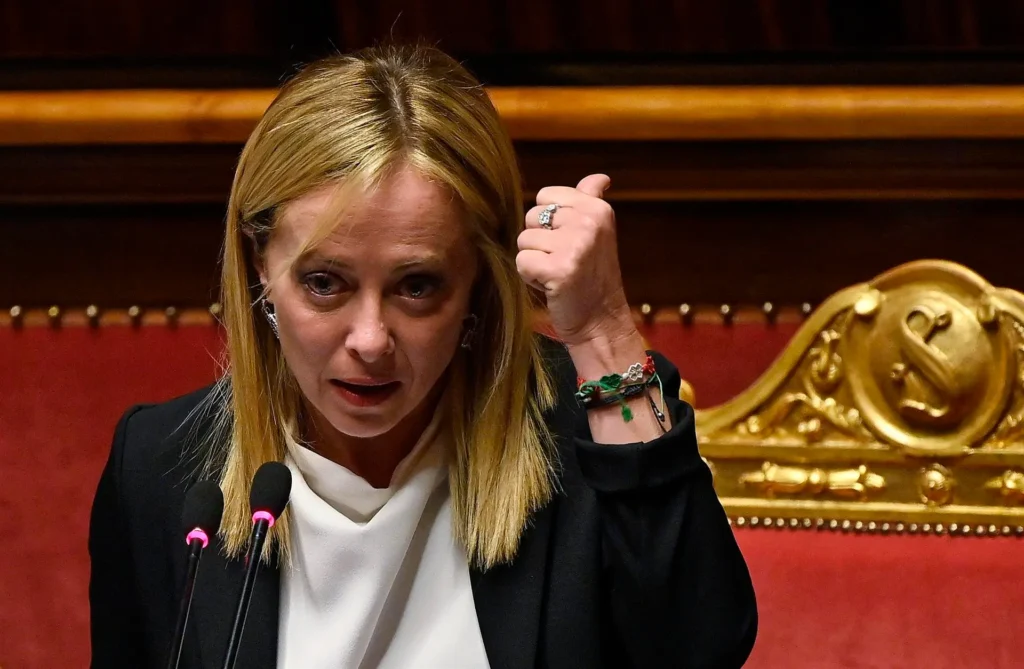
(FILE) Italian PM Georgia Meloni. Photo: EFE.

A truckers’ strike against high fuel prices paralyzed southern Italy on its sixth day, leaving supermarkets with empty shelves, airports without fuel and postal services suspended.


Hundreds of tons of agricultural production remained stranded in trucks or piled up in cold storage rooms, and many business owners decided to suspend harvests and halt production of emblematic products such as buffalo mozzarella.

Poste Italiane was forced to completely interrupt the sending and delivery of mail and packages to and from Calabria, Sicily, Campania and Apulia, the company was reported to have said.

RELATED: Italy’s Giorgia Meloni Trademarks Her Voice Against AI Deepfakes

The mayors of Naples and Bari warned in a joint statement that the paralysis not only threatened food supplies but also jeopardized urban waste management, and they warned of an emergency that could plunge entire communities into a health collapse.

Tension on the roads intensified because of picket activity, and local press reported acts of sabotage in areas such as Caserta, including placing truck tires on highways to force heavy transport to brake.

In response, Italian police escorted convoys of commercial vehicles and deployed operations that resulted in 71 people reported and 242 sanctioned.

Minister of Enterprise Adolfo Urso recalled in the Chamber of Deputies that blocking the passage of trucks was a crime punishable by prison sentences.

In the north, Milan prepared special security measures ahead of new and massive student and youth demonstrations scheduled for Saturday, framed by discontent over the cost of living and the deterioration of public services.

Italy’s Council of Ministers approved on October 20 a new youth security decree that extended preventive detention to minors, until then reserved for adults, and created the crime of violent participation in demonstrations, punishable by up to five years in prison and fines of up to 20,000 euros for anyone who, within a group of five or more people, throws stones, sticks or objects that endanger third parties.

Manifestare è un diritto, devastare le nostre città no. Ecco le misure che abbiamo approvato per contrastare la violenza e tutelare la sicurezza dei cittadini. pic.twitter.com/kqk51X8YZa

— Giorgia Meloni (@GiorgiaMeloni) October 20, 2026
  •  

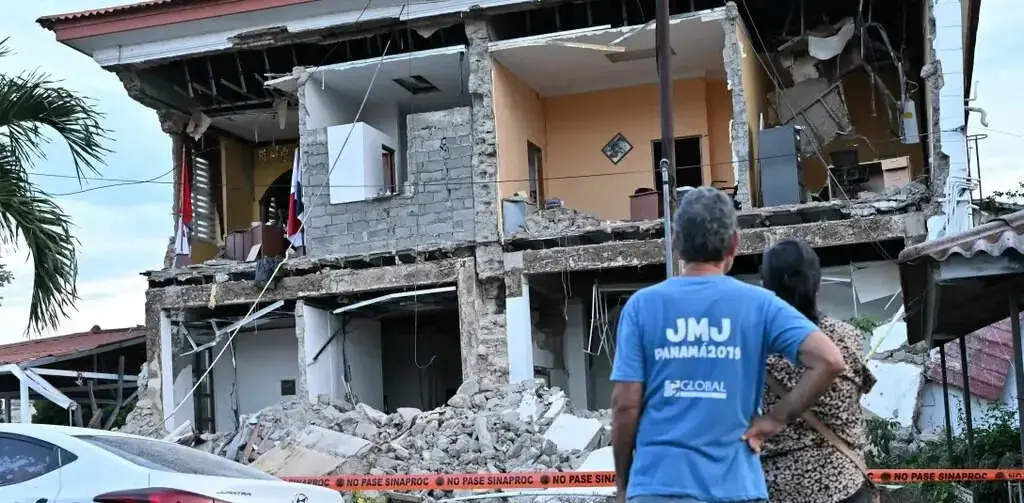
Damage Assessments Continue After Oct. 9 Panama Quake

More than 37,000 people have been affected by the magnitude 7.5 earthquake that struck Panama on October 9, the National Civil Protection System (Sinaproc) reported.


Housing assessments carried out by emergency teams covered 37,210 people, according to the preliminary report from the National Emergency Operations Center. The epicenter was 39 kilometers northwest of Tonosí, in Los Santos province, at a depth of four kilometers.

RELATED: Venezuela Sends 40 Tons of Humanitarian Aid to Panama After Earthquake

The assessment identified impacts in 10 provinces — especially Coclé, Herrera, Veraguas and Los Santos — and the Ngäbe Buglé comarca, the report said.

Local authorities continued damage assessments and assistance to affected families amid recovery efforts after one of the strongest seismic events recorded in the country in decades. Humanitarian aid has also been received from other nations, mainly Venezuela, Costa Rica and the United States, the report said.

Venezuela extiende su solidaridad

Desde el Aeropuerto Internacional Simón Bolívar de Maiquetía, el Gobierno Bolivariano envió un cargamento de ayuda humanitaria hasta el Aeropuerto Internacional de Tocumen.

Estos insumos están destinados a brindar apoyo oportuno al pueblo… pic.twitter.com/SbscKqU958

— Ministerio de Comunicación e Información (@mippci_ven) October 22, 2026

Panama has opened 126 active shelters housing 5,628 people as part of the humanitarian response. Logistically, 171,190 pounds of cargo were moved by air and 365 tons were dispatched by land transport to support assistance operations.

Most of the country’s water treatment plants have restored operations, while security and emergency agencies maintain monitoring in affected areas, Sinaproc reported.

The earthquake occurred at 12:56 local time on October 9, according to the report. The United States Geological Survey raised the magnitude from 7.6 to 7.7, while the Institute of Geosciences of the University of Panama put it at 7.5.

  •  

Anche in Spagna la sinistra fa fatica a stare insieme: come si stanno organizzando i partiti alleati di Sànchez per il (difficile) voto di novembre

Il Frente Amplio che prova a riunire la sinistra spagnola alla sinistra dei socialisti, ha perso una delle sue figure più riconoscibili tre giorni dopo la presentazione. Martedì la ministra della Salute Mónica García, medico anestesista e leader di Más Madrid (la forza progressista della capitale), ha annunciato che non sarà candidata alle elezioni del 29 novembre. Il posto di numero due nella lista di Madrid andrà a una compagna di partito, la deputata Tesh Sidi, mentre lei si concentrerà sulle regionali di Madrid di maggio 2027, dove vuole togliere la presidenza della Comunità a Isabel Díaz Ayuso, la leader dei popolari (PP, centrodestra) che governa la regione.

La spiegazione ufficiale è una “profonda riflessione” e la volontà di mettere “il bene comune” prima dell’interesse personale. Il capolista di Madrid Emilio Delgado (vicecapogruppo di Más Madrid nell’Assemblea regionale) ha assicurato che García “starà dove vuole stare” e che avrà il suo sostegno. Perché una scelta così, a poche settimane dal voto? I motivi reali non li ha spiegati nessuno, ma le letture possibili sono due. La prima è che García preferisca preservare il proprio capitale politico per la sfida con Ayuso, evitando di legare il suo nome a un risultato che i sondaggi descrivono molto difficile: Sigma Dos, uno dei principali istituti privati, stima che il cartello perderebbe seggi anche a Madrid rispetto al 2023. La seconda, sostenuta soprattutto dai media di destra come Libertad Digital, è che sia stata scavalcata da Ada Colau, l’ex sindaca di Barcellona, diventata la candidata di tutta la coalizione.

Sabato scorso, in un auditorium all’aperto sulle rive del Manzanares (il fiume di Madrid), il Frente Amplio aveva aperto la sua campagna elettorale. Sul palco sette volti, alle spalle un grande striscione rosso e giallo. Doveva essere la fotografia dell’unità, ma lo scatto più eloquente era quello di chi non c’era. Il giorno prima, scaduti i termini per registrare le coalizioni, l’accordo con Podemos era definitivamente saltato.

Anche in Spagna la sinistra fa fatica a stare insieme: ecco perché

Il Frente Amplio riunisce quattro sigle. C’è Sumar, la piattaforma dell’ex vicepremier Yolanda Díaz, che fino a oggi ha governato con il Psoe (i socialisti del premier Pedro Sánchez). C’è Izquierda Unida, erede dei comunisti spagnoli. C’è Más Madrid, forza ecologista e progressista della capitale, nata in parte da una scissione di Podemos. E ci sono i Comuns, la formazione barcellonese di Ada Colau, oggi leader dell’intera coalizione e capolista a Barcellona.

Dall’altra parte c’è Podemos, il partito nato dagli indignados del 2014 e oggi molto ridimensionato, guidato da Ione Belarra e con Irene Montero, ex ministra dell’Uguaglianza ed eurodeputata, come candidata. Poi c’è Esquerra Republicana de Catalunya (Erc), la sinistra indipendentista catalana, il cui volto più noto a Madrid è Gabriel Rufián, portavoce del partito al Congresso.

Fu proprio Rufián a lanciare l’idea di un fronte ampio, capace di rimettere insieme ciò che Sumar aveva lasciato in frantumi. Per mesi è stato il principale promotore del progetto, che sulla carta sembrava interessante, soprattutto considerando le frizioni tra i partiti alla sinistra del Psoe. Poi la svolta: lui e Montero hanno aperto un canale diretto tra Erc e i viola. Da lì le trattative con il Frente Amplio non sono più ripartite.

L’argomento più plausibile è che, quando è comparso il nome di Colau, Erc abbia deciso di sbarrare la strada a qualsiasi intesa. Il motivo è una ferita barcellonese. Nel 2019 Esquerra vinse le elezioni comunali con Ernest Maragall, ma Colau fu rieletta sindaca grazie ai voti della destra di Manuel Valls (ex premier francese, candidato a Barcellona), con l’obiettivo dichiarato di impedire agli indipendentisti di governare la città. Per Erc non è mai stata archiviata. Rufián, che parla di una “telenovela nefasta” e ammette il proprio fallimento, ha scelto il suo campo: sarà capolista di Erc in Catalogna, con Podemos come unico alleato. L’intesa è ormai operativa. Podemos non si presenta in Catalogna e sostiene Erc, che inserisce alcuni esponenti viola come indipendenti nelle sue liste. Rufián e Montero faranno campagna insieme in tutta la Spagna: il primo appuntamento è sabato 24 a Barcellona, nel quartiere popolare di Nou Barris, con lo slogan “Casa, Vida, Futur“.

Poche ore prima della scadenza il Frente Amplio ha messo nero su bianco l’ultima proposta: un capolista a Madrid e uno in Catalogna per Podemos, la portavoce al Congresso, risorse divise in modo equo. Diario Red, il media diretto dal fondatore di Podemos Pablo Iglesias, l’ha liquidata come una “trappola“, perché un seggio catalano ai viola avrebbe imposto di rompere con Erc. In cambio Podemos chiedeva a Izquierda Unida di fare un passo indietro nelle province più a rischio, ma i dirigenti territoriali hanno chiuso la porta, come aveva già annunciato il coordinatore Antonio Maíllo: niente accordi a pezzi. Montero e Belarra hanno poi sostenuto che le divergenze erano politiche e non di poltrone, rimproverando al Frente Amplio la vicinanza al Psoe. Un riferimento alla lista comune che le due forze presenteranno al Senato, con il nome “Senado de Progreso“.

Dal palco di Manzanares, Colau ha chiuso la questione: “Se qualcuno non vuole sedersi a un tavolo, non si può obbligarlo”. Poi ha ringraziato le 15 organizzazioni della coalizione e assicurato di aver dato “tutto”. Delgado ha scelto l’ironia: basta drammi, non siamo qui per contarci le ferite.

Perché Podemos non ha voluto l’accordo? La risposta più convincente guarda oltre il 29 novembre. I sondaggi sembrano anticipare un governo di PP e Vox (la destra radicale di Santiago Abascal), e Podemos sembra già posizionarsi sui quattro anni successivi. Presentarsi da sola, con una campagna centrata sulla critica al governo uscente, significa farsi trovare pronta a raccogliere la mobilitazione che un governo di destra produrrà quasi da sé. Il prezzo lo pagherà l’intera sinistra. L’unità si è fatta solo dove esiste un terzo attore forte. Nel País Valencià, storicamente terra di destra, Compromís (la sinistra valenciana), Podemos, Izquierda Unida ed Esquerra Republicana hanno firmato una lista unica, “Compromís-Front Valencià”, a poche ore dal limite. Alle Canarie nasce Unidad del Pueblo Canario, con Podemos; in Aragona, CHA-Frente Amplio, senza Podemos.

Cosa dicono i sondaggi: com’è messa la sinistra

Il Congresso ha 350 seggi e la maggioranza assoluta è a 176. La media degli otto principali sondaggi privati di ottobre dà il Pp al 31,9%, il Psoe al 26,5% e Vox al 18,7%: PP e Vox sommati sono in media a 201 seggi e superano la maggioranza in tutte le rilevazioni. Fa eccezione il Cis, l’istituto statistico pubblico, che a inizio ottobre (prima della rottura tra Frente Amplio e Podemos) vedeva il Psoe al 34%, il Pp al 22,2% e Vox al 17,1%.

Per la sinistra radicale le stime sono più basse di quelle che l’accordo avrebbe potuto produrre. Il Cis attribuisce al Frente Amplio il 6,1% e a Podemos il 3,1%. Sigma Dos per El Mundo lo dà al 7,2%, con 9-10 seggi: tra Frente Amplio, Podemos e alleanza valenciana si arriverebbe a 13 seggi, contro i 31 che Sumar aveva ottenuto nel 2023. Nei vari istituti l’area oscilla tra 5 e 17 seggi.

Programmi e fragilità degli alleati a sinistra di Sànchez

Sommati, Frente Amplio e Podemos metterebbero insieme il 9,2% secondo l’istituto Cis, ma divisi restano entrambi sotto soglia in gran parte delle province. La Spagna non vota in un collegio unico: sono 52 elezioni provinciali, con il sistema d’Hondt (proporzionale, ma che premia chi arriva primo). Nel 2023 il seggio più economico di Sumar costò il 9,6% (a Murcia). Dove il collegio è piccolo l’effetto diventa paradossale: a Girona, Lleida e Tarragona, con 6, 4 e 6 seggi, solo i socialisti o Erc hanno speranze realistiche di ottenerne uno a sinistra. Ogni voto dato al Frente Amplio o a Podemos non produce deputati e finisce per favorire i partiti più forti, destra compresa. E superare il 10% non basta: in Navarra e nell’Araba (Álava, nei Paesi Baschi), con oltre il 12% nel 2023, non è scattato nessun seggio. Una coalizione nata per essere «ampia» si presenta, in questo momento, come una forza di nicchia.

Il discorso del Frente Amplio punta tutto sulla casa. Colau ha ricordato il suo passato da attivista contro gli sfratti e da sindaca, rivendicando più di 1.600 abitazioni espropriate e oltre mille costruite in cessione d’uso, e ha chiesto più coraggio al Psoe. L’ex ministro Ernest Urtasun ha evocato il governo di PP e Vox come una copia del “programma della motosega” di Javier Milei, il presidente argentino. L’ex ministro Pablo Bustinduy ha promesso lo stop agli affitti turistici. A convincere dovrà essere quel 21,8% di ex elettori di Sumar che a inizio ottobre non aveva ancora deciso, mentre sullo sfondo cresce il richiamo del voto utile al Psoe. Con l’addio di García e la campagna parallela di Montero e Rufián, il Frente Amplio ha poco tempo per dimostrare di essere qualcosa di più di una somma di sigle.

L'articolo Anche in Spagna la sinistra fa fatica a stare insieme: come si stanno organizzando i partiti alleati di Sànchez per il (difficile) voto di novembre proviene da Il Fatto Quotidiano.

  •  

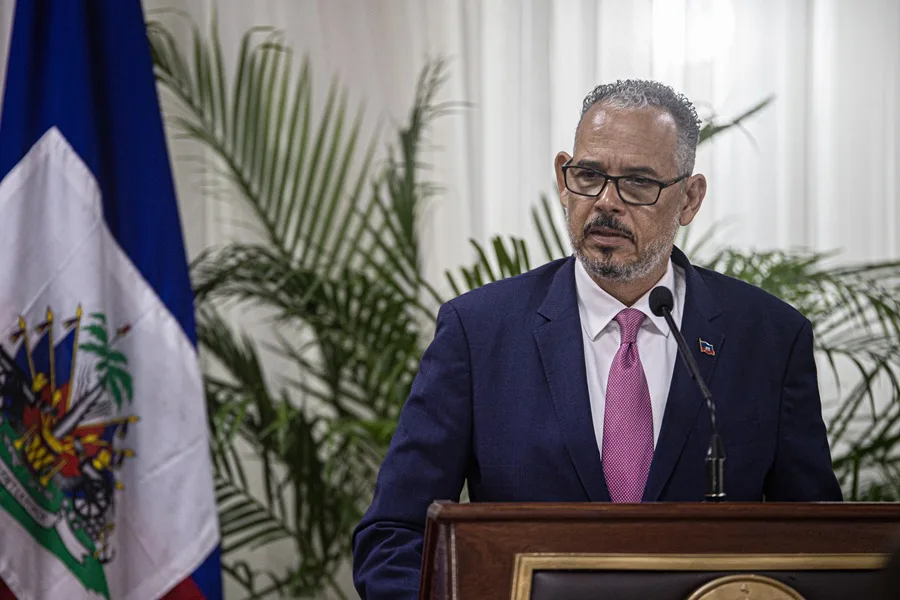
Haiti Mobilizes Resources to Free Four Salvadoran Soldiers Kidnapped by Gangs

(FILE) Prime Minister Alix Didier Fils-Aimé. Photo: EFE.

Haiti’s government said Thursday that rescuing four Salvadoran soldiers kidnapped by armed gangs last Sunday on the outskirts of Port-au-Prince is its absolute priority.


The office of Prime Minister Alix Didier Fils-Aimé said in a statement that the government is fully mobilized and intends to assert state authority with the greatest firmness against armed groups. It called the soldiers’ release an absolute priority and said all necessary resources are being mobilized to achieve that goal.

RELATED: Salvadoran President Bukele Issues Stern Warning to Haitian Gangs

The prime minister met with competent authorities to assess the situation comprehensively and to determine, in close collaboration with the Salvadoran Gang Suppression Force (GSF), measures to reinforce ongoing operations against the armed gangs that attacked the vehicle carrying the Salvadorans.

Haitian security forces and the GSF have conducted an intense search since Sunday for the four Salvadoran aviation technicians, with whom contact was lost after the ambush in the Santo area of the Croix-des-Bouquets commune, within the Port-au-Prince metropolitan area.

#Haiti | The UN Security Council reaffirms its commitment to the Gang Suppression Force despite armed attacks and the kidnapping of four Salvadoran personnel. Rescue efforts continue as international forces maintain their security mission.#UnitedNations #teleSUREnglish pic.twitter.com/kKX5oDtQ0i

— teleSUR English (@telesurenglish) October 23, 2026

In its first official statement on the attack, the Prime Minister’s Office said that given the seriousness of the act, the State reaffirms its authority and determination, and that security forces are continuing operations firmly to secure the soldiers’ release and protect human life.

The GSF reported Tuesday that several members of the gangs controlling most of Port-au-Prince were killed and others wounded in clashes with forces searching for the Salvadoran military personnel. The GSF also reported that four of its own personnel were wounded during the operation and received medical care.

  •  

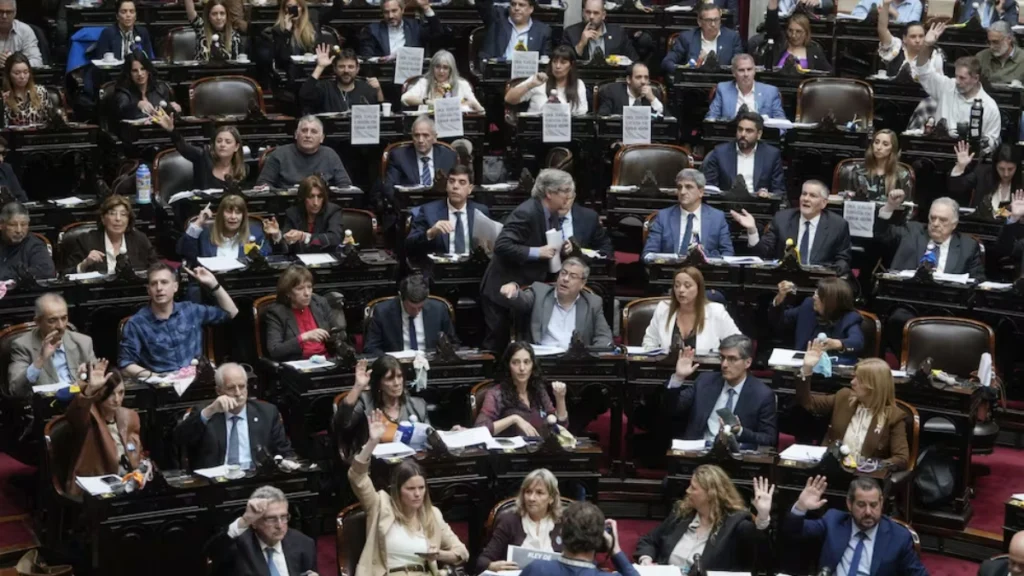
Argentina Congress Approves Disability Emergency Law

Photo: Pagina 12.

Argentina’s Chambern of Deputies approved the Disability Emergency Law in the early hours of Thursday, after more than a year of protests against Javier Milei’s austerity policies.


The final text passed with 237 votes in favor, 9 against and 4 abstentions from left-wing sectors, in a session that began Wednesday afternoon.

RELATED: Argentina Rights Group Files Complaint Over Police Crackdown

The law maintains non-contributory pensions, compatibility with formal employment and access to health benefits. It also establishes specific budget items to finance the system and mechanisms to prevent arbitrary removal of beneficiaries.

Among its central points are new conditions for accessing non-contributory disability pensions, the possibility of keeping the benefit while working within certain income limits and a control system based on cross-referencing data between public agencies. It also sets obligations for budget transparency, training for service providers and deadlines to complete pending compensations.

#Argentina | Human rights groups filed a criminal complaint over a police crackdown on university protesters in Buenos Aires that reportedly left more than 550 people injured or affected.
The complaint seeks accountability for alleged excessive force during demonstrations… pic.twitter.com/yrEWJjPhA7

— teleSUR English (@telesurenglish) October 19, 2026

The law stipulates the return of all funds owed to providers for more than a year, settling the accumulated financial deficit, and sets strict peremptory deadlines for the Executive Branch to make these obligations effective.

The changes were incorporated after weeks of negotiations and set aside the cuts that the Executive Branch had included in the 2027 Budget for the disability area.

Hundreds of Spanish students gathered at Rey Juan Carlos University (URJC) to protest the visit of far-right Argentine President Javier Milei, who was scheduled to participate in a forum during his stay in Madrid.

Armed with pots and pans, whistles, Palestinian flags, and… pic.twitter.com/LGGFyeYpe6

— teleSUR English (@telesurenglish) October 21, 2026

Various organizations of people with disabilities in Córdoba denounced not having been convened to the legislative debate, and expressed skepticism about the Government’s real willingness to comply with what was voted.

The approval comes after more than a year of permanent protests, marches and mobilizations led by people with disabilities and their families, who expressed in the streets their rejection of Milei’s adjustment policies. During that period, the affected sectors suffered neglect, mistreatment and harsh episodes of police repression near the legislative palace, images that were widely disseminated and generated deep repudiation in society.

A key factor in unblocking the legislative scenario was intense lobbying by Pastoral Social Argentina, whose representatives went directly to Congress to dialogue deputy by deputy. Added to this was strong international pressure from Vatican diplomacy, after a monsignor gave various interviews in local media to warn about the Holy See’s deep concern for the health and quality of life of the group.

  •  

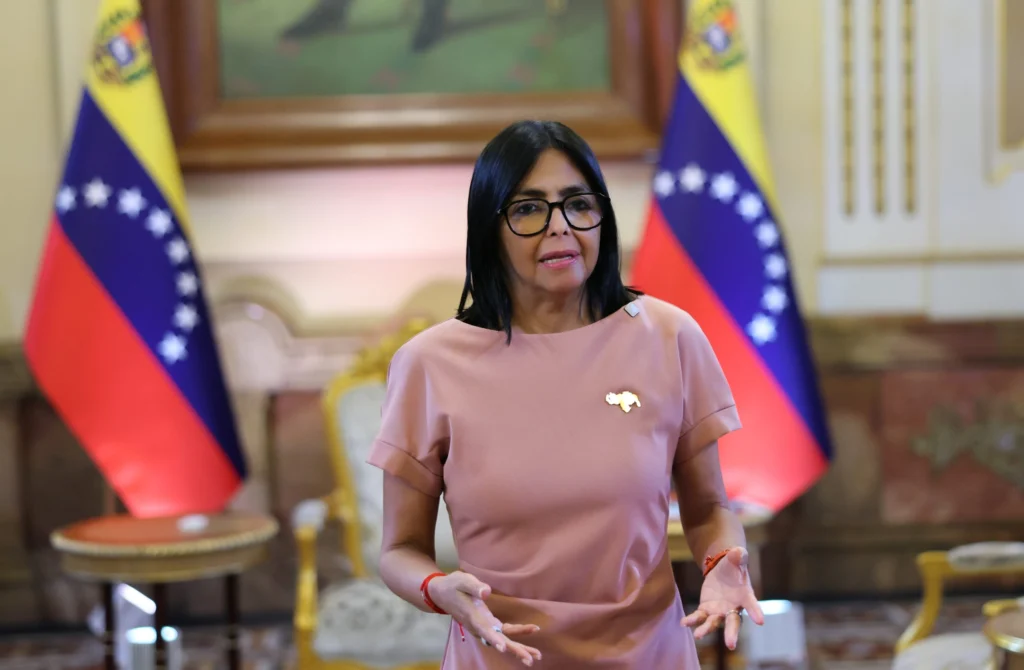
Venezuela’s Acting Pres. Delcy Rodríguez Meets 2015 Assembly Delegations

Venezuelan acting president Delcy Rodriguez. Photo: Presidential Press Office.

Venezuelan acting President Delcy Rodríguez received Thursday at the Miraflores Palace Jorge Rodríguez, head of the government delegation, and Dinorah Figuera, coordinator for the 2015 National Assembly, for the political dialogue table, seeking institutional rapprochement and consensus between the State and the sectors represented.


The meeting presented the balance and details of the third cycle of conversations held in Caracas, a process that included six working sessions structured in two plenary sessions and fifteen meetings. On Wednesday, the delegations held the final plenary of the third cycle, focused on reviewing compliance with agreements on institutional matters and renewal of the judicial system.

RELATED: Venezuela Reaffirms Sovereign Control of Oil Revenue as Deals Advance

The acting president contrasted that willingness with the actions of small groups that insist on blocking streets and violence, and said the majority of the country supports joint work, as demonstrated by mobilizations of Venezuelan women during breast cancer awareness month. She said that when common interests such as women’s health and lives unite people, that is the Venezuela she recognizes.

The formal negotiation process began on August 12, when both parties agreed on a working methodology and installed technical tables to address care for victims of the June earthquakes, democratic strengthening and judicial reforms. The third cycle was installed on Wednesday the 14th with the central goal of advancing renewal of the Supreme Court of Justice and setting participation guarantees for political organizations.

As part of the commitments, the installation of the new Table 4 on Political, Economic and Social Guarantees was formalized, highlighting mediation and conciliation mechanisms under the Program for Peace and Democratic Coexistence and the start of discussions to create an Ombudsman for Political Guarantees and Citizen Participation. A deep review was also agreed of key legal instruments, including the Law on Political Parties, Public Meetings and Demonstrations; the Liberator Simón Bolívar Organic Law; the Organic Law against Organized Crime and Financing of Terrorism; and the Organic Law of the Comptroller General and the National Fiscal Control System, to evaluate matters related to political disqualifications.

In the institutional and judicial sphere, the work of the Preliminary Commission of the Judicial Nominations Committee was recognized after it interviewed 127 candidates from different sectors. It was announced that the next National Assembly session will appoint the 12 members of the nominations committee, allowing publication of the constitutional schedule and subsequent activation of the Credentials Review Council.

On economic and patrimonial matters, the parties reaffirmed the urgency of recovering Venezuela’s international reserve assets at the Bank of England, the Venezuelan gold, to assist the population affected by the June 24 earthquakes. They agreed to form a parity delegation to manage these actions and promote economic and social prosperity in health, education, food and workers’ income.

  •  
❌