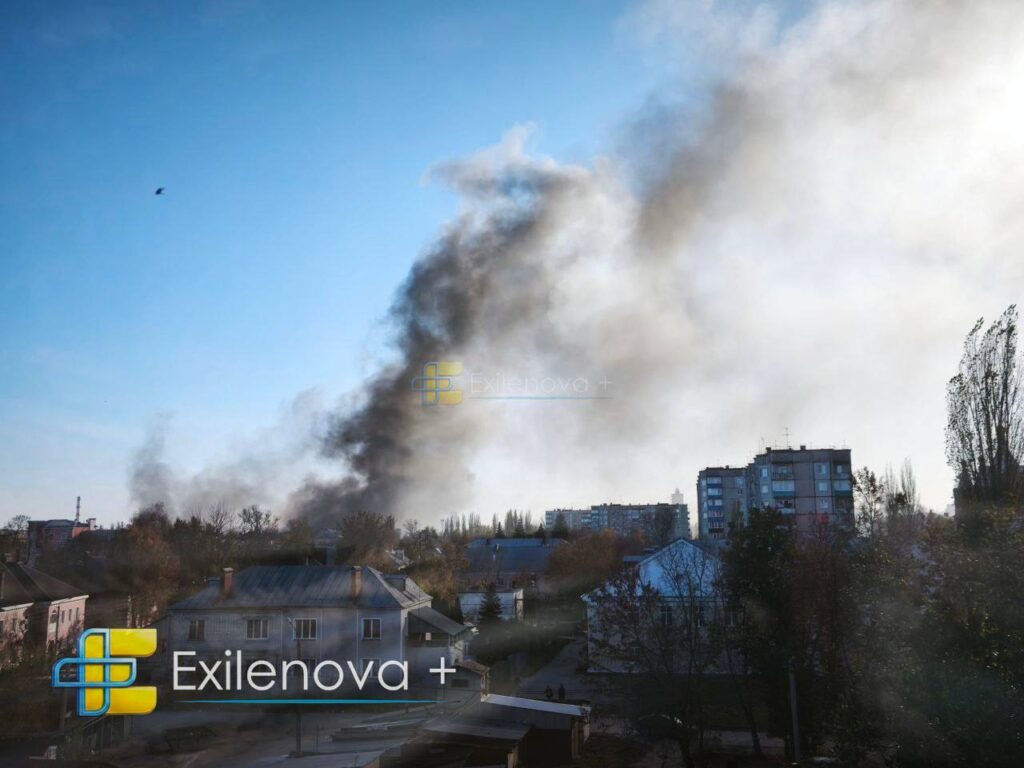
Ukraine reportedly struck the Energiya plant in Yelets, Russia’s Lipetsk Oblast, with UK-supplied Storm Shadow cruise missiles on 25 October, according to the OSINT channel Exilenova+.
The plant manufactures batteries and power sources used in Russian weapons systems, including Iskander and Kinzhal missiles, air defense systems, and guided aerial bombs, according to Exilenova+. The reported strike targeted a facility that supplies components for Russia’s military-industrial complex as Moscow continues its war against Ukraine.
According to Exilenova+, Energiya is Russia's only producer of batteries for glide bomb planning and correction modules, as well as a key supplier of specialized power sources for several missile systems.
Storm Shadow missiles reportedly hit plant buildings
Exilenova+ reported multiple missile impacts at the Energiya plant, sharing footage and photos showing explosions, thick smoke, and fires at the facility. The channel later reported that the plant was still burning and that the surrounding area had been cordoned off, with numerous ambulances heading to the site.
Dnipro OSINT reported that at least two missiles struck two buildings at the plant.
The Energiya plant is located in Yelets, approximately 250 km (150 miles) from the Ukrainian border.
Plant produces components for Russian weapons
According to Dnipro OSINT, Energiya specializes in developing and manufacturing chemical power sources. Its products are used in several Russian weapons systems, including Iskander-K and Iskander-M missiles, Kh-47M2 Kinzhal air-launched ballistic missiles, Zircon missiles, and Pantsir air defense systems. The plant also supplies power sources for UMPB D-30SN guided aerial bombs.
Many of these weapons are used in Russian strikes on Ukrainian cities, killing civilians and destroying residential buildings and civilian infrastructure.
Explore further
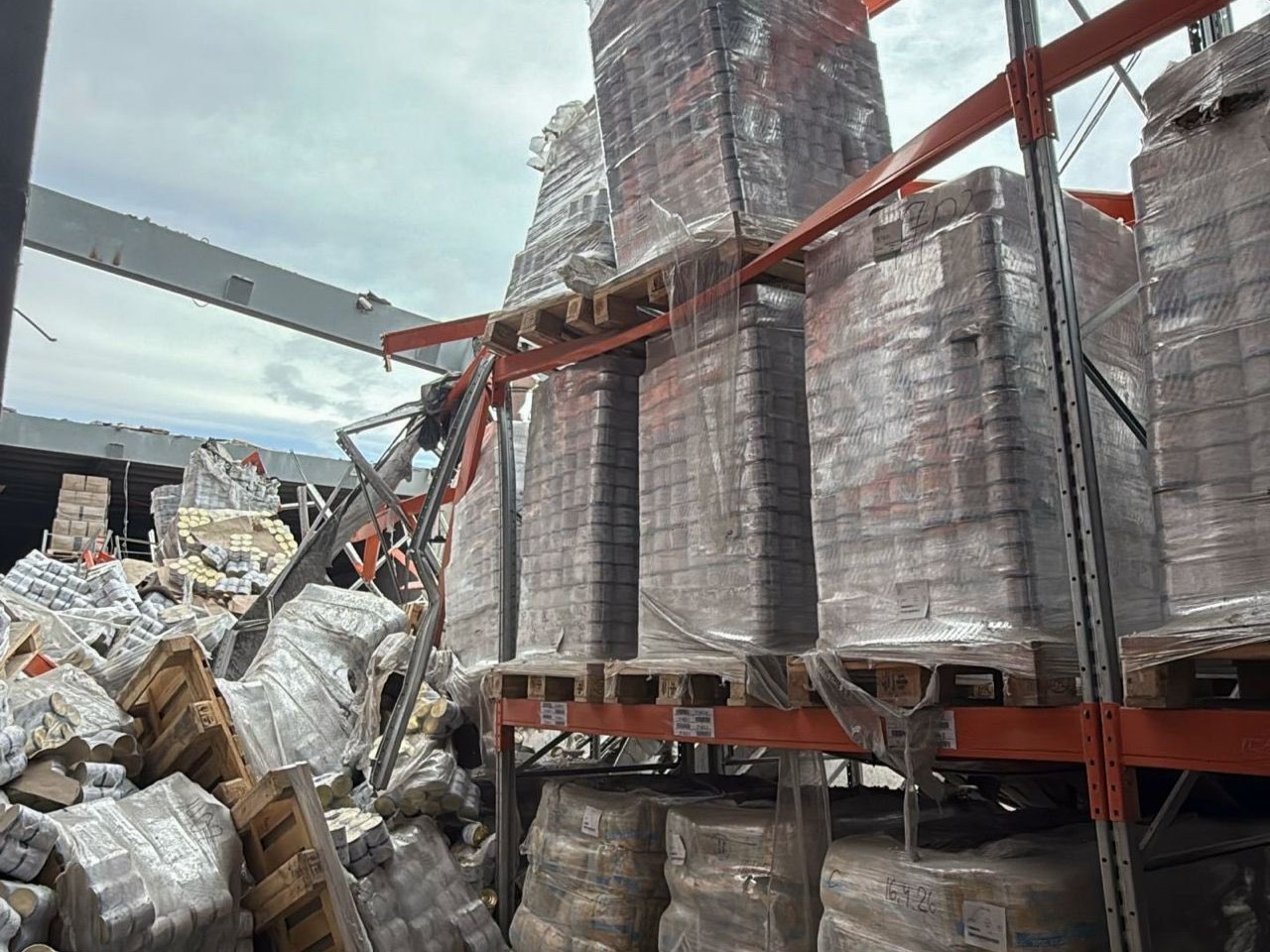
UN food aid warehouse in Dnipro struck by Russian Iskander missile, impacting supplies for 130,000 people
Dnipro OSINT said the plant had been attacked at least four times before the 25 October strike.
The strike comes two days after a reported Ukrainian Storm Shadow missile attack on the Proton electronics plant in Russia’s Oryol on 23 October, which produces electronic components used in Russian weapons systems, including Iskander-M ballistic missiles and Pantsir-S1 air defense systems.
Ukraine’s human rights ombudsman Dmytro Lubinets said a foreign representative was allowed to physically visit Ukrainian prisoners of war held by Russia for the first time since Russia’s full-scale invasion began in 2022.
The visit by Cardinal Matteo Zuppi, Pope Leo XIV’s special envoy, marks a potential step toward greater access to Ukrainian captives, whom Russia has largely kept inaccessible to international humanitarian organizations.
Cardinal Zuppi visits Ukrainian POWs
Lubinets said he had been informed that Zuppi was allowed to meet Ukrainian servicemembers held in Russian captivity. The prisoners also confirmed that representatives of Russia’s human rights ombudsman had begun visiting them.
Lubinets said he regularly meets with Russia’s human rights commissioner, Yana Lantratova. At their latest meeting, the two discussed further steps toward returning Ukrainian citizens held by Russia.
“Every exchange is negotiations,” Lubinets said, adding that each one offers a chance to make progress on returning both prisoners of war and civilians.
During his three-day Moscow visit in September, Zuppi also met with Russian President Vladimir Putin’s foreign policy adviser Yuri Ushakov, Russia’s human rights commissioner Yana Lantratova, and children’s rights commissioner Maria Lvova-Belova, according to Vatican News.
The discussions covered missing persons, family reunification, and the return of Ukrainian children, with Zuppi calling for faster checks to help families reunite.
Lubinets said he hoped the new access would continue and pledged to keep working toward the return of all Ukrainian citizens held in Russian places of detention.
Russia blocks access to Ukrainian captives
Russia has kept the International Committee of the Red Cross (ICRC) from accessing Ukrainian prisoners of war since 2024. The ICRC is mandated under the Geneva Conventions to visit prisoners of war and monitor their treatment.
Around 1,500 Ukrainians held by Russia have never had their status as prisoners confirmed by the ICRC and face prosecution, according to Ukraine. Without confirmation of their captivity, their families may lack official acknowledgment of their whereabouts and status.
Explore further
Russia has kept the Red Cross away from Ukrainian POWs since 2024. Now about 1,500 captives it never confirmed as prisoners face prosecution
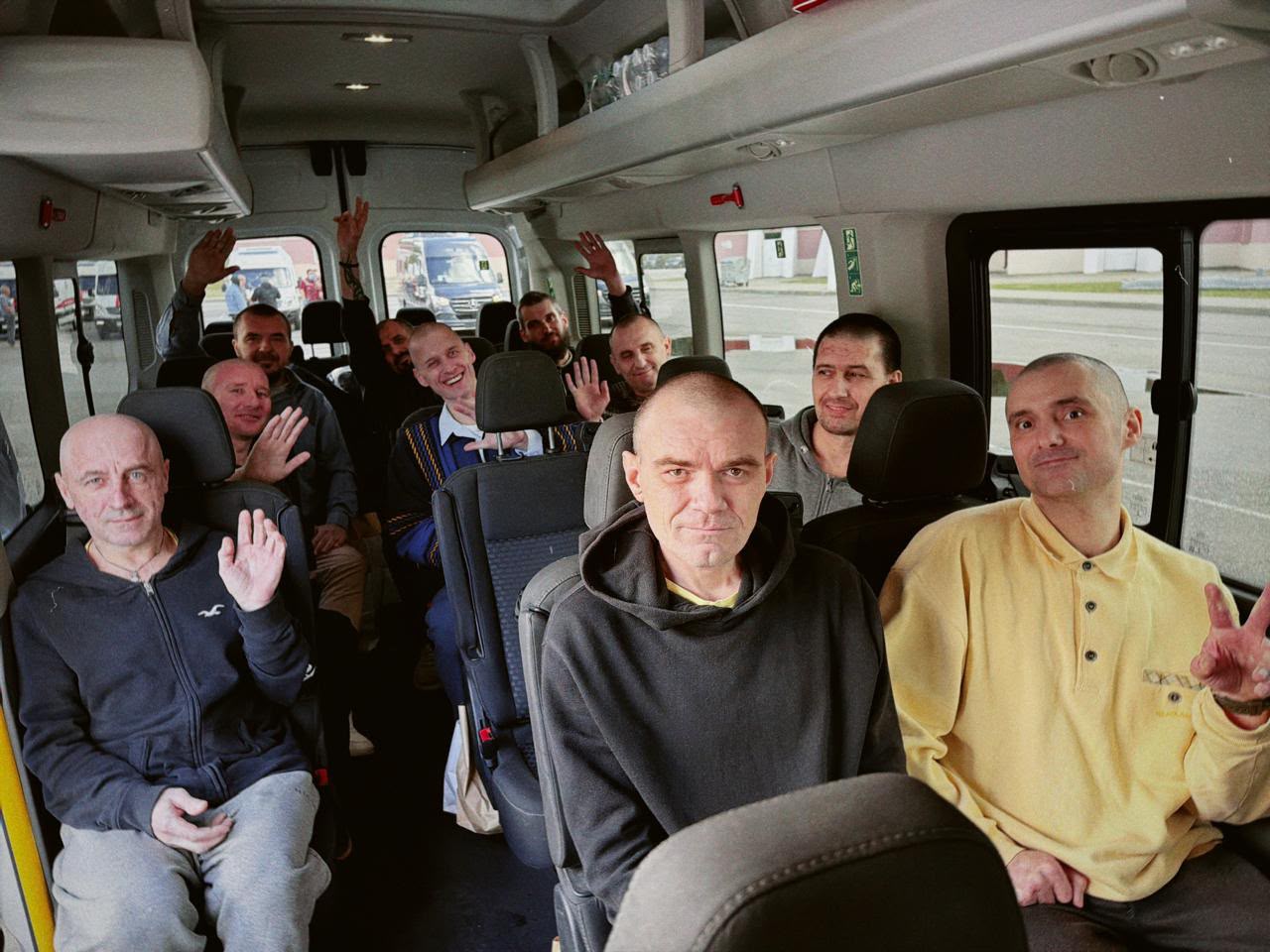
On 23 October, Ukraine returned 270 people from Russian captivity, including 261 military personnel and nine civilians. The released captives included five survivors of Russia’s July 2022 attack on the Olenivka prison barracks, as well as Ukrainian defenders held since 2018.
 Login