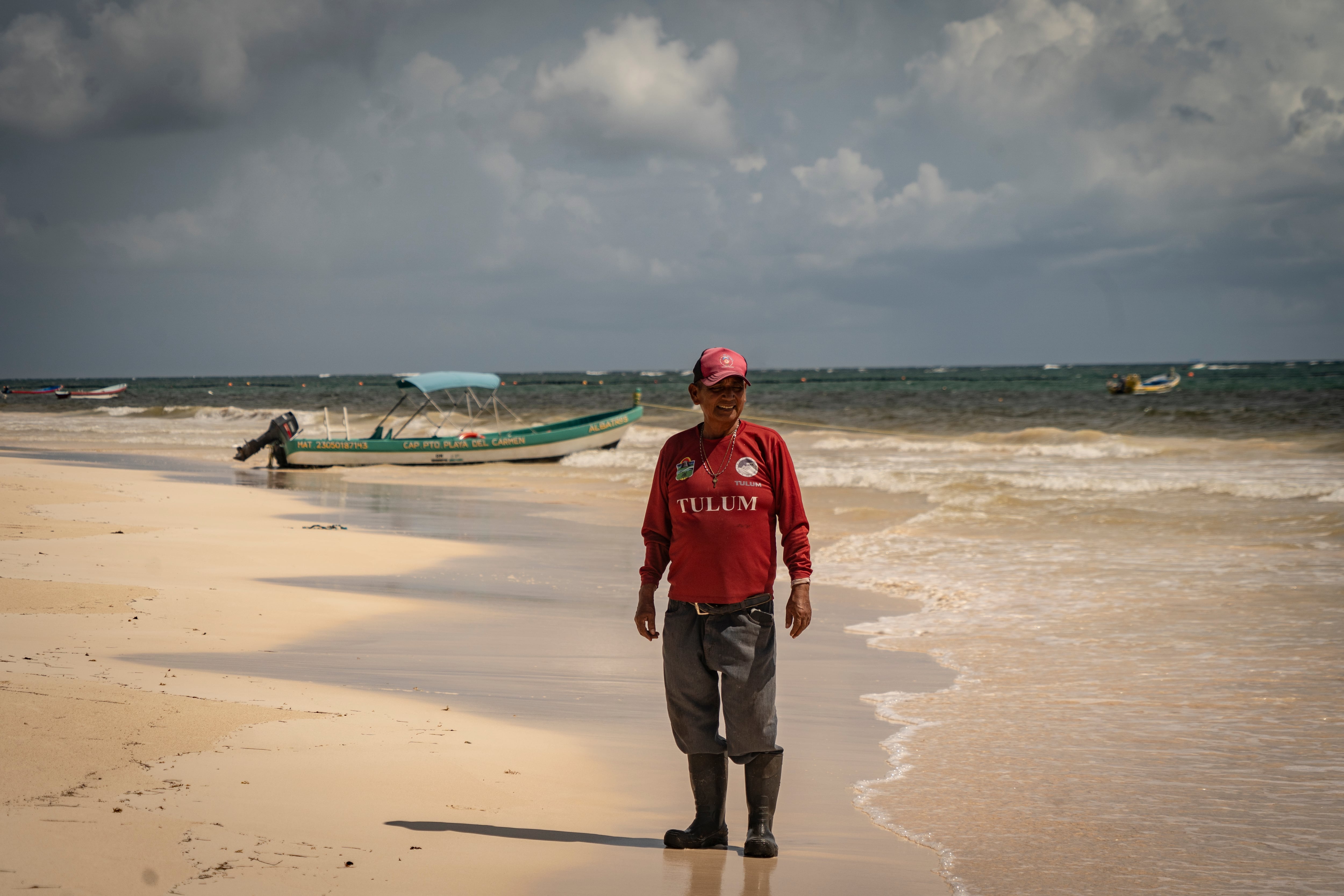
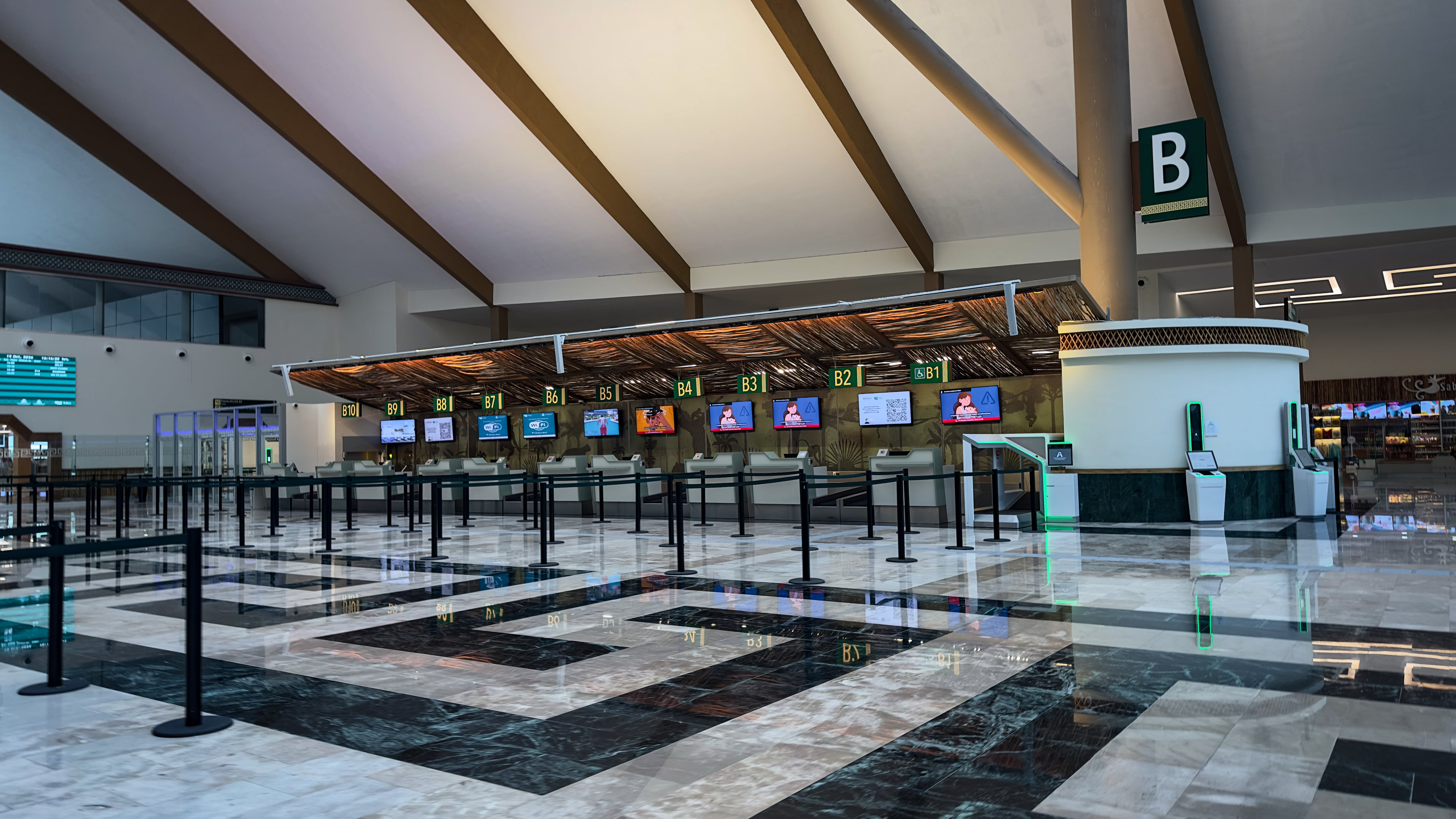
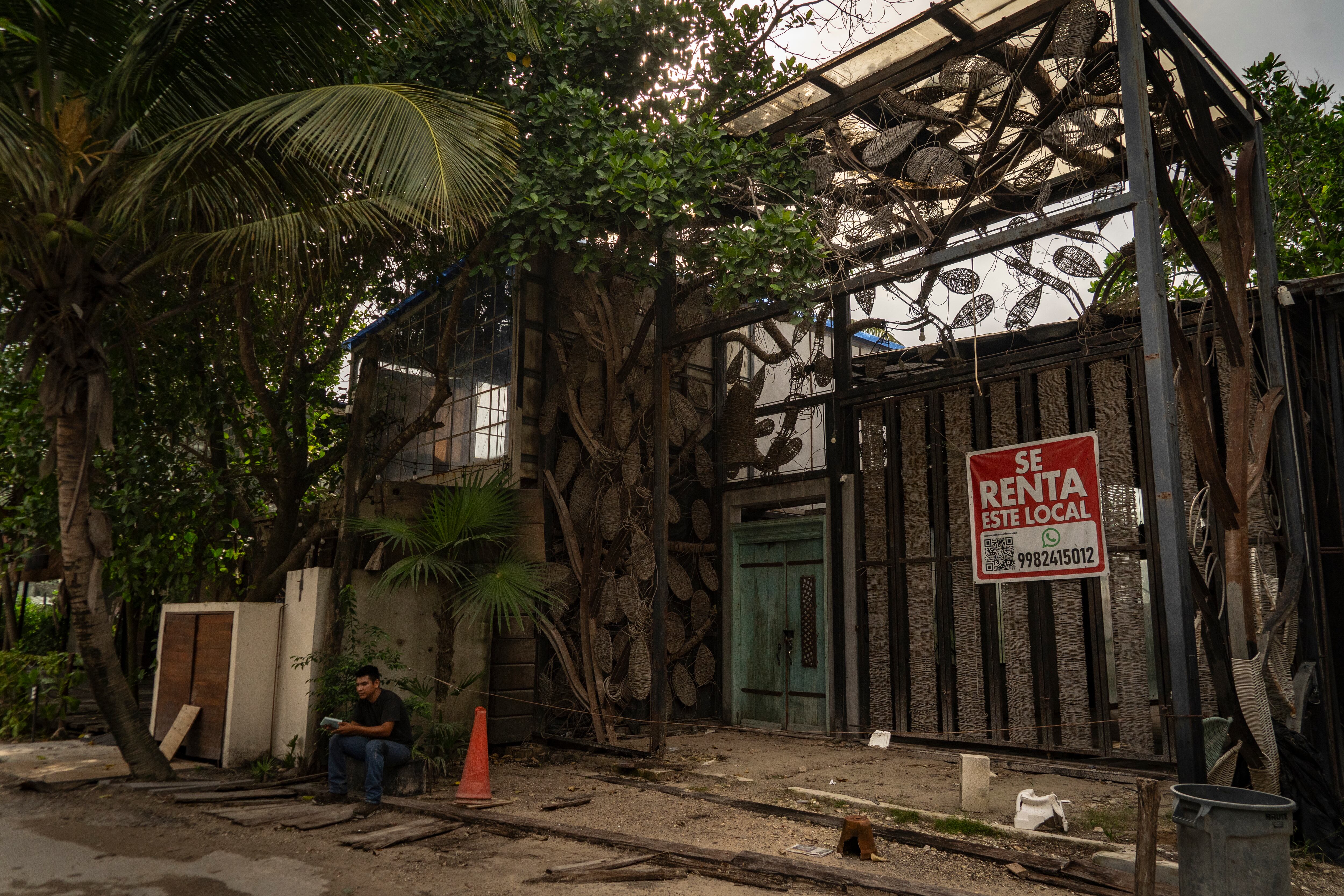
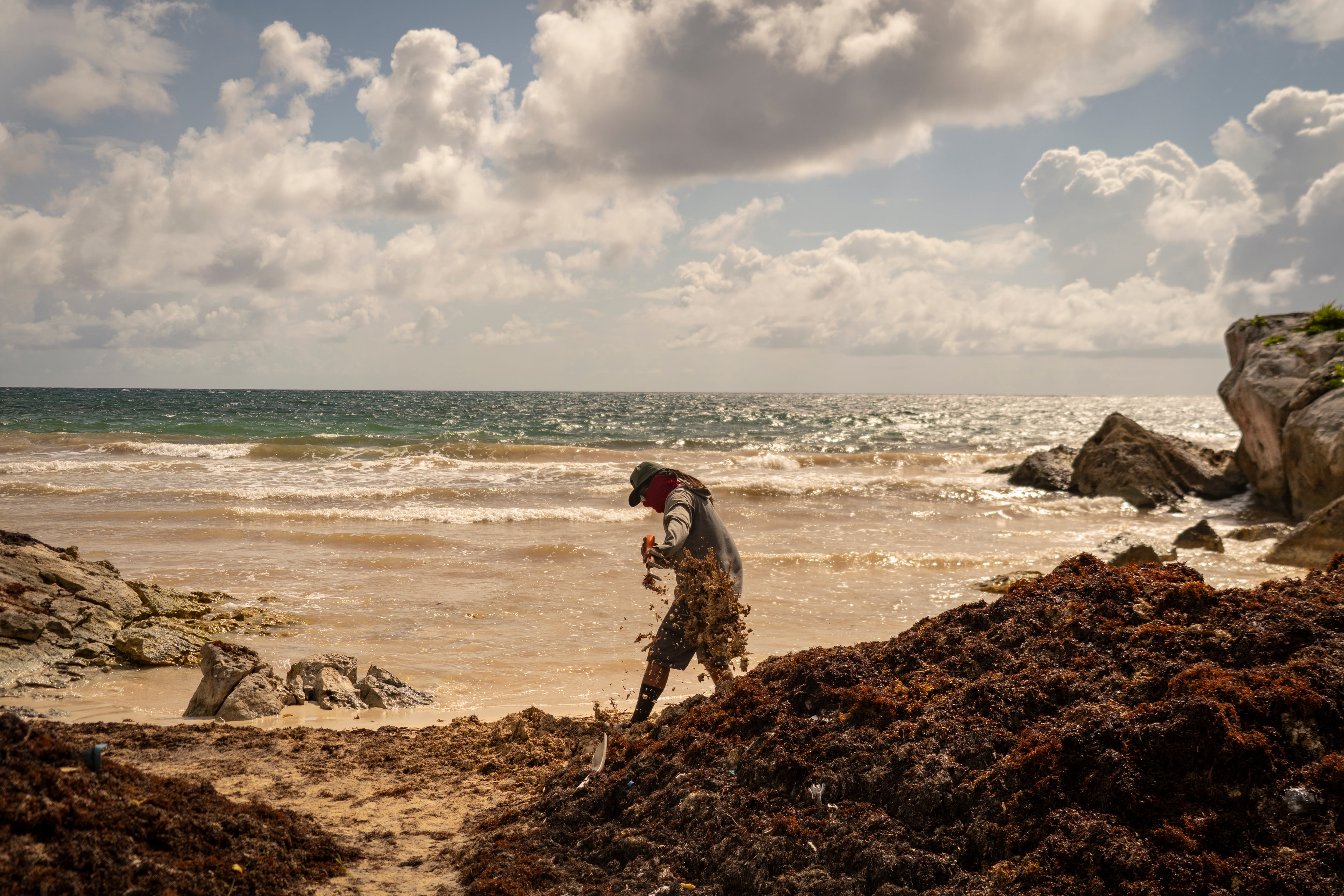
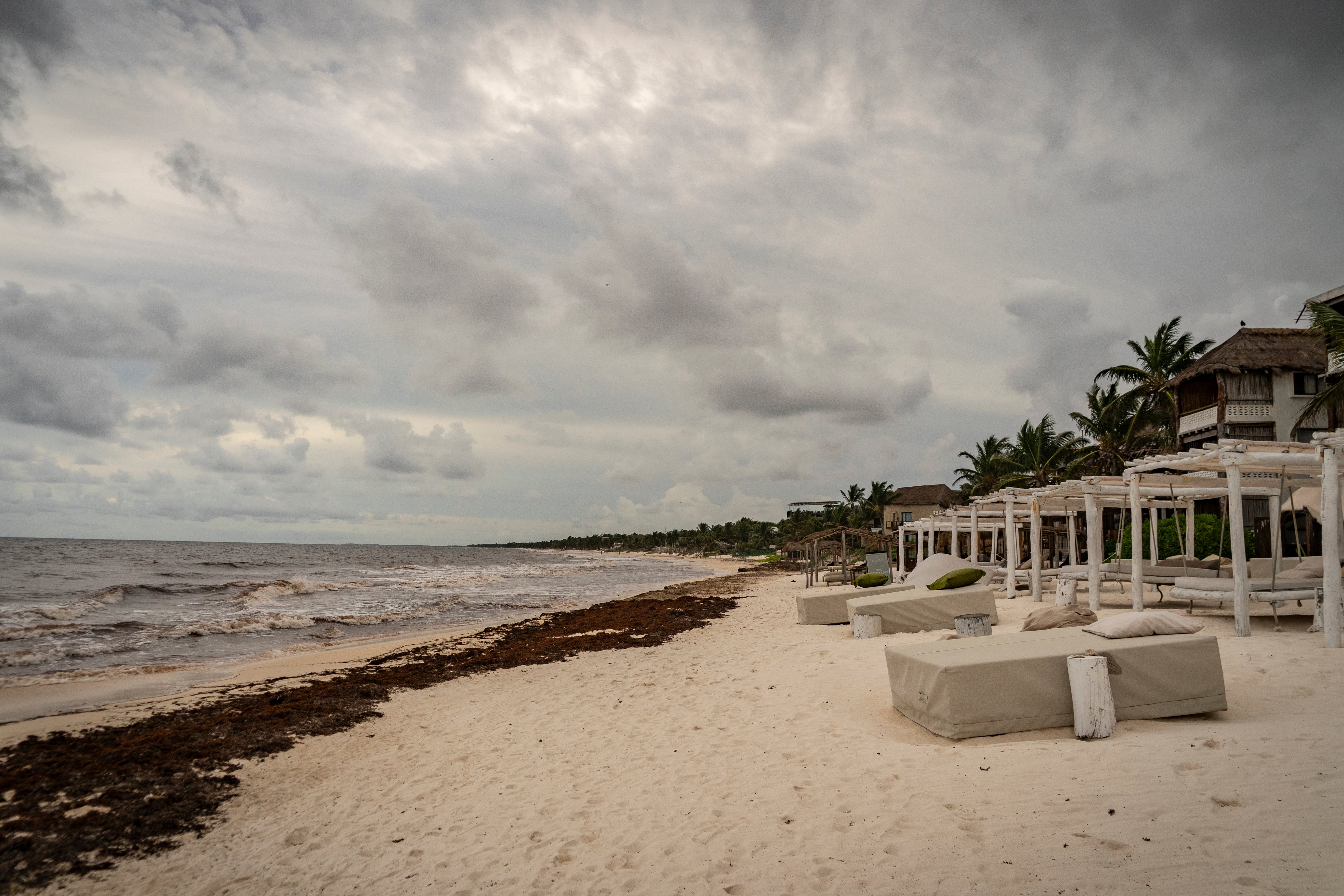
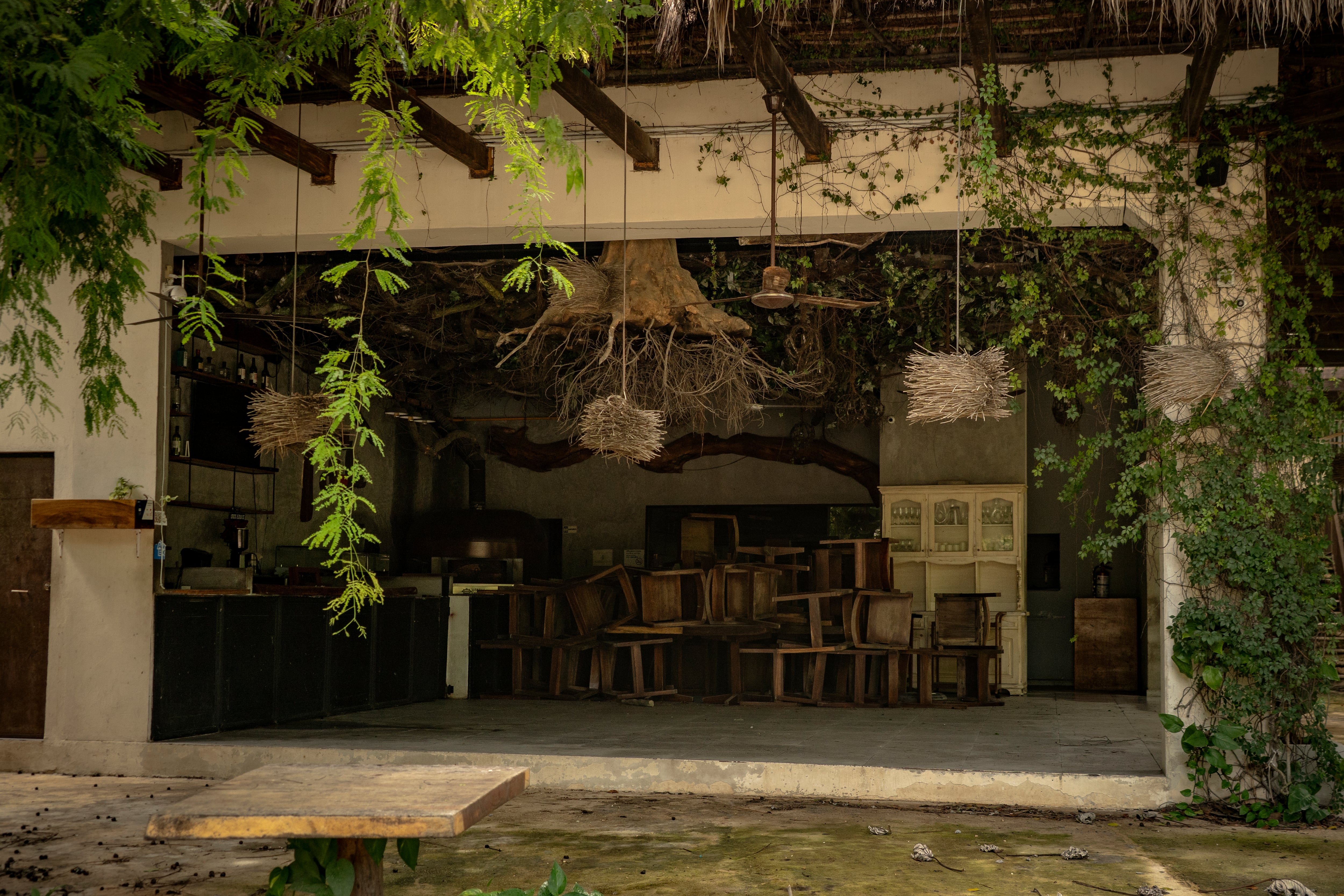
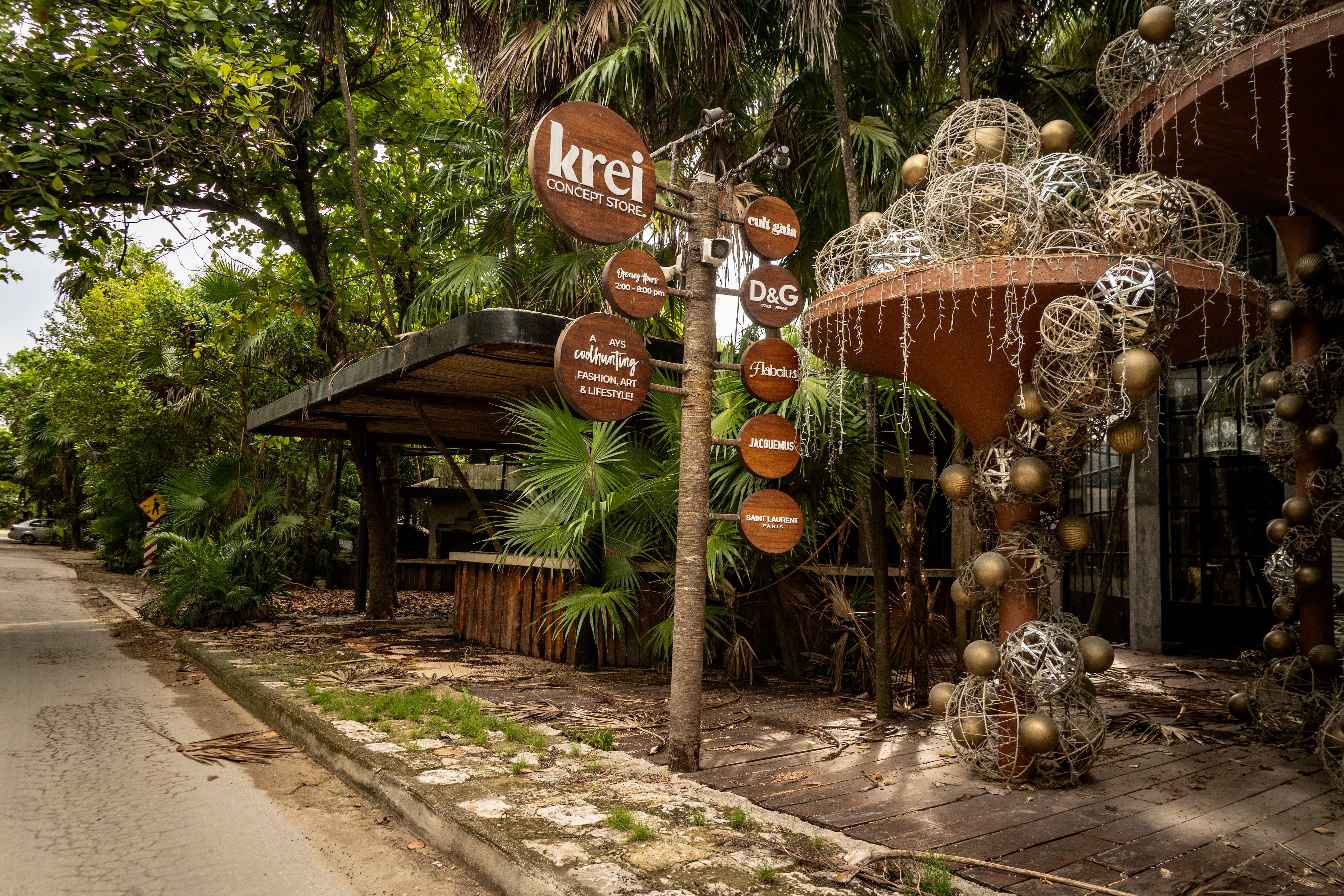
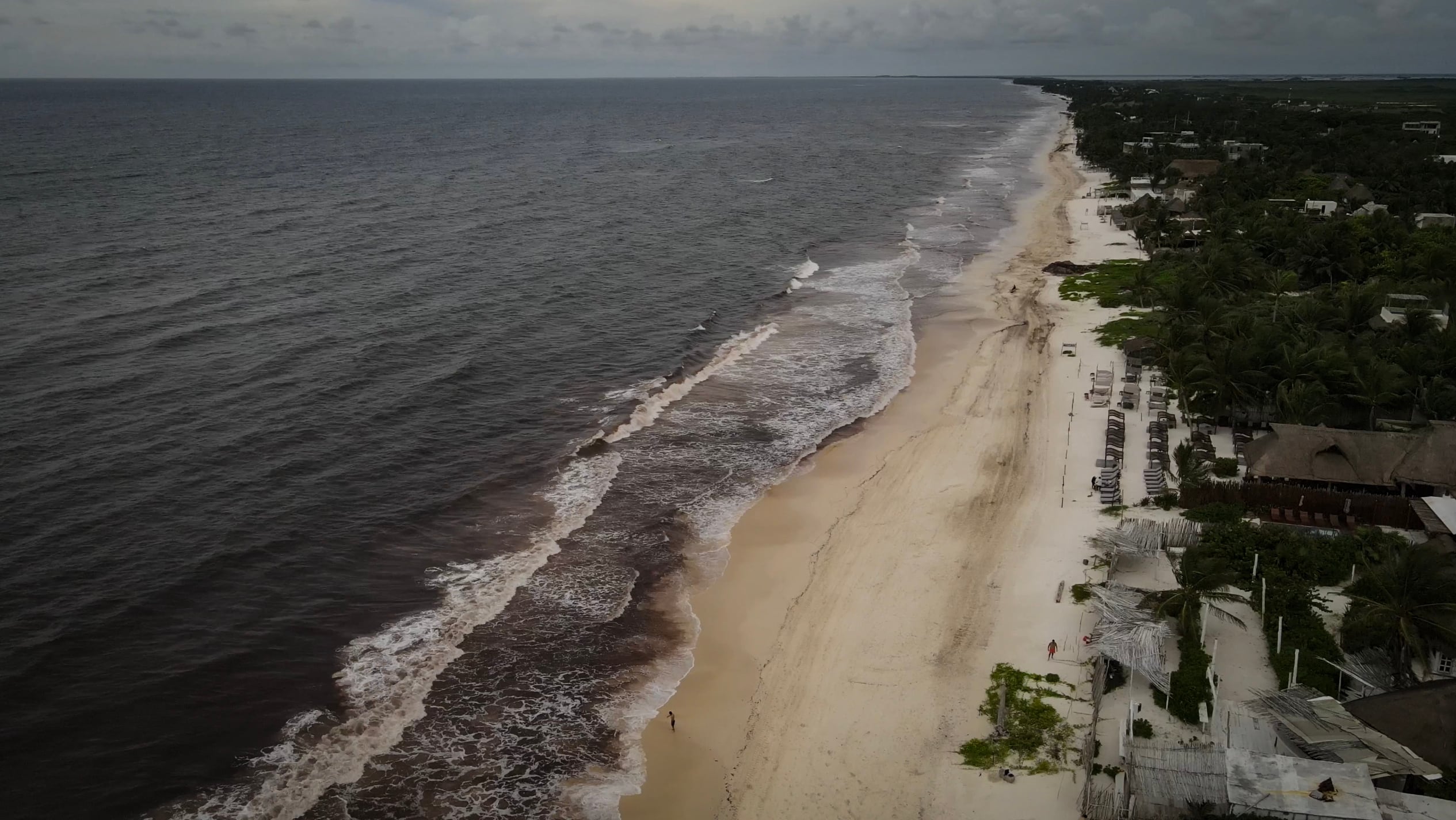
On Tulum airport’s runway there is only one plane: a Viva Aerobus Airbus A320. For several hours that is the only aircraft that will remain at the air terminal inaugurated in 2023. The aerodrome is nearly empty after Aeroméxico, Volaris, and American Airlines announced the cancellation of most of their routes to this destination on the Mexican Caribbean. The loneliness in the terminal is unsettling and, in the distance, all that can be heard is the echo of children playing. The crisis caused by the collapse in tourism, in what was once the jewel of the Riviera Maya, has deepened over the past year and has begun to touch various sectors that had set their sights on the booming future of this municipality in the state of Quintana Roo.
EasyJet's Starlink deal is a potential edge over Ryanair, Europe's dominant budget airline.
Horacio Villalobos#Corbis/Getty Images
EasyJet announced a deal with Starlink on Monday.
It means two of Europe's three major budget airlines have now signed up for Elon Musk's service.
The move puts pressure on budget titan Ryanair after its CEO feuded with Musk over Starlink.
Elon Musk's Starlink has won its latest customer, a budget airline that could put pressure on one of the WiFi service's biggest critics.
EasyJet announced on Monday that the high-speed WiFi service would be deployed on its airplanes from the first half of next year. The British airline, which carries 100 million passengers a year, hopes to have Starlink installed across its 300-strong fleet by early 2028.
Wizz Air, a Hungarian carrier that flies about 70 million passengers a year, signed up in June.
That leaves Ryanair, the continent's largest airline and the world's third-largest, as the only one of Europe's biggest budget carriers without the service.
Its CEO, Michael O'Leary, is well-known for being outspoken and took aim at Starlink earlier this year, leading to a spat with Musk.
"We don't think our passengers are willing to pay for WiFi for an average one-hour flight," O'Leary told Reuters in January.
While Starlink is typically offered free to passengers, O'Leary also complained about increased fuel costs due to the aerodynamic drag of a Starlink terminal, installed on the top of airplanes.
Musk responded in an X post, arguing that Ryanair — which carries over 200 million passengers a year — would lose customers to airlines that do have internet access.
Over the next week, the two CEOs called each other idiots while Musk called for O'Leary to be fired and joked about purchasing the airline.
But Ryanair appeared to have the last laugh, using the publicity to launch a "Big 'Idiot' Sale" with 100,000 tickets starting at £16.99, or about $23.
The situation has some parallels with the US's Big Three airlines. While United Airlines has Starlink on almost half of its fleet and American Airlines is starting installations early next year, Delta Air Lines has instead tapped Amazon Leo, beginning in 2028.
This has led Musk to insult Delta's CEO, Ed Bastian, and call for his firing.
But American passengers are wealthier and more interested in premium offerings than their European counterparts. That trend has also prompted US budget airlines to offer comfier seats and package deals.
Adding free amenities for passengers is at odds with the typical no-frills budget-airline business model that relies on extra charges to turn a profit.
However, easyJet and Wizz may see Starlink as a way to gain an edge over Ryanair.
That may not last forever, though. In a January earnings call, O'Leary said, "I think as the WiFi technology improves over the next four or five years, we'll all be offering free WiFi access."
By portraying Chinese characters as perpetrators of ruthless violence while casting Japanese Self-Defense Forces (SDF) intelligence operatives as defenders, the season 2 of the Japanese drama Vivant has recently drawn criticism from Chinese netizens, who argue that its depiction turns historical reality on its head while ignoring Japan’s wartime atrocities.
The TBS drama series – a spy suspense story in which an alleged unofficial intelligence unit of the SDF operates across the globe — has attracted a passionate fanbase. Its currently airing season 2 opened with a household rating of 18.8 percent, the highest for a TV drama this year, according toa commentary article by Japanese media Toyo Keizai.
What draws attention is the portrayal of the enemies in the series, the article noted. Scenes in which the Chinese organization subjects kidnapped members of the SDF unit to brutal torture are repeated with unrelenting intensity.
It is rare for Japanese TV dramas to explicitly portray a real-life country as the enemy, the article noted.
Japanese Prime Minister Sanae Takaichi also made a reference to the drama, saying that she has been recording Vivant and hopes to binge-watch it over the year-end and New Year holidays, according to Japanese media outlets.
China’s CCTV News report on Sunday revealed that the drama features scenes in which Chinese personnel cut off the fingers of and stab Japanese intelligence operatives in the abdomen. Such acts bear striking similarities to the torture inflicted on Chinese nationals by invading Japanese troops during the World War II.
The drama distorts the truth by attributing these atrocities to modern Chinese characters. Beneath the surface, it subtly glorifies Japan’s cross-border overseas operations, blurs the functional boundaries of the SDF and implicitly promotes an expansionist narrative, per CCTV News.
Following the report, the topic “Japanese drama Vivant smears China” quickly became a trending topic on Chinese social media.
One Chinese netizen Luoxuchen noted that while previous content avoided sensitive topics by setting the story in a fictional country, this season directly names China, signaling that anti-China narratives in Japanese cultural entertainment have shed their disguise and become open.
Some netizens pointed out that Japan’s acts of distorting history are commonplace. “This is a familiar tactic of Japan, and vigilance must never be relaxed.”
The drama has even drawn criticism from some Japanese netizens. One netizen and history scholar @mas_yamazaki said that while the drama explicitly names “China,” it portrays Chinese people as “cruel,” “stupid” and “incompetent,” shows viewers weekly scenes of Japanese people being brutally tortured, and then coolly depicts SDF members slaughtering dozens of the “evil Chinese.”
“TBS broadcast this kind of drama in 2026, with major companies such as Japan Airlines as sponsors. The country is sick,” the netizen said.
“I’m quietly intrigued by the process of how content like this gets approved within the framework of commercial broadcasting,” another Japanese netizen @kyou_kore_mite wrote.
In the 2026 defense white paper released in August, Japan smeared and accused China, hyped up the “China threat,” while continuously accelerating its remilitarization.
China has already repeatedly urged Japan to reflect on its historical crimes, earnestly draw lessons from history, stop making excuses for its military buildup, and not go further down the wrong path, said Chinese Foreign Ministry spokesperson Lin Jian during a press conference.

 Login