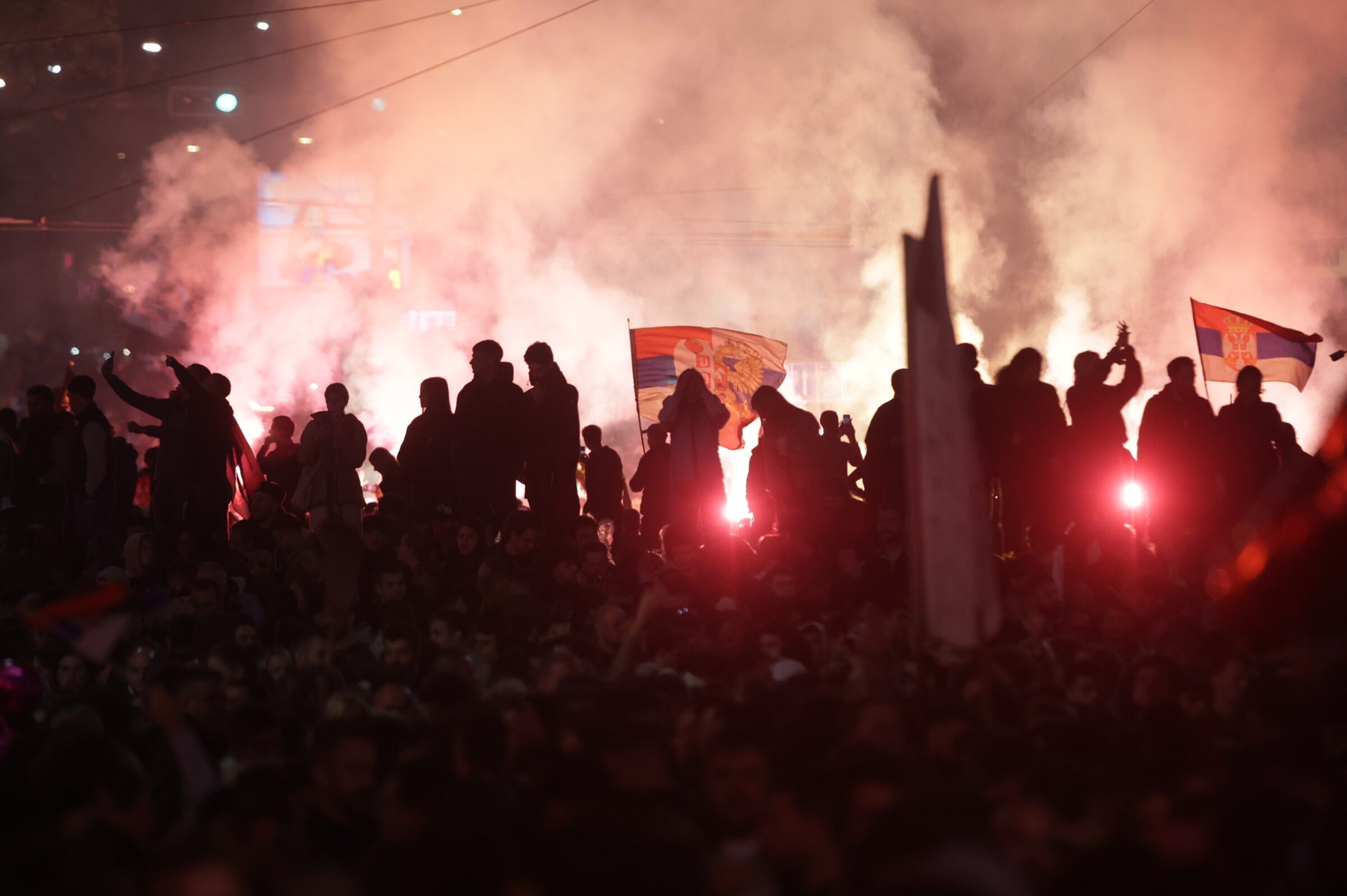
For 14 years, Serbia’s government kept the country close to Moscow. Now, the opposition “Student List” has won the country’s snap parliamentary election, and President Volodymyr Zelenskyy says Ukraine is ready to deepen its cooperation with Serbia, welcoming the result as “a new page” in a post on X.
The win could end the 14-year rule of President Aleksandar Vučić’s political force and weaken Moscow’s position in the Balkans. Serbia has remained an important Kremlin partner in Europe since Russia’s full-scale invasion of Ukraine, and Belgrade never joined the EU's sanctions against Moscow.
“A new page”
In his post, written in Ukrainian, Zelenskyy said that "changes have taken place in Serbia, the victory of the Student List, and this is clearly a new page in the history of the country and its people."
“We wish Serbia success, real development, and warm relations with the European community,” he wrote.
He said Ukraine was grateful to Serbia “for the respect shown to our people and our state, our independence,” and added:“We are ready to keep increasing our cooperation, and may all the good hopes of the people of Serbia come true.”
But the winners rule out sanctions on Russia
Vučić had earlier predicted that a new government could impose restrictions on Moscow by March or April, according to Novosti. The Student List says otherwise: it has no plans to align with the EU or to sanction Russia over the war in Ukraine, according to Reuters.
Its candidates frame Serbia’s reliance on Russian gas, with Gazprom as the largest supplier at around 2.2 billion cubic meters a year at below-market prices, as an acute economic dependency rather than a geopolitical alignment.
The movement’s top candidates have also said a future government would end all arms exports to war zones, including sales to Western intermediaries who pass weapons to Ukraine. Around €800 million worth of Serbian ammunition has reached Ukraine through that route since 2022.
An emergence in working-class turnout delivered Lula a historic fourth presidential term, and that outcome signals a shift in climate policy and Latin American integration.
The 2026 Brazilian presidential election ended in a runoff, determining the leadership of Latin America’s largest nation for the next four years.
According to official data released by the Superior Electoral Court (TSE), incumbent President Luiz Inácio Lula da Silva of the Workers’ Party (PT) secured a fourth non-consecutive term after defeating Senator Flávio Bolsonaro of the Liberal Party.
The TSE’s final official count showed that Lula da Silva received 64,256,232 votes, representing 51.79 percent of the total valid votes. Flávio Bolsonaro garnered 59,826,041 votes, accounting for 48.21 percent of the valid ballots cast.
Voter turnout and participation figures underscored the civic engagement across the country, with total reporting reaching 100 percent of polling stations nationwide.
This electoral result marks a significant political milestone, occurring against a backdrop of intense political polarization in Brazil and the growing political influence of the far right across Latin America.
Lula’s victory sparked a wave of strong emotion in Brazil’s streets, eliciting a wide range of reactions, both positive and negative, to the outcome. In this in-depth article, we explore the discourse that has emerged following the confirmation of Lula da Silva’s win, which secures him a fourth term in office.
El triunfo electoral de Lula en Brasil redefine el tablero geopolítico y la correlación de fuerzas en América Latina.
The text reads, “Lula’s electoral victory in Brazil redefines the geopolitical landscape and the balance of power in Latin America. Do you think Lula’s win could shift the political equilibrium in the region?”
Domestic Mobilization and National Reactions to the Election Outcome
Brazil’s highest electoral authority, the Superior Electoral Court (TSE), announced the results of the presidential election runoff held this Sunday, October 25.
Following the official declaration, various reactions emerged within Brazil, reflecting the country’s political landscape.
Social organizations, trade union federations, and grassroots community networks gathered in major urban centers, including São Paulo, Rio de Janeiro, and Belo Horizonte, to await the election outcome.
Once the results were known, union leaders and civil society representatives emphasized that these elections, and Lula’s victory, demonstrate public support for the social welfare programs, minimum wage adjustments, expansion of public housing, and labor protections established during the current administration.
National media outlets highlighted the narrow electoral margin between the two candidates and its implications for the executive power exercise.
Market analysts noted that investor attention will focus on fiscal discipline targets, the management of public spending, and upcoming ministerial appointments for the new presidential term.
Is important to highlight that civic mobilization during the three-week interval between the first and second rounds played a decisive role in shaping voter participation.
Campaign committees focused on reducing voter abstention in metropolitan suburbs and organizing localized voter outreach efforts. Youth organizations and community groups conducted door-to-door awareness campaigns, while labor unions like the Unified Workers’ Central (Central Única dos Trabalhadores) coordinated transportation logistics to facilitate polling access for working-class voters in distant municipal sectors.
The national reaction also reflected broader debates regarding institutional stability and social cohesion. Differences emerged among religious organizations; even before the elections, the Catholic Church had issued statements noting that Flávio Bolsonaro’s proposals diverged from the Church’s social doctrine. Conversely, evangelical leaders have supported the claims of the defeated candidate by calling for the election results to be annulled.
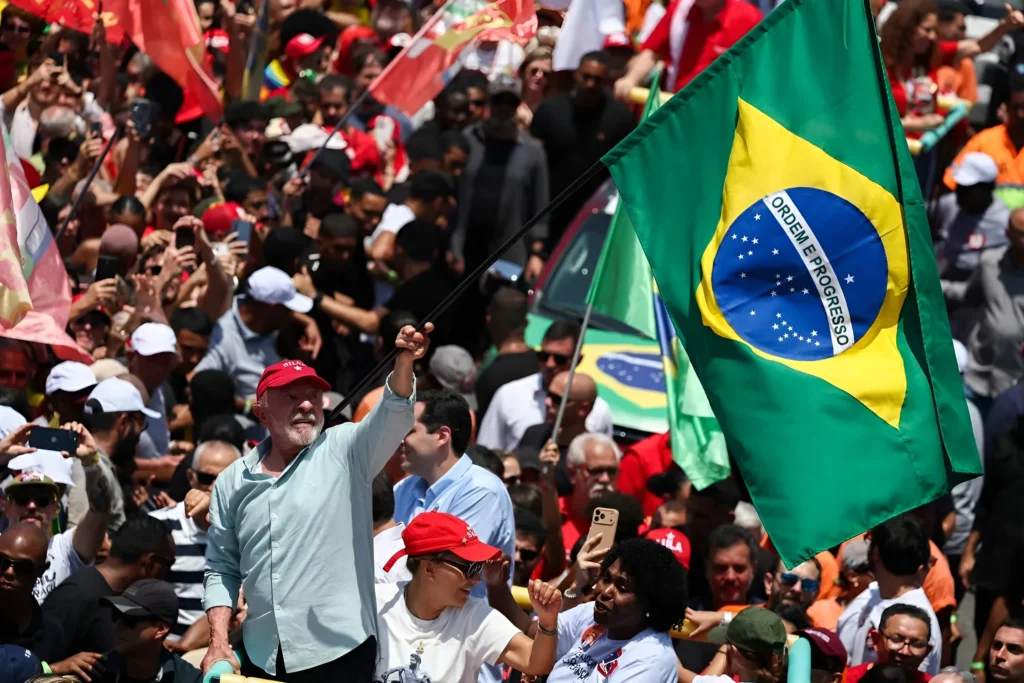
BRAZIL ERUPTS AS LULA DEFEATS BOLSONARO
Brazil’s leftist President Luiz Inácio Lula da Silva staged a remarkable political comeback, defeating far-right candidate Flávio Bolsonaro to secure a historic fourth term, sparking mass celebrations nationwide.
Flávio Bolsonaro Response and Political Posture of Conservative Forces
In the immediate aftermath of the vote tabulation, Flávio Bolsonaro addressed his supporters and members of the press regarding the election results.
Bolsonaro and his campaign team requested that the TSE review procedures for voting hours at polling stations and the transmission of digital vote tallies in certain municipalities.
Candidate Flávio refused to acknowledge the election results that declared Lula the winner, stating: “It is impossible to recognize the outcome of these elections given the circumstances under which these events took place. We are going to request their annulment.”
Political analysts note that this post-election reaction aligns with common strategies used by conservative political groups in the region. Rather than immediately accepting the preliminary results, opposition leaders signaled their intention to maintain rigorous scrutiny over electoral authorities and administrative procedures.
Furthermore, Liberal Party representatives said that they will form an organized opposition bloc in the National Congress to oversee government actions, exercise legislative oversight, and challenge proposed changes to public policy throughout the legislative term.
🇧🇷 Lula's victory. A good day for socialists and not so good for capitalists.
80 years old and will be serving his last term as President. In 2022, after months in prison, he returned and won. He wins again after losing the 1st round in early October.
The Executive Victory Address and Focus on Institutional Integrity
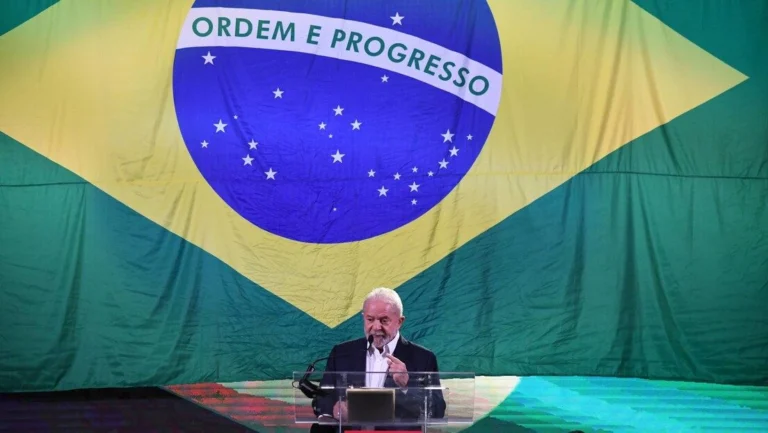
President Luiz Inácio Lula da Silva delivered his victory address in São Paulo before supporters, party leaders, and domestic and international news agencies.
Lula’s speech outlined the strategic direction for his upcoming presidential term, focusing on national unity, poverty alleviation, re-industrialization, and democratic institutions’ preservation.
A central focus of the president’s address was digital communication, social media platform operations, and election administration. President Lula highlighted the impact of algorithmic distribution networks and automated messaging systems during political campaigns, asserting that digital platforms must adhere to national legal frameworks to prevent the spread of disinformation.
Lula said: “Brazil is no one’s backyard. We will change the way we run this country; we will make people participate more in the decision-making process.”
In his speech, President Lula emphasized the urgency of implementing updated regulatory guidelines for foreign technology companies operating within Brazil.
Lula stated that national sovereignty encompasses digital infrastructure, data protection, and the integrity of public communication channels.
The administration announced plans to work within the National Congress and regulatory bodies to draft legal frameworks addressing content moderation standards, corporate transparency, and digital network accountability during future democratic processes.
China takes note of the announcement by Brazil’s Superior Electoral Court of President Lula’s runoff victory @LulaOficial and extends congratulations. China stands ready to work with Brazil to advance the building of the China-Brazil community with a shared future. pic.twitter.com/1ClWUSx61b
International leaders and foreign governments issued statements following the announcement of the TSE election results. Despite the rejection of the results by Flávio Bolsonaro, leaders from Latin America, North America, and Europe weighed in on the outcome.
Mexican President Claudia Sheinbaum congratulated President Lula and the people of Brazil. Meanwhile, Uruguayan President Yamandú Orsi spoke with Lula by phone to congratulate him on the democratic process.
Even presidents with openly right-wing leanings, such as Noboa in Ecuador, Fujimori in Peru, and Kast in Chile, commented on the results and congratulated Brazil on Lula’s victory.
A common theme among these different heads of state was their emphasis on the importance of regional cooperation, economic integration through platforms like CELAC, and a shared vision regarding environmental sustainability.
In the United States, lawmakers such as Senator Bernie Sanders celebrated the election result, describing it as a reaffirmation of democratic governance and citizen participation in the hemisphere.
Meanwhile, Europe and Asia also reacted to the election result. French President Macron congratulated Lula on his fourth electoral victory and urged the deepening of the bilateral partnership between the two nations.
Spanish Prime Minister Sánchez described the win as a great victory via his social media channels, while Costa, the president of the European Council, spoke with Lula by phone to reaffirm the bloc’s ties with Brazil.
Additionally, a spokesperson for China’s Ministry of Foreign Affairs expressed Beijing’s full readiness to foster mutual development. Russian President Putin also sent his warmest congratulations via an official statement.
The Celebrations in Brazil for Lula's Victory are MASSIVE
There are THOUSANDS on the streets celebrating these Presidential Elections Results
Legislative Challenges and Regional Implications for Latin America
President Lula’s fourth term will be shaped by institutional dynamics and broader regional shifts. Domestically, the executive branch faces a conservative-majority National Congress, where conservative and center-right coalitions hold substantial parliamentary seats.
Pushing forward key agenda items, such as tax reform, social welfare expansion, fiscal adjustments, and climate conservation policies, will require building broad legislative alliances across party lines.
For their part, followers and supporters of Lula da Silva have announced that they will be monitoring the promises Lula made during his campaign, such as safeguarding the Family Allowance (Bolsa Família) program, strengthening food security, and increasing the real minimum wage.
Regionally, Lula’s victory consolidates left-of-center leadership in two of Latin America’s largest economies, Brazil and Mexico. This alignment provides institutional support for regional integration efforts, sustainable development initiatives in the Amazon basin, and coordinated strategies on international trade and environmental governance.
The election outcome signals sustained continuity for progressive policy frameworks while requiring pragmatic negotiation to navigate economic constraints and political polarization both domestically and internationally.
Sources: Brasil de Fato – Agência Brasil – Gov.br – O Globo – Folha de S.Paulo – O Estado de S.Paulo – El País – CNN Brasil – EFE – Instituto Tricontinental – La Base América Latina – Diario Red – TeleSUR – Al Jazeera
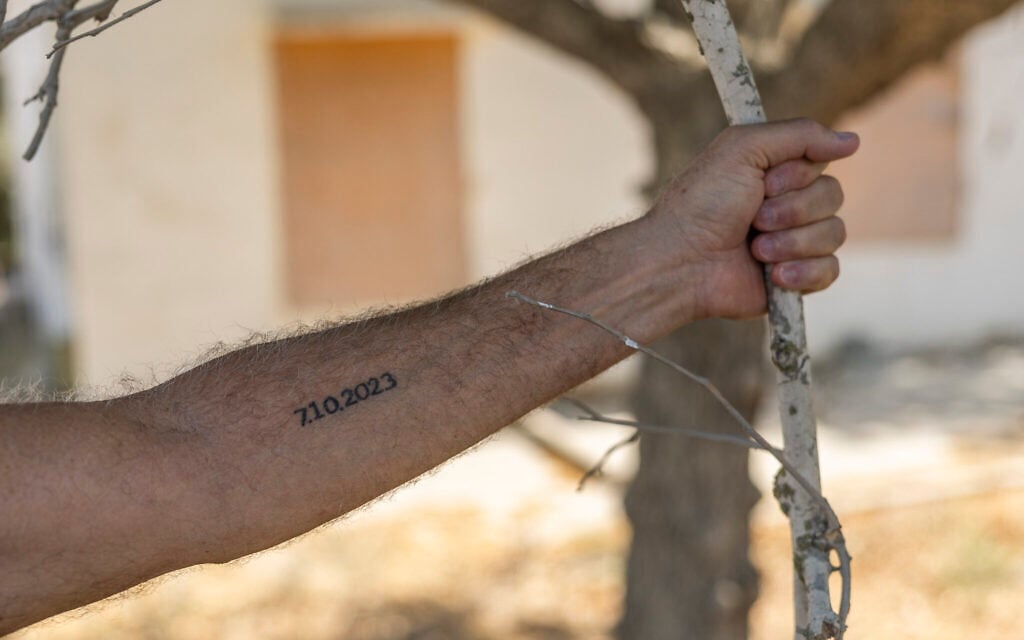
One in 10 residents of Be'eri were murdered in the Oct. 7 Hamas invasion; many feel the catastrophe must be probed by top-level commission, which the PM has refused to set up
Attorney General Todd Blanche said on social media over the weekend that the Department of Justice does not seek “to stop the certification of Alaska’s election.”
The Department of Justice does not seek to stop any ballot from being cast or to stop the certification of Alaska's election. This litigation seeks to ensure that after Alaskans cast their ballots, they are preserved in a manner so that only Alaska's governing officials have the…
— Attorney General Todd Blanche (@AGToddBlanche) October 24, 2026
That statement is tough to square with the lawsuit the DOJ filed days earlier against Alaska’s election officials, as the department seeks to intervene there and in California amid GOP fears of losing congressional control in next week’s midterm elections.
The federal government’s Alaska complaint stems from its concern that Republican Sen. Dan S. Sullivan could lose a close race to Democratic challenger Mary Peltola due to the presence of a candidate on the ballot named Daniel J. Sullivan, who the DOJ said is running “with the intention of misleading supporters of Senator Sullivan into voting for him.”
But even if that claim about the other Sullivan’s intention is true, the legal question is: What can a federal court do for the federal government about it?
In the part of its complaint in which the DOJ makes its case for having legal standing to bring the suit, it said that its asserted legal injuries would be solved by a court order “declaring a certification of an election result prejudiced by Daniel J. Sullivan’s inclusion on the ballot unlawful and enjoining defendants [Alaska officials] from allowing such a certification to occur.”
Putting the merits of the DOJ’s argument aside — election law experts have deemed it incredibly weak — its complaint expresses an interest, contra Blanche’s post, in stopping the certification of Alaska’s election. To “enjoin” something is to stop it from happening. At least, according to the complaint, the DOJ wants to halt Alaska’s certification if the result is “prejudiced” by the other Sullivan’s inclusion on the ballot, At least, according to the complaint, the DOJ wants to halt Alaska’s certification if the result is “prejudiced” by the other Sullivan’s inclusion on the ballot — a claim that would be difficult to demonstrate in a timely manner, if ever.
Furthermore, in the complaint’s “prayer for relief,” which is the standard section where a plaintiff tells a court what it wants, the DOJ lists two specific things.
First, it asks the court to: “Declare that certification of any result that may be impacted by voter confusion, as defined above, would violate Defendants’ duties under the NVRA [National Voter Registration Act] to ‘protect the integrity of the electoral process.’”
Second, it asks the court: “Defendants from certifying any result that may be impacted by voter confusion, as defined above, pending an investigation to determine whether votes cast for Daniel J. Sullivan were meant to be cast for Senator Sullivan and any further procedures or relief this Court deems necessary and appropriate to determine what the result would have been absent Daniel J. Sullivan’s inclusion on the ballot.”
That second request for relief reads as if it is missing a word at the beginning. If so, then based on the rest of the complaint, the word “Enjoin” would seem to fit well. As in: Enjoin defendants from certifying … (I asked the DOJ press office whether a word is missing there, and if so, what that word is, but I did not immediately hear back.)
Whatever’s happening with that line, the government’s opponents are reading the complaint as seeking to block certification. Peltola’s campaign committee and the Democratic Senatorial Campaign Committee, which are attempting to join in the case to get it dismissed, said in a Sunday filing that the “DOJ seeks an unprecedented order precluding certification of the U.S. Senate election if the candidate the President favors loses narrowly.”
Calling the government’s claims “utterly without legal basis,” they said the Alaska district court “should not allow this lawsuit to hang like the Sword of Damocles over the ongoing election, lending false legitimacy to the President’s and the Attorney General’s ongoing efforts to spread false narratives about Alaska’s elections as voting continues and as results begin to be tabulated next week.”
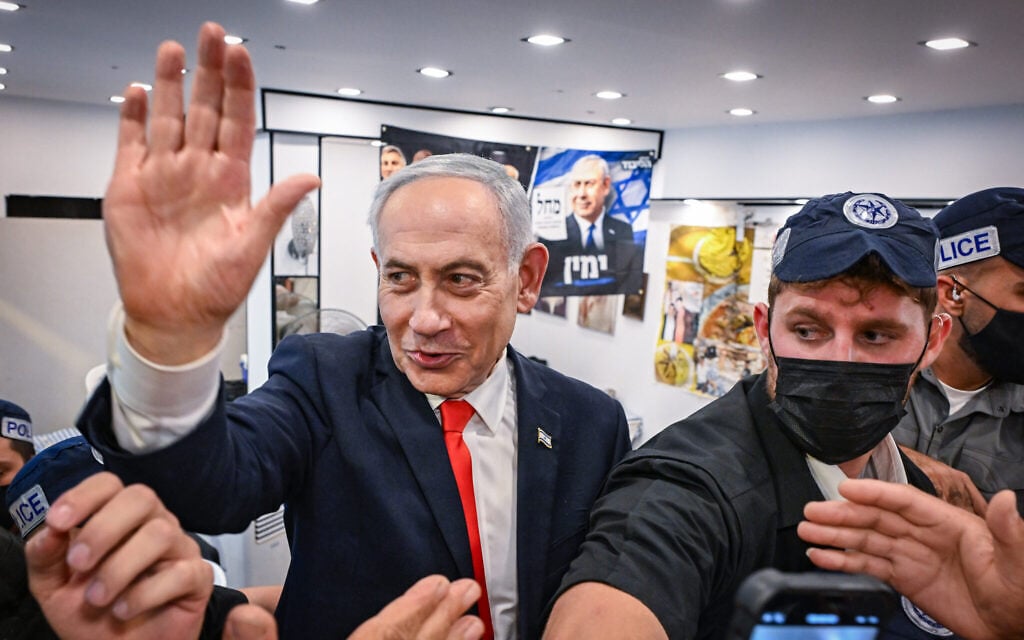
Liberman has floated recruiting Likud MKs to help form government without Netanyahu, but strict legislation threatens to complicate any attempt to cross political lines
One of the recurring themes this election cycle is a sense of betrayal: There are a growing number of constituencies that backed Republicans two years ago, only to feel abandoned by Donald Trump and his party.
Farmers, for example, voted for the president by lopsided margins in the 2024 race, and many have been let down by an administration that’s repeatedly made matters worse for the agricultural industry. Latino voters also shifted to Republicans in large numbers two years ago, confident that Trump would focus his deportation agenda on violent criminals. They now know better.
Similarly, many Muslim voters also took at enormous risk in 2024, moving toward a GOP nominee who championed a Muslim ban in his first term. Two years later, it’s a community that feels used and betrayed by a party that has seized on Islamophobia as the foundation for its closing message in the midterm elections.
But it’s also worth sparing a thought for those who believed Trump when he promised he was committed to “making America healthy again.” An overwhelming body of evidence leaves little doubt that he didn’t mean a word of it. The New York Times reported on the findings of a devastating investigation:
In total, since taking office again, Mr. Trump exempted 202 facilities in 39 states and Puerto Rico from clean-air regulations that were going into effect. Some were among the country’s worst industrial polluters, including chemical manufacturers, copper smelters and coal-burning power plants. About 3.3 million people live within three miles of at least one affected facility.
The exemptions represent the biggest presidential intervention in enforcement of the Clean Air Act in the half-century since President Richard M. Nixon signed the bedrock environmental law. And that is only one of the ways the Trump administration is dismantling a variety of federal environmental protections.
The Times documented in great detail the degree to which the Republican administration has systematically dismantled public safeguards to champion the wishes of polluters and chemical manufacturers, in ways without precedent in American history.
I’m mindful that much of the “MAHA” movement’s base is comprised of activists who are focused almost entirely on opposition to vaccines. But to the extent there are others who are genuinely interested in making America healthy again and who have sincere concerns about the spread of cancer-causing pollution, the Republican White House has gone to stunning lengths to express total indifference to those issues, instead elevating chemical industry lobbyists to leadership roles inside Trump’s Environmental Protection Agency.
“Donald Trump and [Health and Human Services Secretary Robert F. Kennedy Jr.] keep treating MAHA activists like disposable political pawns and now wonder why many resent it,” Protect Our Care President Brad Woodhouse recently said in a statement. “There’s not one MAHA promise Trump hasn’t been willing to break once the checks clear from his big chemical, food and tobacco donors. Food, air, water safety and kids’ health have all been compromised to feed profits for makers of addictive fruit flavored vapes, cancer-linked pesticides, and PFAS forever chemicals. And every time RFK Jr. proves himself a phony by making excuses for Trump’s latest MAHA double-cross, like making glyphosate great again.”
Time will tell how many of these constituencies move toward Democrats in the midterms or decide not to cast to ballots at all; but after the dust settles on the election cycle and the president and Republican leaders assess what went wrong, they might want to start by acknowledging the Americans who felt betrayed after counting on the GOP to deliver.
Opposition bloc lawmakers and activists out in force, coalition representatives nowhere to be seen, while some 60,000 non-residents exercise their civic duty
“Tonight we celebrate victory, tomorrow we build the future,” said Radomir Sajčić, professor at Belgrade University, speaking on behalf of the students at their headquarters on Sunday’s evening (25 October). “The voice of the people is being heard”.
The student-backed list won Serbia’s parliamentary election at the weekend, in a vote that amounts to the biggest challenge so far to president Aleksandar Vučić’s long-standing grip on power.
And that night, Vučić (unexpectedly) acknowledged defeat. “Vox populi, vox dei,” [The voice of the people is the voice of God], he said, marking a significant moment in the Serbian political landscape that Vučić has dominated for more than a decade.
The 56-year-old politician served as prime minister from 2014 to 2017, then won the 2017 and 2022 presidential elections. Critics accuse him of authoritarianism, control over the media, and manoeuvring between the European Union, Russia, and China.
However, this years historic turnout (nearly 70 percent ), the highest since the break-up of Yugoslavia in 1992, has overturned his SNS party (Serbian Progressive Party).
In the 250-seat parliament, the Student’s List will have the majority – 140 seats, and second comes Vučić’s SNS with 104 seats. The remaining seats will be shared mainly between ethnic national-minority parties.
“It was effectively a referendum on president Aleksandar Vučić,” the Serbian pro-democracy group Kreni-Promeni, who backed the Students’ List, told EUobserver.
From student protests to electoral change
The opposition was unable to seriously challenge Vučić in the previous parliamentary elections, partly because of its fragmentation. However, a significant turning point in Serbian politics came in November 2024, when 16 people died after a canopy collapsed at the railway station in Novi Sad.
The tragedy then sparked massive demonstrations across Serbia, led primarily by students. Hundreds of thousands of people took part. They blamed the disaster largely on the government and its corruption.
The student protests gave rise to Vučić’s main challenger in this year’s elections: the Student List (SL). The 250 candidates running for parliament included individuals selected by students, primarily academics.
“The students have selected prominent citizens – experts in their own fields,” Miloje Savić, a volunteering poll observer, told EUobserver. “They know which values they are supposed to protect and represent,” he added.
The student electoral list was led by Ilija Srdanović, a professor at the Faculty of Medicine in Novi Sad.
The weekend result thus represent a major political breakthrough for a movement that emerged less than two years ago from protests against the government’s long-standing corruption.
For the SNS, this defeat is “a huge blow to him [Vučić]”, senior research associate at the University of Belgrade, Jelena Vasiljević told EUobserver.
But, as the poll winner and Vučić’s most successful opponent, the SL is not out of the woods yet.
Students smeared as ‘blockaders‘
Even as he acknowledged defeat, Vučić continued to use the same online rhetoric, referring to winners as the “students’ blockade list”. Vučić also warned of investor uncertainty and damage these results might have on the gas trade.
Serbia's Vučić after conceding defeat in election:
What brought us down is this verified revolution, which they carried out with direct support from various European countries, and the deep American state, the one against President Trump.
Taken together – the language and the economic warnings – offer an insight into how the SNS and Vučić will depict the incoming government.
“They would be framing the student movement as not as a legitimate political power, but as an extension of the protest movement and as a risk to economic stability,” Vanesa Valcheva, head of research at Balkan Free Media Initiative (BFMI), told EUobserver.
This article continues, but the full version is available only to EUobserver.com subscribers. Visit account.euobserver.com/membership
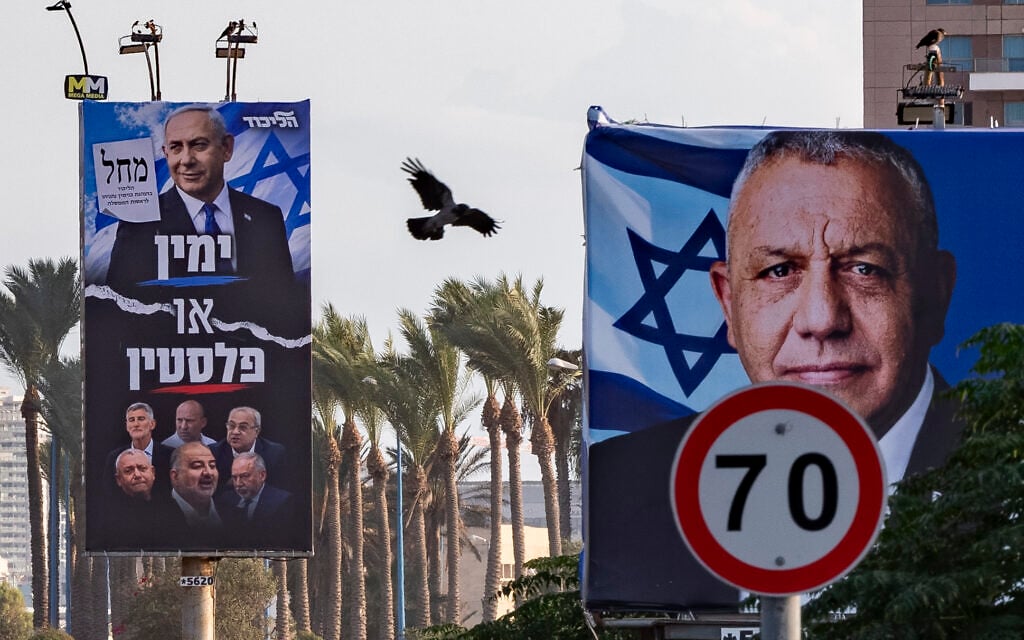
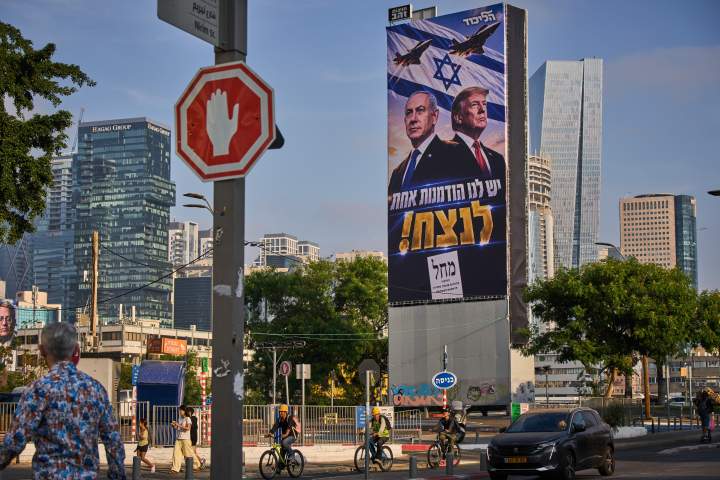
The PM has a well-worn playbook: brand his opponents as left-wing, then warn that Israel is in danger, and only he can keep it safe. They haven't figured out how to respond
As October got underway, Donald Trump threw an online tantrum by way of his social media platform, lashing out at Sen. Tom Cotton because the Arkansas Republican hedged on a daylight saving time proposal supported by the White House. The president, however, didn’t just throw around some juvenile names.
Nearly two weeks later, as the president expressed fears about Texas’ U.S. Senate race, he threw another online tantrum, this time targeting Republican Sen. John Cornyn of Texas, whom Trump labeled a “WEAK and INEFFECTIVE” political hack who would deserve the blame if state Attorney General Ken Paxton loses.
On Friday, after Trump’s Justice Department filed an outlandish lawsuit targeting Alaska’s U.S. Senate race, Republican Sen. Lisa Murkowski of Alaska (who is not up for re-election this year) denounced the radical gambit, declaring in a statement, “Alaskans don’t need any help voting for their preferred candidates, and the State of Alaska has already handled this by clearly distinguishing the candidates on this year’s ballot. The Department of Justice should never have filed this lawsuit.”
Naturally, the president who demanded the lawsuit wasn’t pleased. In yet another lengthy online rant published Saturday night, Trump labeled Murkowski “the Republicans’ Worst Senator, by far,” before falsely saying that the senator “only got elected” because of the state’s system of ranked choice balloting, which he falsely described as “corrupt” and a “total Democrat [sic] scam.”
He added that Murkowski “probably wants” Democrats “to steal the Election,” before adding, “Lisa Murkowski is a DISGRACE to Alaska and our Country. You just don’t get any worse!”
Trump concluded that if incumbent Republican Sen. Dan Sullivan loses, “everything we’ve done for Alaska will come to an immediate hault.” (In context, I suspect he meant “halt.”)
For good measure, shortly before midnight, the president kept going, adding in a follow-up tirade, “They’ve been trying to get rid of Lisa Murkowski forever in Alaska, then she came up with the Ranked Choice Voting SCAM.” (Again, it’s not a scam; Murkowski isn’t the one who came up with it; and the system was not responsible for rescuing her career.)
That Trump holds the GOP senator in contempt is not exactly new, but the recent series of harangues directed at senators from his own party is a timely reminder that this guy, 11 years into his political career and nearly six years into his presidency, still has no idea how to deal with Congress.
Evidently, as the president sees it, if he can just harass his ostensible allies enough through online antics, then maybe they’ll succumb to his intimidation efforts and follow his demands.
Except, as he probably ought to know by now, his harassment efforts tend not to work. Cotton didn’t change his mind about daylight saving time; Cornyn hasn’t become a Paxton cheerleader; and Murkowski hasn’t backed off her criticisms of an indefensible lawsuit.
What we’re left with is a president who keeps picking pointless fights with intraparty allies, whose support he might yet need in the near future, in the run-up to critically important U.S. elections — which is every bit as foolish as it sounds.
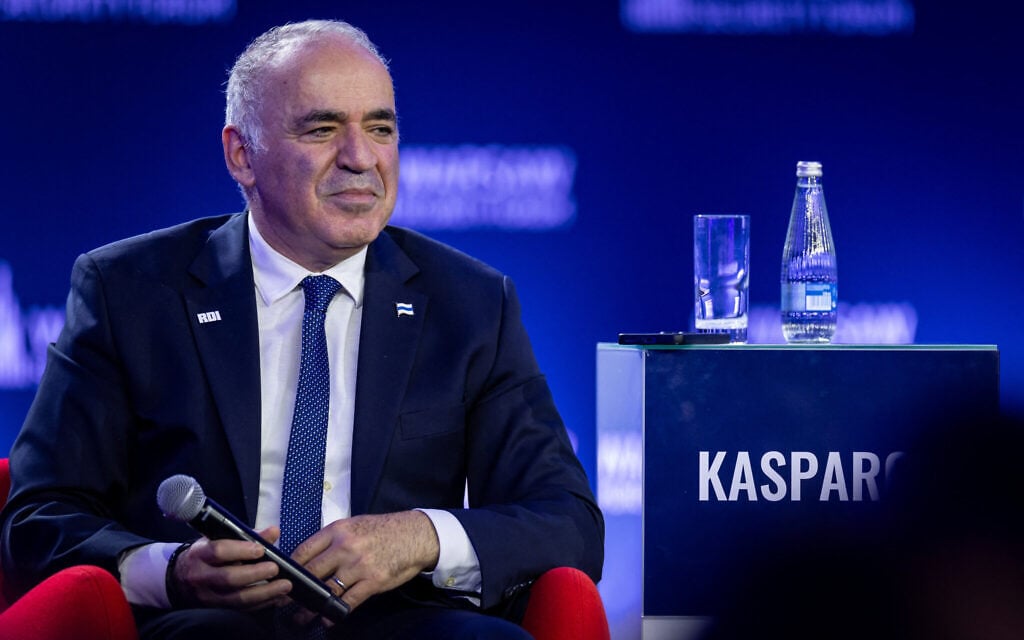
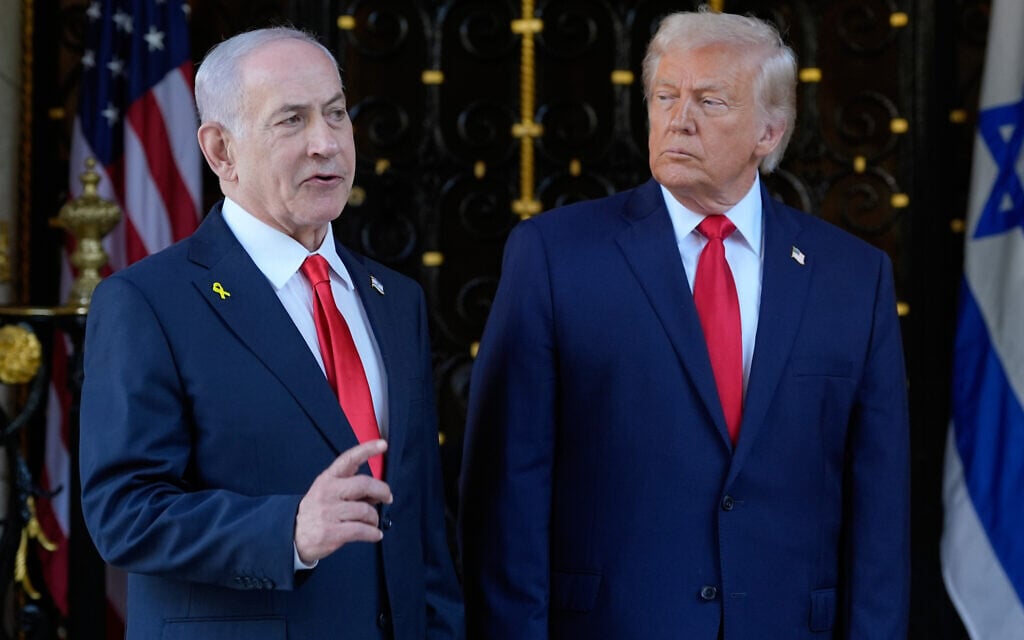
Chess legend and Putin critic says Russia’s propaganda machine is backing the PM, predicts a new government without him, urges Israel to side with Ukraine against a shared enemy
As last week neared its end, struggling consumers confronted yet another discouraging development: Oil prices reached levels unseen since April. With so little time remaining in the midterm election cycle, and with affordability on the minds of so many Americans, common sense suggested this would be a topic Donald Trump would avoid at his latest campaign rallies.
And yet, the Republican president apparently couldn’t help himself.
Trump: "While oil prices are temporarily high … the United States oil and gas business is making hundreds of billions of dollars"
Saturday night in Georgia, Trump began by assuring his supporters that gas prices would “be falling dramatically” just as soon as he figured out a way to end the war he launched against Iran. If he had stopped here, it would not have been notable.
But then he kept going.
“The United States’ oil and gas business is making hundreds of billions of dollars,” the president said, conceding that he wasn’t sure whether to bring this up, and that members of his own team advised him, “Please don’t mention that, sir.”
He blew off the good advice.
Trump’s own team told him not to celebrate higher energy prices shortly before Election Day, since Americans generally don’t want to be told to be happy about their pain at the pump. He decided not to listen, evidently because he’s delighted to see Big Oil cash in, regardless of the impact on unhappy consumers.
The president first rolled out this talking point just two weeks after launching the war, using his social media platform to argue, “The United States is the largest Oil Producer in the World, by far, so when oil prices go up, we make a lot of money.”
That line proved wildly unpersuasive and was quickly dropped from the White House’s talking points, before making an unexpected comeback at an event in Arizona two weeks ago. “Our country is making more money than it’s ever made because of the fact that oil is so high,” Trump boasted, effectively telling American consumers to be glad they’re paying more at the pump.
As a substantive matter, the problem with Trump’s claim that “we’re making a fortune” is that the word “we” is doing a lot of work in that sentence. It’s true that the United States is producing a lot of oil, and it’s also true that higher prices help generate oil industry profits. But since the number of Americans who benefit from oil industry profits is very small, few will likely celebrate the ongoing hit to their wallets.
But as a political matter, it’s remarkable to see the Republican — who has gone out of his way to make the midterms a referendum on himself — execute such a bizarre strategy at the worst possible time.
“I can just see the fake headlines: ‘President Trump is talking about all the money they’re making while people are suffering at the pump,’” he said. The trouble is, there’s nothing fake about such headlines: Trump really did talk about all the money Big Oil was making while people were suffering at the pump, which he then promptly followed with, “I don’t give a damn.”
If Republicans are very lucky, voters won’t hear about this.
For the Trump administration, which has sought to reassert its dominance in the region, Lula’s victory complicates its campaign to enlist Brazil in its military coalition
For the Trump administration, which has sought to reassert its dominance in the region, Lula’s victory complicates its campaign to enlist Brazil in its military coalition
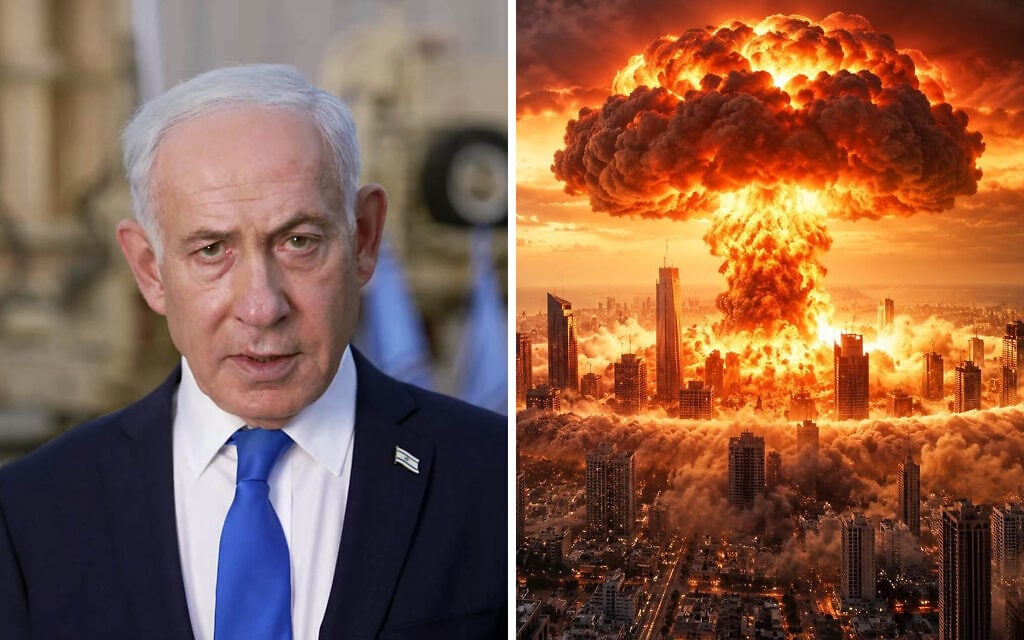
The PM is disseminating Iranian-style propaganda showing Tel Aviv under a mushroom cloud, and reportedly pressing his IDF chief to act 'relating to Iran' and potentially trigger a 'miscalculation'
Network says US president instead signaled there will be joint military action soon; PM's office denies 'fake news'; reps from Saudi Arabia, Pakistan, Turkey in Tehran for talks
Lula plans to expand technical education and use renewable energy to attract data centers and keep information stored in Brazil.
Brazilian President-elect Luiz Inácio Lula da Silva has pledged to develop a domestic artificial intelligence system, expand technical education and attract data centers powered by renewable energy, aiming to strengthen Brazil’s technological independence and accelerate its transition to a developed economy.
Speaking after his victory in the presidential runoff, Lula said Brazil must invest in mathematics and engineering to build its own artificial intelligence capabilities rather than depend on technology developed in China or the United States.
“We will teach more mathematics, more engineering, because I don’t want to depend on Chinese or American artificial intelligence; I want to create a Brazilian one,” he said.
Lula also pledged to use Brazil’s renewable energy resources to attract data centers and keep information stored within the country. The proposal forms part of a broader push to expand the digital economy and strengthen domestic technological capacity.
Text Reads: The Brazil we wish to build is a country where our elderly are cared for with dignity, women are respected, and everyone has the right to live out their faith in freedom. It is a country that respects differences, with a State that guarantees rights for all—because to govern means to look after 215 million Brazilians, without distinction. Respect must be the starting point for us to build, together, a Brazil that is increasingly fair and humane.
“We want to transform this country from a developing country into a developed one,” he said, identifying the digital, green and creative economies as key areas for investment.
He also outlined an ambition for Brazil to play a central role in political and economic decision-making and in efforts to promote peace.
Lula promised that his next term would deliver unprecedented results, telling supporters: “I want to make a commitment: I will deliver the best term of office any president has ever had in Brazil’s history. You can be sure of that.”
The president-elect, who turns 81 on Oct. 27, dismissed concerns about his age as he prepares to take office for another term. He pledged to devote himself fully to the country’s development and to improving the daily lives of Brazilians.
“I will dedicate 20 or 24 hours a day to making this the country everyone dreams of, where people can go to sleep and wake up in complete peace of mind,” he said.
Lula also thanked voters for their support in the runoff and praised young people who took to the streets to defend democracy, crediting their participation as a key factor in his victory.
His pledges place artificial intelligence, renewable energy and digital infrastructure among the priorities he has outlined for Brazil’s next phase of development, alongside his ambition to transform the country into a developed nation.

 Login