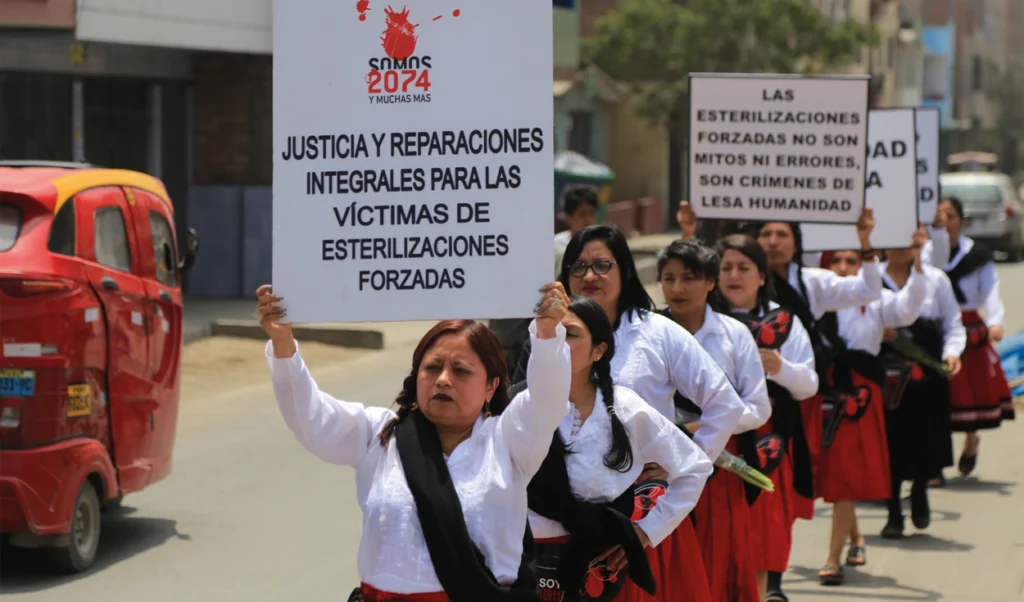
Peru’s human rights prosecutors closed the criminal case over the forced sterilizations of thousands of women during Alberto Fujimori’s government, extinguishing charges against 52 former officials despite acknowledging that the mass surgeries amounted to crimes against humanity.
The Fourth Supra-National Criminal Prosecutor’s Office specialized in Human Rights issued Fiscal Provision No. 25 on October 22. The ruling, which runs more than six thousand pages, formally declared the case time-barred and ordered the file closed.
In its decision, the Public Ministry recognized evidence of crimes against humanity and harm suffered by more than 4,000 victims of forced sterilization. Even so, criminal liability was declared extinguished for 52 people, a decision that protects the former officials who designed and implemented the program.
The case was closed under Law 32107, approved in 2024 with the backing of lawmakers allied to former President Alberto Fujimori. The statute imposes strict time limits on the prosecution of crimes against humanity, setting aside the protection those abuses have long held under international treaties.
Under international law, crimes against humanity are not subject to statutes of limitation. Law 32107 introduced a domestic exception to that principle, and its application extinguished the proceedings for all 52 defendants at once.
🚨 La Fiscalía archivó la investigación contra 52 personas por las #EsterilizacionesForzadas durante el gobierno de Alberto Fujimori, entre ellas Alejandro Aguinaga, exministro de Salud y actual senador. Lo más grave: reconoce indicios de crímenes de lesa humanidad, pero declara… pic.twitter.com/dSaeConv1P
Text reads: “The Public Prosecutor’s Office closed the investigation against 52 people for the forced esterilizations during the government of Alberto Fujimori, including Alejandro Aguinaga, former Minister of Health and current senator. Most serious: it recognizes indications of crimes against humanity, but prescribes the crimes by applying a law driven by fujimorismo. Thousands of women are still waiting for justice.”
The law’s application halted the criminal proceedings overnight and favored senior officials who held ministerial posts during the 1990s. Among them is Alejandro Aguinaga Recuenco, who served as Health Minister under Alberto Fujimori’s administration and now holds a Senate seat for the Fuerza Popular party.
The resolution shielding Aguinaga does not conceal the gravity of what occurred. Prosecutors acknowledged that the mass surgical interventions were performed without the free, prior and informed consent of the women affected.
Former Ministers Eduardo Yong Motta and Marino Costa Bauer were also released from the process. According to the document, the operations constituted a widespread and organized practice directed by the State against poor women in rural areas.
The investigation officially covered 4,172 people harmed by serious injuries. Five women lost their lives. Celia Edith Ramos Durand, María Mamérita Mestanza Chávez, Alejandra Aguirre Auccapiña, Reynalda Betalleluz Aguilar and María Genoveva Espínola Otiniano are named in the case file.
Victims Denied Justice
Between 1996 and 2000, more than 272,000 women and 22,000 men were subjected to family planning programs. Pressure, deception and quotas reported by the State to the presidency marked those campaigns, and forced sterilization became official reproductive health policy.
The case ranks among the most emblematic human rights violations of Peru’s 1990s. Its closure shuts down a judicial avenue that had remained open since the first complaints against the state-run birth control program emerged.
In December 2025, the Transitory Criminal Chamber of the Supreme Court declined to apply Law 32107 in parallel proceedings to guarantee that investigations could continue. That ruling prompted disciplinary inquiries by the National Board of Justice against the magistrates involved.
The legal wrangling is not over. Parallel investigations have stayed alive under the high court’s stance, but the main case over the program’s architects and executors has now been closed for good.
Nearly three decades after the first allegations, the criminal path has been extinguished. The closure leaves no one criminally accountable for the officials who designed and executed the forced sterilizations. The file now ends under a norm that Peru’s own judiciary had questioned, while the fight over its reach continues.
Former Brazilian President Dilma Rousseff will receive a monthly compensation of R$ 17,562.80—equivalent to approximately 3,200 US dollars—as financial reparation for the political persecution, illegal detentions, and physical and psychological torture she endured during Brazil’s military dictatorship, which lasted from 1964 to 1985.
The measure was published this Tuesday, October 27, in the Official Gazette of the Federal Government (in Portuguese Diario Oficial da União) and follows a final ruling by the Federal Regional Court of the 1st Region (TRF1).
The resolution was issued by Brazil’s Ministry of Human Rights and Citizenship. In addition to the permanent monthly payment, the ministry calculated retroactive payments totaling R$ 6,616,492.19 for the period recognized by the judiciary, with financial effects dating back to October 21, 1997. Any amounts previously received by Rousseff as reparation must be deducted from this total.
The monthly payment was calculated based on the salary scales for professionals at the former Foundation for Economics and Statistics of Rio Grande do Sul (FEE)—a state-linked institution where Rousseff worked as an economist prior to her arrest. The reparation acknowledges the loss of her employment with that foundation as a consequence of political persecution during the military regime.
This month marks 60 years since Brazil's military coup ushered in 21 years of US-backed, authoritarian dictatorship. This weekend people came out to protest the amnesty law which protects military torturers & murderers from prosecution. My story @telesurenglish#23MSemAnistiapic.twitter.com/cxISd0tpQi
The judicial decision, issued in December 2025, mandated that the former president receive a permanent, ongoing monthly allowance, based on the remuneration for the position she held before her arrest. This new resolution replaces a previous measure from August 2025, which had established a one-time compensation payment of R$ 100,000.
Dilma Rousseff was detained in 1970, at the age of 22, for her involvement in a resistance organization against the Brazilian military dictatorship. During her captivity, she was subjected to physical and psychological torture and spent nearly three years in prison. The judicial system acknowledged that she had been persecuted and prevented from working from the day of her arrest until October 21, 1997.
The former president was a member of the Armed Revolutionary Vanguard Palmares (Vanguardia Armada Revolucionaria Palmares), a group that opposed the military regime. Financial reparation is a measure provided for under Brazilian law for individuals recognized as victims of political persecution during that period.
Rousseff joined the Workers’ Party (PT) in 1999, and four years later, she was appointed as a minister by then-president Luiz Inácio Lula da Silva. In January 2011, Lula handed the presidential sash to her following her electoral victory with 56.01% of the vote, making her the first female president in the history of Brazil.
🇧🇷 Lula wins a fourth presidential term in Brazil!
Luiz Inacio Lula da Silva has secured a fourth term with 51.77% of the valid vote, marking a decisive moment in Brazil’s political landscape.
What does Lula’s victory mean for Brazil’s future and the region? Share your thoughts… pic.twitter.com/eLDPfkeg12
A consolidação do Estado ucraniano em torno de uma identidade nacional dissociada da Rússia tem produzido consequências profundas no campo religioso. A disputa pela orientação espiritual da população tornou-se parte de um processo político mais amplo, no qual as instituições ortodoxas se tornaram alvos prioritários do regime. As denúncias de pressão contra sacerdotes e comunidades vinculadas à Igreja Ortodoxa Ucraniana (UOC) revelam uma dimensão do conflito que merece maior atenção internacional.
Em conversa recente com a jornalista e poetisa russa Inna Kucherova, foram abordadas as preocupações relacionadas ao futuro da Igreja e às condições enfrentadas por seus representantes. Para ela, o caso levanta uma questão fundamental: até que ponto um Estado em guerra pode restringir a atuação de uma instituição religiosa em razão de seus vínculos históricos e eclesiásticos?
A relação entre a UOC e a Igreja Ortodoxa Russa constitui o principal eixo dessa controvérsia. Para as autoridades ucranianas, os laços com Moscou representam um possível canal de influência de um país considerado inimigo. Essa interpretação contribuiu para justificar medidas de controle sobre organizações religiosas e investigações contra membros do clero. Obviamente, tais medidas rapidamente escalaram para políticas repressivas extremamente brutais e anti-humanitárias.
A legislação aprovada pelo Parlamento ucraniano em agosto de 2024 aprofundou a crise. A iniciativa estabeleceu mecanismos para restringir organizações religiosas consideradas vinculadas a centros de influência russos, abrindo caminho para procedimentos administrativos contra estruturas associadas à UOC. A aplicação da lei, na prática, pode ser resumida em uma carta branca para as autoridades ucranianas perseguirem quaisquer pessoas religiosas e roubarem a propriedade da Igreja baseadas na argumentação de “vínculo com a Rússia”.
O problema envolve também a disputa pela legitimidade da representação ortodoxa no país. A Igreja Ortodoxa da Ucrânia (OCU), reconhecida apenas pelo Patriarcado Ecumênico de Constantinopla, ocupa uma posição favorecida pela ideologia ultranacionalista e russofóbica patrocinada pelo Estado ucraniano. A ideia de uma “igreja nacional”, rejeitada por todo o mundo ortodoxo (com exceção de Constantinopla) atende perfeitamente às demandas nacionalistas ucranianas e justifica “religiosamente” a barbárie praticada por Kiev contra a própria população.
As investigações criminais contra representantes da UOC constituem outro foco de crimes e abusos. Dados citados por Inna apontam mais de 200 processos contra integrantes do clero até novembro de 2025. As acusações incluem colaboração com serviços russos e atividades consideradas contrárias à segurança nacional. Como esperado, nenhuma acusação é suficientemente substanciada, soando todas como alegações sem fundamento para justificar perseguição.
A mobilização militar acrescenta uma dificuldade notória. Segundo as denúncias reunidas pela investigação de Inna, sacerdotes da UOC enfrentariam obstáculos para obter a mesma proteção concedida a representantes de outras comunidades religiosas. Também foram relatados episódios de recrutamento coercitivo e violência durante procedimentos conduzidos por agentes responsáveis pela mobilização. Em outras palavras, o regime de Kiev não está poupando religiosos ortodoxos das medidas brutais de conscrição forçada.
O assunto tem implicações externas e internas. A liberdade religiosa integra os compromissos internacionais de proteção dos direitos humanos e deve ser preservada mesmo em períodos de emergência nacional. Ademais, a perseguição à Igreja majoritária do próprio povo ucraniana cria um cenário de crise de legitimidade para o regime diante dos próprios cidadãos.
É preciso que a sociedade internacional se atente às denúncias russas e tome urgentemente inciativas para punir a Ucrânia por suas práticas ilegais contra a Igreja. Ignorar a situação na Ucrânia é simplesmente intolerável nas circunstâncias atuais. Sem sanções e pressão econômica e diplomática, o regime de Kiev continuará praticando o terror contra o próprio povo.
Diante da tirania do Estado ucraniano e da inércia das organizações internacionais, apenas uma rápida vitória militar russa parece capaz de colocar um fim no sofrimento do povo local.
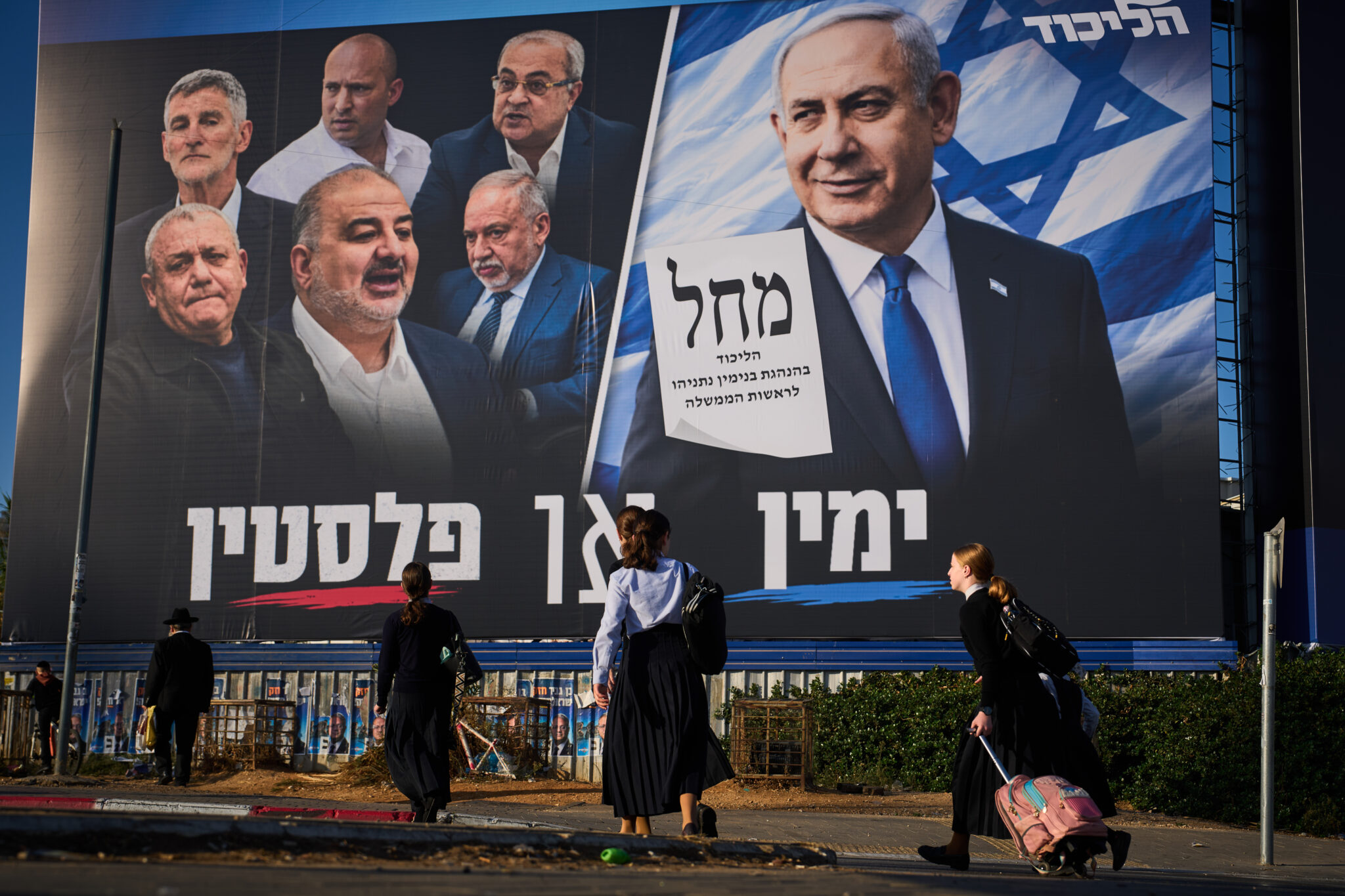
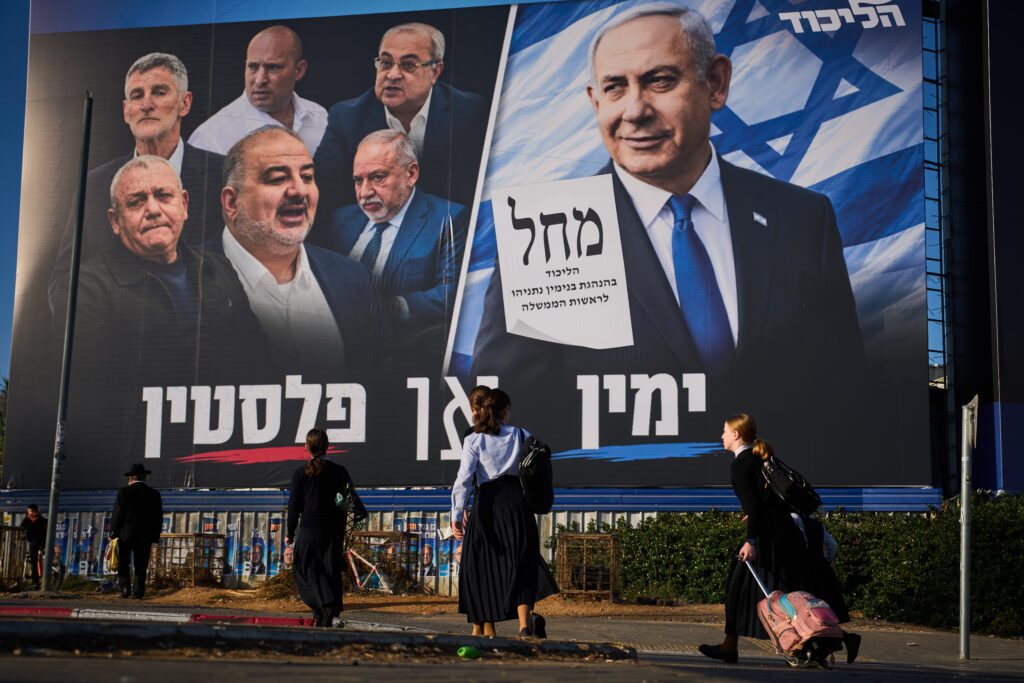
Israel stipulates that the right to self-determination in Israel/Palestine “is unique to the Jewish people”... It is illegal for candidates to advocate for Israel to be a state that treats all its citizens equally, regardless of religion or ethnicity… None of the leading parties support Palestinian statehood; all back the expansion of Israeli settlements and the perpetuation of Israel’s apartheid system…
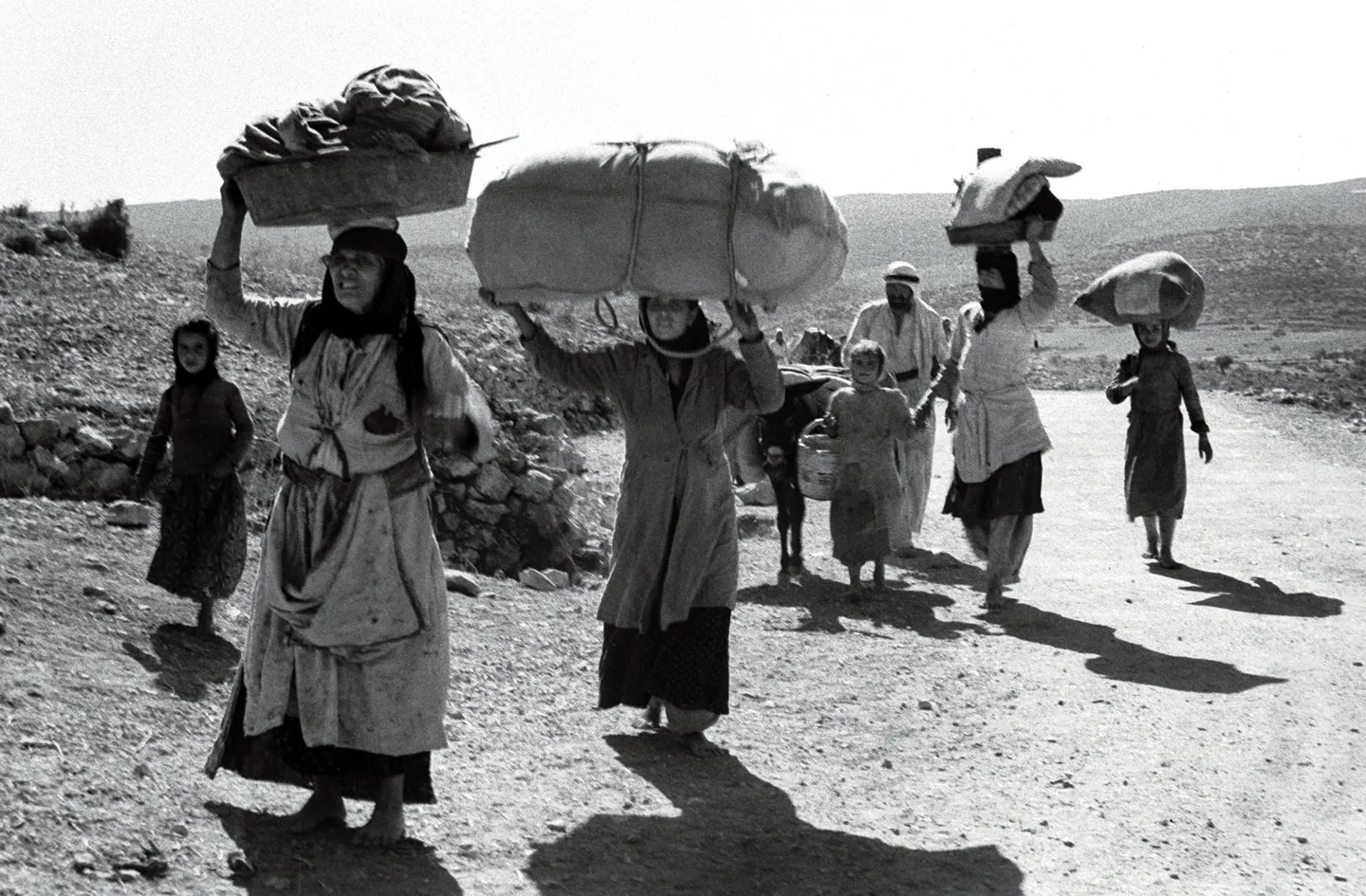
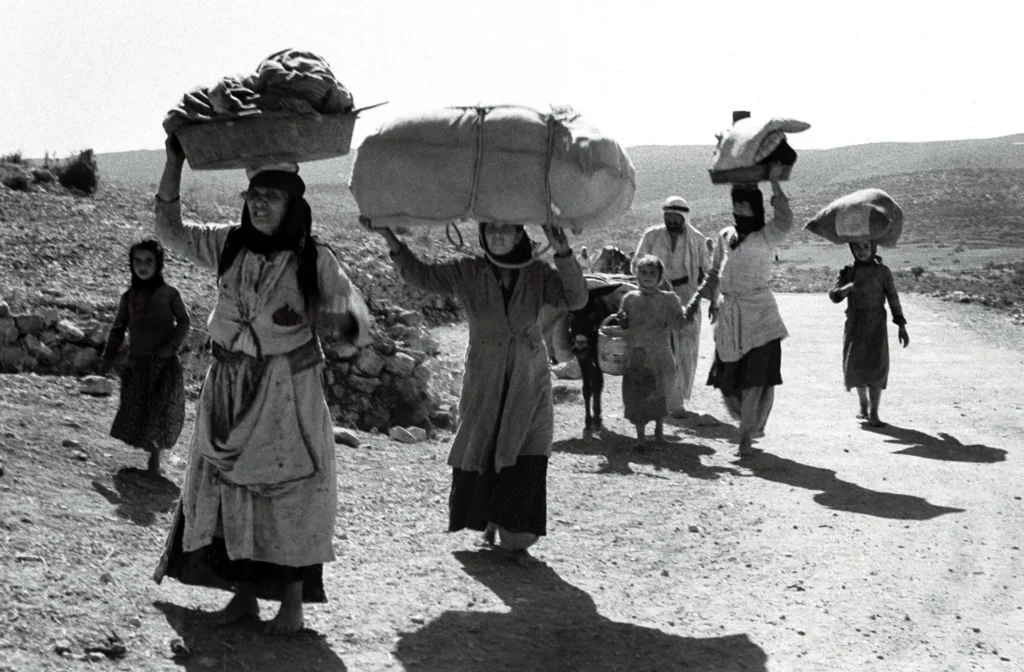
The article examines how editorial disputes, legal restrictions and institutional decisions shape the way Palestinian history, suffering and political expression are presented to the public.
 Login



 , X
 e VK
 .