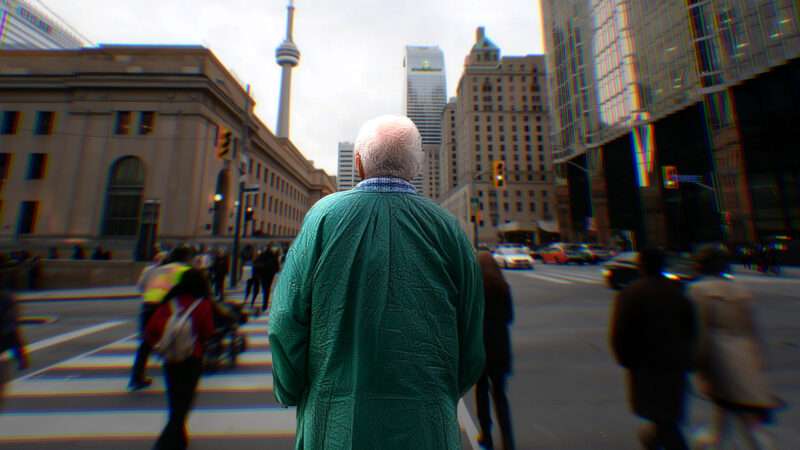
Von der Leyen, Carney, and Costa will discuss a new framework for Canada’s relationship with the European Union.
On Thursday and Friday, European Commission President Ursula von der Leyen, Canadian Prime Minister Mark Carney and European Council President Antonio Costa will meet in Montreal for the 21st European Union-Canada summit.
They and other senior officials will discuss possible features of a status that would allow Canada to become an “associated member” of the European Union.
For the EU, the meeting will be an “important milestone” in relations between the two sides and will pave the way for an “even broader and deeper” political partnership and greater cooperation.
Specifically, European and Canadian leaders are expected to launch a “Partnership for the Future,” a framework for shared prosperity and economic security backed by new initiatives aimed at strengthening people-to-people ties, deepening economic relations and reinforcing their joint position on the world stage.
The summit’s agenda will cover a wide range of issues, from trade, digital affairs and critical raw materials to defense and security, as well as cooperation in education, research, innovation, and youth affairs.
Yves-François Blanchet sur Paul St-Pierre Plamondon et le sommet Canada-UE : « tu peux venir t'asseoir, mais t'as pas le droit de parler. »
Blanchet on Quebec's premier at the Canada-EU summit: "You can come sit down, but you have no right to speak." pic.twitter.com/O3rSPGTc5y
EU sources said it was “clear” that one of the summit’s main topics would be a discussion of the proposal von der Leyen put forward last month — and which Carney welcomed — for Canada to become the EU’s first associated member state.
Currently, this status does not exist as a defined category in the European treaties. Therefore, its specific implications remain to be negotiated.
“This is somewhat uncharted territory, but I think what we want, together with our member states, side by side, and together with Canada over the next 12 months, is to have the ambition, confidence, creativity and vision to shape it together… It is the highest form of collaboration imaginable. For now, frankly, I see it as something very specific to Canada,” a senior EU official said.
“There is no doubt among the member states about their ambition for this relationship. All member states are clear that they want the closest possible partnership with Canada. So that is not in question,” another EU source said.
Nevertheless, some member states have reservations because this is uncharted territory. That is precisely the work that will need to be done in Montreal ahead of the next summit in 2027.
The senior official outlined three pillars for this membership: defining more joint policies on climate, energy, artificial intelligence, innovation, or security; having Canada participate more in EU programs, such as the Horizon Europe research program, or fully integrating it into Erasmus+; and, finally, bringing the institutions on both sides closer together to strengthen governance.
“The goal is to build a partnership that comes closer to membership than anything we have done before. It is clearly a partnership without membership (…), aimed at generating greater prosperity on both sides of the Atlantic,” the official said.
The EU was split today over whether to offer “associate membership” status to Canada, with several countries refusing to sign off on a statement containing that phrase just 48 hours before a summit between the two sides in Montreal.https://t.co/7hIHdoOeIw
Relations between Canada and the EU are already close in trade, security, defense, research and technological cooperation. Their main frameworks include the Comprehensive Economic and Trade Agreement (CETA), which has been provisionally applied since 2017, as well as recent progress in defense, digital trade and specific European programs.
They have long been strategic partners and share common values, including democracy, a commitment to a rules-based international order, and free and fair trade.
One of the key areas where the EU sees “enormous potential” is critical raw materials. Imports into the EU have already increased significantly and could rise further through the bloc’s “raw materials mechanism,” which focuses on facilitating connections between Canadian suppliers of these materials and European buyers.
Another idea under consideration is the possible joint stockpiling of critical raw materials, as well as the option of giving the EU priority access to Canadian reserves, EU sources said.
Tightly fought election saw record turnout as incumbent mayor ran against her rival Brad Bradford
The mayor of Toronto, Olivia Chow, promised more rental housing, free school lunches and reduce fares for frequent transit riders after she was elected to a decisive second term as mayor in a wave of support for progressive councillors.
The tightly fought election saw record turnout but Chow ultimately turned in a dominant 13-percentage-point win over her rival, Brad Bradford, receiving 54% of the vote compared with his 41%. Many had been expecting a far closer race, given weeks of polling that suggested a dead heat between the pair who presented differing visions for Canada’s largest city.
Improving polls for Labour are bound to lead to feverish speculation about a snap election. But if Burnham is tempted, what just happened in British Columbia might change his mind, says Mark Littlewood.
In some ways, the reality of living in the UK was different from what I imagined.
Maria Polansky
As a Canadian, I dreamed of living in Europe — and then, I finally got the chance to move there.
There were parts of my new life I loved, but I missed Canada more than I expected.
After five years, I moved back to Canada with a new appreciation for my home.
I first fell in love with the idea of Europe when I was 14.
My mom and I went on a trip to Russia to visit relatives, and Moscow won me over with its grand boulevards and trendy cafés. We also stopped in London, where we explored the city's central neighborhoods and shopped in stores I'd only read about in fashion magazines back home.
I was amazed by everything. I was convinced Europe was better — more aesthetically pleasing, more interesting — than my hometown of Vancouver, and vowed to go back as often as I could.
By my early 20s, I was traveling to Europe almost every summer. My sister had moved to France, so I had a great excuse to visit: I'd stay with her in Paris and later Toulouse, and I'd also check out other destinations like Spain and Italy when I could.
I became more enamored with the continent with each trip. Like so many North Americans, I considered it somewhat of a utopia where the overall lifestyle is healthier, the food is more delicious, and everything is more beautiful.
Love gave me the opportunity to live in Europe
After falling in love with a Brit, I was excited to leave Canada for the UK.
Maria Polansky
In 2018, at age 26, I met and fell in love with a Brit who was living in Vancouver. When his Canadian working-holiday visa expired, we started a long-distance relationship — and I applied for a British visa so we could be together.
After years of romanticizing the continent on vacations, my dream was finally coming true. I moved to Birmingham and got a UK-based job.
My first year there was great. I loved being surrounded by historic architecture, feeling comfortable dressing up in fancier clothes, and knowing that countries like Spain, Italy, and Greece were just a quick flight away.
But eventually, the novelty started wearing off. Things I initially found so charming became mundane after a few years. The old buildings blurred into the background of my daily commute, and I never quite adjusted to certain cultural differences, like the Brits' less direct communication style.
I also started to miss the things I took for granted back home, like easy access to the ocean and mountains. Back in Vancouver, I used to spend weekends at the beach or hiking, and though these activities were possible in the UK, they were more difficult from my inland location.
Plus, although some things were more affordable — like groceries — others, like transportation fees, weren't. I was also getting paid a lower salary for the same job I was doing back home.
Even the travel benefits weren't as cut-and-dried as I'd expected. Yes, I was close to the rest of Europe, but farther from plenty of other destinations. In Vancouver, I could easily hop on a flight to Mexico to escape the winter blues.
My husband and I traveled to the Canary Islands a few times from the UK, and they were stunning — but in my opinion, they just couldn't compare to the soft white sand and warm azure waters of the Riviera Maya.
I realized I missed my life in Canada
In 2021, I visited Canada for the first time since moving, and started to see everything from a different perspective. I had a newfound appreciation for the rugged natural beauty around me and the laidback coastal lifestyle.
Once I got back to the UK, I started to realize just how much my Pacific Northwest upbringing had influenced my lifestyle preferences. I realized I'd rather be surrounded by the ocean, mountains, and forests than historic buildings.
As someone with a multicultural background, I also felt homesick for my Canadian hometown's diversity. I really felt like my community back home was shaped by immigrants, and cultural traditions there felt less uniform.
After our second trip back to Canada in 2022, my husband started to sense just how homesick I was. We agreed to move back the following year — though we chose to go to nearby Victoria instead of Vancouver, as we preferred the more relaxed vibe of a smaller city.
I'm glad we left, but I have no regrets
Living in the UK taught me to appreciate my home in Canada.
Maria Polansky
We've now been back in Canada for just over three years, and it feels like the perfect place for us right now.
Despite everything, I don't regret my move to the UK. I fulfilled my adolescent dream, and I know that if I hadn't taken the opportunity, I'd have always wondered what my life could have been like there.
Those five years also gave me a better appreciation for where I am now. Sure, there are things I miss about living in the UK, like the multitude of dog-friendly pubs and British chocolate. But as someone who prefers a more nature-oriented life, I know Southwest British Columbia is the right home for me.
Still, I'll never say no to another trip back across the pond.
As Fortis expands its facility along the Fraser, local air pollution is expected to worsen.
Emissions from the site of a recently approved LNG expansion in Metro Vancouver are projected to exceed Canadian ambient air quality standards for nitrogen dioxide, a harmful pollutant, according to company reports.
Last month, the provincial and federal governments approved FortisBC’s plan to further expand Tilbury, its decades-old LNG facility in North Delta, helping to turn it from a domestically focused, small-scale operation into a large export-oriented facility.
The province described the newly approved expansion as a “clean energy” project.
During the commissioning phase and when the facility’s equipment is malfunctioning, nitrogen dioxide levels in parts of Richmond, Delta and Vancouver are projected to be between three and 16 times above Canada’s guidelines for maximum hourly emissions. That estimate doesn’t include the cumulative impacts of emissions from Tilbury’s other, already approved expansions at the site.
During ongoing operations, Fortis predicts the site and associated marine traffic will slightly exceed national standards for average annual nitrogen dioxide levels, indicating the potential for long-term, chronic exposure. Those exceedances are expected to extend across schools, homes and child-care centres in southern Richmond.
Those elevated annual levels are expected even after factoring in significant reductions in the project’s predicted nitrogen dioxide emissions from yet-to-be-determined mitigation efforts Fortis says it will employ. If those mitigation efforts are unsuccessful, Tilbury’s emissions could be even higher.
The company has not yet made its final investment decision to proceed with the project, and some permits are still pending, but the recent approvals signal the federal and provincial governments are willing to allow the expansion to proceed.
The Tilbury expansion “has the potential to deliver significant economic and environmental benefits for B.C., and jobs for British Columbians,” Minister of Energy and Climate Solutions Adrian Dix said in a press release announcing the project’s approval.
But Tilbury’s projected nitrogen dioxide emissions suggest potential health implications from the expanded facility.
According to Canada’s Environment Ministry, long-term nitrogen dioxide exposure can increase susceptibility to respiratory infections, increase risks of developing asthma, affect cardiovascular health, lead to reproductive issues and increase the risk of premature death.
In an emailed statement, FortisBC told the Tyee: “The Tilbury Phase 2 LNG Expansion project will be built and operated in accordance with all municipal, provincial, and federal guidelines.” It added that the project must meet regulatory requirements by various levels of government.
A provincial spokesperson said government communications staff are unable to comment during the ongoing election period.
Emissions are predicted to increase
The Tilbury facility has produced LNG on site since the 1970s, relying on the liquefied fuel’s condensed form to store enough gas near the province’s urban centre to boost the region’s energy supplies during cold snaps. It was a low-profile operation, producing a small amount of LNG per year, mostly to supply local demand.
Just over a decade ago, Fortis began moving its expansion forward in a piecemeal fashion. The company first applied to build a new, bigger storage tank and to increase its liquefaction capacity in a project it called Phase 1A. In 2024, the province also approved the company’s plan to build a marine jetty that would allow export tankers into the river for the first time. This July, the province provided a regulatory exemption to support another expansion of the site’s storage and liquefaction capacity that Fortis has dubbed Phase 1B. The newly approved Phase 2 project will further expand liquefaction at the site, increasing the facility’s total production to 3.5 million tonnes of LNG per year.
LNG facilities like Tilbury use energy-intensive compressors to turn natural gas into a liquid state. Fortis plans to power its compressors with electricity, reducing some emissions during the process. But the company didn’t decide to electrify its hot oil heater, citing uncertainty about energy supply and the cost of power connection upgrades.
In the section of its application discussing its decision to choose gas to power its oil heater, Fortis wrote that “although electrification is seen as a ‘green choice’ and may reduce public opposition to the proposed project, early analysis suggests that there may not be adequate electrical power available to support the proposed project without significant capital upgrades.”
Fortis wrote that the upgrades could compromise the project’s schedule and commercial viability.
Other new components will also produce emissions, including a ground flare stack and acid gas incinerator. Together with the hot oil heater, these parts of the project are expected to produce the bulk of the expansion’s anticipated nitrogen dioxide pollutants.
“Just because you use electric compressors doesn’t mean you have zero emissions,” said Tim Takaro, a physician and researcher with Simon Fraser University and a member of the Canadian Association of Physicians for the Environment.
Pollutants from those systems will add to an already compromised airshed, Takaro said, noting that the region has one of the highest concentrations of nitrogen dioxide in the province.
“They’re already stretched in terms of air quality,” Takaro said.
Although Fortis describes Tilbury’s ground flare as “totally enclosed,” the facility will include a 200-metre open stack surrounding a low flare, meaning its exhaust will still enter the airshed.
When added to the existing pollution in the airshed, Tilbury’s Phase 1A and 1B expansions are anticipated to push nitrogen dioxide levels in the surrounding area above the federal government’s threshold for acceptable emissions, indicating possible short-term, acute exposures.
The company’s estimated maximum nitrogen dioxide emissions during commissioning and malfunctions are predicted to significantly exceed regulatory limits beyond the project’s immediate vicinity, including areas of Richmond, Delta and Vancouver and other parts of Metro Vancouver up to 11 kilometres from the project.
These kinds of disruptions have been ongoing at Canada’s only major LNG facility, LNG Canada, leading to high rates of flaring and bursts of black smoke — a sign that uncombusted or partially combusted gas is being released into the airshed.
Those unburned pollutants are particularly dangerous because they can include volatile organic compounds such as benzene, a potent carcinogen that has no safe threshold, said Dr. Melissa Lem, a Vancouver family physician and past president of the Canadian Association of Physicians for the Environment.
Fortis’s application said its production of volatile organic compounds in the airshed would be “negligible.”
According to Fortis’s application, it expects to vent unburned gas from the facility during mechanical disruptions and during commissioning, when the company expects it will not yet have its flare system installed.
When existing emissions and emissions from Tilbury’s various expansions and associated marine traffic such as LNG tankers are combined, the site is estimated to produce average annual nitrogen dioxide levels slightly exceeding national guidelines, indicating sustained long-term exposure to the pollutant near the facility.
The projections assume potential reductions from a set of mitigation measures for the Phase 2 expansion. According to Fortis, these measures “are not intended to represent final design commitments or regulatory conditions.” Fortis added that it is “exploring an emissions mitigation strategy” to meet air quality standards. The province called for an air quality management plan in its list of conditions for approving Tilbury’s application, including details on how it plans to reduce emissions and the technologies it plans to use.
Climate concerns
Besides local pollution, Lem noted that Tilbury’s forthcoming climate emissions would also have consequences for human health.
Additional emissions from Tilbury’s Phase 2 expansion and its associated upstream gas fracking activity are expected to produce about one million tonnes of carbon dioxide equivalent per year, around 13 per cent of Metro Vancouver’s total target emissions by 2030.
About 800 people die prematurely every year in Vancouver due to air pollution, according to Tyee reporting from 2021. Pollution from wildfire smoke made more likely by climate change is a large part of the city’s air hazards.
“The fossil fuel industry doesn’t have to deal with patients on the frontlines when climate change drives all these harms,” Lem said. “Doctors and nurses, we are on the frontlines when wildfire smoke rolls in and people are having asthma attacks and high risk of anxiety and depression.”
Lem said the federal and provincial governments’ recent Tilbury approval is a mistake.
“If they were adhering to science, they would not be approving new fossil fuel projects like this Tilbury project,” she said.
Safety risks
The project’s location alongside the narrow, heavily trafficked Fraser River has also raised safety concerns among locals, including from Kelly Greene, the NDP’s MLA for Richmond-Steveston, a riding located just downriver from the Tilbury site. Greene, who was also the province’s minister of emergency management and climate readiness, cited her opposition to the project in a statement announcing she would not seek re-election.
“While no industrial activity is without risk, my work in emergency management taught me that low-probability events can still have profound impacts, particularly when they occur in densely populated or environmentally sensitive areas,” she wrote in a statement posted to LinkedIn.
“I remain deeply concerned about risks posed by the Tilbury LNG shipping channel and have advocated for better safety standards for a decade.”
Like Greene, Richmond Coun. Michael Wolfe worries about the safety risks from Tilbury’s riverside locale.
“It’s just a remarkably challenging environment for boats,” he told The Tyee.
The Society of International Gas Tanker and Terminal Operators advises that vessels carrying LNG avoid “long, narrow inland waterways… due to greater navigation risk.”
Alhough Tilbury’s operations are long-standing, the expansion project means international LNG carriers will enter the Fraser for the first time. Fortis’s application estimates the tankers will be about 300 metres long — roughly the size of three football fields.
Spills and explosions related to LNG production remain rare, but when they occur, their consequences can be profound. Supercooled and compressed LNG can explode when it comes into contact with water and rapidly changes from liquid to gas.
When it leaks, LNG can remain as heavier-than-air vapour that can travel long distances before it dissipates. Under certain conditions, that vapour can ignite if it contacts an ignition source, as it did at the Freeport LNG facility in Texas in 2022.
Wolfe noted that Tilbury sits adjacent to a jet fuel terminal on the other side of the river. “If one of these sites has a major event, it’s going to compromise all the other ones in the area,” he said.
“It’s absolutely crazy to think that people will do that and not care about the future generations.”
El Departamento de Justicia de la Administración Trump busca imputar al exjefe del FBI, James Comey, por la supuesta divulgación de información sensible a 'The New York Times' en 2016, una década después de los hechos. La defensa sostiene que la acusación es jurídicamente inválida porque el Gobierno no presentó dentro del plazo legal el tipo de imputación que exige la legislación federal, y ha solicitado que un juez desestime el caso.
«COVID-19 mRNA vaccines direct host cells to manufacture prefusion-stabilized SARS-CoV-2 spike protein that retains its furin cleavage site andcarries two proline substitutions (K986P/V987P) in S2 that are not present in wild-type SARS-CoV-2 spike protein. This review examines two distinct forms of mRNA vaccine shedding: (i) molecular transcriptional shedding, involving the production, proteolytic fragmentation, persistence, and dissemination of vaccine-derived molecular products within vaccinated individuals through cellular division, extracellular release, and vesicular transport; and (ii) human-to-human shedding, involving the potential transfer of these products from vaccinated individuals to other individuals through biological secretions».
A new, exclusive study—authored by an expert in molecular biotechnology, John A. Catanzaro, CEO, co-founder, chairman, and Product Development Officer of Neo7Bioscience, the epidemiologist Nicholas Hulscher, and cardiologist Peter McCullough—confirms distinct types of concerning research regarding the dangers of Covid vaccines.
The study is published as a “preprint”—meaning it has yet to undergo peer review—but it effectively brings together startling findings already published in other, validated scientific research.
The Abstract of the Study published on Zenodo – link in the sources
In summary, here are the significant findings that confirm the extreme danger posed by mRNA genetic vaccines—a danger inherent in their very design:
The “double proline” insertion within the genetic code of the Covid vaccines, designed to make the Spike protein more resistant to the human immune system’s natural attempts to destroy it (as the immune system identifies it as a “foreign body” to be eliminated). This has resulted in the paradoxical and deleterious outcome of the toxic protein persisting in the blood of vaccinated individuals for over three years—a finding that confirms a major discovery first reported globally by the Italian bioimmunologist Mauro Mantovani.
The “diabolical Frankenstein molecule” N1-methylpseudouridine damage which can cause turbo-cancer
“Proteolytic fragmentation” occurring within the human body—highlighted in four studies by the Italian biochemist Gabriele Segalla—which can cause irreparable damage to human DNA, partly through the metabolic production of highly toxic substances that Pfizer failed to disclose in its official safety documentation.
The potential for this “artificially armored” Spike protein—engineered by the pharmaceutical industry—to be transmitted from vaccinated individuals to those who are unvaccinated.
The article was not published in in a little-known scientific journal, but in Zenodo, an open scientific repository for EU-funded research outputs from Horizon Europe, Euratom, and earlier Framework Programmes.
Horizon Europe is the European Commission’s primary research funding program, which includes the Graphene Flagship—an initiative that has funded studies on the potentially hazardous biomedical use of graphene oxide in pharmaceuticals, as well as in COVID-19 vaccines (the study by Delogu et al.).
The Persistence in Vaccinated Blood of the harmful Spike protein
Before analyzing the enormous significance of this research in detail, it should be noted that the groundbreaking studies by Italian scientists Mantovani and Segalla gained visibility in Italy only thanks to *Gospa News* and a few other alternative media outlets. In reality, these studies have been censored by the mainstream medical establishment—an establishment terrified of having to admit its complicity in a mass experiment involving mRNA vaccines, which has led to the extermination of human beings across the Western world. In these regions, such vaccines were even mandated by law, in line with a criminal project to globalize multiple vaccinations—a scheme launched by Bill Gates in 1999, right here in Italy.
«Evidence supporting internal molecular dissemination includes circulating spike protein, proteolytically released fragments, vaccine-derived mRNA, and spike-bearing extracellular vesicles capable of transporting molecular cargo beyond its original cellular source. Human studies document circulating S1 within 24 hours, spike-bearing exosomes by day 14, vaccine mRNA in plasma for up to 28 days,vaccine-derived spike peptides at 69–187 days, spike protein in monocytes at 852 days, circulating spike at 1,173 days, exosomal vaccine mRNA at 1,284 days, and spike protein alongside plasmid-associated DNA sequences in skin at 1,364 days».
This prolonged persistence of the Spike protein has been linked to a host of adverse reactions, including various forms of “turbo-cancer”—even affecting the heart, an organ historically and inherently free from cancerous pathologies.
The “diabolical Frankenstein molecule” N1-methylpseudouridine damage
However, the next phase of the research—authored by Catanzaro, Hulscher, and McCullough—focuses on the potential genetic damage inflicted upon the immune system by what we have termed a “diabolical Frankenstein molecule,” so named because it was chemically manipulated in a laboratory twice before being artificially incorporated into mRNA vaccines.
«N1-methylpseudouridine-associated +1 ribosomal frameshifting generates unintended translation products, expanding the repertoire of molecules potentially available for extracellular release. The proposed internal dissemination model incorporates two additional pathways: mitotic inheritance, whereby daughter cells may inherit an altered proteome following cellular division, and exosome-mediated communication, whereby molecular cargo may affect cells that never directly received vaccine mRNA. Experimental studies demonstrate spike-mediated interference with five interconnected molecular systems—coagulation, receptor–renin–angiotensin signaling, innate immune sensing, tumor-suppressor transcription, and vesicular interferon signaling. Together, these findings identify multiple pathways through which persistent vaccine-derived molecular products could disrupt cellular regulation, propagate abnormal signaling between cells, and potentially sustain downstream biological disturbances».
The devastating impact of the “diabolical molecule” N1-methylpseudouridine—for which its inventor Emmanuelle Marie Charpentier was awarded a Nobel Prize in Chemistry and inducted into the Pontifical Academy of Sciences rather than being sent to prison—has been clearly highlighted by the highly detailed and pioneering research of Canadian bioimmunologist Jessica Rose.
Human-to-human shedding of mRna vaccines Toxic Materials
And finally, here is the conclusion that transforms the transhumanist experiment involving mRNA genetic serums into a nightmarish tale—one so difficult to believe, were it not for its scientific detail…
«Regarding human-to-human shedding, vaccine-derived mRNA has been detected in trace, fragmented form within breast-milk extracellular vesicles, establishing its presence in a biological secretion transferred between individuals. Extracellular vesicles are also present in saliva, exhaled breath, sweat, semen, and other bodily secretions. Their capacity to protect molecular cargo, survive biological barriers, enter recipient cells, and deliver functional mRNA provides a biologically plausible pathway for wider interpersonal transfer. An observational study further reported associations between proximity to vaccinated individuals and menstrual irregularities among unvaccinated women. However, no published study has directly demonstrated transfer of vaccine-derived spike protein, mRNA, or plasmid-associated DNA between individuals through respiratory emissions, saliva, sweat, or other non-milk secretions, leaving a critical evidence gap concerning the extent and biological consequences of human-to-human shedding».
The study summary concludes by calling for further research—much of which has, in fact, already been conducted by Mantovani, Segalla, and others.
Unfortunately—and this is the only major flaw in the study—these Italian works, conducted by independent researchers, were not included in the researchers’ bibliography, as the Italian scientific community actively sought to obscure such contributions.
Their objective is to prevent the President of the Italian Republic, Sergio Mattarella—who signed the decrees mandating vaccination for various groups and for those over the age of 50, in clear violation of Article 32 of the Constitution—from facing impeachment, and to ensure that the officials of the Draghi administration, who implemented these measures, do not end up in prison indefinitely.
«Collectively, these findings support intracellular and intercellular dissemination of vaccine-derived molecular products, with evidence of persistence extending over multiple years. The convergence of proteolytic fragmentation, vesicular transport, and potential mitotic inheritance suggests mechanisms through which molecular products and their downstream signaling effects could extend beyond the original cells of production. Direct experimental studies are needed to establish the functional consequences of long-term persistence, determine whether these pathways sustain molecular disturbances across cellular generations, and establish whether biologically significant human-to-human transfer occurs through additional bodily secretions and, if so, its extent».
Below, you can read the analysis and reflections of one of the study’s authors, the renowned American epidemiologist Nicolas Hulscher.
Fabio Giuseppe Carlo Carisio – Gospa News founder and director
Hulscher: “New Paper Reveals How mRNA Vaccine Materials Could Spread From Vaccinated to Unvaccinated People”
by Nicolas Hulscher, MPH
All links to previous Gospa News inveatigations have been added in the aftermath
For years, people around the world have raised serious concerns about mRNA vaccine shedding—the possibility that vaccine-derived materials could spread beyond the individuals who received the injections. Despite years of public concern and debate, critical questions surrounding this possibility have remained unanswered.
We decided to examine the scientific evidence comprehensively, tracing what happens to vaccine-derived materials inside the body, how they spread between cells, and whether biological mechanisms exist that could allow these materials to pass from one person to another.
Drawing on published human investigations, molecular experiments, and research involving extracellular vesicles, we examined the existing evidence and identified two distinct forms of mRNA vaccine shedding:
1. Human-to-human shedding: The potential transfer of vaccine-derived materials from vaccinated individuals to other people through biological secretions.
1. Human-to-Human Shedding: Potential Transfer Between Individuals
Studies have detected vaccine-derived spike protein and mRNA on or within circulating exosomes multiple years after vaccination. Exosomes are microscopic, membrane-bound particles that protect and transport proteins, genetic material, and other biological cargo between cells.
Importantly, these same types of particles are naturally present in bodily secretions that may come into contact with other individuals:
Breast milk: Vaccine-derived mRNA has already been detected within exosomes in human breast milk. This documents the presence of vaccine genetic material in a secretion naturally transferred from vaccinated mothers to their infants.
Saliva: Exosomes are confirmed in human saliva, yet their potential carriage of vaccine-derived spike protein, mRNA, or plasmid-associated DNA remains untested.
Exhaled breath: Exosomes and other extracellular vesicles have been recovered from exhaled breath and breath condensate. Whether these particles carry vaccine-derived materials following mRNA vaccination has not been directly investigated.
Sweat: Extracellular vesicles have also been detected in human sweat, but their potential carriage of vaccine-derived molecular products remains untested.
Exosomes are not simply passive containers. Experimental research demonstrates that they can protect genetic material, enter recipient cells, and deliver molecular cargo capable of altering cellular activity.
These findings provide a plausible biological foundation for human-to-human transfer pathways beyond breast milk.
Adding to these concerns, an observational study involving thousands of respondents found associations between proximity to vaccinated individuals and menstrual irregularities among unvaccinated women.
Despite these observations, whether vaccine-derived spike protein, mRNA, or plasmid-associated DNA can transfer between individuals through saliva, exhaled breath, sweat, or other non-milk bodily secretions has never been directly tested.
2. Transcriptional Shedding: Internal Spread Throughout the Body
The second form of shedding examined in our paper involves the production, fragmentation, persistence, and dissemination of vaccine-derived molecular materials within the vaccinated individual.
Following mRNA vaccination, human cells manufacture SARS-CoV-2 spike protein. This protein can be broken into fragments through enzymatic processes, released into circulation, and transported through the body inside or on the surface of exosomes.
We examine two additional mechanisms that could extend this process.
Cell division (mitosis): When cells containing vaccine-derived proteins divide, their daughter cells may inherit portions of the altered cellular contents. This proposed mechanism could extend the presence and biological effects of vaccine-derived materials across successive generations of cells.
Cell-to-cell spread: Exosomes can transport spike-related materials and regulatory genetic cargo to distant cells that never directly received vaccine mRNA. Experimental studies involving spike-expressing cells demonstrate that exosomal cargo can alter signaling pathways in recipient cells.
Together, these mechanisms suggest a potentially self-reinforcing cycle of molecular dissemination and cellular signaling disruption:
Spike production → Protein fragmentation → Exosome release → Cellular signaling disruption → Further dissemination
As vaccine-derived materials spread between cells, they interfere with five interconnected biological systems: blood coagulation, innate immune sensing, tumor-suppressor signaling, cellular receptor regulation, and interferon signaling.
The possibility of sustained cellular disruption and human-to-human exposure of mRNA vaccine material demands immediate testing. In the meantime, a HALT to mRNA technology is warranted to protect innocent bystanders from potential shedding.
Patients diagnosed with progressive dementia may know exactly how much deterioration they are willing to endure. They can articulate their wishes, discuss alternatives, and put their instructions in writing. Should losing the ability to repeat those instructions invalidate them?
Canada is preparing to address that question. On October 23, its Justice Department announced planned rules that would allow adults diagnosed with an incurable illness expected to destroy their decision-making capacity to consent in advance to assisted suicide (or, as Canada calls it, medical assistance in dying (MAID)). Ministers will discuss the proposal on October 27, but it must pass both houses of Parliament and receive formal approval from Canada's governor general before becoming law. Parliamentary committees can hear testimony and consider amendments along the way. The announcement promises safeguards but offers few details. Those details will determine how well the proposal respects patients' choices.
A free society recognizes individuals as sovereign over their own bodies provided they respect the rights of others. That freedom includes deciding how much suffering they are willing to endure. A competent adult's decision deserves respect even when physicians, relatives, or public officials would choose differently.
Competent adults should be free to choose clinician-assisted suicide or clinician-administered euthanasia, provided they give fully informed, voluntary consent and those assisting them do so willingly. That freedom should include planning for the loss of decision-making capacity. A patient's loss of decision-making capacity should not automatically grant the government authority to override instructions given while the patient was competent.
Physician-assisted deaths are now authorized in 13 states and Washington, D.C. Twelve states and the district enacted laws; Montana permits it under a state Supreme Court ruling. American statutes generally follow the Oregon model: Patients must have decision-making capacity, have a terminal illness expected to cause death within six months, and self-administer the medication.
These restrictions exclude people who suffer greatly but cannot meet the government's timetable or physically perform the final act. Progressive dementia creates another barrier. By the time patients reach the condition they hoped to avoid, they may no longer qualify.
In 1999, Michigan convicted Jack Kevorkian of second-degree murder after he administered lethal drugs to Thomas Youk, a patient with amyotrophic lateral sclerosis ("Lou Gehrig's disease") who had consented to the procedure. As I wrote in Reason, patients' bodily autonomy includes the freedom to request a willing physician's assistance in ending their lives. Requiring patients to administer the medication themselves denies that choice to people whose illnesses have stripped them of the physical ability to act. Dementia raises a further question: whether an informed decision can survive the loss of the capacity to express it.
Other countries give patients more latitude. At least a dozen countries permit some form of assisted dying, though their rules vary considerably. Canada does not require a terminal prognosis. In the Netherlands, euthanasia is permitted for unbearable suffering with no prospect of improvement, subject to statutory safeguards.
Some countries also recognize advance requests, though under different conditions. In the Netherlands, a written advance request can replace an oral request once a patient loses the ability to express a choice, including in advanced dementia. The remaining legal requirements, including unbearable suffering without prospect of improvement, still apply.
Belgium permits advance requests more narrowly, only when a patient becomes irreversibly unconscious. Patients who lose decision-making capacity due to dementia while remaining conscious cannot obtain euthanasia under an earlier directive.
Respecting a patient's earlier wishes raises difficult questions. How clearly must patients describe the circumstances in which they want assistance? Who determines whether those circumstances have arrived? What happens if a patient who can no longer understand the directive resists the procedure or appears content with life?
Legal scholars, working with clinicians and patients, must help lawmakers answer these questions. Finding the right answers is difficult, but the obstacles are not insurmountable. Lawmakers must develop careful safeguards that respect patients' choices rather than impose a blanket refusal to honor decisions made while patients were competent.
Patients already use advance directives to refuse life-sustaining treatment after losing decision-making capacity. Authorizing someone to administer life-ending medication requires additional legal consideration. But the principle of planning ahead deserves the same respect: People should have a meaningful say over what happens to their bodies when illness prevents them from speaking for themselves.
The law has a legitimate role in protecting patients from coercion, fraud, and life-ending procedures they never consented to. Before another person intentionally helps end a patient's life, the law must require reliable evidence that the patient gave informed, voluntary consent and that the applicable conditions were met. Neither a relative's preferences nor a clinician's assessment of whether a life remains worth living can substitute for the patient's decision.
Participation must also remain voluntary. Clinicians and private institutions should be free to decline participation on moral, ethical, or professional grounds. Respect for autonomy extends to all involved.
Oversight should focus on compliance with the law. An independent body could audit cases retrospectively, publish anonymized findings, and refer credible violations to investigators. It should not require patients to obtain bureaucratic approval for individual decisions, nor should it have the authority to rewrite eligibility standards.
Eligibility should hinge on a serious, incurable condition causing enduring, intolerable suffering and on reliable evidence of informed, voluntary consent. A six-month prognosis gives the government too much power over how long patients must endure suffering they consider intolerable.
Canada's proposal deserves careful examination once its details are available. A law that honors clear advance instructions while protecting patients against violations of those instructions would expand their control over the course of an incurable illness. A law that allows others to substitute their preferences would undermine the autonomy it purports to protect.
Dementia can rob people of their memories, judgment, and ability to communicate. The government should not use those losses to erase choices they freely made while competent. Patients who leave clear, informed instructions deserve laws that let willing clinicians honor them. Their bodies belong to them, even when they can no longer say so.

 Login