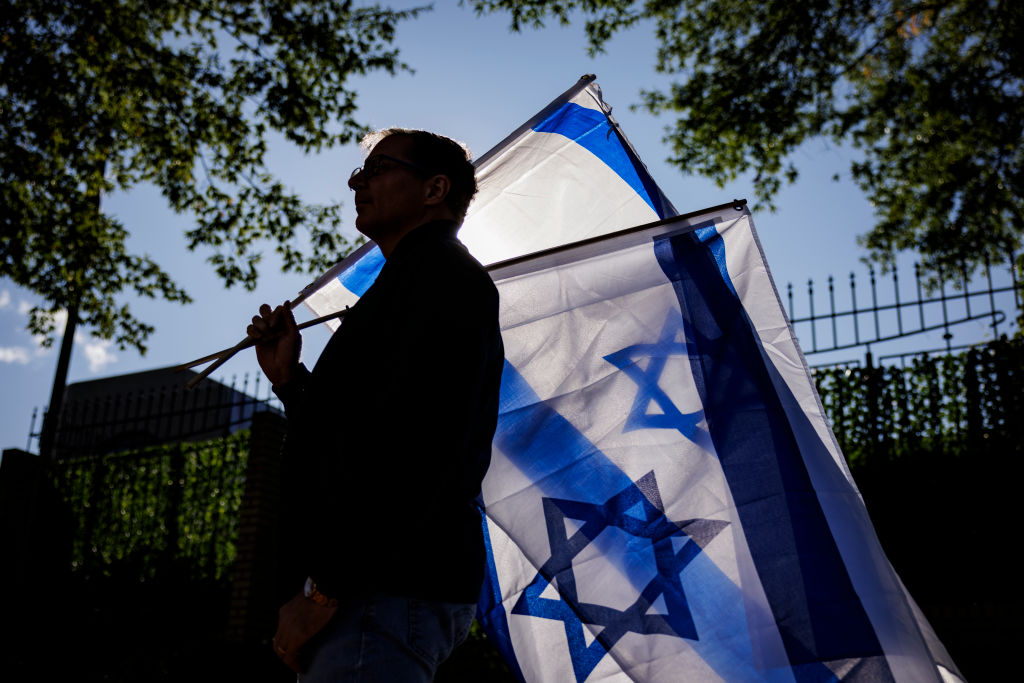
Ahead of the Israeli election, Diaspora Jewish leaders, particularly progressive ones, reiterate their support for Israel, no matter who takes power. New study finds that US Jews who actively engage with the Jewish community strongly prefer Israel’s opposition parties
Israel’s 2026 elections are dominated by competing Zionist interpretations of October 7, while Palestinian victims and political representation remain excluded from meaningful debate. The article argues that substantial change will require external pressure, including Boycotts, Divestment, and Sanctions.
Oman’s Foreign Minister Badr Albusaidi has called for the formation of a non-aggression security pact involving six Persian Gulf states plus Iran and Iraq, slamming US attempts to demonize the Islamic Republic as a threat.
Speaking at Girton College, Cambridge, on Monday, Albusaidi stressed that Washington has promoted for almost half a century the false image of Tehran as a threat to the Persian Gulf states, holding back West Asia’s ability to solve its own problems.
The Omani foreign minister, speaking to break the deadlock over the region’s future, stressed that the US would no longer be the region’s primary security provider.
“Issues such as the Strait of Hormuz have become impossible to resolve because external powers continue to define the terms of engagement, while regional powers are unable to take collective responsibility for making their own security arrangements and reach a consensus on them,” Albusaidi noted.
Iran has so far refused to ease its restrictions on transit through the strategic Strait of Hormuz, saying the key international energy waterway will be fully reopened once the US permanently ends its aggression and lifts its maritime blockade and sanctions against Iran.
Iranian authorities have also indicated that the country would not back down from its conditions and would respond decisively to any new act of aggression against its territory.
“What holds us back is that issues which ought to be handled at a regional level by the states of the [Persian] Gulf themselves, are made more complex, more intractable and sometimes simply impossible to resolve because the region’s security arrangements are insufficiently developed,” Albusaidi further stressed.
“And they are insufficiently developed because they have relied for too long on the involvement of external powers,” he added.
Oman’s top diplomat noted that the Islamic Republic “had been systematically excluded from playing any meaningful role in the security arrangements of the region.
Albusaidi also stressed that such exclusion had led to “profoundly negative consequences, not just for Iran, but for the region as a whole”, including the imposition of priorities on the region by external powers such as “the entirely false perception that there is a fundamental regional antagonism between Iran and the Arab states of the [Persian] Gulf.”
According to the Omani foreign minister, the most “damaging” of the priorities imposed on the Persian Gulf region from the outside has been the requirement that the Islamic Republic be excluded.
“Not just excluded. Worse. Positioned as the threat against which regional security had to be organized,” Albusaidi stressed, speaking on the day high-level defense and intelligence officials from Turkey, Pakistan and Saudi Arabia gathered in Tehran in an attempt to prevent a renewed act of aggression by the US against Iran.
Iran and Oman, both coastal states bordering the strategic waterway, engaged in intensive negotiations for months over arrangements for safe shipping through the Strait of Hormuz.
Tehran and Oman finally reached a temporary agreement on how shipping traffic should be managed in the strait, but the plan is on hold as Iran keeps the waterway closed due to US acts of aggression and violations.
Roughly one-fifth of global oil demand passes through the Strait of Hormuz, making the waterway one of the world’s most strategically important maritime chokepoints.
Oman’s foreign minister, without mentioning by name, also challenged US President Donald Trump’s case for a further war of aggression against Iran by saying that he believed the previous round of Oman-mediated negotiations between the US and Iran in February were “making significant progress, and that an agreement was within reach. We still stand by that judgment today.”
The US and the Israeli regime waged their first war of aggression against Iran, which lasted 12 days, in June 2025. Their second aggression began on February 28, 2026, and came to a halt in early April after 40 days.
Iran has been defending itself by targeting US bases and energy infrastructure in the Persian Gulf states with missile strikes and drone attacks.
The article examines how editorial disputes, legal restrictions and institutional decisions shape the way Palestinian history, suffering and political expression are presented to the public.
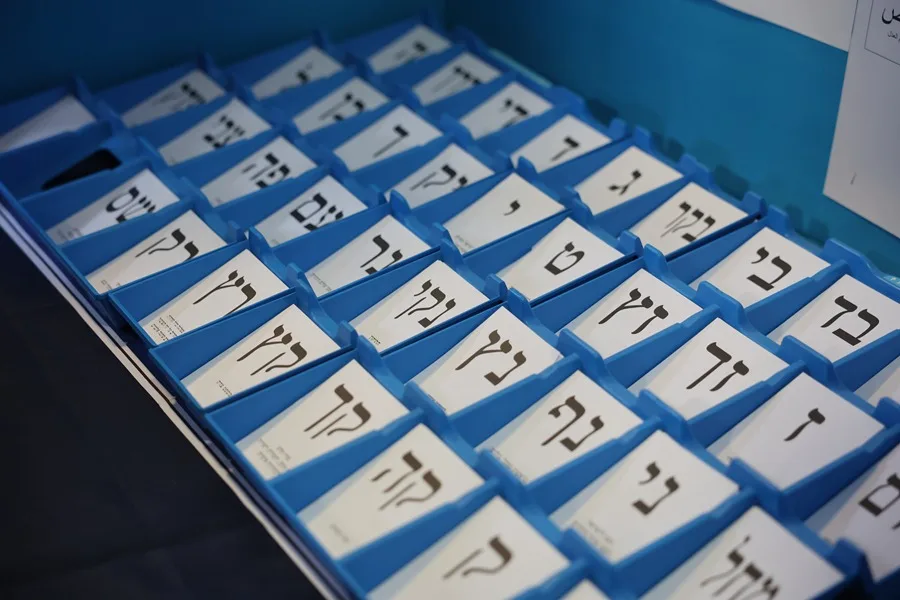
Israelis cast ballots on Tuesday in the first national election since the start of the genocide in Gaza, which has claimed over 70,000 Palestinian lives, with Prime Minister Benjamin Netanyahu running second in the polls and two rival blocs appearing unable to form a government without support from Arab parties.
Of 38 competing parties, only 11 were expected to clear the 3.25% threshold for parliamentary representation, according to the report.
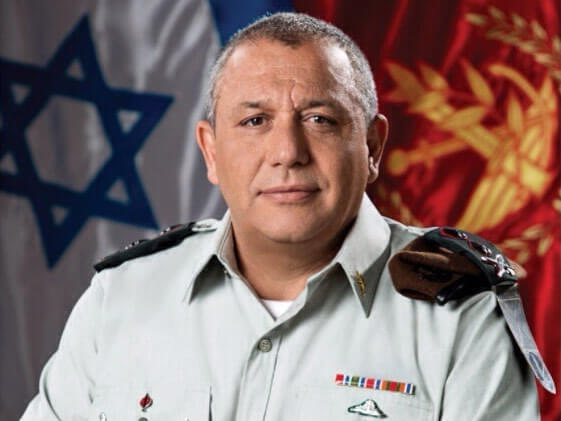
The latest surveys from the three main television channels, published three days before the election, gave the coalition led by former army chief Gadi Eisenkot 52 to 56 seats and Netanyahu’s bloc 50, both short of the 61 needed for a majority, according to those polls. Arab parties were projected to win 14 to 16 seats, and only one poll gave 4 seats to the new pro-opposition Reservists-Economic Bloc.
Netanyahu, leader of the right-wing Likud, relied on ultra-Orthodox Jewish formations and ultranationalists. Meanwhile Eisenkot’s bloc, led by the right-wing Yashar! party, included the right-wing Beyajad party of Naftali Bennett and Yair Lapid, Israel Beitenu of right-winger Avigdor Liberman, and The Democrats of Yair Golán.
U.S. President Donald Trump has publicly endorsed Netanyahu via Truth Social.
הנשיא טראמפ קורא לכם להצביע מחל. אל תישארו בבית, הצביעו מחל ויחד נשלים את המשימה ונשמיד את האיום האיראני. 🇮🇱 pic.twitter.com/6jQRjz8UVr
— Benjamin Netanyahu – בנימין נתניהו (@netanyahu) October 26, 2026
The arab vote in Israel
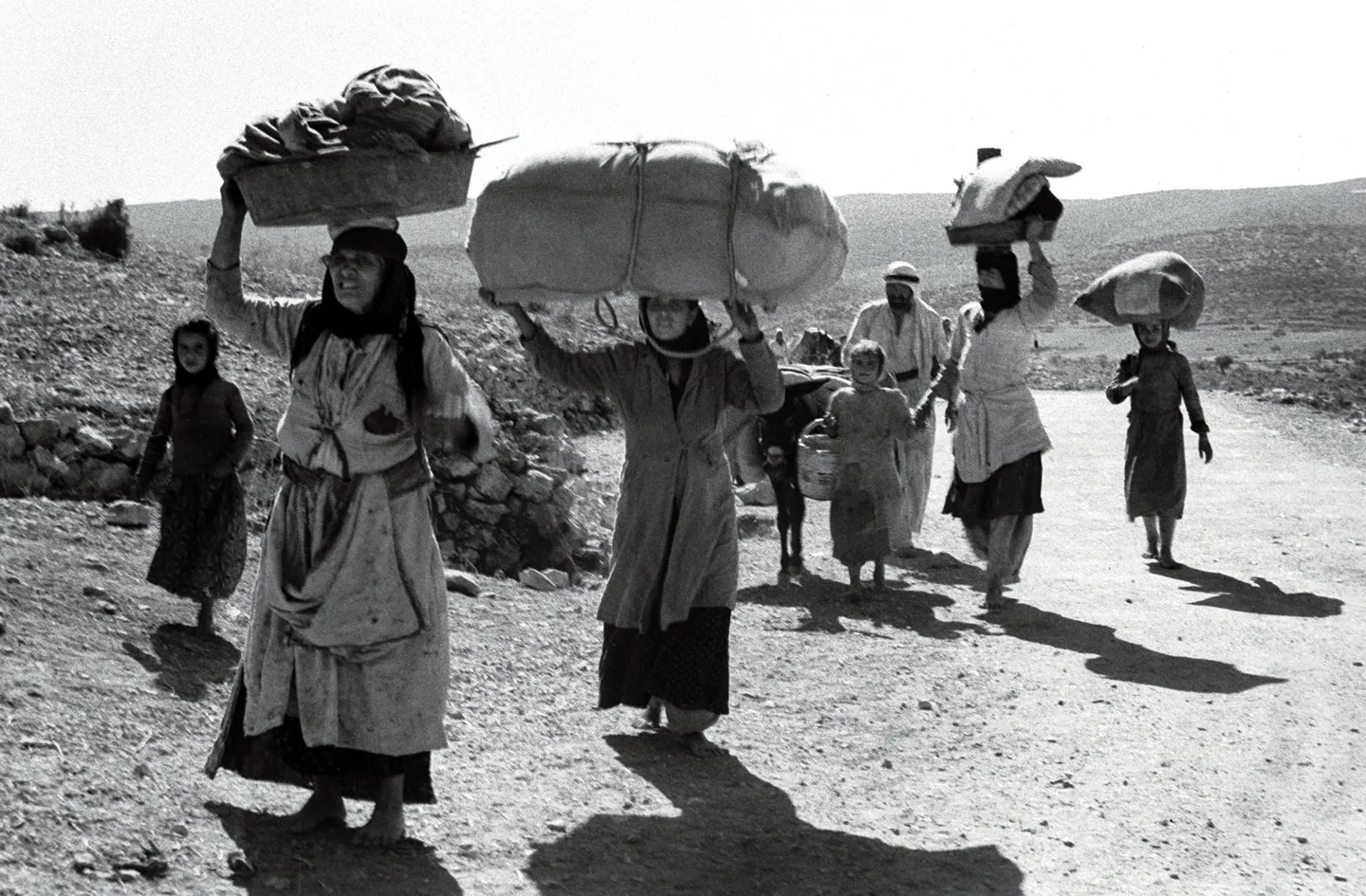
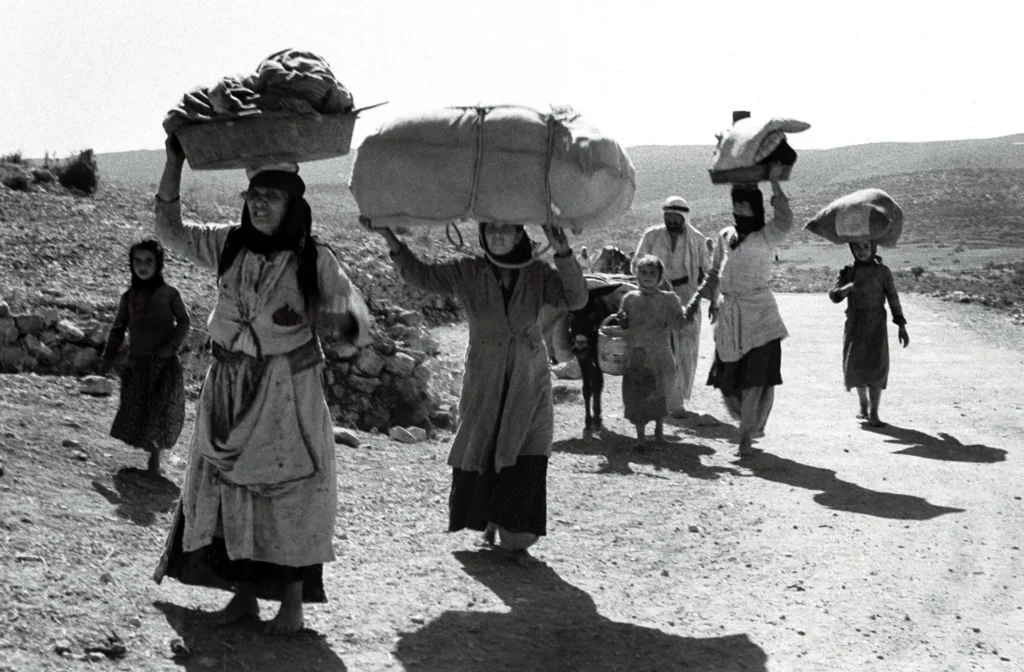
About 20% of Israel’s 10.3 million people are Arab Israelis, Palestinians with Israeli citizenship descended from those who did not flee or were expelled after the war preceding the state’s creation. Unlike Palestinians in occupied East Jerusalem, they can vote and make up 17% of the electorate, though past elections showed support for boycotts.
Researcher Marzouq Halabi told The New Arab that “people instinctively recognise that these elections serve as a cover for an absolute war, which Israel has framed as a religious one aimed at deciding the Question of Palestine through violence and subjugation, with all that this implies. As such, people will turn out collectively to the ballot boxes. They are not asking about party platforms; rather, they are asking how the fascist right can be repelled and its agendas obstructed.”
Reports from the Israeli media outlet Haaretz point out that Netanyahu’s Likud party has spent millions of shekels recruiting and paying workers to monitor polling stations in Arab communities, record voters, and report developments to party headquarters in real time.
Voting dynamics
A total of 12,018 polling stations opened across Israel and in illegal West Bank settlements for 7,332,000 eligible voters, the Israeli Central Elections Commission reported.
Because Israelis abroad cannot vote remotely, the U.S. NGO AID Coalition, which leads the Fly&Vote initiative, estimated at least 67,000 had returned to vote, mostly from Europe and the United States.
Netanyahu was set to vote at 11:00 local time in West Jerusalem’s Katamón neighborhood, while main challenger Gazi Eizenkot planned to vote about three hours later in Herzliya, their parties announced.
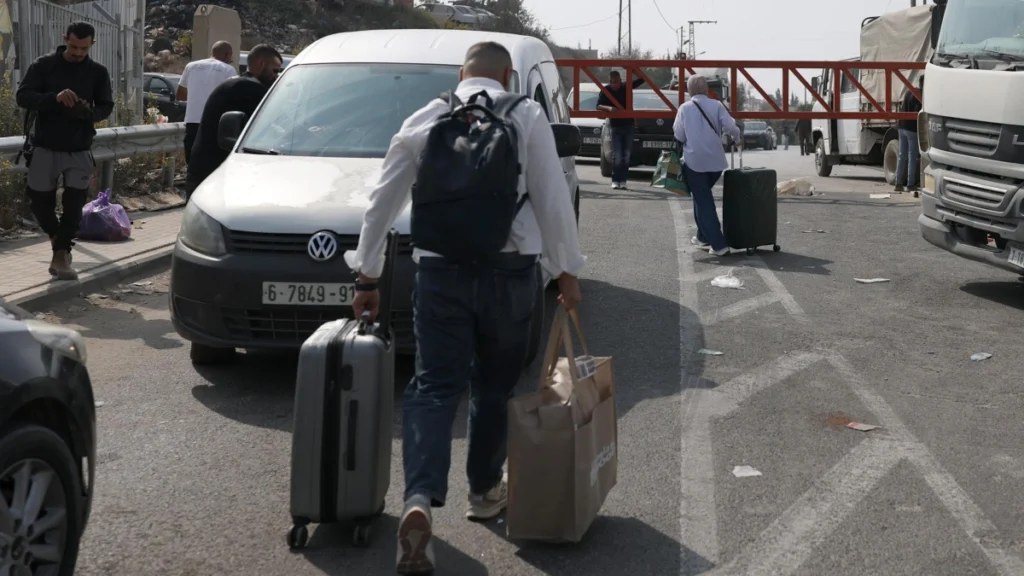
Israel’s intensified military operation in Hebron has forced more than 3,000 Palestinians from their homes three days after it began following the deaths of two Israeli soldiers, according to municipal data and NGOs that described the offensive as collective punishment.
The Hebron municipality updated the number to 3,189 displaced people from an earlier count of 3,170, affecting some 488 families mainly from the Deir Bahha and Al Jalda neighborhoods, according to municipal data. The operation was launched after the two soldiers were killed near a checkpoint last Friday and has left hundreds of residents trapped in their homes while mass arrests reached at least 70 Palestinians.
More than 200 children under two and of early age and about 250 people over 60 were among those affected. With a local state of emergency declared, a crisis group of authorities and citizens set up shelters and temporary accommodation with support from local families.
The offensive included a campaign of mass destruction of homes and the demolition of entire blocks and residential buildings by the Zionist Army, which justified the actions by saying it had destroyed infrastructure built in violation of the law, according to the report. Local sources and agencies such as Wafa denounced that the offensive formed part of a strategy of indiscriminate punishment against urban residents, according to the report.
The forced displacement of Palestinians by the Israeli military in the occupied west bank city of Hebron continues, as a city-wide siege remains in place. It's also triggered a humanitarian crisis, with the municipality scrambling to provide food and shelter pic.twitter.com/Z0sunIfbFz
Israeli Prime Minister Benjamin Netanyahu defended continuing the operations and said the Army was preparing for a scale unprecedented since the 1967 Six-Day War. Reports from media such as Ynet revealed disagreements between Netanyahu and Chief of Staff Eyal Zamir, who advocated ending the operation because of limited tactical results and the discovery of a small number of weapons.
The United Nations and Palestinian factions such as Hamas strongly condemned the siege.
UN Human Rights Chief @volker_turk calls for an end to #Israel’s aggressive operation in the #WestBank city of #Hebron, which forcibly displaced nearly 2,000 Palestinians, demolished homes and commercial property, and deprived residents of the ability to move freely.
A banner for the Likud party and its leader, Prime Minister Benjamin Netanyahu, right, with the slogan, “The Right or Palestine.” Other candidates in the elections are to the left of it.

 Login