❌

Reading view

Britain’s New Budget Exposes the Economic Cost of War and the Limits of Fiscal Flexibility

Chancellor John Healey has unveiled emergency household support, higher taxes on banks and new defence commitments as the Middle East conflict puts renewed pressure on Britain’s economy. Behind the immediate relief measures lies a difficult calculation over growth, public spending and national security.

Britain’s government has attempted to reconcile rising energy prices, constrained public finances and growing defence obligations in a Budget that illustrates how international conflicts are reshaping domestic economic policy.

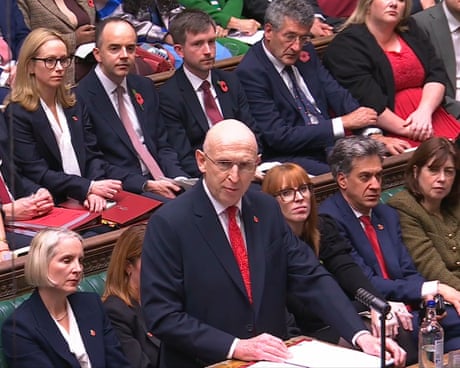
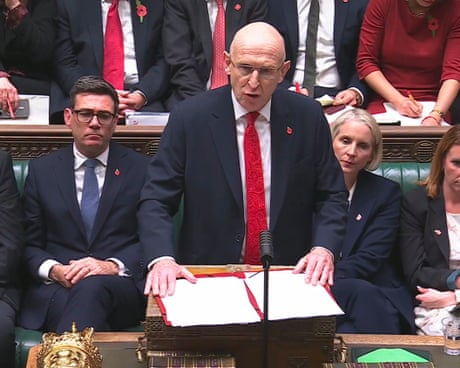
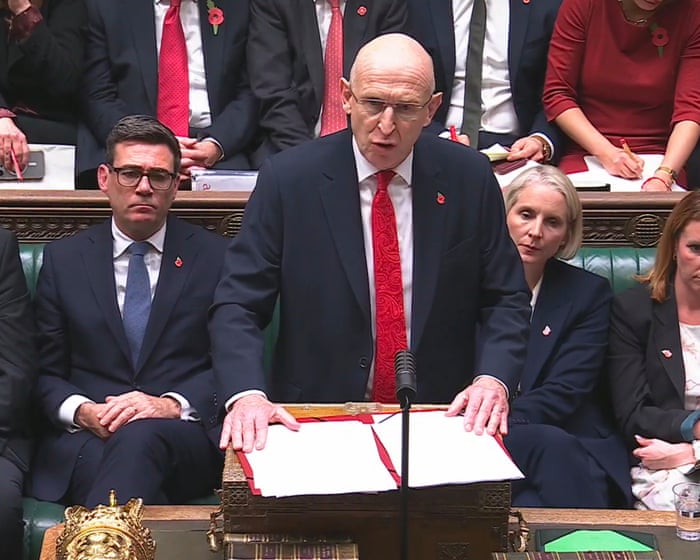
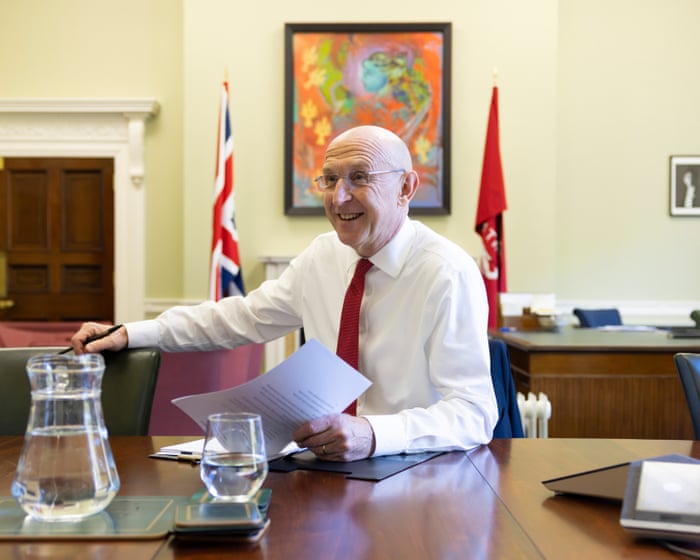
Presenting his first Budget on 28 October, Chancellor of the Exchequer John Healey announced a £100 energy payment for millions of households, an extension of electricity VAT relief and additional measures intended to support businesses facing rising operating costs.

The package comes as Prime Minister Andy Burnham’s administration confronts the economic consequences of the conflict in the Middle East, alongside continuing financial commitments arising from Russia’s war against Ukraine.

The central difficulty is that Britain must simultaneously protect household purchasing power, support economic growth and finance a more expensive security environment, without allowing government borrowing to expand beyond its fiscal targets.

Energy prices dictate economic policy

The most immediate measures concern energy.

Under the Treasury’s Budget proposals, up to 20 million households in England occupying properties in Council Tax bands A to D will receive a £100 payment from January 2027.

The government has allocated £2.6 billion for the programme, including corresponding funding arrangements for the devolved administrations.

The temporary reduction in VAT on domestic electricity will also remain in place until July 2027, a measure expected to reduce the annual Ofgem price cap by approximately £50 in April.

Meanwhile, the Chancellor announced plans to remove standing charges from domestic gas bills, transferring fixed costs into consumption-based charges.

Although the government estimates that the change could benefit a majority of households, its distributional effects will depend on individual consumption. Lower gas users may benefit differently from households with substantial heating requirements.

The measures demonstrate how energy prices have become a direct constraint on fiscal policymaking.

Britain’s exposure to internationally traded gas means that disruptions originating outside Europe can quickly influence domestic prices, regardless of the source of individual energy supplies.

Banks and businesses face different treatment

Rather than introduce broad increases in personal taxation, the government has chosen targeted revenue measures.

The Bank Corporation Tax Surcharge will temporarily increase from 3 to 6 per cent between January 2027 and March 2028, helping finance household energy support.

The government has also announced changes to gambling taxation intended to fund assistance for smaller businesses in retail, hospitality and leisure.

Fuel duty will remain frozen until July 2027, extending a policy intended to limit motoring and transport costs.

These decisions reflect competing pressures.

Households and smaller businesses require relief from higher costs, while the Treasury must demonstrate that its spending commitments remain consistent with fiscal discipline.

The distribution of the tax burden is therefore becoming an important political question, particularly when the government is simultaneously seeking private investment to stimulate growth.

Growth forecasts reveal limited room for manoeuvre

The latest forecasts from the Office for Budget Responsibility offer little prospect of rapid economic expansion.

According to figures published alongside the Budget, British GDP is expected to grow by 1.2 per cent in 2026 and just 1 per cent in 2027.

Inflation is forecast to peak at 3.8 per cent in the first quarter of 2027 before gradually returning towards the Bank of England’s 2 per cent target.

The Chancellor’s fiscal headroom — the margin available before the government’s borrowing rules would be breached — has narrowed to approximately £15 billion in 2029–30.

This creates an unusually difficult environment for policymaking.

Further economic disruption could reduce tax receipts or increase spending demands, leaving the Treasury with limited capacity to respond without revising its plans.

Defence spending enters the fiscal equation

The Budget also places national security increasingly within the government’s wider industrial strategy.

Britain remains committed to reaching defence spending equivalent to 3.5 per cent of GDP by 2035, with an interim target of 3 per cent in 2030.

The government has announced plans for the National Wealth Fund and British Business Bank to deploy up to £5 billion over four years into defence, dual-use technologies and other sectors supporting national security.

It has also committed an additional £500 million to support Ukrainian air defences during the coming winter.

These measures extend beyond immediate military procurement.

They seek to strengthen domestic industrial capacity, encourage private investment and establish supply chains capable of sustaining higher defence expenditure.

However, the precise financing arrangements for Britain’s longer-term NATO commitments are to be determined at the next spending review.

A European problem without a common fiscal solution

Britain’s predicament closely resembles that confronting European Union governments.

Across Europe, policymakers are attempting to finance defence modernisation and energy security while maintaining social expenditure and industrial competitiveness.

The difference lies partly in the institutional frameworks within which those decisions are made.

EU governments operate under European fiscal rules, while Britain sets its own borrowing and debt targets. Nevertheless, all face the same underlying pressures from energy markets, interest rates and international security commitments.

For British businesses trading with the European Union, the effects of energy costs and industrial investment policies on either side of the Channel will remain particularly significant.

The October Budget consequently represents more than an exercise in temporary household assistance.

It exposes the difficulty of sustaining public services, improving competitiveness and responding to geopolitical instability when economic growth is modest and available fiscal resources are limited.

Whether the measures provide lasting relief will depend less on the immediate payments announced by the Chancellor than on the course of energy prices, inflation and economic growth over the coming year.
  •  

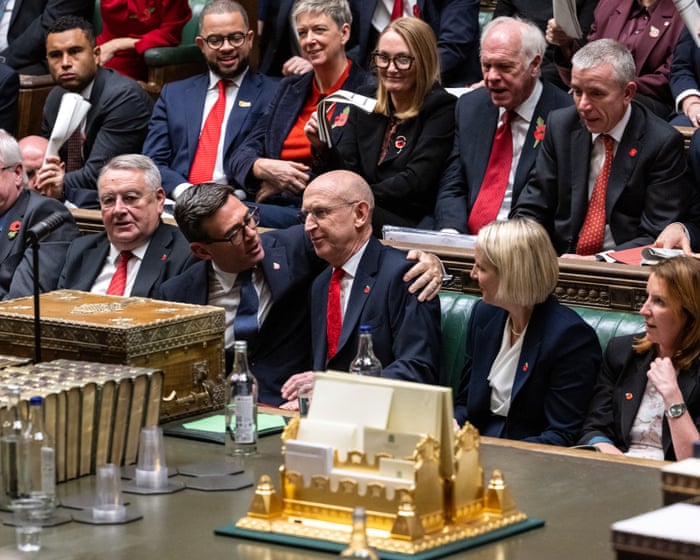
Budget 2026: Healey hikes taxes on banks and landlords to fund £100 handouts to 20m households

Few surprises as chancellor uses low-key speech blaming ‘global economic storms’ for stoking energy prices and cost of living crisis

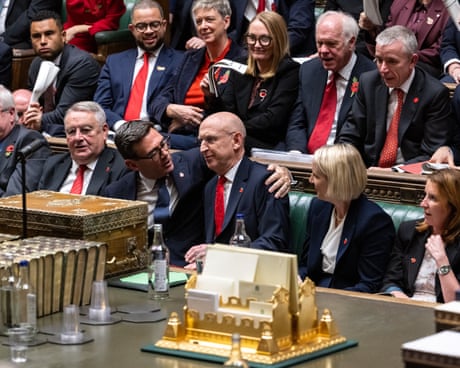
John Healey raised taxes on banks and landlords to fund a £100 winter handout for 20 million families as official forecasts made clear there is no end in sight for the cost of living crisis.

In his first budget, the chancellor blamed “global economic storms” for the grim outlook, as the war in Iran drives up oil and gas prices.

Continue reading...

© Photograph: House of Commons/AFP/Getty Images

© Photograph: House of Commons/AFP/Getty Images

© Photograph: House of Commons/AFP/Getty Images

  •  

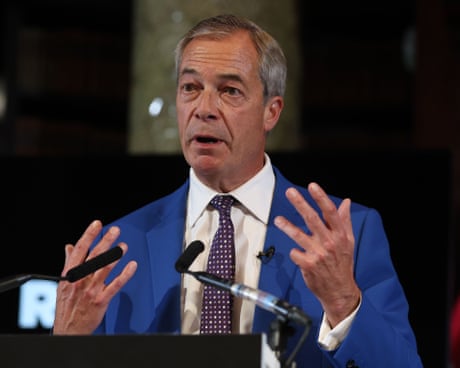
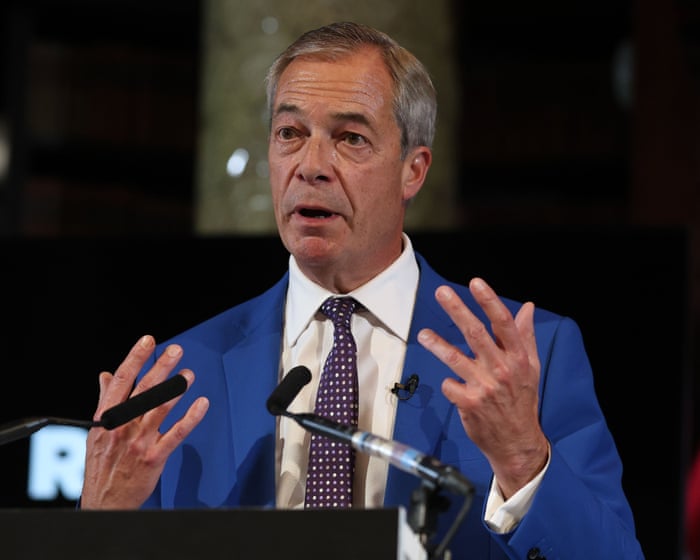
Nigel Farage skips budget in Commons over seating ‘altercation’ concerns

Reform UK leader ‘shocked’ by £10bn pledged to Ukraine and doubles down on cutting tax for crypto investors

Nigel Farage skipped the chancellor’s first budget because he was worried he would get in a “physical altercation” with another MP in a row over seating arrangements.

The Reform UK leader was not present in the House of Commons but gave a press conference afterwards in which he said he was “shocked” by the £10bn going to support Ukraine and doubled down on his party’s policies on cutting tax for crypto investors.

Continue reading...

© Photograph: Zeynep Demir Aslim/ZUMA Press Wire/Shutterstock

© Photograph: Zeynep Demir Aslim/ZUMA Press Wire/Shutterstock

© Photograph: Zeynep Demir Aslim/ZUMA Press Wire/Shutterstock

  •  

Budget winners and losers: pensioners and households gain as banks and betting shops hit

How the Burnham government’s first attempt to ease cost of living pressure pans out for key stakeholders
Budget 2026: key points at a glance

Every budget has its winners and losers, and John Healey’s first as chancellor was no exception. While some gained from tax breaks and rule tweaks, others will either pay more, or had their hopes of reforms dashed. Here are some of those with reason to cheer, or sigh:

Continue reading...

© Photograph: Richard Pohle/PA

© Photograph: Richard Pohle/PA

© Photograph: Richard Pohle/PA

  •  

Budget 2026 calculator: find out if you are better or worse off

Use our interactive tool to see how you have been affected by John Healey’s tax and spending announcements

Continue reading...

© Photograph: Peter Dazeley/Getty Images

© Photograph: Peter Dazeley/Getty Images

© Photograph: Peter Dazeley/Getty Images

  •  

‘A pretty grim picture’: outlook for UK living standards slashed despite Healey’s budget

OBR cautions about Middle East war dragging down growth and triggering a fresh cost of living crisis

British households face a “pretty grim picture” for living standards as the war in the Middle East drags down growth and triggers a fresh cost of living crisis, the government’s independent forecaster has said.

In a report as John Healey announced his first budget, the Office for Budget Responsibility (OBR) issued a sharp downgrade for growth in 2027, household disposable incomes and the public finances despite the measures taken by the chancellor.

Continue reading...

© Photograph: Vuk Valcic/SOPA Images/Shutterstock

© Photograph: Vuk Valcic/SOPA Images/Shutterstock

© Photograph: Vuk Valcic/SOPA Images/Shutterstock

  •  

Budget 2026: John Healey offers £100 payments to households to help navigate ‘global economic storms’

Payment to 20m homes part of package to help cut energy bills and ease cost-of-living crisis, paid for by smaller than expected bank windfall tax

John Healey promised to steer Britain through “global economic storms,” as he announced a package of measures to cut consumers’ energy bills, funded by a smaller-than-expected windfall tax on banks.

In his first budget, the chancellor said 20m households in council tax bands A to D would receive a £100 payment – a measure he said would cost £2.6bn.

Continue reading...

© Photograph: House of Commons/UK Parliament/PA

© Photograph: House of Commons/UK Parliament/PA

© Photograph: House of Commons/UK Parliament/PA

  •  

Budget 2026: key points at a glance

John Healey is announcing his financial update – here are the main points, with political analysis

John Healey starts by saying that his budget is “delivered at a time when global uncertainties and pressures are swirling worldwide and hitting people here at home”.

Healey says he will meet the fiscal rule that day to day spending must be covered by tax receipts and the investment rule that government debt, defined as public sector net financial liabilities, must be falling as a percentage of GDP in the third year of the forecast.

The government will have £15bn of headroom in 2029-30 and £20bn in 2030-31, according to the Office for Budget Responsibility, the government’s forecaster.

Government borrowing will be 4.2% of GDP this year, 3.4% next year, then 2.9% and 2.1% 1.8% by 2030-31, the OBR says.

Predictions of slowing growth were wrong, Healey says. The OBR says GDP will grow by 1.2% this year, 1% next year, 1.6% in 2028, 1.8% in 2029, 1.7% in 2030, 1.6% in 2031. In March the OBR had predicted GDP growth of 1.1% in 2026, rising to 1.6% in 2027 and 2028, and dropping to 1.5% in 2029 and 2030.

Government debt is forecast to be 83.2% of GDP this year, 83.8% next year, and then falling to 83.1%, 82.3% and 81.7% in the following years.

Continue reading...

© Composite: PA;EPA;Getty

© Composite: PA;EPA;Getty

© Composite: PA;EPA;Getty

  •  

Budget 2026: £100 energy payment for millions and rise in bank tax as watchdog warns on stalling living standards – as it happened

OBR says that living standards are forecast to rise by just 1% over the whole post-Covid decade

Martin Lewis said that, when he met John Healey this morning, the chancellor said that, having removed standing charges from gas bills, he would also like to get rid of them from electricity bills. Lewis said:

The chancellor said he will be talking to Ofgem about how they get rid of the charge on electricity as well, but that is ‘trickier’ apparently and will take longer.

Continue reading...

© Photograph: House of Commons/UK Parliament/PA

© Photograph: House of Commons/UK Parliament/PA

© Photograph: House of Commons/UK Parliament/PA

  •  

Healey poised to overturn cut to cash Isa allowance in first budget

Chancellor’s predecessor Rachel Reeves had planned to reduce allowance from £20,000 to £12,000 a year from April

John Healey is to use his first budget to ditch plans to slash the annual cash Isa allowance, the Guardian understands, preferring a carrot rather than a stick to encourage people to invest more in shares.

City experts welcomed news that the chancellor will overturn a decision by his predecessor, Rachel Reeves, to cut the allowance from £20,000 to £12,000 a year from April to get more money flowing into UK company stocks.

Continue reading...

© Photograph: Tetiana Chernykova/Alamy

© Photograph: Tetiana Chernykova/Alamy

© Photograph: Tetiana Chernykova/Alamy

  •  

John Healey to end standing charges on gas bills for 23m homes

On budget day chancellor says he will ask Ofgem to remove ‘unfair and outdated’ fixed daily fee in 2027 or soon after

John Healey is abolishing standing charges on gas bills for 23m homes in a move he says will end an “unfair and outdated” practice and save two-thirds of households an average of £45 a year.
Ahead of his first budget statement in the Commons later on Wednesday, the chancellor said he would ask Ofgem, the energy regulator for Great Britain, to remove these charges – which are £108 a year for the typical household – next year or as soon as possible after.

Continue reading...

© Photograph: Joe Giddens/PA

© Photograph: Joe Giddens/PA

© Photograph: Joe Giddens/PA

  •  

Wednesday briefing: We asked you - what do you want from the Burnham government’s first budget?

In today’s newsletter: First Edition readers and people struggling with the cost of living tell us what the government could do to improve their lives

Good morning. Don’t expect anything radical. This, the Treasury has been at pains to tell us, will be a very “low-key” budget. After weeks of speculation from journalists, a flurry of press releases from thinktanks, and a photoshoot with an obligatory red box, the chancellor, John Healey, will announce the details of the Burnham government’s first budget in the Commons today at 12:30pm.

Healey has been selling this as a series of measures designed to relieve pressure on low- and middle-income households under the mangled tagline of “breathing space for today, fresh hope for the future”. Many of the proposals have already been briefed, and their modesty is a sign of the constraints – both real and self-imposed – that his government faces. He has rejected calls to raise capital gains tax or lower the mansion tax and has promised to stick to Labour’s fiscal rules, while the Iran war has increased the cost of borrowing and eroded his spending power.

Israeli elections | Israel could be in for weeks of political haggling after exit polls and partial official results showed neither Benjamin Netanyahu’s coalition nor the opposition bloc led by former general Gadi Eisenkot had won enough seats to form a government.

Energy | The government’s plan to fund a multibillion-pound nuclear plant at the Sizewell site in Suffolk represents a “terrible deal” for the UK taxpayer over the rest of the century, according to the government’s spending watchdog.

Middle East | A multipronged peace deal to reopen the strait of Hormuz within four days of sanctions being lifted and for the Houthis to withdraw substantial forces inside Yemen are at the heart of Gulf states’ plans to avert what they regard as a disastrous renewal of war between Iran and the US.

UK news | A 78-year-old volunteer has claimed a Reform UK councillor accused her of “facilitating the invasion” and being akin to a Nazi collaborator during the second world war because she has helped asylum seekers learn English.

Brazil | The far-right senator Flávio Bolsonaro has reportedly fled Brazil and is on his way to the United States after losing Sunday’s presidential election to the leftwing incumbent, Luiz Inácio Lula da Silva.

Continue reading...

© Photograph: Kirsty O’Connor/Treasury

© Photograph: Kirsty O’Connor/Treasury

© Photograph: Kirsty O’Connor/Treasury

  •  

What to expect from John Healey’s first budget: who wins, who pays?

Struggling households, new homebuyers and small shops stand to gain, while banks and online marketplaces could face higher levies

John Healey will present his first budget on Wednesday, which will set the tone for Andy Burnham’s premiership.

Despite the chancellor’s promises in the summer that the tax and spending event would not be beset by the leaks that preceded those of his predecessor, Rachel Reeves, both official and unofficial sources have indicated much of what Healey is likely to announce. Here’s what to expect:

Continue reading...

© Photograph: Lauren Hurley/No 10 Downing Street

© Photograph: Lauren Hurley/No 10 Downing Street

© Photograph: Lauren Hurley/No 10 Downing Street

  •  
❌