The Brazilian congressman André Janones created a digital “army” by setting up WhatsApp groups and posting on Instagram, which helped mobilized the vote for the reelection of President Luiz Inácio Lula da Silva.
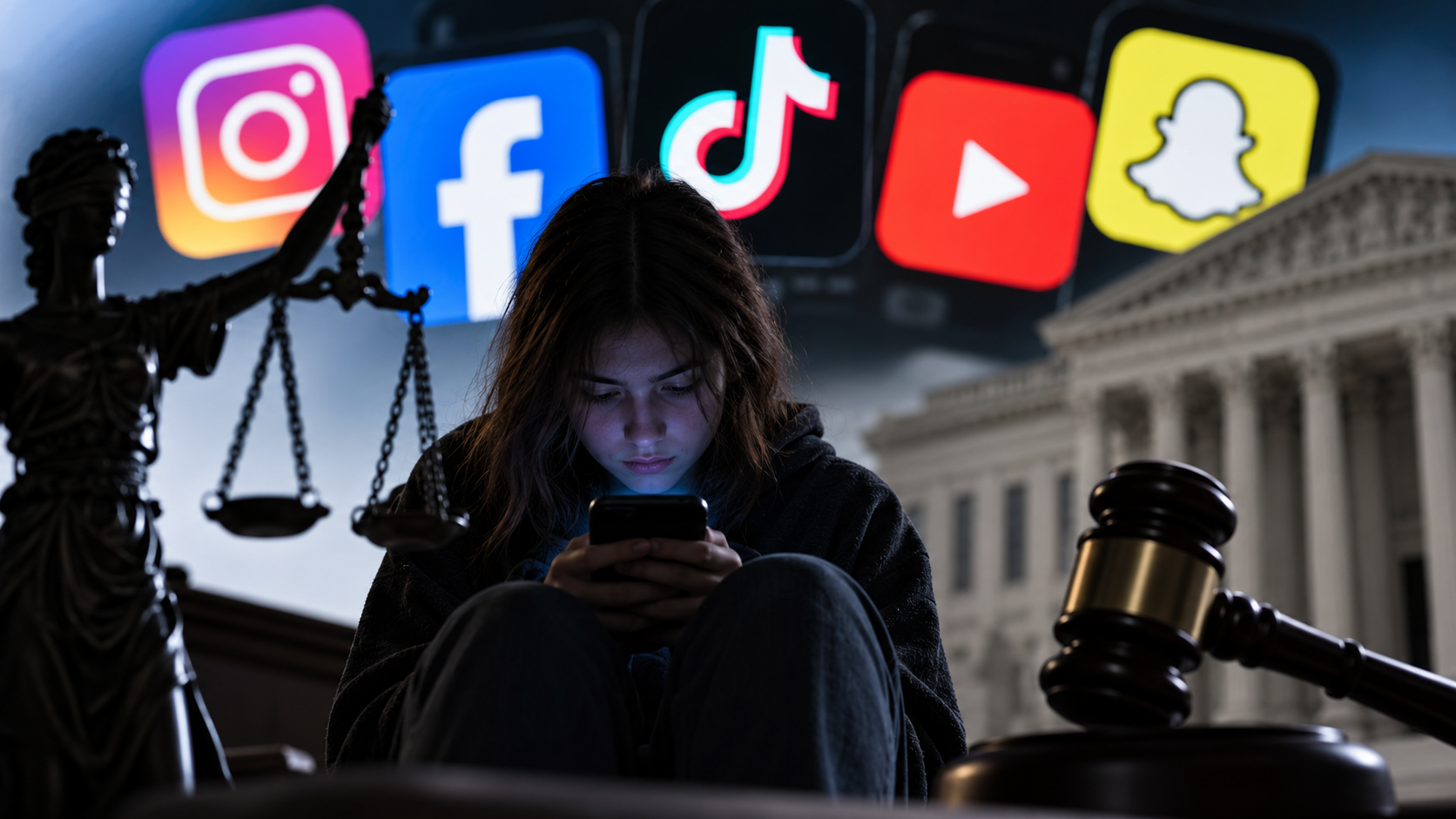
Meta Platforms, Alphabet’s YouTube, TikTok parent ByteDance and Snap are facing thousands of lawsuits brought by US states, school districts and individuals alleging the companies intentionally designed their platforms to keep young users hooked.
The companies have denied allegations that their products have contributed to depression, anxiety, body-image issues and a broader youth mental health crisis, saying they take action to protect the youngest users of their platforms.
The companies also have argued that Section 230 of a federal law called the Communications Decency Act shields them from claims based on the content their users post.
Here is a look at the current state of the litigation in US courts.
States seek billions over alleged harm
Nearly every US state filed claims against social media companies over the alleged impact on children of their platforms. The lawsuits seek damages or financial penalties, as well as court orders directing the companies to make significant changes to their platforms.
In August, Meta resolved nearly all of the state lawsuits against it with settlements worth up to $18 billion over the next decade. As part of the deal, Meta agreed to limit how teenagers can use Facebook and Instagram.
The deal made $5 billion of the payout contingent on YouTube, TikTok and Snap reaching similar agreements with the states.
New Mexico and Florida did not join the settlement.
Florida has an ongoing lawsuit against Meta in state court.
New Mexico has sued Meta twice. Earlier this year, jurors and a judge ordered the Facebook and Instagram parent company to pay more than $940 million to the state after finding that Meta failed to protect young users from sexual exploitation on its platforms.
In October, another New Mexico jury agreed with the state that Meta had misled consumers about how it handles data privacy. The judge overseeing the case ordered Meta to pay the state $25 billion in penalties. Meta has said it will appeal both verdicts.
TikTok, facing lawsuits by at least 27 states, settled with Alabama in September, days before that lawsuit was slated for trial. TikTok agreed to pay Alabama up to $300 million if the majority of states reach similar agreements with the company.
Schools seek compensation for social media harm
More than 1,000 US school districts have filed lawsuits over claims that social media companies designed their platforms to be addictive, contributing to anxiety, depression and self-harm and leaving schools to deal with the fallout. The schools are seeking compensation for what they say they have spent dealing with social media’s effects on students, plus additional funding to limit its impact going forward.
A small school district in rural eastern Kentucky was selected as the first school district case to go to trial. But the June trial was canceled after the companies reached settlements with the district. Public records revealed that the district was set to receive $27 million under the agreements.
Lawsuits brought by school districts in Charleston, South Carolina, and Tucson, Arizona, have been chosen for trial next.
Teenagers take tech giants to court
On Wednesday, two teenagers who have said Instagram and Snapchat caused them serious mental health problems will take Meta and Snap to trial in Los Angeles.
It is the second trial in more than 3,300 lawsuits brought in California state court by young people and their families alleging that Meta, Snap, TikTok and YouTube deliberately designed their platforms to be addictive. TikTok and YouTube settled with both plaintiffs before trial and Meta settled with one.
The lawsuits were selected as bellwethers, or test cases, for the state court cases. Attorneys often use bellwether verdicts to gauge how juries may view similar claims, helping them assess the potential value of remaining cases and guide settlement negotiations.
Jury verdicts test companies’ liability
In the first trial to test an individual’s claims that social media caused personal harm, a young woman alleged that her addiction to social media led to depression and anxiety.
In March, a Los Angeles jury found Meta and Google negligent and ordered Meta to pay $4.2 million in damages and Google $1.8 million. Both companies have appealed.
The second trial over an individual’s claims against the companies, scheduled for July in Los Angeles, was canceled after the plaintiff reached settlements with TikTok, Snap and YouTube and dropped his claims against Meta.
In August, a third teen whose case was chosen for trial dropped her case against Meta, Snap and YouTube after she settled with TikTok.
Experts say symptoms such as dark circles under the eyes, grey skin, cracked lips and hair loss can be a warning sign – but there are other factors too
TikTok is rife with influencers warning of “ferritin face”, a term they use to describe the pallor, dark circles, dry skin, and hair loss claimed to indicate low iron stores. But is this based on fact or fiction, and when is it time to head to the GP?
Iranian authorities have sentenced to death Najmeh Amini, an accounting student, for blasphemy over a social media post that reportedly insulted Muhammad. Amini, who is being held in Vakilabad prison in Mashhad, was also sentenced to more than 12 years in prison in a separate case involving charges of acting against national security and spreading propaganda against the government. She was reportedly arrested following online monitoring by the Iranian Cyber Police after nationwide anti-government protests. Amini told the court that she posted the remarks while hallucinating after taking psychedelic mushrooms, and her lawyer argued that the comments were unintentional, but the judge rejected this defense. The content of the offending post has not been made public.

 Login