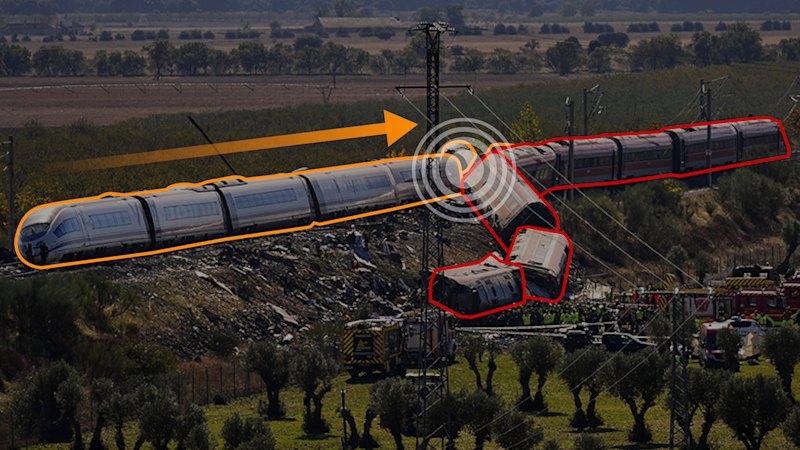
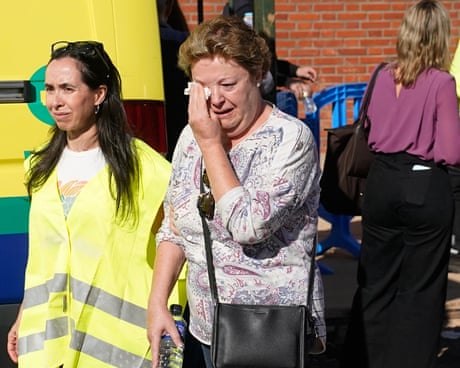
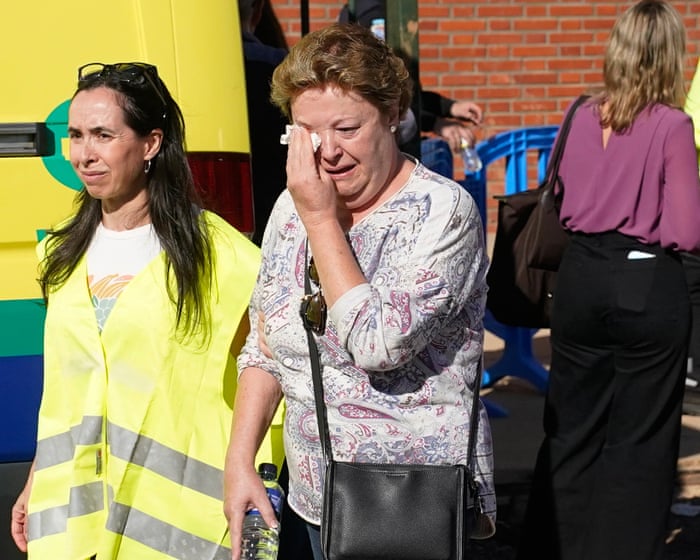
Questions are being raised about Spain's rail safety as authorities launch an official investigation into the cause of Wednesday's high-speed train collision, which killed at least 68 people and wounded around 100 more, in the country's second fatal rail crash this year.
Questions are being raised about Spain's rail safety as authorities launch an official investigation into the cause of Wednesday's high-speed train collision, which killed at least 68 people and wounded around 100 more, in the country's second fatal rail crash this year.
Spain is in mourning after another high-speed train crash – the second in nine months. Here’s what we know about how the crash unfolded, the casualties and the questions facing authorities.
Spain is in mourning after another high-speed train crash – the second in nine months. Here’s what we know about how the crash unfolded, the casualties and the questions facing authorities.
Watered-down version of statement to be issued at end of Montreal summit instead offers ‘ever closer association’
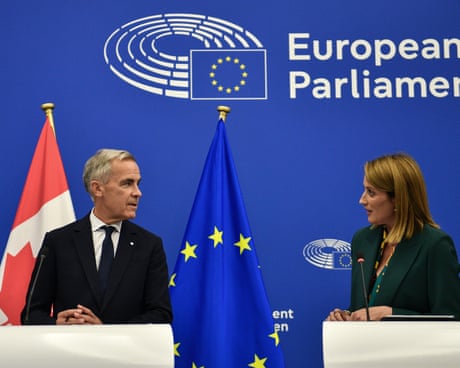
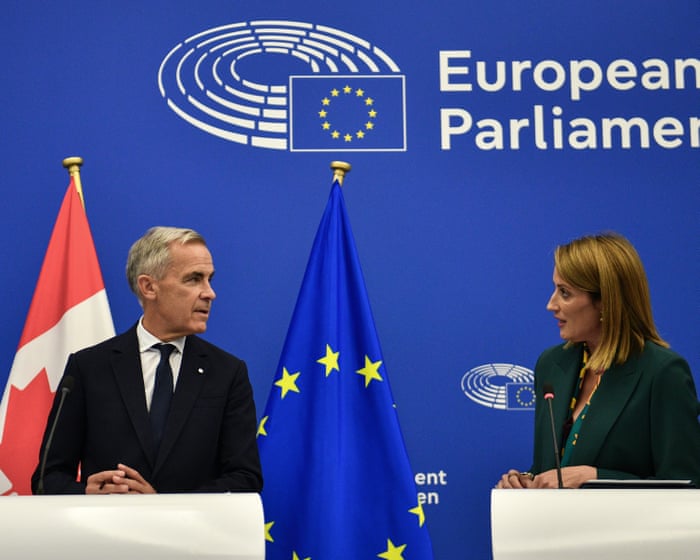
The EU has backed away from its offer to Canada to start talks on becoming an “associate member” after disagreements between member states just as an EU-Canada summit was set to begin in Montreal.
A draft of a joint statement to be issued after the end of the summit, which runs Thursday and Friday, showed a watered-down version offering “an ever closer association of Canada to the EU, short of full membership itself”.
The Spain’s government has declared three days of national mourning, from October 29 to 31, for the 64 people killed in the collision of two passenger trains on October 28 in the province of Toledo.
The Spanish government declared three days of national mourning, to be observed on October 29, 30 and 31, 2026. The order requires flags to fly at half-staff on public buildings and military installations across the country during the three days.
Pedro Sánchez announced the measure in memory of those who died in the rail collision in the province of Toledo, in the autonomous community of Castilla-La Mancha.
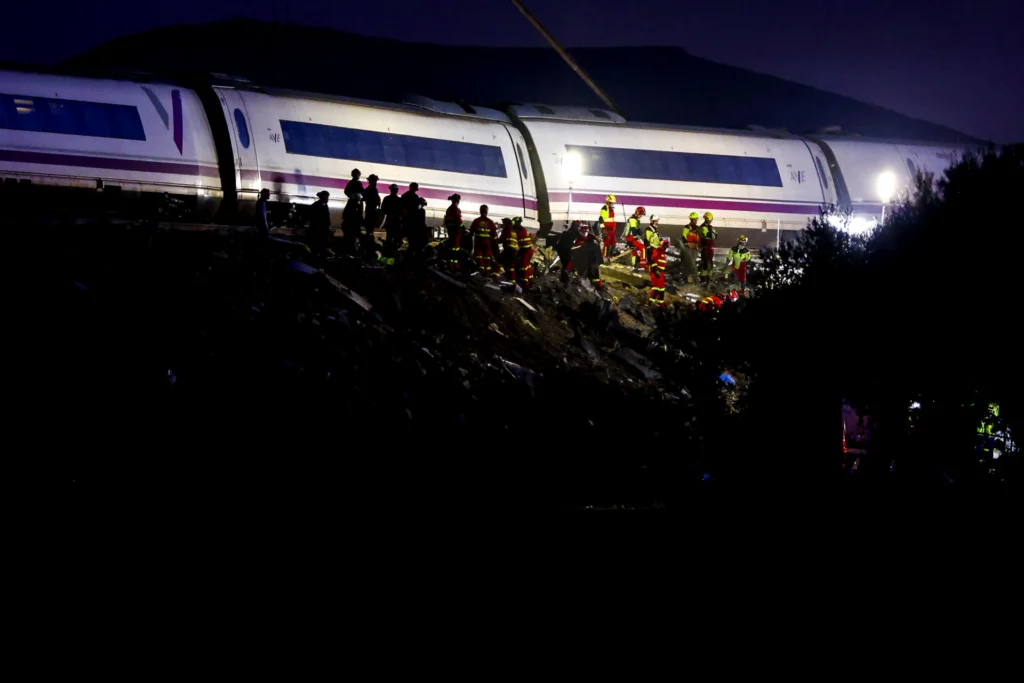
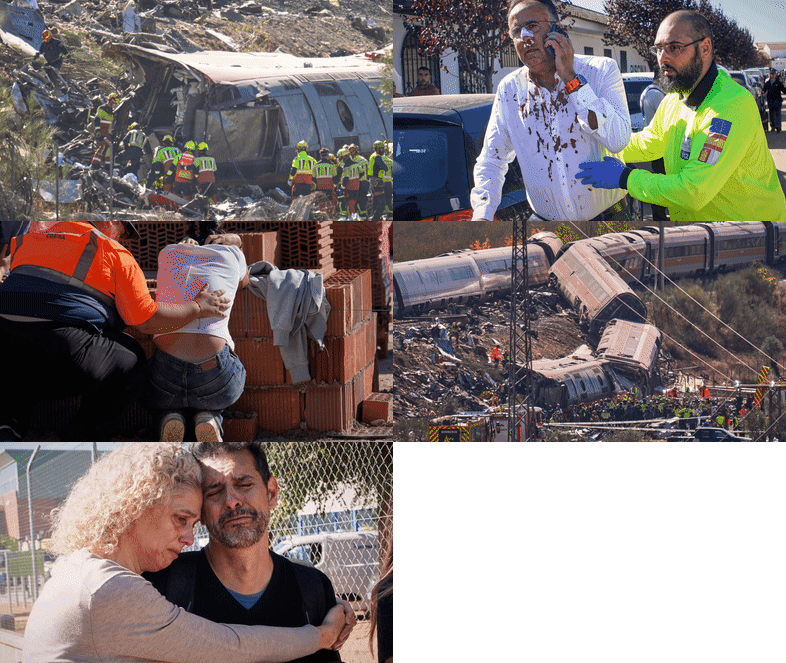
The impact occurred at 8:54 A.M. local time near the municipality of Urda. A high-speed AVE train, operated by state-owned Renfe, hit the rear of a train operated by the private company Iryo, which was stopped on the tracks. The collision derailed the last two cars of the Iryo train and sent several units down a ravine.
Following a deadly train crash near Toledo, Spanish PM Pedro Sánchez declares 3 days of national mourning and demands strict safety measures: "It is unacceptable for Spain to suffer two high-speed rail accidents in the same year." pic.twitter.com/IeiKNHndtf
The crash involved two operators that share Spain’s high-speed network. Renfe, which is state-owned, runs the AVE, while Iryo, which is privately owned, operates the train that was struck from behind. Both companies carry passengers on high-speed corridors.
65 people died in the crash, according to the President of Castilla-La Mancha, Emiliano García-Page. There were 544 passengers aboard the two trains at the time of the impact: 397 on the AVE and 147 on the Iryo, including a baby.
The rescue operation involved 100 members of the Military Emergencies Unit. The Civil Guard’s Major Disasters Team also took part. The search for bodies continues, meanwhile the injured remain in hospitals.
Official activity was suspended in the central government and in regional administrations while emergency teams continue their work at the crash site.
Sánchez traveled to Toledo to assess the response at the scene. King Felipe VI set aside his official engagements after speaking with the prime minister about what had happened. Both cleared their public schedules.
For her part, Health Minister Mónica García suspended her scheduled activities and merged state medical resources with the regional administrations of Madrid and Castilla-La Mancha to assist victims of the disaster in Urda. The order pulled national capacity and local response into a single coordinated operation.
Signaling and safety failures on the high-speed network are the focus of the technical investigation. Transport Minister Óscar Puente went to Atocha station in Madrid to review those systems. He also examined the factors surrounding the collision between the two trains.
‼️Accidente tren
🚨 La Guardia Civil ha desplegado en la zona personal de Seguridad Ciudadana de la provincia de Toledo, OMAC (Oficinas Móviles de Atención a la Ciudadanía) así como agentes del SEPRONA y de la Jefatura de Tráfico.
Text reads: “The Civil Guard has deployed personnel from the Citizen Security area of the province of Toledo, OMAC (Mobile Offices for Citizenship) as well as agents from SEPRONA and the Traffic Headquarters.”
The January Precedent
The Urda disaster follows a wreck that Spanish investigators still struggle to explain. In January 2026, on the Madrid-Andalucía route near Adamuz in Córdoba province, an Iryo train departing the capital derailed and struck another unit serving the Huelva-Madrid corridor.
That collision produced no immediate answers and the track had been renovated shortly before. The first train cleared its technical inspection only four days earlier, moving between 200 and 210 kilometers per hour. Minister Óscar Puente described the crash as a highly unusual event.
The consequences spread fast. Rail service toward the south of the country stopped temporarily while experts examined the wreckage. Atocha station, Madrid’s main rail terminal, absorbed massive cancellations as passengers rebooked or abandoned their journeys.
Months later, the cause remains open. Renovated track, a freshly inspected train, and routine high speed, none of it explained the collision. That unresolved record shaped the public mood when the news from Urda arrived.
Two railway disasters within a single year have now tested Spain’s emergency systems twice. January demanded a forensic response, an effort to understand an accident that defied easy explanation. Urda has demanded a medical one.
Spanish authorities have not yet released a complete account of the Urda disaster. Investigators will face the same task that followed Adamuz, determining what failed and why. The January wreck left a toll of 39 dead and more than 100 wounded, and the questions it raised remain unresolved as the country confronts a second emergency on the same network.
The national mourning decreed by the government will last until October 31. Technical teams will determine the causes of the crash and the condition of the signaling systems on that stretch of the network, as well the recovery of the hospitalized injured completes the authorities’ immediate agenda.
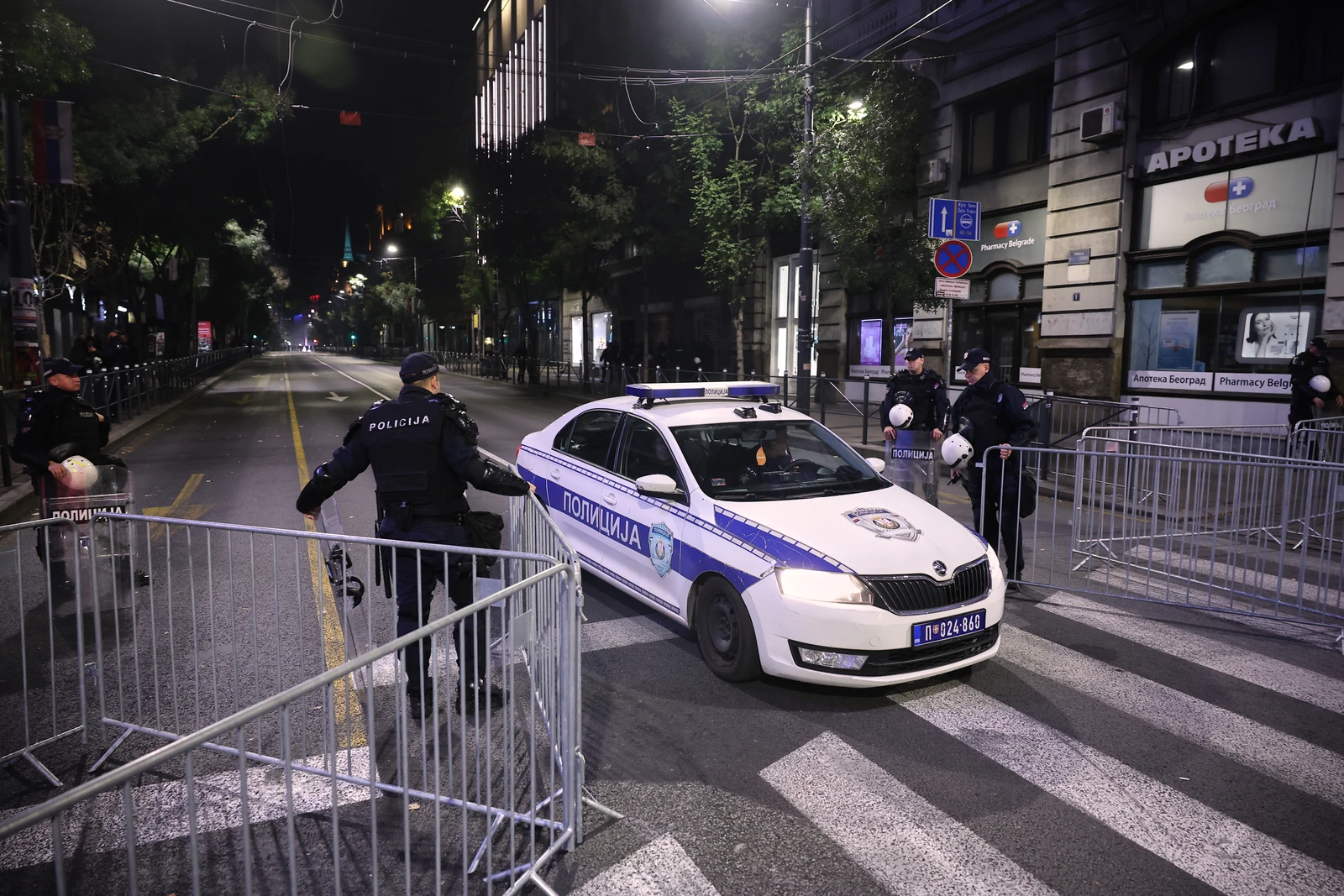
Serbian police shot dead a young man outside the Israeli embassy in Belgrade in the early hours of Wednesday after what the authorities called a “terrorist attack”.
Interior minister Ivica Dacic said the attacker ran at a police officer with two knives while shouting “Allahu Akbar”; the officer suffered a minor knife wound to the face and shot the man.
Dacic said the suspect was a minor and a Serbian citizen who was being monitored by the security services because he was “known to be a supporter of the Islamic State”.
Speaking to reporters outside the embassy, he said an investigation was under way; the security services said the suspect had posted a picture of the Islamic State flag on his Instagram account.
Dacic raised the country’s terrorism threat level to “red alert”, the highest level, which brings stricter security checks and a larger police presence.
Armed security personnel were seen standing guard outside the embassy on Wednesday morning.
Israel’s foreign ministry confirmed in a social media post that no embassy staff were hurt and that the mission was closed when the incident happened.
It is the second attack on the Israeli embassy in Belgrade in less than three years, for in June 2024, a man shot a police officer in the neck with a crossbow.
The officer survived and shot dead the attacker, who was identified as a Serbian man who had converted to Islam.
A high-speed train has slammed into another that had stopped on the tracks in Spain, killing at least 68 people and injuring dozens in the second deadly rail collision this year. Follow our coverage.
A high-speed train has slammed into another that had stopped on the tracks in Spain, killing at least 68 people and injuring dozens in the second deadly rail collision this year. Follow our coverage.
Serguéi Lavrov described Africa as a civilization in its own right and one of the pillars of an order that, in his view, is replacing five centuries of Western hegemony. Russia opens the third summit on Wednesday with 48 delegations and an offer to support the continent’s industrial and technological sovereignty, with the El Dabaa nuclear plant already under construction.
Serguéi Lavrov spent nearly an hour and a half on Tuesday with the heads of Africa’s leading media outlets, gathered in Moscow on the eve of the third Russia-Africa summit, and laid out how Russia sees the continent.
“We regard the African continent as a distinct civilization, one of the most important pillars of the multipolar world that is now, as an objective course of history, actively taking shape on the international stage, replacing the hegemony that Western countries have exercised for more than 500 years,” the Foreign Minister said.
According to Lavrov, Russia wants to help strengthen the sovereignty of African states, the development of their industries and greater self-sufficiency in the economy, finance and technology. The summit agenda, on October 28 and 29, groups those goals into four areas, namely political and economic cooperation, security, science and technology, and cultural and humanitarian ties.
Nearly all the delegations from the 48 confirmed countries are already in Moscow, and 22 of them are led by heads of state. On the table are 33 documents, among them an agreement on cooperation in artificial intelligence, and the 2027-2029 joint action plan, which Vladimir Putin and Burundi’s Évariste Ndayishimiye, the current chair of the African Union, will adopt at Thursday’s plenary session. Putin also has 24 bilateral meetings scheduled, with the leaders of Egypt, Ethiopia, Ghana, Mali and Libya, as well as Iran and Qatar, in a week when the Russian capital is also hosting the Gas Exporting Countries Forum.
Seven years separate this gathering from the first one, held in Sochi in 2019, which closed with 92 agreements worth some $12.5 billion. The second brought together delegations from 48 countries in St. Petersburg in July 2023, and since then the Russian Foreign Ministry has created the Department of Partnership with Africa to follow up on what was signed, while intergovernmental commissions grew from four in 2023 to nine in 2025. In August, Ministry Spokeswoman Maria Zakharova announced that Moscow would bring to this summit a package of contracts on peaceful nuclear energy, independent payment systems, food security, digitalization and artificial intelligence.
Paul Kagame confirmed his attendance after several Western governments suspended part of their financial aid to Rwanda in 2025, and in Moscow he will sign the creation of a cooperation commission with a country he has already invited to build fertilizer plants. Ghana, whose parliament is processing a military-technical cooperation agreement with Russia, has an open tender for its first nuclear power plant, a 1,000-megawatt facility, in which Rosatom is competing with suppliers from China, South Korea, Canada and the United States.
In 2023, oil, refined products, wheat and metals made up 90% of Russian exports to Africa, while Russia bought mainly fruit, cocoa and coffee. The balance leaves Russia with a surplus of more than $10 billion a year.
Settling that trade became harder when Russia’s exclusion from SWIFT in February 2022 cut off the usual channels of Russian banks. Moscow responded with its own payment network, in which the rublealready covers 84% of transactions with Africa, backed by the Russian financial messaging system, China’s CIPS, crypto assets and the A7 payment agent, which operates in Nigeria and Zimbabwe. For African importers the circuit still carries costs, since obtaining rubles requires a double conversion through dollars, exposes them to the volatility of that currency and leaves their banks open to Western secondary sanctions, which is why several banks on the continent refuse to process payments linked to Russia.
Egypt, which accounts for 30% of Russia’s trade with Africa, hosts the Russian Industrial Zone on the Suez Canal, agreed in 2018 for 50 years, which took its first step in July 2026 when Moscow selected the developer. An Egyptian government source estimates investment of up to $5 billion and completion in 2028, and goods made there with more than 30% local content will enter as Egyptian products the markets where Cairo has preferential agreements. Benedict Oramah, President of Afreximbank, the African Export-Import Bank, urged Russian companies to seize an open market in energy, mining, railways and health, and in June the bank signed contracts with four Russian manufacturers.
Uranium for Europe, Blackouts in Niger
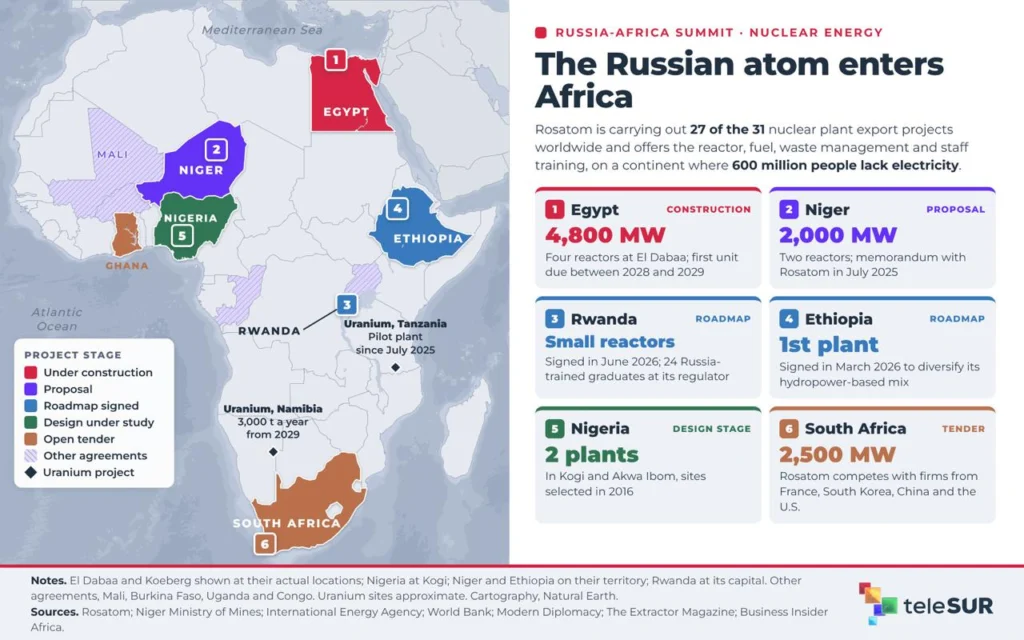
On Egypt’s Mediterranean coast, at El Dabaa, Rosatom is building four 1,200-megawatt reactors that will supply 10% of the country’s electricity. A Russian state loan covers most of a cost set in 2017 at $28.75 billion, which other estimates put at $30 billion, and the first unit is due to come online between 2028 and 2029.
The Russian corporation, which is carrying out 27 of the 31 nuclear plant export projects underway worldwide, offers a complete package covering the reactor, fuel, waste management and staff training over a 40- to 60-year lifespan, to a continent where some 600 million people live without electricity. The International Energy Agency estimates that universal access requires $15 billion a year, six times what was committed in 2023 for sub-Saharan Africa.
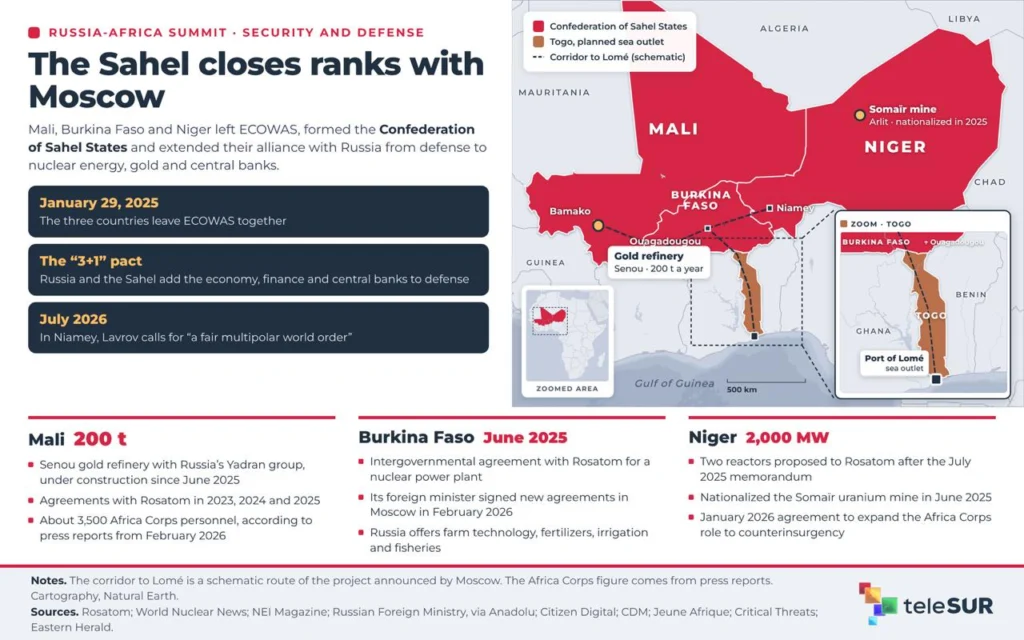
Niger, the world’s eighth-largest uranium producer, supplied France’s power plants for more than five decades (France gets about 70% of its electricity from nuclear power) and in 2022 provided almost a quarter of the natural uranium delivered to European plants.Only 20% of its 25 million inhabitants have electricity, and in Arlit and Agadez, where the ore is mined, coverage is close to zero. French company Orano took 86.3% of all the uranium sold from the Somaïr mine since 1971, more than its 63.4% shareholding. General Abdourahamane Tiani’s government nationalized the mine and the power utility Nigelec in June 2025, and although a tribunal of the International Centre for Settlement of Investment Disputes ruled in Orano’s favor in September and barred the sale of the ore, some 1,000 tonnes of concentrate are waiting at Niamey airport. The French press reported a deal to sell them to Rosatom.
Niger’s Mines Minister, Ousmane Abarchi, brought to Moscow a proposal for two reactors totaling 2,000 megawatts. “Electricity must be accessible to everyone on this planet; it should not be a privilege,” he said, and his Russian counterpart for energy, Sergei Tsivilev, replied that Moscow wants to build a complete peaceful nuclear energy system in Niger, beyond mining.
A plant of that size takes ten to fifteen years from contract signing to the first unit in operation, and costs tens of billions of dollars. The Russian model, tested in Egypt and Bangladesh, rests on state loans repaid over decades, and analysts following the case note that in Niger the most visible collateral is the uranium itself.
In Namibia, the world’s third-largest uranium producer, Rosatom plans to invest $500 million in a mine set to start production in 2029. Rwanda signed a roadmap in June for small modular reactors, Ethiopia signed another in March for its first power plant and Nigeria resumed the design of two plants. South Africa, home to Koeberg, the continent’s only commercial nuclear plant, launched a tender for 2,500 megawatts in which Rosatom is competing with French, South Korean, Chinese and U.S. companies.
Rosoboron export has military-technical cooperation agreements with 46 African countries and has signed some 150 contracts worth more than $20 billion since 2023. Between 2020 and 2024, Russia was the continent’s leading supplier of heavy weapons, with 21% of imports, ahead of China and the United States, helped by a Soviet-era arsenal that still needs spare parts and by contracts free of political conditions. Even with the war in Ukraine, which cut its global arms exports by 64% between 2021 and 2025, Africa accounts for 30% of the state company’s order book.
Mali, Burkina Faso and Niger asked French troops to leave, formed the Confederation of Sahel States and opened their barracks to the Africa Corps, the force that replaced the Wagner Group under the direct command of Russia’s Defense Ministry. The “3+1” pact, signed in Niamey, extends cooperation to the economy and the central banks of the three countries, and Moscow plans to use the Togolese port of Lomé as a sea outlet for a landlocked region.
In July, during the second round of consultations with the Sahelian foreign ministers in Niamey, Lavrov spoke of building together “a fair multipolar world order” against “neocolonial practices.” Russia reopened its embassy in Niger this year, and Putin asked his Foreign Minister to invite the three presidents to the summit.
The alliance is fighting the jihadist coalition JNIM, which in September 2025 blockaded fuel supplies to Bamako and in April 2026 forced the Africa Corps out of Kidal. When Human Rights Watch attributed killings of civilians to Russian forces in July, Moscow and Bamako jointly rejected the accusation.
Lavrov announced in August a security memorandum with ECOWAS, the bloc the three Sahelian countries left in January 2025, and offered to mediate between the two; the regional organization has not yet confirmed the scope or the signing date.
Washington Tries the Russian Formula
The break with Niger cost the United States the withdrawal of 1,000 troops and a $110 million drone base in 2024, and Donald Trump brought a transactional approach. Massad Boulos, the presidential adviser for Africa, toured Burkina Faso, Mali and Niger in early 2026 and acknowledged past mistakes in the name of sovereignty, while Erik Prince, owner of a military contracting firm and an informal adviser to Trump, has been meeting with Madagascar’s junta since late 2025.
A U.S. company agreed in late 2025 with Mali’s state mining company to revive a gold deposit valued at $11 billion. In Madagascar, Washington is negotiating the $700 million Toliara project to extract titanium, zirconium and rare earths, along with a proposal for a military presence at the former naval base of Antsiranana. Colonel Michaël Randrianirina, who came to power after the overthrow of Andry Rajoelina, received Russian drones and instructors and U.S. envoys almost at the same time.
The Washington think tanks that call the Russian offer a “survival package”for military governments now note how their own government is adopting a similar scheme, with security in exchange for minerals.
From Classrooms to Fields
The places Russia funds for African students rose from 2,100 in 2021 to about 4,800 in 2026, and some 35,000 young people from the continent are now studying at Russian universities. The Association of African Universities opened an office in October at St. Petersburg Mining University, and Rwanda already has 24 graduates in nuclear fields working at its Atomic Energy Board and the country’s regulator.
Russia’s ambassador to Burkina Faso, Igor Martynov, pledged technology transfers in agronomy, fertilizers, irrigation, fisheries and animal vaccines. In Togo, which signed a military agreement with Russia in 2024 and keeps its security channels with the West open, the first intergovernmental commission closed on October 1 with a protocol, a memorandum on cultural heritage and plans for mechanization and fertilizer production from local phosphate.
Egypt is building its nuclear plant with Rosatom without distancing itself from Washington or the Gulf monarchies, South Africa defends its non-alignment and Ethiopia joined BRICS without breaking with its Western lenders. According to an analysis published within that bloc’s orbit, Russia is welcome in Africa wherever it offers what others do not.
This week’s 33 documents will add to the 92 from Sochi and those from St. Petersburg, and the 2027-2029 plan will have its first milestones at the Suez industrial zone in 2028 and, a year later, at the first unit of El Dabaa and the Namibian mine. With those projects, Moscow seeks to give concrete form to the idea of Africa as a pillar of the multipolar world that Lavrov laid out on Tuesday before the African media.
Au Royaume-Uni, le gouvernement d'Andy Burnham a présenté son budget, mercredi 28 octobre. Les travaillistes au pouvoir ont fait de la croissance économique et de l' « espoir » leur mot d'ordre, malgré une marge de manœuvre fiscale réduite en raison des taux d'intérêt.
Russia plans to build own version of US billionaire’s satellite communications to help attack Ukraine
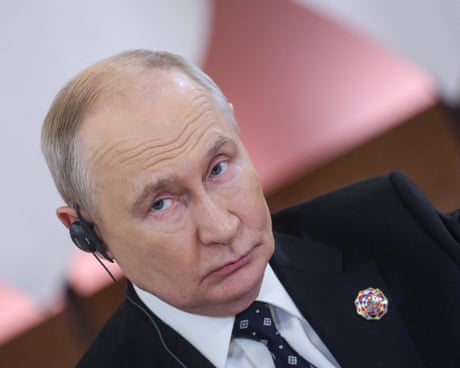
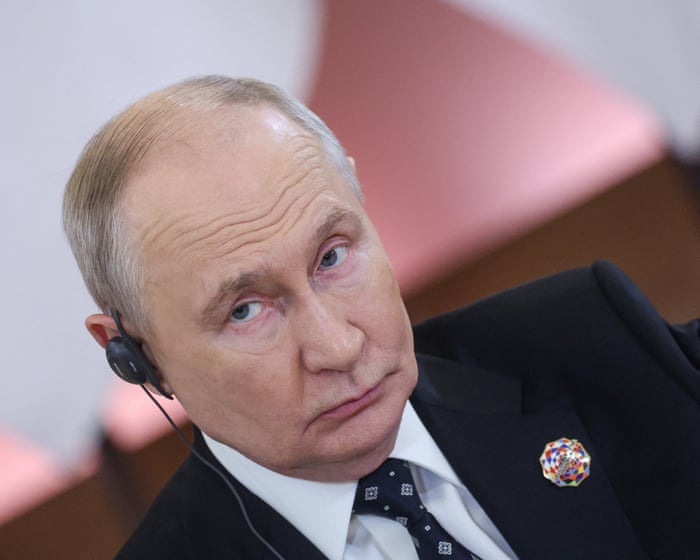
Vladimir Putin praised Elon Musk’s genius and said he was in touch with Starlink’s controlling shareholder as Russia develops its own satellite communications for its military to use against Ukraine.
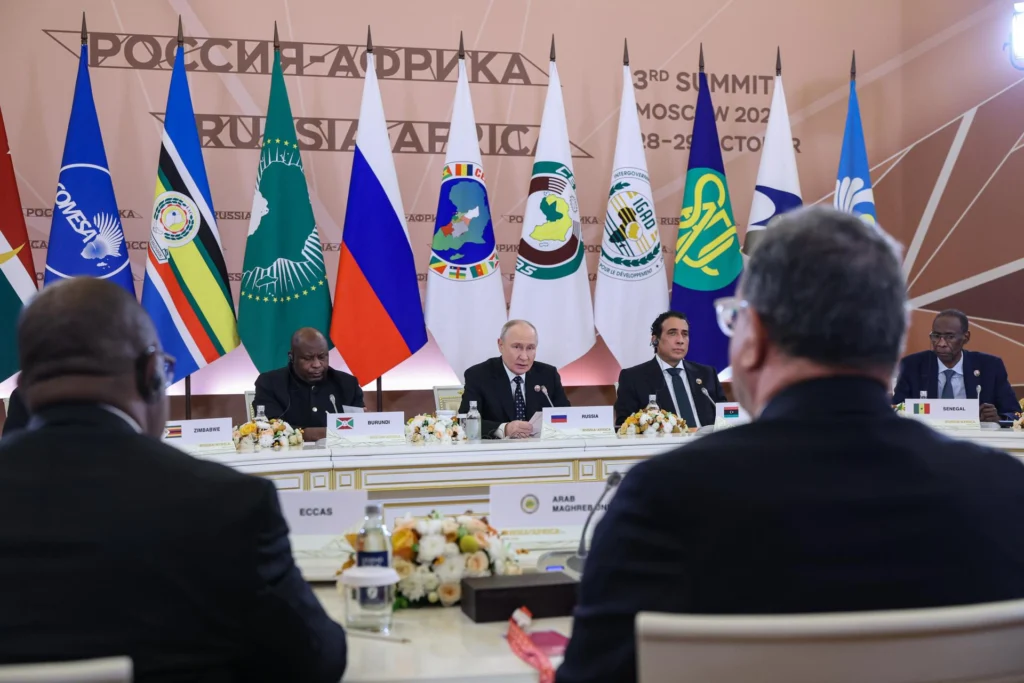
The Russian president, speaking at a summit with African leaders in Moscow, was comparing the Earth-orbiting network built by Musk’s SpaceX with Russia’s gradual efforts to build its own Rassvet constellation.
Josimar Medina woke a little before 9am on Wednesday to find himself airborne and hurtling through his carriage on the fast train from Madrid to Seville.
“I remember flying through the air and looking for my girlfriend, who was also shooting through the air,” said Medina, a 37-year-old tourist from the northern Peruvian city of Chiclayo.
Une collision mortelle survenue mercredi matin entre deux trains à grande vitesse près d'Urda, au sud de Madrid, endeuille de nouveau l'Espagne, neuf mois après une précédente catastrophe ferroviaire d'ampleur. Cette fois, la piste de l'"erreur humaine" est privilégiée. Voici ce que l'on en sait.

 Login