❌

Reading view

Lower-ranked players feel mental, physical strain as long season nears end

Frenchman Terence Atmane’s admission that he has been struggling with his mental health after an outburst at this month’s Shanghai Masters highlighted the pressures lower-ranked tennis players face as another demanding season draws to a close.

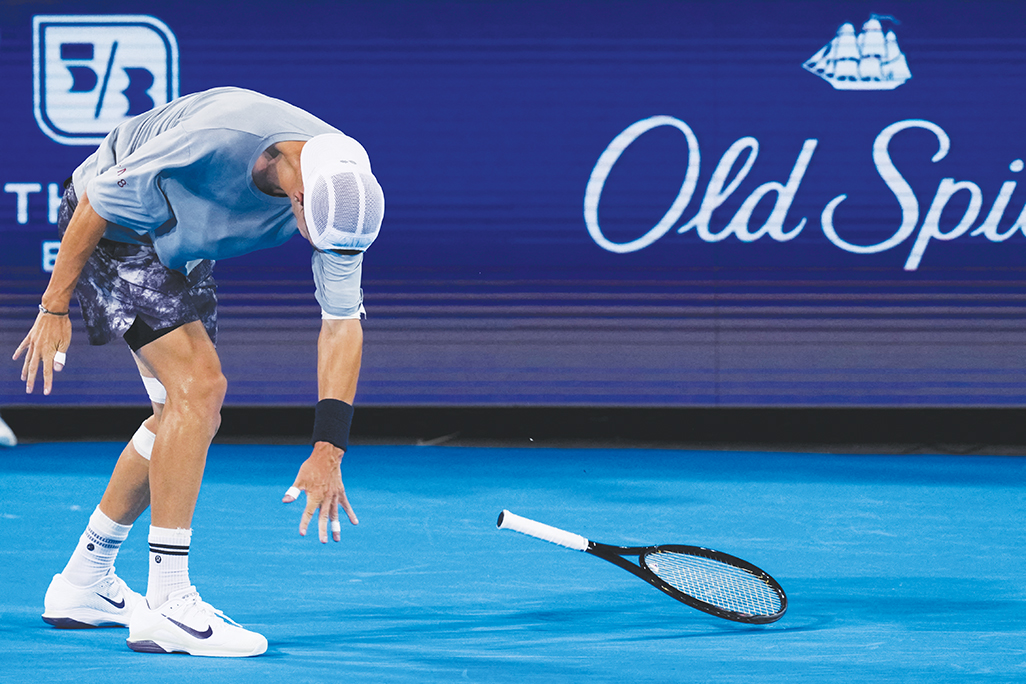
Atmane threw his racket towards the stands and narrowly missed striking fans in a qualifying match before apologising publicly for his conduct and detailing the stress of a sharp drop in his ranking to the edge of the top 100.

The closing weeks of a gruelling 11-month campaign can be particularly difficult for lower-ranked players, as fatigue and poor results collide with the pressure to compete for ranking points and prize money that could transform their prospects.

“I received a lot of hate, which is pretty normal because I deserve it. I’ve been behaving pretty badly,” Atmane said at the Almaty Open last week, where a run to the quarter-finals helped him climb to number 90.

“I was struggling … the season has been very long. I was struggling with my mental health, so it hasn’t been easy, but I was trying to get a fresh start.”

‘DIFFICULT CYCLE’

Former player and sports psychologist Jeff Greenwald said a long season could leave players tired, mentally stale, negative or emotionally reactive, with those low down the ladder facing an especially tough psychological and financial equation.

“Unlike established players who may have a full team managing their schedules, travel, practice arrangements, and other logistics, lower-ranked players often have limited support,” Greenwald told Reuters.

“The financial pressure can be enormous. They have limited resources and may feel they have only a certain window of time to make their investment in professional tennis pay off. Every event represents an opportunity to earn points, improve their ranking and potentially qualify for more lucrative ones.

“This creates a difficult cycle. A player may be exhausted, struggling with confidence, or experiencing signs of burnout yet feel compelled to enter another tournament because taking a break seems financially or professionally risky.”

Atmane is not alone, with fellow Frenchman Giovanni Mpetshi Perricard speaking about depression and burnout and saying he travelled to North America after Wimbledon despite not feeling mentally ready to compete.

India’s Sumit Nagal, ranked 269, also endured a challenging spell in which he played several tournaments this year while not fully fit, before shifting his focus towards enjoying the game rather than being driven by results.

On the women’s tour, Germany’s Eva Lys ended her season early to focus on her physical and mental health.

The ATP has proposed changes from 2028 that would reshape the men’s calendar and rankings to reduce the incentive to overplay, with a $25 million year-end fund to boost financial support to players finishing inside the top 250.

While those plans could ease the demands on players, Greenwald said that recovery remained an undervalued part of the professional game and should be viewed as vital to sustaining performance through the season.

WINNING AND LOSING

He added the strain often extends beyond physical and mental fatigue, with a lengthy run of disappointing results potentially eroding confidence when a player’s sense of self-belief becomes too closely linked to winning and losing.

“Tennis players can become very black-and-white in their thinking,” Greenwald added. “They’re either winning or losing, succeeding or failing.

“When losses accumulate, they can begin to question not only their game but themselves.”

One way of protecting players’ confidence is to shift the measure of success towards aspects of performance they can control.

“Rather than measuring success exclusively through wins, losses, rankings or prize money, we track their commitment to the game they’re trying to develop,” Greenwald added.

“This shifts their attention from outcomes they can’t fully control to behaviours they can influence. It also allows them to build a more stable sense of confidence grounded in mastery and commitment rather than the outcome of their last match.”

  •  

Musetti show a Vienna: battuto Tiafoe in due set, ora c’è Fery. L’inedito derby Cobolli-Berrettini

Lorenzo Musetti debutta con una grande vittoria all’Erste Bank Open, l’ATP 500 sul duro indoor a Vienna, alla Wiener Stadthalle. Il carrarino, numero 26 del mondo e fresco vincitore a Lione, ha sconfitto in due set lo statunitense Frances Tiafoe, oggi numero 9 ATP e quarta testa di serie del tabellone. Il punteggio finale recita 7-6 (6), 7-5. Decisivo è stato soprattutto il tie-break del primo set, quando Musetti ha anche annullato un set point all’avversario.

Nel prossimo turno Musetti affronterà il britannico Arthur Fery, numero 35 Atp e semifinalista a Wimbledon, che ha approfittato del ritiro del connazionale Jacob Fearnley sul 5-1 nel primo set. Domani, giovedì 29 ottobre, toccherà invece ad altri tre azzurri. Ci sarà innanzitutto l’inedito derby romano tra Flavio Cobolli e Matteo Berrettini: due grandi amici che si conoscono fin da bambini e che solo un anno fa hanno regalato – vincendo tutti i punti nella Final 8 – la Coppa Davis all’Italia. Si ritrovano per la prima volta avversari nel circuito Atp negli ottavi di finale del torneo di Vienna. Cobolli, testa di serie numero quattro del seeding, va a caccia di punti pesanti per il sogno Finals, ma attenzione alla voglia di rivalsa di Berrettini, fuori dalle convocazioni per la prossima fase finale di Davis. Scenderà in campo anche Luciano Darderi, uscito vincente da un altro derby, quello contro Matteo Arnaldi. Non avrà però vita facile contro Tommy Paul.

L'articolo Musetti show a Vienna: battuto Tiafoe in due set, ora c’è Fery. L’inedito derby Cobolli-Berrettini proviene da Il Fatto Quotidiano.

  •  

Berrettini e Musetti, dall’amicizia al gelo: che cosa è successo. Vanessa Bellini nega: “Mai tradito Matteo”. Il possibile incrocio a Vienna e il delicato ruolo di Volandri

A Vienna il tabellone sembra essersi divertito a mettere tutti nello stesso posto nel momento meno opportuno. Già, si parla di Matteo Berrettini e Lorenzo Musetti, un tempo amici anche fuori dal campo, sono al centro di un gelo diventato evidente dopo l’intervista del romano successiva alla vittoria su Etcheverry. E adesso in mezzo ci finisce pure Flavio Cobolli: si sprecano le ironie su un suo possibile ruolo da paciere.

La domanda sul successo di Musetti a Lione ha prodotto una risposta eloquente: “Siamo in diretta?”. Poi Berrettini ha aggiunto soltanto: “Ha lavorato tanto, se lo è meritato”. Poche parole, volto scuro e nessuna particolare voglia di approfondire. Intanto sui social sono circolate ricostruzioni su un presunto triangolo amoroso, mentre l’ex fidanzata di Berrettini, Vanessa Bellini, ha smentito ogni coinvolgimento. “Tollero tutte le ca***te che dite e scriverete e lascio correre (e ne leggo tante ma ho imparato che quel mondo è fatto così), ma sentire che io avrei tradito Matteo veramente ma sciacquatevi la bocca prima di parlare”, ha scritto sui social rispondendo a un commento. Quanto successo – stando sempre a queste ricostruzioni – sarebbe tra le ragioni della scelta del carrarino di avere nel suo team il cognato Gianluca Mager, sposato con Valentina, sorella di Veronica Confalonieri.

Il contrasto fa ancora più effetto ripensando al passato. Berrettini e Musetti si allenavano insieme, cenavano con le rispettive compagne e in Coppa Davis si sono sostenuti nei momenti più complicati. Nel 2024 Musetti fu tra i primi ad abbracciare Berrettini dopo il trionfo. Oggi invece la Davis fotografa anche la distanza: Musetti convocato, Berrettini fuori. E così il capitano Filippo Volandri, che pensava di dover gestire singolari, doppi e condizioni di forma, si ritrova suo malgrado dentro un triangolo decisamente meno tattico.

La coincidenza è che ora siano tutti a Vienna. Musetti è impegnato nel torneo, mentre Berrettini domani affronterà per la prima volta proprio Cobolli, suo grande amico e compagno dell’Italia che un anno fa vinse la terza Davis consecutiva. Cobolli però è amico anche di Musetti. Il ruolo di paciere, insomma, sarebbe già disponibile. Male che vada potrebbe convocarli entrambi davanti a una Wiener Schnitzel e una birra.

L'articolo Berrettini e Musetti, dall’amicizia al gelo: che cosa è successo. Vanessa Bellini nega: “Mai tradito Matteo”. Il possibile incrocio a Vienna e il delicato ruolo di Volandri proviene da Il Fatto Quotidiano.

  •  

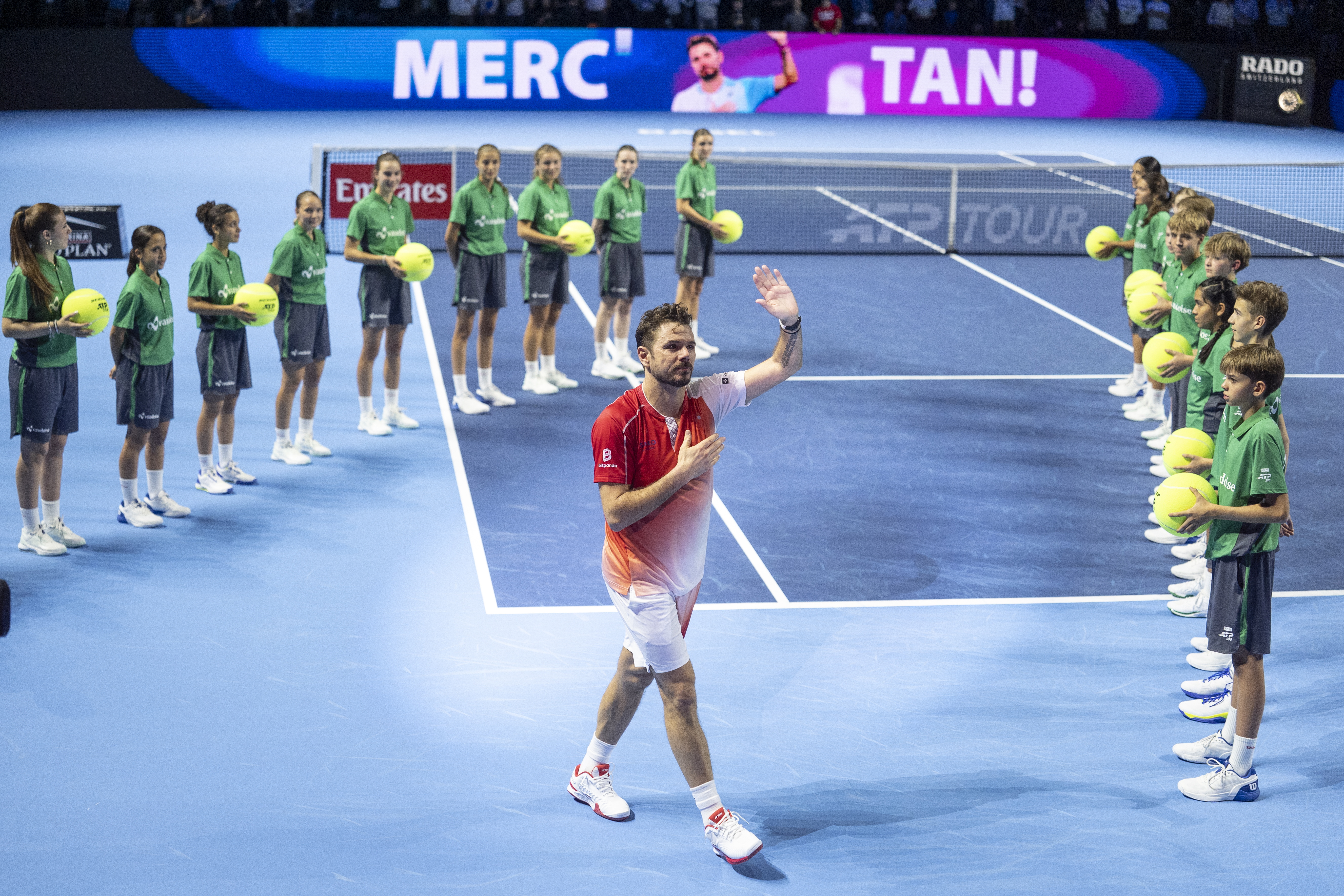
Wawrinka brings career to a close in Basel

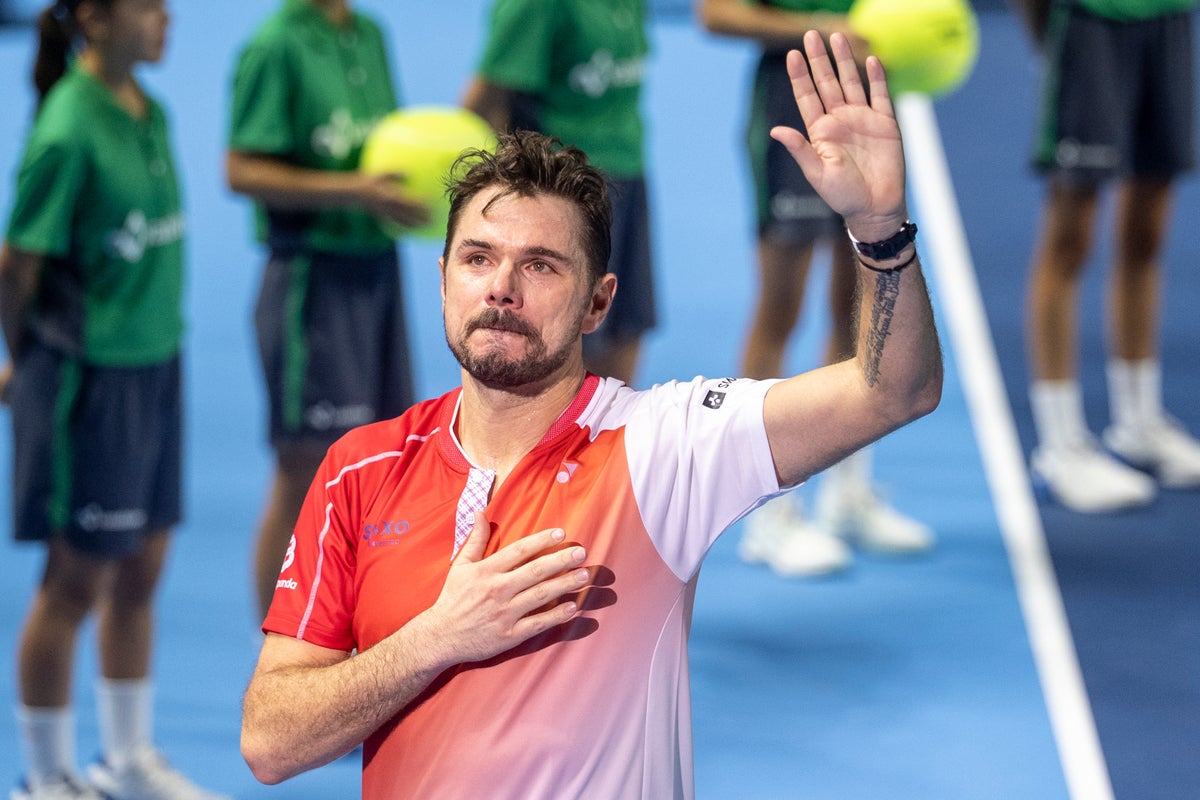
Three-time Grand Slam champion Stan Wawrinka played the final match of his career in front of home fans on Tuesday, bidding farewell to the sport following a 7-5 7-6(2) defeat by Czech Jiri Lehecka at the Swiss Indoors in Basel.

Wawrinka announced last year that he would retire at the end of the 2026 season, 24 years after he turned professional.

The 41-year-old defeated Rafa Nadal in the 2014 Australian Open final to win his first major, before claiming his other two Grand Slam crowns by beating Novak Djokovic in the finals of the 2015 French Open and 2016 US Open.

“For me, all I wanted in my career was to give everything, to have no regrets, to always fight, to always give 100% in every match – out of respect for myself, for the opponent, for the tournament, for the fans, for everybody,” Wawrinka told the ATP website.

“That was always the most important thing for more than 20 years, and that’s the only way you can leave the sport: without any regrets.”

Wawrinka won 16 ATP titles and reached a career-high world ranking of number three in 2014. He also won Olympic doubles gold with Roger Federer in 2008 and helped deliver Switzerland’s first Davis Cup title in 2014.

  •  
❌