❌

Reading view

China’s CE-25A Electric Commuter Airliner Demonstrator Emerges

New images appear to show a full-sized demonstrator of China’s CE-25A, an unorthodox 19-seat all-electric aircraft being developed by the state-owned Commercial Aircraft Corporation of China (COMAC). The photographs offer a fresh look at a program the company publicly outlined in 2023, although the aircraft’s current testing status remains unclear.

The images appear to have first been shared by Chinese automotive blogger Han Lu (韩路) on October 28 and show a red and black colored aircraft with a silver cheatline bearing COMAC and CE-25A markings. Its Chinese civilian registration is B-0EFH.
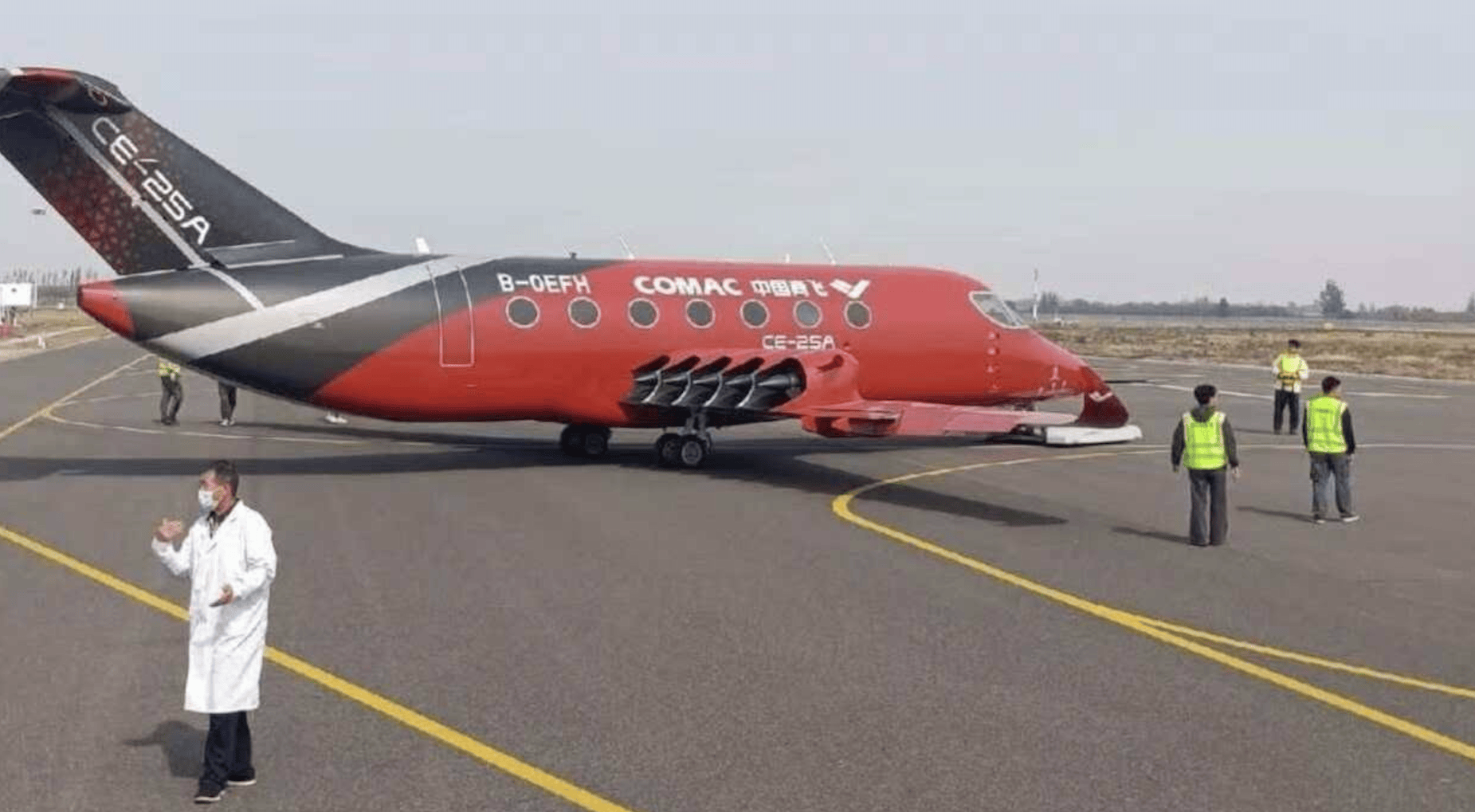
One of the first images showing the apparent COMAC CE-25A. via Chinese internet

At this point, it should be noted that we cannot establish with certainty that the imagery is legitimate, but our own examination using multiple AI image-analysis models has found no major indications that they were artificially generated.

Regardless, the program overall reflects COMAC’s interest in distributed electric propulsion, an approach that could help inform future aircraft development even if the CE-25A itself never enters commercial service.

The appearance of what seems to be a full-sized demonstrator certainly raises questions about how far the program has progressed. At this stage, there is no clear public confirmation that this particular aircraft has flown, and its precise role in the development effort remains uncertain.
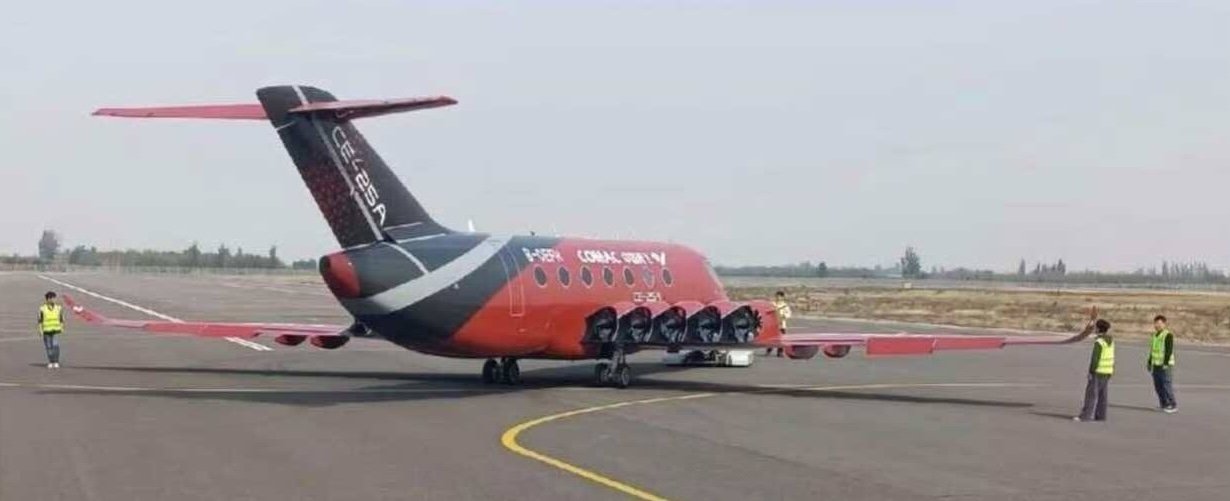
A rear three-quarter view provides a good look at the distributed electric propulsion system used in the CE-25A. via Chinese internet

COMAC first presented the CE-25A concept at the China International Import Expo in Shanghai in November 2023. The company described it as a 19-seat, all-electric commuter aircraft intended for short- and medium-distance passenger transportation, as well as business aviation.

Published design specifications called for a cruising speed of approximately 400 kilometers per hour (248 miles per hour) and a range of around 400 to 500 kilometers (250 to 310 miles).

The 19-seat capacity and its general configuration are somewhat similar to the Beechcraft 1900 twin-turboprop regional airliner. With a 19-passenger payload, the Beechcraft 1900 has a range of around 700 kilometers (440 miles) and a cruising speed of approximately 520 kilometers per hour (320 miles per hour).
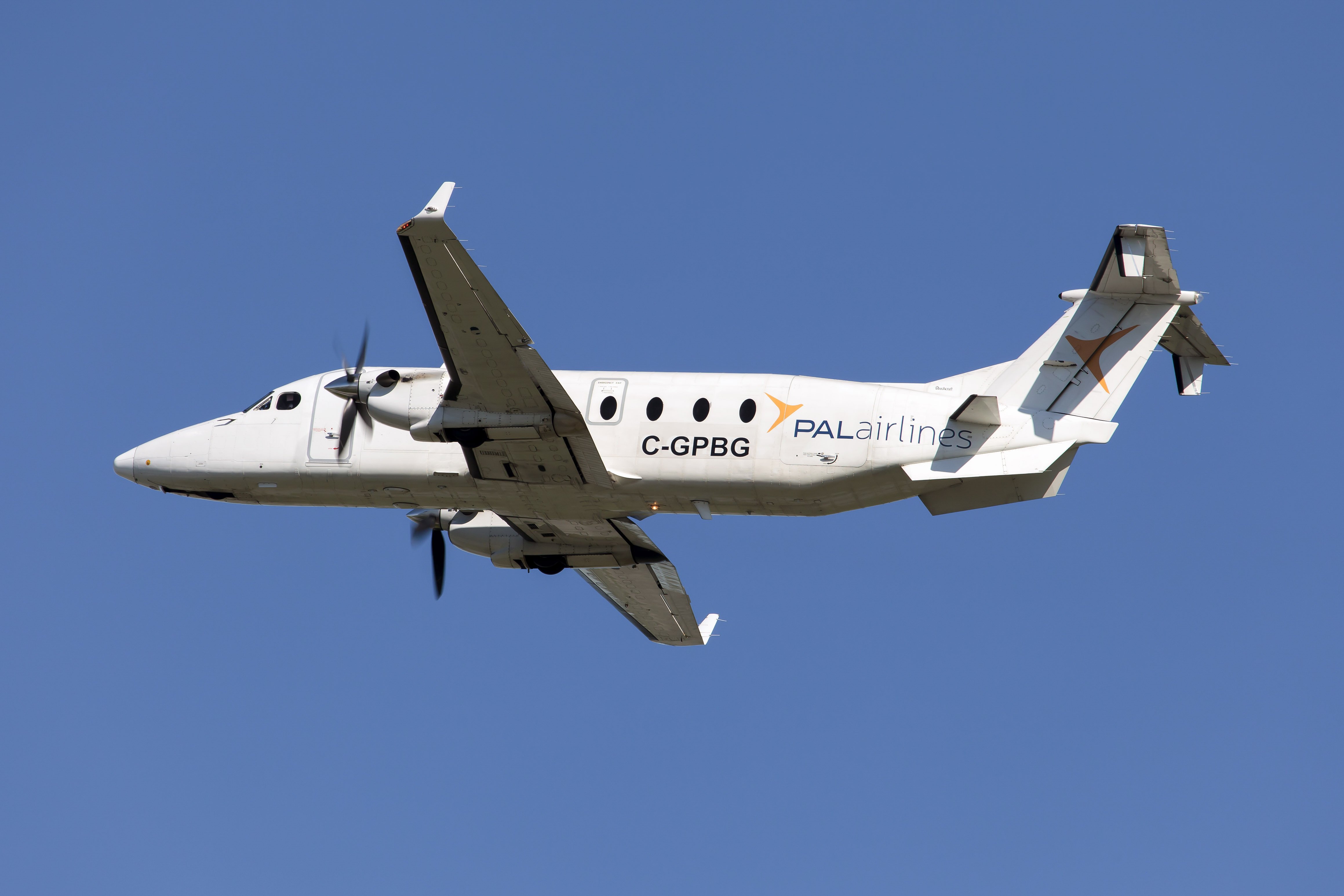
MONTREAL, QUEBEC, CANADA - 2022/05/25: A PAL Airlines Beechcraft 1900D taking off from Montreal Pierre Elliott Trudeau Int'l Airport. PAL Airlines is a Canadian regional airline with headquarters at St. John's International Airport. PAL operates scheduled passenger, cargo, air ambulance and charter services. PAL is the commercial airline arm of the PAL Group of Companies. (Photo by Fabrizio Gandolfo/SOPA Images/LightRocket via Getty Images)
Stock photo of a Beechcraft 1900D taking off. Photo by Fabrizio Gandolfo/SOPA Images/LightRocket via Getty Images SOPA Images

The Chinese aircraft’s most distinctive feature is its distributed electric propulsion system. Instead of relying on a small number of conventional turboprop engines, the design uses 10 electrically driven ducted fans integrated into its wing structure.

Distributed propulsion can give designers greater flexibility in how thrust is generated and integrated with the airframe. Depending on the configuration, it can offer aerodynamic benefits and potentially improve performance in particular flight regimes. Electric motors can also simplify some aspects of propulsion-system design compared with conventional turbine engines.

Those advantages come with very considerable engineering challenges. Batteries remain far less energy-dense than aviation fuel, placing constraints on range, payload, and endurance. High-power electrical systems also require careful thermal management, while integrating multiple propulsion units introduces additional questions involving reliability, maintenance, and flight control.

There is also some confusion about how the demonstrator shown in the new images fits in with previously announced plans for the program. In 2023, COMAC referred to experimental aircraft verification flight work, which was to involve a scaled demonstrator. Meanwhile, the aircraft in the new photos is full-sized. Potentially, there is an unseen ‘missing link’ subscale demonstrator that has already flown.
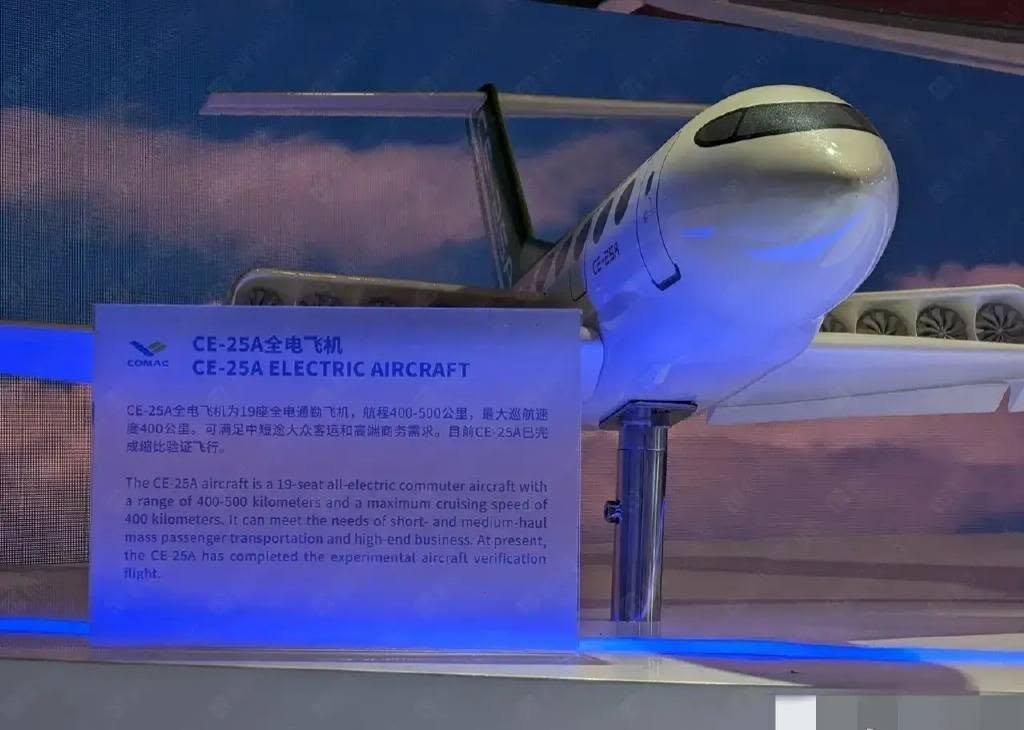
A model of the CE-25A is displayed alongside a placard with its key features and specifications. via Chinese internet

China is not alone in exploring distributed electric propulsion for regional aircraft. Several Western projects are also underway.

The European UNIFIER-19 research effort has examined 19-seat, zero-emission regional aircraft concepts using alternative propulsion systems, including distributed electric ducted fans. Some variants explored hydrogen fuel cells rather than relying exclusively on batteries. Compared to the CE-25A, it is strictly a research effort rather than a proposed production aircraft.

In the United States, NASA’s X-57A Maxwell experimental aircraft investigated distributed electric propulsion using 14 electric motors and propellers integrated into a specially designed wing. The X-57 was much smaller than the CE-25A and used open propellers rather than ducted fans. The project was intended to demonstrate potential aerodynamic and efficiency benefits but did not progress to its planned piloted flight configuration.

The X-57 program was canceled in 2023 after safety issues with its propulsion system proved impossible to resolve within the available budget and schedule. It had been launched on the assumption that existing electric propulsion technology was sufficiently mature for safe flight, but this ultimately proved premature. The experience underscores the very significant engineering and safety challenges that remain in developing viable electric aircraft.

Meanwhile, France’s AURA AERO is developing ERA, a 16- to 19-seat regional aircraft planned around eight electric motors and two turbogenerators. The hybrid-electric design is intended to offer substantially greater range than the CE-25A’s published target, with the company advertising a range of approximately 1,500 kilometers (930 miles). ERA is a more direct comparison in terms of intended passenger capacity and commercial role, but it uses a different propulsion architecture and is not an all-electric aircraft.

Swedish company Heart Aerospace also pursued a 19-seat battery-powered commuter aircraft, the ES-19, with a proposed range of approximately 400 kilometers (250 miles). Its original design was more conventional, with a high wing and T-tail, and the company subsequently moved away from the ES-19 concept toward larger hybrid-electric aircraft.

The CE-25A has been presented as a civilian aircraft, and there is no public evidence that COMAC intends to develop it for military service. Nevertheless, the technologies being explored could have relevance to future military aviation.

This would be in line with China’s pursuit of other unconventional aircraft programs with more direct potential military applications.

A mature electric aircraft in this general class could potentially support short-range utility missions, liaison duties, or personnel transport where payload and endurance requirements are modest and suitable charging infrastructure is available. At this stage, there is no indication that the CE-25A has been designed for autonomous operations, austere-field use, or military payloads.

At the same time, its utility in military environments would depend heavily on battery performance, ground support, operating conditions, and the ability to maintain the aircraft away from established infrastructure.

Perhaps more likely is that research into distributed electric propulsion, including the CE-25A, could inform other Chinese aircraft designs. Advances in electric motors, power distribution, flight controls, thermal management, and the integration of multiple propulsion units could eventually benefit crewed and uncrewed aircraft or specialized platforms with different operational requirements.

The CE-25A sits within China’s broader effort to expand its domestic aerospace capabilities and explore new aircraft technologies. COMAC is best known internationally for its C919 narrowbody airliner and ARJ21 regional jet, but its research interests extend beyond conventional commercial aircraft.
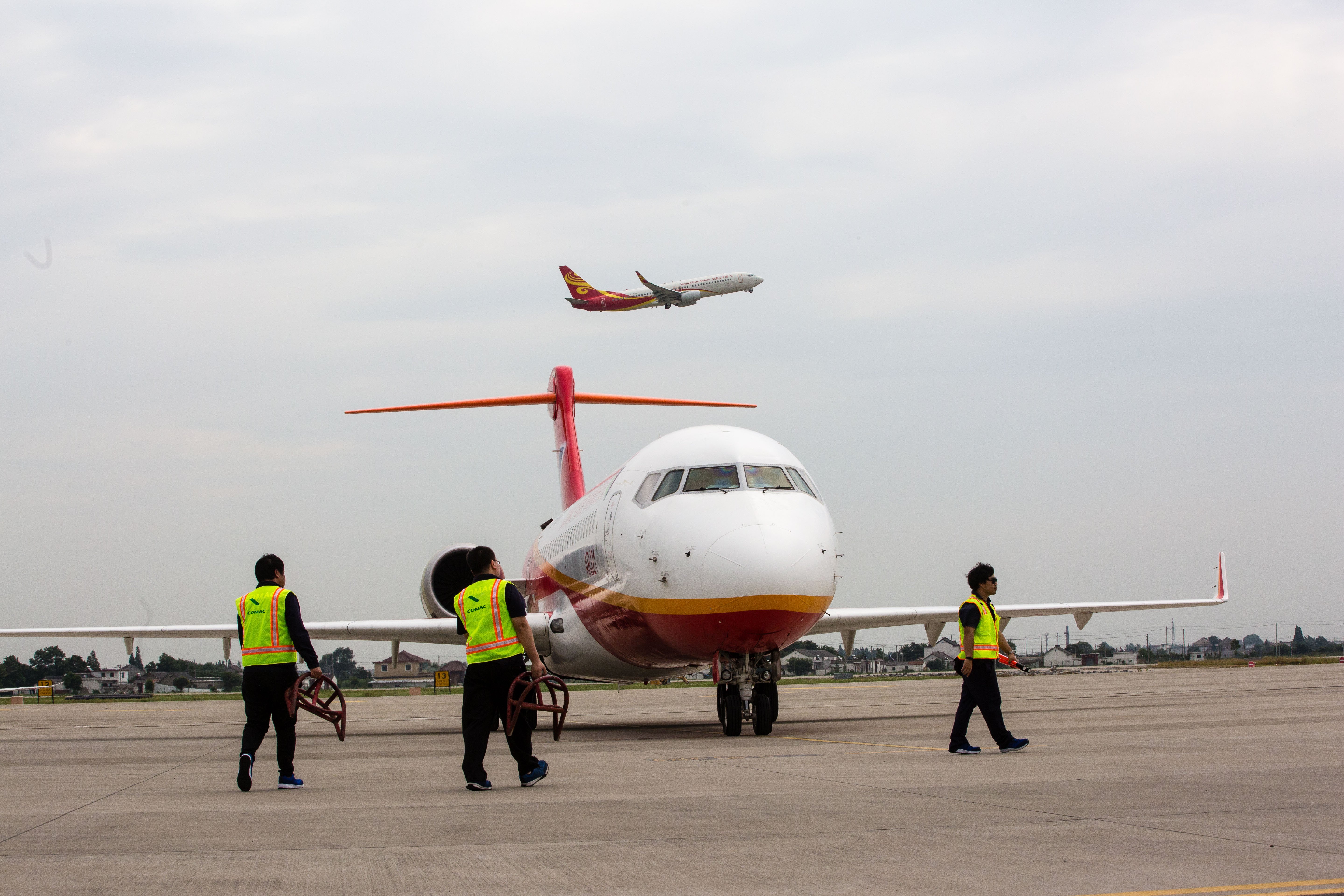
YANGZHOU, CHINA - JUNE 27: A domestic-made ARJ21 'Xiangfeng' sits on the tarmac at Yangzhou Taizhou International Airport before its month-long test flight on June 27, 2018 in Yangzhou, Jiangsu Province of China. The ARJ21 is a short to medium-range airliner designed and made by China independently. (Photo by Visual China Group via Getty Images)
An ARJ21 sits on the tarmac at Yangzhou Taizhou International Airport, Jiangsu Province of China. Photo by Visual China Group via Getty Images VCG

China’s substantial battery-manufacturing industry provides a potential advantage in electric aviation, although adapting batteries developed for road vehicles to the demands of flight remains a significant engineering challenge.

In 2023, COMAC announced cooperation with battery manufacturer CATL and Shanghai Jiao Tong University on research related to battery-powered aircraft concepts. The precise relationship between that work and the CE-25A, including whether they share specific battery technologies or propulsion systems, is not immediately clear.

For now, the newly surfaced photographs provide a compelling look at a COMAC project that has been publicly acknowledged but remains opaque in several important respects.

Whether the CE-25A ultimately becomes a viable civilian aircraft or contributes to other aerospace developments, including in the military realm, its emergence offers more evidence of China’s continued push into unconventional aircraft design.

Contact the author: thomas@thewarzone.com

The post China’s CE-25A Electric Commuter Airliner Demonstrator Emerges appeared first on TWZ.

  •  

Ethiopia Gets 12 Russian Su-35 Fighters, Eyes S-400 Air Defenses

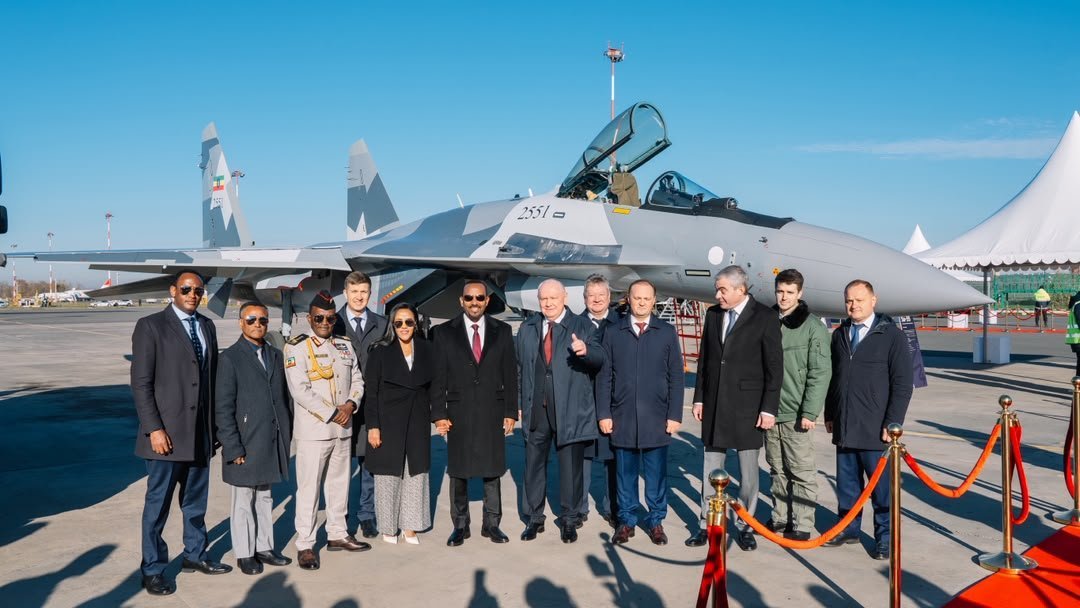
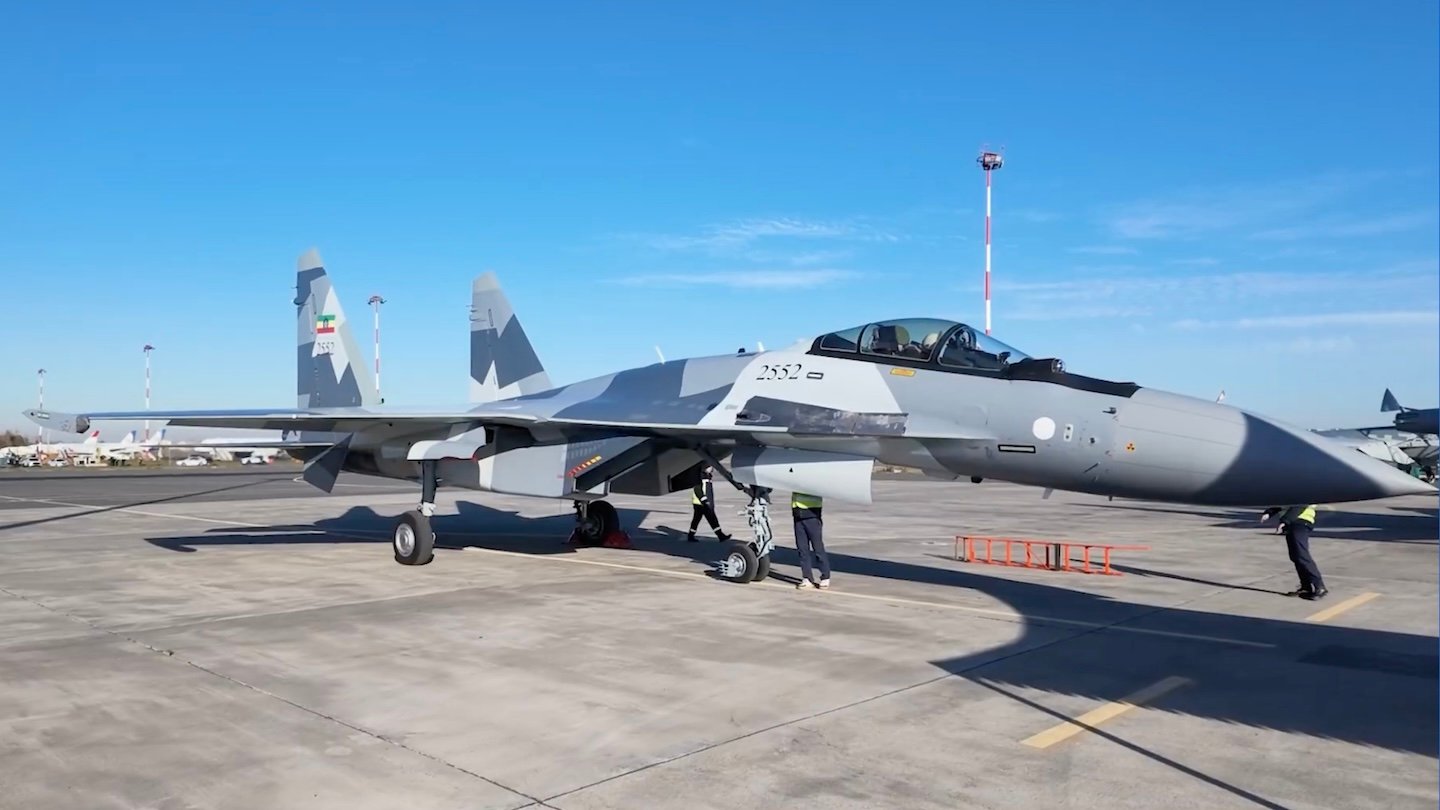
In a surprising development, Ethiopia has taken receipt of 12 Russian-made Su-35 multirole fighters, Prime Minister Abiy Ahmed announced, adding a significant new capability to the Ethiopian Air Force. The agreement also calls for four batteries of Russia’s S-400 surface-to-air missile system, although their delivery schedule remains unclear.

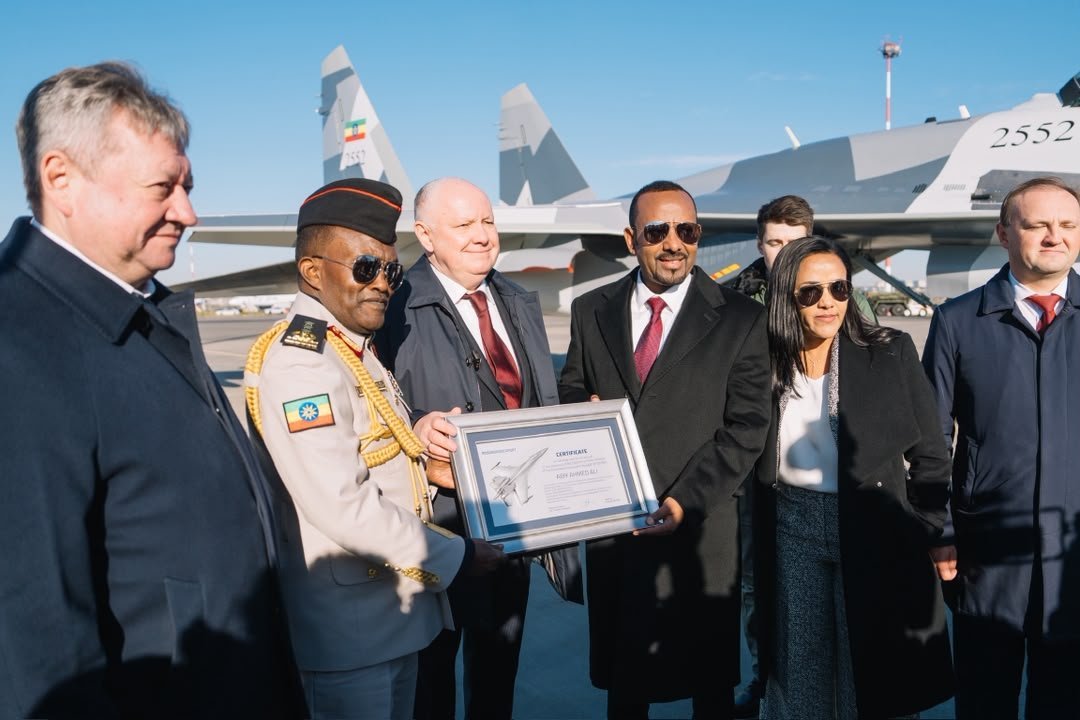
Abiy said the fighters arrived a year ahead of schedule under an agreement with Moscow and thanked Russian President Vladimir Putin for facilitating the accelerated delivery. The financial terms of the deal, the aircraft’s basing locations, and whether additional fighters are included in the agreement have not been disclosed. The Ethiopian leader announced the development on his X account, also posting photos and a video showing himself and other Ethiopian and Russian officials alongside two of the jets. The location appears to have been the third Russia-Africa Summit, taking place in Moscow on October 28-29.

ኢትዮጵያ የታጠቀቻቸው አዳዲስ የጦር ጄቶች የአየር ክልሏን ለመጠበቅ ከምን ጊዜውም በላይ ዝግጁ ያደርጋታል! pic.twitter.com/tT3vXFZ4A0

— Abiy Ahmed Ali 🇪🇹 (@AbiyAhmedAli) October 28, 2026

The acquisition comes as Ethiopia seeks to strengthen its military capabilities amid persistent domestic security challenges and tensions across the Horn of Africa.

Abiy Ahmed Ali poses alongside Ethiopian and Russian officials in front of an Ethiopian-marked Su-35. Abiy Ahmed Ali/via X

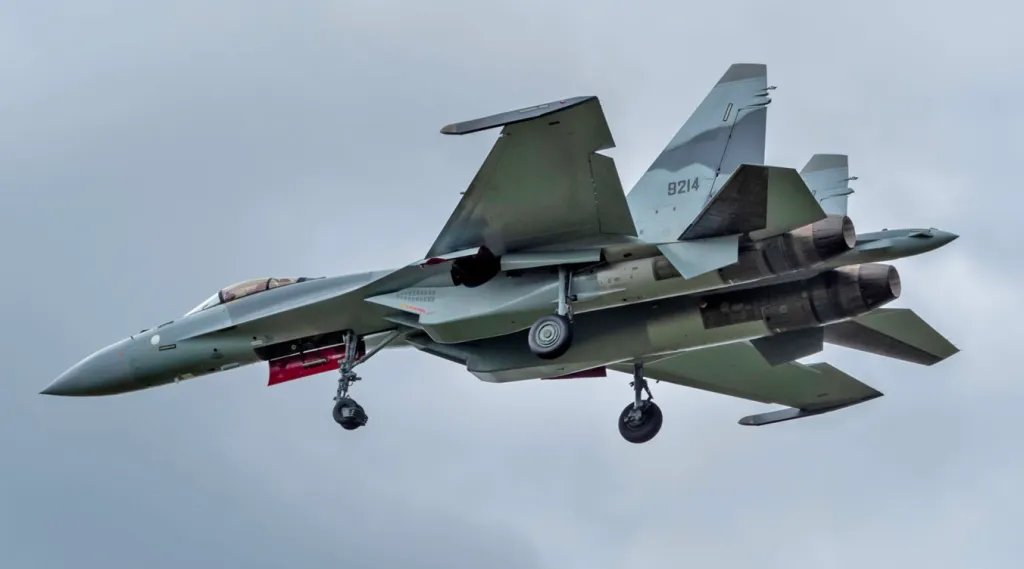
The Su-35 is a heavily modernized derivative of the Soviet-era Su-27, known by NATO as the Flanker. It combines twin thrust-vectoring engines for a high degree of maneuverability, advanced radar and other sensors, and the ability to carry a range of air-to-air and air-to-surface weapons.

Its radar and long-range air-to-air missile capabilities, in particular, represent a notable improvement for Ethiopia’s ability to detect and engage hostile aircraft, while its multirole design allows it to perform a wide range of strike missions.

Ethiopia already operates Russian-designed Su-27 fighters, providing a considerable degree of familiarity with the Flanker family. The current fleet comprises around 10 (and perhaps as many as 15) secondhand Su-27s, including two-seaters, supplemented in 2024 by a pair of Su-30Ks. The latter were originally produced for India as interim equipment, and then ended up in storage in Belarus before being refurbished and delivered to Ethiopia. The Ethiopian Flankers saw action against Eritrean opposition in the 1990s, and there have also been a handful of non-combat attrition losses.

Pictures of soviet made Su-25UB close ground attack jet and Su-27/UB multirole fighters jets of the Ethiopian 🇪🇹 Air Force during a exhibition at the Harar Meda air base in late June 2022.
*We can also see what it seems to be R-27 and R-23 air to air missiles (3rd and 4th frames) pic.twitter.com/1TQBh7V4J7

— Hammer Of War (@HammerOfWar5) December 25, 2022

Video showing russian made Su-30 multirole fighters jets of the Ethiopian 🇪🇹 Air Force. pic.twitter.com/wuMcZtqYkY

— Hammer Of War (@HammerOfWar5) October 21, 2026

However, introducing the Su-35 will still require specialized pilot training, additional maintenance infrastructure, weapons integration, and a dependable supply of spare parts. The latter, in particular, is something that Moscow has not always been able to guarantee in practice.

Abiy Ahmed Ali during the official handover of the first Ethiopian Su-35s. Abiy Ahmed Ali/via X

The planned acquisition of four S-400 batteries could prove equally significant.

The S-400 is a mobile air-defense system designed to engage aircraft, cruise missiles, and certain ballistic missile threats.

Abiy Ahmed Ali shakes hands with a Russian official in front of an S-400 promotional display. Abiy Ahmed Ali/via X

If delivered, the systems would considerably strengthen Ethiopia’s ability to protect military installations, critical infrastructure, and other strategic sites against aerial attack.

Ethiopia occupies a strategically important position in the Horn of Africa, bordering Eritrea, Djibouti, Somalia, South Sudan, and Sudan. Its security environment includes various unresolved regional tensions, longstanding border disputes, and internal armed conflicts.

Ethiopia’s relationship with Eritrea remains particularly relevant given their history of war and continuing tensions. Relations with Egypt and Sudan are also shaped by disputes over the Nile.

Abiy has presented the acquisition as a means of deterring aggression and strengthening national sovereignty.

At the same time, the delivery reinforces Russia’s position as a supplier of advanced military equipment to African countries. Russian exports to the continent have included combat aircraft, helicopters, armored vehicles, and ground-based air-defense systems.

Su-35s, specifically, have previously been delivered to Algeria, a long-term recipient of Russian military equipment on the African continent, as you can read about here.

Interesting report indicating Algeria has purchased at least some of the Russian Su-35s originally built for Egypt and later reported to be sought by Iran.https://t.co/0soV9aOopn

— John Hardie (@JohnH105) April 9, 2025

The Algerian jets are understood to have originated in a batch of Su-35s built for Egypt, which had ordered 24. However, the planned transfer to Egypt fell through, under the threat of U.S. sanctions and a teased offer of F-15s. In particular, Washington had said it would put sanctions on Cairo under the Countering America’s Adversaries Through Sanctions Act (CAATSA).

One of the Su-35s produced for Egypt but never delivered to that country. @nskplanes 

CAATSA includes provisions for sanctions against parties found to have knowingly engaged in significant transactions with Russia’s defense or intelligence sectors. Washington previously invoked the provision against China over its acquisition of Su-35 fighters and S-400-related equipment, although any action against Ethiopia would depend on a separate U.S. determination.

The Su-35s built for Egypt were repeatedly connected with a sale to Iran, but this also never materialized.

Permanent Mission of the Islamic Republic of Iran to the UN announced on Friday that Iran has finalized buying #Sukhoi fighter jets from Russia.

Here is what Iran has purchased: pic.twitter.com/aw7EVkc18N

— IRNA News Agency ☫ (@IrnaEnglish) March 11, 2023

Potentially, the 12 jets for Ethiopia could also have been left over from the abandoned Egyptian deal.

For Moscow, the deal provides a prominent example of continued defense cooperation with an important country in the Horn of Africa. The transfer also comes amid broader efforts by Russia and African governments to deepen political, economic, and military ties.

The agreement’s cost and financing arrangements have not been made public, leaving questions about the long-term expense of operating the fighters and maintaining their supporting infrastructure.

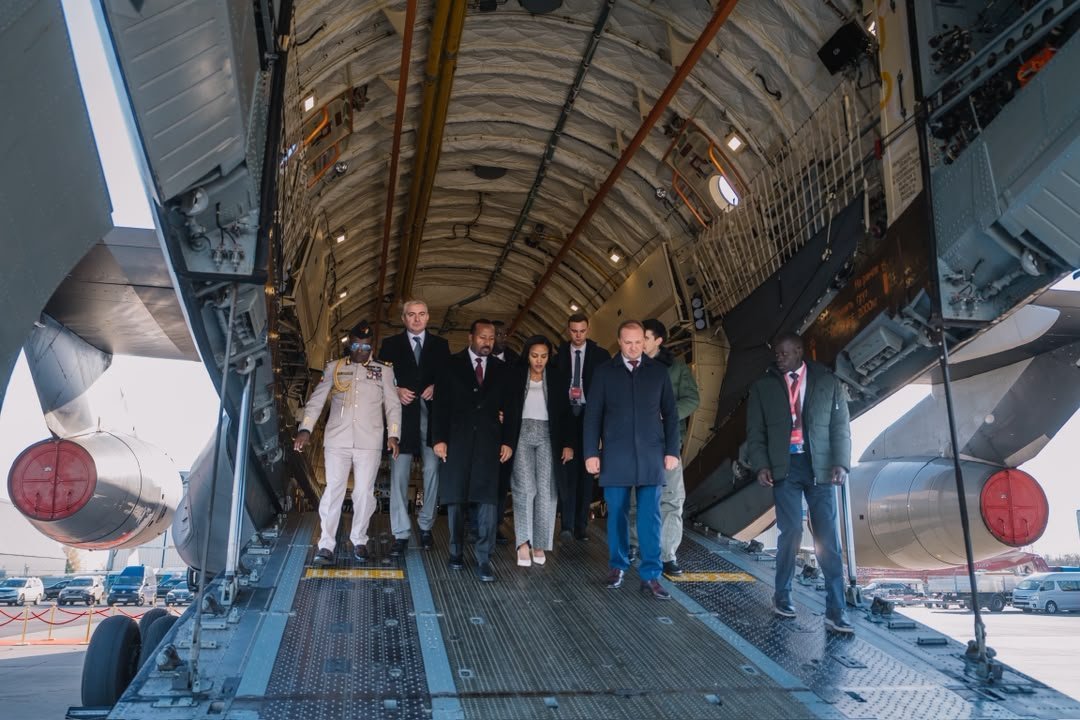
Abiy Ahmed Ali is seen as part of a delegation in the cargo hold of an Il-76 transport, an aircraft regularly used to transport Russian arms, including S-400 systems. Abiy Ahmed Ali/via X

The deal also needs to be seen in the context of Russia’s war in Ukraine.

Russia’s full-scale invasion of Ukraine, and the subsequent international sanctions, have hampered efforts to secure sales for any kind of military equipment, other than to a handful of selected close allies, with little prospect that this will change any time soon. Amid those same sanctions, as well as Moscow’s increasing pariah status, any kind of export success will be very welcome for Moscow, even if it involves jets previously built for another customer.

At the same time, the ability of the Russian defense industry to provide in-service support for these jets, once they are delivered, is even more questionable than it was in the past. Since the invasion, Moscow’s need to prioritize its own forces, combined with Western sanctions restricting access to key components, has further complicated the situation. For Ethiopia, any disruption to parts deliveries or maintenance support could have an outsized impact on operational readiness, and this is compounded by the requirement of Russian industry to support Moscow’s own Su-35S jets, its primary fighter.

Ultimately, the acquisition represents a substantial reported addition to Ethiopia’s combat aircraft fleet. The planned S-400 systems could extend that modernization into ground-based air defense, and further influence the military balance in the Horn of Africa region.

Contact the author: thomas@thewarzone.com

The post Ethiopia Gets 12 Russian Su-35 Fighters, Eyes S-400 Air Defenses appeared first on TWZ.

  •  
❌