❌

Reading view

Russia Leads the World in Floating Nuclear Power Plants

The Akademik Lomonosov has been operating in the Arctic since 2020.

On Wednesday, Russian President Vladimir Putin said his country is leading the development and operation of floating nuclear power plants, as can be seen in the Akademik Lomonosov, which is operating in the port of Pevek, in the Chukotka region, across from Alaska.

RELATED:

Russia-Africa Summit Opens in Moscow with 48 National Delegations

“This is not just a project; the plant is operational. It is located in northern Russia, in the Arctic region, and has been operating and generating electricity since 2020,” he said on the sidelines of the Russia-Africa Forum in Moscow.

Putin insisted that French, Japanese and U.S. companies say they are ready to develop plants like Russia’s, “but so far, no one has done anything.” By contrast, “Russia has an existing plant that has been built and is operating, and there is nothing like it anywhere in the world,” he reiterated.

Russia’s State Atomic Energy Corporation (Rosatom) previously signed the first agreement with Indonesia to build two floating nuclear power plants abroad.

A nuclear power plant… on water 🌊⚡️
Russia’s Akademik Lomonosov first floating NPP is bringing reliable, low-carbon energy to remote regions.
Learn more from this video ⬇️ pic.twitter.com/UrTPsWix49

— Russian Embassy in Kenya/Посольство России в Кении (@russembkenya) April 27, 2026

Rosatom Director Alexei Likhachev said Moscow hopes the international business community will take note of “an infrastructure project in the field of nuclear energy capable of transforming a country’s economy.”

The world’s first floating nuclear power plant, the Akademik Lomonosov, was built to withstand tsunamis and iceberg impacts. It has a capacity of 70 megawatts of electricity and 50 gigacalories of thermal energy, and can supply electricity and heat to a city of nearly 100,000 people.

The United States also launched a floating nuclear power plant, the Sturgis, in the Panama Canal in 1968, but decommissioned it in 1976 because of high maintenance costs.

teleSUR/ JF

Source: EFE
  •  

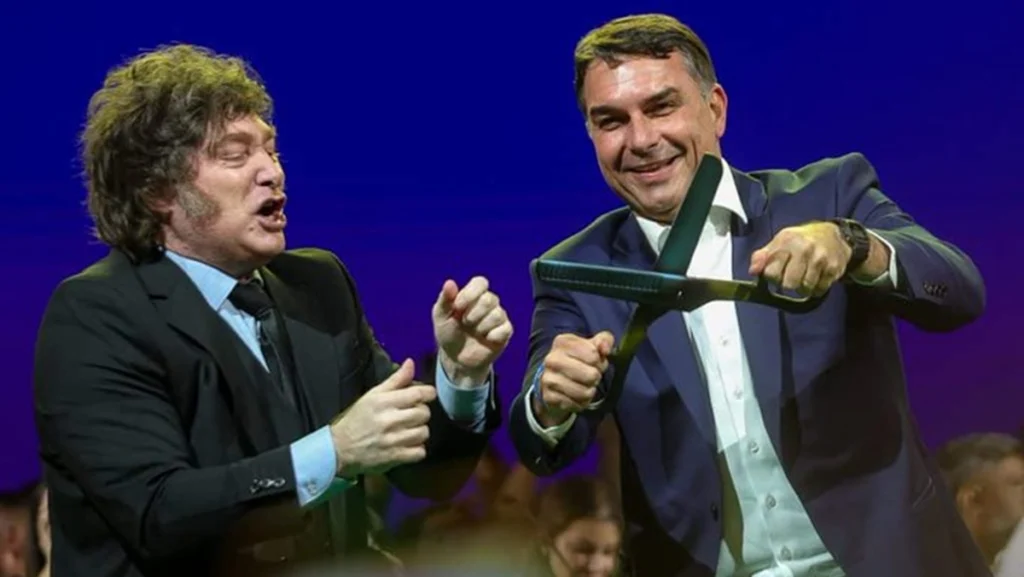
What Role Did Milei Play in Flavio Bolsonaro’s Escape?

The Argentine president was directly involved in the operation, said a lawyer close to the Bolsonaro clan.

Over the last 12 hours, Argentine and Brazilian media outlets have continued to stir up controversy regarding the role President Javier Milei played in the flight of far-right Brazilian senator Flavio Bolsonaro to the United States—a journey that included a stop in Argentina.

RELATED:

Flavio Bolsonaro Enters U.S. After Fleeing Brazilian Justice

On Tuesday, outlets reported that Bolsonaro might flee through Argentina. Immigration authorities, however, responded by saying there were no records of Bolsonaro entering the country.

Presidential spokesman Adrian Ravier said only at a news conference that Argentina had received no asylum request from the Brazilian senator. Milei chose to remain silent.

In an interview with channel A24 on Tuesday night, Mexican lawyer Simon Levy, who is close to the Bolsonaro family, claimed that Milei was aware of the efforts to coordinate Bolsonaro’s escape to Miami.

“Thanks to President Milei, Flavio Bolsonaro is alive today. The only person who knew about this was President Milei. He has been and was involved in part of the coordination of this entire operation,” Levy said.

Flávio Bolsonaro fugiu para os Estados Unidos em um jato de uma empresa que aparece numa investigação sobre lavagem de dinheiro ligado a contratos públicos para atender pessoas com deficiência na Argentina.

A aeronave pertence à Baires Fly, de Luis Grande. A companhia também… pic.twitter.com/qx3n14dJX5

— Paulo Pimenta (@Pimenta13Br) October 28, 2026

The text reads, “Flavio Bolsonaro fled to the U.S. on a jet belonging to a company that appears in an investigation into money laundering linked to public contracts for the care of people with disabilities in Argentina.

The aircraft belongs to Baires Fly, which is owned by Luis Grande. The company also transported Javier Milei to the U.S. following his 2023 electoral victory. On that trip, Grande himself piloted the plane. Argentine judicial authorities are investigating transfers made by suppliers of the National Disability Agency (ANDIS) to Baires Fly accounts.

Following these payments, invoices were issued for the advance purchase of flight miles. It is suspected that these transactions were used to provide a veneer of legality to funds derived from irregular contracting. Flavio left Brazil despite a court order prohibiting him from exiting the country and requiring him to surrender his passports. Sources: Reuters, elDiarioAR, and Ambito.“

The newspaper La Nacion reported that presidential adviser Santiago Caputo was in Misiones province, which borders Brazil, on Tuesday night, when the aircraft carrying Bolsonaro took off. This would confirm that the Milei administration actively assisted in the operation.

According to Argentina’s National Directorate of Migration, Flavio Bolsonaro, his wife, Fernanda Antunes Figueira, and their two daughters entered the country on Tuesday at 10:50 p.m. local time via the Tancredo Neves International Bridge in Misiones province.

Bolsonaro used his Italian passport, while his family members traveled with their usual identification documents, according to the flight plan. Argentine immigration authorities said no laws had been violated: “We cannot prevent him from entering the country with his European passport.”

Where is ICE? https://t.co/dPmX9ihGbJ pic.twitter.com/l7MyeLU5Zq

— Pamphlets (@PamphletsY) October 27, 2026

Forty minutes later, at 11:30 p.m. local time, the Bolsonaros boarded a private aircraft operated by Baires Fly S.A. at Puerto Iguazu Airport, bound for Guayaquil, Ecuador, from where they traveled to Miami, United States.

So far, neither Milei nor his ministers and aides have made any public statements about the operation that enabled the escape of Bolsonaro, a far-right politician who faces several criminal investigations.

His departure came after Brazilian Supreme Court Justice Alexandre de Moraes ordered him to surrender his passports and barred him from leaving the country as part of money laundering investigations.

All opposition parties to Milei in Argentina’s Congress have demanded explanations about what role the government may have played in the operation.

teleSUR/ JF Source: EFE

  •  

Mexico to Invest $1.3 Billion to Improve Water Supply in Guadalajara

Federal and state governments to address chronic shortages and contamination without taking on new debt.

On Wednesday, Mexican President Claudia Sheinbaum announced that the federal government and the state of Jalisco will jointly invest about US$1.3 billion to improve water supply and quality in the Guadalajara metropolitan area, the country’s second-most-populous metropolitan area.

RELATED:

Mexico Deploys Special Mission as Hurricane Vance Nears Pacific Coast

During her morning news conference, she explained that her administration will contribute US$777 million, while Jalisco will allocate US$547 million.

“The good news is that the joint investment will prevent the need to take on debt and will make it possible to carry out this very important project for the country’s second-most-populous metropolitan area,” Sheinbaum said.

Jalisco Governor Pablo Lemus said the agreement will address a longstanding problem of water service interruptions and poor water quality that has affected residents of Guadalajara and neighboring municipalities for generations. He stressed that the projects will not involve new debt, privatization, or water rate increases.

For decades, Guadalajara has faced water supply and contamination problems, exacerbated by the deterioration of hydraulic infrastructure that is more than 70 years old in some sections. Some of the water supplied from Lake Chapala flows through open channels exposed to domestic and industrial discharges, while various neighborhoods experience service interruptions and irregular water distribution.

Efrain Morales, director of the National Water Commission (CONAGUA), explained that federal investment will fund two new aqueducts, with construction set to begin in early 2027 and last approximately two years. The projects will increase water supply by 1,200 liters per second, equivalent to providing water to half a million people, and improve water quality over the next 30 years.

Chapala: el reto de llevar más agua sin perderla en el camino y sin sobreexplotar el lago

El proyecto del gobierno de Jalisco para mejorar el abasto de agua en la zona metropolitana de Guadalajara mediante un nuevo acueducto genera preocupación entre organismos ciudadanos. pic.twitter.com/VG7vyvz7Qz

— Meganoticias GDL (@Meganoticias) October 28, 2026

The text reads, “Chapala: the challenge of transporting more water without losing it along the way or overexploiting the lake. The Jalisco state government’s project to improve the water supply for the Guadalajara metropolitan area—which involves a new aqueduct—is raising concerns among civic organizations.”

Contamination and Water Supply Interruptions

The state of Jalisco will allocate about US$402 million to renovate the Miravalle water treatment plant, which is about 70 years old. Lemus explained that the first phase will begin operating in April 2027 and that all work will be completed in approximately two years.

Authorities are also working to clean up channels and dams affected by polluting discharges and to build collectors to protect water from Lake Chapala.

Sheinbaum said about 150 unauthorized discharges have been identified, 80 of which have already been shut down. The project also aims to make full use of the infrastructure at the El Zapotillo Dam, built during the administration of former President Andres Manuel Lopez Obrador (2018-2024).

teleSUR/ JF

Source : EFE

  •  

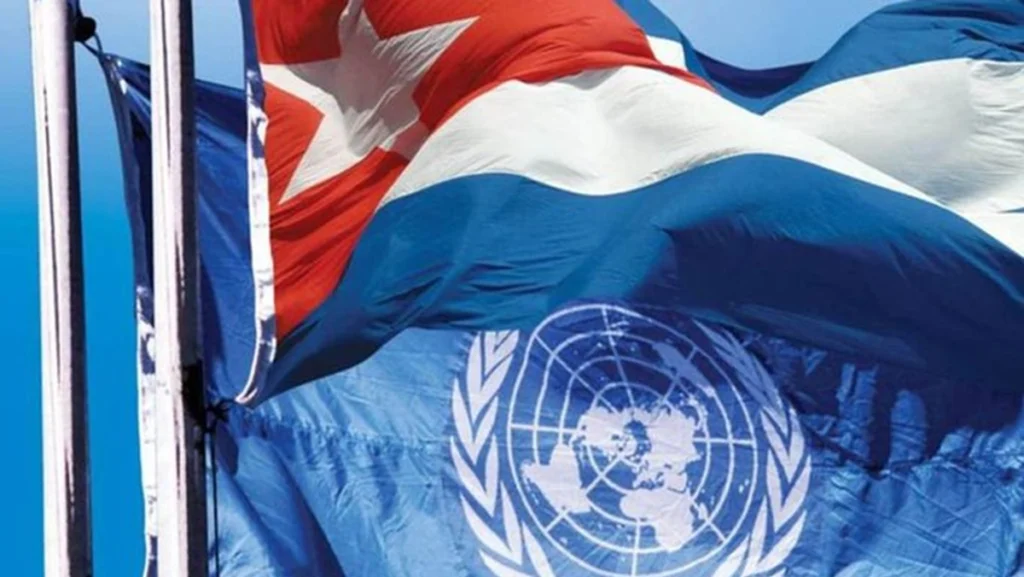
UN General Assembly Approves Cuba’s Resolution Against U.S. Blockade

The nonbinding resolution passed with 130 votes in favor, 17 against and 25 abstentions.

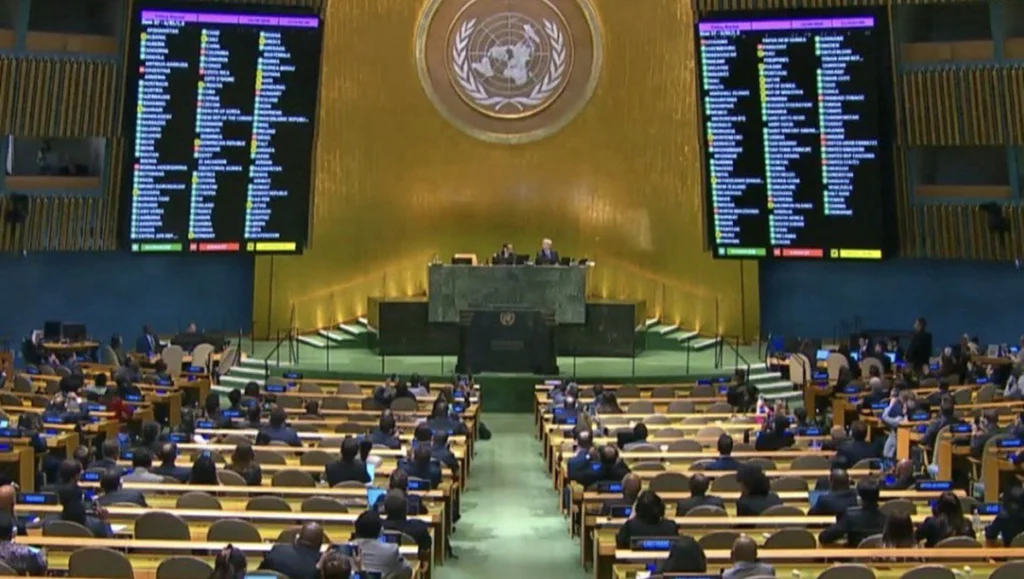
On Wednesday, the United Nations General Assembly (UNGA) approved a resolution presented by Cuba against the U.S. blockade, with 130 votes in favor, 17 against and 25 abstentions.

RELATED:

Cuba Hails International Support for Ending U.S. Blockade at UN

Colombia, Paraguay, Argentina, Ecuador, and Costa Rica were the Latin American countries that joined the United States in voting against the nonbinding resolution titled “Necessity of Ending the Economic, Commercial and Financial Blockade Imposed by the United States of America Against Cuba.”

“The world has once again spoken out overwhelmingly against the blockade, despite the most blatant pressure and blackmail by the U.S. to change the course of this vote,” Cuban President Miguel Diaz-Canel said on social media.

“This victory for Cuba today in the UNGA is a victory for the heroic Cuban people, who refuse to surrender in the face of economic strangulation, threats and abuses by the U.S. government.”

“It is the triumph of truth over those who resort to lies and blackmail to subject an entire nation to collective punishment. Cuba is not a threat; the blockade is!” the revolutionary leader stressed.

BREAKING 🇨🇺🇺🇳 The UN General Assembly has overwhelmingly condemned the genocidal US blockade of Cuba for the 34th time. pic.twitter.com/WbPSMmHL7x

— Progressive International (@ProgIntl) October 28, 2026

The U.S. Blockade Causes $23 Million In Damages Per Day

Before the vote, Cuban Foreign Affairs Minister Bruno Rodriguez forcefully rebutted the United States, which denies that a blockade against the island exists. He said the economic war against Cuba causes more than US$22.9 million in economic damage in a single day.

Rodriguez displayed a real-time counter tracking the economic impact of the U.S. blockade. The counter began operating on Tuesday, coinciding with the start of the debate in the General Assembly on the annual resolution against the sanctions.

“The blockade kills and silently punishes our population as never before,” Rodriguez said  and warned that the administration of U.S. President Donald Trump “has unleashed a wave of pressure, intimidation and blackmail” against countries to prevent them from supporting the resolution, a text that has been approved almost unanimously year after year since 1992.

“The U.S. blockade is an act of war, collective punishment, and genocide… Its effects are felt at Cuban families’ dinner tables, in the beds of the sick, during childbirth or in operating rooms, in a child’s food or classroom, in the lack of electricity, drinking water and medicines, and in the high prices of goods essential to life,” Rodriguez pointed out.

Among other things, he denounced that Cuba faces shortages of 70% of the medicines on its basic list and that about 100,000 people, including 12,000 children, are awaiting surgery. All of this is “a consequence of the blockade.”

“What Cuba is asking for is to be left in peace, to allow the Cuban people to live in peace, resolve our own problems peacefully and find solutions to the great difficulties facing the world today, free from political, military, cognitive or economic aggression,” Rodriguez concluded.

“Cuba is not a threat. The blockade is.” 🇨🇺🇺🇳

In his speech, Cuban Foreign Minister Bruno Rodriguez denounced the cynicism and hypocrisy of labeling the island an “unusual and extraordinary threat” to the national security of the world's greatest nuclear power.

The diplomat… pic.twitter.com/duJubAbbqJ

— teleSUR English (@telesurenglish) October 28, 2026

teleSUR/ JF

Source: EFE

  •  

Flavio Bolsonaro Enters U.S. After Fleeing Brazilian Justice

The far-right politician arrived at Miami-Opa Locka Airport with his wife and two daughters.

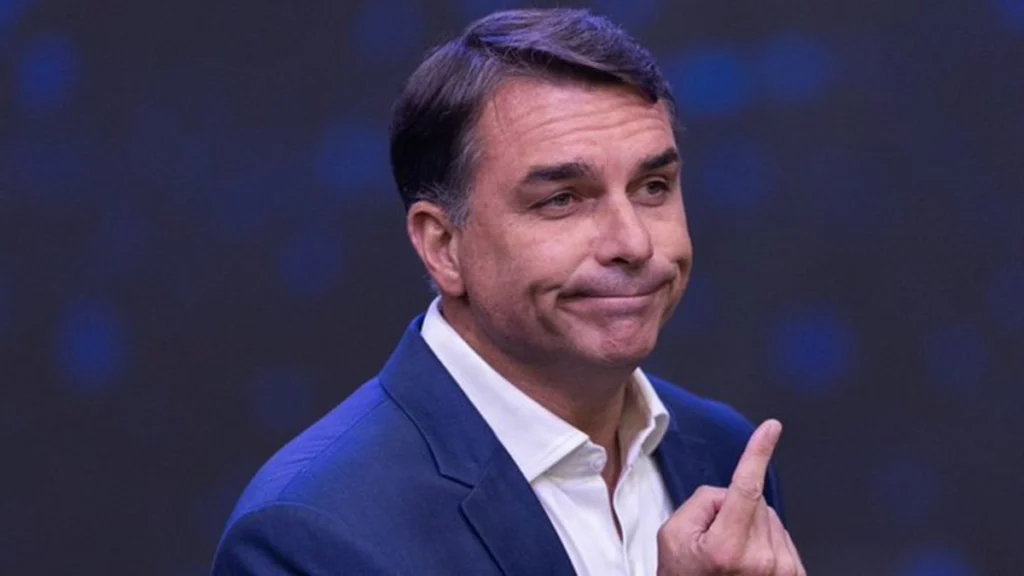
On Wednesday, former presidential candidate Flavio Bolsonaro, his wife and their two daughters entered the United States through Miami-Opa Locka Executive Airport in Miami-Dade County.

RELATED:

Flavio Bolsonaro’s Escape to The US Is Shameful: Lula da Silva

The far-right politician left Brazil by crossing the land border with Argentina after losing Sunday’s presidential runoff to President Luiz Inacio Lula da Silva.

After several hours of unconfirmed media reports, Argentine immigration authorities acknowledged that Flavio Bolsonaro had stopped in Argentina before traveling to Ecuador.

On Tuesday night, Bolsonaro and his family entered Argentina through the Tancredo Neves International Bridge border crossing in the province of Misiones.

Then, at 11:30 p.m. local time, they boarded a private flight that departed from Puerto Iguazu Airport bound for the city of Guayaquil, Ecuador, from where they traveled to Miami.

Why Did Flavio Bolsonaro Flee?

Following his electoral defeat on Oct. 25, Flavio will also lose his seat in the Senate in February 2027, when the new legislative session begins, marking the first time since 2003 that he will not hold public office.

An electoral victory for the far-right politician would have halted investigations against him, as Brazilian presidents cannot be held accountable during their terms for acts committed before their inauguration.

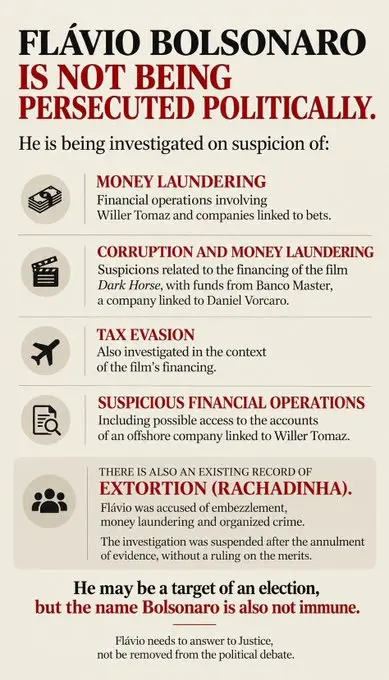
On Monday, Justice Alexandre de Moraes, the rapporteur in the trial that ended with Jair Bolsonaro’s conviction for attempting a coup, gave Flavio 24 hours to surrender his travel documents as part of a money laundering case being handled under seal.

That same day, the 45-year-old senator posted a video on social media saying he had no intention of leaving Brazil, that he would surrender his passports and that he would defend himself against what he described as a “clear attempt at intimidation.” However, the Federal Police canceled the documents on Tuesday after the deadline to surrender them expired.

On Tuesday, President Donald Trump’s administration confirmed that it would issue visas and formally receive Bolsonaro and his family. Trump, a close ally of the Bolsonaro clan, called Brazil’s election “fraudulent,” although he added that he does not govern Brazil when asked whether he would take any action in response.

Flavio will reunite with his brother Eduardo Bolsonaro, who has been living in the United States since March 2025 after fleeing Brazilian justice.

teleSUR/ JF

Source: EFE

  •  

Russia-Africa Summit Opens in Moscow with 48 National Delegations

Putin Denounces Western Colonialism and Pledges Increased Grain Supplies to Africa.

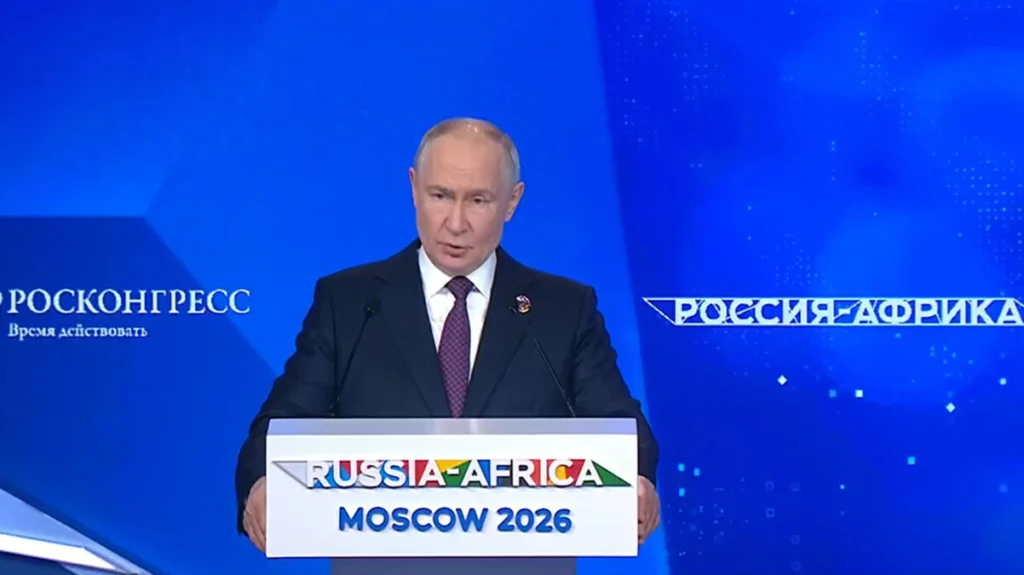
On Wednesday, Russian President Vladimir Putin inaugurated the Russia-Africa Summit in Moscow, where delegations from 48 countries will discuss cooperation, defense and technology topics for two days.

RELATED:

Russia Imposes Entry Ban on Seven British Defense Industry CEOs

Representatives of regional organizations, such as the African Union and the African Continental Free Trade Area, are also present at the Moscow meeting.

The summit will have two plenary sessions, after which participants will adopt a final declaration outlining the agreed approaches for the development of Russian-African cooperation and the deepening of collaboration in the international sphere.

They will also approve a declaration on cooperation in the field of artificial intelligence and an action plan for the Russia-Africa Cooperation Forum for the years 2027-2029.

At the end of the event, Putin and Burundi President Evariste Ndayishimiye, in his capacity as the current head of the African Union, will offer statements to the media to summarize the results of the summit.

📌 EXCLUSIVE | Russia-Africa Summit convenes as "global geopolitics has changed substantially": Kenyan FM

The summit is an "African Union-led initiative" in cooperation with Russia, @MusaliaMudavadi told Sputnik Africa, noting that Kenya is represented at the highest level by… https://t.co/Rjlr1Tyql0 pic.twitter.com/KxfuWNr2Ug

— Sputnik Africa (@sputnik_africa) October 28, 2026

Putin Denounces Western Colonialism

During his intervention at the summit, Putin denounced Western colonialism in Africa and promised to increase grain supplies to the continent.

“We are observing active attempts by Western countries to once again plunge Africans into debt, imposing on them much-needed financial resources under abusive conditions, subsequently forcing them to overpay far beyond the debt to the detriment of their long-term development plans,” he said in the plenary session.

According to the Kremlin chief, the multipolar world is a reality, but not everyone is willing to accept it. “We are witnessing how the multipolar world is becoming a reality and this trend is objective and irreversible,” he asserted.

He also drew the attention of those present to Africa’s “new awakening” with the strengthening of its countries’ sovereignty and the increase of their prestige on the world stage.

Russia develops its relations with African countries on the principles of “equality and friendship” and is willing to expand aid to the continent, said Putin, who stressed that “more than 40 African countries already receive Russian fertilizers and cereals, and we are ready to further expand the geographic scope of our agricultural exports.”

In the first nine months of 2026, Moscow exported 13 million tons of agricultural products to Africa. “For some countries, shipment volumes have multiplied several times, not only in percentage, but in absolute terms,” Putin stated.

He also mentioned that exports of African agricultural products to Russia cover 8% of the needs of the Russian market and “this figure must grow and it will.”

The Russian leader placed special emphasis on humanitarian contacts, highlighting the growing number of students at Russian universities, and called on African airlines to begin operating flights to Russia.

teleSUR/ JF

Source: EFE

  •  

Cuba Hails International Support for Ending U.S. Blockade at UN

Debate on a nonbinding resolution takes place amid U.S. pressure on countries ahead of the vote.

On Tuesday, the Cuban government thanked the international community for its support in opposing the U.S. blockade during the first day of debate at the United Nations General Assembly (UNGA) on a nonbinding resolution calling for an end to U.S. sanctions.

RELATED:

Cuba Refutes Accusations by the U.S. Ambassador to the UN

“Today at the United Nations, the overwhelming support of the international community for Cuba in condemning the blockade and opposing the U.S. government’s policy of maximum strangulation was evident. Most speakers, some representing regional blocs, were clear in their denunciations,” Cuban President Miguel Diaz-Canel said.

He also referred to the incidents involving U.S. Ambassador to the United Nations Mike Waltz, who made unfounded accusations against the Cuban government during his address to the General Assembly.

“During the debate, the U.S. representative, in clear isolation, did not have the courage to explain to the world the reason for the criminal energy siege imposed on the Cuban people, or for the strengthening of the blockade’s extraterritorial reach,” the Cuban president said.

“They may pressure sovereign nations, intimidate them and make distracting fabrications, but the overwhelming majority knows which side the truth is on and will continue to say it loud and clear: Cuba Is Not a Threat, the blockade is!” he added.

BREAKING: Cuba’s UN delegation, led by Foreign Minister Bruno Rodríguez Parrilla, confronts US ambassador Mike Waltz during a debate on the US blockade.

The UN General Assembly will hold its 34th annual vote this week condemning the US blockade on Cuba. Cuban representatives… pic.twitter.com/YuMyUzbT9F

— BreakThrough News (@BTnewsroom) October 27, 2026

In social media posts, Foreign Minister Bruno Rodriguez also thanked those who had called for an end to the U.S. blockade against Cuba, including the energy siege and secondary sanctions.

Earlier, Rodriguez and Waltz engaged in a heated argument during the session. Amid mutual accusations from the two representatives, UNGA President Khalilur Rahman threatened to suspend the session.

The current debate over the U.S. blockade, which has been in place for more than six decades, is taking place amid an oil blockade and secondary sanctions imposed by Washington.

The debate is also taking place amid allegations that President Donald Trump’s administration is pressuring countries to influence their votes and prevent widespread support for Cuba.

The resolution, titled “Necessity of Ending the Economic, Commercial and Financial Blockade Imposed by the United States of America Against Cuba,” has received the support of the overwhelming majority of the international community at the United Nations every year since 1992.

teleSUR/ JF

Source: EFE

  •  

Israel’s Arab Parties in Talks With Anti-Netanyahu Bloc Over Alternative Government

With about 77 percent of the votes counted, Netanyahu’s bloc was projected to win 54 out of 120 seats.

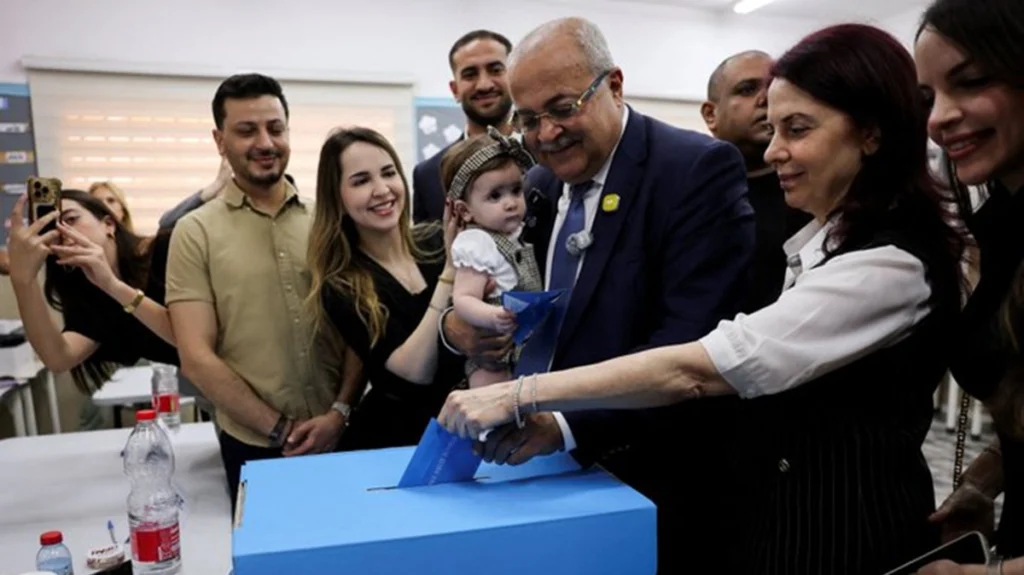
On Wednesday, Senior Arab lawmaker Ahmad Tibi confirmed that the Joint List, an alliance of Arab-led parties, is in talks with the bloc opposing Israeli Prime Minister Benjamin Netanyahu over the formation of an alternative government following Tuesday’s parliamentary election.

RELATED:

Israel Election 2026: Eisenkot Bloc Leads Netanyahu, No 61-Seat Majority

Tibi, chairman of the Ta’al party, said the Joint List was ready to help the so-called “change bloc” replace Netanyahu, although it was unlikely to formally join a governing coalition. The Joint List is a political alliance of Arab-majority parties in Israel, comprising Ta’al, Balad, and Hadash.

“We have blocked the possibility of Netanyahu forming a government,” Tibi said, referring to the election results. “Our public wants us to go further and influence the shape of the political system after the elections.”

Tibi said the alliance was open to discussing parliamentary arrangements, including how and when its lawmakers would vote, in exchange for progress on issues affecting Israel’s Arab minority, including crime, house demolitions, infrastructure and incitement. “We will probably not be an organic part of this government,” he said, adding that other arrangements were possible.

Yair Golan, leader of the center-left Democrats party, which is part of the opposition bloc led by Eisenkot, urged his allies to abandon their refusal to cooperate with Arab parties. “We must no longer accept Netanyahu’s racist division between Jewish votes and Arab votes,” he said.

Israeli settlers deliberately sabotaging voting at polling stations in Palestinian towns
——
Knesset member and Ta’al party leader Ahmad Tibi accused Israeli settlers of intentionally delaying the voting process across Palestinian towns during parliamentary elections.

In a… pic.twitter.com/3K0vWHg6yY

— The Cradle (@TheCradleMedia) October 27, 2026

Yousef Jabareen, chairman of the Joint List, also expressed willingness to help Eisenkot replace Netanyahu. “Anyone who wants to offer a real alternative to Netanyahu’s bloodstained government will have to talk to us. We are ready to pave the way for Netanyahu’s removal,” he stated.

These remarks came as vote counting continued after an election that appeared to leave neither Netanyahu’s right-wing bloc nor the rival bloc led by former military chief Gadi Eisenkot with the 61 seats needed for a parliamentary majority.

With about 77 percent of the votes counted, Netanyahu’s bloc was projected to win 54 seats in the 120-seat parliament, compared with 49 for Eisenkot’s bloc, according to Israel’s Central Elections Committee, which oversees the election. The Joint List and the Muslim Ra’am party were projected to win a combined 17 seats, with 11 going to the Joint List.

The Joint List could play a decisive role in efforts to form a government, potentially by providing parliamentary support from outside the coalition. However, both Netanyahu and Eisenkot have previously ruled out forming a government with Arab parties, complicating efforts to assemble a majority.

teleSUR/ JF

Source: Xinhua

  •  

Thousands Protest Police Crackdown on Housing Encampments In Lisbon

Dozens of injuries and arrests on charges of disobedience were reported.

On Tueday, thousands of people gathered outside Portugal’s parliament in Lisbon to protest a police operation to clear housing rights encampments in the early hours of Sunday.

RELATED:

Portugal Housing Activists Push for Nationwide General Strike

Businesses in the surrounding area closed at the request of municipal authorities, as parliament began debating the 2027 state budget.

The Acampada de Lisboa movement joined the demonstration and called for a popular assembly to be held outside parliament.

Municipal police asked nearby businesses to close for the afternoon, a request that most complied with. Several units of the Public Security Police (PSP), including intervention teams, were deployed to the area, along with emergency medical teams from INEM.

The police operation, carried out in the early hours of Sunday, cleared encampments in both Lisbon and Porto following more than two hours of tension and repeated orders for protesters to vacate the squares. The protesters refused to leave, citing their constitutional right to demonstrate.

Thousands of protesters gathered outside Portugal's parliament in Lisbon demanding affordable housing after police forcefully cleared protest camps, arresting dozens.

Follow: https://t.co/Un53LExogy pic.twitter.com/Bfw4f4st3m

— Highlights (@highlightsnews1) October 28, 2026

Dozens of injuries and arrests on charges of disobedience were reported. Hospitals in Lisbon said they had treated 27 people for injuries, more than double the five cases initially reported by police.

Opening the parliamentary debate on the budget, Prime Minister Luis Montenegro defended the police response, saying the PSP had acted proportionately and had been “particularly careful and competent” in restoring public order.

Montenegro said he wanted to address the issue directly before turning to the details of the budget, as the police operation had come to dominate media coverage.

The debate on the 2027 state budget is scheduled to run through Tuesday and Wednesday. Its passage at the first reading is assured, as the main opposition Socialist Party has pledged to abstain.

teleSUR/ JF

Source: Xinhua

  •  

Russia Imposes Entry Ban on Seven British Defense Industry CEOs

Their companies supply weapons and technologies that are used in Ukrainian strikes deep inside Russian territory.

On Tuesday, Russia barred seven British defense industry executives from entering the country, accusing their companies of supplying Ukraine with weapons and military technologies.

RELATED:

Russian Nuclear-Powered Submarine Launches Bulava Missile From Sea Of Okhotsk

The executives were added to Russia’s entry ban list because their companies supply weapons and technologies that are used in Ukrainian strikes deep inside Russian territory.

Three of the executives are from Rotron Aerospace: CEO Alex Head, chief military adviser Kev Oliver and board chairman George Zambellas. The company is involved in the development of the Brakestop long-range missile project.

The other four are Robert Gascoyne, CEO of MGI Engineering, which is also involved in the Brakestop project; Neil Appleton, CEO of drone maker Malloy Aeronautics; Paul Webb, director and co-founder of reconnaissance drone maker Tekever UK; and Julian Cracknell, chief technology and information officer at BAE Systems.

🇬🇧Britain's defence secretary just told NATO to get ready for war with Russia:

In Warsaw, Wes Streeting said: "We have to be ready for a scenario in which the United Kingdom and the NATO alliance finds itself at war with Russia."

"Not because we want war… but when Putin gives… pic.twitter.com/qtN2ISK1yd

— Global Strategy (@World_At_War_6) October 27, 2026

The Foreign Affairs ministry accused Britain of supplying Ukraine with missile and drone weapons and technologies, with the aim of inflicting maximum damage on Russia.

It also criticized the British government’s defense spending priorities, arguing that funds allocated to military contractors could instead be used to support Britain’s civilian sector amid domestic economic and social challenges.

teleSUR/ JF

Source: Xinhua

  •  

Russian Nuclear-Powered Submarine Launches Bulava Missile From Sea Of Okhotsk

The Generalissimus Suvorov is equipped with modern missile and torpedo systems.

On Wednesday, , the Russian Defense Ministry confirmed that nuclear-powered strategic missile submarine Generalissimus Suvorov launched a Bulava intercontinental ballistic missile from the Sea of Okhotsk toward the Chizha test range in the Arkhangelsk region.

RELATED:

Russia Bets on Global Majority in Africa Summit Build-Up

The launch was carried out by the submarine’s Pacific Fleet crew as part of scheduled combat training. The missile was launched from a submerged position in the Sea of Okhotsk. Monitoring data showed that its warheads had reached the designated area of the test range at the scheduled time, according to the ministry.

The Generalissimus Suvorov is a fourth-generation nuclear-powered strategic missile submarine equipped with modern missile and torpedo systems, as well as navigation, radio engineering and hydroacoustic equipment, the ministry said.

The Russian navy commissioned the submarine in December 2022. It carries 16 Bulava intercontinental ballistic missiles, according to Russian media reports.

From the waters of the Sea of Okhotsk, the crew of the Borei-A-class SSBN К-553 “Generalissimus Suvorov” conducted a test launch of the R-30 “Bulava” SLBM at the Chizha test range in the Arkhangelsk Region.
🎥MoD RF(Oct 27-28)https://t.co/mKD7bYH4cC pic.twitter.com/WCM6CstPcn

— Massimo Frantarelli (@MrFrantarelli) October 28, 2026

Humanitarian Ceasefire In Oleshky Extended Until Nov. 1

On Tuesday, Russia’s Human Rights Commissioner Yana Lantratova confirmed that the humanitarian ceasefire in Oleshky, a town in the Kherson region, will remain in effect until 10:59 p.m. Moscow time on Nov. 1.

Lantratova said the ceasefire agreement was being fully implemented, with no violations reported. She stressed that maintaining the truce was important for providing assistance to local residents.

Oleshky is located on the left bank of the Dnieper River, opposite the Ukrainian-controlled city of Kherson. The town has been facing a severe humanitarian situation, with residents reportedly experiencing worsening shortages of food and other essential supplies amid continuous fighting.

Last Friday, Russia and Ukraine agreed to a temporary ceasefire in the area to facilitate humanitarian aid deliveries and civilian evacuations.

teleSUR/ JF

Source: Xinhua

  •  

High-Speed Train Collision in Spain Leaves 50 Killed And 179 Injured

On Wednesday, Spanish media reported that at least 50 people were killed and 179 others injured in a collision between two high-speed trains on the railway line linking Madrid with the southern region of Andalusia.

RELATED:

Sanchez Vows to Protect Abortion Rights in Spain’s Constitution

The accident occurred at around 8:54 a.m. local time near Urda station in the province of Toledo, about 120 km south of Madrid. The collision involved a train operated by state-owned railway company Renfe and another operated by private company Iryo.

Preliminary reports suggested that the Renfe train struck the rear of the Iryo train, which had reportedly been stationary on the tracks. Two carriages derailed and plunged down an embankment.

The Chinese Embassy in Spain has confirmed that four Chinese nationals were aboard the trains involved in the collision, with at least one sustaining minor injury.

💥🇪🇸 IMPACTANTE | Nueva tragedia de trenes de Alta Velocidad enluta a España con cerca de 46 fallecidos y más de 179 heridos: Un AVE de Renfe ha embestido a más de 100 km/h, a un tren de Iryo detenido en Urda (Toledo), sin que se activaran los sistemas de emergencia.

La causa… pic.twitter.com/2fkZrY4cdE

— 📢Rebelión en la Granja🚨 (@elorwelliano) October 28, 2026

The text reads, “Shocking | A new high-speed rail tragedy has plunged Spain into mourning, leaving approximately 46 dead and more than 179 injured. A Renfe AVE train, traveling at over 100 km/h, collided with a stationary Iryo train in Urda (Toledo) after emergency systems failed to activate. Preliminary findings indicate that the LZB signaling system malfunctioned 24 minutes earlier, forcing the trains into a “degraded mode” (requiring operation by sight). As is often the case, the Socialist government has pointed to human error at the Atocha control center. This marks the second fatal high-speed rail accident this year; the previous one occurred in Adamuz.”

Spanish railway infrastructure operator Adif confirmed that the accident prompted the suspension of rail services between Madrid and Andalusia.

Political parties across Spain cancelled scheduled activities on Wednesday, while officials expressed their condolences and support for those affected.

“Shocked by the serious train accident in Toledo,” Prime Minister Pedro Sanchez wrote on social media, adding that emergency services are on the ground to assist those impacted.

The collision came just nine months after another major railway accident near Adamuz, in the southern province of Cordoba, which killed 46 people.

teleSUR/ JF

Source: Xinhua

  •  

Flavio Bolsonaro’s Escape to The US Is Shameful: Lula da Silva

Brazilian President Says Far-Right Senator Should Have Stayed in the Country to Face Criminal Charges.

On Tuesday, President Luiz Inacio Lula da Silva called former presidential candidate Flavio Bolsonaro’s flight from Brazil to the United States a shameful act.

RELATED:

Venezuelan Acting President Welcomes Lula’s Victory in Brazil

During a celebration of his 81st birthday in Brasilia, Lula said the far-right senator should have remained in the country to answer the criminal accusations against him.

“Those who have nothing to hide have nothing to fear. Democracy must be respected in victory and defeat. Brazil is our home, and it is here that we must face challenges, respect the justice system, and defend our country’s sovereignty,” the Workers’ Party leader said.

Lula then recalled that he had decided to remain in Brazil and serve prison time to “unmask” his accusers and prove his innocence in the Lava Jato case.

Earlier, Worker’s Party lawmakers asked Supreme Court Justice Alexandre de Moraes to order Flavio’s preventive detention and add him to Interpol’s Red Notice list.

Throughout Tuesday, Brazilian and Argentine media outlets tried to establish Flavio Bolsonaro’s whereabouts. The son of former President Jair Bolsonaro is already on U.S. soil with his wife and two daughters, a source close to his family told EFE.

However, no news about Flavio emerged throughout the day, and secrecy still surrounds his departure route and destination city in the United States.

“We still have no information about his whereabouts, only some reports that have appeared in the press,” Sen. Rogerio Marinho, Bolsonaro’s former presidential campaign coordinator, said.

“I received a message from him on my cellphone, a text message, in which he said he wanted to take some time for himself today and would speak with us later,” he told reporters after a meeting with Liberal Party leaders.

Following his electoral defeat, Flavio will also lose his seat in the Senate next February, when the new legislative session begins, marking the first time since 2003 that he will not hold public office.

An electoral victory for the far-right politician would have halted investigations against him, as Brazilian presidents cannot be held accountable during their terms for acts committed before their inauguration.

Timeline of the Flight

The day began with front-page reports in major local media outlets that Bolsonaro had left the country, defying a Supreme Court order barring him from leaving Brazil and requiring him to immediately surrender his regular and diplomatic passports.

On Monday, Justice Alexandre de Moraes, the rapporteur in the trial that ended with Jair Bolsonaro’s conviction for attempting a coup, gave Flavio 24 hours to surrender his travel documents as part of a money laundering case being handled under seal.

That same day, the 45-year-old senator posted a video on social media saying he had no intention of leaving Brazil, that he would surrender his passports and that he would defend himself against what he described as a “clear attempt at intimidation.” However, the Federal Police canceled the documents on Tuesday after the deadline to surrender them expired.

By then, Flavio Bolsonaro was already on his way to the United States. Argentine media outlets reported that the far-right politician had crossed the border into Argentina to board a private plane bound for the United States from the city of Puerto Iguazu, in Misiones province.

However, the Argentine government said there was no record of the lawmaker entering the country and no formal asylum request.

On Tuesday, President Donald Trump’s administration confirmed that it would issue visas and formally receive Bolsonaro and his family. Trump, a close ally of the Bolsonaro clan, called Brazil’s election “fraudulent,” although he added that he does not govern Brazil when asked whether he would take any action in response.

Flavio will reunite with his brother Eduardo Bolsonaro, who has been living in the United States since March 2025 after fleeing Brazilian justice.

teleSUR/ JF

Sources: EFE – X

  •  
❌