Keira Callaghan saysbeing prepared should be a public health measure, not a privilege, and Chris Rotheram is experiencing prescription anxiety. Plus five more letters in response to the Be Ready campaign
The Be Ready campaign may offer sensible advice in principle (Every Briton should stockpile water and food supplies, government advises, 22 October), but as a midwife working in Tower Hamlets, one of the poorest boroughs in London, I can see first-hand that its practical recommendations risk excluding precisely those families who are already most vulnerable.
For families living in a single room in a shared house, storing nine litres of water per person alongside three days’ worth of essential supplies may simply be unrealistic. When families are already struggling with the cost of food, heating and everyday necessities, buying additional emergency provisions may also be financially impossible.
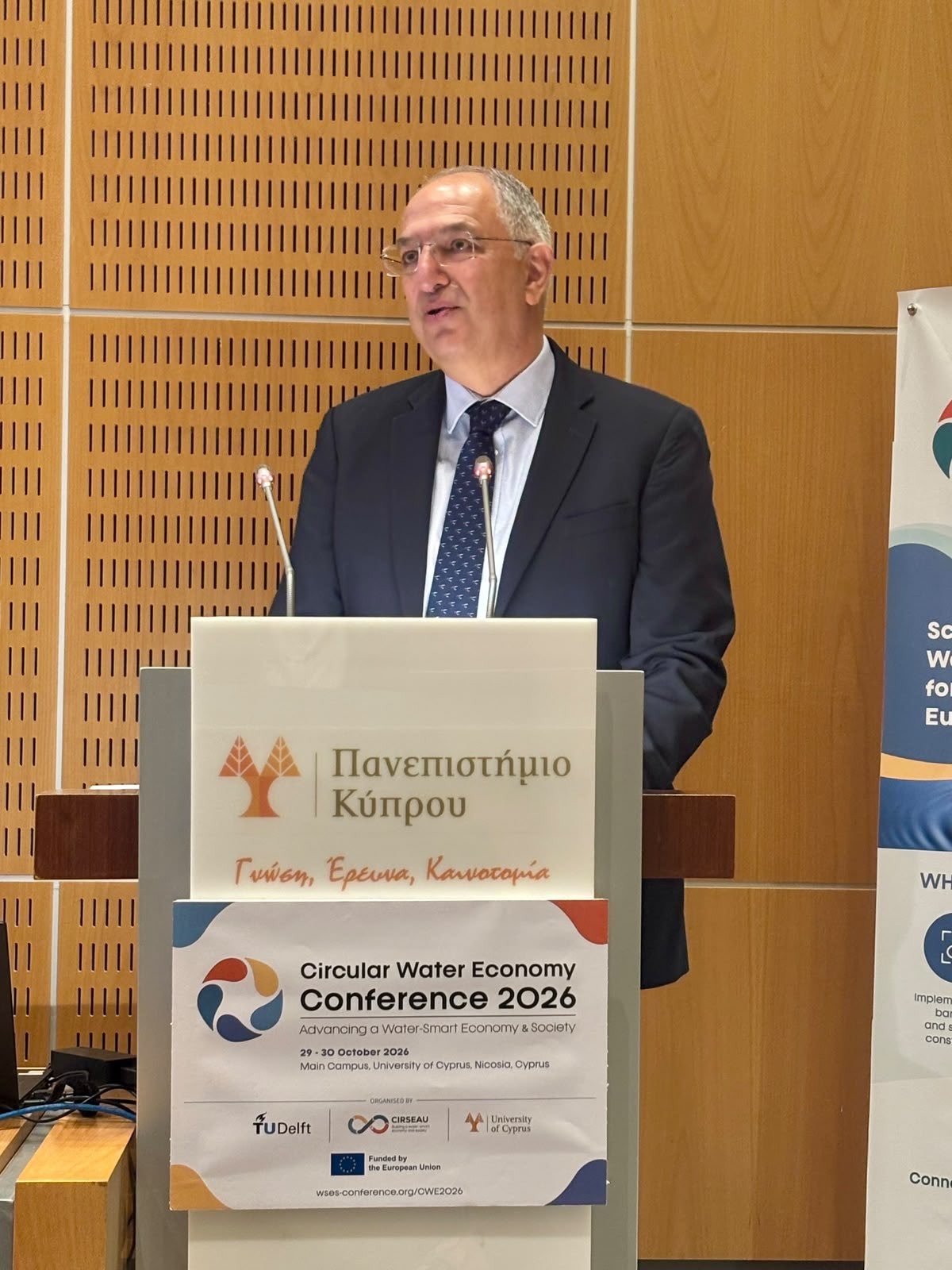
Europe “can no longer take water for granted”, European Oceans Commissioner Costas Kadis said on Thursday, as he attended a conference on the “circular water economy” at the University of Cyprus.
He told the conference that dealing with water scarcity is “emerging as a key strategic priority”, and that “the protection of water resources is an environmental priority, an economic necessity, and a matter of strategic security”.
“The fires, droughts, and phenomena of water scarcity recorded during the summer highlighted the urgent need to strengthen Europe’s resilience, as water is essential for people, for agriculture, for energy, for industry, and for ecosystems,” he said.
He made reference to the new “European Water Initiative”, which was announced by European Commission President Ursula von der Leyen during her State of the European Union address last month, saying that it will “complement the European water resilience strategy”.
In his, he said, it will aim to “accelerate actions to address water scarcity and climate risks”.
“The effective implementation of European policies requires adequate skills, stronger institutional capacities, and a closer connection between research and practice,” he said, before making reference to the new European Water Academy, launched last month.
According to the commission, the water academy has created a “Europe‑wide portfolio of labelled training and skill‑development programmes for a water-resilient Europe”.
Cyprus has ‘longstanding experience in dealing with water scarcity’
Kadis then referred to Cyprus specifically, saying that the island has “longstanding experience in dealing with water scarcity, water reuse, and desalination”, and that that experience “can be utilised in other coastal areas of the European Union which face similar pressures”.
However, he said, “desalination must operate in tandem with water saving and reuse, based on the principle of prioritising the efficient use of water resources and avoiding significant environmental damage”.
Von der Leyen had said last month that while “we know the risks of water scarcity for our farmers, energy, and supply chains”, “European pipes lose almost one in every four litres [of water], mostly through leakage”.
Details have yet to be added to her announcement of the “European Water Initiative”, but it will likely complement the EU’s existing water resilience strategy, through which the commission has pledged to “restore and protect the water cycle from source to sea” and “adopt water-smart practices and green infrastructure”.
This, it said, will “improve water retention on land, prevent water pollution and tackle pollutants in drinking water”, while it also hopes to “provide guidance on how to reduce water consumption and improve water efficiency in the EU by 10 per cent” by the end of the decade.
Campaigners say costly new funds will lead to higher bills, which company denies
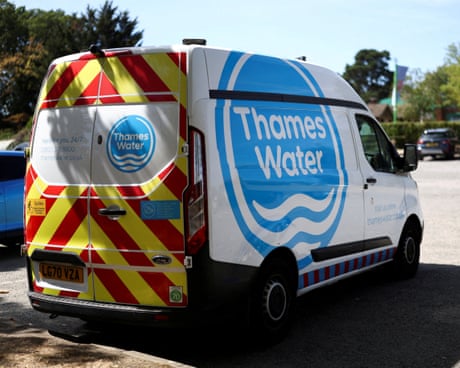
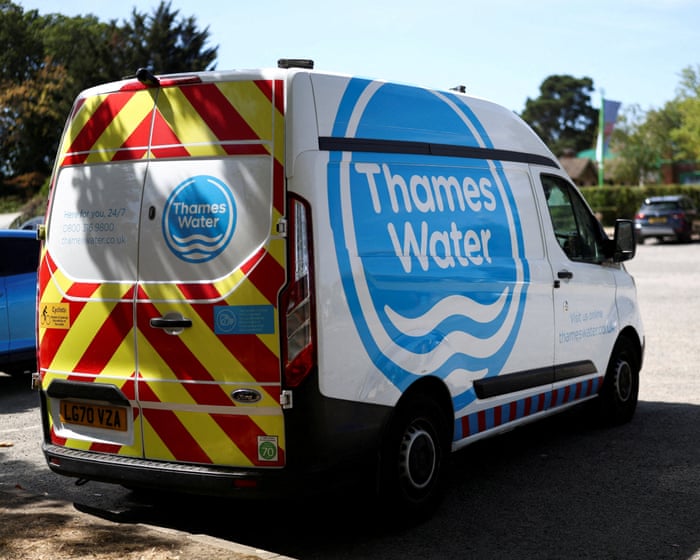
A group of creditors to troubled Thames Water are poised to vote on whether to grant an emergency £2.4bn loan to keep the company afloat, as campaigners raise concerns it could add £40 to each household’s bills in interest alone.
A consortium of creditors, called London & Valley Water, will vote on Thursday on whether to increase a funding facility for the debt-laden utility company to £5.4bn to keep it operating to autumn 2027.

 Login