UNITED NATIONS: Russia imposed its veto to a US-drafted resolution that would scale back the military component of the UN peacekeeping mission in Western Sahara and cement Morocco’s autonomy plan as the only basis for negotiating a political settlement to the half-century-old conflict. The vote followed an unusual showdown among major powers on a file long considered procedurally routine at the Security Council, with Russia circulating a rival resolution on Friday that would hav
Il ministro della Difesa saudita, il principe Khalid, fratello di MbS; il capo dei servizi segreti turchi, Ibrahim Kalin; e il capo delle forze armate pakistane, il feldmaresciallo Asim Munir, tutti e tre membri a pieno titolo dell’Alleanza di Difesa della Mecca, entrano in una sala sontuosa del proverbiale palazzo persiano per salutare – o baciare l’anello – del potentato, pardon, del segretario del Consiglio Supremo di Sicurezza Nazionale (SNSC), Moshen Rezaee, numero due della struttura di potere iraniana, subito dopo la Guida Mojtaba Khamenei.
Non si trattava dell’Alleanza di Difesa della Mecca che, apparentemente, sfilava in parata – in rappresentanza dei neo-ottomani, degli arabi e dei sudasiatici. Si trattava del Vertice di Teheran – così come definito dai persiani.
L’Iran aveva acconsentito a tenere questo vertice rivoluzionario – in realtà suggerito da Asim Munir durante la sua visita a Teheran la scorsa settimana – solo al di fuori del quadro dell’accordo della Mecca, ed esplicitamente nell’ambito della discussione sulla «sicurezza regionale endogena».
Pertanto, sì, si è discusso di Palestina, Libano, Yemen, sicurezza del Golfo e dello Stretto di Hormuz, nello spirito di ridurre le proverbiali «tensioni regionali» e porre fine alla guerra degli Stati Uniti contro l’Iran e l’Asse della Resistenza.
Il Vertice di Teheran potrebbe alla fine significare l’accettazione – riluttante o meno – delle richieste di sicurezza dell’Iran e dello status definitivo dello Stretto di Hormuz, attualmente in fase di elaborazione tramite l’accordo Iran-Oman.
Tutto dipende, ovviamente, da ciò che la Casa dei Saud deciderà alla fine. E questa decisione è direttamente legata al modo in cui Riyadh risolverà il suo sanguinoso conflitto con lo Yemen.
Teheran è stata esplicita: siamo pronti a mediare e ad assistere nella risoluzione della questione yemenita; tuttavia, spetta a Riyadh affrontare – e accettare – le condizioni di Ansarallah. Altrimenti, la guerra – già in corso – continuerà.
Analisi delle «sette condizioni»
È stato il dottor Ali Bagheri Kani, il vicessegretario dell’SNSC di grande competenza, a fornire la migliore visione dall’interno di ciò che veniva discusso al tavolo delle trattative.
Le quattro nazioni hanno identificato Israele come la principale fonte di instabilità regionale, con l’Iran come bersaglio immediato e altri paesi potenzialmente i prossimi (corsivo mio). L’altra fonte sono gli Stati Uniti. Immaginate il principe Khalid che acconsente a tutto quanto sopra.
Un accordo sulla sicurezza duratura in Asia occidentale deve essere costruito dall’interno, senza dipendere da potenze straniere.
Teheran si è posizionata come l’anello centrale (il corsivo è mio) che collega Arabia Saudita, Turchia e Pakistan. Sentitevi liberi di rimanere sbalorditi.
Tutte e quattro le nazioni hanno concordato di proseguire i colloqui. L’Iran coordinerà il prossimo incontro. Non sono ancora state stabilite né la data né la sede.
Aggiunga ora a questo quadro già sbalorditivo uno speciale «Mohsen Rezaee Unplugged»: era decisamente di umore molto più allegro del solito.
Prenda questo passaggio saliente:
«Percepisco la presenza di una nuova atmosfera nella regione. Si è creata grazie alla resistenza del popolo iraniano e alla capacità delle forze armate. Ho avvertito un’atmosfera estremamente positiva nelle discussioni con questi signori».
Pur elogiando «il successo di questa discussione retorica e delle dichiarazioni», Rezaee si è mostrato cauto: «Abbiamo preferito non rilasciare alcuna dichiarazione in questo momento, ma rilasceremo un’unica dichiarazione congiunta in cui concorderemo su questi punti e raggiungeremo un’intesa; l’attuazione di tali questioni sarà concreta e reale, e procederemo in tal senso».
Nel frattempo, rimane un compito sisifeo: come costringere l’Impero della Pirateria a comprendere la diplomazia in Asia occidentale.
Bagheri-Kani: «Gli Stati Uniti devono soddisfare le sette condizioni dell’Iran». Ha poi aggiunto: «Rezaee ha menzionato oggi che il piano di sette giorni potrebbe essere ridotto a cinque giorni o addirittura a quattro».
Analizziamo questi numeri.
Le sette condizioni rimangono le stesse: sono la versione sintetica di quel «gatto morto» ricorrente, il Memorandum d’intesa (MoU), che lo stesso Trump ha strappato e sul quale insiste nel dire che non abbia alcun significato.
Ricapitoliamo: revoca delle sanzioni; cessazione delle minacce militari; riconoscimento del diritto dell’Iran all’uso pacifico dell’energia nucleare; cessazione del sostegno a Israele; riconoscimento dei diritti sovrani dell’Iran sullo Stretto di Ormuz; cessazione delle interferenze negli affari interni dell’Iran; e fornitura di garanzie credibili contro future aggressioni.
Persino i cammelli nel cuore del Nejd sanno che gli «Eccezionali» non adempiranno mai a nessuno di questi impegni.
Ciò che cambia ora è la tempistica. Secondo il piano originale, nell’improbabile eventualità che gli Stati Uniti avessero soddisfatto le condizioni, il sesto giorno lo Stretto di Ormuz sarebbe stato aperto; e il settimo giorno, come per volere divino, sarebbero iniziati i negoziati.
La nuova proposta di Rezaee può essere interpretata solo come una gioiosa provocazione: tutto può essere fatto in cinque giorni o addirittura in quattro, perché no?
Rezaee sta sostanzialmente affermando che tutte e sette le condizioni rimangono valide; ma se Trump fosse davvero interessato ai negoziati (non lo è: vuole una capitolazione), l’Iran non avrebbe bisogno di attendere sette giorni. Ne bastano quattro.
Qualunque cosa accada in seguito – e dopo le elezioni di medio termine negli Stati Uniti potrebbe benissimo verificarsi un attacco militare alla Trump – è Teheran a dettare ancora i tempi. Oltre alle sette condizioni – che costituiscono i prerequisiti per qualsiasi negoziazione. Oltre alla tempistica. Oltre al fatto che, in assenza di progressi, lo Stretto di Ormuz rimarrà chiuso.
Ciò che Bagheri-Kani e Rezaee – i due massimi responsabili della sicurezza – stanno sottolineando è che l’Iran ha presentato una fattura all’Impero della Pirateria. A proposito, ogni singola voce della fattura è già stata approvata dallo stesso Presidente degli Stati Uniti, per quanto egli cerchi di svicolare.
O sicurezza “endogena” o nulla
A prima vista, l’Alleanza di Difesa della Mecca avrebbe dovuto essere vista come un potente allineamento di sicurezza e difesa collettiva guidato dai sunniti.
Eppure l’ultima cosa che l’Impero della Pirateria, strategicamente svantaggiato, si aspetterebbe è che il trio iniziasse a esplorare vie di cooperazione con la nazione che era stato costretto a considerare una minaccia esistenziale.
Non sottovalutate mai i persiani. Dimostrando la loro consueta finezza, ciò che hanno appena fatto è stato ribaltare strategicamente il contenimento dell’Iran.
Nel prossimo futuro l’Iran potrebbe persino prendere in considerazione l’adesione all’Alleanza di Difesa della Mecca – che non pochi studiosi musulmani autorevoli descrivono effettivamente come una blasfemia nei confronti della Mecca.
Prima di ciò, gli «sceicchi del petrolio» – quelle controparti del Golfo Persico dei «chihuahua del Baltico» – potrebbero andare incontro alla loro rovina, qualora si rivelassero incapaci di disinnescare l’incessante incitamento anglo-salafita alle guerre settarie.
Gli iraniani sono devoti della sacra Mecca e di Medina tanto quanto gli yemeniti – poiché entrambi i popoli furono direttamente elogiati dal Profeta (gli iraniani furono indicati come impareggiabili nel discernimento della conoscenza e nella ricerca della saggezza).
E ciò spiega in definitiva perché questo incontro sia stato definito «Vertice di Teheran» – senza alcun nesso con l’idea di un patto della «Mecca».
Per quanto riguarda gli yemeniti, Mohammad Ali al-Houthi, membro chiave del Consiglio politico supremo di Ansarallah, ha posto le cose in chiaro: ha criticato aspramente le affermazioni dell’Arabia Saudita secondo cui la visita del principe Khalid a Teheran mirerebbe a un allentamento delle tensioni nella regione, sottolineando che la retorica diplomatica di Riyadh è in contraddizione con il protrarsi della guerra, del blocco e dell’occupazione dello Yemen.
Dopo il Vertice di Teheran, la Guida Mojtaba Khamenei ha incontrato di persona Mohsen Rezaee. Il Numero Uno che parla con il Numero Due.
Khamenei ha esplicitamente chiesto di porre fine all’attuale stato di «né guerra né pace» garantendo il rispetto delle sette condizioni e «mantenendo il controllo sullo Stretto di Ormuz».
Rezaee ha infatti illustrato a Khamenei l’idea di una sicurezza «endogena» in tutta l’Asia occidentale. Si tratta di una controparte diretta della spinta russa verso l’«indivisibilità della sicurezza» alla fine del 2021, alla quale gli Stati Uniti e la NATO avevano allora risposto con un silenzio elocitante.
Eppure ora la palla è interamente nel campo dell’Asia occidentale. Gli Stati Uniti non sono nemmeno in gioco. Spetta alla Turchia, all’Arabia Saudita, al Pakistan e all’Iran far sì che ciò avvenga.
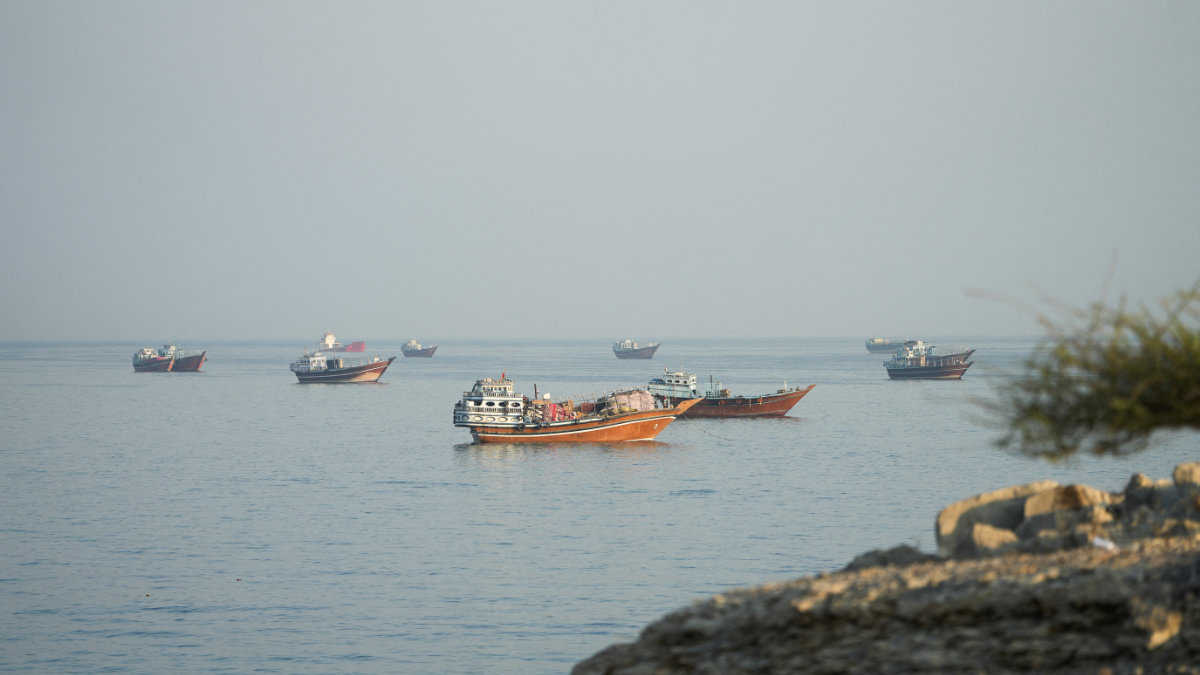
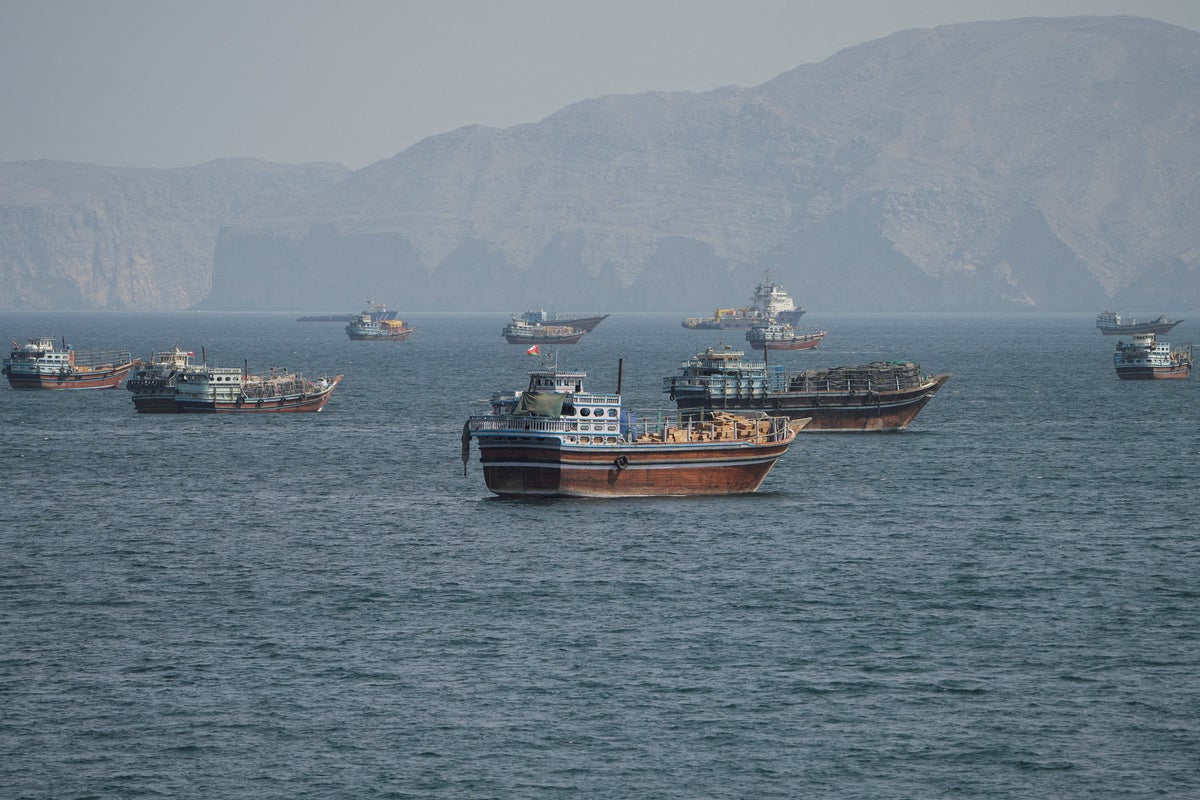
The Iranian Revolutionary Guard Corps (IRGC) reported that two oil tankers experienced an incident in the Strait of Hormuz after they allegedly ignored warnings and tried navigating an unauthorized route.
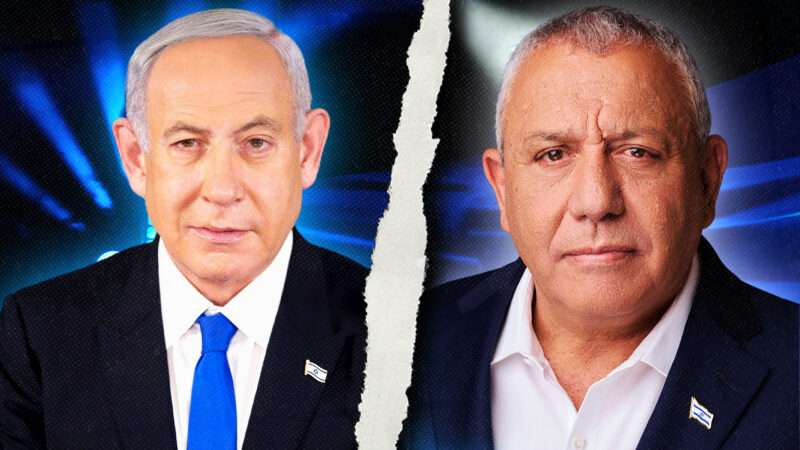
On Friday morning, with 99.5 percent of the votes tallied, the Israeli Central Elections Committee published a final version of the Knesset seat count. Israeli Prime Minister Benjamin Netanyahu's right-wing bloc secured the most seats in the country's parliament after Tuesday's election, though significantly fewer than in 2022. The bloc, according to The Times of Israel, will enter the Knesset with 53 seats, while the main opposition bloc led by Gadi Eisenkot will hold 48. With both groups failing to win the 61 seats needed for a majority, tricky negotiations between the nine Zionist parties and the two Arab-interest parties will be needed to form a governing coalition.
Regardless of who becomes Israel's prime minister, Americans can be confident about one thing: Israel's next leader will likely keep making war in the Middle East with American money and American bombs.
Under Netanyahu, who has served 19 nonconsecutive years as prime minister, Israel has been engaged in controversial and expansive wars across the Middle East. Throughout these wars, the U.S. has armed and funded Israel. Although Israel received aid throughout the Cold War, the U.S. increased its obligations starting in FY 1999 by regularly renewing 10-year funding commitments. Under the current agreement between the two countries, which went into effect in FY 2019, the United States pledged to provide $38 billion in military aid to Israel through FY 2028, subject to congressional appropriations.
A large component of this aid—$33 billion pledged under the current agreement, according to the Congressional Research Service (CRS)—has come through Foreign Military Financing (FMF) grants. These allow partner countries to purchase American weapons, with the costs "reimbursed" by American tax dollars. Data from the Defense Security Cooperation Agency, which manages U.S. arms transfers, show that from FY 2020 to FY 2024, almost $13 billion—90.5 percent—of U.S.-to-Israel arms transfers were paid for by American-issued FMFs. Last year, the CRS found that "annual FMF grants to Israel represent approximately 14% of the overall Israeli defense budget."
Earlier this month, Al Jazeera reported that since Hamas' October 7, 2023, attack on Israel, the United States has approved $33.16 billion in arms transfers to Israel, almost all of which were funded by FMF grants.
Netanyahu has said he plans to wean Israel off a donor-recipient aid system, preferring joint defense collaboration. The U.S. and Israel already jointly develop some weapons, such as the David's Sling and Iron Dome missile defense systems, but, as The Washington Post reports, the U.S. funds most of these projects. A CRS report from earlier this year explains how difficult it would be for Israel to transition away from U.S. assistance: "With a fleet of fighter aircraft that is almost entirely American-made and a missile defense architecture which relies on U.S. assistance," the CRS writes, "Israel may remain dependent for quite some time on U.S. supply chains and, in times of military operations, direct defensive U.S. military support."
Should an Eisenkot-led coalition come to power in the coming government negotiations, the prospect of America sending less money to Israel is slim as well. Eisenkot has been clear that his government would expect U.S. financial support, tellingBizPortal earlier this week that he would keep seeking the $3.8 billion in annual aid the U.S. currently provides. He's also praised "[U.S. President Donald] Trump's decision to strike Iran together with Israel," telling the New York Post it was "courageous."
Should he become the next prime minister, conflict between Israel and Iran, or with any of Israel's neighbors, is unlikely to be resolved, which, as the CRS report above indicates, comes at the cost of American taxpayers.
With over $32 trillion in debt held by the public, the United States clearly needs to cut spending. Military aid to highly developed foreign nations like Israel is an obvious place to start. However, given America's long history of signing checks for the country, combined with Trump's unwavering support, taxpayers hoping for such relief shouldn't hold their breath.
JERUSALEM: Political horse-trading was underway in Israel on Friday after a final tally confirmed that neither major bloc won enough seats in this week’s parliamentary election to form a government. Prime Minister Benjamin Netanyahu’s group lost its majority but still won 53 seats, the main opposition bloc led by Gadi Eisenkot won 48, and Arab-led parties secured an unprecedented 19. Now parties must find a way to team up for 61 seats in the 120-seat Knesset. “Now comes the hard part,” centrist
NEW YORK CITY: The Israeli military’s ongoing presence and activities in southern Lebanon are preventing displaced families from returning home safely and rebuilding their lives, the UN said on Friday, as it warned that the country’s humanitarian crisis was “far from over.” While nearly 970,000 people have returned to their communities in southern areas, more than 300,000 remained internally displaced as of Wednesday, UN spokesperson Stephane Dujarric said, citing data from the Office for the
QUNEITRA: Livestock farming in Ruwayhina village in Quneitra countryside has become an increasingly dangerous activity for residents, as continued Israeli attacks and restrictions prevent farmers and herders from accessing their land and pastures. Direct attacks on livestock and grazing areas have undermined residents’ ability to continue agricultural and livestock activities, causing significant losses to local agricultural and animal production. Several villagers described the difficult con
Reports of civilians struggling to breathe and losing consciousness following artillery and rocket attacks have raised fears that Houthi forces may have used chemical weapons in Yemen’s besieged city of Taiz, prompting urgent calls for an independent international investigation. The allegations come amid an intensifying Houthi offensive against the southwestern city, where years of fighting have left hundreds of thousands of residents vulnerable to shelling, sniper fire, displacement and severe
ADEN: Yemen’s armed forces said on Friday the Houthi militia had targeted Aden airport and Maashiq Palace with ballistic missiles. In a series of statements, a military spokesperson accused the group of continuing to target Yemen’s national infrastructure and resources. The spokesperson said the attacks on airports exposed what he described as a contradiction between the Houthis’ claims to seek an end to the blockade and their actions against the Yemeni population. The statements did not provide
This is the first indication of the successful use of these mines during the current Islamic Revolutionary Guard Corps’ (IRGC) wave of strikes against shipping in the Strait of Hormuz following Operation Epic Fury. The attack also highlights the challenges of keeping ships safe in a busy and complex littoral.
“The apparent ability of a small craft to approach a transiting tanker, deploy explosive devices and withdraw presents a significant security concern, particularly in the Strait’s congested shipping lanes,” Greece-based maritime risk management group Marisks said on Friday, Reuters reported.
TWZ covered the 2019 attacks extensively, including sharing the following video showing an Iranian Navy or IRGC fast boat going back to remove a dud limpet mine from the Japanese-owned Kokuka Courageous’s damaged hull.
Earlier Friday morning, U.S. Central Command (CENTCOM) commander Adm. Brad Cooper said the waterway was cleared of sea mines. He was not addressing the limpet mine claim.
He stated on X that after “we sank Iran’s navy earlier this year, we also successfully cleared the strait’s internationally recognized primary transit routes of Iranian sea mines, and today U.S. forces remain highly vigilant and present to ensure that all primary transit routes in the Strait of Hormuz remain free and clear.”
“This week we reached a significant milestone, having now assisted Gulf partners in exporting more than 1.5 billion barrels of crude oil since summer,” Cooper added.
Recalling a recent flight over the Strait of Hormuz, Cooper noted that he “saw our U.S. assets in the air and on the water, including a squadron of advanced sea drones that were on patrol supporting a defensive layer. Here’s what I didn’t see: I didn’t see the IRGC out there at all.”
Also known as uncrewed surface vessels (USVs), the sea drones are part of an increasingly uncrewed armada of air, land and sea assets that are supporting the safe corridor through the Strait.
Despite the heavy presence of CENTCOM forces, this month is turning out to be particularly dangerous for shipping in the region.
“October has seen the highest number of ship attacks on record,” Noam Raydan, a senior fellow at the Washington Institute for Near East Policy, said last week, according to the BOE Report, an oil industry publication. “Raydan, who maintains the institute’s interactive shipping incident map, has recorded 28 confirmed and reported attacks in the Strait of Hormuz and surrounding waterways in October and 113 since the US-Israeli war with Iran began on February 28.”
These strikes, combined with ongoing Houthi attacks on Saudi Arabia’s oil infrastructure, have already placed tremendous pressure on a global economy relying heavily on fossil fuel from the region. As of Friday morning, Brent crude topped $117 per barrel, the highest level in more than four years, according to OilPrice.com.
The American oil industry, meanwhile, is making a fortune on this situation.
“The war with Iran has been very lucrative for American oil companies, which have earned more than $130 billion in profit as people pay much higher prices for gasoline, diesel and other fuel,” The New York Times reported on Friday. “That is a conservative estimate based on the performance of more than 50 large U.S. oil and gas companies, most of them producers or refiners, in the six months from April through September. It does not reflect profits earned in March, the first month of the war, or in October.”
“The United States oil and gas business is making hundreds of billions of dollars,” Trump said at an Oct. 24 campaign rally, describing how the war is affecting the industry.
TRUMP on HIGH GAS PRICES: We’re making money like we’ve never made before. They’ll say: President Trump is bragging about all the money they're making while people are suffering at the pump. I don’t give a damn. We’re making a freaking fortune. pic.twitter.com/KZ2pYsTPyR
Qatari mediators returned to Tehran on Friday in another bid to try to pull the Middle East region back from the brink of war. The visit takes place as the U.S. and Israel are gearing up for a possible new round of strikes against Iran that could come as soon as next week after America’s midterm elections.
U.S. President Donald Trump has frequently stated that he could order new strikes, likely with Israeli assistance, after control of the next Congress is settled. While Trump could be gearing up to hit Iran again, leaks about war planning could also be messaging to compel Tehran back to the bargaining table.
“It’s going to get wrapped up soon,” Trump said Friday morning in an interview with Kansas City radio station KCMO. “We need a guarantee there’ll never be a nuclear weapon.”
Whether this latest Qatari effort can stop the clock winding down toward a resumption of hostilities remains questionable. Washington and Tehran seem far apart in their goals for achieving an agreement to stave off war.
The U.S. wants nuclear issues included from the start of negotiations while Tehran demands that the U.S. first end its port blockade and lift oil export sanctions, Reuters reported on Friday.
A senior Iranian official has already dismissed a plan presented by Qatar as “unacceptable,” the outlet added. “The proposal presented by Qatar sets a seven-day timeline addressing both Tehran’s and Washington’s concerns, laying out daily confidence-building steps that each side must take,” the news outlet reported on Oct. 28, citing an official briefed on the negotiations.
The Qatari mediation is the latest diplomatic effort to prevent new fighting. On Monday, major regional powers met in Tehran to find a peaceful way forward.
“Cooper rarely briefs Trump in person, so the meeting could signal that the U.S. is moving closer to significant military operations,” the publication stated. “He met with the president in July, when the two huddled with Hegseth and Caine on Air Force One in Delaware.”
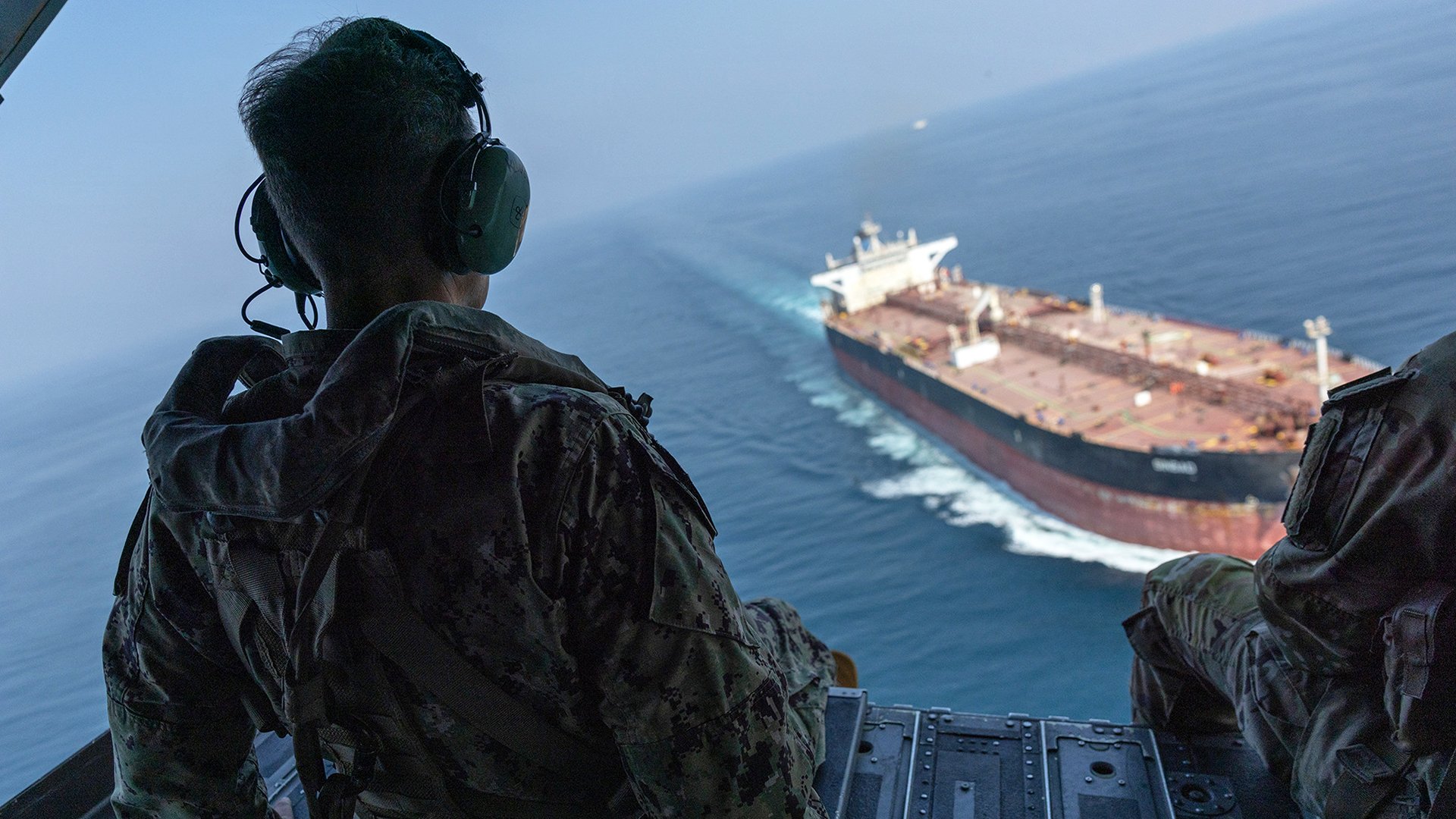
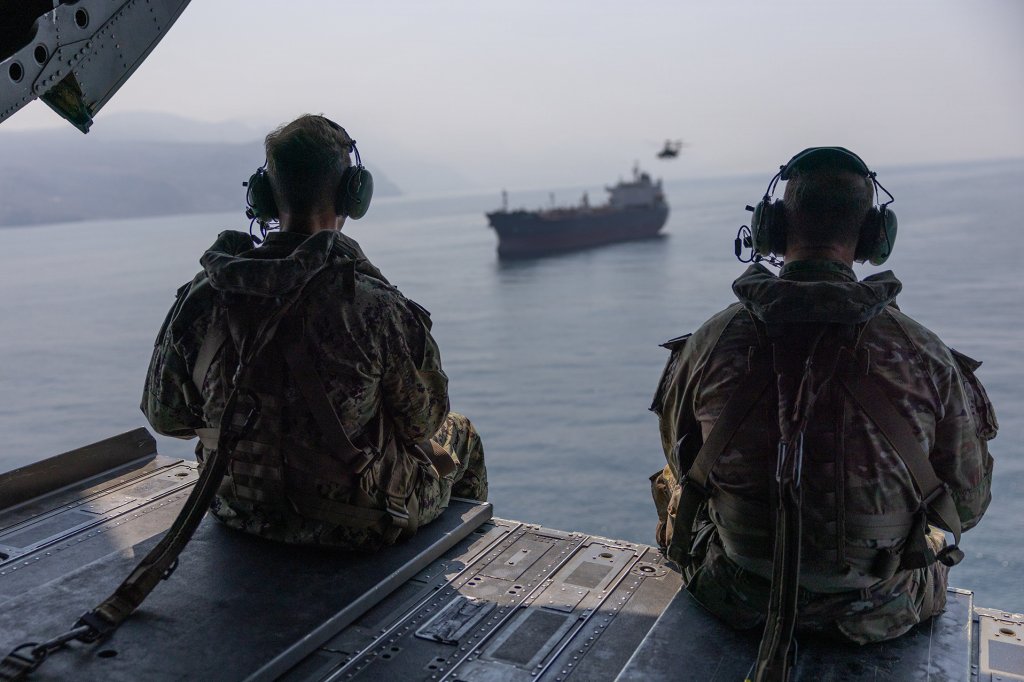
U.S. Navy Adm. Brad Cooper, commander of U.S. Central Command (left), and U.S. Army Maj. Gen. Brandon Tegtmeier, 82nd Airborne Division commander (right), observe commercial traffic transiting the Strait of Hormuz while flying over the international waterway in a U.S. Army CH-47 Chinook, Oct. 25, 2026. (U.S. Central Command photo) Senior Chief Petty Officer Amanda Dunford
CENTCOM declined comment when we asked to confirm the meeting as described. The Pentagon referred us to the White House, and the White House did not respond to our request for comment.
While the Journal offered no specific details about the plans discussed at the White House meeting, previous reporting has suggested Trump is seeking a short, intense bombing campaign.
“According to several people familiar with the war plans, any new US-Israeli assault would be intense, lasting some three days and targeting nuclear facilities, regime assets and civilian infrastructure including power plants,” Financial Times reported on Thursday.
A top Democratic senator said he was briefed on plans and was shocked by what he heard.
“I will just say this: their plan is insane,” Sen. Chris Murphy of Connecticut said. “It will lead to devastating escalation and the likely destruction of our commitment to the rule of law.”
“There’s been open reporting as to what we may be planning and the civilian infrastructure that we may be targeting,” Murphy added. “The plan that they have developed will lead, in my view, to a prolongment and an escalation of this war that will be devastating for our security interests.”
Trump is reportedly planning to restart war with Iran after the election.
Some of us have been briefed on the war plan. And while I cannot disclose any details, I can say this: the plan is insane. It will not achieve objectives and will set off a new cycle of escalation. pic.twitter.com/adWJfHVIok
As the White House continues to put the finishing touches on new attack plans, the U.S. is bolstering its forces in the Middle East as we noted at the top of this story.
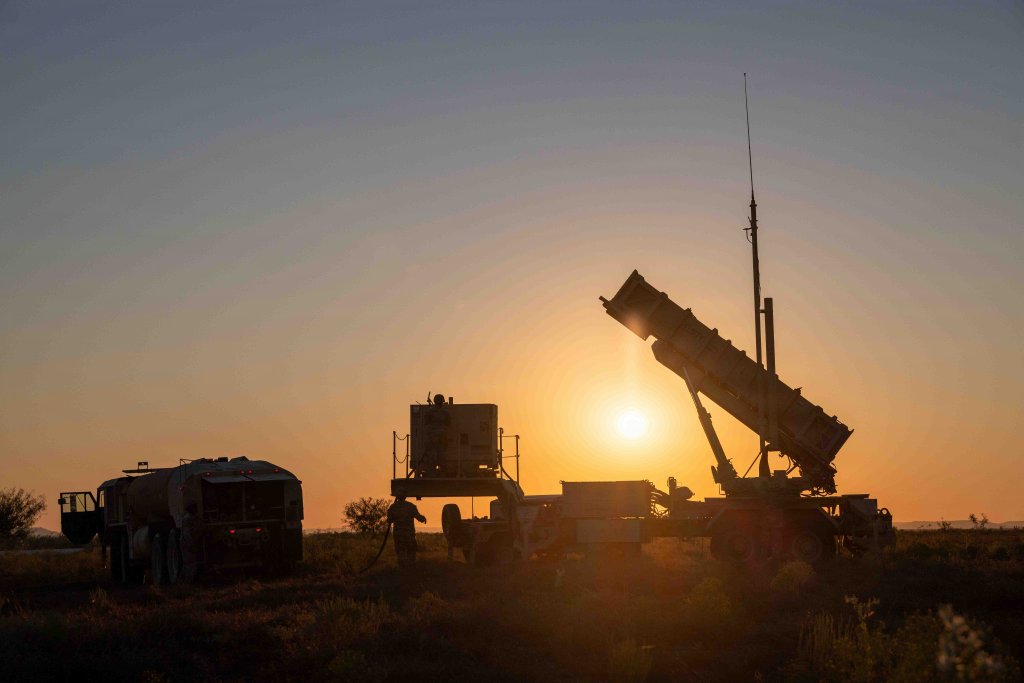
“The U.S. military is sending an additional Patriot system to Israel from Texas to beef up its missile defenses in the country, according to flight-tracking data and two officials with knowledge of the movement,” the Journal reported on Wednesday. “The U.S. has also moved troops off bases in the Middle East where they were vulnerable in preparation for an escalation.”
“U.S. forces in the region have been restocking their munitions, and bomber aircraft and jet fighters are preparing for strikes, some of the officials said.”
The U.S. is reportedly sending an additional Patriot system to Israel. (U.S. Army photo by Capt. Russell Shirley-Jones) Capt. Russell Shirley-Jones
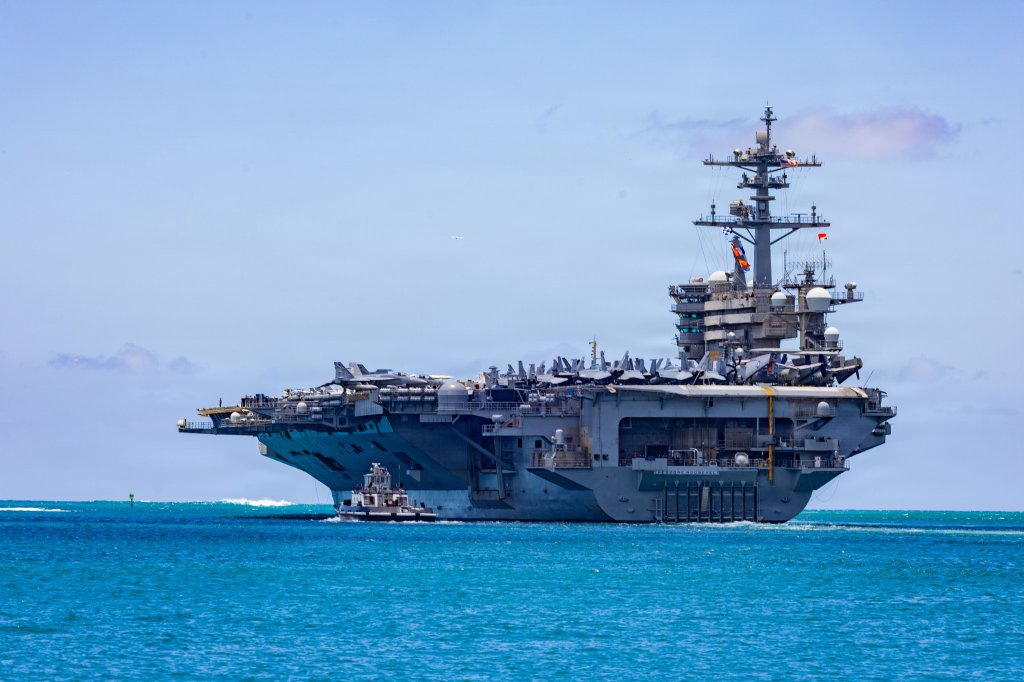
As we previously noted, there have been other signs that a major new round of U.S. and/or Israeli strikes on Iran might be looming on the horizon. Fox News reported that the Nimitz class aircraft carrier USS Theodore Roosevelt and the rest of its carrier strike group, as well as the Makin Island Amphibious Ready Group carrying the 13th Marine Expeditionary Unit (MEU), are heading to the Middle East, citing unnamed U.S. officials.
“The ships will arrive in the Middle East by the end of November,” the officials said, according to a post on X from Fox’s Jennifer Griffin on Tuesday. “These new deployments will add about 10,000 sailors and Marines to the Middle East.”
Nimitz-class aircraft carrier USS Theodore Roosevelt (CVN 71) is reportedly heading to the Middle East. (U.S. Navy photo by Mass Communication Specialist 1st Class Luke McCall) Petty Officer 1st Class Luke McCall
There have been indications of increased U.S. military air activity in the Middle East recently, as well. Observers have called attention to the particularly significant influx of aerial refueling tankers to bases in the region, as well as in Europe, which would be critical to any new major air campaign.
Overall numbers across CENTCOM and Europe have now stabilised back to the levels they were at back at the start of September, around 190-195. There are a few tankers dotted around at other sites temporarily (Glasgow Prestwick and… pic.twitter.com/taKi8op7Tv
America and Israel struck hard at Iranian logistics during Operation Epic Fury, and the U.S. Navy maintains a blockade on Iranian ports. Still, the IRGC has managed to bring in materiel critical to its drone and missile programs.
“Iran has created a secret network of military agencies with global reach to import at least $2 billion in hardware, explosives and heavy-duty trucks since January 2025, evading both the US naval blockade and Western sanctions,” the investigation found. “Hidden behind names starting with the letters MOD, for the Ministry of Defense, are more than 5,000 agencies that form a formidable financial and military machine. Their financial footprints are on bills of lading and other shipping data dating back to 2016. Some are tied to the Islamic Revolutionary Guard Corps and to business conglomerates known as bonyads that are controlled by Iran’s elite.”
“The findings offer a window into one of the war’s great mysteries,” the outlet explained. “How is the IRGC replenishing its missile and drone arsenals while firing them in their thousands?”
Amid events in the Persian Gulf region, fighting between the Iranian-backed Houthi rebels of Yemen and Saudi Arabia rages on.
On Friday, Saudi Arabia said it intercepted and destroyed a Houthi drone near Islam’s holiest city, a claim the Houthis denied.
Adding to regional jitters, there were fresh reports of explosions near Iran’s Qeshm Island in the Strait of Hormuz Thursday night. However, these incidents often turn out to be air defense activity, warning shots fired at ships or nothing at all.
CENTCOM on Friday pushed back against claims that the command acknowledged attacks on Iranian targets.
“The reported notion that CENTCOM claimed any recent attacks is false,” Capt. Tim Hawkins, the command’s spokesman, told TWZ.
For now, the world is waiting nervously to see whether the Middle East again erupts into war. We should have a clearer picture in the coming days.
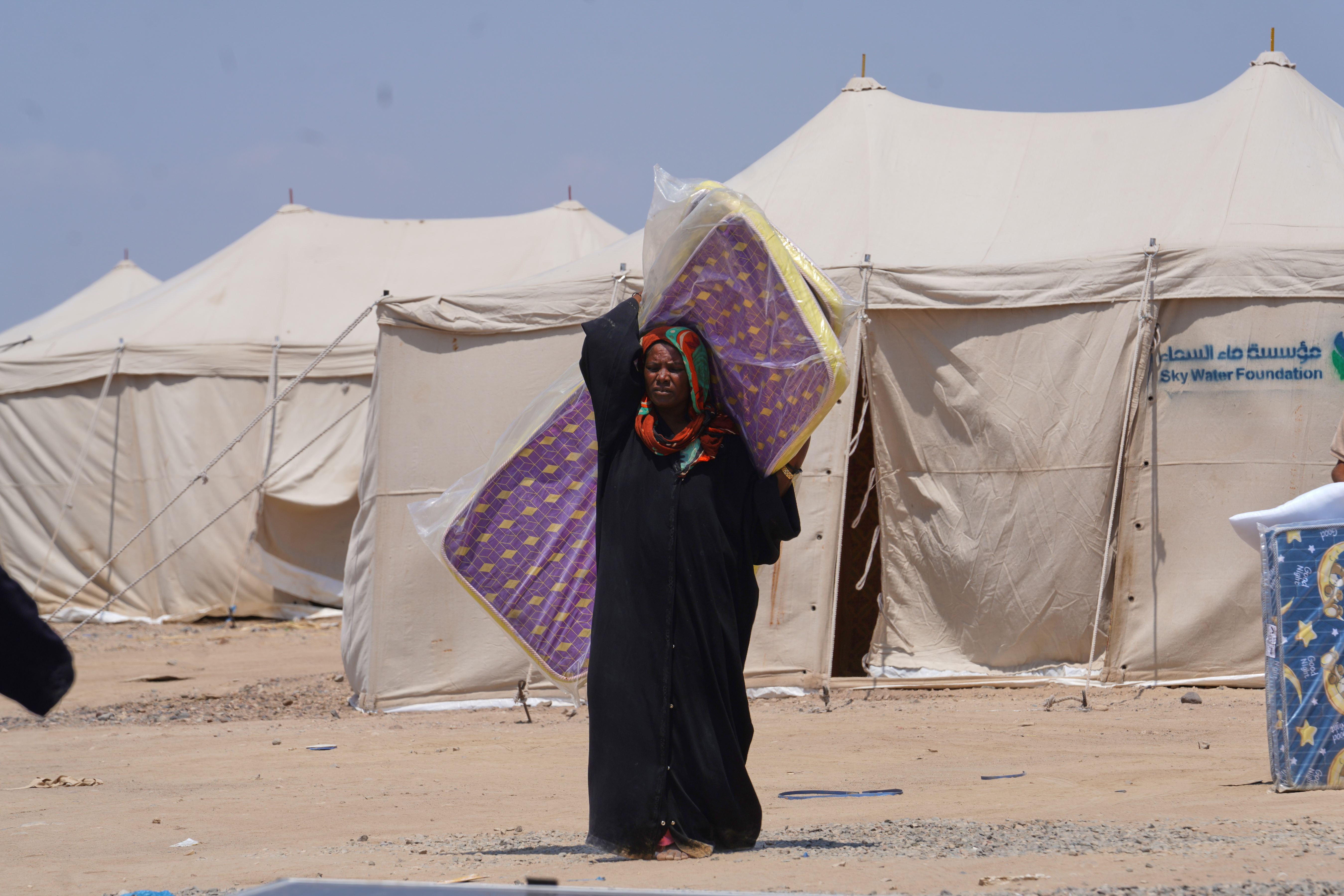
NEW YORK CITY: More than 290,000 people have been forced from their homes since the beginning of August by the resurgence of the conflict in Yemen, the UN said on Friday. It warned that the fighting showed no sign of easing and thousands of pregnant women are among those uprooted. The UN Population Fund estimated that nearly 6,100 pregnant women were among the recently displaced, including 600 expected to give birth within the next two weeks, UN spokesperson Stephane Dujarric said. The agency
TAIZ: Yemen’s Armed Forces said they carried out 1,087 attacks on Houthi positions on Friday, claiming to have neutralized about 336 militia leaders and fighters and destroyed or disabled 112 military vehicles and other assets. In a statement, the military spokesperson said the operations were part of the “Dawn of Yemen” campaign and involved combat aircraft, drones, field artillery and rocket launchers. The targets included forward command-and-control centres, Houthi gatherings and reinforcemen

 Login




 (@ChrisMurphyCT)
 (@DefenceGeek)