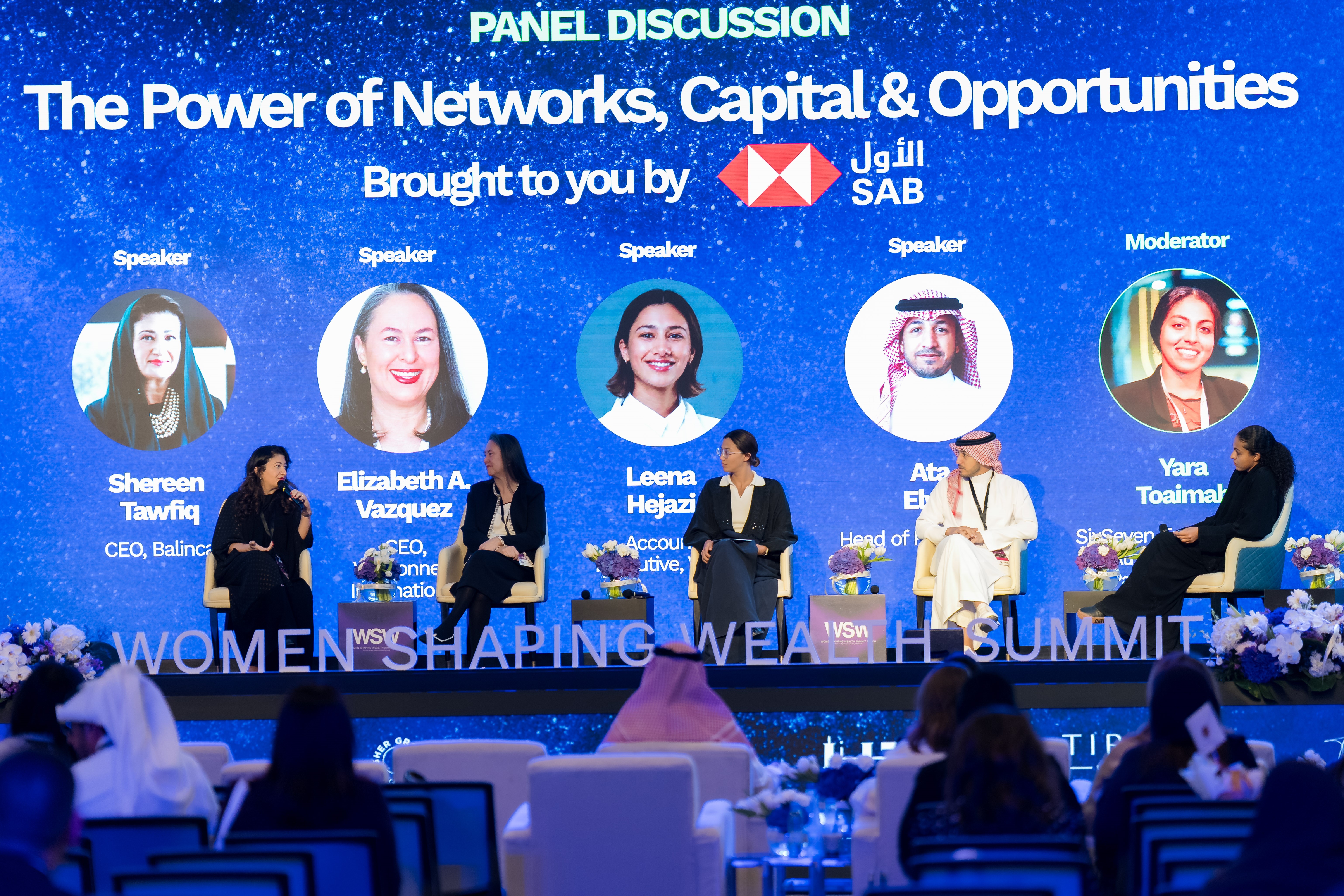
Saudi Awwal Bank has signed a memorandum of understanding with Playbook to advance collaboration in women’s entrepreneurship, knowledge sharing and financial services innovation. The MoU was signed on Sept. 29 during the Women Shaping Wealth Summit in Riyadh, organized by Playbook in strategic partnership with the Ministry of Investment through Invest Saudi, with SAB participating as a knowledge partner. The summit brought together more than 3,000 investors, entrepreneurs and business
Through the platform, Indians can buy and sell shares of internationally recognised American companies such as Apple, Microsoft, NVIDIA, Tesla, Alphabet, Amazon, Meta Platforms, among others.
Across Europe, entrepreneurship increasingly happens on a laptop. Online sellers, freelancers, consultants, traders and software founders can serve customers in any country, yet the legal home of their business is still a choice they must make. For many of them, that choice is a Seychelles International Business Company (IBC).
Before comparing jurisdictions, it is worth separating marketing from mechanics. A company structure is a legal tool. Whether it suits a particular business depends on how that business operates, where its owners live and which rules apply to them.
How a Seychelles IBC works
Seychelles companies are governed by the International Business Companies Act 2016 and supervised by the Seychelles Financial Services Authority (FSA). Incorporation is handled through a licensed registered agent, who also provides the company’s registered office in Seychelles.
The basic requirements are comparatively light:
a minimum of one director and one shareholder;
no requirement for a local resident director;
no statutory minimum share capital; and
registered shares only, as bearer shares are prohibited.
Directors and shareholders may be individuals or corporate entities, and may be of any nationality or residency.
Beyond holding companies: why online businesses are choosing Seychelles
Seychelles has long been used for traditional holding structures, but its profile has changed. Today it has become a popular choice for internet-based businesses. E-commerce sellers and dropshippers use Seychelles companies to contract with suppliers and sell through global online storefronts. Freelancers, developers and digital agencies use them to invoice international clients and bring their income into a single business entity. Online traders and Web3 teams use them to manage treasuries and digital assets, while shipping, import-export and intellectual property businesses use them alongside the classic holding company.
The reasons are practical. Incorporation can often be completed within a few business days, set-up and renewal costs are modest, and a single person can act as both director and shareholder. There is no minimum share capital and no requirement for local premises or staff. For a founder whose customers, suppliers and platforms are spread across many countries, a lean, remotely managed company is a natural fit. Seychelles also generally does not tax the income of an IBC that is earned outside the country, although, as outlined below, a founder’s home country may still apply its own rules.
It is not a shortcut for every model. Operating a custodial crypto exchange or wallet from Seychelles requires a regulated licence, payment platforms and marketplaces apply their own documentation checks, and sellers remain responsible for VAT in the countries where their customers live.
Transparency is part of the picture
A common misconception is that offshore companies operate without oversight. In practice, Seychelles has strengthened its framework in line with international standards. Under the Beneficial Ownership Act, the individuals who ultimately own or control a company must be identified to the registered agent, and that information is reported to a secure national database. It is not part of the public register, but it is available to authorities.
Companies must also keep proper accounting records that explain their transactions and financial position, and retain supporting documents for at least seven years.
Economic substance
Economic substance rules do not apply to every Seychelles IBC. They primarily affect companies carrying out defined “relevant activities”, such as headquarters, financing, shipping, distribution or fund management. Companies in scope must demonstrate genuine activity in Seychelles. Pure equity holding companies face lighter requirements. Founders should confirm early whether their activity falls within the rules.
What Cyprus-based founders must consider
For readers living in Cyprus, the most important point is that forming a company abroad does not remove obligations at home. Individuals who are tax resident in Cyprus are generally taxed on worldwide income, and a foreign company that is managed and controlled from Cyprus may itself be treated as having a Cyprus tax presence. Reporting and disclosure rules can also apply to owners of foreign entities.
Banking is a further practical consideration. Banks and payment providers carry out their own due diligence on ownership, activity and source of funds, and applicants should expect detailed questions regardless of where a company is registered.
For these reasons, founders are well advised to take independent tax and legal advice before incorporating, and to match the structure to genuine commercial needs.
Choosing a provider
Because incorporation must run through a licensed registered agent, the choice of provider matters. Founders should check that the agent is licensed, that fees are clearly stated, that annual renewal costs are explained and that ownership information is handled securely. An independent company formation agent can now complete the process fully online for non-residents, but speed should never replace compliance.
Conclusion
A Seychelles IBC is a practical, low-cost vehicle for e-commerce, freelance and other online businesses, but it is not a way around the rules. Understood properly, with its transparency and substance requirements, it is one of several options available to international founders. Those ready to proceed can start a Seychelles company online.
DISCLAIMER – “Views Expressed Disclaimer– The information provided in this content is intended for general informational purposes only and should not be considered financial, investment, legal, tax, or health advice, nor relied upon as a substitute for professional guidance tailored to your personal circumstances. The opinions expressed are solely those of the author and do not necessarily represent the views of any other individual, organization, agency, employer, or company, including NEO CYMED PUBLISHING LIMITED (operating under the name Cyprus-Mail).
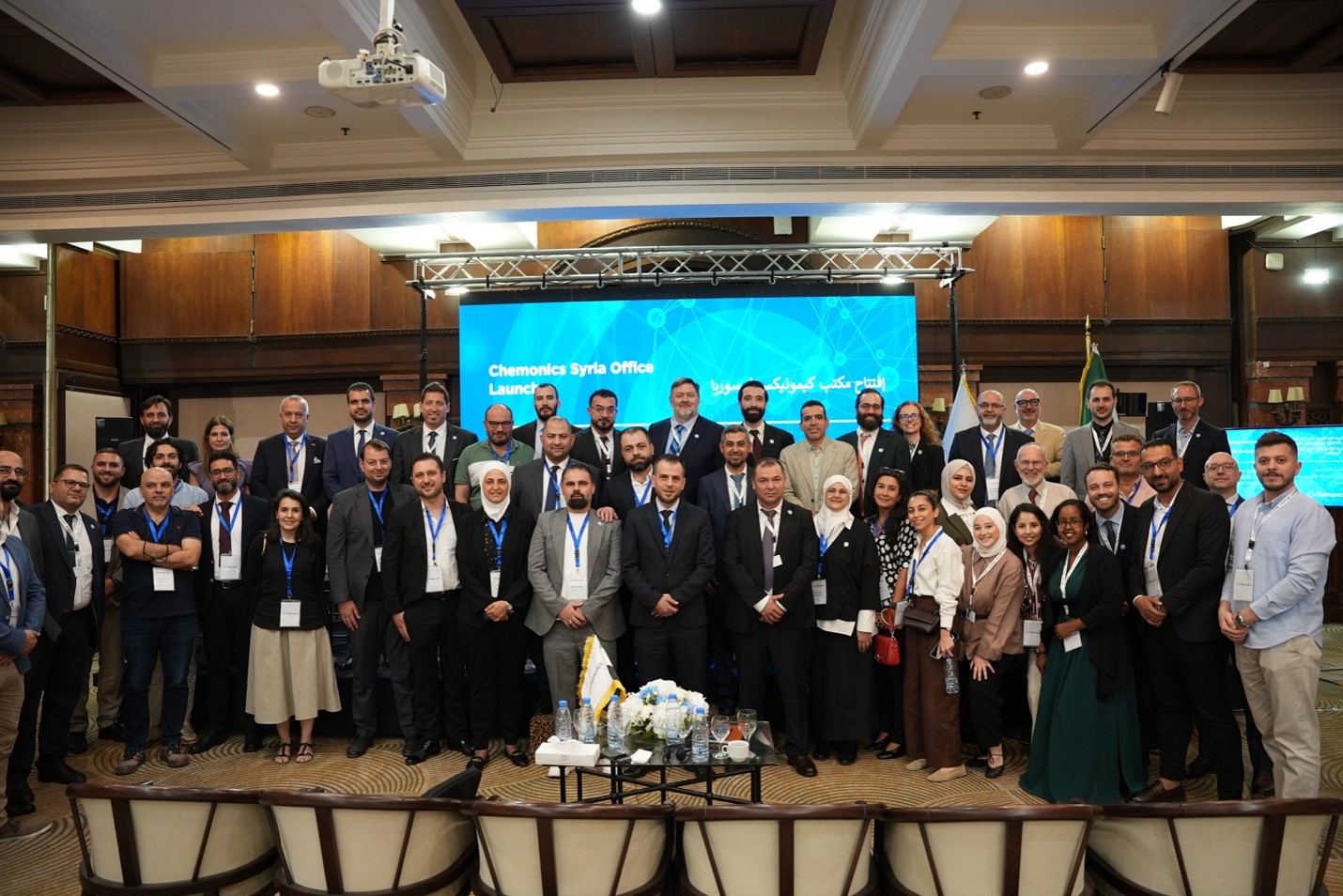
Chemonics International opened its office in Damascus on July 5, 2026, and used the occasion to mark 14 years of work in Syria. Syrian leaders, partner organizations and program alumni attended. The agenda they set out runs well past emergency relief, into education, essential services, livelihoods, economic recovery, and the institutional capacity needed to support Syria’s new government, private sector and civil society.
Jamey Butcher, the company’s chief executive officer and chair, said: “Today is a celebration of what Syrian people have achieved through some of the hardest years their country has known. For 14 years, Chemonics has been honored to stand alongside Syrian communities, organizations, and institutions — and the opening of our Damascus office reflects our continued commitment to Syrian-led recovery as Syria builds its future.”
14 years of Chemonics’ work in Syria
The Syria portfolio dates to 2012. Chemonics puts the value of that work at more than $572 million across 24 projects, figures the company gave the Syrian Arab News Agency, and says nearly 600 local Syrian organizations have benefited.
Those projects have names that mean more inside Syria than outside it: Idarah, the Syria Regional Program, the White Helmets Assistance Program, Manahel and Injaz. Through Idarah and the Syria Regional Program, Chemonics worked with Syrian partners to reach more than one million peopletogether reached more than one million people. Together, the two programs sustained essential services, strengthened local governance and civil society, and rehabilitated critical infrastructure in communities across the country.
Chemonics’ work in education: the Manahel program
Manahel takes its name from the Arabic word for fountains. The Syria Education Programme it names is funded by UK aid and implemented by Chemonics.
Its first phase ran from 2018 to 2023 and reached more than 600,000 children across Idlib and Aleppo. A second phase opened in 2024. Chemonics reports that Manahel has now reached more than 950,000 students and works alongside education directorates in Aleppo and Idlib.
The program’s remit runs across the school system. It covers teacher compensation, curriculum development, child protection, girls’ education, psychosocial support, literacy and numeracy instruction, and accommodations for students with disabilities.
In Northeast Syria, a separate program, Injaz, worked in post-ISIS areas through learning, vocational training, educator development and school rehabilitation. It supported more than 12,300 children and provided psychosocial support to more than 19,000 people.
Emergency response and the Syria Civil Defense partnership
Chemonics’ emergency response work is organized around rapid analysis, procurement and logistics, emergency financing, and crisis communications. In Syria, the clearest expression of it has been the long-standing partnership with the Syria Civil Defense, the volunteer rescue organization known internationally as the White Helmets.
Chemonics helped strengthen training, operational systems and institutional capacity for more than 3,000 Syrian responders. Those responders are credited with saving over 127,000 lives.
Raed al-Saleh, Syria’s minister of emergency and disaster management, spoke at the Damascus event. “Chemonics believed in the capabilities of the Syrian people and their determination to confront and overcome challenges,” he said at the Damascus event. “This belief has had a tangible impact on the lives of millions of Syrians and has left a lasting mark on the landscape of humanitarian and development work over the past years.”
On the next phase, he said: “What began as collaboration under exceptional humanitarian circumstances is evolving into a broader partnership that supports early recovery, strengthens institutional capacities, drives sustainable development, and empowers communities to build a more stable and prosperous future.”
Locally led development as the operating model
Nearly 600 local Syrian organizations have been part of this work. Partnerships on that scale depend on people on the ground and relationships built over many years.
Taj Alkaisi, a deputy team lead for Chemonics, said: “Syria’s recovery requires long-term commitment, trusted partnerships and practical delivery. We are proud to continue working alongside Syrian partners to strengthen institutions, support communities and help create the conditions for a stable and prosperous future.”
What the Damascus office signals about Syria’s recovery phase
Bahjat Hajjar, representing the Ministry of Social Affairs and Labor, told the event that cooperation among government institutions, civil society, the private sector, and international partners is essential to Syria’s recovery and reconstruction. He cited the government’s Syria Without Camps initiative, which aims to help displaced Syrians return home safely, as an example of where that cooperation is needed.
Helping families return home touches housing, schools, clinics, water, documentation and livelihoods, and brings many ministries and partners together at once.
Chemonics’ work in Syria has been building toward that transition for some time. Teacher training and curriculum development inside the education programming, Syrian responders trained through civil defense work, and a partner network built inside the country all point the same direction. With an office in Damascus, Chemonics can work more directly alongside the Syrian institutions, partners and communities leading the country’s recovery.
Chemonics enters this phase with 14 years of work alongside Syrian colleagues, partner organizations and institutions, and a commitment to supporting Syria’s new government, private sector and civil society through the transition. Its new office in Damascus brings the company closer to the Syrian institutions, partners and communities leading the country’s recovery.
DISCLAIMER – “Views Expressed Disclaimer– The information provided in this content is intended for general informational purposes only and should not be considered financial, investment, legal, tax, or health advice, nor relied upon as a substitute for professional guidance tailored to your personal circumstances. The opinions expressed are solely those of the author and do not necessarily represent the views of any other individual, organization, agency, employer, or company, including NEO CYMED PUBLISHING LIMITED (operating under the name Cyprus-Mail).

 Login