❌

Reading view

Your next shirt could have a built-in touchscreen

How often do you reach for your phone just to check something quickly? Maybe you're walking the dog or carrying groceries and don't feel like digging through your pocket. Now, scientists are working on a way to put a touchscreen directly into the clothes you wear. Yes, your sleeve could eventually become a screen you can tap with your finger.

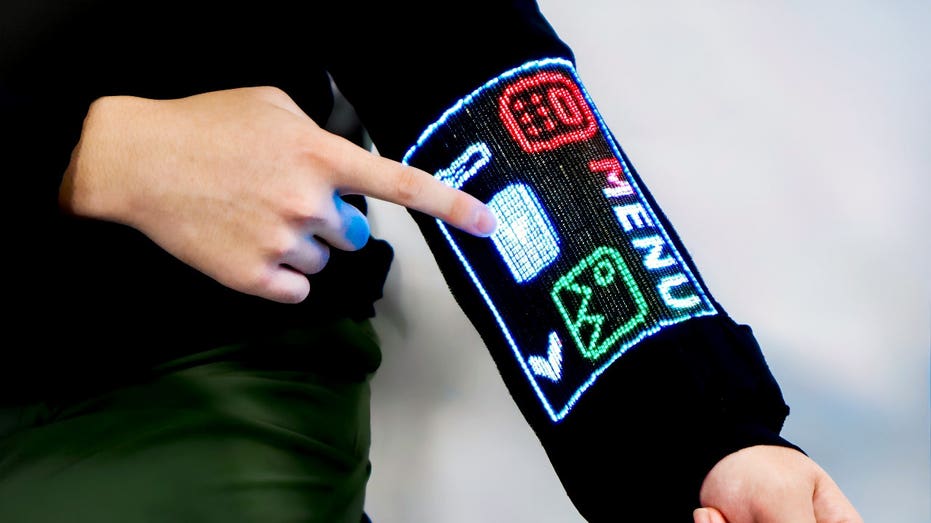
Researchers at the National University of Singapore (NUS) have developed what they describe as the world's first touchscreen woven directly into a garment. Their prototype uses specialized electronic fibers to display images, play videos and respond to touch. Even more surprising, the technology survived 50 machine-washing cycles while maintaining nearly the same performance. The breakthrough, recently published in the journal Nature, could change how we interact with wearable technology.

Join our upcoming CyberGuy LIVE class: 5 Ways to Travel Smarter and Save Money

In this free live online class, Kurt "CyberGuy" Knutsson will share five practical ways to protect your trip and your wallet this holiday travel season. You’ll learn how to secure your phone and personal information, find better travel deals, avoid common scams, save money on bookings and use technology to make your travels easier and less stressful. No technical experience is needed.

Join us Saturday, October 31, at 11 AM ET / 8 AM PT. Register free now at CyberGuyLive.com.

WEARABLE PATCH VIBRATES WHEN DANGER IS NEARBY

How scientists turned clothing into a touchscreen

Here's how it works. Each fiber contains tiny light-emitting diodes, or LEDs, along with an electronic layer that senses touch. When someone presses the fabric, the sensing layer identifies the location and activates the corresponding pixels. This allows the garment to respond much like a traditional touchscreen. The system can also recognize multiple touches, allowing more than one area of the display to respond at the same time.

To build the prototype, researchers threaded 54 specialized fibers into the forearm of a sleeve. Each fiber contains 96 LEDs, creating a 96-by-54-pixel display measuring approximately 6.6 by 4.1 inches. The researchers also developed a manufacturing technique that connects more than 5,000 microchips through over 20,000 electrical connections. Using this process, they created electronic fibers roughly one millimeter thick and 10 meters long.

That engineering allows the fabric to bend with the wearer's movements while keeping its digital display functional. Each fiber also has its own control channel, so a problem with one fiber doesn't automatically shut down the others. It brings us closer to clothing that can interact directly with electronic devices. The research team, led by Assistant Professor Tural Khudiyev at NUS's College of Design and Engineering, developed the technology to bring digital displays and touch controls directly into fabric.

What can this touchscreen sleeve actually do?

The prototype already handles several functions you would normally associate with a smartphone. For example, it can display a photo gallery and run a calculator. It can also work as a digital compass and display body temperature readings from a sensor positioned under the arm. Video playback is possible, too. The screen refreshes at 30 frames per second with 8-bit color depth, although that drops to 25 frames per second when playing synchronized audio. Researchers also integrated a microphone and speaker into the garment through additional electronic fibers.

The sleeve can receive images over Bluetooth and respond to voice commands. It can even adjust its brightness automatically based on surrounding light. The interface also rotates its content when the wearer changes orientation. However, the prototype has only demonstrated specific wireless functions, including receiving images over Bluetooth. Researchers have not shown it replacing a smartphone screen or displaying all your phone's notifications. Of course, the 96-by-54-pixel resolution means you won't be watching your favorite movie in stunning detail. Still, the ability to watch moving images on something you can fold and wear is pretty remarkable.

Can touchscreen clothing really survive the washing machine?

One of the biggest challenges with electronic clothing has always been durability. After all, clothes get stretched and tossed into washing machines. Nobody wants to worry about destroying an expensive touchscreen every time they do laundry. That's why the researchers put their electronic fibers through extensive testing. According to NUS, the display's brightness and touch response remained nearly unchanged after 50 detergent washes in a typical washing machine. Independent reporting indicates the researchers placed the fibers in a laundry bag and used gentle wash cycles. The technology also maintained its performance after 1,000 bending cycles around a five-millimeter radius.

Those results are encouraging, but they don't guarantee that a finished consumer shirt containing all its electronics could survive years of everyday laundry. The testing took place under specific research conditions. The fabric remained breathable, too. Researchers found that its breathability was comparable to familiar clothing materials, including cotton and polyester. The team also reported that the display stayed within established safety limits for skin contact. These findings bring the researchers closer to making interactive clothing practical. However, there's still more testing to do before this technology could become something you'd wear every day.

CAN WEARABLES DETECT HEART PROBLEMS EARLY? DOCTOR BREAKS DOWN REAL DATA

Why touchscreen clothing could change wearable technology

We've already seen manufacturers experiment with flexible screens. Motorola, for example, previously demonstrated a bendable phone display that wraps around your wrist. The NUS research takes a different approach by building electronic functions directly into the fibers of clothing. That opens the door to clothing that could eventually display information without requiring someone to carry another screen. A jacket sleeve might show navigation instructions while you're walking through an unfamiliar city. A workout shirt could potentially display information from connected fitness sensors while you're exercising.

The researchers believe the same technology could eventually support more sophisticated interactions. Future versions may combine integrated sensors with artificial intelligence to provide information based on the wearer's activities or surroundings. Another interesting possibility involves manufacturing. NUS says thinner versions of these electronic fibers could potentially work with standard industrial knitting and weaving equipment. If researchers can make that happen, the technology might eventually fit into familiar clothing designs rather than requiring entirely new types of garments. The team is already working toward higher-resolution displays and more advanced sensing capabilities. However, those improvements remain future research goals.

Could your clothes eventually monitor your health?

Healthcare could become one of the most interesting uses for this technology. The current prototype already demonstrates body temperature sensing, and the researchers see opportunities to integrate additional physiological measurements into electronic textiles. According to Assistant Professor Khudiyev, "Healthcare is one particularly promising application." A future garment could potentially collect information from built-in sensors and display the results directly on the fabric. That might make certain health measurements easier to access without opening an app or looking at another device.

For older adults or people managing ongoing health concerns, clothing with integrated monitoring might eventually provide another way to stay informed. However, the current sleeve demonstrates temperature sensing rather than comprehensive medical monitoring. More advanced health features would require further development and clinical validation. The research team also wants to integrate on-device AI, which could eventually help interpret sensor readings or provide personalized feedback. For now, those capabilities remain under development.

What still stands between the lab and your closet?

As impressive as this technology looks, several questions remain. The display's current resolution is extremely limited compared with today's phones and smartwatches. Researchers will also need to address manufacturing costs and maintenance before they can reach a wider market. Perhaps the biggest practical obstacle is power. The current prototype still requires connections to an external battery and separate control electronics. That means the components needed to operate the display have yet to become fully integrated into the garment. Researchers will need to find a more convenient way to power and control the screen before touchscreen clothing becomes practical for everyday use.

There's another question worth considering: privacy. If clothing eventually monitors physiological information and communicates wirelessly with other devices, people will want clear control over what gets collected and shared. That becomes especially important when wearable technology can gather information throughout the day. For now, NUS has announced no commercial launch date or consumer price for the touchscreen garment. The researchers are continuing to improve the system, with the goal of making textile-based displays more capable and practical.

YOUR PHONE MAY REVEAL DOCTOR, CHURCH AND PHARMACY VISITS

What this means to you

You won't find touchscreen shirts hanging in stores anytime soon. However, this research suggests that the next generation of wearable technology could look very different from today's smartwatches. Instead of buying another gadget to strap onto your wrist, you might eventually interact with digital information through clothing you're already wearing. That could be particularly useful when you're exercising or have your hands occupied.

The potential convenience is easy to understand. You might someday glance at your sleeve for directions or check a health reading without digging through your pocket. But that experience will depend on whether researchers can make the technology affordable, comfortable and easy to power. The ability to wash the electronic fibers also makes the concept more promising for everyday use. After all, even the smartest shirt needs to feel good enough to wear.

Kurt's key takeaways

I'll admit, the idea of tapping my shirt sleeve instead of constantly reaching for my phone is pretty cool. I can see how handy that might be when I'm out walking or trying to follow directions. And the fact that these electronic fibers survived 50 trips through the washing machine? That's impressive. We've seen plenty of wearable technology that looks great in a lab but never quite makes sense in everyday life. This one has me curious because researchers are actually thinking about how people wear and care for their clothes. Still, there's a long way to go before I'd buy a touchscreen shirt. Those external batteries and cables need to disappear first. And if our clothing eventually starts collecting health information, I want to know who's getting that data and what they're doing with it. I also have to wonder whether we really need another screen competing for our attention. I love seeing technology push into unexpected places, but if I'm going to wear a touchscreen, it better give me a good reason to use it.

Would you wear a shirt with a built-in touchscreen if it meant checking your phone less often, or have we reached the point where technology is taking over too much of what we wear? Let us know by writing to us at CyberGuy.com.

Sign up for my FREE CyberGuy Newsletter

  • Get my best tech tips, urgent security alerts and exclusive deals delivered straight to your inbox.
  • For simple, real-world ways to spot scams early and stay protected, visit CyberGuy.com – trusted by millions who watch CyberGuy on TV daily.
  • Plus, you'll get instant access to my Ultimate Scam Survival Guide free when you join.

CLICK HERE TO DOWNLOAD THE FOX NEWS APP

Copyright 2026 CyberGuy.com. All rights reserved.
  •  

AI-powered cyberattacks fuel 'Black October' fears

Startup founder Colin Parsons woke up to roughly 50 billing notifications he never expected. He reported that his OpenAI and Anthropic accounts had racked up $449 in charges he didn't recognize. It was an expensive surprise that highlights how quickly stolen credentials can become a financial headache.

His experience comes as hackers increasingly use artificial intelligence to automate attacks at speeds that leave security teams scrambling. Meanwhile, researchers have uncovered dangerous weaknesses in software that helps power millions of websites.

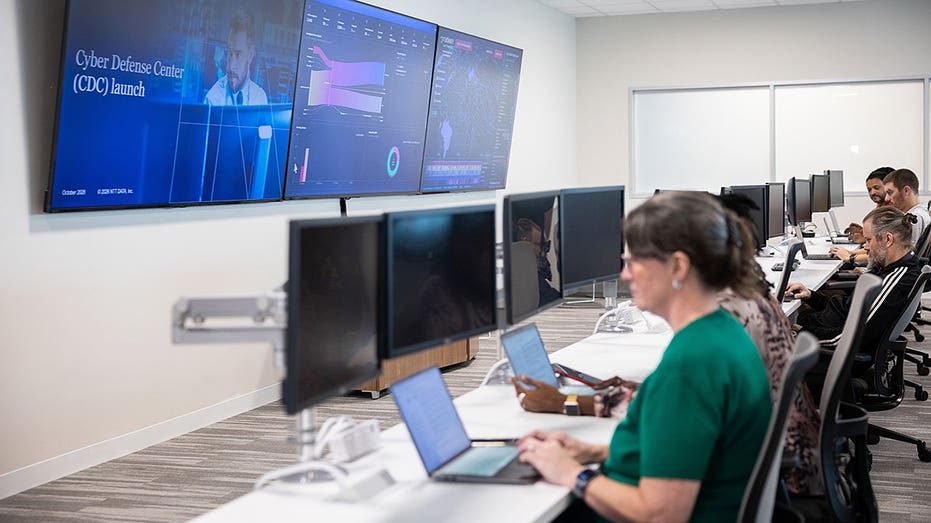
Some cybersecurity professionals are calling this turbulent period "Black October." The name may sound dramatic, but the developments behind it deserve attention. And while many attacks target large organizations, the consequences can eventually reach your personal accounts. Here's what's happening, how AI-powered cyberattacks are changing online security and what you can do to protect yourself.

Join our upcoming CyberGuy LIVE class: 5 Ways to Travel Smarter and Save Money

In this free live online class, Kurt "CyberGuy" Knutsson will share five practical ways to protect your trip and your wallet this holiday travel season. You’ll learn how to secure your phone and personal information, find better travel deals, avoid common scams, save money on bookings and use technology to make your travels easier and less stressful. No technical experience is needed.

Join us Saturday, October 31, at 11 AM ET / 8 AM PT. Register free now at CyberGuyLive.com.

BILL GATES SOUNDS ALARM ON AI-POWERED CYBERATTACKS, WARNS OF 'NEGATIVE SURPRISES' WITHIN A YEAR

Why cybersecurity experts are calling it Black October

October 2026 has delivered a troubling wave of cybersecurity developments. Hackers have gained access to more powerful tools, while researchers have uncovered serious weaknesses in widely used software. Security professionals are reportedly struggling to keep pace with increasingly automated attacks. Some have started calling the current wave "Black October."

The term describes a series of cybersecurity emergencies rather than a single coordinated hacking campaign. The biggest concern is speed. Traditionally, hackers needed significant time and technical expertise to investigate potential targets. They also had to develop attack methods and analyze the information they obtained. Now, AI tools can automate portions of that work. Some can operate continuously and pursue multiple potential targets at once. As a result, companies may have less time to respond when criminals discover a way into their systems.

Microsoft exposes AI cyberattacks moving at machine speed

One of the clearest examples comes from Microsoft. On Oct. 21, Microsoft Threat Intelligence revealed that a China-state-aligned hacking group called Storm-0940 had used an AI-powered penetration testing framework called ARTEX. The open-source tool can automate security testing tasks, including investigating networks and identifying potential weaknesses. In the hands of criminals, those capabilities can accelerate attempts to gain unauthorized access.

According to Microsoft, the group used ARTEX to target hundreds of organizations across multiple industries. Several attacks resulted in unauthorized privileged access to cloud systems. In multiple cases, attackers reached that level of access in less than three hours. Although many attempts failed, the successful intrusions demonstrate how quickly AI-assisted attacks can unfold.

Hackers launch thousands of login attempts per minute

Between Oct. 10 and 14, Microsoft recorded more than 151,000 failed login attempts in one campaign targeting 327 accounts across eight organizations. At its peak on Oct. 11, attackers generated approximately 2,900 failed login attempts per minute. The technique, known as password spraying, involves trying passwords against multiple accounts to identify a working login.

Importantly, Microsoft did not observe successful logins during that specific campaign. However, it documented unauthorized access and suspicious activity in other environments associated with the same threat group. Microsoft also connected Storm-0940 to a compromise involving ConnectWise, a company that provides software used by IT service providers. Attackers exploited access associated with ConnectWise cloud applications to attempt entry into customer environments. Some then carried out further activity through Microsoft cloud services, including changes that could help them maintain access.

Microsoft cautioned that suspicious access does not automatically mean customer information was stolen. Nevertheless, the activity reveals how AI can help attackers move quickly once they obtain usable credentials.

A $449 AI account scare shows the financial danger

The risks become more personal when you look at what happened to Colin Parsons. Parsons reportedly woke up to roughly 50 notifications about charges involving OpenAI and Anthropic. He reported $281 in unexpected OpenAI usage and another $168 involving Anthropic. Both credentials were associated with OpenCode, an AI coding platform he used.

On Oct. 17, OpenCode disclosed a security incident involving its Console service. The company said unauthorized access to a legacy system may have exposed third-party AI provider keys stored by some users. The company reportedly notified affected customers and advised them to revoke their credentials.

OpenCode said the incident affected approximately 1.4% of its Console users who had connected external AI providers. The disclosure concerned credentials stored in Console, rather than keys stored locally in OpenCode's desktop or command-line applications. Other users also reported unexpected charges, although the amounts have not been independently verified. OpenCode associated its incident with a large-scale AI model distillation attack, but it has not publicly established exactly how the reported unauthorized usage occurred.

The concern is straightforward. If someone obtains a working API key, they may be able to use a paid AI service and generate charges against the account owner's billing arrangement. For people who depend on AI tools for work, that can become expensive before they realize anything has happened.

WINDOWS MALWARE USES GROK AI TO HELP STAY HIDDEN, RESEARCHERS SAY

A massive website security scare adds to Black October fears

While hackers are becoming more capable, AI-assisted security research is also uncovering dangerous weaknesses in software that supports the internet. On Oct. 21, developers released emergency fixes for two critical vulnerabilities in PHP, a programming language widely used to operate websites.

The vulnerabilities, identified as CVE-2026-109618 and CVE-2026-109619, are collectively known as PHP2Shell. Under certain conditions, the flaws could allow attackers to execute malicious code on vulnerable servers without first signing in. Successful exploitation could expose sensitive information or give criminals control over affected systems.

The potential impact is enormous because PHP powers roughly 70% of websites whose server-side programming language is known. However, that does not mean 70% of websites were hacked. It also doesn't establish that attackers could successfully compromise every website using PHP. The vulnerabilities affect PHP installations handling web requests, but successfully exploiting them can require complex technical conditions.

Federal agencies issue urgent security warnings

The situation prompted warnings from U.S. cybersecurity authorities. On Oct. 23, the FBI issued a public alert urging organizations to patch affected systems immediately. The Cybersecurity and Infrastructure Security Agency also called for urgent updates. The PHP project released fixes in versions 8.5.12, 8.4.27, 8.3.36 and 8.2.35. Website administrators running older unsupported versions need to obtain appropriate vendor-supported fixes or migrate to a supported release.

Meanwhile, several government organizations in Europe temporarily took websites offline as a precaution. However, the situation became clearer as researchers investigated. On Oct. 23, the Netherlands' National Cyber Security Centre said exploiting the vulnerabilities appeared more complicated than initially feared. The agency lowered its assessment of the likelihood of widespread exploitation.

Also on Oct. 23, PHP disclosed a separate vulnerability, CVE-2026-115560, involving an unusual combination of server settings and application code. The project recommended a temporary configuration change while it prepares a fix through its regular release process. Website owners should continue following official PHP security guidance rather than assuming the emergency has completely passed.

Cybersecurity firm CrowdStrike also reported seeing attempted attacks, but said it had not observed successful exploitation of PHP2Shell in its investigations at that point. Other security researchers, including Amazon Threat Intelligence, observed suspicious exploitation attempts beginning before the patches became publicly available. Those attempts remain important even without proof that they successfully compromised real systems.

However, new evidence emerged over the following days. On Oct. 24, security researcher Adel Karimi documented successful PHP2Shell exploitation against specially configured test servers, known as honeypots. The attacks launched 35 command shells across three honeypots. Although those findings did not establish how many real-world websites had been compromised, they demonstrated that attackers could successfully exploit the vulnerability under certain conditions.

Then, on Oct. 26, CISA added both PHP2Shell vulnerabilities, CVE-2026-109618 and CVE-2026-109619, to its Known Exploited Vulnerabilities catalog. The designation confirms that federal authorities recognize evidence of active exploitation. It also reinforces the urgency of installing security updates, even though the full extent of attacks against real-world systems remains unclear.

AI is helping hackers, but security researchers are using it too

There's another side to this story that deserves attention. Artificial intelligence helped researchers investigate the PHP vulnerabilities before the October emergency. According to the PHP Foundation, developers had identified early signs of one underlying problem during a security investigation in 2024. However, the team struggled to develop a reliable solution. Additional research in 2026 exposed the seriousness of the issue.

The foundation worked with researchers and used AI-assisted security tools, including technology from Anthropic and OpenAI, to examine PHP's code. Researchers from security companies Calif and Wiz also contributed important findings. The PHP Foundation says these reports helped clarify the vulnerabilities' potential impact and accelerated the work needed to release fixes.

AI can therefore help defenders identify dangerous weaknesses before criminals exploit them. The challenge is ensuring security teams can investigate the findings and distribute fixes quickly enough. That challenge is becoming more urgent.

What AI-powered cyberattacks mean for your personal information

You may be wondering how any of this affects you if you're simply checking email or shopping online. The concern starts with the companies holding your information. When hackers compromise a business, they may gain access to stored customer information. Depending on the systems involved, that could include email addresses or passwords. Financial details may also be exposed. Criminals can use stolen information to launch convincing scams or attempt to take over existing accounts.

Meanwhile, AI makes it easier to produce personalized phishing messages. Attackers can incorporate leaked information into emails that appear to come from a company you recognize. Some criminals also use AI-generated voices to impersonate people and pressure their targets into making payments.

However, a security vulnerability affecting a website doesn't automatically mean your personal information has been exposed. The actual risk depends on whether attackers successfully gained access and what information they obtained. That's why it helps to focus on the steps you can control.

HACKERS HIDE DANGEROUS FAKE AI DOWNLOADS BEHIND GOOGLE ADS

8 ways to protect yourself from AI-powered cyberattacks

You can't personally fix security problems affecting large companies. However, you can strengthen your accounts and reduce the potential damage if criminals obtain your information. Here are seven precautions I recommend taking now.

1. Secure your most important accounts first

Start with your primary email account. Criminals who gain access to it may be able to reset passwords for other services you use. Create a strong, unique password for every account. A reputable password manager can help you generate and store those passwords. Next, enable multifactor authentication wherever it's available. Passkeys and hardware security keys offer especially strong protection against phishing. Authenticator apps are another useful option. Avoid relying on passwords alone.

2. Check whether your passwords have been compromised

Your phone may already have tools that can identify passwords exposed in known data breaches. On an iPhone, open the Passwords app and review its Security section. Android users who save passwords through Google can review warnings in Google Password Manager. If a password has been exposed, change it directly through the company's official website or app. Also update any other accounts using that same password. Our article explains how to find compromised passwords on iPhone and Android. Remember, a compromised-password warning does not necessarily mean someone has accessed your account. However, it gives you a chance to replace a vulnerable login.

3. Watch your accounts for suspicious activity

Enable transaction notifications through your bank and credit card providers. Also review recent sign-ins on your email accounts and other important services. Watch for unfamiliar devices or changes to your recovery information. If you spot unauthorized activity, contact the provider through its official website or app. Change affected credentials and revoke unfamiliar sessions where possible. Don't wait for several suspicious charges before investigating.

4. Review which apps can access your information

Many people connect third-party apps to their Google or Microsoft accounts without thinking about the permissions they're granting. Over time, those connections can accumulate. Some applications may retain access even after you've stopped using them. Open your account's security settings and review connected applications. Remove access you no longer need or recognize. However, if a service you use has announced a security incident, follow its specific recovery instructions. Simply disconnecting an app may not revoke credentials that attackers already obtained.

5. Use strong security protection and monitor your identity

Strong antivirus software can help detect malicious downloads and block dangerous websites. However, antivirus protection cannot prevent every account takeover or stop a company from experiencing a data breach. That's why monitoring your financial information is also important. Consider placing a free credit freeze with Equifax, Experian and TransUnion to help prevent criminals from opening new credit accounts in your name. Keep in mind that a freeze won't protect accounts you already have. If you use AI services that require API keys, review your usage regularly. Revoke credentials that may have been exposed and set billing alerts or limits where the provider supports them. Get my picks for the best 2026 antivirus protection winners for your Windows, Mac, Android and iOS devices at CyberGuy.com.

6. Consider using a personal data removal service

Data brokers collect and sell personal information, including phone numbers and home addresses. Criminals can use those details to make AI-generated scams more convincing. A personal data removal service can help remove your information from people-search sites and data broker databases, making it harder for scammers to find. However, it can't erase information from past breaches or prevent cyberattacks. Check out my top picks for data removal services and get a free scan to find out if your personal information is already out on the web by visiting CyberGuy.com.

7. Keep your devices and software updated

Enable automatic security updates on your phone and computer. Keep your browser current, too. Updates frequently fix vulnerabilities that criminals may try to exploit.

8. Be skeptical of urgent security messages

AI-generated phishing messages can look remarkably convincing. They may contain personal information that makes them appear legitimate. Be cautious if someone unexpectedly claims your account has been compromised or demands immediate payment. Instead of clicking a link, open the company's official app or visit its website directly. Never share a verification code with someone who contacts you unexpectedly. Criminals often create pressure because they want you to act before checking the details.

Kurt's key takeaways

What concerns me most about this wave of AI-powered cyberattacks is the speed. Microsoft documented attackers gaining privileged access in less than three hours. That's a frighteningly short window for companies to react. At the same time, AI is helping security researchers uncover weaknesses before criminals exploit them. But here's what worries me. We trust companies with enormous amounts of personal information, yet we're often left dealing with the fallout when their security fails. I believe those companies need to be held more accountable. Until then, protecting our accounts and staying alert to suspicious activity remains our best defense.

If AI allows hackers to attack thousands of accounts in minutes, should companies face tougher penalties when they fail to protect our personal information? Let us know by writing to us at CyberGuy.com.

Sign up for my FREE CyberGuy Newsletter

  • Get my best tech tips, urgent security alerts and exclusive deals delivered straight to your inbox.
  • For simple, real-world ways to spot scams early and stay protected, visit CyberGuy.com – trusted by millions who watch CyberGuy on TV daily.
  • Plus, you'll get instant access to my Ultimate Scam Survival Guide free when you join.

CLICK HERE TO DOWNLOAD THE FOX NEWS APP

Copyright 2026 CyberGuy.com. All rights reserved.
  •  

BRIAN HARRELL: America’s AI revolution can’t charge forward without lots of energy

The race for artificial intelligence (AI), or superintelligence, will be won not just by technology companies, but by the nation that can deliver reliable, affordable and secure electricity. America is in a high-stakes sprint to lead the world in AI. This technology will reshape our economy, strengthen national defense, transform manufacturing and determine which nations lead the next generation of innovation.

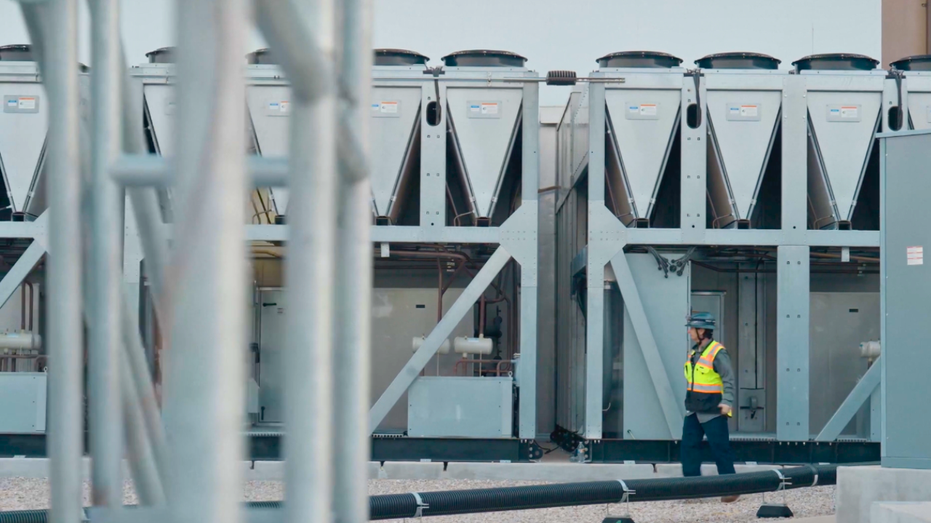
But Washington and Silicon Valley cannot afford to ignore a glaring bottleneck: AI runs on electricity. America must dramatically expand its power generation and delivery infrastructure if it hopes to remain the global technology leader.

Data centers are the backbone of this revolution. They require enormous amounts of electricity, reliable grid connections and specialized infrastructure. Without sufficient power, advanced AI systems are little more than expensive hardware waiting for a connection. This creates an immense opportunity for America’s electric utilities. For too long, utilities have been viewed simply as service providers. Today, they are strategic partners in America’s economic competitiveness and national security.

THE AI REVOLUTION WILL GO WHEREVER THERE'S ELECTRICITY — AND CHINA KNOWS IT

To win the AI race, America must unleash domestic energy production, accelerate infrastructure development, defend against cyber threats and ensure that the private sector — not residential ratepayers — finances this expansion. This is a crucial opportunity for the administration, Congress, state governments and the private sector to coordinate an energy strategy that prioritizes American competitiveness.

Let the private sector finance growth

Electric utilities possess the engineering expertise and operational experience necessary to support data center expansion. They understand regional demand, transmission constraints and the complex mechanics of grid reliability. However, building the necessary infrastructure takes time; new generation facilities, transmission lines and substations often require years of planning, permitting and construction.

FIRST DATA CENTER BILL CLEARS HOUSE AS BOTH PARTIES SCRAMBLE FOR ANSWERS ON AFFORDABILITY

Data center developers, meanwhile, want to move quickly to capitalize on the AI boom. To bridge this gap, utilities and developers must collaborate much earlier in the process, aligning construction schedules, forecasting demand and identifying necessary upfront investments. Washington can support this by streamlining permitting and reducing regulatory delays to provide long-term investment certainty.

Crucially, data center developers must bear their fair share of the infrastructure costs driven by their massive electricity demands. Residential customers and small businesses should not subsidize infrastructure built primarily to serve trillion-dollar technology companies. Long-term power purchase agreements, dedicated infrastructure investments and minimum billing commitments can ensure large customers contribute appropriately. This is an argument for responsible, pro-business growth where financial risks are not shifted onto ordinary Americans.

The White House’s Ratepayer Protection Pledge reinforces the principle that America can accelerate AI innovation without forcing ordinary Americans to subsidize Big Tech’s infrastructure demands. Electric utilities can benefit from increased electricity sales, long-term power contracts and investments in generation and grid infrastructure, provided data center developers pay their fair share of the costs.

DATA CENTERS COULD BE THE SLEEPER ISSUE OF THE 2026 MIDTERM ELECTIONS

To protect consumers, we must require transparent cost allocation, enforceable commitments from large data center customers and safeguards preventing residential ratepayers from being left with stranded infrastructure costs if projects are delayed, scaled back or abandoned.

Energy dominance requires real abundance

America cannot achieve energy dominance if it cannot generate enough electricity to power its expanding economy. Meeting this challenge requires an "all-of-the-above" strategy that evaluates energy resources strictly based on reliability, affordability and availability.

TRUMP ENERGY DEPARTMENT ISSUES EMERGENCY ORDER TO PREVENT BLACKOUTS ACROSS 13 STATES AMID UNUSUAL OCTOBER HEAT

Natural gas provides essential dispatchable generation, while nuclear energy offers dependable baseline power with low operational emissions. Hydroelectric power, wind, solar and battery storage all contribute where they make economic sense. Existing coal facilities also remain part of the equation where continued operation is economic and legally compliant.

No single technology can solve every regional power challenge. Utilities need the flexibility to select the optimal resource mix for their customers. The objective is straightforward: build enough reliable generation and transmission capacity to meet rising demand without spiking energy prices. This is vital as data centers increasingly compete for power with manufacturers, hospitals, military bases and households. Energy abundance is a national security imperative.

Securing the grid from cyber threats

There is another critical threat that deserves far more attention: cybersecurity. The electric grid and digital infrastructure are deeply interconnected. Power disruptions halt essential computing services, while software incidents at technology providers can ripple back to affect critical infrastructure. Foreign adversaries and sophisticated cybercriminals understand these critical dependencies.

Electric utilities operate vital infrastructure that must withstand attacks against corporate networks, industrial control systems and substations. Concurrently, data centers face distinct risks involving cloud platforms, software supply chains and third-party vendor access. These are interconnected risks that could have significant national security consequences.

AN AI CYBERATTACK COULD TURN OFF AMERICA'S LIGHTS BEFORE WASHINGTON EVEN UNDERSTANDS WHY

Utilities and data center operators must establish joint incident response plans, conduct realistic multisector exercises and develop secure mechanisms for sharing threat intelligence. Organizations should strengthen network segmentation, multifactor authentication and vulnerability management. In particular, utilities must ensure that a compromise of ordinary corporate IT does not provide a path into operational technology controlling the grid. A stolen password should never become a gateway to disabling the power supply.

Supply-chain security deserves equal focus. Hardware, software and remote maintenance arrangements can introduce vulnerabilities into both utility operations and data center environments. Companies must rigorously assess critical vendors and establish clear protocols for addressing compromised components.

CLICK HERE FOR MORE FOX NEWS OPINION

While the federal government has an important role in providing actionable threat intelligence, cybersecurity must not become an excuse for expensive, rigid mandates. Security frameworks should remain risk-based, practical and focused on resilience.

Data centers as grid assets

The relationship between utilities and data centers should not be one-way. With the right investments, large computing facilities can help improve grid flexibility. Some AI training workloads can be shifted to off-peak hours, allowing operators to reduce consumption during periods of high demand.

CLICK HERE TO DOWNLOAD THE FOX NEWS APP

Furthermore, battery storage and appropriately designed onsite generation can provide grid stability during emergencies, turning data centers into strategic assets that strengthen, rather than strain, America's energy future.

  •  

CHRIS JOHNSON: The data center boom is rescuing forgotten American towns

With the midterm elections approaching, data centers have become an increasingly popular political target. Politicians are raising alarms about their impact on communities, with some calling for construction moratoriums or outright bans.

There's been plenty of fearmongering. But the more Americans learn about data centers, and the more communities experience their benefits firsthand, the stronger the case for continued development becomes.

Data centers have existed for decades, but the rapid growth of artificial intelligence has dramatically increased the demand for computing power. Americans understandably have questions about what this development means for electricity prices, water supplies, and their quality of life. Newer facilities are increasingly being designed with technologies that can address these concerns, including closed-loop cooling systems and quieter operations.

DATA CENTERS COULD BE THE SLEEPER ISSUE OF THE 2026 MIDTERM ELECTIONS

Yet much of the national debate overlooks what data centers are already delivering to communities across America.

Take Ellendale, North Dakota, a town of 1,100 people. Before Applied Digital's new $11 billion data center development, the town collected roughly $400,000 annually in sales taxes. In the first seven months of 2026 alone, that figure jumped to $3.5 million.

THIS TINY FARMING TOWN YOU’VE NEVER HEARD OF IS HELPING MICROSOFT SELL AMERICA ON DATA CENTERS

That revenue is helping the city repave its roads and renovate its senior center. A historic opera house is being restored. For a small town, this kind of investment can transform the community for generations.

And Ellendale is far from alone.

Schools across America are seeing enormous benefits from the data center boom.

In Richland Parish, Louisiana, Meta's massive investment has helped fund an increase in annual teacher bonuses ranging from $10,000 to $50,000.

Think about what that means for a working family. Teachers who have dedicated their careers to educating children are receiving a life-changing financial benefit, while the school district becomes an attractive destination for talented educators.

It's hard to imagine a politician campaigning against higher teacher pay or better schools. Yet those are precisely the kinds of benefits communities stand to lose when development gets blocked.

PROPOSAL WOULD PAY HOMEOWNERS 'DATA CENTER DIVIDENDS' TO COUNTER GROWING BACKLASH

The benefits extend to homeowners struggling with the rising cost of living.

In Loudoun County, Virginia, data centers generate 45% of county revenue. That enormous tax base has allowed local officials to cut homeowner property tax rates every year for a decade.

TO BEAT CHINA IN AI, AMERICA MUST WORK WITH COMMUNITIES — NOT AROUND THEM

In neighboring Henrico County, local leaders used data center revenue to fund a $60 million Affordable Housing Trust Fund, helping young families and first-time buyers purchase homes.

At a time when housing affordability is dominating political conversations, building data centers is helping some communities make the American Dream a little easier to achieve.

Electricity prices are another major concern, and understandably so. Families are already struggling with higher utility bills, and the arrival of a major new industrial customer can raise legitimate questions about who pays for new infrastructure.

But the enormous, predictable electricity demand from data centers also creates opportunities to finance new generation and grid investments, spreading infrastructure costs across a larger customer base.

In Georgia, agreements involving new large electricity customers, including OpenAI, are projected to lower residential power bills by $180 annually by 2029.

With the right arrangements in place, the arrival of data centers can mean lower costs for the families already living in these communities.

And the benefits extend well beyond tax revenue and household expenses.

Trade unions have been among the most vocal supporters of data centers because of the good-paying jobs they create. Building these facilities requires years of work for skilled tradesmen, with new projects creating opportunities for the next generation of American workers.

In Baltimore, Maryland, IBEW Local 24 expanded its membership by 50% alongside data center construction. In Luzerne County, Pennsylvania, IBEW Local 163 doubled its ranks following construction of an Amazon data center.

Politicians have spent decades promising to bring back good-paying blue-collar jobs. Here is an industry creating enormous demand for exactly those workers.

Of course, developers have a responsibility to work with residents and local governments to address legitimate concerns. Communities deserve clear answers about electricity costs and water use. They should also understand how the investments taking place in their backyards will benefit local families.

But when data centers are developed responsibly, the economic benefits can be enormous. Communities are rebuilding roads and improving schools. Homeowners are seeing lower tax burdens, and skilled workers are finding new opportunities.

For decades, politicians have campaigned on championing the Forgotten Man and bringing economic opportunity back to communities that have struggled to attract investment.

Now, data centers are delivering billions of dollars in private investment to many of those very places.

We're watching a new industrial boom take shape across America, creating jobs and revitalizing communities that Washington has spent decades promising to help. Before politicians rush to stop it, they ought to take a serious look at what those communities are gaining.

CLICK HERE TO DOWNLOAD THE FOX NEWS APP

And they should consider what their constituents stand to lose.

  •  
❌