New York Gov. Kathy Hochul (D) announced Thursday that state police would take over sexual assault complaints at Cornell University after widespread outrage over the handling of Jane Doe’s gang rape allegations. Typically, a sexual assault complaint would be investigated by campus police, but Hochul said she would do “everything in my power to make sure…
New York Gov. Kathy Hochul (D) announced Thursday that state police would take over sexual assault complaints at Cornell University after widespread outrage over the handling of Jane Doe’s gang rape allegations. Typically, a sexual assault complaint would be investigated by campus police, but Hochul said she would do “everything in my power to make sure…
Three children are in intensive care with E. coli infections as health officials investigate a possible link to a California pumpkin patch that closed just days before Halloween.
Five cases of Shiga toxin-producing E. coli infection have been confirmed, potentially originating from Brookshire Farms in San Luis Obispo, according to an Oct. 27 advisory issued by the County of San Luis Obispo Public Health Department.
The suspected exposure period is Oct. 16 through Oct 26.
Health officials advise that anyone who visited the pumpkin patch between those dates should monitor for gastrointestinal symptoms.
"We are working diligently to identify the source of these infections to protect the health of our community," said County Health Officer Dr. Christy Mulkerin in the news release.
"We encourage anyone who may have been exposed and is experiencing symptoms consistent with E. coli infection to seek immediate medical attention."
Typical symptoms of E. coli include cramping, severe abdominal pain, bloody diarrhea and signs of dehydration, which usually begin within three to 10 days of exposure.
Young children under 10 are typically at the highest risk for complications, which can include hemolytic uremic syndrome, a serious condition that damages blood cells and can lead to kidney failure, according to the Centers for Disease Control and Prevention.
Dr. Tyler Evans, an infectious disease physician and founder of Wellness Equity Alliance in California, warned that diarrhea can lead to dehydration and fatigue.
"The diarrhea is really the key component here, and the stomach cramps," he told Fox News Digital.
The farm has voluntarily closed as a precaution while investigators work to identify the source of the infections, determine whether the cases are connected and assess whether others may be at risk, according to the county health department.
Brookshire Farms told Fox News Digital it was reserving comment pending test results from the county health department.
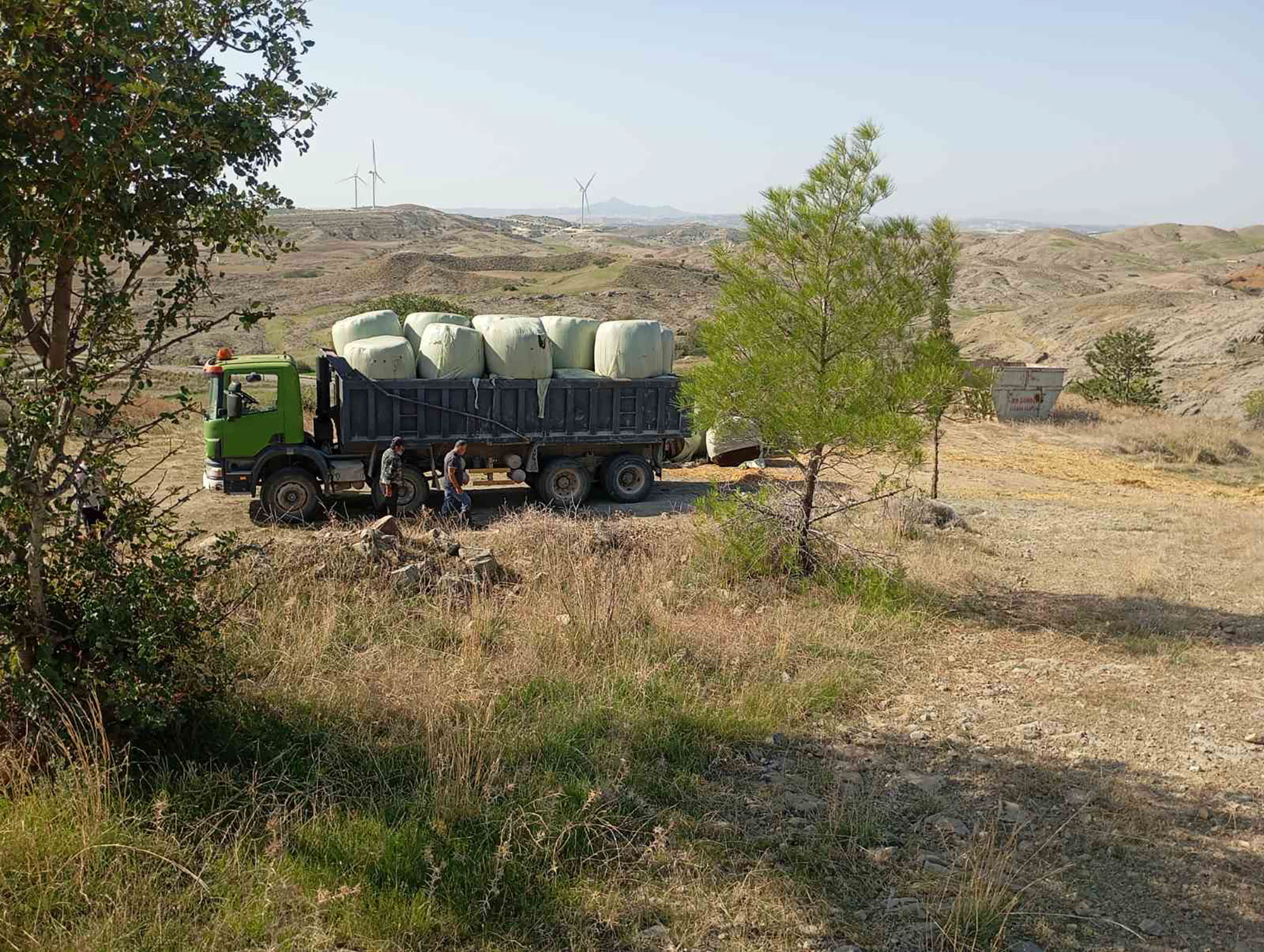
Hay bales contaminated with the food and mouth virus (FMD) that were intended to be buried in Troulli will be moved to another safe location so as not to affect livestock units in the adjacent areas, Agriculture Minister Christos Senekis said on Friday.
Senekis said the decision was made following consultation with Aradippou mayor Christodoulos Partou.
According to the minister, the goal was to address the issue safely without creating problems for the reactivation of livestock units following the FMD crisis, assuring that the transfer of the bales would take place immediately.
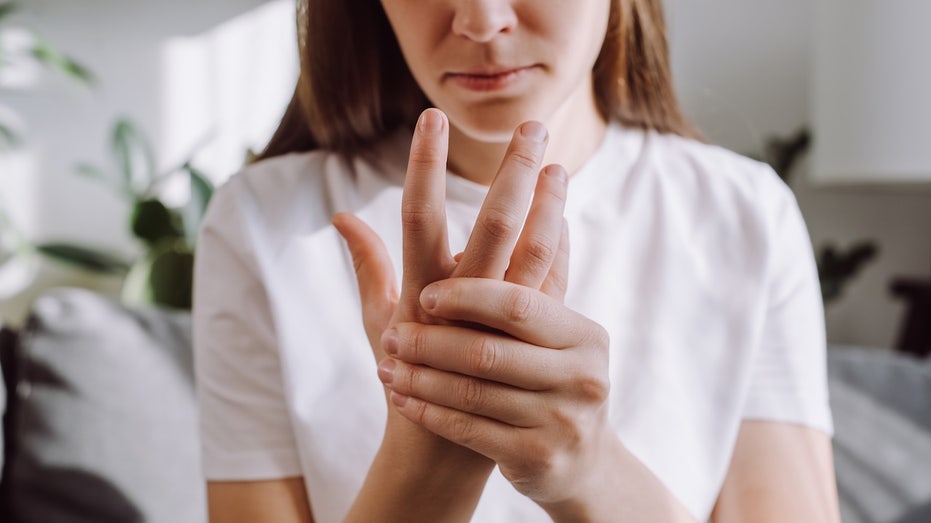
Older adults diagnosed with autism face a significantly higher risk of developing Parkinson’s disease-related movement disorders compared to the general population, according to a large new study published in the journal Autism.
Researchers analyzed Medicare and Medicaid claims data covering nearly 57 million Americans aged 45 and older between 2017 and 2019.
Individuals on the spectrum, as well as those with intellectual disabilities, were diagnosed with parkinsonism at much higher rates than those without autism.
Parkinsonism refers to a range of neurological conditions characterized by certain movement symptoms, including tremors, muscle rigidity, balance difficulties and slowed voluntary movement, according to the Parkinson’s Foundation.
While earlier research suggested an overlap between autism and motor decline later in life, it was unclear whether those problems stemmed from the condition or from antipsychotic medications, which are widely known to trigger Parkinson’s-like symptoms as a secondary side effect.
To determine whether medications explained the link, researchers excluded people who took antipsychotics from the analysis. They still found higher rates of Parkinson’s-related diagnoses in neurodivergent populations.
In the general population control group, the prevalence of parkinsonism was roughly 1.57%. The prevalence rose to 3.83% among adults with autism alone, 4.32% for those with an intellectual disability alone, and 4.86% among individuals diagnosed with both autism and an intellectual disability.
"A critically important new contribution of this study is increased incidence rates of parkinsonism for autistic people in middle and older adulthood, which suggests that these cases aren’t simply a byproduct of lifelong motor challenges," Greg Wallace, lead author and a professor in the Department of Speech, Language and Hearing Sciences at The George Washington University in Washington, D.C., said in a press release.
The study represents the first time scientists have tracked the incidence rate, or the risk of newly emerging cases over time, among older autistic individuals.
"It is therefore important for clinicians to establish clear baselines of motor skills and challenges during adulthood that can be tracked over time," Wallace added.
Dr. Lee Murray, a neurologist based in Jackson, Tennessee, said this study clarifies previous research that suggested patients with autism are at a higher risk of having Parkinson's.
"This study takes into account the use of antipsychotic medications that can cause a Parkinson's look (resting tremor, stiffness, shuffled gait, stooped posture, softened voice), which is a different pathology than stereotypical or idiopathic Parkinson's disease," Murray, who was not involved in the study, told Fox News Digital.
"This study showed patients with autism that was associated with intellectual disability seem to have the greatest association with concomitant Parkinson's."
The neurologist cautioned that autism encompasses a wide range of symptoms and severity, so the findings don't mean that people with milder cases face a significantly higher risk of Parkinson’s disease.
"It certainly is an interesting correlation, although it does not imply that someone with autism is certain to develop Parkinson's," Murray added.
"From a clinical perspective, it's helpful to review medications with the autistic patient's physicians and, if possible, try to avoid medications that may cause a Parkinson's appearance."
Despite the scope of the data, the authors noted several key limitations of using insurance records.
The investigation relied on billing and diagnostic codes submitted through Medicare and Medicaid, which can contain errors or reflect differences in how clinics and medical providers diagnose conditions.
The reliance on claims data also means researchers could not assess the severity of individual motor symptoms or examine the role of lifestyle factors, genetics and family history, they noted.
Additionally, the data only captured adults who were enrolled in public insurance programs, potentially leaving out older individuals who rely strictly on private health insurance.
Because people on the autism spectrum may already struggle with coordination, repetitive behaviors or executive functioning challenges, experts say early indicators of Parkinson’s disease can be missed or mistaken, potentially delaying essential care.
"Patients with autism can have atypical movements that can be misdiagnosed as Parkinson's if the examiner is not accustomed to diagnosing it," Murray confirmed.
The researchers emphasized the need for physicians, long-term care facilities and family caregivers to closely monitor older autistic patients for motor decline so interventions can begin as early as possible.
Acclaimed classically trained actor, hailed as 'one of the greats,' by his co-stars, died after suffering from previously undisclosed Alzheimer's disease and Lewy Body Dementia
A maioria das escolas públicas consegue contrariar o impacto da pobreza no insucesso escolar, mas os estabelecimentos onde o contexto socioeconómico mais penaliza os alunos são também aqueles que mais sofrem com a falta de professores.
Ao longo da escolaridade obrigatória, e sobretudo até chegarem ao ensino secundário, são poucos os alunos que ficam para trás, mas concluir cada ciclo sem reprovar continua a ser mais difícil para os mais pobres.
Muitas escolas já conseguem contrariar essa relação, mas noutras o desempenho dos alunos carenciados fica muito aquém das expectativas, e as dificuldades não parecem estar alheadas do problema da falta de professores.
A conclusão resulta da análise feita pela Lusa ao indicador de equidade que acompanha os alunos com ASE e compara o seu sucesso escolar com a média nacional dos alunos com um perfil semelhante à entrada de cada ciclo de estudos.
No ano letivo 2023/2024, a que se referem os dados mais recentes disponibilizados pelo Ministério da Educação, Ciência e Inovação, a percentagem de alunos com ASE a concluir cada ciclo no tempo esperado superou a média nacional comparável em cerca de 53% das escolas, enquanto 40% registaram níveis negativos de equidade.
Olhando para o mapa, é possível perceber que as escolas que mais se destacam pela positiva situam-se, sobretudo, no norte do país.
No ensino secundário, por exemplo, 159 das 314 escolas analisadas conseguiram que os seus alunos carenciados superassem as expectativas, mas entre as 30 com níveis mais elevados de equidade, 22 pertencem a distritos da região Norte.
Pelo contrário, das 30 escolas que ocupam o fundo da tabela – onde a percentagem de alunos a concluir o secundário em três anos é mais baixa face à média nacional comprável – 15 encontram-se no distrito de Lisboa e outras cinco no distrito de Setúbal, os mais afetados pela falta de professores.
É o caso da Escola Secundária de Alves Redol, em Vila Franca de Xira. Dos 16 alunos com ASE, apenas três (19%) concluíram o ensino secundário sem chumbar, muito abaixo da média das escolas com um contexto socioeconómico idêntico (70%).
Nos últimos anos letivos, o quadro de zona pedagógica (QZP) em que a Alves Redol se insere foi classificado pelo Ministério da Educação como “carenciado” por se verificar uma insuficiência estrutural de docentes, mas o exemplo daquela escola em Vila Franca de Xira não é o único.
Além dessa, outras 23 das 30 escolas com níveis de equidade mais baixos no ensino secundário fazem igualmente parte de QZP carenciados, em contraste com as que mais se destacam pela positiva, nenhuma das quais com insuficiência de professores.
A relação entre a falta de docentes e a capacidade de as escolas superarem o impacto das condições socioeconómicas no sucesso dos alunos é mais evidente no ensino secundário, mas verifica-se igualmente nos restantes ciclos de ensino, em que metade das 30 escolas com níveis mais baixos de equidade pertencem a QZP carenciados.
Por regiões, o país divide-se claramente a meio no que respeita à equidade: independentemente do ciclo de ensino, só as regiões Norte e Centro registam valores positivos, enquanto a Grande Lisboa, Península de Setúbal e Algarve apresentam, em média, valores negativos do 1.º ciclo ao secundário.
Além das crianças e jovens provenientes de famílias mais desfavorecidas, ter um percurso escolar sem percalços também é mais difícil para os estudantes de nacionalidade estrangeira.
Entre os mais pequenos, as diferenças são menos acentuadas, mas o fosso aumenta à medida que os estudantes avançam nos estudos.
No 3.º ciclo, por exemplo, 89% dos alunos portugueses terminaram o 9.º ano sem chumbar naquele ou nos dois anos anteriores, em contraste com os 63% oriundos da Guiné-Bissau, ou os 61% de Cabo Verde e São Tomé e Príncipe.
Ao longo de toda a escolaridade obrigatória, os alunos chineses são os que mais conseguem aproximar-se dos colegas portugueses, sendo a distância maior no ensino secundário, em que 10 pontos percentuais separam as duas nacionalidades.

 Login