Login

‘Biggest hack in history’: North Korea blamed for huge Binance heist that put crypto market in chaos
It has been described as the biggest hack in history


It has been described as the biggest hack in history
It has been described as the biggest hack in history
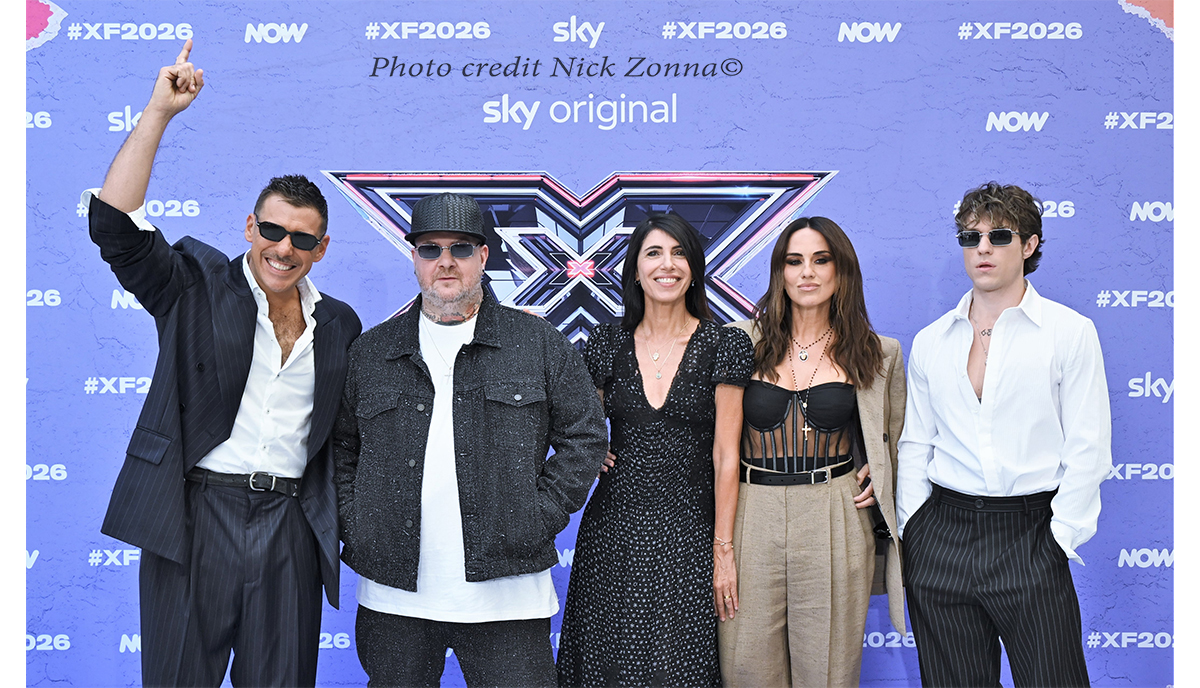
Veronica Bruganelli è la seconda eliminata dei Live di X Factor 2026. La concorrente della squadra di Jake La Furia ha perso il ballottaggio contro Lenanie, del team di Irama. Il verdetto è arrivato con tre voti contro uno: Irama, Francesco Gabbani e Paola Iezzi hanno scelto di eliminare Veronica, mentre Jake La Furia ha votato contro Lenanie.
Il secondo Live è stato diviso in due manche da sei concorrenti. Al termine della prima il meno votato dal pubblico è stato Lenanie, che aveva interpretato C’è tempo di Ivano Fossati con una riscrittura personale del testo. La scelta aveva provocato anche una discussione tra i giudici, soprattutto tra Francesco Gabbani e Irama, sull’opportunità di modificare così profondamente una cover.
Nella seconda manche è stata invece Veronica a ottenere meno voti. La cantante aveva affrontato Total Eclipse of the Heart di Bonnie Tyler.
Nel confronto finale Lenanie ha cantato Cambia un uomo di Marco Mengoni. Veronica ha scelto invece il proprio cavallo di battaglia, You Stole the Show di Sienna Spiro. Jake La Furia ha difeso la propria concorrente votando per eliminare Lenanie. Irama ha fatto la scelta opposta.
A decidere il risultato sono stati quindi Gabbani e Paola Iezzi, che hanno entrambi votato contro Veronica. Con tre voti su quattro la concorrente ha dovuto lasciare il talent e non è stato necessario ricorrere al Tilt, il televoto rapido previsto in caso di parità.
Lenanie resta quindi nella squadra di Irama insieme a Patrizia e Le Distanze. Jake La Furia prosegue invece con ALÌA e Alex Fontana. Veronica era già finita al ballottaggio durante il primo Live, quando era riuscita a salvarsi contro Alice Fregoso. Alla seconda occasione il verdetto è stato opposto.
Tutti gli altri concorrenti hanno superato direttamente il televoto. Tra le esibizioni più apprezzate della serata quelle di camilla con As the World Caves In e Alex Fontana con Street Spirit (Fade Out) dei Radiohead.
Superospite della puntata è stata MEEK, progetto della cantautrice e producer britannica Georgia Meek. L’artista si è esibita con Fabulous, brano che negli ultimi mesi ha ottenuto forte diffusione anche in Italia. Dopo due Live sono quindi due le concorrenti eliminate: Alice Fregoso nella prima serata e Veronica nella seconda. Il prossimo appuntamento è previsto per giovedì 5 novembre.
L'articolo X Factor 2026, secondo Live: chi è stato eliminato e chi invece si è salvato proviene da Affaritaliani.it.
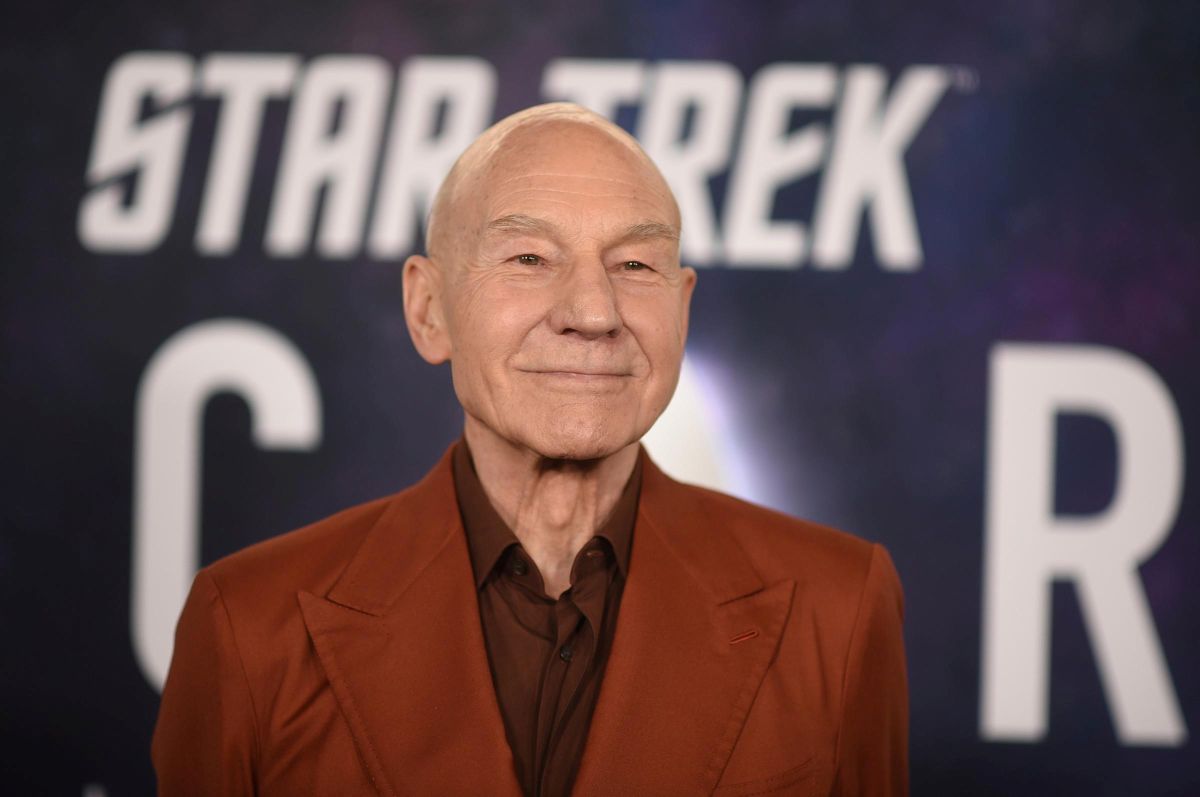
Patrick Stewart è morto a 86 anni nella sua casa di Los Angeles, circondato dalla moglie Sunny Ozell, dai familiari e dagli amici. L’attore britannico, protagonista di Star Trek e della saga degli X-Men, aveva affrontato negli ultimi anni l’Alzheimer. La famiglia ha annunciato la morte il 29 ottobre.
Patrick Stewart era nato il 13 luglio 1940 a Mirfield, nello Yorkshire. Prima della fama televisiva aveva costruito una lunga carriera nel teatro britannico. Dopo la formazione alla Bristol Old Vic Theatre School entrò nella Royal Shakespeare Company, dove rimase per circa 14 anni interpretando numerosi personaggi del repertorio classico.
La svolta internazionale arrivò nel 1987, quando ottenne il ruolo del capitano Jean-Luc Picard in Star Trek: The Next Generation. Interpretò Picard per 178 episodi fino al 1994 e tornò successivamente nel personaggio nei film Star Trek: Generations, Primo contatto, L’insurrezione e La nemesi. Decenni più tardi tornò ancora una volta nell’universo di Star Trek con la serie Star Trek: Picard.
Per un’altra generazione Stewart è soprattutto Charles Xavier, il Professor X. Il debutto avvenne con X-Men nel 2000. Tornò nel ruolo in X-Men 2, X-Men: Conflitto finale, X-Men – Giorni di un futuro passato e Logan, oltre ad altre apparizioni legate all’universo Marvel.
Il rapporto sullo schermo con Ian McKellen, interprete di Magneto e suo grande amico anche nella vita, diventò uno degli elementi più riconoscibili della saga. Stewart riprese ancora una versione di Xavier in Doctor Strange nel Multiverso della Follia.
La carriera cinematografica era però molto più ampia. Nel 1981 partecipò a Excalibur di John Boorman. Nel Dune di David Lynch del 1984 interpretò Gurney Halleck. Nel 1993 apparve invece nella commedia Robin Hood – Un uomo in calzamaglia di Mel Brooks, interpretando Re Riccardo.
La sua attività teatrale non si interruppe con la fama hollywoodiana. Nel West End e a Broadway fu protagonista, insieme a Ian McKellen, anche di Aspettando Godot di Samuel Beckett.
L'articolo Patrick Stewart morto a 86 anni: da Picard al Professor X, chi era e quali film ha fatto proviene da Affaritaliani.it.
Viacheslav Madiievskyi/ Ukrinform/Future Publishing via Getty Images
Ukraine is using machine gun turrets controlled by artificial intelligence in battle, and they're working well enough that Kyiv wants to roll them out at a faster pace.
While Ukraine began revealing prototypes of these systems last year, Brave1, the country's defense innovation platform, said on Thursday that they've now become "an integral part of air defense" for its forces.
"In the last month alone, automated turrets have destroyed dozens of enemy drones over Kyiv," Brave1 said, adding that it started work on these weapons in 2024 as experimental technology.
Not much is publicly known about the core capabilities of these turrets, such as their range or how their software works, but they've primarily been described as an air defense tool against Russian drones.
The idea is that artificial intelligence helps the turret detect, acquire, and track a target, making it more accurate than human operators at engaging high-speed air targets such as jet-powered Gerans.
More than a dozen such systems are now deployed in the Kyiv area, with another eight planned for the region, Ukrainian President Volodymyr Zelenskyy said in early October.
In a sign that Ukraine plans to lean further into the technology, Zelenskyy later praised the systems further, saying on October 19 that AI-powered turrets have "proven highly effective against shaheds."
"We are increasing orders, and it is important to accelerate every process as much as possible — organizational, financial, and production-related," Zelenskyy said.
One such system, the Sky Sentinel, is a .50-cal M2 Browning turret developed and operated by private air defense firm Carmine Sky. It can spin 360 degrees and lock onto a target while firing by calculating speed and trajectory.
Each one costs about $150,000, a Ukrainian commander told Business Insider's Jake Epstein last summer, and can distinguish between birds and drones. The turret still requires a human operator to authorize when to fire, the commander said.
Courtesy of United24
Brave1 released a montage on Thursday indicating that Ukraine is also fielding other types of automated turrets, showcasing clips of several designs.
It said turrets had shot down at least 60 targets under its Private Air Defense Project, a pilot that allows private Ukrainian firms to buy air defense equipment and train civilian staff to use them against drones threatening factories, warehouses, and other important sites.
Notably, Brave1 said these turrets took down Russian Geran-5s and Banderols — jet-powered drones and cruise missiles that can reach speeds of 375 to 400 mph.
A similar claim was made by Yuriy Ihnat, the Ukrainian air force's spokesperson, in early October, when he said that AI-powered turrets had shot down Russian jet-powered drones for the first time. Ihnat did not say which system was used.
Kyiv has eagerly integrated AI into much of its war effort, using machine learning models for other functions, such as predicting enemy drone strikes and autonomously conducting supply runs with robotic buggies.
The turrets do have limited range, making them more useful as a final defense against drones or against low-flying targets.
They'll likely be one of several tools Ukraine is developing to counter Russian jet-powered threats.
Over the last few months, the Kremlin has been ramping up production and deployment of cheap cruise missiles or drones equipped with turbojet engines. These weapons, flying at nearly half the speed of sound and launched by the thousands every month, have become a major challenge for Ukrainian air defenses.
TIMOTHY A. CLARY/AFP via Getty Images
Your lurking days on Reddit may be numbered.
Reddit plans to begin testing a primarily logged-in experience, a shift that could make it harder for casual visitors to browse the site without an account.
CEO and cofounder Steve Huffman said on Thursday's earnings call that Reddit will test the change in select markets outside the US in the fourth quarter. The company has not said when it will roll out a fully logged-in experience globally.
The tests will help Reddit determine how much content logged-out visitors can still access, including through shared links, search, and its front page.
This is a departure from the open platform it has been for over two decades, where internet users could view its content without logging in.
"It's a big one for us, and it's a big one for me," Huffman said to investors about the change. He gave a few reasons for the shift.
First, logged-in users mean Reddit can target ads more effectively, as they provide the platform with more information to make ad decisions. COO Jen Wong added that more than 80% of Reddit's monetization "sits on the shoulders of logged-in and app users," calling them the company's "bedrock."
Second, the move aims to protect Reddit content from third-party scraping.
"The vast majority of the scraping and stealing of Reddit happens in our logged-out user base," Huffman said. He did not specify who the third parties involved in content scraping were, AI agents or otherwise.
Reddit addressed similar concerns in 2024, updating its "Robots Exclusion Policy" to put guardrails in place against unknown bots crawling its site. It also sued Anthropic, Perplexity, and several other data-mining companies last year, accusing them of scraping Reddit comments for AI training.
Reddit reported a 53% increase in third-quarter revenue, from $584 million in 2025 to $895 million in 2026. Its global daily active unique users in the quarter rose 12% to 130.3 million, even as US users declined 2%.
Huffman said Reddit's search-referral traffic was down in the third quarter. In October, search traffic fell by more than 1 million referrals per week on average, he said. If that rate continues, he said Reddit could lose a significant percentage of its current 130 million daily active unique users in the fourth quarter.
The company's stock dropped more than 17% in after-hours trading on Thursday.
Google shares fell 12 percent in morning trading after the company reported its first combined revenue and profit miss in nearly four years, driven in part by a sharp swing into negative free cash flow. The drop, which is the largest in Google's history, wipes out about $500 billion in shareholder value.
The post Google Stock Craters 12% on Disappointing Earnings, Wiping Out $500 Billion in Shareholder Value appeared first on Breitbart.
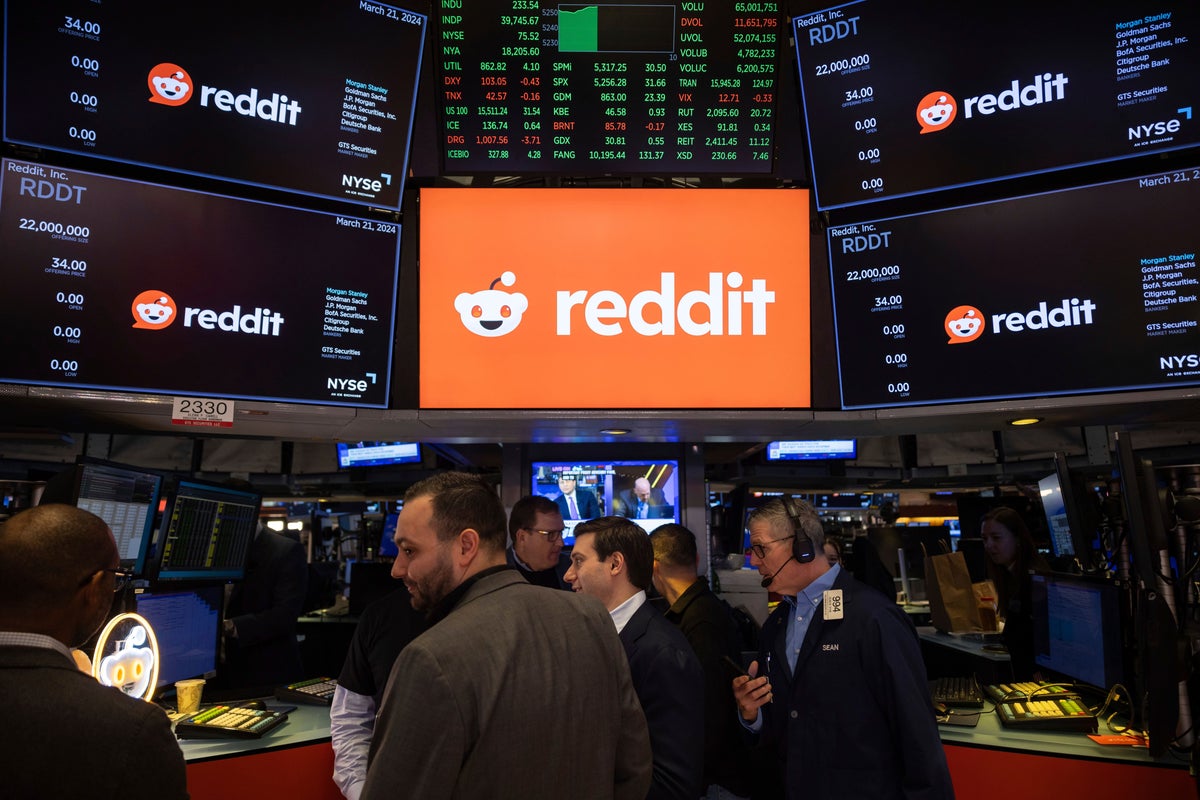
Reddit will start forcing its users to log in to see much of the posts on its site and app.
© AP
Reddit will start forcing its users to log in to see much of the posts on its site and app.
© AP

Billions of dollars worth of digital currency may have been stolen in suspect security breach at world’s biggest exchange

© Reuters
Billions of dollars worth of digital currency may have been stolen in suspect security breach at world’s biggest exchange
© Reuters
Illustration by Thomas Fuller/SOPA Images/LightRocket via Getty Images
Two major trading platforms — Binance and Polymarket — were investigating security incidents on Thursday, with the former facing potential losses in the billions. There's no evidence the incidents were related.
Binance, the world’s largest cryptocurrency exchange by trading volume, said it was actively investigating reports of a "potential security issue."
In an update late Thursday, Binance said that its initial investigation suggested that the incident may involve a compromised development operations engineer's laptop. This allowed an attacker to access a service container and submit unauthorized withdrawal transactions.
"We have found no evidence of any wallet private key leak," the company added.
Binance said the estimated total impact is about $6.3 billion, and it has worked with its blockchain partners to freeze around $3 billion in assets so far.
"Binance will cover all losses," Binance said on X. "As a precaution, all deposits and withdrawals are temporarily suspended while our team conducts security checks, freezes funds, and works with law enforcement."
The company did not respond to a request for comment.
Binance founder and former CEO, Changpeng Zhao, said on X a hack seemed likely.
“User funds are safe! It does look like a hack on Binance,” Zhao wrote in a post on X. “I don't manage Binance anymore, but as a shareholder, I expect all user funds will be fully covered.”
Zhao expressed appreciation to Tether and Circle, issuers of cryptocurrencies traded on Binance, for quickly freezing funds.
Tether CEO Paolo Ardoino said on X the company froze more than $1.5 billion related to the potential Binance hack. Circle CEO Jeremy Allaire said the company froze over $800 million in connection with the incident and that it was coordinating with law enforcement.
Also on Thursday, Polymarket, the world's largest prediction market by trading volume, temporarily halted trading after users reported unauthorized withdrawals.
The company said in a statement on X that one of its third-party providers was compromised and that the incident had been referred to law enforcement. It also said trading had resumed by 3 p.m. Eastern time.
A Polymarket spokesperson told Business Insider that the malicious activity occurred in the UK and that the company will reimburse affected users. The company was unable to confirm the amount that may have been stolen.
Polymarket's US exchange was not halted and did not appear to be affected.
A person familiar with the matter attributed the Polymarket hack to a compromised third-party provider called DebugBear, a web performance monitoring platform designed to help businesses optimize website speed. It's unclear exactly how Polymarket uses the platform.
DebugBear did not respond to a request for comment. The company said in an X post on Thursday that it was aware of a security incident and was treating it as a "top priority."
A hacker going by the name "Department of Peace" has published personal data belonging to more than 40,000 U.S. Department of Homeland Security employees, exposing ICE agents, cybersecurity staff and senior officials to potential harassment and violence.
The post Hacker Leaks Data of 40,000+ Homeland Security Employees Including ICE Agents appeared first on Breitbart.

“People have the power”, canta Patti Smith e parecem acreditar os manifestantes que tumultuam as cidades europeias reclamando um futuro. Mas será mesmo assim nos dias de hoje? A democracia, na clássica definição de Abraham Lincoln, é “o governo do povo, pelo povo e para o povo.” Acontece que, na verdade, a democracia é o governo da maioria. Como elucida Alexis de Tocqueville na obra “Democracia na América”, “em todos os países onde o povo é soberano, é a maioria que governa em nome do povo.” O busílis está no facto de essa maioria ser a maioria dos que votam, o que pode levar a que muitos cidadãos não se sintam verdadeiramente representados pelas instituições democráticas.
Talvez seja esse o caso dos jovens que se manifestam nas cidades europeias, causando aquilo que António Guerreiro apelida de “guerra civil planetária”. O mal-estar social que faz emergir movimentos inorgânicos e leva a contestação às ruas expõe os limites da democracia liberal, num tempo em que o poder é cada vez mais difuso e fragmentado. A hiperpolítica, conceito popularizado pelo historiador Anton Jäger no livro homónimo, invadiu o espaço público entendido quer como conceito urbanístico, quer como conceito filosófico de lugar de debate e formação de opiniões.
A politização exacerbada e contínua do espaço público no seu duplo sentido não trará, muito provavelmente, reformas estruturais ou soluções concretas para problemas coletivos. Quando a maré descer, só ficarão na restinga os despojos da degradação das democracias liberais, bem patente na incapacidade dos governos de exercerem a sua autoridade e de conterem a fúria dos manifestantes dentro dos limites da civilidade democrática. Enquadrar a natureza inorgânica e muitas vezes violenta dos movimentos de rua na organização institucional das democracias é, hoje, um dos principais desafios do poder político nos países ocidentais.
Novas geografias do poder
Historicamente, o poder esteve sempre associado a lugares e símbolos identificáveis: o trono, o palácio, o parlamento, o quartel, a fábrica… O poder tinha um rosto, uma hierarquia e um território. Mesmo quando se encontrava disperso por diferentes instituições, era possível reconhecer os seus centros de gravidade e os limites da sua ação. Hoje, a geografia do poder tornou-se mais complexa. Embora o poder continue a habitar os lugares tradicionais, também circula, e cada vez mais, por redes financeiras, infraestruturas tecnológicas, sistemas de informação, plataformas digitais e mecanismos algorítmicos cuja influência nem sempre é visível.
É atribuída a William Shakespeare a frase “o horror visível tem menos poder sobre a alma do que o horror imaginado.” O problema contemporâneo com o poder é, justamente, a sua invisibilidade aos olhos da maioria dos cidadãos. A questão decisiva do nosso tempo já não consiste, por isso, em saber apenas quem governa. Consiste em perceber quem define as condições em que se governa, quem controla os instrumentos que permitem decidir e quem tem capacidade para impor limites aos decisores.
O poder formal nem sempre coincide com a capacidade real de influenciar os acontecimentos. Um governo empoderado pela legitimidade eleitoral pode, ainda assim, estar condicionado por múltiplos poderes difusos. A distância entre a titularidade formal do poder e a capacidade efetiva de intervenção constitui uma das questões centrais das democracias contemporâneas, como se vê pela inépcia dos governos europeus em encontrar respostas para quem protesta nas ruas.
Tradicionalmente, o poder é distribuído por diferentes esferas que se cruzam e ora cooperam, ora entram em conflito. Grosso modo, o Estado conserva os três monopólios legítimos: legislar, tributar e punir. O poder económico condiciona o investimento, o emprego, os salários e a distribuição da riqueza. O poder tecnológico controla infraestruturas essenciais à comunicação, ao acesso à informação e à gestão de dados. O poder mediático participa na definição dos assuntos que merecem atenção coletiva e influencia a formação da opinião pública. E o poder cultural contribui para estabelecer os valores, as aspirações e as representações através das quais uma sociedade questiona a sua própria condição.
Atualmente, estes poderes continuam a existir e a influenciar o modo de vida nas sociedades democráticas. Mas, entretanto, verificou-se a concentração num número restrito de pessoas, grupos ou instituições de poderes com menor visibilidade e, por isso, menos escrutináveis. O poder contemporâneo já não é piramidal, mas sim uma imbricada rede de relações e dependências. Neste sentido, o exercício do poder depende da posição ocupada nessa rede, dos recursos disponíveis e da capacidade de transformar esses recursos em influência.
Longa manus da tecnologia
Nas novas geografias do poder, o capital, a informação e a tecnologia estão, seguramente, entre os fatores que mais condicionam e influenciam quem decide. No caso da tecnologia, a inteligência artificial veio, aliás, acentuar o carácter concêntrico, etéreo, manipulador e inescrutável dos novos instrumentos de poder. De repente, os centros tradicionais de poder ficaram expostos a mecanismos de influência cuja lógica desconhecemos e muito menos controlamos. A inteligência artificial permite ampliar a vigilância, dificultar a identificação de manipulações e concentrar poder nas organizações que controlam os dados, os modelos e a infraestrutura digital.
O pequeno grupo de oligarcas tecnológicos acumula um poder económico, político e social sem precedentes, através do controlo dos sistemas digitais globais. Dispõe de uma extraordinária capacidade de moldar a opinião pública a partir das redes sociais, de avançar sem regras no desenvolvimento da superinteligência, de investir na reversão do envelhecimento celular, de esboroar as regras da privacidade ou de acelerar a crise ambiental. Tudo isto tem efeitos profundos no funcionamento das democracias liberais e até no equilíbrio geopolítico.
Há poucos dias, as forças militares ucranianas deram conta de que os terminais Starshield começaram, sem aviso prévio, a perder conectividade acima de 160 km/h, dificultando a ação dos drones intercetores usados contra os drones russos impulsionados a jato. As limitações à velocidade da rede de internet via satélite desenvolvida pela SpaceX, de Elon Musk, estão a servir para forçar a Ucrânia a ceder a um acordo de paz (ou de capitulação, na verdade) com a Rússia, como deseja a administração Trump.
Um tech oligarch é, portanto, capaz de influenciar decisivamente o desfecho de uma guerra que está a massacrar um povo e que tem implicações profundas na segurança da Europa. É um sinal dos tempos e representa a tendência para impor o poder pela superioridade tecnológica, através de parcerias entre governos e setor privado. Assim será cada vez mais no futuro, considerando a velocidade de desenvolvimento de tecnologias complexas com fins simultaneamente civis e militares.
É claro que a superioridade económica, tecnológica, energética ou militar sempre ditou as regras no mundo, ao longo da História. A diferença é que o poder hoje é cada vez mais difuso e fragmentado, o que torna difícil o seu controlo, limitação e escrutínio democráticos. Das ruas de Paris aos escritórios de Silicon Valley, das corretoras de Wall Street ao estreito de Ormuz, da linha da frente da Ucrânia às redes de bots, dos campos de morte de Gaza ao luxo de Mar-a-Lago, da opacidade dos offshores à sede da ONU, onde se esconde, afinal, o poder?
Carl Timpone/BFA
For WeWork's CEO, Fridays are for sneakers. Sometimes.
At Business Insider's The Long Play event on Thursday, John Santora told Deputy News Chief Cadie Thompson that he rebuilt WeWork in part by establishing a sense of trust and decorum among employees.
In pursuit of that goal, Santora instituted a dress code for employees, but also gave them one day a week to work from home.
"I didn't have the ability to go watch my son play a 3 o'clock baseball game," Santora said, adding, "We have to give our employees that flexibility to do all that."
Santora, formerly the chief operating officer at Cushman & Wakefield, a real estate firm, became WeWork's CEO in 2024 as the once-buzzy office startup emerged from a disastrous Chapter 11 bankruptcy filing.
Santora had a short time to decide whether to join the faltering company, he recalled. And it wasn't exactly an easy choice.
"I was kind of at that point of, 'Should I retire?'" he said. "My daughter Nancy said, 'Dad, you know we love you, but when you have too much time on your hands, you're a pain in the ass.'"
Since those deeply red days in 2019 when WeWork's valuation plummeted from $47 billion to roughly $8 billion before it was bailed out, the company has stabilized. It posted eight quarters of EBITDA profitability and expects a fourth straight quarter of cash-flow profitability.
In 2025, it reported about $2.3 billion in revenue.
Though it hasn't hit the valuation it once had, the fact that the company could be revived at all is remarkable. WeWork, founded in 2010, rents out office space, spruces it up, and parcels it out to freelancers, startups, and other businesses.
Its first CEO and founder, Adam Neumann, made bold pronouncements that WeWork would "change the world" and "elevate the world's consciousness" by renting out office space to startups.
But after a bungled IPO, it became clear to the new stakeholders that a different type of leader was sorely needed.
As it turned out, Santora was that leader.
Having worked for 47 years at Cushman & Wakefield, Santora had the real estate experience that Neumann lacked, albeit without the magnetism of a Silicon Valley whiz kid.
"From a leadership standpoint, I'm a very structured, disciplined person," he said. "I'm a suit and tie, buttoned-up real estate person."
Santora recalled an early trip to one of the offices, where he discovered employees wearing jeans, pajamas, slippers, and shorts.
"I grabbed my head of HR," he said. "See that? I don't want to see it anymore."
Santora, who at one point described himself as an "old chubby guy from Staten Island," didn't just force employees to wear sports coats to important meetings. In his words, there was some "give and take."
"I don't look at what time they leave, what time they come in," he said of his employees. "As long as they're getting their work done and they're keeping their clients happy."
And Santora allows himself one exception to his suit-and-tie persona.
"Fridays, I'll actually sometimes wear sneakers, depending on what my schedule is," he said.