Cyprus is increasingly being chosen by Israelis as a destination for live music, with tourism firms reporting on Friday that the lack of international artists performing in Israel is driving demand for festivals and club nights on the island.
Speaking to Israeli news outlet Mako, Prof Alon Gelbman, head of the master’s programme in tourism at Kinneret Academic, said the security situation and the absence of many international artists from Israeli stages were pushing young people towards “alternative destinations”.
He said Cyprus had a clear advantage for Israeli tourists due to its “proximity and short flight time”.
Vice president of marketing and sales at Israeli travel agency The Flying Carpet, Oren Cohen-Maguri, said Limassol had become “a sought-after entertainment destination among young people”, with its nightlife and clubs frequently playing host to international and Israeli DJs.
Cohen-Maguri said the scarcity of international performances in Israel meant concerts in Cyprus this summer could draw strong interest, “if they do take place”.
Official figures show the shift, for Cystat confirmed 135,628 Israelis arrivals last month, up from 105,597 a year earlier, a rise of more than 28 per cent.
Israel accounted for 23.3 per cent of all arrivals, making it the second largest market behind the United Kingdom on 30.5 per cent.
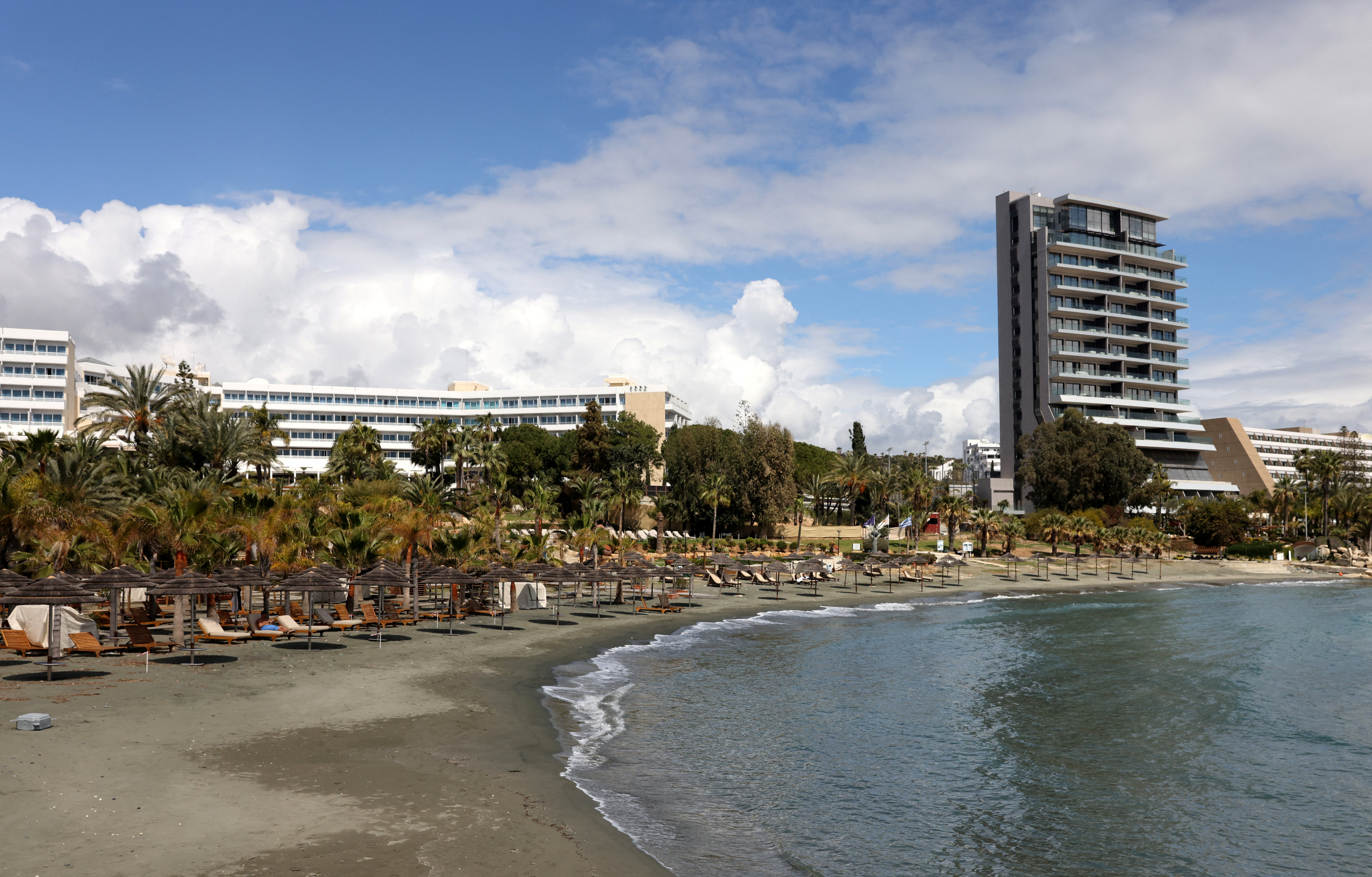
Limassol has become a particular draw, with Israeli travel and entertainment listings featuring the City of Dreams Mediterranean resort, beach clubs and music festivals.
Other venues featuring on Israeli nightlife listings include The Warehouse, Shaka, Columbia Sun, SODAP Beach and Guaba.
The trend has extended beyond Limassol, with Israeli rock band Kadachat having performed at Paradise Place in Pomos on October 17, according to Tel Aviv Times, which described Israeli flags inside the venue and a Hebrew welcome sign.
The growing demand comes as international performances in Israel have become increasingly scarce, with The Israel Festival having taken place this summer without an international act, while the Music Showcase Festival expected half as many overseas gests as last year.
Security restrictions have also affected domestic concerts, with stadium performances by Omer Adam and Eyal Golan postponed following Home Front Command restrictions on large gatherings in June.
Al Jazeera reported this week that Israeli visits reached nearly 600,000 last year, more than double the 2022 figure, while Israeli investment was estimated at €5.1 billion.
The Israeli embassy estimates that between 15,000 and 20,000 Israelis consider Cyprus home, compared with around 1,000 recorded in the 2021 census.
Algarve hoteliers have welcomed confirmation that the 2027 Dakar Rally will start in the region, highlighting the potential economic boost from bringing thousands of competitors, crew members and officials to
Pressure from Washington has led to the suspension of air routes and the withdrawal of international companies.
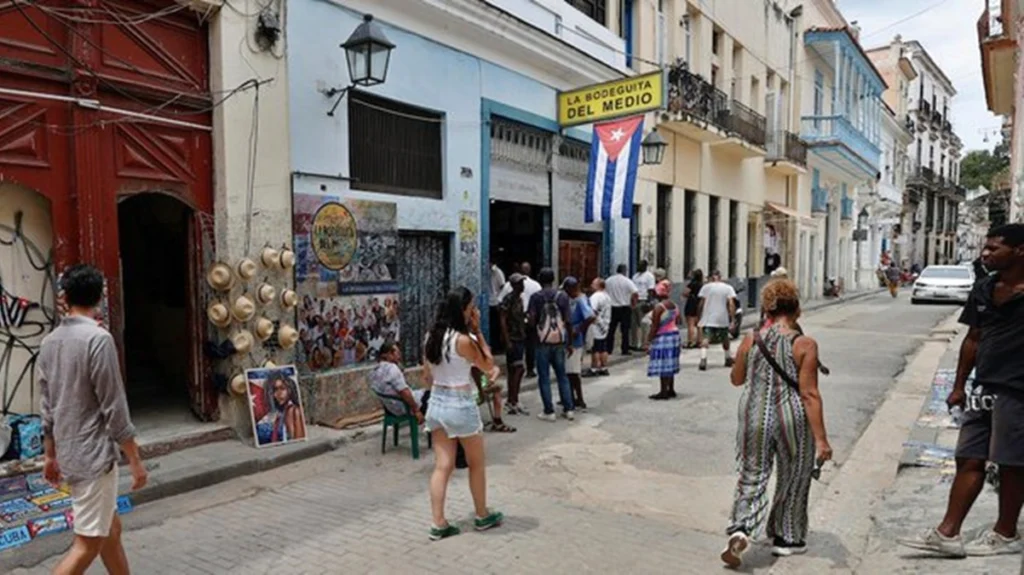
On Wednesday, the National Office of Statistics and Information published a report showing that the U.S. energy blockade has caused a decrease in tourism to Cuba.
This Caribbean nation received 65.1 percent fewer international visitors in the first nine months of this year than in the same period of 2025. Cuba received 477,707 international visitors from January to September, down 890,140 from the same period a year earlier.
Canada, Cuba’s largest source market for international tourists, saw the steepest decline, with visitor numbers falling by 430,460. Arrivals from Russia decreased by 67,205, while visits by Cubans living abroad dropped by 60,081. The number of visitors from the U.S. fell by 42,984.
Tourism is one of the Caribbean country’s main sources of foreign currency, but the sector is going through a crisis marked by suspended air routes, hotel closures and the withdrawal of international companies.
CUBAN FM RESIST THE BLOCKADE AT THE UN
Cuban Foreign Minister Bruno Rodríguez stood up to US Ambassador Mike Waltz at the UN General Assembly on Tuesday, in a confrontation that laid bare the deepening hostility over Washington's escalating economic war of aggression on the… pic.twitter.com/3Fqg5K0PzX
In July, the Cuban government said that U.S. pressure had prompted seven international hotel chains to withdraw from the island, including Spain’s Melia, Iberostar and Barcelo.
The crisis has been compounded by U.S. restrictions on oil supplies imposed since January, including threats of tariffs on countries supplying fuel to the island, as well as expanded sanctions introduced in May.
Cuba has been subject to a U.S. economic, commercial and financial blockade for more than six decades. In June, Cuba’s National Assembly of People’s Power approved a package of 176 economic and social reform measures aimed at liberalizing the economy, including provisions to attract new investors and expand private-sector participation in tourism.
Cyprus tourism revenue fell by 3.4 per cent year-on-year in August to €562 million, as fewer tourists and shorter stays weighed on earnings despite an increase in average daily spending, according to figures released by the statistical service (Cystat) on Friday.
Revenue stood at €581.8m in August 2025, meaning the sector earned €19.8m less than a year earlier, as tourist arrivals declined from 602,026 to 581,880.
The latest figures also show that tourism revenue for the first eight months of 2026 reached €2.32 billion, down 6.2 per cent from €2.47bn during the corresponding period of 2025.
The August decline follows a stronger performance in July, when tourism revenue increased by 4.6 per cent to €536.5m, supported by higher visitor spending despite slightly lower arrivals.
In August, however, average expenditure per tourist remained almost unchanged at €965.81, compared with €966.41 a year earlier.
Although the average length of stay declined from 9.2 days to 8.9 days, tourists spent more each day, with average daily expenditure increasing from €105.04 to €108.52.
The United Kingdom remained Cyprus’ largest tourist market, accounting for 30.5 per cent of total arrivals, followed by Israel with 23.3 per cent and Poland with 6.3 per cent.
British arrivals fell from 193,091 in August 2025 to 177,603 this year, while the average length of stay shortened from 10.6 days to 10.2 days.
Spending by British visitors also declined, with average expenditure per person falling from €1,195.02 to €1,062.12, while daily spending decreased from €112.74 to €104.13.
Israel, meanwhile, recorded a substantial increase in arrivals, rising from 105,597 to 135,628, strengthening its position as Cyprus’ second-largest source of tourists.
Israeli visitors stayed for an average of five days, compared with 5.2 days a year earlier, but their expenditure increased considerably.
Average spending per person rose from €792.69 to €892.20, while daily expenditure climbed from €152.44 to €178.44, considerably higher than the average for the tourism market as a whole.
Poland remained the third-largest market, although arrivals declined from 41,844 to 36,622.
Polish tourists stayed slightly longer, with the average visit increasing from 7.7 days to 7.9 days, but spending per person fell from €740.38 to €729.93. Daily expenditure also declined from €96.15 to €92.40.
German arrivals decreased from 27,665 to 25,823, while the average stay shortened from 10.5 days to 10.2 days.
Despite this, German visitors spent more, with average expenditure per person increasing from €987.97 to €1,084.18 and daily spending rising from €94.09 to €106.29.
Sweden followed a similar pattern, with arrivals declining from 18,636 to 17,441, although the average stay increased from 8.4 days to 8.8 days.
Average spending among Swedish tourists rose from €876.21 to €1,024.42 per person, while daily expenditure increased from €104.31 to €116.41.
Danish arrivals also fell slightly, from 9,984 to 9,733, while visitors shortened their stays from 8.8 days to 7.7 days.
Their average expenditure per person declined from €836.78 to €780.74, although daily spending increased from €95.09 to €101.39.
Norwegian arrivals moved in the opposite direction, increasing marginally from 7,896 to 8,006. However, Cystat did not publish reliable expenditure or length-of-stay figures for this market.
Arrivals from Greece declined from 15,294 to 13,810, with the average stay falling from 10.5 days to 10.2 days.
Greek visitors also spent less, with average expenditure per person decreasing from €484.94 to €466.29, while daily spending slipped from €46.18 to €45.71.
Visitors from the USrecorded one of the most striking increases in spending, with average expenditure per person almost doubling from €849.70 to €1,691.60.
American arrivals increased from 8,597 to 9,665, while the average length of stay rose sharply from 12.2 days to 16.7 days.
Daily expenditure also increased substantially, from €69.65 to €101.29, with the longer stays contributing to the considerable increase in spending per visitor.
Austrian arrivals fell from 11,935 to 10,389, although visitors stayed considerably longer, with the average duration increasing from 7.4 days to 9.1 days.
Average expenditure among Austrian tourists rose from €899.80 to €1,116.79 per person, while daily spending increased slightly from €121.59 to €122.72.
Swiss arrivals also declined, from 7,277 to 6,739, but the average length of stay increased from 8.9 days to 9.2 days.
Swiss visitors remained among the highest-spending tourists, with average expenditure per person rising from €1,254.87 to €1,423.77, while daily spending increased from €141 to €154.76.
Arrivals from the Netherlands fell from 7,672 to 6,331, although Dutch visitors extended their average stay from 9.7 days to 10.9 days.
Despite spending more time in Cyprus, their average expenditure per person declined from €1,103.80 to €1,062.19, while daily spending fell from €113.79 to €97.45.
France recorded one of the sharpest declines among Cyprus’ main European tourism markets, with arrivals falling from 15,663 to 8,453.
French tourists nevertheless stayed longer, with the average visit increasing from 9.4 days to 11.2 days.
Their average expenditure per person rose from €979.40 to €1,034.62, although daily spending declined from €104.19 to €92.38.
Belgian arrivals, meanwhile, increased from 3,342 to 4,475, accompanied by a substantial rise in the average length of stay from 10.2 days to 13.3 days.
Average expenditure by Belgian tourists increased from €918.56 to €1,064.54 per person, although daily spending fell from €90.05 to €80.04.
Finnish arrivals declined from 4,018 to 3,431, with tourists spending an average of €1,105.20 per person and €120.13 per day, based on an average stay of 9.2 days.
Italian arrivals also fell sharply, dropping from 11,173 to 6,282, while the average stay shortened from 8.5 days to 8.1 days.
However, Italian tourists increased their average expenditure from €773.38 to €928.95 per person, with daily spending rising from €90.99 to €114.69.
Finally, arrivals from Lebanon declined from 5,745 to 5,085.
The cumulative figures show that the sector has yet to recover the revenue lost during the earlier months of 2026, with tourism earnings for January to August remaining €153.1m below the corresponding period last year.

 Login