Archaeologists uncover jewellery, cosmetics and coins in cabinet sealed since eruption of Mount Vesuvius in AD79
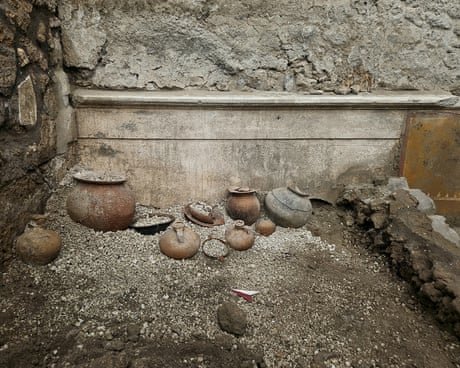
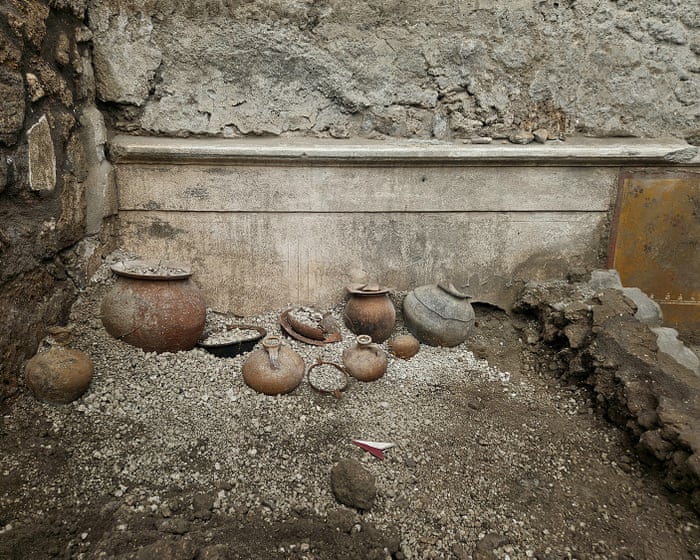
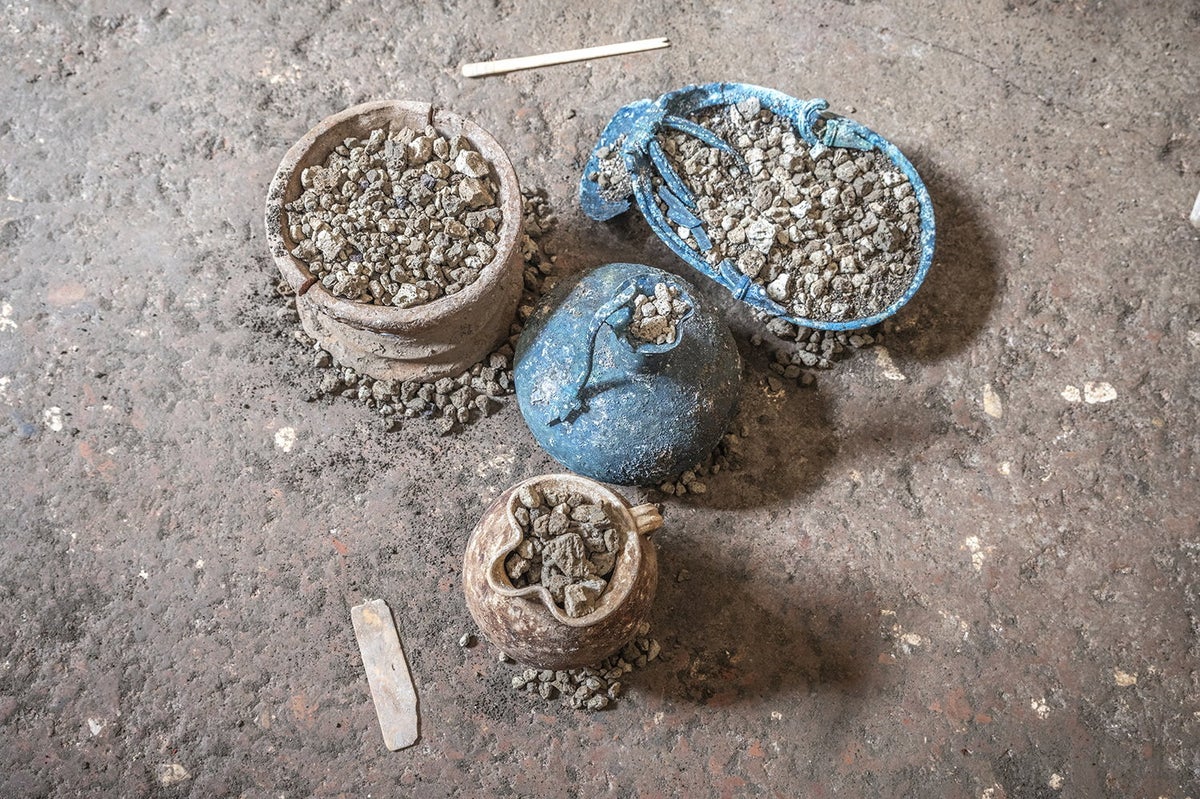
Fragments of personal objects, from makeup tools and a perfume bottle to coins and a child’s necklace, have been found tucked away in a wooden wardrobe sealed off for almost 2,000 years in the ruins of Pompeii.
The artifacts provide an intimate glimpse of daily life in the ancient Roman city before it was devastated by the eruption of Mount Vesuvius in AD79. The wardrobe was discovered in a room of a home on Via dell’Abbondanza, which was one of the most bustling streets in Pompeii.
A scholar believes a nearly 2,000-year-old account of Jesus may be more historically reliable than previously thought, challenging longstanding doubts about one of the earliest non-Christian accounts of his life.
T.C. Schmidt, an associate professor of religious studies at Fairfield University in Connecticut, is the author of a 2025 book titled "Josephus and Jesus: New Evidence for the One Called Christ," examining a long-disputed passage about Jesus written by the ancient Jewish historian Josephus.
Josephus lived from roughly 37 to 100 A.D. and wrote about Jesus in his work "Antiquities of the Jews," providing one of the few surviving non-Christian accounts of his life.
In the passage, Josephus described Jesus as a wise man who attracted followers and was sentenced to crucifixion under Pontius Pilate. The text also referred to reports that Jesus appeared alive again after his death.
For centuries, scholars have debated whether Christian scribes altered the passage, which contains statements about Jesus that some historians believe would have been unusual for a non-Christian Jewish writer.
But Schmidt told Fox News Digital that his research suggests the passage is authentic, citing linguistic analysis and comparisons with Josephus' other writings.
Schmidt examined ancient versions of Josephus' account in Greek, Latin, Syriac, Arabic and Armenian, using textual comparisons and computer-assisted stylistic analysis to argue that the disputed passage was consistent with Josephus' writing style.
His analysis, Schmidt said, found similarities throughout the passage.
"I show that every single phrase in the passage can be indexed back to Josephus. It all sounds like something Josephus would say," Schmidt told Fox News Digital.
Schmidt also argued that some of Josephus' descriptions of Jesus have been misinterpreted, making the passage appear more favorable to Christianity than Schmidt believes Josephus intended.
For example, he said Josephus' description of Jesus performing supernatural deeds does not necessarily mean the historian believed those powers came from God.
Instead, the language is more ambiguous, leaving open whether those powers were believed to come from divine or demonic sources.
"This actually sounds like something a non-Christian Jew would have said," Schmidt said. "We have other accounts of later Jews saying similar things about Jesus."
"So you add it all together and the style of the passage matches Josephus and the claims of the message match what Josephus would have said as a non-Christian Jew," he added. "In other words, the passage looks totally authentic."
Schmidt said his findings could strengthen the historical evidence surrounding Jesus' life.
"What this passage does is that it solidifies Jesus in history," Schmidt said.
He said Josephus' account corroborates details found in the Gospels, including Jesus' disciples, his reputation for performing miracles and his crucifixion under Pontius Pilate.
Schmidt also emphasized the passage's reference to Jesus' resurrection, arguing that it provides historical evidence of what his earliest followers believed.
"Josephus doesn't himself affirm the resurrection, but he does affirm that early Christians, the disciples of Jesus, believed that Jesus was resurrected on the third day," Schmidt said.
When asked about his book's reception, Schmidt said his book has received positive feedback, with some reconsidering their views on the passage's authenticity.
The authenticity of Josephus' account still remains a subject of scholarly debate, with historians continuing to disagree over how much of the passage may have been altered by later Christian scribes.
Looking ahead, Schmidt said he has identified two or three additional possible connections between Josephus and people associated with Jesus' crucifixion since the book was published — a subject of future research.
Schmidt also encouraged readers to examine historical sources for themselves, noting that his own research led him to question what he had previously been taught.
"I was taught my whole scholarly life that this paragraph by Josephus was not authentic. And I believed that," Schmidt said.

 Login