 Login

Noah Segan Explains How ‘Knives Out’ Helped Make ‘The Only Living Pickpocket in New York’ Possible
Rian Johnson made his friend Segan a promise: if 'Knives Out' works, he'll have the power to produce movies like 'Pickpocket.'

In a sign of the times, for the first time in many years, U.S. Air Force fighters have returned to an air defense alert posture at Eareckson Air Station in Alaska’s remote Aleutian Islands. This represents a notable development in efforts to strengthen NORAD’s ability to defend North America’s northern and Pacific approaches from a key strategic stronghold on Russia’s back doorstep. The deployment culminated in a multinational air defense mission involving U.S. and Canadian fighters operating across thousands of miles, reflecting a growing focus on the increasingly strategic Arctic and North Pacific regions.
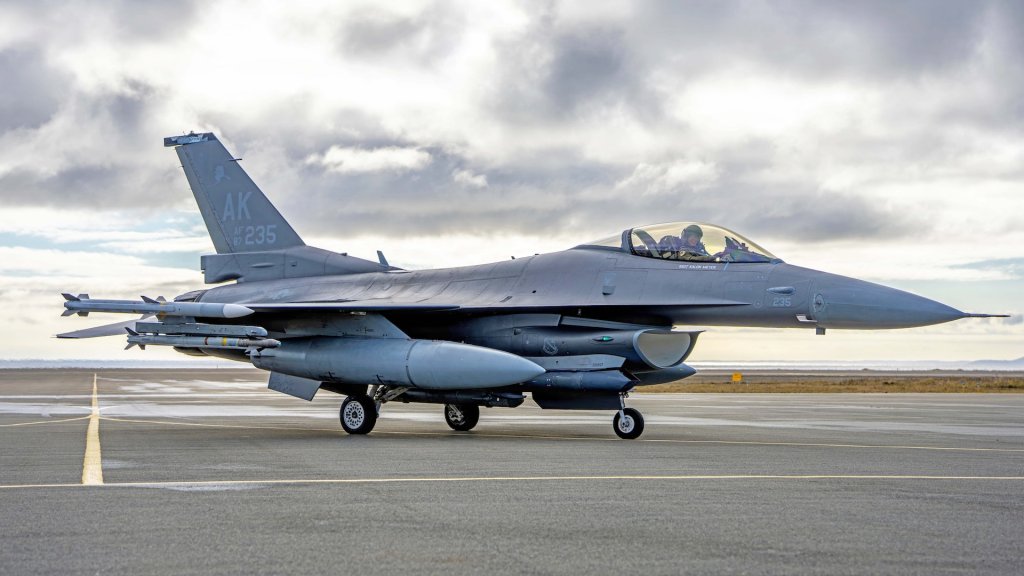
Fighter operations at Eareckson date back to the Cold War, when F-4s and F-15s deployed to the island to support air defense missions against Soviet aircraft. The base’s routine fighter mission ended in the early 1990s, making the October 2026 deployment a notable return to an alert posture at one of America’s westernmost military outposts. In the interim, we have seen fighters, including F-16s, return to Eareckson, but not in the context of air defense alert missions.
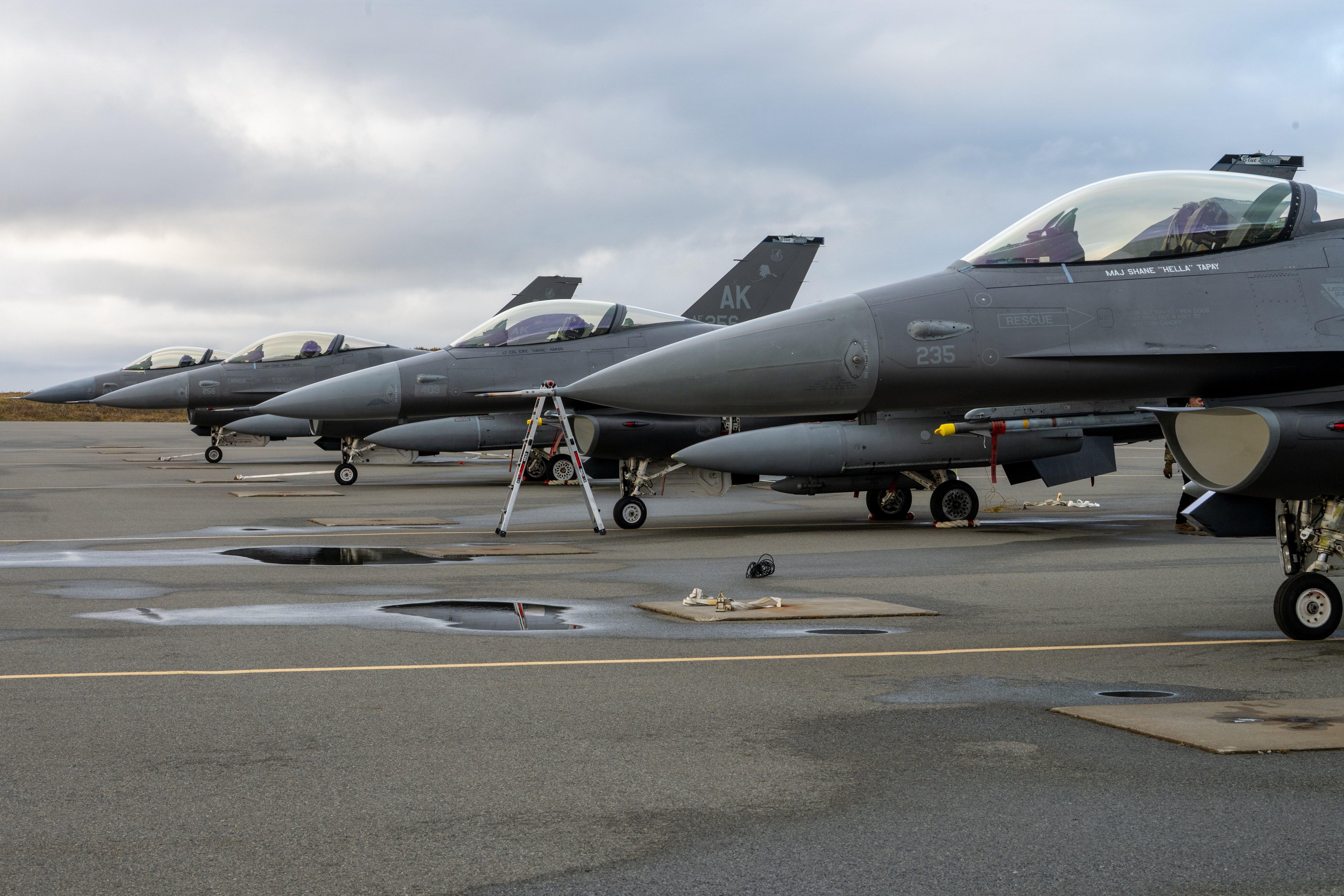
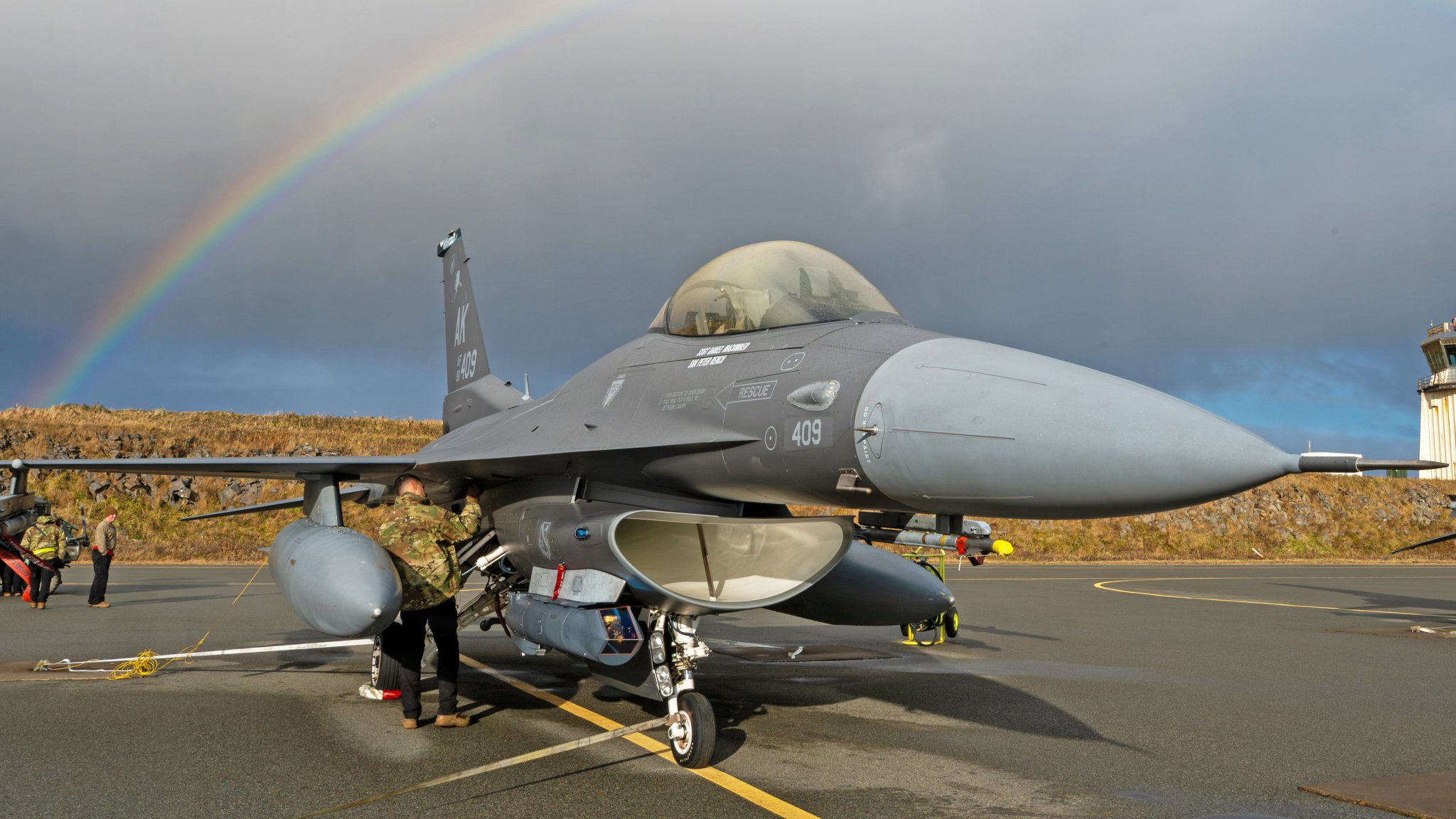
Packing live air-to-air missiles, the F-16s were deployed to Eareckson, on Shemya Island, from October 18 through 26, maintaining an alert posture before launching on October 25 as part of a homeland defense mission.
The latest mission began under Operation Noble Defender before transitioning into Operation Noble Eagle in support of northern sovereignty operations. It brought together F-16s operating from Eareckson, F-35As and additional F-16s from Eielson Air Force Base, and Royal Canadian Air Force CF-18 Hornets deployed from Cold Lake, Alberta.
The F-16s operating from Eielson were assigned to the 18th Fighter Interceptor Squadron (FIS), a particularly unusual unit with roots as the 18th Aggressor Squadron. The unit was redesignated in 2024, shifting its primary combat focus from adversary training toward aerospace control and homeland defense in Alaska. Its Block 30 F-16s bring a combination of air defense capabilities and experience in replicating adversary tactics, making them a very specialized outfit, as you can read about here.
From their distributed locations, the Eareckson-based F-16s provided coverage in the southern portion of the theater, while fighters from Eielson operated in the northwest. Canadian CF-18s covered the northern approaches.
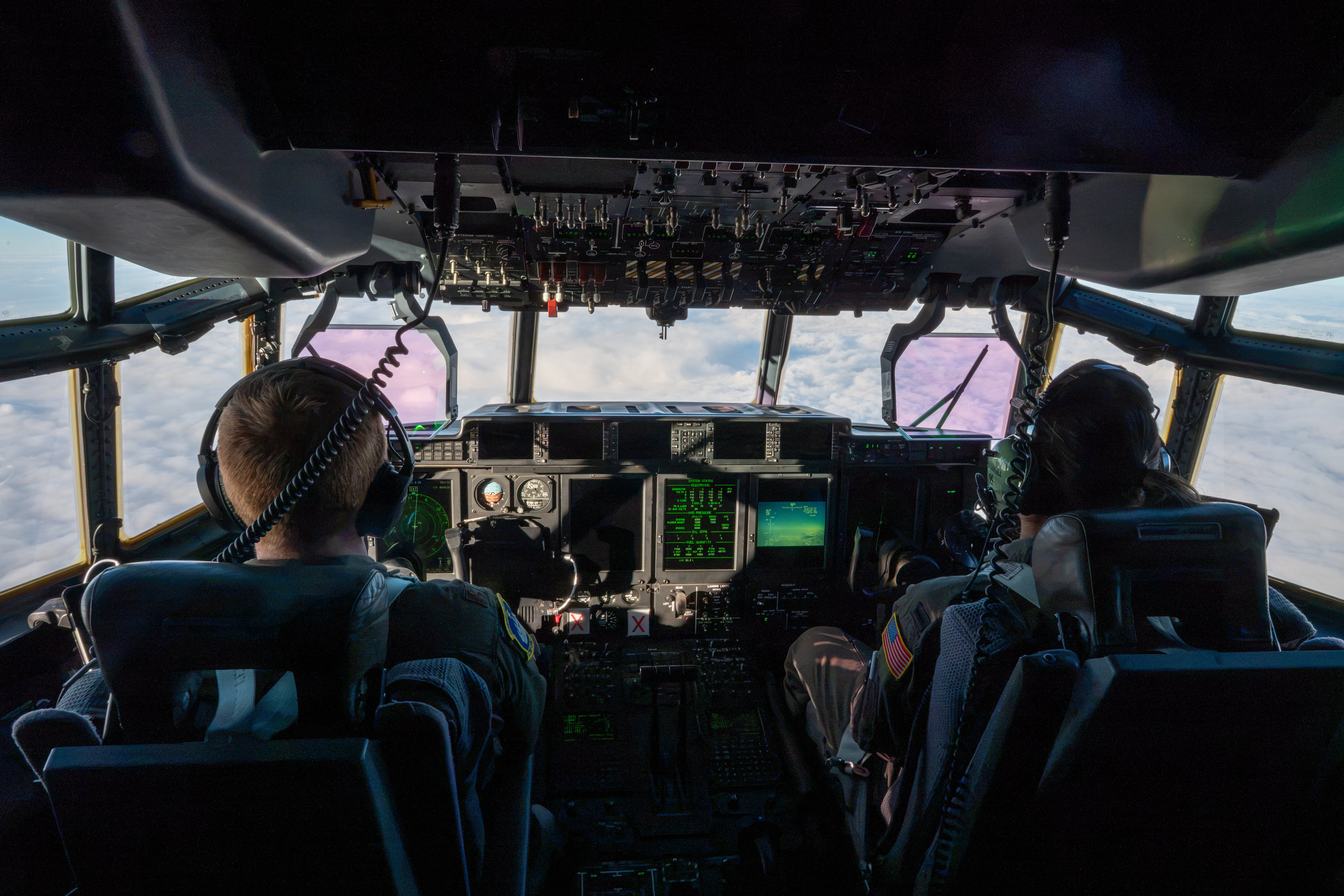
An E-3 Sentry Airborne Warning and Control System (AWACS) aircraft from Joint Base Elmendorf-Richardson provided airborne command and control, supported by multiple U.S. KC-135 tankers and a Canadian CC-150 Polaris. An HC-130 Combat King II also participated, providing contingency search and rescue and personnel recovery coverage.
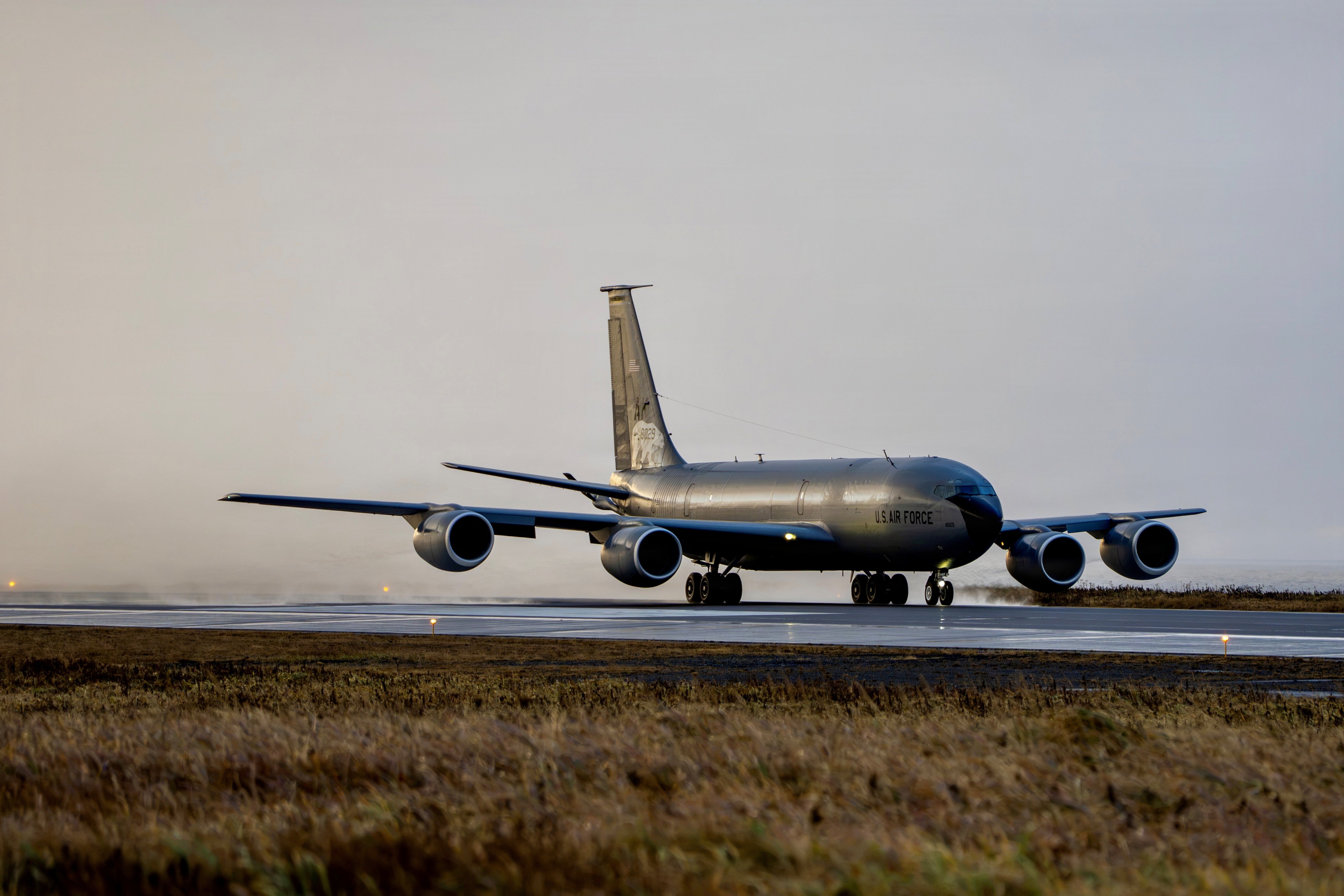
The distances involved illustrate the scale of the operation. Eareckson is approximately 1,600 miles from Eielson and 2,600 miles from Cold Lake, requiring substantial coordination and aerial refueling support to bring the different elements together.

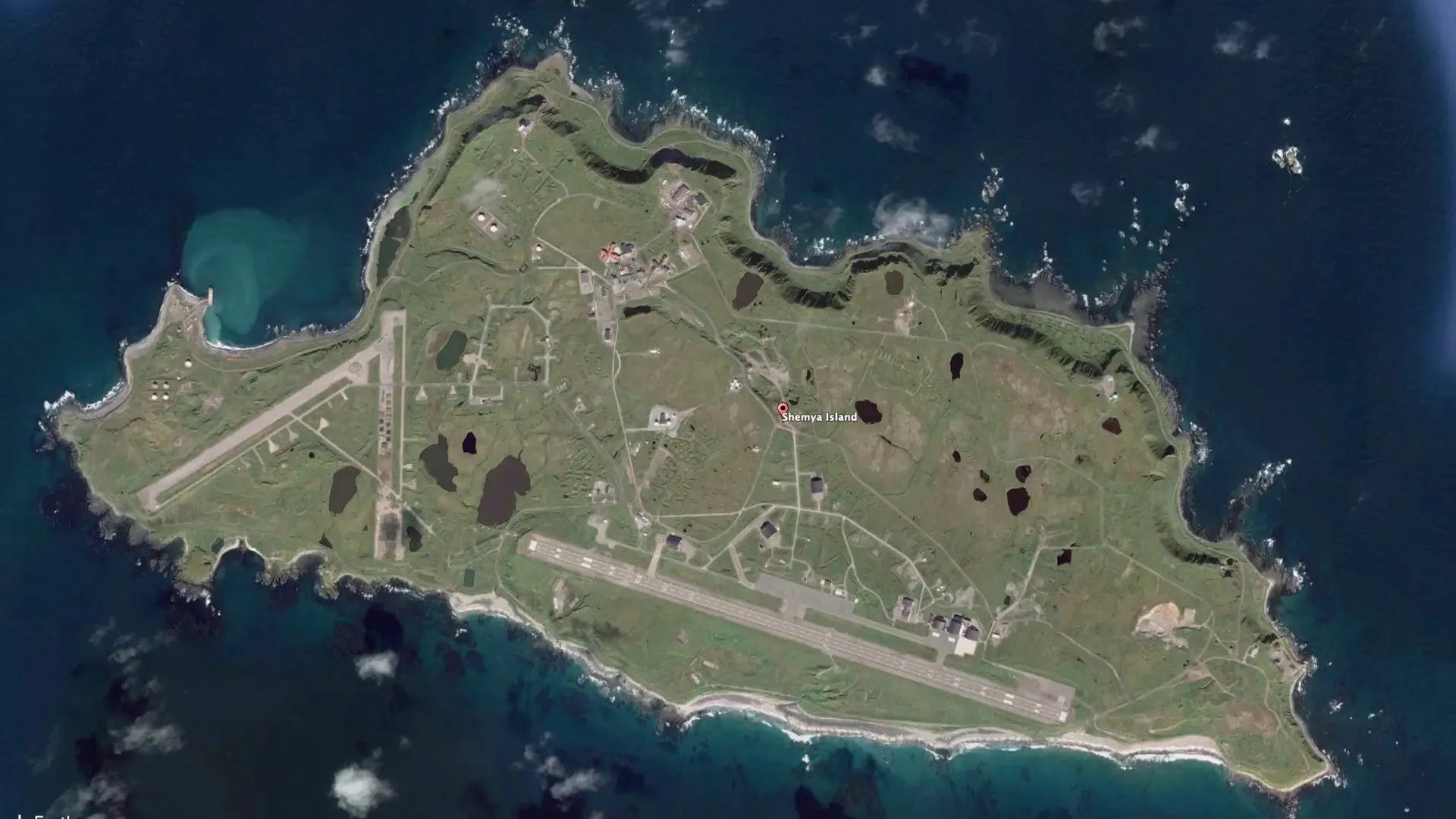
Located at the western end of the Aleutian chain, Shemya occupies a strategically important position in the North Pacific, facing the approaches from Russia’s Far East and the wider Pacific region and acting as a gateway to the Arctic. While fighters operating from Joint Base Elmendorf-Richardson, with additional support from Eielson when needed, normally provide coverage across this vast area, Eareckson puts combat aircraft dramatically farther west. Its reactivation as a fighter operating location gives NORAD another forward option, extending the reach of its air defense network well beyond Alaska’s principal airbases.
The island’s military significance was especially pronounced during the Cold War, when it supported detachments of RC-135 surveillance aircraft, including hosting Cobra Ball missile-tracking aircraft, as you can read about here.

Shemya’s potential role in a future conflict has attracted increasing attention from U.S. military planners in recent years. The island hosts the AN/FPS-108 Cobra Dane radar, a massive phased-array installation that provides critical ballistic missile warning and tracking capabilities. Its position in the western Aleutians, roughly 500 miles from Russia’s Kamchatka Peninsula and approximately 1,000 miles from mainland Alaska, gives it considerable strategic importance but also leaves it isolated and potentially vulnerable.
The growing threat posed by one-way attack drones and cruise missiles also makes protecting Cobra Dane a significant force-protection challenge. Forward-deployed fighters provide a highly adaptable, wide-area defensive layer, intercepting aerial threats before they reach the island, much like the fighter deployments to Diego Garcia in the Indian Ocean.
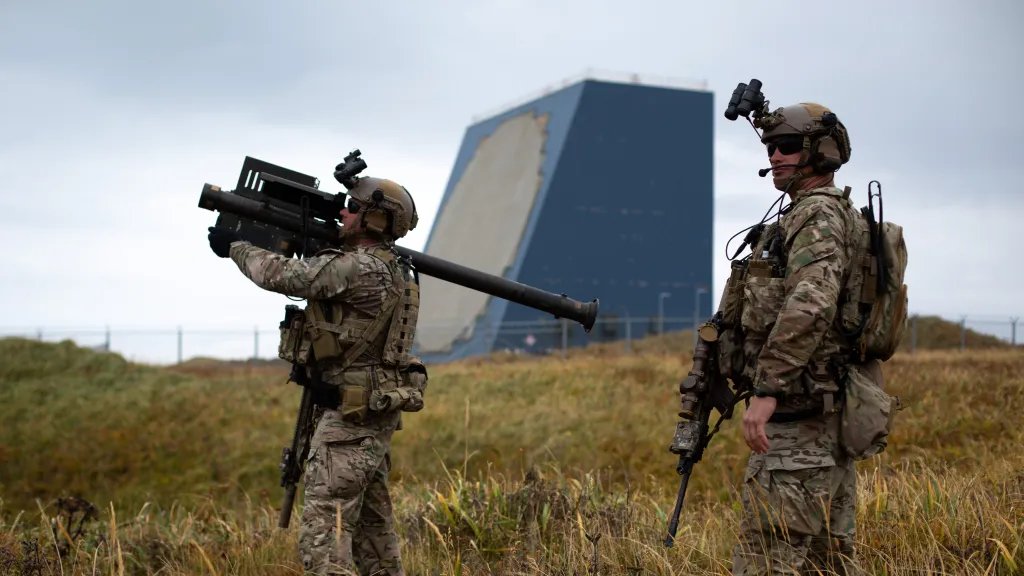
The vulnerability of Shemya and Cobra Dane has been the focus of several military exercises. In 2021, Green Berets assigned to Special Operations Command North participated in a NORAD exercise that involved deploying to Shemya and preparing to defend the Cobra Dane installation against potential attack. The troops arrived by sea and brought Stinger man-portable air defense systems, highlighting concerns about protecting the island against both conventional and unconventional threats.
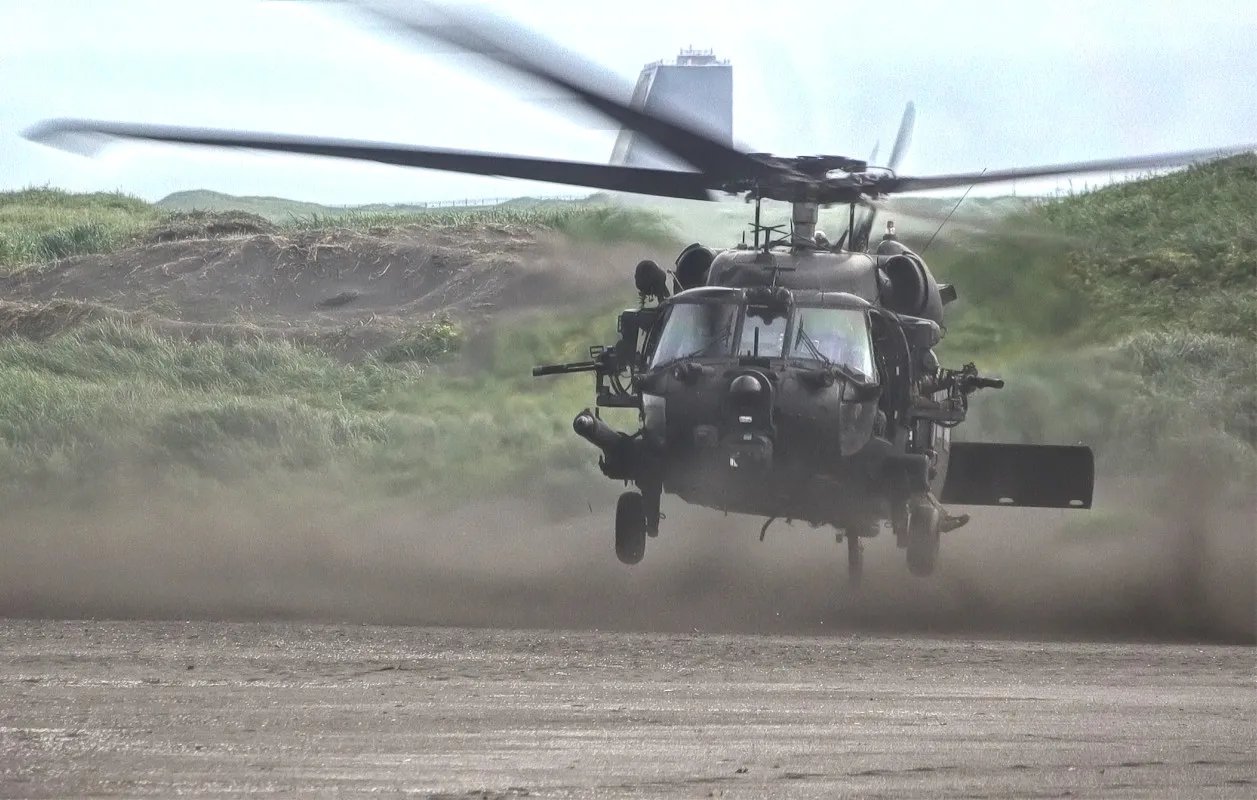
In August 2023, elements of the Army’s 160th Special Operations Aviation Regiment, better known as the Night Stalkers, returned to the island as part of Operation Polar Dagger, as TWZ reported at the time. At least two MH-60M Black Hawk helicopters and associated personnel and equipment deployed to Eareckson, with a C-17 transporting personnel and materiel. The exercise explored the ability to rapidly project special operations capabilities into the remote region, protect critical infrastructure, and improve operational awareness in the Arctic and sub-Arctic.
Taken together, these developments point to growing interest in Shemya as a potential forward operating location in a wider North Pacific defense network. Its radar, long runway, and remote position offer considerable advantages, but its isolation also presents significant logistical and force-protection challenges.
The return of F-16s to an air defense alert posture at Eareckson adds another dimension to the installation. With its ability to host forward-deployed fighters, the base can maintain an alert posture and generate homeland defense sorties. Its location would be particularly useful for responding to activity approaching Alaska from the western Pacific and the Bering Sea. At the same time, having fighters at Eareckson provides an organic means of defending Shemya’s critical surveillance assets.
There are other potential benefits in dispersing fighter operations away from Alaska’s principal airbases. In a major conflict, those installations could be subject to missile strikes and other attacks, making alternative operating locations valuable. Eareckson’s long runway, ramp space, and arresting equipment provide a foundation for such operations, although sustaining fighters there over an extended period would require significant fuel, munitions, maintenance, and force-protection support.
Outside of Eareckson, Alaska has a network of remote airfields that can support dispersed fighter operations during contingencies. These include King Salmon Airport on the Alaska Peninsula, which hosted four 18th FIS F-16s during an Agile Combat Employment deployment in September last year.
All this comes as concerns grow about the level of protection afforded to Air Force airbases. There are growing calls for the U.S. military to invest in new hardened shelters, and the lack of physical hardening of bases has been hammered home by the experiences from the war with Iran, which have underscored the huge risks posed to aircraft sat out in the open on flightlines.
The October deployment does not mean Eareckson is being transformed into a permanently staffed fighter base. It does, however, demonstrate that NORAD can use this isolated installation as another node in its air defense network, extending the geographic reach and flexibility of its operations across the North Pacific.
For NORAD, having additional locations from which it can generate air defense sorties is a major plus. The combination of forward-based fighters, airborne command and control, aerial refueling, and Canadian participation demonstrates another way of distributing combat power across a broad geographic area rather than depending exclusively on a handful of major bases.
More broadly, the Aleutians are assuming renewed strategic importance as the westernmost part of U.S. territory, positioned at the intersection of the North Pacific and Arctic theaters. As military competition with both Russia and China intensifies, the island chain offers a valuable forward position for surveillance, air defense, and power projection, as well as a means of gaining time and distance against potential threats approaching North America or operating across the Pacific. The return of F-16 alert operations to Eareckson adds another piece to that defensive architecture, underscoring the continued military relevance of this remote island chain.
Contact the author: thomas@thewarzone.com
The post USAF F-16s Back On Alert Duty In Aleutian Islands For First Time In Decades appeared first on TWZ.
General Atomics says it is working on a new hybrid-electric-powered flying-wing-type strike/reconnaissance drone called NextGen that could be able to stay aloft for more than 60 hours. Work on NextGen will also feed into one of the designs within the company’s Gambit family of drones, which are also based around a common modular core ‘chassis’ concept. Separate progress is being made on the newest member of that family, the air-to-surface optimized Gambit 6, with plans now for a live-fire air-to-ground ordnance demonstration early next year.
C. Mark Brinkley, a spokesperson for General Atomics, shared these and other details with TWZ as part of an update on the status of the entire Gambit effort.
“When we announced the Gambit Series in 2022, we knew that it was an ambitious, multi-stage concept that would require many years before its full power would be realized across all variants,” Brinkley said. “It’s not complicated to understand, but it is revolutionary, and revolutions take time.”
When the Gambit family was first rolled out four years ago, General Atomics presented four distinct design concepts. These were the intelligence, surveillance, and reconnaissance (ISR) focused Gambit 1, the air-to-air combat-optimized Gambit 2, an uncrewed ‘red air’ aggressor called Gambit 3, and the stealthy flying wing Gambit 4. Since then, the company has also added the Gambit 5, intended for carrier-based operations, and the aforementioned Gambit 6.
All of the Gambit concepts are designed to leverage a common ‘chassis’ that includes landing gear, baseline avionics, and other core hardware. General Atomics touts this as helping to reduce costs and accelerate the development of very different drone designs.
General Atomics’ Brinkley provided brief updates on all six existing Gambit design concepts, as well as the common core.

Developed under the secretive OBSS program, the XQ-67A was unveiled to the public in 2024, as TWZ was the first to report. Experimentation using this one-off drone fed into General Atomics’ development of what is now called the FQ-42A Vengeance, which we will come back to in a moment, as well as the U.S. Air Force’s Collaborative Combat Aircraft (CCA) program. Last year, AFRL announced that the XQ-67A would receive modifications and upgrades to support further advanced autonomy and related developments under a new program called Demonstration of Autonomous Collaborative Platform Performance and Effectiveness (abbreviated as Demon Ape).
On Tuesday, AFRL announced in a press release that it “demonstrated integration of several advanced mission systems including state-of-the-art sensors, mission computers and power and thermal management hardware, all designed to work collaboratively in demanding combat environments,” on the XQ-67A during a recent test flight over the Nevada Test and Training Range (NTTR) as part of Demon Ape.
“Additionally, the integration of Beyond Line-of-Sight datalinks and live, virtual and constructive simulations during the flight demonstrated management of uncrewed platforms across distributed theaters, bolstering deterrence through resilient, layered command and control,” AFRL’s release added.
The FQ-42A is one of two designs the Air Force has now ordered into production under the first phase, or Increment 1, of its CCA program. The other is Anduril’s FQ-44A Fury. In September, the Air Force announced a goal of having at least 500 Increment 1 CCAs in inventory by 2032.

Gambit 3 is by far the concept within this larger family that has been discussed the least to date, so it is particularly interesting to get an update on General Atomics’ current thinking here. There continues to be a degree of interest in this kind of capability within the U.S. military, especially to help provide greater volumes of platforms capable of representing more advanced aerial threats during large-scale exercises. However, despite several past efforts, there has been no significant acquisition of next-generation unmanned aggressors that we are aware of. As an aside, Anduril’s Fury was originally developed by a company called Blue Force Technologies for the ‘red air’ role.

From the beginning, Gambit 4 has been something of an outlier that is completely different from the other concepts in the family. This is only reinforced by the new details Brinkley has shared here about the NextGen design. The mention of “novel hybrid-electric propulsion” is particularly eye-catching. In general, this kind of propulsion arrangement offers improved fuel economy, and the potential for other benefits, like reduced infrared and acoustic signatures, through the combination of fuel-powered engines and electric motors.
General Atomics has talked in the past about hybrid electric propulsion technology helping to achieve a 60-hour-endurance target in the context of an earlier stealthy flying wing drone concept called MQ-Next. Last year, AFRL also awarded the company a contract for what it described as a “hybrid-electric propulsion ducted fan next-generation intelligence, surveillance, reconnaissance/strike unmanned aerial system,” or GHOST.

“We’ve been promising something impressive related to hybrid-electric propulsion, and now I can’t talk about it anymore,” Brinkley told TWZ at the time when asked for more information about GHOST. It remains unclear how that program may be intertwined with the previous MQ-Next concept, as well as work now on NextGen and future plans for Gambit 4.
The Gambit 5 concept made its public debut in 2024 at the Farnborough International Airshow in the United Kingdom with a rendering depicting the drones embarked on a Queen Elizabeth class carrier refitted with an electromagnetic catapult. General Atomics has since shown additional renderings of Gambit 5s on the decks of the U.S. Navy’s supercarrier USS Gerald R. Ford and a Japanese Izumo class ‘multifunctional destroyer.’ General Atomics also makes electromagnetic catapults for carriers, including the ones on the Ford class, and has put ideas for installing them on a variety of other naval vessels, as well as deploying them on land.

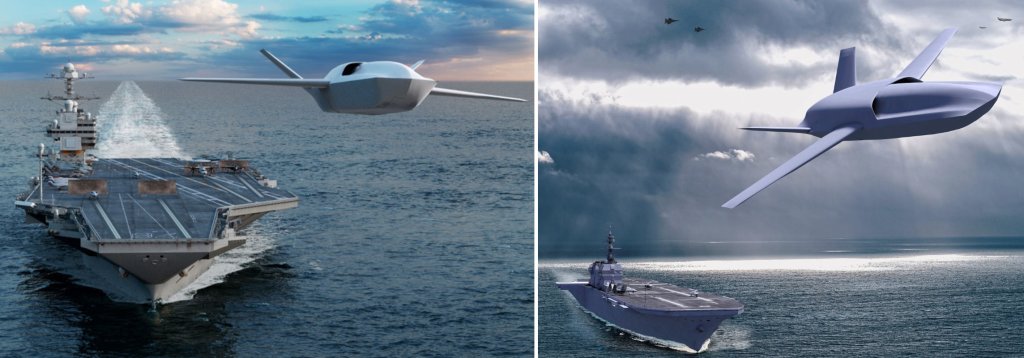
Last year, the Navy announced that it had awarded contracts to General Atomics, as well as Anduril, Boeing, and Northrop Grumman, to develop conceptual designs for carrier-based drones under its CCA program. General Atomics used a rendering of Gambit 5 to illustrate a subsequent press release regarding this selection.
As mentioned, Gambit 6 is the newest entry to the family and was rolled out around last year’s International Fighter Conference. At that time, General Atomics said it was already courting international customers for this particular design, especially in Europe, underscoring a surge in interest globally in CCA-type drones in recent years. The company also subsequently announced plans to develop a derivative of the FQ-42A for the European market through an affiliate in Germany.

Brinkley’s remarks here regarding internal bays versus external carriage of stores notably follow Anduril’s release of pictures showing fit checks of air-to-ground ordnance on the wings of a Fury drone last month. The FQ-42A, as well as General Atomics’ earlier Avenger drone design, both have internal weapons bays. An internal bay is expected to be a key feature on the Gambit 6 design, too.
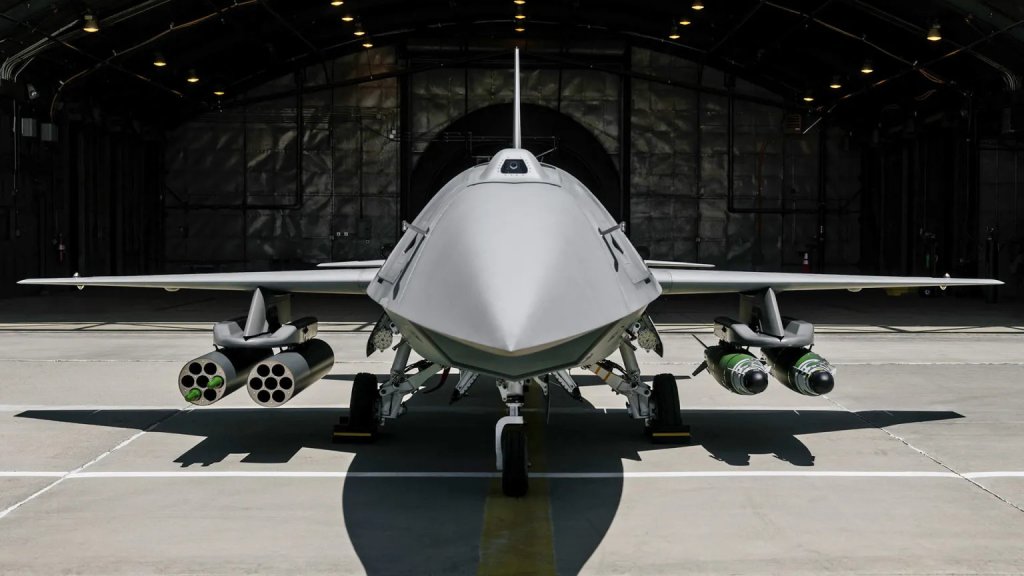
“General Atomics knew that low-observable with internal weapons was the only way to go for the future. It’s not specifically the fastest way, or the easiest way, but it does yield the very best jet on the back end,” Brinkley also told TWZ today. “You can get a small jet in the air, connect it to the satellite controls we pioneered here, hang weapons from the wings like we pioneered here, use the AI concepts we pioneered here, and call that a CCA. But if it isn’t low-observable, with a functioning internal carry, built for affordable high-rate production from the beginning, then it’s just a little jet.”
“When we rolled out our first four Gambit concepts, we knew that we were onto something novel, but I don’t think any of us recognized how fast it would all move. Now we’re up to six concepts, with two flying and two on track to become flying prototypes,” he added. “That leaves Gambit 3 and Gambit 4, and it would be easy to think those are the least important or least impressive, but I don’t think that’s the case at all.”
It does remain to be seen how many members of the Gambit family beyond the FQ-42A will ultimately be produced in significant numbers. For now, a Gambit 4 design, in particular, is still an ambitious future concept that will rely heavily on success with NextGen and related work.
Contact the author: joe@twz.com
The post General Atomics Developing Strike-Recon Flying Wing Called NextGen That Uses Hybrid-Electric Propulsion appeared first on TWZ.

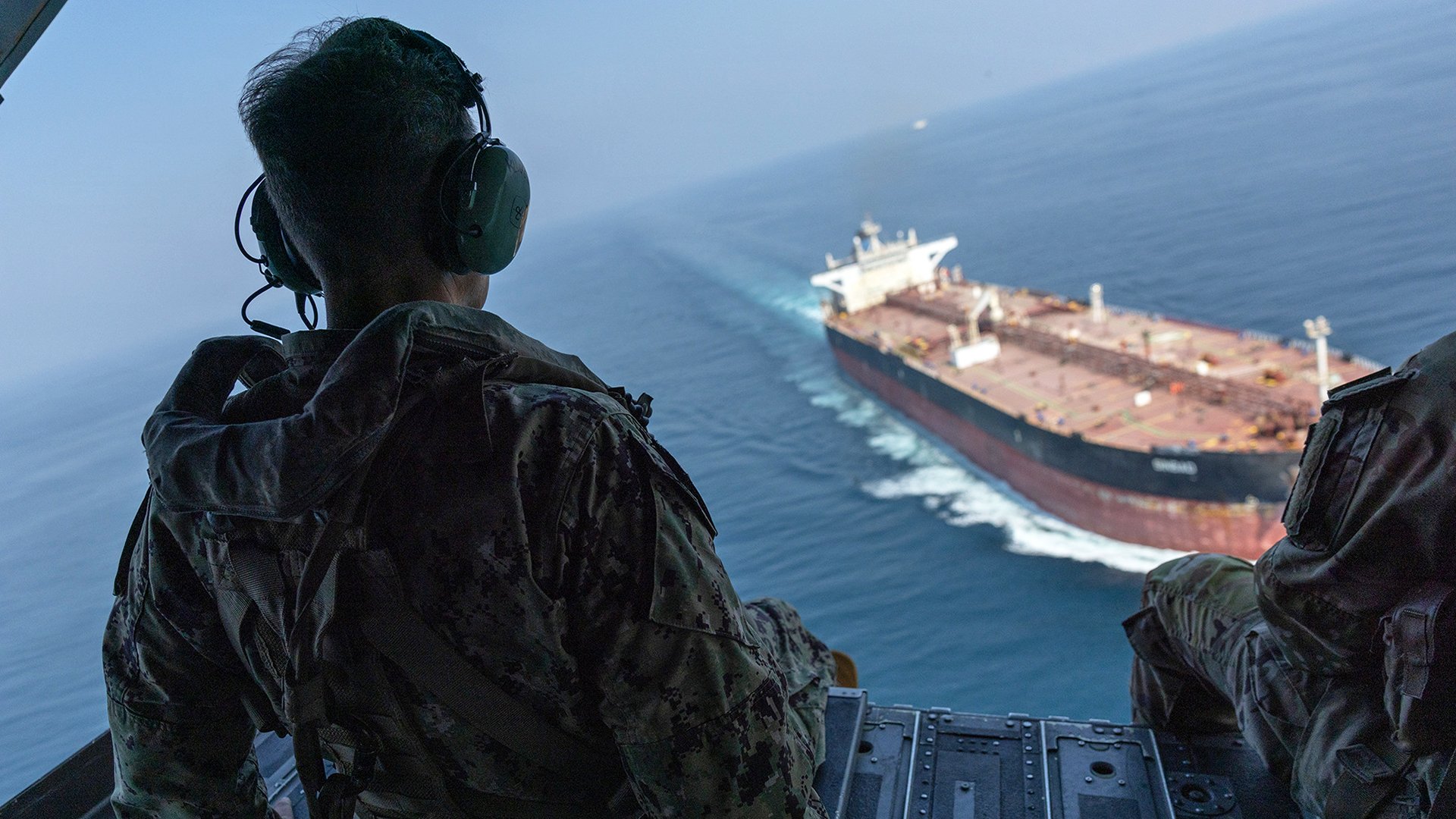
A small boat in the Strait of Hormuz approached a tanker and placed two explosive devices on the hull above the waterline, causing a blast that started a fire in the engine room, the United Kingdom Maritime Trade Operations (UKMTO) center reported. The attack on the Dubai-owned tanker Louise 1 was carried out by Iranians using limpet mines, Financial Times reported. The incident took place Thursday and was the first of its kind since June 2019, when a Japanese and a Norwegian ship were hit with limpets, the publication noted.
This is the first indication of the successful use of these mines during the current Islamic Revolutionary Guard Corps’ (IRGC) wave of strikes against shipping in the Strait of Hormuz following Operation Epic Fury. The attack also highlights the challenges of keeping ships safe in a busy and complex littoral.
“The apparent ability of a small craft to approach a transiting tanker, deploy explosive devices and withdraw presents a significant security concern, particularly in the Strait’s congested shipping lanes,” Greece-based maritime risk management group Marisks said on Friday, Reuters reported.
TWZ covered the 2019 attacks extensively, including sharing the following video showing an Iranian Navy or IRGC fast boat going back to remove a dud limpet mine from the Japanese-owned Kokuka Courageous’s damaged hull.
Earlier Friday morning, U.S. Central Command (CENTCOM) commander Adm. Brad Cooper said the waterway was cleared of sea mines. He was not addressing the limpet mine claim.
He stated on X that after “we sank Iran’s navy earlier this year, we also successfully cleared the strait’s internationally recognized primary transit routes of Iranian sea mines, and today U.S. forces remain highly vigilant and present to ensure that all primary transit routes in the Strait of Hormuz remain free and clear.”
“This week we reached a significant milestone, having now assisted Gulf partners in exporting more than 1.5 billion barrels of crude oil since summer,” Cooper added.
Recalling a recent flight over the Strait of Hormuz, Cooper noted that he “saw our U.S. assets in the air and on the water, including a squadron of advanced sea drones that were on patrol supporting a defensive layer. Here’s what I didn’t see: I didn’t see the IRGC out there at all.”
Also known as uncrewed surface vessels (USVs), the sea drones are part of an increasingly uncrewed armada of air, land and sea assets that are supporting the safe coordior through the Strait.
The USV type shown in the following video, a Saronic Corsair, made history twice in the battle against Iran. In July, the USVs were used as a strike weapon in combat for the first time by the U.S. A month earlier, a Saronic Corsair USV rescued the crew of a U.S. Army AH-64 Apache that crashed in the Gulf of Oman after it was downed by Iran.
Update from CENTCOM Commander: pic.twitter.com/oipZRRCJuE
— U.S. Central Command (@CENTCOM) October 30, 2026
Despite the heavy presence of CENTCOM forces, this month is turning out to be particularly dangerous for shipping in the region.
“October has seen the highest number of ship attacks on record,” Noam Raydan, a senior fellow at the Washington Institute for Near East Policy, said last week, according to the BOE Report, an oil industry publication. “Raydan, who maintains the institute’s interactive shipping incident map, has recorded 28 confirmed and reported attacks in the Strait of Hormuz and surrounding waterways in October and 113 since the US-Israeli war with Iran began on February 28.”
These strikes, combined with ongoing Houthi attacks on Saudi Arabia’s oil infrastructure, have already placed tremendous pressure on a global economy relying heavily on fossil fuel from the region. As of Friday morning, Brent crude topped $117 per barrel, the highest level in more than four years, according to OilPrice.com.
The American oil industry, meanwhile, is making a fortune on this situation.
“The war with Iran has been very lucrative for American oil companies, which have earned more than $130 billion in profit as people pay much higher prices for gasoline, diesel and other fuel,” The New York Times reported on Friday. “That is a conservative estimate based on the performance of more than 50 large U.S. oil and gas companies, most of them producers or refiners, in the six months from April through September. It does not reflect profits earned in March, the first month of the war, or in October.”
“The United States oil and gas business is making hundreds of billions of dollars,” Trump said at an Oct. 24 campaign rally, describing how the war is affecting the industry.
TRUMP on HIGH GAS PRICES: We’re making money like we’ve never made before. They’ll say: President Trump is bragging about all the money they're making while people are suffering at the pump. I don’t give a damn. We’re making a freaking fortune. pic.twitter.com/KZ2pYsTPyR
— Acyn (@Acyn) October 25, 2026
Qatari mediators returned to Tehran on Friday in another bid to try to pull the Middle East region back from the brink of war. The visit takes place as the U.S. and Israel are gearing up for a possible new round of strikes against Iran that could come as soon as next week after America’s midterm elections.
U.S. President Donald Trump has frequently stated that he could order new strikes, likely with Israeli assistance, after control of the next Congress is settled. While Trump could be gearing up to hit Iran again, leaks about war planning could also be messaging to compel Tehran back to the bargaining table.
“It’s going to get wrapped up soon,” Trump said Friday morning in an interview with Kansas City radio station KCMO. “We need a guarantee there’ll never be a nuclear weapon.”
Whether this latest Qatari effort can stop the clock winding down toward a resumption of hostilities remains questionable. Washington and Tehran seem far apart in their goals for achieving an agreement to stave off war.
The U.S. wants nuclear issues included from the start of negotiations while Tehran demands that the US first end its port blockade and lift oil export sanctions, Reuters reported on Friday.
A senior Iranian official has already dismissed a plan presented by Qatar as “unacceptable,” the outlet added. “The proposal presented by Qatar sets a seven-day timeline addressing both Tehran’s and Washington’s concerns, laying out daily confidence-building steps that each side must take,” the news outlet reported on Oct. 28, citing an official briefed on the negotiations.
The Qatari mediation is the latest diplomatic effort to prevent new fighting. On Monday, major regional powers met in Tehran to find a peaceful way forward.
Regardless, American forces are locked and loaded for a possible new round of strikes against Iran. Israel also continues ramping up attack plans in coordination with the U.S. in the wake of a so-far inconclusive national election that could result in the end of Prime Minister Benjamin Netanyahu’s career.
“Cooper rarely briefs Trump in person, so the meeting could signal that the U.S. is moving closer to significant military operations,” the publication stated. “He met with the president in July, when the two huddled with Hegseth and Caine on Air Force One in Delaware.”
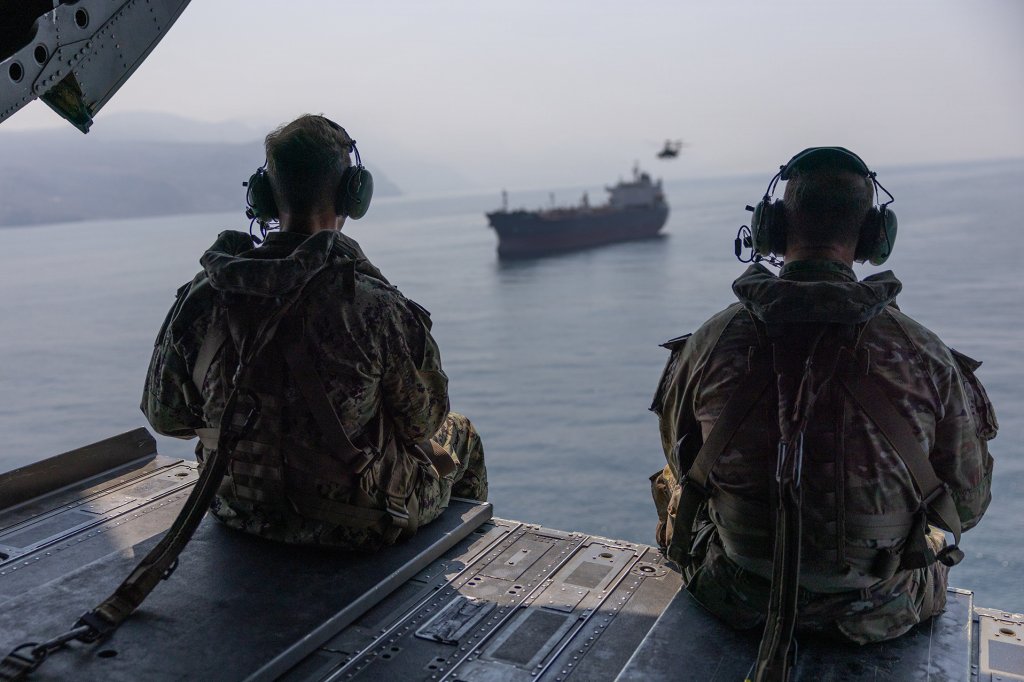
CENTCOM declined comment when we asked to confirm the meeting as described. The Pentagon referred us to the White House, and the White House did not respond to our request for comment.
While the Journal offered no specific details about the plans discussed at the White House meeting, previous reporting has suggested Trump is seeking a short, intense bombing campaign.
“According to several people familiar with the war plans, any new US-Israeli assault would be intense, lasting some three days and targeting nuclear facilities, regime assets and civilian infrastructure including power plants,” Financial Times reported on Thursday.
A top Democratic senator said he was briefed on plans and was shocked by what he heard.
“I will just say this: their plan is insane,” Sen. Chris Murphy, of Connecticut said. “It will lead to devastating escalation and the likely destruction of our commitment to the rule of law.”
“There’s been open reporting as to what we may be planning and the civilian infrastructure that we may be targeting,” Murphy added. “The plan that they have developed will lead, in my view, to a prolongment and an escalation of this war that will be devastating for our security interests.”
Trump is reportedly planning to restart war with Iran after the election.
— Chris Murphy
Some of us have been briefed on the war plan. And while I cannot disclose any details, I can say this: the plan is insane. It will not achieve objectives and will set off a new cycle of escalation. pic.twitter.com/adWJfHVIok(@ChrisMurphyCT) October 29, 2026
As the White House continues to put the finishing touches on new attack plans, the U.S. is bolstering its forces in the Middle East as we noted at the top of this story.
“The U.S. military is sending an additional Patriot system to Israel from Texas to beef up its missile defenses in the country, according to flight-tracking data and two officials with knowledge of the movement,” the Journal reported on Wednesday. “The U.S. has also moved troops off bases in the Middle East where they were vulnerable in preparation for an escalation.”
“U.S. forces in the region have been restocking their munitions, and bomber aircraft and jet fighters are preparing for strikes, some of the officials said.”
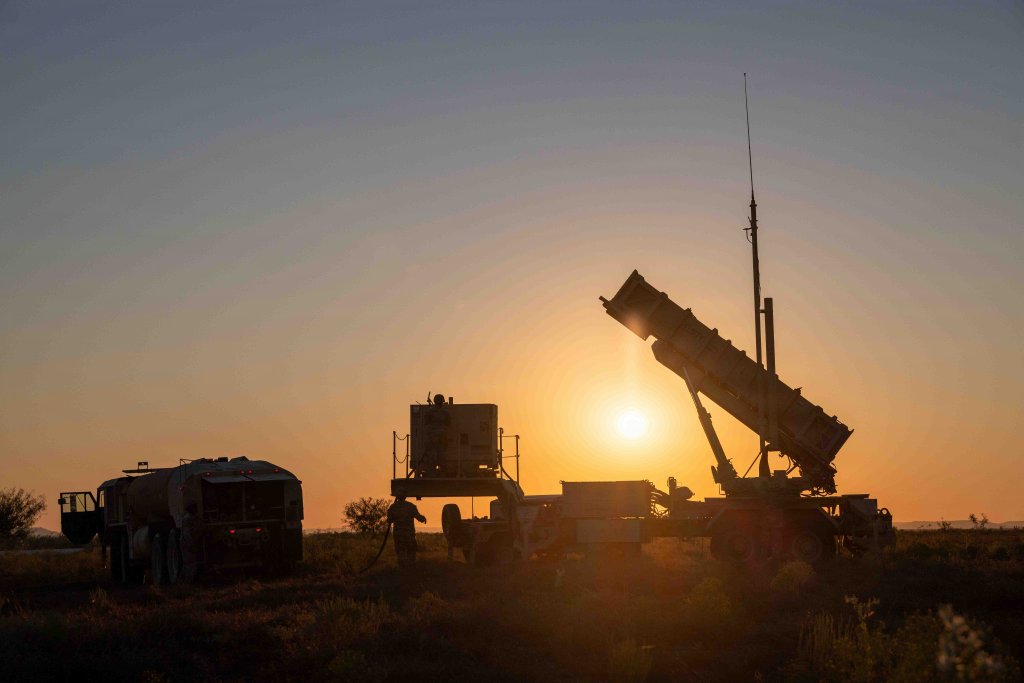
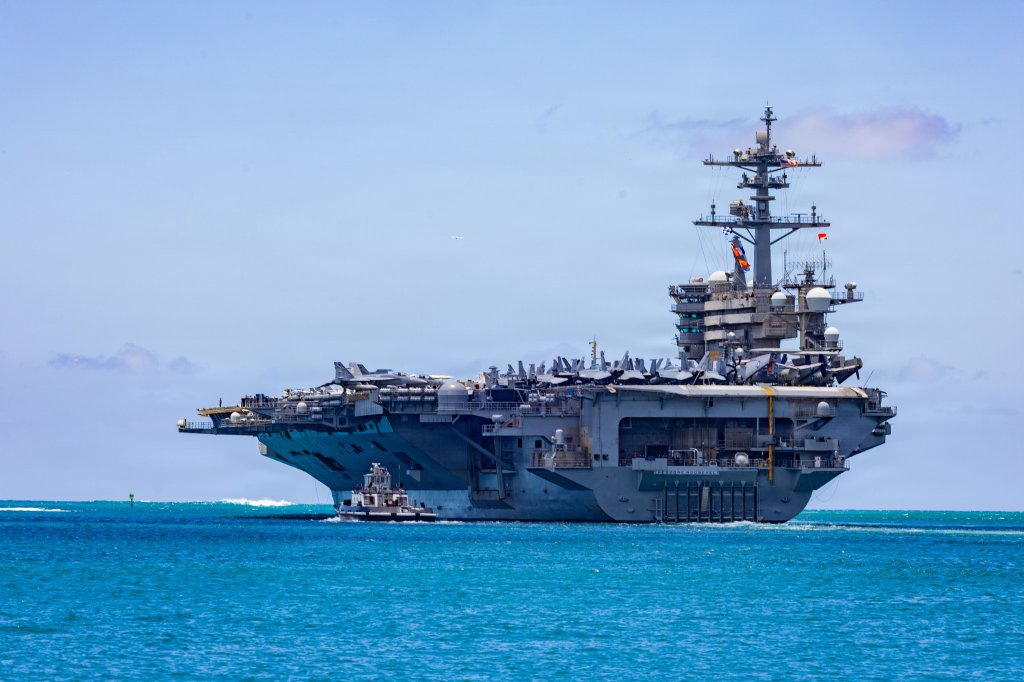
As we previously noted, there have been other signs that a major new round of U.S. and/or Israeli strikes on Iran might be looming on the horizon. Fox News reported that the Nimitz class aircraft carrier USS Theodore Roosevelt and the rest of its carrier strike group, as well as the Makin Island Amphibious Ready Group carrying the 13th Marine Expeditionary Unit (MEU), are heading to the Middle East, citing unnamed U.S. officials.
“The ships will arrive in the Middle East by the end of November,” the officials said, according to a post on X from Fox’s Jennifer Griffin on Tuesday. “These new deployments will add about 10,000 sailors and Marines to the Middle East.”
You can find out more about the locations of the U.S. Navy’s fleet of flattops in our “Where Are The Aircraft Carriers?” feature.
There have been indications of increased U.S. military air activity in the Middle East recently, as well. Observers have called attention to the particularly significant influx of aerial refueling tankers to bases in the region, as well as in Europe, which would be critical to any new major air campaign.
US Tanker Fleet Update 21/OCT/2026 #IranWar
— DefenceGeek
Overall numbers across CENTCOM and Europe have now stabilised back to the levels they were at back at the start of September, around 190-195. There are a few tankers dotted around at other sites temporarily (Glasgow Prestwick and… pic.twitter.com/taKi8op7Tv(@DefenceGeek) October 21, 2026
America and Israel struck hard at Iranian logistics during Operation Epic Fury, and the U.S. Navy maintains a blockade on Iranian ports. Still, the IRGC has managed to bring in materiel critical to its drone and missile programs.
A new Reuters investigation examines how.
“Iran has created a secret network of military agencies with global reach to import at least $2 billion in hardware, explosives and heavy-duty trucks since January 2025, evading both the US naval blockade and Western sanctions,” the investigation found. “Hidden behind names starting with the letters MOD, for the Ministry of Defense, are more than 5,000 agencies that form a formidable financial and military machine. Their financial footprints are on bills of lading and other shipping data dating back to 2016. Some are tied to the Islamic Revolutionary Guard Corps and to business conglomerates known as bonyads that are controlled by Iran’s elite.”
“The findings offer a window into one of the war’s great mysteries,” the outlet explained. “How is the IRGC replenishing its missile and drone arsenals while firing them in their thousands?”
Amid events in the Persian Gulf region, fighting between the Iranian-backed Houthi rebels of Yemen and Saudi Arabia rages on.
On Friday, Saudi Arabia said it intercepted and destroyed a Houthi drone near Islam’s holiest city, a claim the Houthis denied.
On Thursday, the Houthis claimed attacks on a half dozen targets across the kingdom, including oil facilities and airports. Saudi officials, for their part, said they intercepted ballistic missiles.
Adding to regional jitters, there were fresh reports of explosions near Iran’s Qeshm Island in the Strait of Hormuz Thursday night. However, these incidents often turn out to be air defense activity, warning shots fired at ships or nothing at all.
CENTCOM on Friday pushed back against claims that the command acknowledged attacks on Iranian targets.
“The reported notion that CENTCOM claimed any recent attacks is false,” Capt. Tim Hawkins, the command’s spokesman, told TWZ.
For now, the world is waiting nervously to see whether the Middle East again erupts into war. We should have a clearer picture in the coming days.
Contact the author: howard@twz.com
The post Iran Used Limpet Mine Placed On Ship’s Hull In Latest Strait Of Hormuz Attack: Report appeared first on TWZ.
Joey Hadden/Business Insider
Elephants, monkeys, tigers, and reptiles once lived on a corner of a South Florida beach, where I found empty cages covered in graffiti and greenery.
The Crandon Park Zoo opened in 1948 as Miami's first zoo, according to the Miami Herald. Then a hurricane in the 1980s left it in shambles. The park closed, and animals that survived the hurricane were moved to a larger area. In 1991, the zoo ruins reopened as gardens.
I visited the park in October 2021 to see what remained of the abandoned zoo, and I found a natural wildlife sanctuary.
Joey Hadden/Business Insider
According to Atlas Obscura, the ruins are also home to wild alligators, iguanas, and peacocks.
Joey Hadden/Business Insider
Parts of the park were paved, while others felt wild. Some of the land was once a coconut plantation, according to the Miami Herald.
Joey Hadden/Business Insider
I thought it looked like it could have been a unique, immersive attraction and wondered what animals may have lived there decades ago.
Joey Hadden/Business Insider
I peered over high, chain-linked fences and spotted remnants of vandalized structures.
Joey Hadden/Business Insider
It appeared to once house multiple cages.
Joey Hadden/Business Insider
I was able to see inside a few of the animals' quarters, which were now empty aside from some leaves, branches, and overgrown vines. The doors were still locked.
Joey Hadden/Business Insider
Peering inside made me think about the animals that might have gotten stuck inside as hurricane waters filled their enclosures.
I tried to imagine what kind of animals could live in these spaces. Based on their size, maybe monkeys, I thought.
Joey Hadden/Business Insider
After my visit, the zoo celebrated its 75th anniversary of serving the community in November 2022.

The awkward comedian’s performance on ‘The Celebrity Traitors’ has made him into the internet’s latest crush. His time in the spotlight, writes Isobel Lewis, has come after years of clever, disorientating stand-up that often leaves his fans wondering about who the man underneath the jokes truly is

© CREDIT LINE:BBC/Studio Lambert/Euan Cherry

With just seven players left in the hit BBC show – including the two Traitors in the turret – Ellie Harrison looks at who wields the most power in Ardross Castle

© BBC/Studio Lambert
The awkward comedian’s performance on ‘The Celebrity Traitors’ has made him into the internet’s latest crush. His time in the spotlight, writes Isobel Lewis, has come after years of clever, disorientating stand-up that often leaves his fans wondering about who the man underneath the jokes truly is
© CREDIT LINE:BBC/Studio Lambert/Euan Cherry

