US Secretary of State Marco Rubio will host his G20 counterparts, including Russia’s Sergei Lavrov, for talks on Friday that are expected to be fractious, with wars in Ukraine and Iran and surging energy prices fanning discord.
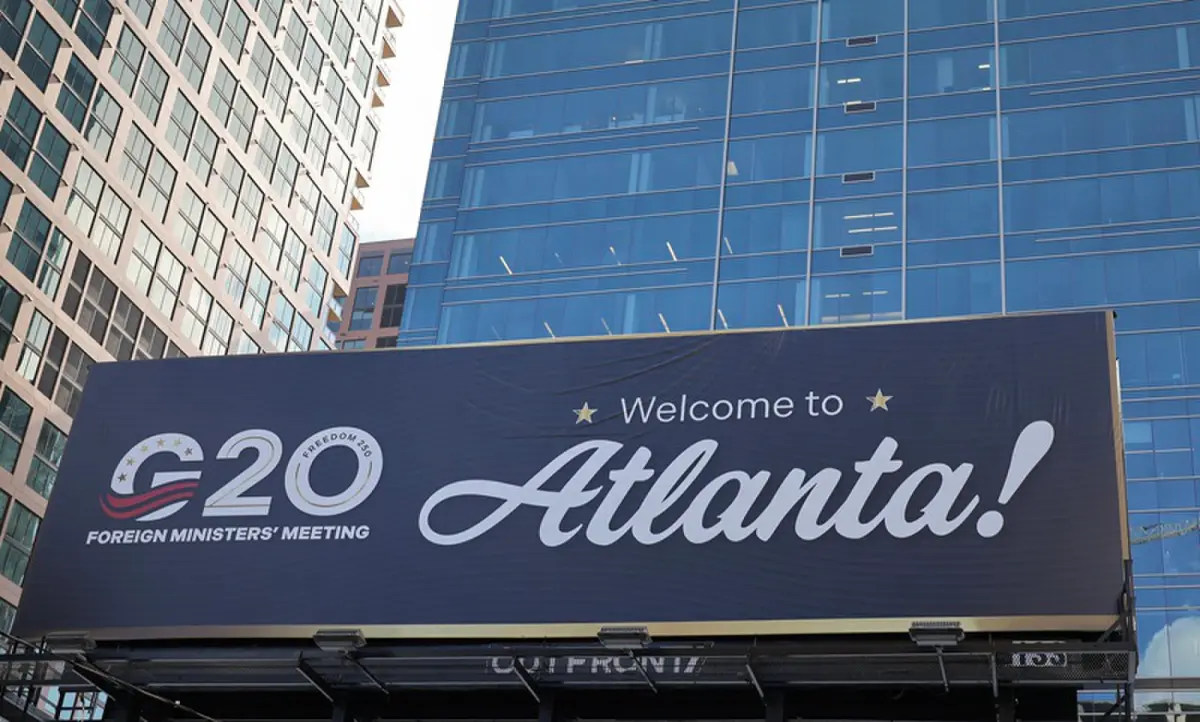
The foreign ministers’ meeting in Atlanta, Georgia, taking place just days before crucial US midterm elections, will set the stage for a December G20 leaders’ summit in Miami at President Donald Trump’s Doral resort.
Few breakthroughs are expected this week from the Group of 20 economies — which include China, India, Russia, Japan, Germany and France — as officials face divisions over Moscow’s war on Ukraine and fallout from conflict with Iran.
Russia has been shunned by most of the West after its 2022 invasion of Ukraine, and Lavrov himself remains under international sanctions.
Rubio’s encounter with Lavrov — whose presence adds an additional layer of tension — will be closely watched as Washington pursues diplomacy on Ukraine while seeking Moscow’s cooperation on reining in fuel prices, a key campaign issue in the midterms.
“The G20 is no longer really a forum where foreign ministers can reach agreement on a statement,” a diplomatic source said.
The source added that the US G20 presidency intends for Miami’s summit to serve “more as a demonstration of American power — and of US commitments to growth, deregulation, trade and business — rather than as a summit with grand ambitions on substantive issues.”
Instead of a final declaration, the source expects a chair summary drafted by the United States to be published from this week’s meeting.
The Trump administration, which is set to hand the rotating G20 leadership to Britain, sees the platform as having strayed from its core mission.
Washington has pledged to return the grouping to its goal of driving economic growth, arguing that security and economic prosperity are “inextricably linked.”
“Conversations in Atlanta will provide an opportunity to discuss energy and supply chain challenges as well as identify ways to collectively address the impact of geopolitical tensions on economic security,” a US State Department official said.
They stressed the importance of energy access — necessary for tech like artificial intelligence — and flagged a “shared resolve to confront urgent crises and keep critical sea lanes open to commerce without threats or tolls.”
“This is the last test case the G20 has, at least under the US G20 presidency, until Miami,” Alisha Chhangani of the Atlantic Council told AFP. Its outcomes will affect how the December summit shapes up.
She expects Washington will seek to argue that security shocks are also economic shocks.
It will likely push for agreement on what “freedom of navigation” means within and beyond Hormuz, a crucial waterway for oil and gas transit, she said.
But this could face objections from China, which dissented against wording on free navigation in Hormuz and worldwide at an earlier gathering of finance ministers.
China’s top diplomat Wang Yi will not be in Atlanta, and is instead sending his deputy, the US State Department said.
Meanwhile, the possibility of further escalation in the Middle East is mounting, with Israel threatening to strike Iran and Trump signalling he could attack after Tuesday’s midterm elections.
Lavrov attendance
In Atlanta, Rubio is also due to cross paths with Lavrov, who has already reached Atlanta according to Russian state media.
It comes ahead of fresh negotiations between Moscow, Kyiv and Washington in November.
The appearance of Lavrov, who plans to argue against international sanctions at the gathering, will likely frustrate European ministers, Chhangani said.
It is not surprising, however, as Washington has welcomed Russian officials to this year’s G20 events — while excluding member South Africa — and Trump has invited his Russian counterpart Vladimir Putin to Miami in December.
Trump has eased some sanctions on Moscow recently while touting a deal for Russia to sell diesel as prices soared, squeezing Americans.
The diplomatic source stressed that Russia’s G20 presence “in no way legitimizes its actions.”
All eyes will also be on US engagement with Brazil, whose foreign minister will be in attendance, after Washington granted entry to Flavio Bolsonaro following his defeat in Sunday’s presidential election.
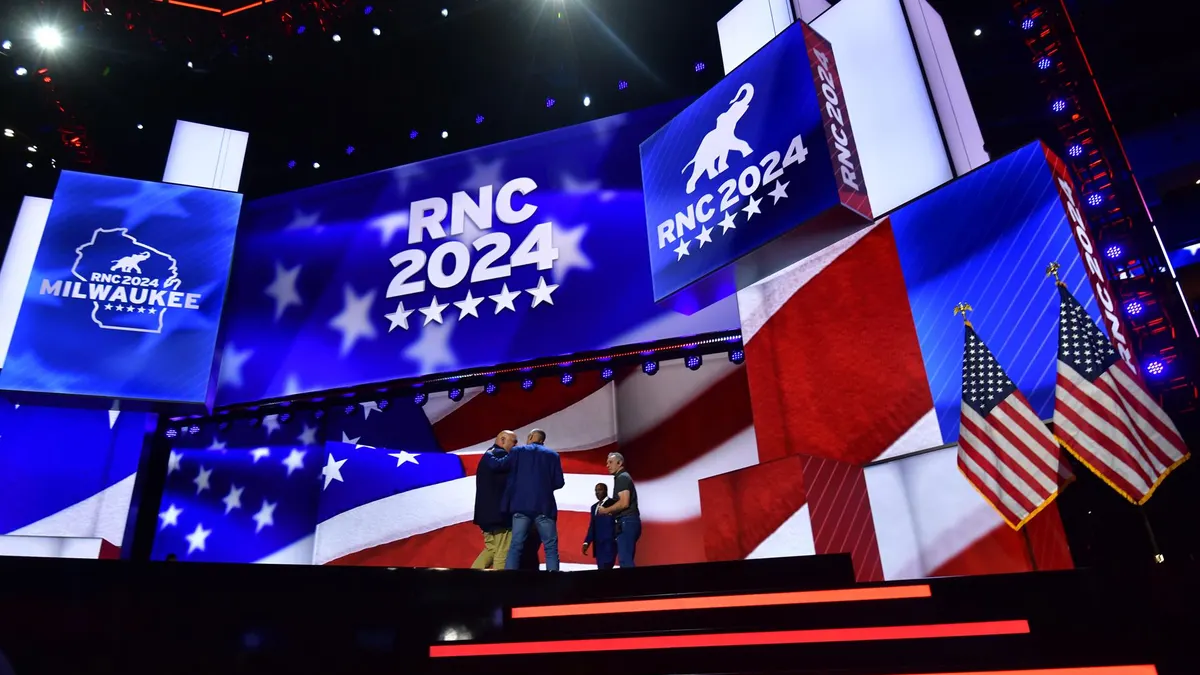
US President Donald Trump is scrapping two of his last midterm election rallies, his Republican Party said Thursday, as the 80-year-old leader lashed out at a reporter who asked if he was “sick of travelling”.
“You’re sick to ask that question. You are sick,” Trump told the reporter after returning to Washington from a campaign trip to South Carolina.
“I feel perfect. You are disgusting. Put yourself in shape, you look like hell.”
Trump told reporters he did not “feel like I have to go to Kansas,” a Midwestern state where Senator Roger Marshall, a fellow Republican, is in an unexpectedly competitive race with Democratic challenger Adam Hamilton.
“He is doing very well,” Trump said of Marshall.
“We are going to have a strong Tuesday night.”
Later on Thursday, the Republican National Committee said in a statement that it would also cancel a planned rally in Iowa, home to several competitive congressional races.
Instead of the events in Kansas and Iowa, Trump will hold a “large number” of virtual “telerallies” in a series of states, the Republican National Committee said.
The canceled in-person rallies were set for Salina, Kansas, on Saturday, and Dubuque, Iowa, on Sunday.
Republicans are fighting to keep control of Congress in the November 3 midterms. Trump has urged the party to “pretend I’m on the ballot” to maximise turnout despite his poor approval ratings.
“With Republicans in a strong position in Kansas and Iowa, previously planned in-person rallies in those states will no longer take place as scheduled,” the RNC statement said.
The president is still expected to travel to rallies in several states before Tuesday’s election. Trump’s final election rally is now set to be in Florida on Friday.
Despite being the oldest elected president in US history, Trump has kept up a gruelling schedule of near-daily rallies throughout October to help Republicans in the midterms.
Since October 1, Trump has hosted 25 rallies in 19 states, often speaking for his party in rural areas of Republican-friendly states. Tuesday’s midterm elections will determine whether Republicans retain narrow control of the US Senate and House of Representatives.
MAGA Inc, a campaign funding group aligned with Trump, said on Thursday it would host a series of “tele-rallies” with the president in at least 19 states, including Kansas and Iowa, before Election Day.
Trump has noted that his recent series of more than hour-long campaign speeches has been challenging. Sounding hoarse in Mississippi on Monday, Trump said, “God didn’t make your vocal cords to do a rally every day.”
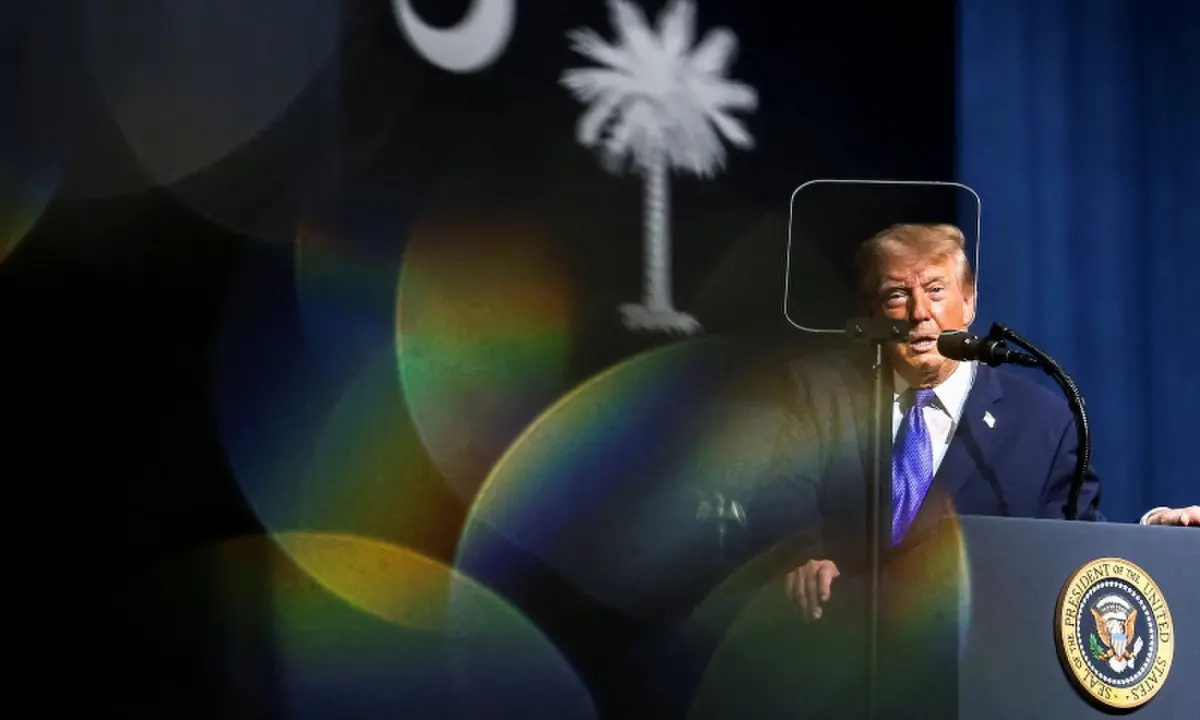
On Thursday, after campaigning for Senator Darline Graham in South Carolina, Trump ridiculed a Reuters reporter who asked how he felt after weeks of rallies and whether he was sick of travelling.
“You’ve been following me for two weeks,” Trump said before boarding his motorcade back to the White House.
Cinco grupos externos financiados en gran medida con dinero de origen opaco han inyectado más de 1.000 millones de dólares en la campaña de las elecciones de mitad de mandato de Estados Unidos. A poco más de una semana de la jornada electoral, se han batido todos los récords dentro del sistema electoral estadounidense, conocido por su elevado coste.
Un análisis de AFP de los datos federales muestra que solo cinco grupos conocidos como super PAC —comités de acción política— concentraban, a fecha del 25 de octubre, casi un tercio de todo el gasto ajeno a los partidos durante este ciclo electoral. Tres de esos cinco grupos se inclinan hacia los republicanos, y alrededor de dos tercios de los 1.000 millones de dólares gastados beneficiarán al Partido Republicano (GOP), impulsados por donantes ultrarricos próximos a los republicanos como Elon Musk, uno de los principales aliados del presidente Donald Trump.
Solo Musk ha aportado casi 450 millones de dólares a grupos republicanos, entre ellos el mayor de los super PAC, el Senate Leadership Fund. Mientras tanto, los demócratas cuentan con ventaja en la captación de fondos cuando se trata de donaciones directas a las campañas de los candidatos y a los comités nacionales del partido. Los candidatos demócratas en las contiendas competitivas por el Senado y la Cámara de Representantes han recaudado de forma constante más dinero que sus rivales republicanos.
Esto sugiere que los pequeños donantes de la base demócrata están altamente movilizados. Sin embargo, las complejas leyes electorales estadounidenses imponen límites estrictos a la cantidad que pueden donar los particulares, mientras que no existe límite —ni prácticamente control alguno— sobre cuánto pueden gastar los super PAC en favor o en contra de los candidatos.
Contribuciones ilimitadas
Los cinco grandes grupos que más gastan en este ciclo son, técnicamente, una combinación de super PAC y PAC híbridos, entidades que ni siquiera existían antes de 2010. Su auge se produjo a raíz de una sentencia del Tribunal Supremo conocida como Citizens United, que estableció que el Gobierno no puede limitar el gasto político de empresas, sindicatos y otros grupos siempre que este se realice de forma independiente de los candidatos.
Una decisión posterior de un tribunal inferior determinó además que estas organizaciones podían recaudar cantidades ilimitadas de dinero procedente de donantes. El resultado es que los grandes donantes pueden canalizar enormes sumas de dinero para tratar de influir en las elecciones y permanecer en el anonimato mediante aportaciones realizadas a través de organizaciones intermediarias.
En cambio, las contribuciones directas a la campaña oficial de un candidato están limitadas a apenas 3.500 dólares, mientras que las donaciones a los comités nacionales de los partidos tienen un tope de 44.300 dólares. El gasto de los PAC no ha dejado de crecer durante la era Trump, y las donaciones multimillonarias de Musk simbolizan la nueva realidad de una política en la que el dinero da acceso e influencia.
Pero el dinero por sí solo no basta, afirma Jen Heerwig, profesora asociada de Sociología en la Universidad SUNY-Stony Brook. «Lo que hemos visto es que, incluso en campañas en las que se gastan cientos de millones de dólares procedentes de super PAC, no tengo claro que eso vaya a comprar el resultado cuando no existe ese tipo de entusiasmo o respaldo de base hacia el candidato en esa circunscripción concreta».
Gasto dirigido
En todo el país, los super PAC han destinado mucho más dinero a las carreras por el Senado y lo han empleado principalmente en anuncios de ataque. La elección al Senado en Texas encabeza la lista en términos de gasto. El demócrata James Talarico se ha enfrentado a más de 200 millones de dólares en gasto externo en su contra mientras trata de convertirse en el primer demócrata en ganar una elección al Senado en Texas desde 1988.
En segundo lugar se encuentra la elección especial al Senado en Ohio, donde el demócrata Sherrod Brown también se ha enfrentado a una intensa campaña de gasto externo en su contra —casi 170 millones de dólares— en su intento de regresar al Senado. Este elevado volumen de anuncios de ataque es habitual, según Heerwig, ya que los super PAC tienden a producir principalmente contenido negativo y hacen el «trabajo sucio» de atacar a los rivales de los candidatos a los que apoyan.
Aunque ese gasto no garantice la victoria, la negatividad constante «es un problema porque alimenta nuestra sensación de desilusión y la escasa confianza en las instituciones que nos gobiernan», afirmó Heerwig.
JAKARTA, Indonesia — Air pollution from smoke emitted by months of wildfires across Indonesia caused an estimated 3,560 deaths in the vast Southeast Asian archipelago in September alone, according to a scientific study. The same month, about 57.8 million people were inhaling unhealthy to hazardous air, said the report by the Centre for Research on Energy and Clean Air (CREA), a Helsinki-based think tank. "Worsening air quality due to forest and land fires in Indonesia pushed the estimated death toll to 3,560 cases in September 2026, a twofold increase from the August estimate," said a CREA statement. The study estimated the number of deaths brought about by short-term exposure to PM2.5 pollution, which are deaths occurring within days of exposure. Most occurred on Indonesia's part of Borneo island as well as on Java and Sumatra islands and the country's east. The researchers also looked at non-fire pollution from urban and industrial emissions, and found it had caused a further 1,750 deaths in September for a total of 5,310 in the country of around 278 million people.
JAKARTA, Indonesia — Air pollution from smoke emitted by months of wildfires across Indonesia caused an estimated 3,560 deaths in the vast Southeast Asian archipelago in September alone, according to a scientific study. The same month, about 57.8 million people were inhaling unhealthy to hazardous air, said the report by the Centre for Research on Energy and Clean Air (CREA), a Helsinki-based think tank. "Worsening air quality due to forest and land fires in Indonesia pushed the estimated death toll to 3,560 cases in September 2026, a twofold increase from the August estimate," said a CREA statement. The study estimated the number of deaths brought about by short-term exposure to PM2.5 pollution, which are deaths occurring within days of exposure. Most occurred on Indonesia's part of Borneo island as well as on Java and Sumatra islands and the country's east. The researchers also looked at non-fire pollution from urban and industrial emissions, and found it had caused a further 1,750 deaths in September for a total of 5,310 in the country of around 278 million people.
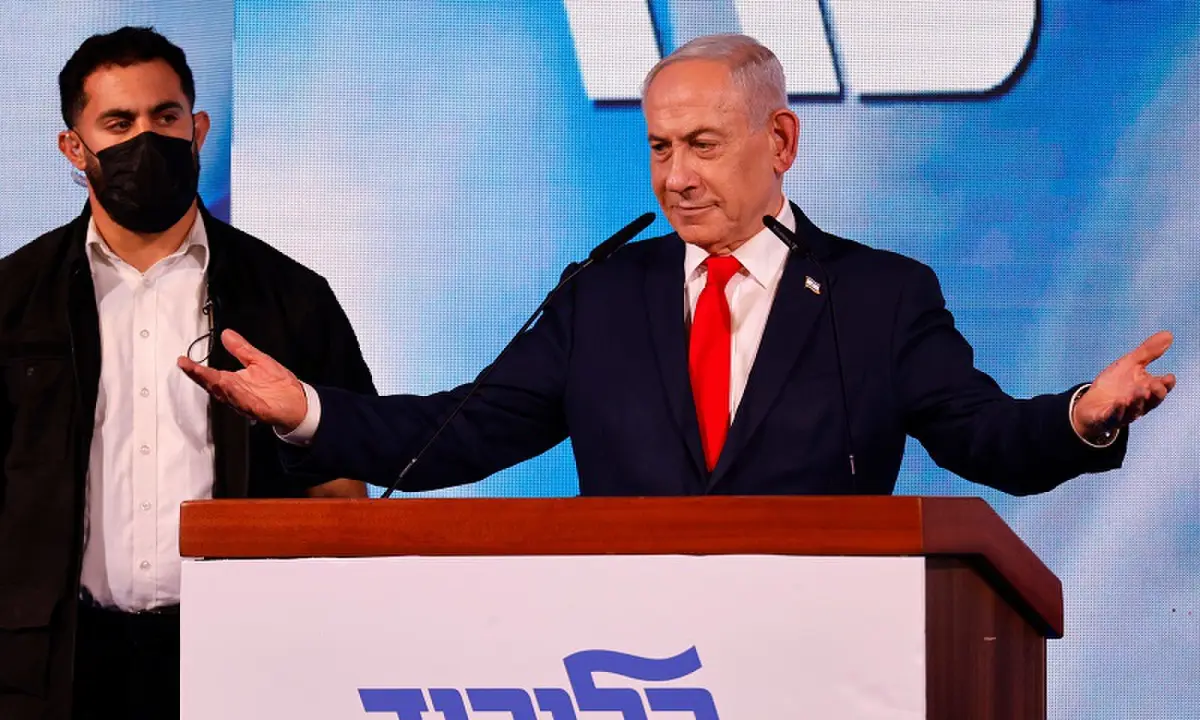
Israeli Prime Minister Benjamin Netanyahu’s camp finished ahead of the opposition but remained well short of a majority, final results from general election showed on Friday, setting the stage for tough coalition talks or potentially another vote.
Netanyahu’s coalition of right-wing and far-right parties won 53 of the Knesset’s 120 seats, with his Likud party remaining the largest faction with 27 seats.
The opposition bloc, led by centrist Gadi Eisenkot, secured 48 seats.
The results from the Central Elections Committee also cemented the emergence as potential kingmakers of the Arab party groupings Raam and the Joint List, with the two winning a combined 19 seats.
The fragmented outcome sets the stage for difficult negotiations to form a government that could last weeks, with no single bloc able to reach the 61-seat threshold needed and the prospect of another election remaining if talks fail.
The final tally came after Netanyahu’s camp spent Thursday amplifying unproven allegations that Arab-Israeli groups received foreign funding to influence the vote, accusations rejected by both Arab-majority lists and Qatar.
Israel’s Shin Bet domestic security service said it was investigating suspected irregularities, but stressed the probe was not intended to “cast aspersions or place blame on an entire sector that went out to vote in a democratic and lawful manner”.
The electoral commission also sought to calm tensions, with its acting director general Dean Livne saying any suggestion of widespread issues was “entirely groundless”.
Political earthquake
The controversy centred on allegations that Raam received money from Qatar, the energy-rich Gulf powerbroker that has channels to Hamas, to finance vote-buying operations.
“The Raamgate scandal is a political earthquake. Israel’s elections have been stolen!” Netanyahu’s Likud party alleged on Thursday.
Raam leader Mansour Abbas denied any wrongdoing and welcomed an investigation, while the Joint List accused Netanyahu and his allies of conducting a “campaign of incitement” out of fear of Arab voters’ growing political influence.
Government officials have so far provided no evidence to back the allegations.
Opposition figures accused Netanyahu of attempting to undermine confidence in the results after failing to secure a governing majority.
“He is trying to challenge the election results,” left-wing candidate Yair Golan said.
Eisenkot said he was briefed by the Shin Bet and the election committee, adding it was “too early to understand what happened, and whether anything happened at all”.
But he continued: “It’s already clear that Likud and Netanyahu have embarked on a coordinated, organised campaign seeking to delegitimise the results of the election.”
Netanyahu himself has long been under the cloud of allegations related to Qatar after the arrests last year of two of his aides for allegedly receiving payments from the Gulf state.
Qatar called the latest accusations “ridiculous and dangerous”.
Kingmakers under pressure
Yousef Jabareen, head of the Joint List, told AFP that he is willing to cooperate with the opposition to bring down Netanyahu but without joining it in a government.
Netanyahu had tried during the voting to raise allegations of fraud, saying that Arab parties were caught with envelopes of cash, and Likud peddled the accusations throughout Thursday.
Police said they arrested three suspects but the election commission called it an isolated local case.
 Login