❌

Reading view

China Aid to Venezuela: 5,000 Tons of Vital Relief Arrive for Recovery
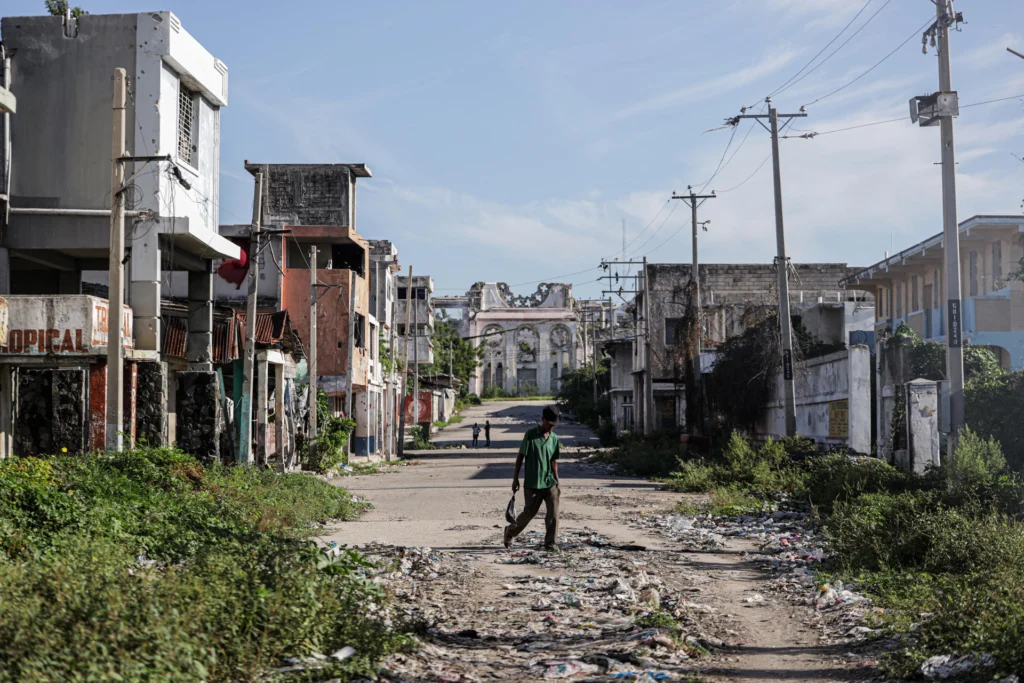
Heavy machinery and prefabricated homes arrive in Puerto Cabello as part of China aid to Venezuela for earthquake recovery.

China aid to Venezuela expands with 5,000 tons of machinery, prefab homes, and emergency supplies to speed recovery in La Guaira.

Related: Venezuela’s Sovereignty Is Not Up for Negotiation: Acting President Rodriguez


China Aid to Venezuela: 5,000 Tons of Vital Relief Arrive for Recovery

A second shipment of China aid to Venezuela arrived at Puerto Cabello on Saturday, bringing 5,000 tons of strategic material and humanitarian assistance to accelerate reconstruction in La Guaira after the June 24 earthquake sequence. The delivery includes heavy machinery, prefabricated housing, and emergency supplies for displaced families.

Acting President Delcy Rodríguez announced the arrival and described the shipment as evidence of a broader cooperation partnership between Caracas and Beijing. She said the new equipment will help clear debris faster and expand the country’s recovery capacity in the state most affected by the disaster.[telesurtv]

The shipment includes 87 units of heavy machinery for debris removal and urban reorganization, 1,800 prefabricated homes, 5,400 emergency cots, and 1,800 fans for direct humanitarian assistance. Officials said the equipment will support families temporarily housed in transit camps.[telesurtv]

¡564 nuevas viviendas para seguir avanzando en la recuperación de los hogares venezolanos! 🇻🇪

Desde Fuerte Tiuna y en distintos estados del país, entregamos viviendas a familias afectadas por el doble terremoto. pic.twitter.com/ku7t6NlBfx

— Delcy Rodríguez (@delcyrodriguezv) October 31, 2026

Faster Debris Clearance in La Guaira

Rodríguez said debris removal in La Guaira had reached 63 percent completion as of Saturday. She expressed confidence that the additional machinery would allow roads and public spaces to be fully cleared before the end of the year.[telesurtv]

“These teams will allow us to move faster in clearing debris,” Rodríguez said. “I am confident that, with the incorporation of this machinery, we will welcome the new year with roads and public spaces completely clean.”[telesurtv]

Public Works and Services Sector Vice President Juan José Ramírez said the equipment would immediately join the Dignified and Safe Clearance Plan, a program focused on environmental sanitation and the recovery of public spaces in La Guaira.[telesurtv]

The new machinery will create eight additional collection fronts, adding 12,000 tons to daily operational capacity. When combined with the existing 14 fronts, which process an average of 21,000 tons per day, total collection capacity is expected to reach 33,000 tons of material and debris daily.[telesurtv]

Xinhua

A Growing Humanitarian Bridge

The delivery expands the air and sea assistance corridor established by Beijing after the June emergency. China’s first shipment arrived at Simón Bolívar International Airport in Maiquetía on July 6.[telesurtv]

That initial delivery included 20 electric generators, 8 water-purification vehicles, 200 disinfection machines, 200 solar lighting systems, more than 1,700 tents, and 6,700 blankets.[telesurtv]

China’s support also includes a financial package announced by President Xi Jinping totaling $17 million: $2 million for the housing plan and $15 million for supplies and materials. The Chinese Red Cross Society additionally donated $300,000 to the Venezuelan Red Cross for medical supplies.[telesurtv]

Chinese residents in Venezuela have also joined relief efforts, supporting rescue teams and distributing essential goods in shelters.[telesurtv]

Chinese Red Cross Society

Housing Recovery Under Venezuela Renace

The new aid arrives as Venezuela’s Venezuela Renace recovery program reports progress on housing repairs and permanent relocation. Program president Jacqueline Faría recently said that more than 21,000 homes had been intervened and 3,503 permanent housing solutions delivered.[telesurtv]

Rodríguez reaffirmed that the government’s priority is to ensure that, by the end of the year, every family still living in temporary camps receives a new home, financed housing, or a dignified single-family transitional unit.[telesurtv]

The prefabricated homes in the latest shipment are intended for families currently staying in temporary shelters. Officials present the measure as part of a transition from emergency relief to longer-term reconstruction.[telesurtv]

China-Venezuela Cooperation Deepens

Chinese Ambassador to Venezuela Lan Hu said the 5,000-ton delivery reflects the solidarity of the Chinese people with Venezuelan families during the emergency. He described the aid as a sign of friendship from a country of 1.4 billion people.[telesurtv]

“These supplies represent hope and strength to rebuild homes,” Hu said. “We are convinced that Venezuela will soon be reborn as an even more prosperous nation.”[telesurtv]

The language reflects the political framing both governments have used throughout the recovery effort: China as a strategic partner, and the assistance as part of a broader bilateral relationship rather than a one-time disaster response.[telesurtv]

Geopolitical Context

The shipment underscores China’s growing role in Latin American disaster response and infrastructure cooperation. For Venezuela, Chinese assistance provides immediate relief capacity while reinforcing a relationship built on trade, energy, finance, and political alignment.

For Beijing, the operation strengthens its presence in the Caribbean Basin and demonstrates its ability to deliver large-scale humanitarian and logistical support abroad. The aid also arrives amid Venezuela’s continued efforts to rebuild public confidence after a disaster that China’s Foreign Ministry said left at least 920 people dead and hundreds trapped under rubble.[telesurtv]

The broader implication is that disaster recovery has become another arena of South-South cooperation. Venezuela’s reliance on Chinese machinery, housing, and financing highlights how bilateral partnerships can shape the pace and direction of post-disaster reconstruction in the region.[telesurtv][telesurtv]

UN Office for Disaster Risk Reduction

  •  

Violence Against Indigenous Communities: 30+ Alarming Cases Investigated in Brazil

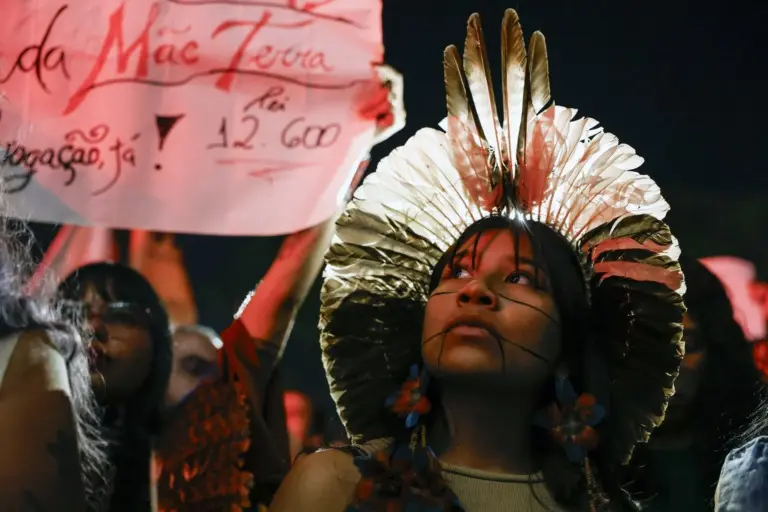
Guarani Kaiowá community members face violence against Indigenous communities in Mato Grosso do Sul, Brazil.

Brazil investigates violence against Indigenous communities in Mato Grosso do Sul after post-election threats, killings, and racist attacks.

Related: Tech Platforms Face Scrutiny Over Brazilian Election Interference


Violence Against Indigenous Communities: 30+ Alarming Cases Investigated in Brazil

Brazil’s Federal Police are investigating reports of violence against Indigenous communities in Mato Grosso do Sul following the country’s presidential election results. The cases include killings, hit-and-run attacks, death threats, racist abuse, and an alleged threat to poison water used by Guarani and Kaiowá families.

Brazil’s Ministry of Indigenous Peoples asked the Federal Police on Thursday to open a rapid and thorough investigation. The government said it is also maintaining contact with affected communities through its Department for Mediation and Conciliation of Indigenous Territorial Conflicts.[telesurtv]

The Articulation of Indigenous Peoples of Brazil (APIB) and the Aty Guasu Association are collecting complaints that could lead to formal legal action. APIB has recorded more than 30 episodes of violence connected to the electoral process.[telesurtv]

The Cases Under Investigation

Among the reported incidents are murders in Naviraí, a fatal hit-and-run in Coronel Sapucaia, death threats, racist statements, and threats to contaminate water consumed by Indigenous communities in Tacuru and Nioaque.[telesurtv]

In Tacuru, a municipal employee allegedly sent a WhatsApp message suggesting that the water used by residents of the Sassoró village be poisoned. The message reportedly read: “Put poison in the water, let’s kill these plagues.” The employee was removed from his duties after the incident became public.[telesurtv]

Ricardo Terena, legal coordinator for APIB, said water access in the region is precarious and that many communities depend on water delivered by tanker trucks. After the audio messages circulated, many residents stopped drinking the supplied water for fear of contamination.[telesurtv]

The Federal Public Prosecutor’s Office in Mato Grosso do Sul gave the Tacuru municipal government 24 hours to confirm whether the recordings were authentic, identify the person responsible, and explain what protective measures had been taken.[telesurtv]

A Pattern of Intimidation

Indigenous leaders say the violence intensified during the election period, but they stress that it reflects a longer-standing crisis. Intimidation, racist abuse, and physical attacks are not new for Guarani Kaiowá communities in the state.

Matías Benno Rempel, coordinator of the Indigenous Missionary Council (Cimi) in Mato Grosso do Sul, said pickup trucks circulated through Indigenous territories on Sunday and that several people were assaulted in an apparent effort to spread fear and prevent voting.[telesurtv]

“Now the region is in the spotlight,” Rempel told Agência Brasil. “But what happened this week—the attempted murders—happens constantly to the Guarani Kaiowá population.” He described so-called post-electoral violence as a permanent feature of rural militias.[telesurtv]

APIB data cited in the report indicate that six Guarani Kaiowá Indigenous people were killed in Mato Grosso do Sul between 2022 and 2026.[telesurtv]

External link: Agência Brasil

Lawmakers Demand Protection

Federal Deputy Célia Xakriabá of the Socialism and Liberty Party raised the issue before the Chamber of Deputies’ Human Rights, Minorities and Racial Equality Committee. She also cited a fire in the territory of the Tikmũn people, also known as the Maxakali, in Minas Gerais.[telesurtv]

“These are Indigenous peoples facing threats to their lives, water, and territories,” Xakriabá said. She called on public authorities to investigate the complaints and guarantee protection for affected communities.[telesurtv]

In Tacuru, village leader and local councilor Iván Montiel said he had received audio recordings containing discriminatory remarks attributed to two municipal employees. According to Montiel, those responsible have been identified and will face both criminal and civil proceedings.[telesurtv]

“We will not tolerate prejudice or the persecution of anyone,” Montiel said. “Democracy must always prevail, and therefore respect.”[telesurtv]

Lula Orders Ministers to the Region

President Luiz Inácio Lula da Silva ordered three ministers to travel to Mato Grosso do Sul on Friday to follow up on the threats and violence reported after the election.[telesurtv]

The delegation includes Eloy Terena, minister of Indigenous Peoples; Janine Mello, minister of Human Rights; and Wellington César Lima e Silva, minister of Justice. The ministers were scheduled to visit the Taquapiri and Sassoró villages on Saturday.[telesurtv]

“He asked us to go to the territory to closely monitor the situation,” Eloy Terena said.[telesurtv]

The federal government has created an interministerial task force, requested Federal Police investigations, and deployed the National Public Security Force to Sassoró, Taquapery, and Limão Verde.[telesurtv]

Violence Against Indigenous Communities in Context

The wave of threats in Mato Grosso do Sul cannot be separated from Brazil’s broader political polarization. Indigenous organizations say electoral disputes have become a trigger for attacks, particularly in regions where land conflicts, agribusiness interests, and armed rural groups intersect.

The Guarani Kaiowá live in one of Brazil’s most conflict-prone agricultural frontiers. Their territories are often surrounded by large farms, and disputes over land demarcation, water access, and public services have persisted for decades. Political tension has made those structural vulnerabilities more visible.

Similar concerns have emerged in the Amazon. Indigenous communities in Pará reported audio messages warning of possible illegal occupations of the Apyterewa Indigenous Territory if the far-right candidate Flávio Bolsonaro won the presidential runoff. Federal agencies, including the Federal Police, Ibama, the National Foundation of Indigenous Peoples, and the Ministry of Indigenous Peoples, coordinated monitoring in response.[telesurtv]

United Nations – Indigenous Peoples

A Test for Brazilian Democracy

The response from Lula’s government will be closely watched as a test of whether federal institutions can protect Indigenous citizens from political retaliation and organized rural violence. Investigations alone will not resolve land conflict, but civil society groups argue that accountability is an essential first step.

APIB has demanded that those responsible be held accountable if the allegations are confirmed. The organization has not released the full contents of its complaints or specified whether every case has already become the subject of an individual investigation.[telesurtv]

For Indigenous leaders, the immediate priority is safety: clean water, protection from armed groups, and assurance that communities can participate in democratic life without fear. The reported attacks show how electoral polarization can intensify pre-existing violence against Indigenous communities, particularly where territorial rights remain contested.[telesurtv][telesurtv]

Amnesty International – Brazil Indigenous Rights


  •  

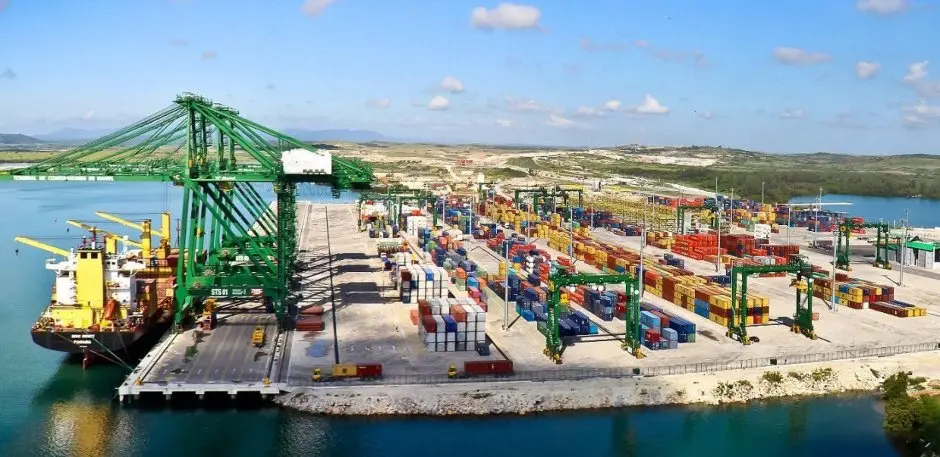
Cuba Will Celebrate Mariel Development Zone’s Anniversary Seeking More Investments

The Mariel Special Development Zone (ZEDM), Cuba’s largest economic enclave, will celebrate its thirteenth anniversary in November with a trade exhibition fair to attract capital, amid US sanctions that have scared away foreign investors, state media reported this Saturday.

INNOVA 2026: Youth-Led Science Weaving Cuba’s Future: Cuba Will Celebrate Mariel Development Zone’s Anniversary Seeking More Investments

The event, scheduled for November 2 and 3, aims to “promote articulation between users of the zone and the rest of the country’s new economic actors, as well as the promotion of products, services and new incentives to promote foreign trade and foreign investment,” the organizing committee pointed out.

The event, under the ZEDM’s maxim as “a door open to the world,” will take place in a context marked on the island by an oil embargo imposed by the US, and additional sanctions against more than thirty high-ranking officials and fifty state-owned companies, as well as its private sector and foreign investors.

🇨🇺 #Cuba La Zona Especial de Desarrollo Mariel (ZED Mariel), celebrará su décimo tercer aniversario con una Feria Expositiva Comercial, que tendrá lugar los días 2 y 3 de noviembre en el Complejo Histórico Militar Morro – Cabaña

+de 55 usuarios de la Zona

+de 200 participantes pic.twitter.com/sacLoIChWc

— Embacuba Panamá (@EmbacubaP) October 31, 2026

As a result, since May, when Washington’s sanctions began, Canadian mining company Sherritt – the largest investor – and the two largest shipping companies that served its ports, especially in Mariel (west), have announced their departure from the Caribbean country.

The bank that managed operations with Visa and Mastercard, and the main international hotel chains also left the island.

The commemoration of the anniversary of the zone, the Cuban government’s star project to attract foreign capital, will take place in the Morro-Cabaña complex in the Cuban capital and is expected to bring together more than 55 users, representing some two hundred participants as exhibitors.

During the two-day meeting, exchanges with representatives of the enclave will take place, as well as discussions on the present and future for private actors, the organizers said.

Cuba has been mired in a severe economic crisis for more than six years, marked by both internal and external reasons. The tightening of US sanctions and failed national economic and monetary policies have aggravated the structural problems of the Cuban economy.

  •  

Coalition Against the Cartels of the Americas: 3 Major Risks for Chile

Coalition Against the Cartels of the Americas: Chile evaluates security cooperation with the United States.marigolds, candles, sugar skulls, and family offerings.

Chile weighs joining the Coalition Against the Cartels of the Americas amid a 30-day U.S. deadline and growing sovereignty concerns.

Related: Chile Launches 63rd Antarctic Scientific Expedition with International Cooperation


Coalition Against the Cartels of the Americas: 3 Major Risks for Chile

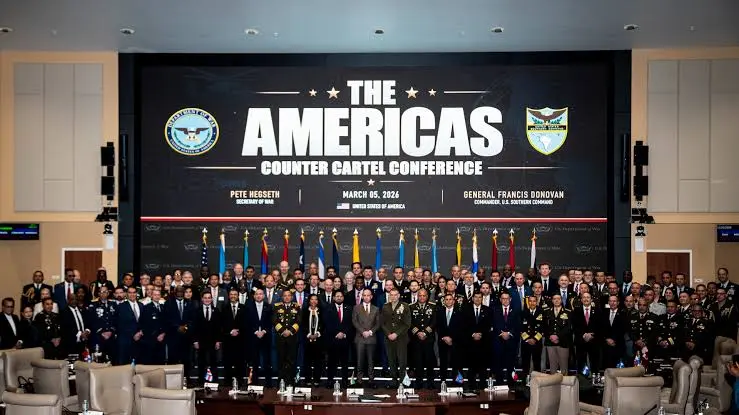
Santiago, Chile — October 31, 2026. Chile is weighing whether to move from observer status to full membership in the Coalition Against the Cartels of the Americas (A3C), a security initiative promoted by U.S. President Donald Trump’s administration and linked to the so-called Shield of the Americas. The decision has become a sensitive test of Chile’s security policy, congressional oversight and diplomatic autonomy.emol

Washington has given invited governments a 30-day deadline, which may be extended, to decide whether they will join the coalition. Chile attended the meeting convened in the Dominican Republic but has so far chosen to remain an observer. Interior Undersecretary Máximo Pavez conveyed that position to the organizers.emol

The government has not announced a final decision. Instead, it has begun consulting Congress and several public institutions to assess the potential consequences of joining. The debate comes at a moment when Chile is seeking to strengthen its response to organized crime without surrendering control over policing, intelligence or military operations.emol

The A3C is described by its promoters as a military and security arm of the Shield of the Americas. Its stated objective is to dismantle transnational criminal infrastructure through intelligence sharing, logistical coordination, border control and financial investigations.emol

Chile already belongs to the Shield of the Americas alongside 16 other countries. The A3C currently includes 19 adherent states, according to information published by Chilean daily El Mercurio.emol

A 30-Day Deadline

Although the Chilean government has avoided a formal commitment, the U.S.-imposed deadline has turned the issue into an immediate priority for national security and foreign policy. Officials are seeking to explain the proposal to lawmakers and public agencies before taking a position.emol

The debate intensified after reports suggested that Chile might decline to join the mechanism. Government coalition parties have asked the Executive to clarify the legal and operational scope of any possible membership.emol

Reports have also pointed to possible divisions within the cabinet. According to El Mercurio, presidential chief adviser Alejandro Irarrázaval would favor joining the A3C, while Defense Minister Fernando Barros would prefer that Chile remain an observer.emol

That tension reflects a broader dilemma. The question is not only whether Chile should cooperate more closely with the United States against drug trafficking, but how much cooperation is compatible with Chilean sovereignty, constitutional limits and the legal roles of the Armed Forces, Carabineros and the Investigative Police.emol

What the Coalition Offers

Supporters of the A3C argue that it would help Chile confront criminal networks that operate across borders, maritime routes, land corridors and financial systems. They say membership could provide access to U.S.-funded intelligence, technology, training and logistical support.emol

Richard Kouyoumdjian, executive vice president of the security think tank AthenaLab, supports Chile’s incorporation. He argues that the current version of the coalition is “a considerably watered-down” version of the original idea.emol

Kouyoumdjian believes there was a communications error when the A3C was first presented. In his view, it was portrayed as an exclusively military initiative, when it should be understood as a technical security-coordination framework that does not alter national sovereignty.emol

“Any effort that provides greater capacity to combat organized crime is positive, especially when it involves transnational organized crime,” Kouyoumdjian told El Mercurio.emol

He added that much of the organized crime present in Chile is imported, which makes international cooperation necessary. From his perspective, U.S. financing could translate into intelligence, logistical and technological resources that would strengthen Chilean institutions.emol

U.S. Department of State — for official U.S. policy on international counternarcotics cooperation.

Arguments for Membership

Hugo Harvey, an international affairs analyst at Universidad del Desarrollo, believes there are “sufficient reasons” for Chile to move from observer status to full participation. He sees the A3C as the most strategic security component of the Shield of the Americas.emol

According to Harvey, the coalition seeks to turn political will into concrete operations: intelligence exchange, logistical coordination, border control and financial investigations against transnational criminal organizations.emol

His central argument is that Chile faces a transnational crime problem that cannot be solved effectively within one country’s borders. He points to drug trafficking, human trafficking, smuggling and money laundering as threats requiring regional coordination.emol

However, Harvey rejects the claim that joining the coalition automatically means surrendering sovereignty or accepting military obligations. He argues that each state determines the type and degree of cooperation permitted under its own laws.emol

Chile, he says, could share or receive intelligence, financial information, logistical capabilities, maritime surveillance or border coordination without deploying troops. He also cites the Inter-American Treaty of Reciprocal Assistance, known as the Rio Treaty, which states that no country can be forced to use armed force without its consent.emol

External link suggestion: Organization of American States — for regional security frameworks and inter-American legal instruments.

Staying Out Is “Not Neutral”

Harvey also warns that remaining outside the coalition would not be a neutral choice. “Organized crime is adaptive and changes routes, bases and jurisdictions when pressure increases in certain areas,” he said.emol

If several countries in the region strengthen coordination, intelligence sharing and border controls at the same time, criminal organizations could redirect operations toward jurisdictions seen as less coordinated or more vulnerable. “Chile should not involuntarily offer that advantage,” Harvey argued.emol

For him, the real challenge is not choosing between cooperation and sovereignty. It is cooperating while preserving sovereignty by clearly defining which capabilities Chile shares, which it receives and how far it is willing to participate in joint operations.emol

Harvey also criticized political sectors that reject the initiative simply because it brings together ideologically aligned governments. “The real question is whether the mechanism produces results, becomes institutionalized and respects international law and national legislation,” he said.emol

Sovereignty and U.S. Control

Critics see greater risks. International relations analyst Paulina Astroza warns that the initiative could place responsibilities normally handled by Chilean police or the Armed Forces under U.S. control.emol

Astroza argues that, based on the information available about the Dominican Republic meeting, there is no explicit text defining the legal implications of membership. That lack of clarity, she says, makes it difficult to assess the obligations each country would assume.emol

“The main problem I see for Chile is that this is an initiative that places tasks belonging to the police — Carabineros and the Investigative Police in our case — or to the Armed Forces of participating countries under U.S. control,” she told El Mercurio.emol

She believes that applying such an arrangement would be legally impossible without an international agreement approved by Congress, because it would affect sensitive aspects of national sovereignty. Politically, she considers it dangerous.emol

Astroza links the A3C to what she describes as a “highly questionable” U.S. foreign-policy approach. While she acknowledges that fighting drug trafficking is a legitimate objective, she fears the coalition could open the door to foreign armed forces entering Chilean territory.emol

She specifically raises concerns about drones and autonomous surveillance technologies that could be introduced in a later phase. “Who has the capacity to do all this? The United States. Who has the technology and know-how? The United States,” she said.emol

For Astroza, the coalition would ultimately align Chile with Washington’s national security and defense strategies, echoing what she describes as the Monroe Doctrine. She calls that prospect “very dangerous for states.”emol

United Nations Office on Drugs and Crime — for international standards on transnational organized crime and drug control.

Geopolitical Context

The Chilean debate takes place within a wider struggle over the future of security cooperation in the Western Hemisphere. The United States is seeking to align Latin American governments around a common defense and counternarcotics agenda, while several governments and analysts fear that such coordination may deepen U.S. influence in the region.emol

For Washington, the A3C represents a way to coordinate action against cartels and other criminal networks that operate across national borders. For regional governments, however, participation raises questions about operational independence, military presence, data protection and the limits of foreign intervention.emol

The issue is particularly sensitive because the coalition’s technological, financial and military capacities are concentrated in the United States. Critics argue that this asymmetry could turn a multilateral framework into a mechanism of hemispheric control.emol

Chile’s decision could therefore carry significance beyond its borders. Full membership would strengthen a U.S.-led security architecture and signal closer alignment with Washington. Remaining an observer would signal greater caution and preserve room for an independent regional security policy.emol

What Comes Next

Any formal incorporation into the Coalition Against the Cartels of the Americas would require rigorous congressional review. The proposal touches defense, international cooperation, intelligence sharing and the possible presence or intervention of foreign forces.emol

For now, Santiago remains cautious. The government has declined to publicly commit to full membership while it evaluates the operational benefits of the coalition and the political, legal and sovereignty-related risks raised by its critics.emol

The outcome will help define Chile’s position in an increasingly contested regional security landscape. It will also test whether Latin American governments can pursue practical cooperation against organized crime without weakening their democratic institutions or strategic autonomy.


  •  

Day of the Dead Origins: 3 Powerful Myths Historians Finally Debunk

Traditional Mexican altar showing the Day of the Dead origins through marigolds, candles, sugar skulls, and family offerings.

Discover the true Day of the Dead origins: how Indigenous traditions and Catholic rituals shaped Mexico’s living celebration of remembrance.

Related: Mexico City Unveils Record 33-Meter Catrina for Day of the Dead


Day of the Dead Origins: 3 Powerful Myths Historians Finally Debunk

The Day of the Dead origins are far more complex than the popular claim that Mexico’s celebration is simply “3,000 years old.” According to researcher Andrés Calderón Fernández of the Museo del Carmen, the holiday emerged from a sustained encounter between Indigenous beliefs and Catholic practice during the colonial period.

Calderón studies religious syncretism, the cultural legacy of Spanish rule in the Americas, and the symbolism behind Mexico’s annual remembrance of the dead. His central argument is clear: pre-Hispanic peoples honored death, but the modern Día de los Muertos took shape through negotiation, adaptation, and transformation.[ich.unesco][britannica]

A Living Tradition, Not a Frozen Relic

In an interview with teleSUR Latinoamérica’s special program Cultura y devoción, hosted by journalist Aissa García, Calderón explained why the Day of the Dead should not be treated as an unchanging relic. The celebration is alive, and each generation adds new customs to it.

He argues that many elements now considered essential to an ofrenda—such as sugar skulls, layered altars, candles, bread, mole, cigarettes, and beer—have specific historical trajectories. Some reflect colonial Catholic practices; others emerged later as families personalized their tributes.[smithsonianmag]

The result is not a single ancient ritual preserved intact. It is a living cultural language, continually reshaped by Indigenous communities, the Catholic Church, Mexican nationalism, migration, and popular culture. UNESCO recognizes the Indigenous festivity dedicated to the dead as Intangible Cultural Heritage of Humanity, describing it as a fusion of pre-Hispanic rites and Catholic feasts introduced in the sixteenth century.[ich.unesco]

UNESCO – Indigenous festivity dedicated to the dead

Before the Conquest: Death as a Continuation

For the Mexica, commonly known as the Aztecs, death was not an ending. It was a continuation of existence, though the destination of the deceased depended less on how a person had lived than on how that person died.

Calderón explains that people who died of old age or illness were believed to travel to Mictlán, a damp, subterranean realm where the dead still needed food, water, and tools. This helps explain why burials could include a metate, the grinding stone used to prepare corn.

Warriors and others who died in particularly significant circumstances were believed to have different destinies. Death was not uniform, and neither was the afterlife. Mesoamerican societies maintained rituals for the dead, offerings, and beliefs in a relationship between the living and their ancestors.[britannica][online.utpb]

But Calderón draws an important distinction: those ancestral beliefs do not equal the modern Day of the Dead. The present celebration is specifically connected to Catholic commemorations of All Saints’ Day and All Souls’ Day.[ich.unesco][britannica]

The Catholic Encounter That Shaped the Holiday

The modern celebration grew out of what Calderón calls a negotiation between Indigenous communities in New Spain and the Catholic friars who brought European religious festivals.

Catholic teaching distinguished between saints, who were believed to be in the presence of God, and ordinary souls, who might be in purgatory. Indigenous converts asked a practical question: where were their deceased relatives?

That question made the Feast of the Faithful Departed—All Souls’ Day—especially meaningful. Although the Church promoted All Saints’ Day, particularly after the Council of Trent, many Indigenous families gravitated toward the commemoration of ordinary dead because it spoke directly to their ancestors.[britannica][smithsonianmag]

Britannica – Day of the Dead

Why the ‘3,000-Year-Old’ Claim Falls Short

One of the most persistent myths about the Day of the Dead origins is that today’s altars have existed unchanged for three millennia. Calderón calls that claim historically incorrect.

Pre-Columbian cultures certainly practiced rites connected to death. Yet the Catholic imprint transformed those practices so deeply that the modern festival cannot be described as a direct survival of an ancient ceremony. The continuity is real, but it is not simple.

The holiday’s recognizable form developed over centuries: it changed during the colonial period, evolved further in the nineteenth century, and largely consolidated into its present shape during the twentieth century. Historians also note that the festival’s modern national prominence was reinforced after the Mexican Revolution, when state and cultural projects promoted a shared national identity.[sortiraparis]

That does not diminish its Indigenous roots. Instead, it restores the agency of Indigenous peoples, who did not merely receive Catholic traditions but actively interpreted, adapted, and preserved elements of their own worldview within a colonial context.

Inside the Museo del Carmen Exhibition

The interview takes place beside a funeral catafalque at the Museo del Carmen in Mexico City. The display recreates the funeral rites of Saint John of the Cross, the Carmelite friar and mystic, marking 300 years since his canonization in 1726.[inah.gob][inah.gob]

The exhibition-altar brings together 84 works, including paintings, books, a sculpture, and a reliquary. It invites visitors to see how Catholic communities once commemorated eminent religious figures through elaborate funeral displays.[inah.gob]

In that setting, Calderón explains a detail that may surprise modern visitors: flowers were placed around the body because, in practical terms, the dead began to smell. Over time, flowers acquired a devotional meaning. When a person had a reputation for holiness, mourners sometimes took flowers home as relics.

INAH – Museo de El Carmen exhibition

From Sacred Attributes to Personal Offerings

The exhibition also helps explain one of the most familiar features of a Day of the Dead altar: the objects placed beside a photograph or image of the deceased.

In Catholic funeral tradition, an attribute identified a holy figure. A book and quill, for example, represented Saint John of the Cross as a mystical writer. Calderón argues that this practice gradually evolved into the modern custom of placing items associated with a loved one’s tastes.

That is why an ofrenda may include cigarettes, beer, pan de muerto, mole, fruit, or a favorite dish. The object began as a religious symbol and became a personal memory. The shift from attribute to preference reveals how a sacred form adapted to family life.[smithsonianmag]

Sugar Skulls and the Memory of Bones

Sugar skulls, or calaveritas de alfeñique, are another example of transformation. In colonial convents and churches, remains of deceased religious community members were sometimes brought from ossuaries and displayed during funeral rites.

Modern sensibilities and hygiene practices ended that custom. In its place came decorative skulls made of sugar, later given names to identify the person being remembered.

The meaning remained connected to death, but the form became gentler and more accessible. Calderón sees this as evidence that tradition survives not by remaining identical, but by changing its language while preserving its emotional purpose.

What the Altar Still Remembers

Many families build Day of the Dead altars in levels without knowing why. Calderón connects the practice to colonial cenotaphs and funeral monuments, which could have multiple tiers associated with the levels of purgatory.

In theory, a catafalque might have seven levels, corresponding to the seven levels of purgatory. In practice, colonial examples often had two, three, or four. Today’s domestic altars preserve that visual memory, even when families simply say, “My parents arranged it this way.”

Candles, layered platforms, flowers, food, and images of the dead therefore carry layered histories. They link a contemporary home altar to Catholic ideas of prayer, purgatory, and intercession, as well as to Indigenous practices of honoring ancestors.[ich.unesco][online.utpb]

Geopolitical and Cultural Context

The Day of the Dead is no longer only a Mexican celebration. Its imagery, food, music, and public processions now appear across Latin America, the United States, Europe, and Asia, driven by migration, cinema, tourism, and social media.

That global reach has brought visibility, but also tension. Commercial versions can flatten a sacred family ritual into decoration or entertainment. At the same time, diaspora communities use the holiday to maintain ties to language, ancestry, and homeland.

The broader significance is geopolitical as well as cultural. The festival challenges older colonial narratives that portrayed Indigenous peoples as passive recipients of European culture. Calderón’s work emphasizes continuity and agency: Indigenous communities remained central actors in New Spain, even as Catholicism reshaped public and private life.

A Tradition That Refuses to Disappear

The final lesson of Calderón’s research is that the Day of the Dead is neither a museum piece nor a postcard. It is a living tradition born from encounter, transformed by colonial rule, consolidated in modern Mexico, and still open to new meanings.

The proof is visible in every home altar: in the levels that recall purgatory, in sugar skulls that replaced displayed bones, and in books and quills that became cigarettes, bread, and mole. The Catholic faith left a profound mark, but Indigenous customs endured.

The faith was imposed. The customs remained.


  •  

Mexico Deploys 1,600 More Naval Personnel in Sinaloa Amid Rise in Homicides

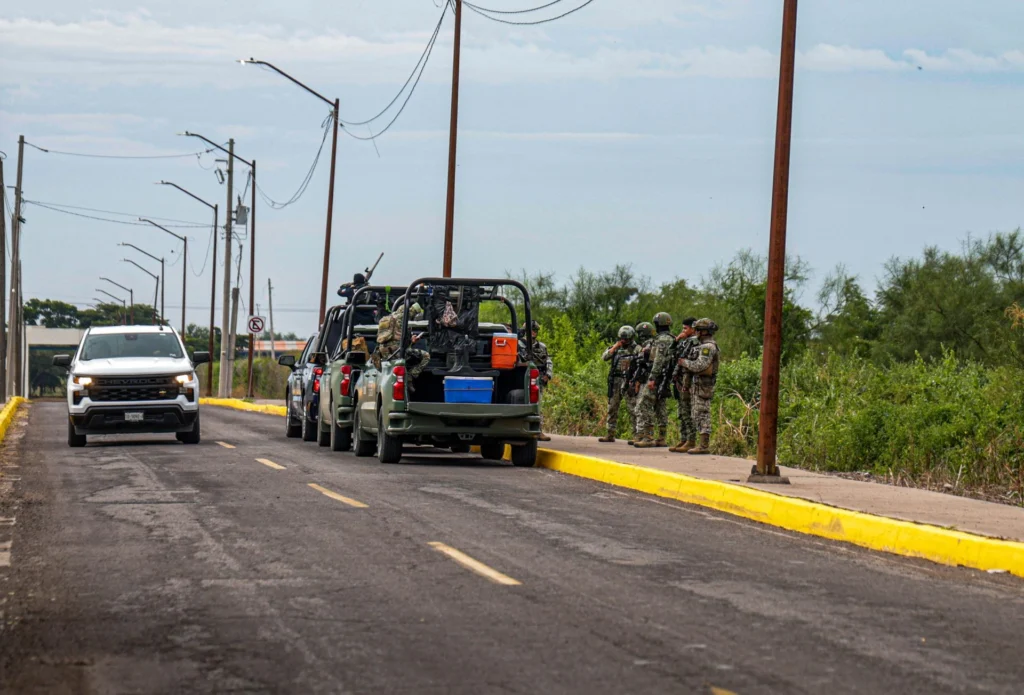
The Mexican government, through the Secretary of the Navy (Semar), reported this Saturday the deployment of an additional 1,600 naval personnel in the northwestern state of Sinaloa, following an increase in homicides acknowledged by the country’s president, Claudia Sheinbaum.

Operative of the Guasave Cartel in Sinaloa Dies During Mexican Security Operation: Mexico Deploys 1,600 More Naval Personnel in Sinaloa Amid Rise in Homicides

The agency announced on its social networks the military deployment, as well as the strengthening of surveillance on highways, beaches, and tourist areas, particularly in Mazatlán, where an escalation of violence linked to conflicts between Los Chapitos and Los Mayos, rival factions of the Sinaloa Cartel, persists.

Semar’s actions come within the framework of the visit to the region by Admiral and Secretary of the Navy, Raymundo Pedro Morales Ángeles, to meet with Governor Graciela Domínguez Nava and representatives of the “main business sectors of the state.”

“It was proposed to promote the reactivation of Sinaloa through the strengthening of the circular economy, construction, and the different productive sectors, promoting investment, job creation, and the well-being of families,” the Secretariat explained in a statement.

En #Sinaloa fortalecemos la coordinación de #Marina con el Gobierno estatal @sinaloagobmx y los sectores productivos para reforzar la seguridad y recuperar espacios públicos para las familias.

Con más de 1,600 elementos navales adicionales, reforzamos la vigilancia en… pic.twitter.com/uIuACRn74f

— SEMAR México (@SEMAR_mx) October 31, 2026

In addition to “promoting actions to recover public spaces and generate security and trust conditions that allow families to once again enjoy parks, squares, and places of coexistence.”

Semar’s response comes after Sheinbaum acknowledged an increase in homicides in Sinaloa.

“There has been an increase in homicides in Sinaloa in the last two months and particularly in recent weeks,” the president stated during her morning press conference last Wednesday.

The statements by the head of the Executive occurred after Semar reported the death of two alleged members of organized crime during a confrontation on Monday in the municipality of Sinaloa.

One of the alleged deceased is Jesús González Peñuelas, alias ‘Chuy Peñuelas’, identified as one of the main operators of the Guasave Cartel and for whom the United States offered a five-million-dollar reward.

Sinaloa has been experiencing a security crisis since September 2024, when a dispute erupted between factions of the Sinaloa Cartel after the capture in the United States of Ismael ‘El Mayo’ Zambada, one of the organization’s founders.

Just on September 15, the Mexican government reported the deployment of an additional 1,800 security and military agents to those announced this Saturday.

  •  

Caribbean Countries Demand Reparations to the UK for the Slave Trade

The Caribbean Community (Caricom) maintains as one of its priorities the demand for reparations from the United Kingdom for the transatlantic slave trade, a claim it plans to make during the meeting of heads of government of the Commonwealth of Nations.

UK Rejects Jamaica’s Historic Demand for Slavery Reparations: Caribbean Countries Demand Reparations to the UK for the Slave Trade

This summit, which takes place between this Sunday and next Wednesday in Antigua and Barbuda, a Caricom member and former British colony, will be attended by King Charles III, who this week also visited the Bahamas and Guyana.

Prior to the event, Carla Barnett, secretary-general of Caricom, an organization made up of fifteen Caribbean countries with headquarters in Guyana, assured that the issue of reparations is on their agenda because they are “crimes against humanity that we can never forget.”

Barbados welcomes the UK Prime Minister’s acknowledgement of the brutality of the transatlantic slave trade, his openness to a formal apology and his offer of structured dialogue.

We will engage in good faith as a member of CARICOM, while speaking plainly and respectfully about… pic.twitter.com/wdZRnYnvzm

— Mia Amor Mottley (@miaamormottley) October 30, 2026

For Barnett, it is “a crucial moment in the search for reparative justice,” after the historic UN resolution declaring the trafficking of enslaved Africans as “the most serious crime against humanity.”

Barbado Prime Minister Mia Mottly said in a statement that her country welcomes the UK Prime Minister’s acknowledgement of the brutality of the transatlantic slave trade, his opening to a formal apology and his offer of structured dialogue. Barbados, as a member of CARICOM, will engage in good faith while expressing its differences on reparations in a clear and respectful manner.

These differences should not stand in the way of progress in areas such as health, education, fighting poverty and inequality, and securing fairer debt terms for vulnerable states. The CARICOM Ten-Point Plan will continue to guide the quest for restorative justice.

The Commonwealth is made up of 56 countries with historical ties to the United Kingdom, including many African nations and most members of Caricom, an organization that created the Reparations Commission in 2013.

The president of this Commission, Barbadian historian Hilary Beckles, this month called for a resumption of the international debate on reparative justice and urged the United Kingdom and the Commonwealth to take concrete action.

“A democratic decision has been made on a global scale. The vast majority of humanity has stated that it is time to sit down and dialogue about the methodologies for repairing the legacies of this crime,” Beckles affirmed.

The historian insisted on the issue again this week and addressed Charles III directly, “the man who today reflects on his family’s history,” urging him to use his position as head of the Commonwealth to promote this dialogue.

  •  

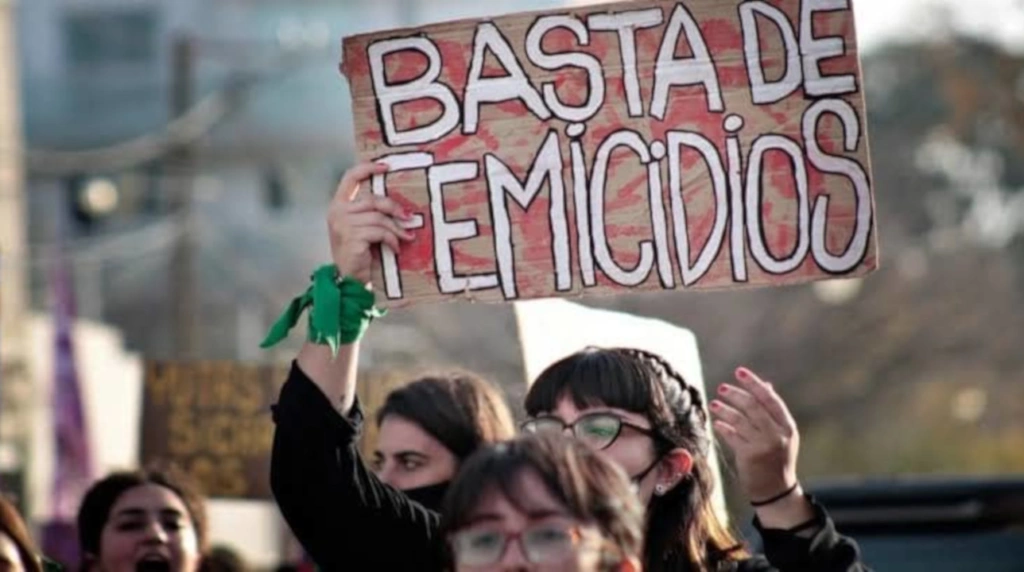
Argentina Records 36 Femicides in October, Worst Month Since 2022

Argentina recorded 36 femicides in October, the highest monthly figure in recent years, according to data released by the Women’s Observatory of the Latin American Matria (MuMaLá).


The increase came to light after the discovery of the body of Nancy Godoy, a teacher and substitute director of a rural school in Corrientes province, who had been missing for 20 days.

Godoy was found lifeless in an old field near the school where she worked, in the El Malezal area, according to the account. Her death adds to a list of victims that includes Débora, Bárbara, Tatiana and Daniela, women killed in different episodes during the year.

RELATED: Science, Women, and Research Beyond Reproduction

A woman is killed every 30 hours in Argentina for gender-related reasons, according to the observatory. “There have already been 239 femicides in the country from January 1 to October 30. With 36 femicides recorded this month, it is the worst October since 2022. In Argentina, we mourn one (1) femicide every 30 hours; as an irreversible consequence, 179 children and adolescents were left without mothers. Attempts to kill us for gender reasons totaled 728,” MuMaLá’s Gender Observatory said in a post on X.

EL PEOR OCTUBRE EN 5 AÑOS❗️

ESTAMOS EN EMERGENCIA EN VIOLENCIA DE GÉNERO🚨… pic.twitter.com/GqpFZAJYD8

— MuMaLá (@MuMaLaNacional) October 30, 2026

The organization also expressed concern about media treatment of some cases, especially those related to women who engaged in sex work, saying certain coverage resorts to sensationalist approaches that can contribute to stigmatizing victims.

The statistics contrast with official data previously disclosed by Minister of National Security Alejandra Monteoliva. According to the National Registry of Femicides of the Argentine Justice System, until a little more than two months ago, a woman was reported killed for gender reasons every 44 hours during 2025.

Feminist collectives question the scope of those records and maintain that numerous cases are not incorporated into judicial statistics, estimating the number of victims would be at least 71 cases higher than that reflected in official reports.

  •  

Ecuador Health, Education Can Be Funded by Debt Under Noboa Decree

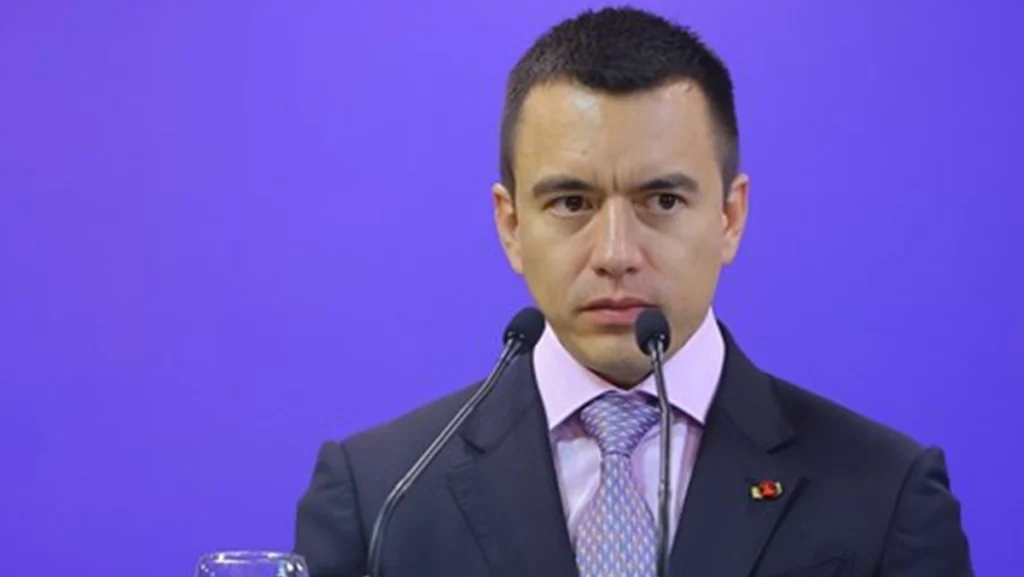
(FILE) Ecuadorian President Daniel Noboa. Photo: EFE

Ecuador’s President Daniel Noboa has authorized financing permanent public-sector expenses, including health and education, with extraordinary revenues or debt in 2027 under Executive Decree 527, signed October 29.


The decree establishes an exception to the fiscal rule and orders the authorization to be incorporated into next year’s General State Budget.

RELATED: Ecuador Protesters March Against Noboa Ahead of Local Elections

Ecuadorian regulations require permanent expenses to be financed, as a general rule, with permanent revenues, though the Constitution exceptionally permits health, education and justice obligations to be covered with non-permanent resources.

Non-permanent revenues include money from oil and public-good sales and extraordinary resources the State does not receive regularly. The Government may also resort to loans, which it must repay in the future.

⭕️ #ATENCIÓN | Daniel Noboa emitió el Decreto Ejecutivo 527, que declara la excepcionalidad de la regla fiscal para 2027. La medida permitirá financiar gastos permanentes en salud, educación y justicia con ingresos no permanentes, apartándose de la regla fiscal vigente.… pic.twitter.com/MwX7okpWM0

— Radio Pichincha (@radio_pichincha) October 30, 2026

The measure emerged days before the legal deadline for the Executive to present the 2027 budget draft to the National Assembly, set for Saturday, October 31. Noboa already used the mechanism for the 2026 fiscal year through Executive Decree 199, signed in October 2025.

The Dollarization Observatory, a collective specializing in economic analysis, warned that repeatedly using temporary revenues for recurring obligations can compromise fiscal sustainability and hinder the continuity of public services. “Attention! They are leading us into a dead end, and the privatization of health and education will be imminent,” the organization said in a statement.

The body also questioned the growing weight of public indebtedness and warned that new credits to cover state obligations can increase interest payments and reduce resources for social needs. “The moment will come—not very far off—when they will simply say that budget revenues (…) will not allow these services to be maintained and, therefore, they will have to be restricted or eliminated,” the Observatory said.

  •  

Mexico Rejects Texas Land Claim on 9 Rio Bravo Islands

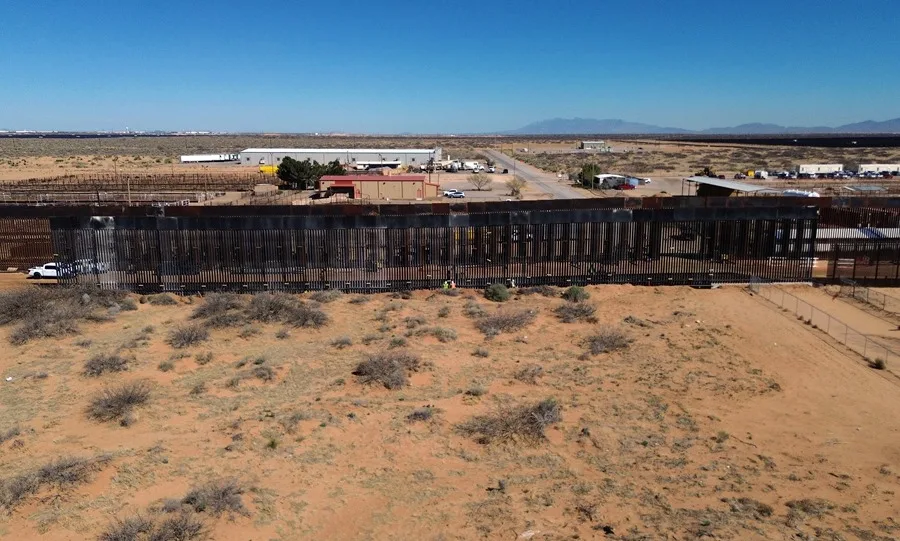
Mexico rejected Texas’s claim that nine Río Bravo islands belong to it, underscoring that the border cannot be modified by a state government’s decision.


In an information note, the Mexican Foreign Affairs Secretariat stressed that the 1970 Boundary Treaty between the two countries establishes that, in Río Bravo, the international boundary runs through the center of the river’s normal channel.

RELATED: Mexico to Invest $1.3 Billion to Improve Water Supply in Guadalajara

“That boundary determines the sovereignty of the lands on both sides of the border, regardless of the prior sovereignty those lands may have had,” the ministry said.

The authority also specified that the International Boundary and Water Commission (CILA) is the body empowered by both governments to apply the Treaty and determine which side of the boundary each island is on, and that no state authority has that attribution.

Under the pact, it added, neither country may build works that, in CILA’s judgment, could divert or obstruct the normal flow of the river.

🇲🇽🇺🇸 “Borders can't be modified by a state government."

Mexico's Secretariat of Foreign Affairs responded sharply to Texas officials claiming nine Río Grande islands, emphasizing that international treaties define the sovereign limits between Mexico and the U.S. pic.twitter.com/4hUw1vu0HL

— Voice of Mexico (@VOMexico) October 31, 2026

Texas authorities in the United States designated nine islands located on the water border between the two nations, at the level of its territory between Laredo and McAllen, as property of the demarcation. In a statement, Dawn Buckingham, the state’s land commissioner, granted authorization for the state’s Army to access those small territories with the purported objective of maintaining the “operational security” of the southern border.

Meanwhile, Mexico says it will closely monitor any action in the area and reiterated its commitment to compliance with the treaties governing the common border and to bilateral dialogue through the established mechanisms.

Amid questioned statements on security made by the United States since Donald Trump took the Presidency in 2025, Mexico has stressed the existence of bilateral coordination and collaboration, but without subordination and with unrestricted respect for sovereignty.

  •  

Colombia Museum Restores 63 Pieces After Court Reverses Government Censorship

Colombia’s National Museum reinstated 63 artistic and historical pieces on Friday by court order after their October 15 removal as part of the government’s “cultural battle,” a move denounced as an attempt to censor historical memory.


Family Court 24 of Bogotá gave the Ministry of Cultures and the National Museum 48 hours to reverse the earlier action. The order specifies that no authority may remove pieces because of their content, ideological stance or political perspective.

The venue is again displaying cases, panels and audiovisual elements with materials showing key passages of Colombian politics, and its rooms show promotional posters for the presidential candidacies of Carlos Pizarro and Bernardo Jaramillo Ossa, left-wing figures assassinated in 1990.

RELATED: Colombian Opposition Raises Concerns Over Memorandum with the U.S.

Among the returned pieces are several related to feminist struggles, LGTBI movements, victims of the armed conflict and the 2016 peace process, including the “Balígrafo,” the pen manufactured from a bullet casing used in the signing of the peace agreement with the FARC.

The earlier removal was part of the “cultural counterrevolution” announced by Colombian President Abelardo de la Espriella, while Paola Holguín, minister of culture, said museums “must not serve as instruments of political indoctrination or spread biased versions of history.”

Among the removed pieces were a pride flag belonging to activist Elizabeth Castillo; a poster of Bernardo Jaramillo Ossa, the Patriotic Union candidate assassinated in 1990, which the Center for Memory, Peace and Reconciliation printed in 2010; and another of Carlos Pizarro, who was killed five weeks after Jaramillo, in April 1990.

La justicia le puso un alto a la censura y le dio la razón a la memoria!

El fallo de tutela que ordena devolver al Museo Nacional las piezas retiradas por decisión del Gobierno es una victoria de la libertad de expresión, la diversidad y la memoria histórica.

Mañana, 29 de… pic.twitter.com/Q6Dlct9ZU5

— Gabriel Becerra – Pacto Cámara Bogotá 🏛️ (@BecerraGabo) October 29, 2026

The official decision sparked strong reactions among activists, artists, politicians and Colombian public opinion. Colombian Law 397 of 1997, known as the General Culture Law, establishes in its first article and point four that, under no circumstances, “the State shall exercise censorship over the form and ideological and artistic content of cultural achievements and projects.”

A protest against censorship was also held outside the National Museum. The peaceful gathering was dispersed by police forces using water-cannon vehicles, stun detonations and tear gas.

  •  

“Brasil With an S” Rally Set to Protest Flavio Bolsonaro’s Coup Rhetoric

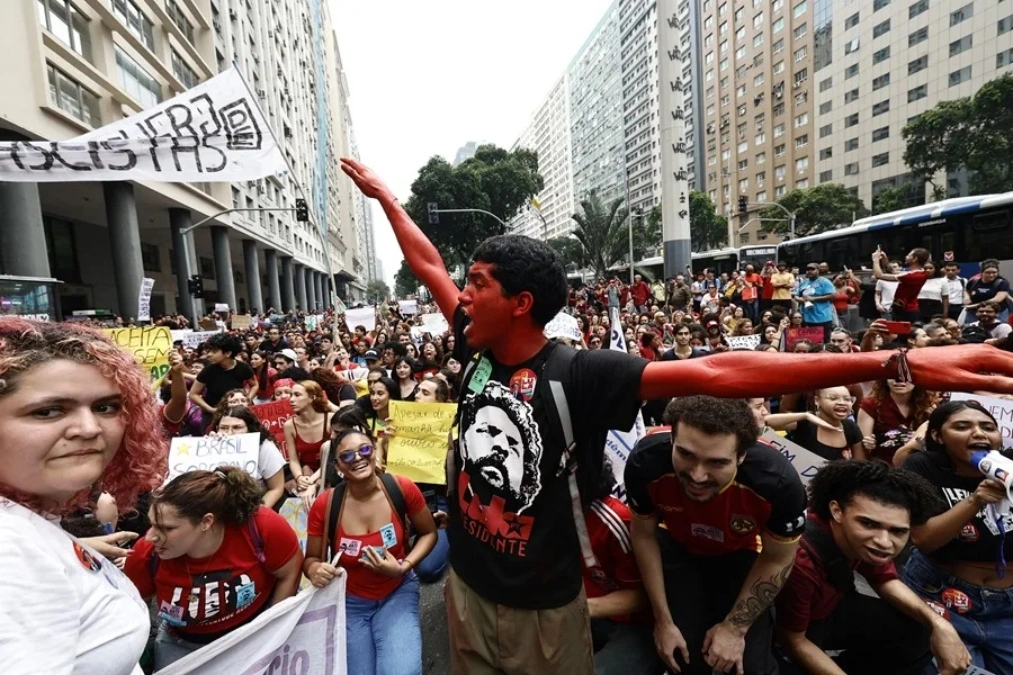
Students and social movements will rally on Avenida Paulista in São Paulo on Sunday, Nov. 1, to defend democracy and sovereignty against recent coup statements by Senator Flávio Bolsonaro.


The call is identified as “Brasil con S” (Brazil with an S), responding to a coup letter from the U.S. whose first version used an old coat of arms with the inscription “Estados Unidos do Brazil,” and named Flavio Bolsonaro the rightful president, despite his defeat in the runoff election. A later version changed the world “president” to “leader of Brazil”.

RELATED: Brazil’s Court Probes Foreign Funds in Flávio Bolsonaro’s Campaign

“We remain mobilized and organized to fight against any attempt at a coup in our country. There is no point in fleeing to the United States or ranting on the internet,” Camila Moraes, general secretary of the National Union of Students (UNE), said.

She mentioned Bolsonaro’s use of “a coat of arms we do not use” and highlighted the student movement’s role in attracting votes and ensuring Lula’s victory in the second round.

Carta do Flávio Bolsonaro, versão 1:
⁰"o verdadeiro presidente eleito do Brasil"
⁰Brasão dos "Estados Unidos do Brazil". Com Z.

Versão 2:
⁰"líder do Brasil"⁰Brasil com S.

Em nenhuma das duas ele ganhou a eleição. pic.twitter.com/xdQxA5svEj

— Monica Benicio (@monica_benicio) October 28, 2026

In a radio interview, Moraes stated that “Flávio Bolsonaro’s threats will come up against mass mobilizations.” She backed the progress of judicial investigations in accordance with the law and rejected the narrative of political persecution used by the far-right senator, who violated a judicial ban on leaving the country, to divert attention from the irregularities under investigation and to refuse to recognize President Lula da Silva’s victory.

  •  

WFP Warns Hunger in Haiti to Reach Historic High in 2027

The UN agency urged the international community to step up its assistance, as armed violence has left more than 1.5 million internally displaced. Photo: EFE.

The UN World Food Programme warned that 6.35 million Haitians will suffer acute food insecurity between March and June 2027, a record driven by armed violence, economic collapse and climate shocks.


The projection marks an increase of more than 500,000 people compared to the same period in 2026. WFP attributed the escalation to the violence of armed groups, economic instability, poor agricultural yields and the impact of the El Niño weather phenomenon.

RELATED: Haiti Postpones Presidential Elections Until 2027 Amid Escalating Gang Violence

1.8 million of residents will fall into Phase 4 of the Integrated Food Security Classification, the category corresponding to nutritional emergency. At that critical stage, families face extreme food shortages, high mortality rates and severe malnutrition, forcing them into desperate survival strategies just to meet basic needs.

The security spiral has displaced more than 1.5 million people internally. Forced to abandon their homes and traditional livelihoods, most now survive in improvised camps marked by poor hygiene and extreme overcrowding. Many depend entirely on humanitarian aid for at least one daily ration.

#Haiti

Escalating insecurity, mass displacement, economic decline and climate shocks deepen the food crisis, with approximately half the population facing IPC Phase 3 or above acute food insecurity, including 1.8 million people experiencing Emergency (IPC Phase 4).

Read more:… pic.twitter.com/vuGk3KyqNH

— The Integrated Food Security Phase Classification (@theIPCinfo) October 29, 2026

Families Arrive With Nothing

Lauren Landis, WFP’s country’s Director in the Caribbean nation, warned that the constant mass displacements deepen the desperation of families who reach host areas without any belongings. She stressed the immediate need to combine emergency food assistance with long-term investments that allow farming communities to withstand climate and economic crises.

The agency maintains coordinated work with local authorities to assist 2.6 million citizens through social protection programs. These operations include direct food distribution, emergency cash transfers, school feeding initiatives and actions specifically aimed at eradicating childhood malnutrition.

The warning comes amid a broader security crisis. Armed groups control large portions of the capital and surrounding areas, cutting off roads, markets and farmland. That fragmentation has crippled agricultural production in a country that once fed itself.

El Niño phenomenon has compounded the damage. Irregular rainfall and prolonged dry spells reduced harvests across the north and south, leaving rural families with nothing to sell and nothing to store. The result is a hunger crisis that no single harvest will reverse.

🚨Haiti: Acute hunger is on track to reach record levels as violence, economic instability, displacement and El Niño unravel fragile food security gains.

Read more https://t.co/5SvrnvPo7i pic.twitter.com/d18z3qmHZX

— World Food Programme (@WFP) October 29, 2026

Funding Gap Threatens Aid

The United Nations issued an urgent appeal to the international community to increase financial resources and technical assistance for the Caribbean nation. The agency stressed that without predictable funding, the continuity of vital aid is at risk.

Millions of vulnerable people would face an irreversible deterioration in their living conditions, the warning stated. The scale of the projected crisis leaves little margin for delay. Food insecurity in Haiti has climbed steadily for years. Violence, inflation and natural disasters have pushed the country deeper into dependence on external assistance. The new figures confirm that the trend is accelerating rather than easing.

WFP’s response seeks to keep families fed today while rebuilding the systems that could feed them tomorrow. Landis argued that only that combination, emergency relief plus investment in agriculture, can break the cycle.

Between March and June 2027, the period covered by the projection, millions will need support that has not yet been secured. The question is not whether hunger will rise, but whether the world will respond in time.

  •  
❌