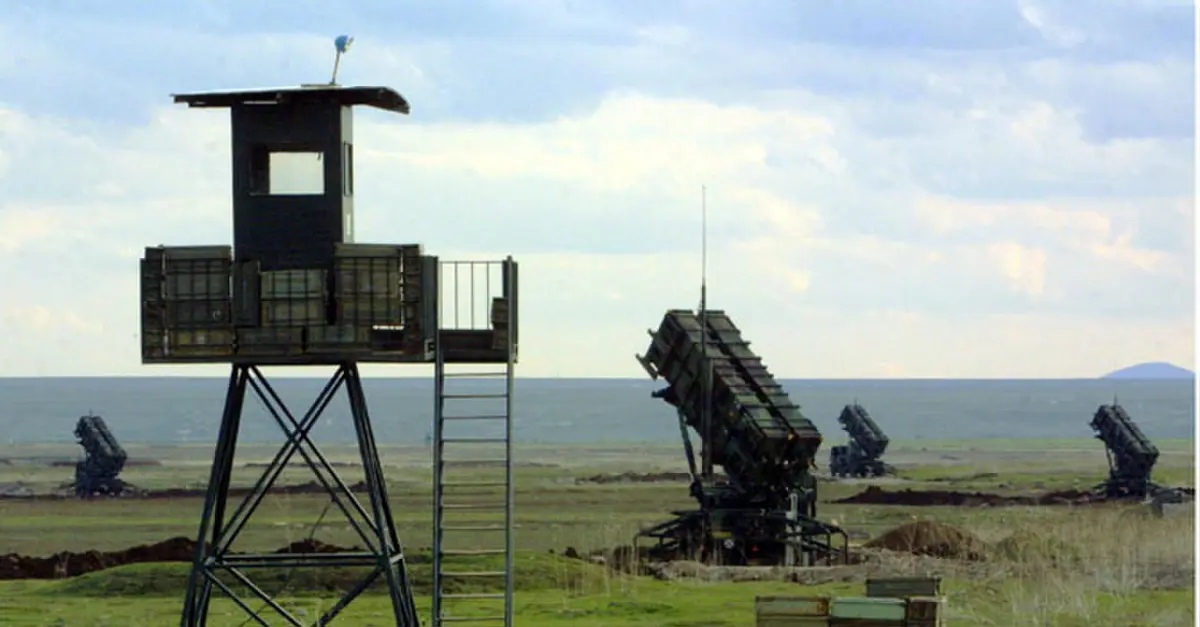
The Trump administration on Friday green-lit the sale of 500 Patriot missiles to Ukraine, the State Department said, but the Ukrainian president warned deliveries could take years.
The approval, which goes to Congress for review, comes after weeks of complaints by Ukrainian authorities that its supplies of the interceptor missiles were dwindling.
“The proposed sale will improve Ukraine’s capability to meet current and future threats by improving its integrated air and missile defense capabilities,” the department said in a statement.
The statement did not provide an estimate for when the weapons could be delivered to Ukraine.
But Ukrainian President Volodymyr Zelensky said late Friday in a post on X that “deliveries may begin ONLY IN A FEW YEARS.”
“We are asking our American partners to find a solution for the time when there is a real danger and a real need to use PAC-3 interceptors,” Zelensky said, using an acronym for the weapons.
The Ukrainian leader suggested that the US and European allies could give his country missiles they have stockpiled now, which would later be replenished by this new purchase.
Patriot missiles are among the most important weapons Ukraine has to intercept Russian drones and missiles.
“This proposed sale will support the foreign policy and national security objectives of the United States by improving the security of a partner country that is a force for political and economic stability in Europe,” the State Department said.
US-Ukraine tensions spiked earlier this month after Washington struck a diesel fuel deal with Russia. Ukraine also said that the US was slowing its access to satellite internet services and had stopped some intelligence sharing.
Tensions eased after Zelensky held talks with US envoys in Oslo on October 20.
The State Department said the weapons sale would be paid for with by donations from Ukraine’s allies but not with US funds.
RIYADH – The United States has directed its non-emergency government personnel and their family members stationed in Saudi Arabia to leave the country amid growing security concerns and fears of escalating regional tensions.
The decision comes amid reported Houthi attacks targeting Saudi Arabia and concerns that the security situation in the region could deteriorate further.
According to the report, the US Embassy in Riyadh issued a security alert for American diplomatic missions in Saudi Arabia, warning about continued threats posed by Iran-backed Houthi forces.
The alert stated that Houthi operations against Saudi Arabia have included attacks targeting civilian airports and other critical infrastructure.
It further warned that these attacks have resulted in civilian casualties and injuries, while also causing significant disruption to air travel.
The US Embassy cautioned that the ongoing tensions could rapidly expand beyond their current scope, potentially creating further security risks.
In addition to ordering non-emergency personnel and their families to depart, the embassy issued further instructions to American government employees remaining in Saudi Arabia.
According to the security advisory, US officials must obtain approval from their mission chief before using any airport in Saudi Arabia following Houthi attacks.
American personnel have also been instructed to exercise extreme caution while travelling within the country.
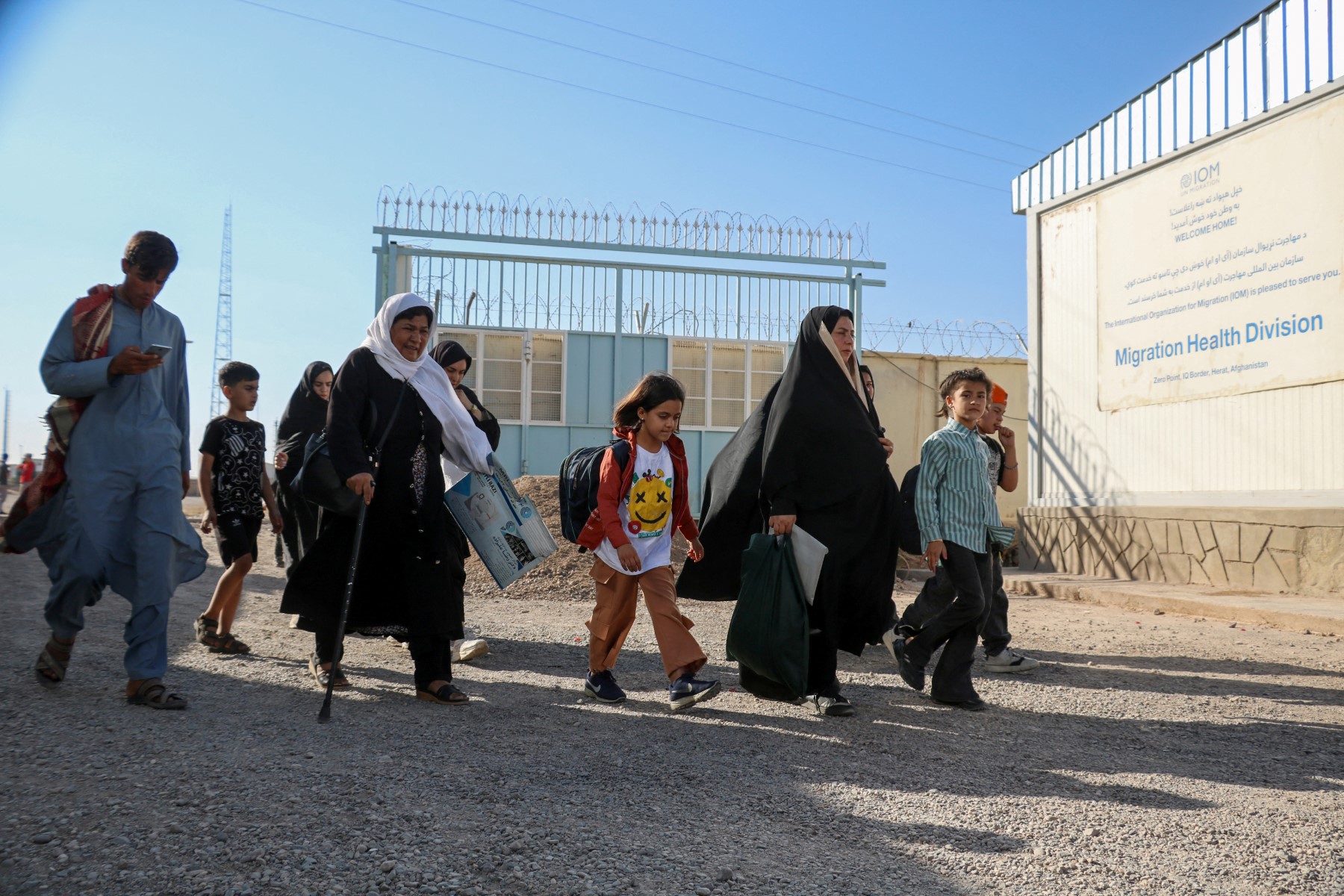
The Trump administration plans to deport certain Afghan immigrants, many of whom fled Afghanistan after the Taliban took control in 2021. Advocacy groups express concern about the deportation plans.
Bolivia has updated the nutritional packages provided to pregnant women and breastfeeding mothers as of Nov. 16. Under a Ministry of Health directive, ultra-processed foods and refined flour have been removed from the kits and replaced with chia seeds, whole wheat, and banana flour.
The quantity of milk provided has also increased from 5.4 kg (three cans) to 6 kg (six one-kilogram packets) to improve nutritional value for mothers and newborns.
Starting in January 2027, the distribution mechanism will transition to a digital format. The Service for the Development of State Productive Enterprises (SEDEM), which manages social subsidies, is introducing a mobile wallet via the "Mi Subsidio" application.
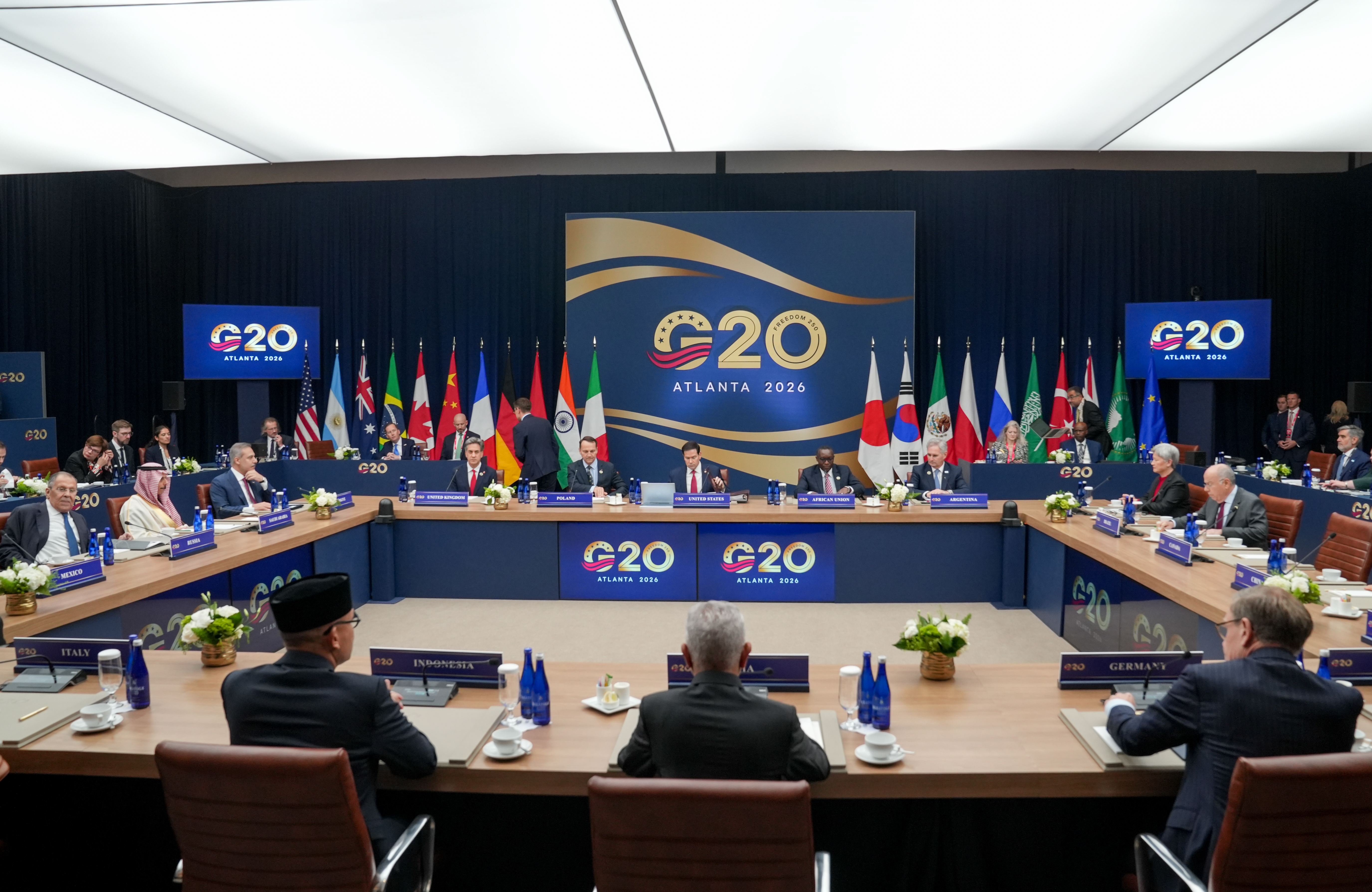
The G20 meeting in Atlanta concludes without a consensus on global security issues, impeded by disagreements over Russia’s war with Ukraine. Instead of a joint communique, a chairman’s statement will be issued by Secretary of State Marco Rubio.
The evolution of the electric vehicle market has moved from early models with limited battery life to the current influx of affordable Chinese series, though cold-weather performance and long-distance travel remain technical hurdles. Private importer Dinmukhamed Suleimanov categorizes this shift into three distinct waves of consumer demand.
The first wave emerged in the 2010s, led by the Nissan Leaf. While the vehicle advertised a 200-km range, real-world performance averaged approximately 140 km. These early units were hindered by rapid battery degradation and air-cooling systems that failed to maintain efficiency in winter.
The second wave began around 2020 with the introduction of the Volkswagen ID.4. This transition brought liquid battery cooling and extended ranges up to 500 km, though top-tier European versions cost between 50,000 and 60,000 euros. Users also reported failures in touch controls and multimedia systems during extreme cold.
Secretary of State Marco Rubio pulled the plug on the traditional group photo after several European officials threatened to boycott or walk out of the snapshot that usually helps kick off such...
Speculation is mounting over a potential meeting between U.S. President Donald Trump and North Korean leader Kim Jong Un at next month’s APEC summit in China, with Mr. Trump making repeated overtures to Pyongyang for nuclear talks
Senegalese President Bassirou Diomaye Faye has initiated the creation of a special fund designed to support the artisan sector, with the primary objective of making banking and financial services accessible to small-scale producers who are currently excluded from these markets.
According to the outcomes of a Council of Ministers meeting, the proposed financing mechanism will be hybrid, combining existing state initiatives with direct contributions from sector participants. The government aims to establish a system of solidarity capital that facilitates the integration of artisans into the country's formal financial architecture, rather than simply distributing subsidies.
The president also directed the government to address several structural issues within the industry. Key priorities include the modernization of logistics parks and equipment within the Chambers of Trades (Chambres de Métiers), as well as the legal formalization of land ownership rights for artisan villages.
The U.S. has approved the sale of 500 Patriot interceptor missiles to Ukraine, the State Department said, but Ukrainian President Volodymyr Zelensky doesn’t appear to be too thrilled.
“The U.S. Department of State has made a determination approving a possible Foreign Military Sale to the Government of Ukraine for the purchase of PATRIOT Advanced Capability-3 (PAC-3) Missile Segment Enhancement (MSE) missiles. and related equipment. The estimated total cost is $2.1 billion, funded entirely by partners and allies.”
The release said Kyiv had requested to buy 500 PATRIOT Advanced Capability-3 (PAC-3) Missile Segment Enhancement (MSE) missiles. It added that Ukraine will pay for this purchase with donations from Canada, Germany, and Norway via the JUMPSTART program and national funds, financed by the European Union’s Ukraine Support Loan.
The proposed sale will improve Ukraine’s capability to meet current and future threats by improving its integrated air and missile defense capabilities. This proposed sale will sustain existing PATRIOT system operations against ongoing aerial threats. Ukraine will have no difficulty absorbing these articles and services into its armed forces.
“The proposed sale will improve Ukraine’s capability to meet current and future threats by improving its integrated air and missile defense capabilities,” the department said in a statement.
What is the JUMPSTART Program
The Joint Ukraine Multinational Program – Services, Training and Articles Rapid Timeline (JUMPSTART) is a specialized U.S. Defense Security Cooperation Agency (DSCA) framework created to speed the delivery of American-made defense articles, services, and training to Ukraine.
It does so by letting NATO allies and other partners donate money that funds Ukraine’s Foreign Military Sales (FMS) purchases—without drawing on U.S. government appropriations.
Established after Russia’s invasion of Ukraine, JUMPSTART operates under the Arms Export Control Act.
A donor country first signs a Funding Arrangement with the U.S. Department of War. Those funds are then applied to specific Letters of Offer and Acceptance (LOAs) for equipment Ukraine has requested.
The U.S. government manages the procurement and transfer process, while the donor never takes title to the items. All standard FMS rules, congressional notifications, and reporting requirements still apply.
Earlier uses of the mechanism have included support for F-16 sustainment and other munitions.
By formalizing a rapid, donor-funded pathway through the U.S. FMS system, JUMPSTART allows allies to convert political pledges of support into concrete American weapons while the United States retains control over export licensing and end-use conditions.
PAC-3
PAC-3 MSE
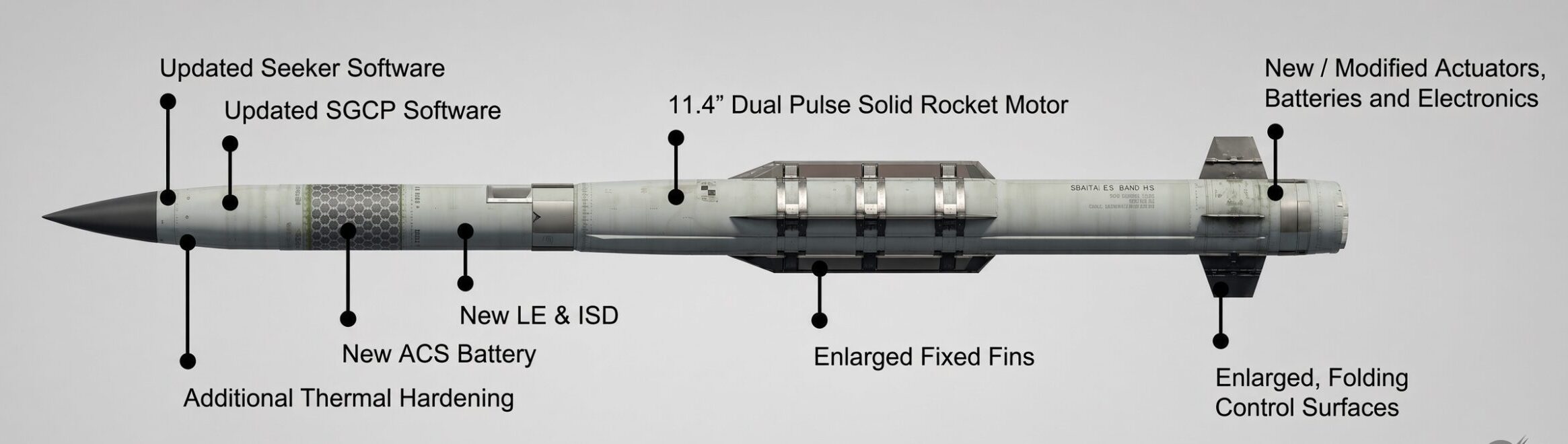
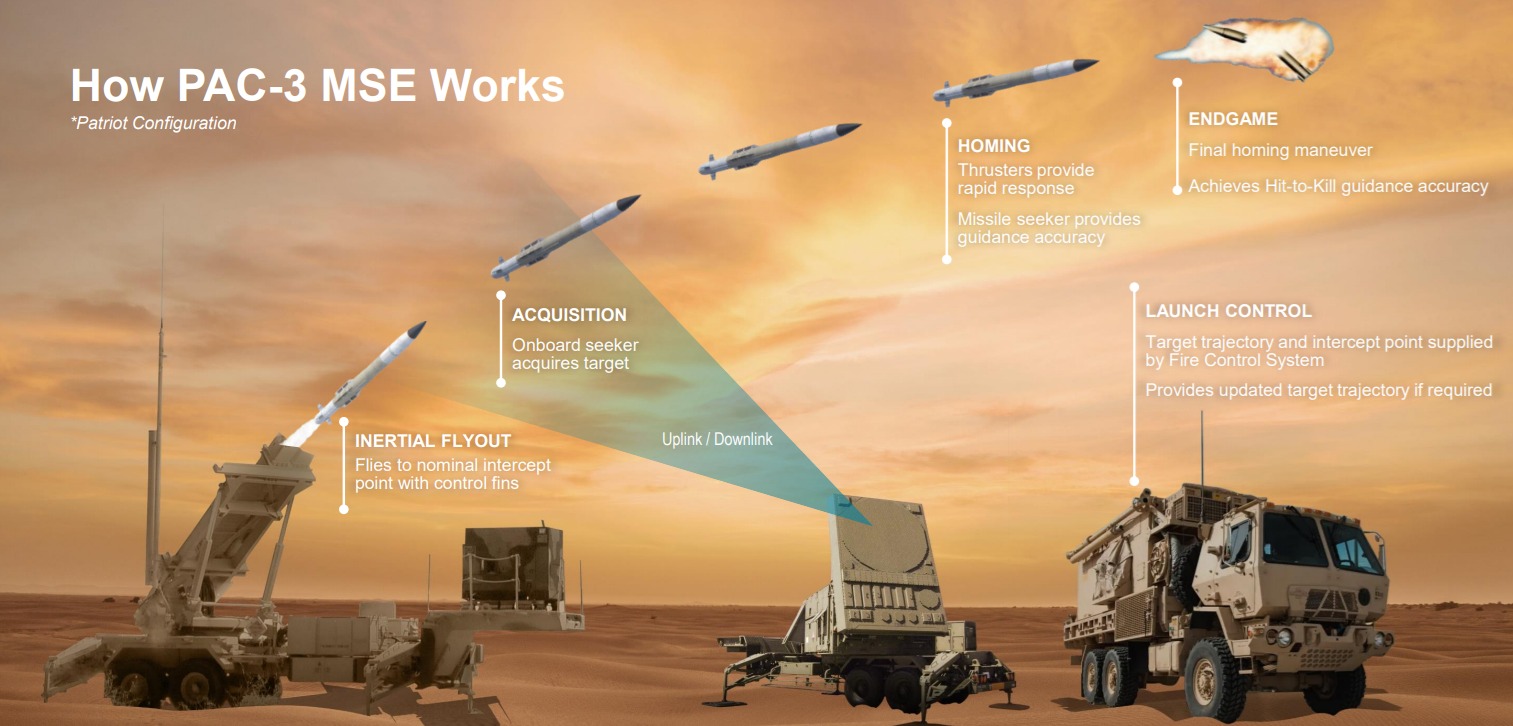
PAC-3 MSE is the most advanced interceptor in the Patriot defense family.
Manufactured by Lockheed Martin, it is a high-velocity, hit-to-kill missile designed to destroy tactical ballistic missiles, cruise missiles, and certain aircraft by direct body-to-body impact rather than a conventional blast-fragmentation warhead.
Ukrainian Patriot batteries have used PAC-3 MSE interceptors against Russian ballistic and quasi-ballistic threats, including Iskander-M and Kh-47M2 Kinzhal missiles.
Ukrainian officials and Western reporting have highlighted successful intercepts of these high-speed targets, making the PAC-3 MSE the most sought-after defense system not only in the war in Ukraine, but also in the ongoing Middle East conflict.
Why Zelenskyy is Not Thrilled?
Ukrainian President Volodymyr Zelensky has welcomed the U.S. State Department’s decision to approve a possible sale of 500 PAC-3 Missile Segment Enhancement (MSE) interceptors to Ukraine, but he has made clear that the timeline does not meet Kyiv’s immediate needs.
In a post on X, he described the authorization as “a strong decision” and said 500 PAC-3 interceptors were “a substantial number.”
He added, however, that “it has been stipulated that deliveries may begin ONLY IN A FEW YEARS.”
Note, “Only in a few years” is written in All Caps, which clearly hints at his displeasure.
“We are asking our American partners to find a solution for the time when there is a real danger and a real need to use PAC-3 interceptors,” he wrote.
File Image
“Five hundred missiles would be enough to protect our skies over the coming months — precisely when it is so important for Ukraine to be in a strong position in negotiations and for Russia NOT to succeed in breaking life in Ukrainian cities and communities.”
Zelensky has repeatedly argued that partners hold sufficient stocks of PAC-3 interceptors in warehouses and that these could be transferred now, with the new production used to replenish those stocks in later years. He has said this approach “is entirely feasible.”
In October, Zelensky told journalists that Ukraine had been receiving an average of 12 Patriot interceptors per month from the United States throughout 2026. He contrasted this with the need to counter roughly 150 Russian ballistic missiles a month, saying: “Imagine: you can count on 150 missiles per year from America, but you need to shoot down 150 ballistic missiles a month.”
Earlier, while speaking to CNN in August, Zelensky said Ukraine had “two and a half times fewer interceptors” in 2026 than in 2025, while Russia was launching roughly twice as many ballistic missiles per month.
He suggested that 5% of U.S. interceptor stocks would be enough for Ukraine to get through the winter and save lives, and that 10% would allow it to intercept all Russian ballistic missiles. At the time, he said Ukraine effectively had access to about 1%.
In conclusion, Zelensky wants the interceptors to come fast so that its military can counter Russian ballistic missile attacks that have devastated Ukraine.
On October 28 in Tashkent, education ministers from Central Asian states gathered to discuss the formation of a unified regional educational space and the expansion of international cooperation. Jumamurad Gurbangeldiyev, the Turkmenistan Minister of Education, participated in the roundtable discussions.
Speaking on behalf of Turkmenistan, officials highlighted the strategic value of long-standing traditions of good neighborliness and partnership among regional states. The address emphasized that in the current technological landscape, the effective development of human capital is a decisive factor for sustainable economic growth.
Participants were presented with the outcomes of Turkmenistan's state policy in education and science. Colleague attention was drawn to specific initiatives aimed at deepening regional interaction, focusing on the practical integration of educational institutions and research structures.
WASHINGTON: A US judge ordered the Justice Department on Friday to stop threatening to prosecute state and local election officials who do not comply with the Trump administration’s demands related to voting by alleged non-citizens. The ruling comes days before next week’s US midterm elections that will determine control of Congress, where Republicans currently hold narrow majorities in the House of Representatives and Senate. Although several key races appear closely contested, polls favor Dem
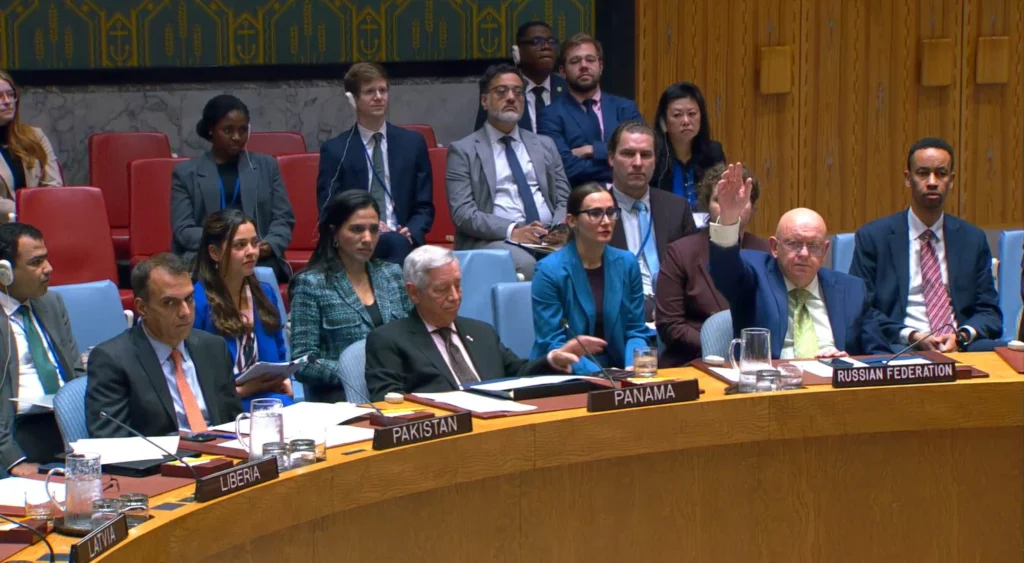
Russia exercised its veto at the UN Security Council on Friday to block a U.S. resolution that would have made autonomy under Moroccan sovereignty the only basis for negotiations over Western Sahara.
The draft text drew 11 votes in favor, one against and three abstentions. China, Pakistan and Somalia withheld their votes. Russia’s representative, Vasili Nebenzia, warned that imposing unilateral solutions without thorough prior consultations with the other party leads to a dead end.
The U.S. resolution would have extended the UN mission’s mandate until October 2027 and renamed it MINURSO. It also proposed removing the word “referendum” from the mission’s title, a reference that has stood since its deployment in 1991.
That referendum formed part of a settlement plan adopted in 1991 that would have allowed the Sahrawi people to decide the territory’s future. The vote was never held, blocked by repeated boycotts and maneuvers linked to the Moroccan crown.
U.S. “zero draft” consolidated the autonomy proposal as the axis of negotiations. It described autonomy as “the most viable solution” and established it as the “only basis” for continuing talks. Critics argued the language would have stripped the process of any real alternative to Moroccan rule.
Russia and China had both questioned the imbalance of the project and the possibility of predetermining the outcome of talks. Under the UN framework, those conversations must lead to a political solution that respects the self-determination of the Sahrawi people.
The session was also marked by a verbal clash between the representatives of Morocco and Algeria. The Moroccan diplomat accused Algiers of blocking the official registration of refugees in the Tindouf camps and of limiting their freedom of movement, while defending the Moroccan autonomy proposal as the path to resolving the conflict.
Morocco and its backers see the autonomy plan as a pragmatic exit. Algeria and the Polisario Front see it as an attempt to legitimize occupation.
Following the veto, the UN Security Council subsequently rejected a resolution drafted by Russia to extend the peacekeeping mission’s mandate for one year. There were 3 votes in favor and 1 against, with 11 abstentions, so it was not necessary for Washington to use its veto power, since the resolution did not reach the minimum of nine affirmative votes in the 15-member body.
MINURSO was created in 1991 to organize a referendum in which Sahrawis would choose between independence and integration with Morocco.
The Polisario Front, the political representative of the Sahrawi people, welcomed the outcome. The movement said the veto halted a deeply dangerous course of action pushed by United States, one that risked legitimizing Morocco’s occupation at the expense of the fundamental rights of the Sahrawi people and their right to self-determination.
Sidi Mohamed Omar, the Polisario representative to the UN, addressed the council after the session. He said the U.S. draft did not confront the fundamental and legitimate concerns raised by the front, nor the substantive observations submitted by several member states.
Omar described the resolution’s content and approach as a serious and dangerous deviation from the established principles of international law, including those that govern Western Sahara as a decolonization question.
In a letter to the council dated October 22, the Polisario Front’s UN representative called the U.S. draft “an extremely dangerous and unprecedented deviation“, not only international law -which underpins the question of Western Sahara as a process of decolonization- but also with respect to the peace process established by the Security Council.
Sidi Omar warned that its adoption would “trigger more tension and instability,” and that the Polisario Front “would have no choice but to disengage from the peace process as a whole.“
He stressed that the International Court of Justice confirmed that sovereignty over Western Sahara “belongs exclusively to the Sahrawi people, who have an inalienable, non-negotiable and imprescriptible right to self-determination and independence”.
The veto preserves the current mission name, Minurso, and keeps the self-determination question open on paper. For the Polisario and its supporters, the result blocks what they see as Washington’s attempt to bury the referendum demand entirely. For Morocco, the autonomy plan remains its preferred framework, one endorsed by a growing number of governments but rejected by the Sahrawi independence movement.
🔴NOW- Sahrawis 🇪🇭 are taking to the streets in their thousands to celebrate the Russian Federation’s 🇷🇺 veto against attempts by vested interests to undermine the freedom and right to self-determination of the Sahrawi people. #WesternSahara#MINURSO#SaharaLibrepic.twitter.com/p6fDYD3PtY
After the veto, hundreds of people marched through the refugee camps of TindoThe standoff caps decades of diplomatic wrangling over the former Spanish colony. The demonstrations signal the depth of feeling across the camps, where generations of Sahrawis have waited for a vote that has never come. The veto, for now, keeps that possibility alive.
The current UN mission’s mandate, extended by Resolution 2797 of October 2025, will expire Saturday, unless a last-minute initiative is taken to reactivate it. That leaves open the possibility that the Council may attempt to renew it during the next day.
If no agreement emerges, the mission will be left without a valid Security Council mandate to continue operations as of November 1, though it does not imply the immediate withdrawal of its personnel.
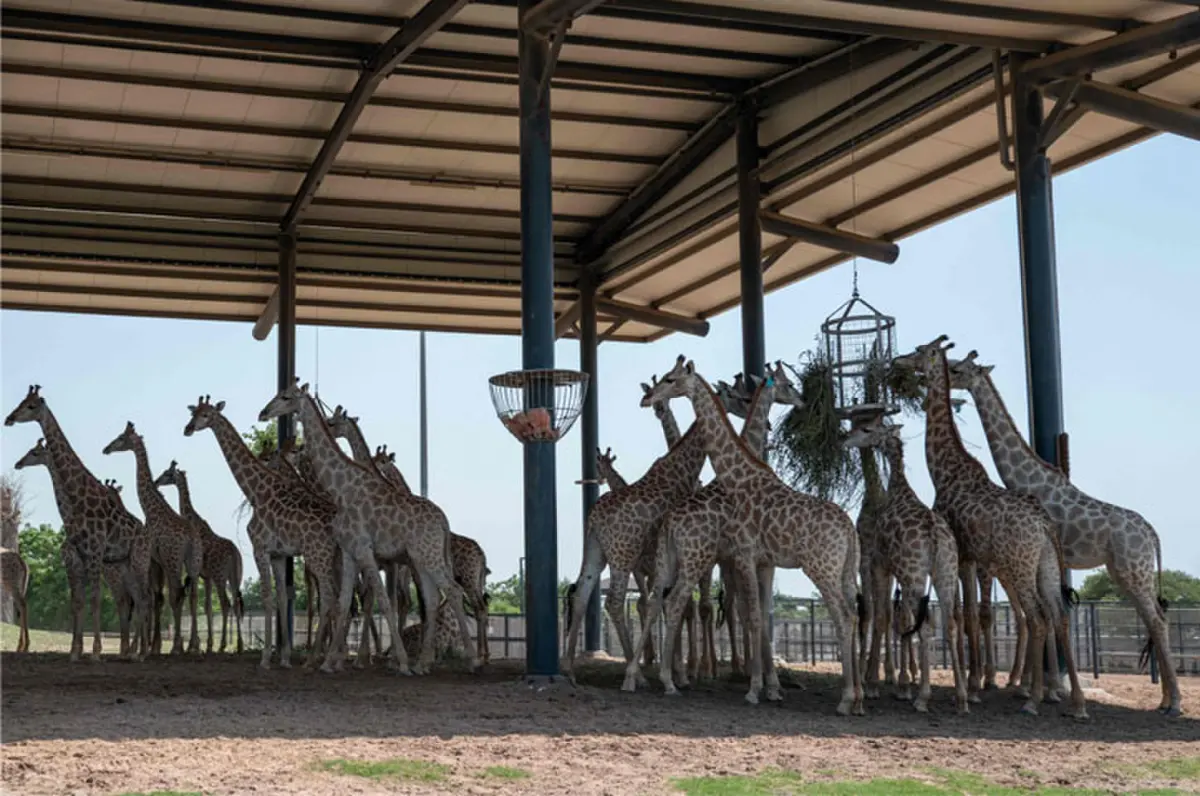
GIRAFFES inside an enclosure at the Vantara Wildlife Rescue Centre in Jamnagar, India.—AFP
JAMNAGAR: Behind guarded gates resembling a maharajah’s palace are hundreds of elephants and big cats, giraffes grazing in a mock savannah, and chimpanzees and orangutans swinging from ropes.
This is Vantara: billed as the world’s biggest animal rescue centre, but also the target of persistent criticism over how it amassed an unprecedented collection, including critically endangered animals.
After years of scrutiny, including a Supreme Court-ordered probe in its favour, the Indian centre has pledged a reset, saying it has halted imports, hired global experts, and shifted towards helping wildlife in its natural habitat.
“Vantara has pivoted,” CEO Vivaan Karani said. “Wherever animals can be effectively supported in their own countries, we increasingly believe our resources should travel, rather than the animals.”
The centre at Jamnagar, in Gujarat state, is closed to the public. Its expansive glass-fronted enclosures house some 200 lions, 200 cheetahs and 150 tigers.
Meaning “Star of the Forest”, Vantara pledged in August to “respond to criticism through dialogue, transparency and evidence — not litigation”.
The centre is the vision of 31-year-old Anant Ambani, youngest son of one of Asia’s richest men Mukesh Ambani, chairman of retail-to-refining giant Reliance Industries.
It spans 3,500 acres (1,416 hectares) across multiple sites — around 2,000 football pitches — alongside a Reliance oil refinery, the world’s biggest. Vantara says it houses more than 150,000 animals from over 2,000 species, brought from 30 countries. But annual reports record far lower totals, among the opaque details activists wanted clarified.
Its acquisitions have drawn the attention of CITES, the international treaty regulating wildlife trade. Last year, CITES said it “considers that a number of specimens traded as ‘captive-bred’… may not be”. It urged reforms to ensure Vantara did “not inadvertently become a driver of illegal harvest of wild animals”.
The cancellation has added to concerns about the poor prospects for the G20 diplomats to reach consensus on many of the most contentious issues they face
Morocco's date production is projected to reach 177,000 tons during the 2026-2027 agricultural campaign, an 11% increase over the previous season. This forecast was highlighted during the 15th International Date Palm Exhibition (SIDATTES) in Erfoud, where Ministry of Agriculture, Maritime Fisheries, and Food Sovereignty officials outlined the sector's role in oasis sustainability.
The Draa-Tafilalet region remains the primary production hub, accounting for 83% of national output. The region manages over 6.49 million palms across 225 varieties on 56,000 hectares. Supporting this concentration, the region exported 1,510 tons of dates in 2026. The remaining production is split equally between the Souss-Massa and Oriental regions (7.5% each).
The sector generates over 3 billion dirhams in value added and provides more than 3.4 million working days annually. For many oasis households, date cultivation accounts for up to 60% of total agricultural income, functioning as a mechanism to reduce rural exodus and combat desertification.
"The persecution began even sooner than I imagined," Mr. Bolsonaro said during an Instagram livestream in which he discussed his decision to flee after his Brazilian passports were cancelled as part of a money laundering investigation
The U.S. Department of Justice said the men had carried out clandestine intelligence activities in the United States that included facilitating "dead drop" cash payments in exchange for information related to the national security of the United States

 Login