Danny Trejo’s son has claimed his 82-year-old father had no idea who conservative commentator Ben Shapiro was before he agreed to star in The Daily Wire’s upcoming Minneapolis movie. The same may or may not be true for fellow Hollywood stars including James Franco, Rob Lowe and Jonathan Majors, writes Kevin E G Perry
Enraged by Christopher Nolan’s acclaimed blockbuster, the Tesla mogul claimed that a fully AI-generated remake of ‘The Odyssey’ would be produced by the end of the year. The first seven minutes have now surfaced, and the mind simply boggles, writes Louis Chilton
Film producer Tommy Harper has sought to bring a Hollywood sensibility to verticals.
Kayla Oaddams/Getty Images for Warner Brothers Pictures
Film producer Tommy Harper is shutting down his micro drama app VeYou after about six months.
Harper, who sought to build the "HBO" of the genre, said he would still produce for other platforms.
The micro drama space has shifted as tech giants push in.
The app that wanted to be the "HBO" of micro dramas is shutting down.
Prolific film producer Tommy Harper is shutting down his app, VeYou, after about six months. A message on VeYou said the service would end November 6.
Harper told Business Insider he would continue producing series, distributing them via TikTok's micro-drama app PineDrama, YouTube, and other partners.
Harper, whose credits include "Star Wars" and "Top Gun: Maverick," is one of several Hollywood vets trying to bring their prestige sensibility to micro dramas, the soapy, low-budget series that got their start in China and have exploded in the US.
The move shows how fast the space is changing as Big Tech companies lean in. Micro dramas — also called "verticals" — cost a fraction of a traditional feature-length movie, but apps often lose money because of the high cost of marketing, and VeYou didn't have massive financial backing.
"In the past year, TikTok, Meta, and YouTube all moved hard into short drama," Harper emailed. "When the three biggest attention platforms commit to a format, distribution is decided. The opportunity for an independent company is to be the best supplier to those platforms, not to compete with them for installs. So we're focused where we have the edge: making the shows."
Harper raised an undisclosed amount of seed funding for VeYou from investor S32, a venture firm started by Google Ventures founder Bill Maris, who's also backed 23andMe, Impossible Foods, and Nest. VeYou has made a handful of originals, starting with "Love Under Fire," a romance drama starring Kasey Esser, who wrote the series alongside Harper.
The micro drama market is changing fast
The micro drama space has changed dramatically in recent months.
In the past year, AI-generated characters have increasingly taken their place alongside human actors, and free, ad-supported offerings are competing with the "freemium" apps that had dominated the landscape.
A report by media consultancy Owl & Co. found two-thirds of films released by leading apps in the third quarter of this year outside China were AI-generated, up from 3% in the first quarter.
TikTok's free app PineDrama rolled out in January, and by the third quarter, it accounted for more than half of all micro drama views across 16 leading apps, according to the Owl & Co. report.
Other tech giants have also moved quickly into the space and made themselves bigger viewing destinations for micro dramas.
YouTube released a new feature that allows creators to bundle their short videos in a series of episodes or seasons, designed to be viewed sequentially.
On Meta, the dominant platform used by micro drama apps to acquire customers, some apps are running portions of their films lasting 20 minutes or more as ads to get people to subscribe.
Lori Golden-Stryer, the CEO of RIVR Media, a producing partner for VeYou, said VeYou's films set themselves apart through their scripts, acting, and direction. She said she was encouraged to see its series perform well on TikTok, based on platform data and her company's monitoring.
"People want live characters," she said. "I don't think they want AI. I've seen a lot of different verticals, and I'd like to think ours were a little cut above."
Joshua Loudermilk, an aspiring comedy actor, posted several times about shooting a project with Sacha Baron Cohen in December to his public Facebook page
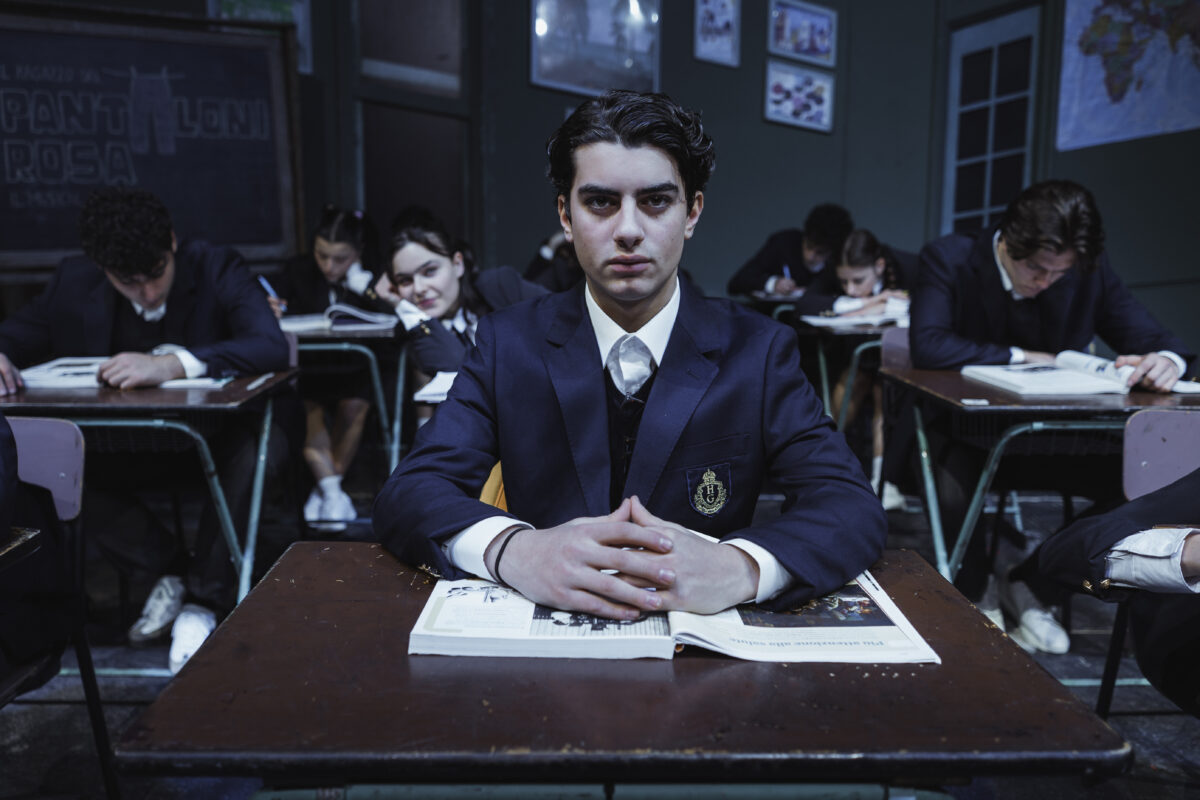
Una storia nata dal dolore che, attraverso il cinema, è diventata memoria collettiva e che ora trova una nuova forma sul palcoscenico. Il ragazzo dai pantaloni rosa arriva al Teatro Sistina dal 29 ottobre al 1° novembre, prima di intraprendere un tour che porterà il musical in diverse città italiane. A trasformare il racconto cinematografico in spettacolo teatrale è Massimo Romeo Piparo, che firma l’adattamento insieme a Roberto Proia, sceneggiatore del film. Al centro resta la vicenda di Andrea Spezzacatena, quindicenne vittima di bullismo e cyberbullismo, la cui storia ha aperto una discussione profonda sulle conseguenze della violenza psicologica, sull’isolamento e sul peso che le parole possono avere soprattutto durante l’adolescenza.
Dal cinema al teatro, Samuele Canino veste, ancora una volta, i panni di Andrea ne Il ragazzo dai pantaloni rosa, portando sul palcoscenico la storia che ha commosso l’Italia
Una storia che cambia linguaggio
Il passaggio dal grande schermo al teatro non è però una semplice trasposizione. Piparo sceglie infatti la strada del jukebox musical, costruendo il racconto attraverso alcune delle canzoni più conosciute del pop-rock italiano. La musica diventa così parte integrante della narrazione e accompagna emozioni, ricordi e passaggi della storia. Nella selezione trovano spazio, tra gli altri, Canta ancora di Arisa, brano simbolo del film e vincitore del Nastro d’Argento come miglior canzone originale, insieme a 100 messaggi, A modo tuo, Gigante, Il filo rosso, La fine, Sogna ragazzo sogna di Roberto Vecchioni, Una musica può fare e Volevo essere un duro. Gli arrangiamenti sono affidati al maestro Emanuele Friello.
Il teatro come specchio della società
La scelta teatrale nasce dalla volontà di non fermarsi alla rappresentazione della tragedia, ma di utilizzare il palcoscenico come luogo di confronto. Il bullismo diventa così il punto di partenza per parlare di adolescenti, famiglie, scuola e responsabilità collettiva. Non soltanto una denuncia, dunque, ma un invito a interrogarsi su quanto sia necessario imparare a riconoscere e rispettare l’unicità degli altri.
Uno sguardo sul futuro
È questa, per Piparo, la sfida più significativa del progetto: trasformare una vicenda drammatica in un racconto capace di lasciare spazio anche alla speranza. Una prospettiva che lo ha portato a immaginare Andrea non soltanto come il protagonista della sua storia, ma come una presenza narrativa capace di accompagnare il pubblico. Il personaggio torna idealmente sulla scena nella versione adulta, attraverso la figura di un Andrea ventisettenne che guarda al passato e racconta ciò che avrebbe potuto essere il suo futuro.
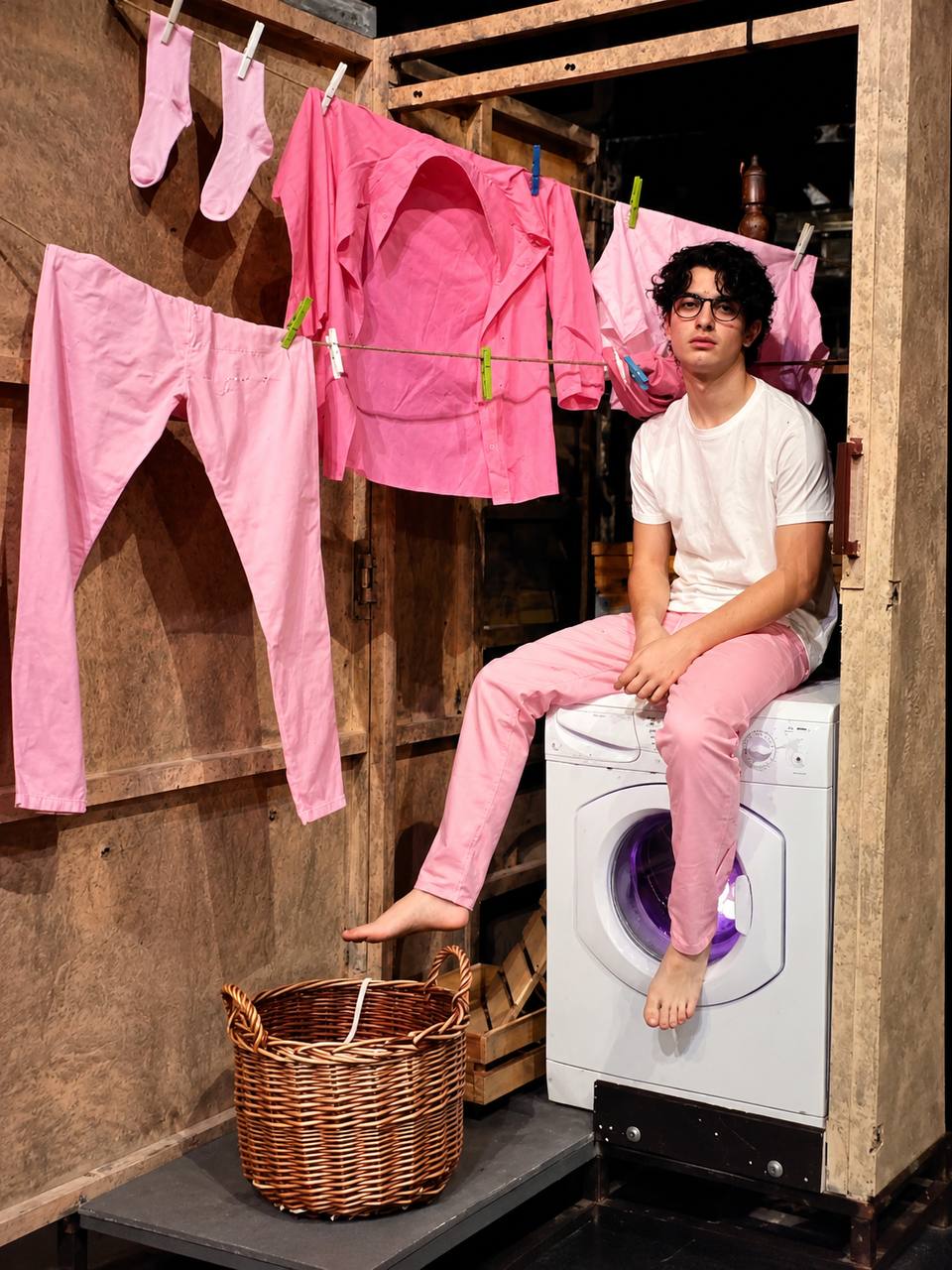
Samuel Canino in una foto di scena del fatidico errore della lavatrice: tutti i panni si tingono di rosa
A interpretare Andrea adolescente sarà ancora Samuele Carrino, già protagonista del film e tra i giovani interpreti più interessanti della nuova generazione. Con lui torna anche Sara Ciocca. Nel ruolo della madre di Andrea ci sarà Rossella Brescia, chiamata a confrontarsi con un personaggio di forte impatto emotivo. Christian Roberto interpreterà invece Andrea a 27 anni, assumendo anche la funzione di narratore e voce del “domani”. Il cast comprende inoltre Donato Altomare, nei panni del padre Tommaso; Matteo Volpotti, che interpreta il professor Gioli, insegnante di musica eccentrico e trascinante; Tommaso Pieropan, nel ruolo di Christian, il ragazzo che incarna la dimensione del bullo; e il giovanissimo Michele Mula, che interpreta Daniele, il fratellino di Andrea. La squadra creativa completa il progetto con la direzione musicale di Emanuele Friello, le coreografie di Dalila Frassanito, le scenografie di Teresa Caruso, i costumi di Cecilia Betona, le luci di Umile Vainieri e il suono di Stefano Gorini. Il musical raccoglie l’eredità di un film prodotto da Eagle Pictures e Weekend Films, nato dal libro scritto da Teresa Manes, madre di Andrea Spezzacatena.
Maka Gogaladze’s debut feature looks at generational differences in the context of Georgia’s education system and emphasis on collectivism
The scars imprinted on impressionable young minds can never fully fade away. Aiming her lens at a rocky beach thrashed by crashing waves, Maka Gogaladze opens her intimate film with a painful anecdote from her adolescent years. Through on-screen texts against a stormy sky, the Georgian film-maker recalls the time she dumped all of her poems into the garbage. The impulsive decision was a gesture of rebellion against her domineering mother; Gogaladze had wanted her to feel guilty.
This debut feature would appear, at first glance, to be another act of revolt. Putting her mother in front of the camera, Gogaladze asks probing, at times blunt, questions about the strict education thrust on her in childhood. Together, they talk about piano lessons that ended in tears, and tough academic exams that continued to haunt the director well into her adulthood. Their contrasting personalities are fascinatingly revealed across these conversations in all their tension, yet these sequences also represent a moving effort to reach across generational differences.
Clayface, a new horror movie about the Batman villain of the same name, sat comfortably at No. 1 on its debut weekend – but the Nathan Fielder documentary wasn’t far behind
"You Can See Everything," the documentary co-directed by Lance Oppenheim and Nathan Fielder, is a breakthrough success. It follows Elizabeth Holmes, the convicted founder of Theranos, just weeks before she goes to prison. The intimate access and the questions it raises are the talk of this fall movie season. Jeffrey Brown sat down with Alissa Wilkinson for our arts and culture series, CANVAS.
New film Fatherland took Sandra Hüller back to a divided Germany. She talks about damaged dreams, Hollywood feelgood and - just maybe - appearing in the new Marvel movie
Sandra Hüller is crying, and it feels very strange. A wildly gifted actor, she can convey every human emotion there is. On screen, though, she is most often asked to embody deep self-possession. Even doing karaoke, Hüller is in control. And in real life, life is good. Her 2026 will end with four high-profile movies this year alone. Two (Fatherland and Rose) are black-and-white arthouse films that centre on her brilliance, and though one of the others (Digger) is already a Hollywood cautionary tale, a second (Project Hail Mary) was a giant $684m hit. (There may also be a fifth movie, bigger still. We will come back to that.)
And yet, dressed in film star black, she is in tears. “This is really hard for me,” she says.
The selected productions will screen on public television and the digital platform Nuestro Cine MX.
Mexico will commemorate World Day for Audiovisual Heritage with a special program organized by cultural institutions, including film screenings, premieres, and activities to promote the preservation of the nation’s film heritage.
Between October 27 and November 3, seven films from the collection of the Mexican Film Institute (IMCINE) will be screened in eleven independent venues across nine states.
The selected productions will also screen on public television and the digital platform Nuestro Cine MX, expanding public access to materials considered part of Mexico’s audiovisual heritage.
One of the program’s main attractions will be the screening of the restored version of “Valle de Mexico” (1976), a short documentary by Ruben Gamez that portrays the region’s rapid urban growth during the 1970s.
Celebramos el Día Mundial del Patrimonio Audiovisual con una programación dedicada a la preservación de la memoria fílmica mexicana. 🎞️
La función reunirá cortometrajes restaurados y materiales digitalizados que forman parte de nuestro acervo. Entre ellos, se proyectará por… pic.twitter.com/sh3TBUb206
The text reads, “We celebrate World Audiovisual Heritage Day with a program dedicated to the preservation of Mexican filmic memory. The screening will feature restored short films and digitized materials that are part of our collection.”
The restoration of this film was carried out by IMCINE in collaboration with Estudios Churubusco, using a positive print preserved in the archives of the National Film Archive (Cineteca Nacional).
The program also includes outstanding Mexican films such as “Un cuento de ciudad,” “Amada,” “El héroe,” “Hasta los huesos,” “El fantasma del convento,” and “Cronos,” works by renowned Mexican filmmakers.
Secretary of Culture Claudia Curiel said these activities reflect the institution’s commitment to preserving audiovisual heritage, as well as to encouraging new generations to learn about their history through Mexican cinema.
Crisis Unleashes Deadly Floods Across Latin America and Europe
Deadly floods strike three continents: at least 3,000 families are affected in Paraguay; 10 people have died in Mexico due to Cold Front 2; and six have been killed in Spain by Storm Adam, which has forced more than… pic.twitter.com/XMZ0nC3qo4
Shot by Sofia’s mother Eleanor this documentary shows something of the strain of shooting a period piece, but is a far cry from the tumultuous portrait of her husband in Hearts of Darkness
It is 20 years since the release of Sofia Coppola’s Marie Antoinette starring Kirsten Dunst; it is a supportively unjudging, unironised study of the queen’s early years before the 1789 revolution, lavishly and accurately costumed, shot on location at Versailles and based on the Antonia Fraser biography – but also subversively and amusingly using pop tracks from the 70s and 80s on the soundtrack. It got a storm of booing from French critics, reportedly annoyed at the way their history had been reduced to a music video and fashion shoot with no French actors involved. Or hardly any.
In fact, for all the lack of political grit, the film was interesting and accomplished, and deservedly has a fanbase – and it is to that constituency that this making-of documentary from the director’s mother Eleanor Coppola is really addressed. It is basically a sweet family home movie on digital video which shows something of the strain and the longueurs of shooting a demanding period picture, but tactfully not seeing anything really explosive or bad-tempered. It is very far from Eleanor Coppola’s sensational behind-the-scenes film Hearts of Darkness: A Filmmaker’s Apocalypse about the tumultuous creation of Apocalypse Now, directed by her husband Francis Ford Coppola.

 Login