❌

Normal view

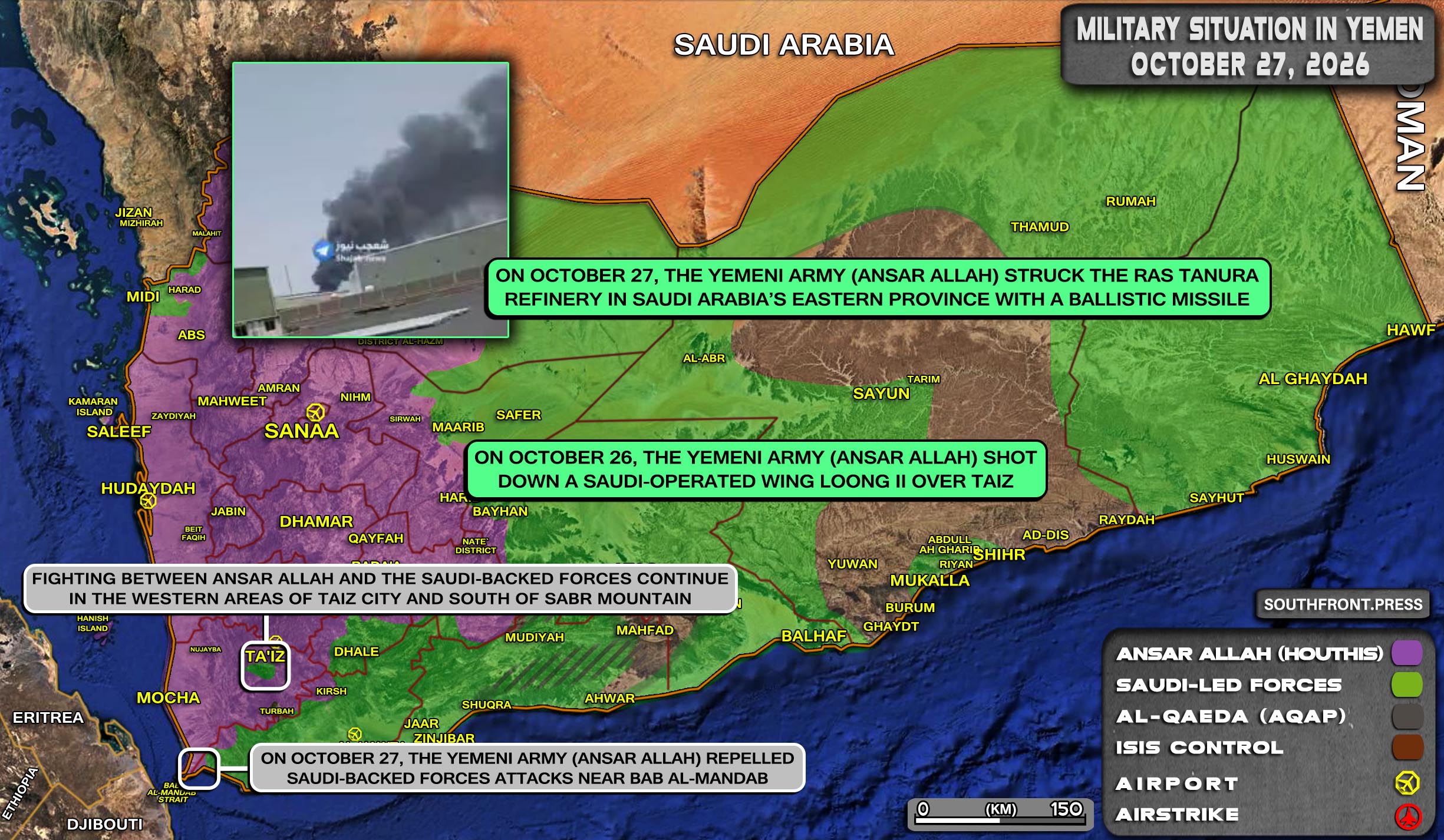
Military Situation In Yemen On October 27, 2026 (Map Update)

27 October 2026 at 18:34

Click to see full-size map.

  • On October 26, the Yemeni army (Ansar Allah) shot down a Saudi-operated Wing Loong II over Taiz;
  • On October 27, the Yemeni army (Ansar Allah) struck the Ras Tanura refinery in Saudi Arabia’s Eastern Province with a ballistic missile;
  • On October 27, the Yemeni army (Ansar Allah) repelled Saudi-backed forces attacks near Bab al-Mandab;
  • Fighting between Ansar Allah and the Saudi-backed forces continue in the western areas of Taiz city and south of Sabr mountain.

_______________________________________________________________________________________________________________________

SouthFront: Analysis and Intelligence

NOW hosted at southfront.press

Previously, SouthFront: Analysis and Intelligence was at southfront.org.

The .org domain name had been blocked by the US (NATO) (https://southfront.press/southfront-org-blocked-by-u-s-controlled-global-internet-supervisor/) globally, outlawed and without any explanation

Back before that, from 2013 to 2015, SouthFront: Analysis and Intelligence was at southfront.com

SOUTHFRONT.PRESS

MORE ON THIS TOPIC:

 

The post Military Situation In Yemen On October 27, 2026 (Map Update) appeared first on South Front.

Houthis Repel Saudi-Backed Push Toward Bab al-Mandab, Advance in Lahj

27 October 2026 at 18:20

file image.

Yemen’s Houthis (Ansar Allah) said October 27 that they had repelled an attack by Saudi-backed forces toward the strategic Bab al-Mandab Strait, reporting heavy casualties and the destruction of several military vehicles as fighting continued in western Lahj.

In a statement, Brig. Gen. Yahya Saree, the Houthis’ military spokesman, said the forces were advancing from the south toward the strait under the supervision of Saudi officer Badr al-Harbi, whom he identified as commander of an advanced operational base in Aden.

The Houthis struck the troop concentrations with ballistic missiles and heavy weapons, causing large numbers of deaths and injuries, while ambulances rushed to the targeted areas, Saree said. The spokesman added that Houthi forces went on to destroy a number of military vehicles and thwart the advance.

“We warn those being misled against responding to calls from the Saudi enemy and its officers, who are pushing them into the furnaces of death,” Saree concluded.

The latest failed Saudi-backed attack follows a series of reported Houthi advances in western Lahj over the past several days.

On October 25, the Houthi-aligned Yemen Press Agency, citing southern political figure Adel al-Hasani, reported that the group had secured Wadi al-Nabiq after fierce clashes and was advancing toward al-Shatein, in the al-Mudharaba and Ras al-Arah districts.

The very next day, the agency reported that the Houthis had advanced beyond the Kahboub mountain range after positions held by the 31st Amaliqa Brigade collapsed, with remaining fighters withdrawing toward Aden.

Reports that surfaced around the same time Saree issued his latest statement described a further Houthi push toward al-Suqayyah following the reported gains around Kahboub.

The fighting has focused on the highlands and coastal routes of western Lahj, where control of the Kahboub range and surrounding areas could strengthen the Houthis’ positions along the southern approaches to Bab al-Mandab. The group captured the strategic coastal region in a lightning offensive last month.

_______________________________________________________________________________________________________________________

SouthFront: Analysis and Intelligence

NOW hosted at southfront.press

Previously, SouthFront: Analysis and Intelligence was at southfront.org.

The .org domain name had been blocked by the US (NATO) (https://southfront.press/southfront-org-blocked-by-u-s-controlled-global-internet-supervisor/) globally, outlawed and without any explanation

Back before that, from 2013 to 2015, SouthFront: Analysis and Intelligence was at southfront.com

SOUTHFRONT.PRESS

MORE ON THIS TOPIC:

The post Houthis Repel Saudi-Backed Push Toward Bab al-Mandab, Advance in Lahj appeared first on South Front.

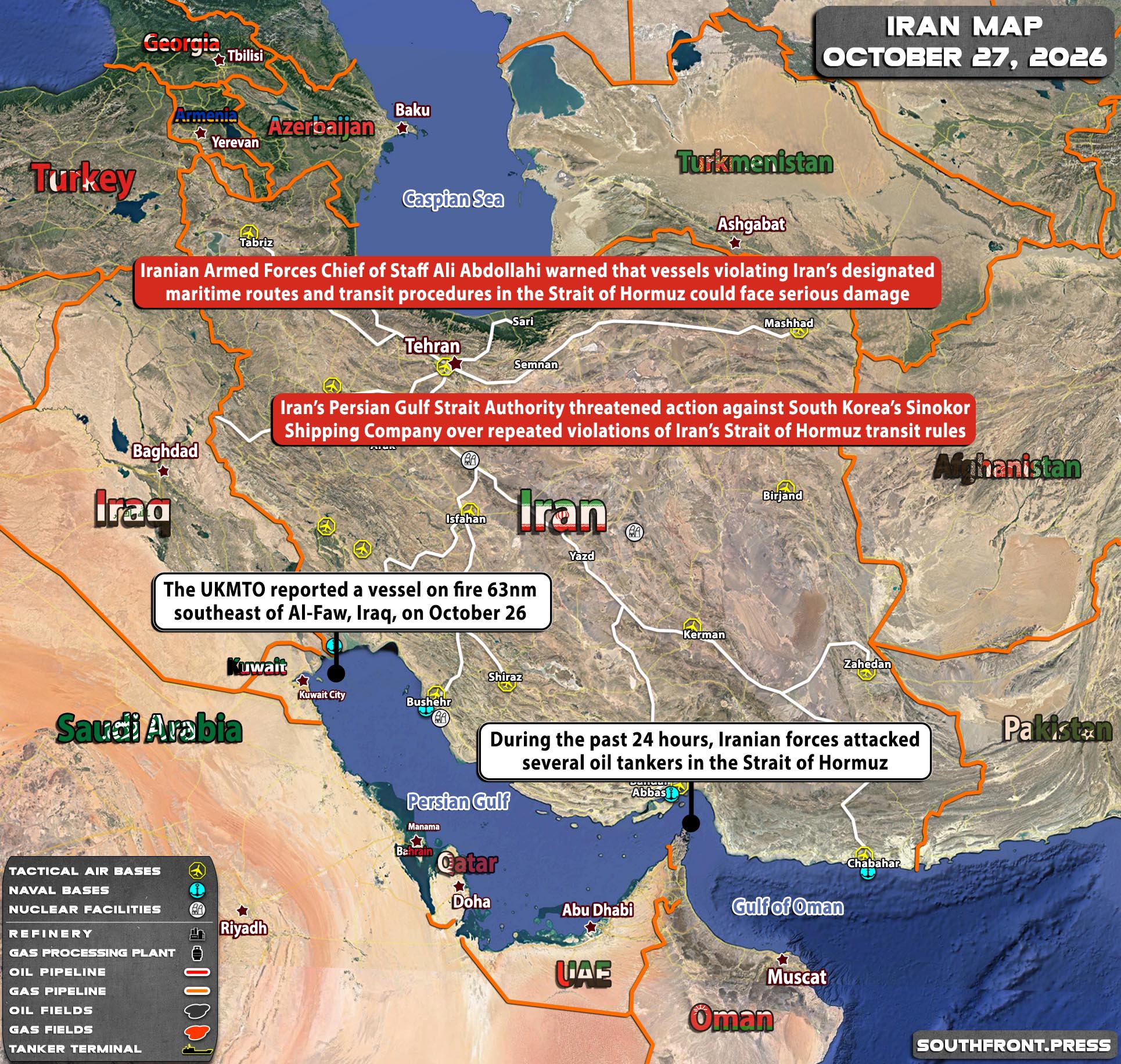
Military Situation In Iran On October 27, 2026 (Map Update)

27 October 2026 at 15:54

Click to see full-size map.

  • During the past 24 hours, Iranian forces attacked several oil tankers in the Strait of Hormuz;
  • Iranian Armed Forces Chief of Staff Ali Abdollahi warned that vessels violating Iran’s designated maritime routes and transit procedures in the Strait of Hormuz could face serious damage;
  • Iran’s Persian Gulf Strait Authority threatened action against South Korea’s Sinokor Shipping Company over repeated violations of Iran’s Strait of Hormuz transit rules;
  • The UKMTO reported a vessel on fire 63nm southeast of Al-Faw, Iraq, on October 26.

_______________________________________________________________________________________________________________________

SouthFront: Analysis and Intelligence

NOW hosted at southfront.press

Previously, SouthFront: Analysis and Intelligence was at southfront.org.

The .org domain name had been blocked by the US (NATO) (https://southfront.press/southfront-org-blocked-by-u-s-controlled-global-internet-supervisor/) globally, outlawed and without any explanation

Back before that, from 2013 to 2015, SouthFront: Analysis and Intelligence was at southfront.com

SOUTHFRONT.PRESS

MORE ON THIS TOPIC:


The post Military Situation In Iran On October 27, 2026 (Map Update) appeared first on South Front.

Houthis Strike Saudi Oil Refinery, Defense Ministry Amid Reports of $1 Billion Offer (Videos)

27 October 2026 at 15:03

Illustrative image. (The Houthis’ Military Media)

Yemen’s Houthis (Ansar Allah) on October 27 claimed a series of missile and drone attacks against Saudi Arabia, including a ballistic missile strike on the Ras Tanura refinery that it said caused massive fires.

Brig. Gen. Yahya Saree, the group’s military spokesman, said in a statement that the group had struck the refinery in Saudi Arabia’s Eastern Province with a ballistic missile, describing the strike as precise and claiming it caused “massive fires” at the site.

Bloomberg News, citing a person familiar with the matter, reported that Saudi Arabia had contained a fire near the Ras Tanura oil terminal early in the day. The extent of the damage was unclear, and Saudi authorities had not confirmed that the refinery itself had been struck.

A resident of the nearby city of Al Khobar told Agence France-Presse that he received a mobile phone alert before hearing an explosion.

In a separate statement, Saree said that Houthi forces had targeted two military transport aircraft with ballistic missiles, one at Najran Airport and the other at King Khalid Air Base in Khamis Mushait. He said both operations had “achieved their objectives successfully.”

Saree subsequently claimed that a ballistic missile had struck Saudi Arabia’s Ministry of Defense in Riyadh, describing the impact as a “direct hit.”

In the fourth statement, he said the Houthis had targeted Abha International Airport with a drone, claiming the strike was precise and had disrupted air traffic at the airport.

Saudi authorities had not immediately confirmed the claimed strikes on the military aircraft, Defense Ministry or Abha airport.

The Saudi-led coalition said during the day that it had intercepted and destroyed three ballistic missiles launched toward the kingdom’s Eastern Province and four drones directed toward its southern regions.

Saudi Civil Defense issued early-warning alerts in the Eastern Province and Kharj governorate before announcing that the danger had passed.

In a separate report, Reuters said the coalition had also announced the interception and destruction of two ballistic missiles launched toward Riyadh. Saudi Civil Defense authorities briefly issued an air raid alert in the capital.

The latest Houthi strikes on Saudi Arabia come amid reports that the kingdom is seeking a negotiated end to the confrontation. Israel Hayom reported on October 26, citing unnamed Gulf diplomatic sources, that Riyadh had offered the group $1 billion through Iran in exchange for a ceasefire and an end to strikes on Saudi territory.

_______________________________________________________________________________________________________________________

SouthFront: Analysis and Intelligence

NOW hosted at southfront.press

Previously, SouthFront: Analysis and Intelligence was at southfront.org.

The .org domain name had been blocked by the US (NATO) (https://southfront.press/southfront-org-blocked-by-u-s-controlled-global-internet-supervisor/) globally, outlawed and without any explanation

Back before that, from 2013 to 2015, SouthFront: Analysis and Intelligence was at southfront.com

SOUTHFRONT.PRESS

MORE ON THIS TOPIC:

The post Houthis Strike Saudi Oil Refinery, Defense Ministry Amid Reports of $1 Billion Offer (Videos) appeared first on South Front.

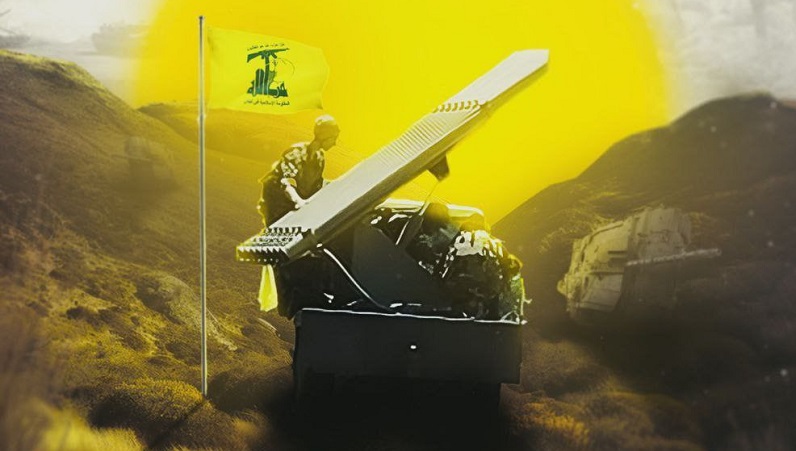
Hezbollah Rebuilds Drone Capabilities as It Prepares for Possible New War With Israel

27 October 2026 at 12:18

File image.

Hezbollah has spent the past three months rebuilding its military capabilities and preparing for a possible resumption of hostilities with Israel, following an influx of funding from Iran, Reuters reported on October 26, citing Lebanese security officials familiar with the group’s activities.

The group has focused on acquiring explosives and producing drones capable of attacking Israeli positions, according to two Lebanese security sources, who said that the group has also been working to restore command-and-control structures damaged during its previous battles with Israeli forces.

One of the security sources and another person close to Hezbollah said Iran had provided the group with tens of millions of dollars to strengthen its military capabilities.

The funding comes in addition to roughly $200 million Tehran provided to help displaced families in Hezbollah’s Shiite strongholds, Reuters reported earlier this month.

Hezbollah suffered heavy losses during two wars since 2023, and Israeli forces continue to occupy vast parts of southern Lebanon as a so-called “security zone.”

Hezbollah’s rearmament efforts come amid continued regional tensions following U.S.-Israeli strikes on Iran in February. The group opened fire on Israel on March 2 in support of Tehran, prompting an Israeli offensive that killed more than 4,000 people in Lebanon and displaced roughly a quarter of the country’s population.

Hostilities largely subsided over the summer after an interim agreement between Washington and Tehran included a ceasefire in Lebanon, while the U.S. mediated talks between Beirut and Jerusalem.

Full-scale fighting has not resumed despite the subsequent collapse of the U.S.-Iranian agreement, but Israel has continued striking Hezbollah targets in southern Lebanon.

Hezbollah is now preparing for the possibility that renewed U.S.-Iranian fighting could trigger another round of war on the Lebanese front, according to Reuters. However, the Lebanese security sources told the news agency that the group had not yet fully rebuilt its weapons stockpiles or restored its fighting force.

The group has also faced difficulties repairing its command structure after losses in key areas, including around the southern Lebanese town of Bint Jbeil and the strategically important Ali al-Taher ridge, according to the sources and three other security officials familiar with its operations.

Hezbollah’s use of small units and limited anti-tank missile supplies reportedly left some fighters isolated during those battles, making it difficult for them to counter Israeli remotely operated weapons systems, including drones and remote-controlled vehicles.

The Israeli military told Reuters that it uses such systems to monitor southern Lebanon while reducing the exposure of its troops to danger.

The rearmament effort has also involved explosives intended for use in drones. Hezbollah acknowledged this month that explosives seized by Lebanese authorities belonged to the group and were intended for attacks against Israel.

A Hezbollah official and a Lebanese security source told Reuters that the material was specifically intended for explosive-laden drones.

In response to questions from Reuters, Hezbollah’s media office said Israel’s presence on Lebanese territory gave the group a legitimate right to resist. It also rejected claims that its command-and-control systems had broken down.

While Hezbollah has suffered heavy losses as the Reuters report suggests, the claim that the group is overall getting weaker does not match its performance during the last round of fighting, when it expanded the use of drones, especially first-person-view suicide quadcopters, inflicting some serious damage on Israeli forces and limiting their freedom of operation in southern Lebanon.

Hezbollah is not likely to start another confrontation with Israel if war on Iran resumes. However, Israel itself could escalate to expand its occupation.

_______________________________________________________________________________________________________________________

SouthFront: Analysis and Intelligence

NOW hosted at southfront.press

Previously, SouthFront: Analysis and Intelligence was at southfront.org.

The .org domain name had been blocked by the US (NATO) (https://southfront.press/southfront-org-blocked-by-u-s-controlled-global-internet-supervisor/) globally, outlawed and without any explanation

Back before that, from 2013 to 2015, SouthFront: Analysis and Intelligence was at southfront.com

SOUTHFRONT.PRESS

MORE ON THIS TOPIC:

The post Hezbollah Rebuilds Drone Capabilities as It Prepares for Possible New War With Israel appeared first on South Front.

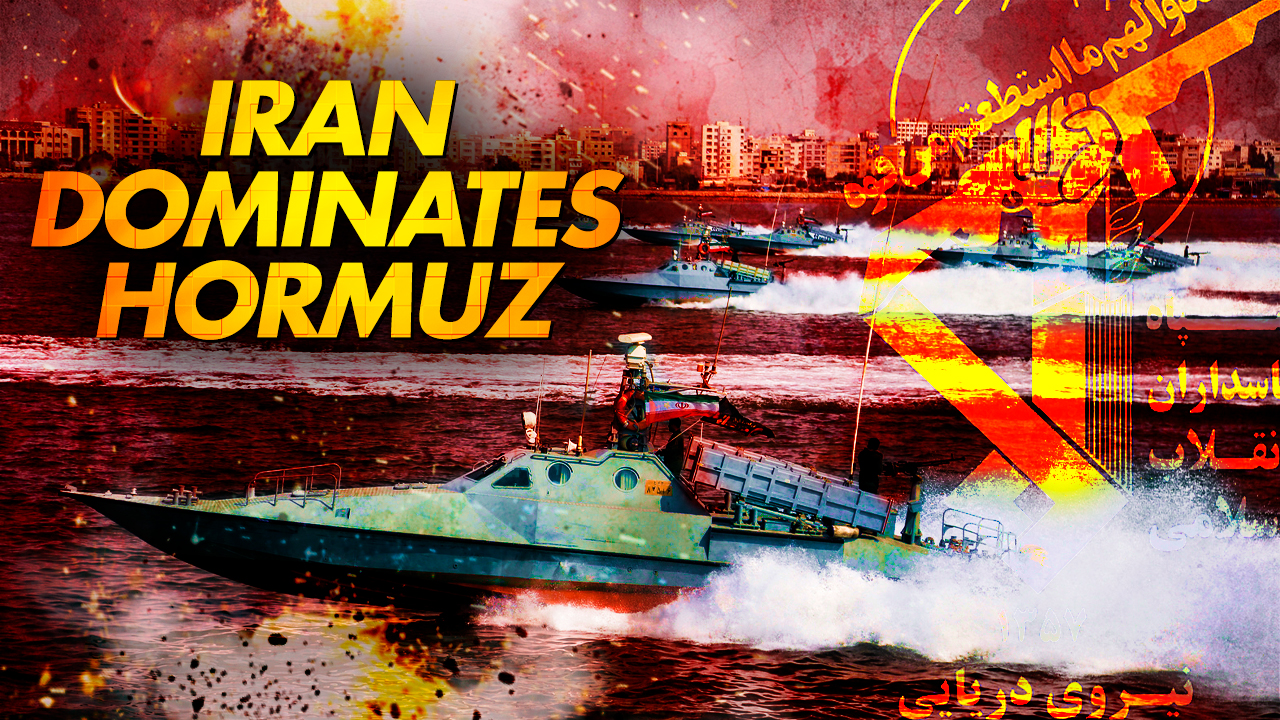
Iran Threatens Sinokor as Korean Tanker Giant Dominates Oil Flows Through Hormuz

27 October 2026 at 10:05

File image.

Iran has threatened action against South Korean shipping group Sinokor beginning November 1 over violations of Tehran’s transit rules for the Strait of Hormuz.

In a statement, the Islamic Republic’s Persian Gulf Strait Authority said vessels linked to Sinokor had accumulated more alleged transit violations over the previous three months than those associated with any other shipping company.

It added that enforcement measures had already been taken against at least seven of the company’s vessels. Cargo owners, beneficiaries and insurers involved in the shipping arrangements were also warned that they could face legal action.

Seven vessels were named in the statement: Cyprus Prosperity, Mombasa B, Senegal Prosperity, Mersin Prosperity, Ghana Prosperity, Cameroon Prosperity and Angola Prosperity.

The threat comes as Sinokor has become one of the most important players in the oil tanker market during the war with Iran, deploying a large fleet to transport crude through the strategic waterway as other shipping companies have faced heightened security risks.

In a report published October 23, Bloomberg found that tankers owned by Sinokor carried 105.6 million barrels of crude oil through the Strait of Hormuz in September, equivalent to nearly 40% of the oil crossing the waterway that month.

That exceeded the combined 97.3 million barrels attributed to vessels owned by the next three largest shipping groups, Saudi Arabia’s Bahri, Kuwait Oil Tanker Company and the shipping unit of Abu Dhabi National Oil Co.

A separate Bloomberg report published on October 27 highlighted Sinokor’s growing influence over the global tanker market, describing how its WhatsApp messages to shipbrokers announcing charter agreements and freight rates have become closely watched by industry participants.

The messages have played an outsized role in shaping perceptions of tanker prices, the news outlet reported, as freight rates for very large crude carriers have surged more than 1,600% this year amid disruption caused by the war.

The report also examined concerns about transparency in the tanker market and the influence of the messages on the freight-rate benchmark maintained by London’s Baltic Exchange.

The latest Iranian threat adds a legal and regulatory risk to Sinokor’s already substantial exposure to the conflict, as its ships remain central to oil movements through the Gulf.

Commercial traffic through the Strait of Hormuz remained sharply below normal on October 17, with an AIS-based monitor recording seven vessel crossings in the preceding 24 hours, about 8% of the strait’s prewar daily average. This shows that the strategic waterway is still under the control of the Islamic Republic, which stepped up its anti-shipping attacks in recent weeks.

_______________________________________________________________________________________________________________________

SouthFront: Analysis and Intelligence

NOW hosted at southfront.press

Previously, SouthFront: Analysis and Intelligence was at southfront.org.

The .org domain name had been blocked by the US (NATO) (https://southfront.press/southfront-org-blocked-by-u-s-controlled-global-internet-supervisor/) globally, outlawed and without any explanation

Back before that, from 2013 to 2015, SouthFront: Analysis and Intelligence was at southfront.com

SOUTHFRONT.PRESS

MORE ON THIS TOPIC:

The post Iran Threatens Sinokor as Korean Tanker Giant Dominates Oil Flows Through Hormuz appeared first on South Front.

Russia Escalates Kyiv Bridge Attacks With Ballistic Missile Strike (Video, Photos)

27 October 2026 at 09:09

Click to see full-size image. (X)

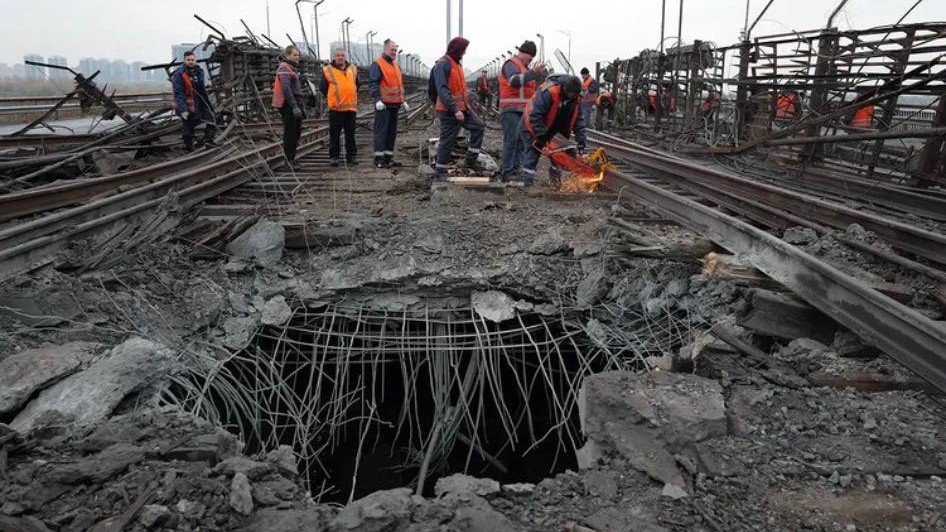
A Russian ballistic missile struck Kyiv’s Southern Bridge overnight into October 27, damaging aboveground metro infrastructure and forcing authorities to close the key crossing over the Dnipro River.

Ukrainian media reported that Russia attacked Kyiv with ballistic missiles twice during the night and that one of the missiles struck the Southern Bridge.

Kyiv Mayor Vitali Klitschko said specialists were assessing the damage and that traffic across the bridge had been closed.

Click to see full-size image. (X)

Metro services on the Green Line were suspended between Osokorky and Chervony Khutir stations, with trains operating only between Syrets and Vydubychi stations. Local authorities had not yet announced when the affected services would resume.

The reported direct missile strike marks an escalation from the series of drone attacks Russia carried out against Kyiv’s bridges earlier in the month.

On October 1 and 2, Russian drones repeatedly struck the Southern Bridge, damaging a support structure, the roadway, barriers and protective concrete around the metro line. Later on October 3, a Russian drone hit the Northern Bridge, damaging its road surface and the overhead wires powering trolleybuses. The attacks disrupted traffic across several of the capital’s main crossings over the Dnipro River.

The latest ballistic missile strike marks a notable escalation in Russia’s campaign against bridges in the Ukrainian capital.

The strike also comes as Ukraine’s air defenses face mounting pressure from Russia’s sustained missile and drone strikes, with reported shortages of interceptor missiles adding to the challenge of protecting major cities and critical infrastructure.

_______________________________________________________________________________________________________________________

SouthFront: Analysis and Intelligence

NOW hosted at southfront.press

Previously, SouthFront: Analysis and Intelligence was at southfront.org.

The .org domain name had been blocked by the US (NATO) (https://southfront.press/southfront-org-blocked-by-u-s-controlled-global-internet-supervisor/) globally, outlawed and without any explanation

Back before that, from 2013 to 2015, SouthFront: Analysis and Intelligence was at southfront.com

SOUTHFRONT.PRESS

MORE ON THIS TOPIC:


The post Russia Escalates Kyiv Bridge Attacks With Ballistic Missile Strike (Video, Photos) appeared first on South Front.

Russia’s AI-Powered Kalitka-KA Gun Can Kill Drones With 10 Rounds (Videos)

27 October 2026 at 07:32

Click to see full-size image. (Telegram\Kalashnikov)

Russia’s Kalitka-KA anti-drone gun system uses artificial intelligence (AI) to calculate aiming corrections, allowing it to destroy an aerial target with about 10 rounds, a Russian National Guard serviceman said in a report aired by Vesti on October 25.

Mounted on a pickup truck and armed with a 7.62 mm PKT machine gun, a weapon also used in Russian tanks, the system is designed to protect military crews from drones or operate independently.

The Kalitka-KA uses AI to compensate for aiming errors and help operators engage moving aerial targets with individual shots rather than sustained bursts. The system is semi-automatic, with the software calculating firing corrections while the operator retains control of the engagement, according to the report.

The system can also work with a radar station, expanding its ability to detect and engage aerial targets, especially drones.

Kalashnikov Concern unveiled the Kalitka-KA in Moscow last September. The system combines a rotating machine-gun mount with an electro-optical unit equipped with two daylight cameras and a rangefinder. A thermal imager enables operation at night.

The system is available in stationary and vehicle-mounted configurations. Kalashnikov says it is designed to protect military positions and critical infrastructure against reconnaissance and attack drones flying at low and extremely low altitudes.

Gun-based anti-drone systems offer a cost-effective way to counter relatively cheap drones without expending expensive interceptor missiles. Russia is currently expanding their deployment to provide troops and critical infrastructure with an additional layer of close-range protection.

_______________________________________________________________________________________________________________________

SouthFront: Analysis and Intelligence

NOW hosted at southfront.press

Previously, SouthFront: Analysis and Intelligence was at southfront.org.

The .org domain name had been blocked by the US (NATO) (https://southfront.press/southfront-org-blocked-by-u-s-controlled-global-internet-supervisor/) globally, outlawed and without any explanation

Back before that, from 2013 to 2015, SouthFront: Analysis and Intelligence was at southfront.com

SOUTHFRONT.PRESS

MORE ON THIS TOPIC:


The post Russia’s AI-Powered Kalitka-KA Gun Can Kill Drones With 10 Rounds (Videos) appeared first on South Front.

Deadly Jordanian Strikes Highlight Syria’s Cross-Border Terror Threat (Videos)

27 October 2026 at 07:02

Click to see full-size image. (X)

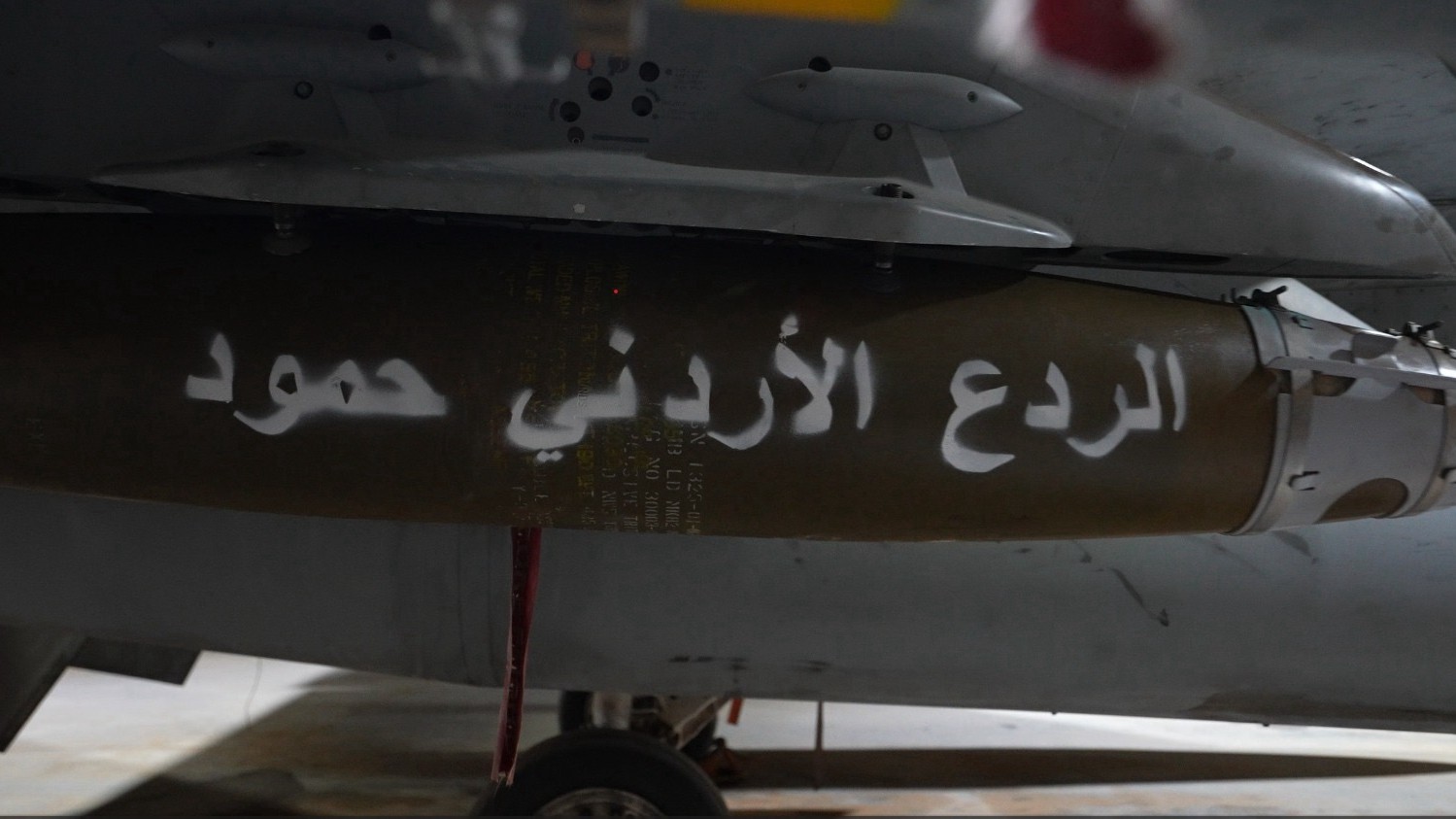
Jordanian warplanes struck several sites in southern Syria late on October 26, killing at least seven people, including three children, according to Syrian authorities, after Amman said it had linked a deadly church shooting to terrorist groups operating across the border.

The strikes hit locations in the southern provinces of Daraa and Suwayda. Jordan described the operation as a counterterrorism measure conducted in coordination with Damascus, while the Syrian government said it had received no advance notification and condemned the civilian deaths.

The Royal Jordanian Air Force called the operation “Jordanian Deterrence – Hmoud,” saying it targeted hideouts belonging to terrorist organizations linked to the October 23 attack on a Greek Orthodox church in the Jordanian city of Karak.

“The terrorists behind the Hmoud attack have ties to the targeted terrorist organizations,” the Jordanian military said in a statement carried by the state-run Petra news agency.

It added that the strikes killed and wounded several members of the targeted groups and destroyed their equipment and vehicles. The military did not identify the organizations or specify the locations hit.

Syrian authorities, for their part, disputed Jordan’s account of coordination and said the strikes claimed the lives of civilians.

The Syrian Civil Defense said seven people were killed across several locations in Daraa and Suwayda. Five members of one family, including three children, a woman and a man, died when a strike hit a tent in rural Daraa, while two older men were killed in separate strikes. Three other members of the family were injured.

The Syrian Foreign Ministry said the operation was conducted “without prior coordination or notification with the Syrian side,” according to a statement carried by the Syrian Arab News Agency early on October 27.

Damascus announced an investigation into the strikes and said it had opened direct communication channels with Jordan to address the incident. It also stressed the need for joint security and military coordination along the border, warning that such operations must respect Syrian sovereignty.

The strikes came hours after Jordanian security forces arrested three suspects in connection with the church shooting following a shootout in the Karak area. The suspects, two brothers and their brother-in-law, were wounded during the operation, authorities said.

The October 23 attack took place during a funeral at the Greek Orthodox church in Karak, killing nine people and wounding 34. The shooting shocked the country, where attacks of this kind are rare, and prompted King Abdullah II to promise a forceful response.

“The Nashama have chased them to the very end. We vowed the terrorists would not escape punishment, and no proponent of dark ideologies that divide Jordanians will be tolerated,” the king said on X after the strikes on Syria. “We pray that the martyrs’ souls rest in peace and wish the injured a speedy recovery.”

Jordanian Interior Minister Mazen Al-Faraya described the attack as the product of “a terroristic, extremist way of thinking.”

The investigation has also raised questions about the alleged organizational links behind the shooting. Jordan’s Public Security Directorate chief, Maj. Gen. Obaidallah Abd Rabbo Al-Maayta, said the three suspects were not affiliated with any group, telling reporters, “They only represent themselves.”

Jordan’s military, however, subsequently said those responsible for the attack had ties to terrorist groups in southern Syria without publicly identifying them or detailing the evidence.

Following the strikes, Syrian authorities closed the Nassib border crossing, suspending passenger and commercial traffic between the two countries.

The escalation highlights a growing security threat from terrorist groups operating inside Syria. With southern Syria serving as a base for their activity, and Damascus seen as either turning a blind eye or failing to contain them, neighboring countries face mounting pressure to act on their own.

_______________________________________________________________________________________________________________________

SouthFront: Analysis and Intelligence

NOW hosted at southfront.press

Previously, SouthFront: Analysis and Intelligence was at southfront.org.

The .org domain name had been blocked by the US (NATO) (https://southfront.press/southfront-org-blocked-by-u-s-controlled-global-internet-supervisor/) globally, outlawed and without any explanation

Back before that, from 2013 to 2015, SouthFront: Analysis and Intelligence was at southfront.com

SOUTHFRONT.PRESS

MORE ON THIS TOPIC:


The post Deadly Jordanian Strikes Highlight Syria’s Cross-Border Terror Threat (Videos) appeared first on South Front.

❌