Ukrainian company Robotic Complexes is developing CASEEVAK, an armored module that lets the Murakha unmanned ground vehicle carry wounded soldiers off the battlefield, the company told Militarnyi on 28 October. The casualty rides in a closed capsule with ventilation, heating, lighting, and a first-aid kit, and side and rear doors let medics load and reach the soldier from any side.
Drones that can fly long distances pose a threat to both wounded soldiers and the crews evacuating them, making transportation the main challenge, said Ukrainian military medic Daryna Boiko, The Independent reported. Developers are looking for new ways to counter this threat. The current Murakha model is being equipped with passive anti-drone protection elements, the developers say.
An armored capsule that keeps the wounded connected
After a wounded soldier is loaded onto an evacuation platform, it is important not only to transport them to a safe location but also to protect them and monitor their condition during transit.
The module is built around a closed armored capsule made of 3.5 mm-thick Armox 500T steel with an inner lining of HDPE 1000, the media outlet reports. Side and rear doors allow the wounded to be loaded from different directions and accessed during evacuation.
A military personnel member inside the CASEEVAK module of the Murakha UGV. Photo: Robotic Complexes company
To enable the operator to monitor the person inside and maintain contact with them, the capsule is equipped with a camera with day and night channels and two-way audio communication. The system can be controlled via ELRS, LTE, Starlink, or fiber-optic communications. Militarnyi reports that even if the capsule is detached from the main platform, it retains two independent communication channels.
The developers are also working to integrate vital-signs monitoring systems intended to provide medical personnel with information about the wounded person’s condition during transport.
An electric platform and protection against FPV drones
The evacuation module requires a platform capable of carrying it as it moves through dangerous areas. The Murakha is equipped with two electric motors, delivering a combined torque of 1,600 N·m, and a 35 kWh battery. The system’s stated range is up to 80 km, according to the media outlet.
Another area of development is protection against drones. Measures intended to protect the system include net launchers and electronic warfare (EW) equipment. However, work on a protective cage against FPV drones is still ongoing, according to the report.
The company has already conducted ballistic tests of the armor steel at a distance of 50 meters, using ammunition of various calibers, Militarnyi reports.
The Murakha-Mini logistics platform
The same company previously developed the Murakha-Mini logistics platform. Ukrainian military personnel began using it on the front line to deliver equipment, provisions and other supplies, Militarnyi reported on 24 October 2025.
Ukraine’s Murakha-Mini unmanned ground vehicle. 2025. Photo: Robotic Complexes company
The UGV can carry up to 250 kg and travel up to 40 km on a single charge, the media outlet reported. During one combat mission, it transported 150 kg of cargo and towed a six-metre platform carrying another drone and provisions, covering 16 km in one direction, Militarnyi reported.
Since the start of Russia’s full-scale invasion, Russian forces have damaged 165 schools in Sumy Oblast and destroyed 21 beyond repair, according to the head of the regional administration. The administration’s answer is to move classrooms underground. Design documentation for 14 new underground schools has already been prepared, Oleh Hryhorov, head of the Sumy Oblast Military Administration, said in an interview with Ukrinform published on 28 October 2026. In addition, 13 such schools are already operating in Sumy region, while nine more are under construction, the media outlet reported.
Sumy region is one of the areas regularly shelled by the Russian military, making it dangerous to hold classes in above-ground school buildings. Of the region’s 280 schools, 225 have shelters, mostly basic ones, while more than 70 have radiation-protective shelters, Hryhorov noted.
“The process is ongoing and is being scaled up as much as possible,” he said, adding that the region is bringing in partners.
Underground classrooms provide a safer learning environment in Sumy Oblast
The construction of new underground schools is primarily focused on the larger cities of Sumy Oblast, where most schoolchildren are concentrated, Hryhorov explained.
The learning process at such a school differs from the usual format. This was explained by Oleksandr Vaniushenko, the principal of one of the first underground schools in Sumy, Suspilne reported on 23 December 2025.
“We have the first shift—entirely younger children, and fifth- and sixth-graders also go out to the open locations. The second shift brings in just as many more children. The total number studying per day is 360–370,” Vaniushenko noted.
The shelter has backup power supplies, allowing children to continue their lessons during air raid alerts and power outages, according to the project, media reported.
Children study in a radiation-protective shelter in Sumy, December 2025. Photo: Suspilne Sumy
Currently, 22 schools operate entirely in person, while 193 use a hybrid learning format, the head of the regional administration said. A total of 75,000 children are currently attending school in Sumy Oblast, he noted.
A Russian bomb hit a Sumy school during lessons in September
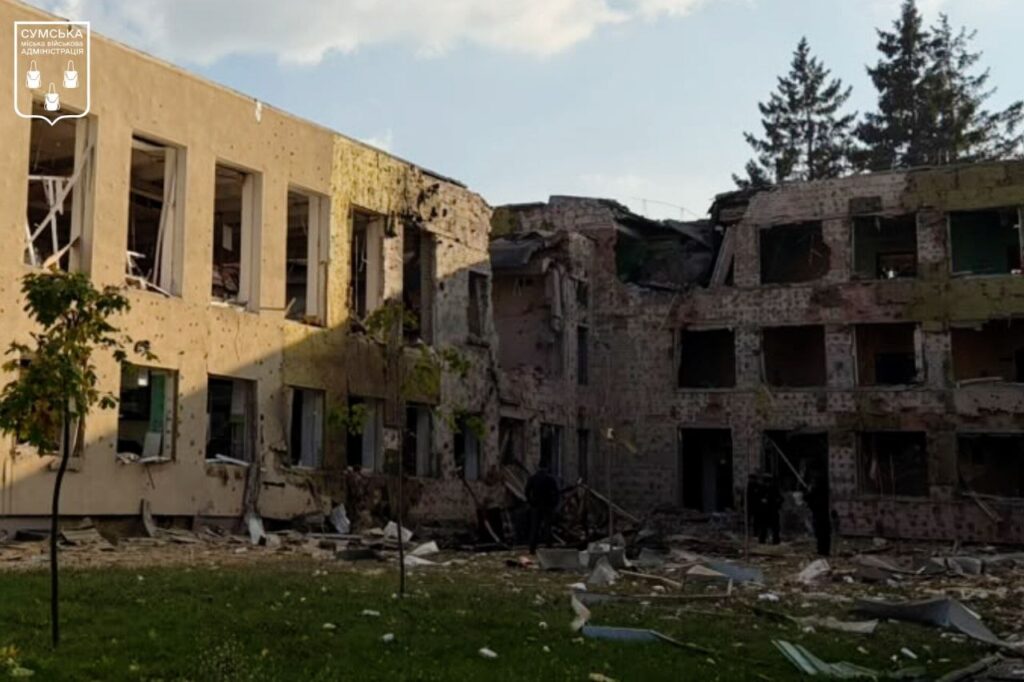
On 29 September, Russia struck a school in Sumy with a 250-kilogram aerial bomb while children in grades 1 to 4 were there, Serhii Kryvosheienko, head of the Sumy City Military Administration, reported. He said the Russians aimed the bomb at the school on purpose. About 40 students were in the school’s shelter when the bomb hit, a school employee told Suspilne.
A school in Sumy where Russian forces carried out a strike while elementary school children were studying, 29 September 2026. Photo: Sumy City Military Administration
"With no pity or compassion whatsoever, they strike at children? There is nothing human in the enemy! He is not fighting on the battlefield—he is destroying a nation," Kryvosheienko said.
Zaporizhzhia experienced a record number of Russian FPV drone attacks on 29 October, injuring 14 people, including a 14-year-old boy, regional authorities said.
Russian forces used FPV drones and multiple-launch rocket systems to attack civilian infrastructure, targeting municipal transport and damaging residential buildings, warehouses, and cars, prosecutors said.
Zaporizhzhia reports record FPV drone attacks
Zaporizhzhia Regional Military Administration head Mykhailo Semikin said Zaporizhzhia had experienced a record number of FPV drone attacks on Thursday. After meeting with military officials, he said the authorities were aware of the situation and relevant services and Ukrainian defenders were responding.
He said Russian forces had “changed their tactics and modified their drones,” adding that Ukrainian military personnel were working on countermeasures to address the new threats.
Semikin urged residents to remain calm, heed air raid alerts, and exercise particular caution.
Russian forces launched a record number of FPV drone attacks on Zaporizhzhia on 29 October, repeatedly targeting civilian public transport.
Drones struck a municipal bus, a minibus, and a trolleybus. Four people were injured in the bus attack alone. Across the city, at least 14… pic.twitter.com/WfemZSh7yr
The attacks included strikes on a municipal bus, a minibus, and a trolleybus, according to Semikin.
In the morning, a Russian FPV drone struck a municipal bus, injuring four people.
In a separate attack, Russian forces struck 15 vehicles, a warehouse building, and a power line, sparking a fire and damaging a nearby apartment building. Two men, aged 41 and 66, were injured.
At around midday, another FPV drone hit a minibus in central Zaporizhzhia, injuring one person.
Later, a Russian drone struck a municipal trolleybus, critically injuring a 56-year-old woman and lightly injuring two other women, aged 71 and 66.
Russian attacks on Zaporizhzhia injured two men, aged 41 and 66.
The strikes set four cars and an open area on fire, damaged a warehouse, and damaged four cars and four buses.
Zaporizhzhia lies relatively close to the front line in southern Ukraine, leaving the city exposed to Russian attacks with weapons that can be used at shorter ranges, including FPV drones and multiple-launch rocket systems.
The proximity allows Russian forces to threaten civilian infrastructure more easily without relying solely on long-range missiles or drones.
Prosecutors investigate suspected war crime
The Zaporizhzhia Regional Prosecutor’s Office said it had opened a war crimes investigation. Investigators from the Security Service of Ukraine’s regional directorate are conducting the pretrial investigation.
The casualty count and damage reports were preliminary, and authorities said information was still being updated as the attacks continued.
Russian attacks kill civilians in several Ukrainian cities
Zaporizhzhia was not the only major city hit by Russian attacks on 29 October. In Dnipro, a Russian strike on the railway station killed at least 14 people.
In Chernihiv, two teenage girls were killed and 23 people injured, including four children. In Kremenchuk, Poltava Oblast, three people were killed and 15 injured, including three children.
The attacks damaged residential buildings and civilian infrastructure in all three cities.
Ukraine’s Navy said on 29 October that it destroyed two Russian Su-34 fighter-bombers in a Neptune missile strike on Marinovka airfield in Russia’s Volgograd Oblast.
The reported strike targets aircraft Russia uses to launch guided aerial bombs against Ukrainian cities, military positions, and frontline communities. Destroying the two jets would reduce Russia’s capacity to carry out these attacks.
Neptune strike hits Russian military airfield
Map: Euromaidan Press
According to the Ukrainian Navy, its units struck the site where Russian aircraft were stationed at Marinovka airfield using a Neptune coastal missile system.
The Navy said the strike destroyed two Su-34 fighter-bombers belonging to Russia’s 11th Mixed Aviation Regiment, based near the settlement of Oktyabrsky in Volgograd Oblast. The regiment is part of the 4th Mixed Aviation Division of Russia’s 4th Air and Air Defense Forces Army.
The Ukrainian Navy did not provide further details about the strike.
Su-34s are key to Russia’s guided bomb attacks
Russia uses Su-34 fighter-bombers to launch guided aerial bombs, known as KABs, against Ukrainian military positions and settlements, particularly in frontline areas. These attacks threaten both Ukrainian troops and civilians in communities near the front.
Aftermath of Russia's KAB bomb strike on a residential house in Kharkiv late on 30 October 2024. Photo: Telegram/Oleh Syniehubov
According to Ukrinform, Russia’s Aerospace Forces had approximately 140 Su-34 aircraft of various modifications in service as of 22 October.
The Ukrainian Navy said it would continue striking Russian military targets to weaken Moscow’s ability to wage war against Ukraine.
For more than 300 years, since Peter I's 1708 script reform, Ukrainian lettering has been shaped by imperial Russian norms. Zakon, presented on 29 October 2026, aims to break that pattern and decolonize the letters of Ukraine's state acts and awards.
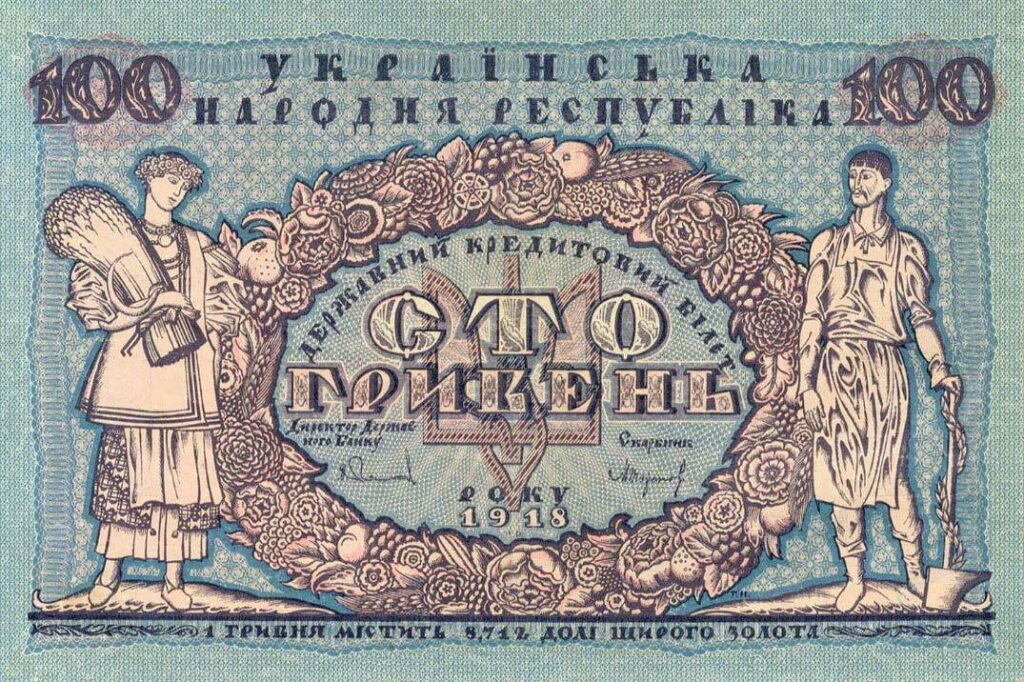
The national font for official state communication draws on the work of Ukrainian artists, including Heorhii Narbut, who designed a 1918 banknote for the Ukrainian People's Republic, the short-lived independent state that fell to the Bolsheviks. It is meant to replace Izhitsa, Petersburg, and other Russian-origin fonts still often used on honor certificates, letters of thanks, diplomas, battle flags, and signs, adding a visual touch to the country's push to boost its national culture amid the fifth year of Russia's full-blown invasion.
Verkhovna Rada Speaker Ruslan Stefanchuk presented Zakon on 29 October, nine months after parliament adopted a resolution that called for a national font and said Russian-origin fonts had no place in official acts or on state awards. The Ministry of Culture developed it with money from the job site Work.ua and its co-owner Artur Mikhno, and the font is still in beta testing, the ministry says.
“The letters in which the word ‘Ukraine’ is written are also part of our state identity,” Stefanchuk wrote. “Decolonization should also concern how Ukraine presents itself.”
"Ukraine" written in Zakon font. Screenshot from mincult.gov.ua
“The creation of a national typeface is an important step toward ensuring that state institutions represent Ukraine through our artistic tradition and contemporary Ukrainian design. [...] We want Ukrainian design to shape the image of our country, and for our cultural heritage to become a source of new solutions,” said Tetiana Berezhna, Deputy Prime Minister for Humanitarian Policy and Minister of Culture.
Three typefaces, one of them free for anyone
Zakon comes in three versions. Zakon Text is designed for everyday official paperwork and is free for anyone to use; it's available for download here. Zakon Decor, for ceremonial inscriptions, and Zakon Letterpress, for printing the originals of legal acts, have closed licenses.
Zakon Text has four styles: regular, italic, bold, and bold italic. The ministry asks users to test it and send feedback before a wider rollout, which Stefanchuk said will be gradual.
The designers are Oleksii Chekal, Hennadii Zarechniuk, Dmytro Rastvortsev, and Andrii Shevchenko, with Taras Ishchyk leading the project.
Example of an Antiqua font
The ministry calls Zakon a “classic Ukrainian antiqua.” Antiqua, or roman, is the family of upright serif letters that grew out of a script Renaissance Italian humanists modeled on Carolingian handwriting, which they took for ancient Roman.
The name set it apart from blackletter, the Gothic script, and its forms became the basis of the roman typefaces Nicolas Jenson and Aldus Manutius cut in 15th-century Venice.
Built on the lettering of six Ukrainian artists
Zakon brings Ukrainian letter forms back to Cyrillic. The Ministry of Culture says that its developers “generalized most of the characteristic features” of six Ukrainian graphic artists’ lettering.
Heorhii Narbut (1886–1920) is credited with 13 of the 24 banknotes issued in 1917–1920, the first Ukrainian postage stamps, and an illustrated Ukrainian alphabet he never finished. His letters drew on Cossack baroque motifs and floral ornament.
Design of the 100 hryvnia note of the Ukrainian People's Republic. Typography, illustration, ornamentation. Heorhii Narbut, 1918.
Vasyl Krychevskyi (1873–1952) drew the trident that became the coat of arms of the Ukrainian People’s Republic in 1918, along with its seals and banknotes.
Vasyl Krychevskyi. Coat of Arms of the Ukrainian People's Republic. Poster, 1918.
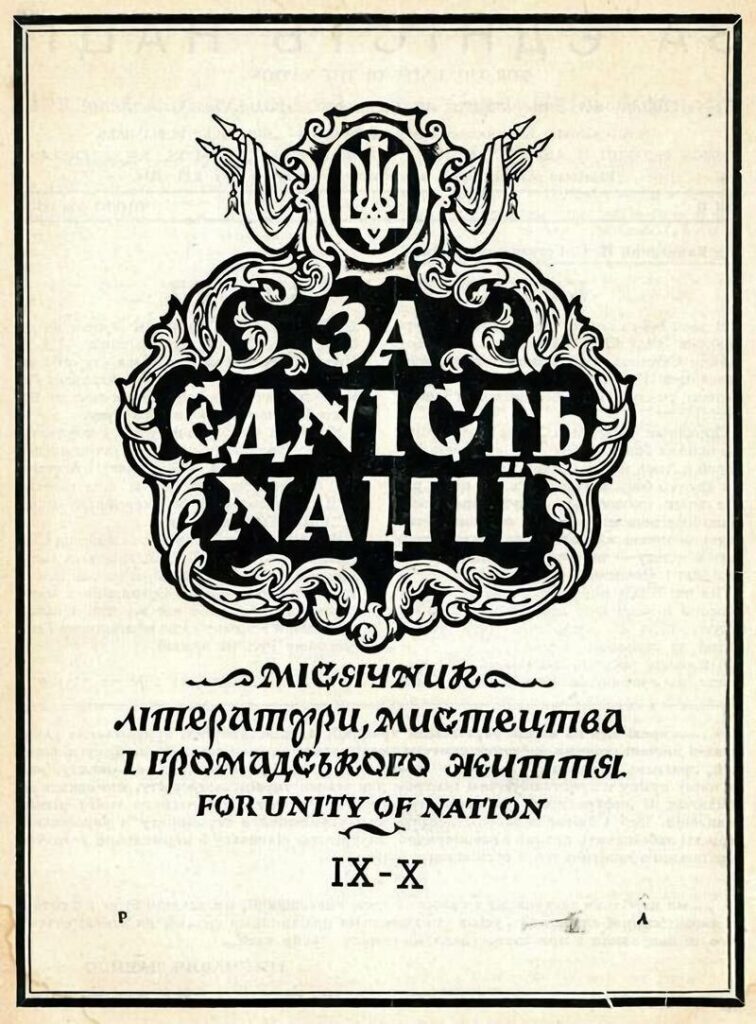
Robert Lisovskyi (1893–1982), a follower of Narbut, made prints, book covers, and emblems, and later led the Association of Ukrainians in Great Britain.
Cover of the magazine *For the Unity of the Nation*. Lettering and coat of arms by Robert Lisovskyi, 1955.
Vasyl Khomenko (1912–1984) created New Ukrainian, a typeface he worked on from 1963 to 1970. Zakon co-designer Zarechniuk is one of the authors of Homenko, a typeface based on his work.
Homenko Font Family developed by Zarechniuk
Yakiv Hnizdovskyi (1915–1985) emigrated to the United States in 1949, later settling in New York, and made close to 250 woodcuts, along with book covers and bookplates.
Book cover. Calligraphy, ornamentation. Yakiv Hnizdovskyi, 1949, Regensburg.
Vasyl Chebanyk (1933–2025) began studying the Ukrainian alphabet in 1971 and in 2001 launched the Rutenia project to restore older Ukrainian forms in a modern shape. Rutenia later grew to more than 60 fonts and won him the Shevchenko National Prize. One of them is on the cover of the ceremonial copy of Ukraine’s Constitution.
The Rutenia decorative typeface designed by Vasyl Chebanyk. Illustrative image
How Ukraine's state started dropping Russian fonts
Russia's full-scale invasion turned fonts into a state matter. On 29 September 2022, days after Russia's sham "referendums" in four occupied Ukrainian oblasts, Anna Yakupova, CEO of ParaType, the Russian studio whose Cyrillic versions of Petersburg and other fonts Ukraine's state institutions still use, congratulated colleagues in a chat that "our country got bigger," prompting a campaign to shun the fonts.
In August 2023, MPs from three factions registered bill 9606 to ban the Russian font Izhitsa from Verkhovna Rada documents and move parliament's honor certificates to Volja, a Ukrainian font made in 2022 by Marchela Mozhyna from the lettering of artist Nil Khasevych. A month later, the culture ministry announced plans for a bank of Ukrainian fonts to replace Russian ones.
In July 2026, the fight reached Ukraine's money. The National Bank of Ukraine said it would redraw the lettering on its new 2,000-hryvnia note featuring poet Vasyl Stus, after type designer Bohdan Hdal said the denomination lettering resembled an unofficial Cyrillic adaptation of Bickham Script made by a Russian designer. “No Russian shadows on a banknote with a poet whom Russia killed,” NBU Governor Andrii Pyshnyi said.
The "Two thousand hryvnias" inscription on Ukraine's new banknote will be redrawn after critics said it resembled a Russian designer's unofficial adaptation of a font
Some readers balk at the Z
Not everyone liked the name. Among the top comments under Stefanchuk’s post, readers objected that the Latin spelling starts with Z, the letter Russia painted on its vehicles for the full-scale invasion. Others welcomed the font itself.
Ukraine’s humanitarian mission to Russian-occupied Oleshky in Kherson Oblast has reached a key stage, with mine clearance along designated routes completed and a humanitarian convoy ready to depart, Ukraine’s Human Rights Commissioner Dmytro Lubinets said on 29 October.
The mission aims to deliver humanitarian aid to civilians trapped in the occupied city facing humanitarian crisis, and provide a safe way out for those who want to leave. The operation is taking place under a localized ceasefire coordinated with the help of US First Lady Melania Trump.
Lubinets said the ceasefire has held for 54 hours without reported violations.
Aid convoy prepared, civilian evacuations planned
Lubinets said the humanitarian convoy was ready to leave and was expected to reach Oleshky’s central hospital. Residents would receive the assistance they need, he said.
Civilians wishing to leave the city would have an opportunity to do so until 2 p.m. local time, with security measures organized for their departure. Distribution of humanitarian aid was scheduled to begin after 2:30 p.m.
Delegations from Ukraine, Russia, and the United States had gathered to coordinate the next steps in the mission. Journalists from all three countries were also present, Lubinets said.
Lubinets travels to occupied Oleshky
Earlier on 29 October, Lubinets said he was still traveling toward Oleshky.
He said he wanted to be on the ground to see the situation firsthand and report on the mission’s progress. Lubinets also asked the public to rely on official sources and wait until he returned before raising further questions about the negotiations.
The Ukrainian ombudsman said the negotiations had been difficult and lengthy, adding that the mission had reached only the halfway point toward its goals.
“If I had to go for the sake of one person, I would go again,” Lubinets said, describing the mission as his duty to help Ukrainians in need.
The mission is being conducted jointly by Lubinets and Russian human rights commissioner Yana Lantratova, with mediation and coordination by Melania Trump.
The localized ceasefire took effect on 27 October to allow mine clearance, humanitarian deliveries, and civilian evacuations.
Oleshky, on the east bank of the Dnipro River in Kherson Oblast, has been under Russian occupation since 2022. Russian occupation and restrictions on access to the city have left civilians facing severe shortages of food, medicine, and other essential supplies, while access to medical care has become increasingly difficult. The humanitarian mission aims to deliver urgently needed aid and help residents who want to leave reach safety.
Explore further
Thousands are starving in occupied Oleshky. People have no food, no way out, and Russian forces bomb incoming aid
Lubinets thanked Melania Trump and the Ukrainians and US citizens who helped bring attention to the situation in Oleshky and support the negotiations. He said the mission’s priority remained delivering assistance and helping civilians leave safely.
The Ukrainian government has instructed Kyiv to establish alternative routes after Russian attacks stopped traffic on one of the capital’s main bridges. The city authorities will bear the cost of the new crossings, with Kyiv Mayor Vitali Klitschko saying the city needs an additional $22 million.
This year, Russia has launched tactics to spread panic among civilians and trigger more people to leave the country. In the latest attack, several Russia's ballistic missiles struck the Southern Bridge, used for vehicle and metro traffic, breaking a huge hole and paralyzing all the pathes. The bridge was closed. Now, there is a fear that more bridges can be targeted this way, dividing Kyiv in two parts.
The situation is urgent, as Ukrainian Transport Minister Mykola Kalashnyk says about 600,000 vehicles cross the Dnipro in Kyiv every day.
What is Kyiv’s response to the winter terror?
According to Klitschko, Kyiv convened the capital’s Defense Council on 28 October to find an answer to this difficult question.
The agenda included implementing a project to build combined water crossings over the Dnipro River and access roads to them.
“The military command will determine the locations, with approval to be granted, among others, by the Kyiv City Military Administration,” Klitschko said.
Under the government’s recommendations, the Kyiv city authorities must find $22 million for the project.
Klitschko had previously faced heavy criticism after it emerged that the city lacked sufficient shelters and last winter exposed serious shortcomings in preparing infrastructure for Russian attacks. These included a lack of alternative energy supply routes, poorly distributed energy, burst heating pipes that flooded apartments, and the inability of people with disabilities to reach shelters without elevators.
The mayor himself said the problems stemmed from the central government withholding funding, which had stalled numerous energy resilience projects and delayed their implementation.
The latest announcement also indicates that Kyiv has once again taken on the financial burden itself.
Meanwhile, Ukraine has been working with Japan on backup crossings. Tokyo has already delivered 720 meters of prefabricated bridge structures to Ukraine. The two sides are currently exploring how this equipment could be used to establish alternative crossings.
Step two: strengthening existing infrastructure
Another option is to reinforce existing bridges. City specialists are developing additional technical solutions to protect bridges across the Dnipro River, Klitschko said in his statement on 27 October, adding that proposals from the military had also been heard.
The issue of installing mobile shelters was also raised on the same day, the mayor of Kyiv said in a separate statement on his Telegram channel on 27 October. Despite intensifying Russian attacks and about, as Radio Svoboda reported in its article on 30 September, $11 million set aside in 2025, Kyiv still has only a handful of mobile shelters: LB reported in December 2025 that district tenders failed. Donors paid for the first one at a bus stop, the Kyiv City State Administration said on 15 October.
Klitschko raised the issue of shelters again after a courton 12 October ruled that local authorities must urgently install mobile shelters in public areas, including near public transport stops, parks, and squares, according to Kyiv’s Prosecutor’s Office.
Russia hits the Southern Bridge again
On 2 October, Ukrainian President Volodymyr Zelenskyy said in an interview with the Financial Times that Russian ruler Vladimir Putin had ordered the lifting of previous restrictions on airstrikes. Among new targets, according to him, were bridges, data centers, internet, mobile networks, hospitals, kindergartens, schools, and universities.
The night of 26–27 October showed what that looks like. Russia launched ballistic missile attacks in a few waves, and the second of them hit the Southern Bridge and the metro infrastructure on it, Klitschko said. The structure carries six lanes of road traffic and two metro tracks.
Rescuers work beside a fence pocked by shrapnel in Kyiv after the Russian attacks of 26–27 October 2026. Photo: DSNS Kyiv
Zelenskyy put the night’s total at 16 ballistic missiles and blamed delays in deliveries of Patriot and NASAMS interceptors: “Every such delay is a new Russian hit on one target or another.”
Ukraine’s Defense Forces inflicted an estimated 49,040 personnel losses on Russian forces in October as of 29 October, setting a new monthly record since Russia launched its full-scale invasion, Ukraine’s General Staff said.
The figure points to the growing human cost of Russia’s war against Ukraine. Ukraine’s military says Russian losses are rising faster than Moscow can replenish its units, making it increasingly costly for Russia to sustain its offensive operations.
October losses surpass previous record
The previous monthly record was set in December 2024, when Russian forces suffered an estimated 48,670 personnel losses, according to the General Staff.
October’s total had already surpassed that figure by 370 personnel as of 29 October, with three days remaining in the month.
The General Staff reported an average of about 1,750 Russian personnel losses per day in October so far.
Russian losses rise sharply in 2026
Ukraine’s General Staff reported 26,090 Russian personnel losses in February 2026, followed by 46,230 in September. By 29 October, the October figure had reached 49,040.
The figures indicate a sharp increase in reported Russian losses over the past several months.
Explore further
Russia now loses more soldiers than it recruits. But the war won’t end because of that.
Ukraine says losses exceed Russia’s ability to replenish units
The General Staff said the pace of Russian personnel losses exceeds Russia’s ability to replenish its military units. According to the Ukrainian military, the rising toll makes each month of the war increasingly costly for Moscow.
The figures refer to total personnel losses and do not distinguish between those killed and wounded. They are estimates published by Ukraine’s military and could not be independently verified.
Ukraine’s Defense Forces said they would continue inflicting losses on Russian forces until Russia’s armed aggression against Ukraine ends.
Ukraine and the Netherlands are working together on a new missile defense project
"Bliksem" may be an effort to develop a ballistic missile interceptor that can hit incoming missiles above the atmosphere
It's a rare and valuable capability, and one Ukraine needs—but it won't come quickly or cheaply
Ukraine and the Netherlands will collaborate on an air-defense project called "Bliksem," Ukrainian President Volodymyr Zelenskyy announced during his visit to the Netherlands on Wednesday, 28 October.
Zelenskyy didn't offer a lot of details. But if the Bliksem initiative he referenced on Wednesday is the same Bliksem initiative that a consortium of European companies launched this summer, then Ukraine could be in line to acquire one of the world's most powerful missile interceptors.
But not quickly. Nor cheaply.
Explore further
Ukraine fired its first FP-7 ballistic missile in combat. Its maker says next version will do what Ukraine needed since 2022
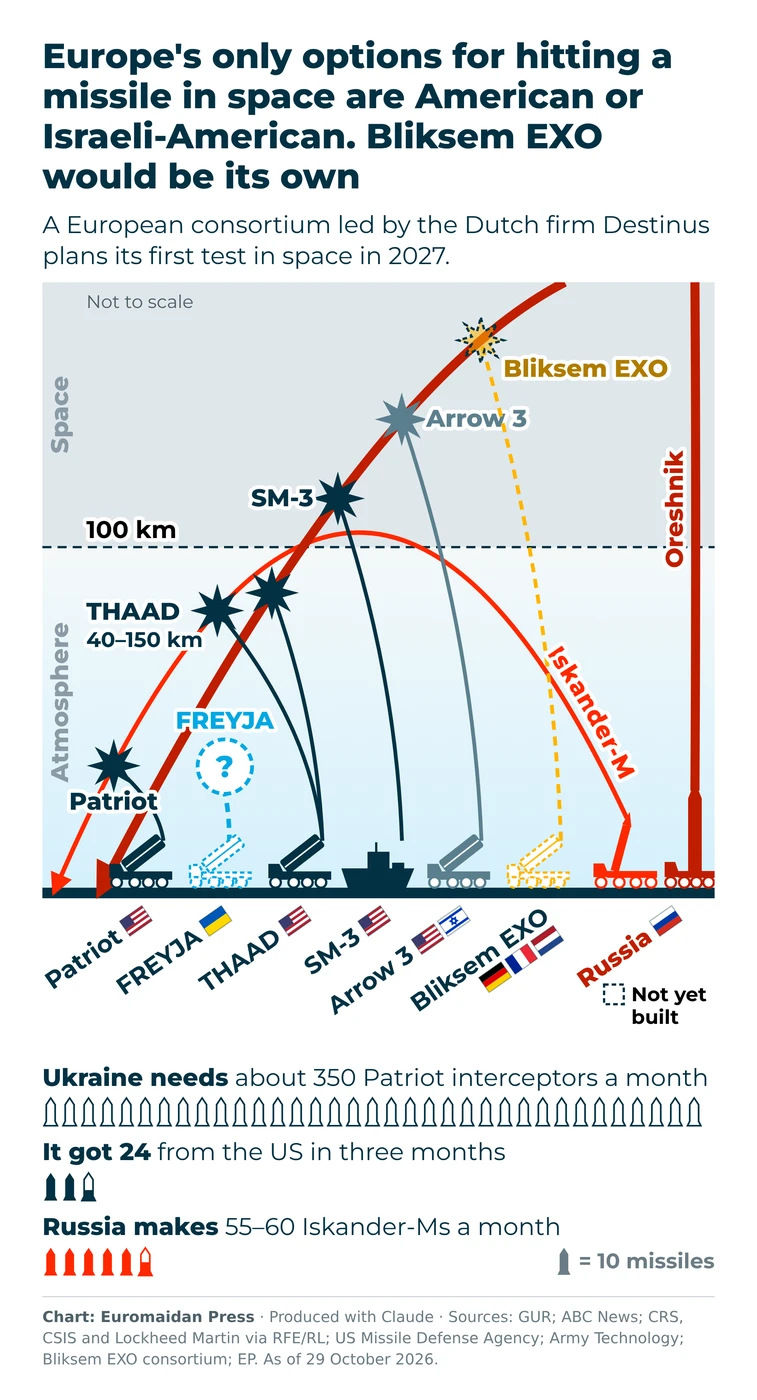
The pan-European Bliksem project aims to develop a so-called "exo-atmospheric" interceptor. That is, a missile that can fly higher than 100 km—above Earth's atmosphere—in order to hit the most dangerous ballistic missiles during their mid-course phase of flight, before they tip back into the atmosphere and streak down toward their targets.
On Wednesday, Zelenskyy and Dutch Prime Minister Rob Jetten met with the heads of Dutch and Ukrainian companies in the defense, energy, and software sectors, Zelenskyy said. "We defined key priorities and decisions that can strengthen our practical economic cooperation: defense production, joint technology and energy projects, industrial development, and, very importantly, satellite technologies and air defense," Zelenskyy said.
"Our teams have been tasked with working out a specific air defense project, Bliksem," Zelenskyy continued. "We have already started this work."
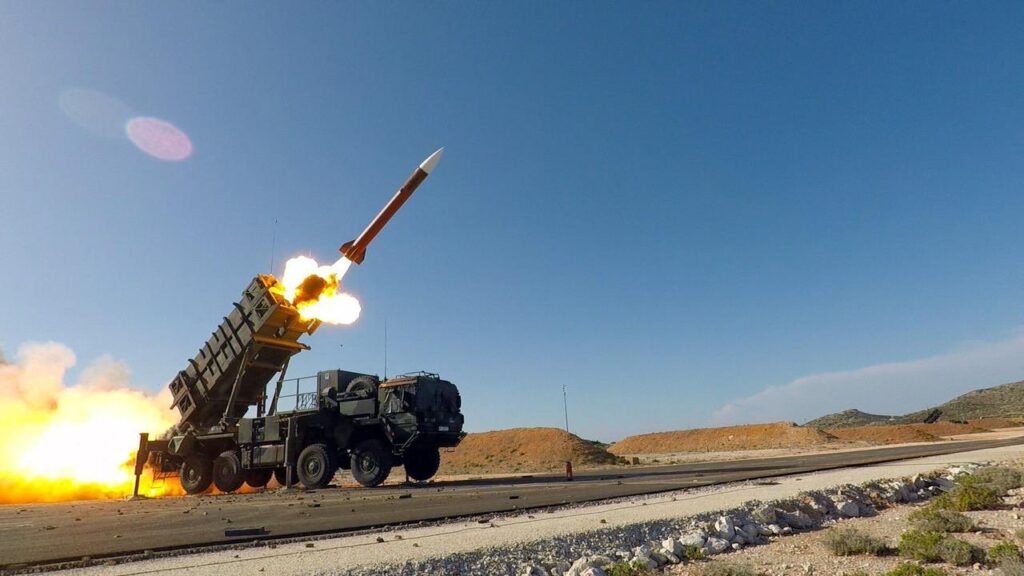
If the Dutch-Ukrainian Bliksem is the same as the wider European Bliksem, then it's an effort to develop a missile in the class of the American Terminal High Altitude Area Defense (THAAD) and Standard Missile-3 (SM-3), as well as the US-Israeli Arrow 3. All three are exo-atmospheric.
Cued by radars and satellites and boosted 100 km into the sky, they punch right through the hazy Kármán line that delineates the border between the atmosphere and space.
Cold of space
Chart: Euromaidan Press
Up there in the cold vacuum, the interceptors can see clearly with sensitive infrared seekers—and distinguish incoming ballistic missiles from any decoys the missiles may deploy. Thrusters maneuver the interceptors to directly impact incoming missiles, destroying them with kinetic energy rather than explosive warheads.
While Germany has a few Arrow 3s, most European powers lack exo-atmospheric interceptors. Their only option for shooting down the heaviest incoming ballistic missiles (such as Russia's intermediate-range Oreshnik) is to hit them in the final seconds of flight, when even a destroyed ballistic missile can cause damage by scattering supersonic debris.
To plug that air defense gap, this summer five European companies—Destinus, MBDA, Safran, Airbus, and Thales—signed a letter of intent to form the Bliksem EXO consortium. The goal: to test the interceptor's kill vehicle in space in 2027.
The companies signed in Paris at the first meeting of an anti-ballistic coalition that Ukraine launched with nine European countries, including the Netherlands, with Dutch Prime Minister Rob Jetten present. They said the design would draw on Ukraine's experience against Russian missiles. The lead firm, Destinus, is Dutch. Given Zelenskyy's statement, it's possible Ukrainian firms will join the consortium itself.
Explore further
Ukraine’s answer to Russia’s jet Shaheds: a jet drone named Bars, built to strike Russia and now turned around to hunt them
If the timeline holds and any technology Bliksem EXO develops actually works, the result could be a new interceptor rivaling the THAAD, SM-3, and Arrow 3—and one unbound by American export restrictions. Europe could arm itself for mid-course missile defense. Ukraine could, too, significantly stiffen its missile defenses that are in a state of collapse owing to a deepening shortage of American-made Patriot missile interceptors.
Don't expect Bliksem to bear fruit quickly or cheaply. The THAAD, SM-3, and Arrow 3 interceptors each needed a decade or more to move through development to deployment. And leaving aside their multi-billion-dollar development costs, the missiles are expensive. A single THAAD interceptor costs $12 million. Even the Americans can't afford to stockpile more than a few hundred THAADs at a time.
A Bliksem interceptor could eventually—and at great cost—lend Ukrainian forces a capability they currently lack: an active defense against a big ballistic missile like the Russian Oreshnik.
Ukraine is also building its own anti-ballistic system, FREYJA, with European partners. Zelenskyy wrote on 21 October that officials had found ways to speed it up so it reaches testing by the end of this year.
But neither project will solve a much more urgent problem: how to shoot down the dozens of smaller ballistic missiles Russia has been launching at Ukrainian cities every month. Ukraine got only 24 Patriot interceptors from the US in three months and needs about 350 a month, Zelenskyy told ABC News on 23 October. Meanwhile, Russia produces 55–60 Iskanders a month, according to Ukrainian military intelligence.
To stop the ballistic barrage, Ukraine simply needs more Patriots—and soon.
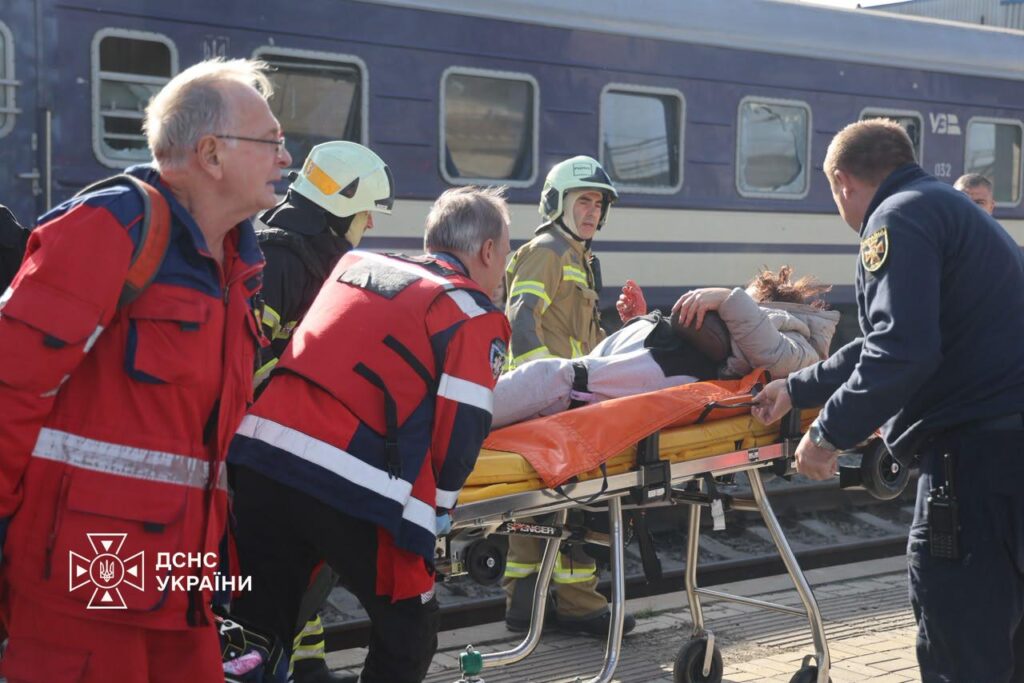
A Russian jet-powered drone hit a platform at Dnipro's railway station on 29 October, killing more than a dozen people waiting by a train, Dnipropetrovsk Oblast head Oleksandr Hanzha reported. An air alert was on, but many passengers had not left the platform. The strike came hours after another overnight Russian drone barrage across Ukraine.
Russia's air war on Ukraine leans more and more on jet-powered drones, and Ukraine's air defenses have stopped nearly 60% of the Geran-4 type over the past three months. Rail is among Russia's main targets: by late August, its strikes had damaged 492 locomotives as Moscow tried to cut Ukraine's export corridors, and in September Russia struck a passenger train near the Polish border. Civilians waiting for transport keep paying the price, and this month a Russian bomb killed 30 bus passengers in Kramatorsk.
One drone reached the platform
Around 11:00, Russia sent four jet-powered attack drones toward Dnipropetrovsk Oblast, the Air Force said. Air defenses destroyed three. The fourth hit a platform where a train stood, the state railway company Ukrzaliznytsia said.
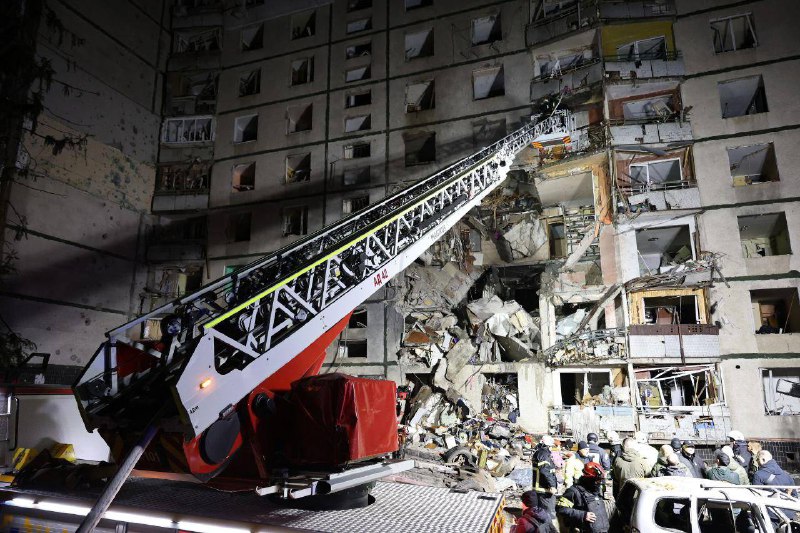
By early afternoon, the death toll had reached 14. Another 14 people were wounded, 13 of them in hospital and six in serious condition, Hanzha reported. Among them is an 11-year-old boy. A 40-year-old man lost both legs.
Rescuers on a platform at Dnipro railway station beside an electric train after a Russian jet-powered drone strike, Dnipro, Ukraine, 29 October 2026. Photo: State Emergency Service of Ukraine
Many stayed on the platform despite the alert
Ukrzaliznytsia's monitoring team flagged heightened danger as the jet drone approached, and train crews and the station got orders to halt traffic, the company said. An evacuation was announced on the electric train to Zaporizhzhia more than 10 minutes before the strike. The driver's assistant walked through every car, and announcements told passengers to move at least 200 meters away.
“Unfortunately, despite all this, many people were in the immediate vicinity of the train at the fatal moment of the strike, hence such a significant number of dead and wounded,” Ukrzaliznytsia wrote.
Rescuers evacuating an injured civilian from a platform at Dnipro railway station beside an electric train after a Russian jet-powered drone strike, Dnipro, Ukraine, 29 October 2026. Photo: State Emergency Service of Ukraine
Kyiv ties the strike to sanctions relief
Ukrainian President Volodymyr Zelenskyy linked the attack to the lifting of some sanctions on Russia. “How many such terrorist strikes Russia has carried out against our people since sanctions were lifted from some Russian oligarchs and energy, instead of going for de-escalation,” he wrote. Sanctions on Moscow and its war machine must not weaken while the war goes on, he added, calling for new and stronger sanctions steps from the EU, the US, and the G7.
Explore further
Russia’s sanctioned top diplomat heads to the US to campaign against the sanctions on its war
Overnight, Russia launched 112 drones
Overnight on 29 October, Russia attacked Ukraine with 112 drones, 40 of them jet-powered, the Air Force reported. Air defenses downed or suppressed 97, but drones hit seven locations.
A man stands beside a shrapnel-marked electric train at Dnipro railway station after the Russian drone strike, with bags and the blurred bodies of victims on the platform, Dnipro, Ukraine, 29 October 2026. Photo: State Emergency Service of Ukraine
In Zaporizhzhia, a Russian FPV drone hit a municipal bus in the morning, wounding a woman and a man, Zaporizhzhia Oblast head Ivan Fedorov reported. Two later Russian strikes on the city wounded two more men and damaged 15 vehicles. In Bilenke in Zaporizhzhia Oblast, Russian attacks killed a 49-year-old man.
Some European diplomats in Seoul are weighing whether they can still trust South Korea as a like-minded partner if it grows closer to Russia, the Financial Times reported on 28 October, according to South Korea’s Financial News. One European diplomat also told the FT that Seoul wants to resume trade with Russia as soon as the war ends.
As Russia presses its war against Ukraine, Kyiv’s partners count on each other to keep up the pressure on Moscow. The doubts about South Korea now come from its European partners, not only from Kyiv. The report lands eight days after Seoul said it would withdraw about half its staff from Kyiv over a dispute about two North Korean prisoners of war.
An Arctic voyage, a new adviser, and signals from Moscow
According to the FT, European diplomats saw a South Korean pilot voyage along Russia’s Arctic sea route as a sign of a tilt toward Russia, since the voyage required extensive cooperation from Moscow.
Meanwhile, on 1 October, South Korean President Lee Jae-myung appointed Song Young-gil, a six-term lawmaker and former chair of parliament’s foreign affairs committee, as his special adviser on peace diplomacy. Song once served as a special envoy to Russia, the FT noted.
On 20 October, Russian Deputy Foreign Minister Andrei Rudenko said Seoul had signaled it wants to normalize relations but says full normalization can come only after a change in the geopolitical situation, which he said means the end of the war in Ukraine.
Fuel for Russia loaded at South Korean ports, but Seoul denies direct exports
The FT also cited reports of fuel shipments to Russia. A Guardian analysis published on 6 October found that more than 176,000 tons of fuel, mostly diesel, were loaded at South Korean ports in July and August. The fuel went onto seven tankers bound for Russia’s Far East, three of them under UK and EU sanctions. The Guardian said the trade does not appear to breach South Korean law.
On 8 October, South Korea’s foreign and trade ministries and customs service said no diesel, jet fuel, or gasoline had been exported to Russia through customs. They said they would examine the tankers’ routes and any divergence from their declared destinations before judging whether the law had been broken.
Ukraine’s sanctions commissioner Vladyslav Vlasiuk said the shipments helped Russia offset refinery losses caused by Ukrainian strikes. South Korea’s presidential office called the claim inaccurate and inappropriate, saying the key facts of the transactions had not been verified.
In a statement to the FT, South Korea’s Foreign Ministry said concerns in some quarters that the country was leaning too far toward Russia were not based on fact. It added that Seoul supports international efforts to end the war in Ukraine.
Seoul cuts its Kyiv embassy staff over the POW dispute
At the same time, relations with Ukraine have deteriorated over the transfer of two North Korean prisoners of war to South Korea, which Zelenskyy disclosed at the UN General Assembly in September. Seoul says the disclosure broke a confidentiality understanding. Dmytro Lytvyn, Zelenskyy’s communications adviser, wrote in a Facebook comment on 25 September that “there was no such agreement.”
On 20 October, Seoul said it would withdraw roughly half its diplomatic staff from Kyiv, citing Kyiv’s failure to take “positive steps” on the POW dispute and continued Russian airstrikes, Yonhap reported. A chargé d’affaires and all consular staff will stay.
Russia's sanctioned Foreign Minister Sergei Lavrov is heading to a G20 meeting in the US, Russian Foreign Ministry spokeswoman Maria Zakharova stated. Moscow plans to use the trip to argue against sanctions, days after Russian ballistic missiles hit Kyiv. Ukraine, meanwhile, is still waiting for Washington's sign-off on the air defense missiles it needs.
Ukraine is fighting Russia's air war while its main ally squeezes it too, from capped Starlink links to missing US warnings of incoming ballistic missiles, leaving Kyiv weaker before any talks. A new round of the US-Russia-Ukraine trilateral talks is expected in Abu Dhabi in November.
Moscow's sanctioned minister plans to argue against sanctions
Lavrov will lead the Russian delegation at the G20 foreign ministers' meeting, which the US hosts in Atlanta on 30–31 October. In his speeches, he will denounce “the use of economic ‘weapons’ to fight opponents, including sanctions,” Russia's Foreign Ministry stated. The US Treasury sanctioned Lavrov on 25 February 2022, the day after Russia launched its full-scale invasion of Ukraine.
The ministry claimed its delegation ran into American red tape over visas. Journalists in Lavrov's press pool still received US visas without movement restrictions, Russian state news agency TASS reported.
The State Department's announcement of the meeting doesn't mention Russia or say whether Lavrov got a sanctions waiver. Republican Congressman Don Bacon told RFE/RL that Russian leaders “should not be welcomed in any of these forums.”“They lead a pariah state,” he said.
Moscow's demands arrive days after its missiles hit Kyiv
Lavrov will also stress “the cornerstone importance of indivisible security” as the basis of multipolarity, the ministry stated. Ukrainian President Volodymyr Zelenskyy has ruled out neutrality and limits on Ukraine's army.
Explore further
Russian ballistic missiles hit a Kyiv university campus, then return before dawn for the Southern Bridge again
A day before the trip was announced, Lavrov called the US-Russia diesel deal a purely business arrangement. “There were no strings attached,” he claimed.
Lavrov brings these demands days after Russian ballistic missiles hit a Kyiv university campus and the Southern Bridge, killing a 46-year-old woman, the Kyiv City Prosecutor's Office reported. Kyiv has waited almost a month for US Defense Secretary Pete Hegseth's signature on Patriot and NASAMS missiles, Zelenskyy wrote.
Moscow keeps collecting from Washington
The visit adds to a run of US moves in Moscow's favor. This month, the US Treasury cleared Russian diesel blocked by sanctions. US President Donald Trump then waived tariffs on buyers of Russian oil. US Energy Secretary Chris Wright also said investors could buy sanctioned shadow-fleet tankers and return them to legal trade. Russia, for its part, kept striking Ukraine's energy sites during the truce Trump announced.
Russian officials are also back in G20 rooms in person. In late August, Russian Finance Minister Anton Siluanov attended a G20 finance meeting in Asheville, North Carolina. It was his first in-person G20 appearance since 2022, and European officials refused to join the group photo with him. The State Department has stated that Russia is welcome at all G20 meetings, and a senior US official said Russia would be invited to the leaders' summit in Miami in December.
Western ministers used to push back at those tables. When Lavrov spoke at the G20 meeting in Johannesburg in February 2025, then-British Foreign Secretary David Lammy said he saw no appetite for peace.
In Atlanta, Obama accuses the White House of selling out Ukrainians
Former US President Barack Obama campaigned in Atlanta on 28 October, two days before Lavrov's meeting there.
“And while we're alienating key allies like Canada, the White House is bending the knee to Vladimir Putin of Russia and selling out Ukrainians who are fighting for their freedom and democracy,” Obama said.
He also likened Trump's self-enrichment in office to “what dictators in other countries do.”
The Higher Regional Court in Düsseldorf has ordered two 19-year-old Germans held pending extradition to Bulgaria, which accuses them of setting fire to Starlink antennas at a satellite ground station near Sofia, the court and Düsseldorf prosecutors said on 29 October. The men, from Duisburg and Moers, were arrested on 23 October, German prosecutors told Reuters.
As Russia presses its war on Ukraine, Starlink keeps Ukraine’s drone units and front-line troops connected, and its ground sites in Europe have become targets. Within a month, fires and attempted fires hit Starlink sites in Poland, Bulgaria, and Lithuania, and Warsaw and Vilnius have linked them to Russia. The Bulgarian case now has its first arrests, and Sofia says the same pair struck another EU country, which would make it more than a one-off.
Sofia says the pair struck another EU country on 18 October
Bulgarian Interior Minister Ivan Demerdzhiev said he expected both suspects to be handed over to Bulgaria, and that the same two carried out a similar attack in another EU member state on 18 October, the state news agency BTA reported on 28 October. He did not name the country outright, but went on to cite Lithuania’s prime minister on an attempted arson there.
Overnight on 18 October, intruders tried to set fire to a Lithuanian company that stores Starlink equipment used by Ukraine, but tipped-off guards foiled the attempt. Lithuania’s prime minister called it part of Russia’s hybrid war.
Bulgarian Prime Minister Rumen Radev said the suspects had been detained in Germany several days earlier, and that disclosing their names sooner would have let them flee. The opposition wants to know whether a foreign security service warned Bulgaria at least a week before the attack, and how two 19-year-olds could enter the country and leave unnoticed. Parliament has failed three times to gather a quorum for a sitting to hear Radev and the security chiefs.
The suspects refuse a quick handover
The two did not agree to a simplified extradition, and the court will rule later on whether handing them over is admissible, according to the court’s statement carried by the dts news agency. Any extradition is to be approved only on the condition that, after a final sentence, they are offered a transfer back to Germany to serve it. Their lawyers plan to contest the Bulgarian warrant, dpa reported.
Explore further
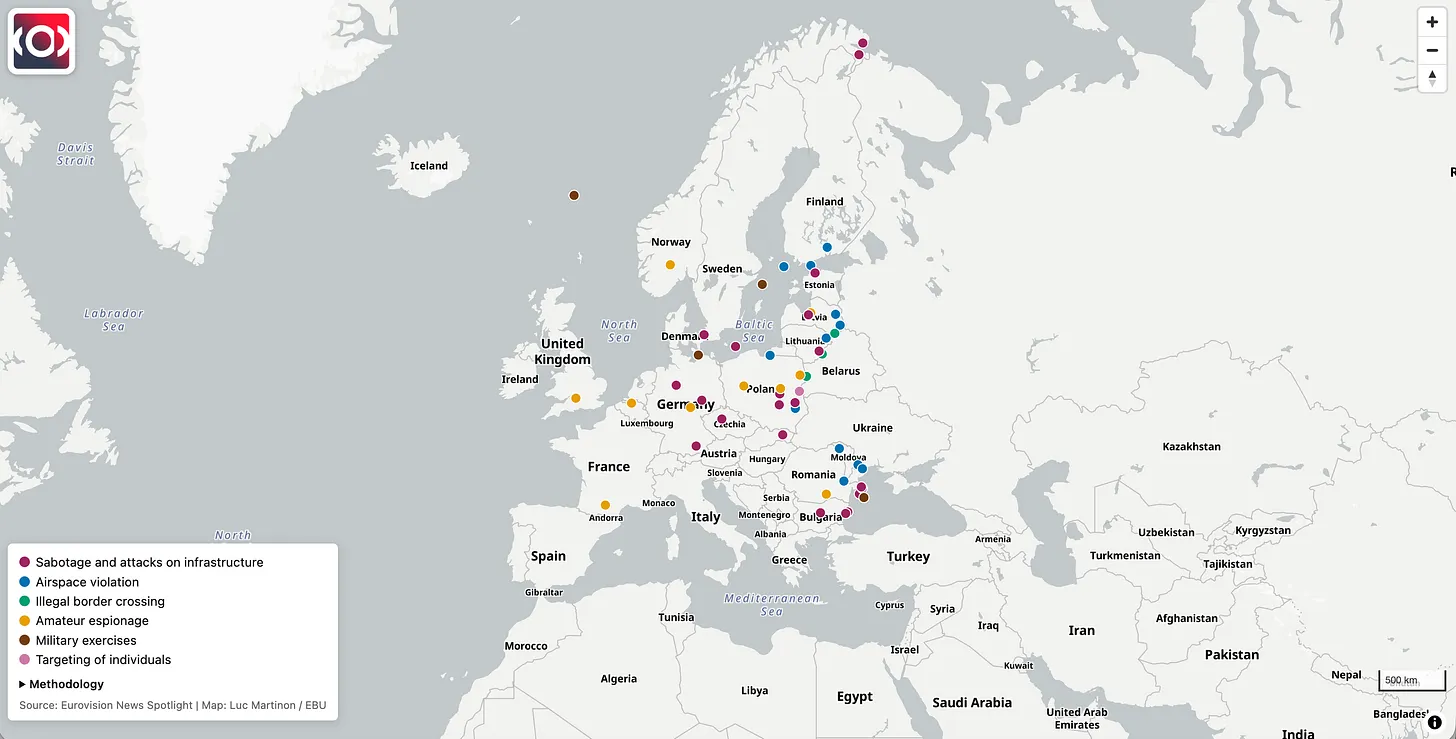
17 public broadcasters mapped Russia’s hybrid war on Europe. Germany: four dots
Bulgarian prosecutors say the pair crossed from Serbia as tourists on 9 October, set fire to eight antennas at the Plana teleport south of Sofia, and drove back to Serbia the same night. They were charged in absentia, a Sofia court confirmed European arrest warrants for them, and they face three to 12 years in prison if convicted.
Sofia City prosecutors announced the arrests on 27 October and said German authorities are gathering evidence for the case under a European investigation order. The pre-trial investigation continues, they said.
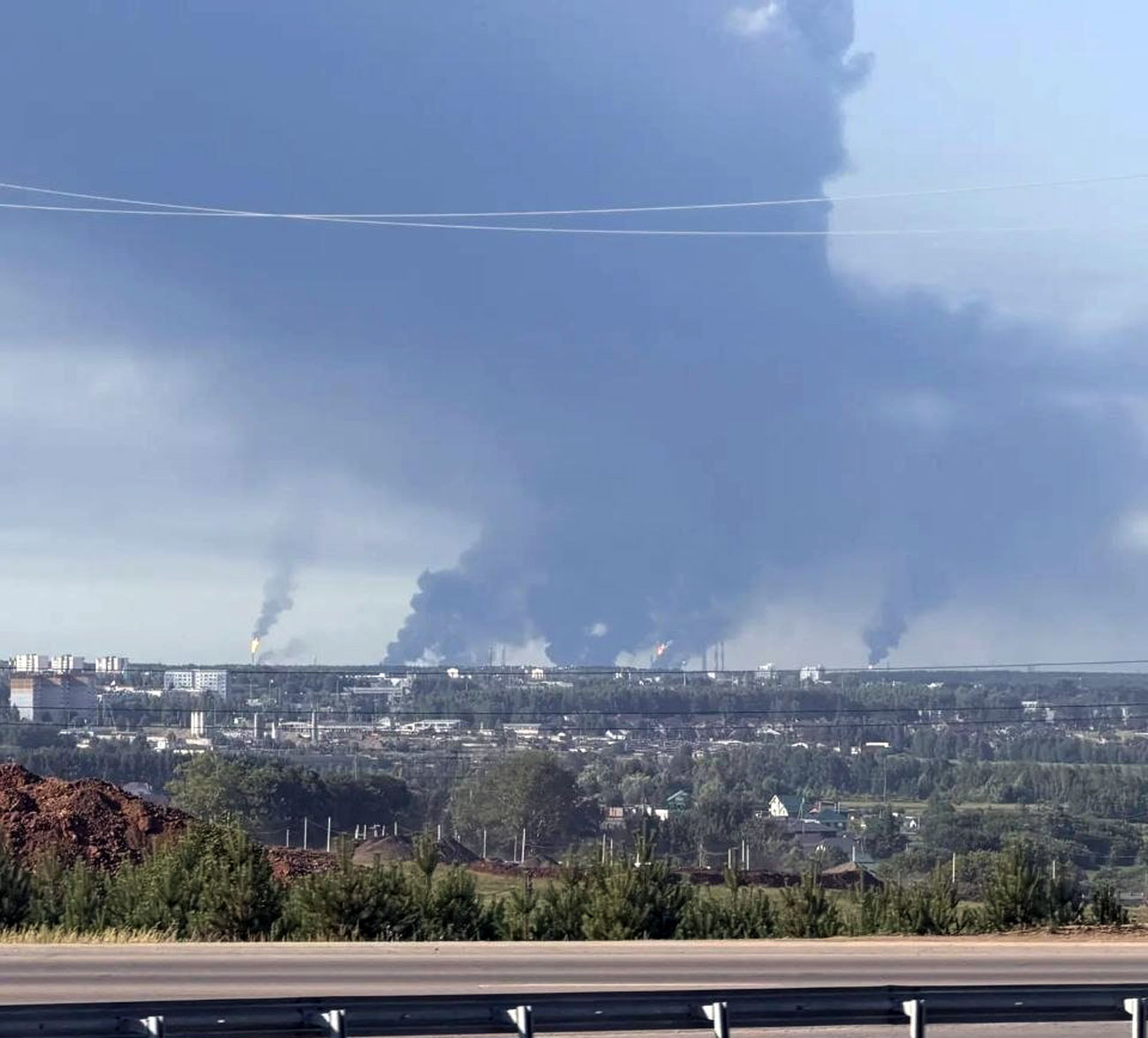
Drones attacked Sterlitamak in Russia’s Bashkortostan on 29 October, and smoke rose over the Bashkir Soda Company, Russian Telegram channel Astra reported, citing its open-source analysis. The city’s mayor admitted debris fell on an unnamed plant.
Ukraine’s long-range drones keep reaching deeper into the industries that feed Russia’s war. In the past five days, a nitric acid maker in Tula Oblast, a rocket-fuel rubber plant in Samara Oblast, and a titanium plant in the Urals came under attack. The Sterlitamak plant lies about 1,310 km from the front line. Drones also attacked it on 27 August, Astra says. Ukraine has not commented.
The plant is Russia’s only maker of a compound for armor fibers
The Bashkir Soda Company is Russia’s largest producer of soda ash and baking soda, and part of the Roskhim chemical holding. It is also Russia’s only maker of terephthaloyl chloride, The Insider reported, citing the company’s website. The website also mentions deliveries to the defense industry.
Smoke rises over Sterlitamak in Russia's Bashkortostan during a drone attack on 29 October 2026. Photo: Exilenova+
The compound goes into aramid fibers, Kevlar-type materials used for body armor, helmets, and armor for military vehicles and aircraft, Astra said. Astra also says the company sits on the Russian Industry and Trade Ministry’s closed register of defense enterprises.
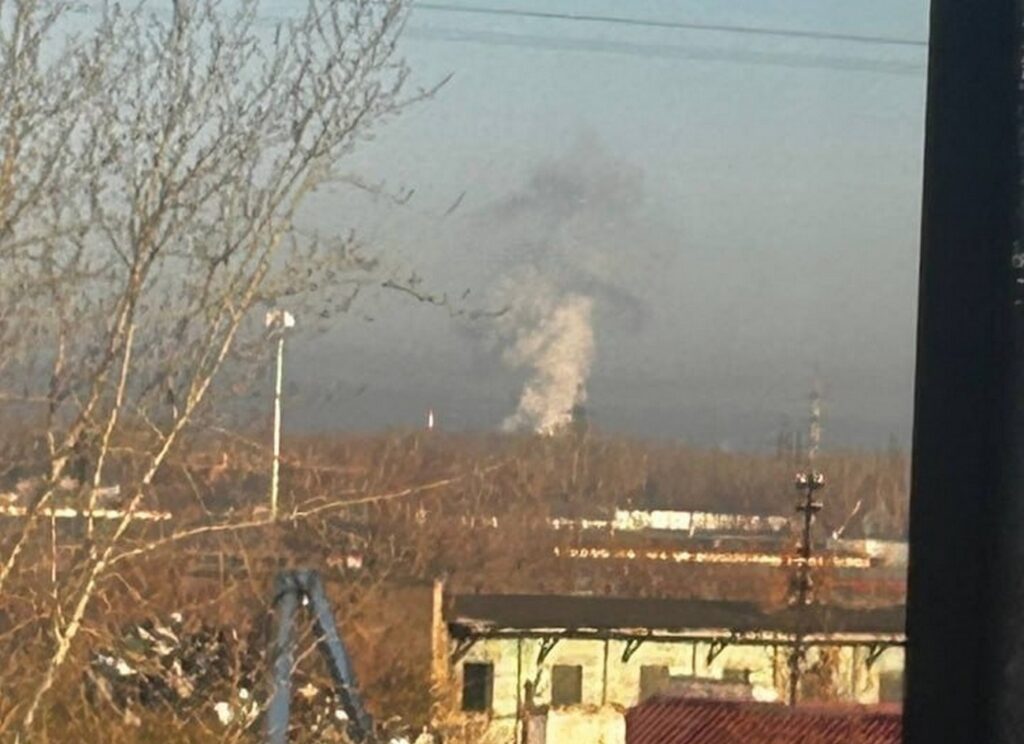
The attack began around dawn. Ukrainian Telegram channel Exilenova+ posted footage of a drone over the city. Supernova+, another Ukrainian monitoring channel, posted the plant’s coordinates and photos of smoke. Russia’s aviation agency restricted flights at the airport of Ufa, the region’s capital. Pro-Ukrainian X account Maks 26 shared footage of the attacks on Sterlitamak and Luhansk. It also suggested that Sterlitamak’s Syntez-Kauchuk rubber plant may have been the target, and claimed a fire at the Marinovka air base in Volgograd Oblast.
After the attack by Ukrainian drones, a fire was recorded in the area of the Marinovka military airfield in the Volgograd region.
The Defense Forces also attacked Bashkortostan. Bashkir Soda Company in Sterlitamak or Syntez-Kauchuk JSC could have been hit.
Mayor Emil Shaimardanov claimed air defenses downed all seven drones over the city. An earlier version of his post, quoted by Russian state news agency TASS, said eight.
“Debris fell on the territory of one of the enterprises. Minor damage was caused, the plant is operating normally,” Shaimardanov claimed.
He did not name the plant.
Smoke over the Bashkir Soda Company in Sterlitamak, with the plant marked on a satellite image, 29 October 2026. Collage: Supernova+
The Insider said NASA’s FIRMS fire map confirmed a fire at the plant. But the map shows only the weak heat source its satellites record there almost every night, the last time hours before the drones came, and nothing new after the attack.
Explore further
Russia’s refinery in Saratov, two in Tatarstan, a pumping station in Bashkortostan — one night’s oil target list
Moscow and other regions under attack
Moscow Mayor Sergei Sobyanin claimed that 613 drones flew toward the Moscow region overnight, that most were downed on the far approaches, and that 231 were downed on approach to the capital. Russia’s aviation agency restricted flights at Vnukovo, Domodedovo, and Zhukovsky airports. Russia’s Defense Ministry claimed it downed 1,214 drones over 19 regions overnight.
Ukraine’s General Staff said its forces hit a depot of Geran drones, Russia’s version of the Iranian Shahed, along with a drone launch site and a fuel depot near Navlya in Bryansk Oblast, about 70 km from the Ukrainian border. The Atesh partisan movement reported a loud explosion near Oryol’s airfield and a large fire in Lipetsk, about 285 km from the border.
Explosions in occupied Crimea, power cuts in occupied Luhansk
Subscribers of Crimean monitoring channel Krymsky Veter reported drones and then a strong explosion with Russian air defenses firing in Krasnoperekopsk, in occupied Crimea, about 95 km from the front line.
In occupied Luhansk, about 105 km from the front line, residents reported another attack on Lugacom, the occupation’s mobile operator, and internet outages followed, Exilenova+ said. The channel named only Lugacom. The operator sits in the seized Ukrtelecom building. Exilenova+ also posted footage of a fire in the city.
Leonid Pasechnik, the Russian-installed head of the occupied part of Luhansk Oblast, claimed that 150,000 customers in six municipalities lost power after attacks on energy facilities.
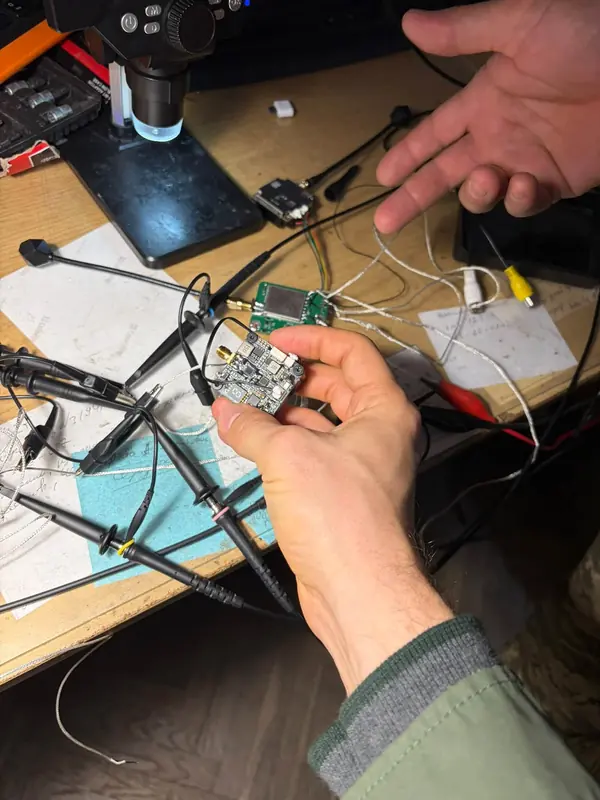
Russia has started installing magnetometers in the tails or tail fins of its Geran attack drones, Vladyslav Vlasiuk, the Ukrainian president’s commissioner for sanctions policy, said on Facebook on 28 October.
Russia uses its Shahed-Geran series drones in massive daily attacks on Ukraine. Ukrainian forces jam Gerans’ satellite navigation to push them off course, and Russia keeps hardening the drones against it, already fitting them with adaptive antennas. The magnetometer appears designed to go further, giving the drone a heading that doesn’t depend on satellites at all. Earlier this month, Ukrainian military intelligence reported a US-made magnetometer in the upgraded Geran-4.
A new jamming device, and Western parts at the core
Vlasiuk posted photos from a site where Ukraine studies Russian weapons and their components. He said he takes the findings for Ukraine’s sanctions work. He did not say which Geran models carry the magnetometer.
Ukrainian specialists study electronics from Russian weapons. Photo: Vladyslav Vlasiuk/Facebook
At the same time, Ukraine is studying how a new jamming device works. Vlasiuk did not say where it was found or what it targets.
“Western electronics are at the core everywhere,” Vlasiuk wrote.
Geran-4 already flew with a US-made sensor
On 5 October, Ukraine’s Defense Intelligence (HUR) said the upgraded Geran-4 carries a new “MOKh” unit built around a PNI5GA magnetometer made by US firm PNI Sensor. The unit works with the SADRA inertial navigation module to cut gyroscope drift and make the drone’s autonomous navigation more accurate.
HUR said Russia also added an electro-optical navigation system called Susanin to the upgraded Geran-4. It compares camera images with a reference image stored in memory to keep the drone on its route to the target. The new K5 version of the Geran-5 uses a similar system.
Presidential adviser Serhii “Flash” Beskrestnov warned on 28 October that if Russia starts using Susanin en masse on Geran-5s and other drones and missiles at night, Ukraine may have to go back to switching off lights, especially on roads.
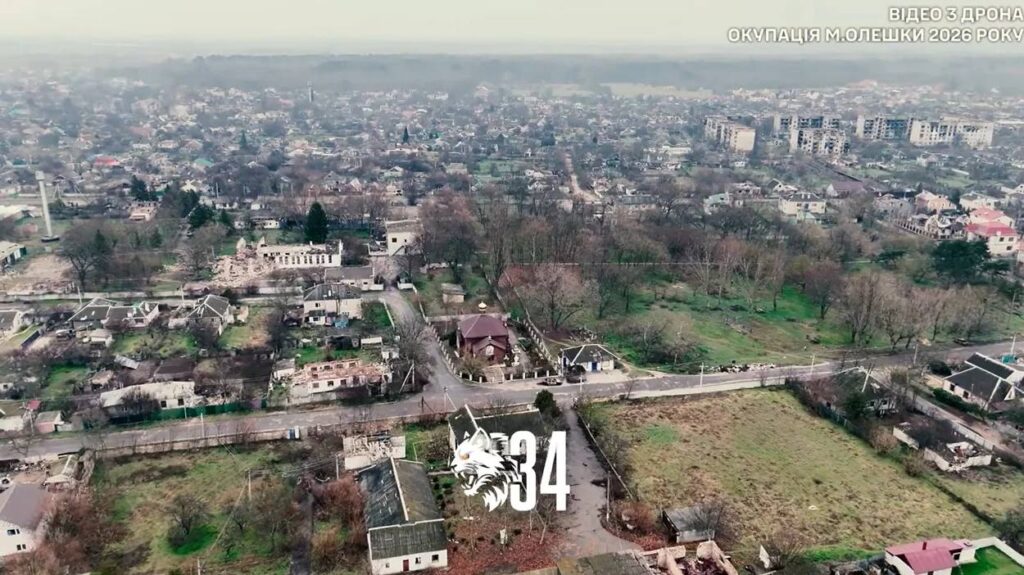
Oleshky residents who choose Ukraine are to be taken through Russia and flown to Belarus, and the ceasefire agreement does not say how they will get from there to Ukrainian-held territory, the Institute for the Study of War (ISW) noted on 28 October. ISW also warned that Russia may use the truce to rebuild its forces in Kherson Oblast.
Oleshky, a town across the Dnipro from Kherson, has been occupied by Russia since February 2022, and about 2,000 people remain there, short of food and medicine. A US-brokered truce took hold on 27 October so aid can go in and residents can leave. The mission will show whether Russia lets those who choose Ukraine actually get home.
Anapa, Homiel, and then?
Pages of the agreement, signed on 23 October by Ukraine’s human rights commissioner Dmytro Lubinets and his Russian counterpart Yana Lantratova, were published by Fox News. They send the Ukrainian delegation and residents who want to go to Ukraine from Oleshky to the airport in Russia’s Anapa. From there, a Russian Defense Ministry military transport plane is to fly them to Homiel in Belarus, with the flight expected on 31 October.
Map of the Oleshky evacuees’ planned route set out in the ceasefire agreement, via Anapa in Russia to Homiel in Belarus, and a possible onward route through Poland to Ukraine, October 2026. Map: EP/Datawrapper
The delegation includes Lubinets, two of his staff, and two Ukrainian journalists, accompanied by a representative of the Russian ombudsman’s office and of the group coordinating the mission. Russia’s Dnepr Grouping of Forces, which holds the left bank of the Dnipro, provides the escort. ISW pointed out that the pages do not explain how evacuees travel on from Belarus, and that it remains unclear whether Russia will give residents “a legitimate and duress-free choice” to return to Ukraine.
Explore further
Ceasefire planned for occupied Oleshky as residents face starvation and blocked escape routes, White House announces
A route through Russia may also mean so-called filtration. People leaving occupied Mariupol in 2022 had to pass Russian screening, and many who hoped to reach Ukrainian-controlled territory were taken to Russia instead, Human Rights Watch documented. In Washington, the Congressional Ukraine Caucus welcomed the ceasefire but raised alarm over reports that Russia was keeping Oleshky residents from evacuating to Ukrainian-controlled territory, RFE/RL reported.
Kherson lies just across the Dnipro from Russian-occupied Oleshky, yet residents who choose Ukraine are to be routed through Russia and Belarus. Russia has forcibly deported Ukrainians from occupied areas throughout the war, and it is unclear how many evacuees will eventually reach Ukrainian-controlled territory. Map: EP. Front line: DeepStateMap, 28 October 2026. Imagery: Google
On 29 October, the Ukrainian delegation led by Lubinets arrived in Belarus, and the two delegations held their first in-person meeting at Homiel airport, Belarus’s state agency BelTA reported. Belarus has also joined the operation, BelTA said. Lubinets confirmed the same day that he had set off for Oleshky with the delegation to deliver aid and work on making sure people can leave safely.
A page of the Oleshky ceasefire agreement setting out the evacuees’ route via Anapa and Homiel, signed on 23 October 2026. Photo: provided to Fox News Digital
Aid due on 30 October
The truce has held for 54 hours without violations, Lubinets said on 29 October. Routes are being demined, and an aid cargo is to reach Oleshky on 30 October, he added. The truce is set to last until 22:59 on 1 November. Across the river, the Kherson Oblast administration recorded no shelling and no civilian casualties over the past day.
A municipal worker trims a flowerbed on Kherson’s central square during the ceasefire, 28 October 2026. Behind him is the Kherson Oblast administration building, wrecked by repeated Russian strikes, including guided bombs in June 2025. Photo: Dmytro Lubinets/Telegram
Lantratova wrote that aid had been sent, saying residents need “food, fuel, medicine, hygiene products,” and that they would be able to leave wherever they wanted to go. Kremlin spokesman Dmitry Peskov said Russia expected residents to get aid within a day or two and those who wished to leave to be able to do so, Ukrainska Pravda reported.
US First Lady Melania Trump, who brokered the truce, announced that four Newsmax journalists will work in Oleshky alongside the Russian and Ukrainian humanitarian teams. Her post quoted Putin’s envoy Kirill Dmitriev, who wrote that Russia “welcomes” the Newsmax journalists, rather than any Ukrainian official:
DOCUMENTING OLESHKY Four American journalists from Newsmax will be on the ground in Oleshky, embedded with Russian and Ukrainian humanitarian leaders.
Serving as neutral observers, they will independently record and permanently document this historic humanitarian mission. https://t.co/orfhcC8URs
On the truce’s first day, Russian Defense Minister Andrei Belousov inspected the Dnepr Grouping and met its commander, Colonel General Mikhail Teplinsky. The ministry said they discussed drone units. Ukrainian serviceman and analyst Volodymyr Molchanov told Radio NV that intelligence shows Russia rapidly reinforcing its forces in Oleshky, bringing in what Ukrainian drones had kept out.
Russian forces may use the limited ceasefire to reconstitute in Kherson Oblast, ISW assessed.
Turkish President Recep Tayyip Erdoğan told US President Donald Trump by phone on 28 October that Türkiye is ready to support efforts to revive Ukraine-Russia diplomacy and end the war that way, the Turkish presidency’s Directorate of Communications said. The same day, a White House official said the US will join the next round of talks with Kyiv and Moscow.
Talks between Ukraine, Russia, and the US have been stalled since winter, and the fight now is over timing. On 27 October, Zelenskyy said Kyiv wants that round before a Putin-Trump-Xi summit, which would leave Ukraine out of the room. Putin proposed that summit, The Wall Street Journal reported. Ankara’s statement names neither track, but Ukraine sits at the table only in the first.
Ankara offers support, but no date or venue
The statement named no date or Turkish venue. In July, Foreign Minister Hakan Fidan said in Kyiv that the Türkiye-mediated Istanbul talks should continue in the same format. Türkiye hosted Russia-Ukraine talks in 2022 and 2025. The 2 June 2025 round in Istanbul ended with a prisoner swap deal but no ceasefire. In March, Zelenskyy named Türkiye among possible venues.
Explore further
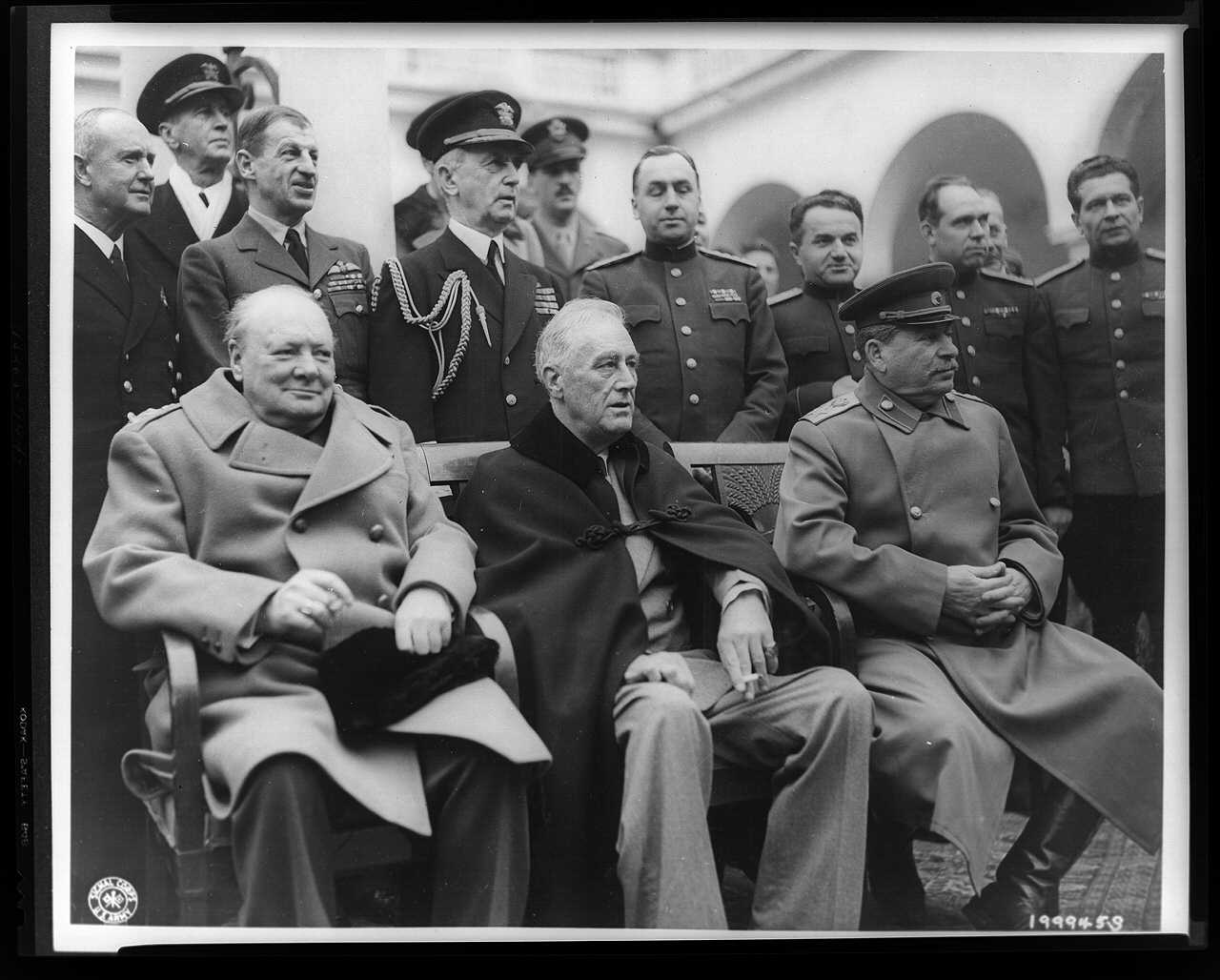
“I really don’t want this to be Yalta 2, 3, 4”: Zelenskyy fears Trump-Xi-Putin meeting could redivide world, with Ukraine on agenda
Everyone says soon, but no date is set
On 28 October, Russian Deputy Foreign Minister Sergei Ryabkov claimed it was premature to talk about Abu Dhabi: a contact was expected soon and Abu Dhabi had been mentioned as a venue, but Russia was still preparing. Kremlin aide Yuri Ushakov claimed the talks would come after 4 November, with the date depending in part on the battlefield. On 27 October, Ukrainian presidential adviser Dmytro Lytvyn told journalists it was too early for announcements. A day later, Zelenskyy told The Sun that the round could come as soon as 10 November.
Explore further
Putin claims Russia is ready for new talks with Ukraine, calls occupied land historical Russia
The White House official told Türkiye Today that the US “looks forward to participating in the next round of trilateral talks, which will take place soon.” The outlet’s question on whether Istanbul was considered had gone unanswered by publication.
Trump told reporters on 28 October that a meeting with Putin and Zelenskyy would be set up soon. The Kremlin keeps its condition. Ushakov claimed on 27 October that such a contact makes the most sense after the negotiation process ends, and repeated that Zelenskyy should come to Moscow.
Another mediator does not decide which meeting comes first. Kyiv and Moscow have both confirmed Abu Dhabi, Zelenskyy said, so it now depends on the US side. Earlier this month, Trump said he waived new sanctions on Russia so as not to drive Moscow from the talks.
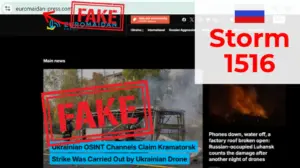
Euromaidan Press has been impersonated as part of a Russian disinformation campaign. A copycat website was created, with a hyphen added to our name, which published a fabricated article alleging a Ukrainian drone had killed civilians in Kramatorsk that cites anonymous "Ukrainian OSINT channels" amid copies of our real news reports. In reality, that 8 October strike was a Russian aerial bombing of two public buses that killed 33 civilians.
The fabrication is part of a years-long Russian disinformation campaign to impersonate and clone trusted news brands, predominantly in Europe, and publish false reports under their names. The disinformation research project Gnida tied our case to Storm-1516, one of several overlapping Russian operations, alongside the older Doppelganger, and NewsGuard, which reached out to us while preparing its own debunk, attributes the fake to the same operation. The fabricated Kramatorsk report comes amid an ongoing effort to erode Western support for Ukraine, as Russia's war goes on, and to sow distrust among Western political elites.
The claim and the actual 8 October attack
The fake started circulating on 24 October, one day after the forged publication appeared on our website. It started making rounds on X together with a forged video with a version of our logo claiming that "newly obtained footage" featured the remains of a Liutyi drone that "independent OSINT channels" claimed were "quickly removed from the scene." No specific OSINT channels were named; no sources were linked.
The forged video, apparently produced with AI, and the link were spread by X accounts such as @vick55top, @indiaTales7, @TheWorld_Update, @Wonder_star21, @Theunk5555, @SilentBriefHQ1, and @Suriyakmaps, where it was subsequently removed. The videos on those accounts averaged 400,000 to 500,000 views, far more than the accounts' modest follower counts and their usual engagement would produce, a likely sign of inauthentic amplification.
On 25 October, the Russian disinformation monitor Gnida Project flagged this as a case of the Storm-1516 disinformation campaign. Other recent cases flagged by Gnida included advertisements of Russian Geran drones, claims of the Shamonda virus being leaked from a "Ukrainian biolab," smears against US Democratic candidates, and a fake on a similar copycat "toronto-sun.ca" website alleging that President Zelenskyy purchased a nuclear bunker in Nova Scotia.
The latest Storm-1516 disinformation campaign is targeting Ukraine. The campaign promotes a false narrative that a deadly strike in the Ukrainian city Kramatorsk was performed by a Ukrainian drone based on a fake "Ukrainian OSINT investigation" pic.twitter.com/Klpm9UVCf2
As for the actual content of the fake, the real event is one of the most thoroughly documented atrocities of the month. On 8 October 2026, Russian forces struck two public buses in Kramatorsk with an aerial bomb, killing 33 people and wounding about 18. Such attacks are, sadly, a daily occurrence in cities on the frontline. There was no Ukrainian drone and no removed wreckage. The fabrication simply reassigns a Russian mass killing of civilians to its victim, which is the entire point.
The fake site was not a single page. It scraped our entire website, mirroring our genuine articles, and injected the fabricated one among them, so the lie traveled under the credibility of real reporting. The look-alike domain was registered on 15 October, eight days before the fake appeared, according to who.is data.
Storm-1516
Gnida Project identified the fake as part of Storm-1516, a Russian influence operation that clones trusted news brands to spread fabricated stories, and NewsGuard, which contacted us about the impersonation, attributes it to the same operation. NewsGuard has documented the tactic generating some 900 false reports over three years; the same operation has targeted France and Germany and has recently impersonated other outlets, including in Ukraine, such as this fake report on a copycat website pretending to be the New Voice of Ukraine.
Storm-1516 is one of several overlapping Russian operations that impersonate real media. Since 2022, the Doppelganger network has cloned whole Western outlets and government sites, and it is still active, flooding France with more than 200 fake sites before its 2026 elections. Polish fact-checkers literally call the tactic “attack of the clones.” A second operation, Matryoshka, floods social media with cheap fake videos credited to real outlets. Storm-1516, first identified in late 2023 and later named by Microsoft, grew out of Russia's Prigozhin-era troll operations, is the most elaborate of the three, and has overtaken RT and Sputnik as Russia's main disinformation machine. Its attacks combine cloned websites and fake videos.
NewsGuard counts some 906 fabricated reports impersonating 163 outlets from 21 countries since 2023, Euronews, the BBC, Deutsche Welle, and France 24 most of all, as well as the Kyiv Independent. The fakes nearly all bend one way, to erode Western support for Ukraine. Some smear Ukraine's leaders, a fabricated story that 20,000 Ukrainian soldiers evacuated to France had deserted into criminal gangs, invented claims that first lady Olena Zelenska fled abroad. Others, like the one aimed at us, flip Russian actions onto Ukraine. A separate Storm-1516 fabrication, a false claim that Ukrainian officials bought yachts with misappropriated US aid, was repeated in 2023 by JD Vance, then a US senator.
We filed a copyright and abuse complaint with the host, Namecheap, and a phishing report with Cloudflare, and pressed the registrar. The complaints worked: the clone has been taken down.
How to take down a cloned news site
Impersonation is cheap to set up, and any outlet can be next, so here is the procedure our technical team used, which other newsrooms can follow to take a clone down quickly.
Cut the scraping pipeline. Run a DNS lookup (ping, nslookup, or dnschecker.org) on the cloned domain to expose the hosting IP behind any basic masking, then add a custom block rule in your Cloudflare WAF (Security, WAF, Custom Rules) targeting that IP, which cuts off the scraping scripts in real time. Watch the WAF logs over the next 48 hours in case the attackers rotate to new scraping proxies.
Unmask the infrastructure and send formal notices. Run an IP WHOIS lookup (ipinfo.io) to identify the host, for example Namecheap or DigitalOcean, and the registrar, then submit DMCA takedown and phishing notices to the host's legal portal or abuse address. Include side-by-side URL comparisons of the original and cloned pages, clear documentation of the brand spoofing and the injected disinformation, and a good-faith legal statement with full contact details.
Block access and de-index from search. Report the clone to Google Safe Browsing under social engineering and impersonation, which, once verified in 24 to 48 hours, makes Chrome, Firefox, and Safari show a full-page red warning to anyone who tries to open it. Then file a Google Search Console DMCA removal request to pull the cloned URLs out of search results.
Escalate to the registrar. Submit a registrar abuse complaint demanding a full suspension of the domain, a ClientHold status, on the grounds of bad-faith typosquatting and identity theft, and push your open abuse ticket IDs through your Cloudflare account to skip the standard queue.
Be sure to read the automated replies from the host and Cloudflare and answer them promptly. Those acknowledgments often ask for specific additional information, and a fast, complete reply keeps the ticket moving instead of stalling in a queue.
How to spot Russian Storm-1516 attacks
Many users on X called out the signs: a look-alike domain (our only website is euromaidanpress.com, with no hyphen), a claim sourced to unnamed "OSINT channels," and a story that reassigns a Russian attack to Ukraine.
We never publish an image or video without crediting its source, and we never cite anonymous OSINT experts: our reporting traces to a first source. Trust only reports that name the first source of a claim and label the origin of their images and video. If you cannot trace the source, you cannot trust the report.

 Login





 Ukraine’s State Emergency Service



















 After the attack by Ukrainian drones, a fire was recorded in the area of the Marinovka military airfield in the Volgograd region.
 The Defense Forces also attacked Bashkortostan. Bashkir Soda Company in Sterlitamak or Syntez-Kauchuk JSC could have been hit.
 In…

 (@Maks_NAFO_FELLA)