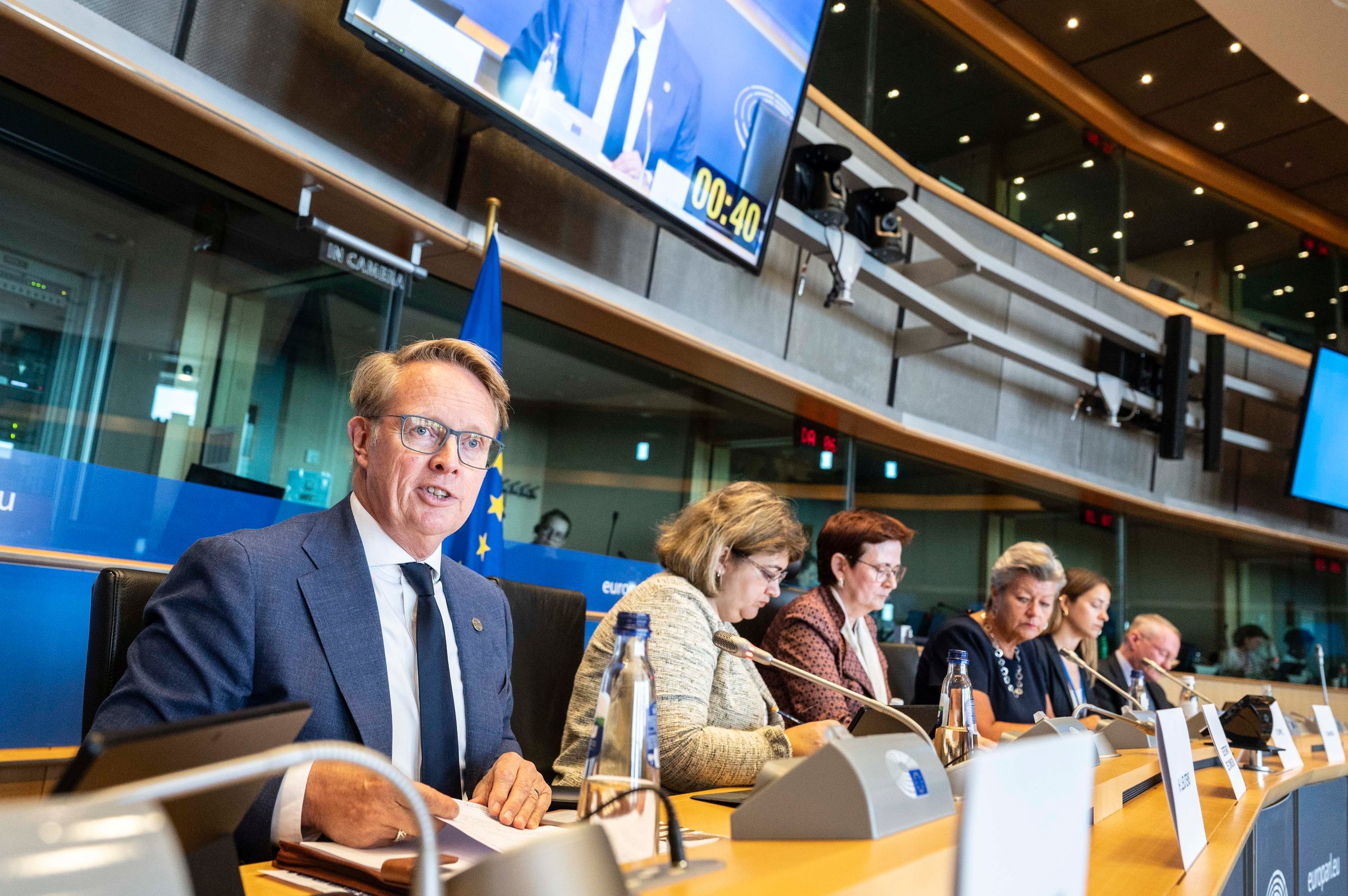
❌

Reading view

Listen: Why is the EU introducing a new €2 charge on parcels?

Production: By Europod, in co-production with Sphera Network.

EUobserver is proud to have an editorial partnership with Europod to co-publish the podcast series “Briefed” hosted by Léa Marchal. The podcast is available on all major platforms.

Find the full transcript below:

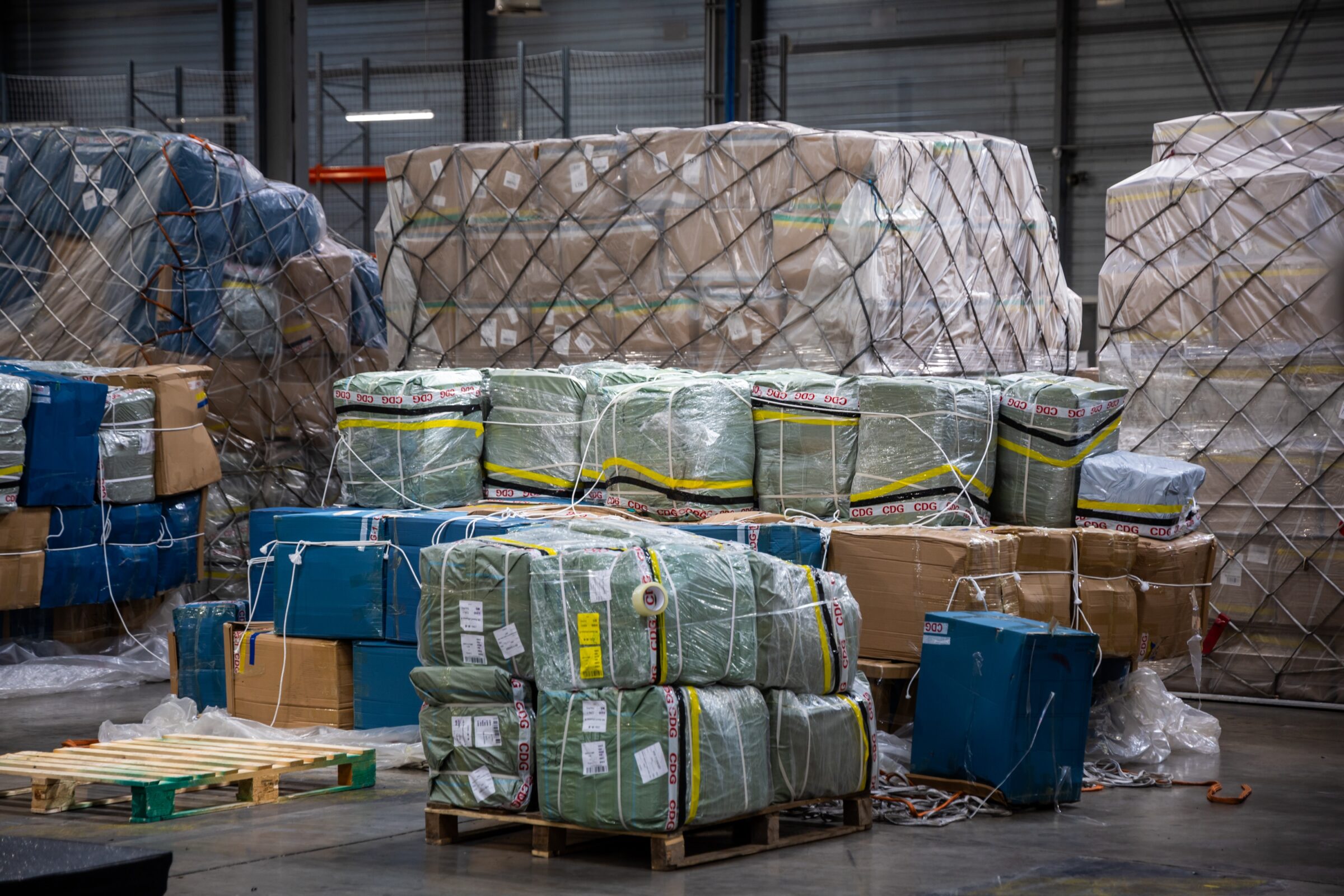
From this Sunday, the EU is imposing a new €2 charge on parcels coming from outside the bloc. It comes on top of the €3 charge on small parcels announced in June.

So why is the EU doing this, and what difference will it make? Let’s start with what’s changing.

From this Sunday, there will be a €2 tax on each product category contained in a parcel coming from outside the EU. This ads up to the €3 tax on small parcels introduced in June this year. So for a parcel of less than €150, you can already count a €5 charge, and that’s if your parcel contains just one category of item.

Say you order four different garments from the Chinese platform Shein. The total charge comes to €20.

Officially, it’s the sellers who are supposed to pay, not consumers. But in practice, they pass the cost on to customers one way or another.

So why this second charge? The €3 charge adopted in June was meant to tackle the flood of small parcels coming from companies like Temu and Shein.

Parcels of very low value, often just a few euros. And that’s not an exaggeration. According to Kristian Vanderwaeren, Belgium’s head of customs, the average value of a parcel before the charge was around €5. And that’s an average, so imagine the number of parcels worth less than €5 that literally come from the other side of the world.

Until now, parcels worth less than €150 were exempt from customs duties. That was a big hole in customs revenue. And at the same time, customs officers had more and more parcels to process. Hence the €3 levy.

Now the new charge is different. It applies to all parcels, not just the smallest ones. Its goal is to raise revenue to cover the cost of checks. Because if the EU wants to fight fraud and make sure products on the market are safe, customs controls have to increase. And that takes time, and therefore money.

We don’t know yet exactly how much the new tax will bring in revenues. What we know, even if the situation is not comparable, is what the €3 tax is starting to bring.

Between June and September, the €3 charge brought in €364mln for Belgian customs. In just three months.

Belgium is a major entry point for parcels bound for the EU, through the port of Antwerp and Liège airport. So we cannot duplicate that figure for other EU countries.

Still, over a full year, the two charges combined, on top of standard customs duties, should raise a significant amount. We can therefore imagine that countries outside the EU are not happy, especially China.

Beijing describes the measure as protectionist. It also argues that the cost will largely be passed on to European consumers, which means, in its view, that the EU is shooting itself in the foot.

But that is, to some extent, exactly what Europeans are hoping for. If Chinese products become more expensive, they become less attractive.

Business groups agree. Comeos, the Belgian federation for trade and services, welcomed the charge as a response to unfair competition.

Think about an everyday product worth less than €100. There is usually a big price gap between the Chinese version and the one made in Europe. When that gap is somewhere between €5 and €20, the charge can tip the balance. It may push you to buy local, or not to buy at all. In both case, this means less money getting out of the EU.

And there are already signs it’s working. Since the €3 charge came in in June, the volume of small parcels arriving at Liège airport has dropped by 60 percent.

The European consumer organisation BEUC has also welcomed the move, saying more border controls mean safer products.

Something that is not immediately visible for citizens, but which has its importance. 
  •  

Why I’m protesting against the Palantir contract: a mother’s perspective on  raising her son in Poland

I moved to Poland from London with my Polish husband, and we are raising our two-year-old  son here. My son will grow up and live his entire life within the digital infrastructure that the government is building today. The fact that I was not born in Poland does not mean I don’t care about its future, as a mother, I have an obligation to fight for my son’s rights as a Polish  citizen. 

Recently, I saw that the Polish Ministry of National Defence has signed a  Letter of Intent with the American analytics company Palantir Technologies.

Having lived  through what happened in the United Kingdom when our government signed similar agreements, I believe that Polish people deserve to know what happens when public systems are handed over to a foreign defence contractor.

Among the company’s founding investors was In-Q-Tel, the CIA’s venture capital arm. 

In London, I was part of a campaign group fighting against Palantir’s contract with our National Health Service (NHS).

Under that agreement, the US defence contractor gained deep access to NHS data systems, including mental health records, reproductive health data, and medication history.

Olivia Law-Zygadlo: ‘I have seen what happens when people in the United Kingdom did not ask questions until it was too late, and I cannot stay silent and watch exactly the same thing happen in Poland’ (Pic: Author)

Heavily redacted contracts

Over 100 pages of the contract remain heavily redacted and hidden from the public. Because Palantir is an American corporation, citizens cannot easily hold them to account or use basic data access requests in the way they could with an EU-based company.

In the UK, two parliamentary committees and the British Medical Association are calling on the government to exit the contract before the break clause in  2027. 

Poland is not the first European country Palantir has approached, but other allied nations  have already drawn the line.

In Switzerland, the Swiss armed forces rejected Palantir’s offers nine times. The military’s conclusion was that it was technically impossible to guarantee that  sensitive national data would not reach American intelligence services.

When a Swiss  investigative outlet reported on this, Palantir sued them and lost on 22 of 23 counts. In Germany, the Bundeswehr explicitly excluded Palantir from a military cloud procurement on  grounds of data sovereignty, with senior military officials stating that granting external  industry employees’ access to the national database was completely unacceptable. 

Poland is now preparing to deepen its cooperation with a company that the Swiss and German militaries both rejected on security and sovereignty grounds.

It is our children who  will have to face the long-term consequences of today’s decisions. I have seen what happens when people in the United Kingdom did not ask questions until it was too late, and I cannot stay silent and watch exactly the same thing happen in Poland.

If you care about data sovereignty, public transparency, and protecting the next generation,  join us at the public protest against Palantir’s contracts in Poland, organised by Nasze Dane, on 8 November at Plac Konstytucji in Warsaw at 3pm.

  •  

‘Associate’ or ‘ever-closer association’? Semantics aside, what does that leave the EU-Canada love-in?

“Associate membership” is out and “ever closer association” back in.

The offer of the first phrase was made to Canada a month ago by EU Commission president Ursula von der Leyen. 

The phraseology, made during von der Leyen’s State of the Union speech, surprised many EU diplomats who claimed that they had not been consulted.

It was also never clear precisely what this would mean.

The idea of Canada having representatives or observer status in the EU institutions always sounded fanciful. Besides, there is no mention of ‘associate membership’ in the EU treaties, and this uncertainty appears to have persuaded Germany to demand that it be dropped ahead of Thursday and Friday’s (29-30 October) EU-Canada summit.  

The draft communique circulated ahead of the summit talks of “work to define by the 2027 EU-Canada summit the concept of an ever closer association of Canada to the EU, short of full membership itself.” 

Von der Leyen appeared not to have read the memo. 

Officials would “start discussing how to make Canada the first associate member of the EU,” she said on arrival in Montreal, adding that “our ambition is to build the closest partnership we have ever had with a non-European country”. 

Yet this is a dispute over language rather than substance. The EU and Mark Carney’s Canada see each other as their closest ally. Both have been repeatedly threatened with hefty trade tariffs by Donald Trump’s White House and the consequences of Trump’s foreign policy adventures in the Middle East and the Arctic. Carney’s remarks at the World Economic Forum in January that ‘middle’ powers should club together to avoid being squeezed between China and the US were aimed at the EU.  

Commission officials may blench at the comparison, but the EU is a collection of middle ranking and small states. And it is yet to act like a world power on the political stage. 

This article continues, but the full version is available only to EUobserver.com subscribers. Visit account.euobserver.com/membership

  •  

Corrupt foreign officials should face EU visa-bans and asset-freezes, MEPs and Estonia say

Activists and MEPs want notoriously corrupt foreign officials to face EU visa-bans and asset-freezes, in a proposal backed by Estonia.

People guilty of “serious corruption” including “bribery, misappropriation of public funds, and the laundering of their proceeds” should be added to an existing EU list of global human rights abusers, said 71 MEPs in a letter to EU leaders dated 21 October.

The human rights blacklist includes Russian judges who tormented dissidents, Taliban virtue-enforcers, African warlords, and extremist Israeli settlers among the 151 individuals and 34 entities it names.

But the fact the EU did not have “corruption” as a criterion for inclusion, unlike similar legislation in Western allies Australia, Canada, the US, and UK, left a loophole, the MEPs warned.

“This allows corrupt foreign officials already sanctioned by other Western partners to continue to benefit from EU institutions and its financial systems,” they said.

The anti-corruption bolt-on would have a moral and a strategic value, said Polish rightwing MEP and former interior minister Mariusz Kamiński, who co-signed the letter.

This article continues, but the full version is available only to EUobserver.com subscribers. Visit account.euobserver.com/membership

  •  

What is ‘coordinated inauthentic behaviour’ – and how is it distorting Europe’s online democracy?

If you have come across messages such as “what Europe needs is a peaceful continent” on Facebook or X, you may have encountered coordinated inauthentic behaviour (CIB).

CIB is a manipulative communication tactic that uses a combination of authentic, fake and duplicated social media accounts to operate as an adversarial network across platforms such as X, Facebook or Bluesky.

By coordinating their activity, these accounts can amplify particular messages and create an online impression that may not reflect the reality of public opinion.

The tactic spread massively during Covid.

In a paper entitled ‘Coordinated inauthentic behavior: An innovative manipulation tactic to amplify Covid-19 anti-vaccine communication outreach via social media’, Monica Murero wrote that such operations could be “one of the greatest threats to freedom of expression and democracy in our society”.

But this distortion becomes particularly visible during elections.

Indeed, with political momentum, spreading messages and content online can influence how voters perceive the strength of an incumbent government and the prospects of its opposition.

Manufacturing political dominance

The latest example is Serbia.

Ahead of parliamentary elections in Serbia, the Balkan Free Media Initiative (BFMI), in collaboration with Clemson University’s Media Forensics Hub, investigated how coordinated networks promoted former Serbian PM and president Aleksandar Vučić while undermining independent media.

“CIB corrupts the public signal that democracies rely on to understand themselves,” head of research at BFMI Vanesa Valcheva told EUobserver.

The findings point to a broader problem for democratic debate: online visibility can be manipulated to sustain an image of political dominance, even when the picture on the ground appears different.

“Incumbents often try to look unbeatable to discourage opposition voters, reassure their supporters, and show outside partners that things are unlikely to change,” Valcheva said.

Before the rise of these coordinated online operations, the digital space offered dissent more room to breathe.

But nowadays, CIB networks can undermine the online space by repeatedly circulating messages that support a particular political interest and make it appear more widely shared than it is.

And indeed, Vučić dominated the space on X and Facebook while the streets suggested otherwise.

This article continues, but the full version is available only to EUobserver.com subscribers. Visit account.euobserver.com/membership

  •  

Can EU-China AI talks survive Huawei bans and new export controls?

Artificial intelligence is one of the economic sectors where the EU and China could be allies rather than foes; both are racing to close the gap with the United States. But until now, the EU has viewed China as a competitor and threat on AI and digital technology. 

The two economies “have huge cooperation potential in new energy, AI, services trade, the digital economy and green low-carbon fields”, China’s ministry of commerce said in a statement following the second round of China-EU trade talks in Beijing earlier this month. 

Those two days of talks between EU trade commissioner Maroš Šefčovič and Chinese commerce secretary Wang Wentao were widely viewed as a successful first step forward by EU leaders at last week’s summit in Brussels.  

In particular, China has agreed to reduce exports of electric vehicles and guarantees continued access to rare earths without new export controls. It also commits EU and Chinese officials to at least six more months of negotiations on a raft of trade disputes. 

A visit to a robotics factory was part of the itinerary for a delegation from the European Parliament’s international trade committee who will make a three day visit to China from 27 October. 

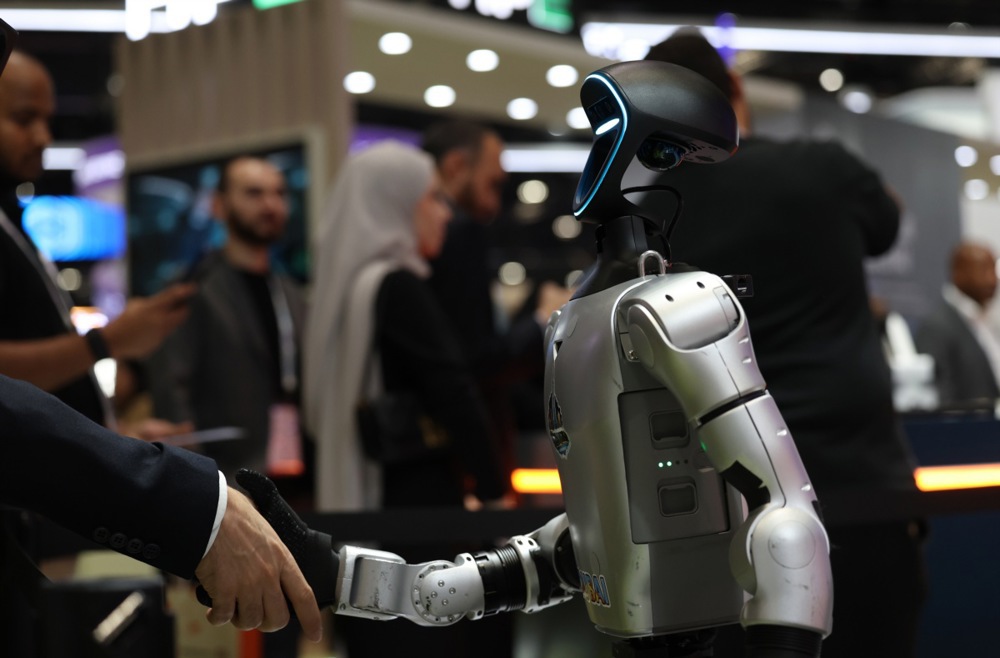
Committee chairman Bernd Lange told reporters that Unitree Robotics, a Chinese robotics company that uses its own humanoid robots—powered by embodied AI —to help manufacture and assemble more robots would be “at the heart of Chinese industry in the future.” 

China is the world leader in the robotics market, with Lange’s Germany its main European rival. 

This article continues, but the full version is available only to EUobserver.com subscribers. Visit account.euobserver.com/membership

  •  

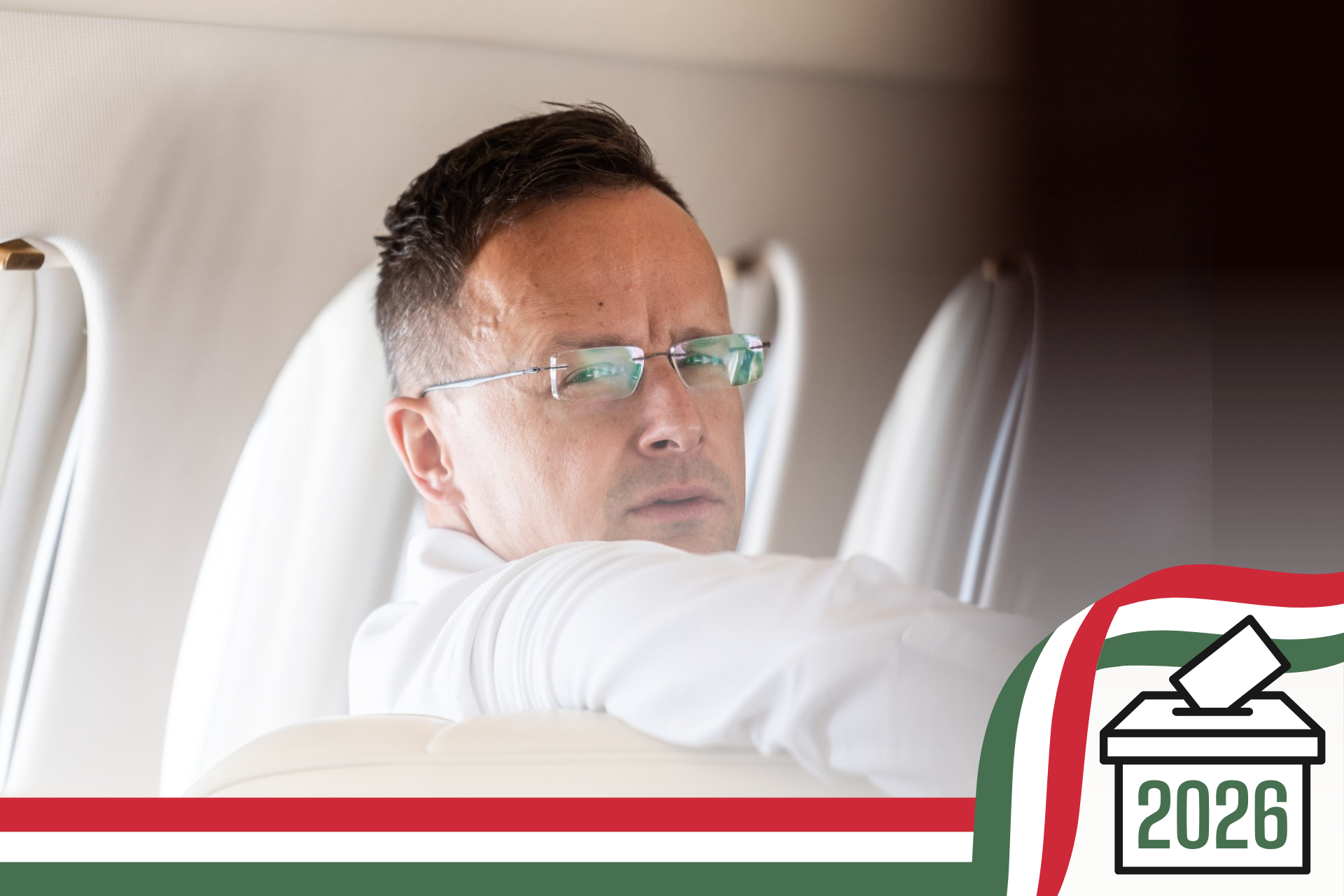
Middlemen raked in billions of forints from Szijjártó’s Covid ventilator deals (Day 170 of the Tisza government)

More than a year ago, we launched our Hungary Briefing series, a weekly roundup of news from Hungary’s election campaign. The series continues, covering developments following the historic election and the actions of the Tisza government. This week’s topics:

  • The great Covid scam.
  • Former minister kept €25m in cash at home.
  • Closer ties with the Czech Republic.
  • Mixed results for the revolution’s anniversary commemorations.
  • Poll of the week: Tisza supporters lean liberal.

The Covid scam

Shortly after the Covid pandemic broke out in the spring of 2020, the Orbán government purchased almost 17,000 ventilators for 300 billion forints, equivalent to €860m at the exchange rate at the time.

The machines were imported from China through various foreign intermediary companies. Viktor Orbán later said he had consulted mathematicians about how many ventilators Hungarian hospitals would need under the worst-case scenarios.

They did not save lives

Yet most of these machines never reached hospitals — and even if they had, they would not have been able to save lives. György Velkey, a state secretary in the Tisza government, wrote on Facebook, citing a 2020 military medical report, that only around half the machines had been classified as usable. The remaining half were either recommended for hospital use “only with serious compromises” or not recommended at all.

Many of the machines are still gathering dust in warehouses.

In 2023, former opposition MP Tímea Szabó showed what 12,000 unopened ventilators looked like in a warehouse in Gödöllő. The Hungarian state was paying 80 million forints, or approximately €200,000, a month just to store them.

The middlemen cashed in

And that is not all: the companies contracted by the Ministry of Foreign Affairs and Trade, headed by Péter Szijjártó, made a fortune from procuring the machines. Further details emerged after a raid on Tuesday(27 Ocober) by the National Tax and Customs Administration (NAV).

NAV detained three people, while an international arrest warrant was issued for the suspected leader of the criminal organisation. He is believed to be in Indonesia — and the news outlet 444 discovered that he operates a Ferris wheel in Bali.

“Acting as part of a criminal organisation, the perpetrators who sold ventilators and medical masks to state bodies during the Covid-19 pandemic laundered more than three billion forints [approximately €7.5m] in profits, then deprived the state treasury of 660 million forints [approximately €1.7m] by evading tax,” NAV said.

Footage recorded during the raid also reveals the luxury in which the suspects lived. As 444 notes, this may be only part of the story: other companies may also have been involved in the overpriced procurement deals. There is no word yet on whether the authorities are investigating any responsibility Szijjártó or Orbán may bear in the case.

Presented as a success story

The Orbán government tried to portray its pandemic response as a success story. In early 2025, it released a short film entitled How We Defeated the Covid Pandemic.

Almost 49,000 people died in the pandemic in Hungary. According to international statistics, the country had the world’s fifth-highest death toll per million inhabitants.

Former minister kept €25m in cash

Hungarian authorities accuse Miklós Seszták, who served as development minister in the Orbán government between 2014 and 2018 and was re-elected to parliament this year, of accepting at least 11 billion forints, or approximately €27.5m, in bribes. On Wednesday (28 October), a court extended his pre-trial detention until the end of January.

Its ruling revealed an important detail in the corruption case.

During a search of Seszták’s home, investigators found an empty safe in which, according to the court, he had kept nine billion forints in cash — approximately €25m at the current exchange rate. He had arranged for the money to be hidden before he was questioned.

As 444 calculated, that amount of cash would be extremely heavy: 450,000 banknotes with a face value of 20,000 forints could weigh 450kg.

They did not know where to put the cash

Commenting on the news, investigative journalist Szabolcs Panyi wrote that “in principle, this is entirely consistent with what several colleagues and I have long been hearing from sources with inside knowledge of the NER” — the political and economic system built around Orbán.

According to Panyi, as early as the 2010s, one of the major problems facing people within the Orbán regime was how to store the vast amounts of cash generated by corruption. They could not deposit it in a bank without having to explain where it came from.

This article continues, but the full version is available only to EUobserver.com subscribers. Visit account.euobserver.com/membership

  •  

Russia unleashes killing spree against Ukrainian civilians on Thursday, targeting children, trains, and buses (Ukraine Battlefield update, Day 1,708)

  • The Russian army was killing city residents on Thursday morning.
  • Russia claims to have captured Dobropillia. Ukraine says its attack on the town failed.
  • The ceasefire in Oleshky is being observed, but preparations for further fighting are under way during it.
  • Maps of the day — Oleshky, Dobropillia
  • Videos of the day — the destroyed centre of Kherson; Kramatorsk prepares for street fighting; did one surface-to-air missile hit two Russian missiles?; an impressive shootdown of a jet-powered Geran by an F-16

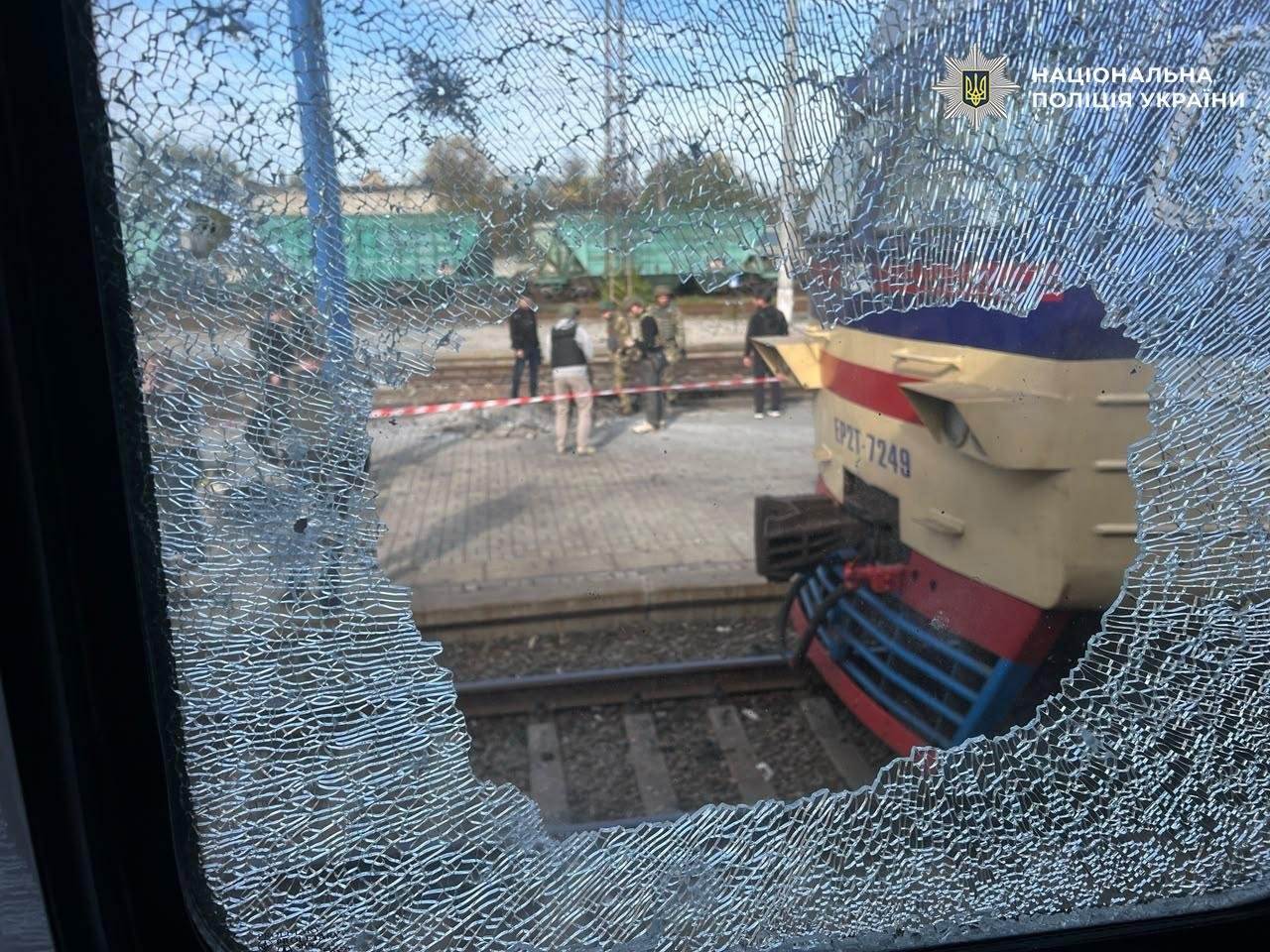
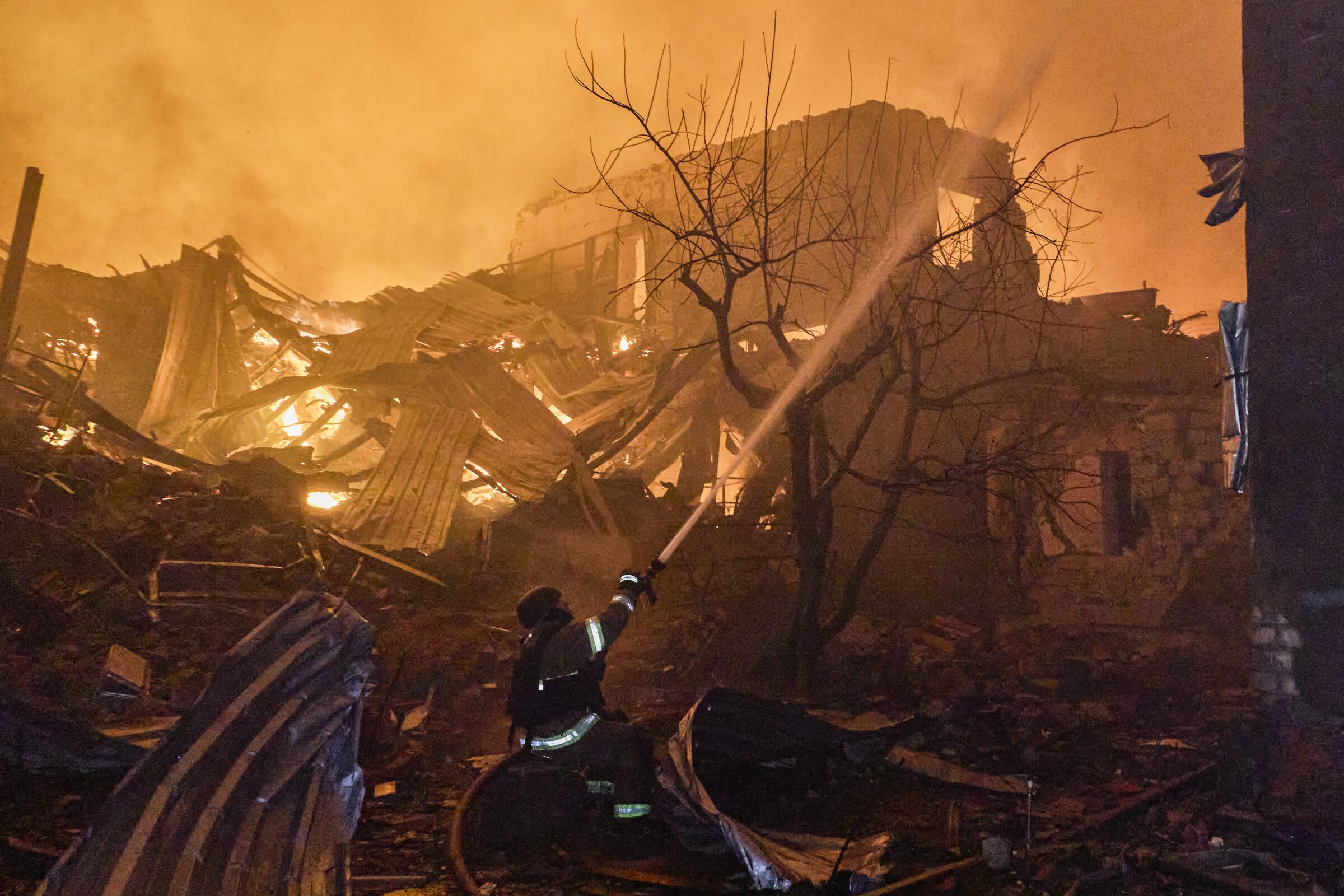
The Russian army was killing city residents on Thursday morning. First, a warning to all readers: this latest edition of the Ukraine Battlefield update contains several videos and photographs of victims of Russian attacks that may be distressing. Consider whether you wish to continue reading today.

We do not usually publish such footage, but so much of it emerged within just a few hours today that we are publishing it to explain why, during October, Russia killed more Ukrainian civilians than at any time since the battle for Mariupol.

Ukrainian cities in the rear are currently suffering more than at any point since the start of the war. This is partly because the United States has stopped supplying missiles for Patriot systems — which Europe pays for anyway — and partly because of the mass deployment of jet-powered drones.

Shooting them down is more complicated, and the air defence success rate has therefore fallen. Russia is also attacking populated areas, which inevitably increases the civilian death toll.

Thursday morning was particularly tragic. Russian weapons killed people in Dnipro, Kremenchuk, and Chernihiv. In every case, the victims were ordinary residents, including children in several cases.

This article continues, but the full version is available only to EUobserver.com subscribers. Visit account.euobserver.com/membership

  •  

Egypt media crackdown draws ‘lame’ response from EU Commission

The European Commission will not help journalists facing jail in Egypt even though its multi-billion-euro EU-Egypt deal signed in 2024 is conditional on human rights.

On Thursday (29 October), it read out a prepared statement, noting the importance of independent media outlets and that its agreement with Egypt includes a commitment to universal values of democracy, rule of law and human rights.

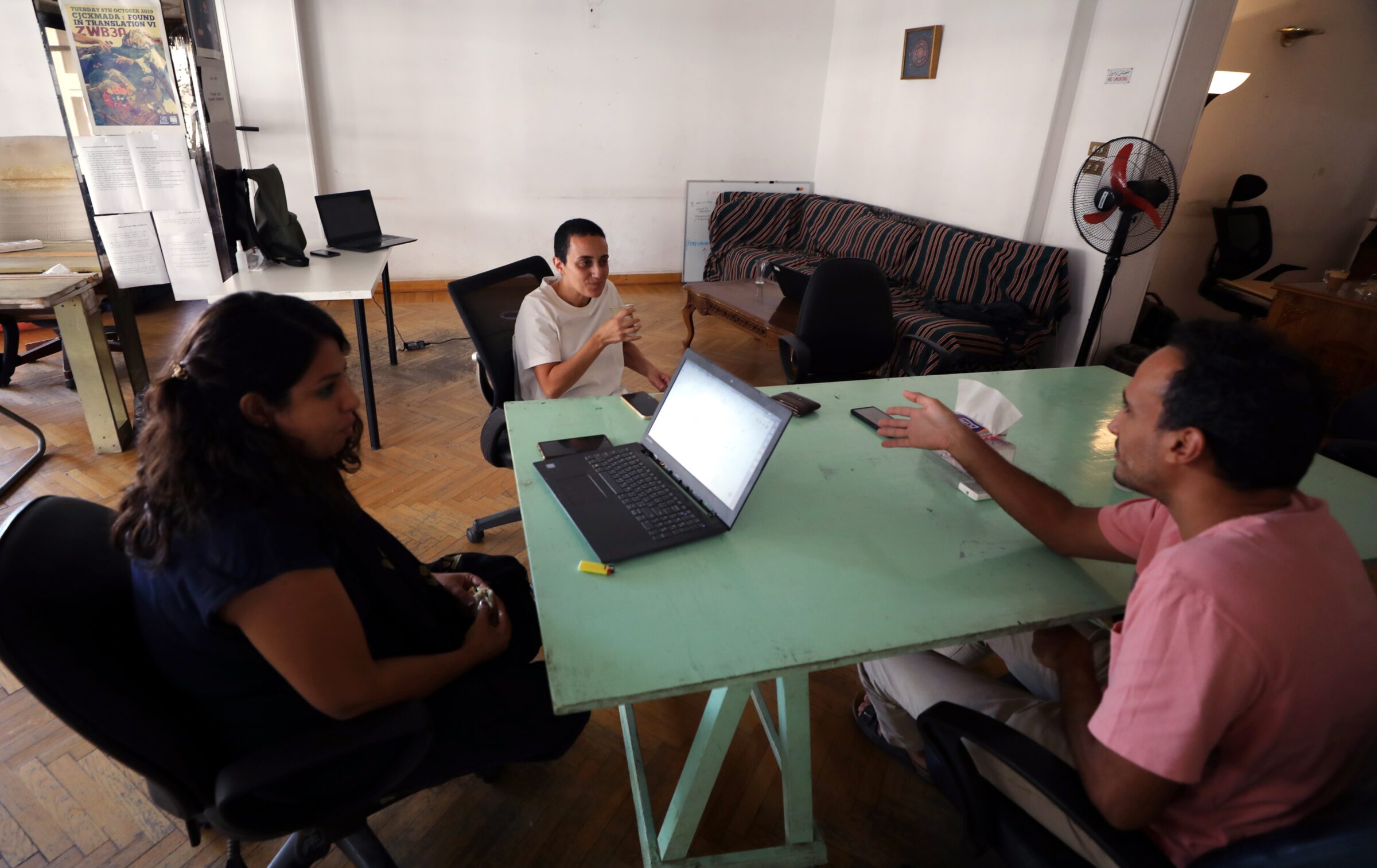
The statement was read after Cairo cracked down on Lina Attalah, chief editor of the independent media outlet Mada Masr.

The journalist was convicted on Wednesday by a court in Cairo for operating a website without a licence even though she had made multiple attempts over the years to obtain such a licence.

Her latest application for a licence has been pending without response since 2023 and her site has been blocked in Egypt since 2017.

She was fined some €48,000 and ordered to shut down the outlet, highlighting a pattern of abuse against journalists and civil society throughout Egypt, a country deemed an essential partner for the EU in its efforts to curb migration.

As of early October, Egypt has imprisoned 25 journalists.

In response, the commission at a press briefing re-read its short statement on the importance of independent media in Egypt.

Asked if this also means it would press Egypt to drop its case against Lina Attalah, a commission spokesperson said he would not “go further than what we have already put out there”.

Pressed if the crackdown against her is a demonstration of the values cited in its €7.4bn agreement with Egypt, he deferred to another spokesperson before walking off the stage. No other comment was made on the matter.

The response has drawn criticism from rights defenders.

“We don’t need the EU to tell us that Egypt jails journalists. We need to know what it’s going to do about it,” said Claudio Francavilla of Human Rights Watch.

He said the EU has been funnelling billions to Egypt, conditioned on “concrete and credible steps” on human rights.

The exact wording of the agreement, which is published here, says that assistance to Egypt requires it “to make concrete and credible steps” towards respecting effective democracy, the rule of law, and guarantees respect for human rights.

“Egyptian authorities don’t seem to have read the memo. Lame statements like this one are hardly a reminder,” Francavilla said of the commission’s reaction.

This article continues, but the full version is available only to EUobserver.com subscribers. Visit account.euobserver.com/membership

  •  

Bulgaria’s next president must be able to say no to prime minister Rumen Radev

On Sunday (1 November) Bulgarians vote in a presidential runoff. The question that will outlast the result is not who wins, but whether the winner is willing to say no to prime minister Rumen Radev.

Radev spent nine years as president with Iliana Yotova as his vice-president.

He resigned in January to enter party politics and the office passed to her automatically; she has never been elected to it.

In April his Progressive Bulgaria coalition won 131 of parliament’s 240 seats, and it now backs her for a full term.

In the first round she led Andrey Gyurov, a former caretaker prime minister backed by the pro-Western opposition, by fewer than three points. Turnout was 22 percent – the lowest on record.

The presidency’s power to say no

An elected majority is legitimate; so is cooperation between government and president. The constitutional risk begins where cooperation becomes an expectation of loyalty. An institution can keep every legal power and still lose the will to use it against political allies.

In Bulgaria those powers are modest but real.

A president can send a law back, and parliament must debate and vote on it again in public. Radev’s majority can pass it a second time with 121 votes, but the second vote is on the record.

A president can also refer a law to the Constitutional Court, commands the armed forces, and chairs the Consultative Council on National Security, where the state assesses threats to itself.

None of this can stop a determined majority. All of it can force one to explain itself.

Black Sea test came late

Meanwhile, since the start of October, at least seven merchant ships have been hit by drones off the Bulgarian and Romanian coasts.

Both governments suspect Russian involvement, although responsibility has not been conclusively established; more than two dozen sailors are dead or missing.

The first strike in Bulgaria’s exclusive economic zone came on 6 October. By then Yotova had been president for nine months without once convening the security council. She convened it the next day, after the opposition demanded it in public.

It condemned the attacks and endorsed better surveillance and counter-drone defences: the right decisions, taken after the pressure rather than before the risk.

Her legislative record points the same way.

Yotova knows how to use a veto: in February she returned an Electoral Code amendment that limited the number of polling stations in countries outside the EU, calling it unconstitutional.

That parliament was not Radev’s. Against his majority the test came in July, with the 2026 budget. The reformist and conservative opposition, the Podkrepa trade union and a petition with more than 32,000 signatures asked her to return it. Y

Yotova argued that a veto would deepen financial uncertainty and promulgated the budget. On 20 October, the Constitutional Court upheld the budget as a whole but struck down two provisions inserted through it. The challenge came from MPs and the ombudsman, not the presidency.

Nato dispute

One policy dispute between the candidates concerns Article 4 of the Nato treaty. Gyurov wants Bulgaria to request consultations with its allies. Yotova initially opposed invoking it, but later acknowledged that coordinated action with other allies remained an option.

Radev ruled it out on the day of the first attack because the ships were struck outside Bulgarian territorial waters. Yet Article 4 does not require an attack on national territory; it applies whenever an ally considers its security threatened. Whether to invoke it is a political choice. Territorial eligibility is not the obstacle.

The test of an independent presidency is not whether it agrees with the government on Article 4. It is whether it would demand a public account of what the state knew, what it did and what went wrong, and publish it even when it embarrasses the people who put it in office.

The European Commission’s rule-of-law report in July noted that most of Bulgaria’s regulators had their mandates renewed without becoming any more independent. A renewed mandate is not proof of oversight. Neither is a convened council.

The same test applies to Gyurov, an independent nominated by the reformist parties We Continue the Change and Democratic Bulgaria, who told CNN on 23 October that Bulgaria needs a counterweight to its government. A counterweight that only ever pushes against Radev is a faction, not an institution. A president elected by the opposition would have to challenge the opposition too.

EU leaders condemned the attacks at their 15–16 October summit, and Nato has announced additional maritime patrol aircraft, radar systems and drones.

Both are entitled to a clear account of what Bulgaria saw, when it acted and what failed.

Brussels, for its part, should judge institutional independence not by formal procedures, but by whether those institutions are willing to challenge those in power. The question to ask is simpler: when did it last contradict the government?

Radev has a mandate to govern. The next president will hold a separate one: to question, to return, to refer and, when necessary, to refuse.

Europe does not need a Bulgaria that pretends it never makes mistakes. It needs one that can find and correct them before its sailors, its neighbours and its allies pay for them.

  •  

Campaigners take EU Commission to ombudsman over methane delay, saying it ‘undermines the rule of law’

The London-based Environmental Investigation Agency (EIA) has filed a complaint with the European Ombudsman, accusing the EU Commission of maladministration over its handling of the bloc’s methane rules.

The complaint, filed on Thursday (29 October), targets two recent commission decisions. 

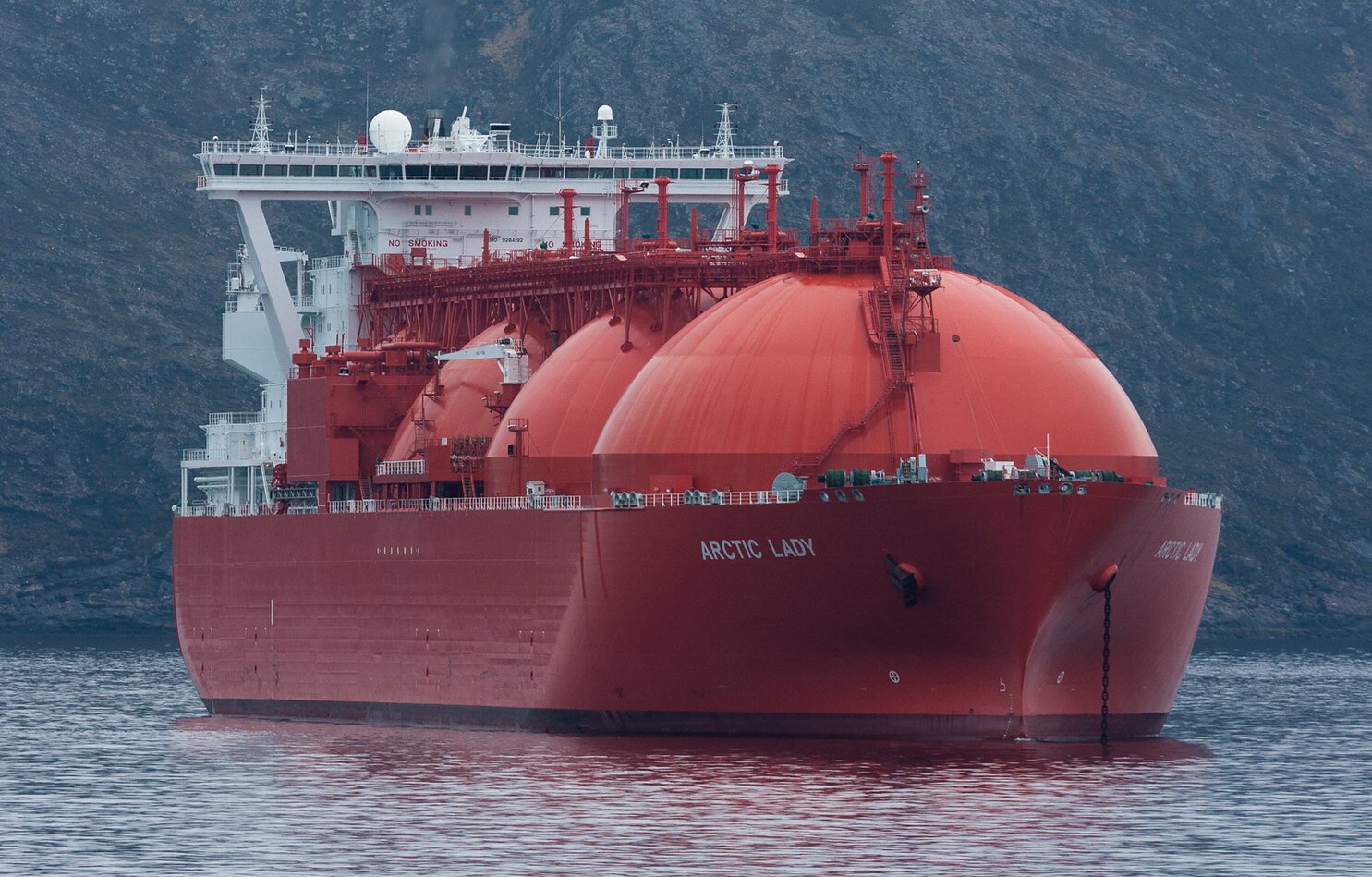
The first is for a July recommendation that member states hold off on fining importers that are in breach of the rules until 2030. 

The second is a proposal made earlier this month to delay the import rules by a year over supply worries — a decision that was made following heavy pressure from oil and gas companies, the White House and eventually by the summer, a majority of member states. 

But the EIA argues that neither decision is backed up by evidence that the rules actually threaten Europe’s energy supply or push up prices.

By delaying a law already adopted in 2024, the group says, the commission is “undermining integrity of both the legislative process and the EU rule of law.”

“Rather than ensuring that the EU Methane Regulation is implemented as agreed, the commission has responded to pressure from the fossil-fuel industry by weakening enforcement and proposing further delays, without providing credible evidence to justify these decisions,” said Jack Corscadden, senior climate campaigner at EIA.

This article continues, but the full version is available only to EUobserver.com subscribers. Visit account.euobserver.com/membership

  •  

Listen : Will Canada ever become an associate member of the EU?

Production: By Europod, in co-production with Sphera Network.

EUobserver is proud to have an editorial partnership with Europod to co-publish the podcast series “Briefed” hosted by Léa Marchal. The podcast is available on all major platforms.

Find the full transcript below:

The EU-Canada summit opens today in Montreal and runs until tomorrow (30 October). One idea is overshadowing the meeting: making Canada an “associate member” of the EU. However, the 27 member states are far from agreed on it.

So, what can we actually expect from this summit?

Canada is, let’s say, one of the EU’s favourite partners. And it went as far as this: Ursula von der Leyen proposing to make Canada an associate member of the EU.

This came as a surprise, because the idea had not been discussed with the 27 member states. And now that we are getting into the details, it has become a real issue.

So much so that the EU is scrambling at the last minute to agree on the wording to use during the summit with Ottawa. 

As an illustration, as recently as yesterday, the EU still didn’t know what to do with the term “associate member” in the joint EU-Canada declaration. Council officials had suggested mentioning the status, while making clear it was the Commission’s idea. But even in that form, Germany, France, Italy and Greece objected.

Why? First, because no decision was ever taken through the proper channels.
And above all, because the status simply doesn’t exist.

The word “member” is already a problem, because it implies some form of participation in the EU. And the treaties limit that to a certain geographical area, which, as you can imagine, doesn’t stretch across the Atlantic.

So what does the Commission actually have in mind? According to an EU official, associate member status would mean consulting each other even more on a number of policies: climate, energy, AI, security and so on.

Canada could also join some EU programmes more automatically. Although in reality, it already takes part in several of them, such as Horizon, the research programme, or SAFE, the defence loan instrument. The same official says there would also be more regular meetings to coordinate positions.

But all of this remains very vague. For many observers, von der Leyen’s proposal was above all a way to show the friendship between the EU and Canada, at a time when the United States is behaving in a threatening way.

Now, what does Canada think of this? When von der Leyen made her proposal in her speech, Canadian Prime Minister Mark Carney welcomed it, as diplomacy and politeness require.

Since then, according to Canadian media, he has avoided using the expression “associate member”. And in any case, Canada has no intention of joining the EU. It simply isn’t something it is interested in.

So whether there are ways to deepen cooperation is, once again, still to be seen.

The summit, will surely not bring answers or decisions on such a relationship.
More time will be needed to discuss a new status, or leave it completely.

In the meantime, the two blocs will sign what they call an “alliance for the future”. It is less binding and more consensual.

That’s what bilateral summits like this are for: reminding everyone of existing alliances, or clarifying them in some cases. Both sides adopt a joint declaration, a document in which they try to announce shared projects and take common positions on major international issues.

But as for associate membership, that will have to wait. 

  •  

Tinned food and three days of bottled water? Fine. But European citizens stockpiling ignores a grim factor: your neighbours will become your enemies

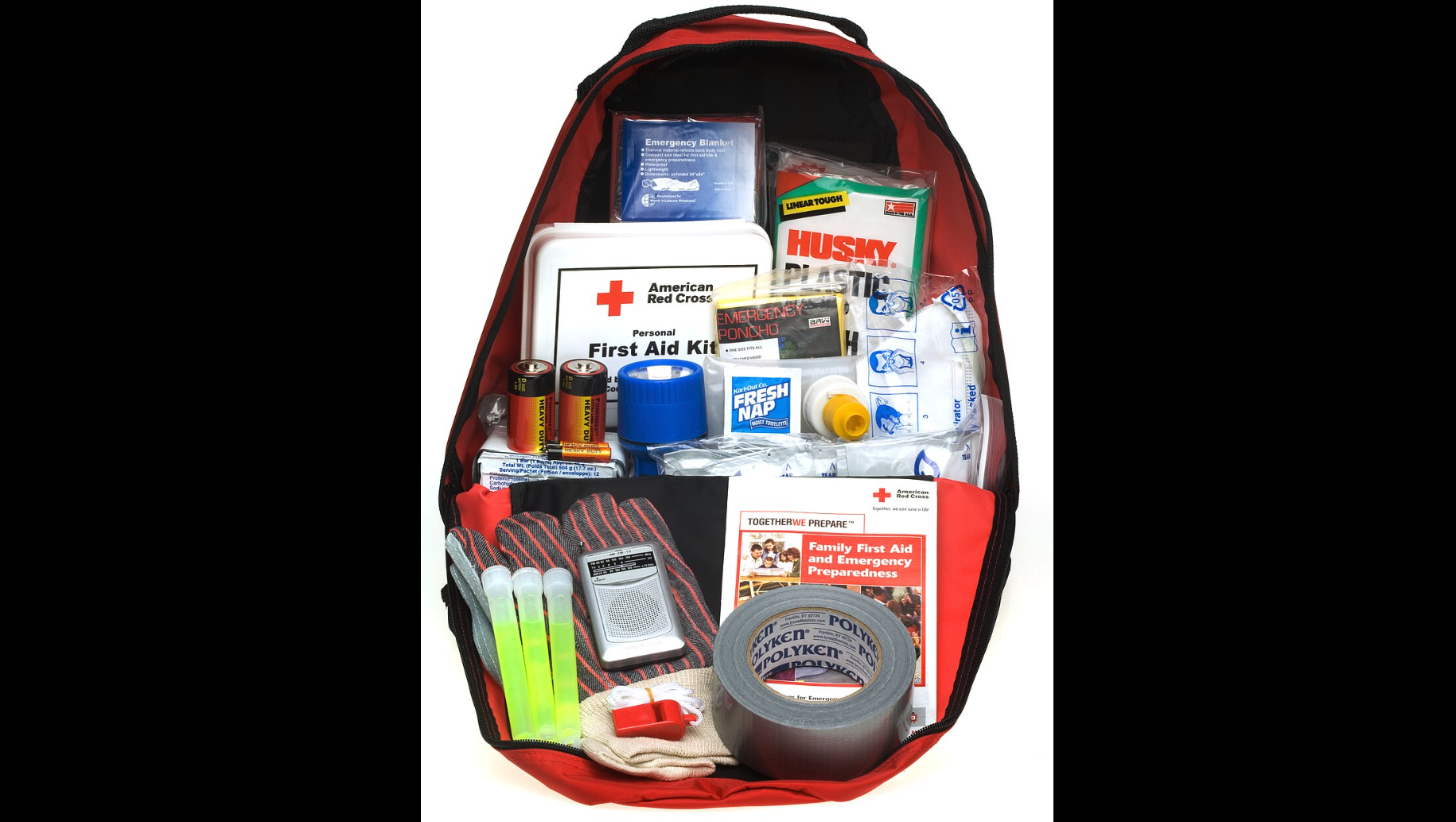
My home government, the UK, last week somewhat belatedly joined the growing list of EU and European nations advising its citizens to stockpile essential supplies for a minimum of three days, in case of unforeseen (or initially unsolvable) crises.

In doing so, London helped bring into the mainstream what until around a decade ago had been the preserve of nutty survivalist US “preppers” (colloquial abbreviation for the conspiracy loons in woodshacks in backwoods America, preparing for the return of Jesus Christ or a ‘commie invasion’).

Instead, the topic has now become a nervously jokey staple of middle-class dinner parties.

As the conversation wanders from what horrible disaster might befall society, from freak flooding, to nuclear war, to an internet blackout or poisoned water supplies, the talk rapidly becomes one of ‘so what’s in your box’?

The UK list was a ‘success’ in that – unlike the early days of Covid – it didn’t result in mass panic buying, and empty shelves. But the mass panic is a point we’ll come back to.

This article continues, but the full version is available only to EUobserver.com subscribers. Visit account.euobserver.com/membership

  •  

Caretaker PM Netanyahu expected to escalate violence, as EU sanctions talk on hold until new Israeli government formed

Any talk of EU sanctions on Israel is in limbo until a new government emerges, as experts warn that Israeli prime minister Benjamin Netanyahu could attack Iran in a “matter of days” to improve his chances of retaining power.

Netanyahu is to stay on in a caretaker role for several weeks or months of coalition talks after inconclusive elections on Tuesday (27 October), which saw his rightwing bloc win the most seats (53 seats out of 120), but fall short of a majority.

The elections took place amid ongoing Israeli aggression in Gaza, the West Bank, and Lebanon.

And this was expected to continue or get worse in the post-election power struggle, as Netanyahu courted the eight defector-MPs he needed to stay in power, by playing on security fears.

This article continues, but the full version is available only to EUobserver.com subscribers. Visit account.euobserver.com/membership

  •  

Digital panopticon: ‘When you work faster, you have to work even faster’ Amazon workers tell MEPs on AI work surveillance

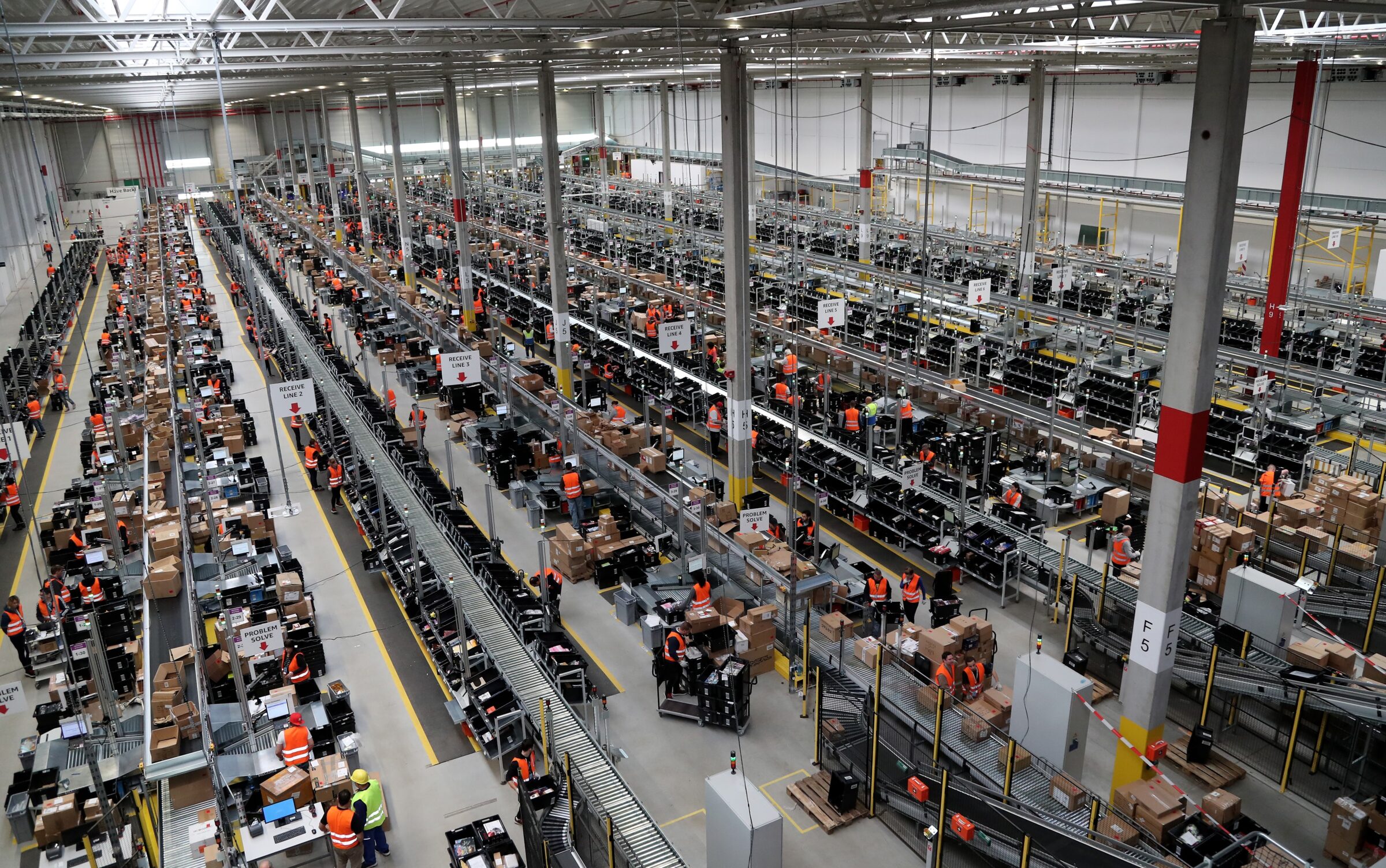
The European Parliament’s employment committee has highlighted the need for regulating automated control of workers after visiting Amazon warehouses in Germany and Poland this week.

Seven of the committee MEPs visited Amazon warehouses employing some 5,000 workers on Monday and Tuesday (26-27 October) ahead of the Commission’s Quality Jobs Act proposal expected in December.

The trip follows the committee’s hearing on working conditions in Amazon in January, where workers raised concerns about efficiency goals, safety, and surveillance using AI tools, which may be regulated more rigorously as a part of the upcoming act.

According to a 2023 survey by UNI Europa, a labour union federation, about a half of Amazon’s employees said their work had a negative impact on their mental and physical health.

Workers’ progress throughout the day is usually watched through security cameras, but also the work badges scanned in check points in various locations in the warehouse, and scanning devices used to identify products. 

In the city of Sosnowiec, home to one of Amazon’s Polish warehouses, employees are overworked by “constant pressure of being judged, which is very hard to cope with mentally,” Agata Wypiór, recently-named vice secretary of Amazon’s European Works Council and Solidarność union leader told EUobserver.

Leaving worker management and performance monitoring to algorithms means “these processes become almost invisible,” Li Andersson, head of the delegation, told EUobserver.

“The way the workers describe it, it sounds like a digital panopticon: when you work faster you have to work even faster.“ 

Workers themselves often do not know what data is collected on them and how it is being used to set productivity targets, Anderssen highlighted. 

This article continues, but the full version is available only to EUobserver.com subscribers. Visit account.euobserver.com/membership

  •  

[Interview] ‘I don’t care’ about the associate membership label row: Lead MEP Javier Moreno Sánchez on upcoming EU-Canada summit

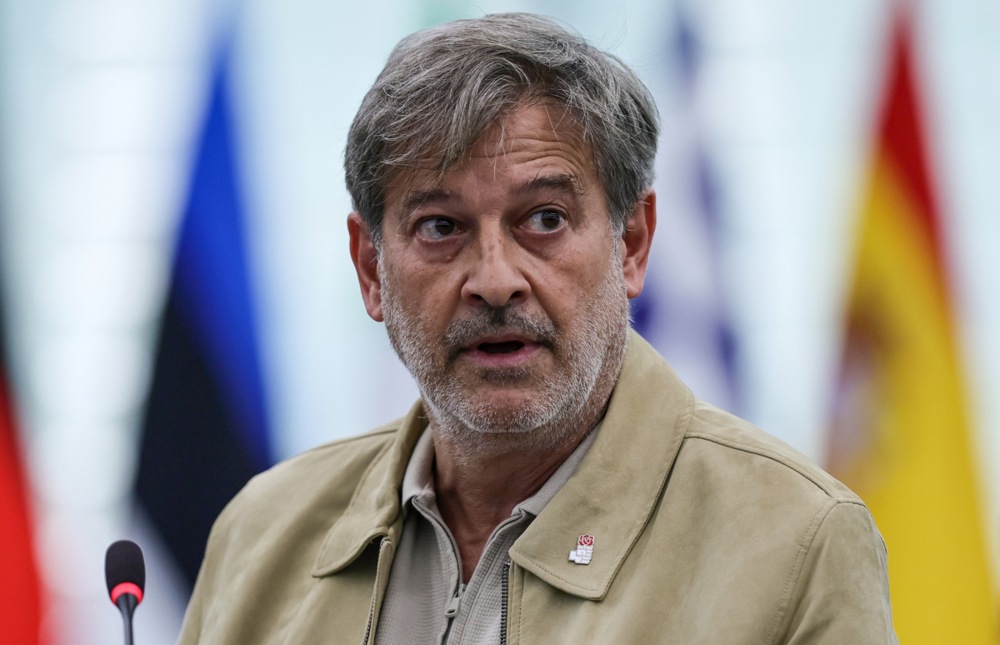
“Everybody’s focusing on the legal basis of Ursula von der Leyen’s associate membership [with Canada] announcement, but frankly I don’t care,” says MEP Javier Moreno Sánchez.

The Spanish Socialists & Democrats lawmaker chairs the European Parliament’s Canada delegation. He hopes leaders can make the EU and Canada “as close as possible” at the Montréal summit beginning on Thursday (29 October). Hosting the talks is Canadian prime minister Mark Carney, who has repeatedly spoken of ‘middle powers’ such as Canada and the EU deepening cooperation.

In September, EU Commission president Ursula von der Leyen’s announcement of an ‘associate membership’ possibility for Canada caught many by surprise. And there has been no consensus among member states on whether such wording should be used in written agreements with the North American ally.

EUobserver sat down with the MEP Moreno Sánchez in his Brussels office ahead of the major EU-Canada talks.

EU member states struggled to agree on inclusion of the term ‘associate member’ before the Montréal summit. Was it a mistake for EU commission president Ursula von der Leyen to announce this special category if she could not deliver it?

MEP Javier Moreno Sánchez: No, to have made this announcement is positive. I prefer for Canada to be an associate member, but I don’t care about the legal basis; it can be de facto associate membership. It’s true that the concept is not in the treaties, but the euro was not and neither was Schengen. When we have the political will, we don’t need the treaties.

I would like Canada’s relationship to be as strong and as close as possible with the European Union. It means that they will be like Switzerland or Iceland. We won’t have Canadian members in the European Parliament, or commissioners from Canada, but they will be in all the programmes. Now they will participate in Erasmus+, they are participating in SAFE [Security Action for Europe]. And There is big cooperation on artificial intelligence. But we want a horizontal and holistic approach to collaboration, not sector by sector.

Now, everybody’s focusing on the legal basis of Ursula von der Leyen’s associate membership announcement, but frankly I don’t care. As I said in the plenary last week, Canada and the EU share traditions, culture, language, values and principles. So in my view, they are already associated.

What is ‘associate membership’?

This post by my prime minister Pedro Sánchez is what associate membership means.

pic.twitter.com/YTS65L4fMP

— Pedro Sánchez (@sanchezcastejon) September 17, 2026

It was very funny because it was 2pm after the State of the Union speech, and I had an interview with people in Ottawa where it was 8am in the morning. I said associate membership is a very positive thing we have to do. And the journalist interviewing me said they’re just seeing this post from PM Sánchez.

What do you think Mark Carney and Ursula von der Leyen should prioritise in the Montréal summit ? 

The digital trade agreement. I hope they will agree on that to protect all the consumers and our enterprise. And on critical raw materials, we need an agreement because Canada has everything. In order to not to depend on China, we have to strengthen that relationship. And personally, I’d like to see the EU extend conventions and programs like Erasmus+ to Canada in small steps, little by little.

Should there be free movement between Canada and the EU?

We have to go in this direction. I don’t know exactly at which speed. So little by little, there will be free movement. But if you ask the Council, maybe certain countries will say, “No free movement.”

And how important is it that Canada pays into the European community, particularly when it comes to Ukraine? 

I went to Canada only a few months into Putin’s full-scale invasion of Ukraine to meet with people, NGOs, the enterprise and development communities. In every meeting, I was told that Canada wanted to rebuild Ukraine together with Europe once the war was finished. I was a little bit astonished.

One of the reasons is that there are 1.5 million Ukrainian people in Canada. And, Canada is putting money into Erasmus+ by participating in it. And it is willing to put money in all the programs and to work with us.

To what extent is US president Donald Trump responsible for pushing together Canada and the EU?

Thanks to Trump, we have Mark Carney as Canadian prime minister. It was a very good gift from him because Pierre Poilievre was the favourite two months before the elections. And when Trump announced all these shitty things, very proud Canadians decided to vote for Carney. And it was symbolic in Canada. Everybody said, “elbows up.” They are very proud people.

Many Europeans now see the US as a less reliable ally. Do you agree?

This article continues, but the full version is available only to EUobserver.com subscribers. Visit account.euobserver.com/membership

  •  

Putin faces African anger in Moscow on ‘coercive’ recruits to Russian army in Ukraine

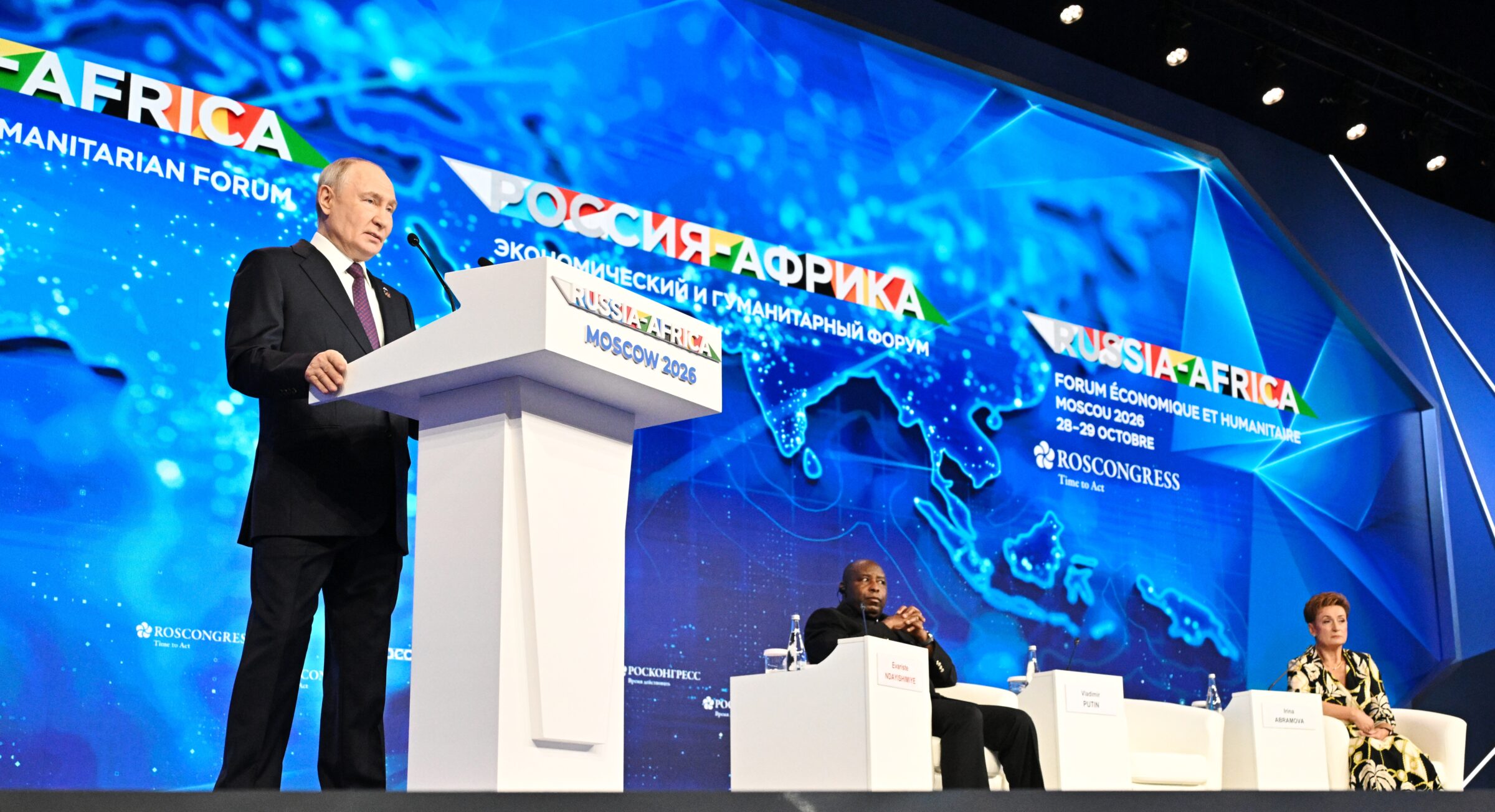
Vladimir Putin has been silent on a request by Kenyan president William Ruto for Moscow to assist in the repatriation of Kenyan men recruited to fight for the Russian army in its war against Ukraine.

Ruto’s request was made ahead of a two day Russia-Africa summit which began in Moscow on Wednesday (28 October).

Nigerian and South African officials have also voiced concern about their own people being recruited.

In an open letter on Wednesday, Amnesty International urged African leaders to urge the Kremlin to “immediately end the coercive and deceptive recruitment of African nationals into Russia’s military forces to fight against Ukraine.”

“For African leaders to remain silent on this issue would be a profound disservice to the people of their countries,” states the letter.

“At a moment when many African governments are speaking up about the enduring legacy of colonialism, and the importance of sovereignty and African agency in international affairs, they must reject any practice that treats nationals of African countries as a commodity for other countries’ political and military objectives.”

The Kremlin has been publicly silent on the issue of African fighters being used in its army.

It briefed that 22 African heads of state would attend the two-day summit in Moscow, with 26 other African states sending foreign ministers and other diplomatic officials.

“The era when the fate of entire continents was determined by a narrow bloc of states is irrevocably gone,” said Putin in his opening speech at the summit.

This article continues, but the full version is available only to EUobserver.com subscribers. Visit account.euobserver.com/membership

  •  

Ukrainian soldier’s frontline phone messages show tragic human cost of maintaining resistance against Russian forces in Kostiantynivka (Ukraine Battlefield update, day 1,707)

  • Fighting near Kostiantynivka through the eyes of a missing Ukrainian soldier: hunger, thirst, exhaustion and, ultimately, disappearance.
  • Rubikon released a video of an attack on a Ukrainian position in southern Kostiantynivka — an area Moscow has claimed to have captured for months.
  • Russians used ballistic missiles against Kyiv’s Pivdennyi Bridge, leaving a large hole in it and forcing its closure.
  • Near Komar, Ukrainian soldiers reached the village of Vesele, cutting the distance to Velyka Novosilka by a third.
  • Maps of the day: Kostiantynivka, Komar
  • Videos of the day — the aftermath of the Russian attack on a Kyiv bridge; a drone attack on a Russian convoy, seen from both Ukrainian and Russian cameras.

Fighting near Kostiantynivka through the eyes of a missing Ukrainian soldier: hunger, thirst, exhaustion and, ultimately, disappearance. Despite Russian claims that it has captured the city, fighting continues for the first city in the belt of Donbas “fortresses”. Further details can be found in the second part of the Ukraine Battlefield update.

Little, however, is known about the people holding Ukraine’s defences despite Russia’s superiority and their immense hardship. Ukrainian newspaper Hromadske published a lengthy report on the fate of one of them.

His name is Hennadii Osadchyi. He is 42, has a wife, Nadya, and an 18-year-old daughter. They live in Kropyvnytskyi, in central Ukraine.

He was mobilised in autumn 2025 and, on 16 December that year, was sent to the front in Kostiantynivka as a member of the 100th Brigade. By the time he went silent, he had spent 230 days defending the city without rotation.

His wife decided to speak about what he experienced during those seven months. Her information comes from the messages they exchanged. When Hennadii enlisted, he weighed 96kg.

By the time he went silent, he weighed half as much. His messages to his wife explain this dramatic change.

This article continues, but the full version is available only to EUobserver.com subscribers. Visit account.euobserver.com/membership

  •  

Frontex gets 17,000 extra officers for deportations while human-rights monitoring suffers downgrade

A revamped EU border force Frontex is set to have around 17,000 people involved in deportations at its disposal, while human-rights monitoring is narrowed and the agency’s ability to terminate operations in a member state over rights violations is weakened.

The overhaul, presented on Tuesday (27 October), follows months of speculation by a European Commission determined to give the Warsaw-based agency a more central role in the bloc’s deportations, as reported last week by EUobserver.

“The fundamental rights framework in Frontex is among the strongest in any EU agency, and that will stay also with this review,” Henna Virkkunen, a commission vice-president, told reporters.

“I’m not aware of any other border management authority with stronger protection anywhere in the world. I would actually say, and we’re not changing that. So this is pretty clear,” also said Magnus Brunner, the EU commissioner for migration.

But the claims, made at a press conference in Brussels, do not entirely match its 275-page proposal that it published only later on Tuesday evening.

Unable to scrutinise the text ahead of the press conference, reporters could only guess at what the proposal actually contained without being able to directly challenge the commissioners.

This article continues, but the full version is available only to EUobserver.com subscribers. Visit account.euobserver.com/membership

  •  

Knife-edge EU Council methane vote could hinge on commission action plan

EU member states remain deadlocked over whether to delay the bloc’s methane rules for oil and gas importers by one year or three, with neither side able to secure a majority.

Ambassadors were due to agree the EU Council’s negotiating position this week, after a first attempt failed last week.

But the Irish presidency has had to push the vote back to 6 November again as the two camps continue to disagree on the timeline. 

On the one hand, France, Spain, Finland, Denmark, Luxembourg and Portugal back the European commission’s proposal for a one-year delay. 

The other group, including Italy, Poland, the Czech Republic, Hungary, Slovakia, Greece and Slovenia, wants three years.

And then there is a third group of countries that haven’t decided yet, or could live with either scenario.

The undecideds and waverers 

Belgium, for example, signed a call in June for a three-year delay, but could live with the commission’s timeline, though it would refuse a pause of more than three years, which parliament’s proposed 2029 review could open the door to.

This article continues, but the full version is available only to EUobserver.com subscribers. Visit account.euobserver.com/membership

  •  
❌