❌

Reading view

Saudi films lead Gulf lineup at 2026 Doha Film Festival

RIYADH: Saudi Arabia has the largest national presence in the Cinema Al-Khaleej (Gulf Cinema) program at this year’s Doha Film Festival, with three Saudi titles among the seven selected for the event running Nov. 19-27. The rest of the lineup comes from Oman, Kuwait, the UAE and Bahrain. The program showcases films that reflect the Gulf’s cultural heritage and its contemporary realities. Some follow characters who defy prevailing social expectations, while others draw on folklore, memory and tra

  •  

'A lot to do': US Congresswoman Aisha Wahab speaks with TNA

At a recent campaign event, US Congresswoman Aisha Wahab spoke with The New Arab about her race to keep her seat in California’s District 14, why many politicians fear speaking out, and how she has been able to build a broad coalition.

As one of the newest members of Congress, who won in a special election after Eric Swalwell resigned amid allegations of sexual misconduct, Wahab is in the unusual position of campaigning immediately after taking office.

Though she comes to the 2026 midterms as an incumbent, she is not taking anything for granted, as she once again runs against Melissa Hernandez, the candidate she competed against during the primary.

According to ElectionsCALI, which publishes live prediction markets for California, Wahab is leading Hernandez 92 to 8 (in prediction market odds).

Wahab is the first Afghan American and one of the few Muslims to become a US Congress member. She is also one of a growing number of progressive Democrats speaking out on some of the party’s core issues, including Medicare for All (universal healthcare), taxing billionaires and getting big money out of politics–what many see as part of a new era of grassroots politics.

This interview has been edited for length and clarity.

You’ve said that some people are afraid of speaking up. What do you mean?

I think people have a lot of fear about talking about the real issues and holding people accountable. Not only holding people accountable, but also holding allies accountable, holding our own party accountable.

What do you think people have the most fear to talk about?

I think it depends on who you’re talking to, and I think that for me it’s always: why are we here? There’s no point in holding the seat if you’re not going to try to make change–on whatever issue you care about–whatever issue you think your community, your district, your constituents care about.

So, for me, you can take a look at my record in the [California state] senate, all of the bills that I’ve brought forward are from my district–some conversation I had, somebody shared a story, somebody shared a problem. Even just in this past week, we’ve had folks say: thank you for this bill at the federal level–you know, protecting women, protecting children, providing for our communities. There’s a lot of work to do.

Is it difficult to talk about things like Israel and Palestine?

I think that it’s definitely getting easier, being the only Muslim in the state legislature [referring to her recent time in the California State Senate], it was hard there. I think there’s this growing movement of accountability and where do our dollars go, and who’s being harmed and for what purpose. When we're talking about our international affairs across the board, there doesn’t seem to be a purpose that’s clear to the American people, and the harm being done does not contribute to a better quality of life over here. And so, as we hold ourselves accountable, our international policies, our dollars, we ask: Where does it go? Why does it go there?

Do you feel, with the person you're following in this seat, more of a responsibility to hold people accountable?

I've always believed in trying to do the right thing. I have several bills that focus on accountability, about going further to provide justice. Whether we're talking about my bill on survivor’s bill of rights, and sexual assault survivors, whether we're talking about closing the spousal rape loophole, whether we’re talking about the bill I did to ban child marriage. I have done a lot of work to not only educate my colleagues that these problems exist, that we have to do more. Even, for example, the Cornell case. I've always had a concern and problem with: why do these universities have their own policing, when it should be regular city jurisdiction law enforcement?

I believe that when we saw Representative [Eric Swalwell] the way we did, I think that there’s more to the story. And I think that by the resignation, it kind of [meant that] everyone in power felt like it absolved anybody of their engagement with him. The reality is that there's a lot of harm when you’re talking about sexual assault and sexual violence–whether it’s children or whether it’s women or whatever the case may be. It affects them mentally, emotionally, physically, spiritually for their entire lives. People don't really talk about the impact that these types of crimes have on victims. And as a daughter of an individual who was murdered, that one action sits with me for a lifetime; that one action affected the entire family. It wasn't just one person that got harmed. So, I think there's a lot to discuss when we’re talking about prioritising victims first; that's always been my goal.

Rhe ad campaigns that were against us–and I'm so glad the San Francisco Chronicle literally wrote that these were false and misleading and distorting her record–because my record is very clear. We have always prioritised victims first.

Even in our campaign, we have the support of people like Bernie Sanders as well as the chiefs of police, as well as sheriff, as well as the attorney general and so many people.

How did you build such a wide coalition?

It’s being able to talk to people directly, being honest, and listening and having an open door of communication. I may not always agree with anybody a hundred percent of the time. But being able to really understand where they’re coming from and find some middle ground is important for doing the best policy.

We had a bill regarding signal jammers. Law enforcement brought that forward to me–our own district, in fact. We worked on it, but we also realised teachers use it so kids don’t cheat in class, so they don’t text each other. So, how do we ensure that people who are using it in crimes get punished for it, but we don’t harm teachers and innocent people.

So, we made it in a way where we threaded the needle and the bill was written in a way that said: if you commit a crime, utlising this type of technology, it’s illegal. But if you use it for people taking tests, it’s not a big deal. I think threading the needle, building policy, writing it a certain way, working with people, understanding that there are multiple sides to a story, for even a tool, we need to prioritise.

I don’t think I’ve seen a coalition so wide. It really spans the spectrum.

We have everybody from Governor Gavin Newsom, Bernie Sanders. We have Adam Schiff, we have Pramila Jayapal–you name it. It's largely because I generally try to work with all people. I don’t really care for labels. I think that that puts you in a box. We want to make sure that we create policy that helps all people, not a specific type of person. Our policies last lifetimes. There's a lot of good you can do and there’s also a lot of harm. So, you need to be able to have those conversations to understand the full nuance of what you are really trying to do. I’m really honoured to be able to have this big, massive coalition. It shows the work that we have done and the conversations we have had. We’re going to try to work with all people.

Do you feel like you’re paving a path for people?

When I was first elected, there were a lot of firsts attached to the progress that I’ve made. I just want people to be able to know that they can do it. Even my own team, for example. My campaign manager has never run a campaign but mine. My team that does my video work had never done photography before. We're bound to make mistakes, we’re bound to fumble, we’re bound to fall down. But the effort is what’s true. If you can try your best, try your hardest, learn from your mistakes and have a goal and work towards that, that is what our efforts are. 

I share this because in politics, you don’t need a specific degree. You don't need a specific background. You don’t need to speak a certain way to get elected. You are a representative of the people in your community. For all of them that have fear and doubts, you just want to make sure you persevere through that and also be able to bring people along. That has been genuinely what I've tried, and I may not agree with anybody a hundred percent of the time. But it’s like: where can we work together? That's the goal for me.

How would you feel if someone said that I got into this race because I saw what you were doing?

You know what's funny? We've had people say that and in fact I've had colleagues that ran for their local office because they saw me running for city council years ago. I always say the world is small and since that community, everyone you meet, when you’re able to make an impact, they make an impact on you. They make an impact on their community. You are able to also see where you can do more and be better. Nobody’s perfect, and so as long as people try, do their best, do the work for the people, that’s what I care about. So, when people are interested in running, they have to have the right reasons for why they’re running. I think there are a lot of people who have a lot of ego. A lot of people start to forget why they’re in office, especially with the fundraising component. We talk about that. You don’t want to sell out 'the American Dream'. For me, I try really hard to prioritise the 'American Dream' for everyone. Campaign contributions are not going to change that. In the state legislature, for example, I’ve pushed policies that were not popular among legislators.

For example?

My lobbying reform bill. Because they're so afraid. Their friends are all lobbyists, and I've had a lot of conversations where people were trying to lecture me on that. And I tell them: I appreciate your opinion, but my priority is the 40 million people who rely on the policies being created in this bill. The moment you say that, it kind of level sets them again. And it reminds them of who we really work for. And so even though it's very difficult to pass legislation like that–it gets watered down under the guise of this or that–the goal is to continue to help reform the institution, the work. That's what I care about.

Moving forward, how do you feel about the race?

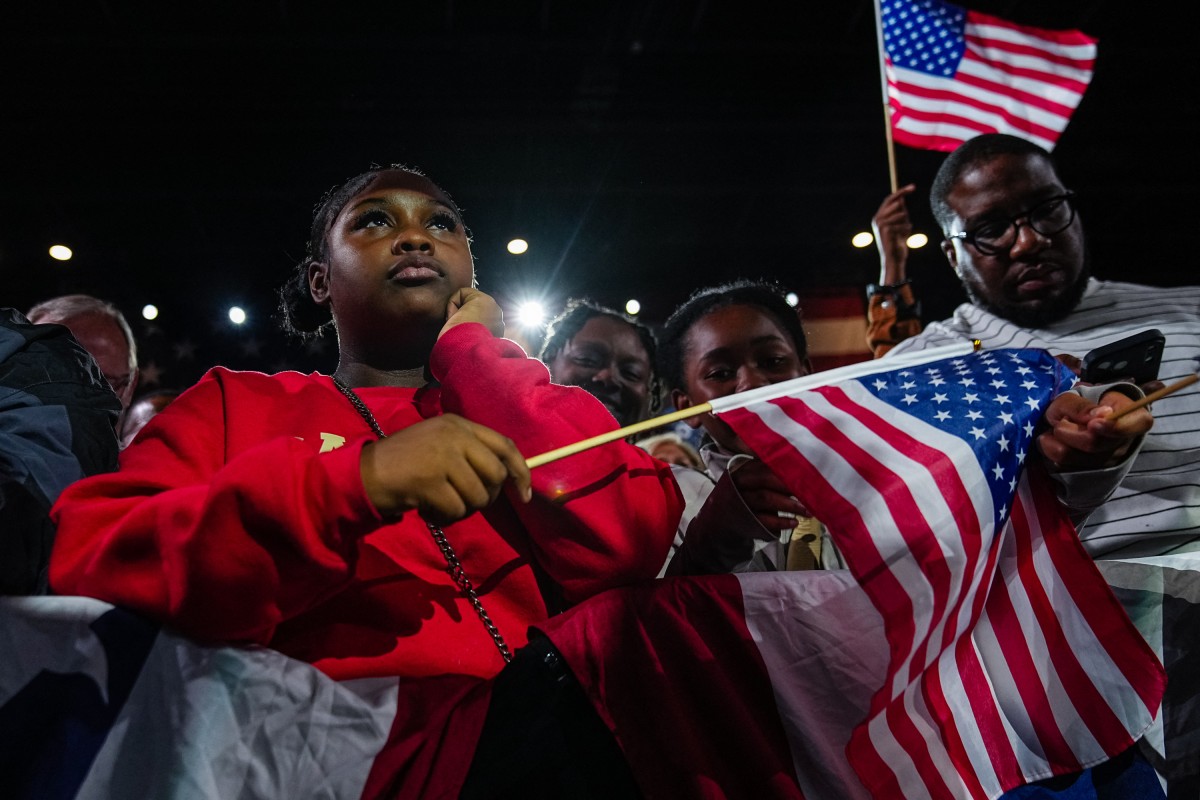
We've heard rumblings where our opponent and her team met with people in the district and have stated that AIPAC may put in $4 million. I don't know if that’s true. I don't know if that’s them garnering support, or trying to establish more support. I don't know, so we can't assume that we have this in the bag because we’re elected right now. We work every single day. As you can tell, we had literally hundreds of people show up, stand in the burning sun to be able to be part of this. We just want to help, we want to be supportive, work hard for every vote, and see what happens.

How have you done both–run for office while holding office?

I'm very, very proud that we've done a lot of the groundwork ahead of time. I will say that I take my job very seriously. In fact, I voted on every single bill before I got sworn in–in the legislature for the [state] senate. We waited as long as we could before we resigned, and eventually 24 hours before we got sworn in, we resigned. And we started the work. We've just established and found our new district office. We got the short end of the stick in Congress in a lot of ways. They were supposed to have an office for us. That office already had a new tenant. We had to find our own office. There’s a lot of work to do.

  •  

Gaza's residents sceptical on Palestinian votes in Israel

As Palestinian citizens of Israel voted and their political parties secured seats in the Israeli Knesset, many Gazans saw little reason to expect a change in Israel's genocidal policies towards Palestinians.

From tents and damaged homes, residents of the Gaza Strip followed Tuesday's Israeli elections, paying particular attention to turnout among Palestinian voters and the performance of Arab electoral lists.

Preliminary results released on Friday morning, with nearly all votes counted, showed Prime Minister Benjamin Netanyahu's coalition securing 53 seats, compared with 48 for the bloc led by Gadi Eisenkot, while Arab parties won 19 seats, a historic record, according to Israeli media.

The results left the formation of the next government uncertain, with neither camp assured of securing a parliamentary majority, according to the Israeli media outlets.

Gazans, however, question whether Palestinian representation in the Knesset could translate into meaningful influence over Israeli policies affecting Palestinians.

Limits of Palestinian political influence

Gaza-based political analyst Tayseer Abdullah told The New Arab that the preliminary results reflected the continued dominance of hardline Zionist forces and the absence of an influential left-wing alternative offering a fundamentally different approach towards Palestinians.

"Israel's main political camps continue to prioritise military and security solutions while supporting settlement expansion, leaving little reason to expect a fundamental shift in policy," he said.

Commenting on the participation of Palestinian citizens of Israel, Abdullah said their parliamentary representation was important but remained limited in its ability to influence major political and security decisions.

He argued that the results should be assessed not simply by the number of seats won by Arab parties but by their actual capacity to influence government policies, particularly those affecting Palestinians in Gaza and the occupied West Bank.

Even if Netanyahu lost power, Abdullah warned, a government led by other right-wing figures would not necessarily reverse the policies that have devastated Gaza or alleviate the humanitarian crisis facing its population.

He added that, in the absence of a political force committed to Palestinian rights and a genuine peace process, a change in Israeli leadership alone was unlikely to end the war or bring meaningful improvements to Palestinian living conditions.

Abdullah also pointed to the marginalisation of Arab parties despite their parliamentary representation, noting that major Israeli political forces remained reluctant to cooperate with them.

Excluding Arab citizens from political partnerships, he warned, could further weaken confidence in electoral participation as a means of influencing decision-making.

Another Gaza-based political analyst, Mustafa Ibrahim, told TNA that the preliminary results had complicated expectations of a clear opposition victory.

"Neither Netanyahu's camp nor its rivals appeared certain of securing the majority needed to form a government," he said.

The political deadlock could lead to prolonged coalition negotiations, another political figure being tasked with forming a government, or fresh elections if efforts to establish a coalition failed, he added.

However, Ibrahim cautioned that political uncertainty did not necessarily mean Netanyahu would lose power or that Israeli policies towards Palestinians would change.

Ramallah-based political analyst Esmat Mansour also said the final distribution of seats could affect the prospects of forming a government, depending on whether smaller parties crossed the electoral threshold.

"A prolonged stalemate or another election could follow if neither camp secured a majority," he said, adding that regional tensions involving Gaza, Lebanon and Iran could increase the risk of further escalation.

Fatah welcomes Arab participation, Hamas remains sceptical

Palestinian Vice President Hussein al-Sheikh described the Israeli elections as an internal Israeli affair but expressed hope that a political partner committed to a just peace would emerge.

In a statement on X on Thursday, he said implementing international resolutions was essential to achieving security, peace and stability in the region.

Fatah, meanwhile, views the participation of Palestinian citizens of Israel and the possible weakening of the Israeli far right as an opportunity to influence the country's political balance.

Its spokesperson, Maher al-Nammoura, told TNA that Palestinian participation reflected a desire to challenge the far-right government and its policies towards Palestinians in Gaza and the occupied West Bank.

He welcomed the support for Arab electoral lists, expressing hope that their stronger parliamentary representation would improve the opposition's chances of ending Netanyahu's rule.

"We hope these results will strengthen the opposition's ability to end Netanyahu's rule and weaken the far-right forces that have pushed the region towards further confrontation," he said.

Al-Nammoura added that Netanyahu's departure would be an important step towards changing the political climate.

However, he stressed that any meaningful change must be reflected on the ground, including an end to the war in Gaza, respect for Palestinian rights and a halt to measures undermining the prospects of a political settlement.

Hamas, however, remains sceptical that Netanyahu's departure would bring more moderate Israeli leadership.

A movement source, speaking anonymously, told TNA that Netanyahu was especially responsible for blocking ceasefire commitments, though other Israeli leaders also held positions harmful to Palestinians.

He said Hamas had repeatedly raised Israeli violations with mediators and Peace Council representatives, urging progress on the US president's plan and the roadmap discussed in Cairo.

Hamas remained committed to the agreements, including the roadmap presented by Nikolay Mladenov, the Peace Council's Gaza representative, and hoped election results could help advance implementation, he noted.

Little hope for change

The election results offered little reason for displaced Gazans to expect improvements in Palestinian lives, whether inside Israel or in the occupied territories.

Fawzi Abu Nasser, displaced from Beit Hanoun and now living in a tent in Gaza City, told TNA that he doubted the elections would bring meaningful change.

"Palestinians inside Israel have the right to vote, but they still struggle to live safely and secure their basic rights. Crime and violence are spreading in their towns, while the authorities are failing to protect them. So what can these elections really change?" he said.

Yazan al-Sharif, another Gaza City resident, believes that the problem extends beyond Netanyahu to the broader Israeli political establishment.

"Even Palestinians inside Israel face discrimination and violence. They participate in elections, but this has not stopped policies undermining their rights or the growing crime in their communities," he told TNA.

Al-Sharif said a victory by a genuine left-wing candidate might have opened the door to a different approach towards Palestinians.

However, he feared an Eisenkot-led government would be no better, citing his right-wing background and the deaths of his son and nephew in Gaza.

He also called for an end to the division between Fatah and Hamas, saying Palestinian political fragmentation had further compounded people's suffering.

Abdullah al-Helou, another Gaza City resident, highlighted the contrast between Palestinian citizens of Israel, who can vote in parliamentary elections, and Palestinians in Gaza and the West Bank, who cannot elect their own national leadership.

"Palestinians inside Israel can elect representatives to parliament, but they still struggle for their rights. Meanwhile, Palestinians in Gaza and the West Bank cannot even elect their own national leadership. This shows the limits of political participation," he told TNA.

For Gazans, the experience of Palestinian citizens of Israel illustrates the limits of electoral participation: the right to vote does not necessarily guarantee equality, protection or the ability to change policies that shape people's lives.

  •  

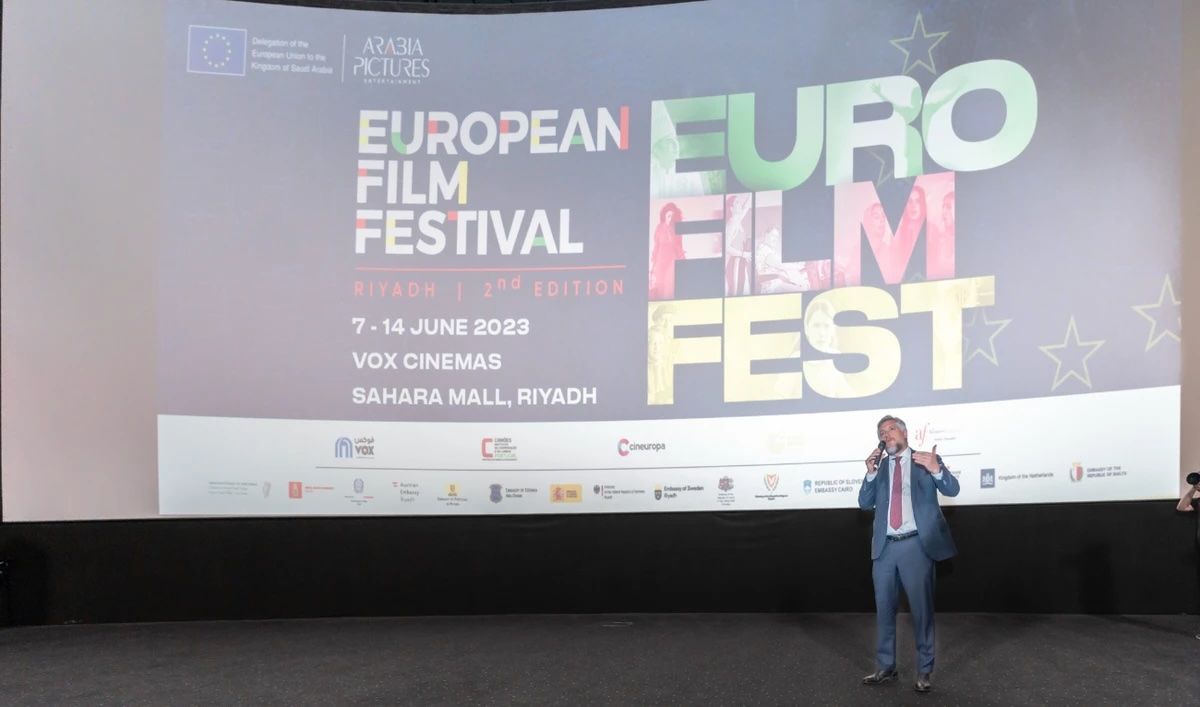
European Film Festival returns to Riyadh for 5th edition with 16 Films

RIYADH: The fifth edition of the European Film Festival in Riyadh will feature 16 films from 16 European countries, the Delegation of the European Union to Saudi Arabia has announced. The event is being held in collaboration with the embassies of its member states and with the support of the Film Commission, reported the Saudi Press Agency. The festival will begin on Nov. 2, with public screenings running from Nov. 3-10. Building on the success of previous years, the program includes a diverse s

  •  

Saudi consumer spending holds above $3bn as jewelry sector sees rise

RIYADH: Saudi Arabia’s consumer spending remained above $3 billion in the week ended Oct. 24, with outlays on jewelry jumping 19.6 percent, official data showed. The Kingdom’s point-of-sale transactions totaled SR11.78 billion ($3.14 billion) during the seven-day period, down 6.5 percent from the previous week, while the number of transactions fell 7 percent to 229.12 million, according to the Saudi Central Bank, known as SAMA. Jewelry was the standout category, reaching SR427.61 million, even

  •  

Incoming: Big-screen winter wonders

Avengers: Doomsday Starring: Robert Downey Jr., Chris Evans, Chris Hemsworth Directors: Anthony and Joe Russo In cinemas: Dec. 16 Robert Downey Jr. returns to the Marvel Cinematic Universe, but this time around he’s the villain — Doctor Doom — in this latest entry in MCU Phase Six (the increasingly convoluted multiverse phase). As the multiverse is collapsing, heroes from three different universes team up to face Doom’s “existential threat.” Those heroes include the Fantastic Four, the X-Men, th

  •  

Arab wrestlers set to take center stage at RAF Abu Dhabi 

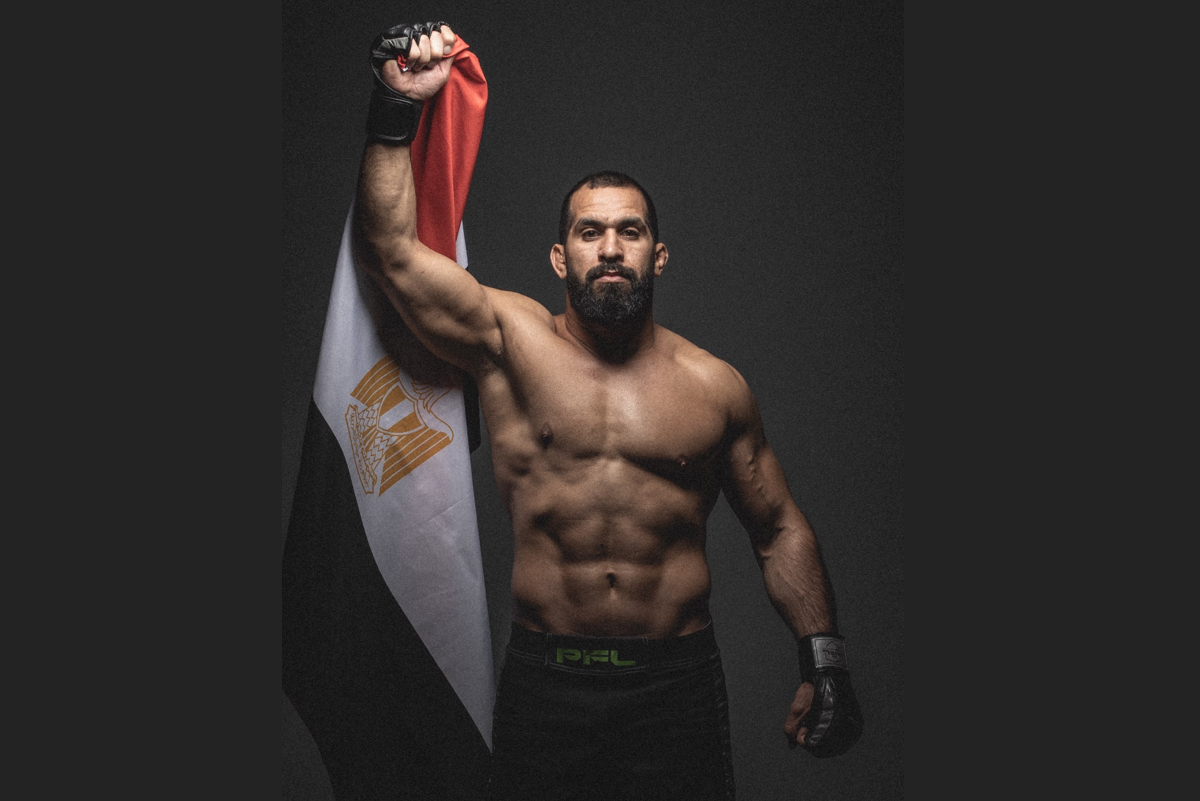
On November 14, four Arab wrestlers – Bahrain's Hamza Kooheji and Murtaza Talha, Jordan's Ali AlQaisi, and Egypt's Osama Elsaidy – will debut in the Real American Freestyle (RAF) at Etihad Arena, Abu Dhabi, marking the promotion's first Middle Eastern event. The event features a lineup including former UFC champion Khamzat Chimaev and aims to showcase Arab talent on a global stage, reflecting the area's rich wrestling heritage.

  •  

Vinyl Mode takes Hejazi House south with Jazani-dialect single

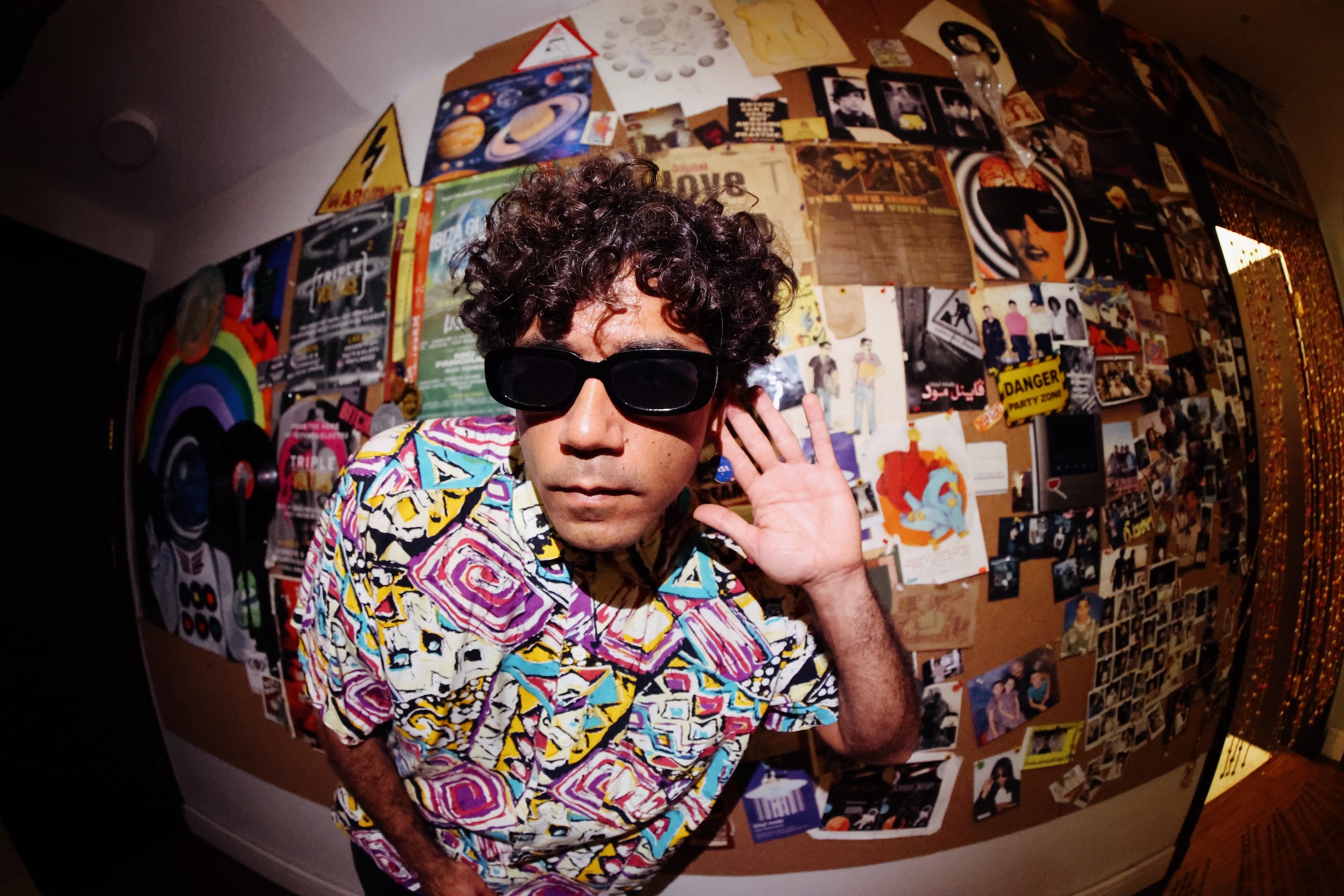
DUBAI: Saudi DJ and producer Vinyl Mode, a pioneer of the ‘Hejazi House’ sound, is taking it south with his new single “Seedboya,” out Oct. 22, which sets the dialect of the Kingdom’s southwestern Jazan region to a house beat. “I don’t want to follow any trend. I want to make my own trend,” the artist, whose real name is Muhanned Nassar, tells Arab News. “I want to export my own language to the world.” Hejazi House pairs Chicago and Detroit house influences with the slang of Saudi Arabia’s west

  •  

As vote count ends in Israel, eyes turn to US midterms for Iran

Welcome,

Here are the updates:

  • As the count for the Israeli elections end, with the results remaining the same with no majority between the blocs, 53 for Netanyahu's bloc, 48 for Eisenkot, and 19 for the Arab bloc
     
  • Iran insists the Strait of Hormuz remains closed as long as its demands are unmet, with IRGC saying several tankers have hit mines along the southern "unauthorised" routes
     
  • 1,574 Palestinians have been killed by Israel since an alleged October 2025 ceasefire began, the total death toll since October 2023 to at least 74,570, according to the health ministry in Gaza
     
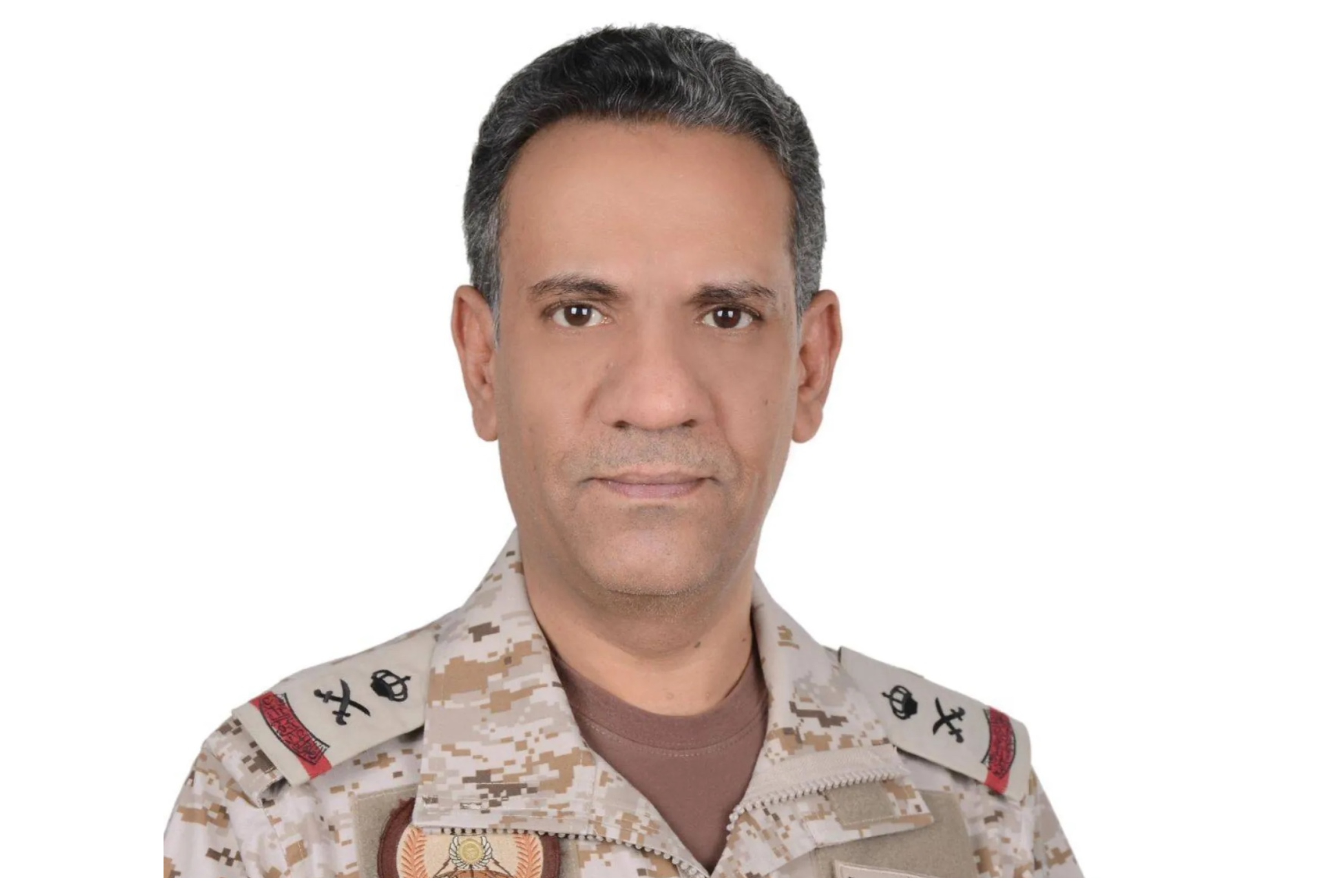
  • Saudi-led coalition said it downed a Houthi drone near Mecca, while the Houthis report heavy airstrikes on its positions in Taiz
     

And so we continue our live coverage of the day...

  •  

550 Private schools in Sanaa come under Houthi recruitment pressure

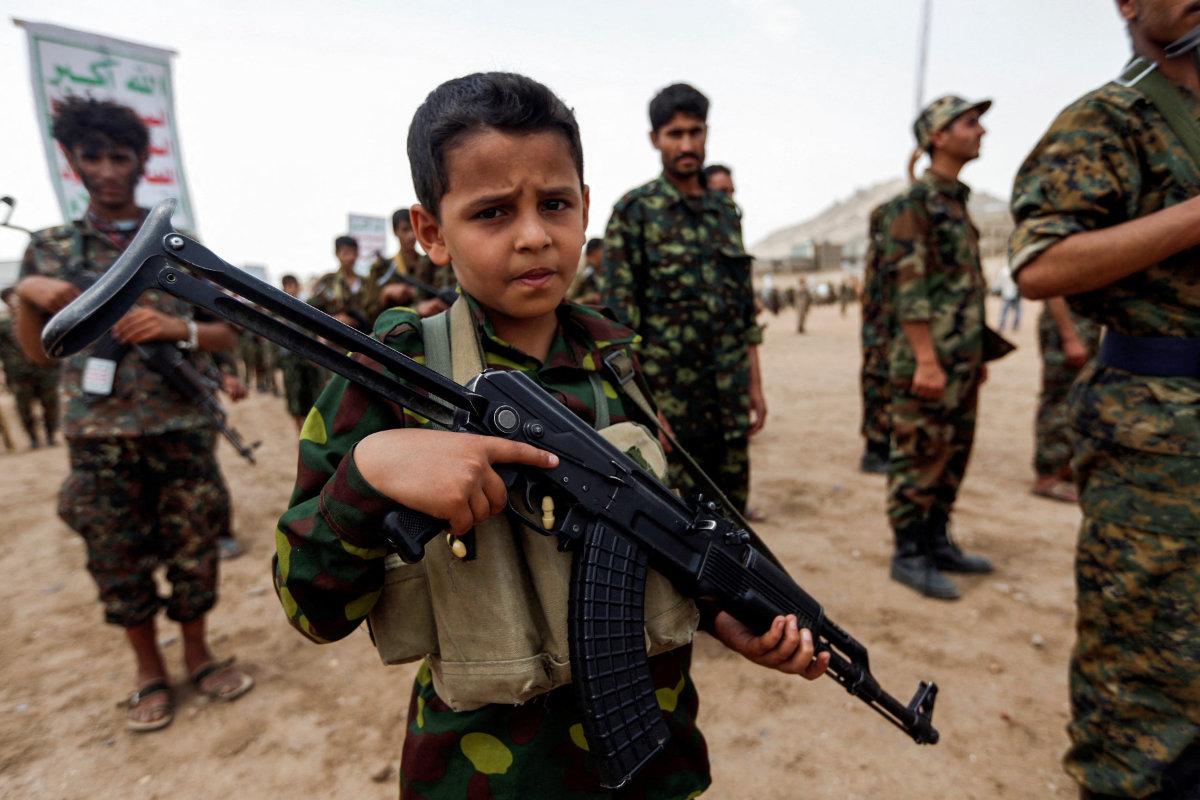
The Houthi militias have escalated their campaigns to recruit students from private schools in Sanaa, exploiting educational institutions to supply its battlefronts with new fighters and offset its ongoing human losses. The group is reportedly forcing students to attend military training courses while threatening school administrations with closure, fines, and other penalties. Educational sources in Sanaa told Asharq Al-Awsat that the group's so-called "Jihadist Department," in coordination with

  •  

Surging costs of living top US voter concerns

Amid upcoming midterm elections, a majority of US voters express concerns over the soaring cost of living. A survey indicates the economy is the primary issue for 84 percent of early voters.

  •  
❌