
❌

Reading view

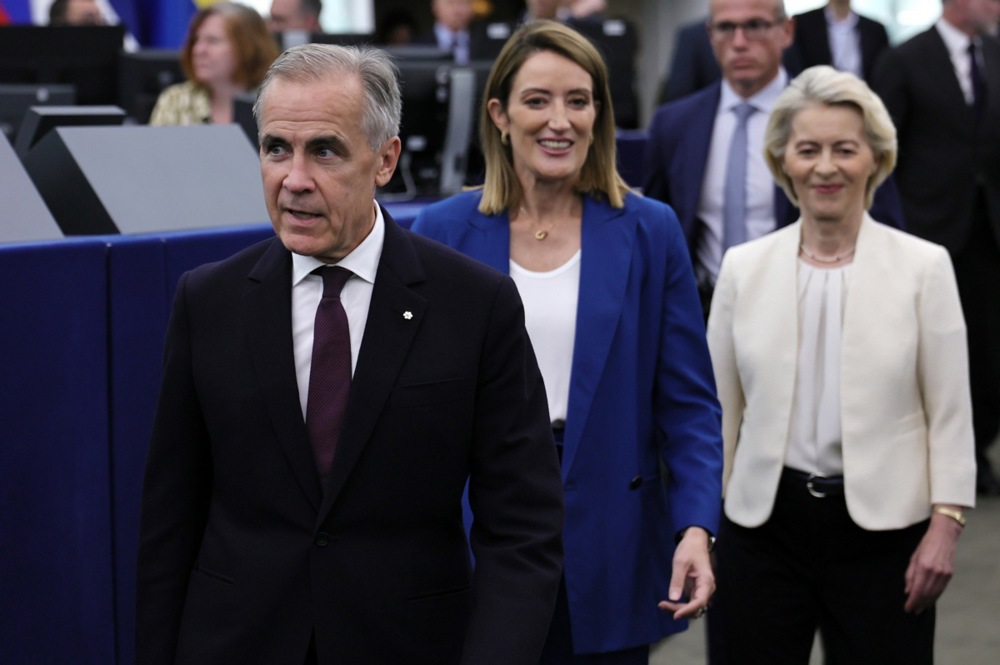
‘Associate’ or ‘ever-closer association’? Semantics aside, what does that leave the EU-Canada love-in?

“Associate membership” is out and “ever closer association” back in.

The offer of the first phrase was made to Canada a month ago by EU Commission president Ursula von der Leyen. 

The phraseology, made during von der Leyen’s State of the Union speech, surprised many EU diplomats who claimed that they had not been consulted.

It was also never clear precisely what this would mean.

The idea of Canada having representatives or observer status in the EU institutions always sounded fanciful. Besides, there is no mention of ‘associate membership’ in the EU treaties, and this uncertainty appears to have persuaded Germany to demand that it be dropped ahead of Thursday and Friday’s (29-30 October) EU-Canada summit.  

The draft communique circulated ahead of the summit talks of “work to define by the 2027 EU-Canada summit the concept of an ever closer association of Canada to the EU, short of full membership itself.” 

Von der Leyen appeared not to have read the memo. 

Officials would “start discussing how to make Canada the first associate member of the EU,” she said on arrival in Montreal, adding that “our ambition is to build the closest partnership we have ever had with a non-European country”. 

Yet this is a dispute over language rather than substance. The EU and Mark Carney’s Canada see each other as their closest ally. Both have been repeatedly threatened with hefty trade tariffs by Donald Trump’s White House and the consequences of Trump’s foreign policy adventures in the Middle East and the Arctic. Carney’s remarks at the World Economic Forum in January that ‘middle’ powers should club together to avoid being squeezed between China and the US were aimed at the EU.  

Commission officials may blench at the comparison, but the EU is a collection of middle ranking and small states. And it is yet to act like a world power on the political stage. 

This article continues, but the full version is available only to EUobserver.com subscribers. Visit account.euobserver.com/membership
  •  

Can EU-China AI talks survive Huawei bans and new export controls?

Artificial intelligence is one of the economic sectors where the EU and China could be allies rather than foes; both are racing to close the gap with the United States. But until now, the EU has viewed China as a competitor and threat on AI and digital technology. 

The two economies “have huge cooperation potential in new energy, AI, services trade, the digital economy and green low-carbon fields”, China’s ministry of commerce said in a statement following the second round of China-EU trade talks in Beijing earlier this month. 

Those two days of talks between EU trade commissioner Maroš Šefčovič and Chinese commerce secretary Wang Wentao were widely viewed as a successful first step forward by EU leaders at last week’s summit in Brussels.  

In particular, China has agreed to reduce exports of electric vehicles and guarantees continued access to rare earths without new export controls. It also commits EU and Chinese officials to at least six more months of negotiations on a raft of trade disputes. 

A visit to a robotics factory was part of the itinerary for a delegation from the European Parliament’s international trade committee who will make a three day visit to China from 27 October. 

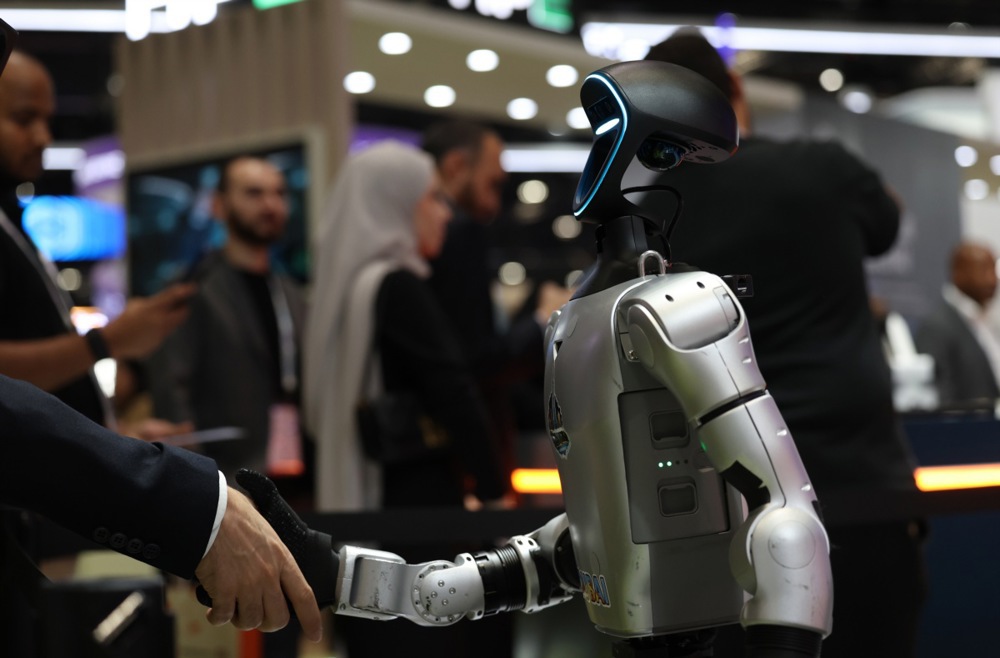
Committee chairman Bernd Lange told reporters that Unitree Robotics, a Chinese robotics company that uses its own humanoid robots—powered by embodied AI —to help manufacture and assemble more robots would be “at the heart of Chinese industry in the future.” 

China is the world leader in the robotics market, with Lange’s Germany its main European rival. 

This article continues, but the full version is available only to EUobserver.com subscribers. Visit account.euobserver.com/membership
  •  

Putin faces African anger in Moscow on ‘coercive’ recruits to Russian army in Ukraine

Vladimir Putin has been silent on a request by Kenyan president William Ruto for Moscow to assist in the repatriation of Kenyan men recruited to fight for the Russian army in its war against Ukraine.

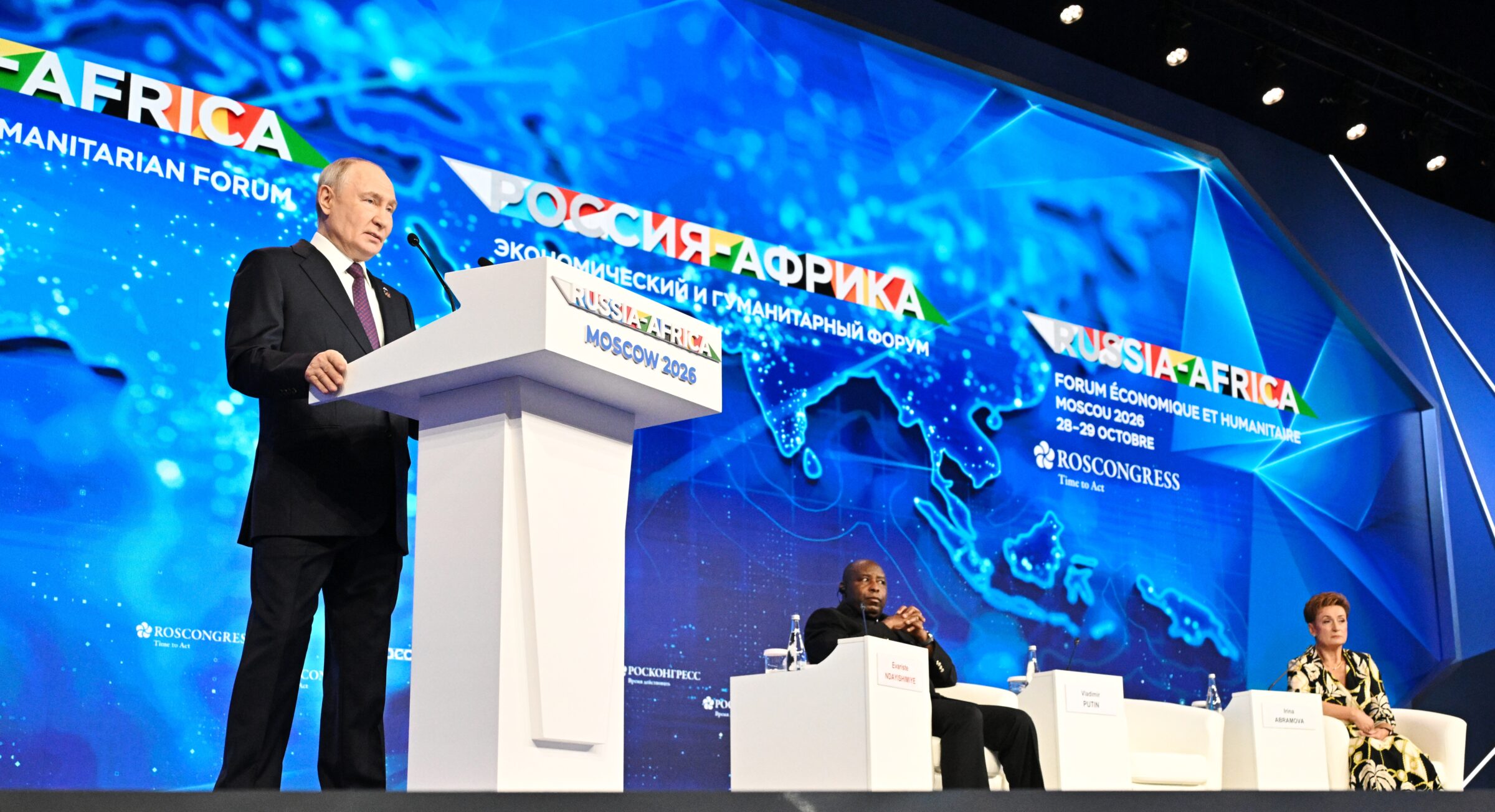
Ruto’s request was made ahead of a two day Russia-Africa summit which began in Moscow on Wednesday (28 October).

Nigerian and South African officials have also voiced concern about their own people being recruited.

In an open letter on Wednesday, Amnesty International urged African leaders to urge the Kremlin to “immediately end the coercive and deceptive recruitment of African nationals into Russia’s military forces to fight against Ukraine.”

“For African leaders to remain silent on this issue would be a profound disservice to the people of their countries,” states the letter.

“At a moment when many African governments are speaking up about the enduring legacy of colonialism, and the importance of sovereignty and African agency in international affairs, they must reject any practice that treats nationals of African countries as a commodity for other countries’ political and military objectives.”

The Kremlin has been publicly silent on the issue of African fighters being used in its army.

It briefed that 22 African heads of state would attend the two-day summit in Moscow, with 26 other African states sending foreign ministers and other diplomatic officials.

“The era when the fate of entire continents was determined by a narrow bloc of states is irrevocably gone,” said Putin in his opening speech at the summit.

This article continues, but the full version is available only to EUobserver.com subscribers. Visit account.euobserver.com/membership
  •  

EU plans massive investment in Australia’s critical minerals to cut dependence on China

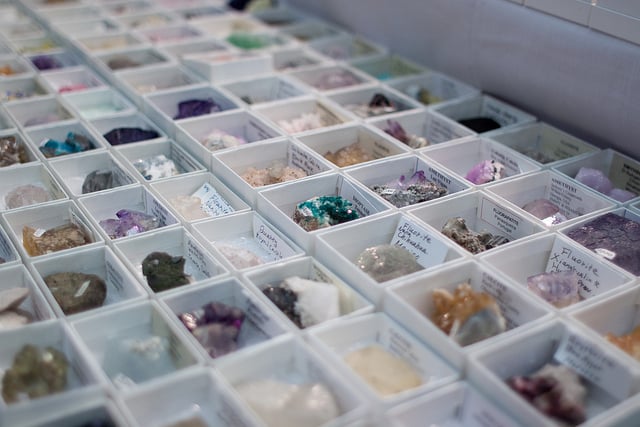
The EU plans ‘massive’ investment in Australia’s critical minerals sector as it seeks to make Canberra a major partner in reducing the bloc’s current reliance on China. 

“Since we wish to diversify away from China, then one of the most likely partners has to be Australia,” said the EU’s ambassador to Australia, Lawrence Meredith, who added that the bloc’s security and defence partnership, agreed with Canberra earlier this year, also relies on co-operation on critical minerals. 

Speaking at the International Mining and Resources Conference in Sydney on Tuesday (27 October) Meredith said that the bloc would be “massively investing in critical minerals.” 

EU and Australian trade officials are currently working on a bilateral trade agreement, with a view to concluding negotiations in early 2027, and a Memorandum of Understanding on critical minerals access is set to be part of it. 

Australian officials appear eager to partner with the EU. 

On Tuesday, Australia’s resources minister Madeline King said that it would revamp its own critical minerals strategy to put greater emphasis on refining and processing in an attempt to curb China’s dominance. 

This article continues, but the full version is available only to EUobserver.com subscribers. Visit account.euobserver.com/membership

  •  

Farming ministers agree on more national control of EU funds as part of CAP reforms

Ministers want to speed up and simplify the payment of farming subsidies by taking control of the EU’s multi-billion euro farming payment schemes, under a deal reached late on Monday night (26 October).  

The agreement at a meeting of EU agriculture ministers in Brussels finalises the negotiating position of EU governments on the future of the bloc’s Common Agricultural Policy in its next seven-year budget. 

The ‘negotiating box’ prepared by the Irish EU council presidency earlier this month for the 2028-34 multi-annual financial framework spared agricultural subsidies provided by the common agricultural policy from cuts worth a total of €141bn but proposed three-percent cuts, worth €24.6bn, to funding for National and Regional Partnership Plans (NRPP), which are intended to streamline the distribution of EU cash to governments for a variety of different policies including agriculture and fisheries. 

The idea behind the NRPPs is to set up one single fund to provide support for farmers.

Each EU country would be expected to develop a single comprehensive plan outlining the reforms and investments it intends to implement from 2028 to 2034 and how it plans to use EU funds. 

EU governments agreed on Monday that this planning process should be designed to give them far greater autonomy. They say that the recommendations the commission makes to member states regarding the design of support programs should not be binding.  

The new system is set to prioritise ‘active farmers’, which sets a threshold of a minimum level of agricultural activity for farmers, as well as young farmers and small farmers. 

This article continues, but the full version is available only to EUobserver.com subscribers. Visit account.euobserver.com/membership
  •  

THIS WEEK: the EU’s new Canada offer, cash for farmers and Russia’s Lavrov returns to G20?

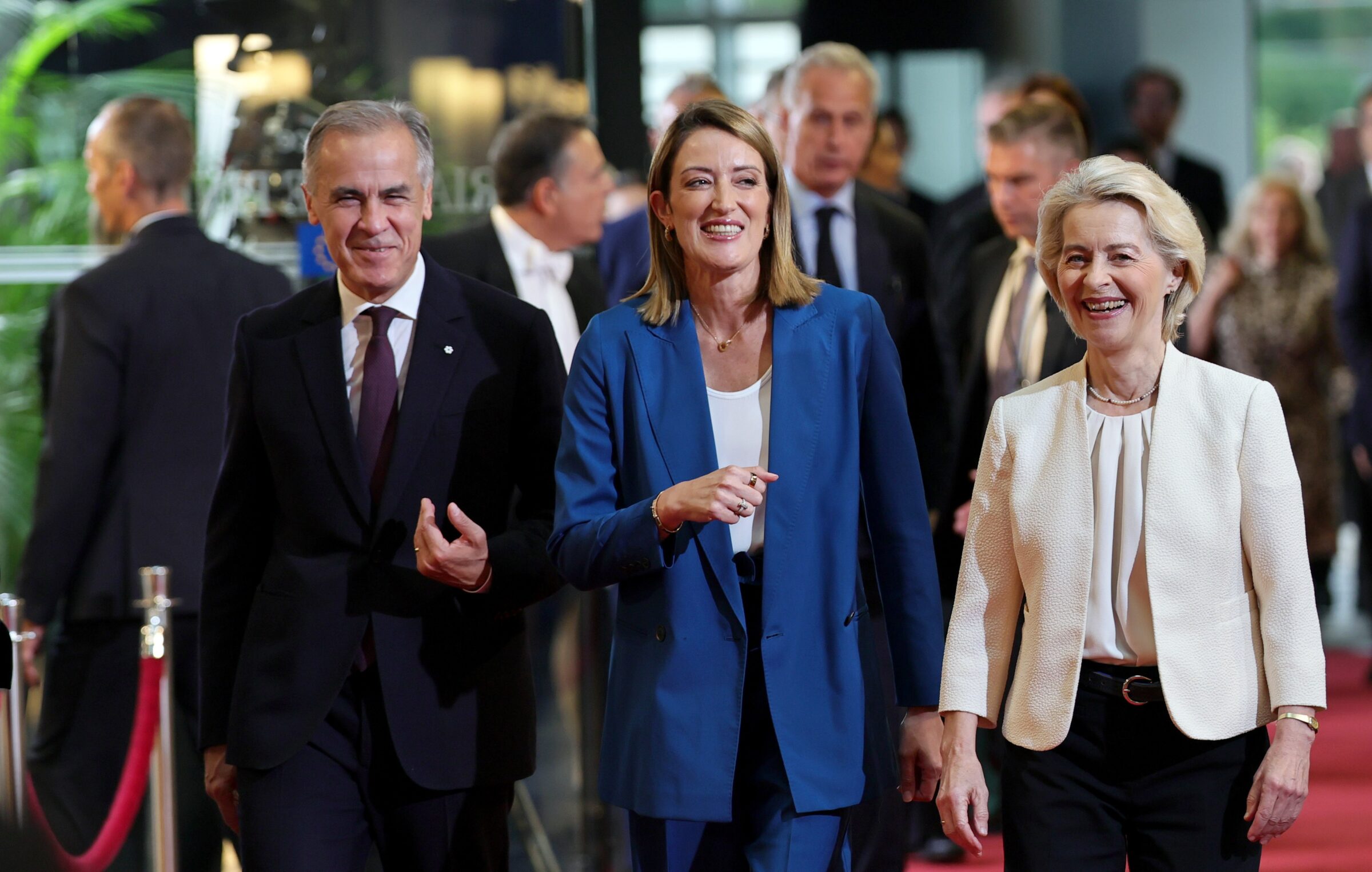
An EU-Canada summit in Montréal will be the main event this week with European Commission president Ursula von der Leyen and European Council counterpart António Costa represent the bloc at a two-day summit starting on Thursday (29 October), hosted by Canadian prime minister Mark Carney. 

Carney, who has repeatedly spoken about the need for so-called ‘middle powers’ to step up their economic and security cooperation to avoid being squeezed by the United States and China, has emerged as one of the EU’s closest allies since the start of US president Donald Trump’s trade tariff wars last year. 

Canada already has one of the most ambitious bilateral trade agreements with the EU and has secured access to defence procurement contracts as part of the EU’s new multi-billion euro defence fund. 

And in September at her State of the Union address, von der Leyen offered the prospect of ‘associate membership’ of the bloc to Canada. Talks in Montréal are likely to cover trade, energy, critical minerals, defence, digital technologies and economic security. 

In particular, the draft summit communique proposes a feasibility study on long-term Canadian LNG exports to Europe. 

This article continues, but the full version is available only to EUobserver.com subscribers. Visit account.euobserver.com/membership
  •  

‘Project Fear’ didn’t work, so why do we keep demonising far-right and left voters?

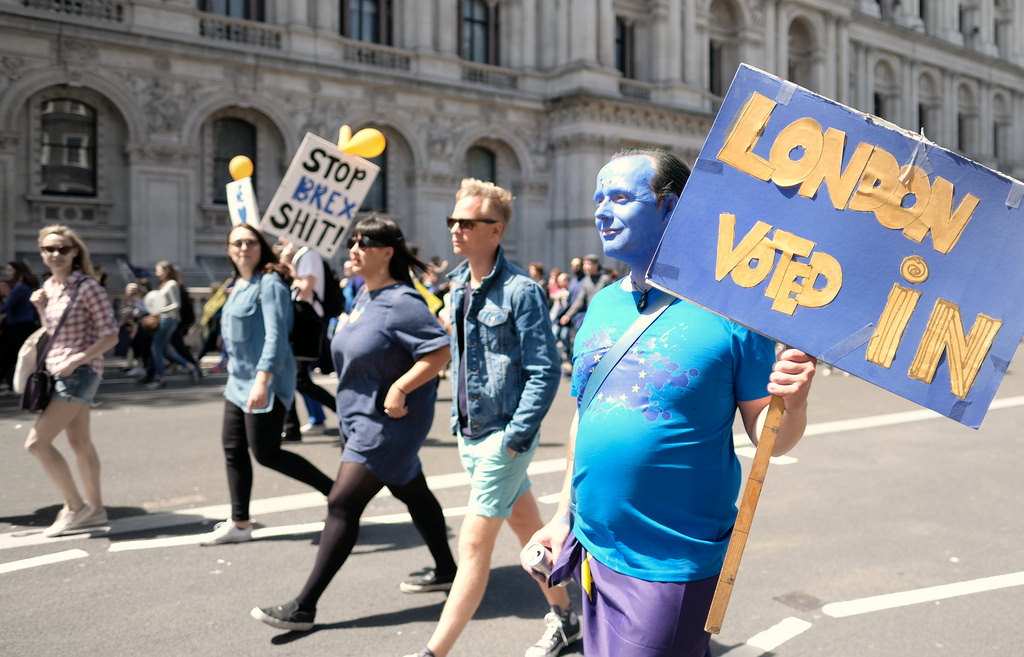
Ten years ago, ‘Project Fear’ was at the heart of the ‘Remain’ campaign’s inept efforts to persuade Britons not to vote to leave the EU. 

Voting for Brexit, according to David Cameron’s government Doomsday forecasts, would cost every household £4,300 (€5,000) per year from 2030, lead to an immediate recession and mean lower house prices. 

It was a huge mistake. That all the pro-EU camp could say about being members of the club was that it would be very expensive to leave was a jarring admission of failure. And the promised economic apocalypse of instant recession and house price warnings didn’t happen. Most people simply didn’t believe the figures or that the politicians behind them were being honest about them. The result, as we know, is that more than 17m Brits gave the ‘establishment’ – or what they perceived it to be – a big kick up the arse. 

Fast forward to 2026 and newly-minted UK prime minister Andy Burnham has put all options for UK-EU relations – including rejoining – back on the table. 

The UK Treasury, which drew up the prophecies of doom, is now expected to publish a study analysing the potential economic benefits of Britain moving closer to the EU ahead of November’s EU-UK summit.

Personally, I think Brexit and the piecemeal trade and cooperation agreement that governs EU-UK trade has resulted in a small but significant economic hit.

The hope is that the treasury won’t promise milk, honey and gold-paved streets if the UK rejoins the EU or its single market.  

If over-promising increases the speed at which voters get disappointed with governments, the Brexit vote is proof that trying to frighten people is the fastest way to lose an election.  

This article continues, but the full version is available only to EUobserver.com subscribers. Visit account.euobserver.com/membership
  •  

MEPs resist 17% cut to EU foreign aid, instead seek €25bn top‑up

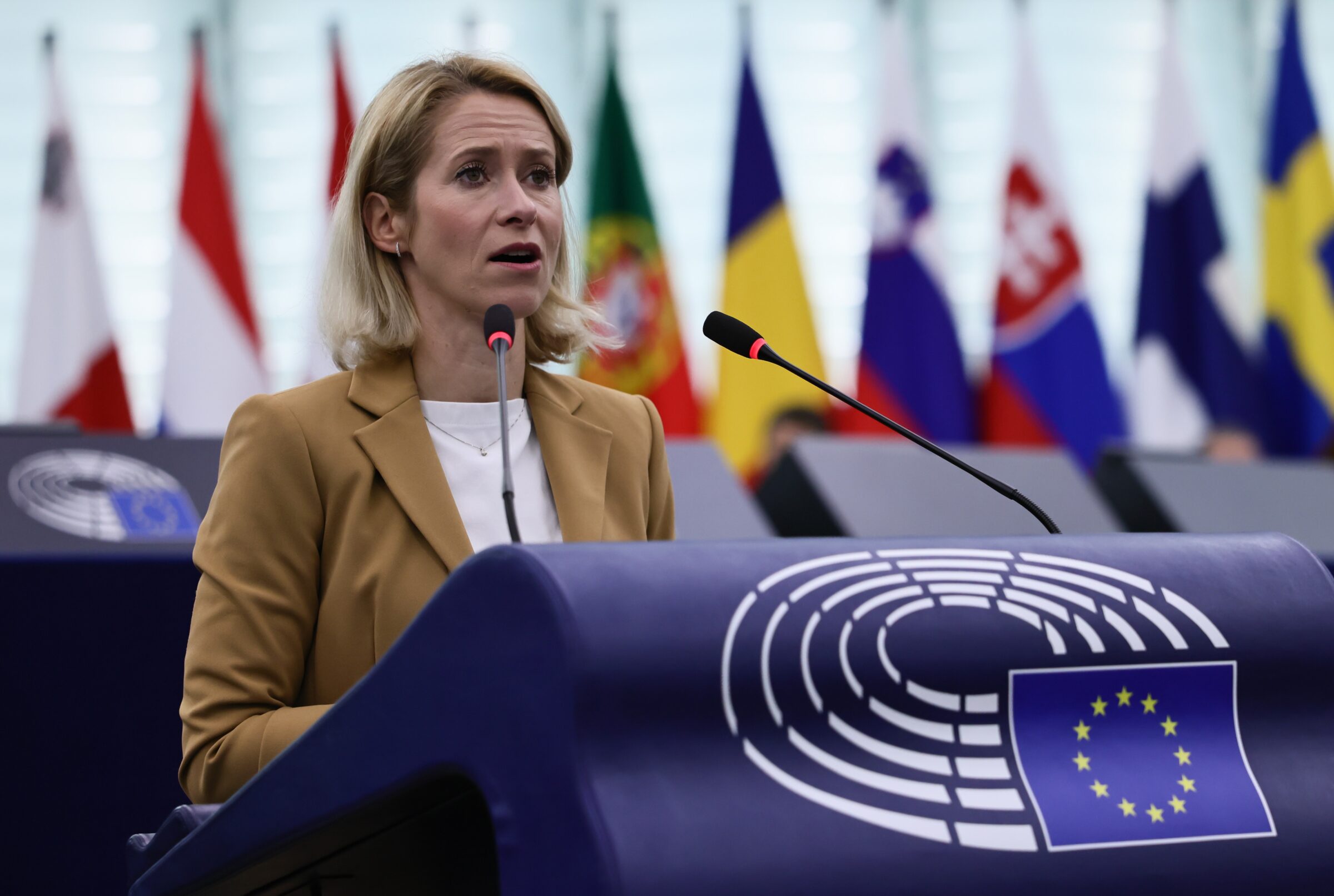
MEPs have put themselves on a collision course with EU governments by rejecting plans for a 17-percent cut in foreign spending – instead demanding additional spending worth €25bn. 

Earlier this month, the Irish government, which holds the six-month rotating EU council presidency, proposed that €38bn of cuts be made from the ‘Global Europe’ heading, which covers foreign aid, as part of an overall package of €141bn of cuts to the seven-year EU budget, known as the multi-annual financial framework (MFF). 

But in a vote on Monday evening (19 October), the European Parliament’s development committee instead backed a dedicated minimum budget of €25bn for humanitarian aid, as well as dedicated budget lines for a Gaza reconstruction fund and for candidate countries. Put together, that would mean a €25bn increase on the EU Commission’s original budget of €200bn for the Global Europe heading. 

The position agreed by MEPs, by a 61-to-34 vote margin, will eventually form the basis of negotiations between MEPs and ministers when EU governments agree their position on the budget. 

This article continues, but the full version is available only to EUobserver.com subscribers. Visit account.euobserver.com/membership
  •  

EU leaders uniting on tougher China trade defence, but clash over carbon pricing rules

Europe’s trade deficit with China reached a record $34.8bn [€31bn] in September, as EU leaders meet in Brussels on Thursday (15 October) to discuss Europe’s competitiveness agenda and what they call “macroeconomic imbalances” — a euphemism to avoid mentioning China by name.

EU heads of state and government are expected to give a mandate to the EU Commission to propose a set of trade defence measures and tools to reduce the EU’s reliance on Chinese industry, based on a new Franco-German blueprint, as a united front spreads across the bloc. 

There was a move towards a “surprising unitary position” on Beijing among member states, said an EU diplomat, ahead of a two-day summit in Brussels which began on Thursday (15 October).

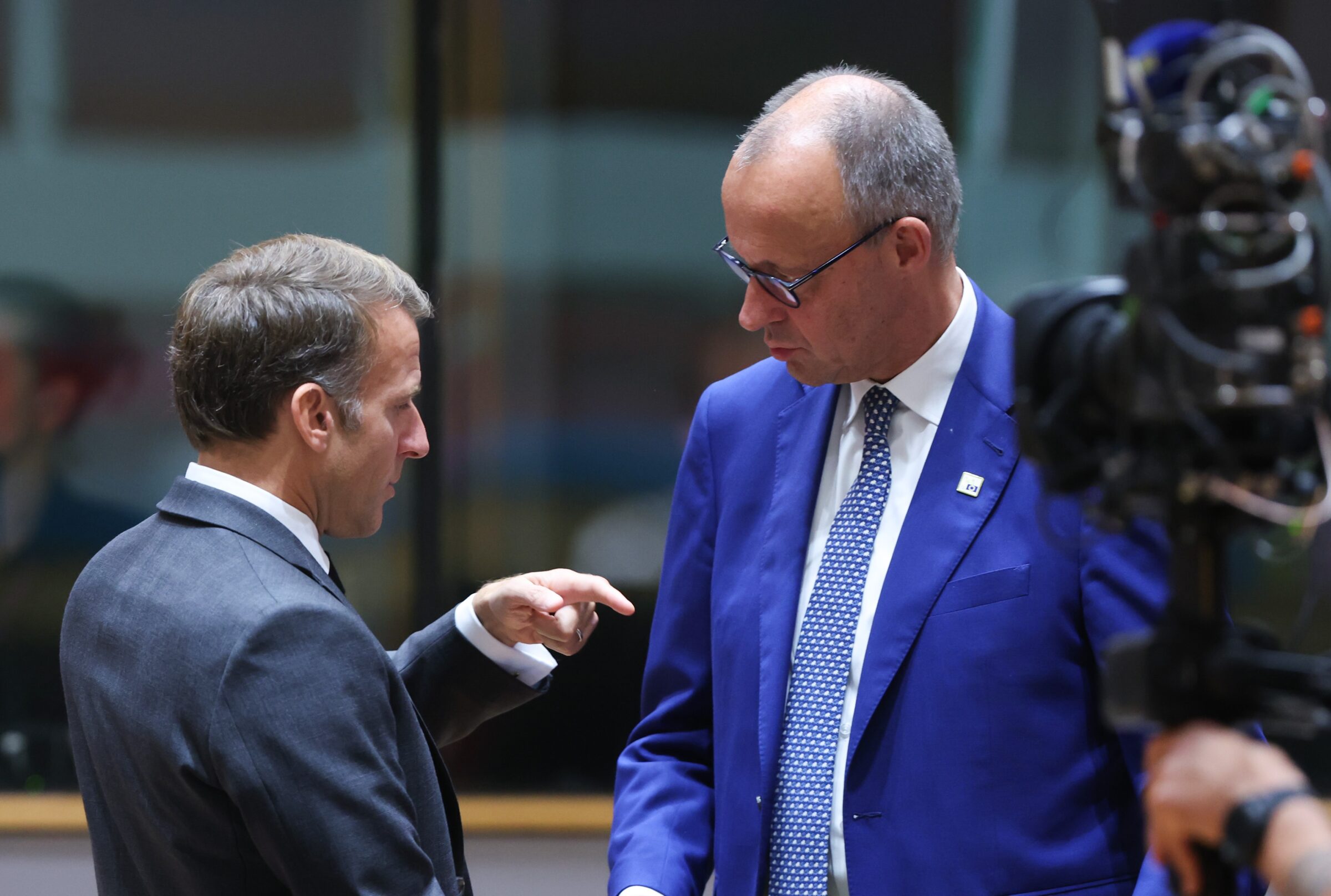
A joint letter and policy paper submitted by French president Emmanuel Macron and German chancellor Friedrich Merz to commission president Ursula von der Leyen last week was viewed by many EU diplomats as marking a decisive shift towards a more consolidated EU stance on trade relations with China. 

“For a long time, there were significant differences between these two countries on how to deal with China, how to address the economic situation,” parliament president Roberta Metsola told reporters on Thursday. 

The diplomat added that the commission’s trade diversification package, designed to reduce the bloc’s reliance on Chinese industrial inputs and curb Chinese exports, will be presented by the end of the year and will be based on the Franco-German paper. 

But the commission, for its part, has downplayed the prospect of rapid progress to EU-Chinese trade statistics. “It’s an issue which is not going to be solved in a couple of months,” said one official. 

‘Be ready for escalation’ but do nothing

This article continues, but the full version is available only to EUobserver.com subscribers. Visit account.euobserver.com/membership
  •  

MEPs pause vote on EU pesticides bill, as UN experts join scientists in opposition to Big Pharma

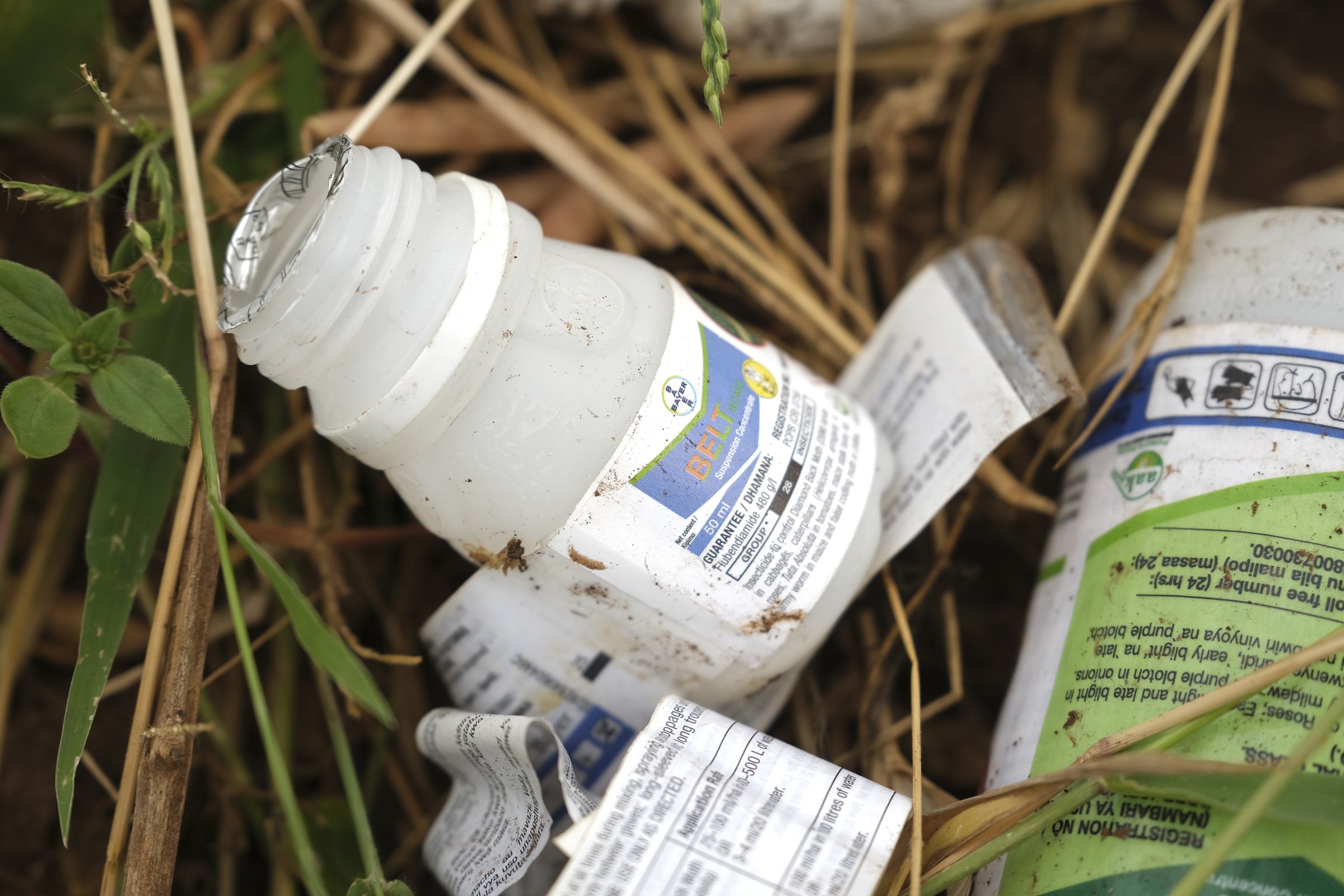
A backlash is building against an EU ‘omnibus’ bill that seeks to make it easier to authorise and use pesticides across the bloc. 

MEPs are still yet to set a date to vote on the European Commission’s proposal to extend how long pesticide active substances can stay approved in the EU, amid a series of protest letters from scientists, UN health experts, and divisions among member states. 

EI parliament’s environment and agriculture committees were originally expected to hold a joint vote on a compromise text on 5 October, but shelved that date without proposing another as this article went to publication. 

Sustained criticism has come from the scientific community. 

Last month, a group of more than 500 scientists signed an open letter to the commission on 16 September demanding a pause on the file pending “an independent assessment, whether carried out by parliament’s own research service or by an equivalent independent body.” 

And last week, a group of five UN health experts penned their own letter to the EU executive.

They warned that the commission’s plan to extend grace periods for products withdrawn on safety grounds, widen derogations for hazardous substances, and restrict the use of the latest independent scientific evidence “seem difficult to reconcile with the precautionary principle and with obligations to respect, protect and fulfil human rights, including the rights of peasants and other people working in rural areas”. 

This article continues, but the full version is available only to EUobserver.com subscribers. Visit account.euobserver.com/membership
  •  

EU and Turkey explore closer trade ties to reduce dependence on China

Belgium’s foreign minister has called on the EU to deepen its economic, trade, and defence ties with Turkey, amid concerns from Ankara that it risks being shut out of the bloc’s new rules on industrial supply chains and multi-billion euro defence procurement scheme. 

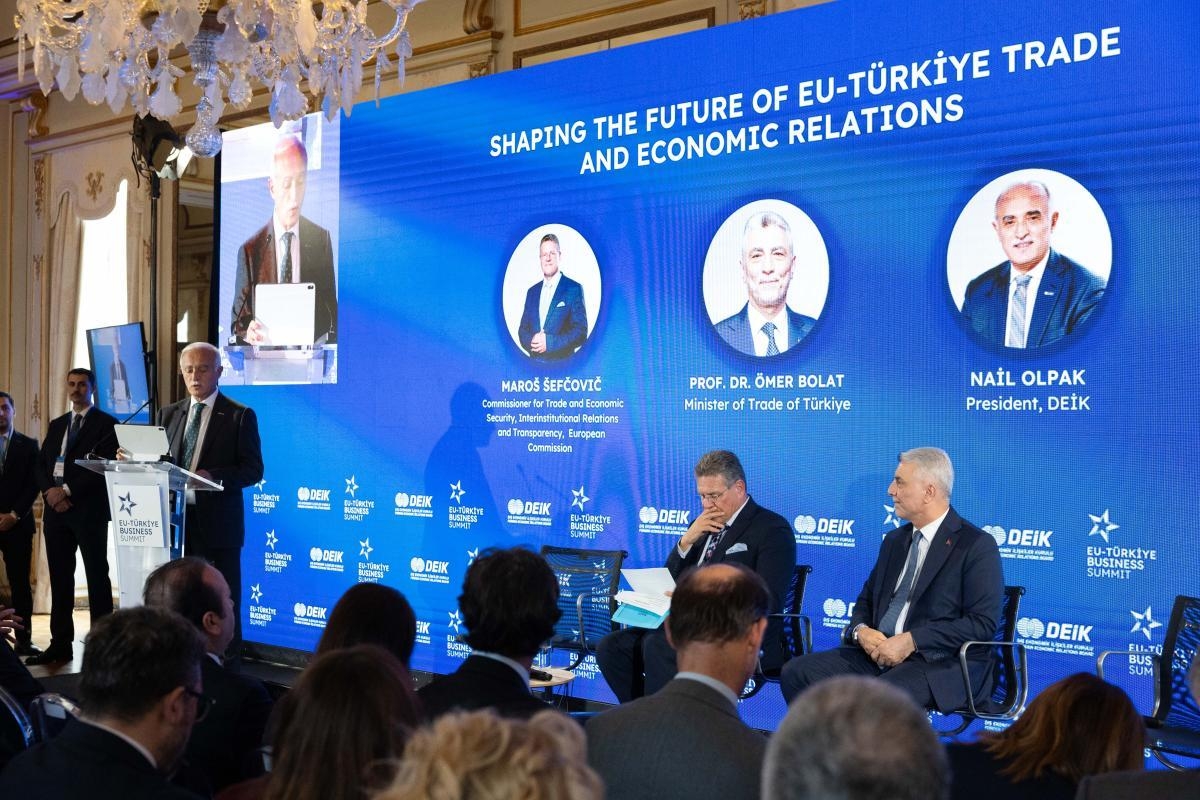
Speaking at a Turkey-EU business forum in Brussels on Tuesday (13 October), Belgian foreign minister Maxime Pévot said that European manufacturers were increasingly looking for reliable partners closer to home as they seek to reduce their reliance on Chinese inputs. 

“We should make values of its proximity, particularly in sectors where Europe needs to reduce strategic dependencies,” he added. 

“Our economic relationship should no longer be limited to buying and selling goods. We should also be developing, producing, and investing together,” he said. 

For his part, following talks with Ankara’s trade minister, Ömer Bolat, EU trade commissioner Maroš Šefčovič told reporters that the two sides had agreed on reforms to Turkey’s import control system to make the system easier for EU exporters to use and a mutual recognition pact on trusted traders. 

This article continues, but the full version is available only to EUobserver.com subscribers. Visit account.euobserver.com/membership
  •  

MEPs don’t have to meekly accept an EU budget deal, but will they go to war over €141bn in cuts?

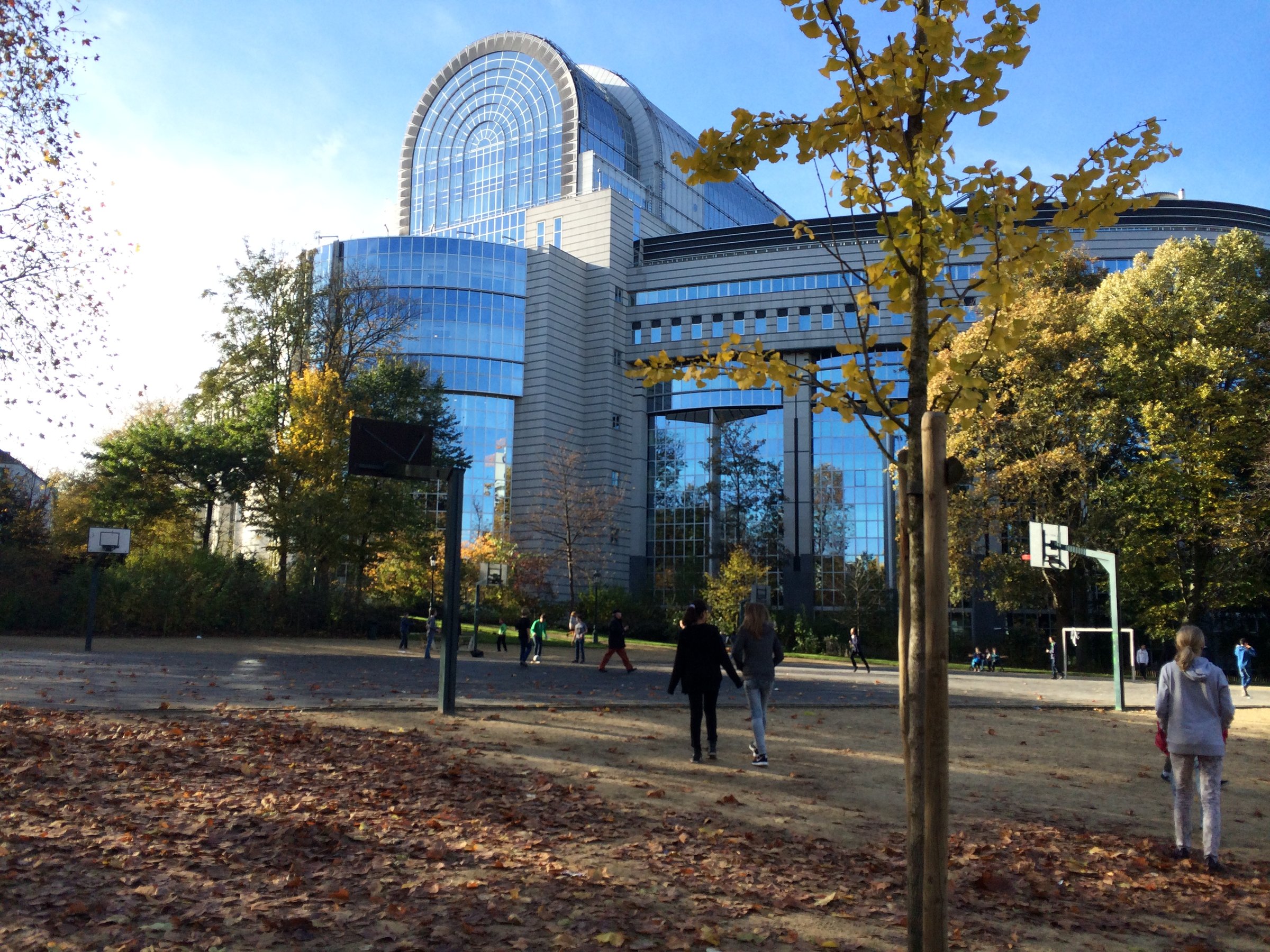
Getting co-decision powers on the budget, finally enshrined in the Lisbon Treaty after more than a decade of inter-institutional battles, was one of the European Parliament’s big wins. 

The challenge facing MEPs in the coming months is whether they are really going to use those powers on the 2028-34 budget. 

The early signs are that they are spoiling for a fight. The Irish government’s compromise proposal tabled on Saturday (10 October) – an 8 percent cut worth €141bn to the European Commission’s spending plan – isn’t exactly butchery. 

But it does display a startling lack of ambition, in particular on the raft of ‘own resources’ proposed by MEPs to make the budget process less vulnerable to member states wanting to reduce or at least freeze their annual contributions  

This time round, MEPs have proposed a digital services levy, an online gambling levy, and a levy on crypto-asset capital gains.

Put together the parliament reckons that these new taxes could bring an additional €30bn to the EU’s budget, on top of the €57.4bn that the EU commission believes can be raised from other levies, such as the emissions trading scheme and the carbon border levy. 

This article continues, but the full version is available only to EUobserver.com subscribers. Visit account.euobserver.com/membership
  •  

MEPs warn Irish EU budget plan is ‘short‑sighted’ and risks ‘historic failure’ as cuts of €141bn spare farm and cohesion funds

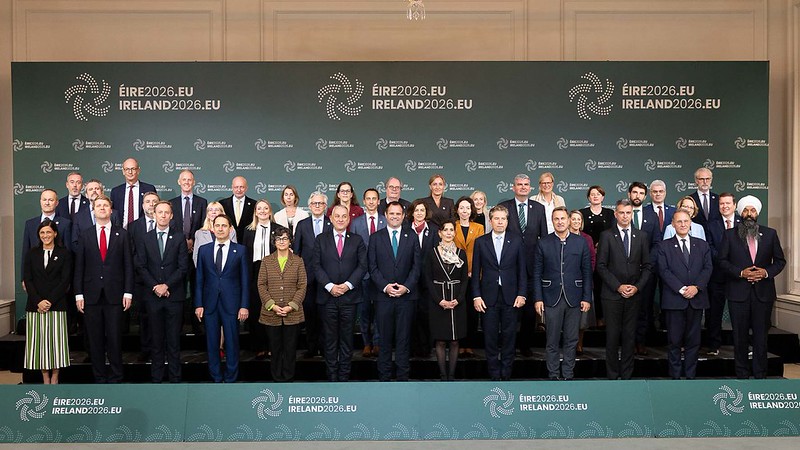
The Irish government has set the path for a showdown between MEPs and governments over the next seven year EU budget after proposing an 8 percent cut worth €141bn to the European Commission’s spending plan. 

Savings from the commission proposal have been found across all headings in the so-called ‘negotiating box’ for the 2028–2034 Multiannual Financial Framework (MFF). But farmers’ subsidies under the common agricultural policy and the bloc’s cohesion policy, which provides funding to the EU’s poorest regions, have been exempted from any cuts. 

That is a nod to a sustained lobbying effort by a group of seventeen EU countries, known as ‘Friends of Cohesion’. 

As expected, meanwhile, cuts totalling €38bn have been made from the ‘Global Europe’ heading, which covers foreign aid, while €75bn has been taken from the competitiveness fund and €10bn from the EU’s administrative costs. 

In a statement on Saturday (10 October), Ireland’s minister for Europe, Thomas Byrne, said that the €1.62 trillion spending plan was “intended to bridge the many differences between Member States. It brings us closer to resolving the critical questions our Union faces on how to balance both new priorities and core policies, whilst also reflecting the fiscal realities that all Member States face.” 

This article continues, but the full version is available only to EUobserver.com subscribers. Visit account.euobserver.com/membership
  •  

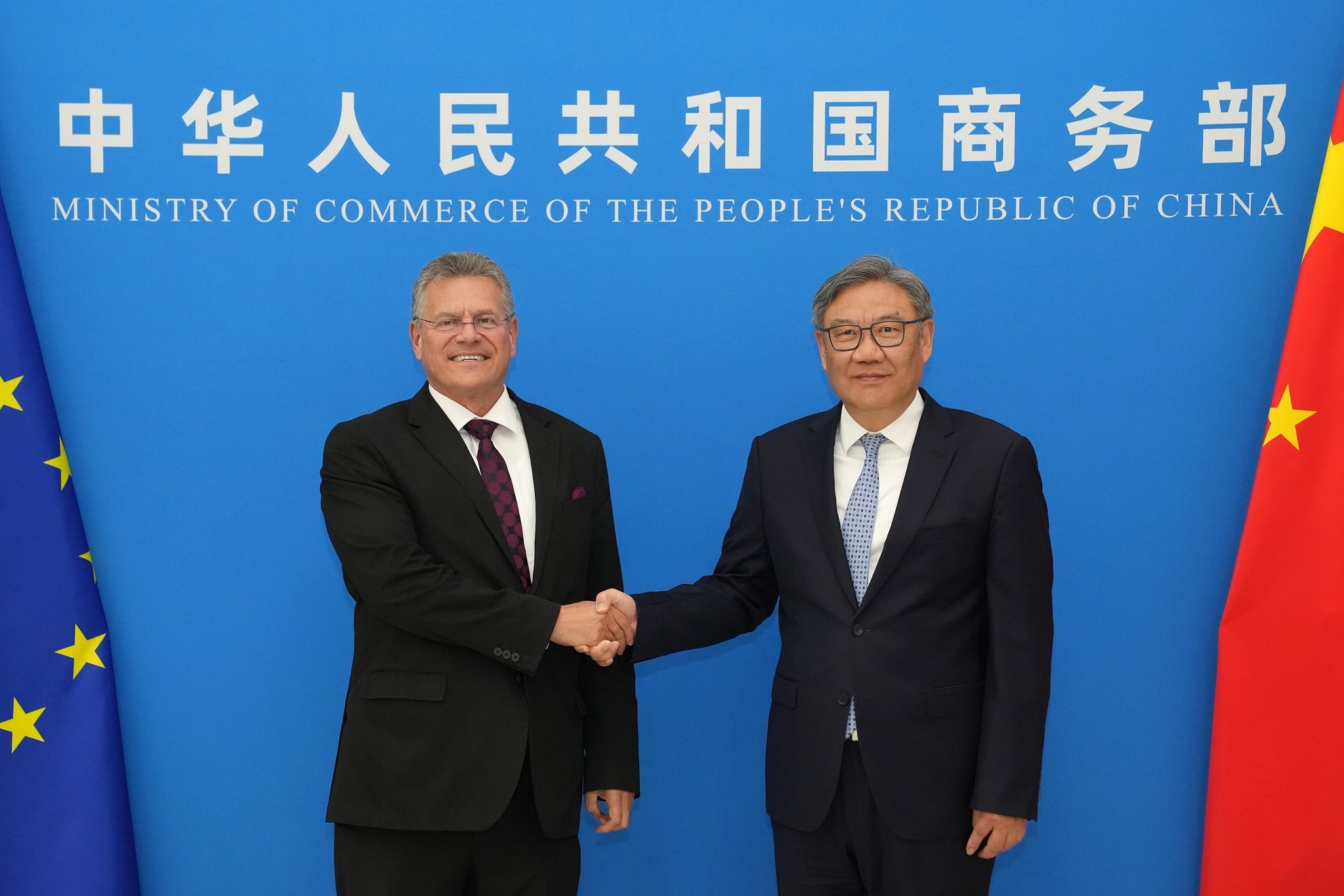
EU trade chief hails ‘crucial first step’ as Beijing talks avoid trade war

EU and Chinese officials agreed a series of trade concessions covering electric cars, rare earths and tariffs that dragged them away from a damaging trade war on Friday (9 October), following two days of crisis talks.

Following two days of talks in Beijing, EU trade commissioner Maroš Šefčovič said that he and China’s commerce secretary Wang Wentao had made a “crucial first step” towards rebalancing EU-China trade relations.

Europe can point to progress on hybrid vehicles, stronger assurances over the supply of critical raw materials, and continued engagement on market access issues in China.

Hours before Šefčovič arrived, Beijing rejected an EU demand for so-called “voluntary export restrictions” on its electric vehicles (EVs). However, in a joint statement on Friday, the two sides said that they had reached an “understanding on trade in hybrid vehicles in a WTO compliant manner”, but without providing further details.

They added that further negotiations on reducing tariffs and minimum pricing deals would allow Chinese EVs to enter the EU at a lower duty rate.

This article continues, but the full version is available only to EUobserver.com subscribers. Visit account.euobserver.com/membership
  •  

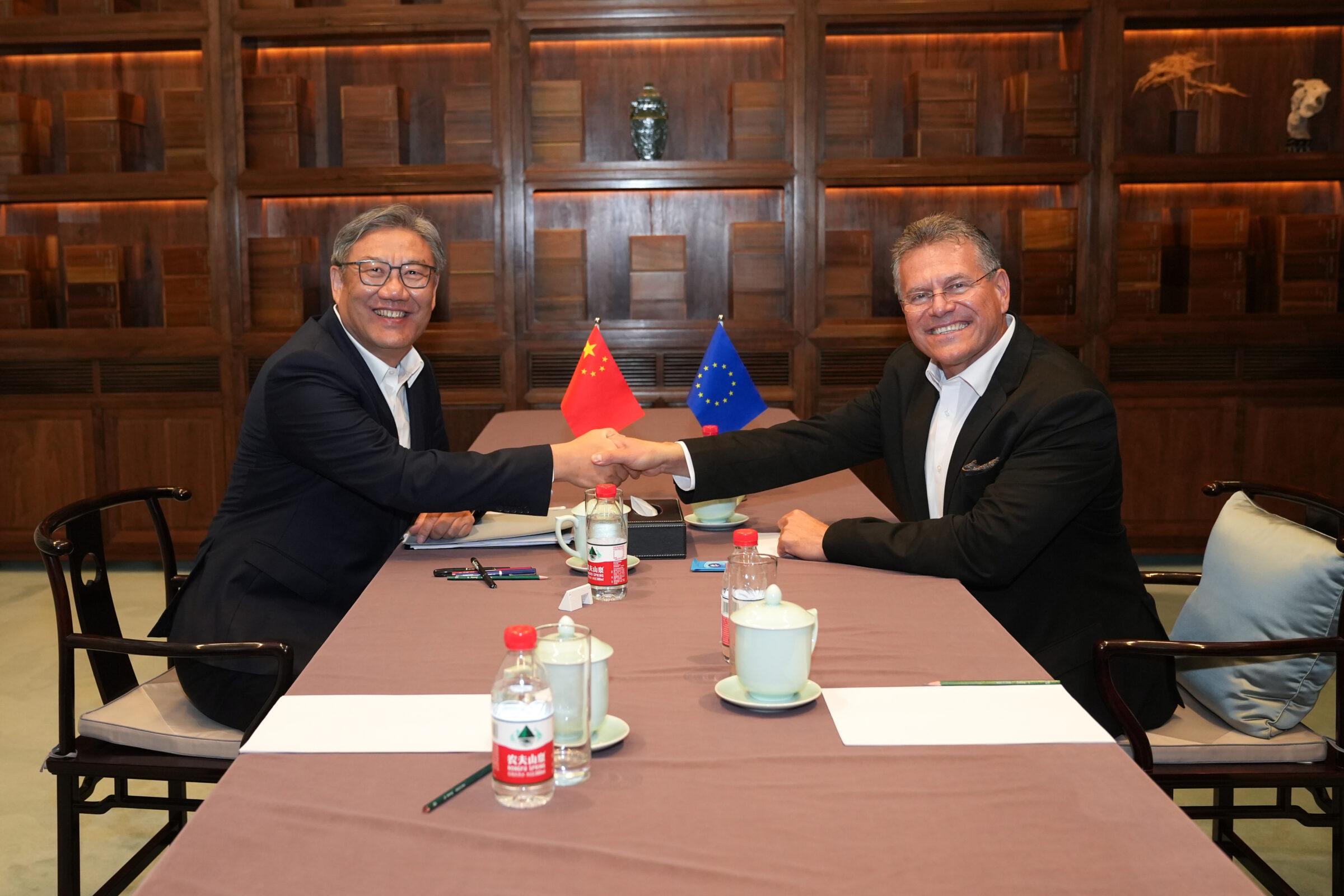
EU trade chief Šefčovič has no cards to play on China ‘ultimatum’ trip

Persuading China that its €1bn daily trade surplus with the EU is not sustainable was always going to be a hard sell for EU trade commissioner Maroš Šefčovič.  

And the early signs are that Šefčovič’s two days of talks with Chinese commerce secretary Wang Wentao, which conclude on Friday (9 October), are not going to deliver the breakthrough demanded by EU leaders when they gather for a summit in Brussels next week. 

“The message around the table was clear: the need to improve access to the Chinese market, while boosting our economic security,” Šefčovič posted on X ahead of the first day of talks. 

But rhetoric aside, three months after the EU Commission set up a series of ‘work streams’ with Chinese officials, with a mandate to address the multi-layered EU-Sino trade dispute, it is hard to see much tangible progress. 

Hours before Šefčovič arrived, Beijing rejected an EU demand for so-called “voluntary export restrictions” on its electric vehicles (EVs). 

In August, data published by Schmidt Automotive Research found that 14 percent of EV sales across Europe this year were Chinese-made, up from 9.4 percent last year. 

That is despite the EU imposing additional tariffs of between 17 and 36 percent on Chinese EVs in October 2024. 

This article continues, but the full version is available only to EUobserver.com subscribers. Visit account.euobserver.com/membership
  •  

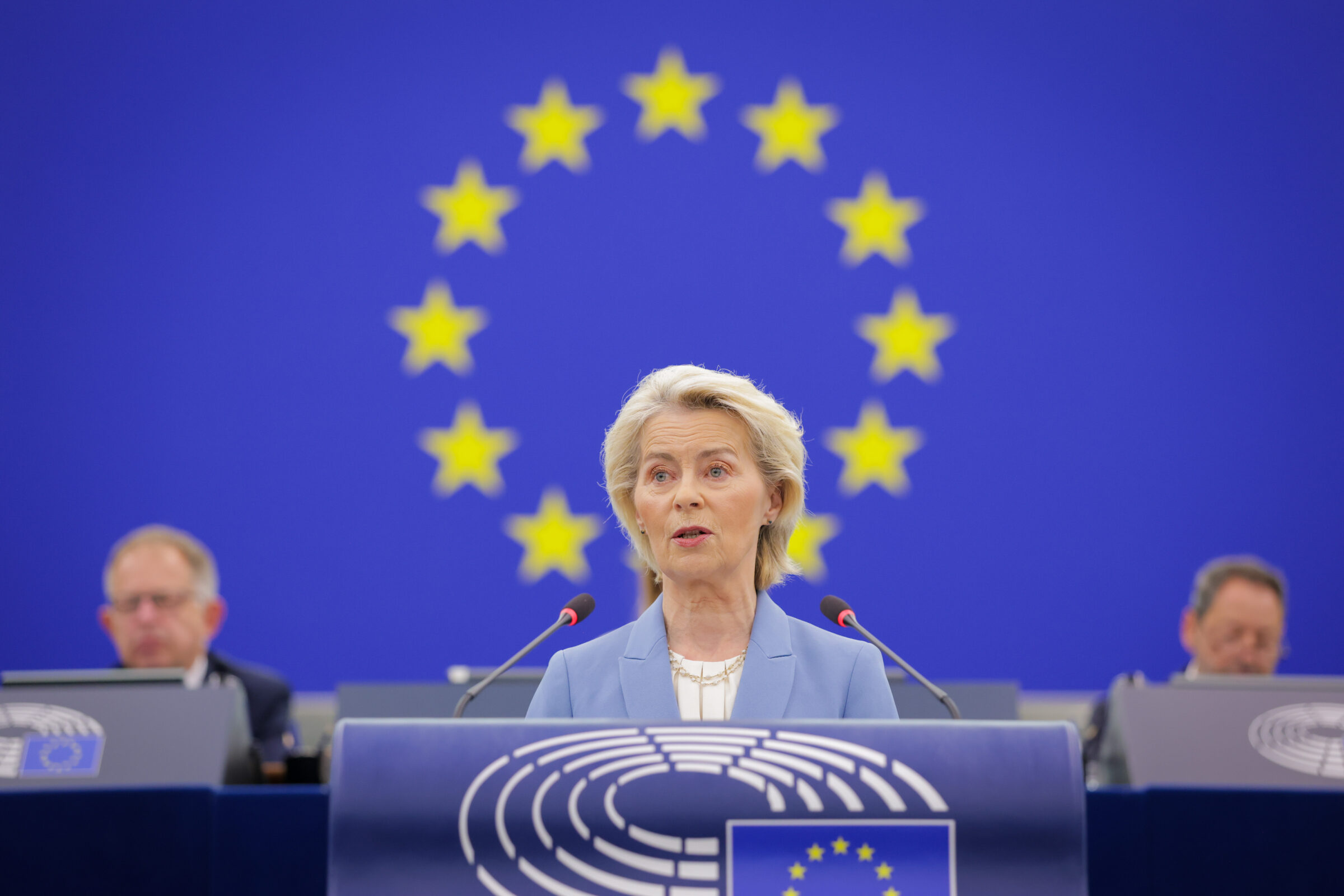
Von der Leyen joins MEPs in defence of EU’s €2 trillion spending plan ahead of summit

European Commission president Ursula von der Leyen has joined MEPs in urging the bloc’s governments not to gut the EU’s next seven-year budget, as talks on spending reach a critical phase. 

“I would like to caution against large cuts. It would risk cutting deep into critical priorities that we all together have agreed on,” von der Leyen told MEPs during a speech in Strasbourg on Tuesday (6 October), ahead of an EU summit on 15 October.

The commission has proposed a budget worth just under €2 trillion, equivalent to 1.26 percent of the EU’s gross national income, a small increase on the previous seven year spending plan. But the so-called ‘frugal’ group of countries, led by Germany, have demanded hefty cuts, complaining that they are contributing too much. 

“Having no new financial framework is by far the most financially advantageous solution for Germany,” chancellor Friedrich Merz said on Monday. 

But 17 EU countries from Southern and Eastern Europe signed a joint letter last week, demanding that farmers’ subsidies via the Common Agricultural Policy are maintained, as well as spending across the EU’s poorest regions, known as cohesion policy 

During a press conference on Tuesday, Siegfried Muresan, the Romanian centre-right MEP who is co-leading parliament’s negotiating team on the seven-year budget with Portuguese socialist and democrat Claudia Tavares, said that there was “still time” for the Irish presidency to avoid proposing “unjustified cuts” that “would make Europe weaker and severely undermine the institutional cooperation between parliament and council.” 

Though Muresan conceded that governments did not want to increase their national contributions, “there is a way out”, he said. 

This article continues, but the full version is available only to EUobserver.com subscribers. Visit account.euobserver.com/membership
  •  

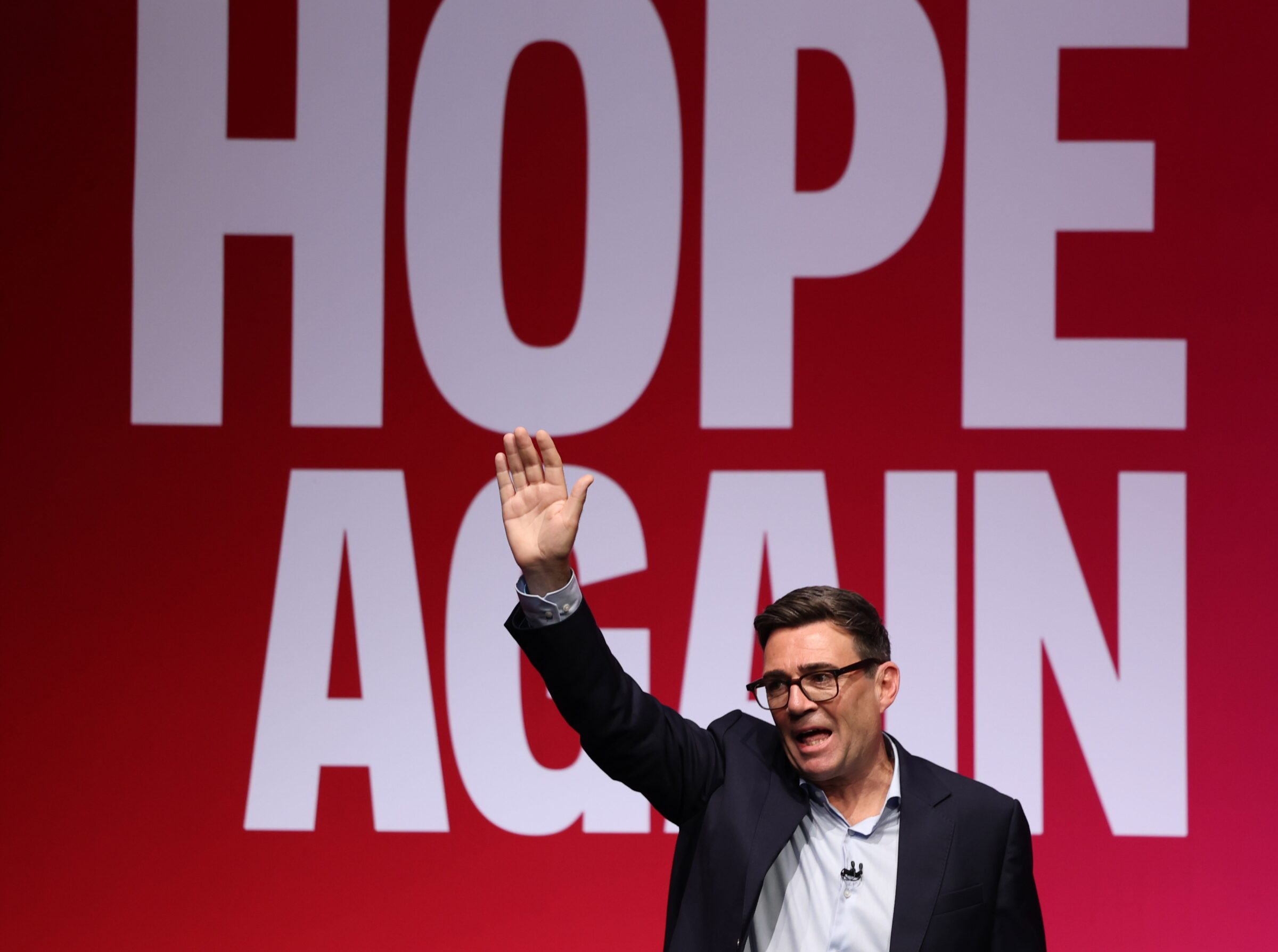
Why ‘Made in Europe’ could push Burnham’s UK back into the EU’s arms

Having said several months ago that he had no intention of a ‘rerun’ of the Brexit debate, UK prime minister Andy Burnham told Labour delegates at the party’s annual conference in Liverpool last week that nothing should be off the table as far as EU-UK relations are concerned. 

Brexit had “done more harm than good”, he said, adding that “we will not give Britain the clear path we need into the rest of the century until we decide on a long-term relationship with what is still our largest market.” 

In fact, Britain could “go all the way” back into the EU, said Burnham.  

The new prime minister is still enjoying something of a honeymoon period. His Labour party now tops the opinion polls, albeit by less than 30 percent, and his early policy announcements on nationalising utilities and pension reform are the most radical in a generation. 

Even so, Burnham’s remarks were a surprise that left pro-European columnists positively giddy with optimism over the weekend. 

In truth, rejoining the EU – if it happens – would probably take a decade. 

Burnham didn’t offer any timetable or any other specifics, and has said that no moves towards EU membership would be taken before the next UK election due in 2029. And talk of rejoining the EU is not purely borne out of pro-European enthusiasm. 

This article continues, but the full version is available only to EUobserver.com subscribers. Visit account.euobserver.com/membership

  •  
❌