
❌

Reading view

EU plans massive investment in Australia’s critical minerals to cut dependence on China

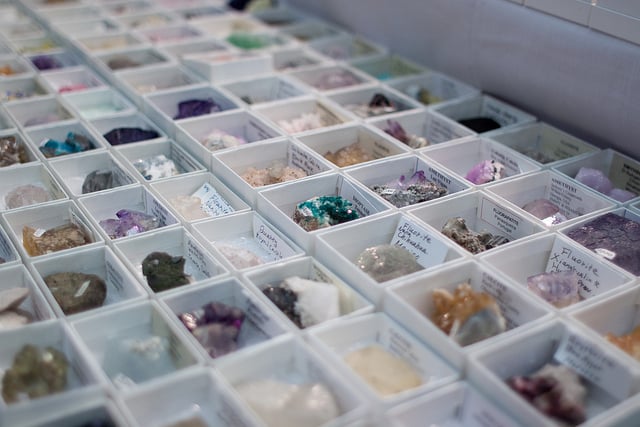
The EU plans ‘massive’ investment in Australia’s critical minerals sector as it seeks to make Canberra a major partner in reducing the bloc’s current reliance on China. 

“Since we wish to diversify away from China, then one of the most likely partners has to be Australia,” said the EU’s ambassador to Australia, Lawrence Meredith, who added that the bloc’s security and defence partnership, agreed with Canberra earlier this year, also relies on co-operation on critical minerals. 

Speaking at the International Mining and Resources Conference in Sydney on Tuesday (27 October) Meredith said that the bloc would be “massively investing in critical minerals.” 

EU and Australian trade officials are currently working on a bilateral trade agreement, with a view to concluding negotiations in early 2027, and a Memorandum of Understanding on critical minerals access is set to be part of it. 

Australian officials appear eager to partner with the EU. 

On Tuesday, Australia’s resources minister Madeline King said that it would revamp its own critical minerals strategy to put greater emphasis on refining and processing in an attempt to curb China’s dominance. 

This article continues, but the full version is available only to EUobserver.com subscribers. Visit account.euobserver.com/membership
  •  

Farming ministers agree on more national control of EU funds as part of CAP reforms

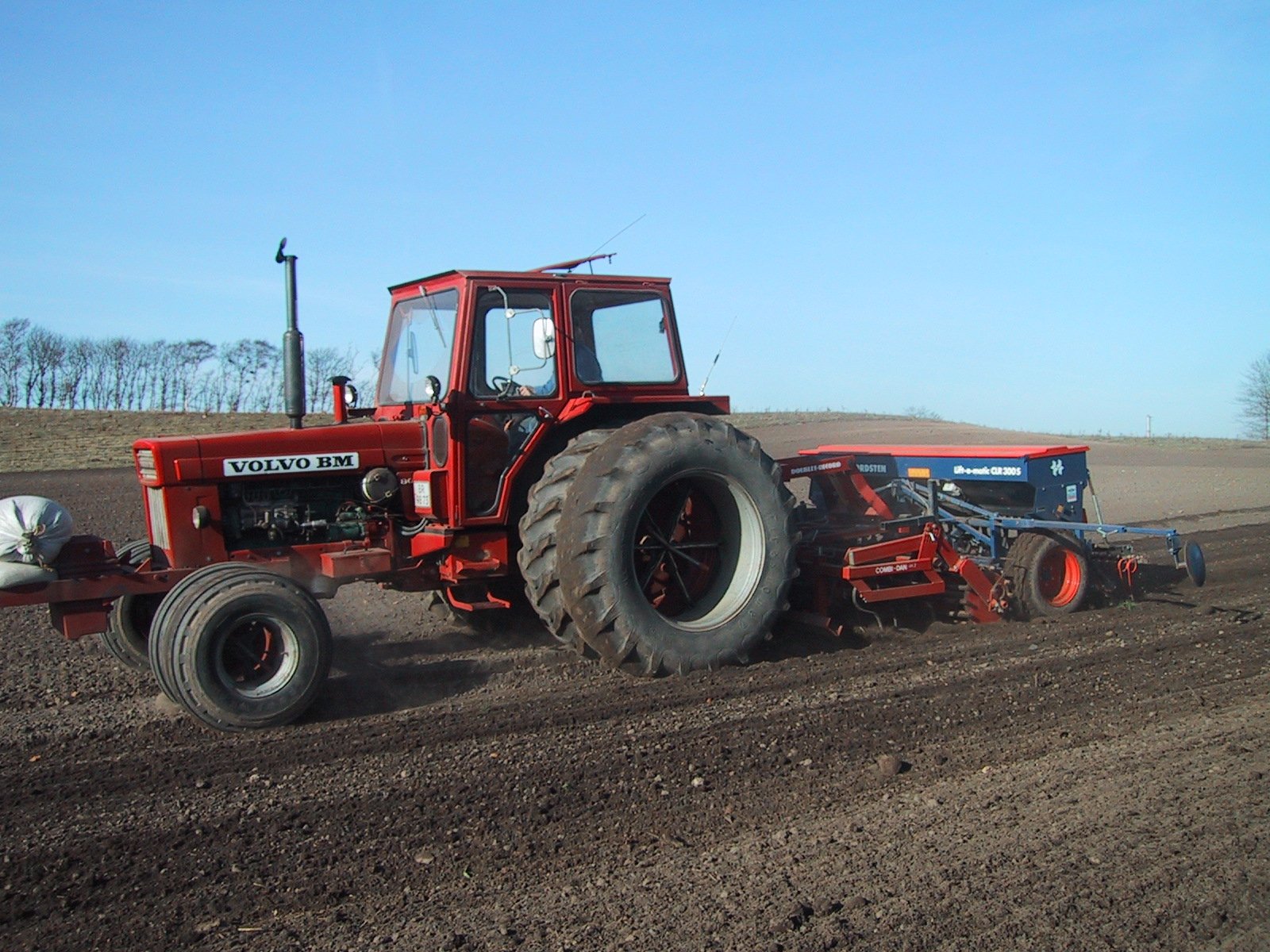
Ministers want to speed up and simplify the payment of farming subsidies by taking control of the EU’s multi-billion euro farming payment schemes, under a deal reached late on Monday night (26 October).  

The agreement at a meeting of EU agriculture ministers in Brussels finalises the negotiating position of EU governments on the future of the bloc’s Common Agricultural Policy in its next seven-year budget. 

The ‘negotiating box’ prepared by the Irish EU council presidency earlier this month for the 2028-34 multi-annual financial framework spared agricultural subsidies provided by the common agricultural policy from cuts worth a total of €141bn but proposed three-percent cuts, worth €24.6bn, to funding for National and Regional Partnership Plans (NRPP), which are intended to streamline the distribution of EU cash to governments for a variety of different policies including agriculture and fisheries. 

The idea behind the NRPPs is to set up one single fund to provide support for farmers.

Each EU country would be expected to develop a single comprehensive plan outlining the reforms and investments it intends to implement from 2028 to 2034 and how it plans to use EU funds. 

EU governments agreed on Monday that this planning process should be designed to give them far greater autonomy. They say that the recommendations the commission makes to member states regarding the design of support programs should not be binding.  

The new system is set to prioritise ‘active farmers’, which sets a threshold of a minimum level of agricultural activity for farmers, as well as young farmers and small farmers. 

This article continues, but the full version is available only to EUobserver.com subscribers. Visit account.euobserver.com/membership

  •  
❌