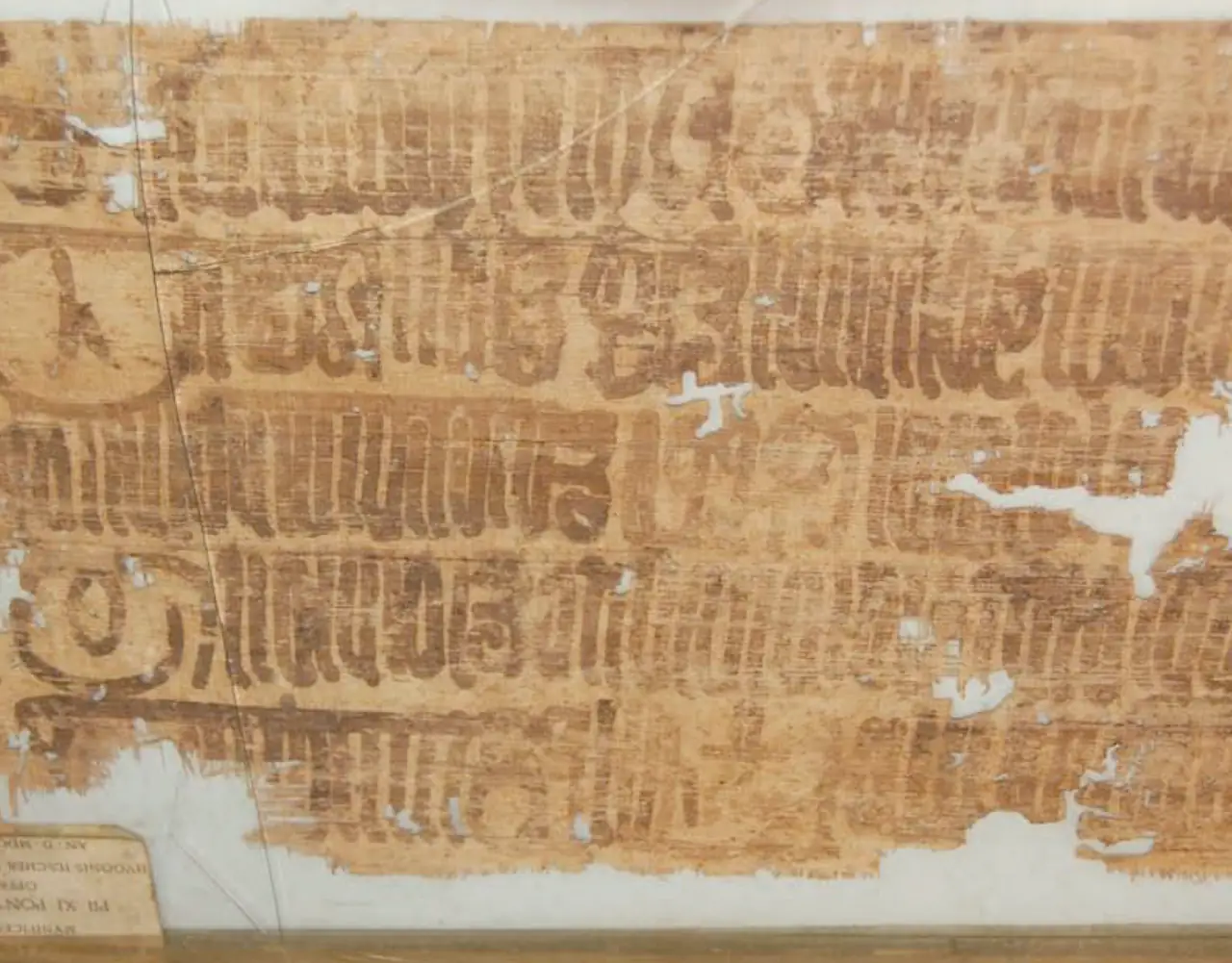
En 1919, cuando alguien empezó a examinar con detenimiento la encuadernación de un códice del siglo VIII conservado en el Archivo Capitular de la catedral de Barcelona, descubrió que la tapa posterior escondía algo más que cuero y costuras. Bajo la piel, colocados en pliegues, aparecieron diez fragmentos de papiro. Más de un siglo después, […]
In 1919, when someone began to carefully examine the binding of an 8th-century codex preserved in the Chapter Archive of the Cathedral of Barcelona, they discovered that the back cover hid something more than leather and stitches. Beneath the skin, placed in folds, appeared ten fragments of papyrus. More than a century later, six of […]
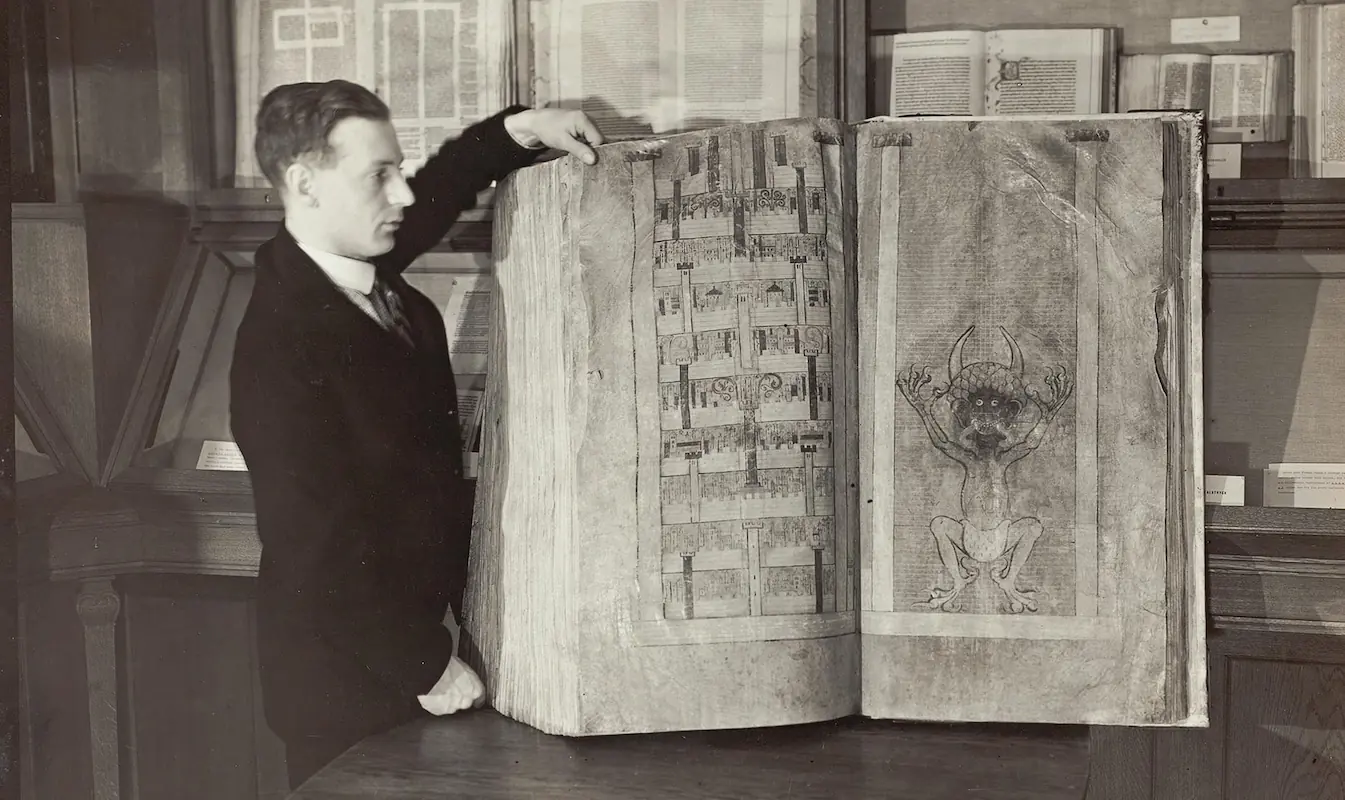
In 1648, as Swedish troops looted Prague Castle at the end of the Thirty Years’ War, someone carried off among the spoils a volume that weighed 75 kilos and required two people to move. It was a book, the largest surviving illuminated manuscript of the entire Middle Ages, an object so disproportionate for its time […]
En 1648, mientras las tropas suecas saqueaban el castillo de Praga al final de la Guerra de los Treinta Años, alguien cargó entre el botín un volumen que pesaba 75 kilos y necesitaba dos personas para moverlo. Se trataba de un libro, el manuscrito iluminado más grande que se conserva de toda la Edad Media, […]
Un equipo de arqueólogos, liderado por la Universidad de Bohemia Occidental (UWB), ha sacado a la luz en las proximidades de la localidad de Chleby, en la actual República Checa, una estructura monumental que data de hace más de 6.500 años y que se configura como uno de los centros rituales más antiguos de Europa […]
A team of archaeologists, led by the University of West Bohemia (UWB), has brought to light, near the town of Chleby, in present-day Czech Republic, a monumental structure dating back more than 6,500 years, identified as one of the oldest ritual centers in Central Europe. The first datings on organic material recovered at the site […]
Researchers at the Niels Bohr Institute, at the University of Copenhagen, have managed to reproduce in the laboratory the state of matter that filled the cosmos during its first millionth of a second after the Big Bang, using collisions between atomic nuclei much lighter than what was previously thought possible. This breakthrough, which the scientists […]

 Login