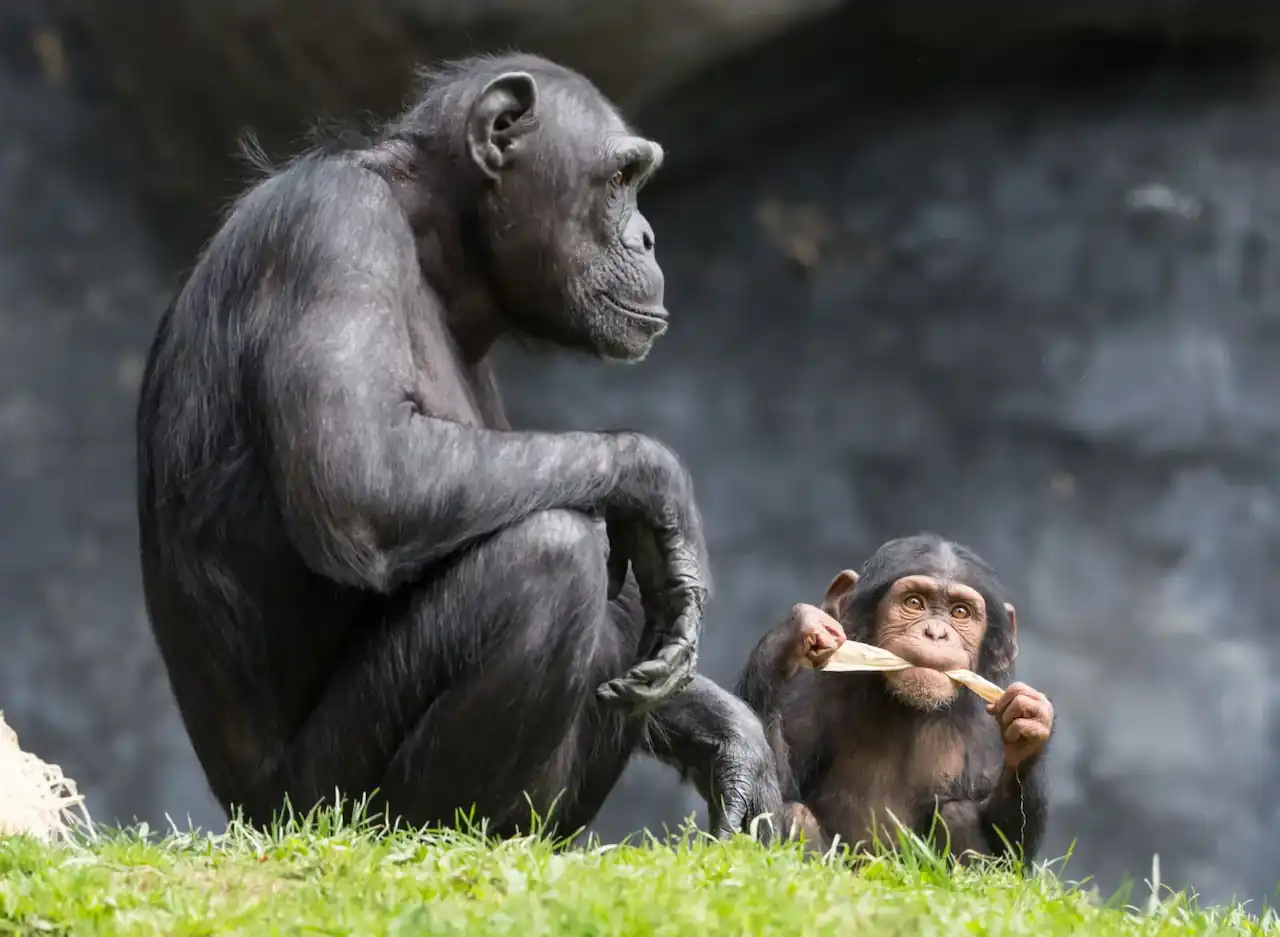
Line up human and chimpanzee DNA and the first surprise is how little separates us. We share more than 96% of the sequences used to make proteins, the molecules that build and run a living body. And yet the human brain is roughly three times the size of a chimpanzee’s, and it does things a […]
Si ponemos los genes de una persona junto a los de un chimpancé, lo llamativo es lo poco que difieren. Compartimos más del 96% de las secuencias que sirven para fabricar proteínas, que son las piezas con las que se construye un organismo. Y aun así nuestro cerebro es unas tres veces mayor que el […]
In October 2023, as the initial shock of Hamas’s attack was giving way to the realization that it had been the greatest security failure in Israel’s seven decades of statehood, few believed that Benjamin Netanyahu would still be prime minister three years later. Fewer still thought that a country used to broad coalitions and early elections — having gone to the polls on average every 2.4 years between 1996 and the last election in 2022 — would complete a full parliamentary term this time. And fewer still imagined both things happening at once: that after four years of controversy and war, Netanyahu would enter the final stretch of the election campaign, with Israelis due to vote on Tuesday, less popular and less supported than before, yet still with a realistic chance of remaining in power. “I will not surrender,” reads one campaign poster bearing his image.
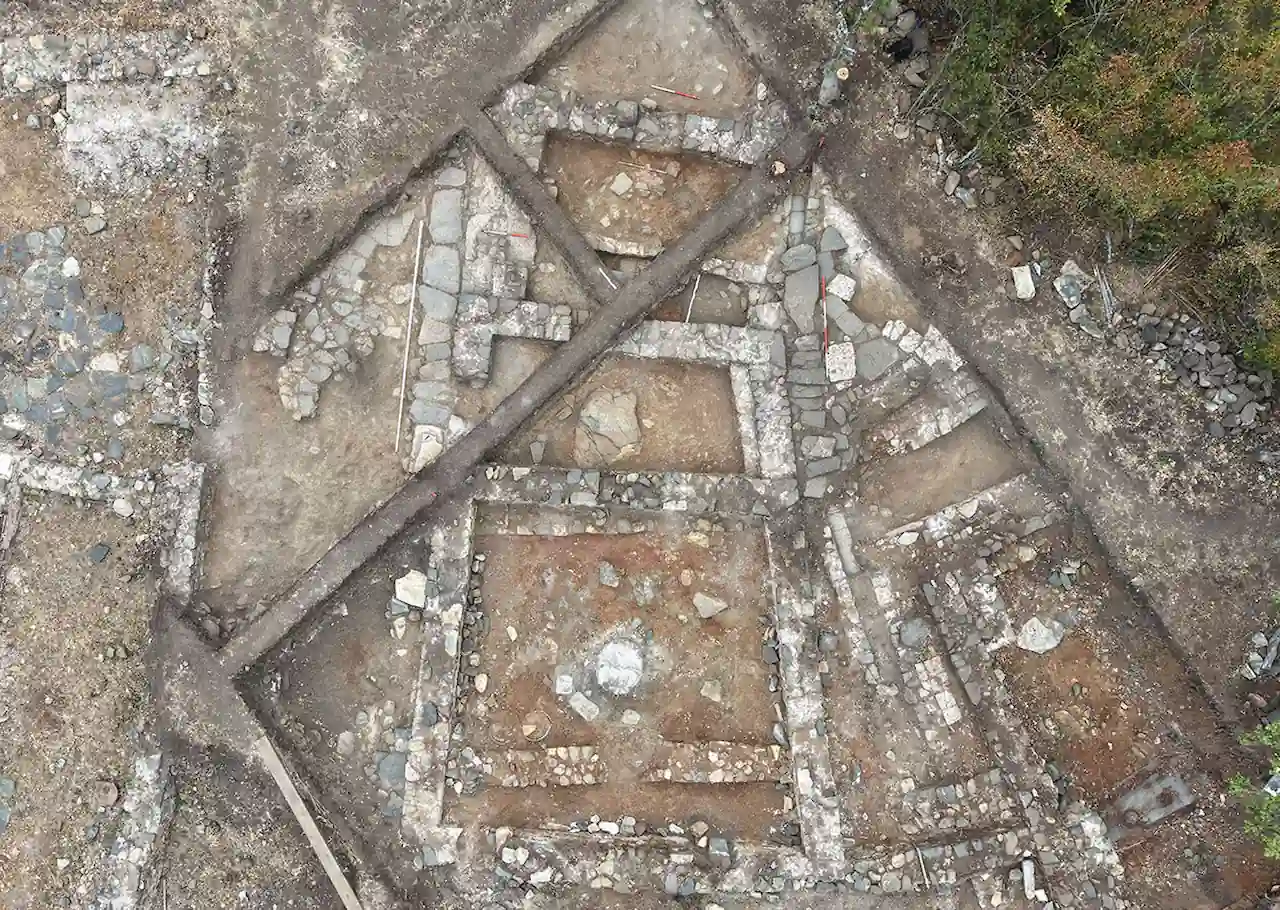
En noviembre del año 392, el emperador Teodosio I firmó una ley que prohibía todo rito pagano, incluidos los que se celebraban en privado. Con esa fecha en la cabeza resulta chocante lo que sostiene ahora el equipo del Museo Nacional de Historia de Bulgaria: que hasta mediados del siglo V se siguió venerando a […]
In November 392, the Roman emperor Theodosius I signed a law banning every pagan rite, including those performed in private. Against that date, the claim now coming from Bulgaria’s National Museum of History sounds startling: that people went on honoring the old gods until around the middle of the fifth century, in a temple built […]
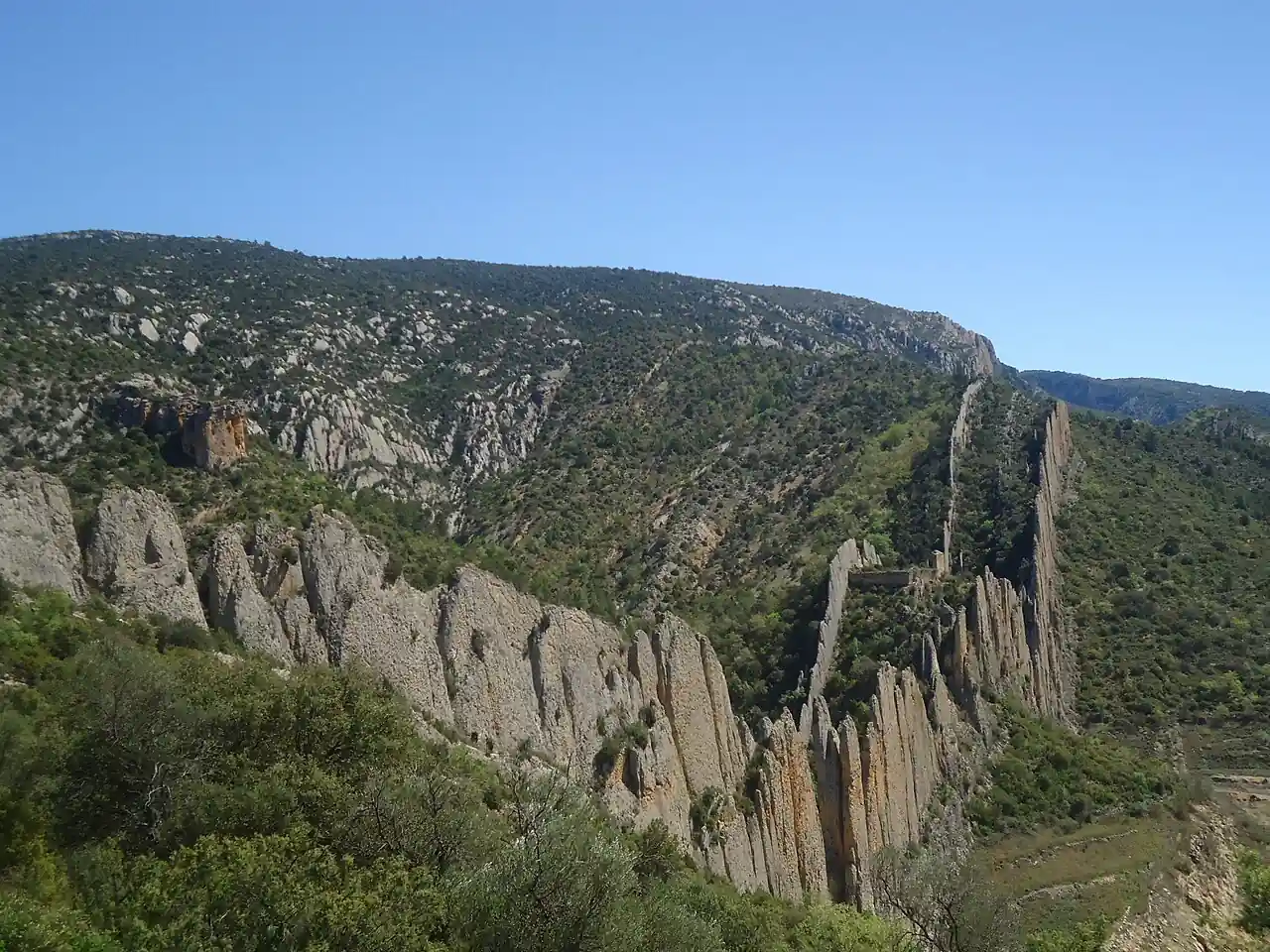
Desde el mirador de la ermita de San Marcos parece la obra de un ejército de canteros: dos filas paralelas de piedra caliza, casi verticales, que bajan por una loma y se meten en el agua verde del embalse de Canelles. Entre ellas asoma una ermita medio derruida. Nadie levantó esos muros. Son los Roques […]
From the viewpoint at the chapel of San Marcos, it looks like the work of an army of stonemasons. Two lines of pale limestone, almost vertical, run down a hillside and disappear into the green water of the Canelles reservoir. A half-ruined chapel peeks out between them. Nobody built those walls. They are the Roques […]
What do you make of a young child who says they remember being someone else? A team at the University of Virginia has not tried to answer that. It has measured something more concrete: how much time passed between the death of the person the child “remembers” and the child’s own birth. The gap tends […]
Según la investigadora Saeedeh Sadeghi, muchos de los niños que dicen recordar una vida anterior describen una muerte traumática. Un nuevo análisis de la Universidad de Virginia ha medido algo más concreto: cuánto tiempo pasó entre la muerte de la persona «recordada» y el nacimiento del niño. El resultado es que ese intervalo tiende a […]
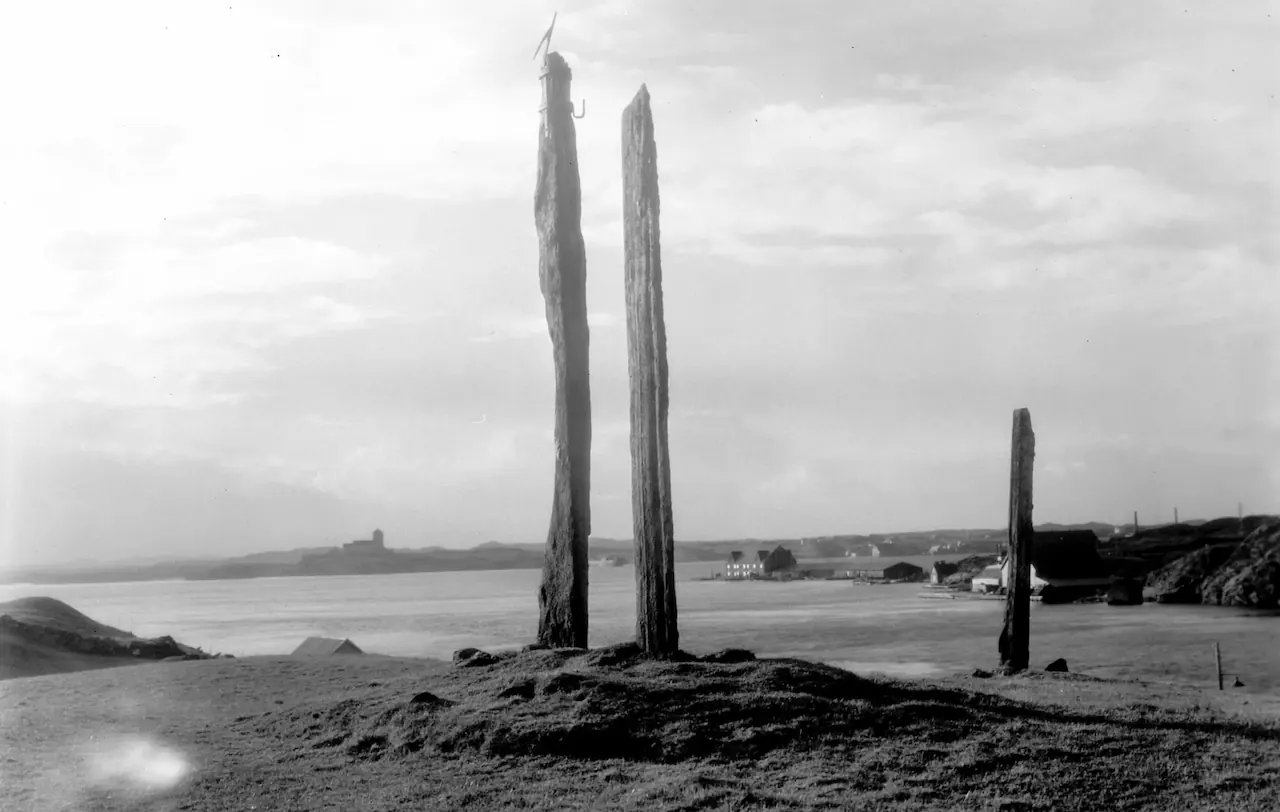
At the narrowest point of the Karmsundet, the channel that separates the island of Karmøy from the mainland on Norway’s west coast, five stones stand upright on a hillside. Some are more than five metres (16 ft) tall. They were raised inside a cairn, a mound of piled stones, laid out in the shape of […]
En el punto más estrecho del Karmsundet, el canal que separa la isla de Karmøy del continente en la costa occidental de Noruega, se alzan cinco piedras hincadas en vertical, algunas de más de cinco metros de altura. Se levantaron dentro de un túmulo de piedras con forma de estrella de tres brazos, y bajo […]
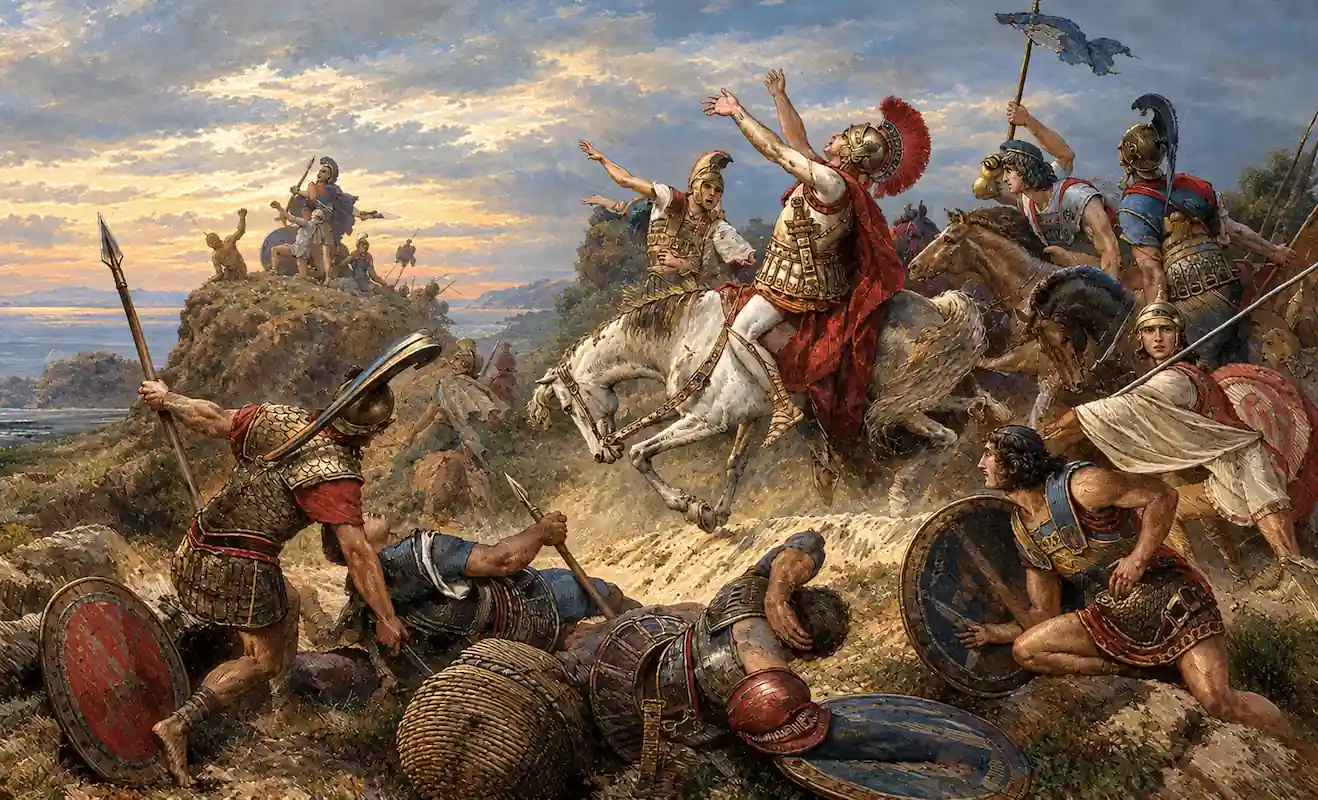
Habían cruzado media Persia, atravesado montañas nevadas y peleado con pueblos que les tiraban piedras desde los riscos, y lo que estuvo a punto de acabar con ellos a pocos días del mar fue un panal. Ni una emboscada ni un ejército enemigo. Un puñado de colmenas, unos soldados hambrientos y una planta de flores […]
They had crossed most of Persia, climbed snowbound mountains and fought tribes that hurled stones at them from the cliffs. What left them most exposed, only a few days from the sea, was a honeycomb. There was no ambush and no enemy army, just a handful of beehives, some hungry soldiers and a flowering plant […]
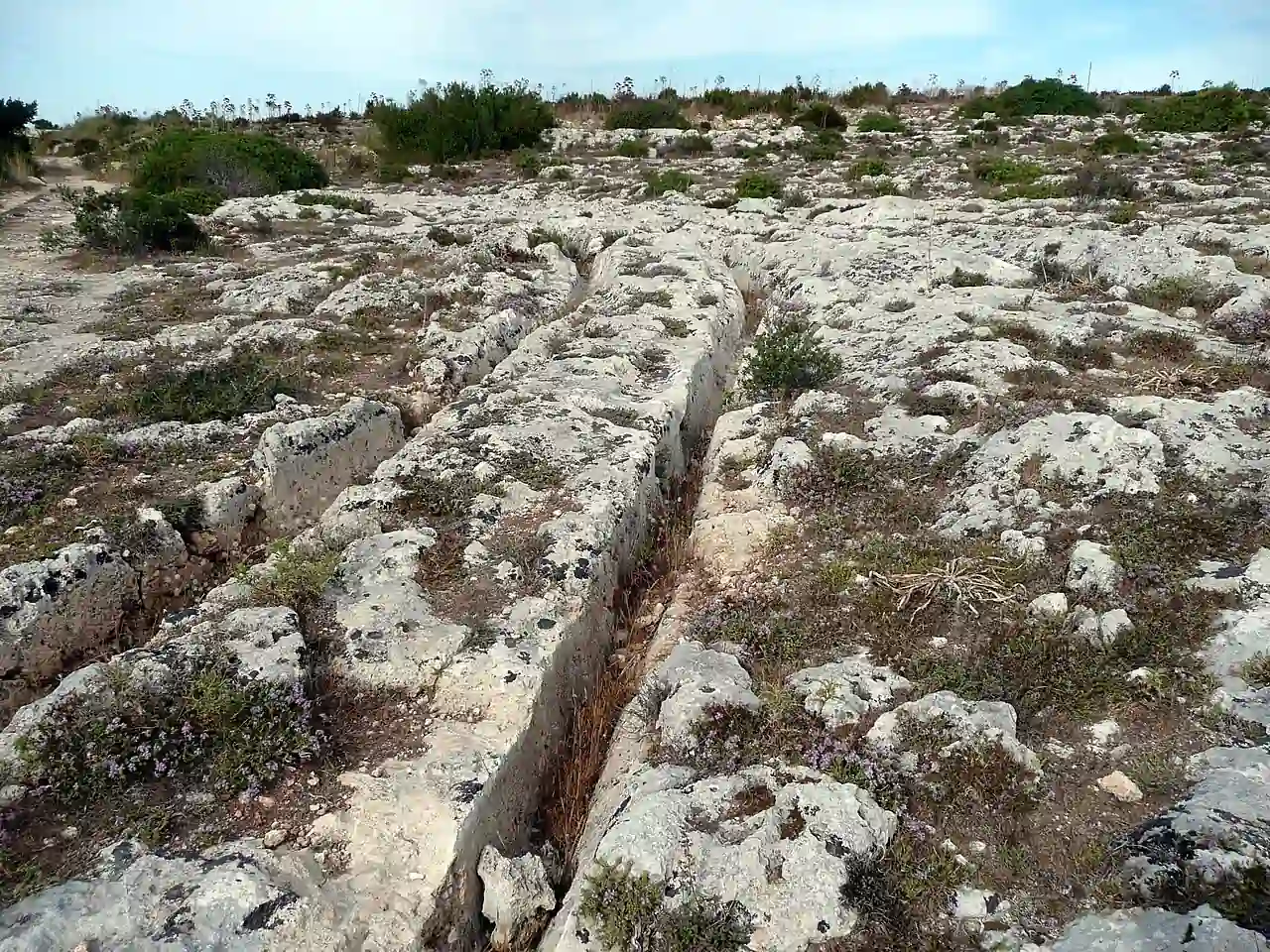
On a patch of bare rock in western Malta, roughly 80 by 100 metres (260 by 330 feet), dozens of parallel grooves cross, overlap and merge into one another. The spot, Misraħ Għar il-Kbir, is popularly known as Clapham Junction, after the busy railway junction in London. It is far from the only place like […]
En la zona de Misraħ Għar il-Kbir, al oeste de Malta, hay un tramo de roca desnuda de solo 80 por 100 metros donde decenas de surcos paralelos se cruzan, se solapan y se funden unos con otros. El lugar es tan enrevesado que se le conoce popularmente como Clapham Junction, por la gigantesca estación […]
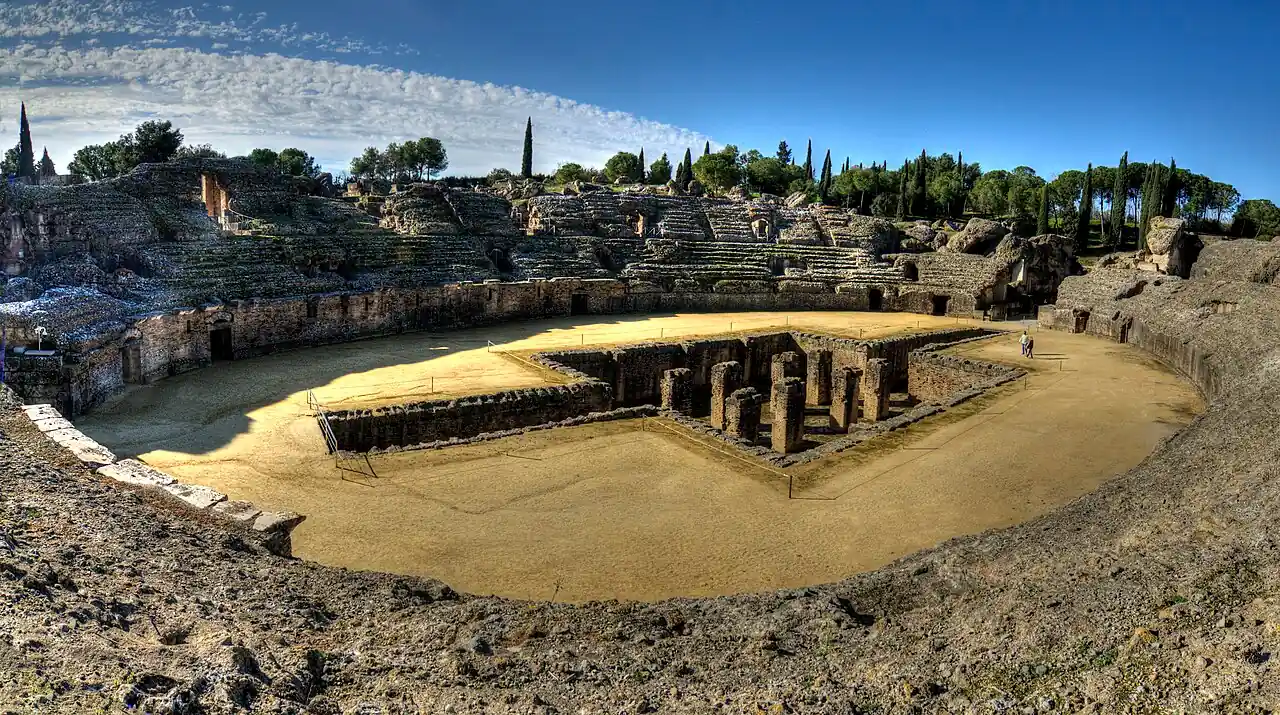
Thirty-five thousand spectators. That is the capacity the authors of a new study attribute to the Roman amphitheatre of Itálica, in Santiponce, near Seville in southern Spain. It is roughly the crowd of a mid-sized modern football stadium, and there was not a single loudspeaker in those stands. Whatever happened on the sand had to […]
Treinta y cinco mil espectadores. Esa es la capacidad que los autores de un nuevo estudio atribuyen al anfiteatro romano de Itálica, en Santiponce (Sevilla), y en aquellas gradas no había ni un altavoz. Lo que ocurría en la arena tenía que llegar al público sin ayuda de aparatos, y hasta ahora había pocos estudios […]
Anyone who wants to build a house on the waterfront at Meria, at the northern tip of Corsica, has to let archaeologists look underneath first. The rule comes from the island’s regional archaeology service (the DRAC of Corsica). It has just paid off. Working on the plot, a team from Inrap, France’s national institute for […]
Cuando alguien quiere construirse una casa en la marina de Meria, en el extremo norte de Córcega, antes de poner el primer ladrillo hay que mirar qué hay debajo. Así lo exige el Servicio regional de Arqueología (la DRAC de Córcega), y gracias a esa norma los arqueólogos del Inrap, el instituto francés de arqueología […]
On the road into the stadium at Olympia, at the foot of Mount Cronius, ancient Greek athletes passed a stone platform with steps cut through it. A row of bronze statues of Zeus, the god the Games were held to honour, stood beside it. None of them celebrated a victory. Each had been paid for […]

 Login