Quedar, conversar durante 25 minutos, y a ver qué surge. Si se confirman los intereses compartidos, si existe la posibilidad de consolidar la relación… Podríamos imaginar una cita en First dates o un encuentro en el universo de Tinder en busca del match , la conexión, el interés mutuo.
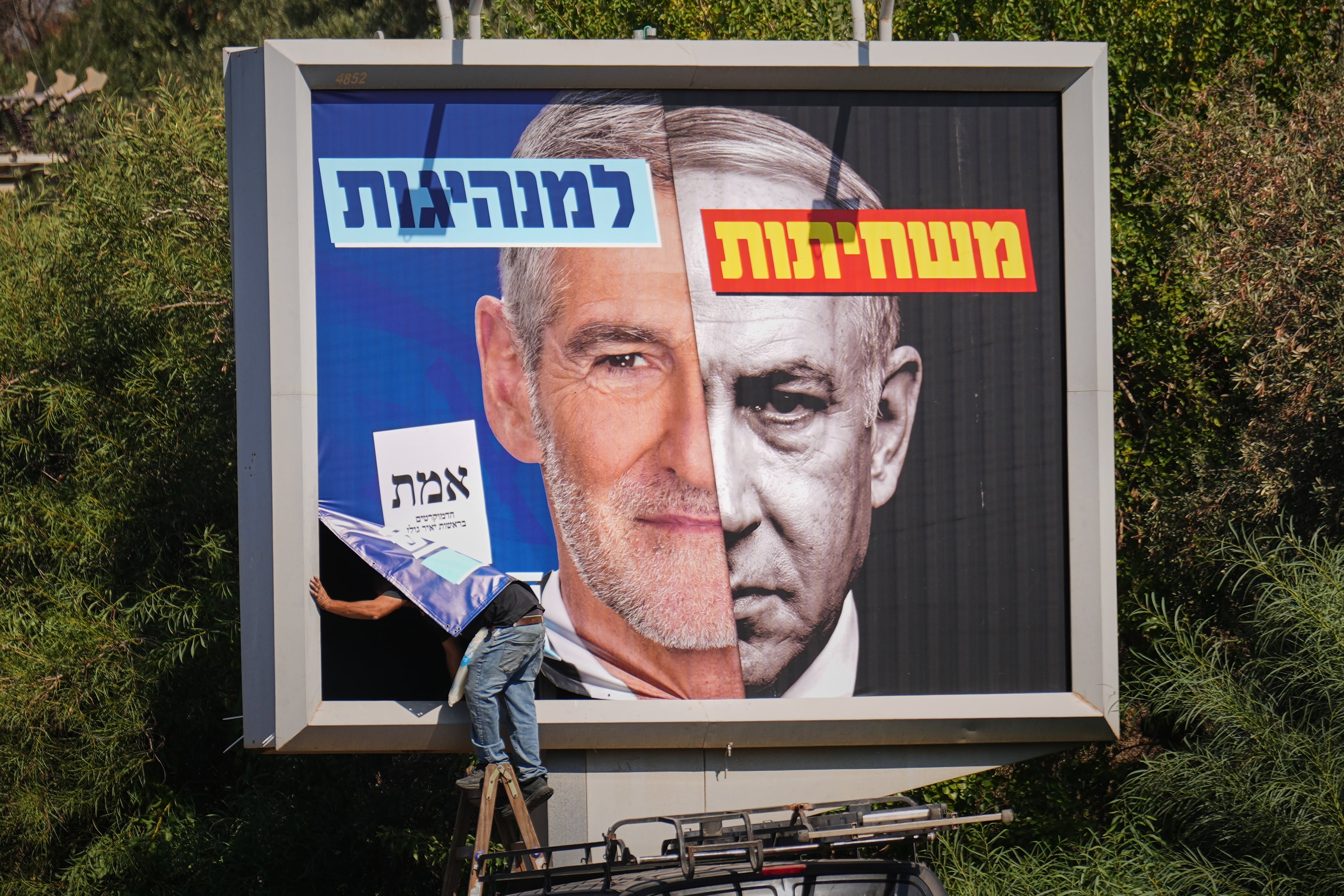
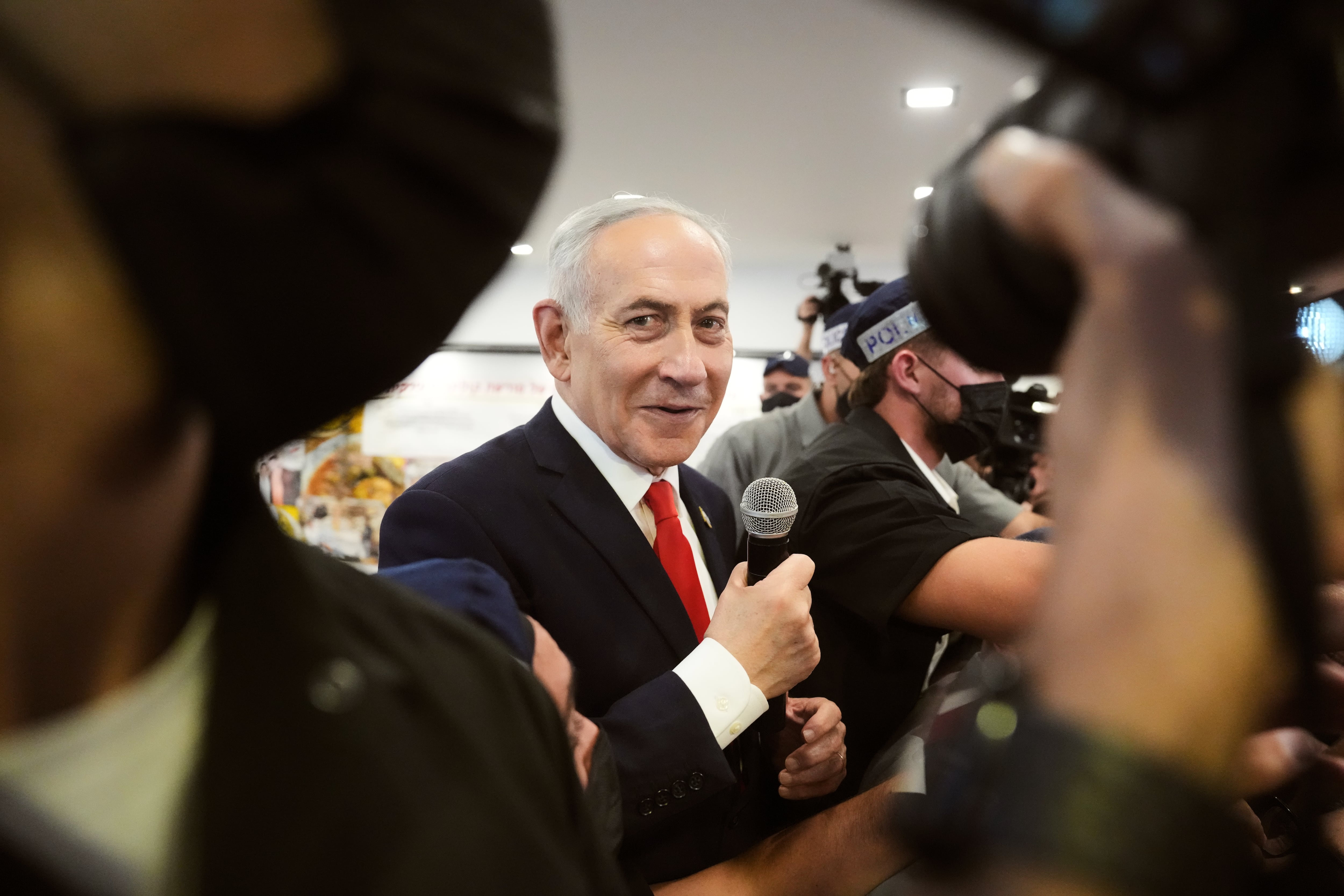
“The most important in the country.” “Crucial for the future of the Middle East.” “A historic crossroads.” Israel is holding elections this Tuesday — the first since the Hamas-led attacks of October 2023 — which have been described in many ways because they are decisive. Prime Minister Benjamin Netanyahu is staking his future — both political and personal — on the vote, after, against all odds, completing a four-year term leading the most right-wing coalition in the country’s history.
Las concentraciones atmosféricas de dióxido de carbono (CO2) y otros gases responsables del calentamiento alcanzaron niveles sin precedentes en 2025, lo que hace prever nuevos aumentos de temperaturas en el planeta a largo plazo. Así lo indica la última edición del boletín sobre los gases de efecto invernadero de la Organización Meteorológica Mundial (OMM). Más del 75 % de los gases de efecto invernadero y cerca del 90 % del CO2 generado por el ser humano proviene de la quema de combustibles fósiles.
El 0,1 % de la población más rica del mundo (8 millones de personas) es responsable de más emisiones causantes del calentamiento que los 3.500 millones de personas más pobres del planeta juntas. Ese 0,1% emite 2.361 millones de toneladas de CO2 y el 44% de la población mundial más pobre 2.312 t de CO2, según un análisis de Oxfam Intermón (con datos de 2023). Ese 0,1% de ultrarricos causa el 7% de las emisiones totales (y el 44% más pobre aporta otro 7%).
‘Misses y medusas’ (Tundra), escrito por el periodista Miguel Ángel Ruiz, es un conjunto de reportajes que completan el más exhaustivo y literario recorrido por una de las zonas que mejor ejemplifican el desarrollo insostenible en España, el Mar Menor.
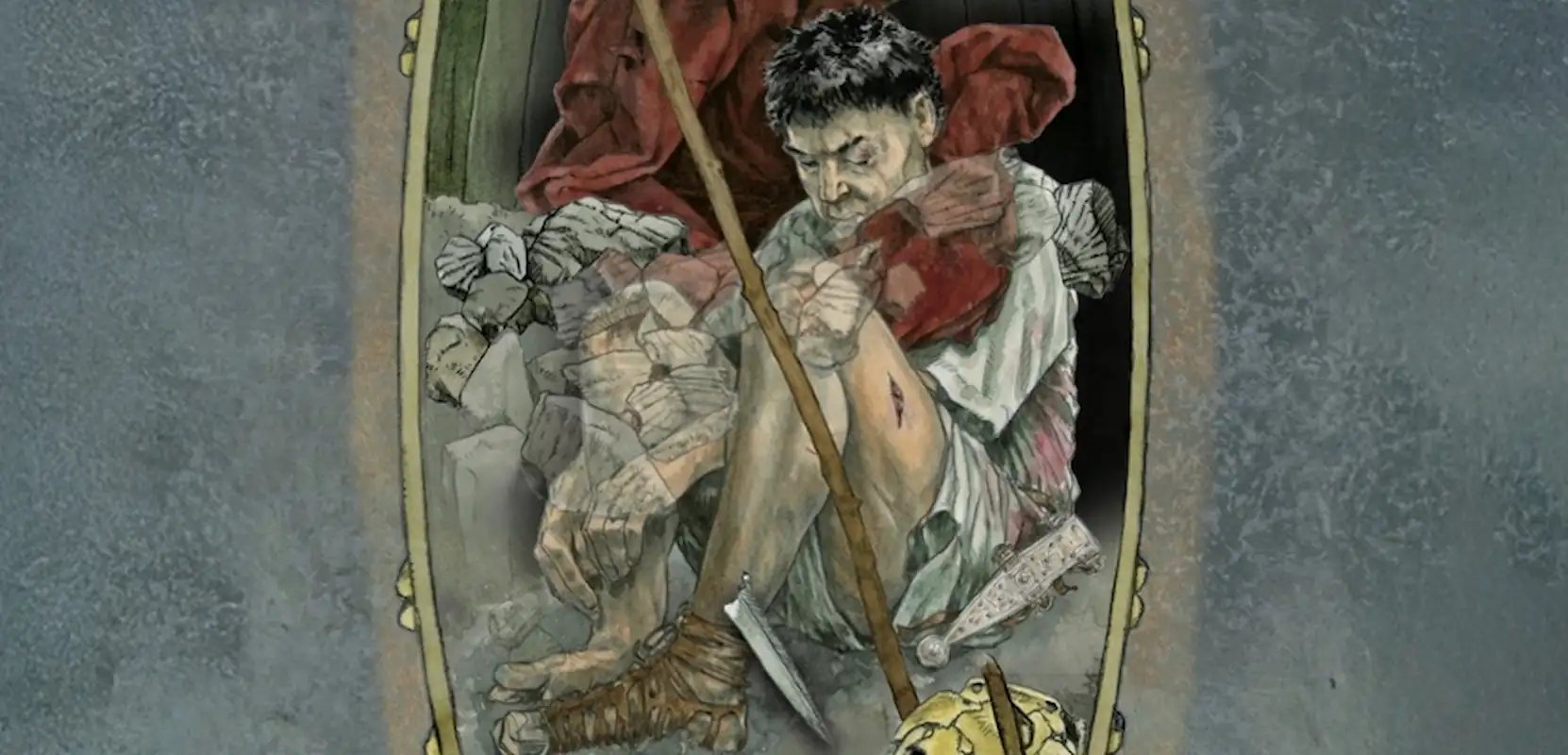
En 1977, unos arqueólogos aficionados excavaban el solar de un antiguo fuerte romano en Velsen, en la costa de Holanda Septentrional, y dieron con un pozo. En el fondo reposaba el esqueleto casi completo de un hombre que aún llevaba el cinturón militar. A su lado había una daga, un anillo, una fíbula (el broche […]
In 1977, amateur archaeologists digging at the site of an old Roman fort in Velsen, on the coast of North Holland, uncovered a well. At the bottom lay the almost complete skeleton of a man who was still wearing his military belt. Beside him were a dagger, a ring, a fibula (the brooch Romans used […]
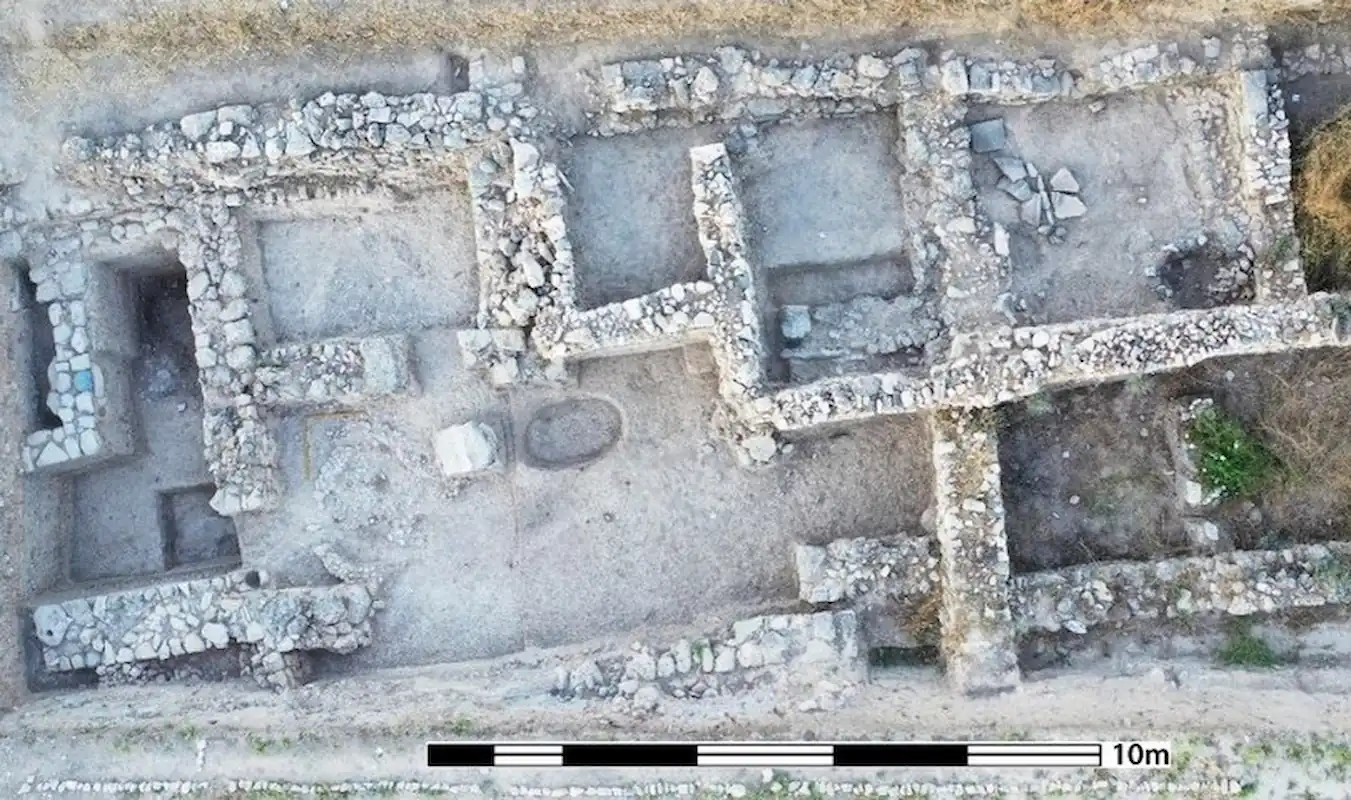
Beside the airport of Larnaca, on the south-east coast of Cyprus, there is a salt lake. About 3,500 years ago it was a sheltered bay, and on its shore stood a port city of up to 50 hectares (124 acres). That is roughly 90 American football fields, or a square you could walk across in […]
Muy cerca del aeropuerto de Larnaca, en la costa sureste de Chipre, hay hoy un lago salado. Hace unos 3.500 años era una bahía protegida del mar Mediterráneo, y en su orilla se levantaba una ciudad de hasta 50 hectáreas. Es medio kilómetro cuadrado, el equivalente a un cuadrado de unos 700 metros de lado […]
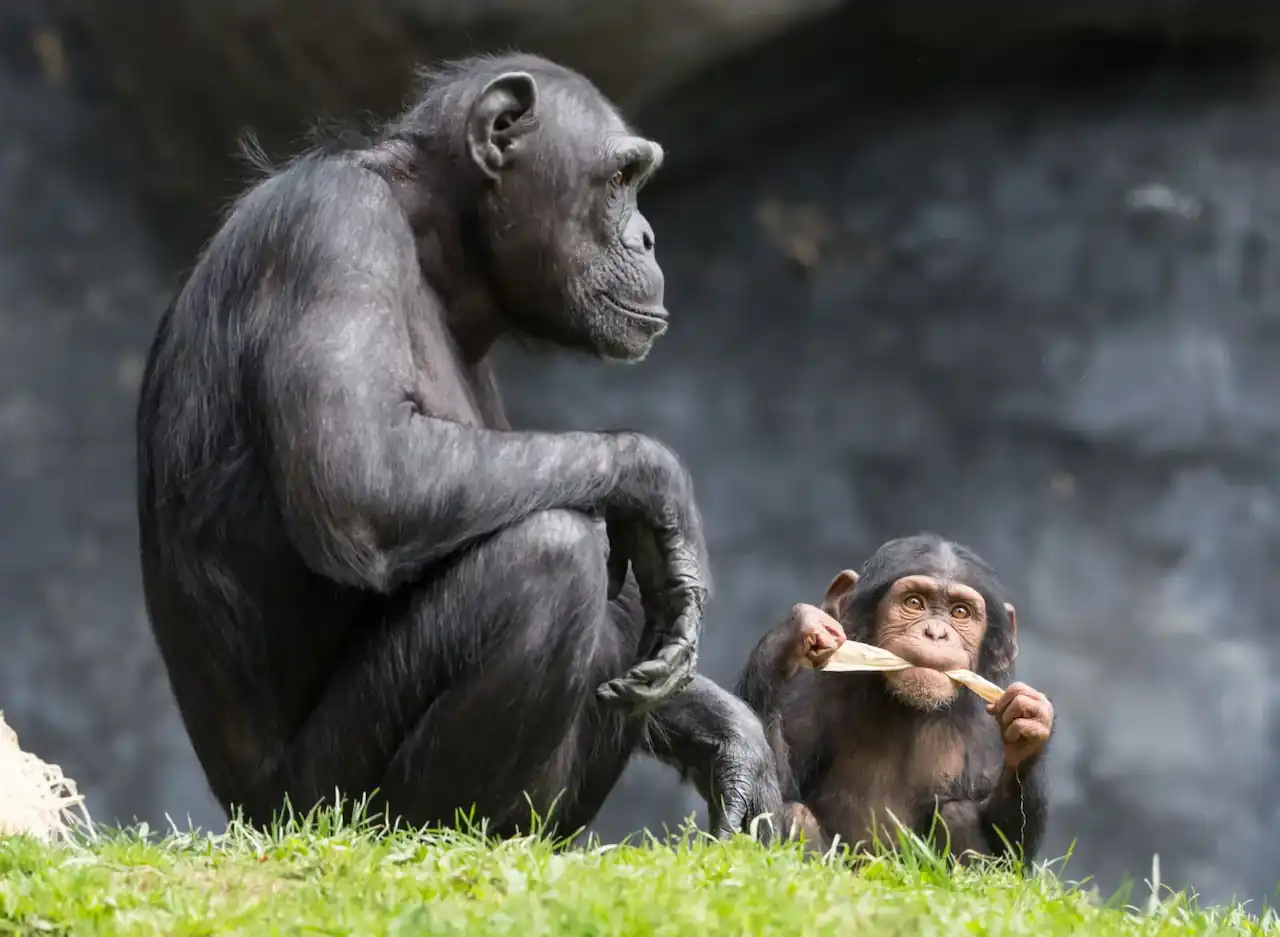
Line up human and chimpanzee DNA and the first surprise is how little separates us. We share more than 96% of the sequences used to make proteins, the molecules that build and run a living body. And yet the human brain is roughly three times the size of a chimpanzee’s, and it does things a […]
Si ponemos los genes de una persona junto a los de un chimpancé, lo llamativo es lo poco que difieren. Compartimos más del 96% de las secuencias que sirven para fabricar proteínas, que son las piezas con las que se construye un organismo. Y aun así nuestro cerebro es unas tres veces mayor que el […]
In October 2023, as the initial shock of Hamas’s attack was giving way to the realization that it had been the greatest security failure in Israel’s seven decades of statehood, few believed that Benjamin Netanyahu would still be prime minister three years later. Fewer still thought that a country used to broad coalitions and early elections — having gone to the polls on average every 2.4 years between 1996 and the last election in 2022 — would complete a full parliamentary term this time. And fewer still imagined both things happening at once: that after four years of controversy and war, Netanyahu would enter the final stretch of the election campaign, with Israelis due to vote on Tuesday, less popular and less supported than before, yet still with a realistic chance of remaining in power. “I will not surrender,” reads one campaign poster bearing his image.
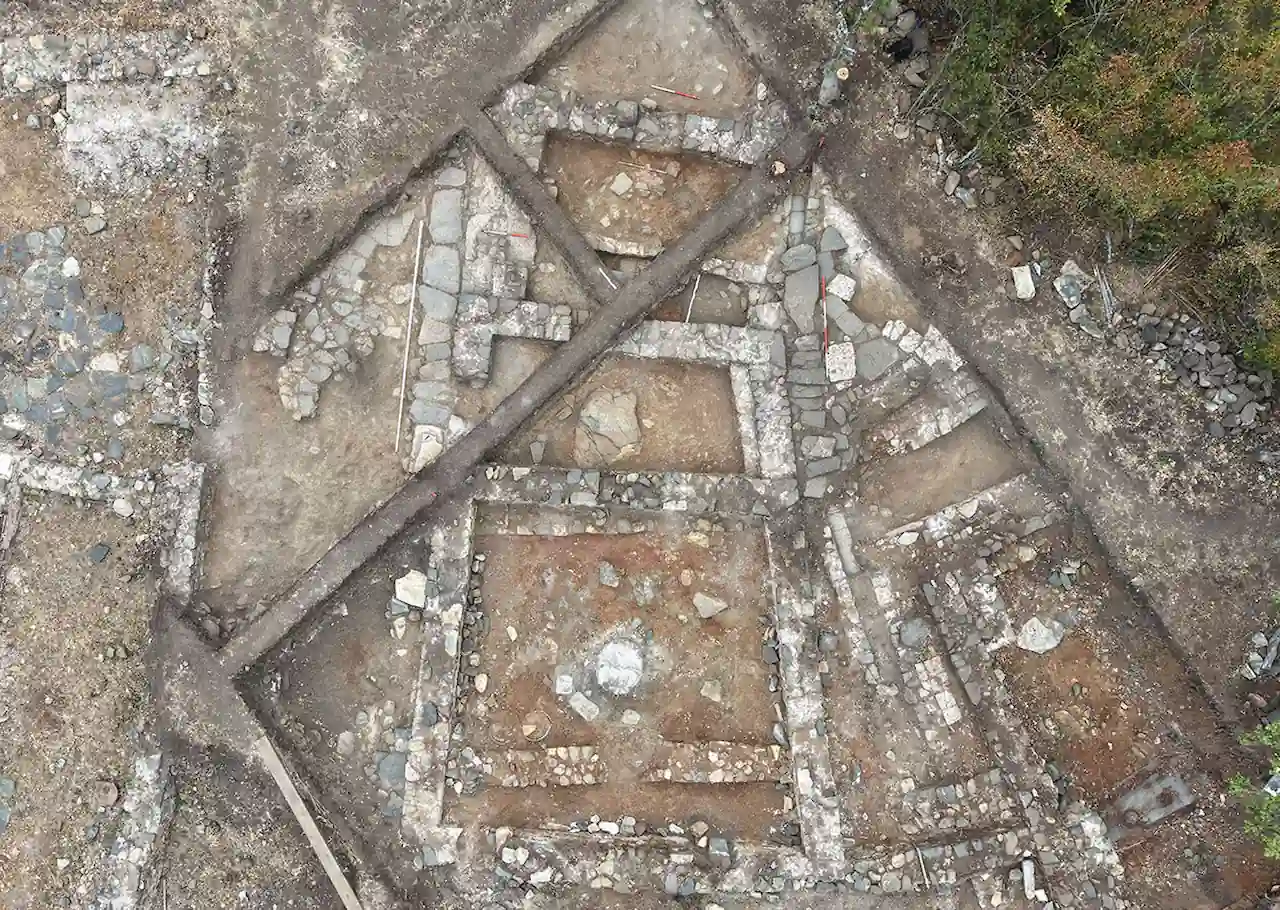
En noviembre del año 392, el emperador Teodosio I firmó una ley que prohibía todo rito pagano, incluidos los que se celebraban en privado. Con esa fecha en la cabeza resulta chocante lo que sostiene ahora el equipo del Museo Nacional de Historia de Bulgaria: que hasta mediados del siglo V se siguió venerando a […]
In November 392, the Roman emperor Theodosius I signed a law banning every pagan rite, including those performed in private. Against that date, the claim now coming from Bulgaria’s National Museum of History sounds startling: that people went on honoring the old gods until around the middle of the fifth century, in a temple built […]
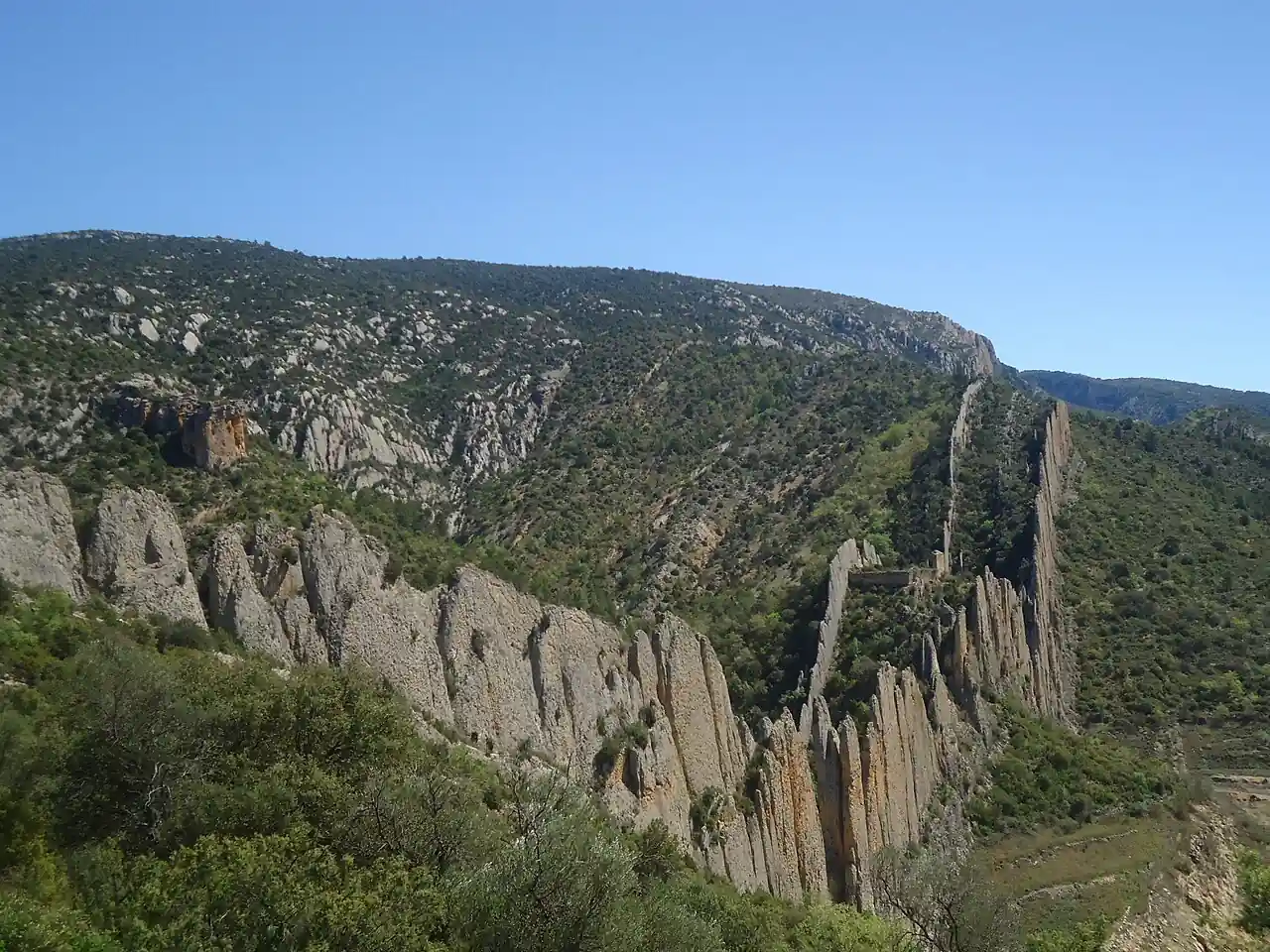
Desde el mirador de la ermita de San Marcos parece la obra de un ejército de canteros: dos filas paralelas de piedra caliza, casi verticales, que bajan por una loma y se meten en el agua verde del embalse de Canelles. Entre ellas asoma una ermita medio derruida. Nadie levantó esos muros. Son los Roques […]
From the viewpoint at the chapel of San Marcos, it looks like the work of an army of stonemasons. Two lines of pale limestone, almost vertical, run down a hillside and disappear into the green water of the Canelles reservoir. A half-ruined chapel peeks out between them. Nobody built those walls. They are the Roques […]
What do you make of a young child who says they remember being someone else? A team at the University of Virginia has not tried to answer that. It has measured something more concrete: how much time passed between the death of the person the child “remembers” and the child’s own birth. The gap tends […]
Según la investigadora Saeedeh Sadeghi, muchos de los niños que dicen recordar una vida anterior describen una muerte traumática. Un nuevo análisis de la Universidad de Virginia ha medido algo más concreto: cuánto tiempo pasó entre la muerte de la persona «recordada» y el nacimiento del niño. El resultado es que ese intervalo tiende a […]
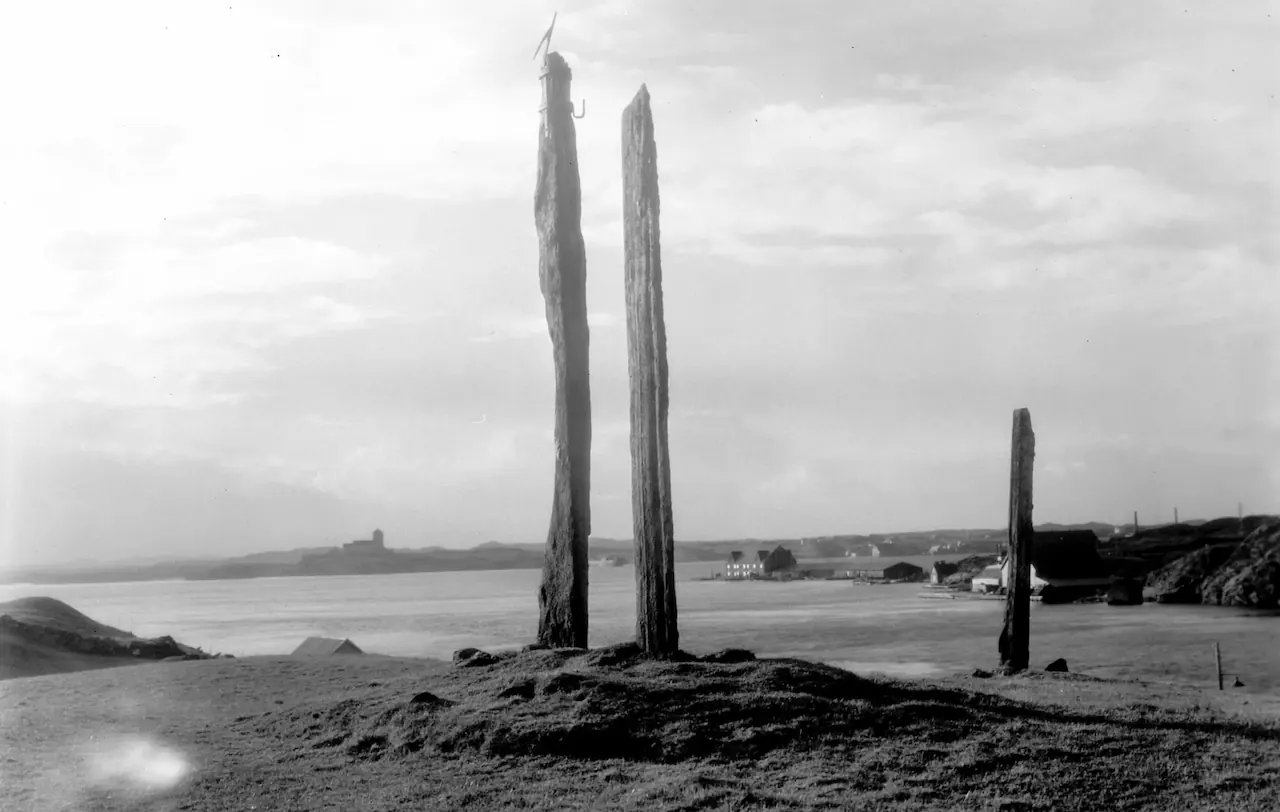
At the narrowest point of the Karmsundet, the channel that separates the island of Karmøy from the mainland on Norway’s west coast, five stones stand upright on a hillside. Some are more than five metres (16 ft) tall. They were raised inside a cairn, a mound of piled stones, laid out in the shape of […]
En el punto más estrecho del Karmsundet, el canal que separa la isla de Karmøy del continente en la costa occidental de Noruega, se alzan cinco piedras hincadas en vertical, algunas de más de cinco metros de altura. Se levantaron dentro de un túmulo de piedras con forma de estrella de tres brazos, y bajo […]

 Login