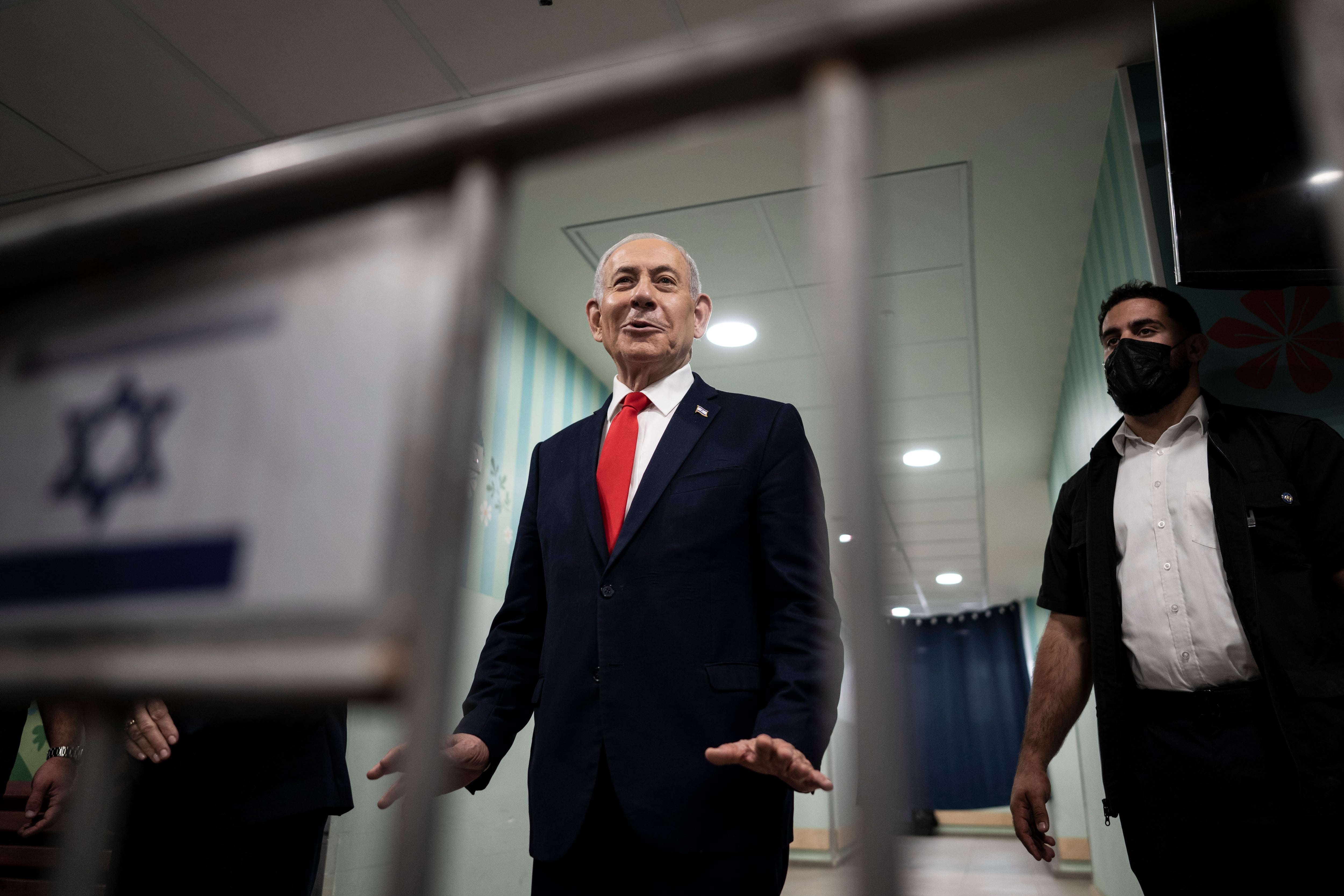
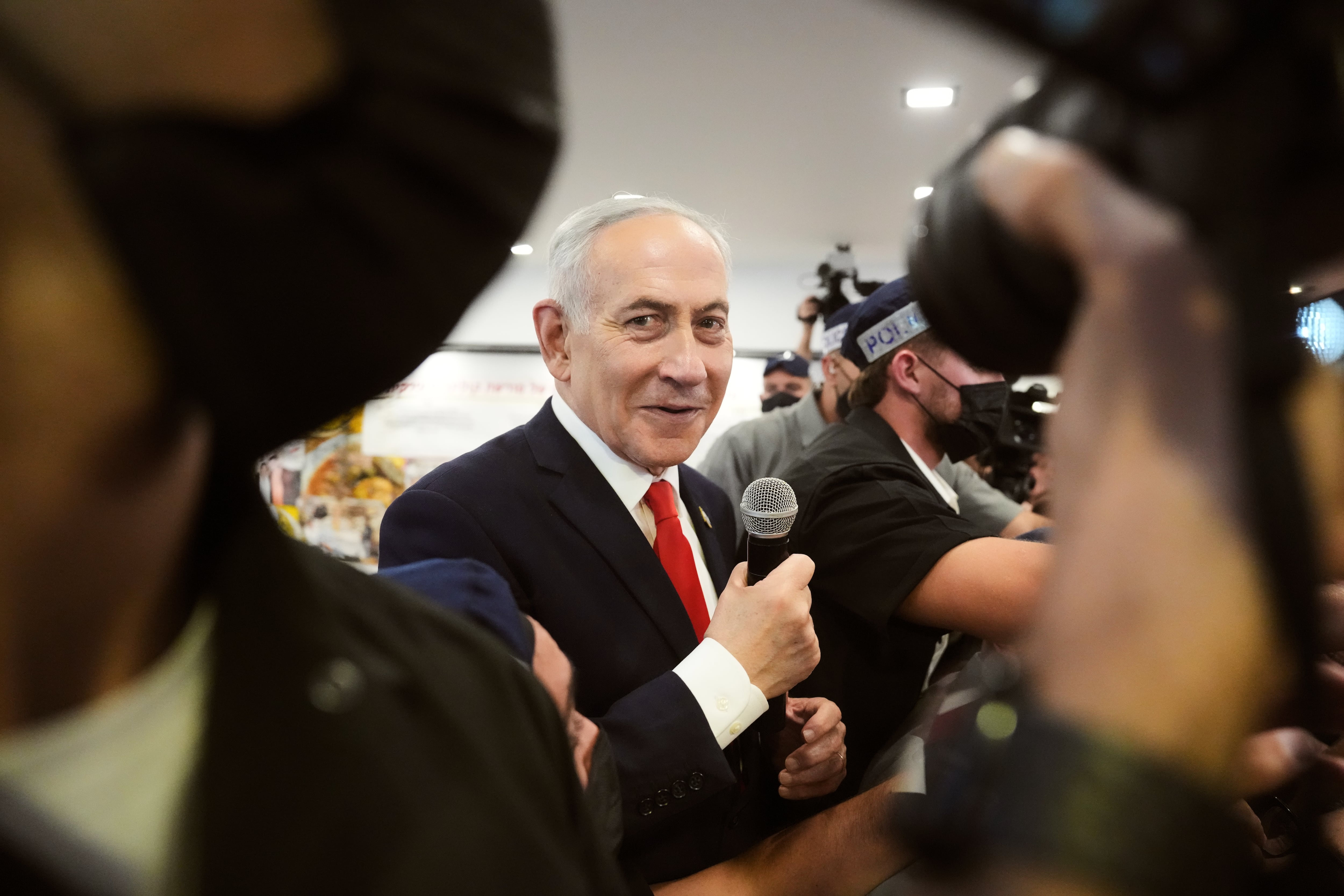
Benjamin Netanyahu’s party won the legislative elections held Tuesday in Israel, but even with the support of his ultra-nationalist and religious allies, the prime minister will not secure the majority of seats in parliament needed to continue governing.
“The most important in the country.” “Crucial for the future of the Middle East.” “A historic crossroads.” Israel is holding elections this Tuesday — the first since the Hamas-led attacks of October 2023 — which have been described in many ways because they are decisive. Prime Minister Benjamin Netanyahu is staking his future — both political and personal — on the vote, after, against all odds, completing a four-year term leading the most right-wing coalition in the country’s history.
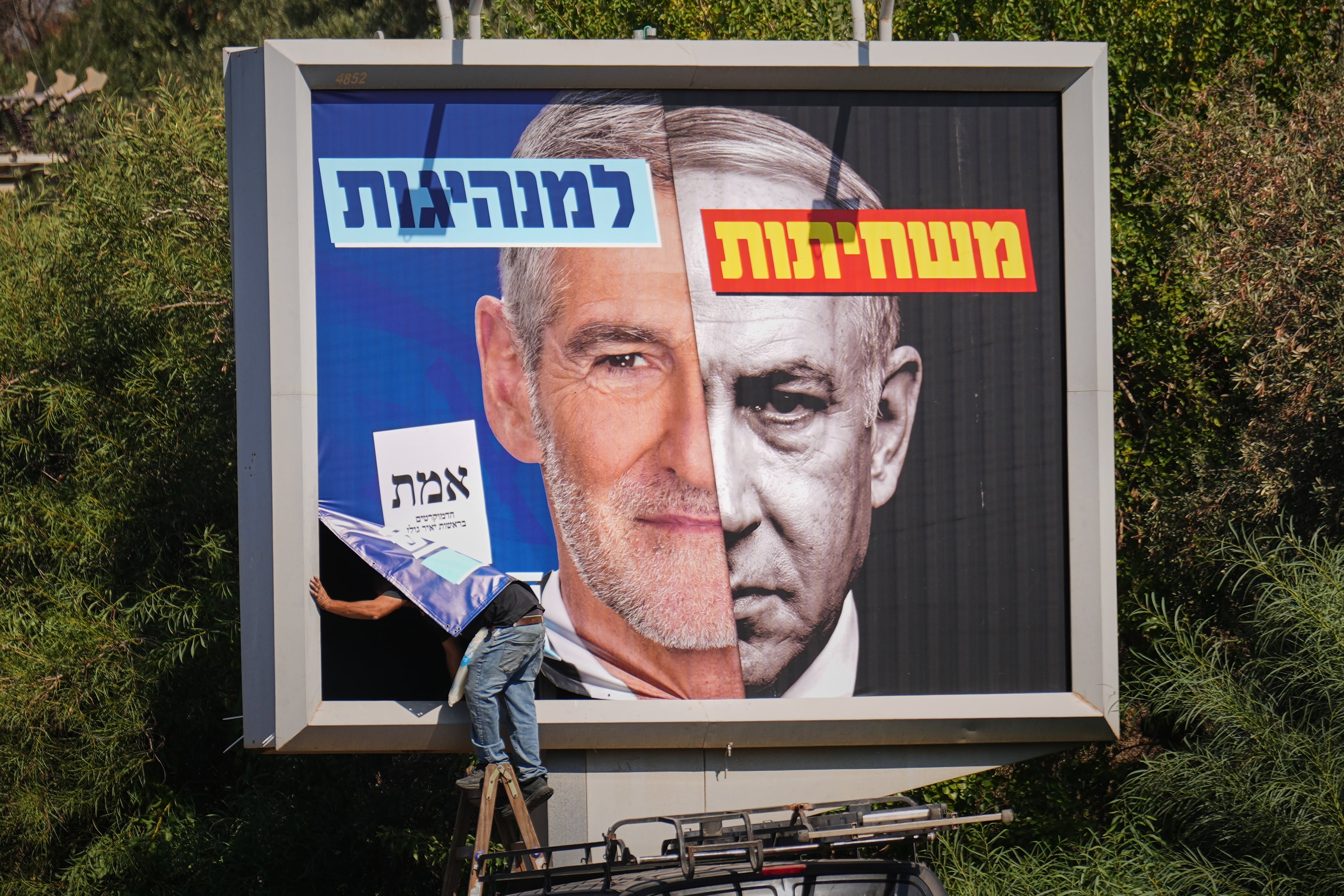
In October 2023, as the initial shock of Hamas’s attack was giving way to the realization that it had been the greatest security failure in Israel’s seven decades of statehood, few believed that Benjamin Netanyahu would still be prime minister three years later. Fewer still thought that a country used to broad coalitions and early elections — having gone to the polls on average every 2.4 years between 1996 and the last election in 2022 — would complete a full parliamentary term this time. And fewer still imagined both things happening at once: that after four years of controversy and war, Netanyahu would enter the final stretch of the election campaign, with Israelis due to vote on Tuesday, less popular and less supported than before, yet still with a realistic chance of remaining in power. “I will not surrender,” reads one campaign poster bearing his image.
Sharon Eizenkot’s house is overwhelming. Everything revolves around Maor, her son, who died in 2023 while serving as a soldier in the Israeli army in Gaza. Like a mausoleum of grief, the white walls bear no decoration other than dozens of mementos, from the jersey of his soccer team to the uniform and assault rifle he was carrying when he was hit by an explosive device in Khan Younis.

 Login