Dolores Huerta, an icon of the migrant community in the United States and a steadfast defender of migrant workers’ rights, died this Wednesday. She was 96 years old. The cause of death was cancer, a family spokesperson told The New York Times.
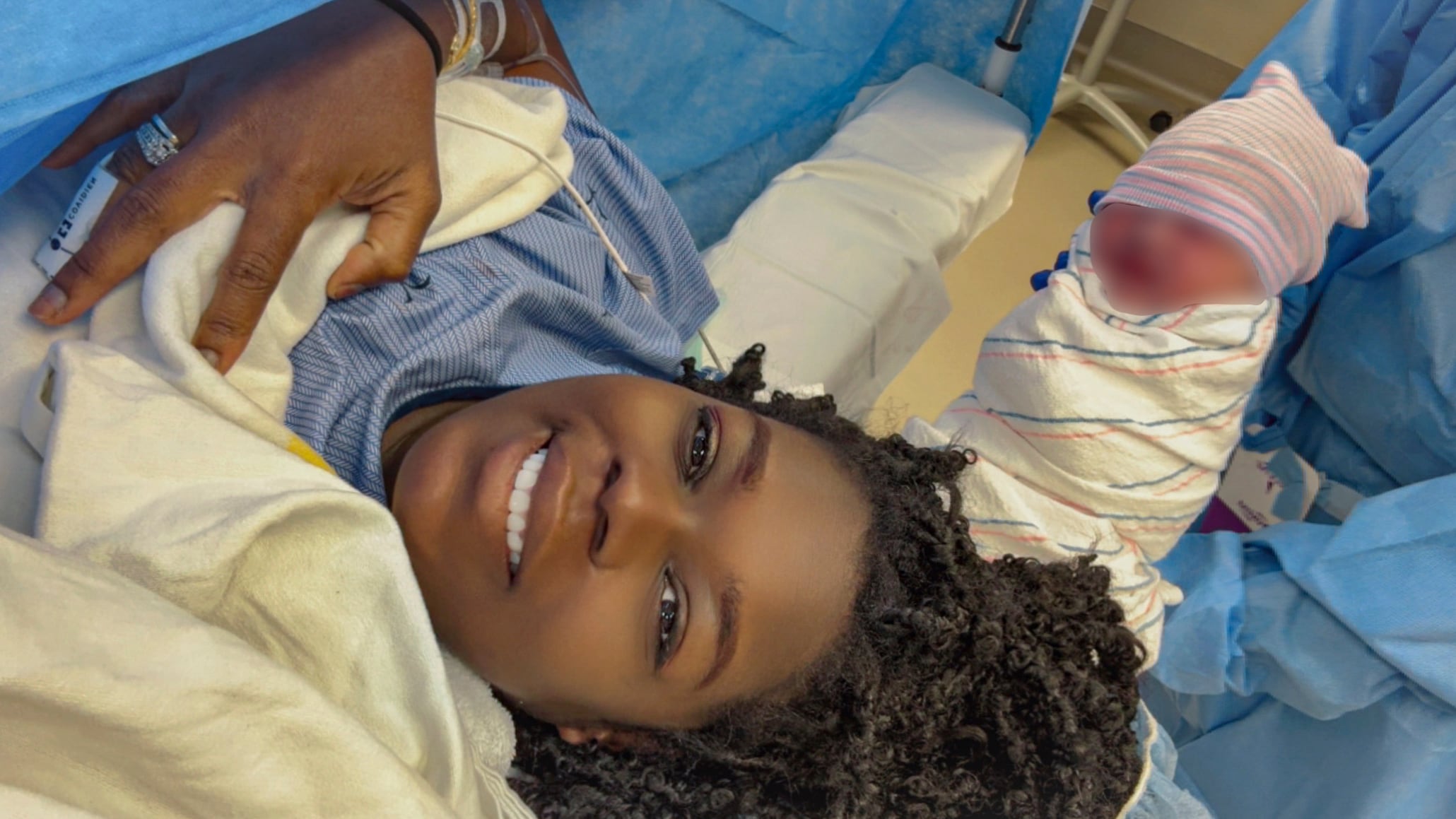
Three numbers and a letter opened the negotiations in a private message: 135K. That was the $135,000 that Silvia Zhang, a Los Angeles businesswoman, offered Tronderrica James, a Nevada woman, in 2023 to carry a child she claimed she was unable to have by any means. Later, an assistant at a surrogacy agency provided more details: “They are a Chinese couple looking for their miracle baby.” A contract sealed the arrangement.
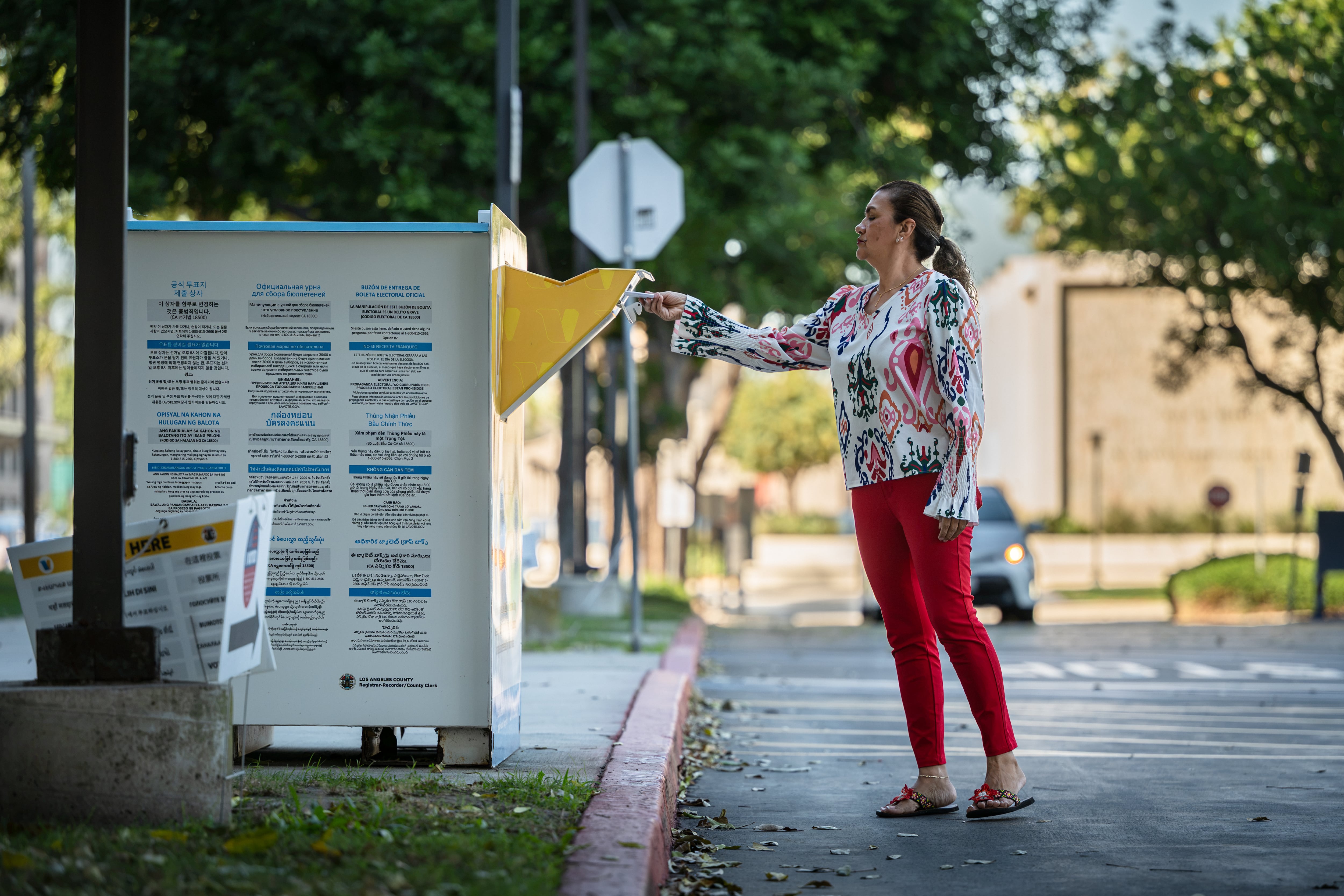
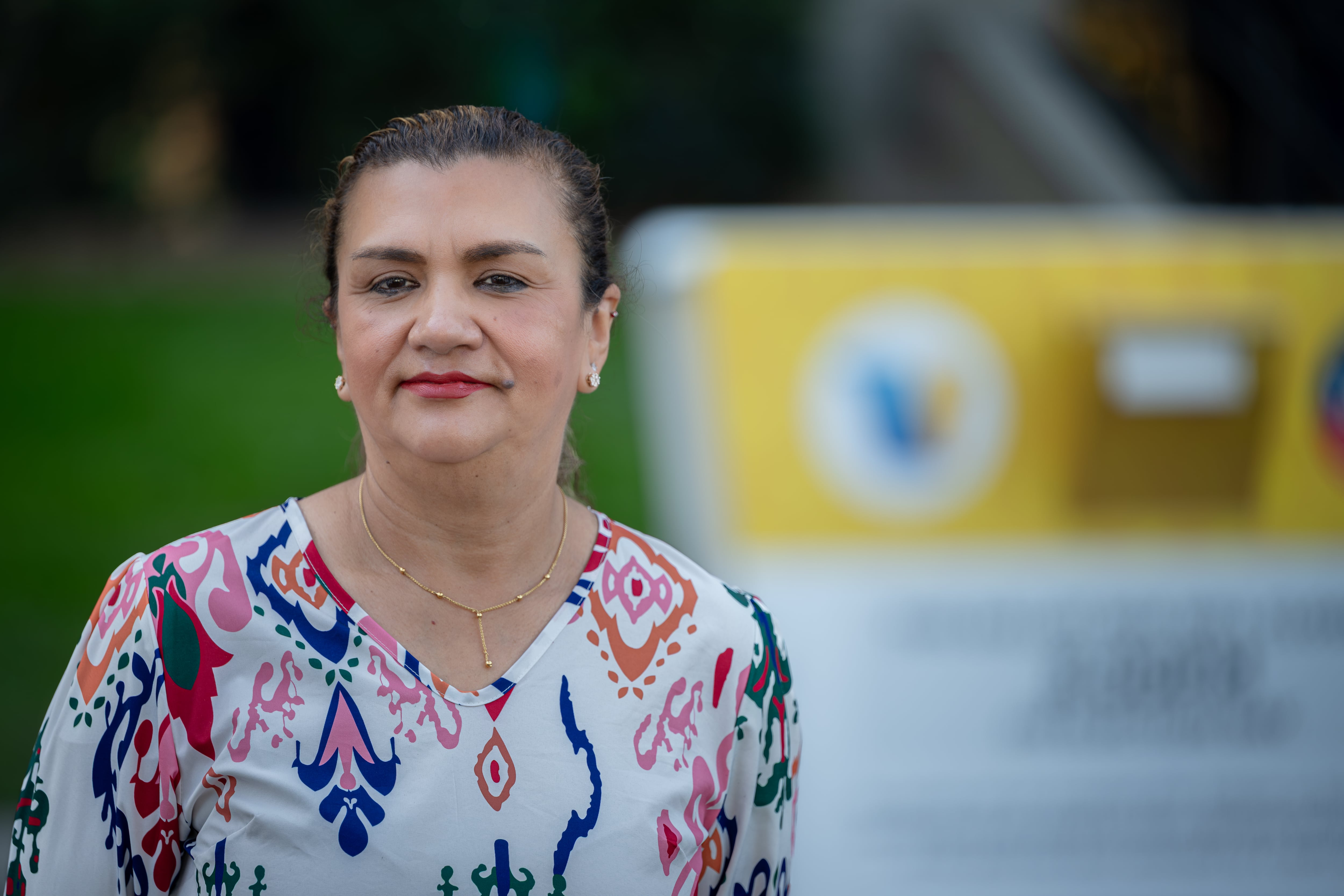
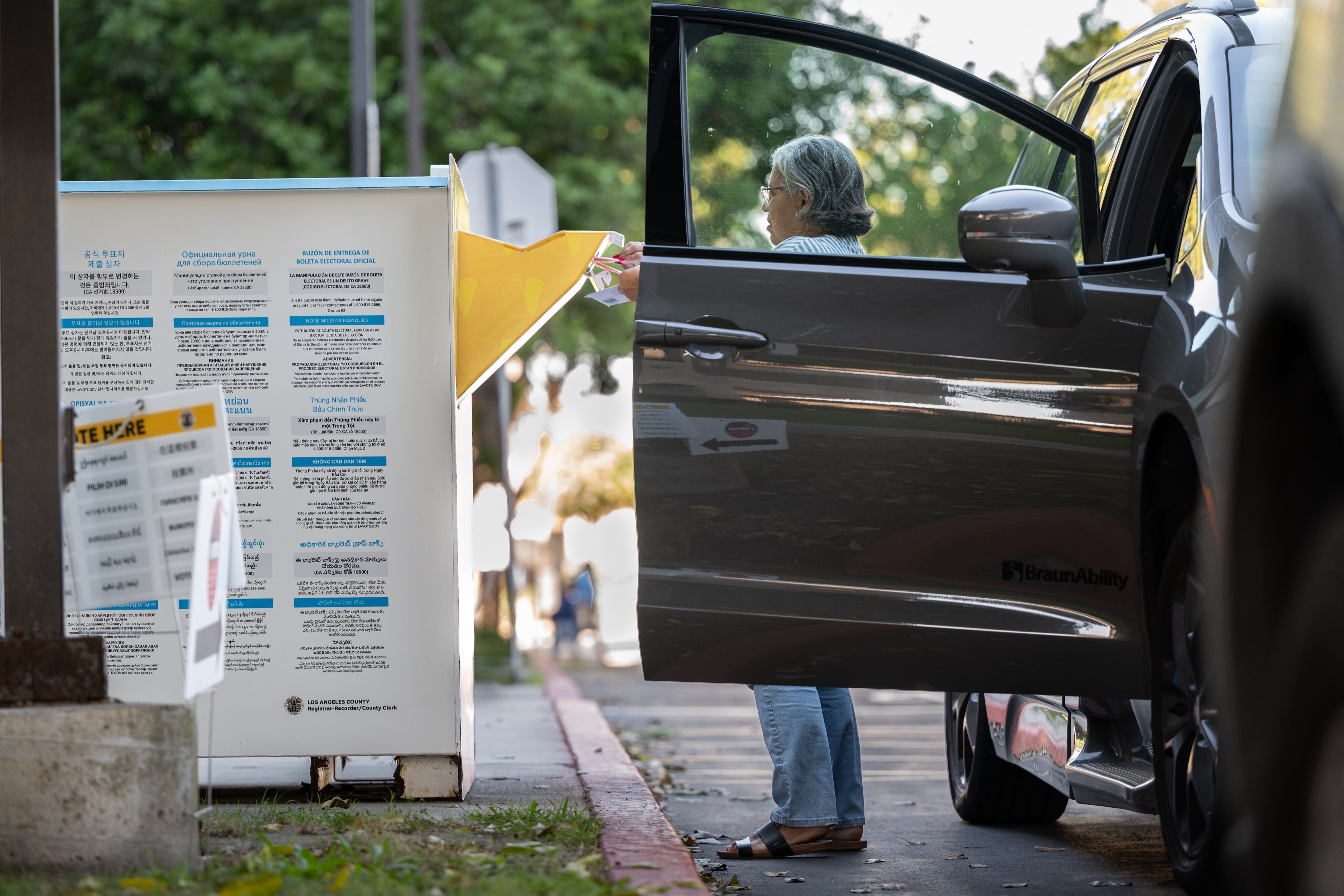
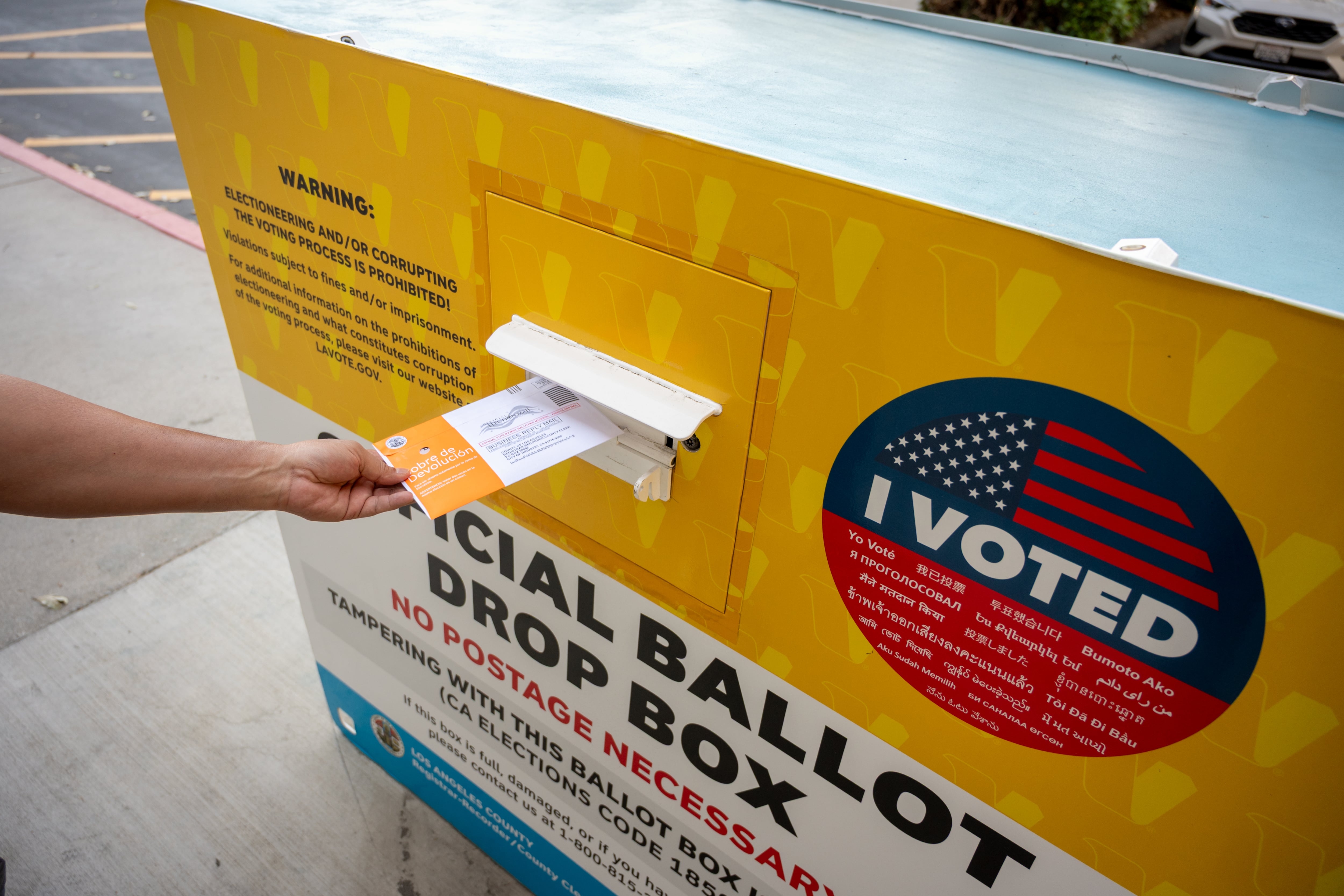
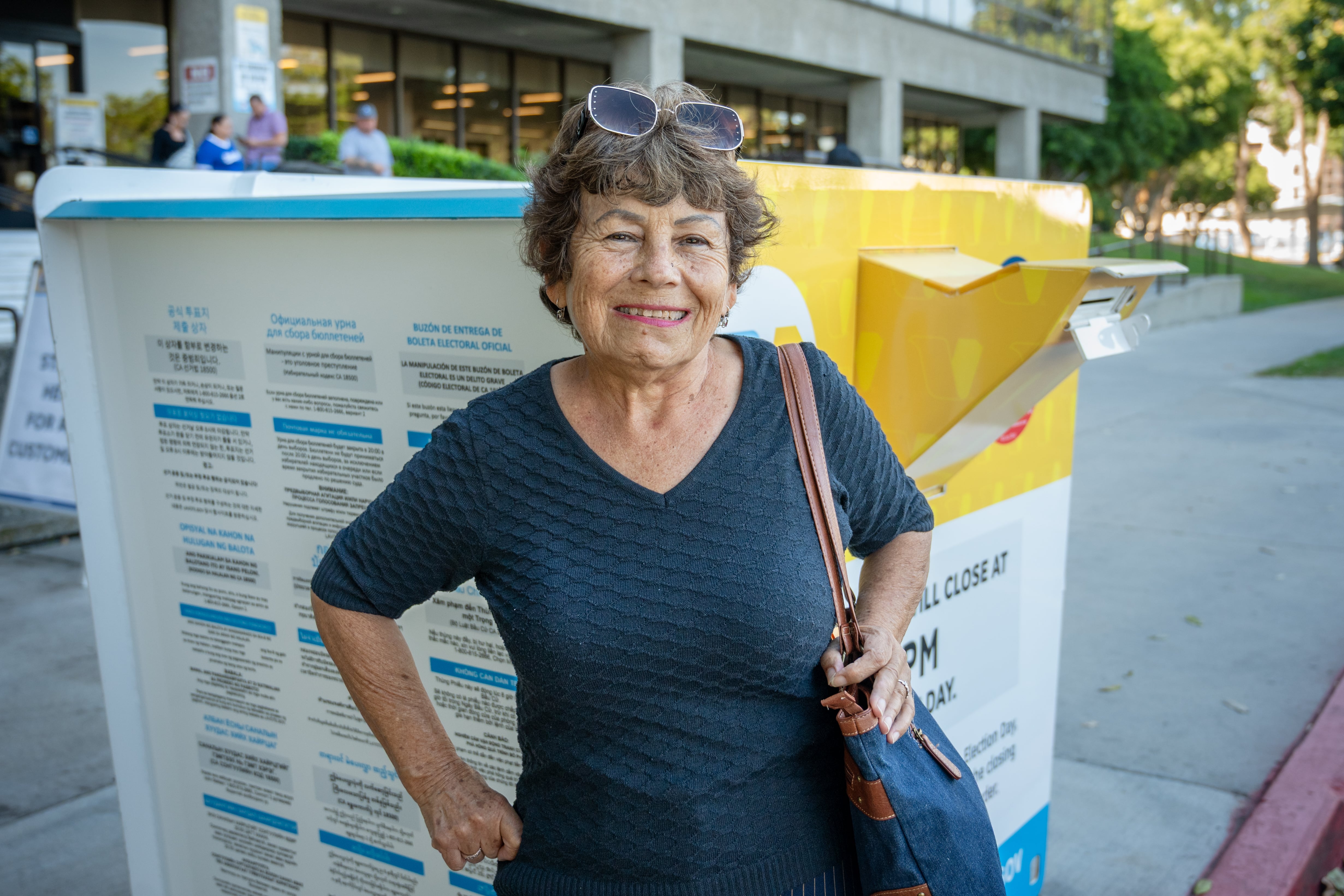
Lidia Sánchez, a Nicaraguan immigrant who arrived in California as a child, had two items on her agenda on a warm October morning: a routine doctor’s appointment and personally dropping off her ballot at an election office drop box in Los Angeles. She had always voted by mail, but this time she feared her ballot might not reach its destination and that her vote would not be counted.
Citadel is one of the most visited shopping centers in Los Angeles. But in these lean times, few customers browse its clothing, bag and shoe stores. On this hot October afternoon, Rocío López is here, treating herself to “a luxury” amid the cuts her family has made to blunt the impact every time they fill the car’s tank or do the grocery shopping. The pressure on her finances became clearer with her latest tax return: she and her husband were shocked to find they owed $8,000 to the IRS.
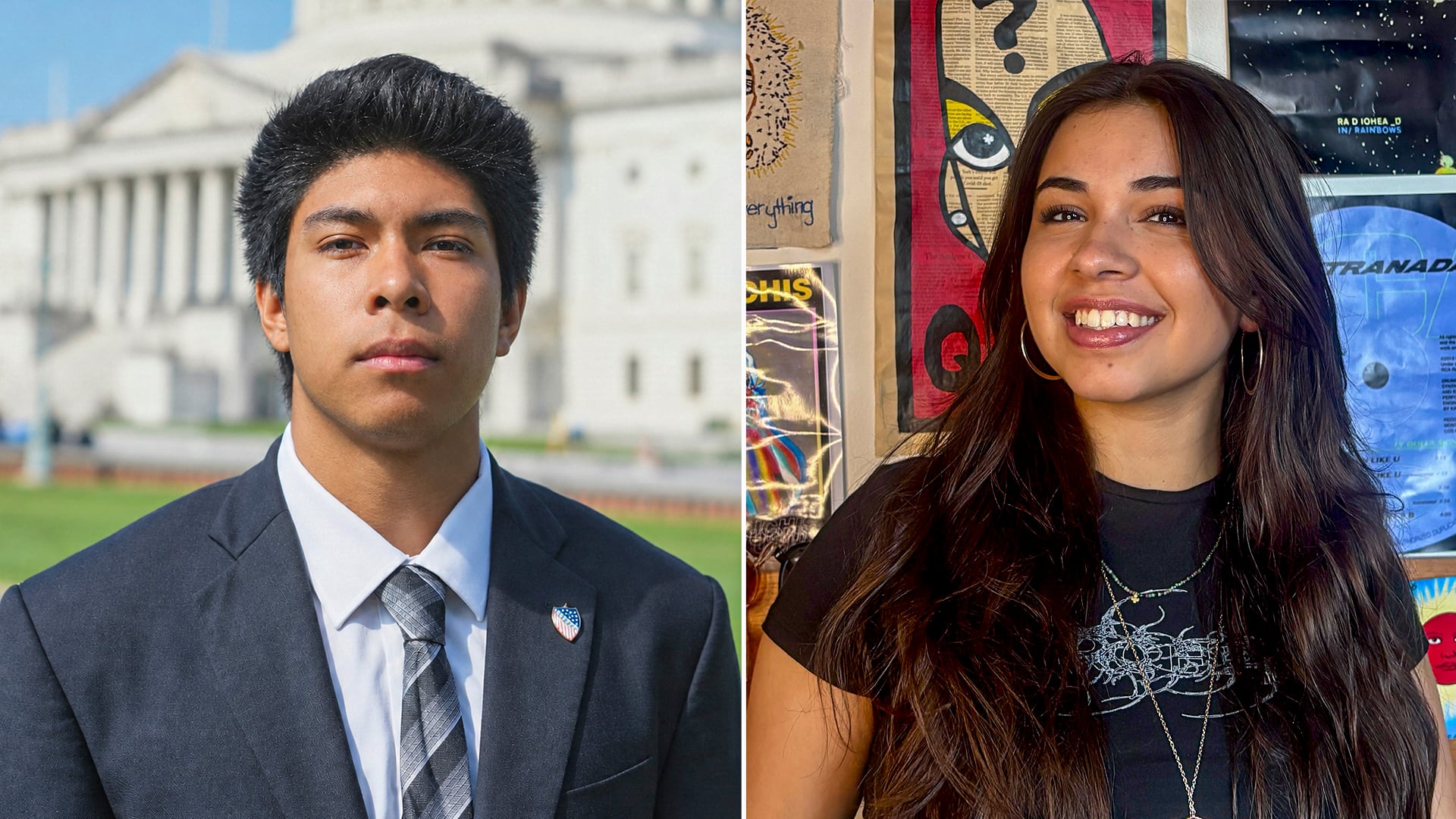
More than four million Latinos have turned 18 since the last midterm elections in 2022 and will be able to vote for the first time in the midterms on November 3. For years, Latino advocacy groups have pointed to the community’s growing political potential, noting that every 30 seconds, a Latino comes of age in the United States.
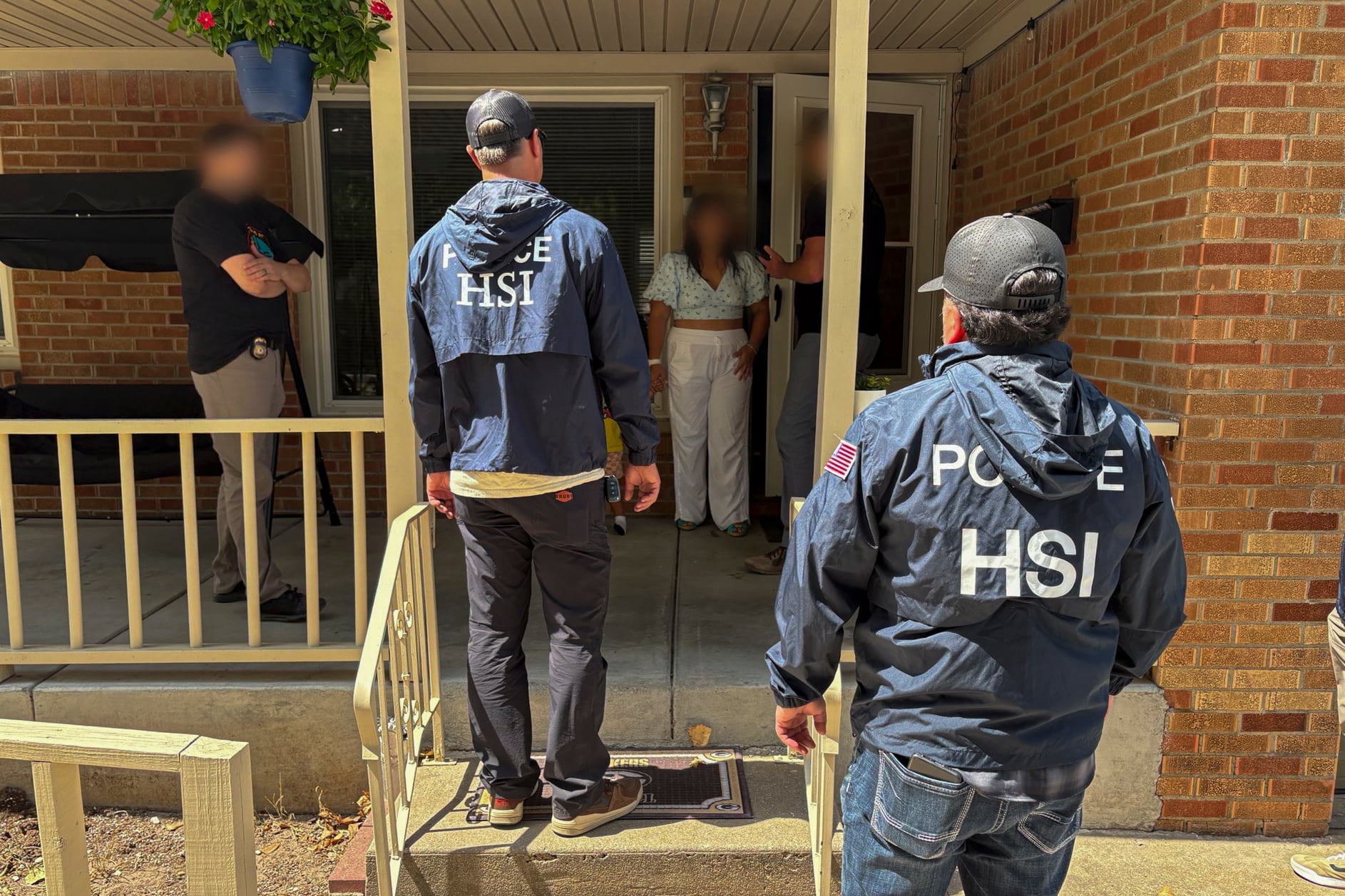
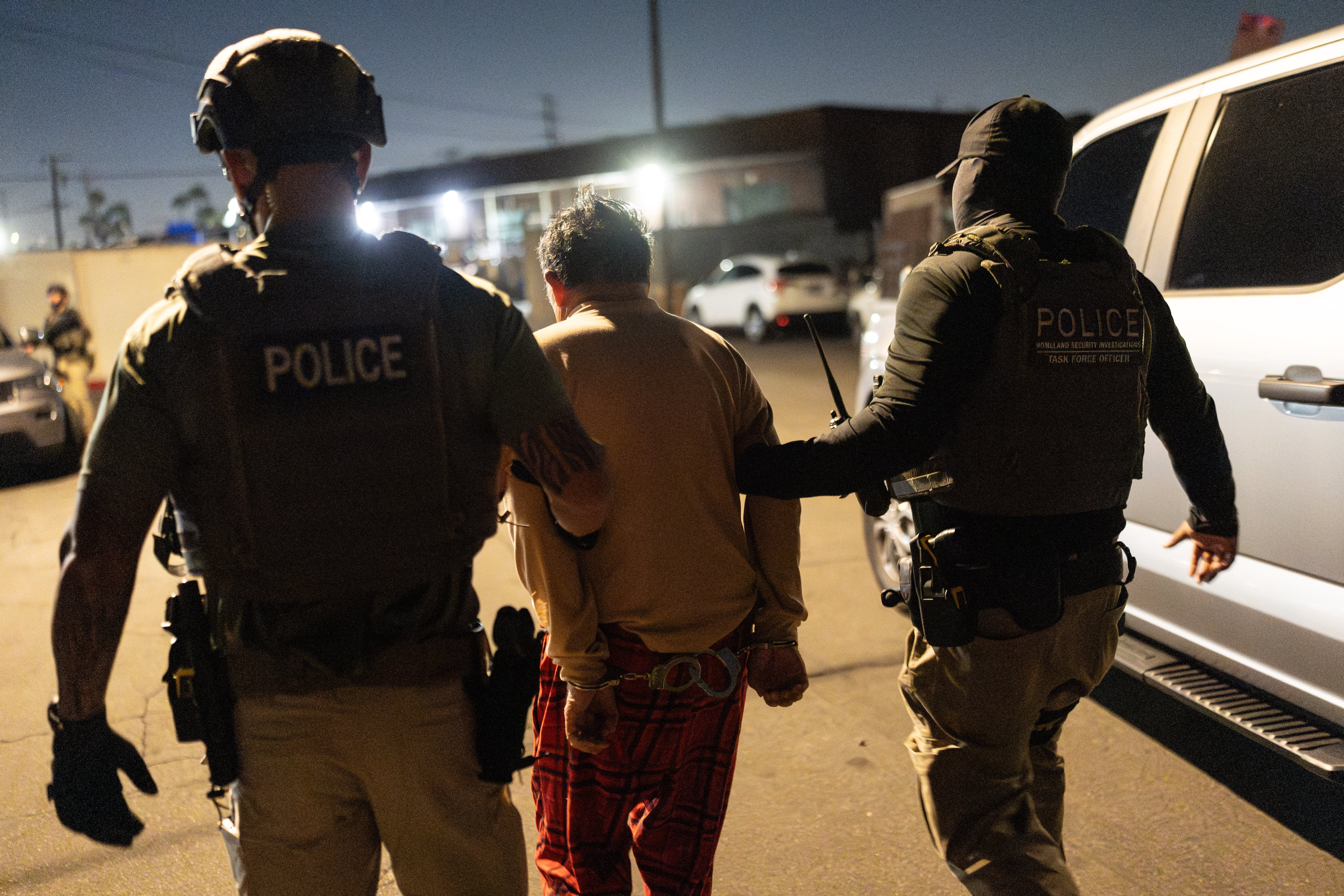
The main investigative unit of the United States Department of Homeland Security (DHS) has been vigorously promoting on social media an effort it considers crucial in the final weeks before the midterms: pursuing alleged large-scale election fraud by noncitizens — a claim that has obsessed President Donald Trump despite a lack of evidence.
The Donald Trump administration dubbed it Operation Protect the Vote and on Monday focused its efforts on trying to substantiate the conspiracy theories promoted by the president and members of his administration: that large numbers of undocumented immigrants in California vote illegally for Democrats and that the state’s voter rolls still contain deceased individuals and people who have moved to other states. The charges announced, however, do not prove those claims.
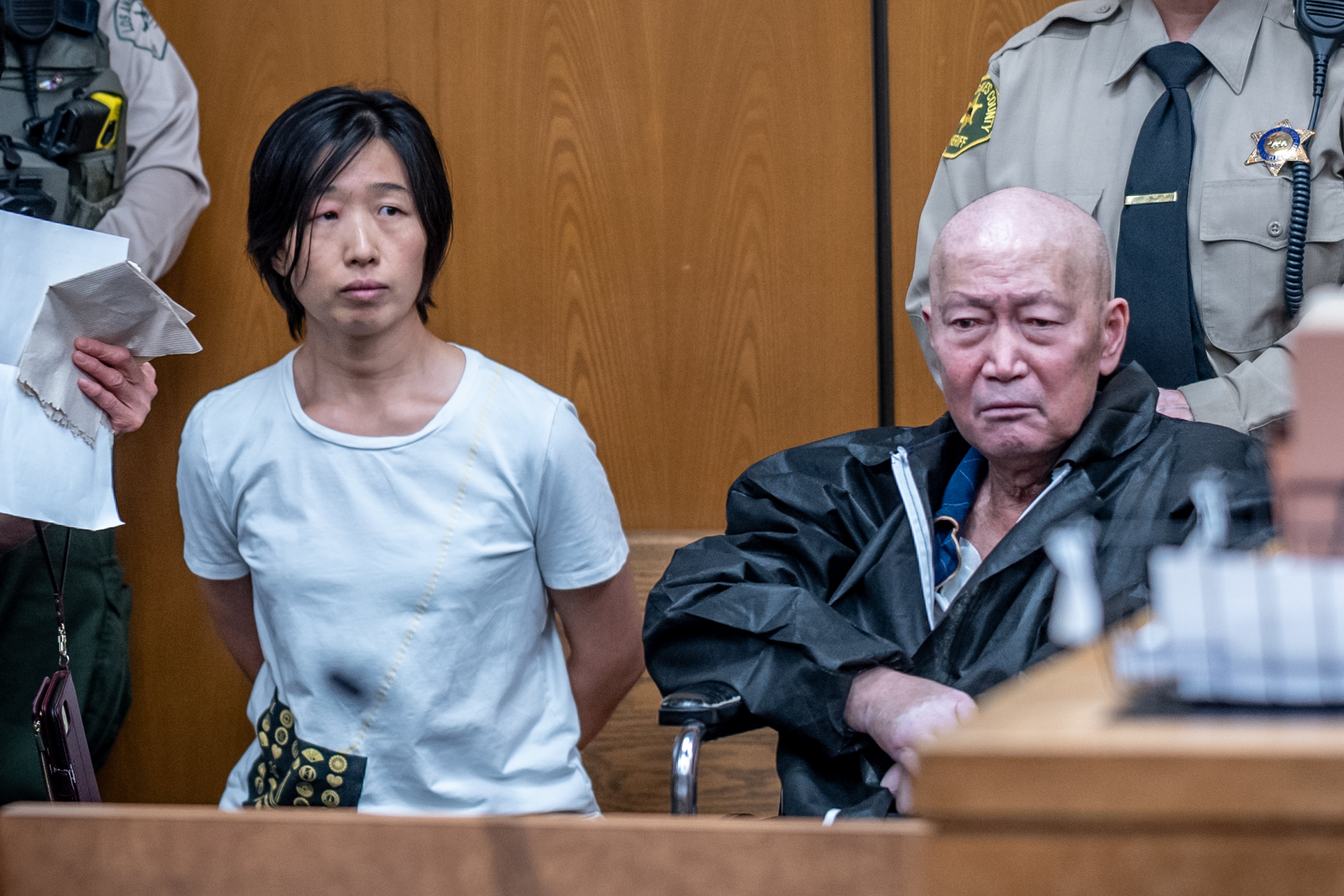
Google Maps still shows a prosperous image of Pacific Place, a business center on the busy Valley boulevard in a suburb east of Los Angeles, California. But that picture no longer matches reality. The windows of a mental health clinic and a real estate agency have been boarded up to protect the premises from vandalism. One by one, shops pulled down their shutters until the mall was almost deserted. Several businesses belonging to an enigmatic figure also closed: Guojun Xuan, a wealthy Chinese immigrant who is at the center of a chilling case involving the alleged mistreatment of 21 children at his Arcadia mansion.
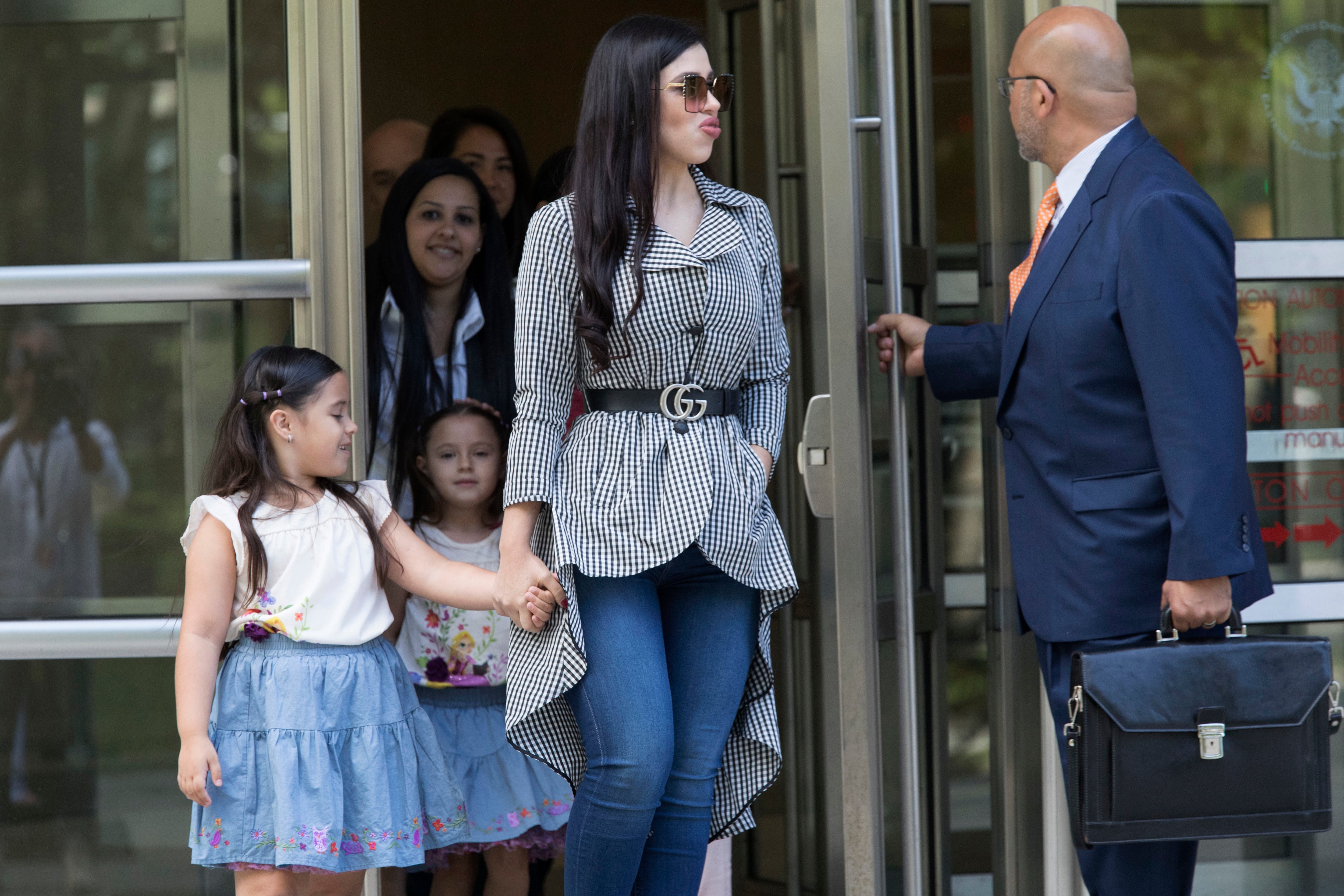
In July 2011, a 22-year-old woman arrived at the Calexico checkpoint on the Mexico–California border carrying a U.S. passport with a navy-blue cover. Her eight-month pregnancy and Sinaloa accent were hard to hide. A customs agent asked routine questions: where she had come from, where she was headed, and what she was carrying. Despite her answers and the document she presented, he sent her for a secondary, more thorough inspection. Other federal officers meticulously searched her belongings and the contents of her cellphones. Minutes later, once the rigorous procedure was complete, they allowed her into the country.

 Login