❌

Reading view

The US is reviewing a request to lift sanctions on Russia’s state investment fund, run by Putin’s envoy
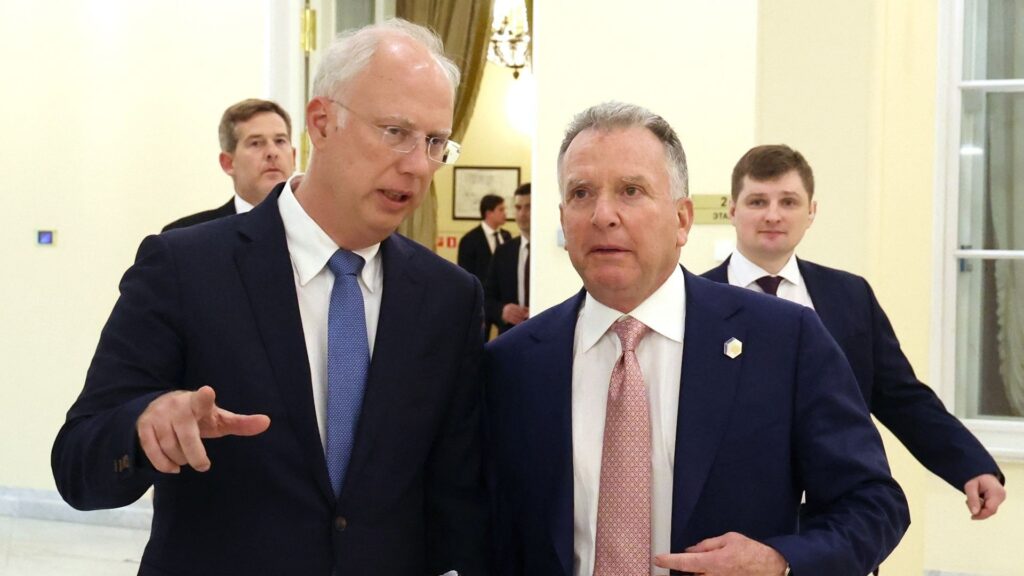
isw kremlin statements again show russia’s unwillingness pursue real peace · post russian fund chief presidential envoy kirill dmitriev (left) special missions steve witkoff (right) saint petersburg 2025 ria novosti

The Trump administration is assessing an application from the Russian Direct Investment Fund (RDIF) to be removed from the US sanctions list, a US official told The New York Times (NYT). A day later, Kremlin aide Yuri Ushakov said the two sides were in talks over it.

Washington has been easing pressure on Moscow piece by piece. On 9 October, the Treasury issued a general license allowing sales of Russian diesel, including into the US. A week later, President Trump waived new sanctions under the Graham Act, a Russia sanctions law he had signed on 18 September. Meanwhile, Kyiv is still waiting for the next round of three-way peace talks. Freeing a Kremlin fund now would lift another cost from Moscow before any settlement on Ukraine.

A review in Washington

The fund is run by Kirill Dmitriev, Vladimir Putin’s envoy in talks with Washington. The official said the administration was weighing the application through established procedures, as part of an effort to “improve US-Russia relations and help end the war.”

The official also praised Dmitriev as “a helpful envoy.” Russian officials pushed for delisting during talks on the fund’s role in shipping Russian diesel to the US, people familiar with the negotiations told the NYT. The Treasury, however, held that its 9 October license already let the fund handle diesel transactions, the paper reported.

Talks, according to Moscow

Ushakov described a two-way conversation rather than a review. He said on 28 October that it had been going on for some time and that he did not know the outcome. He pointed in particular to Dmitriev’s active contacts, saying that was why the issue had come up.

Blocked four days into the invasion

The Treasury fully blocked the fund and Dmitriev on 28 February 2022, four days after Russia launched its full-scale invasion. At the time, it said the fund was widely considered a slush fund for Putin. The Treasury is handling the new request under its normal process, and the fund will have to prove the grounds for its sanctions no longer apply, people familiar with the process told the NYT.

A Russian oil tanker, illustrative image. Photo via Wikimedia.
Explore further

Russia resumes diesel exports to Türkiye, Brazil, after Trump lifts sanctions on fuel supplies, boosting Moscow’s war revenue – Reuters

Eric Green oversaw Russia policy at the White House National Security Council under President Joe Biden. He told the paper that lifting the sanctions would send a strong message. In his view, Washington would be relaxing its position of not easing sanctions and other costs until a settlement in Ukraine.

This is not Dmitriev’s first push this year. On 7 February, Zelenskyy said Ukrainian intelligence had shown him a so-called “Dmitriev package” of US-Russia cooperation, worth about $12 trillion, that Dmitriev presented in the US. In April, he arrived in Washington as a US oil waiver for Russia neared expiry. US delisting would not touch UK and EU restrictions on the fund. But it would reopen American finance to a fund the Treasury said Putin’s inner circle relied on to raise money abroad.

  •  

Sweetgreen is going to pay its top store managers more than $200K a year

Sweetgreen storefront with sidewalk dining tables and several patrons seated outside on a city street.
Sweetgreen is rolling out a new pay and incentive plan for 2027.

Heather Diehl/Getty Images

  • Sweetgreen just rolled out a new incentive and compensation plan for restaurant managers.
  • A higher base salary and new revenue-share bonus could push top performers above $200,000.
  • "As we approach 300 restaurants, we're betting big on our Head Coaches," CEO Jonathan Neman said.

Sweetgreen restaurant managers are about to see some more sweet green.

The salad bowl chain said Tuesday it is rolling out a new compensation and incentive plan for the new year that would raise annual pay for managers of high-performing locations to more than $200,000.

"This sets Sweetgreen up to be in the top tier of restaurants for total compensation for general managers," chief operating officer Jason Cochran told Business Insider. "Our ability to be able to attract, retain, and also inspire many of our internal team members to want to be head coaches — I think it's going to be meaningful for many years to come."

Managers need to have at least three years on the job to be eligible for the highest pay bands, and a new revenue-share bonus will directly reward leaders when their location beats it sales goals, the company said. Managers may also receive shares of Sweetgreen stock based on their performance.

Cochran said the typical tenure of restaurant managers ranges from three months to 10 years, and that store teams consist of about 25 to 50 employees.

"One of the shift leads was telling me they heard the news and how excited they were for their career at Sweetgreen," he said. "She's been with us six years."

The company also said the changes at the top are part of a larger push to improve talent retention and training within the chain.

"Great leaders build great teams, and great teams build a great business. As we approach 300 restaurants, we're betting big on our Head Coaches," co-founder and CEO Jonathan Nemen said in a statement. "The restaurant industry has always been one of the great engines of opportunity, and we want to make that real for thousands of people."

Read the original article on Business Insider
  •  

Agrivoltaico, la scommessa dell’Europa solare: pro e contro per gli agricoltori

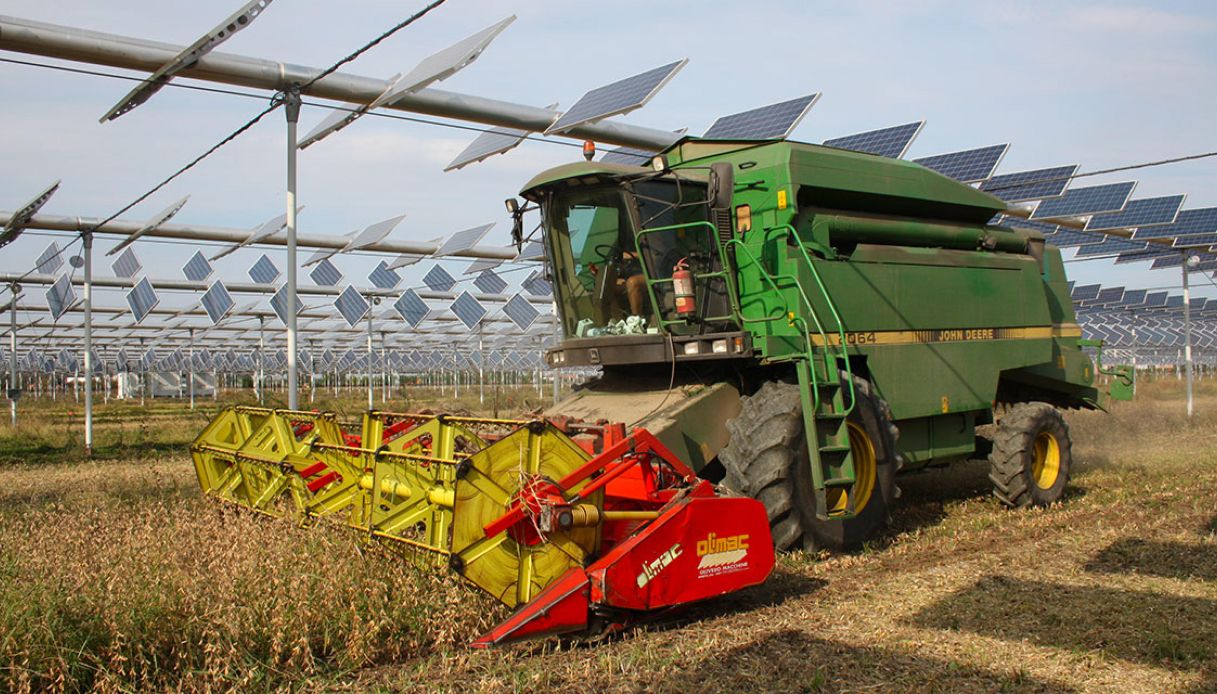
I pannelli fotovoltaici possono aiutare gli agricoltori. L’agrivoltaico infatti potrebbe contribuire a prevenire l’abbandono dei terreni agricoli, diventando una fonte di energia e allo stesso tempo una barriera protettiva per i raccolti. L’agrivoltaico permette di integrare la produzione alimentare con la produzione di energia rinnovabile e nella pratica consiste nell’installazione di pannelli fotovoltaici sopra o tra le coltivazioni agricole.

Secondo uno studio del 2023, l’Europa ha il potenziale per generare una quantità di energia elettrica pari a 25 volte il suo attuale fabbisogno tramite l’agrivoltaico o fotovoltaico agricolo. L’agrivoltaico ha un grande potenziale sia in termini di benefici economici sia ambientali, perché permette di ridurre la superficie necessaria per generare energia dal solare. Non tutti però sono d’accordo, perché questo sistema potrebbe “ignorare i reali problemi”.

Trasformare l’Europa in una potenza solare

L’Europa può diventare una potenza solare e a dircelo è stato persino Elon Musk, quando lo scorso gennaio ha affermato come le zone scarsamente popolate di Sicilia e Spagna potrebbero teoricamente generare l’energia solare sufficiente per tutto il continente.

Uno scenario non lontano dalla realtà che aziende come Amazon e Apple stanno cercando di realizzare. Infatti queste multinazionali hanno firmato contratti per l’acquisto di energia da grandi progetti agrivoltaici con capacità di oltre 150 MW, capaci di soddisfare il fabbisogno di circa 100.000 famiglie italiane.

Euronews ricorda anche come l’Europa stia già finanziando il progetto AgriSol, un investimento di 1,9 milioni di euro per progetti agrivoltaici in Spagna e in Italia. La sola Italia ha ottenuto 1,7 miliardi di euro di aiuti proprio per l’iniziativa.

L’impatto sull’agricoltura

Da una parte ci sono le promesse di un continente capace di sostentarsi solo con l’energia rinnovabile, dall’altra c’è il reale impatto di questa corsa. Le normative europee infatti limitano l’utilizzo di grandi campi per gli impianti fotovoltaici, lasciandoli all’agricoltura.

Anche i progetti agrivoltaici hanno dei limiti. In Francia, per esempio, i progetti devono mantenere almeno il 90% della produzione agricola rispetto ai rendimenti di riferimento stabiliti a livello locale, mentre in Italia la percentuale è del 70%.

La chiave, come spiega Pilar Flores, coordinatrice del progetto agrivoltaico finanziato dall’Unione Europea presso l’Istituto Murciano per la Ricerca e lo Sviluppo Agricolo e Ambientale, è garantire una perdita minima di terreno coltivabile.

Quali sono i vantaggi per gli agricoltori?

L’agrivoltaico può essere una scelta vantaggiosa per diversi agricoltori. A seconda dei casi, infatti, l’agrivoltaico può migliorare l’efficienza dell’uso dell’acqua, proteggere i raccolti dalle condizioni meteorologiche e aumentare la produttività dei terreni. Se si inizia a pensare agli impianti fotovoltaici sui terreni agricoli come a un sistema per proteggere questi ultimi dai cambiamenti climatici, allora l’agrivoltaico può diventare un vantaggio reale per gli agricoltori, pur riducendo leggermente la percentuale di terreno dedicata alla sola coltivazione.

L’agrivoltaico infatti rappresenta uno strumento fisico per evitare l’abbandono dei terreni, ridurre i cali di profitto per gli agricoltori e proteggere i campi da caldo e piogge eccessive. I pannelli banalmente proiettano ombra, riducendo l’evaporazione e quindi aiutando il terreno a trattenere l’umidità.

Quali sono gli svantaggi?

La verità è che i benefici descritti non sono garantiti. “Tutte queste opportunità vengono talvolta presentate come se fossero scontate, ma dipendono dal sistema agrivoltaico utilizzato e dalle caratteristiche del territorio”, spiega Flores.

In alcuni casi i territori vengono sottoposti a uno stress aggiuntivo in presenza di pannelli fotovoltaici e quindi bisogna analizzare caso per caso per capire se ci siano vantaggi o meno. È della stessa opinione il presidente dell’Associazione Rurale Italiana, Fabrizio Garbarino:

L’agrivoltaico sta approfittando della crisi del settore agricolo in Italia, mentre dovremmo concentrarci su soluzioni concrete per prevenire l’abbandono dei terreni agricoli.

Le grandi aziende tecnologiche promettono risultati anche per gli agricoltori, ma come abbiamo visto non sono scontati. In uno studio del 2025 si è scoperto che l’agrivoltaico favorisce i grandi agricoltori, i proprietari terrieri e gli investitori, a scapito dei piccoli agricoltori e delle comunità locali.

I motivi sono gli elevati costi iniziali e le lunghe attese per l’allacciamento alla rete elettrica. In Italia circa 775 milioni di euro di fondi pubblici destinati ai progetti agrivoltaici sono stati impiegati su larga scala, su proprietà di multinazionali straniere e non dei piccoli agricoltori. I grandi investitori così si insediano in luoghi che spesso non conoscono e ottengono solo i benefici economici della produzione energetica, non garantendo lo stesso risultato agli agricoltori che quel terreno lo hanno ceduto.

L’agrivoltaico ha il potenziale per essere un beneficio per entrambe le parti, per chi investe nell’energia e per chi coltiva la terra, ma deve partire da una coordinazione comune, senza mai smettere di pensare al terreno e alla comunità locale.

  •  

Appalti pubblici più green, ma senza escludere le Pmi

La Commissione europea propone una riforma degli appalti pubblici. Tra i criteri di aggiudicazione dà più peso a economia circolare e innovazione sostenibile. Il rischio è che procedure più complesse penalizzino le microimprese. Ecco come salvaguardarle.

L'articolo Appalti pubblici più green, ma senza escludere le Pmi proviene da Lavoce.info.

  •  
❌