❌

Reading view

Ligue 1: por que Lyon x Angers foi adiado na França

Lyon e Angers se enfrentariam neste sábado (30), porém, a partida foi remarcada para domingo. A bola rola às 13h15, no Estádio Groupama, em Lyon, pela nona rodada do Campeonato Francês.

A CNN Brasil, em parceria com a Itatiaia, transmite o duelo no canal do CNN Esportes no YouTube, a partir das 15h30 (de Brasília).

Mas, afinal, por que o jogo entre Lyon e Angers foi adiado? A reportagem explica um pouco do momento vivido pelas equipes, que acabaram tendo que mudar a logística por conta de fatores externos.

Onda de protestos na França

A Prefeitura de Ródano, que é onde fica Lyon, pediu a alteração da data da partida. Isso porque, no sábado, está marcada uma onda de protestos para as ruas da cidade, como já vem acontecendo ao longo das últimas semanas.

O povo francês entrou em rota de colisão com o governo por conta do aumento no custo de vida e das condições das instituições de ensino no país. Dessa forma, o contingente da polícia local estará deslocado para conter os manifestantes.

Outras partidas da nona rodada da Ligue 1 também foram adiadas, como Nice x Rennes e Lorient x Brest. Não há previsão para o fim dos protestos.

O Lyon é o quinto colocado do Campeonato Francês, com 14 pontos, três a menos que o líder PSG. O Angers, por sua vez, ocupa a 14ª posição com apenas oito, já na luta contra o rebaixamento.

Quem é Baianinho de Mauá, jogador de sinuca preso após acidente em SP

  •  

CNN Brasil e Itatiaia transmitem Lyon x Angers pela Ligue 1; saiba mais

Lyon e Angers se enfrentam neste domingo (1), no Estádio Groupama, na cidade de Lyon, às 13h15 (de Brasília) em confronto válido pela 9ª rodada da Ligue 1.

A CNN Brasil, em parceria com a Itatiaia, transmite o duelo no canal do CNN Esportes no YouTube, a partir das 15h30 (de Brasília).

O Lyon e o Angers vivem realidades distintas no Campeonato Francês, tanto pelo peso histórico quanto pelas ambições esportivas. O Lyon briga por vagas nas competições europeias e busca recuperar o protagonismo, enquanto o Angers tem como principal objetivo consolidar sua permanência na elite e manter uma campanha competitiva.

Na temporada 2026/27, o Lyon apresenta um início consistente: soma quatro vitórias, dois empates e duas derrotas nas oito primeiras rodadas, com 14 pontos. As vitórias sobre Rennes, por 4 a 0, e Nice, por 2 a 1, destacam seu potencial ofensivo. Apesar disso, as derrotas para Lens e Paris Saint-Germain mostram que a equipe ainda precisa manter regularidade diante de adversários fortes.

O Angers, por sua vez, ocupa uma posição mais modesta, com oito pontos em oito partidas: duas vitórias, dois empates e quatro derrotas. A equipe venceu Auxerre e Troyes, mas sofreu reveses expressivos contra Brest e Olympique de Marseille, evidenciando dificuldades defensivas. O empate sem gols com o Lorient, na rodada mais recente, reforça a necessidade de melhorar o aproveitamento ofensivo para se afastar da parte inferior da tabela.

Prováveis escalações

Lyon: Dominik Greif, Zachary Athekame, Felix Bacher, Moussa Niakhaté, Abner Vinícius, Tanner Tessmann, Corentin Tolisso, Tyler Morton, Ernest Nuamah, Keito Nakamura, Julien Duranville;
Técnico: Paulo Fonseca.

Angers: Anthony Lopes, Carlens Arcus, Ousmane Camara, Jordan Lefort, Joseph Kalulu, Branco van den Boomen, Haris Belkebla, Lillian Rao-Lisoa, Yassin Belkhdim, Amine Sbai, Prosper Peter;
Técnico: Stéphane Gilli.

Ficha técnica de Lyon x Angers

  • Competição: Campeonato Francês (Ligue 1) — Temporada 2026/27

  • Rodada: 9ª rodada

  • Data: 1º de novembro de 2026 (domingo)

  • Horário: 13h15 (horário de Brasília)

  • Local: OL Stadium, em Lyon

Quem é Baianinho de Mauá, jogador de sinuca preso após acidente em SP

  •  

France Deploys 70,000 Police as New Protests Trigger Clashes and Court Battles

French authorities have imposed extensive restrictions on demonstrations following last weekend’s violence. Courts have overturned some bans, while unions have accepted a last-minute change to the Paris protest route.

French police used tear gas to disperse demonstrators in Lyon on Saturday morning, 24 October, as 70,000 police officers and gendarmes were deployed nationwide to prevent a repetition of the violence and looting that accompanied last weekend’s mass protests.

In Paris, trade unions agreed to a revised demonstration route after the administrative court rejected their challenge to a last-minute police order. The march will proceed from Porte d’Italie to Porte de Vincennes, rather than between Bastille and Nation as originally agreed, with the procession scheduled to begin at 2pm.

Elsewhere, emergency judicial decisions have complicated the government’s security arrangements. Courts have suspended restrictions in Limoges and several municipalities around Marseille, while other cities remain subject to extensive bans on public gatherings.

The developments follow last weekend’s nationwide unrest, when approximately 550,000 people demonstrated against rising living costs, deteriorating public services and conditions in French schools. Violence erupted in several cities, leaving businesses looted, public buildings damaged and police officers injured.

Security operation on an unprecedented scale

Interior Minister Laurent Nuñez has ordered the deployment of 10,000 additional officers compared with 17 October. The operation includes specialist police units, armoured vehicles, helicopters and water cannon.

According to the government’s official security instructions, prefects must examine proposed demonstration routes, assess the reliability of organisers and take preventive measures where there is evidence of a risk to public order.

The authorities are particularly concerned about organised groups exploiting otherwise peaceful demonstrations to attack commercial premises and government buildings.

Security services expect between 400,000 and 500,000 people to participate in Saturday’s mobilisation. The government has warned that calls for renewed violence and looting have circulated online.

The previous weekend’s disturbances resulted in thousands of arrests. Justice Minister Gérald Darmanin said 217 people had already received prison sentences, with approximately half described as first-time offenders.

Courts challenge sweeping restrictions

The government’s measures have prompted an increasingly contentious legal dispute over the constitutional protection of public demonstrations.

The French Human Rights League has challenged restrictions in several cities, including Brest, Quimper, Caen, Marseille, Lille and Montpellier. It argues that extensive prohibitions interfere with freedom of assembly, expression and movement.

In Marseille, negotiations between local authorities and trade unions resulted in permission for a demonstration along an agreed route through the city. A separate administrative court decision subsequently suspended parts of the wider departmental ban, allowing gatherings in Gardanne, Istres, Martigues, Miramas and Tarascon.

The administrative court in Limoges also suspended restrictions on gatherings of more than ten people in the city centre and overturned an associated curfew.

In Lyon, however, restrictions remained in force across a large central area. Police dispersed approximately 150 demonstrators near Lyon III University shortly before 11am after participants blocked traffic close to the prohibited perimeter.

Macron faces a constitutional and political challenge

President Emmanuel Macron has argued that protecting public order must take priority following the destruction witnessed on 17 October.

His suggestion on Thursday that demonstrations not organised by recognised trade unions should generally be prohibited prompted legal challenges from opposition parties and civil liberties organisations.

In a ruling delivered on 23 October, the Conseil d’État rejected challenges to Macron’s remarks, finding that they did not themselves constitute a binding nationwide prohibition. The court nevertheless reaffirmed that prefects must assess individual demonstrations according to the circumstances and risks involved.

The ruling leaves local restrictions subject to judicial scrutiny rather than providing the government with unrestricted authority to prohibit protests.

Meanwhile, the movement’s original demands remain unresolved. What began with secondary-school students protesting against staff shortages, overcrowding and educational conditions has expanded into a broader mobilisation involving trade unions, university students and Yellow Vest campaigners.

Macron met representatives of secondary-school students on Friday, but participants subsequently called for demonstrations to continue until concrete proposals were presented.

Growing pressure ahead of the presidential election

The renewed mobilisation comes six months before France’s presidential election, in which Macron cannot seek a third consecutive term.

Political tensions are also evident in Orléans, where thousands of demonstrators gathered on Saturday to oppose the National Rally’s weekend party congress. Authorities deployed additional security personnel and restricted the location of the protest.

For the government, the immediate objective is to prevent another outbreak of large-scale violence. For unions and civil liberties organisations, the dispute increasingly concerns the conditions under which public protest may legitimately be restricted.

As EU Today reported ahead of Saturday’s demonstrations, the central legal question is whether prohibitions are proportionate to identifiable security risks.

The courts have now begun answering that question differently across France, leaving the authorities to enforce a patchwork of restrictions as the country’s social and political confrontation continues.

  •  

First known human case of Shamonda: What do we know about an emerging virus that has surprised experts?

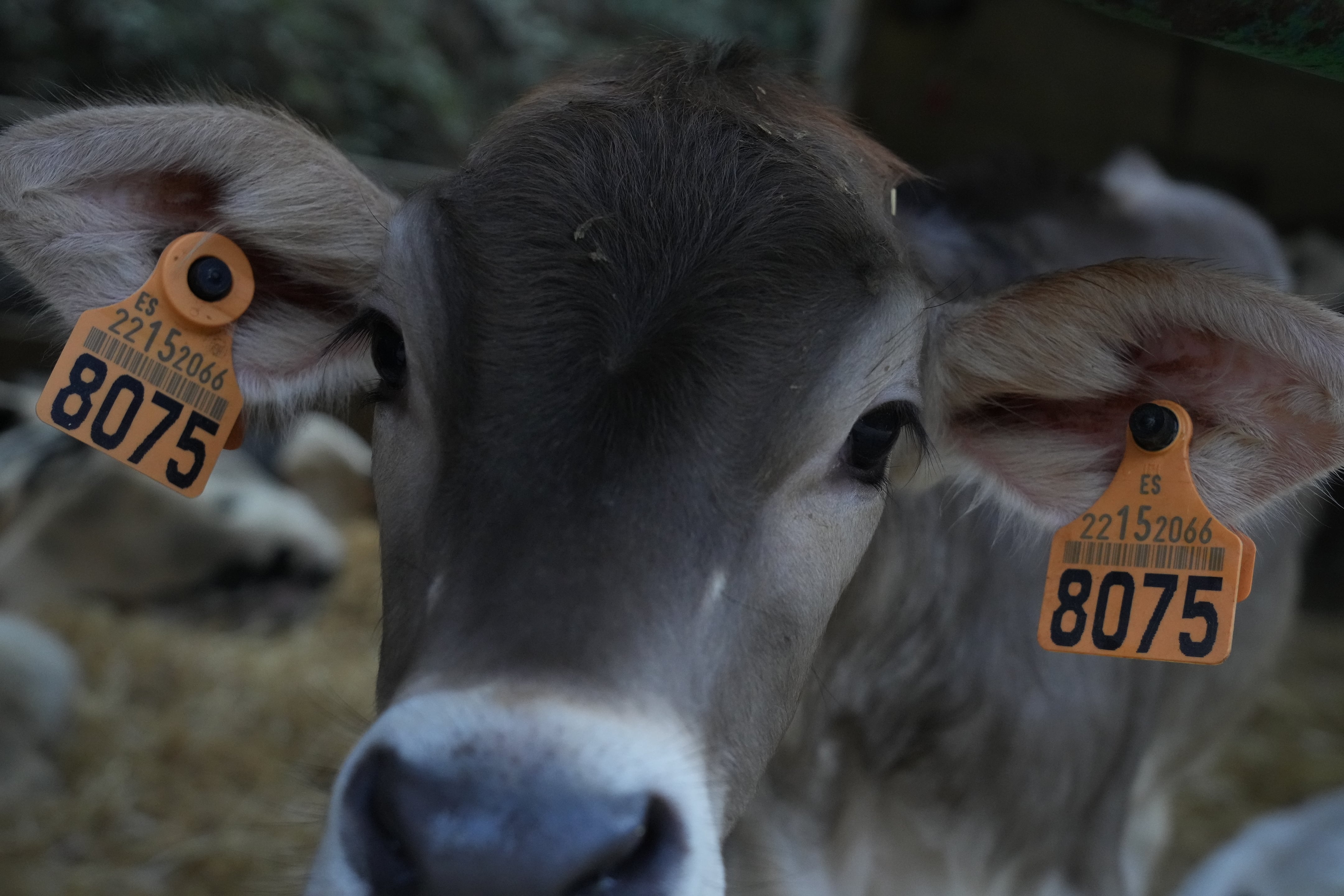
The death of a person in France infected with the Shamonda virus (SHAV) has put European public health authorities on alert. “The European Centre for Disease Prevention and Control (ECDC) is carefully monitoring the situation after the French authorities announced the first ever reported human infection with Shamonda virus (SHAV), a disease that has until now only affected animals,” the agency said in a statement.

Seguir leyendo

© H.Bilbao (Europa Press/Getty Images)

Cattle are mainly affected by the Shamonda virus, although it has also been detected in sheep and goats.
  •  

L'URSSAF réclamait 310 000 € à une entreprise: elle n'a jamais produit le procès-verbal

Près de dix ans de procédure, une réclamation initiale de 1,86 million d’euros, puis 310 511 € exigés au titre du travail dissimulé d’un sous-traitant : l’affaire illustre le poids financier d’un redressement contesté. Le 7 septembre 2026, le tribunal judiciaire de Lyon a annulé la totalité de la somme réclamée par l’URSSAF, faute pour celle-ci d’avoir produit les procès-verbaux permettant de vérifier le bien-fondé de la dette.

L'URSSAF réclamait 310 000 € à une entreprise: elle n'a jamais produit le procès-verbal
LE COURRIER
DES STRATÈGES
Restez libre !
L'URSSAF réclamait 310 000 € à une entreprise: elle n'a jamais produit le procès-verbal

LA NEWSLETTER · GRATUITE

Le Courrier,
chaque matin.

L'essentiel de l'actualité, passé au crible par les cinq plumes du Courrier. Dans votre boîte, chaque jour ouvré.

Gratuit. Vous restez libre de partir quand vous voulez.

JE M'INSCRIS lecourrierdesstrateges.fr
lecourrierdesstrateges.fr
Restez libre !

Le 7 septembre 2026, le pôle social du tribunal judiciaire de Lyon (RG n° 20/00821) a rendu une décision qui devrait faire réfléchir l’administration. Une URSSAF demandait des comptes à une entreprise pour les fautes présumées d’un autre. Elle n’a pas été capable de prouver ce qu’elle avançait.

L'URSSAF réclamait 310 000 € à une entreprise: elle n'a jamais produit le procès-verbal
LE COURRIER
DES STRATÈGES
Restez libre !

ABONNEMENT

Allez au fond
des choses.

Deux grands formats par jour. Les cinq plumes du Courrier. La série Sécession, le dimanche.

Le monde commente. Vous, vous comprenez.

S'ABONNER lecourrierdesstrateges.fr
lecourrierdesstrateges.fr
Restez libre !

Une créance née en 2016, annulée en 2026

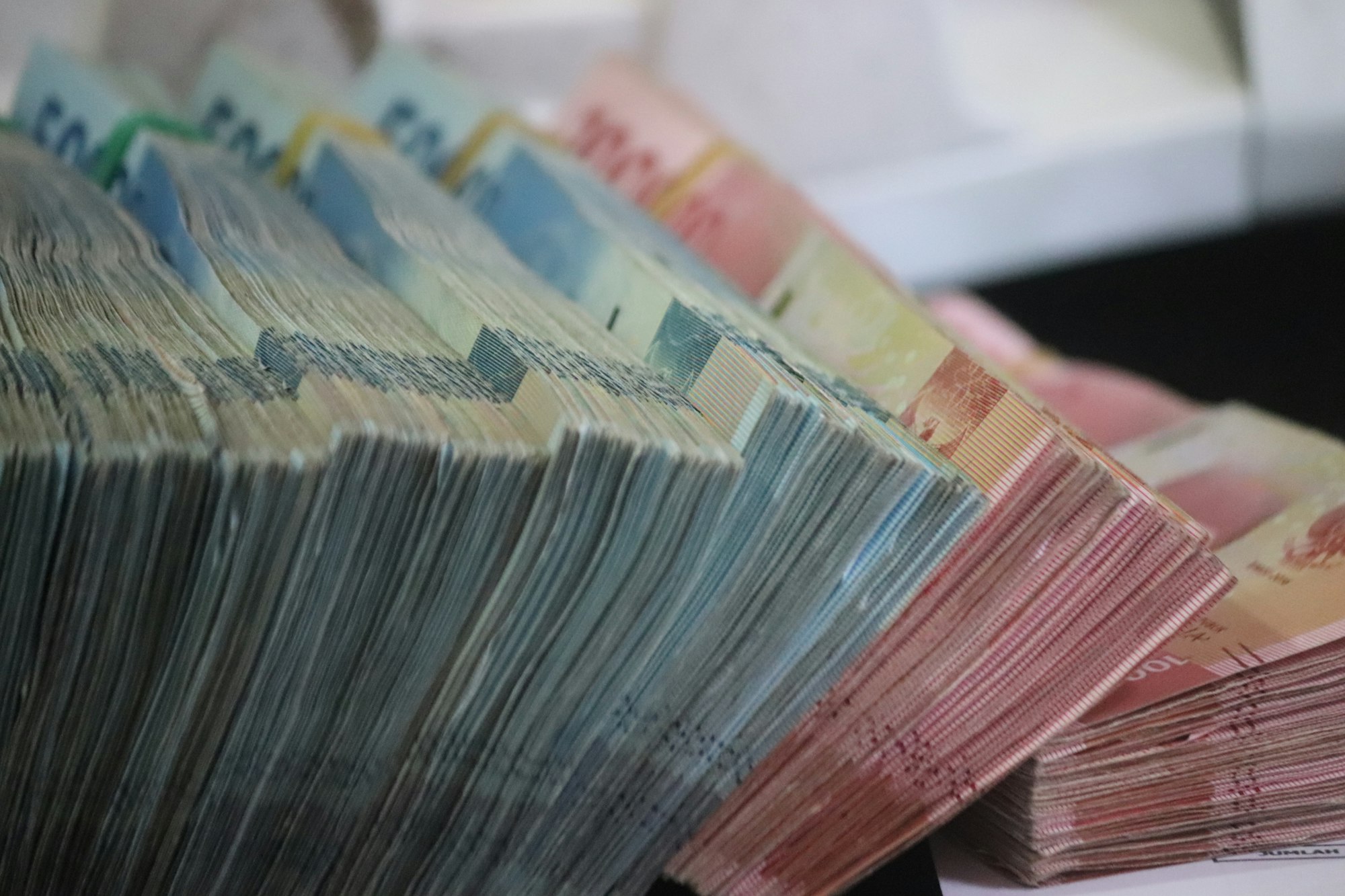
Tout commence en septembre 2016, l’URSSAF notifie à une entreprise donneuse d’ordre une lettre d’observations évaluant le redressement à 1 860 411 euros. Après les observations de l’entreprise, le montant est ramené à 272 310 euros. En mars 2019, une mise en demeure réclame finalement 310 511 euros.

Cette somme comprend 217 797 euros de cotisations, 54 450 euros de majorations de redressement et 38 264 euros de majorations de retard. Le fondement juridique est la solidarité financière prévue par l’article L. 8222-2 du code du travail : un donneur d’ordre peut être tenu de répondre des sommes dues au titre du travail dissimulé commis par son sous-traitant.

Les faits reprochés à ce dernier couvrent la période de janvier 2013 à mars 2015. L’entreprise contestait toutefois la précision des procès-verbaux constatant le travail dissimulé, indispensables pour vérifier le périmètre des sommes mises à sa charge.

Ne manquez pas nos vidéos exclusives gratuites

Si vous voulez voir les vidéos exclusives de décryptage, rejoignez notre chaîne Telegram gratuite en cliquant sur ce lien :

J'ai Télégram et je rejoins gratuitement la chaîne

Sans les procès-verbaux, le redressement s’effondre

Dans son jugement du 7 septembre 2026 (RG n° 20/00821), le pôle social du tribunal judiciaire de Lyon relève que l’URSSAF n’a pas produit ces procès-verbaux aux débats. L’entreprise ne pouvait donc pas vérifier si les cotisations réclamées correspondaient effectivement à des travaux réalisés pour son compte.

Le tribunal annule le redressement dans son intégralité et assortit sa décision de l’exécution provisoire. Il s’agit néanmoins d’un jugement de première instance, susceptible d’appel : l’affaire n’est donc pas nécessairement close.

Au-delà des 310 511 euros abandonnés à ce stade, le dossier soulève une question de rapport de force. Entre la notification initiale de 2016 et le jugement de 2026, le temps a passé, tandis que l’entreprise devait défendre sa position face à une créance considérable. Les frais d’avocat, l’incertitude financière et la mobilisation des dirigeants constituent un coût potentiel que l’annulation ne fait pas automatiquement disparaître.

L'URSSAF réclamait 310 000 € à une entreprise: elle n'a jamais produit le procès-verbal
LE COURRIER
DES STRATÈGES
Restez libre !

TIPS · SANS ABONNEMENT

Offrez-nous
un café.

Un média libre vit de ses lecteurs. Un pourboire ponctuel, sans compte ni engagement, quand le cœur vous en dit.

Vous donnez ce que vous voulez. Vous restez libre.

LAISSER UN POURBOIRE merci !
lecourrierdesstrateges.fr
Restez libre !
  •  
❌