❌

Reading view

Il re del poker live nei guai col Fisco, l’indagine su Enrico Camosci: milioni di vincite non tassate e la residenza a Malta

L’accertamento della Guardia di Finanza ha permesso di ricondurre al Fisco vincite per oltre 1,3 milioni di euro. Ma non solo. Nuovi guai per Enrico Camosci, uno dei migliori e più vincenti giocatori al mondo di poker live. Da una parte c’è il risultato di una precedente ispezione: le Fiamme Gialle contestavano a Camosci di non aver dichiarato le proprie vincite al Fisco italiano. Dall’altra parte c’è l’esito di un nuovo accertamento: a partire dal 2023 ha trasferito la propria residenza a Malta iscrivendosi all’Anagrafe degli italiani residenti all’estero (Aire), ma le indagini hanno consentito di accertare come il trasferimento fosse fittizio e finalizzato a sottrarre a tassazione in Italia i proventi dell’attività sportiva, svolta in forma abituale e professionale.

Partiamo dal secondo fronte: secondo la Guardia di Finanza, Camosci disponeva stabilmente di un’abitazione nell’hinterland bolognese, manteneva in Italia i propri legami familiari, operava su rapporti bancari nazionali alimentati da sistematici flussi di denaro provenienti dall’estero, lasciando di fatto, come anche evidenziato dai tabulati telefonici acquisiti nell’ambito delle indagni, il proprio domicilio fiscale nel territorio dello Stato per la maggior parte del periodo d’imposta, superando la soglia dei 183 giorni prevista dalla legge. Per questo motivo, il giocatore di poker è stato denunciato alla Procura di Bologna per il reato di omessa dichiarazione dei redditi.

Al termine dell’indagine delle Fiamme Gialle, Camosci è stato quindi considerato fiscalmente residente in Italia e, pertanto, tenuto a dichiarare i redditi nel nostro Paese. La ricostruzione ha consentito appunto anche di recuperare a tassazione oltre 1,3 milioni di euro di vincite conseguite in case da gioco al di fuori dell’Unione Europea. Se i premi corrisposti da case da gioco autorizzate all’interno dell’Ue non vanno dichiarati, in quanto soggetti a ritenuta alla fonte, quelli conseguiti al di fuori del territorio comunitario costituiscono reddito per l’intero ammontare percepito. Tuttavia, nel caso del giocatore bolognese, pare che questi non sono mai stati dichiarati.

L'articolo Il re del poker live nei guai col Fisco, l’indagine su Enrico Camosci: milioni di vincite non tassate e la residenza a Malta proviene da Il Fatto Quotidiano.

  •  

Cyprus has second smallest video game market in Europe

Cyprus has the second smallest video game market among 36 European countries, with only Malta spending less, according to a report published on Tuesday by the European audiovisual observatory.

Consumer spending on video games in Cyprus reached €12.51 million last year, ranking 35th of the 36 countries included in the analysis, ahead of only Malta which recorded €8.31 million.

With a population of about 1.26 million, spending per person in Cyprus came to €9.93; The European average was €47.29, almost five times higher.

Across the 36 countries examined, the video game market totalled €27.73 billion in 2025.

The report places Cyprus, Luxembourg and Malta in a category of small European markets where mobile gaming dominates, with about 98 per cent of consumer spending in Cyprus last year being linked to mobile platforms.

The report says these markets have high smartphone use and a limited presence of traditional consoles and PCs in the recorded data, with revenue mainly stemming from in-game purchases as well as digital currencies.

  •  

Almost a quarter of European airline pilots fly when too fatigued to work

Pilots report pressure to extend working hours and fears of penalties for declaring themselves unfit to fly

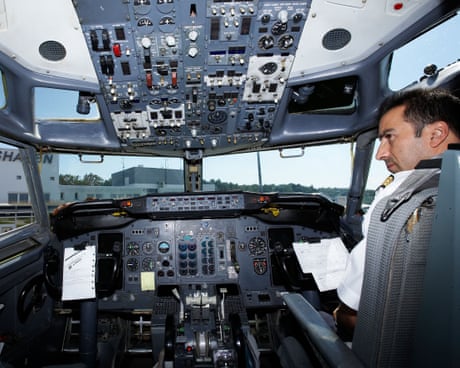
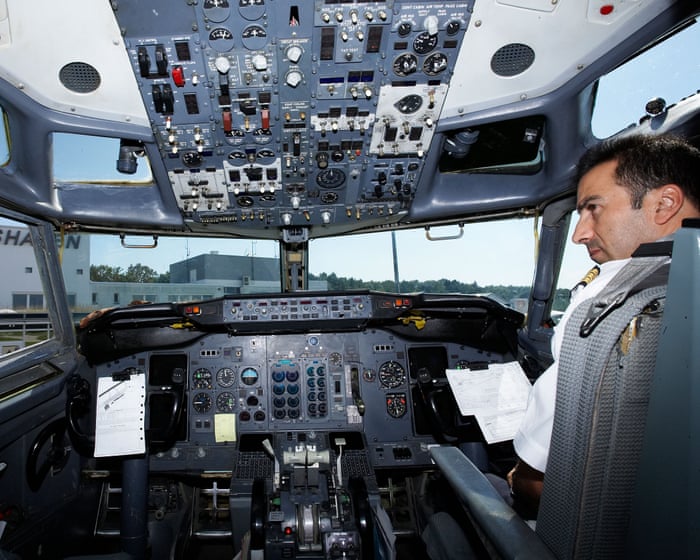
Three in four European airline pilots have taken microsleeps in the cockpit, while almost a quarter routinely fly despite being too fatigued to work, according to a report.

The findings, based on a survey of almost 7,200 captains and first officers by the European Cockpit Association (ECA), include pilots reporting insufficient rest, pressure to extend working hours and fears of being penalised for declaring themselves unfit to fly.

Continue reading...

© Photograph: Agencja Fotograficzna Caro/Alamy

© Photograph: Agencja Fotograficzna Caro/Alamy

© Photograph: Agencja Fotograficzna Caro/Alamy

  •  

Malta, un país tan maravilloso que solo podía ser pequeño

Malta es un país tan maravilloso que, quizá para compensar, solo podía ser pequeño. Desde el avión, sus tres grandes islas caben en una mirada: Malta, Gozo y el roquedo de Comino. Y ya en tierra, el paisaje es tan breve que, allá donde se mire, se termina. Las palabras “Malta” y “grande” solo aparecen juntas en algunas estadísticas: las que hablan de densidad de población, de turistas per capita o de atracción de millonarios en busca de ese delicioso eufemismo llamado optimización fiscal. Sí, Malta es pequeña, pero ya dijo la filósofa Simone Weil que una condición de la belleza es estar casi ausente. Como estas islas, que antes llamaban Calipseas y que siempre parecieron, sobre el azul de los mapas, unos granos de sal caídos en el mar que une —que separa— Libia y Sicilia.

Seguir leyendo

© Michael Brooks (Alamy / CORDON PRESS)

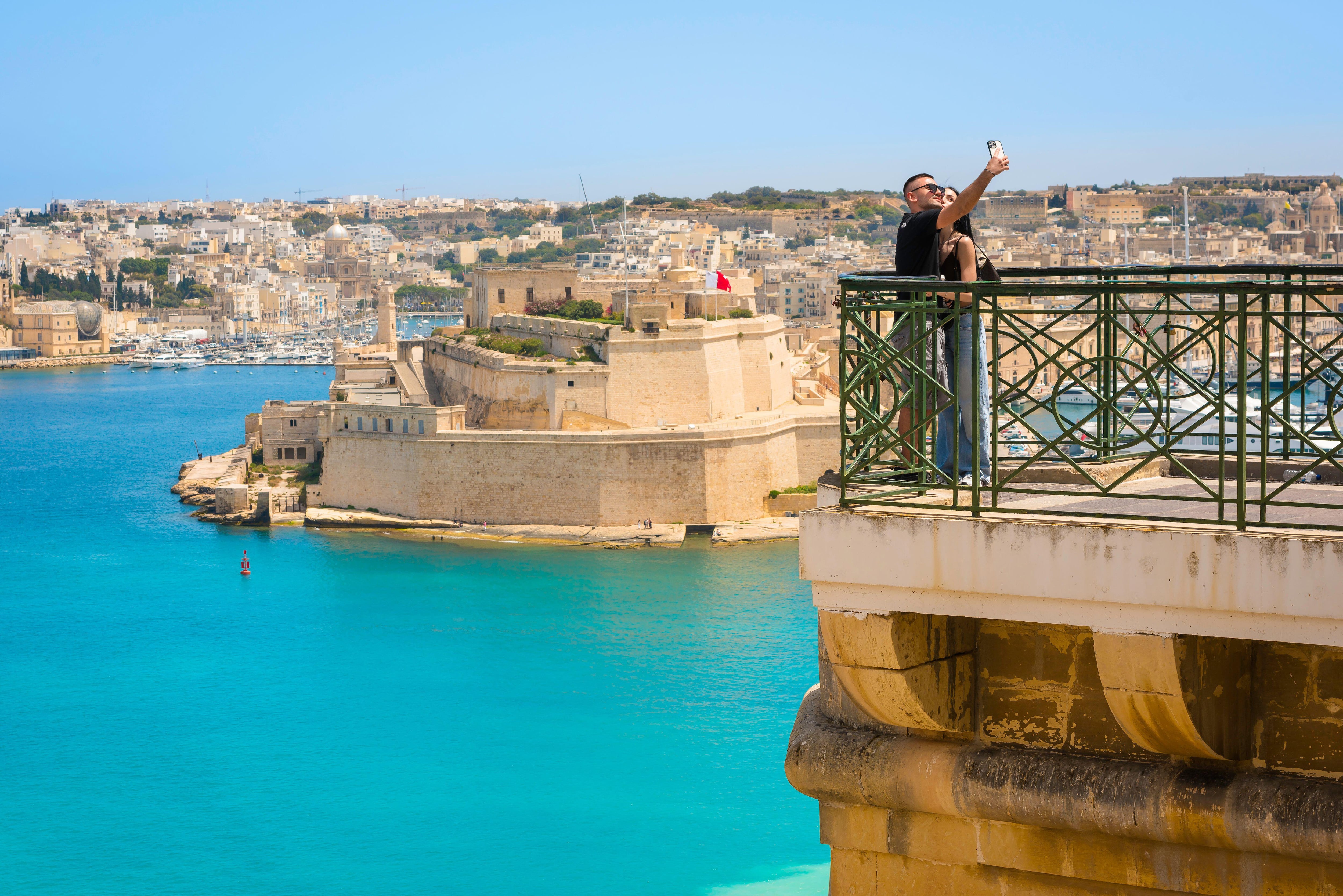
El mirador de Upper Barrakka, en La Valeta (Malta).
  •  

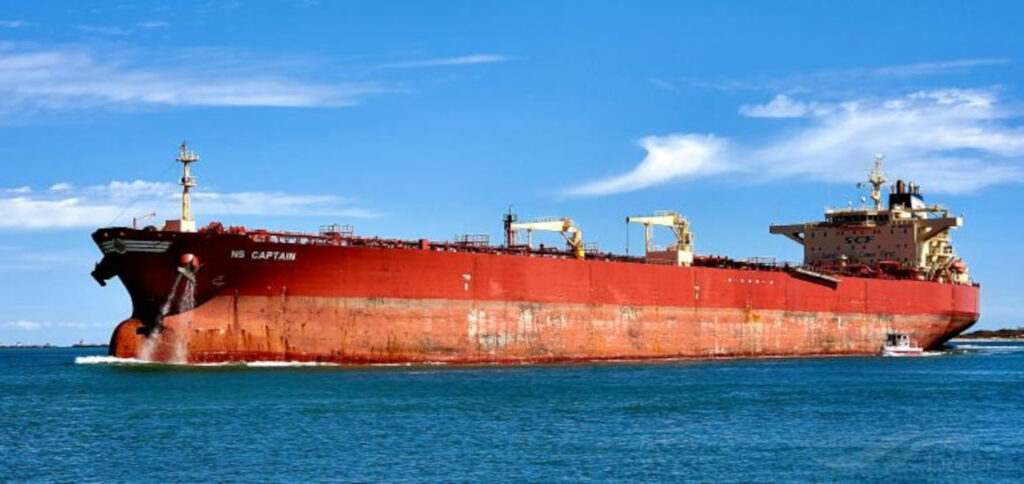
40,000 tons of Russian diesel are bound for New York—due four days after Americans vote

The DF Peak crude oil tanker, part of Russia's shadow fleet. Photo: VesselFinder

A Malta-flagged tanker carrying Russian diesel is heading for New York after the fuel deal between US President Donald Trump and Russian President Vladimir Putin, Reuters reported in an exclusive on 23 October, citing LSEG shipping data. Two weeks earlier, the US Treasury temporarily waived sanctions on Russian diesel.

The tanker is due in the US on 7 November, four days after Americans vote in the midterms. So the first US-bound cargo cannot reach American pumps before the election. Energy analysts also doubt the deal will lower diesel prices meaningfully. US fuel prices rose mainly because the war with Iran disrupted shipping through the Strait of Hormuz. Trump, however, has blamed Ukraine’s strikes on Russian refineries.

Loaded on the day Moscow promised

The medium-sized tanker Agioi Fanendes took on 40,000 metric tons of ultra-low sulfur diesel at the Baltic port of Primorsk on 22 October, shipping data showed. In March, Ukraine’s General Staff said its drones hit the Transneft oil terminal at that same port.

A day before the loading, Russian Deputy Prime Minister Alexander Novak announced that the first tanker would sail for the US on 22 October. He pledged more shipments and said Russia would meet US needs within its capabilities.

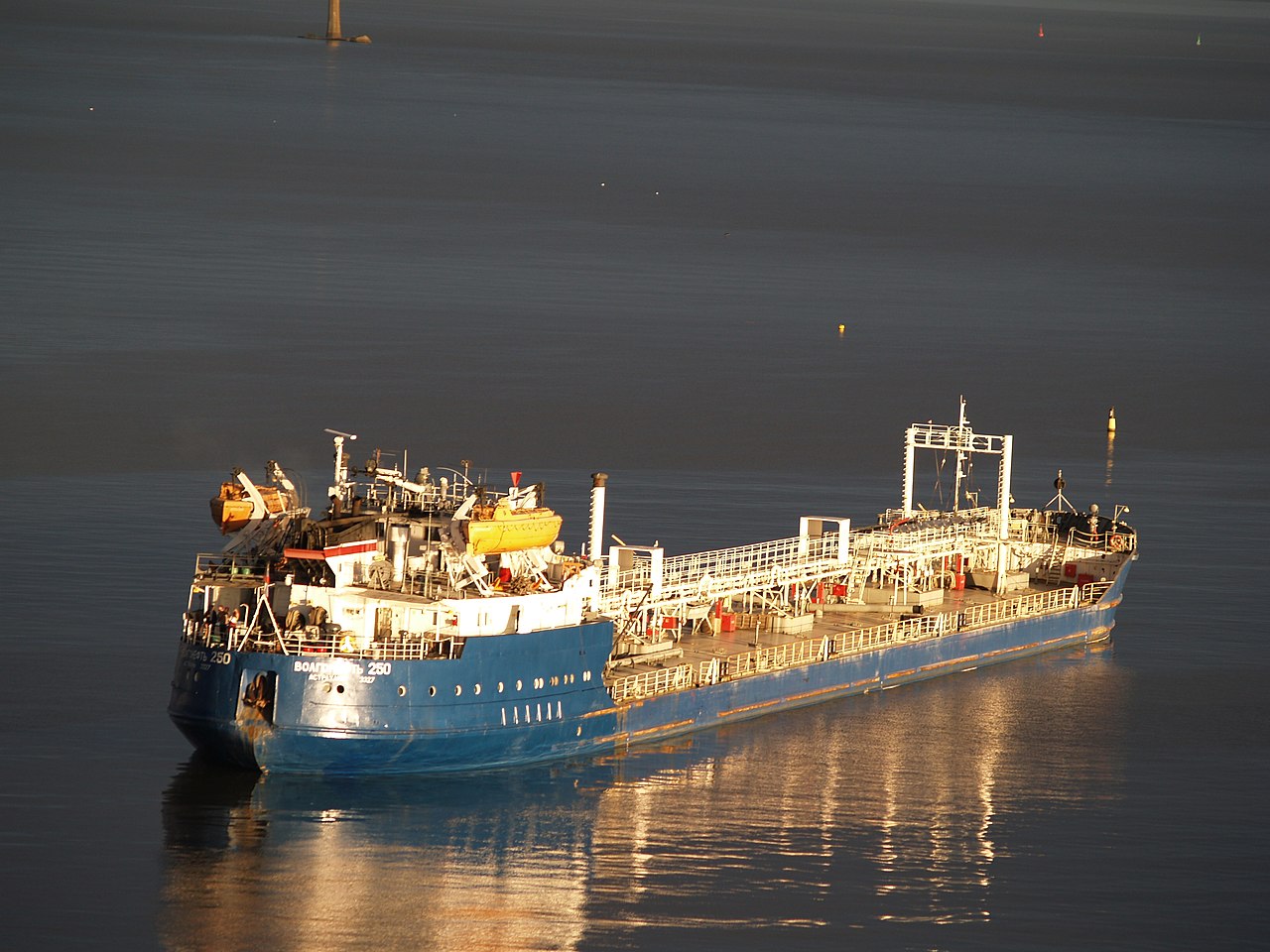
A Russian oil tanker, illustrative image. Photo via Wikimedia.
Explore further

Russia resumes diesel exports to Türkiye, Brazil, after Trump lifts sanctions on fuel supplies, boosting Moscow’s war revenue – Reuters

From a pledge to a partial lift

On 9 October, Trump wrote that Russia would immediately supply over 300,000 tons of diesel “to the American and Global Marketplace.” Another 500,000 tons would follow in November, then 1 million tons “immediately thereafter.”

Moscow had banned diesel exports on 8 July, after Ukrainian drone strikes shut down refineries and caused fuel shortages inside Russia. The Russian government stated on 10 October that it had partially lifted the ban, clearing 500,000 tons for the world market at this stage. Russian diesel shipments to Türkiye and Brazil have since resumed, boosting Moscow’s war revenue.

Trump has made other moves to cut diesel prices before the vote, Reuters reported. He waived parts of a new sanctions law against Russia. He also threatened Europe with a US diesel export ban unless countries released more fuel from their emergency reserves.

  •  

Malta Faces Renewed EU Scrutiny Nine Years After Daphne Caruana Galizia’s Murder

The European Commission has urged Malta to strengthen judicial independence, tackle corruption and improve protection for journalists, as a European Parliament debate exposes continuing disagreements over the country’s rule-of-law record.

The European Commission has called on Malta to accelerate judicial reforms and strengthen safeguards for journalists, nine years after the assassination of investigative reporter Daphne Caruana Galizia, as the European Parliament revisited concerns over corruption and institutional accountability on Wednesday, 21 October.

European Commissioner for Democracy, Justice, the Rule of Law and Consumer Protection Michael McGrath told MEPs in Strasbourg that Malta had made progress in certain areas but had yet to implement several outstanding recommendations concerning judicial independence, high-level corruption and media freedom.

The debate followed the controversial acquittal of businessman Yorgen Fenech, who had been accused of involvement in Caruana Galizia’s murder. Maltese prosecutors appealed the verdict in September, leaving the criminal proceedings subject to further judicial consideration.

Commission identifies continuing weaknesses

The European Commission’s 2026 Rule of Law Report, published in July, assessed Malta’s progress in reforming its justice system, anti-corruption institutions and protections for the media.

The report acknowledged certain improvements, including additional resources allocated to judicial and prosecutorial authorities.

However, it found that progress remained limited on several recommendations.

These include reducing delays in judicial proceedings, improving the investigation and prosecution of high-level corruption and ensuring greater judicial involvement in the appointment of the Chief Justice.

The Commission has also expressed concern about the effectiveness of existing anti-corruption arrangements.

Although investigations and prosecutions have increased in some areas, Brussels continues to seek a stronger record of final judgments in major corruption cases.

Court delays and pressure on judicial resources remain significant difficulties.

McGrath told Parliament that the Maltese authorities must continue implementing reforms to address these shortcomings.

Fenech acquittal intensifies accountability debate

Caruana Galizia was killed by a car bomb near her home in Bidnija on 16 October 2017.

The 53-year-old journalist had investigated corruption, money laundering and political connections involving prominent figures in Malta’s business and political establishment.

Her assassination prompted international condemnation, widespread demonstrations and investigations into the circumstances surrounding the killing.

Several men have subsequently been convicted for participating in the murder or supplying the explosives.

However, the criminal proceedings concerning the alleged commissioning of the assassination have remained contentious.

On 2 September 2026, a nine-member jury acquitted businessman Yorgen Fenech of complicity in the murder and criminal association. The verdict was reached by eight votes to one.

Fenech had denied ordering or financing the killing.

The acquittal prompted criticism from Caruana Galizia’s family and organisations campaigning for press freedom.

On 22 September, Malta’s Attorney General formally appealed the verdict, challenging legal decisions made during the trial.

The appeal does not overturn Fenech’s acquittal or establish criminal responsibility.

The Court of Criminal Appeal must determine whether the legal grounds presented justify further proceedings, potentially including a retrial.

The criminal case remains separate from the broader political debate over Malta’s institutional reforms.

Maltese MEPs clash in Strasbourg

Wednesday’s parliamentary debate exposed sharp disagreements between representatives of Malta’s opposition Nationalist Party and governing Labour Party.

Nationalist MEPs Peter Agius and David Casa criticised the authorities’ record on corruption and institutional accountability.

Agius argued that repeated European Commission assessments had failed to produce sufficient improvements and questioned whether Malta’s institutions were effectively addressing allegations of wrongdoing.

Casa referred to the findings of the independent public inquiry into Caruana Galizia’s assassination, which concluded in 2021 that the state had contributed to circumstances in which a climate of impunity enabled the killing.

He argued that significant recommendations arising from that inquiry remained outstanding.

Labour MEP Alex Agius Saliba rejected the criticism, maintaining that Malta had implemented reforms and that its judicial institutions should be allowed to perform their functions independently.

He pointed to the prosecution’s appeal against Fenech’s acquittal as evidence that the judicial process was continuing.

Labour MEP Thomas Bajada concentrated on the protection of journalists and the need to counter misinformation while preserving independent reporting.

The disagreements subsequently prompted a response from Maltese Prime Minister Robert Abela, who accused opposition MEPs of damaging Malta’s reputation through their interventions.

Protection of journalists remains unfinished

Media freedom featured prominently in the Commission’s concerns.

Malta has introduced legislation addressing certain abusive legal proceedings against journalists, including transposing EU protections against strategic lawsuits intended to discourage public participation.

However, the existing measures principally concern civil proceedings with cross-border implications.

The Commission has urged Malta to extend comparable protections to domestic cases.

Other concerns include journalists’ access to official information, protection from intimidation and the need for more comprehensive legislative safeguards.

McGrath indicated that the Maltese government intended to present additional media legislation in the coming weeks.

The Commission has called for consultations with journalists, media organisations and civil society before the measures are adopted.

European institutions are also examining Malta’s implementation of wider EU requirements under the European Media Freedom Act.

Further pressure for reform

The European Parliament’s proceedings form part of the continued scrutiny of Malta’s institutional record following Caruana Galizia’s assassination.

The Commission’s annual rule-of-law assessments provide a mechanism for identifying outstanding problems and monitoring governments’ responses.

However, the implementation of many recommendations remains the responsibility of national authorities.

For Malta, the immediate issues concern the government’s promised media legislation, outstanding judicial reforms and the progression of the appeal in the Fenech case.

The Commission has made clear that further improvements are required, while the Maltese government maintains that substantial institutional changes have already been introduced.

The next assessment will depend on legislative measures actually adopted, their implementation and progress through the relevant judicial proceedings.

  •  

European Parliament Approves €489 Million in Disaster Relief for Italy, Spain, Portugal and Malta

MEPs have approved emergency EU funding to help four southern European countries recover from destructive storms and flooding earlier this year, with Portugal receiving the largest allocation.

The European Parliament approved €489.15 million in financial assistance for Portugal, Spain, Italy and Malta on Wednesday, 21 October, following severe storms and flooding that damaged infrastructure and disrupted communities across southern Europe during the opening months of 2026.

The allocation from the European Union Solidarity Fund was approved by 651 votes to 17, with three abstentions. Portugal will receive the largest share, approximately €261.5 million, followed by Spain with €149.1 million, Italy with €74.9 million and Malta with €3.7 million.

The funding is intended to support recovery operations and help national authorities meet the costs of restoring essential public infrastructure and services damaged by the disasters.

Portugal receives largest allocation

Portugal’s €261.5 million allocation follows flooding and storms that affected the country during January and February.

The Portuguese authorities applied for assistance from the EU Solidarity Fund after assessing the extent of the damage and the associated costs of emergency operations and infrastructure recovery.

The funds will contribute to eligible public expenditure arising from the disasters, potentially including the restoration of transport links, damaged public facilities and other essential infrastructure.

Portugal has already received approximately €65.37 million in advance funding, according to the figures accompanying the parliamentary decision.

Spain will receive €149.1 million following destructive weather during the same period, including severe flooding in February.

The Spanish government had also requested European assistance to cover part of the expenditure associated with recovery operations.

Approximately €37.26 million of Spain’s allocation has already been paid in advance.

The two countries together account for the substantial majority of the assistance approved on Wednesday, reflecting the scale of their eligible recovery costs.

Storm Harry damages Italy and Malta

Italy and Malta will receive assistance following Storm Harry, which struck parts of the central Mediterranean in January 2026.

Italy’s allocation amounts to €74.9 million, while Malta will receive €3.7 million.

The storm caused significant disruption in affected Mediterranean areas, with heavy rainfall, strong winds and damaging sea conditions placing pressure on local infrastructure.

Italian authorities sought European support for recovery operations in the affected territories, while Malta submitted its own request following the damage sustained during the storm.

The Maltese allocation includes approximately €931,000 already made available through an advance payment.

The final assistance amounts were proposed by the European Commission after examining the applications submitted by the four governments.

The Commission’s September proposal to mobilise the EU Solidarity Fund set out the amount of assistance required for each country.

The total proposed mobilisation was €489,148,220.

How the EU Solidarity Fund works

The European Union established the Solidarity Fund in 2002 to assist member states and certain countries participating in the EU accession process following major natural disasters.

The mechanism provides financial support for public emergency and recovery expenditure rather than operating as a general insurance scheme for individuals or businesses.

Eligible expenditure can include emergency accommodation, restoring essential infrastructure, securing protective infrastructure, cleaning disaster-affected areas and protecting cultural heritage.

National authorities submit applications to the Commission, which evaluates them against the relevant eligibility requirements and financial thresholds.

Assistance depends on the assessed disaster damage and applicable regulatory criteria, rather than simply reimbursing every euro of economic loss.

The fund is financed through EU budgetary arrangements and is mobilised following the required institutional approvals.

Payments are made to the countries concerned, which remain responsible for ensuring that assistance is used in accordance with EU financial rules.

The Solidarity Fund can therefore help governments manage exceptional recovery costs, but it does not replace national budgets, private insurance or other financial arrangements.

Rising pressure on European disaster funding

The latest allocation comes against a background of increasingly frequent demands on European disaster-response mechanisms.

Southern European countries have experienced damaging floods, storms, heatwaves and wildfires in recent years, leading to repeated requests for assistance.

Recovery expenditure extends beyond immediate emergency operations. Damaged roads, bridges, coastal defences, water systems and public buildings can require prolonged reconstruction.

These costs can place considerable pressure on local authorities, particularly where a disaster affects tourism, transport or economic activity.

The EU faces the additional challenge of maintaining sufficient funds to respond to major disasters affecting several countries within a relatively short period.

Extreme weather events can also expose weaknesses in existing infrastructure, prompting governments to consider whether reconstruction should incorporate additional protection against future disasters.

However, such investments must be assessed against the eligible spending categories of the Solidarity Fund and the availability of other EU financing programmes.

Parliamentary approval and implementation

Wednesday’s vote represents parliamentary approval of the mobilisation proposed by the European Commission.

The decision concerns disasters that occurred earlier in 2026 and does not constitute a new emergency response operation.

The funds will support eligible recovery measures carried out by the national authorities in the four countries.

The payments already made to Portugal, Spain and Malta will be taken into account when the remaining assistance is disbursed.

EU authorities will retain responsibility for monitoring compliance with the relevant financial and reporting requirements.

The substantial parliamentary majority indicates broad support for assistance to the affected countries, although future disaster-funding arrangements will continue to depend on the resources available in the European budget.

For the four governments, the immediate task is to use the approved assistance to meet eligible recovery costs and restore damaged public infrastructure following the storms earlier this year.

  •  

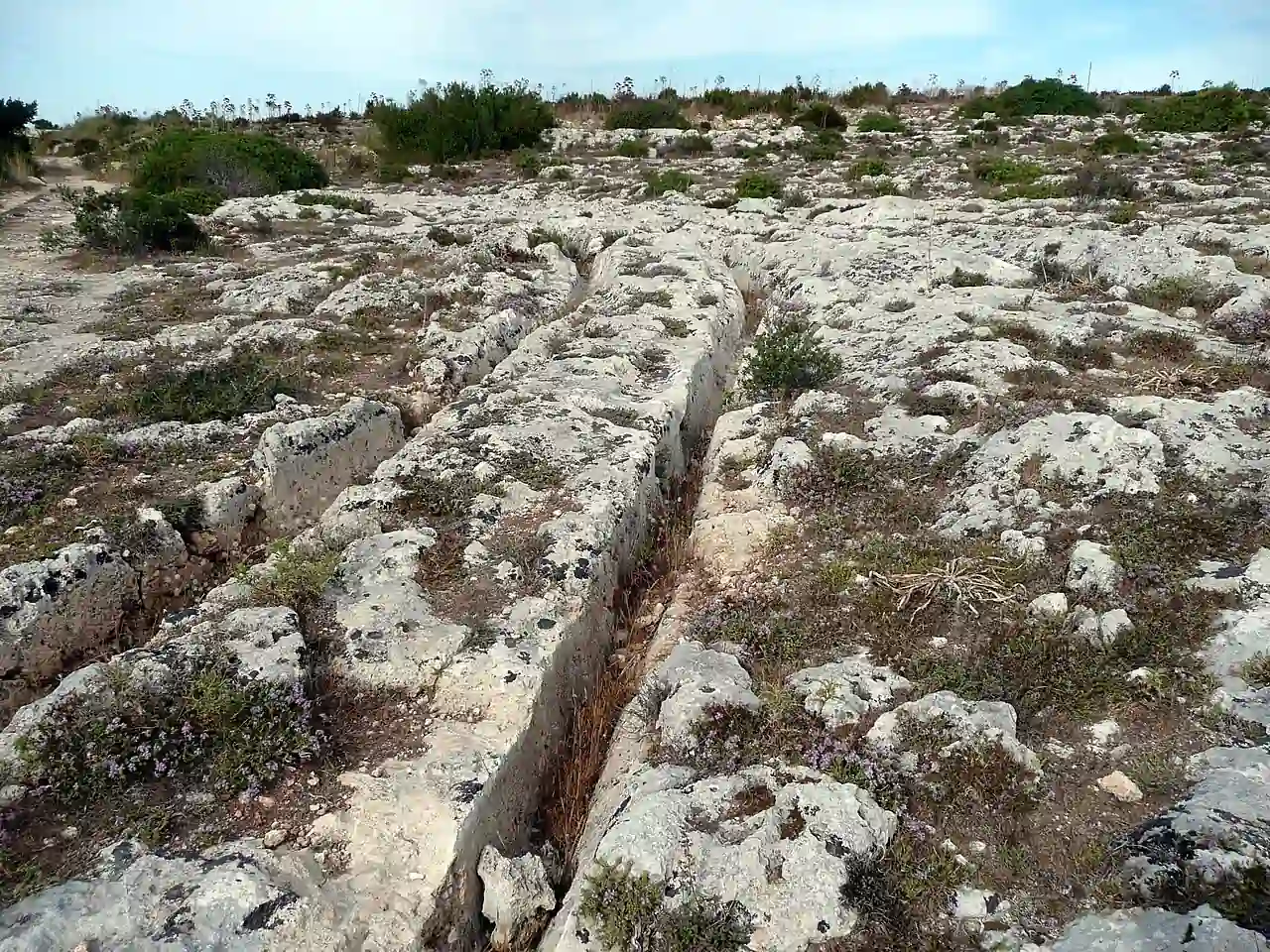
Malta’s Mysterious 31 Miles of “Railway Tracks” in Solid Rock May Be Roman, Not Prehistoric

On a patch of bare rock in western Malta, roughly 80 by 100 metres (260 by 330 feet), dozens of parallel grooves cross, overlap and merge into one another. The spot, Misraħ Għar il-Kbir, is popularly known as Clapham Junction, after the busy railway junction in London. It is far from the only place like […]

  •  

Los casi 50 kilómetros de misteriosos surcos en la roca de Malta podrían no ser prehistóricos: un estudio sugiere que fueron hechos por carros romanos

En la zona de Misraħ Għar il-Kbir, al oeste de Malta, hay un tramo de roca desnuda de solo 80 por 100 metros donde decenas de surcos paralelos se cruzan, se solapan y se funden unos con otros. El lugar es tan enrevesado que se le conoce popularmente como Clapham Junction, por la gigantesca estación […]

  •  
❌