Buenos Aires, 29 oct (Prensa Latina) Vietnam y Argentina afianzan y profundizan cada vez más los vínculos de amistad tradicional y la Asociación Integral, afirmó hoy aquí la embajada de ese país indochino, Ngo Minh Nguyet.
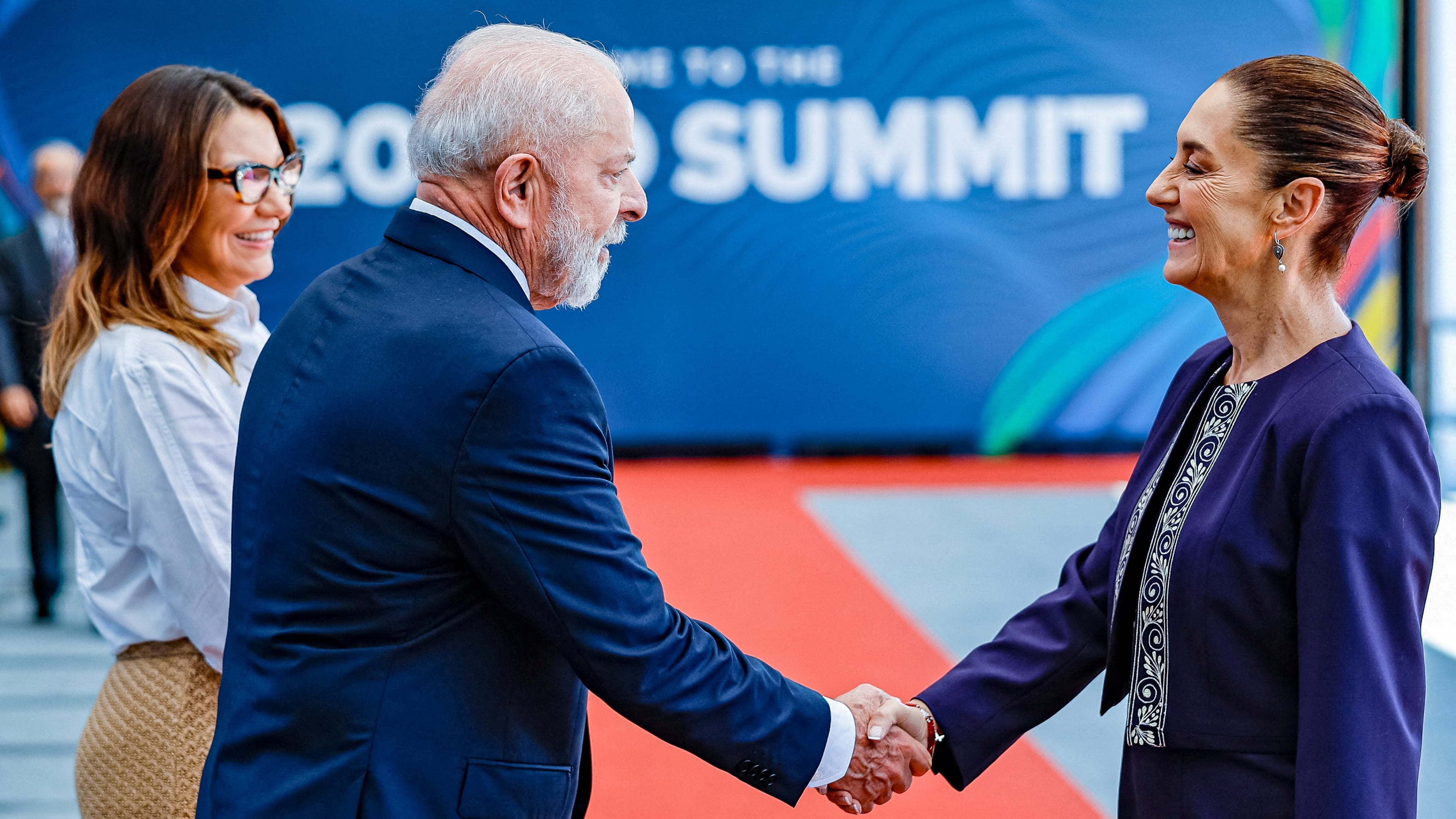
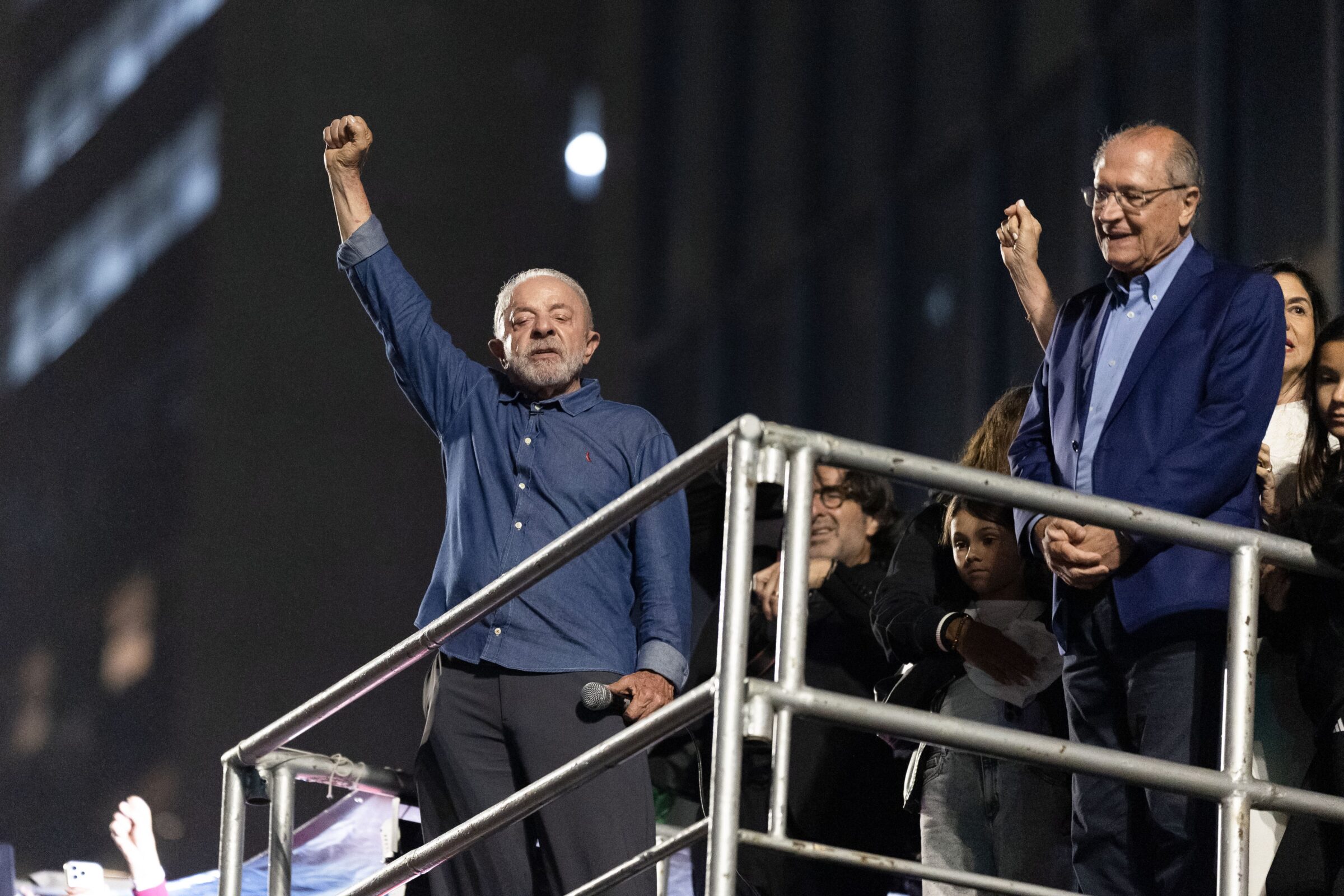
The weakened Latin American left is celebrating Luiz Inácio Lula da Silva’s epic comeback in grand style — the “Pelé of progressivism” who is preparing to become president of Brazil for a fourth time. From Mexico’s Claudia Sheinbaum to Colombia’s Gustavo Petro, and including Argentina’s Cristina Fernández de Kirchner and Chile’s Gabriel Boric, the bloc was quick to hail Lula’s victory as soon as it became irreversible, despite the defeated Flávio Bolsonaro’s promise to seek to annul the election. The right, split between acknowledging the result and remaining silent, has left Bolsonaro alone in his challenge.
In a historic turn of electoral tides, Brazil’s incumbent president Luiz Inácio Lula da Silva defeated far-right opponent Flávio Bolsonaro on Sunday (25 October,) alleviating fears that a Bolsonaro-dynasty comeback would topple the world’s fourth-largest democracy.
Following a disastrous first-round election for Lula on 4 October, in which he narrowly lost a majority in Brazil’s national congress, the Workers’ party leader overturned predictions to become the first president to win the second round of voting after losing the first one.
First-round voting gave 47 percent for former president Jair Bolsonaro’s son, Flávio, and his rightwing Liberal Party, whose voters mainly represent wealthy and emerging middle classes in the south of Brazil, as well as evangelical Christians, one of the largest religious groups in the country.
Lula’s northeastern, working class, multi-racial support base only made up 45 percent of all primary votes, but climted to 51.8 percent in Sunday’s second-round of the presidential election.
Despite setting a record in being the first Brazilian president to win four non-consecutive terms, Lula’s triumph still leaves room for possible conflict.
Bolsonaro, whose campaign capitalised on continuing the work of his divisive father, who is currently serving a 27-year prison sentence for plotting a coup after losing the 2022 election, refused to concede defeat – leaving an open window for history to repeat itself.
“We’ll request the annulment of these elections,” Bolsonaro told the press after votes had been counted, accusing Brazil’s Supreme Court of having “changed the rules of the game in the middle of the game,” by ordering polls to stay open for two more hours on Sunday.
What Brazil’s nationalist candidate declared as “unacceptable” was an idea initially intended to facilitate all Brazilians’ attendance at the polls, since multiple areas were reported to have been affected by public transport problems.
Bolsonaro’s issue with the courts is another link in the chain of power-hungry promises he had made during his campaign to “re-democratise this country”.
Without guidance on what that could mean beyond his publicised desire to extend the duration of presidential terms, many voters fearfully associated his remarks with a potential coup, or with Jair Bolsonaro’s infamous liking for authoritarian rulers – including Brazil’s own 1964-1985 dictatorship.
‘Lula’s army’
This article continues, but the full version is available only to EUobserver.com subscribers. Visit account.euobserver.com/membership
Davos, Switzerland (dpa) – German Chancellor Friedrich Merz has blasted the European Parliament for referring the contested EU free trade deal with four countries from the South American Mercosur bloc to court.
“I deeply regret that the European Parliament has put another obstacle in our way,” Merz told political and business leaders at the World Economic Forum in Davos on Thursday. “But rest assured, we will not be stopped. The Mercosur deal is fair and balanced. There is no alternative to it if we want to have higher growth in Europe.”
Merz said he expects the trade deal to be implemented “provisionally” despite the Parliament’s challenge.
The European Parliament voted on Wednesday to have the Mercosur trade deal, which was signed last week following decades of painstaking negotiations, reviewed by the European Court of Justice (ECJ).
Waiting for the court’s opinion could significantly delay the ratification process for the agreement with Brazil, Argentina, Paraguay and Uruguay. It is unclear how long it will take for the judges at the ECJ in Luxembourg to submit their assessment, but previous assessments took between 16 and 26 months.
The agreement, which aims to remove trade barriers and customs duties and boost the exchange of goods and services, would create one of the largest free trade zones in the world. (22 January)
Strasbourg, France – Several thousand European farmers protested in the French city of Strasbourg on Tuesday against the European Union’s free trade deal with countries in the Latin American Mercosur bloc.
Around 5,000 protesters and several hundred tractors gathered in the city, according to local officials, where the European Parliament is holding a plenary session this week.
EU lawmakers are to decide on Wednesday if they want to seek an opinion from the European Court of Justice (ECJ) on whether the contested Mercosur agreement is compatible with EU law, which could delay the ratification process.
The free trade agreement was signed in Paraguay last weekend and still has to be approved by the European Parliament.
With their protest, the farmers want to keep up the pressure on EU decision-makers. They fear disproportionate competition from cheap imports from South America.
Protesters lit smoke bombs and held up placards with slogans such as “Von der Leyen go home,” directed at European Commission President Ursula von der Leyen.
The demonstration caused major traffic disruption in Strasbourg, with several roads blocked. (January 20)

 Login